


 购物车
 个人中心

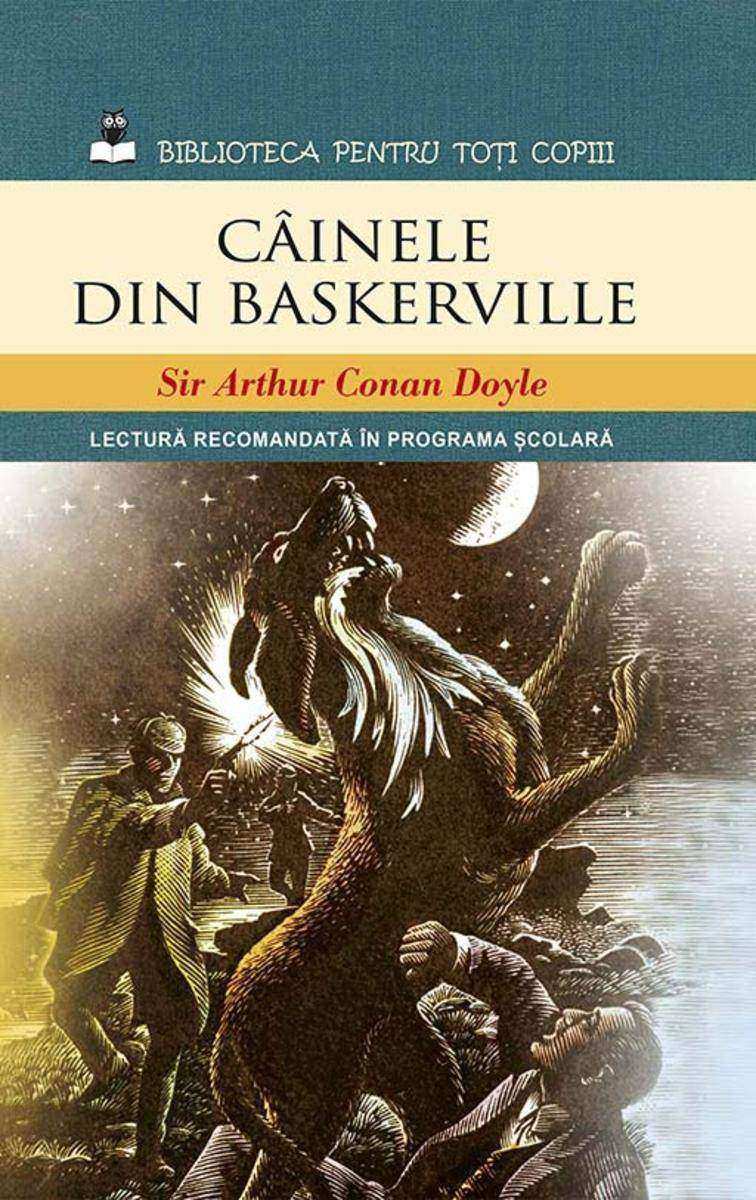
C?inele din Baskerville
¥33.03
O analiz? aplicat? a operei unuia dintre cei mai controversa?i g?nditori germani, supranumit monahul de la Sils-Maria; o lectur? ?n filigran a modului nietzschean de abordare a c?torva concepte dificile, interpretate la modul catastrofic: supraomul, ve?nica ?ntoarcere a aceluia?i, anti-Christul. Lucrarea se situeaz? ?n buna ?i prestigioas? tradi?ie a marilor creatori care comenteaz? textele fundamentale ale omenirii dintr-un unghi specific.

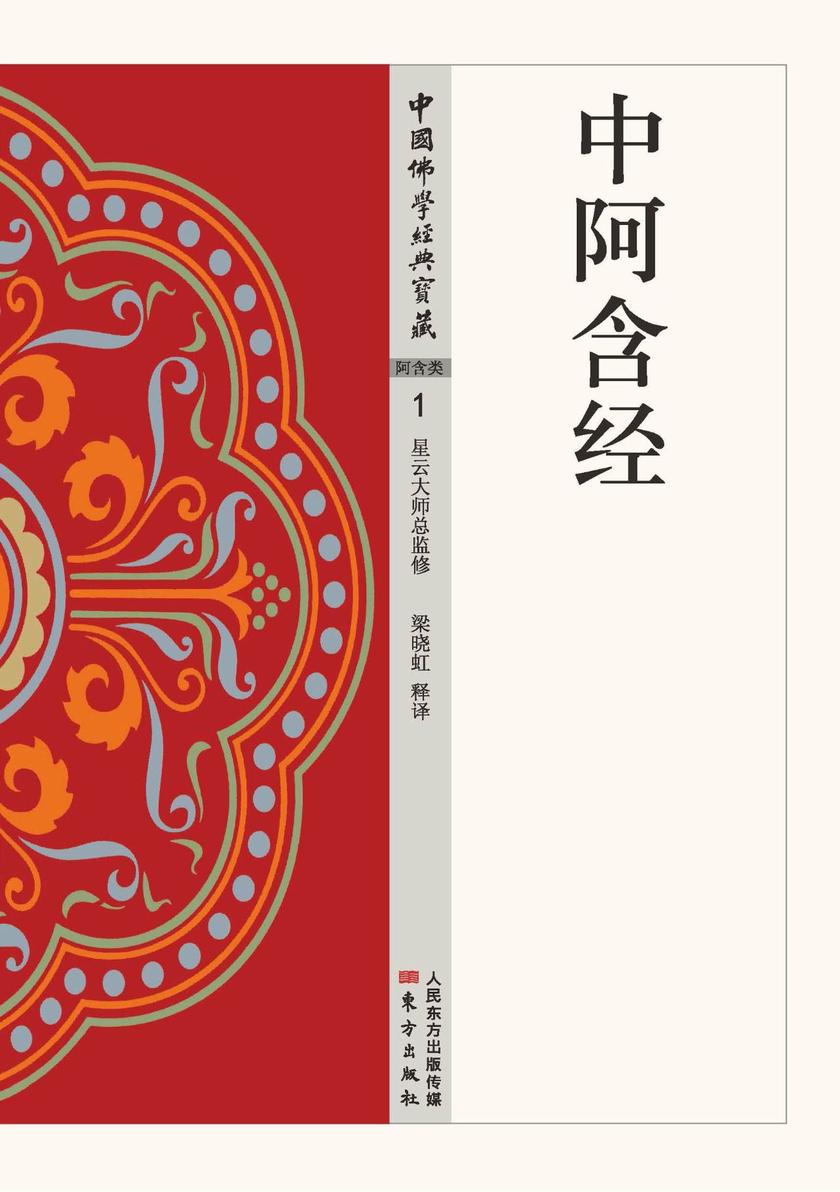
中阿含经
¥18.00
《中阿含经》共六十卷,共收经二百二十二部,,分为五诵十八品,为东晋僧伽提婆与僧伽罗叉所译。本书节选了《中阿含经》中的二十部经。读者可从中体察《中阿含经》之全貌,领会佛陀当年为众比丘说法传教的殷殷苦心,并了解一些佛教历史,理解有关佛说的基本教义、基本理论,一步坚定学习佛教,信奉善行,自度度人,常乐我净的信心。
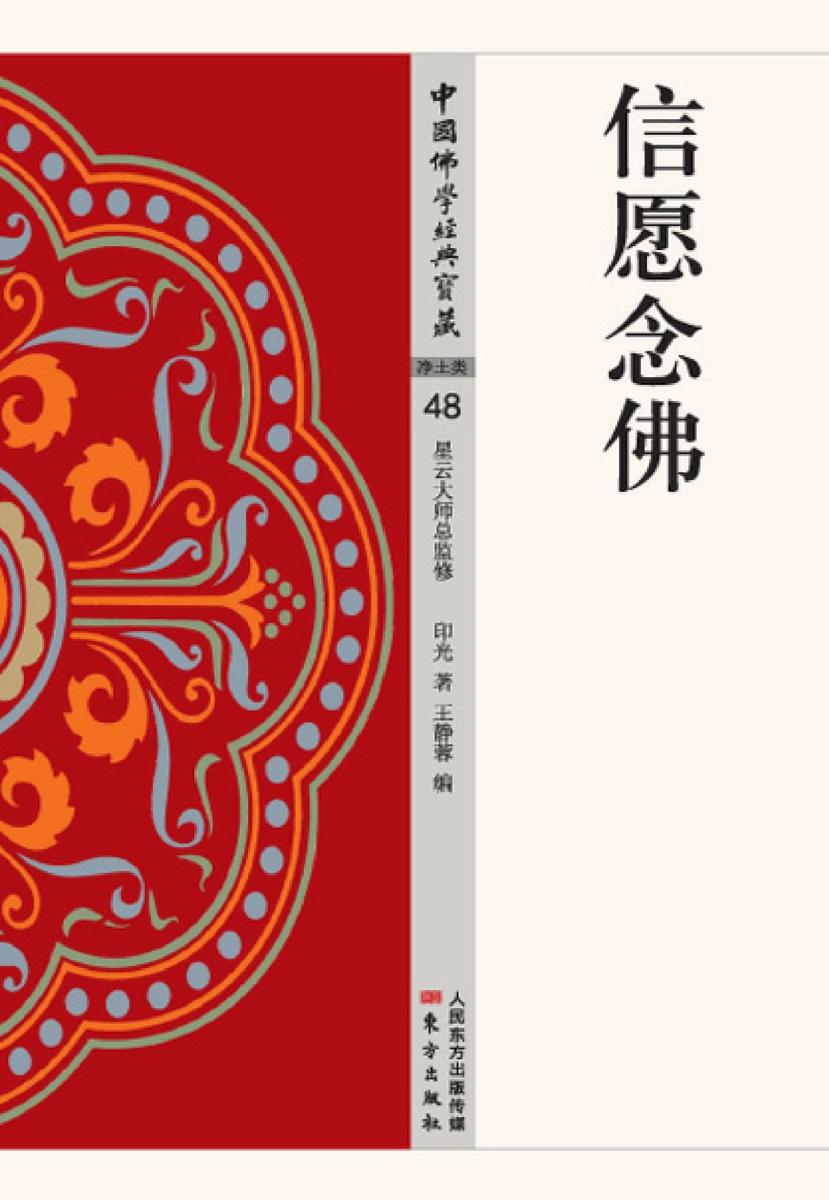
信愿念佛
¥18.00
印光大师的智言慧语,示净土法门如何念佛修炼。此书是印光大师一生行谊的写照,对于如何修习念佛了生死,该书有切实的指导意义。
空的哲理
¥18.00
空理不但是将近八百卷般若经的精华,而且是大小显密佛学的核心和特质,同时也是人类智慧文化中至高的结晶品。佛教哲学中的空理,多彩多姿。作者在文学、哲学、科学各个不同角度,引领我们空的哲学世界。本书还收录有道安法师的其他精彩佛理研究文字。
来果禅师语录
¥18.00
本书系节录来果禅师(1881—1953年)语录中的解谤扶宗说、参禅普说、自行录等三卷。解谤扶宗说,一一破解宗、教、律、净相互争议的症结,令其能相容尊重。扶宗说以简明的一百则学禅的箴言,句句破心殷切,为后学大眼目,指迷津。参禅普说,以修道者常犯的毛病,如怕动、求静、怕苦事、无长远心、我慢等,抽丝剥茧作彻底的针砭。自行录,以来果禅师一生行履为主轴,文中有禅师的孝行,割肝疗治父疾和求法种种困厄的历程。 本书为门学禅者,先确立正见的方向(解谤扶宗说、参禅普说二章),后树立禅者大无畏的风格(自行录一章)。“语录”是启发性灵的一面镜子,只要对有所探索的人,此书必定是良师益友。
神会语录
¥18.00
本书记录了神会与崇远法师就禅宗的是非邪正问题展辩论的经过,神会在辩论中批评神秀的大弟子普寂的禅法,指出惠能是得到传法袈裟的第六代祖师,禅宗历代祖师相传的只是单刀直、直了见性的顿悟法门,并强调般若波罗蜜是一切修行的根本。
A fekete vér
¥8.67
The present publication is intended to supply a recognised deficiency in our literature—a library edition of the Essays of Montaigne. This great French writer deserves to be regarded as a classic, not only in the land of his birth, but in all countries and in all literatures. His Essays, which are at once the most celebrated and the most permanent of his productions, form a magazine out of which such minds as those of Bacon and Shakespeare did not disdain to help themselves; and, indeed, as Hallam observes, the Frenchman's literary importance largely results from the share which his mind had in influencing other minds, coeval and subsequent. But, at the same time, estimating the value and rank of the essayist, we are not to leave out of the account the drawbacks and the circumstances of the period: the imperfect state of education, the comparative scarcity of books, and the limited opportunities of intellectual intercourse. Montaigne freely borrowed of others, and he has found men willing to borrow of him as freely. We need not wonder at the reputation which he with seeming facility achieved. He was, without being aware of it, the leader of a new school in letters and morals. His book was different from all others which were at that date in the world. It diverted the ancient currents of thought into new channels. It told its readers, with unexampled frankness, what its writer's opinion was about men and things, and threw what must have been a strange kind of new light on many matters but darkly understood. Above all, the essayist uncased himself, and made his intellectual and physical organism public property. He took the world into his confidence on all subjects. His essays were a sort of literary anatomy, where we get a diagnosis of the writer's mind, made by himself at different levels and under a large variety of operating influences. Of all egotists, Montaigne, if not the greatest, was the most fascinating, because, perhaps, he was the least affected and most truthful. What he did, and what he had professed to do, was to dissect his mind, and show us, as best he could, how it was made, and what relation it bore to external objects. He investigated his mental structure as a schoolboy pulls his watch to pieces, to examine the mechanism of the works; and the result, accompanied by illustrations abounding with originality and force, he delivered to his fellow-men in a book. W. C. H. KENSINGTON, November 1877. THE LIFE OF MONTAIGNE The author of the Essays was born, as he informs us himself, between eleven and twelve o'clock in the day, the last of February 1533, at the chateau of St. Michel de Montaigne. His father, Pierre Eyquem, esquire, was successively first Jurat of the town of Bordeaux (1530), Under-Mayor 1536, Jurat for the second time in 1540, Procureur in 1546, and at length Mayor from 1553 to 1556. He was a man of austere probity, who had "a particular regard for honour and for propriety in his person and attire . . . a mighty good faith in his speech, and a conscience and a religious feeling inclining to superstition, rather than to the other extreme. Between 1556 and 1563 an important incident occurred in the life of Montaigne, in the commencement of his romantic friendship with Etienne de la Boetie, whom he had met, as he tells us, by pure chance at some festive celebration in the town. From their very first interview the two found themselves drawn irresistibly close to one another, and during six years this alliance was foremost in the heart of Montaigne, as it was afterwards in his memory, when death had severed it.

Nature
¥9.24
The Prince (Italian: Il Principe) is a political treatise by the Italian diplomat, historian and political theorist Niccolò Machiavelli. From correspondence a version appears to have been distributed in 1513, using a Latin title, De Principatibus (About Principalities). But the printed version was not published until 1532, five years after Machiavelli's death. This was done with the permission of the Medici pope Clement VII, but "long before then, in fact since the first appearance of the Prince in manuscript, controversy had swirled about his writings" Although it was written as if it were a traditional work in the Mirror of Princes style, it is generally agreed that it was especially innovative, and not only because it was written in Italian rather than Latin. The Prince is sometimes claimed to be one of the first works of modern philosophy, in which the effective truth is taken to be more important than any abstract ideal. It was also in direct conflict with the dominant Catholic and scholastic doctrines of the time concerning how to consider politics and ethics. Although it is relatively short, the treatise is the most remembered of his works and the one most responsible for bringing "Machiavellian" into wide usage as a pejorative term. It also helped make "Old Nick" an English term for the devil, and even contributed to the modern negative connotations of the words "politics" and "politician" in western countries. In terms of subject matter it overlaps with the much longer Discourses on Livy, which was written a few years later. In its use of examples who were politically active Italians who perpetrated criminal deeds for politics, another lesser-known work by Machiavelli which The Prince has been compared to is the Life of Castruccio Castracani. The descriptions within The Prince have the general theme of accepting that ends of princes, such as glory, and indeed survival, can justify the use of immoral means to achieve those ends.

Прода?ться все: Джефф Безос та ера Amazon
¥36.79
Dignità o miseria della natura umana? ?C'è un principio supposto prevalere tra molti che è del tutto incompatibile con ogni virtù o senso morale [...] Questo principio è che ogni benevolenza è mera ipocrisia, l'amicizia un inganno, lo spirito pubblico una farsa, la fedeltà un trucco per procurare fiducia e confidenza; e mentre tutti noi, in fondo, perseguiamo solo il nostro interesse privato, indossiamo questi bei travestimenti in modo da abbassare le difese degli altri ed esporli maggiormente alle nostre astuzie e macchinazioni?... Le meditazioni senza tempo di uno dei più grandi filosofi europei. SOMMARIO: Introduzione e avvertenza ai testi / Nota bibliografica: una mappa degli studi (di Fabrizio Pinna) - David Hume: Dignità o miseria della natura umana? / L'Amore di Sé. APPENDICE: Of the Dignity or Meanness of Human Nature; Of Self-love; My Own Life & Letter from Adam Smith, LL. D. to William Strahan, Esq.; Of the Reason of Animals; Of the Immortality of the Soul; Of Superstition and Enthusiasm; Of some Verbal Disputes. LE COLLANE IN/DEFINIZIONI & CON(TRO)TESTI

Csupasz csontok
¥58.21
DAVID HUME (1711 – 1776) was a Scottish philosopher, historian, economist, and essayist known especially for his philosophical empiricism and skepticism. He was one of the most important figures in the history of Western philosophy and the Scottish Enlightenment. Hume is often grouped with John Locke, George Berkeley, and a handful of others as a British Empiricist. Beginning with his A Treatise of Human Nature (1739), Hume strove to create a total naturalistic "science of man" that examined the psychological basis of human nature. In stark opposition to the rationalists who preceded him, most notably Descartes, he concluded that desire rather than reason governed human behaviour, saying: "REASON IS, and OUGHT ONLY to BE the SLAVE of the PASSIONS". A prominent figure in the sceptical philosophical tradition and a strong empiricist, he argued against the existence of innate ideas, concluding instead that humans have knowledge only of things they directly experience.. NOTHING is more usual and more natural for those, who pretend to discover anything new to the world in philosophy and the sciences, than to insinuate the praises of their own systems, by decrying all those, which have been advanced before them. And indeed were they content with lamenting that ignorance, which we still lie under in the most important questions, that can come before the tribunal of human reason, there are few, who have an acquaintance with the sciences, that would not readily agree with them. It is easy for one of judgment and learning, to perceive the weak foundation even of those systems, which have obtained the greatest credit, and have carried their pretensions highest to accurate and profound reasoning. Principles taken upon trust, consequences lamely deduced from them, want of coherence in the parts, and of evidence in the whole, these are every where to be met with in the systems of the most eminent philosophers, and seem to have drawn disgrace upon philosophy itself. Nor is there required such profound knowledge to discover the present imperfect condition of the sciences, but even the rabble without doors may, judge from the noise and clamour, which they hear, that all goes not well within. There is nothing which is not the subject of debate, and in which men of learning are not of contrary opinions. The most trivial question escapes not our controversy, and in the most momentous we are not able to give any certain decision. Disputes are multiplied, as if every thing was uncertain; and these disputes are managed with the greatest warmth, as if every thing was certain. Amidst all this bustle it is not reason, which carries the prize, but eloquence; and no man needs ever despair of gaining proselytes to the most extravagant hypothesis, who has art enough to represent it in any favourable colours. The victory is not gained by the men at arms, who manage the pike and the sword; but by the trumpeters, drummers, and musicians of the army. From hence in my opinion arises that common prejudice against metaphysical reasonings of all kinds, even amongst those, who profess themselves scholars, and have a just value for every other part of literature. By metaphysical reasonings, they do not understand those on any particular branch of science, but every kind of argument, which is any way abstruse, and requires some attention to be comprehended. We have so often lost our labour in such researches, that we commonly reject them without hesitation, and resolve, if we must for ever be a prey to errors and delusions, that they shall at least be natural and entertaining. And indeed nothing but the most determined scepticism, along with a great degree of indolence, can justify this aversion to metaphysics. For if truth be at all within the reach of human capacity, it is certain it must lie very deep and abstruse: and to hope we shall arrive at it without pains, while the greatest geniuses have failed with the utmost pains..

Exploratorii. Cartea a IV-a - Ultimul pas ?n s?lb?ticie
¥73.49
Nietzsche este, poate, cea mai ilustr? victim? a aventurii socratice a cunoa?terii de sine. Via?a nu posed? fenomene originale, ci numai unele repetitive, care prin reluarea lor ve?nic identic? ??i tocesc conturul lor original. Cadrul repeti?iei nu este via?a, c?ci via?a ?ns??i este un fenomen de repeti?ie. Omul este condamnat s? tr?iasc? ?ntr-un plictisitor ?ir de repeti?ii ?i relu?ri din care nu poate evada. Nu exist? fenomene absolut unice, care s? nu fie repetitive ?i, probabil, la fel este ?i cu oamenii. To?i au mai fost nu o dat?, ci de nenum?rate ori ?n trecut ?i vor mai fi de nenum?rate ori ?n viitor. Tot ce trebuia ?i putea s? se produc? s-a produs deja. Restul este doar monoton? repeti?ie: ve?nic? revenire a aceluia?i. Eterna ?ntoarcere exprim? nu devenirea heraclitean? f?r? repaos, ci marile linii de stabilitate din cadrul existen?ei. Prin ea, Nietzsche vrea s? eternizeze trec?torul, socotind timpul ca etern, etern? ?ntoarcere, adic? schimbare ?i stabilitate. Ecce homo este ?i exerci?iul acestui impas al g?ndirii lui Nietzsche. Prin aceasta ?ns? Nietzsche ?i-a adus contribu?ia la instaurarea unui nou ?idol“ al lumii moderne dup? ce aceasta a denun?at prezen?a ?idolilor“ de tot felul ?n spa?iul ei de con?tiin??. (Vasile Musc?)??ntruc?t, ?n scurt timp, va trebui s? m? adresez omenirii cu cea mai grea solicitare care i-a fost prezentat? vreodat?, mi se pare imperios necesar s? spun cine sunt. ?n principiu, ar trebui s? se ?tie: c?ci nu m-am l?sat ?neatestat?. Dar discrepan?a dintre m?re?ia misiunii mele ?i micimea contemporanilor mei ?i-a g?sit expresia ?n faptul c? nici nu am fost auzit, nici nu am fost v?zut. Tr?iesc pe propriul meu credit, s? fie poate o simpl? prejudecat? faptul c? tr?iesc?... Este de ajuns s? stau de vorb? cu vreun ?om cultivat?, care vine vara ?n Engadina de Sus, ca s? m? conving c? nu tr?iesc... ?n aceste ?mprejur?ri, este o ?ndatorire ?mpotriva c?reia obi?nuin?a mea ?i, mai mult chiar dec?t aceasta, m?ndria instinctelor mele, se revolt?, anume aceea de a spune: Auzi?i-m?! c?ci eu sunt cutare ?i cutare. ?nainte de toate, nu cumva s? m? confunda?i!“ (Friedrich Nietzsche)
Ecce homo. Cum devii ceea ce e?ti
¥47.42
n Filosofia meritului autorul folosete metoda fenomenologic pentru a prezenta evoluia instituiilor socio-morale care reglementeaz meritele; autorul propune n acest scop concepte originale, cum sunt ideonomia (sistemul de idei care fundamenteaz teoretic un sistem de apreciere a meritului); socionomia (sistemul de reguli care legitimeaz social un merit specific unei comuniti) i politonomia (sistemul de norme prin care se instituionalizeaz juridic meritul politic).Tratatul de Filosofie a meritului este structurat n trei pri corespunztor celor trei domenii existeniale n care se manifest fiina uman, spiritual, social, politic. Lucrarea prezint n extenso criteriile, principiile i formele de manifestare a meritului, premisele constituirii sistemelor sociale de apreciere a meritului, natura bio-psihic i socio-moral a meritelor precum i caracterul normativ al meritelor politico-juridice. Prima parte abordeaz sfera meritele cu caracter antropologic, antroponomic i antropocratic. Partea a doua prezint n extenso meritele cu caracter sociologic, socionomic i sociocratic i partea a treia analizeaz formele de manifestare a meritului din perspectiva politologiei, a politonomiei i a politocraiei. n fiecare capitol se regsesc argumente logice, etimologice i sociologice care justific aprecierea unor atribute i caliti umane ca merite individuale. Fiecare din cele douzeciiapte de capitole explic un tip de merit din tripl perspectiv: ideal social i politic.

Liberty Girl
¥19.05
Human reason, in one sphere of its cognition, is called upon to consider questions, which it cannot decline, as they are presented by its own nature, but which it cannot answer, as they transcend every faculty of the mind. It falls into this difficulty without any fault of its own. It begins with principles, which cannot be dispensed with in the field of experience, and the truth and sufficiency of which are, at the same time, insured by experience. With these principles it rises, in obedience to the laws of its own nature, to ever higher and more remote conditions. But it quickly discovers that, in this way, its labours must remain ever incomplete, because new questions never cease to present themselves; and thus it finds itself compelled to have recourse to principles which transcend the region of experience, while they are regarded by common sense without distrust. It thus falls into confusion and contradictions, from which it conjectures the presence of latent errors, which, however, it is unable to discover, because the principles it employs, transcending the limits of experience, cannot be tested by that criterion. The arena of these endless contests is called Metaphysic.Time was, when she was the queen of all the sciences; and, if we take the will for the deed, she certainly deserves, so far as regards the high importance of her object-matter, this title of honour. Now, it is the fashion of the time to heap contempt and scorn upon her; and the matron mourns, forlorn and forsaken, like Hecuba: At first, her gover Modo maxima rerum, Tot generis, natisque potens... Nunc trahor exul, inops. —Ovid, Metamorphoses. xiii under the administration of the dogmatists, was an absolute despotism. But, as the legislative continued to show traces of the ancient barbaric rule, her empire gradually broke up, and intestine wars introduced the reign of anarchy; while the sceptics, like nomadic tribes, who hate a permanent habitation and settled mode of living, attacked from time to time those who had organized themselves into civil communities. But their number was, very happily, small; and thus they could not entirely put a stop to the exertions of those who persisted in raising new edifices, although on no settled or uniform plan. In recent times the hope dawned upon us of seeing those disputes settled, and the legitimacy of her claims established by a kind of physiology of the human understanding—that of the celebrated Locke. But it was found that—although it was affirmed that this so-called queen could not refer her descent to any higher source than that of common experience, a circumstance which necessarily brought suspicion on her claims—as this genealogy was incorrect, she persisted in the advancement of her claims to sovereignty. Thus metaphysics necessarily fell back into the antiquated and rotten constitution of dogmatism, and again became obnoxious to the contempt from which efforts had been made to save it. At present, as all methods, according to the general persuasion, have been tried in vain, there reigns nought but weariness and complete indifferentism—the mother of chaos and night in the scientific world, but at the same time the source of, or at least the prelude to, the re-creation and reinstallation of a science, when it has fallen into confusion, obscurity, and disuse from ill directed effort. I do not mean by this a criticism of books and systems, but a critical inquiry into the faculty of reason, with reference to the cognitions to which it strives to attain without the aid of experience; in other words, the solution of the question regarding the possibility or impossibility of metaphysics, and the determination of the origin, as well as of the extent and limits of this science. All this must be done on the basis of principles. ABOUT AUTHOR: That all our knowledge begins with experience there can be no doubt. For how is it possible that the faculty of cognition should be awakened into exercise otherwise than by means of objects which affect our senses, and partly of themselves produce representations, partly rouse our powers of understanding into activity, to compare to connect, or to separate these, and so to convert the raw material of our sensuous impressions into a knowledge of objects, which is called experience? In respect of time, therefore, no knowledge of ours is antecedent to experience, but begins with it. But, though all our knowledge begins with experience, it by no means follows that all arises out of experience. For, on the contrary, it is quite possible that our empirical knowledge is a compound of that which we receive through impressions, and that which the faculty of cognition supplies from itself (sensuous impressions giving merely the occasion), an addition which we cannot distinguish from the original element given by sense, till long practice has made us attentive to, and skilful in separating it. It is, therefore, a question which requires close investigation, and not to b
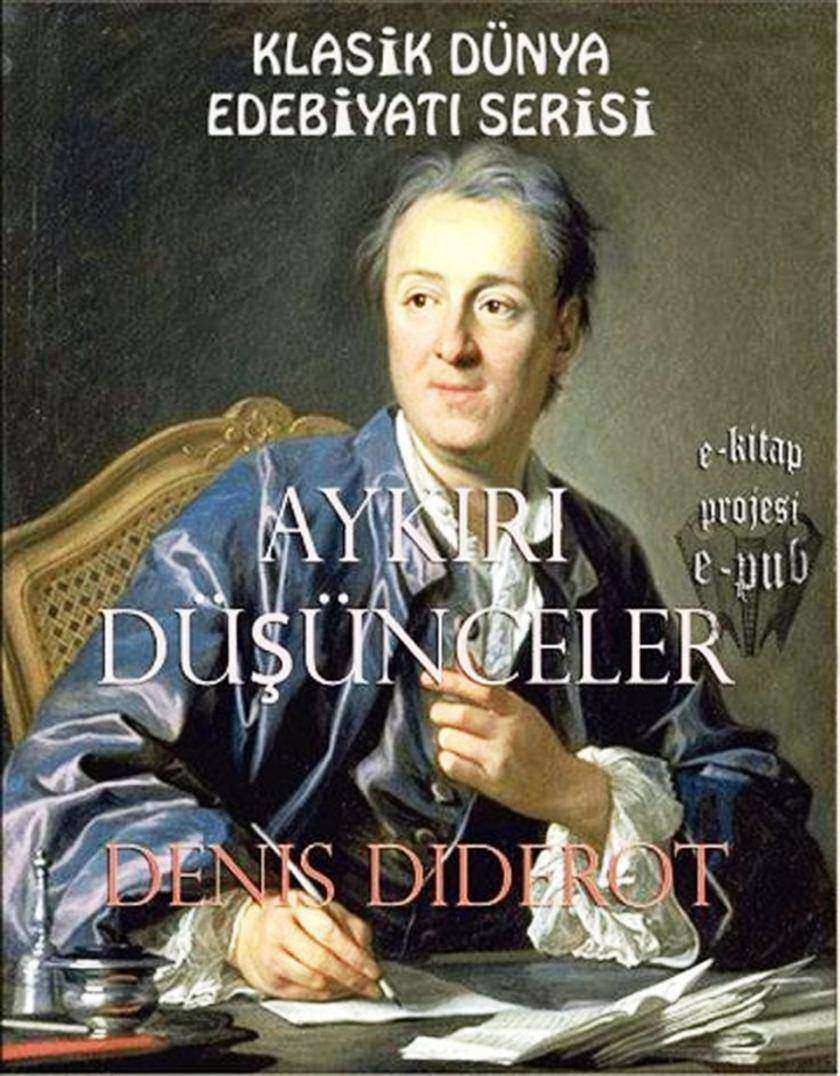
Ayk?r? Dü?ünceler
¥18.80
Diderot, tanr?sal, dinsel inanc?n yerine akl? ge?iren adamd?r, onun sava??m? buydu ve bütün k?r inan?lar? silip süpüren bu ak?l, g?rünen dünyay?, do?ay?, felsefenin, sanat?n, sa? t?renin temel ilkesi durumuna getirdi. Diderot’un yayg?n ?al??ma alan?n? olu?turan ilkedir bu. Maddeci ve gerekirci bir filozoftu. tanr?ya inanan ki?inin filozof olmayaca??n? s?yledi. 'K?rler üstüne mektup'taki k?r, kendini tanr?ya inand?rmaya ?al??an misyonere "bunun i?in tanr?ya parma??mla dokunmam gerekir" der. Diderot, bu yüzden hapse girdi. 'D'alembert'in dü?ü'nde, madde tanr?n?n yerini alm??t?r art?k. Madde devinim ve duyarl?l?kla donat?lm??t?r. Bilim gerekircili?in kan?t?d?r. Bütün varl?klar ?z?e birdir ve bir ge?i?, de?i?im, olu?um süreci i?inde bulunurlar. ?yle ise sa? t?renin temeli do?a olacakt?r. Do?as? gere?i insan iyidir, hristiyan sagtoresinin sand??? gibi do?u?tan günahkar de?il ve iyilikler de, k?tülükler de, düzenin, ko?ullar?n, e?itimin ürünüdür. ?nsan, bu gerekircilik anlay??? i?inde, ?zgür olamayaca?? i?in, su?lu da bulunamaz. bu üslama sonucu olarak sanat, do?ay? ?rnek almal?d?r. roman, resim, oyun ger?ek?i olmal?d?r. Diderot, bunlar? s?ylemekle kalmam??, romanlar? ve oyunlar? ile ?rneklendirmi?tir de ve ?a??n?n sanat??lar?n? bu a??dan de?erlendirmi?tir. Diderot, büyük sava??m? ve e?siz ?abas? ile insanl???n ba?tac?d?r bugün de ve onu b?ylesine unutulmaz k?lan i?lerinin ba??nda ise elbet 'ansiklopedi' gelir. 'Ansiklopedi', yunanca enkyklios paidela'dan yap?lm??t?r ve bütün bilimleri i?ine alan ??retim anlam?na gelir. s?zcü?ü bulan rabelais'dir (1532). Diderot ile d'alembert'in ansiklopedisine temel olan yap?t, ?ng?l?z chambers’?n cyelopaedia’s? idi; fakat diderot'nun etkisi ile ansiklopedi, bir ?eviri yap?t olmaktan ??k?p, gizemcili?e kar?? bilimin sava? alan? durumunu ald?. Bu yüzden de gerici ?evrelerin kar?? koymas?n? sonu?lad?. diderot, ya?am? boyunca ?al??t? 'ansiklopedi' i?in, bir?ok maddeyi kendisi yazd?. bu u?urda yepyeni ara?t?rmalara giri?ti, teknik de?i?mekte oldu?u i?in ortaya yeni ara?-gere?ler ??kmakta idi, bunlar? tan?d?, adland?rd?, tan?tt? ve fransa'y? ayd?nlanma ?a??'n?n avrupa'da g?zbebe?i durumuna getirdi. Ancak unutmamal? ki, bir ansiklopedi ortaya ??karan her ülkeyi ayd?nlanma ?a??'n? alg?lam?? sayamay?z. ?o?u ülkede bu tür yap?tlar, geni?letilmi? s?zlükler olmaktan ileri gidememi?tir. diderot’nun ansiklopedisi, toplu bilgi vermekten ?ok, dinsel inan?lara kar?? bilimlerin ??retimini üstlenmi?ti, demek yans?z de?ildi, metafizikle ve skolastikle ?arp???yordu..

哲学与生活
¥19.99
《哲学与生活》是艾思奇的一部通俗哲学经典,哲学大众化之一代风气。该书主要收录了艾思奇在上海《读书生活》杂志担任编辑时,为回答读者提问所发表的文章,旨在用通俗的语言宣传马克思主义哲学。在这些文章中他从“生活”手,力图从丰富多彩的生活实践中,提炼出抽象的哲学道理,同时,又用这些道理来指导现实的生活,从而让人们树立牢固的马克思主义哲学世界观。

叶秀山全集·第十卷
¥60.00
【内容简介】 本选题分类结集叶秀山先生全部已经出版的专著,在学术期刊上发表的所有论文,以及部分笔记、札记、书信和讲演录,共11卷。本选题代表了当代中国哲学的高度,是哲学专业学习者和研究者的重要学习和参考用书。第十卷包括作者专著《哲学的希望》。

透明社会
¥19.92
当今社会,到处洋溢着“透明”的热情,而人们的当务之急是培养一下对距离的热情。 距离和羞耻心无法被纳资本、信息及交际的高速循环。因此,人们便以“透明”的名义消除了所有谨慎的回旋余地。它们被照得通亮,被剥夺殆尽。世界也因此变得更加无耻、更加赤裸。 恰恰于信任不在时,人们对“透明”的呼求声才愈发响亮。在以信任为基础的社会中,人们是不会执意要求透明的。透明社会是一个不信任的、怀疑的社会,由于信任日渐消失,社会便始依赖监控。对透明的大声呼求恰恰表明,社会的道德基础已然脆弱不堪,真诚、正直等道德价值越来越失去意义。 作为一项新的社会命令,透明正在取代日渐式微的道德审查机构。 ------------- 韩炳哲作品系列(见识城邦出品)(已出齐) 《精神政治学》(2019年3月) Psychopolitik 《爱欲之死》(2019年3月) Agonie des Eros 《在群中》(2019年3月) Im Schwarm 《他者的消失》(2019年6月) Die Austreibung des Anderen 《倦怠社会》(2019年6月) Müdigkeitsgesellschaft 《娱乐何为》(2019年6月) Gute Unterhaltung 《暴力拓扑学》(2019年10月) Topologie der Gewalt 《透明社会》(2019年10月) Transparenzgesellschaft 《美的救赎》(2019年10月) Die Errettung des Sch?nen

老子他说续集
¥21.00
《参同契》又名《周易参同契》,为东汉魏伯阳著。其学说汇融周易、黄老、丹火之功于一体,用《易》的阴阳变化之理,阐述炼丹、内养之道,证明人与天地、宇宙有同体、同功而异用的法则。??《我说<参同契>》是南怀瑾先生继《论语别裁》后用力*深、*有分量的作品之一,共八十余万言,分上、中、下三册。内容涉及广泛,旁征博引,举证极多,更有南师本人所经历的诸多奇特的人和事,是国人了解、解读《参同契》这部“天书”的选择。

宗镜录略讲(卷一)
¥21.00
《列子》为道家重要典籍之一,与老庄并列。它高深莫测,易读而难懂,以故事、神话的形态,阐释道家的学术及观念。 《列子臆说》是南怀瑾先生关于《列子》的讲记,共分上中下三册。南怀瑾先生讲述列子,深浅出、生动自在,以《列子》的内容为研究重,带领读者广阔的视野、深难测的奇妙境界,并破了意识的种种局限。列子,这个御风而行的人,要我们从一切自设的框架中突围,成就天地间的自在逍遥。
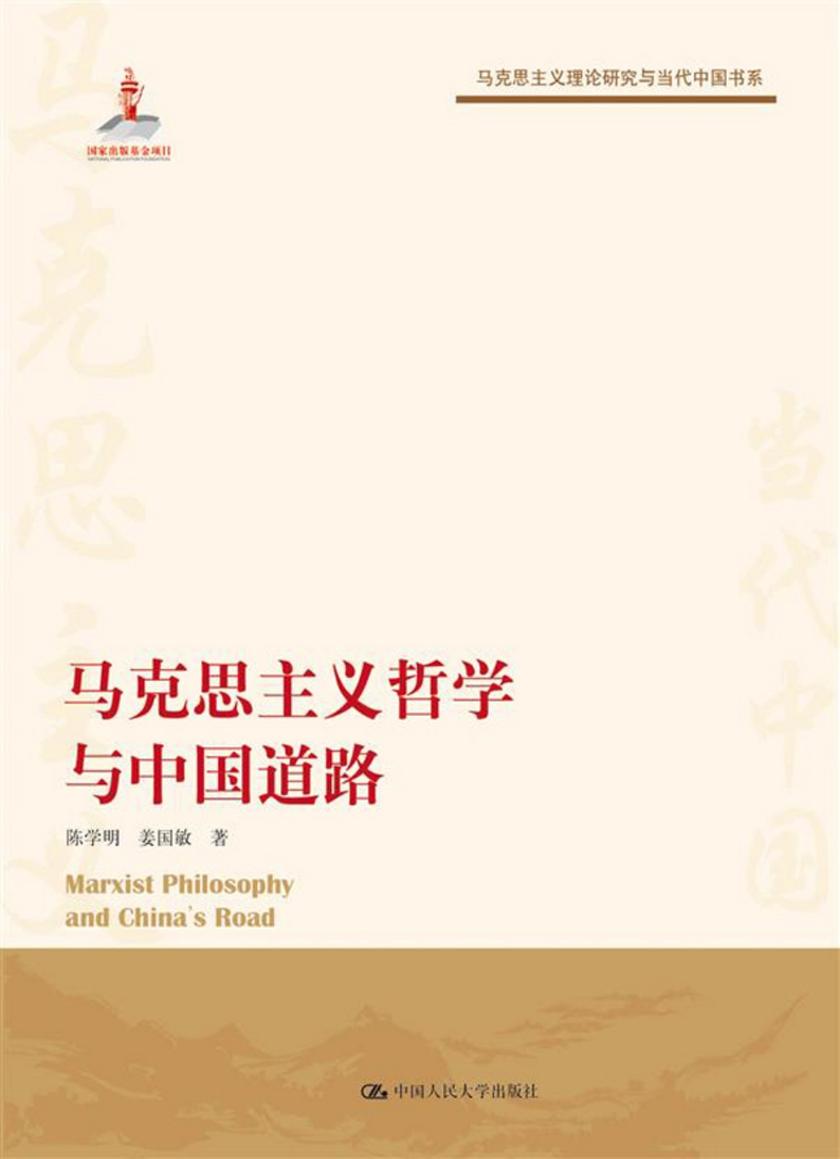
马克思主义哲学与中国道路(马克思主义理论研究与当代中国书系)
¥33.60
本书首先依据西方马克思主义探讨了马克思主义的“真精神”,特别是探讨了马克思主义与哲学,以及马克思主义哲学与本体论之关系,然后着重从马克思主义的思考角度和范式来审视和反思当今的世界,特别是当今的中国。本书通过对马克思走向政治经济学批判的三次飞跃的分析,发出了“回归政治经济学批判”的呼唤;用马克思两大发现的整体视角剖析了资本主义的“经济人”,并基于此对当今学术界的一些人无原则地宣扬“经济人”展了批判;揭示了改革放以来我国学术界理解马克思主义哲学的三种路向,特别是批判了对马克思主义做启蒙主义和后现代主义解释的缺陷;归纳了马克思主义哲学与中国道路的双向促;用马克思主义公平观审视了社会的不平等,用马克思主义生态观审视了生态危机;描述了“马中西”三大资源在中国道路中的交互汇通。

Пришестя робот?в.
¥31.07
"Wilde è profetico sin dalle prima righe, quando denuncia la prevalenza dell’emozione sulla razionalità, male principe del nostro tempo, e poi del pietismo sull’emancipazione, male di tanta politica di pseudo sinistra" (dall'Introduzione di Alfredo Sgarlato). Wilde: ?perché la vita raggiunga la sua più elevata perfezione, ci vuole qualche cosa di più. Ciò che ci vuole è l'individualismo?, ?Utopia? Una carta geografica del mondo in cui non sia segnato il paese dell'Utopia, non varrebbe la pena d'essere guardata, perché vi mancherebbe il paese in cui l'Umanità atterra ogni giorno. Ma non appena v'è sbarcata, ella guarda più lontano, scorge una terra ancora più bella, e spiega di nuovo le vele. Progredire significa realizzare l'Utopia?. SOMMARIO: Introduzione (di Alfredo Sgarlato) - Postfazione. Breve biblio-nota ai testi e alla traduzione (di Fabrizio Pinna) - OSCAR WILDE Società e libertà: elogio dell'individualismo - APPENDICE I Oscar Wilde, Rapporti fra il socialismo e l'individualismo (di Luigi Fabbri, 1913) - APPENDICE II The Soul of Man under Socialism (1891). LA COLLANA IN/DEFINIZIONI


