


 购物车
购物车 个人中心
个人中心

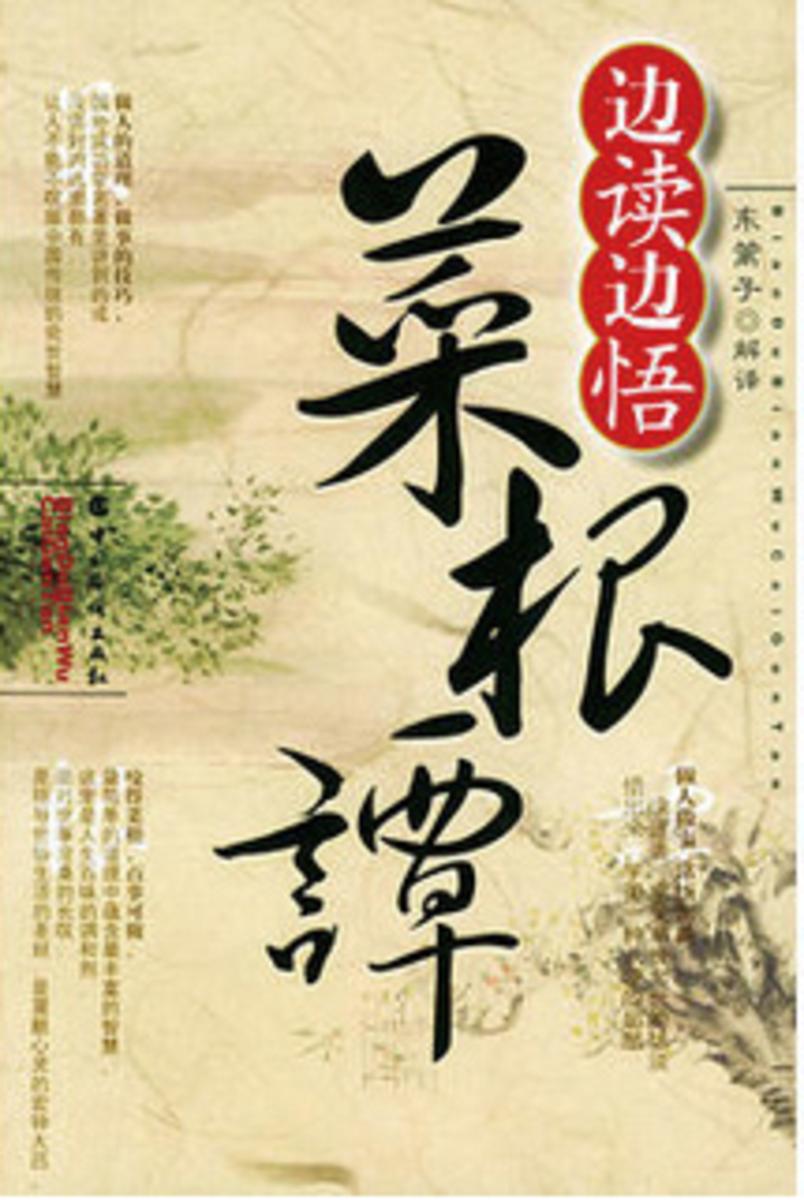
边读边悟菜根谭
¥16.00
常言道:“咬得菜根,百事可做”。明代奇人洪应明将谭以菜根名,化大俗为大雅,变腐朽为神奇,清雅超逸,特标一格,在洞察世情之余,化人间万事。 《菜根谭》将儒、释、道三家之精髓熔冶于一炉,总结处世为人之策略,概括功业成败之智慧,指示修身养性之要义,界分求学问道之真假,指生死名利之玄妙;既主张积极世、经营天下、为民谋福、恩泽后世的取精神,又宣扬亲近自然、悠游山水、独善其身、清静无为的隐逸趣旨,同时也倡导悲夫悯人、普渡众生、透彻禅机、空灵无际的超脱境界。初读《菜根谭》,似杂乱无章、自相矛盾;若深悟其意,方知狡兔三窟、智藏其里;若详悟再三,则如醍醐灌顶,倍觉终身受用无穷。 是故,《莱根谭》在读,读其语谈味长、长空朗月之逸韵,《菜根谭》更在悟,悟其深远意旨、玄机妙合之智慧。因此,本书将《菜根谭》的各种珍本搜集整合,拾遗补阕,并请著名的语言专家动笔亲译,以使读者亲睹原著之真味;同时精选中国古今之经典事例,并加之对《菜根谭》深意与智慧的感悟,字不求工整却显其深刻,句不求华丽而显其实用,力求能掘其精华、发其去机,并让读者受用一二。
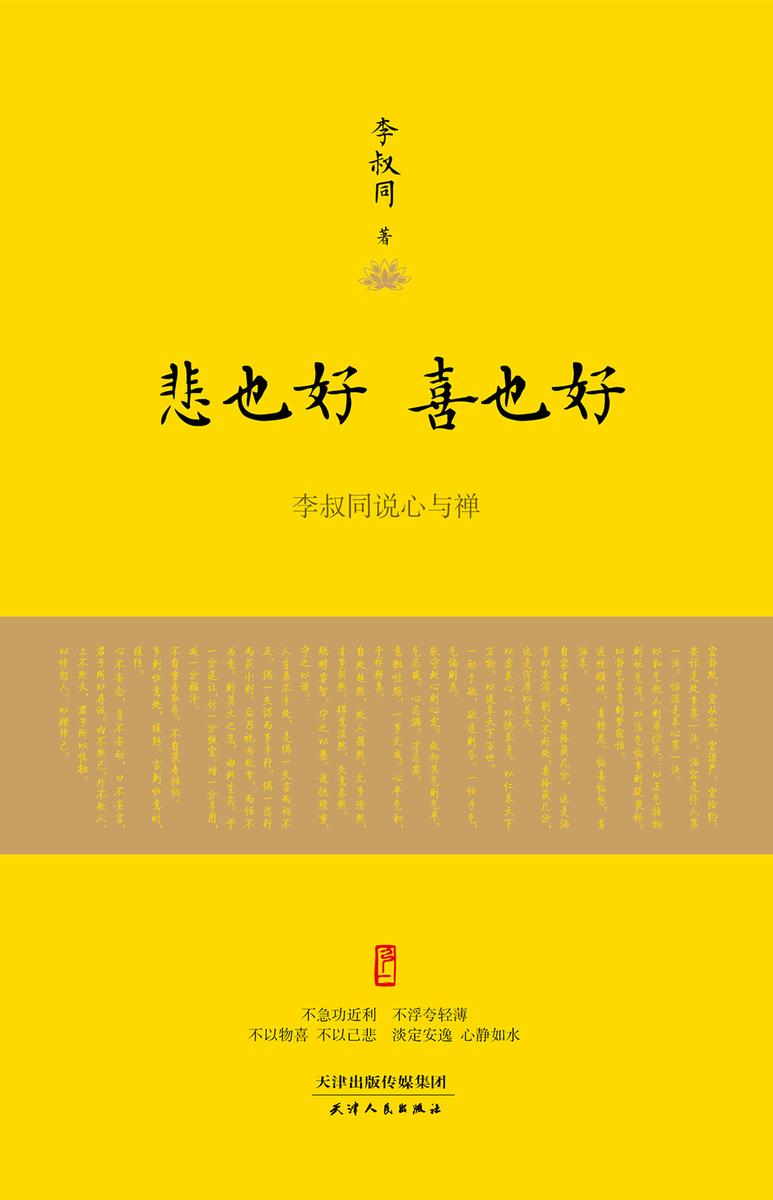
悲也好,喜也好
¥13.79
本书是李叔同人生体悟的集大成之作,在这部著作中,李叔同以大才子、大学者、大艺术家的修养向常人揭示出人生的要义。本书除了李叔同的著作之外,还包括他的演讲稿与处世格言,与同时代交往的文化名人、学界泰斗之间的书札、信函,从中感悟人生真谛,从多侧面、多角度领略一代文化巨人的风采。
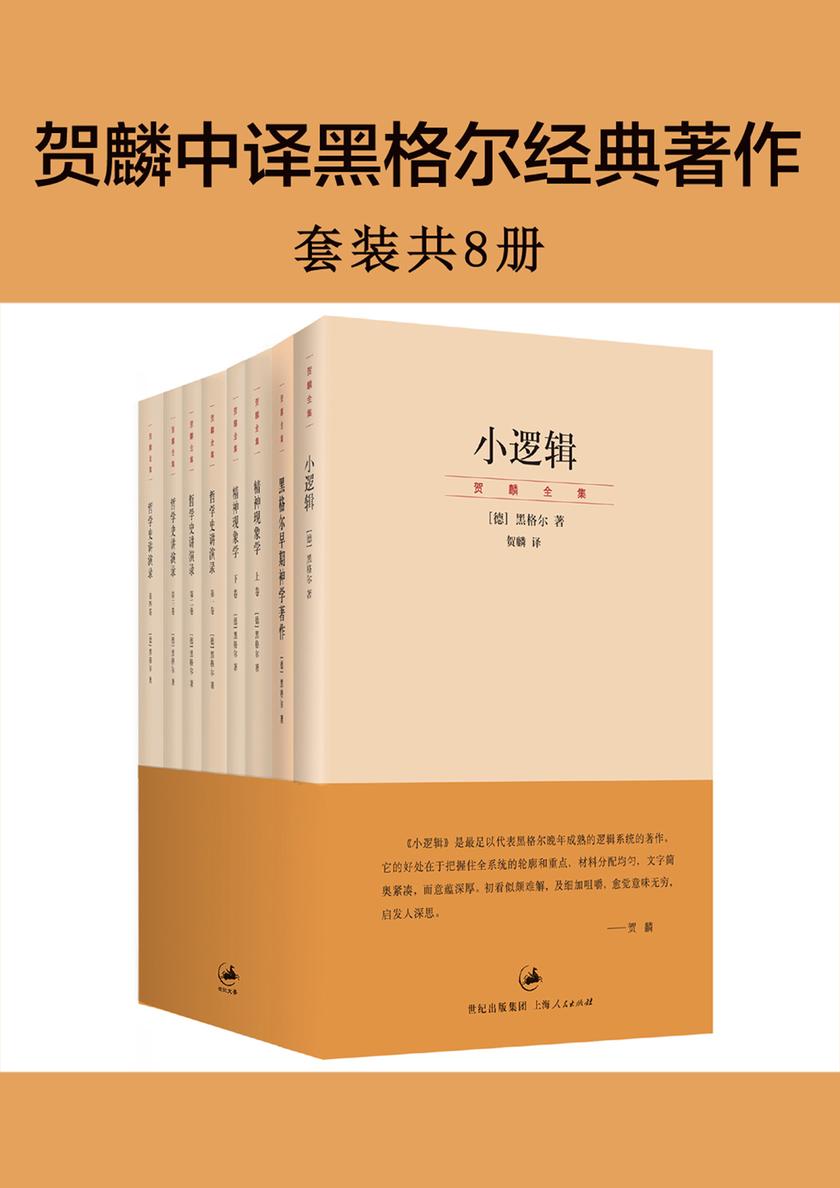
贺麟中译黑格尔经典著作
¥346.00
《贺麟中译黑格尔经典著作》套装:小逻辑,黑格尔早期神学著作,精神现象学,哲学史讲演录《小逻辑》“贺麟全集”卷本书是《哲学全书纲要》的部分,通称《小逻辑》,以区别于《大逻辑》(即逻辑学)。全书除导言外,共分:存在论、本质论、概念论三篇,反映了黑格尔哲学体系的基本框架。黑格尔的《小逻辑》是构成他的《哲学全书》的一个主要环节,它的好处在于把握住全系统的轮廓和重点,材料分配均匀,文字简奥紧凑,而义蕴深厚。初看似颇难解,及细加咀嚼,愈觉意味无穷,启发人深思。他的学生在他逝世后编订全集时,再附加以学生笔记作为附释,于是使得这书又有了明白晓畅,亲切感人的特点。《黑格尔早期神学著作》“贺麟全集”第八卷《黑格尔早期神学著作》是著名哲学家、翻译家贺麟的重要译著之一,以八十岁高龄自诺尔编黑格尔著《早期神学著作》的德文原版翻译而成,并参考诺克斯与克朗纳的英译本。本书也是身为译介黑格尔至中国人的贺麟先生,生前后一部黑格尔相关译著。其中收入黑格尔著《民众宗教和基督教》《耶稣传》《基督教的权威性》《基督教的精神及其命运》及《1800年体系残篇》等五篇论文,是了解和研究黑格尔早期神学思想的手资料。《精神现象学》(上下)“贺麟全集”第15—16卷新校重排本,黑格尔哲学的“圣经”,深刻影响马克思、海德格尔、伽达默尔的哲学经典,对勘上卷初版与再版修订译文,存历史原貌利研究之便。《精神现象学》为德国古典哲学大师黑格尔阐述其哲学观点和方法论原则的部纲领性巨著。黑格尔自认此书为其哲学体系的导言。马克思誉《精神现象学》为“黑格尔哲学的真正起源和秘密”和“黑格尔哲学的圣经”。黑格尔通过此书提出,精神现象学是关于意识到达“*知识”或“科学”(即哲学)的道路的科学,它为个体提供了一把攀登*知识的“梯子”。中译本由贺麟、王玖兴合译,分上、下卷先后于1962年和1979年由商务印书馆出版。上卷1979年再版时曾修订译文,以与下卷译名统一,本次整理出版“贺麟全集”版,对勘再版所作修改,择其重要者,以编注形式留存上卷初版原貌。《哲学史讲演录》“贺麟全集”第11—14卷全新校对,重新排版,据贺麟手迹修订部分文字;德国古典哲学大师黑格尔天才的著作之一,哲学史的开山之作和经典; 贺麟弟子、著名哲学教授张祥龙参与修订编辑;重新收入苗力田选译黑格尔哲学史相关书信。《哲学史讲演录》是德国古典哲学大师黑格尔的代表作之一,“哲学史”的开山之作,治哲学者之书。黑格尔一方面将哲学史纳入他的客观唯心主义体系的框架中,把哲学史归结为理念回归自身的*精神阶段;另一方面把辩证法贯彻于哲学史研究,深刻地揭示了哲学史的发展规律。20世纪五六十年代,贺麟、王太庆等先生将其译成中文出版,是贺麟先生译述黑格尔的重要成果。本次收入“贺麟全集”出版,解决了之前版本由于出版时间相隔较远而存在的体例不一等问题,更符合当下阅读习惯。
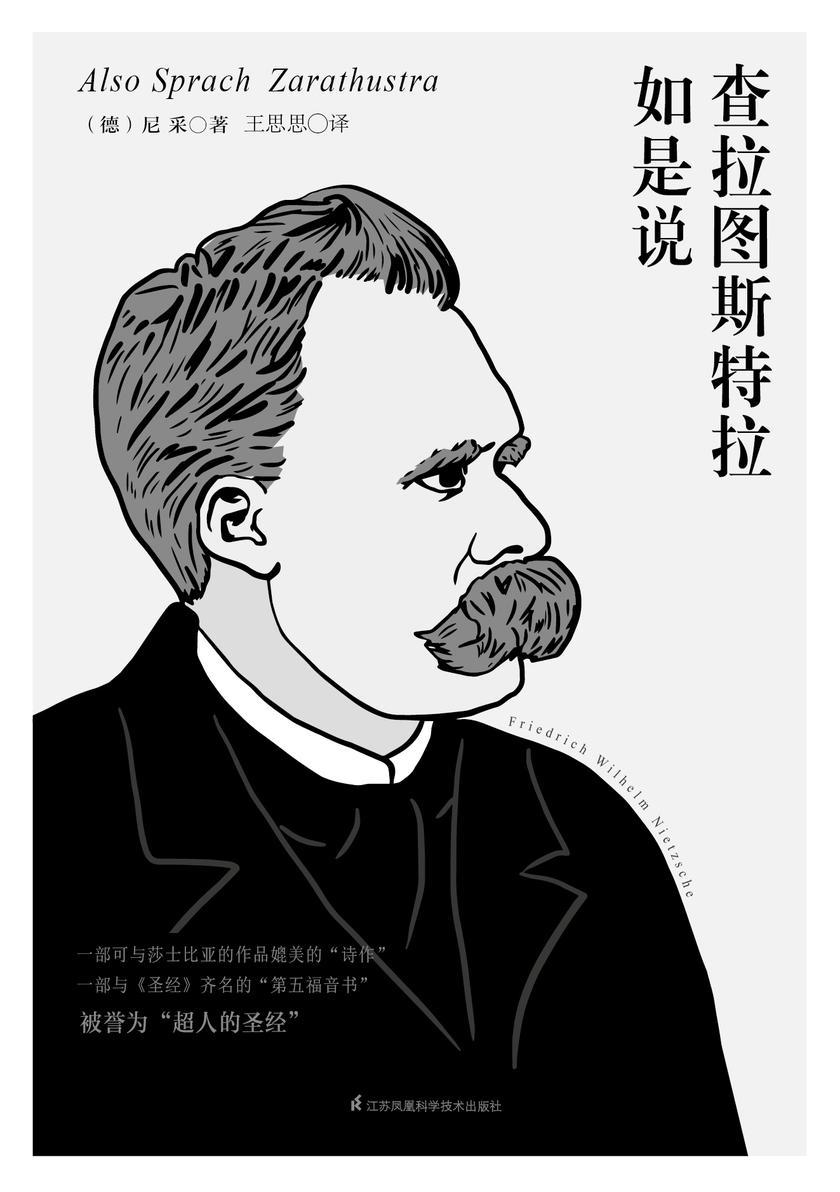
查拉图斯特拉如是说(经典哲理典藏品)
¥12.12
《查拉图斯特拉如是说》是尼采的里程碑式的作品,几乎包括了尼采的全部思想。这本以散文诗体写就的杰作,以震聋发聩的奇异灼见和横空出世的警世招语宣讲“超人哲学”和“权力意志”,横扫了基督教所造成的精神奴性的方方面面,谱写了一曲自由主义的人性壮歌,在这本书里,尼采宣告“上帝死了”,让“超人”出世,于是近代人类思想的天空有了一道光耀千年的奇异彩虹。
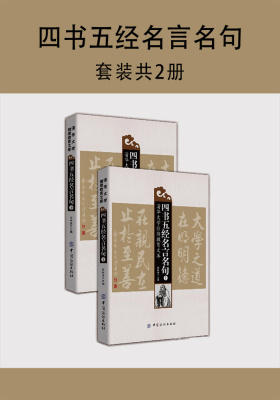
四书五经名言名句(套装共2册)
¥1.99
《四书五经名言名句》分上下两册,上册包括《论 语》《大学》《中庸》,下册包括《孟子》《诗》《书》 《礼》《易》《春秋》。 本书从“四书五经”中撷取精华,对难解字进行注 释,提供参考译文,并适当阐释,或用经典解释经典,以 方便广大读者研读。此外,每条名段名句下面均配有由金 德年先生书写的相关书法作品,使读者在领悟中国传统经 典文化内涵的同时还可欣赏中国传统书法艺术,这可谓本 书的一大特色和亮点。
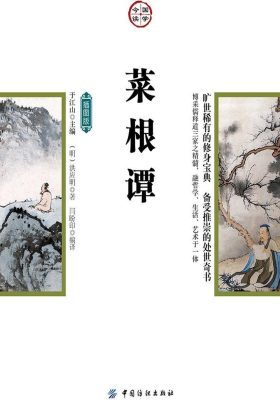
菜根谭(插图版)
¥12.83
《菜根谭》是明代万历年间隐士洪应明的一部语录体著作,集儒、释、道三家之思想精髓,涉及修身、处世等各方面内容,雅俗共赏,受到了文人学者和市井阶层的广泛欢迎,对后世影响深远。本书按照为学励志、齐家治国、为人处世、修身养性等若干主题,对《菜根谭》原作进行重新编排,加以现代文翻译和评析,并精心选取任伯年、吴观岱、程璋、徐悲鸿、陈少梅等著名画家的作品作插图。希望读者能在文与画的双重熏染中,获得精神上的升华。
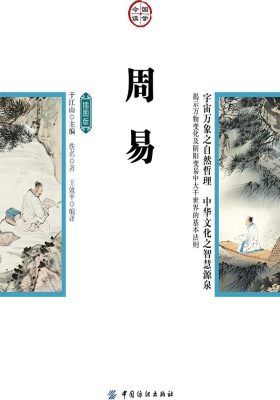
周易(插图版)
¥13.88
《周易》为儒家重要经典之一,又称《易经》,包括经和传两部分。本书将《周易》的六十四卦分别予以详细解读,每卦独立自成一体,各节皆有原文、译文、启示,每卦之后附有中外著名事例,以期深化理解,达到抛砖引玉之效。
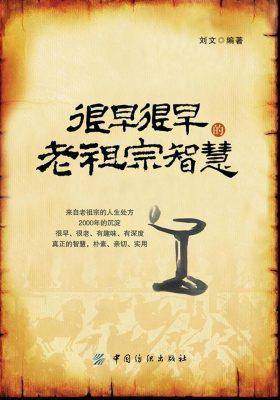
很早很早的老祖宗智慧
¥12.83
遍看《论语》《道德经》《菜根谭》《资治通鉴》《增广贤文》《弟子规》等古籍,其中不乏关于为人、交友、读书、治家等人生重要问题的精彩智慧点拨,虽远隔千年,但置于当下,随时读来,仍如醍醐灌顶。弱水三千,取其一瓢,本书撷取老祖宗一代代人从亲身体验中总结出的实用智慧,加以深入解读,为当代人提供立身做人的正能量。
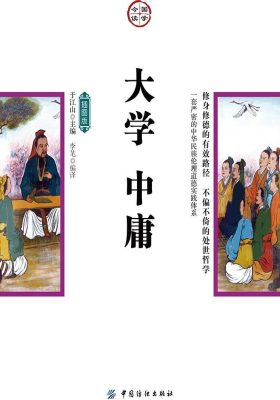
大学·中庸(插图版)
¥10.39
《大学》《中庸》原是《礼记》中的两篇,为儒家重要经典之一。《大学》由孔子的弟子曾参所作,它对现代人如何做人、做事、立业等均有所启迪和帮助。《中庸》为孔子后裔子思所作,其主题思想就是引导人们自觉地进行自我监督、自我教育、自我完善。本书配合全民阅读,特推出该套普及经典,以满足大众读者阅读需要。
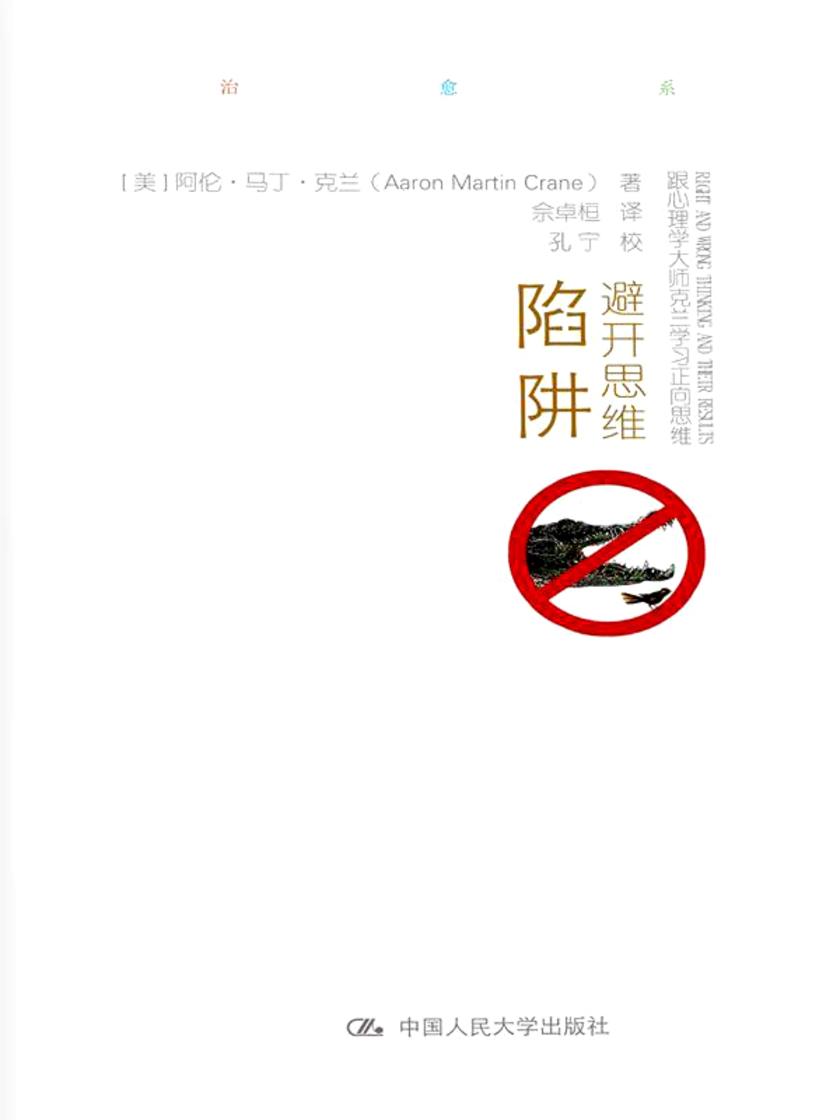
避开思维陷阱:跟心理学大师克兰学习正向思维
¥20.26
《避开思维陷阱》探讨了如何进行积极、正向的思考。 “每一种思想都会带来相应的结果。”这句话可以说是人类历史上极为古老的箴言。人们做一件事情的动机品格往往决定了这件事情的结果,所以,进行思维方式的训练非常重要,它将深刻地影响我们做事的动机和成效。 在本书中,美国著名心理学家阿伦·马丁·克兰提出了正向思维训练的三个层面:如何去进行思考;如何停止对某一特定事件的思考;以及如何将原先的思想替换为另外一种思想。从而帮助人们消除错误、不和谐的思考方式,进行自我提升,从而在生活中获得更多成就感与幸福感。 本书英文版1905年首印,其后多次再版和加印,是欧美公认的心理学经典读物之一。
佛教“法缘宗族”研究:中国宗教组织模式探析(哲学文库)
¥28.80
本书将宗族概念引入明清以来中国佛教传统宗派的研究之中,提出了“法缘宗族”的命题,全面探讨了模拟宗法制度在中国佛教中的宗派组织、寺院管理、经济文化诸方面的意义。笔者尝试说明在剃度、受戒、传法过程中,同一位僧人有可能产生出多种“法号”的现象,以及彼此之间的相互转换关系,并在此基础上探讨了其背后代表的宗派意义。本书认为:以派辈谱系编制为典型特征的禅宗与“遍利三根”的净土宗之间的“禅净关系”,并非并列的两个教派团体的关系,而是“有之以为利,无之以为用”的互补关系,前者维护了中国佛教僧侣的正统性,后者则成为正统佛教与民间信仰之间交流的重要中介。
比较与争锋:集体主义与个人主义的理论、问题与实践(马克思主义研究论库·第一辑)
¥28.80
《比较与争锋——集体主义与个人主义的理论、问题与实践》一书基于问题意识,对集体主义和个人主义的来源、产生、发展与内涵上的本质差异进行了深入考察,比较了两者在中西方的不同境遇。本书对集体主义与个人主义的诸多问题、集体主义面临挑战的问题、个人主义日益强势的问题都做了分析与解答,目的在于更好地坚持、发展和完善集体主义,在全社会形成一种良好的道德风气。
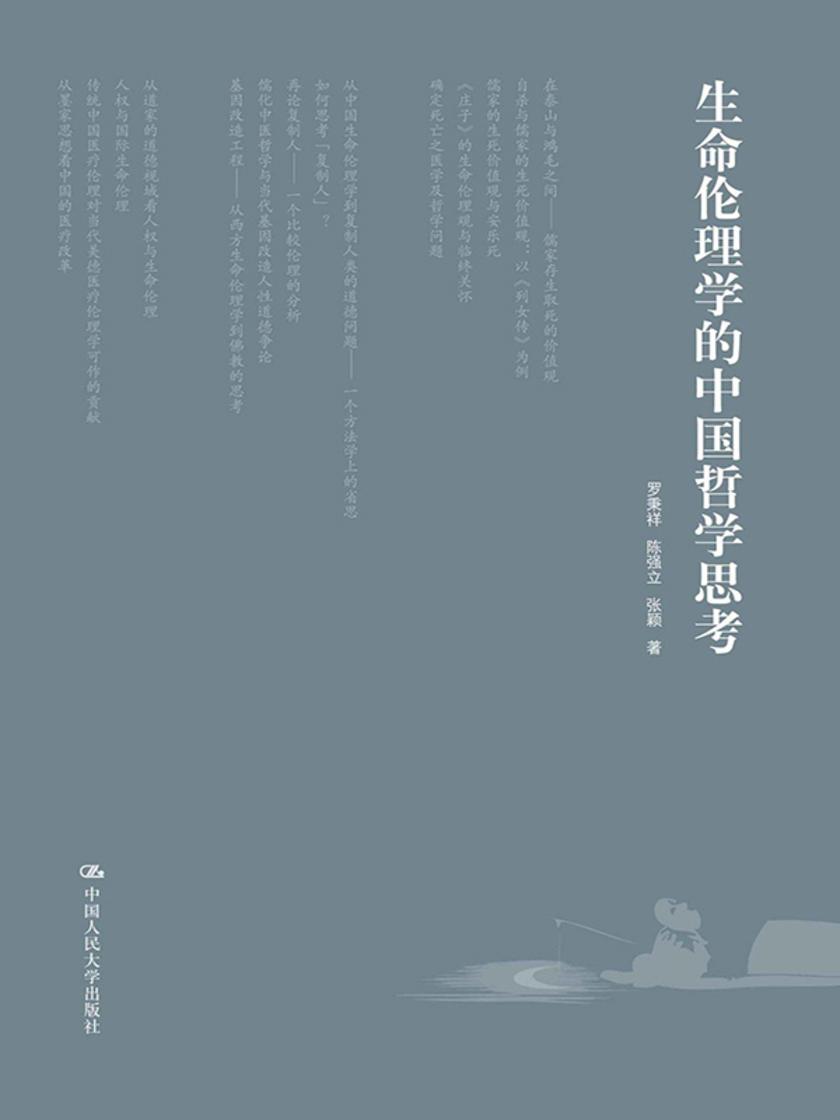
生命伦理学的中国哲学思考
¥30.52
《生命伦理学的中国哲学思考》共包括十六篇论文,系以中华传统思想贯注于现时代生命伦理学的研究,从而对当代生命科学中的若干现实问题提出质疑和省思。以上文章均已发表在香港及国际重要学术刊物上,此次结集出版以供研讨会议使用。
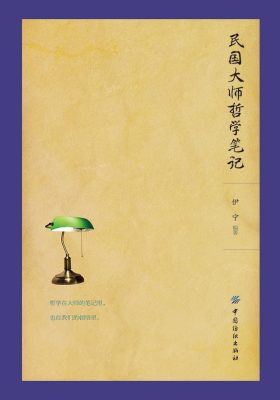
民国大师哲学笔记
¥10.39
《民国大师哲学笔记》一书主要介绍季羡林、冯友兰、梁漱溟、李叔同、胡适、林语堂、金岳霖、梁实秋等大师的逸闻趣事,以及他们在学术上的妙语灵思,生动地再现民国一代名流的卓绝文采。大师用他们智慧的思想去观察、探究、感悟人生,并将真谛与我们分享。
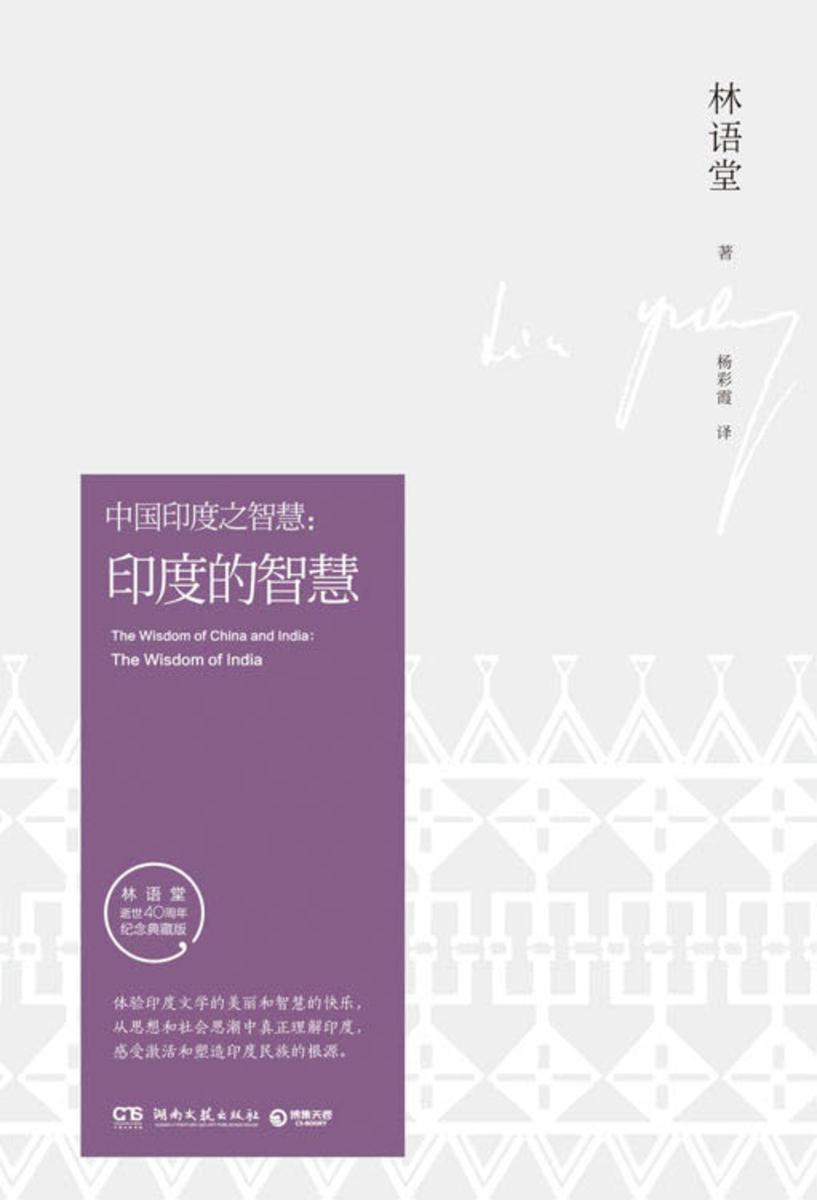
印度的智慧(纪念典藏版)
¥17.99
《中国印度之智慧》撷取了印度、中国文化中颇为精髓和深刻的内容,全书共分两册。《印度的智慧》通过对印度文学、哲学、宗教信仰的展示,让人们一窥印度思想的丰富性和本质精神。《中国的智慧》收录了中国哲学、文学和宗教等方面的代表作,生动全面地介绍了中国的传统文化。林语堂的文学天分和中英文造诣使本书视角独到、视野宽广,两个古老民族的文化积淀和文学述说汇集于此,激荡着读者的心灵。
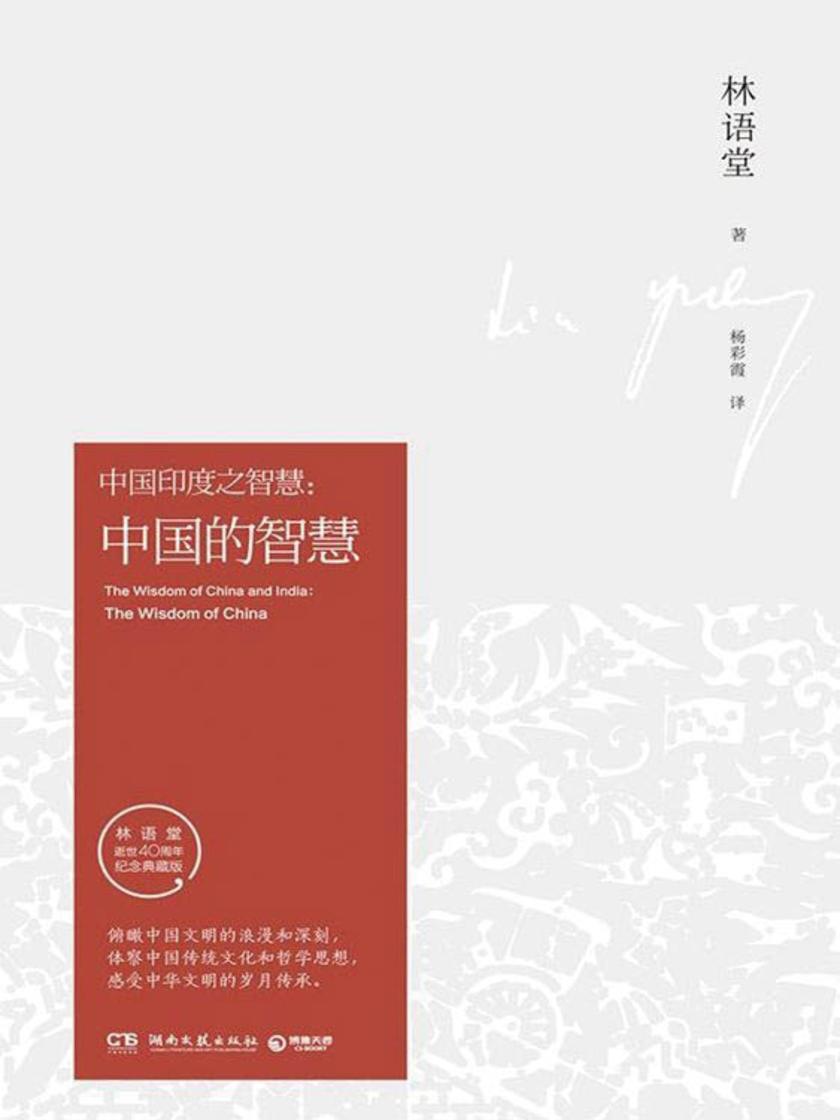
中国的智慧(纪念典藏版)
¥16.79
《中国印度之智慧》撷取了印度、中国文化中颇为精髓和深刻的内容,全书共分两册。《印度的智慧》通过对印度文学、哲学、宗教信仰的展示,让人们一窥印度思想的丰富性和本质精神。《中国的智慧》收录了中国哲学、文学和宗教等方面的代表作,生动全面地介绍了中国的传统文化。林语堂的文学天分和中英文造诣使本书视角独到、视野宽广,两个古老民族的文化积淀和文学述说汇集于此,激荡着读者的心灵。
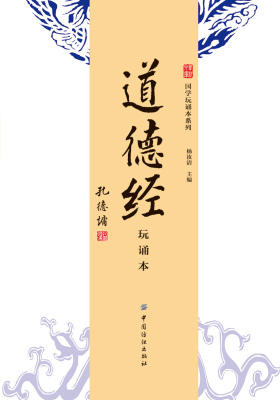
道德经(玩诵本)
¥9.26
1、《道德经(玩诵本)》为著名儒家学者、苇杭书院山长杨汝清先生倾情主编 2、孔子后人、世界孔子后裔宗庆联谊总会会长孔德墉先生亲自题写书名 3、北京大学楼宇烈教授审订内容,著名学者秋风教授、思想家余世存先生郑重推荐 4、目前市场上有创意、错误率*的国学诵读普及读本,附录内容全面、丰富 5、全书及每篇同步设有诵读录音二维码,杨汝清先生亲自朗诵,方便读者通过扫描二维码收听 6、正文独创拼音反白形式,难度难辨易错字一目了然,让经典学习轻松好玩 7、本书为方便读诵,正文部分皆注音,采用大字体。注音与文字分色套印 8、本书注释精简,同时精选相关图片作为插图,正文附有《庄子·内篇》 9、本书为“苇杭文库·国学玩诵本系列”之一种。“苇杭文库”是苇杭书院与中国纺织出版社携手打造的一个致力于普及与推广优秀传统文化的平台。“苇杭文库”坚持“立足学术,回归民间,追溯本原,服务当下”的立场,恪守“述而不作”的文化传统,择选古代典籍中与现实生活息息相关并为当下社会所普遍关注的经典,辅以具有代表性的注本,对句读、读音、义理进行深入细致的研究与思考,精心校雠,并将成果奉献于社会。 10、国学玩诵本系列侧重于对经典的“玩习”与“读诵”。“玩习”着重于对经典思想的玩味习得,通过对历代重要注本中重点字词注疏的品味,对与经典相关的图籍的欣赏,对与其关系密切的重要文献的泛览,提高读者对经典的认识,加深读者对经典的了解。“读诵”着重于对经典读音的厘定并区别形音义,通过对古今音的变化与通假字以及易错难读字音的重点标识,便于读者正确掌握,初步奠定阅读经典的基础。
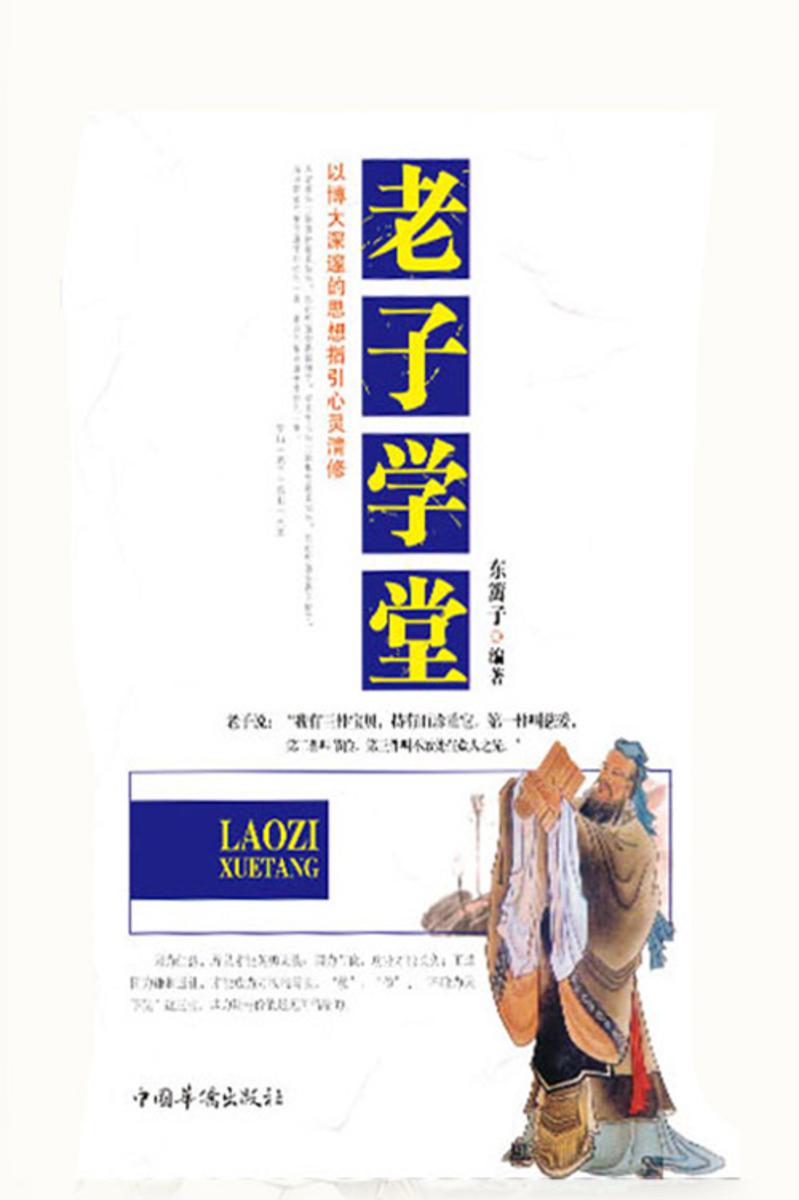
老子学堂
¥16.00
《老子学堂》参透了老子思想体系中丰富、精妙的智慧,以观察其对现代人思想的许多固有影响,明了现代人的思想轨迹,又从老子智慧的言论中觉悟出许多具体的做法。这些哲学思想即使经过两干多年岁月的洗礼依然熠熠生辉,对于我们而言,依然是有着非同一般的影响和启迪。 生活在21世纪的我们是幸运的,因为能享受丰富的精神和物质财富;但生活在21世纪的我们又是疲惫的,因为竞争始终存在,容不得你做停歇。无法停止的脚步和思维使我们的精神压力越发沉重,心情越发糟糕,为了“比别人多得到一点”,我们卷入了忙碌与勾斗之中,不断冲杀,伤痕累累。这种时候,我们真应该多向老子学习一些人生的智慧。

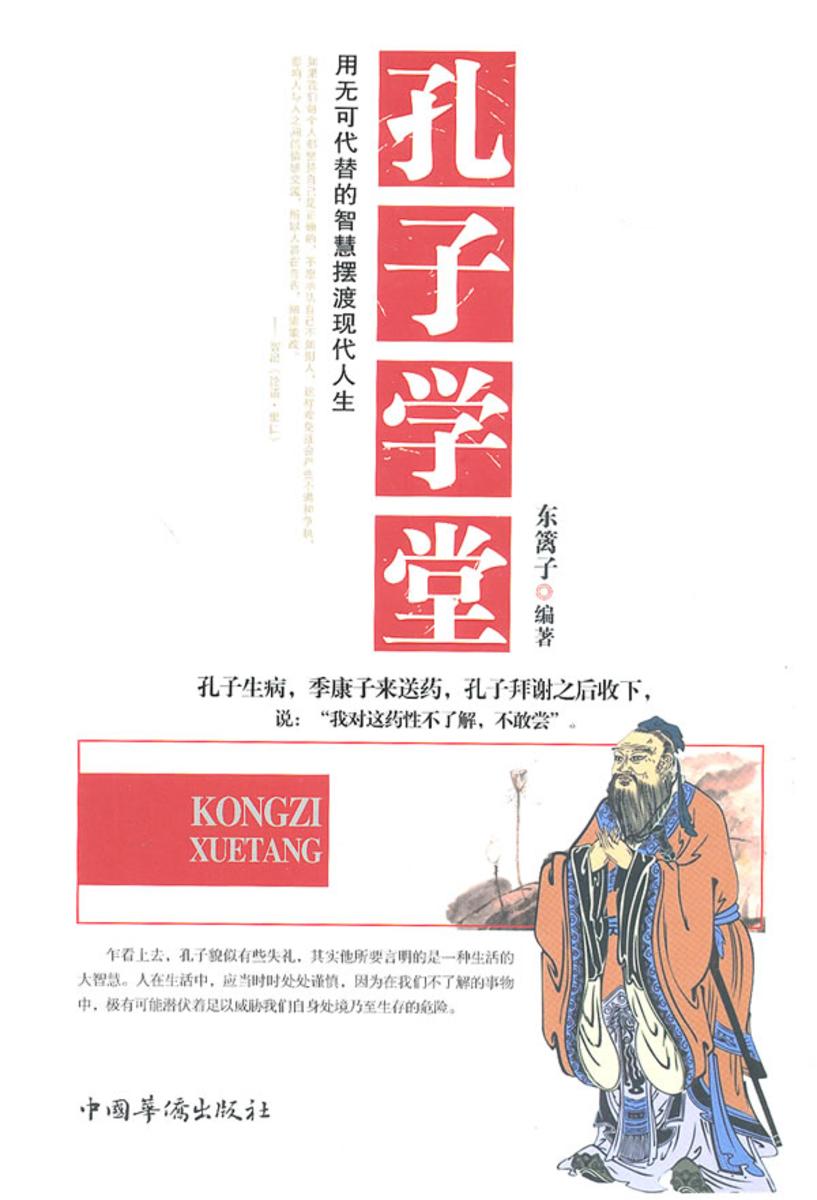
孔子学堂
促销价:¥5.99|¥8.00
孔子的话,绝大多数是针对人性而发。虽然时隔千年之久,沧海已成桑田,但自古以来鲜有变化的就是人性,所以说,即便是千年之后的现代人品味起孔子的那些智慧,依然可以获得很大的启益与帮助。东篱子编著的这本《孔子学堂》一书,深入体悟了中国人无可替代的精神根底和心魂所在,是在用孔子的智慧摆渡现代人生。 现代人追求物质而轻忽精神生活,《孔子学堂》重新解读孔子的思想,感悟那延续千年的智慧,足以让我们归根复命,走出一个美好的未来。
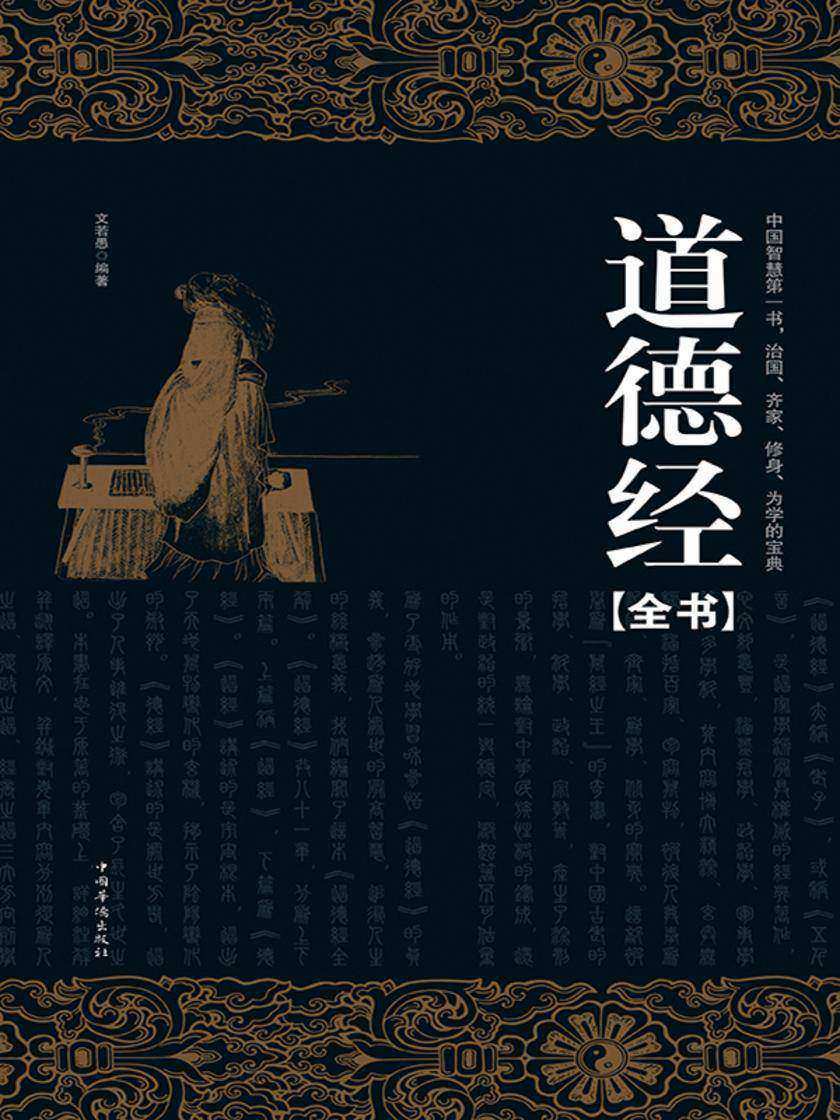
道德经全书
¥8.98
《道德经》是道家学派*权威的经典著作。它 文约义丰,涵盖哲学、伦理学、政治学、军事学等诸 多学科,其内容博大精深、玄奥无极、涵括百家、包 容万物,被后人尊奉为治国、齐家、修身、为学的宝 典。这部被誉为“万经之王”的奇书,对中国古老的 哲学、科学、政治、宗教等,产生了深刻的影响,无 论对中华民族的性格的铸成,还是对政治的统一与稳 定,都起着不可估量的作用。 ?文若愚编著的《道德经全书》共八十一章,分为 《道经》《德经》两篇。《道经》强调人类一定要顺 应宇宙的客观规律,合乎自然规律,才能和谐地生存 。《德经》说的是,只有返璞归真于婴儿般的自然纯 真状态,上位者卑谦若谷,下位者为而不争,社会才 能正常发展。 ?《道德经全书》为人们重新认识本真的自我提供 了一条良好的途径,它有助于读者放下浮躁的心态, 认识自己,把自我融入自然,达到率性天真、物我两 忘的自然境界。无论是治学修身、处世待人,还是经 商置业、从政为民;无论是高官大吏、富商大贾,还 是贩夫走卒、平民百姓,总能在《道德经》中找到自 己所需要的智慧。
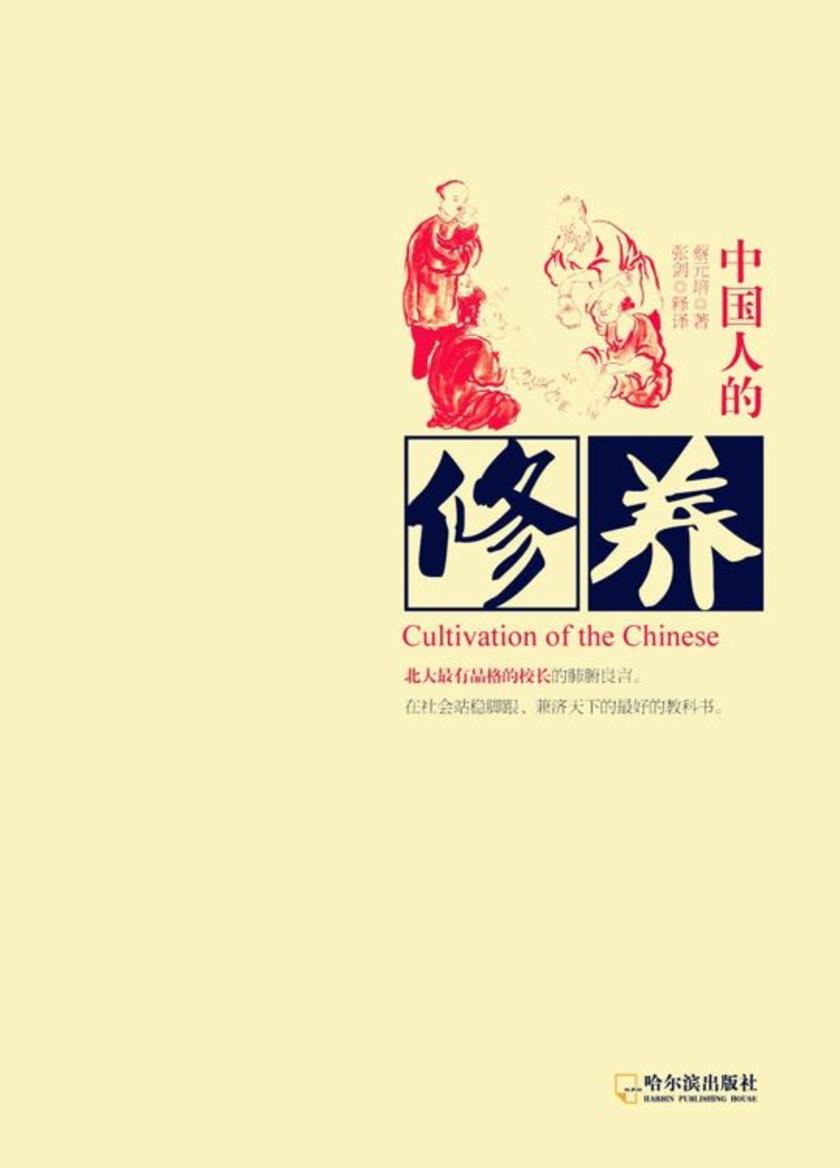
中国人的修养
¥8.99
《中国人的修养》是蔡元培先生在公民道德修养方面的杰出作品,主要收录了他为重要的道德思想建设代表作:《华工学校讲义》和《中学修身教科书》。《中国人的修养》这本书完美结合了中华传统文化中的修身齐家治国平天下与现代公民道德教育理念,通过细微事件,具体、详尽地阐述了建设道德社会的方法,是一部值得所有国人阅读的道德范本。 中国人或许是保守、固执,亦利己的族群,他们有着发自内心的真诚和善良,却从未试图将这种真诚和善良,变成社会的公共精神。 但蔡元培先生显然并不这么认为。 在他的眼中,中国人是“可改造的”,如果能摒弃过去的束缚,并注入崭新的思想,中国人就一定能从“独善其身”,转而“兼济天下”。 这部几近百年前的教科书,如今的国人也许刚刚翻开页。但翻开便好,便是试图革新,便是大勇气。 《中国人的修养》是蔡元培先生在公民道德修养方面的杰出作品,主要收录了他为重要的道德思想建设代表作:《华工学校讲义》和《中学修身教科书》。《中国人的修养》这本书完美结合了中华传统文化中的修身齐家治国平天下与现代公民道德教育理念,通过细微事件,具体、详尽地阐述了建设道德社会的方法,是一部值得所有国人阅读的道德范本。 中国人或许是保守、固执,亦利己的族群,他们有着发自内心的真诚和善良,却从未试图将这种真诚和善良,变成社会的公共精神。 但蔡元培先生显然并不这么认为。 在他的眼中,中国人是“可改造的”,如果能摒弃过去的束缚,并注入崭新的思想,中国人就一定能从“独善其身”,转而“兼济天下”。 这部几近百年前的教科书,如今的国人也许刚刚翻开页。但翻开便好,便是试图革新,便是大勇气。


