


 购物车
购物车 个人中心
个人中心

Прода?ться все: Джефф Безос та ера Amazon
¥36.79
Dignità o miseria della natura umana? ?C'è un principio supposto prevalere tra molti che è del tutto incompatibile con ogni virtù o senso morale [...] Questo principio è che ogni benevolenza è mera ipocrisia, l'amicizia un inganno, lo spirito pubblico una farsa, la fedeltà un trucco per procurare fiducia e confidenza; e mentre tutti noi, in fondo, perseguiamo solo il nostro interesse privato, indossiamo questi bei travestimenti in modo da abbassare le difese degli altri ed esporli maggiormente alle nostre astuzie e macchinazioni?... Le meditazioni senza tempo di uno dei più grandi filosofi europei. SOMMARIO: Introduzione e avvertenza ai testi / Nota bibliografica: una mappa degli studi (di Fabrizio Pinna) - David Hume: Dignità o miseria della natura umana? / L'Amore di Sé. APPENDICE: Of the Dignity or Meanness of Human Nature; Of Self-love; My Own Life & Letter from Adam Smith, LL. D. to William Strahan, Esq.; Of the Reason of Animals; Of the Immortality of the Soul; Of Superstition and Enthusiasm; Of some Verbal Disputes. LE COLLANE IN/DEFINIZIONI & CON(TRO)TESTI

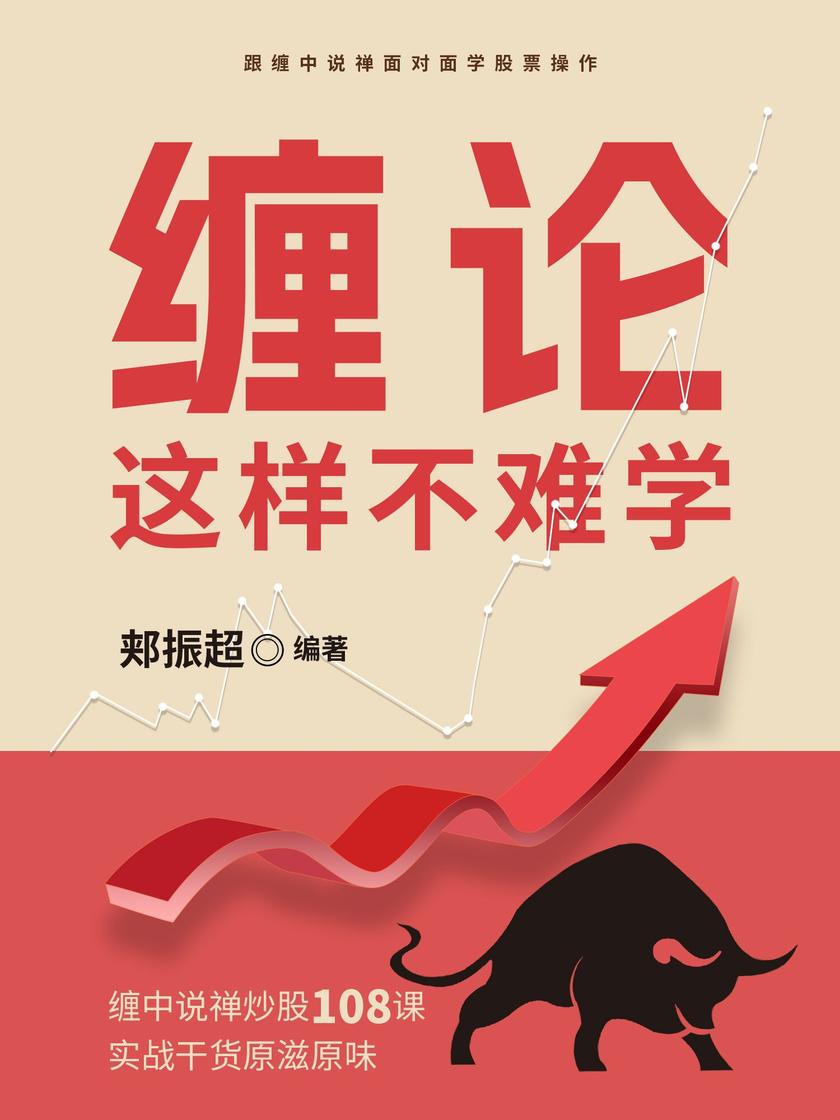
缠论这样不难学:缠中说禅108课详解和操作案例
¥36.80
对于股票投资者来说,缠中说禅这个名字是神一样的存在,之所以这么说,是因为缠中说禅有关股票市场分析理论为其获得了巨大物质财富和成功,被无数股票投资者奉为圭臬,而其身份却异常神秘,至今业界没有权威的答案。其狂放不羁、博学多才,以豪放的风格,犀利的语言,颠覆性的思维洞穿成为众多网友的精神导师。 在缠中说禅的诸多文章中,以“教你炒股票”系列文章反响*大,世人称其为“缠论”。*初这些理论大多发表于博客,尤在新浪博客上公布的“教你炒股票108课”收获无数关注和学习。缠中说禅的系列发帖和论述还包括诗词曲赋、音乐艺术、论语详解等等庞杂的内容,许多论断思想深刻,让人醍醐灌顶。 现有市场上关于缠论的书,大多是参照一些博客资料的零散演变,或是加了些自己理解的图,或是课程顺序做些变化等。对于新学缠论的人而言,从这样的资料入手,缠论真的可能如同天书,会被长久的缠困于其间,甚至会因误解招致累累亏损。 本书编著者作为一位资深股票专业投资者,通过长期理论研究和操作实践,对缠论有深入的理解和领悟,并运用于操作实践,深受其用。缠中说禅被股民传为神话、教网民炒股的108课首课发表于2006年6月7日,末课发表于2008年8月29日。编著者根据缠中说禅所发帖子以及与当时读者网民的回帖,反复参照资料、对照走势图揣摩,把这些帖子与108课、此轮牛市生长期与衰亡期的所有解盘、大量的分段图例、关键时刻的思想动向及其关于股市所有文章按时间顺序整合在一起,去掉被反复提及以及课程本身就有答案的问题,同时尽量保留跟帖、回帖交流方式的语言特色,以保持阅读时的带入感。 可以说每研读一遍,都如同有又真实参与了一轮牛熊的轮回,每次阅读都觉得句句值千金!
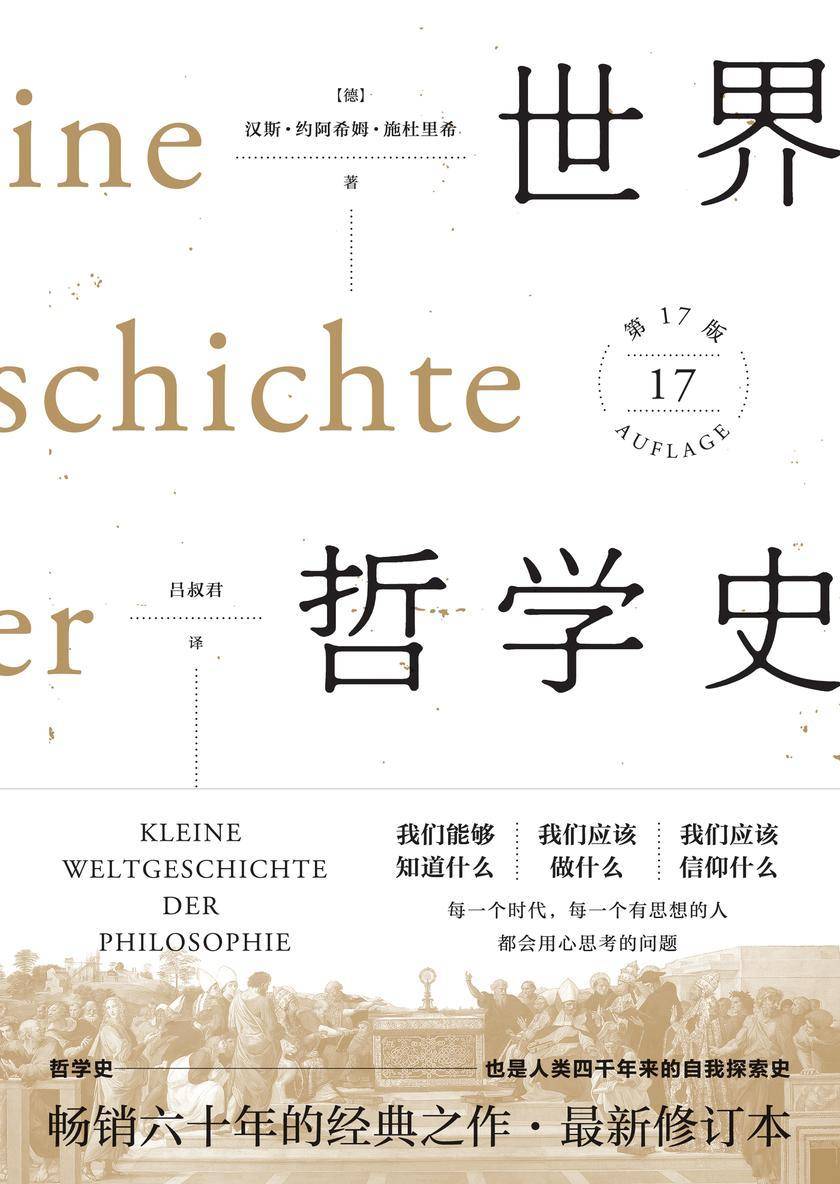
世界哲学史
¥36.99
本书讲述了公元前两千多年至今的哲学思想史,既有婆罗门教、佛教、儒家、道家等东方思想,也涵括了从古希腊罗马哲学、中世纪哲学一直到当下的存在主义等西方流派。当然,它不可能穷尽所有的思想,更没法解答一切疑问,但通过把其中那些*杰出的成果,那些关于人生*根本问题的回答,以简洁有力的方式传达出来,让我们得以穿透漫长的时空,从这些伟大心灵中汲取养分和勇气,去追寻自己的答案。我们将会发现,四千年来,从古印度的无名作者到哲学巨擘康德,从中国到欧洲,对何以为人、何为良好生活的追问从来没有停止过。 本书是为这样一些人写的:不管他们是否接受过正规的学院式教育,当面对工作中和日常生活中的烦恼,以及我们时代的巨大历史变迁和社会灾难时,他们从不气馁,总是试图通过独立思考来揭示世界之谜,努力去寻找永恒的人生问题的答案。他们从不否认这样一种观点,即所有时代的伟大思想家及其作品都会对我们有所裨益。 ——汉斯·约阿西姆·施杜里希

生命的真相
¥36.99
本书通过佛法与科学多方面的比较说明,一方面找到它们的相异之处,一方面又挖掘出二者可互为印证的地方,并终从科学与佛法互不相违的角度,论证了前后世存在的合理性与必然性。《涅槃经》中有一句话:“不见后世,无恶不造。”所以,懂得前后世的道理,对当代社会的健康发展,现代人群的人格改造,皆具重大意义与现实作用。
认识《易经》
¥37.00
认识《易经》
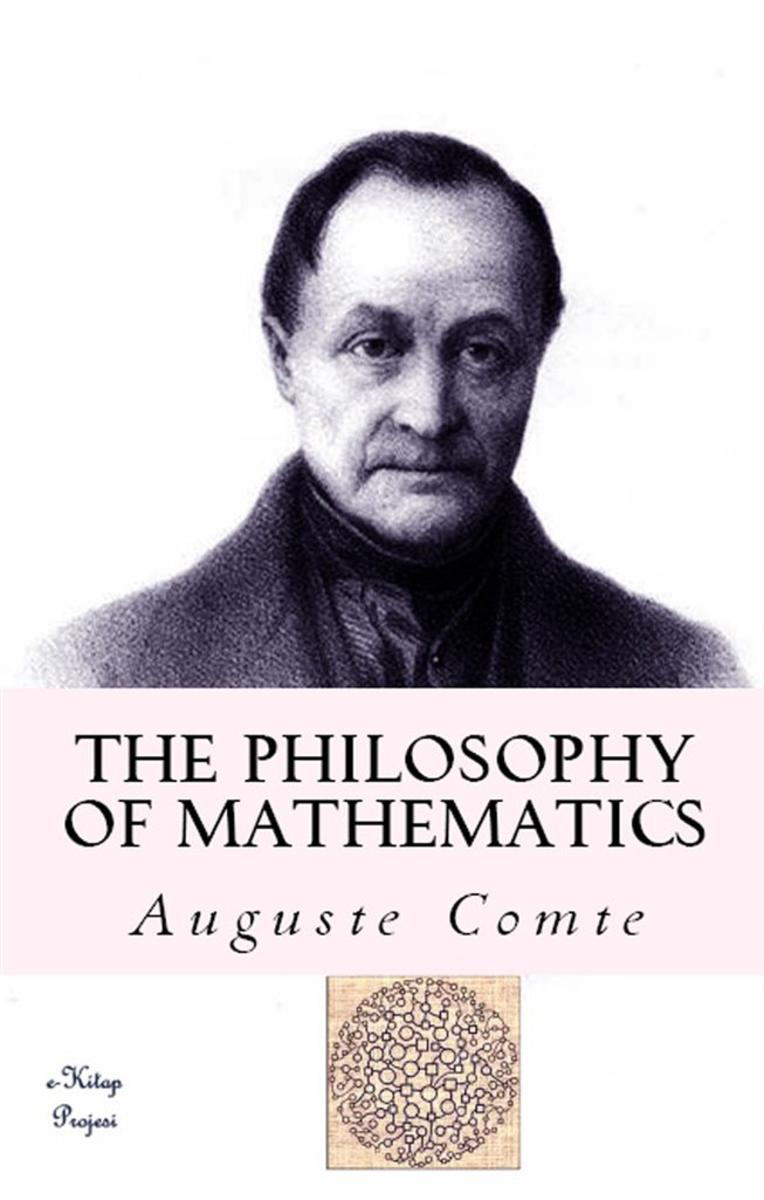
The Philosophy of Mathematics: "A True Definition of Mathematics"
¥37.11
In The philosophy of mathematics, mathematics employee classification efforts to understand the philosophy is the branch.?The main question is related to the source of the object that is the subject of mathematics and mathematics. In particular examine the characteris-tics of a true proposition:??? What are the sources of mathematical subject matter??? What is about the meaning of a mathematical object??? What is the nature of a mathematical proposition??? What is the relationship between logic and mathematics??? What is the role of mathematics hermeneutic??? Mathematics played a role in the investigation which type?? What is the subject of mathematical investigations??? What is the human traits behind mathematics??? What is mathematical beauty??? What is the nature and source of mathematical truth???What is the relationship between mathematics and abstract material universe with the world???Another important issue is the reality of a mathematical the-ory. Mathematics (from the Natural Sciences as different) experimentally is sought reasons to find real specific mathematical theory can not be tested (see. Epistemology). Luitz that Brouwer 's laid the foundation for intuitionist mathematics of the representatives knew of this view. The logical mathematics is the approach of Bertrand Russell and Gottlob Frege was defended by David Hilbert, formalism is considered the repre-sentative of the current. Traditionalism logician the empiricist's (Rudolf Carnap, A. J. Ayer, Carl Hempel) were represented by one of the key issues in the philosophy of mathematics is also important to regard the certainty problem. Austrian logician Kurt G?del's also work Mathema-tics and mathematics.
托尔斯泰的精神求索
¥37.20
列夫·托尔斯泰不仅是驾驭俄罗斯语言的天才大师和人类灵魂的深刻阐释者,还以先知、人类良知的形象铭刻于世人的脑海中。他终其一生都在孜孜不倦地追求真理,探索认识世界的规律以及改造世界的可能性。托尔斯泰精神求索的深对其创作对象、内容、风格乃至艺术观产生了重大影响。在托尔斯泰的初期至后期的思想脉络中,相比于表面的对立,固有和必然的因素更为深刻,他对一个浩大、一元的普遍规律的追求像一根红线,贯穿于他的一生,寻求关于生活的理性论证、找到人类生存的终极真理的诉求始终让他辗转反侧。可以说,托尔斯泰晚年构建属于自己的信仰体系的想法是在他的成长过程中逐步形成的。结合作家作品,本著作深层分析了作家思想体系形成的原因。
O slobodi
¥37.20
Iako je napisao veoma zna?ajne radove iz drugih podru?ja filozofije?(npr. Sistem logike, gde izla?e na?ela induktivnog zaklju?ivanja, ili Utilitarizam, gde izla?e shvatanje da svako treba da dela tako da proizvede najve?u sre?u za najve?i broj ljudi), Mil je najtrajniji utjecaj ostavio svojim radovima iz politi?ke filozofije i etike. Njegovo delo O slobodi smatra se jednim od temeljnih tekstova savremenog liberalizma. U njemu Mil zagovara na?elo da je ljudsku slobodu dozvoljeno ograni?avati samo ukoliko ?teti drugima. Na?elo ?tete, kako se to na?elo ?esto naziva, u svojoj primeni na ure?enje dru?tvenih odnosa isklju?uje sve despotske i autoritarne oblike vlasti koji gu?e slobodu pojedinaca i njihovu individualnost. Od posebne va?nosti za sre?u pojedinca i dru?tva u celini jeste sloboda govora, koja ni?im ne sme biti ograni?ena. Na Milovoj raspravi O slobodi njen prevodilac, kralj Petar I Kara?or?evi?, tvorac dr?ave Srba, Hrvata i Slovenaca, zasnovao je svoj politi?ki program.
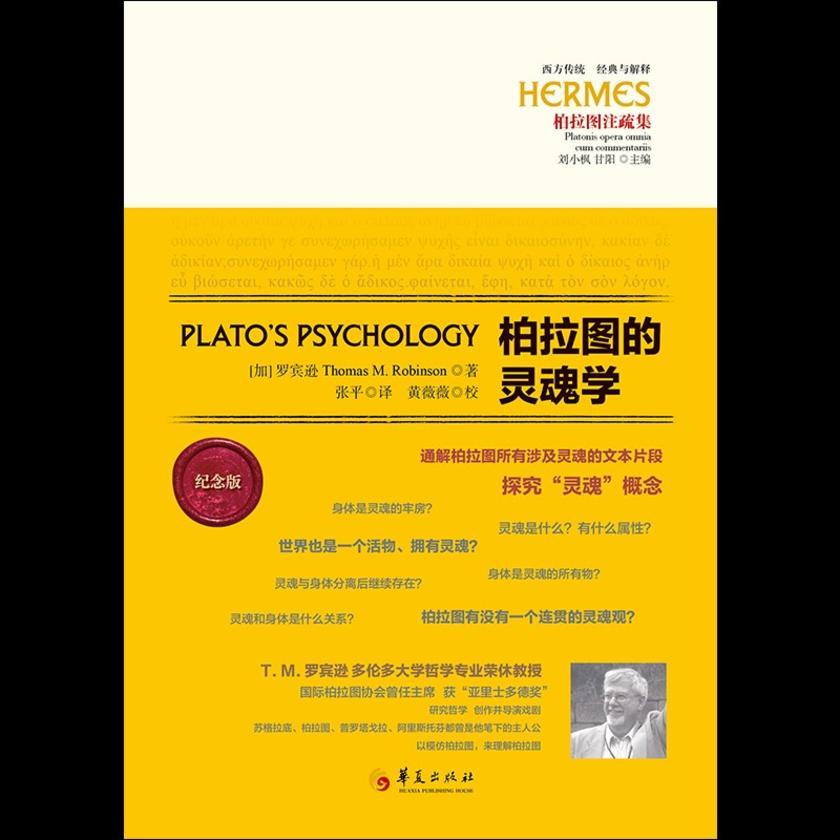
柏拉图的灵魂学
¥37.50
柏拉图写作的众多作品中多有涉及灵魂问题,但是由于柏拉图作品注重情节的论辩和戏剧性,每一部作品都有其独特的戏剧背景和张力,苏格拉底对不同的谈话对象采用不同的修辞,由此导致我们很难梳理出关于柏拉图灵魂观的连贯线索。托马斯·罗宾逊的《柏拉图的灵魂学》则尝试通解柏拉图所有涉及灵魂问题的文本片段,试图给出一个较为整全的观点。作者在既有讨论的基础上展开哲学思辨,其分析和论述细致缜密,有力地树立了该论题领域的思考范式,拓展了思考的宽度。本书对于*理解柏拉图的“灵魂观”至今仍具有不可或缺的参考价值。
论语新说
¥37.50
作者感动于中国优秀传统文化的核心思想,通过对《论语》文本的梳理和解读,从弘道、至德、好礼、从周、仁爱、行义、正直、德政、身正、大臣、出仕、士人、天命、君子、智明、孝敬、忠信、敏求、谈古、说今、教诲、学习、生死、棠棣、无隐、弟子、弟子、为人、木铎28个话题,联系春秋时代的政治制度变迁、土地与人口问题对思想文化的影响,记录自己学习《论语》思想的心得,并联系现实提出自己的思考和新见解,意在与读者一起讨论、学习,并求教于方家。
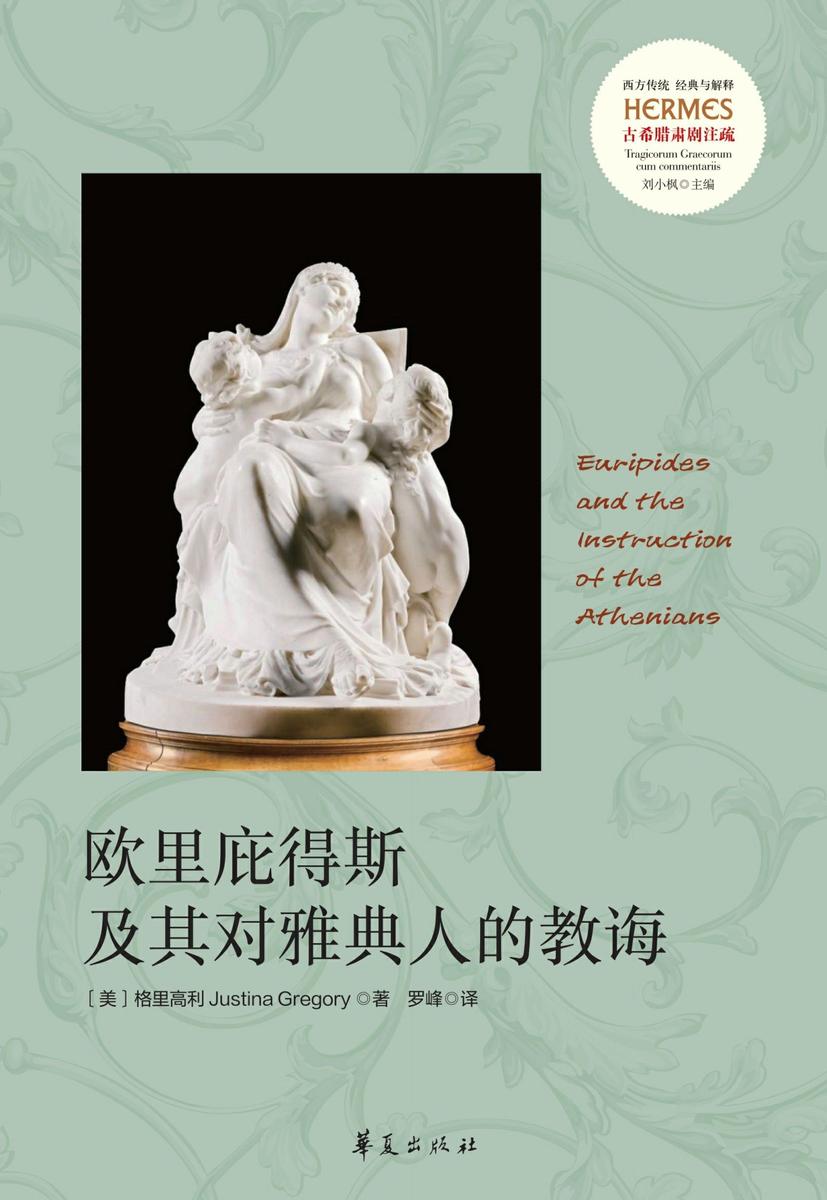
欧里庇得斯及其对雅典人的教诲
¥37.50
本书从肃剧与雅典民主制的紧密联系出发,细致解读了欧里庇得斯的《阿尔刻斯提斯》《希珀吕托斯》《赫卡柏》《发狂的赫拉克勒斯》及《特洛亚女子》这五部剧。作者认为,欧里庇得斯的这些剧作的诸多主题,比如生与死的关系、节制的天性、对正义的呼吁、对高贵的定义、对语言和智识的运用等,均带有同时代的政治维度,每一个主题都成了民主思想的载体。作者通过着重讨论“遭遇必然性”这一共同主题,以及其他传统主题,展现了欧里庇得斯向雅典人传达的一系列教诲。

如何证明你不是僵尸
¥37.80
两千多年来,哲学家们一直在设计思想实验来挑战心灵。历史上一些伟大的思想家都在努力解决诸如自由意志、个人身份和其他棘手的思想问题。这些问题的解决方式将我们看待世界的方式全部呈现了出来。 从经典悖论(小而快活*好吗?)到关于个人身份和群体行为的理论(你该对无法避免的事情负责吗?),再到思维实验(应该撞死胖子吗?),本书呈现的困境和逻辑谜题旨在还原你的思考方式,同时让你深入了解哲学、心理学里的关键性思考,有效拓宽思维边界。
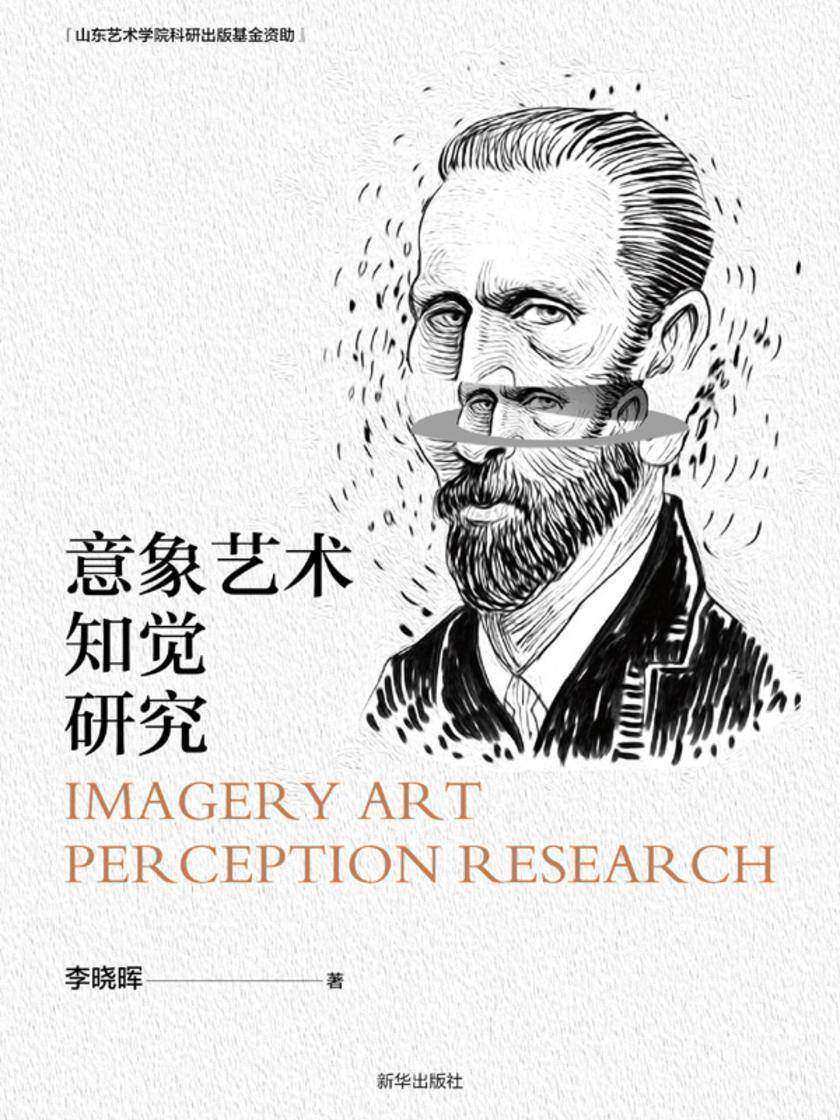
意象艺术知觉研究
¥38.00
本书分四篇,内容包括:原始意象本能感应、古代意象原型审美感觉通观、近现代意象审美观照及绘画个性生成、意象审美灵感形式会通。

止学:全译详解版
¥38.00
《止学:全译详解版》是隋朝大儒王通所著的处世智慧经典。 本书由抖音国学达人九十九精心译注,融合现代视角与鲜活案例,让千年智慧更易懂、更好用。 全书分智、用势、利、辩、誉、情、蹇、释怨、心、修身十卷,系统讲透 “知止” 的智慧。这里的 “止”,不是消极退缩,而是懂边界、守分寸、善取舍的人生智慧,教你把握进退、避祸远忧。 在快节奏、高压力的当下,这本书帮你直面欲望、名利与人情困扰,给出守心归正、从容处世的实用答案。 原文白话对照,注解详尽,是一本教我们修心立身、安稳成事的枕边书。
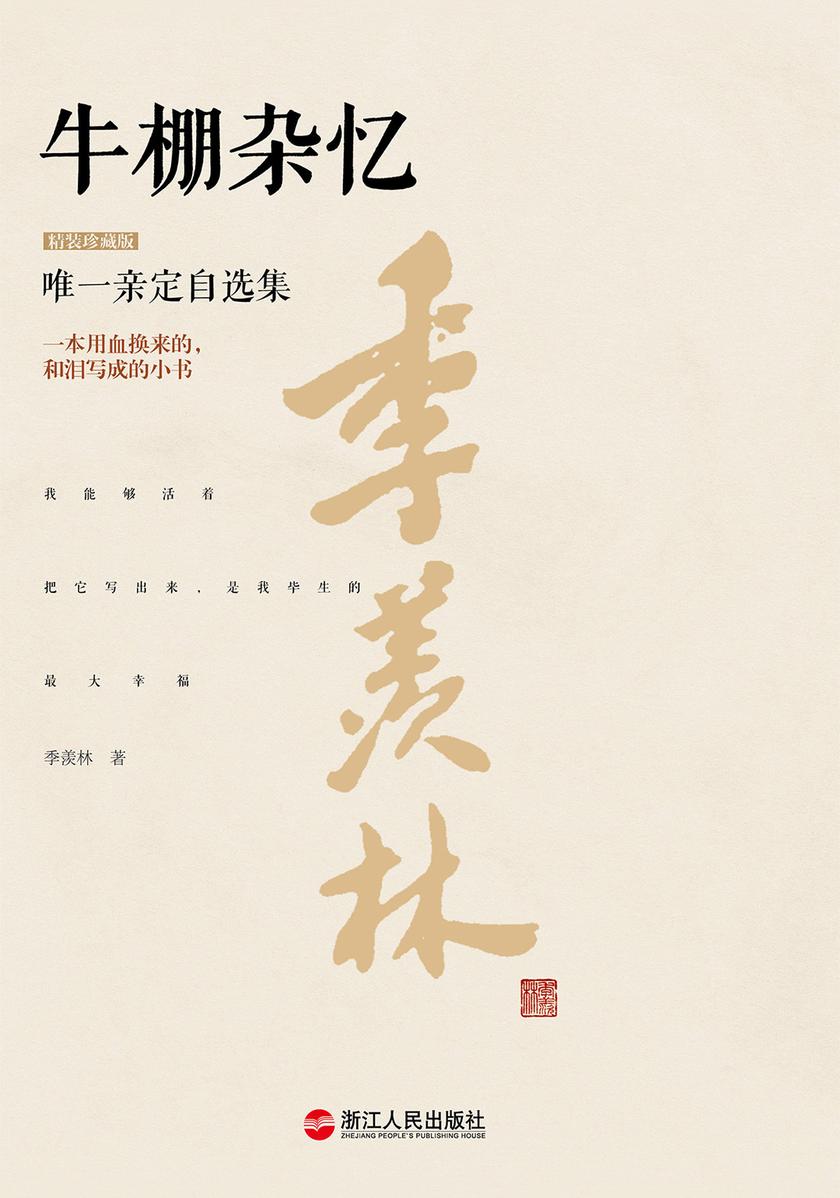
牛棚杂忆(精装珍藏版)
¥38.00
《牛棚杂忆》是季羡林对文革时期经历的一本回忆录,他以幽默甚至是调侃的笔调讲述自己在“文革”中的不幸遭遇。这一本小书是用血换来的,是和泪写成的。作者希望本书带去的不是仇恨和报复,而是一面镜子,从中可以照见恶和善,丑和美,照见绝望和希望。
佛教史
¥38.00
《佛教史》全面系统地介绍了佛教产生、发展和流传的历史。全书所记内容按原始佛教、部派佛教、南传佛教、北传佛教(包括汉传佛教、藏传佛教)展,广泛涉及各教派和宗派的教义、经籍、人物、僧制、僧职等等,同时兼及佛教的节目、礼俗、典故、圣地、遗迹、建筑、文学、艺术等等。

舍与得的人生智慧课
¥38.00
本书采用精炼而富含哲理的语言,结合生动的事例,对“舍得”这一人生智慧行深浅出的论述,从各方面阐释了“舍得”的真谛,为读者提供了一种健康的人生心态、一种正确的生活态度、一种获得成功与幸福的方法,从而让你能够更好地经营自己的人生。
柏拉图主义的助产士:柏拉图《泰阿泰德》中的显白之辞与言下之意
¥38.08
《柏拉图主义的助产士》通过精细微的逐字解读和高屋建瓴的整体把握,得出一个耐人寻味的结论:在柏拉图早期对话《泰阿泰德》中,作为主要发言人的苏格拉底虽然还不是一个柏拉图主义者,但已是柏拉图主义的“助产士”。事实上,柏拉图一生不断回头去评估他所继承的苏格拉底遗产,揭示它如何铺设了自己的形而上学之路。此书不仅仅是要对一部哲学杰作提出新的解释,更是要还原出一件事:柏拉图对他自己早期作品中的苏格拉底形象作何评论?

学哲学的孩子更聪明
¥38.08
《学哲学的孩子更聪明》是一本成熟的儿童哲学启蒙用书,是写给老师和家长们的简明实践指南,已在3岁以上的孩子中成功试用多年,可以有效地提高儿童的哲学素养,而且孩子们非常喜欢。本书在英国、美国、澳大利亚和欧洲其他一些国家都十分畅销。 《学哲学的孩子更聪明》阐述了儿童为什么要学哲学、什么是哲学,以及如何运用书中的哲学探究。全书涉及8个哲学领域,共36个探究,每个探究都给出了详细的设计,探索一系列非常有启发性的哲学问题。内容包括公平和规则、环境哲学、友谊和关系、善与恶、美学、心灵哲学、认识论、形而上学等方面。每个探究通过故事或游戏引导儿童迅速问题,寓教于乐,带领孩子们在玩的过程中完成哲学探究。 即使你没有哲学背景,也不要担心,这对于教孩子们学哲学来说并不是必需的。每个孩子都是天生的哲学家,每个人都能教哲学,《学哲学的孩子更聪明》会告诉你如何引导讨论,如何愉快地行哲学探究。
谶纬与文学研究(精) 中华书局出品
¥38.30
谶纬是兴盛于汉代、流行于魏晋南北朝时期的一种学术思潮,它对汉魏六朝时期的社会政治和思想文化等各方面都产生了很大的影响,其中也对文学产生了重要的影响。本书分四个部分:*部分概述谶纬、谶纬的图像文本、谶纬的文学意义,以及《河图》《洛书》的神话;第二部分谶纬与古代文学创作的关系研究,对谶纬与谣谶、辞赋、志怪小说、诗谶和明清小说等不同文体的关系作了考察与论述;第三部分谶纬中的乐论和诗论研究;第四部分《文心雕龙》中有关谶纬与文学关系的问题研究。通过对谶纬与文学关系的研究,使我们更加清楚地看到古代文学、文学理论与学术思潮之间的关系。

庄子浅注--国民阅读经典(典藏版) 中华书局出品
¥38.40
《庄子》基本上是庄周(公元前369—前286年)及其后学所作的。全书现存三十三篇,分内篇七、外篇十五、杂篇十一。内篇的思想、文风都比较一致,当属庄周自著。外、杂篇则兼有其后学之作,还羼了其他学派的个别篇章。因此,思想观与内篇有多出:政治上不仅主张绝对的无为,有时还主张上无为而下有为;在处世态度上,有宣扬混世的,也有赞成避世的;在人生观上,有提倡寡欲的,也有鼓吹纵欲的;在对待不同学派的态度上,有坚持混合齐同的,也有针锋相对的。本书作为对《庄子》行全新注释的经典之作,是为了给读者提供一种较为通俗、浅白的解说,适应广大读者读《庄》的需求而出版的。


