


 购物车
购物车 个人中心
个人中心

Puterea miraculoas? a apei. Nu e?ti bolnav, doar ?nsetat! Nu trata setea cu medi
¥40.79
Cartea publicat? ?n 1983 este ?mp?r?it? ?n cinci p?r?i (ce cuprind treisprezece capitole). Fiecare capitol este constituit dintr-un dialog sau dialoguri, povestiri sau ra?ionamente ce abordeaz?, ?n general, paradoxuri, probleme de filosofie, logic? ?i matematic?. Printre temele redate ?n aceast? lucrare se num?r? problema p?catului ?i a virtu?ii (capitolul 4, intitulat ,,O ?ntrebare“), percep?ia ?i reprezentarea realit??ii (capitolul 7 ,,O fantezie minte-corp“), ontologia (capitolul 10 ,,Ce este existen?a?“), solipsismul (capitolul 12 ,,Solipsismul luminat“), problema adev?rului (capitolul 1 ,,De ce spui adev?rul?“ ?i capitolul 2 ,,O problem?“), problema vie?ii ?i a mor?ii (capitolul 9 ,,Zen de via?? ?i de moarte“). Lucrarea se remarc? printr-o formul? dens? ?i, ?n egal? m?sur?, elegant?, care ?i permite autorului s? prezinte chestiuni de altfel complexe ?n c?teva pagini revelatoare, prin povestiri sau dialoguri, f?r? a-?i plictisi cititorii. Ca ?ntr-un num?r de magie, art? de care autorul nu este str?in, publicul este atras ?i captivat de aparenta simplitate ?i ingeniozitate a ra?ionamentelor expuse. Probabil, ceea ce face cartea mai u?or de citit este atitudinea autorului, tonul s?u glume?, ludic ?n cea mai mare parte din cele 200 de pagini. Putem ilustra aceast? idee prin c?teva exemple. ?n cadrul capitolului 3, denumit ,,C?teva fragmente“, Raymond Smullyan poveste?te c? le-ar fi declarat studen?ilor ?n timpul unui examen c? dac? ei ?i-ar da cuv?ntul de onoare c? nu vor copia, atunci el ?i-ar da cuv?ntul c? nu va raporta mai departe dac? ei ar ?ncerca s? copieze. Cineva l-ar fi ?ntrebat la un moment dat dac? crede ?n astrologie. El a r?spuns c? nu crede ?n astrologie deoarece este ?n zodia Gemeni. Lista de propozi?ii care se contrazic singure, a lui Saul Gorn, un specialist ?n informatic?, pe care Smullyan le citeaz?, reprezint? ?i ele o mostr? de umor. Printre acestea se reg?sesc afirma?ii precum: ,,?nainte de a ?ncepe s? vorbesc, a? vrea s? v? spun ceva.“, ,,Jum?tate dintre minciunile pe care ei le spun despre mine sunt adev?rate.“ sau ,,Te ai dep??it pe tine ?nsu?i, ca de obicei.“
Bobok
¥40.79
Ivan Ivanovitch attends the funeral of a casual acquaintance and falls to contemplation in the graveyard. He hears the voices of the recently deceased and buried, and he listens to their conversation. They discuss card games and political scandals. As the deceased entertain themselves by revealing all of the shameful details of their earthly lives, Ivan Ivanovitch sneezes.
The Jewel of Seven Stars
¥40.79
Malcolm Ross, a young barrister, is awakened in the middle of the night and summoned to the house of famous Egyptologist Abel Trelawny at the request of his daughter, Margaret, with whom Malcolm is enamored. Once Malcolm arrives at the house, he meets Margaret, Superintendent Dolan, and Doctor Winchester, and learns why he has been called: Margaret, hearing strange noises from her father’s bedroom, woke to find him unconscious and bloodied on the floor of his room, under some sort of trance.
Eugenie Grandet
¥40.79
Eugenie's father Felix is a former cooper who has become wealthy through both business ventures and inheritance. However, he is very miserly, and he, his wife, daughter and their servant Nanon live in a run-down old house which he is too miserly to repair. His banker des Grassins wishes Eugenie to marry his son Adolphe, and his lawyer Cruchot wishes Eugenie to marry his nephew President Cruchot des Bonfons, both parties eyeing the inheritance from Felix.
Our Friend the Charlatan
¥40.79
As he waited for his breakfast, never served to time, Mr. Lashmar drummed upon the window-pane, and seemed to watch a blackbird lunching with much gusto about the moist lawn of Alverholme Vicarage. But his gaze was absent and worried. The countenance of the reverend gentleman rarely wore any other expression, for he took to heart all human miseries and follies, and lived in a ceaseless mild indignation against the tenor of the age.
The Mysterious Island
¥40.79
The story follows adventures of five Americans on an uncharted island in the South Pacific. The five Americans escape from prison during the siege of Richmond, Virginia, by hijacking a balloon.
An Antarctic Mystery
¥40.79
A wealthy American Jeorling is looking for a passage back to the USA after private studies of the wildlife on the Kerguelen Islands. Halbrane is one of the first ships to arrive at Kerguelen, and its captain Len Guy somewhat reluctantly agrees to have Jeorling as a passenger as far as Tristan da Cunha. Underway, they meet a stray iceberg with a dead body on it, which turns out to be a sailor from Jane. A note found with him indicates that he and several others including Jane's captain William Guy had survived the assassination attempt at Tsalal and are still alive.
The Wisdom of Father Brown
¥40.79
Two men appeared simultaneously at the two ends of a sort of passage running along the side of the Apollo Theatre in the Adelphi. The evening daylight in the streets was large and luminous, opalescent and empty. The passage was comparatively long and dark, so each man could see the other as a mere black silhouette at the other end. Nevertheless, each man knew the other, even in that inky outline; for they were both men of striking appearance and they hated each other.
The Model Millionaire
¥40.79
Hughie Erskine is in love and wants to marry, but the girl's father will not allow it, since Erskine has no money. Erskine's friend Alan Trevor is a painter, and he visits him at his studio one day to find him with a pitiable beggar — the model for his painting. Erskine only has one coin, on which he depends for transportation, but he decides he can walk for a couple of weeks and gives the beggar the coin.
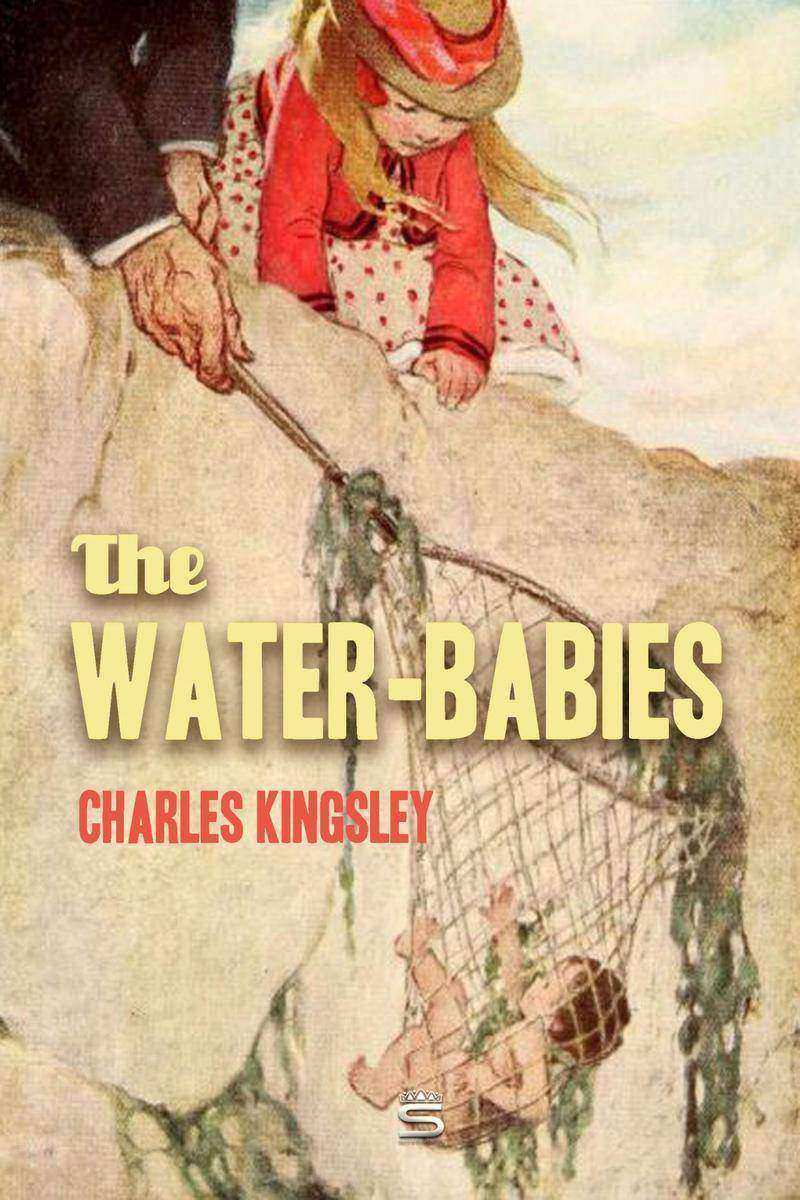
The Water-Babies: A Fairy Tale for a Land-Baby
¥40.79
Tom is a young chimney sweep, who falls into a river after meeting an upper-class girl named Ellie and being chased out of her house. There he drowns and is transformed into a water-baby. Tom embarks on a series of adventures and lessons, and enjoys the community of other water-babies once he proves himself a moral creature.
Tales of Dostoyevsky, Volume 1
¥40.79
Dostoyevsky is the only psychologist from whom I had something to learn', remarked Friedrich Nietzsche. 'He ranks among the most beautiful strokes of fortune in my life'. Discover the universal truths and wisdoms of Dostoyevsky in this volume of Dostoyevsky's tales including: An Honest Thief, The Heavenly Christmas Tree, The Peasant Marey.
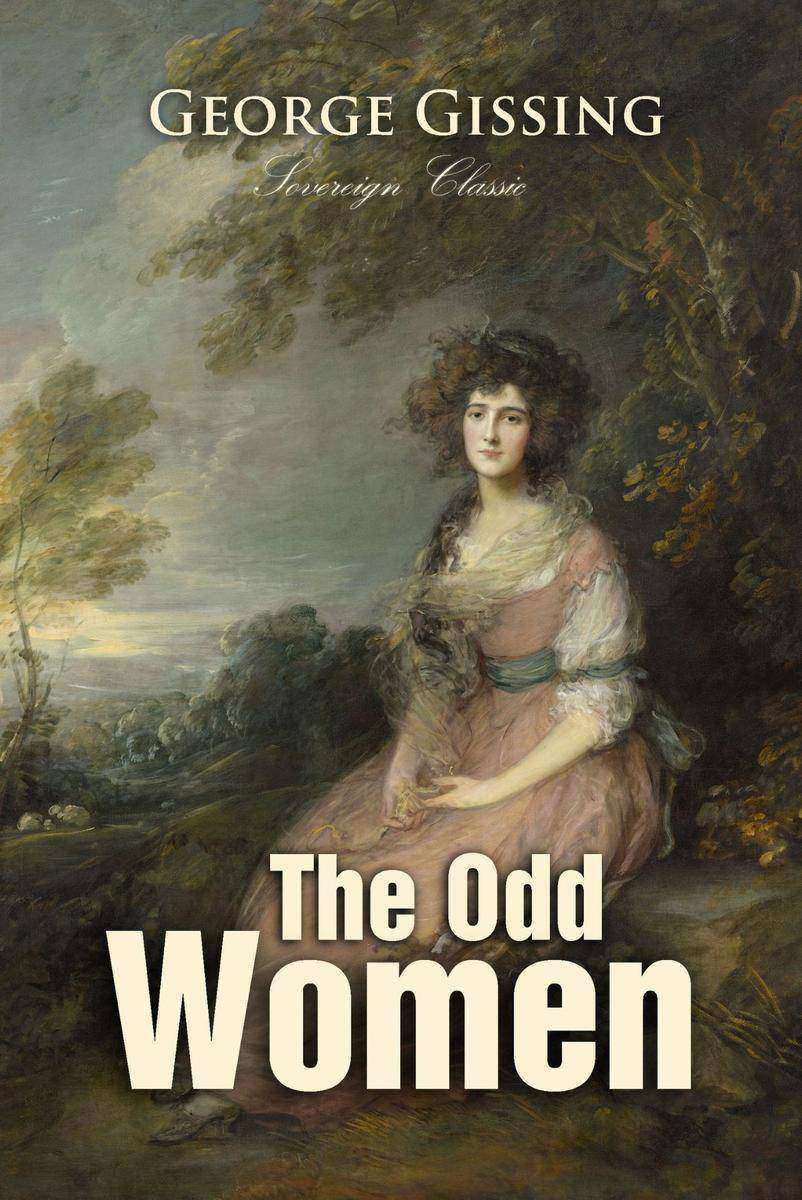
The Odd Women
¥40.79
Alice and Virginia Madden move to London and renew their friendship with Rhoda, an unmarried bluestocking. She is living with the also unmarried Mary Barfoot, and together they run an establishment teaching secretarial skills to young middle-class women remaindered in the marriage equation.
Thyrza
¥40.79
Thyrza Trent, a young hat-trimmer, meets and falls in love with Walter Egremont, an Oxford-trained idealist who gives lectures on literature to workers. Trapped by birth and circumstance, Thyrza is attempting to escape her destiny in this tale of ambition, romance, betrayal and disillusionment.
The Secret of the Island
¥40.79
It was now two years and a half since the castaways from the balloon had been thrown on Lincoln Island, and during that period there had been no communication between them and their fellow-creatures. Once the reporter had attempted to communicate with the inhabited world by confiding to a bird a letter which contained the secret of their situation, but that was a chance on which it was impossible to reckon seriously. Ayrton, alone, under the circumstances which have been related, had come to join the little colony.
Theaetetus
¥40.79
Some dialogues of Plato are of so various a character that their relation to the other dialogues cannot be determined with any degree of certainty. The Theaetetus, like the Parmenides, has points of similarity both with his earlier and his later writings. The perfection of style, the humour, the dramatic interest, the complexity of structure, the fertility of illustration, the shifting of the points of view, are characteristic of his best period of authorship. The vain search, the negative conclusion, the figure of the midwives, the constant profession of ignorance on the part of Socrates, also bear the stamp of the early dialogues, in which the original Socrates is not yet Platonized.
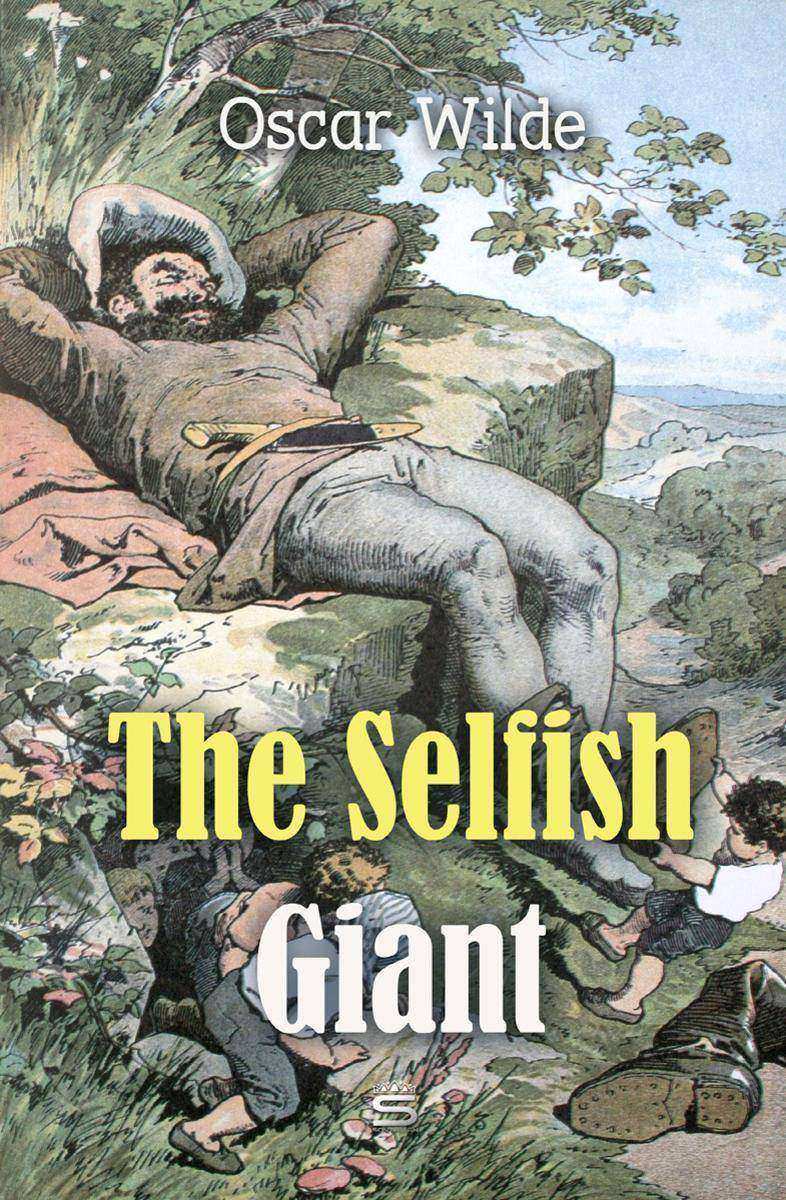
The Selfish Giant
¥40.79
Perpetual winter comes to a beautiful garden of the selfish giant who erected a wall around it to stop children playing in the garden. Unexpected consequences follow. The birds stop singing in this garden and both trees and flowers stop blossoming. One day discovers that spring has returned to the garden, as the children have found a way in through a gap in the wall. He sees the error of his ways, and resolves to destroy the wall.
The Devoted Friend
¥40.79
Little Hans spends most of his time gardening and makes a living from sales of his beautiful flowers. Little Hans always treats his neighbours well and even allows neighbouring rich Miller to pick flowers from his garden. But the Miller rarely invites Hans into his house or responds in kind. The Miller instead develops has his own philosophy of friendship: ‘Lots of people act well but very few people talk well, which shows that talking is much the more difficult thing of the two, and much the finer thing also'.
A Woman of No Importance
¥40.79
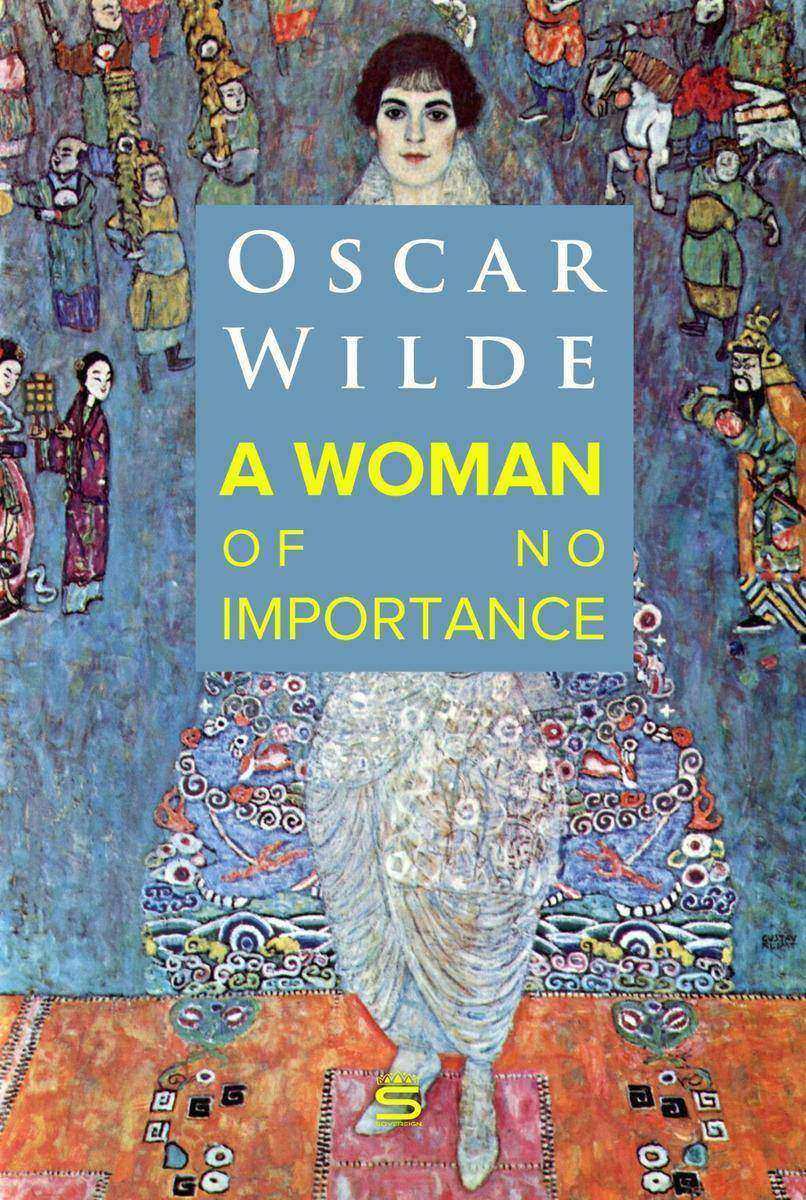
The play opens with a party on a terrace in Lady Hunstanton's estate. The upper class guests exchange social gossip and small talk. Lady Caroline Pontrefact patronizes an American visitor, Hester Worsley, and proceeds to give her own opinion on everyone in the room and her surrounding life. Lady Caroline also denounces Hester's enthusiasm for Gerald Arbuthnot until Gerald himself enters to proclaim that Lord Illingworth, a powerful, flirtatious male political figure intends to take him under his wing as secretary.
The History of Animals
¥40.79
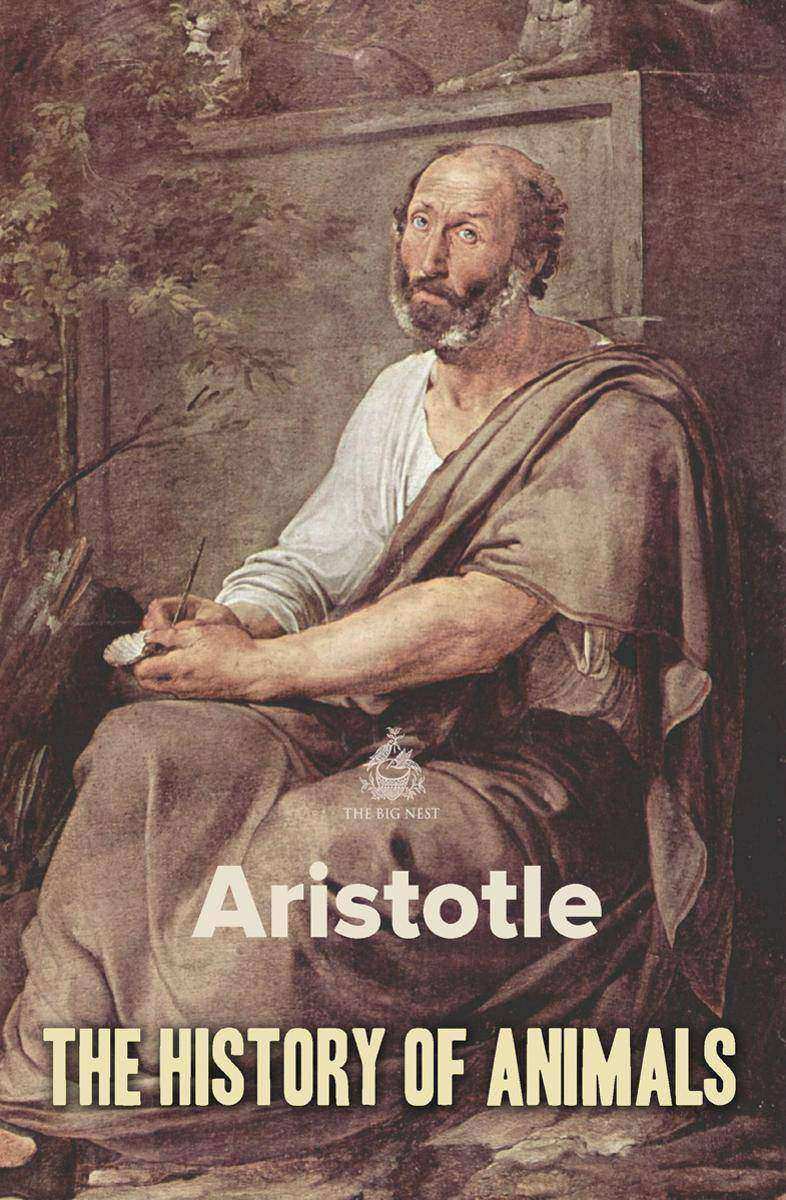
Generally seen as a pioneering work of zoology, Aristotle frames his text by explaining that he is investigating the existing facts about animals. History of Animals is one of the major texts on biology.
Symposium
¥40.79
Of all the works of Plato the Symposium is the most perfect in form, and may be truly thought to contain more than any commentator has ever dreamed of; or, as Goethe said of one of his own writings, more than the author himself knew. For in philosophy as in prophecy glimpses of the future may often be conveyed in words which could hardly have been understood or interpreted at the time when they were uttered.
Euthyphro
¥40.79
In the Meno, Anytus had parted from Socrates with the significant words: 'That in any city, and particularly in the city of Athens, it is easier to do men harm than to do them good;' and Socrates was anticipating another opportunity of talking with him. In the Euthyphro, Socrates is awaiting his trial for impiety. But before the trial begins, Plato would like to put the world on their trial, and convince them of ignorance in that very matter touching which Socrates is accused. An incident which may perhaps really have occurred in the family of Euthyphro, a learned Athenian diviner and soothsayer, furnishes the occasion of the discussion.


