


 购物车
购物车 个人中心
个人中心
Renaissance in Italy: The Age of the Despots
¥8.09
According to Wikipedia: "John Addington Symonds (5 October 1840 - 19 April 1893) was an English poet and literary critic… Meanwhile he was occupied with his major work, Renaissance in Italy, which appeared in seven volumes at intervals between 1875 and 1886. The Renaissance had been the subject of Symonds' prize essay at Oxford, and this had aroused a desire to produce a more complete picture of the reawakening of art and literature in Europe... He practically made his home at Davos. A charming picture of his life there is drawn in Our Life in the Swiss Highlands (1891). Symonds became a citizen of the town; he took part in its municipal business, made friends with the peasants and shared their interests. There he wrote most of his books: biographies of Shelley (1878), Philip Sidney (1886), Ben Jonson (1886) and Michelangelo (1893), several volumes of poetry and essays, and a translation of the Autobiography of Benvenuto Cellini (1887). There, too, he completed his study of the Renaissance, the work for which he is mainly remembered."
Renaissance in Italy: The Fine Arts
¥8.09
According to Wikipedia: "John Addington Symonds (5 October 1840 - 19 April 1893) was an English poet and literary critic… Meanwhile he was occupied with his major work, Renaissance in Italy, which appeared in seven volumes at intervals between 1875 and 1886. The Renaissance had been the subject of Symonds' prize essay at Oxford, and this had aroused a desire to produce a more complete picture of the reawakening of art and literature in Europe... He practically made his home at Davos. A charming picture of his life there is drawn in Our Life in the Swiss Highlands (1891). Symonds became a citizen of the town; he took part in its municipal business, made friends with the peasants and shared their interests. There he wrote most of his books: biographies of Shelley (1878), Philip Sidney (1886), Ben Jonson (1886) and Michelangelo (1893), several volumes of poetry and essays, and a translation of the Autobiography of Benvenuto Cellini (1887). There, too, he completed his study of the Renaissance, the work for which he is mainly remembered."
The True and Honorable History of the Life of Sir John Oldcastle, Shakespeare Ap
¥8.09
Elizabethan play, sometimes attributed in part to Shakespeare. According to Wikipedia: "William Shakespeare (baptised 26 April 1564 – died 23 April 1616) was an English poet and playwright, widely regarded as the greatest writer in the English language and the world's pre-eminent dramatist. He is often called England's national poet and the "Bard of Avon" (or simply "The Bard"). His surviving works consist of 38 plays, 154 sonnets, two long narrative poems, and several other poems. His plays have been translated into every major living language, and are performed more often than those of any other playwright."
Four Plays
¥8.09
Four classic Russian plays. According to the introduction, "ALEXANDER NIKOLAYEVICH Ostrovsky (1823-86) is the great Russian dramatist of the central decades of the nineteenth century, of the years when the realistic school was all-powerful in Russian literature, of the period when Turgenev, Dostoyevsky, and Tolstoy created a literature of prose fiction that has had no superior in the world's history. His work in the drama takes its place beside theirs in the novel. Obviously inferior as it is in certain ways, it yet sheds light on an important side of Russian life that they left practically untouched."
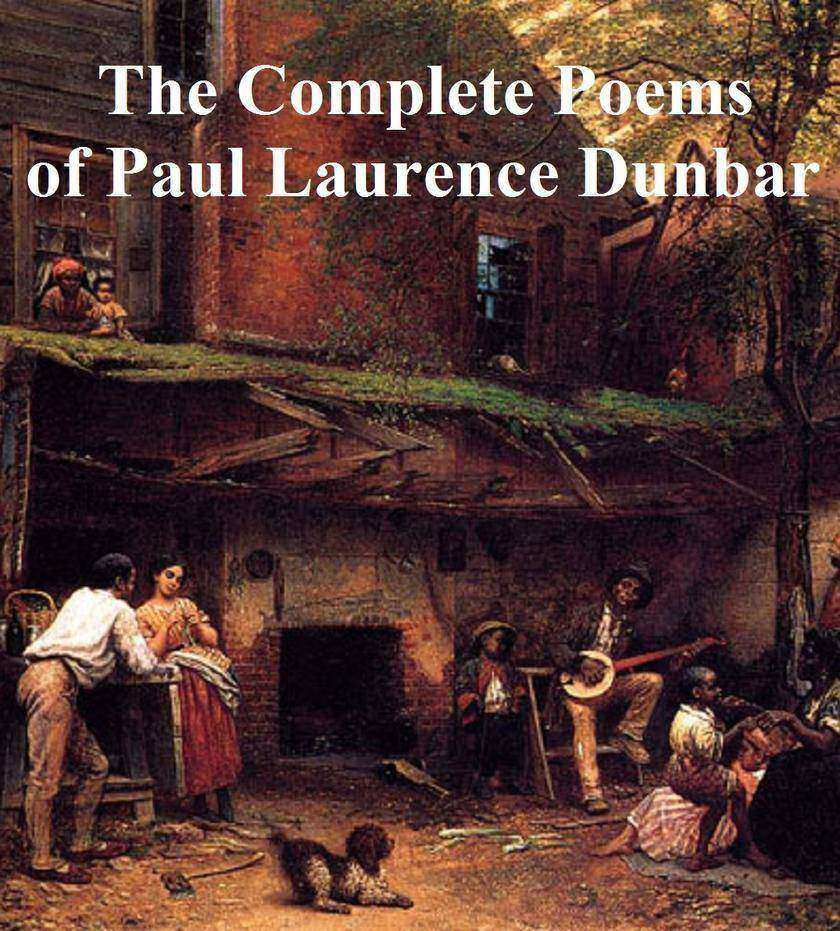
The Complete Poems of Paul Laurence Dunbar
¥8.09
According to Wikipedia: "Paul Laurence Dunbar (June 27, 1872– February 9, 1906) was a seminal African American poet of the late 19th and early 20th centuries. Dunbar gained national recognition for his 1896 Ode to Ethiopia, one poem in the collection Lyrics of Lowly Life."
Othello der Mohr von Venedig
¥8.09
Die Shakespeare-Trag?die, übersetzt von Christoph Martin Wieland. Laut Wikipedia: "Die Trag?die von Othello, der Mohr von Venedig ist eine Trag?die von William Shakespeare, vermutlich um 1603 geschrieben, und basiert auf der italienischen Kurzgeschichte Un Capitano Moro (" Ein maurischer Kapit?n ") von Cinthio, ein Schüler von Boccaccio, der erstmals 1565 ver?ffentlicht wurde. Das Werk dreht sich um vier Hauptfiguren: Othello, ein maurischer General in der venezianischen Armee, seine Frau Desdemona, sein Leutnant Cassio und seine vertraute F?hnrich Jago.
Timon von Athen/Timon of Athens
¥8.09
Shakespeare-Trag?die, in deutscher ?bersetzung. Laut Wikipedia: "Das Leben von Timon von Athen ist ein Stück von William Shakespeare über das Schicksal eines Atheners namens Timon (und wahrscheinlich auch von dem gleichnamigen Philosophen beeinflusst), allgemein als eines seiner dunkelsten und schwierige Arbeiten. "
Maass fur Maas oder Wie Einer Misst so Wird Ihm Wider Gemessen
¥8.09
Shakespeare-Kom?die, ins Deutsche übersetzt. Laut Wikipedia ist "Measure for Measure" ein Stück von William Shakespeare, das 1603 oder 1604 geschrieben wurde. Es wurde (und wird weiterhin) als Kom?die klassifiziert, aber seine Stimmung widersetzt sich diesen Erwartungen Eine Vielzahl von Gründen wurde von einigen Kritikern als eines von Shakespeares Problemspielen bezeichnet.Erst im First Folio von 1623 ver?ffentlicht (wo es zuerst als Kom?die bezeichnet wurde), war die erste Aufnahme des Stücks 1604. Das Stück handelt von den Themen der Barmherzigkeit, der Gerechtigkeit und der Wahrheit und ihrer Beziehung zu Stolz und Demut: "Einige erheben sich aus der Sünde und einige aus der Tugend fallen."
Julius Caesar
¥8.09
Der Shakespeare-Klassiker, übersetzt von August Wilhelm von Schlegel. Laut Wikipedia: "Der Geist Caesars verspottet Brutus über seine bevorstehende Niederlage. (Kupferstich von Edward Scriven aus einem Gem?lde von Richard Westall: London, 1802.) Die Trag?die von Julius Caesar, auch einfach Julius C?sar genannt, ist eine Trag?die von William Shakespeare, von dem man annimmt, dass es im Jahr 1599 geschrieben wurde, und die Verschw?rung gegen den r?mischen Diktator Julius Caesar, seine Ermordung und die Niederlage der Verschw?rer in der Schlacht von Philippi darstellt. Es ist eines von mehreren r?mischen Theaterstücken, die Shakespeare schrieb. basierend auf wahren Ereignissen aus der r?mischen Geschichte, zu denen auch Coriolanus und Antonius und Kleopatra geh?ren. "
Renaissance in Italy: The Catholic Reaction
¥8.09
According to Wikipedia: "John Addington Symonds (5 October 1840 - 19 April 1893) was an English poet and literary critic… Meanwhile he was occupied with his major work, Renaissance in Italy, which appeared in seven volumes at intervals between 1875 and 1886. The Renaissance had been the subject of Symonds' prize essay at Oxford, and this had aroused a desire to produce a more complete picture of the reawakening of art and literature in Europe... He practically made his home at Davos. A charming picture of his life there is drawn in Our Life in the Swiss Highlands (1891). Symonds became a citizen of the town; he took part in its municipal business, made friends with the peasants and shared their interests. There he wrote most of his books: biographies of Shelley (1878), Philip Sidney (1886), Ben Jonson (1886) and Michelangelo (1893), several volumes of poetry and essays, and a translation of the Autobiography of Benvenuto Cellini (1887). There, too, he completed his study of the Renaissance, the work for which he is mainly remembered."
Der Kaufmann von Venedig
¥8.09
Shakespeare-Kom?die in deutscher ?bersetzung. Laut Wikipedia: "The Merchant of Venice" ist eine tragische Kom?die von William Shakespeare, die vermutlich zwischen 1596 und 1598 entstanden ist. Obwohl sie im First Folio als Kom?die klassifiziert wurde und gewisse Aspekte mit Shakespeares anderen romantischen Kom?dien teilt, ist das Stück vielleicht Die meisten werden für ihre dramatischen Szenen in Erinnerung bleiben und sind am besten für Shylock und die berühmte Rede "Hath not a jude eyes" bekannt. Bemerkenswert ist auch Portis Rede über die "Qualit?t der Barmherzigkeit". "
Das Leben und der Tod des K?nigs Lear
¥8.09
Die Shakespeare-Trag?die, übersetzt von Christoph Martin Wieland. Laut Wikipedia: "King Lear ist eine Trag?die von William Shakespeare. Der Titelheld kommt in den Wahnsinn, nachdem er t?richterweise zwischen zwei seiner drei T?chter aufgrund seiner Schmeichelei seinen Nachlass verworfen hat, was tragische Folgen für alle hat. Das Stück basiert auf der Legende von Leir of Britain, einem mythologischen vorr?mischen keltischen K?nig, der für Bühnen- und Spielfilme weitgehend adaptiert wurde, und die Rolle von Lear wurde von vielen der besten Schauspieler der Welt begehrt und gespielt. "
Der Erste Theil von Koenig Heinrich dem Vierten
¥8.09
Shakespeare-Geschichte spielt Heinrich den Vierten Teil, in deutscher ?bersetzung. Laut Wikipedia: "Henry IV, Part 1 ist ein historisches Stück von William Shakespeare, vermutlich sp?testens 1597 geschrieben. Es ist das zweite Stück in Shakespeares Tetralogie, das sich mit den aufeinanderfolgenden Regentschaften von Richard II, Henry IV (zwei Stücke ), und Heinrich V. Heinrich IV., Teil 1, zeigt eine Spannweite der Geschichte, die mit Hotspurs Schlacht bei Homildon gegen Douglas Ende 1402 beginnt und mit der Niederlage der Rebellen in Shrewsbury in der Mitte des Jahres 1403 endet. Von Anfang an war ein ?u?erst popul?res Spiel sowohl bei der ?ffentlichkeit als auch bei den Kritikern. "
Leben und Tod K?nigs Richard des Zweyten
¥8.09
Die Shakespeare-Geschichte spielt Richard II in deutscher ?bersetzung. Laut Wikipedia: "K?nig Richard der Zweite ist ein Geschichtsstück von William Shakespeare, vermutlich um 1595 geschrieben. Es basiert auf dem Leben von K?nig Richard II. Von England (regiert 1377-1399) und ist der erste Teil einer Tetralogie , von einigen Gelehrten als Henriad bezeichnet, gefolgt von drei Stücken über Richards Nachfolger: Henry IV, Teil 1, Henry IV, Teil 2 und Henry V. Es wurde vielleicht nicht als eigenst?ndige Arbeit geschrieben. "

Wie Es Euch Gefallt - As You Like It
¥8.09
Shakespeare-Kom?die, in deutscher ?bersetzung. Laut Wikipedia: "As You Like It" handelt es sich um eine Pastoralkom?die von William Shakespeare, die vermutlich im Jahr 1599 oder Anfang 1600 geschrieben und erstmals im First Folio 1623 ver?ffentlicht wurde. Die erste Aufführung des Stücks ist ungewiss, obwohl eine Aufführung im Wilton House in 1603 wurde als eine M?glichkeit vorgeschlagen, wie Sie es m?gen, folgt seine Heldin Rosalind, wie sie Verfolgung in Hof ihres Onkels flieht, begleitet von ihrer Cousine Celia und Touchstone der Hofnarr, um Sicherheit und schlie?lich Liebe im Wald von Arden zu finden.
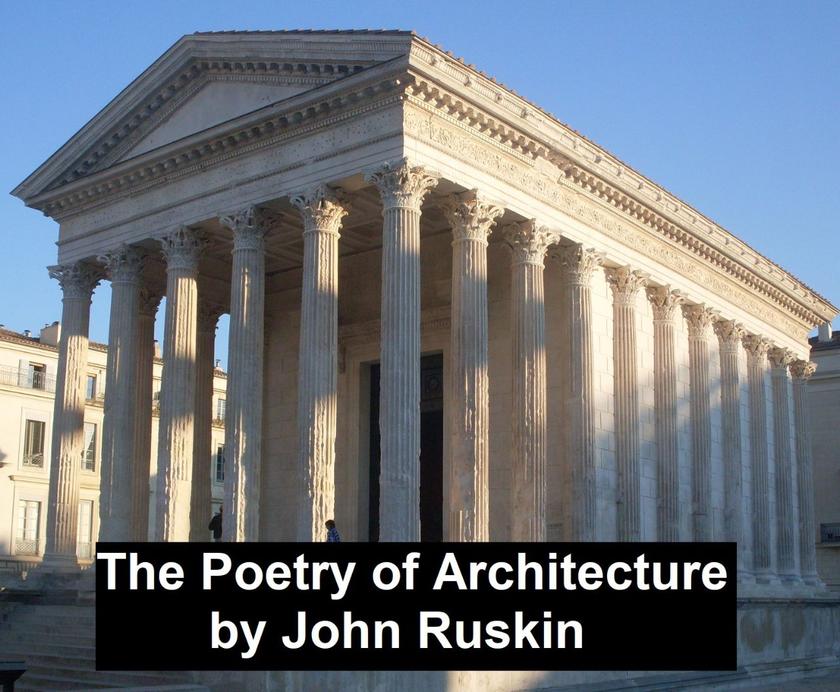
Poetry of Architecture
¥8.09
"The architecture of the nations of Europe considerd inits association with natural sceneery and national characteristics." With 15 illustrations. According to Wikipedia: "John Ruskin (8 February 1819 – 20 January 1900) is best known for his work as an art critic, stage writer, and social critic, but is remembered as an author, poet and artist as well. Ruskin's essays on art and architecture were extremely influential in the Victorian and Edwardian eras."
The Merry Wives of Windsor, with line numbers
¥8.09
Classic Shakespeare comedy, with line numbers. According to Wikipedia: "William Shakespeare (baptised 26 April 1564 – died 23 April 1616) was an English poet and playwright, widely regarded as the greatest writer in the English language and the world's pre-eminent dramatist. He is often called England's national poet and the "Bard of Avon" (or simply "The Bard"). His surviving works consist of 38 plays, 154 sonnets, two long narrative poems, and several other poems. His plays have been translated into every major living language, and are performed more often than those of any other playwright."
Two Gentlemen of Verona, with line numbers
¥8.09
Classic Shakespearean comedy. According to Wikipedia: "The Two Gentlemen of Verona is a comedy by William Shakespeare from early in his career. It has the smallest cast of any of Shakespeare's plays, and is the first of his plays in which a heroine dresses as a boy. It deals with the themes of friendship and infidelity. The highlight of the play is considered by some to be Launce, the clownish servant of Proteus, and his dog Crab, to whom "the most scene-stealing non-speaking role in the canon" has been attributed."
Twelfth Night, with line numbers
¥8.09
Classic Shakespearean comedy, with line numbers. According to Wikipedia: "Twelfth Night, Or What You Will is a comedy by William Shakespeare, based on the short story "Of Apollonius and Silla" by Barnabe Rich, which in turn was based on a story by Matteo Bandello. It is named after the Twelfth Night holiday of the Christmas season. It was written around 1601 and first published in the First Folio in 1623. The main title is believed to be an afterthought, created after John Marston premiered a play titled What You Will during the course of the writing."
King Richard III, with line numbers
¥8.09
Classic Shakespearean history play. According to Wikipedia: "Richard III is a history play by William Shakespeare, believed to have been written in approximately 1591, depicting the Machiavellian rise to power and subsequent short reign of Richard III of England.[1]The play is grouped among the histories in the First Folio and is most often classified as such. Occasionally, however, as in the quarto edition, it is termed a tragedy. Richard III concludes Shakespeare's first tetralogy (also containing Henry VI parts 1-3). After Hamlet, it is the longest play in the canon and is the longest of the First Folio, whose version of Hamlet is shorter than its Quarto counterpart. The play is rarely performed unabridged; often certain peripheral characters are removed entirely, most commonly Margaret. In such instances extra lines are often invented or added from elsewhere in the sequence in order to establish the nature of characters' relationships."
The Winter's Tale, with line numbers
¥8.09
Classic Shakespearean romance, with line numbers. According to Wikipedia: "The Winter's Tale is a play by William Shakespeare, first published in the First Folio in 1623. Although it was listed as a comedy when it first appeared, some modern editors have relabeled the play a romance. Some critics, among them W. W. Lawrence ... consider it to be one of Shakespeare's "problem plays", because the first three acts are filled with intense psychological drama, while the last two acts are comedic and supply a happy ending."


