


 购物车
购物车 个人中心
个人中心

How to Think Inside the Box
¥24.44
Loongunis need constant changes to thrive, while the strange-haired Earthmen hate the endless moving around. When a sabotage impairs the shift engines of their traveling Box, the forced immobility might drive all Loongunis mad… unless their translator can work out a solution!?? Science fiction adventure at its best, told by multiple award-winning author Michèle Laframboise.?? ?? If you like first-contact situations featuring an alien POV, this one is for you! A chunky 7000-word SF story.?? ? * "The author does a good job narrating from the point of view of an alien who thinks in very different ways from a human." --Tangent Online "...the psychological and mathematical elements of the tale come even more to the fore and they are quite interesting." -- Featured Futures

Clouds of Phoenix: A novel of the Gayan Alliance
¥40.79
Can mere clouds threaten their now home?? Blanche, a young paraplegic girl, watches the clouds dancing in the Phoenix sky.? She wonders if their coordinated figures signal a threat. But the adults are too busy to listen, even her big sister Lupianne worries more about the air production’s failing quotas than? some weird clouds. Then, as the dances grow complex and temperatures rise, the sisters must hurry to prevent the annihilation of their budding settlement. A clever planet-opera featuring a disabled heroine, told by multi-award winning author Michèle Laframboise.?The French version of this novel received the 2001 Cecile Gagnon Award for best first YA novel. "We can only be fascinated by the powerful images?born from the descriptions, by the originality?and coherence of her universe (...)"?-- Le Devoir ?An excellent introduction to science fiction?and to a number of questions about the environment,?social relations and communication.? --Hélène Marchetto,?Les vagabonds du rêve
Five Minute Stories
¥27.88
Laura Elizabeth Howe Richards (1850 – 1943) was an American writer. She born in Boston, Massachusetts, to a high-profile family. During her life, she wrote over 90 books, including children's, biographies,poetry, and others. A well-known children's poem for which she is noted is theliterary nonsense verse Eletelephony. Her father was Dr. Samuel Gridley Howe, an abolitionist and the founder of thePerkins Institution and Massachusetts School for the Blind. Samuel Gridley Howe's famous pupil Laura Bridgman was Laura's namesake.Julia Ward Howe, Laura's mother, was famous for writing the words to The Battle Hymn of the Republic. In 1871 Laura married Henry Richards. He would accept a management position in 1876 at his family's paper mill at Gardiner, Maine, where the couple moved with their three children.In 1917 Laura won a Pulitzer Prize for Julia Ward Howe, 1819-1910, a biography, which she co-authored with her sister, Maud Howe Elliott. Her children's book Tirra Lirra won the Lewis Carroll Shelf Award in 1959. A pre-kindergarten to second grade Elementary School in Gardiner, Mainehonors her name. Works:? St. Nicholas Magazine (contributed poetry)? Baby's Rhyme Book (1878)? Babyhood: Rhymes and Stories, Pictures and Silhouettes for Our Little Ones (1878)? Baby's Story Book (1878)? Five Mice in a Mouse Trap (1880)? The Little Tyrant (1880)? Our Baby's Favorite (1881)? Sketches and Scraps (1881)? Baby Ways (1881)? The Joyous Story of Toto (1885)? Beauty and the Beast (retelling, 1886)? Four Feet, Two Feet, and No Feet (1886)? Hop o' My Thumb (retelling, 1886)? Kaspar Kroak's Kaleidoscope (1886)? L.E.R. (privately printed, 1886)? Tell-Tale from Hill and Dale (1886)? Toto's Merry Winter (1887)? Julia Ward Howe Birthday-Book (1889)? In My Nursery (1890)? Captain January (later made into a movie with Shirley Temple, 1891)? Star Bright (Captain January sequel, 1927)? The Hildegarde Series? Queen Hildegarde (1889)? Hildegarde's Holiday (1891)? Hildegarde's Home (1892)? Hildegarde's Neighbors (1895)? Hildegarde's Harvest (1897)? The Melody Series? Melody (1893)? Marie (1894)? Bethsada Pool (1895)? Rosin the Beau (1898)? The Margaret Series? Three Margarets (1897)? Margaret Montfort (1898)? Peggy (1899)? Rita (1900)? Fernley House (1901)? The Merryweathers (1904)? Glimpses of the French Court (1893)? When I Was Your Age (1893)? Narcissa, or the Road to Rome (1894)? Five Minute Stories (1895)? Jim of Hellas, or In Durance Vile (1895)? Nautilus (1895)? Isla Heron (1896)? "Some Say" and Neighbors in Cyrus (1896)? The Social Possibilities of a Country Town (1897)? Love and Rocks (1898)? Chop-Chin and the Golden Dragon (1899)? Quicksilver Sue (1899)? The Golden-Breasted Kootoo (1899)? Sundown Songs (1899)? For Tommy and Other Stories (1900)? Snow-White, or The House in the Wood (1900)? Geoffrey Strong (1901)? Mrs. Tree (1902)? The Hurdy-Gurdy (1902)? More Five Minute Stories (1903)? The Green Satin Gown (1903)? The Tree in the City (1903)? Mrs. Tree's Will (1905)? The Armstrongs (1905)? The Piccolo (1906)? The Silver Crown, Another Book of Fables (1906)? At Gregory's House (1907)? Grandmother, the Story of a Life that Never was Lived (1907)? Ten Ghost Stories (1907)? The Pig Brother, and Other Fables and Stories (1908)? The Wooing of Calvin Parks (1908)? A Happy Little Time (1910)? Up to Calvin's (1910)? On Board the Mary Sands (1911)? Jolly Jingles (1912)? Miss Jimmy (1913)? The Little Master (1913)? Three Minute Stories (1914)? The Pig Brother Play-Book (1915)? Fairy Operettas (1916)? Pippin, a Wandering Flame (1917)? A Daughter of Jehu (1918)? To Arms! Songs of the Great War (1918)? Honor Bright: A Story for Girls (1920)? In Blessed Cyrus (1921)? The Squire (1923)? Acting Charades (1924)? Seven Oriental Operettas (1924)? Honor Bright's New Adventure (1925)? Biographies

Paint the Roses Red
¥40.79
Time is running out. Alice only has one year left to win her bet with the Bandersnatch, or be trapped as a prisoner in his garden forever. And Alice isn’t the only one losing heart. The Queen continues to steal peoples hearts, and the refugees from Neverland are the latest victims. For some reason, Alice can’t put them back and Adam refuses to leave Wonderland until they stop her. The pressure is on for Alice to keep the magic books from falling into the wrong hands. The clock is ticking and failure means none of the stolen hearts will be returned, Adam will remain trapped behind the mirror, and Alice will be forgotten in the Bandersnatch’s garden. Forever.
Fairy Stories and Fables
¥28.29
The longer stories in this book are called Fairy Stories, because that is the name by which such tales are always known to children; and yet only a very few contain any direct reference to fairies. The most of them have to do with talking animals and with strange incidents and transformations such as have always delighted the childish fancy. They have been drawn from a variety of sources; and liberty has been taken to make such changes in the narratives as seemed most necessary to adapt them to the understanding and needs of the children of our own time and country. ??Free renderings, they may be called, of some of the most popular folktales of foreign lands. The Three Bears, Tom Thumb, Jack and the Beanstalk, and Tom Tit Tot are old English favorites dressed in modern garb; Little Red Riding Hood, Puss in Boots, Princet and the Golden Blackbird, and Drakesbill and his Friends are variants of the well-known French versions by Perrault, Marelles, and Sebillot; Little Tuppen and The Three Goats named Bruse are from Norwegian sources; and the rest are founded upon German originals. In the retelling of these tales care has been taken to avoid whatever might distress the most sensitive child as well as everything that could give a wrong bias to his moral nature or distort his perception of the beautiful and the true.
Stories from Dante: Told to the Children
¥14.06
IN the far-off days when Dante lived, those who wrote books wrote them in the Latin tongue. Dante himself wrote the first seven cantos of his great poem in Latin. But like many another poet, he was not satisfied with his first attempt. He flung the seven Latin cantos aside and seemingly forgot all about them, for when he was banished from Florence the poem he had begun was not among his treasures. His wife, however, found the seven cantos and tossed them into a bag among her jewels. Then she also seemed to forget all about them. Five years later a nephew of Dante chanced to find the long-forgotten verses. He at once sent them to his uncle, who was still living in exile. When Dante received the cantos he had written so long ago, he believed that their recovery was a sign from Heaven that he should complete the great poem he had begun. He therefore set to work afresh, but this time he wrote, not in Latin, but in his own beautiful mother-tongue, which was, as you know, Italian. When at length the great poem was finished, Dante named it simply, "The Comedy," and it was not until many years after his de-ath that the title was changed into "The Divine Comedy." A comedy was a tale which might be as sad as tale could be, so only that it ended in gladness.In "The Divine Comedy," then, about which this little book tells, you may expect to find much that is sad, much that is terrible. Yet you may be certain that before the end of the tale you will find in it gladness and joy..
John Charrington’s Wedding
¥8.82
The story's title character is a man who somehow always seems to get what he wants. John makes up his mind to marry May Forster, the prettiest young woman in the village. After John asks her to marry him several times, May finally agrees. John says that his love for May is so great that he would come back from the dead if that was what she wanted him to do. Two days before his wedding, John leaves to visit his seriously ill godfather. May begs him not to go because she has a feeling that something bad will happen. John reassures her that nothing will prevent him from arriving at his wedding on time
Don Quijote
¥8.82
"Don Quijote de la Mancha" es una novela escrita por el espa?ol Miguel de Cervantes Saavedra. Publicada su primera parte con el título de "El ingenioso hidalgo don Quijote de la Mancha" a comienzos de 1605, es la obra más destacada de la literatura espa?ola y universal, además de ser la más publicada y traducida de la historia después de la Biblia. Su segunda parte apareció en 1615 con el título de "El ingenioso caballero don Quijote de la Mancha". Es la primera obra genuinamente desmitificadora de la tradición caballeresca y cortés por su tratamiento burlesco. Representa la primera novela moderna y la primera polifónica; como tal, ejerció un enorme influjo en toda la narrativa europea. Miguel de Cervantes Saavedra (Alcalá de Henares, 29 de septiembre de 1547 - Madrid, 22 de abril de 1616) fue un soldado, novelista, poeta y dramaturgo espa?ol. Es considerado la máxima figura de la literatura espa?ola y es universalmente conocido por haber escrito "Don Quijote de la Mancha".

The Children of the Castle
¥23.14
"Hast thou seen that lordly castle,?That castle by the sea??Golden and red above it?The clouds float gorgeously." ??Do you remember Gratian—Gratian Conyfer, the godson of the four winds, the boy who lived at the old farmhouse up among the moors, where these strange beautiful sisters used to meet? Do you remember how full of fancies and stories Gratian's little head was, and how sometimes he put them into words to please Fergus, the lame child he loved so much? ??The story I am now going to tell you is one of these. I think it was their favourite one. I can not say that it is in the very words in which Gratian used to tell it, for it was not till long, long after those boyish days that it came to be written down. But all the same it is his story. About Author: Mary Louisa Molesworth, née Stewart (1839 – 1921) was an English writer of children's stories who wrote for children under the name of Mrs Molesworth. Her first novels, for adult readers, Lover and Husband (1869) to Cicely (1874), appeared under the pseudonym of Ennis Graham. She was born in Rotterdam, a daughter of Charles Augustus Stewart (1809–1873) who later became a rich merchant in Manchester and his wife Agnes Janet Wilson (1810–1883). Mary had three brothers and two sisters. She was educated in Great Britain and Switzerland: much of her girlhood was spent in Manchester. In 1861 she married Major R. Molesworth, nephew of Viscount Molesworth; they legally separated in 1879. Mrs Molesworth is best known as a writer of books for the young, such as Tell Me a Story (1875), Carrots (1876), The Cuckoo Clock (1877), The Tapestry Room (1879), and A Christmas Child (1880). She has been called "the Jane Austen of the nursery," while The Carved Lions (1895) "is probably her masterpiece." In the judgement of Roger Lancelyn Green: Mary Louisa Molesworth typified late Victorian writing for girls. Aimed at girls too old for fairies and princesses but too young for Austen and the Brontes, books by Molesworth had their share of amusement, but they also had a good deal of moral instruction. The girls reading Molesworth would grow up to be mothers; thus, the books emphasized Victorian notions of duty and self-sacrifice. Typical of the time, her young child characters often use a lisping style, and words may be misspelt to represent children's speech—"jography" for geography, for instance.She took an interest in supernatural fiction. In 1888, she published a collection of supernatural tales under the title Four Ghost Stories, and in 1896 a similar collection of six tales under the title Uncanny Stories. In addition to those, her volume Studies and Stories includes a ghost story entitled "Old Gervais" and her Summer Stories for Boys and Girls includes "Not exactly a ghost story." A new edition of The Cuckoo Clock was published in 1914.
Legea conspira?iei
¥66.22
Paris, iulie 1942: Sarah, o feti?? evreic? ?n v?rst? de zece ani, este arestat? ?n toiul nop?ii, ?mpreun? cu p?rin?ii ei, de poli?ia francez?, dar nu ?nainte de a-?i ?ncuia fratele ?n ascunz?toarea lor secret?, convins? fiind c? se va ?ntoarce dup? numai c?teva ore pentru a-l elibera.Paris, mai 2002: Julia, o jurnalist? american?, stabilit? de mul?i ani la Paris ?i m?ritat? cu un francez, trebuie s? scrie un articol despre razia de la Vel’ d’Hiv, cu ocazia comemor?rii a ?aizeci de ani de la acest eveniment de trist? amintire ?n istoria Fran?ei. ?n timpul investiga?iei sale, Julia descoper? ?nt?mpl?tor o serie de secrete de familie ad?nc ?ngropate, care o leag? de Sarah, ?i simte nevoia de a reconstitui destinul tragic al fetei. Pe m?sur? ce se ad?nce?te ?n trecutul ei, lucrurile pe care le afl? o tulbur? ?i o fac s?-?i pun? ?ntreb?ri cu privire la propria existen??.Se numea Sarah este povestea ?nduio??toare a dou? familii unite de un secret teribil, dar ?i o tulbur?toare pagin? de istorie: Tatiana de Rosnay descrie un episod real din Fran?a aflat? sub ocupa?ie ?i rupe t?cerea care ?nconjoar? un subiect dureros, uneori chiar tabu, din istoria francezilor.
The Financier
¥27.88
The Financier, a novel by Theodore Dreiser Published in 1912, is the first volume of the Trilogy of Desire, which includes The Titan (1914) and The Stoic (1947).? ?? SUMMARY:?? In Philadelphia, Frank Cowperwood, whose father is a banker, makes his first money passing by an auction sale, he successfully bids for seven cases of Castile soap, which he sells to a grocer the same day with a profit of over 70 percent. Later, he gets a job in Henry Waterman & Company, and leaves it for Tighe & Company. He also marries an affluent widow, in spite of his young age. Over the years, he starts misusing municipal funds with the aid of the City Treasurer. ??? In 1871, the Great Chicago Fire redounds to a stock market crash, prompting him to be bankrupt and exposed. Although he attempts to browbeat his way out of being sentenced to jail by intimidating Mr Stener, politicians from the Republican Party use their influence to use him as a scapegoat for their own corrupt practices. Meanwhile, he has an affair with Aileen Butler, a young girl, subsequent to losing faith in his wife. She vows to wait for him after his jail sentence. Her father, Mr Butler dies; she grows apart from her family.
Captain Burle
¥4.41
It was nine o'clock. The little town of Vauchamp, dark and silent, had just retired to bed amid a chilly November rain. In the Rue des Recollets, one of the narrowest and most deserted streets of the district of Saint-Jean, a single window was still alight on the third floor of an old house, from whose damaged gutters torrents of water were falling into the street. Mme Burle was sitting up before a meager fire of vine stocks, while her little grandson Charles pored over his lessons by the pale light of a lamp.
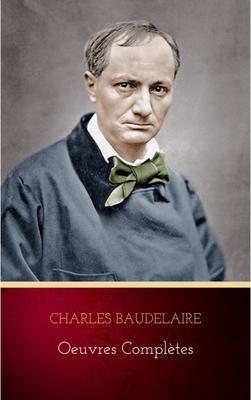
Oeuvres Complètes
¥9.00
Cet ebook regroupe les oeuvres complètes de Charles Baudelaire. Des tables des matières rendent la navigation intuitive et agréable. ---- Contenu: Le Jeune Enchanteur (1846) La Fanfarlo (1847) Les Fleurs du mal (1857) Les Paradis artificiels (1860) Les Fleurs du mal (1861) Les ?paves (1866) Les Fleurs du mal (additional poems of the 1868 edition) Curiosités esthétiques (1868): Salon de 1845, Salon de 1846, Le musée classique du bazar bonne-nouvelle, Exposition universelle — 1855 — beaux-arts, Salon de 1859, De l'essence du rire, Quelques caricaturistes fran?ais, Quelques caricaturistes étrangers. L'Art romantique (1869): L'?uvre et la vie d'Eugène Delacroix, Peintures murales d'Eugène Delacroix à Saint-Sulpice, Le peintre de la vie moderne, Peintres et aqua-fortistes, Vente de la collection de M. E. Piot, L'art philosophique, Morale du joujou, Théophile Gautier, Pierre Dupont, Richard Wagner et Tannh?user à Paris, Philibert Rouvière, Conseils aux jeunes littérateurs, Les drames et les ...
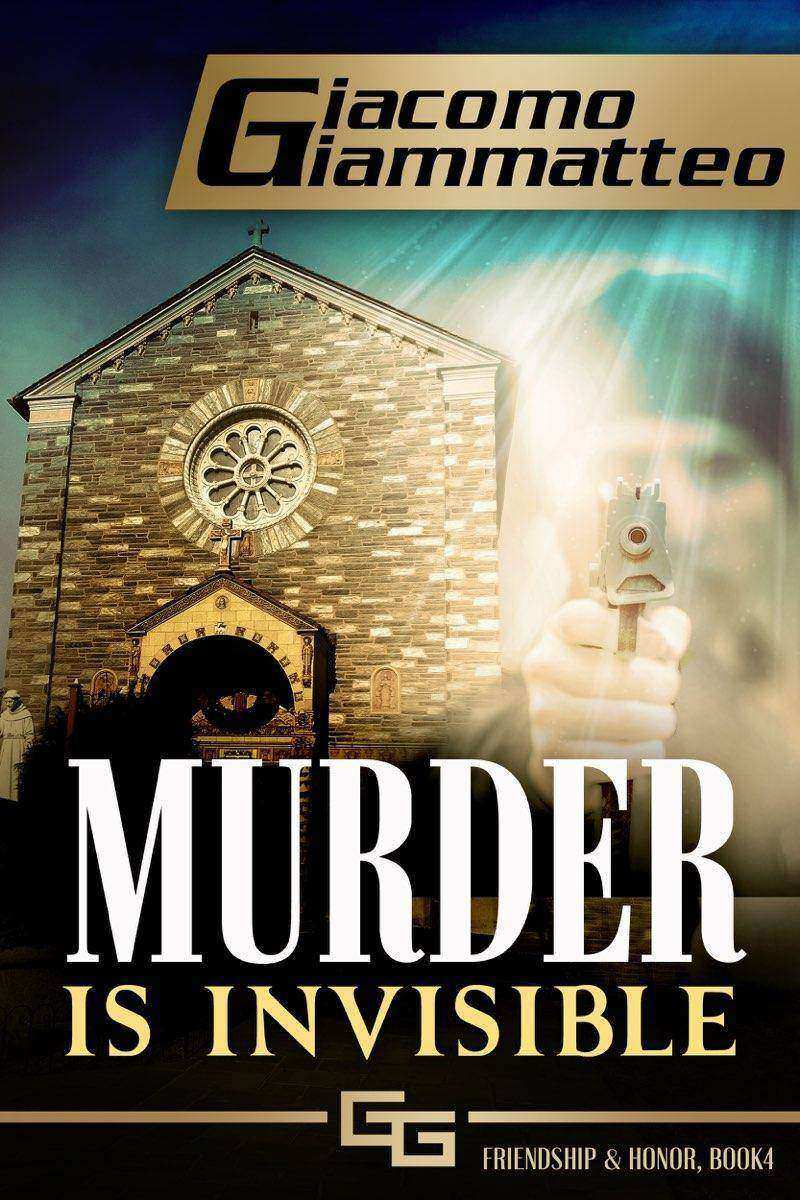
Murder Is Invisible
¥40.79
What do you do when logic tells you to do one thing, but your heart tells you to do another?? That’s the problem Nicky Fusco is facing when Rosa’s friend is kidnapped and she asks him to help.? Then Rosa brings home a video that shows her friend, Allison, being forced to do disgusting things. At that point, Nicky realizes he has no choice, so he sets out to make things right.?
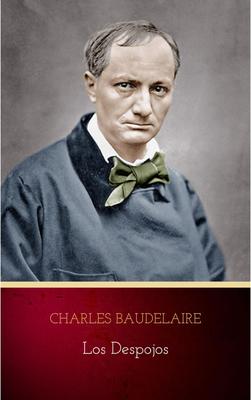
Los Despojos
¥9.00
Esta recopilación compuesta de inéditos y piezas condenadas fue publicada en Bruselas, bajo el cuidado de Poulet-Malassis, amigo de Baudelaire con un pie de imprenta apócrifo: Amsterdam, a l'Enseigne du Coq, precedida por un simbólico frontispicio de Félicien Rops.
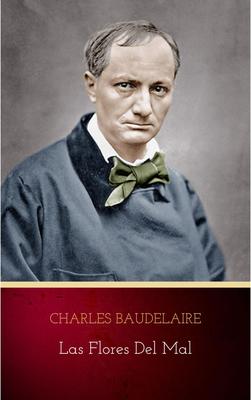
Las Flores del Mal
¥9.00
Les Fleurs du mal es una colección de poemas de Charles Baudelaire. Considerada la obra máxima de su autor, abarca casi la totalidad de su producción poética desde 1840 hasta la fecha de su primera publicación en 1857. Las Flores del mal es considerada una de las obras más importantes de la poesía moderna, imprimiendo una estética nueva, donde la belleza y lo sublime surgen, a través del lenguaje poético, de la realidad más trivial.
La Fanfarlo
¥9.00
Este cuento ha sido publicado en el Boletín de la Sociedad de la Gente de Letras en enero de 1847 bajo el seudónimo de Charles Dufays. Narra la historia de los amores y desamores del joven poeta Samuel Cramer.Una peque?a joya de la literatura clásica.
The Book
¥9.00
"The Book" is an unfinished short story by American horror fiction writer H. P. Lovecraft, believed to have been written in late 1933. It was first published in the journal Leaves in 1938, after Lovecraft's death. In the story fragment, the narrator is given an ancient book by a strange bookseller, and when he takes it home and examines it, weird and sinister events ensue.
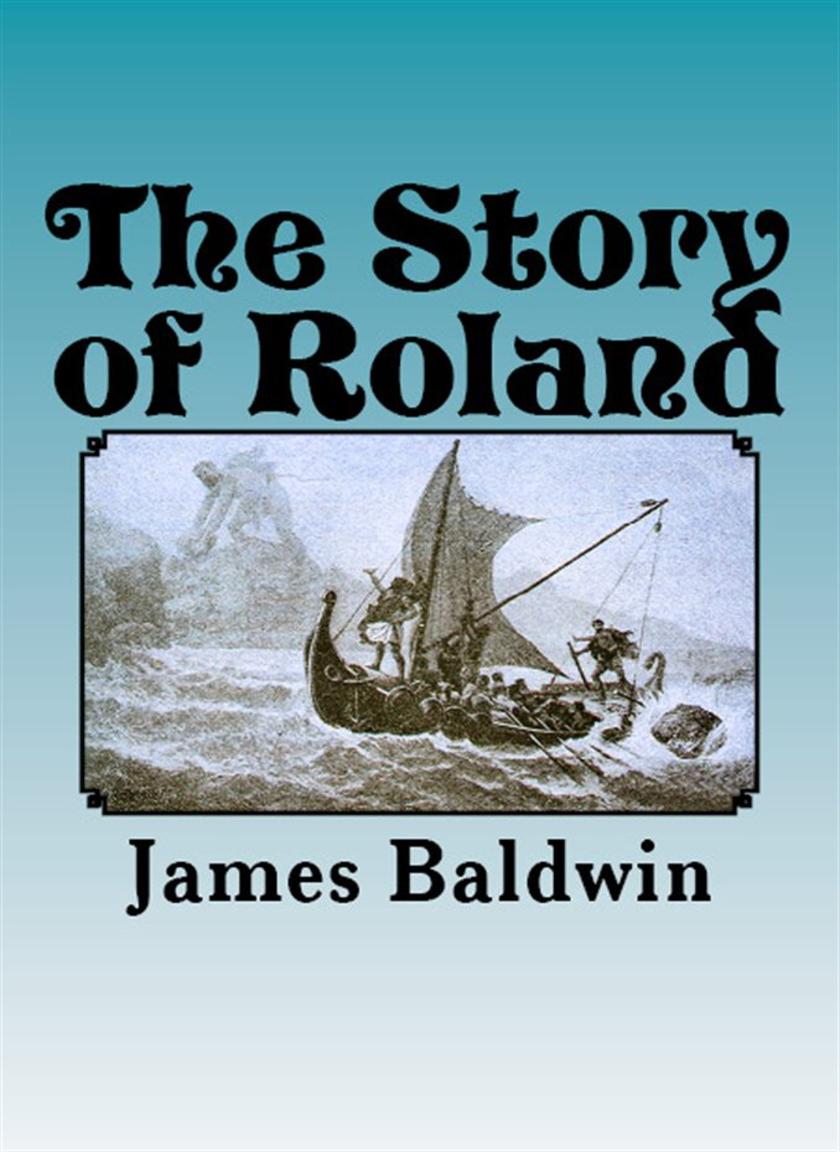
The Story of Roland
¥28.29
Jean Bodel a minstrel of the thirteenth century, wrote, "There are but three subjects which interest men,—the tales of France, of Britain, and of Rome the great; and to these subjects there is nothing like. The tales of Britain are so light and pleasant, those of Rome are wise and of teachful sense; those of France, truly every day of greater appearance."??In this story of Roland as I propose telling it, I shall intro-duce you to some of the most pleasing of those "tales of France" The poems and legends which embody them were written in various languages, and at widely different times; but in them two names, Charlemagne and Roland are of very frequent occurrence. Charlemagne, as you know, was a real historical personage, the greatest monarch of medieval times. His empire included France, the greater part of Germany and Italy; and his power and influence were felt all over the Christian world. The fame of his achievements in war was heralded and sung in every country of Europe; his name was in the mouth of every story-teller and wandering bard; and it finally became customary to ascribe all the heroic deeds and wonderful events of three centuries to the time of Charlemagne. ??The songs and stories in which these events were related were dressed up with every kind of embellishment to suit the circumstances of their recital. Wild myths of the Pagan ages, legends and traditions of the Christian Church, superstitious notions of magic and witchcraft, fantastic stories derived from the Arabs of Spain and the East,—all these were blended in one strange mass, and grafted upon a slender core of historical truth. The result was a curious mixture of fact and fiction, of the real and the marvellous, of the beautiful and the impure, of Christian devotion and heathen superstition. And it was thus that "the tales of France", which we may term the legendary history of Charlemagne, came into being ..
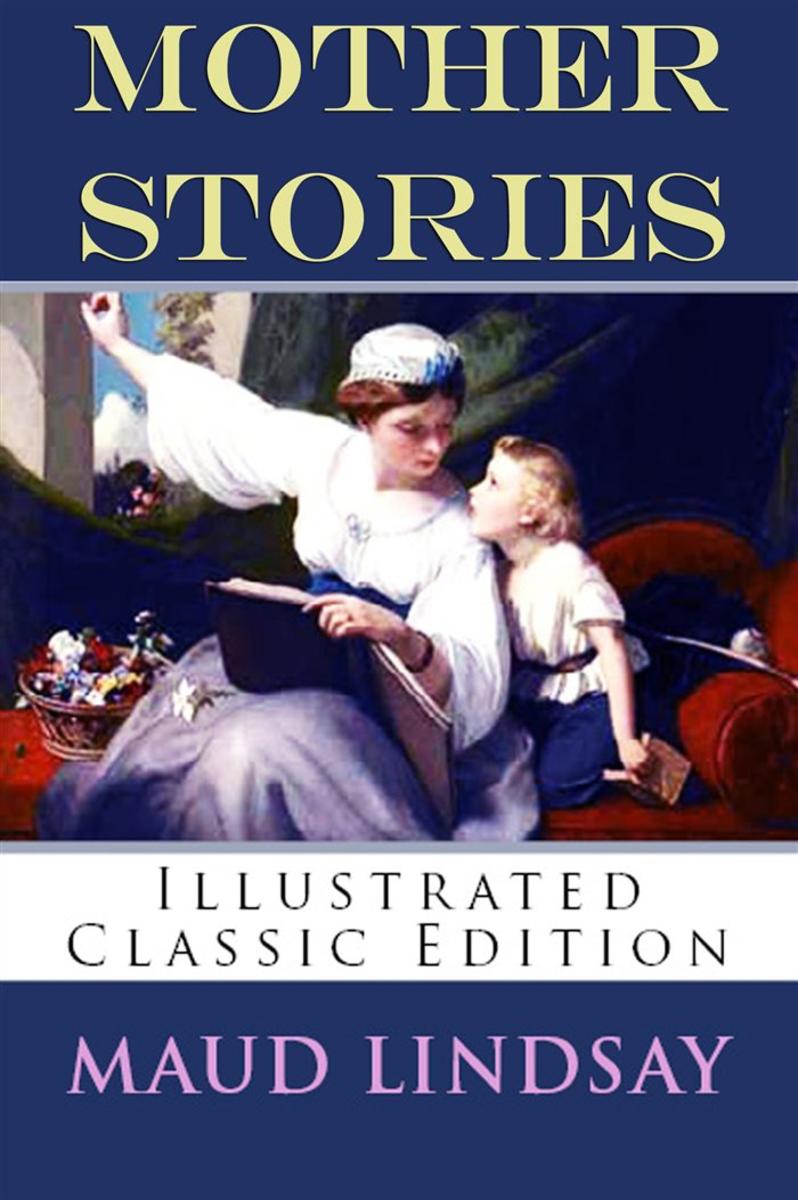
Mother Stories: (Illustrated)
¥18.80
"Mother, a Story at the right time,Is a Looking-glass for the Mind." – Froebel – Endeavored to write, for mothers and dear little children, a few simple stories, embodying some of the truths of Froebel's Mother Play. The Mother Play is such a vast treasure house of Truth, that each one who seeks among its stores may bring to light some gem; and though, perhaps, I have missed its diamonds and rubies, I trust my string of pearls may find acceptance with some mother who is trying to live with her children. I have written my own mottoes, with a few exceptions, that I might emphasize the particular lesson which I endeavor to teach in the story; for every motto in the Mother Play comprehends so much that it is impossible to use the whole for a single subject. From "The Bridge" for instance, which is replete with lessons, I have taken only one,—for the story of the "Little Traveler."
Politica e bel mondo Cronache fiorentine dal 1815 al 1831
¥7.93
Politica e bel mondo Cronache fiorentine dal 1815 al 1831


