


 购物车
购物车 个人中心
个人中心

Chimney The Poetic Story Of A Family Cat
¥24.44
Chimney is a much loved family cat who has chosen to tell her own story in poetic form as only a cat can. She charts her life from mischievous kittenhood to thoughtful maturity in the company of two glorious IRISH SETTERS. Cat lovers and owners everywhere will recognise many of her ways and cat philosophy and those, who do not know cats well, will be surprised at their observational skills!

Think Like A Million Bucks
¥24.44
Think Like A Million Bucks
Top Numerical Methods With Matlab For Beginners!
¥24.44
Top Numerical Methods With Matlab For Beginners!
Instant Profits Guide to Instagram Success
¥24.44
Instant Profits Guide to Instagram Success
They Don't Teach You How to Get Rich at School
¥24.44
They Don't Teach You How to Get Rich at School

Apnea No More: Easy Ways Out Of Sleep Apnea
¥24.44
Apnea No More: Easy Ways Out Of Sleep Apnea

Fundamentals Of Kids Soccer Training
¥24.44
Fundamentals Of Kids Soccer Training

Engineering & Raising Children Who Succeed!
¥24.44
Engineering & Raising Children Who Succeed!
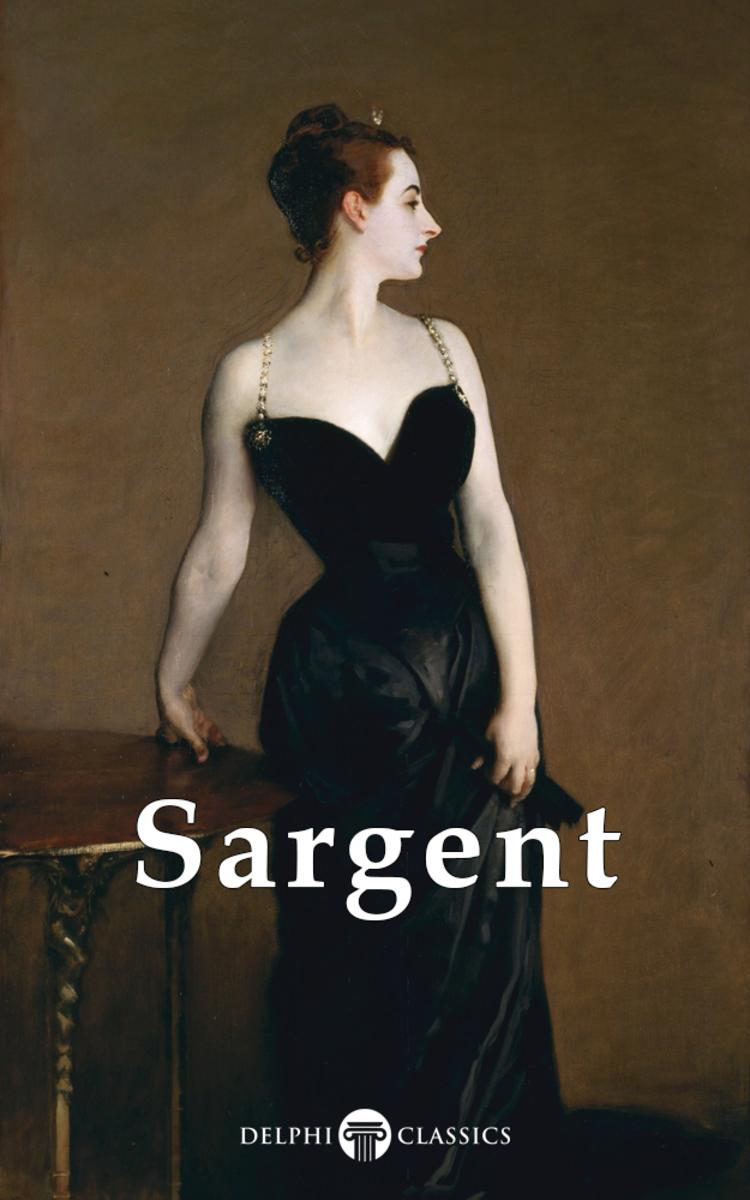
Delphi Complete Works of John Singer Sargent (Illustrated)
¥24.44
Delphi Complete Works of John Singer Sargent (Illustrated)
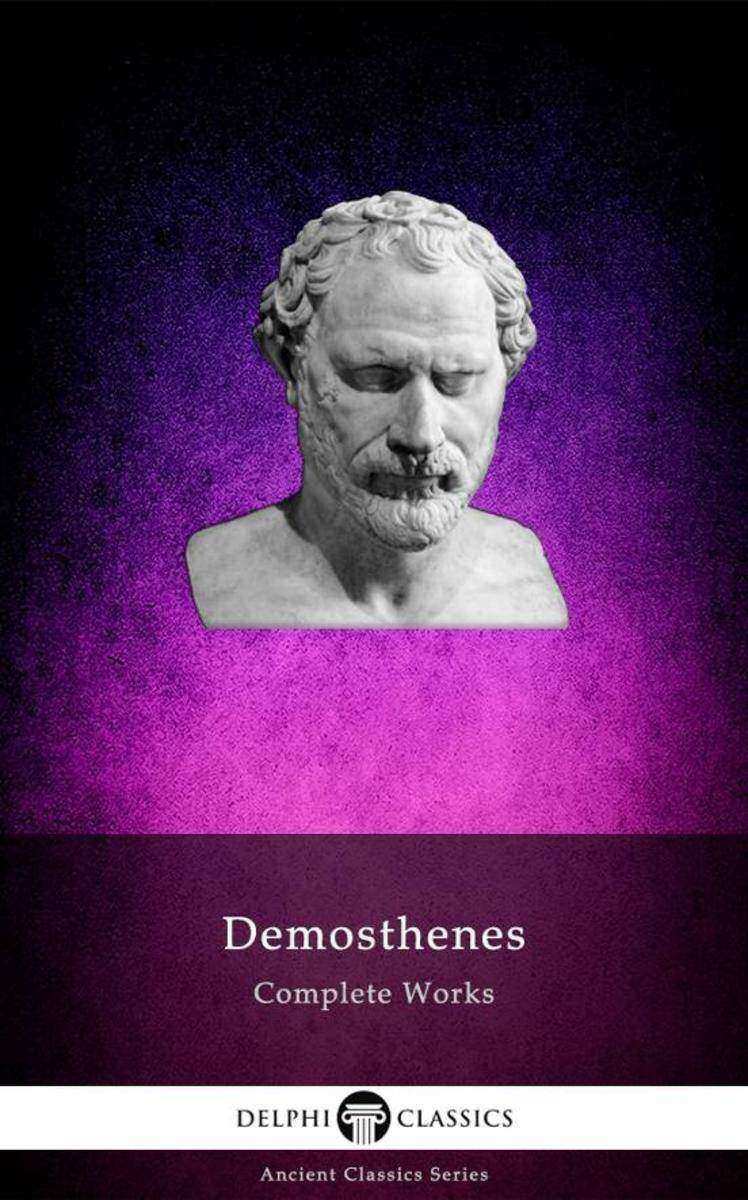
Complete Works of Demosthenes (Delphi Classics)
¥24.44
Complete Works of Demosthenes (Delphi Classics)
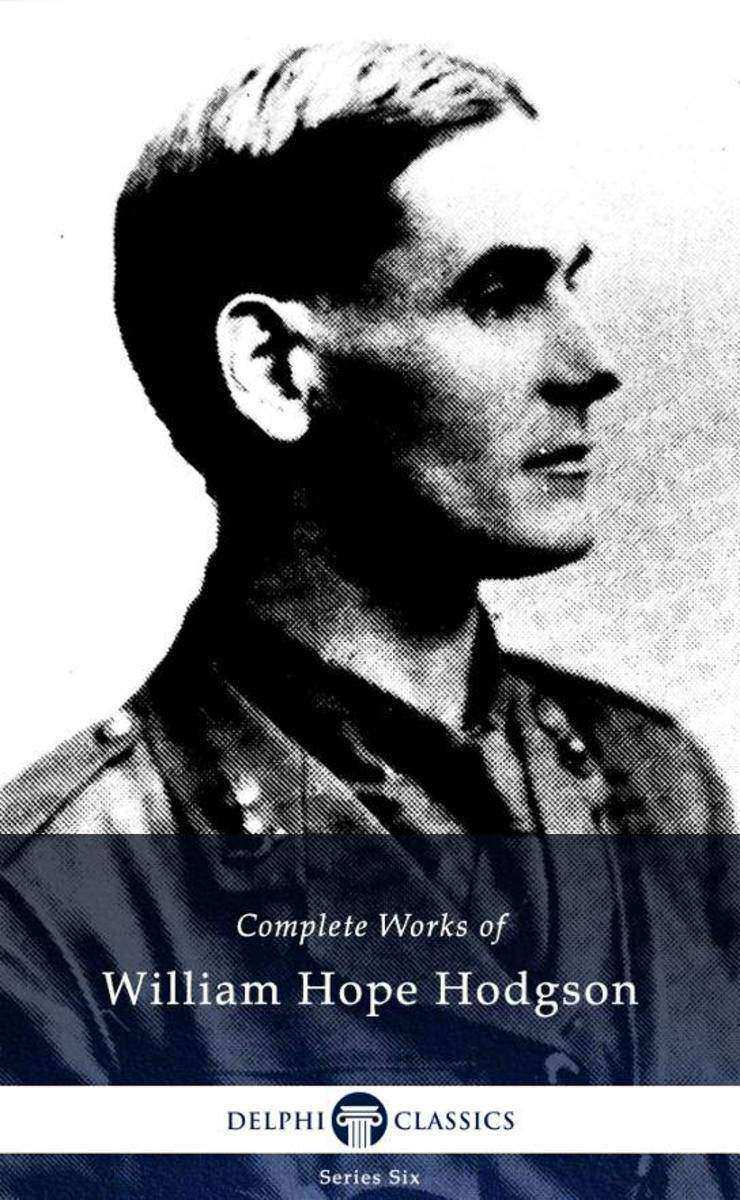
Complete Works of William Hope Hodgson
¥24.44
Complete Works of William Hope Hodgson
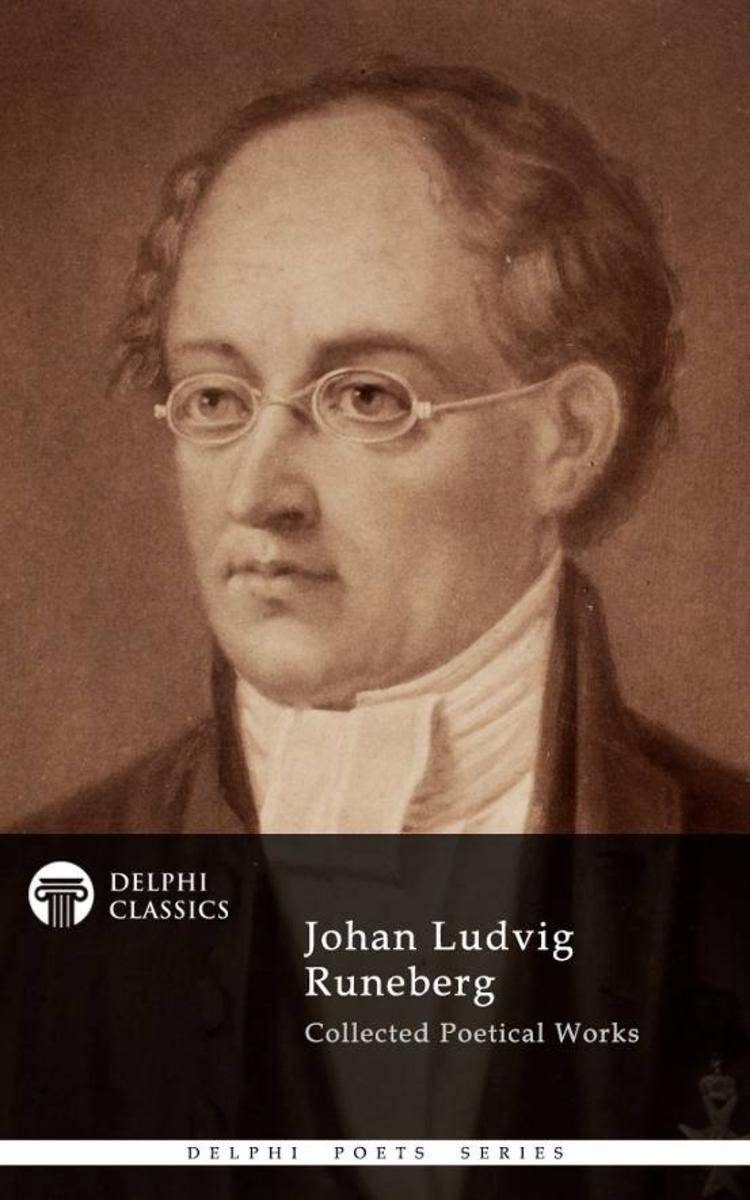
Delphi Collected Works of Johan Ludvig Runeberg (Illustrated)
¥24.44
Delphi Collected Works of Johan Ludvig Runeberg (Illustrated)

Anekdoták
¥24.44
Vidám, r?vid valós t?rténetek a szerz? és családja életéb?l.

Secrets of Excel and Access for Accounting!
¥24.44
Secrets of Excel and Access for Accounting!

Marcus Aurelius: The Dialogues
¥24.44
‘In this delightful and well written book, Alan Stedall … has done an enormous service in making some of Marcus Aurelius’s reflections very accessible to the modern reader’ Faith & Freedom ‘The Dialogues are eminently readable and immediate …in places it is irresistible’ The Philosopher ‘I was drawn deeper and deeper into the simple solid reasoning …Stedall’s imagined dialogue had me fully in the present’ Midwest Book Review ‘I knew within a few lines this was going to be a treasure... Stedall is a word master... Bravo!’ The Smoking Poet Marcus Aurelius, one of the greatest Roman emperors, is remembered less for his military exploits than for his private reflections. His Meditations, as they became known, have been a major influence on Western thought and behaviour down the centuries the pen is mightier than the sword. Seeking an alternative to faith based religion, Alan Stedall came across the book and found rational answers to questions about the meaning and purpose of life that had been troubling him. Here too were answers to his concern that, in the absence of moral beliefs based on religion, we risk creating a world where relativism, the rejection of any sense of absolute right or wrong, prevails. In such a society any moral position is considered subjective and amoral behaviour is unchallengeable. Because the Meditations were jotted down in spare moments during a busy life ruling and defending a huge empire, they lack order and sequence. Inspired by the wisdom of Marcus Aurelius, Stedall has sought to present the contents in a more contemporary and digestible way. To achieve this, he employed the Greek philosophical technique of dialogue to create a fictional conversation between five historical figures who actually met at Aquileia on the Adriatic coast in AD 168. Apart from Marcus, they were his brother and coemperor, Lucius, the famous Hellenic surgeon of antiquity, Galen, an Egyptian high priest of Isis, Harnouphis, and Bassaeus Rufus, Prefect of the Praetorian Guard. The Dialogues afford Marcus and his guests the opportunity to express their views on such topics as the brevity of life and the need to seek meaning; the pursuit of purpose; the supreme good and the pursuit of a virtuous life – issues as relevant today as they were in antiquity. By a gentle process of question and answer, Marcus shows up the weakness of his guests’ arguments and reveals how a virtuous life may be lived without the threat of eternal damnation or promise of salvation to enforce compliance. Virtue is its own reward.

Shakespeare and Platonic Beauty
¥24.44
John Vyvyan’s third Shakespearean study was originally published by Chatto & Windus in 1961, but has long been out of print. Looking at some of the comedies, he reveals how the Platonic ideas of beauty and love, as developed by Plotinus, Ficino, Castiglione and Spenser, add an extra dimension to the plays. In A Midsummer Night’s Dream, As You Like It and All’s Well That Ends Well, the heroines bring to life the idea of love as the force that is awakened in the world by beauty which then leads the soul to perfection. Vyvyan believes that for Shake-speare love was pre-eminent over human ideas of justice, that self-discovery was a supreme human experience and that breaking faith with the ideal ‘ as Agamemnon, Cressida and Hector all do in Troilus and Cressida ‘ sowed the seeds of tragedy. The author’s recognition of Shakespeare’s use of allegory enables him to make sense of certain developments in these plays which seem weak or absurd from the psychological standpoint ‘ the ‘tidy’ marriage of Celia and Oliver in As You Like It, the ignoble behaviour of Bertram in All’s Well That Ends Well, or the constancy of Julia’s love for the fickle Proteus in The Two Gentlemen of Verona. John Vyvyan’s work is extraordinarily perceptive, compelling us to think again about the underlying philosophy in Shakespeare’s plays, and to see their action from a fresh point of view. It is not often that one finds combined in one critical book so much learning, insight and modesty. ‘If a clearly conceived philosophy is implicit [in Shakespeare's work]‘, Vyvyan writes, ‘then it is by parable and allegory that it is expressed; and the recognition of this ‘I think’ immensely enhances our enjoyment of the plays: it gives them a new dimension and a richness that has yet to be explored; it is a stimulating challenge to acting and production; and to the audience it reveals a drama beyond the theatre, written, as Coleridge so finely said, for the stage of the universal mind.’

Hyam The Cat Who Talked Too Much
¥24.44
This is a tale of a cat called Hyam a very special cat. In fact he is a theatrical cat, a fastidious cat, a funny cat, but most of all an adored cat.Most famous for talking himself out of a part at an audition for a West End production for he is an actor. Here he tells his own story in a series of delightfully readable poems a pleasure for all age groups. Follow his adventures as he takes us on his travels through the ups and downs of theatre life and his many escapades as a sophisticated actor, a country puss and a muchloved family pet. Irresistibly combining both a sense of humour and an abounding love of its Feline Subject, with the Author’s delightful illustrations throughout ‘ Hyam The Cat who Talked To Much‘ will capture your imagination and steal your heart.The perfect gift book for all the family ages 9 – 90. Comes with a special offer to buy the Hyam the Cat gift.

If Only Politicians Had Brains
¥24.44
Hopefully you are old enough to remember‘Yes Minister.’Does government really work like thatIf it does, you really need a sense of humour to examine not only its workings but also its nonworkings. That is exactly what’ If Only Politicians Had Brains’ does , examine government workings with a sense of humour. Ten years ago BSE was going to destroy mankind (if mankind ate beef ). So far less than 150 people have died – over a twelve year period. ‘If Only Politicians Had Brains ’takes an, often times , humorous look– with serious intents– at the politically manufactured creations designed to divert public attention away from the real issues. Why do so many people“ fall for “the smoke and mirrors trap that makes“ Hustle ” the successful programme that it isTerenceO?Halloran has a thirty (plus) year experience of dealing with government through British Chambers of Commerce and the Federation of Small Businesses at local and central government level . This is a chance to share his insight into the real “ smoke and mirror ” minds of a group of people that will do anything to prove that they, and only they ,know how they should run your life..

A Physicists Labour In War And Peace
¥24.44
This informative book covers the pre war period to the 1990s spanning the author s experience of the rise of Nazism on the continent, his research and his involvement in the planning of Science and Higher Education in Britain. He gives a wry commentary on education and science in Britain, and describes his role in pressing for adequate funding for science, especially during the Thatcher era. His research in Edinburgh with the future Nobel Laureate Max Born, one of the giants of Theoretical Physics, led to a breakthrough in solidstate physics. In Manchester he worked with Patrick Blackett, also a future Nobel Laureate, measuring Extensive Air Showers . These are sprays of particles, which fall on the earth generated by nuclear particles from the cosmos. Later in Leeds he was one of the initiators of the National British Air Shower Experiment. He writes about some of the famous scientists he has met, and also of his disappointments which are often the fate of a working scientist. This is not a rounded autobiography. Much of the book is concerned with Kellermann s research in solid state and cosmic ray physics and his interaction with outstanding physicists of the time, notably his work with Karl Przibram in Vienna and later with Max Born, Patrick Blackett and E C Stoner, and his meetings with C F Powell in Great Britain. There is also an account of his meeting with Max Planck, his discussions with the later atom spy Klaus Fuchs and other notable scientists of the period. It is concerned also with British science policy and Kellermann s commitment to promote support for science by British governments of the day. But a life in physics spanning the second half of the twentieth century is also likely to be a life deeply marked by warfare, antiSemitism, and disruption. These intelligently written memoirs (Professor Geoffrey Cantor, University of Leeds) offer perceptive assessments of contemporary events and of many of the scientists and politicians Kellermann encountered. The Leitmotiv during Kellermannss later years was his research on cosmic ray extensive air showers. The nonspecialist will find a clear account of how these showers, caused by enormously energetic particles from the cosmos are clues to its understanding, an account leading right up to the present state of the art.

foarte foarte aproape
¥24.44
Nora Iuga mi-a spus c? scriu despre ce nu se vede. Mi-a pl?cut foarte mult formularea. De?i vorbim despre un paradox, av?nd ?n vedere c? orice carte, mai ales una de poezie, este o form? de exhibi?ionism. Cartea aceasta este a?adar despre ceea ce percepem c? exist? ?n jurul nostru. Despre o lume pe care ne-o cl?dim singuri ?i ?n care s?ntem unicii locuitori. Locul ?n care ajungem de fiecare dat? c?nd vrem s? fim doar cu noi ?n?ine. Mi-ar face mare pl?cere ca mul?i dintre cei care o vor citi s? simt? la fel.
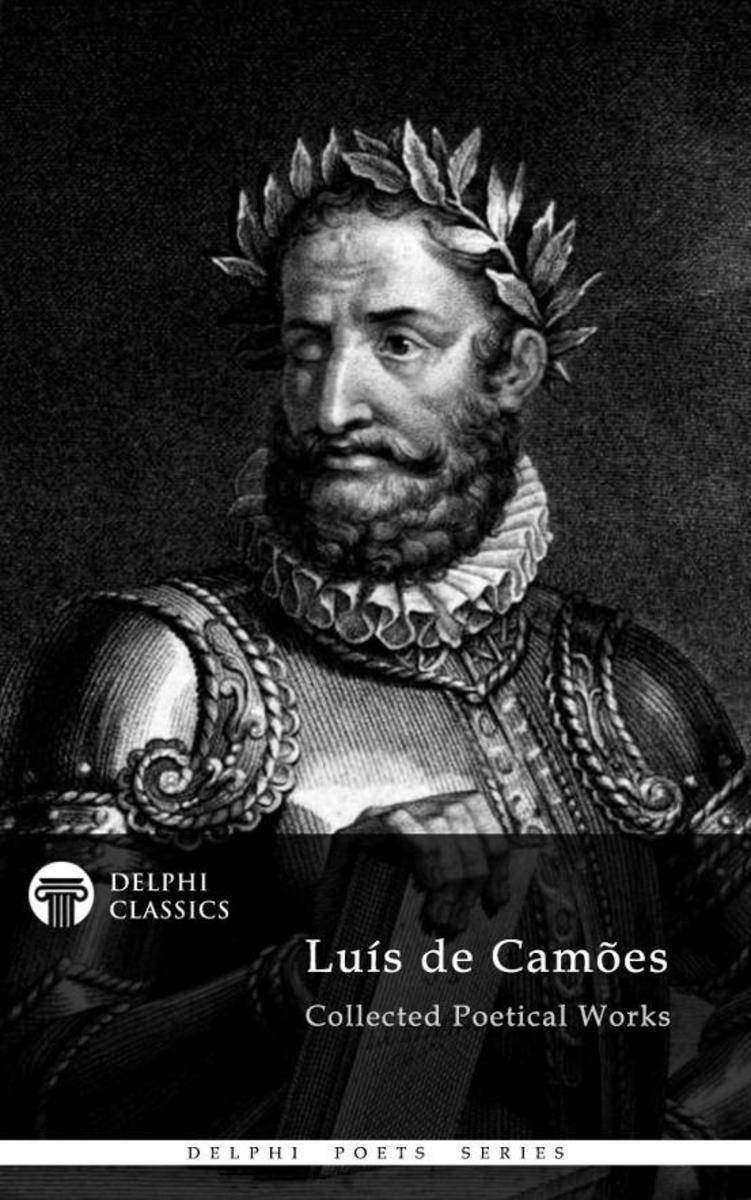
Delphi Collected Works of Luis de Camoes (Illustrated)
¥24.44
Delphi Collected Works of Luis de Camoes (Illustrated)


