


 购物车
购物车 个人中心
个人中心
Tr?darea
¥65.32
Carte nominalizat? la premiile Samuel Johnson, Duff Cooper ?i Marsh Biography?O biografie splendid scris?, o carte care reu?e?te s? ne surprind? ?n multiple feluri. Nu numai c? scoate din umbra istoriei personalitatea lui Potemkin ?i cariera sa excentric?, dar aduce la via?? Rusia aristocratic? a secolului al XVIII-lea… Este evident c? ceea ce l-a fascinat pe Sebag Montefiore este ?nsu?i omul – personalitatea, realiz?rile, rela?ia sa de o via?? cu suverana-amant? –, iar aceast? fascina?ie transpare ?n fiecare pagin? a c?r?ii.“ – Anne Applebaum?O carte magnific?… Reabilitarea plin? de pasiune ?i de devotament a eroului lui Montefiore este numai unul dintre nenum?ratele atuuri minunate ale acestei c?r?i. Realizat? ?n urma cercet?rii am?nun?ite a arhivelor ruse?ti, este o lucrare ?tiin?ific? deosebit?… O biografie superb?… greu de imaginat c? va putea fi ?ntrecut? vreodat?.“ – Frank McLynn?Entuziasmul ?i erudi?ia lui Montefiore fac din aceast? carte mult mai mult dec?t o biografie captivant?, lectura ei este un galop n?valnic… Un triumf al muncii de cercetare ?i o bucurie a lecturii.“ – Antony BeevorCa t?n?r ofi?er de gard?, Grigori Potemkin a atras aten?ia Ecaterinei, la acea vreme Mare Duces? a Rusiei, cu un gest teatral plin de mare galanterie ?n timpul loviturii de palat care a adus-o pe aceasta la tron. ?n cei treizeci de ani care au urmat, avea s? devin? iubitul ei, partener la domnie ?i so? ?ntr-o c?s?torie secret?, care l?sa libertate am?ndurora pentru satisfacerea propriilor extravagan?e sexuale. Potemkin s-a dovedit a fi unul dintre cei mai sclipitori oameni de stat ai secolului al XVIII-lea, ajut?nd-o pe Ecaterina s? extind? Imperiul Rus ?i manipul?nd cu ?ndem?nare alia?i ?i adversari, de la Constantinopol p?n? la Londra.Aceast? biografie recreeaz? cu ?nsufle?ire personalitatea flamboaiant? ?i realiz?rile lui Potemkin ?i ?i red? locul cuvenit ca un adev?rat colos al secolului al XVIII-lea.Volumul este o cronic? a rela?iei tumultuoase dintre Potemkin ?i Ecaterina, a extraordinarei pove?ti de dragoste dintre dou? personalit??i puternice care au influen?at cursul istoriei. Aduc?nd la via?? aceste personaje cu destine romane?ti, Montefiore relateaz? totodat? povestea cre?rii Imperiului Rus. O biografie la superlativ – intim? ?i panoramic?, explod?nd de via?? ?i pasiune.?Una dintre marile pove?ti de dragoste ale istoriei, ?n aceea?i lig? cu Joséphine ?i Napoleon, Antoniu ?i Cleopatra… O carte excelent?, scris? cu o extraordinar? m?iestrie a detaliului ?i un talent literar uluitor.“ – The Economist

Exploratorii. Cartea a III-a - Muntele de fum
¥73.49
Cartea t?n?rului universitar Mihai-Bogdan Marian consacrat? analizei conflictelor interna?ionale este o invita?ie la luciditate, la reflec?ie autonom?, dezinhibat?, la cercetare aplicat?, f?r? prejudec??i ?i partizanate apriorice. Autorul este un analist pentru care exerci?iul ?n sine al disec?rii cauzelor ?i ?mprejur?rilor ce favorizeaz? apari?ia ?i acutizarea conflictelor interna?ionale nu este unul fortuit sau gratuit. Ideea sa tutelar? este c? orice astfel de conflict poate fi pre?nt?mpinat. Iar dac?, fatalmente, el s-a declan?at ?i s-a dezvoltat, sc?p?nd poate de sub control, poate fi dezamorsat, factorii angrena?i ?n acest proces av?nd la ?ndem?n? algoritmi ?i proceduri standard care nu trebuie s? fac? obiectul unei ac?iuni in extremis, care s? justifice de fapt prin e?ec escaladarea ?n continuare a conflictului ca atare. (Mihai Milca)
Adonijah: "A Tale of the Jewish Dispersion"
¥23.22
The period included in the reigns of Nero, Galba, Otho, Vitellius, and Vespasian, was remarkable for two memorable events in the annals of ecclesiastical history; the first persecution of the Christian Church by the sixth Roman sovereign, and the dissolution of the Jewish polity by Titus. The destruction of Jerusalem was stupendous, not only as an act of divine wrath, but as being the proximate cause of the dispersion of a whole nation, upon which a long series of sorrow, spoliation, and oppression lighted, in consequence of the curse the Jews had invoked, when in reply to the remonstrances of Pilate they had cried out, “His blood be upon us and our children.” The church below, represented in Scripture as a type of the heavenly Jerusalem above, and having its seat then in the doomed city, was not to continue there, lest the native Jews composing it should gather round them a people of their own nation, in a place destined to remain desolate till the time when the dispersed of Israel should be converted, and rebuild their city and temple. The city bearing the ancient name of Jerusalem does not indeed occupy the same site, being built round the sacred spot where the garden once stood, in which a mortal sepulchre received the lifeless form of the Saviour of the world. But happier times seem dawning on the dispersed of Judea. Our own days have seen the foundations of a Jewish Christian church laid in Jerusalem; our Queen Victoria and the King of Prussia united to commence a work of love, thereby fulfilling in part the promise made to the Jews of old, “And kings shall be thy nursing fathers, and queens thy nursing mothers.” To those readers who feel interested in the dispersed of Israel and Judea, these pages may afford, perhaps, information on an important subject as well as amusement.
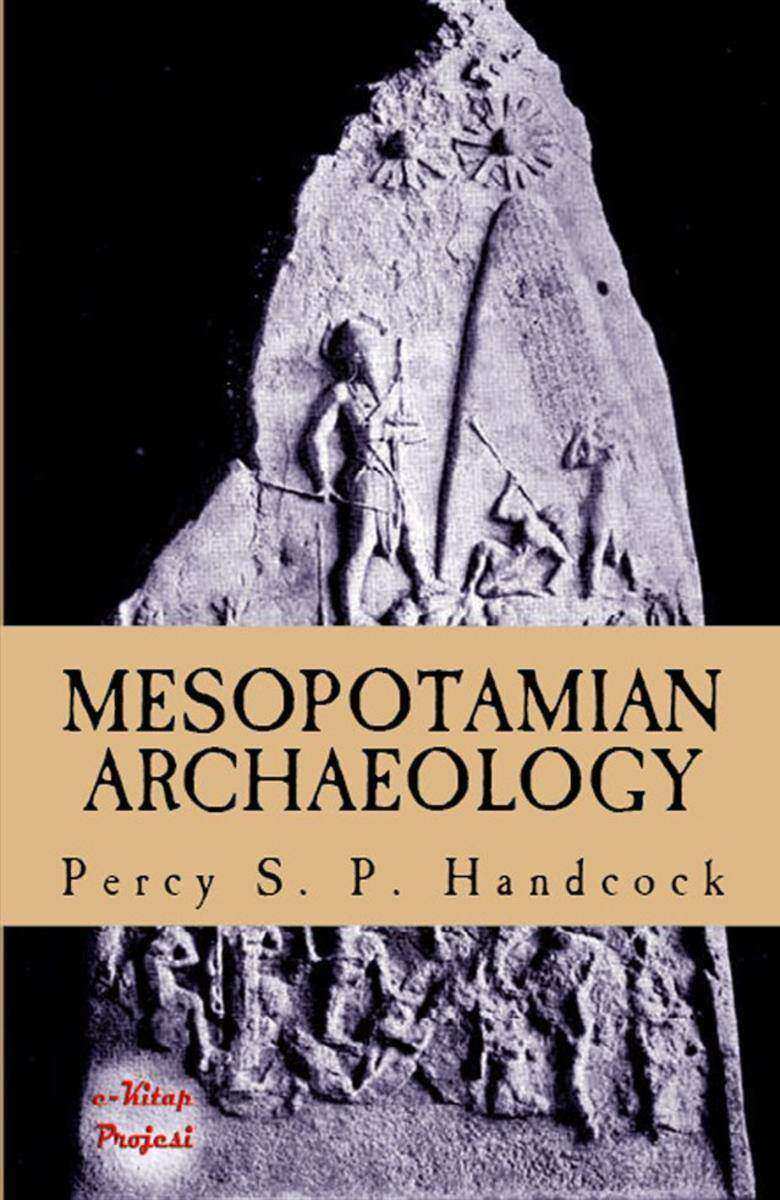
Mesopotamian Archaeology
¥37.20
THE Mesopotamian civilization shares with the Egyptian civilization the honour of being one of the two earliest civilizations in the world, and although M. J. de Morgan’s excavations at Susa the ruined capital of ancient Elam, have brought to light the elements of an advanced civilization which perhaps even antedates that of Mesopotamia, it must be remembered that the Sumerians who, so far as our present knowledge goes, were the first to introduce the arts of life and all that they bring with them, into the low-lying valley of the Tigris and Euphrates, probably themselves emigrated from the Elamite plateau on the east of the Tigris; at all events the Sumerians expressed both “mountain” and “country” by the same writing-sign, the two apparently being synonymous from their point of view; in support of this theory of a mountain-home for the Sumerians, we may perhaps further explain the temple-towers, the characteristic feature of most of the religious edifices in Mesopotamia, as a conscious or unconscious imitation in bricks and mortar of the hills and ridges of their native-land, due to an innate aversion to the dead-level monotony of the Babylonian plain, while it is also a significant fact that in the earliest period Shamash the Sun-god is represented with one foot resting on a mountain, or else standing between two mountains. However this may be, the history of the Elamites was intimately wrapped up with that of the dwellers on the other side of the Tigris, from the earliest times down to the sack of Susa by Ashur-bani-pal, king of Assyria, in the seventh century. Both peoples adopted the cuneiform system of writing, so-called owing to the wedge-shaped formation of the characters, the wedges being due to the material used in later times for all writing purposes—the clay of their native soil—: both spoke an agglutinative, as opposed to an inflexional language like our own, and both inherited a similar culture. A further, and in its way a more convincing argument in support of the mountain-origin theory is afforded by the early art of the Sumerians. On the most primitive seal cylinders1 we find trees and animals whose home is in the mountains, and which certainly were not native to the low-lying plain of Babylonia. The cypress and the cedar-tree are only found in mountainous districts, but a tree which must be identified with one or the other of them is represented on the early seal cylinders; it is of course true that ancient Sumerian rulers fetched cedar wood from the mountains for their building operations, and therefore the presence of such a tree on cylinder seals merely argues a certain acquaintance with the tree, but Ceteris paribus it is more reasonable to suppose that the material earthly objects depicted, were those with which the people were entirely familiar and not those with which they were merely casually acquainted. Again, on the early cylinders the mountain bull, known as the Bison bonasus, assumes the r?le played in later times by the lowland water-buffalo. This occurs with such persistent regularity that the inference that the home of the Sumerians in those days was in the mountains is almost inevitable. Again, as Ward points out, the composite man-bull Ea-bani, the companion of Gilgamesh, has always the body of a bison, never that of a buffalo. So too the frequent occurrence of the ibex, the oryx, and the deer with branching horns, all argues in the same direction, for the natural home of all these animals lay in the mountains.
Orchard and Vineyard
¥18.56
ESCAPECOME, shall we go, my comrade, from this denWhere falsehood reigns and we have dallied long?Exchange the curious vanities of menFor roads of freedom and for ships of song? We came as strangers, came to learn and look,To hear their music, drink the wine they gave.Now let us hence again; the happy brookShall quench our thirst, our music be the wave. Come! they are feasting, let us steal away.Beyond the doors the night awaits us, sweet.To-morrow we shall see the break of day,And goat-herds’ pipes shall lead our roaming feet. TO EVE IN TEARSYOU laughed, and all the fountains of the EastLeapt up to Heaven with their diamond rainTo hang in light, and when your laughter ceasedDropped shivered arrows to the ground again. You laughed, and from the belfries of the earthThe music rippled like a shaken pool;And listless banners at the breeze of mirthWere stirred in harbours suddenly made cool. You wept, and all the music of the air—As when a hand is laid upon a bell—Was stilled, and Dryads of the tossing hairCrept back abashed within the secret dell. MARIANA IN THE NORTHALL her youth is gone, her beautiful youth outworn,Daughter of tarn and tor, the moors that were once her homeNo longer know her step on the upland tracks forlornWhere she was wont to roam. All her hounds are dead, her beautiful hounds are dead,That paced beside the hoofs of her high and nimble horse,Or streaked in lean pursuit of the tawny hare that fledOut of the yellow gorse. All her lovers have passed, her beautiful lovers have passed,The young and eager men that fought for her arrogant hand,And the only voice which endures to mourn for her at the lastIs the voice of the lonely land. SORROW OF DEPARTURE. For D.HE sat among the shadows lost,And heard the careless voice speak onOf life when he was gone from home,Of days that he had made his own,Familiar schemes that he had known,And dates that he had cherished mostAs star-points in the year to come,And he was suddenly alone,Thinking (not bitterly,But with a grave regret) that heWas in that room a ghost. He sat among the shades apart,The careless voice he scarcely heard.In that arrested hour there stirredShy birds of beauty in his heart. The clouds of March he would not seeAcross the sky race royally,Nor yet the drift of daffodilHe planted with so glad a hand,Nor yet the loveliness he plannedFor summer’s sequence to fulfil,Nor trace upon the hillThe annual waking of the land,Nor meditative standTo watch the turning of the mill. He would not pause above the WealdWith twilight falling dim,And mark the chequer-board of field,The water gleaming like a shield,The oast-house in the elms concealed,Nor see, from heaven’s chalice-rim,The vintaged sunset brim,Nor yet the high, suspended starHanging eternally afar. These things would be, but not for him. At summer noon he would not lieOne with his cutter’s rise and dip,Free with the wind and sea and sky,And watch the dappled waves go by,The sea-gulls scream and slip;White sails, white birds, white clouds, white foam,White cliffs that curled the love of homeAround him like a whip....He would not see that summer noonFade into dusk from light,While he on shifting waters brightSailed idly on, beneath the moonClimbing the dome of night. This was his dream of happy thingsThat he had loved through many springs, And never more might know.But man must pass the shrouded gateCompanioned by his secret fate,And he must lonely go,And none can help or understand,For other men may touch his hand,But none the soul below.
![Oxford [Illustrated]](https://platform-permanent.ddimg.cn/pt-media-info-soa-resource/digital/product/45/54/1901164554_ii_cover.jpg?version=81ee585e-882a-449f-85a7-ac4b5d693560)
Oxford [Illustrated]
¥18.56
AT the east end of the choir aisle of the Cathedral there is a portion of the wall which is possibly the oldest piece of masonry in Oxford, for it is thought to be a part of the original Church of St. Frideswyde, on whose site the Cathedral Church of Christ (to give its full title) now stands. Even so it is not possible to speak with historical certainty of the saint or of the date of her Church, which was built for her by her father, so the legend says, when she took the veil; though the year 740 may be provisionally accepted as the last year of her life. St. Frideswyde's was a conventual Church, with a Priory attached, and both were burnt down in 1002, but rebuilt by Ethelred. How much of his handiwork survives in the present structure it is not easy to de-termine; but the Norman builders of the twelfth century effected, at any rate, such a transformation that no suggestion of Saxon architecture is obtruded. Their work went on for some twenty years, under the supervision of the then Prior, Robert of Cricklade, and the Church was consecrated anew in 1180. The main features of the interior—the massive pillars and arches—are substantially the same to-day as the builders left them then. THIS BOOK, is not intended to compete with any existing guides to Oxford: it is not a guide-book in any formal or exhaustive sense. Its purpose is to shew forth the chief beauties of the University and City, as they have ap-peared to several artists; with such a running commentary as may explain the pictures, and may indicate whatever is most interesting in connection with the scenes which they represent. Slight as the notes are, there has been no sacrifice, it is believed, of accuracy. The principal facts have been derived from Alexander Chalmers' History of the Colleges, Halls, and Public Buildings of the University of Oxford, from Mr. Lang's Oxford, and from the Oxford and its Colleges of Mr. J. Wells. The illustrations, with the exception of six only, which are derived from Ackermann's Oxford, are reproduced from the paintings of living artists, mostly by Mr. W. Matthison, the others by Mrs. C. R. Walton, Walter S. S. Tyrwhitt, Mr. Bayzant, and Miss E. S. Cheesewright.

Te ur?sc - nu m? p?r?si. ?n?elegerea personalit??ii borderline
¥73.49
Lucrarea abordeaza teme majore ale politicii despre parlamentarism, parlament, parlamentari, care au suscitat si suscita si astazi aprige controverse, antrenand eforturi si pasiuni in toate mediile culturale si politice ale societatii in decursul vremilor.In analiza Discursurilor si dezbaterilor parlamentare, specialistii si nespecialistii au la dispozitie un bogat material arhivistic alaturi de presa timpului, rod al eforturilor parlamentarilor indiferent de sistemele de reprezentare existente in stat la un moment dat – unicameral sau bicameral.De semnalat in cuprinsul volumului este Mesajul Tronului, sustinut de Al.I. Cuza, alaturi de care intalnim maestri ai elocintei parlamentare romanesti cum ar fi M. Kogalniceanu, Titu Maiorescu, P.P. Carp, I.I.C. Bratianu, Take Ionescu, N. Iorga, O. Goga, N. Titulescu, A.C. Cuza, Al. Vaida-Voievod si multi altii.
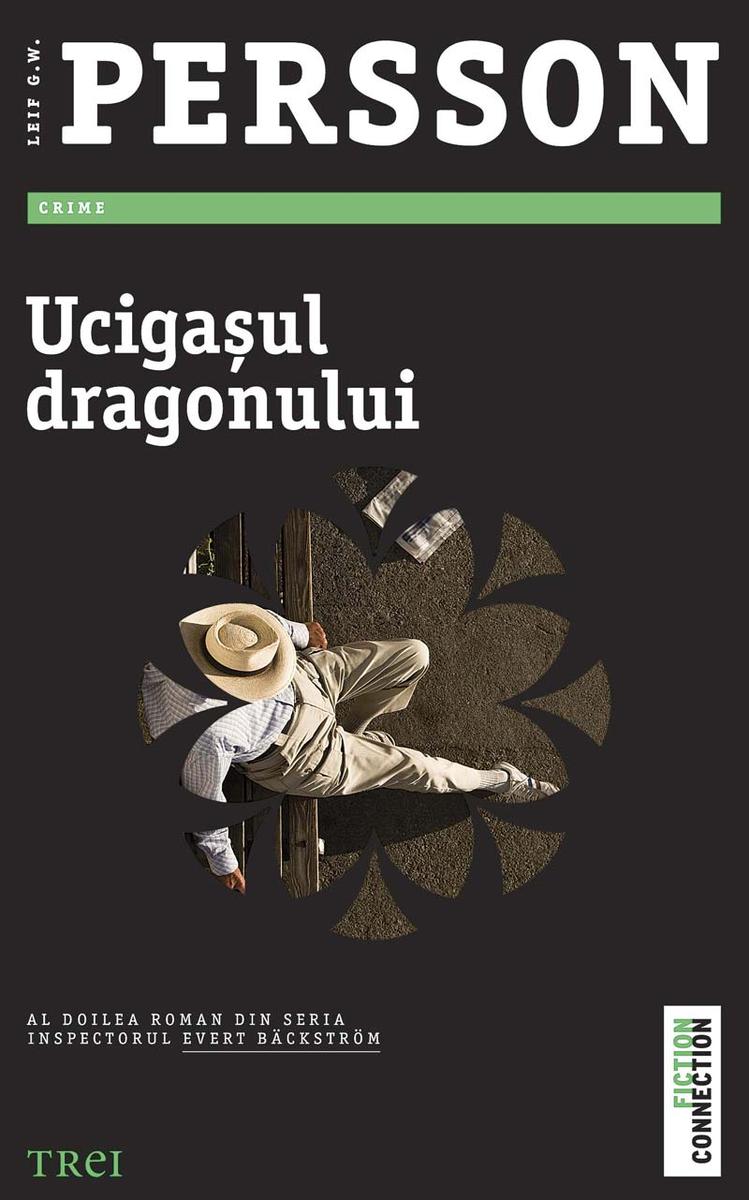
Uciga?ul dragonului
¥81.67
Necesitatea acestei carti s-a impus in campul istoriografiei contemporane ca un raspuns ce se cerea stringent intr-un moment in care istoriografia in ansamblul ei a intrat intr-un serios impas girat si incurajat de predominanta agresiva si interferenta unor scoli si curente inconsistente, care de care mai zgomotoase, mai belicoase, mai ?originale“, concomitent cu intensificarea presiunii factorului politic (guverne, parlamente, tribunale, ong-uri etc).Tematica lucrarii o constituie evenimentele care au tulburat intreaga lume in perioada celui de-al Doilea Razboi Mondial.Studiile din aceasta carte au aparut sub semnatura celor mai prestigiosi istorici ai neamului nostru din aceasta perioada: acad. Dan Berindei, acad. Florin Constantiniu, prof. univ. dr. Gh. Buzatu (coordonatorul editiei), Stela Cheptea si multi altii.

Deadly Seven: FEATURE FILM SCRIPT
¥44.81
Deadly Seven is a combination of monologues and ‘light’ script engagement of a psychologist with her seven clients, who each represent a deadly sin. Once the psychologist realises she lacks control over each of her clients’ lives, she decides to put an end to their madness. All characters represent an obsession which ultimately destroys them; leading to their deaths.
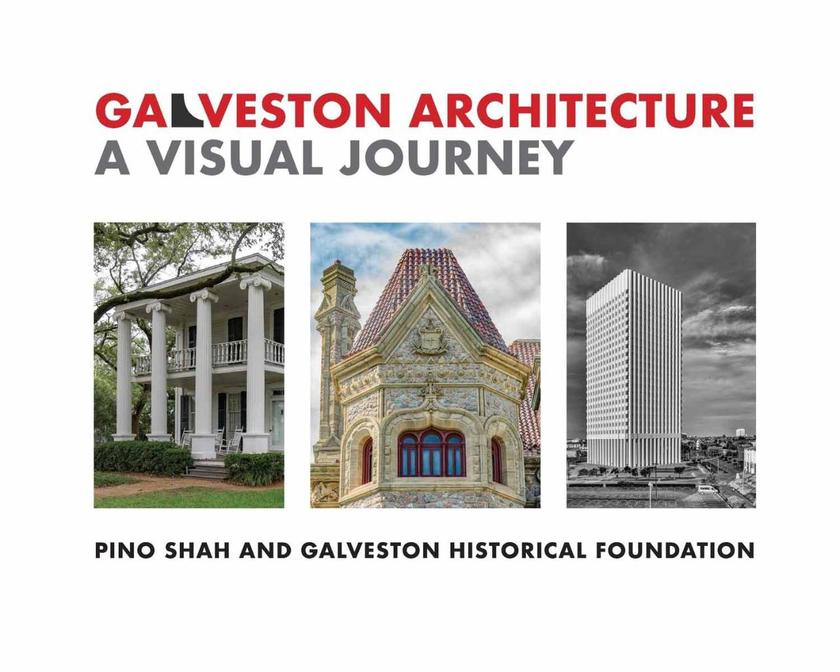
Galveston Architecture: A Visual Journey
¥245.17
Galveston Architecture: A Visual Journey is a photographic journey of the architecture and history of select 100 buildings in Galveston, Texas, with photographs by Pino Shah, World Heritage Photographer and narratives by Galveston Historical Foundation (GHF). The book includes full illustrations of 100 buildings re ecting Greek Revival, Victorian, Italianate and Mid-century Modern architectural styles from 1840s through 1990s. Pino Shah is a world heritage photographer based in McAllen, Texas and Ahmedabad, India. Galveston Historical Foundation preserves and revitalizes the architectural, cultural and maritime heritage of Galveston Island. The Foundation is a 501 (c) (3) non-pro t charitable corporation.

Mental and Physical Endurance: How to reach your physical and mental peak
¥61.83
Most of us know that we are not exercising our minds and bodies as much as we should. The Elite Forces Manual of Mental and Physical Endurance uses techniques developed by special forces units to train their recruits to show how we can improve our mental and physical fitness. The book is a detailed examination of what it takes to become as fit as a special forces soldier, taking a holistic view of the body and mind. It is equally important to focus on diet, rest patterns and mental discipline as it is to concentrate on physical exercises. Using simple steps, the book shows the reader how they can build up their endurance over a matter of weeks and months, and how their quality of life will benefit. Like elite soldiers, top athletes need the spur of competition to achieve their greatest successes, and The Elite Forces Manual of Mental and Physical Endurance demonstrates how you can gain the psychological edge over your opponent. Whether you are competing in unarmed combat sports, running a marathon or just looking to get ahead, the book has helpful and practical advice for you. Using photographs and artworks, The Elite Forces Manual of Mental and Physical Endurance shows how special forces units such as the SAS and Delta Force stretch themselves mentally and physically, giving the reader the opportunity to train as they do in easy-to-follow steps to reach their peak of mental and physical strength.
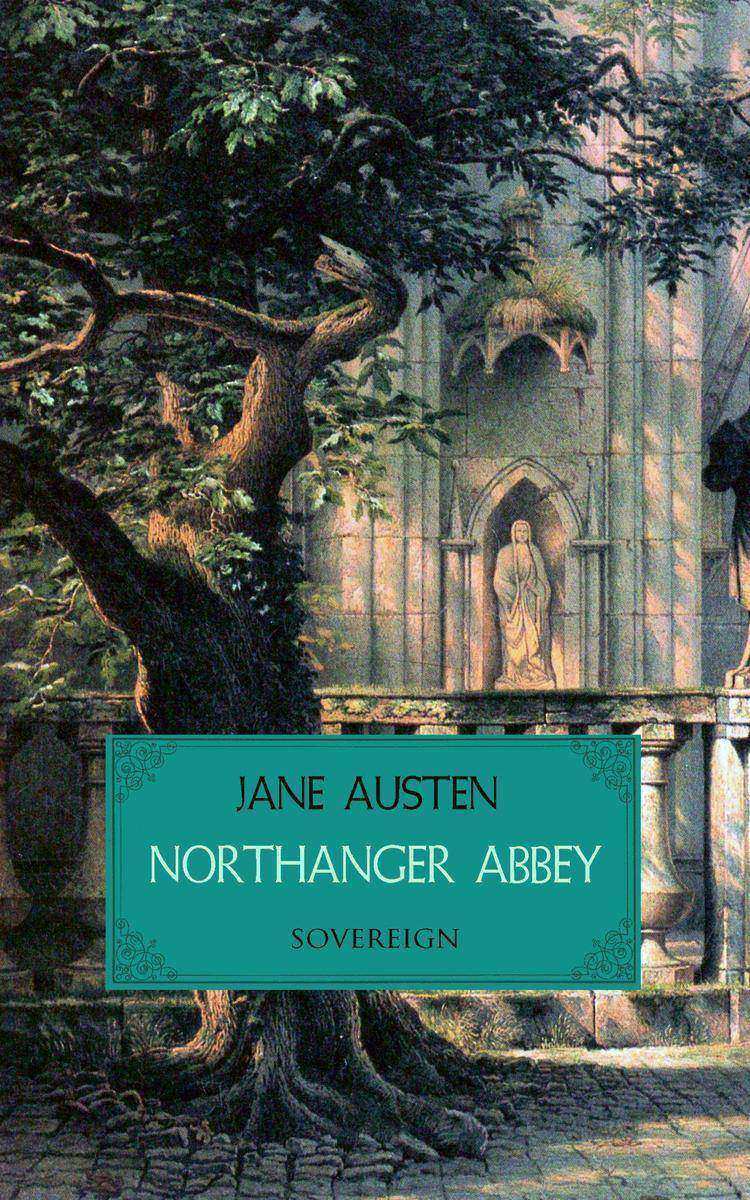
Northanger Abbey
¥40.79
Catherine Morland, aged seventeen, is addicted to reading Gothic novels. She joins her wealthier neighbours on a trip to Bath to partake in the winter season of balls, and finds herself pursued by the rather rough-mannered, slovenly John Thorpe, and by her real love interest, Henry Tilney. Henry's father invites Catherine to visit their estate, Northanger Abbey, which she expects to be ancient and full of Gothic horrors and fantastical mystery.


