


 购物车
购物车 个人中心
个人中心
Chitra
¥8.09
Play. According to Wikipedia: "Rabindranath Tagore (7 May 1861 – 7 August 1941), sobriquet Gurudev, was a Bengali poet, novelist, musician, painter and playwright who reshaped Bengali literature and music. As author of Gitanjali and its "profoundly sensitive, fresh and beautiful verse", he was the first non-European who was awarded the Nobel Prize for Literature in 1913. His poetry in translation was viewed as spiritual, and this together with his mesmerizing persona gave him a prophet-like aura in the west. His "elegant prose and magical poetry" still remain largely unknown outside the confines of Bengal."
Karl Marx ?n 1234 de fragmente alese de Ion Iano?i
¥65.32
Volumul cuprinde un amplu studiu introductiv (aprox. 50 pag.) si o selectie – pe tema stabilita in titlu – de 200 documente inedite descoperite in arhivele britanice, americane, franceze, germane si foste sovietice.
Marea amiaz?. Studii ?i eseuri despre Nietzsche
¥40.79
The work represents a synthesis published and printed in two volumes (the 1st volume in 2002, the second one, in 2004) under the aegis of Mica Valahie Publishing House in Bucharest. Being elaborated on the basis of some documents discovered in the Romanian and foreign archives, the two volumes cover the period up to 1929 in the first volume and the period from 1929 to 2005 in the second one. The paper reveals the role and place of Romanian oil in the evolution of the national and worldwide history, especially during the World War between 1939 and 1945 and in the development of the so-called “cold war”. The book insists upon the prospects of the specific “black gold” evolution.In the addendum there are to be found some interesting documents and the complete bibliography of oil.

Mame ?i fiice. Pove?ti adev?rate. Vol. 5
¥11.04
Fiecare zi a anului are o poveste de spus. Cine a fost asasinat, cine a urcat pe tron, cine a fugit din ?ar?? Cine s-a n?scut? Ce armat? a fost ?nvins? ?n mod nea?teptat?Autorii prezint?, structurate pe zilele anului, evenimente cu impact asupra epocii ?n care s-au petrecut (?i poate chiar asupra epocii noastre) – na?teri, decese, c?s?torii, ?ncoron?ri, asasin?ri, scandaluri, execu?ii, b?t?lii, dueluri ?i tratate. Adeseori, evenimentele au ?n centrul lor c?te o personalitate marcant?, precum Horatio Nelson sau Lorenzo Magnificul, Robespierre sau Dante. Ve?i citi despre ziua ?n care Rommel, Vulpea De?ertului, s-a sinucis, cea ?n care Napoleon a evadat din exilul de pe insula Elba, cea ?n care Galileo Galilei a fost condamnat pentru erezie ?i despre multe altele.Un compendiu fascinant, pentru to?i cei interesa?i de marile evenimente care au marcat istoria sau de sl?biciunile oamenilor mari din toate epocile.

Viitoare mame. Pove?ti adev?rate. Vol. 6
¥11.04
n 1960, Adolf Eichmann, artizanul soluiei finale“, era capturat n Argentina de un comando al Mossadului i adus n Israel pentru a fi judecat. Avea s fie doar una dintre rsuntoarele operaiuni ale temutului serviciu secret israelian. Au ieit la iveal multe altele – eradicarea gruprii Septembrie Negru (responsabil de atentatul sngeros de la München, din 1972), distrugerea facilitilor nucleare siriene, eliminarea savanilor iranieni implicai n proiectul nuclear, lichidarea unor lideri teroriti extrem de periculoi etc.Despre misiunile Mossadului s-a scris puin, n comparaie cu alte servicii secrete de elit (KGB, CIA sau MI5). Cu att mai fascinant este cartea autorilor Michael Bar-Zohar i Nissim Mishal, care ne introduce n culisele spionajului israelian, de la nfiinarea acestuia pn n prezent. Metodele pe care le folosete, de la otrav la virui informatici i drone, par desprinse din filmele cu spioni, de o complexitate i o eficien incredibile. Nu este de mirare c Mossadul a cptat, n timp, o aur de legend, fiind considerat n prezent cel mai eficient serviciu de spionaj din lume.Aceast carte ne spune ceea ce ar fi trebuit s fie tiut i nu este – c fora ascuns a Israelului este la fel de formidabil ca puterea lui fizic recunoscut.“ – Shimon Peres, preedinte al statului Israel
An Ideal Husband
¥8.09
Classic play. According to Wikipedia: "An Ideal Husband is an 1895 comedic stage play by Oscar Wilde which revolves around blackmail and political corruption, and touches on the themes of public and private honour. The action is set in London, in "the present", and takes place over the course of twenty-four hours. "Sooner or later," Wilde notes, "we shall all have to pay for what we do." But he adds that, "No one should be entirely judged by their past." Together with The Importance of Being Earnest, it is often considered Wilde's dramatic masterpiece. After Earnest it is his most popularly produced play... Oscar Fingal O'Flahertie Wills Wilde (1854 - 1900) was an Irish playwright, novelist, poet, and author of short stories. Known for his barbed wit, he was one of the most successful playwrights of late Victorian London, and one of the greatest celebrities of his day. As the result of a famous trial, he suffered a dramatic downfall and was imprisoned for two years of hard labour after being convicted of the offence of 'gross indecency.'"
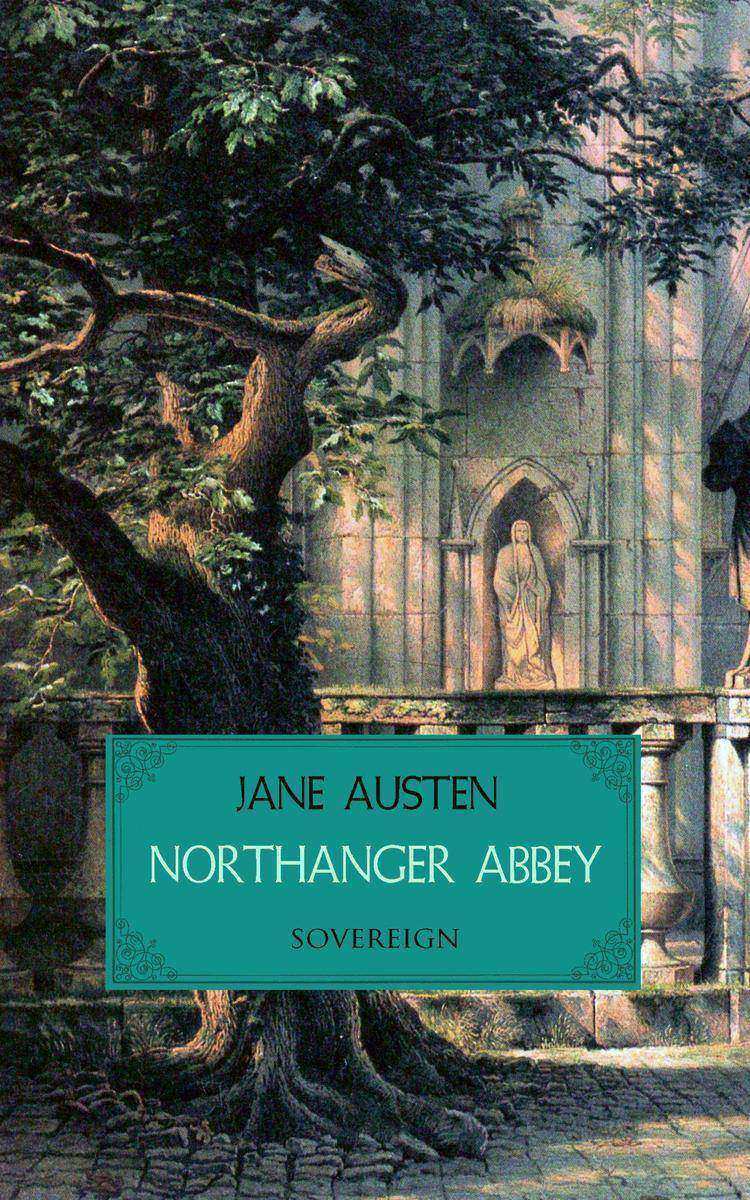
Northanger Abbey
¥40.79
Catherine Morland, aged seventeen, is addicted to reading Gothic novels. She joins her wealthier neighbours on a trip to Bath to partake in the winter season of balls, and finds herself pursued by the rather rough-mannered, slovenly John Thorpe, and by her real love interest, Henry Tilney. Henry's father invites Catherine to visit their estate, Northanger Abbey, which she expects to be ancient and full of Gothic horrors and fantastical mystery.

The Magic of Oz by L. Frank Baum - Delphi Classics (Illustrated)
¥8.09
This eBook features the unabridged text of ‘The Magic of Oz by L. Frank Baum - Delphi Classics (Illustrated)’ from the bestselling edition of ‘The Complete Works of L. Frank Baum’. Having established their name as the leading publisher of classic literature and art, Delphi Classics produce publications that are individually crafted with superior formatting, while introducing many rare texts for the first time in digital print. The Delphi Classics edition of Baum includes original annotations and illustrations relating to the life and works of the author, as well as individual tables of contents, allowing you to navigate eBooks quickly and easily. eBook features: * The complete unabridged text of ‘The Magic of Oz by L. Frank Baum - Delphi Classics (Illustrated)’ * Beautifully illustrated with images related to Baum’s works * Individual contents table, allowing easy navigation around the eBook * Excellent formatting of the text Please visit www.delphiclassics.com to learn more about our wide range of titles
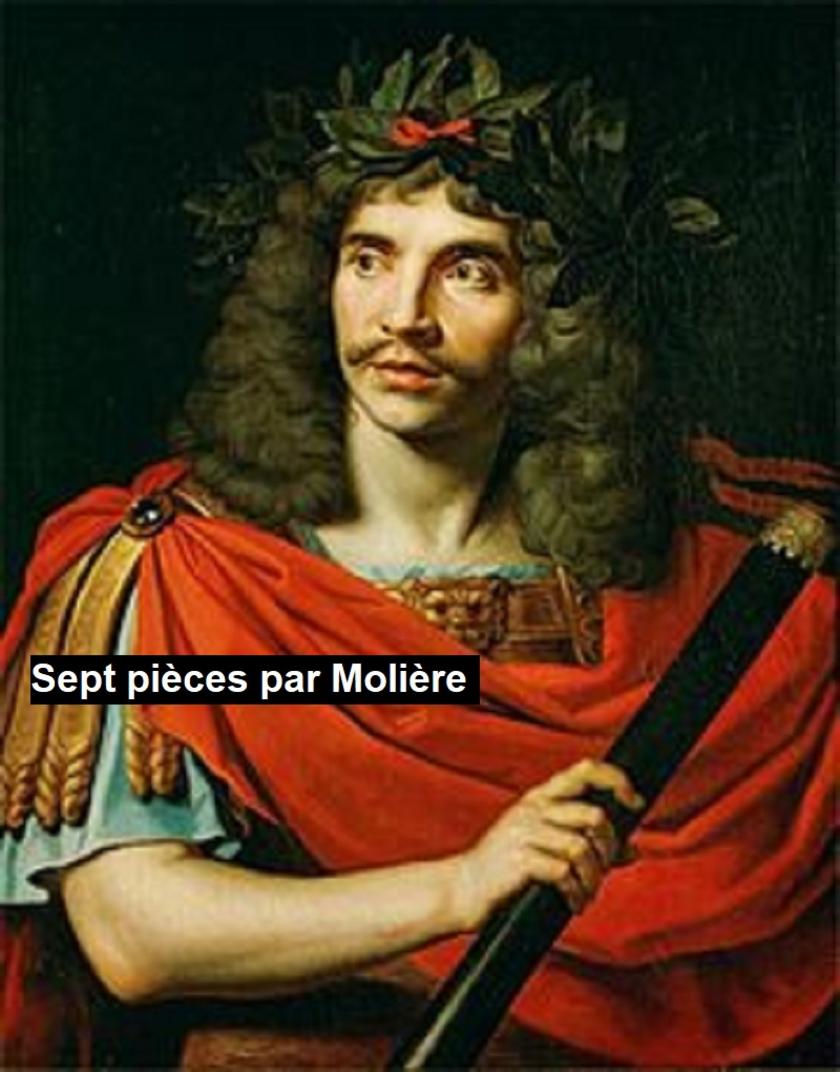
Sept pièces
¥8.09
Ce fichier comprend: Don Juan ou Le Festin de Pierre (1663); L'Avare (1667); L'?tourdi ou Les Contre-Temps (1653-1658); Le Mariage Forcé (1664); Le Médecin Malgré Lui (1666); Les Précieuses Ridicules (1659); et Sganarelle ou Le Cocu Imaginaire (1660); Selon Wikipedia: "Jean-Baptiste Poquelin, connu surtout sous son nom de scène Molière (15 janvier 1622 - 17 février 1673) était un dramaturge et acteur fran?ais considéré comme l'un des plus grands ma?tres de la comédie dans la littérature occidentale. Les drames les plus connus de Molière sont Le Misanthrope (Le Misanthrope), L'?cole des femmes, Tartuffe ou L'Imposteur, Tartuffe ou l'Hypocrite, L'Avare ou L'?cole du Mensonge. Le Malade imaginaire, et Le Bourgeois gentilhomme, issu d'une famille prospère et ayant étudié au Collège de Clermont (aujourd'hui le Lycée Louis-le-Grand), Molière était bien placé pour débuter une La vie au thé?tre Treize ans en tant qu'acteur itinérant l'ont aidé à peaufiner ses capacités comiques en commen?ant à écrire, en combinant les éléments de la Commedia dell'Arte avec la comédie fran?aise, plus raffinée.
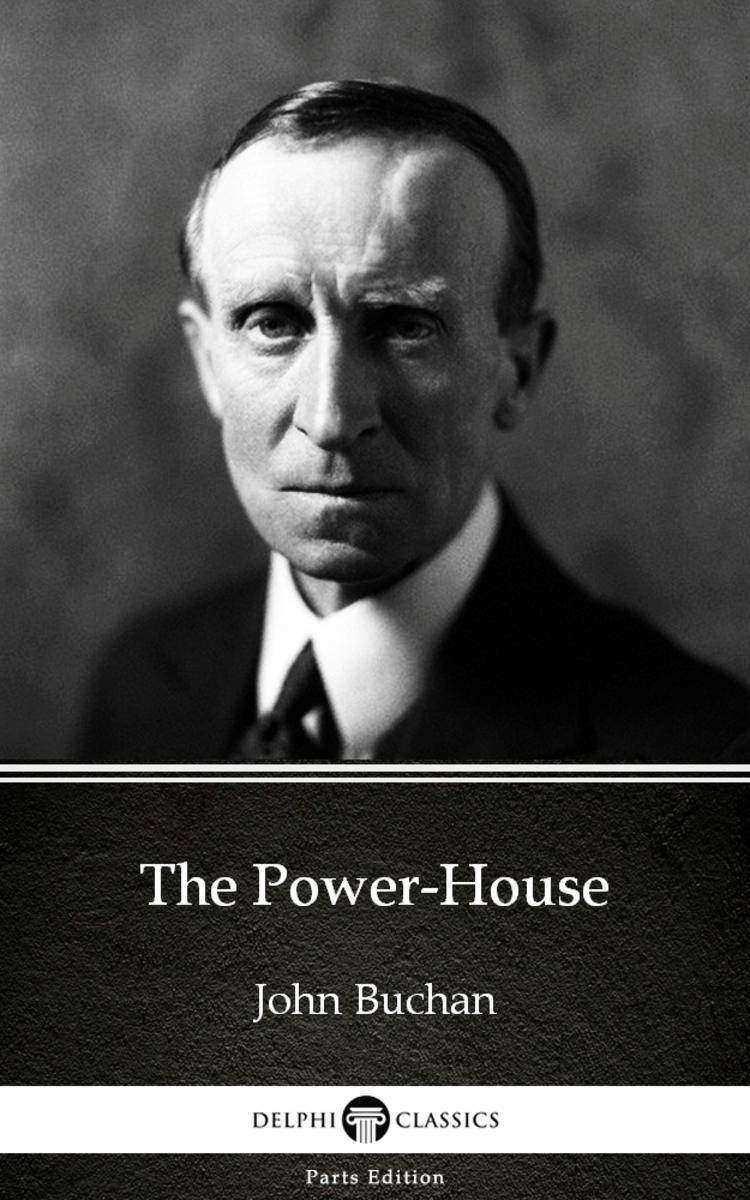
The Power-House by John Buchan - Delphi Classics (Illustrated)
¥8.09
This eBook features the unabridged text of ‘The Power-House by John Buchan - Delphi Classics (Illustrated)’ from the bestselling edition of ‘The Complete Works of John Buchan’. Having established their name as the leading publisher of classic literature and art, Delphi Classics produce publications that are individually crafted with superior formatting, while introducing many rare texts for the first time in digital print. The Delphi Classics edition of Buchan includes original annotations and illustrations relating to the life and works of the author, as well as individual tables of contents, allowing you to navigate eBooks quickly and easily. eBook features: * The complete unabridged text of ‘The Power-House by John Buchan - Delphi Classics (Illustrated)’ * Beautifully illustrated with images related to Buchan’s works * Individual contents table, allowing easy navigation around the eBook * Excellent formatting of the text Please visit www.delphiclassics.com to learn more about our wide range of titles
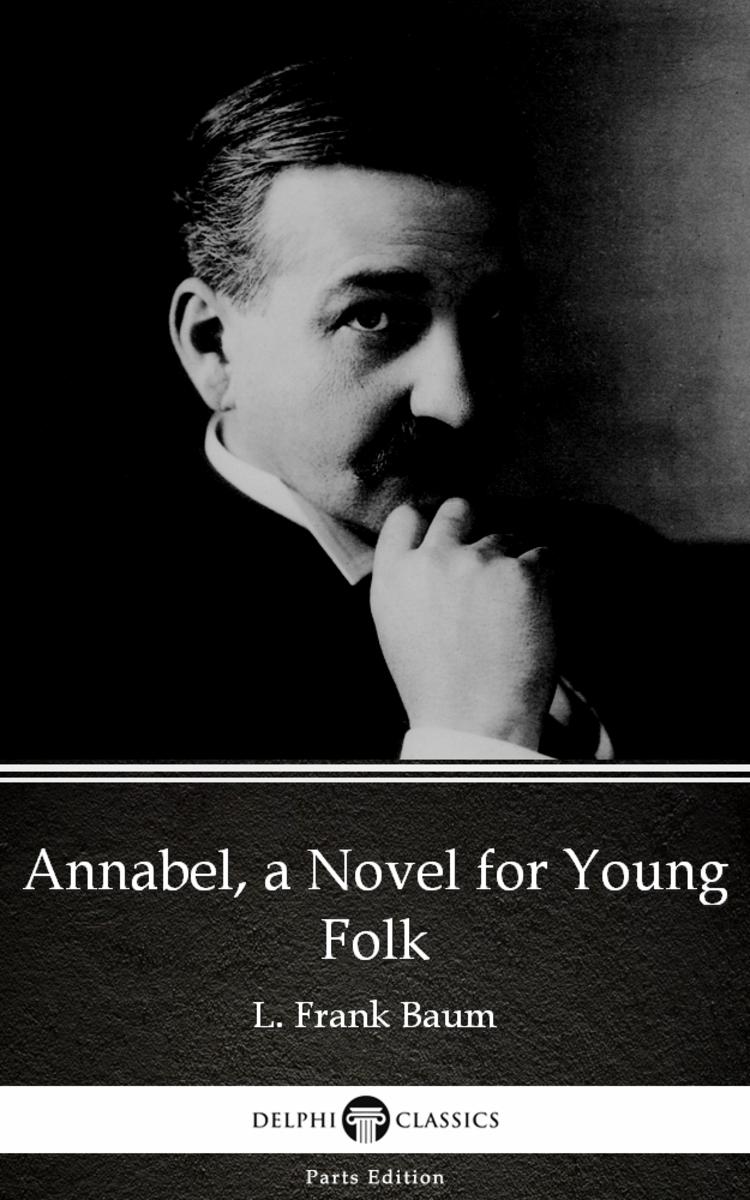
Annabel, a Novel for Young Folk by L. Frank Baum - Delphi Classics (Illustrated)
¥8.09
This eBook features the unabridged text of ‘Annabel, a Novel for Young Folk by L. Frank Baum - Delphi Classics (Illustrated)’ from the bestselling edition of ‘The Complete Works of L. Frank Baum’. Having established their name as the leading publisher of classic literature and art, Delphi Classics produce publications that are individually crafted with superior formatting, while introducing many rare texts for the first time in digital print. The Delphi Classics edition of Baum includes original annotations and illustrations relating to the life and works of the author, as well as individual tables of contents, allowing you to navigate eBooks quickly and easily. eBook features: * The complete unabridged text of ‘Annabel, a Novel for Young Folk by L. Frank Baum - Delphi Classics (Illustrated)’ * Beautifully illustrated with images related to Baum’s works * Individual contents table, allowing easy navigation around the eBook * Excellent formatting of the text Please visit www.delphiclassics.com to learn more about our wide range of titles
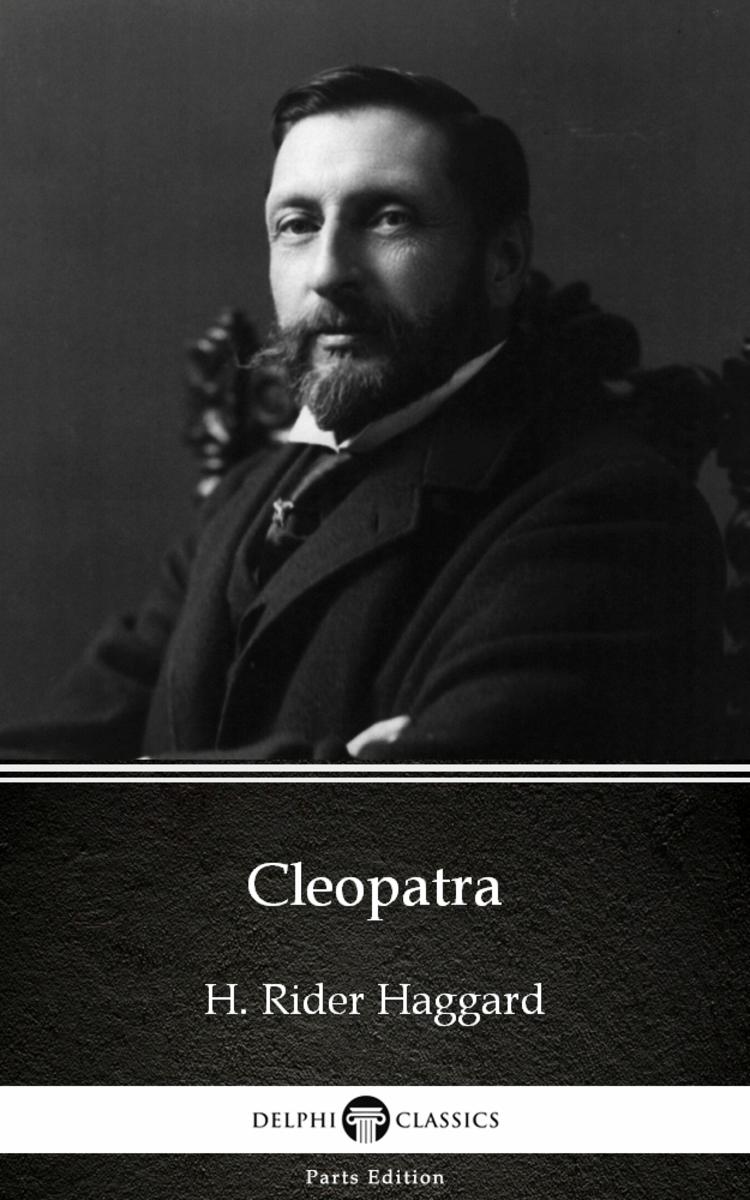
Cleopatra by H. Rider Haggard - Delphi Classics (Illustrated)
¥8.09
This eBook features the unabridged text of ‘Cleopatra by H. Rider Haggard - Delphi Classics (Illustrated)’ from the bestselling edition of ‘The Complete Works of H. Rider Haggard’. Having established their name as the leading publisher of classic literature and art, Delphi Classics produce publications that are individually crafted with superior formatting, while introducing many rare texts for the first time in digital print. The Delphi Classics edition of Haggard includes original annotations and illustrations relating to the life and works of the author, as well as individual tables of contents, allowing you to navigate eBooks quickly and easily. eBook features: * The complete unabridged text of ‘Cleopatra by H. Rider Haggard - Delphi Classics (Illustrated)’ * Beautifully illustrated with images related to Haggard’s works * Individual contents table, allowing easy navigation around the eBook * Excellent formatting of the text Please visit www.delphiclassics.com to learn more about our wide range of titles
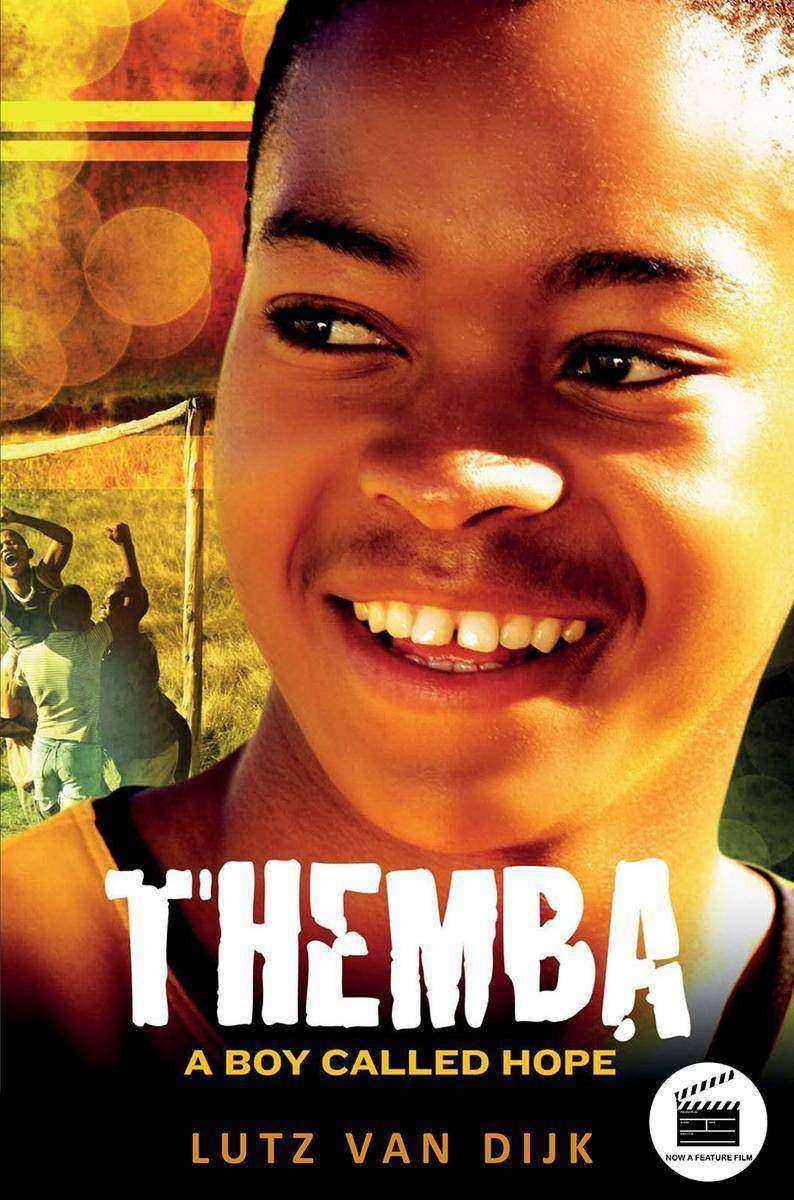
Themba: a boy called Hope
¥40.79
Growing up in rural South Africa, Themba dreams of becoming a famous footballer. One day he leaves his village and travels with his sister in search of their mother. Life is a struggle in the city and Themba has to grow up fast. A lucky break gives him the chance to train as a footballer in the premier league. Finally he’s playing professionally and everyone wants to know about the rising young star – but Themba has a secret – should he tell the truth about his HIV and risk everything he’s ever dreamed of?

The Divided Laing: Or The Two Ronnies
¥38.62
London 1970: Experimental psychiatrist R.D. Laing is facing eviction from his pioneering asylum in the East End’s Kingsley Hall. Local residents are up in arms – and to make matters worse, Ronnie’s revolutionary colleague David Cooper is flipping out on the roof… With his personal life going down the pan and his mental state heading the same way, Ronnie takes an acid trip to the future. His mission is to save his therapeutic collective The Philadelphia Association and secure his professional legacy. Will it be a one-way ticket to madness – or can breakdown sometimes mean breakthrough?

The Darkening
¥84.20
In a world which is full of light, bright and bursting with love, joy, paradise and truth, some choose to hide in the darkness. They prefer to move around in the abyss and to become beasts which terrify the light and devour weak consciences. Some choose to find the one dark part of their soul and to dwell there forever, side by side with blood-soaked apologies which are given to none. They choose the Darkening. IT IS STRICTLY PROHIBITED for this book to be read by anyone suffering from heart conditions, psychological ailments, asthma or ulcers. It is also prohibited to be read by pregnant women and, in general, anyone who is sensitive. If you start to feel unwell, shakiness, heart palpitations, chest pain, nausea, acute pain in the head or eyes, or if you feel yourself losing consciousness or detect bleeding, then you’re on the right path!
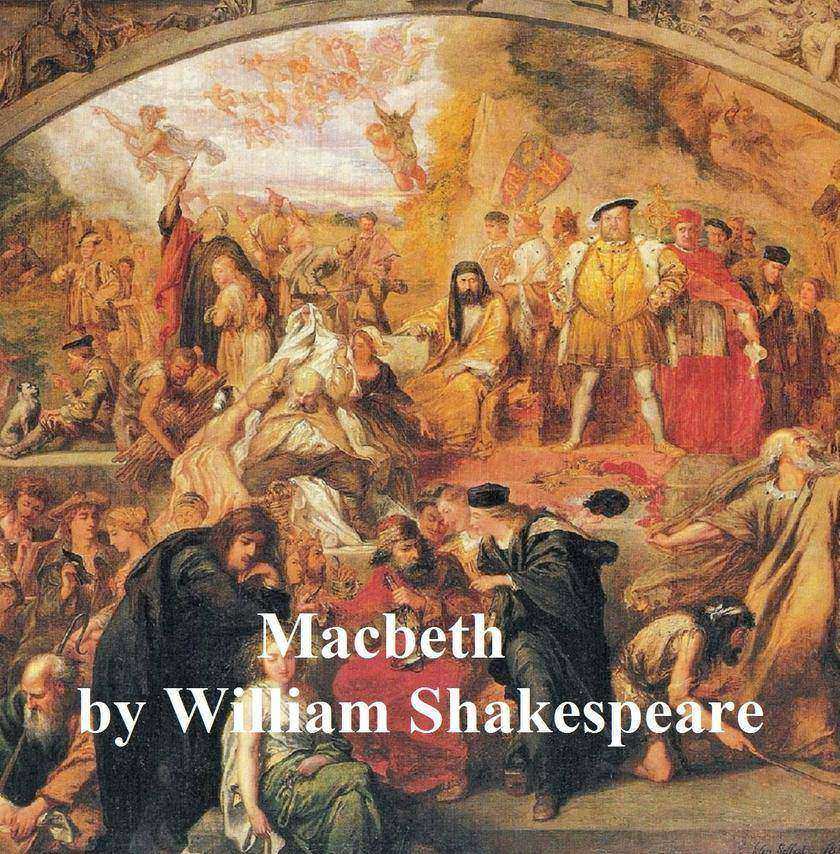
Macbeth, with line numbers
¥8.09
The classic tragedy. According to Wikipedia: "Macbeth is a tragedy by William Shakespeare about a regicide and its aftermath. It is Shakespeare's shortest tragedy, and is believed to have been written some time between 1603 and 1606 with 1607 being the very latest possible date. The earliest account of a performance of what was likely Shakespeare's play is April 1611, when Simon Forman recorded seeing such a play at the Globe Theatre. It was first published in the Folio of 1623, possibly from a prompt book for a specific performance. Shakespeare's principal sources for the tragedy are the accounts of Kings Duff and Duncan in Holinshed's Chronicles (1587), a history of England, Scotland and Ireland familiar to Shakespeare and his contemporaries."
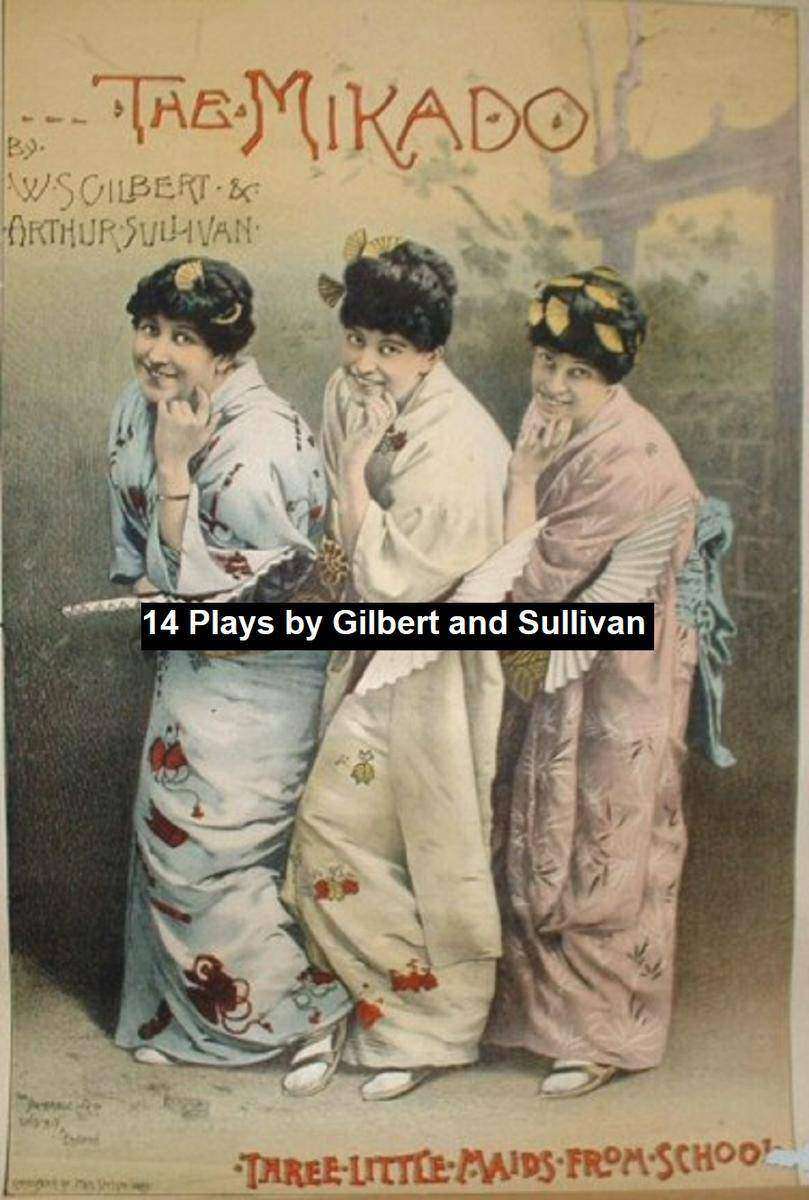
14 Plays
¥8.09
This book includes: Gondoliers, Grand Duke, H.M.S Pinafore, Iolanthe, The Mikado, Pirates of Penzance, Ruddigore, The Sorcerer, Thespis, Trial by Jury, Utopia Limited, Yeomen of the Guard, and Patience. All of these plays/operettas were written 1871 to 1896. According to Wikipedia: "Gilbert and Sullivan refers to the Victorian era partnership of librettist W. S. Gilbert (1836–1911) and composer Arthur Sullivan (1842–1900). Together, they wrote fourteen comic operas between 1871 and 1896, of which H.M.S. Pinafore, The Pirates of Penzance, and The Mikado are among the best known. Gilbert, who wrote the words, created fanciful "topsy-turvy" worlds for these operas, where each absurdity is taken to its logical conclusion—fairies rub elbows with British lords, flirting is a capital offence, gondoliers ascend to the monarchy, and pirates turn out to be noblemen who have gone wrong. Sullivan, six years Gilbert's junior, composed the music, contributing memorable melodies that could convey both humour and pathos. Producer Richard D'Oyly Carte brought Gilbert and Sullivan together and nurtured their collaboration. He built the Savoy Theatre in 1881 to present their joint works—which came to be known as the Savoy Operas—and he founded the D'Oyly Carte Opera Company, which performed and promoted their works for over a century. The Gilbert and Sullivan operas have enjoyed broad and enduring international success and are still performed frequently throughout the English-speaking world. The collaboration introduced innovations in content and form that directly influenced the development of musical theatre through the 20th century. The operas have also influenced political discourse, literature, film and television and have been widely parodied and pastiched by humorists."
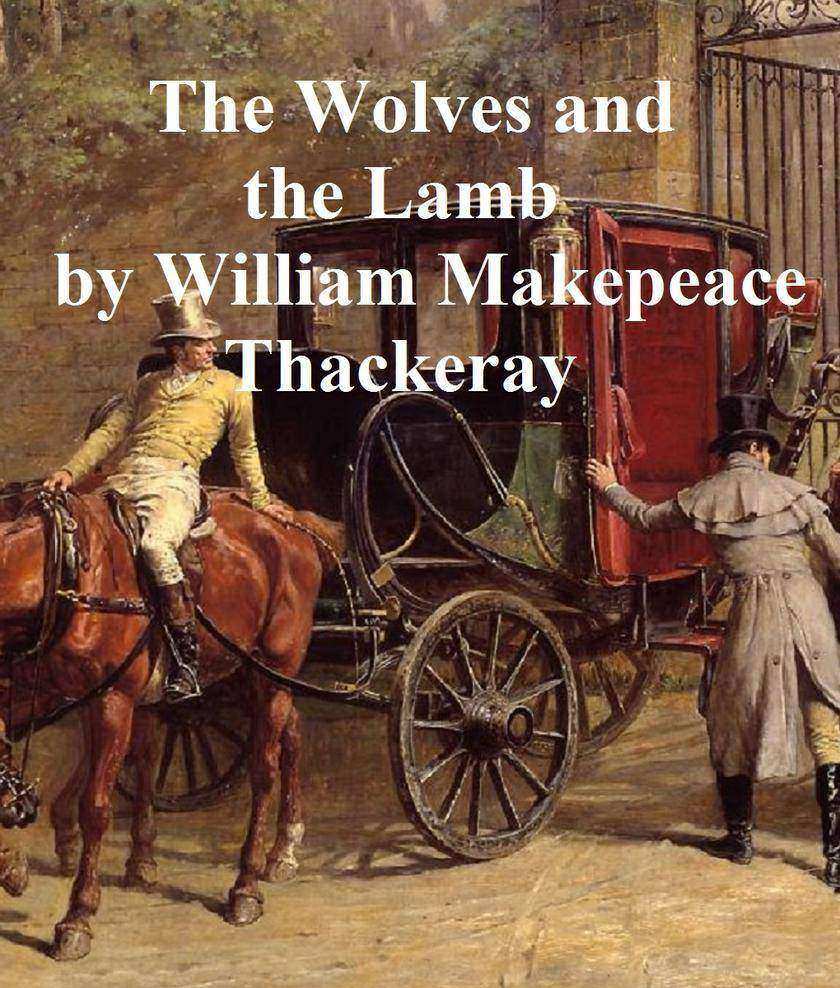
The Wolves and the Lamb
¥8.09
Classic play. According to Wikipedia: "Thackeray is most often compared to one other great novelist of Victorian literature, Charles Dickens. During the Victorian era, he was ranked second only to Dickens, but he is now much less read and is known almost exclusively for Vanity Fair. In that novel he was able to satirize whole swaths of humanity while retaining a light touch. It also features his most memorable character, the engagingly roguish Becky Sharp. As a result, unlike Thackeray's other novels, it remains popular with the general reading public; it is a standard fixture in university courses and has been repeatedly adapted for movies and television. In Thackeray's own day, some commentators, such as Anthony Trollope, ranked his History of Henry Esmond as his greatest work, perhaps because it expressed Victorian values of duty and earnestness, as did some of his other later novels. It is perhaps for this reason that they have not survived as well as Vanity Fair, which satirizes those values."
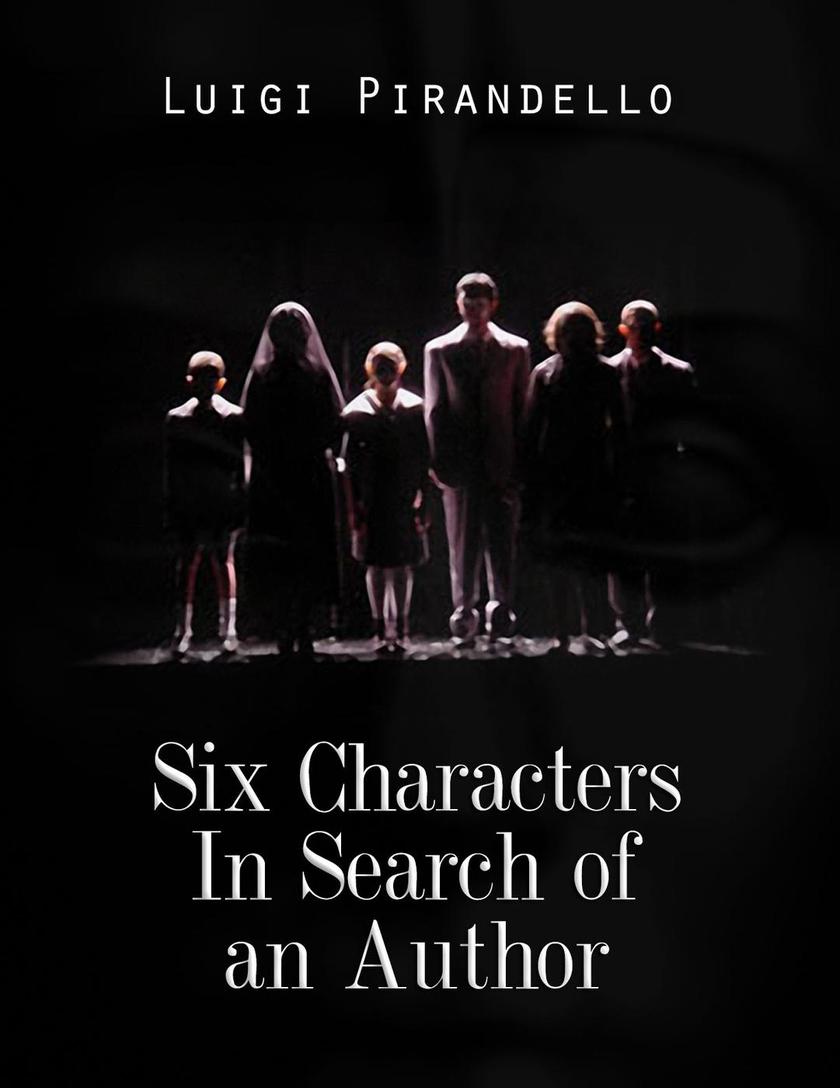
Six Characters In Search of an Author
¥18.56
Six Characters in Search of an Author is a 1921 Italian play by Luigi Pirandello, first performed in that year. An absurdist metatheatrical play about the relationship between authors, their characters, and theatre practitioners, it premiered at the Teatro Valle in Rome to a mixed reception, with shouts from the audience of "Manicomio!" and "Incommensurabile!", a reference to the play's illogical progression. Reception improved at subsequent performances, especially after Pirandello provided for the play's third edition, published in 1925, a foreword clarifying its structure and ideas. The play had its American premiere in 1922 on Broadway at the Princess Theatre, and was performed for over a year off-Broadway at the Martinique Theatre beginning in 1963.
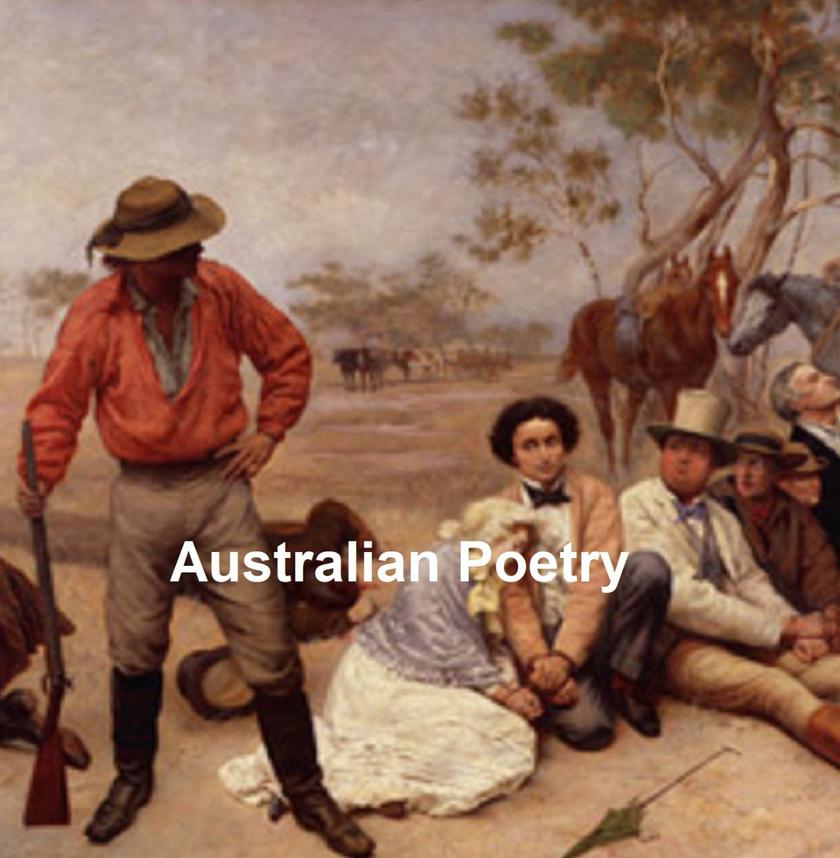
Australian Poetry
¥8.09
This file includes The Man from Snowy River and Other Verses, Saltbush Bill, J. P. and Other Verses, Rio rade's Last Race and other Verses all by Banjo Paterson, The Old Bush Songs edited by Banjo Paterson, In the Cays When the World Was Wide and Other Verses by Henry Lawson, and The Songs of a Sentimental Bloke, Digger Smith, and The Glugs of Gosh by C. J. Dennis.
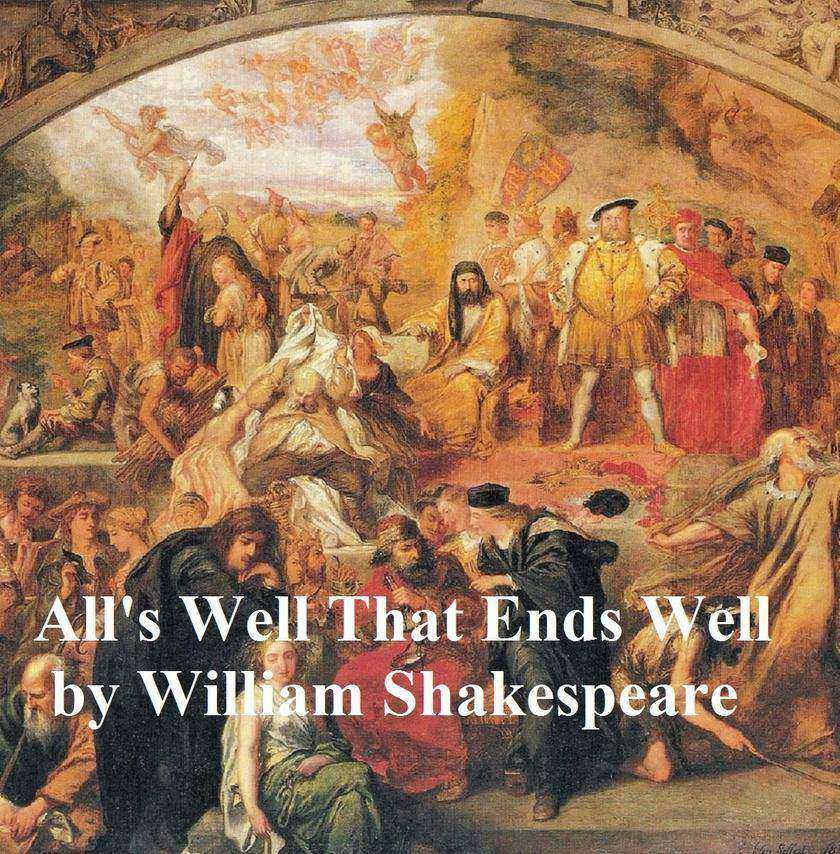
All's Well That Ends Well, with line numbers
¥8.09
The classic comedy. According to Wikipedia: "All's Well That Ends Well is a play by William Shakespeare. It was probably written between 1601 and 1608, and it was first published in the First Folio in 1623. Though originally the play was classified as a comedy, the play is now often considered one of his problem plays.[citation needed] These plays of Shakespeare's are so named because they cannot be neatly classified as tragedy or comedy."


