


 购物车
购物车 个人中心
个人中心
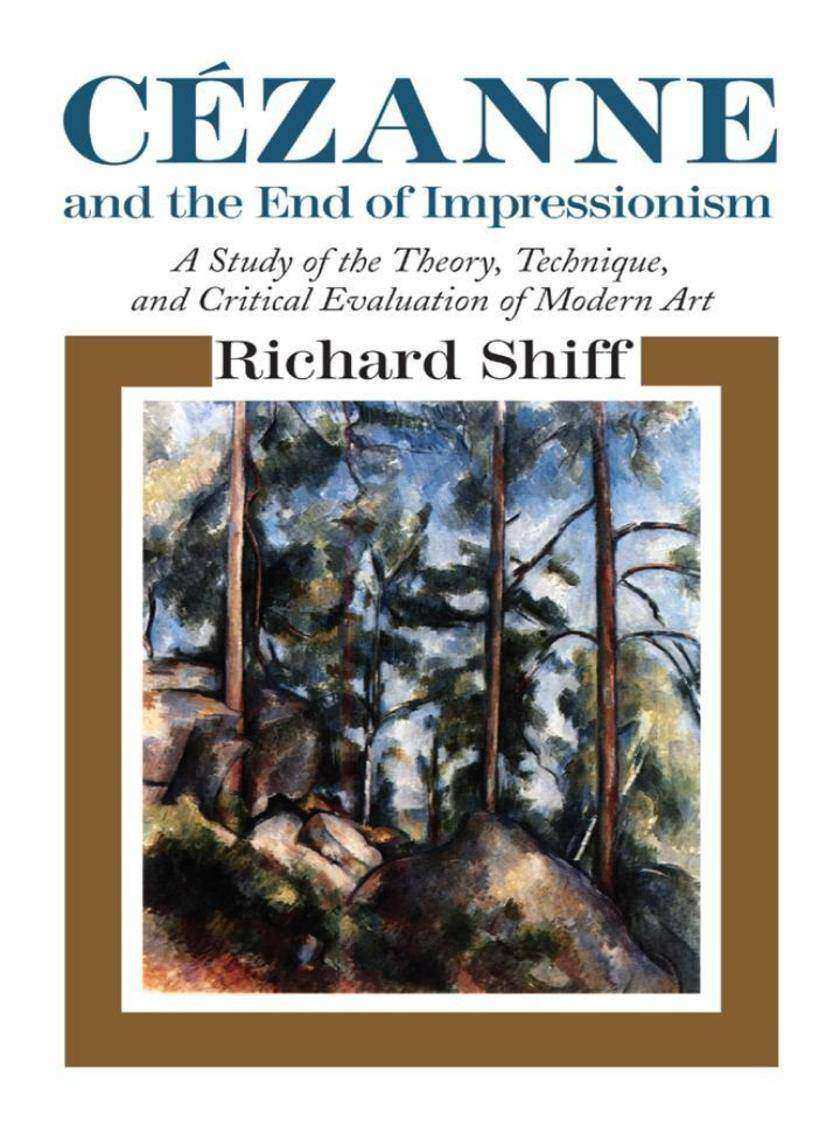
Cezanne and the End of Impressionism
¥353.16
Drawing on a broad foundation in the history of nineteenth-century French art, Richard Shiff offers an innovative interpretation of Cezanne's painting. He shows how Cezanne's style met the emerging criteria of a "e;technique of originality"e; and how it satisfied critics sympathetic to symbolism as well as to impressionism. Expanding his study of the interaction of Cezanne and his critics, Shiff considers the problem of modern art in general. He locates the core of modernism in a dialectic of making (technique) and finding (originality). Ultimately, Shiff provides not only clarifying accounts of impressionism and symbolism but of a modern classicism as well.
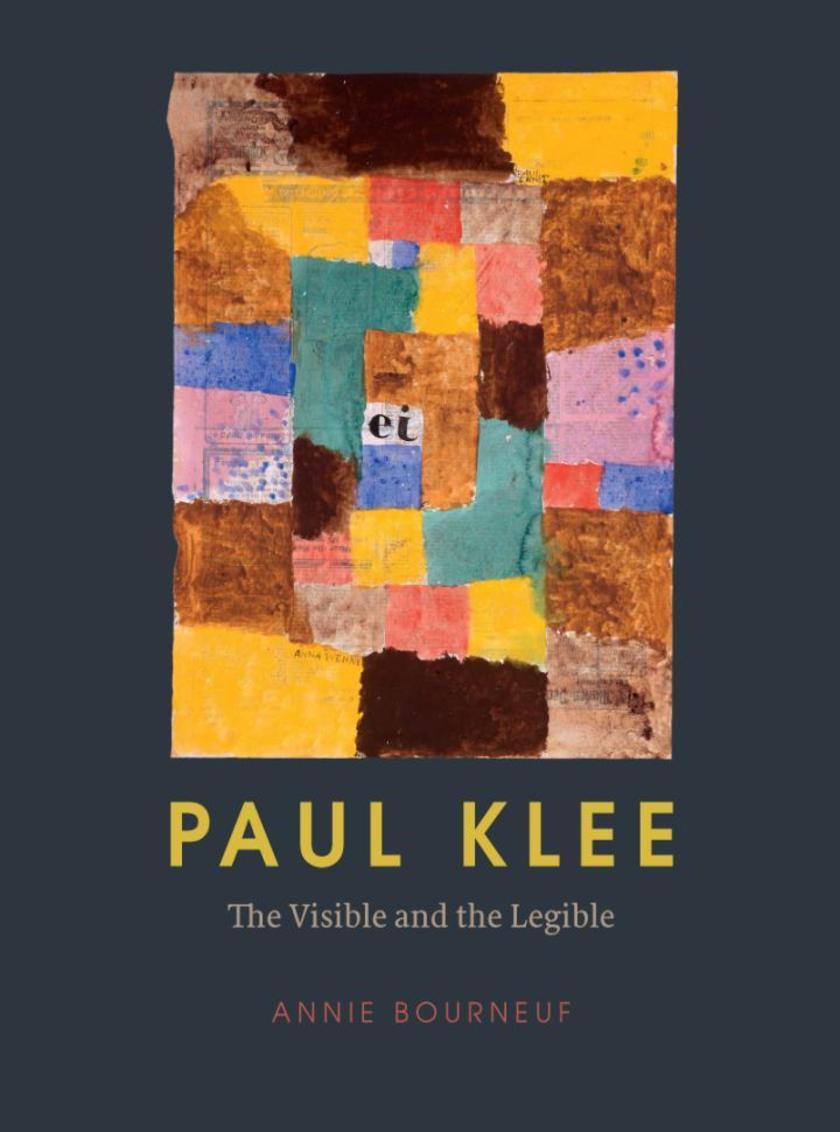
Paul Klee
¥370.82
The fact that Paul Klee (1879-1940) consistently intertwined the visual and the verbal in his art has long fascinated commentators from Walter Benjamin to Michel Foucault. However, the questions it prompts have never been satisfactorily answered-until now. In?Paul Klee, Annie Bourneuf offers the first full account of the interplay between the visible and the legible in Klee's works from the 1910s and 1920s.Bourneuf argues that Klee joined these elements to invite a manner of viewing that would unfold in time, a process analogous to reading. From his elaborate titles to the small scale he favored to his metaphoric play with materials, Klee created forms that hover between the pictorial and the written. Through his unique approach, he subverted forms of modernist painting that were generally seen to threaten slow, contemplative viewing. Tracing the fraught relations among seeing, reading, and imagining in the early twentieth century, Bourneuf shows how Klee reconceptualized abstraction at a key moment in its development.
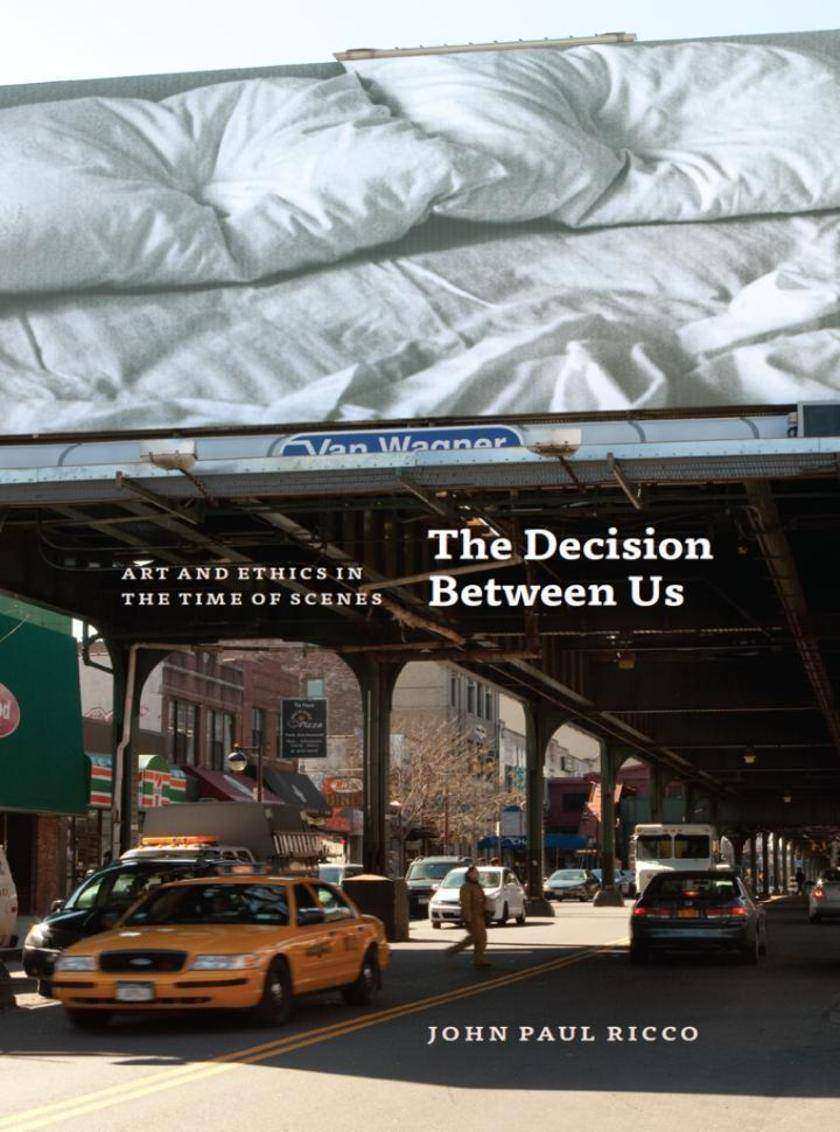
Decision Between Us
¥370.82
The Decision Between Us?combines an inventive reading of Jean-Luc Nancy with queer theoretical concerns to argue that while scenes of intimacy are spaces of sharing, they are also spaces of separation. John Paul Ricco shows that this tension informs our efforts to coexist ethically and politically, an experience of sharing and separation that informs any decision. Using this incongruous relation of intimate separation, Ricco goes on to propose that "e;decision"e; is as much an aesthetic as it is an ethical construct, and one that is always defined in terms of our relations to loss, absence, departure, and death.?Laying out this theory of "e;unbecoming community"e; in modern and contemporary art, literature, and philosophy, and calling our attention to such things as blank sheets of paper, images of unmade beds, and the spaces around bodies,?The Decision Between Us?opens in 1953, when Robert Rauschenberg famously erased a drawing by Willem de Kooning, and Roland Barthes published?Writing Degree Zero, then moves to 1980 and the "e;neutral mourning"e; of Barthes'?Camera Lucida, and ends in the early 1990s with installations by Felix Gonzalez-Torres. Offering surprising new considerations of these and other seminal works of art and theory by Jean Genet, Marguerite Duras, and Catherine Breillat,?The Decision Between Us?is a highly original and unusually imaginative exploration of the spaces between us, arousing and evoking an infinite and profound sense of sharing in scenes of passionate, erotic pleasure as well as deep loss and mourning.
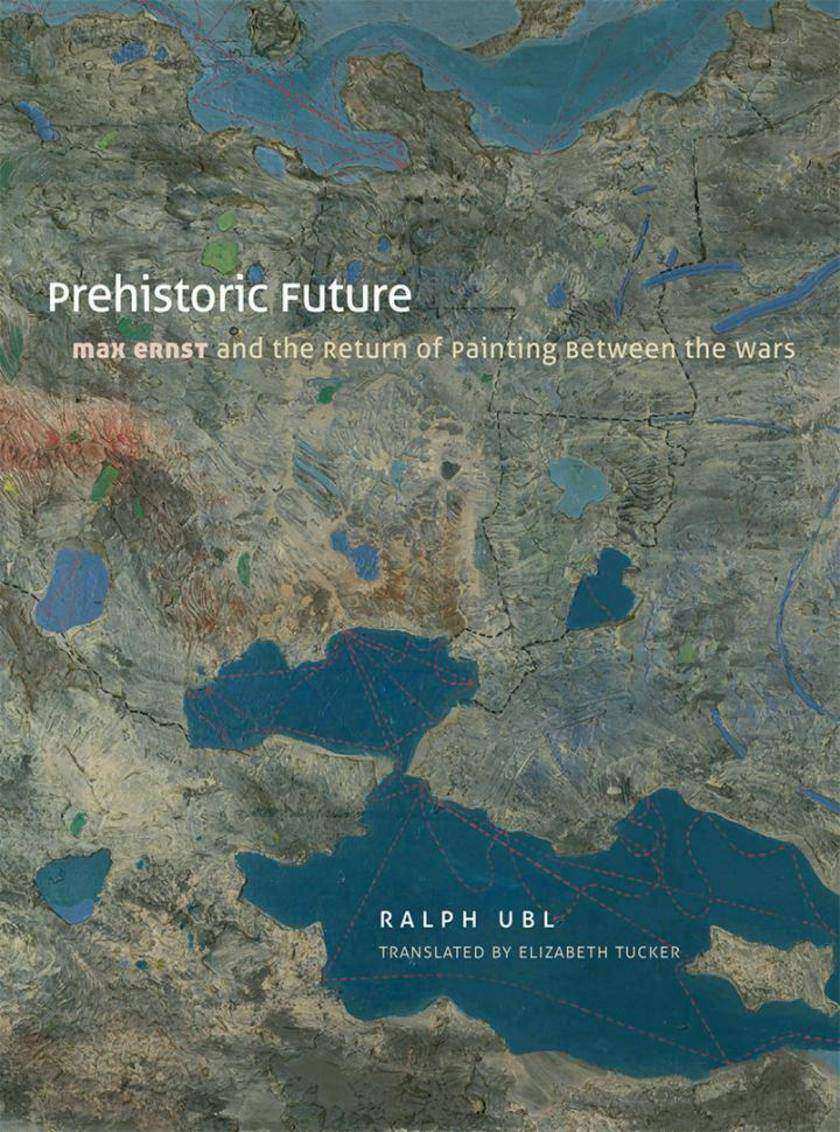
Prehistoric Future
¥370.82
One of the most admired artists of the twentieth century, Max Ernst was a proponent of Dada and founder of surrealism, known for his strange, evocative paintings and drawings. In Prehistoric Future, Ralph Ubl approaches Ernst like no one else has, using theories of the unconscious-surrealist automatism, Freudian psychoanalysis, the concept of history as trauma-to examine how Ernst's construction of collage departs from other modern artists. ?Ubl shows that while Picasso, Braque, and Man Ray used scissors and glue to create collages, Ernst employed techniques he himself had forged-rubbing and scraping to bring images forth onto a sheet of paper or canvas to simulate how a screen image or memory comes into the mind's view. In addition, Ernst scoured the past for obsolete scientific illustrations and odd advertisements to illustrate the rapidity with which time passes and to simulate the apprehension generated when rapid flows of knowledge turn living culture into artifact. Ultimately, Ubl reveals, Ernst was interested in the construction and phenomenology of both collective and individual modern history and memory. Shedding new light on Ernst's working methods and the reasons that his pieces continue to imprint themselves in viewers' memories, Prehistoric Future is an innovative work of critical writing on a key figure of surrealism.
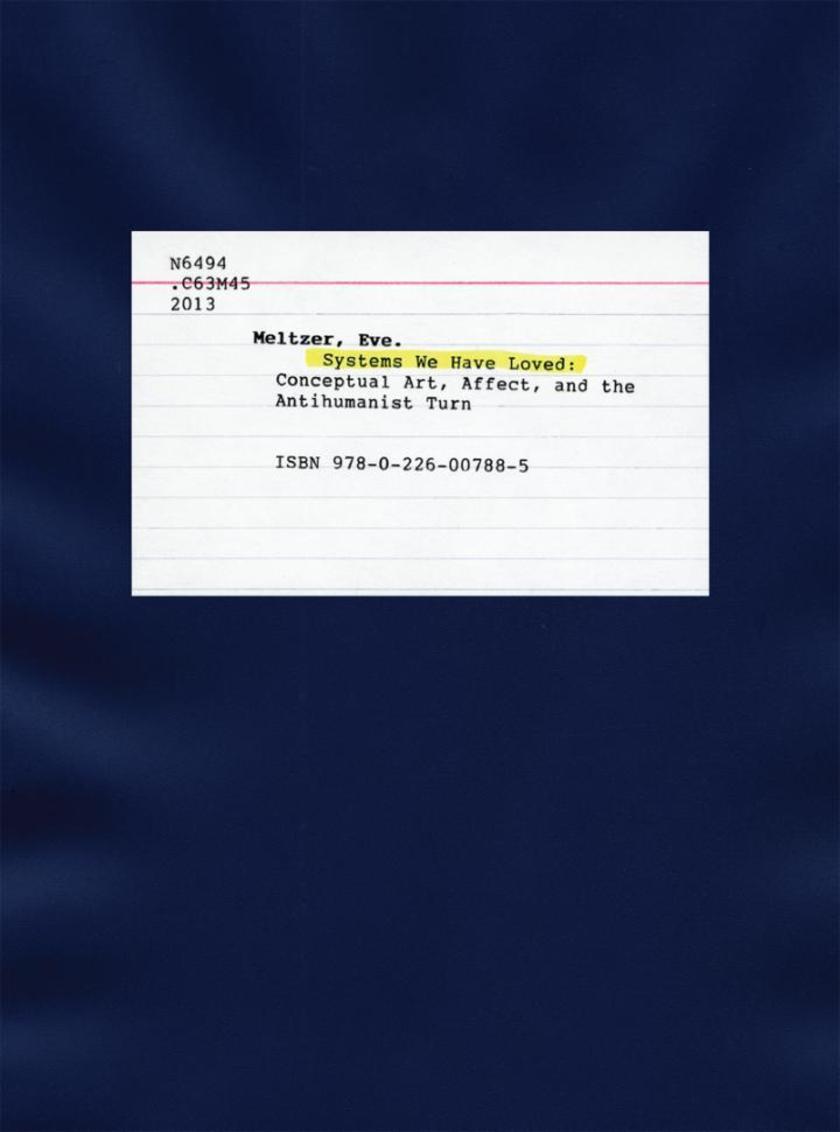
Systems We Have Loved
¥370.82
By the early 1960s, theorists like Levi-Strauss, Lacan, Foucault, and Barthes had created a world ruled by signifying structures and pictured through the grids of language, information, and systems. Artists soon followed, turning to language and its related forms to devise a new, conceptual approach to art making. Examining the ways in which artists shared the structuralist devotion to systems of many sorts, Systems We Have Loved shows that even as structuralism encouraged the advent of conceptual art, it also raised intractable problems that artists were forced to confront.?Considering such notable art figures as Mary Kelly, Robert Morris, Robert Smithson, and Rosalind Krauss, Eve Meltzer argues that during this period the visual arts depicted and tested the far-reaching claims about subjectivity espoused by theorists. She offers a new way of framing two of the twentieth century's most transformative movements-one artistic, one expansively theoretical-and she reveals their shared dream-or nightmare-of the world as a system of signs. By endorsing this view, Meltzer proposes, these artists drew attention to the fictions and limitations of this dream, even as they risked getting caught in the very systems they had adopted. The first book to describe art's embrace of the world as an information system, Systems We Have Loved breathes new life into the study of conceptual art.
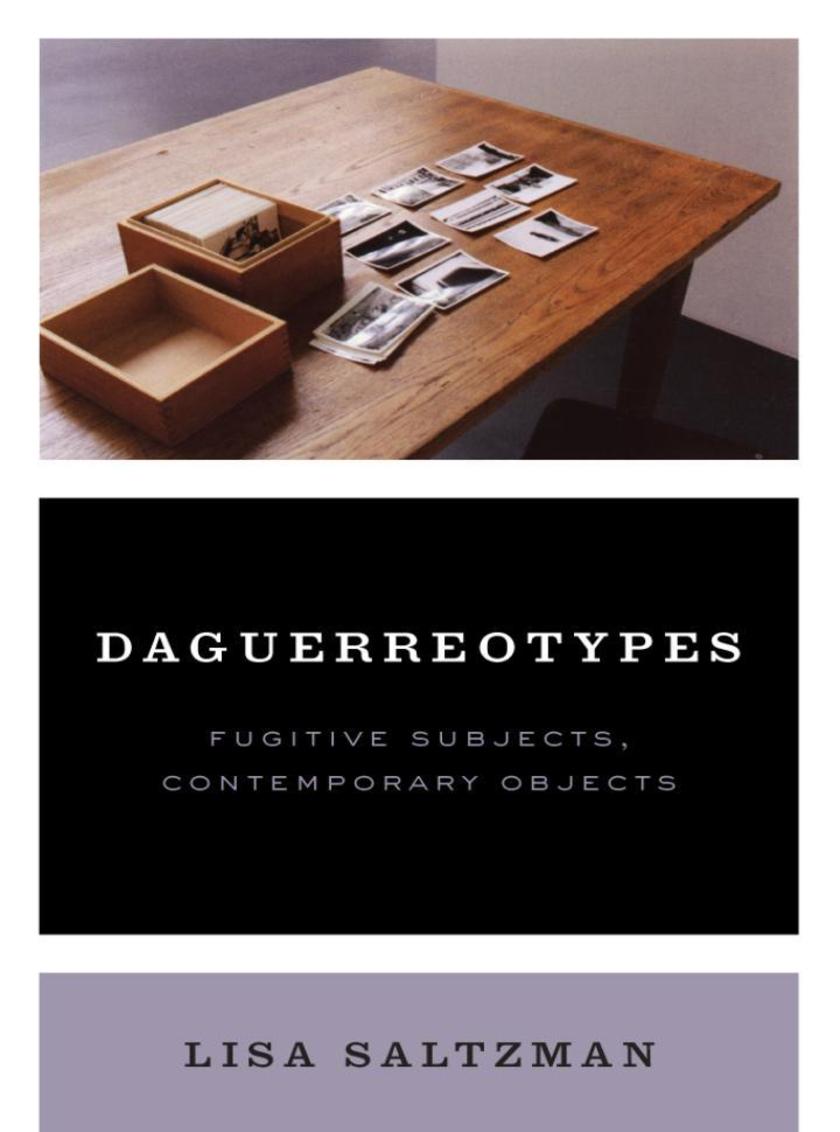
Daguerreotypes
¥288.41
In the digital age, photography confronts its future under the competing signs of ubiquity and obsolescence. While technology has allowed amateurs and experts alike to create high-quality photographs in the blink of an eye, new electronic formats have severed the original photochemical link between image and subject. At the same time, recent cinematic photography has stretched the concept of photography and raised questions about its truth value as a documentary medium. Despite this situation, photography remains a stubbornly substantive form of evidence: referenced by artists, filmmakers, and writers as a powerful emblem of truth, photography has found its home in other media at precisely the moment of its own material demise.By examining this idea of photography as articulated in literature, film, and the graphic novel, Daguerreotypes demonstrates how photography secures identity for figures with an otherwise unstable sense of self. Lisa Saltzman argues that in many modern works, the photograph asserts itself as a guarantor of identity, whether genuine or fabricated. From Roland Barthes's Camera Lucida to Ridley Scott's Blade Runner, W. G. Sebald's Austerlitz to Alison Bechdel's Fun Home-we find traces of photography's "e;fugitive subjects"e; throughout contemporary culture. Ultimately, Daguerreotypes reveals how the photograph, at once personal memento and material witness, has inspired a range of modern artistic and critical practices.
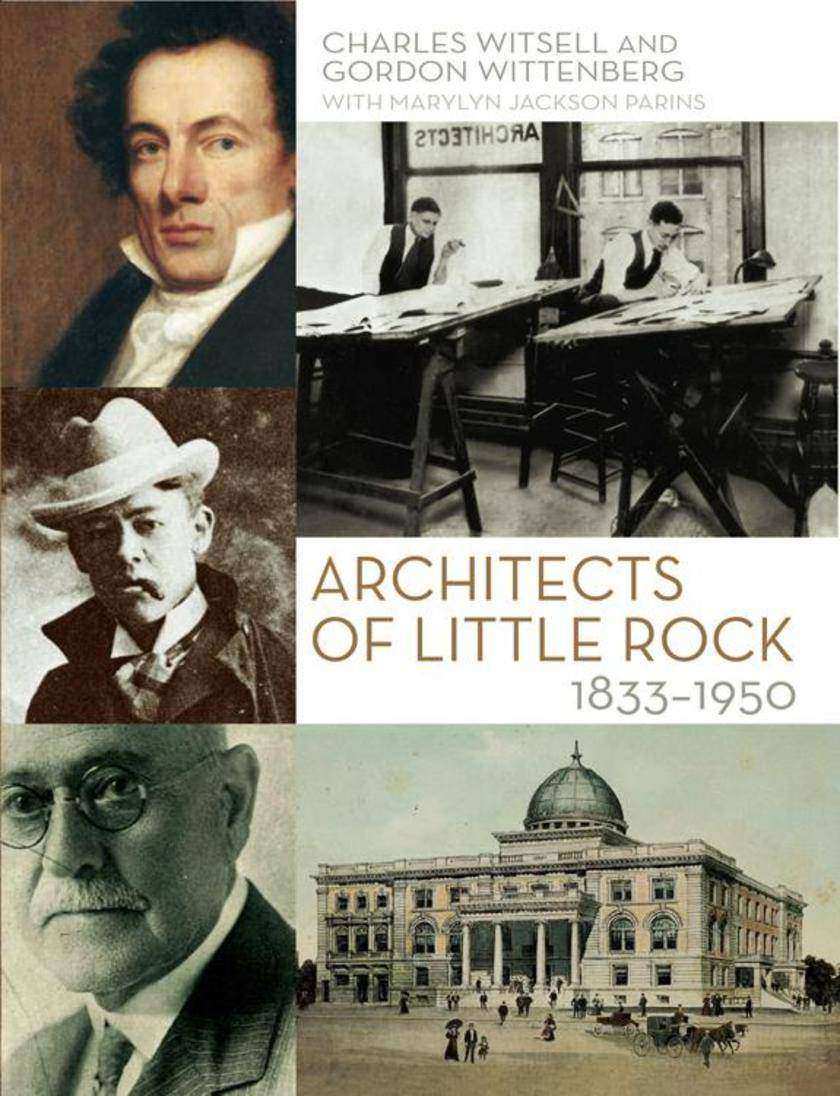
Architects of Little Rock
¥261.73
Architects of Little Rock provides biographical and historical sketches of the architects working in Little Rock from 1830 to 1950. Thirty-five architects are profiled, including George R. Mann, Thomas Harding, Charles L. Thompson, Max. F. Mayer, Edwin B. Cromwell, George H. Wittenberg, Lawson L. Delony, and others. Readers will learn who these influential professionals were, where they came from, where they were educated, how they lived, what their families were like, how they participated in the life of the city, and what their buildings contributed to the city. Famous buildings, including the Historic Arkansas Museum, the Old State House, the Arkansas State Capitol, St. Andrews Cathedral, Little Rock City Hall, the Pulaski County Court House, Little Rock Central High School, and Robinson Auditorium are showcased, bringing attention to and encouraging appreciation of the city's historic buildings.Published in collaboration with the Fay Jones School of Architecture.
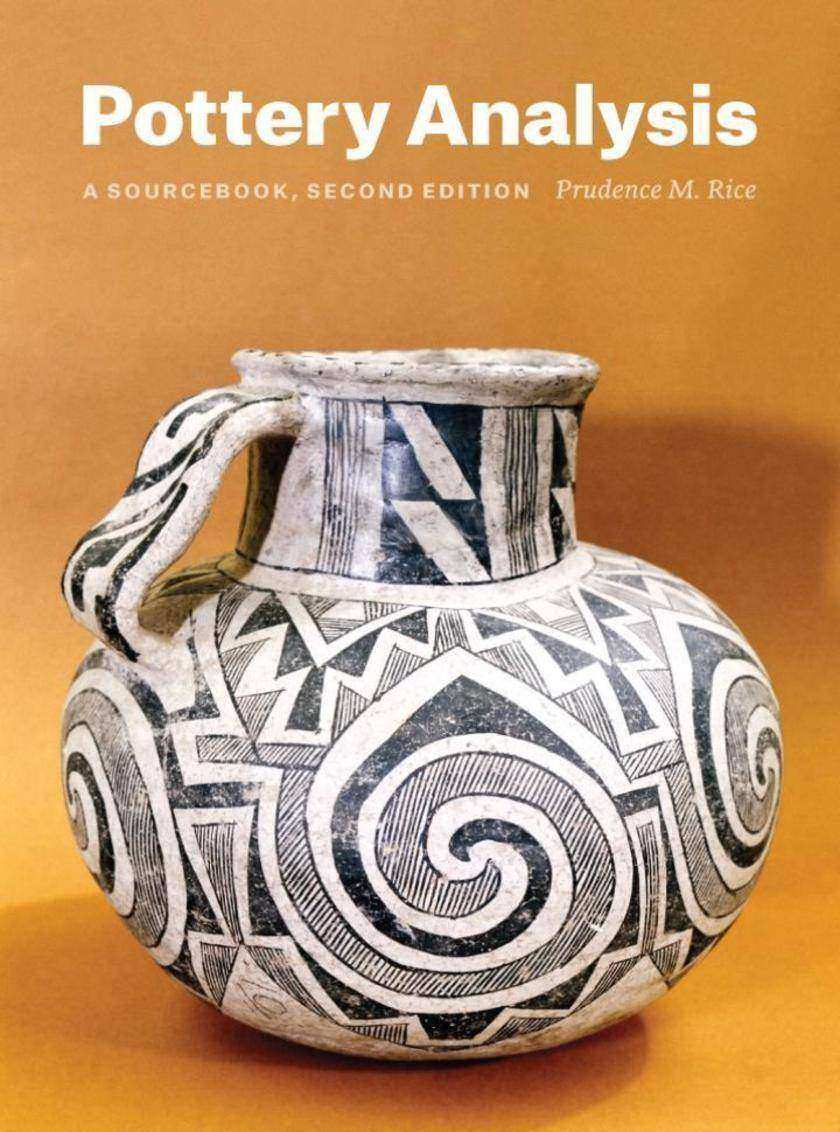
Pottery Analysis, Second Edition
¥453.22
Just as a single pot starts with a lump of clay, the study of a piece's history must start with an understanding of its raw materials. This principle is the foundation of Pottery Analysis, the acclaimed sourcebook that has become the indispensable guide for archaeologists and anthropologists worldwide. By grounding current research in the larger history of pottery and drawing together diverse approaches to the study of pottery, it offers a rich, comprehensive view of ceramic inquiry.This new edition fully incorporates more than two decades of growth and diversification in the fields of archaeological and ethnographic study of pottery. It begins with a summary of the origins and history of pottery in different parts of the world, then examines the raw materials of pottery and their physical and chemical properties. It addresses ethnographic and ethnoarchaeological perspectives on pottery production; reviews the methods of studying pottery's physical, mechanical, thermal, mineralogical, and chemical properties; and discusses how proper analysis of artifacts can reveal insights into their culture of origin. Intended for use in the classroom, the lab, and out in the field, this essential text offers an unparalleled basis for pottery research.
Tim and Tom
¥147.15
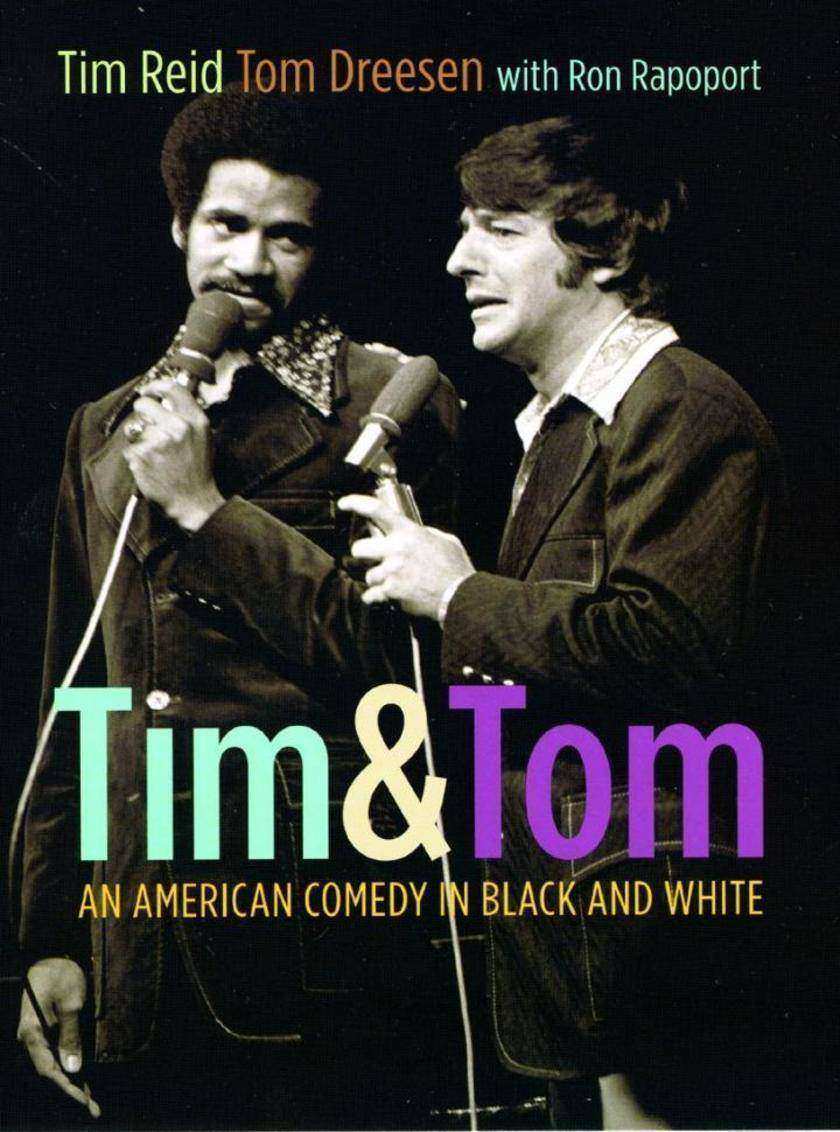
As the heady promise of the 1960s sagged under the weight of widespread violence, rioting, and racial unrest, two young men--one black and one white--took to stages across the nation to help Americans confront their racial divide: by laughing at it.Tim and Tom tells the story of that pioneering duo, the first interracial comedy team in the history of show business--and the last. Tim Reid and Tom Dreesen polished their act in the nightclubs of Chicago, then took it on the road, not only in the North, but in the still-simmering South as well, developing routines that even today remain surprisingly frank--and remarkably funny--about race. Most nights, the shock of seeing an integrated comedy team quickly dissipated in uproarious laughter, but on some occasions the audience's confusion and discomfort led to racist heckling, threats, and even violence. Though Tim and Tom perpetually seemed on the verge of making it big throughout their five years together, they grudgingly came to realize that they were ahead of their time: America was not yet ready to laugh at its own failed promise.Eventually, the grind of the road took its toll, as bitter arguments led to an acrimonious breakup. But the underlying bond of friendship Reid and Dreesen had forged with each groundbreaking joke has endured for decades, while their solo careers delivered the success that had eluded them as a team. By turns revealing, shocking, and riotously funny, Tim and Tom unearths a largely forgotten chapter in the history of comedy.?
Poet's Freedom
¥229.55
Why do we need new artHow free is the artist in makingAnd why is the artist, and particularly the poet, a figure of freedom in Western cultureThe MacArthur Award-winning poet and critic Susan Stewart ponders these questions in The Poet's Freedom. Through a series of evocative essays, she not only argues that freedom is necessary to making and is itself something made, but also shows how artists give rules to their practices and model a self-determination that might serve in other spheres of work.Stewart traces the ideas of freedom and making through insightful readings of an array of Western philosophers and poets-Plato, Homer, Marx, Heidegger, Arendt, Dante, and Coleridge are among her key sources. She begins by considering the theme of making in the Hebrew Scriptures, examining their accountof a god who creates the world and leaves humans free to rearrange and reform the materials of nature. She goes on to follow the force of moods, sounds, rhythms, images, metrical rules, rhetorical traditions, the traps of the passions, and the nature of language in the cycle of making and remaking. Throughout the book she weaves the insight that the freedom to reverse any act of artistic making is as essential as the freedom to create.?A book about the pleasures of making and thinking as means of life, The Poet's Freedom explores and celebrates the freedom of artists who, working under finite conditions, make considered choices and shape surprising consequences. This engaging and beautifully written notebook on making will attract anyone interested in the creation of art and literature.
RA The Book
¥24.44
RA:The Book - The Recording Architecture Book of Studio Design was first published as a single, hardcover volume in 2011 and which has sold in over fifty countries to critical acclaim. A necessarily large format dictated by the detailed drawings it contained, RA:The Book was unavoidably heavy and costly to produce and ship. This iBook version is the first of three stand alone volumes which will hopefully make this essential guide to recording studio design more accessible. It includes a new introduction with previously unavailable photographs. The following de*ion is for the original hardcover: Established by Roger D'Arcy and Hugh Flynn on April 1st 1987 Recording Architecture has risen to become one of the premier recording studio design companies in the world. First Commissioned by ex Def Leppard guitarist Pete Willis for Blue Room studios In Sheffield swiftly followed by projects such as Hulgrave Hall, for composer Keith Hopwood the company has grown to design key installations around the world. Now for the first time they will be publishing a history of these ground breaking designs covering all aspects of architectural, acoustic and interior design of these studios and spaces specifically related to sound on a project by project basis. In a Career spanning Three decades Recording Architecture has virtually unrivalled experience in the design of studios which range in size and purpose from classical orchestral, residential, mixing, mastering, post production, film dubbing, video editing and rehearsal studios over 40 countries worldwide. Stating his desire to expand awareness with the new book Roger D Arcy states Over the years, and perhaps surprisingly, the only available books on recording studio design seem to have been written by individuals with little or no qualified background in Architecture or design in the field - we are trying show the detailed architectural/acoustic input behind a successful design with each studio study showing drawings in large format . This is not a theoretical guide but a detailed presentation of tried and tested techniques as applied to real, built projects in many of the case studies, the actual drawings issued for construction are reproduced. The examples illustrate not only what we think should be done but what was in fact physically (and successfully) implemented in a wide variety of situations from small, private project studios to large, commercial land mark studios such as Lansdowne and CTS. Examples range in scope from individual spaces and rooms to multi studio facilities and cover the two principal strands of recording and mixing: MUSIC studios recording (tracking), mixing and mastering (including cutting) project to orchestral in scale examples have been taken from the private, commercial and educational sectors. POST PRODUCTION studios voice over (dubbing), FX recording ( Foley ), film mix studios (dubbing theatres) from small voice over studios for TV to large Dolby Premier Certified film mix theatres. Contents include hundreds of photographs together with detailed plans and construction drawings - including comprehensive specifications of materials and techniques - showing exactly how these environments were created.
Trusts a Practical Guide
¥24.44
Within the genre of financial selfhelp, ‘Trusts A Practical Guide’ is an invaluable and rare resource for financial experts and members of the public alike who need a reference work on a subject that is, on the face of it, complex but which undeniably affects many people’s lives at one point or another. Whatever your occupation or background, you are almost certain at some time to need some understanding of this subject, whether in your own financial planning or in advising those around you – and this guide is particularly helpful when dealing with a relative’s probate or the complex issues arising from an inheritance.After thirtyfive years at the top of his profession, FSA member Terry O'Halloran writes passionately and informatively, not only about his subject but also about the importance of spreading the word to others. He has seen many times first hand the benefits of wellorganized and implemented financial planning on people’s lives. More poignantly, he has seen what can happen when such matters are left to chance.Using famous historical characters, placing them in recognizable situations and using real life case histories, he explains the organization and procedure of Trusts simply and easily bringing his subject alive by putting it in a perspective that is easily assimilated by the layman. Terry O'Halloran clearly explains the intricacies of Trusts and confronts their realities with reallife examples such as a family case involving a number of exwives, a business partnership that goes very expensively wrong and even the attempted murder of a director and removal of the wouldbe assassin (as a Trustee). Building the full picture from simple steps, the author explains the merits or otherwise of trusts and their uses with life assurance and pension products. “Trusts are the most important adjunct to life assurance, business protection, estate planning and pension provision. A basic understanding is essential,” he insists. After searching in vain for a book for his own use, the need for a reference book on this subject was clear. “I needed a reference book that I could refer to during the working day but which would also be simple enough for any of my clients to understand. So I wrote one – in fact I had to write it because there was simply nothing suitable in existence. Moreover, I use it all the time. My own copies are dogeared from use.” “I believe,’ Trusts’ is a practical tool for the professional’s everyday use and a good guide for the layman.


