


 购物车
购物车 个人中心
个人中心
Arhive secrete, secretele arhivelor. Vol. 2
¥106.19
Lucrarea vizeaz? o tem? de actualitate – brandul de ora?, oferind un cadru teoretic al acestui nou concept de marketing, completat de o parte aplicativ? divers?, care ?i-a propus s? identifice ?i s? completeze eforturile autorit??ilor locale ?n aceast? direc?ie.
Libertate, moral? ?i politic?
¥65.17
Eseurile cuprinse ?n aceast? carte au ?n comun c?teva teme care m-au preocupat: ra?ionalitatea, valorile ?i libertatea. O parte din articole au ap?rut ?n diferite publica?ii, altele au v?zut lumina tiparului prin aceast? carte. Am ?ncercat s? aduc ?n con?tiin?a public? c??iva g?nditori rom?ni importan?i ?n spa?iul cultural rom?nesc ?i l?sa?i ?n umbra uit?rii. Opera acestora e realizat? ?n bun? parte ?n perioada interbelic?, ?ntr-un climat de libertate, f?r? presiuni ideologice sau de alt? natur?, fiind rezultatul for?ei intelectuale ?i al culturii personale. Dup? 1946 regimul comunist a ?ngr?dit progresiv libert??ile politice, a ?ncercat s? distrug? tradi?iile culturale a?a-zis burgheze, exercit?nd o represiune asupra intelectualit??ii ?i a creatorilor de opere. Domeniul ?tiin?elor sociale a fost afectat de o cenzur? inchizitorial?, pun?ndu-se la index autori ?i opere considerate periculoase pentru societatea rom?neasc? ?i ideologia marxist?.
Prakseologija hrvatske knji?evnosti: Knjiga III.
¥207.99
n condiiile n care cmpul teoriilor cosmopolite contemporane se afl ntr-o permanent expansiune, lucrarea urmrete maniera n care aceast paradigm a cosmopolitismului, care nu este lipsit de anumite tensiuni i controverse, poate fi aplicat i n analiza tiinelor politice, n general, i a teoriei politice, n special. Nivelurile de analiz se refer la principiile fundamentale, noile concepte i ipotezele formulate i soluiile propuse n cadrul cosmopolitismului.
Iarna ?ngerilor
¥32.62
Eseuri ?i cronici teatrale structurate simultan ?n dou? planuri, ?nc?t se reconstituie panorama artei spectacolului ?n Rom?nia ?i par?ial ?n lume, ?n perioada 1993-2003, ?i se realizeaz? o privire din unghiul zilei de azi a artei dramatice, ?n evolu?ia ei, de la antici la contemporani.
Plimb?ndu-l pe Fun
¥24.44
Drag? cititorule,Dac? te-ai uitat ieri mai mult de dou? ore la televizor ?i nu po?i f?r? asta, las? cartea asta jos.Dac? vrei s? fii de acord cu cineva, cu oricine, nu e?ti omul meu.Dac? m? ?tii din tinere?e ?i crezi c? sunt b?iatul care se b?lb?ia la prompter, dai banii degeaba.Dac? vrei s? dai cadou cartea asta unui prieten, nu mai bine ?i iei o sticl? de vin? Eu nu ?tiu s? ame?esc a?a bine.?n general, recomand cartea doar c?torva oameni.Cei care vor s? afle cum am ajuns s? tr?im, iubim, alegem ?n social media.Dar mai ales celor care cred c? a scrie poate schimba ceva.P.S. Poate.Doar c? trebuie s? scriem cu to?ii ?n acela?i timp.Despre asta e Share! Despre for?a social media, cel mai bun amplificator de idei pe care ?l ?tiu.?ntr-un fel, dac? stai s? te g?nde?ti, ?i tu ai scris-o.
Lumea ?n oglind?
¥24.44
O nuan autobiografic, perfect ntemeiat, irizeaz concepia lui Breban de la acest nivel, miza mare a ideii fiind aceea de a demonstra – ceea ce romancierul a mai fcut… – c generaia din care face el nsui parte (Nichita Stnescu, Matei Clinescu etc.) a transformat literatura ntr-un asemenea mediu germinativ de excelene, prin intermediul promovrii esteticului ca replic alternativ sublim la grotescul ideologic din jur. Trebuie s recunoatem c Breban rmne seniorial i impecabil de fiecare dat cnd enun aceast dihotomie: de pild, nu trebuie uitat faptul c Istoria dramatic a prezentului s-a zamislit cnd mpotriva autorului se trgea cu tunul, pe motivul orchestratei acuze de colaborare cu Securitatea. Nici un raspuns n volum, nimic insidios, revanard sau resentimentar: doar idei i fapte, nu psihologie. Jos plria!“ (tefan Borbély)Numai cultura, carevaszica, ne poate lecui de aceast nesiguran identitar i numai ea poate nnobila istoria noastr de care, s-a putut constata, prozatorul maramureean nu-i mulumit… Face i alte profeii, atunci cnd n capitolul final vorbete despre specificul naional, dar despre toate acestea vom putea discuta cu alt prilej. Este o tem pe care noi, romnii, o aducem mereu n discuie fie pentru a o sataniza, fie pentru a o apra. Observ c N. Breban n-o respinge, de plano, cum fac globalitii, nici n-o smintete cu un discurs encomiastic, cum fac localitii. El procedeaz corect, aa cum procedeaz orice intelectual lucid i responsabil, adic analizeaz un concept (un concept esenial) i ncearc s-i vad viitorul… Este trist, i are de ce, cnd se gndete la lumea politic de azi i la retorica resentimentului i a rzbunrii care domin lumea intelectual… S mai spun c are i n acest caz dreptate, c dup douzeci de ani de libertate intelectualii romni, cu precdere scriitorii (ei, care s-au inut bine sub regimul totalitar), se detest cu o grea sinceritate mi amintesc de o propoziie din Eminescu (reproduc din memorie): Nu eti liber, dac nu eti drept. Se poate spune i invers: Nu eti drept, dac nu eti liber. Liber, n cazul oamenilor de litere, de prejudeci, de complexe i idiosincrazii, de eecurile i vexaiunile pe care i le-a provocat istoria i pe care spiritul nu poate s le stpneasc.“ (Eugen Simion)
Singura cale
¥98.02
Lucrarea aduce in dezbaterile istoricilor si economistilor evolutia economica si politica a Romaniei in perioada 1859-1900, marcand o contributie insemnata in acest domeniu destul de putin studiat, analizat si dezbatut.Tema centrala a lucrarii o constituie necesitatea crearii unei industrii romanesti inca de la inceputul secolului al XIX-lea, pledand in favoarea protectionismului, a independentei capitalurilor si a mainii de lucru calificata.De asemenea, autorul analizeaza dezbaterile care au avut loc in epoca pe tema industrializarii si protectionismului intre cele doua partide mari existente in a doua jumatate a secolului XIX: Conservator si Liberal, precum si cele dintre economistii de conceptie din acea vreme: D.P. Martian, I. Ghica, Ionica Tautu, P.S. Aurelian.
Filosofia Meritului
¥168.41
The work represents a synthesis published and printed in two volumes (the 1st volume in 2002, the second one, in 2004) under the aegis of Mica Valahie Publishing House in Bucharest. Being elaborated on the basis of some documents discovered in the Romanian and foreign archives, the two volumes cover the period up to 1929 in the first volume and the period from 1929 to 2005 in the second one. The paper reveals the role and place of Romanian oil in the evolution of the national and worldwide history, especially during the World War between 1939 and 1945 and in the development of the so-called “cold war”. The book insists upon the prospects of the specific “black gold” evolution.In the addendum there are to be found some interesting documents and the complete bibliography of oil.
Amor ?i galanterie bucure?tean?
¥61.83
Un periplu documentat prin lumea artelor plastice contemporane, un model de analiz? a fenomenului plastic actual, extrem de viu ?i incitant, ba chiar provoc?tor, ?n ciuda multiplelor probleme ridicate de tranzi?ia autohton?.
Autoportret la 28 de ani
¥54.10
Avangardismul rom?nesc r?m?ne a fi unul dintre curentele literare cele mai controversate ?i, ?n ultima instanta – ne demonstreaza aceasta monografie – cele mai putin cunoscute. Monografia abunda ?n informa?ii, aspecte, ?nt?mpl?ri, evenimente, mai pu?in sau deloc cunoscute. Cartea se adreseaz? elevilor, studen?ilor, precum ?i publicului larg de cititori.
Mituri ?i legende ale antichit??ii
¥54.10
Cea dinti monografie care ofer o imagine cuprinztoare asupra receptrii literaturii romne n Cehia, cartea de fa este o incursiune n diversele etape ale totalitarismului comunist: stalinismul integral, perioada dezgheului, anii aizeci (cu transformrile din jurul Primverii de la Praga), urmai de perioada de normalizare care se ntinde pn la momentul Revoluiei de Catifea. Ineditul acestei lucrri este dat i de explorarea manifestrii unor opere i a unor personaliti literare romneti (precum Mircea Eliade, Constantin Virgil Gheorghiu sau Petru Dumitriu) n zona literar ceh prohibit din anii supui studiului, mai precis n publicaiile din exil i n revistele de tip samizdat. Cititorului i este oferit un tablou amplu asupra autorilor romni receptai cu predilecie de ctre cehi sub comunism i asupra tendinelor manifestate de romnitii cehi (coloana vertebral a procesului receptrii), de criticii literari i de recenzeni. Cartea definete o epoc n istoria raporturilor culturale dintre romni i cehi, dou popoare legate de un trecut adeseori comun i de o prietenie sincer.“ – Profesor dr. Mihai Mitu
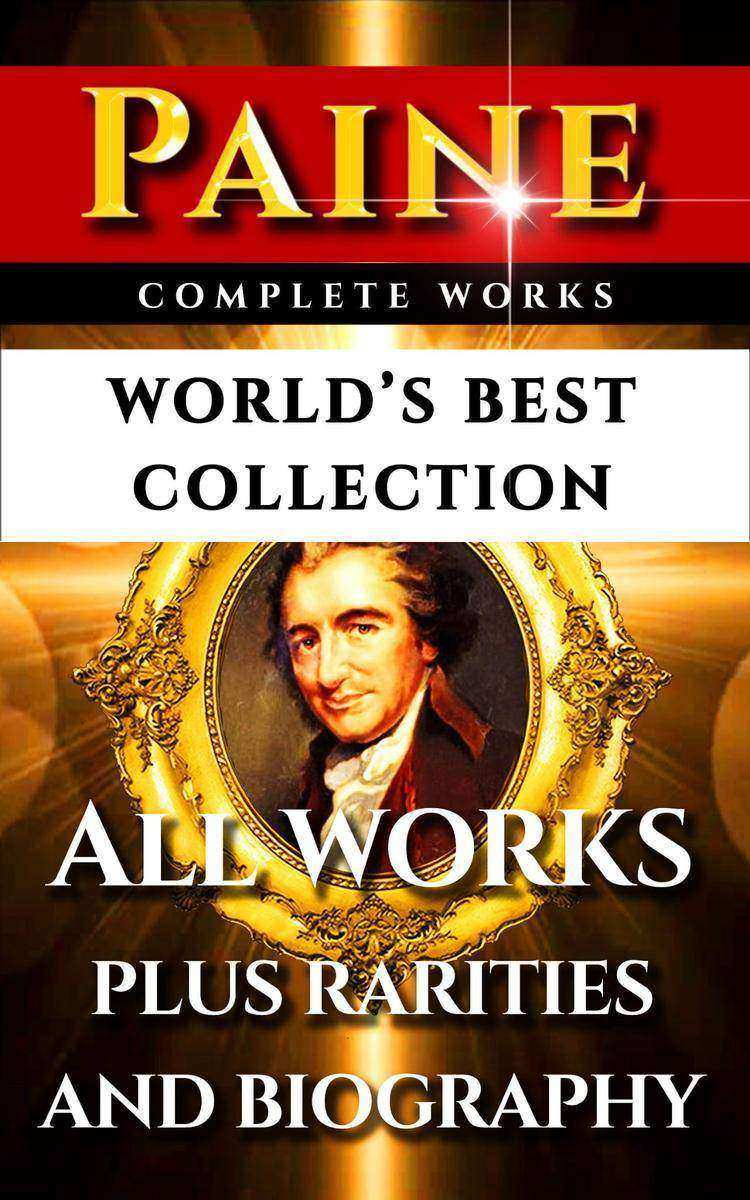
Thomas Paine Complete Works – World’s Best Collection: All Works
¥8.09
Thomas Paine Complete Works World's Best Collection This is the world’s best Thomas Paine collection, including the most complete set of Paine’s works available plus many free bonus materials. Thomas Paine Thomas Paine is known as one of the Fathers of the American Revolution. His landmark work, ‘Common Sense’, is known as the major inspiration for the ‘Declaration of Independence’, and his ‘Crisis’ pamphlet series was a favorite of George Washington to read out loud to inspire his troops at Valley Forge. Paine’s work is passionate, radical, yet accessible; covering his strong beliefs in Independence, Personal Liberty, Politics, Religion and Government. Hugely successful and inspiring strong polarization in their times, they are still must-reads today, still highly debated and revered The ‘Must-Have’ Complete Collection In this irresistible collection you get a full set of his amazing work, with All of his amazing works, All writings and All his letters, including hard to come by rarities. Plus a Bonus biography of Paine’s unbelievably intriguing life Works Included: Common Sense The famous work that inspired the American colonists with a demand and call for freedom from British rule. Also notable, that when adjusted for the population size of 1776, ‘Common Sense’ has the largest sales and circulation of any book in American history. The American Crisis A series of pamphlets published from 1776 to 1783 written to motivate the Troops during the revolution, to spur them to victory. The language is powerful and emotional, and reflects Paine’s liberal philosophies. The first lines are the famous: “These are times that try men’s souls.” The Rights Of Man (Part I and Part Ii) A radical set of books that argues that political revolution is required when a government does not safeguard its people. The Age Of Reason (Part I and Part Ii) A deistic work, about institutionalized religion, and Paine’s strong views concerning it. Letters and Miscellaneous Writings A Full Set of Paine’s must-read letters and assorted short works from Paine, Including his famous ‘Letter To George Washington’ and his last work ‘Agragian Justice’ Your Free Bonuses Thomas Paine, Biography – A fascinating biography, detailing Paine’s unbelievable, often sad, and often controversial life, written specially for this collection. Works presented as far as possible in original publication date order - So you can follow Paine’s growth as a writer and philosopher Get This Collection Right Now This is the best Thomas Paine collection you can get, so get it now and start enjoying and being intrigued by his world like never before!
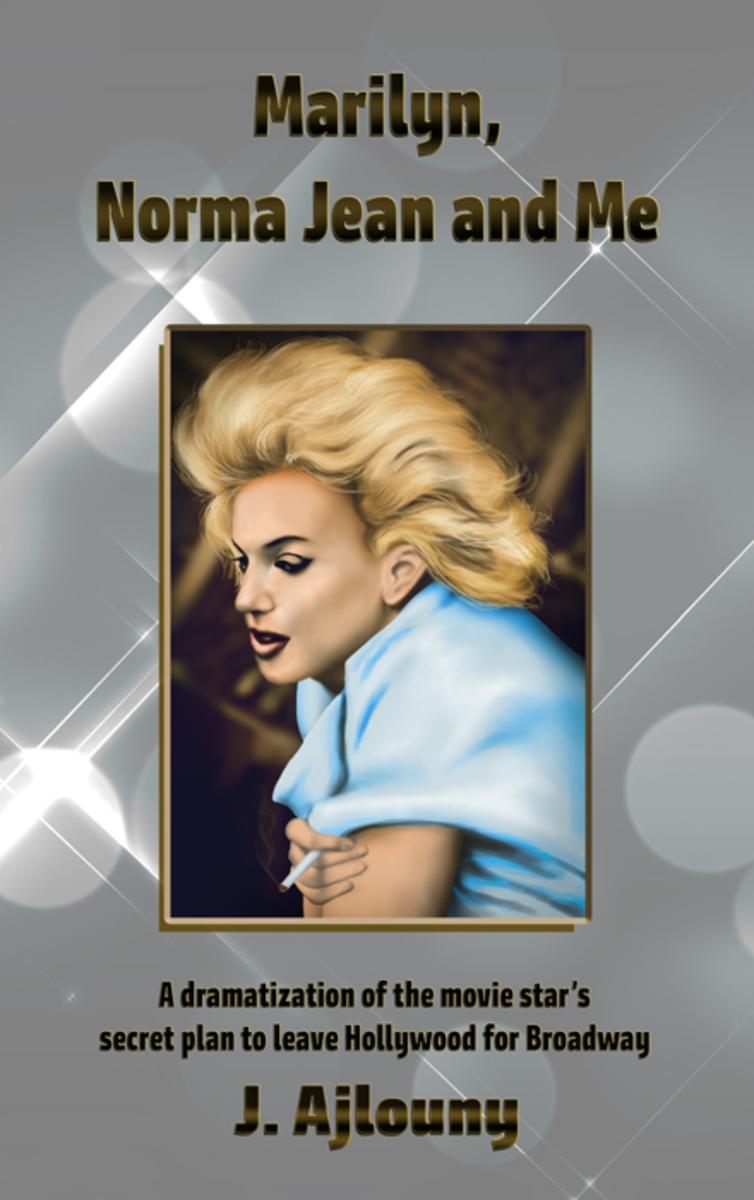
Marilyn, Norma Jean and Me
¥24.44
In this boisterous but sensitive drama, playwright J. Ajlouny looks beyond public image to find the heart of this young woman thrust wildly into fame as a sex symbol. Presented as a play-in-the-making within a play, Marilyn, Norma Jean and Me weaves biography with humor to explore the movie star’s widely speculated plan to leave Hollywood for Broadway. The author imagines her innocence and vulnerability, her friendliness and loyalty, even as the public image threatens to steal her humanity. This play is a must-see or -read for fans of film and stage, not just because it is so good, but for its powerful way of finding the real Norma Jean in the legend known as Marilyn Monroe.

Insights Into Education
¥73.49
Insights into Education presents the educational philosophy of J. Krishnamurti in an easy to use, topic-based format. It is a practical handbook that comes alive when used as an introduction to group investigation and dialogue. What it offers to teachers everywhere is an inroad into the many matters of concern with which they are faced on a daily basis. That we cannot continue as we have been doing, with rote-learning, fact-finding, and a modicum of analysis as the building blocks of education, is obvious to anyone who is at all concerned with teaching and learning in a world with accelerating technological advancement, alienation, and despair. It is these very issues that are tackled here, sometimes implicitly but always at depth. What Krishnamurti proposes, and here discloses, is a different approach to learning altogether, one that distinguishes itself radically from what we normally understand by that term: the accumulation of knowledge, with its application and testing. By narrowing down our understanding to the pragmatic and the measurable, we forfeit the opportunity to probe deeply and to awaken intelligence in our students and in ourselves. What is meant by intelligence in this context is not the capacity to memorize and measure, but that subtler ability to see the whole which comes alive in a human being when he/she sees the limits of the measurable. To awaken this intelligence is the goal of education.
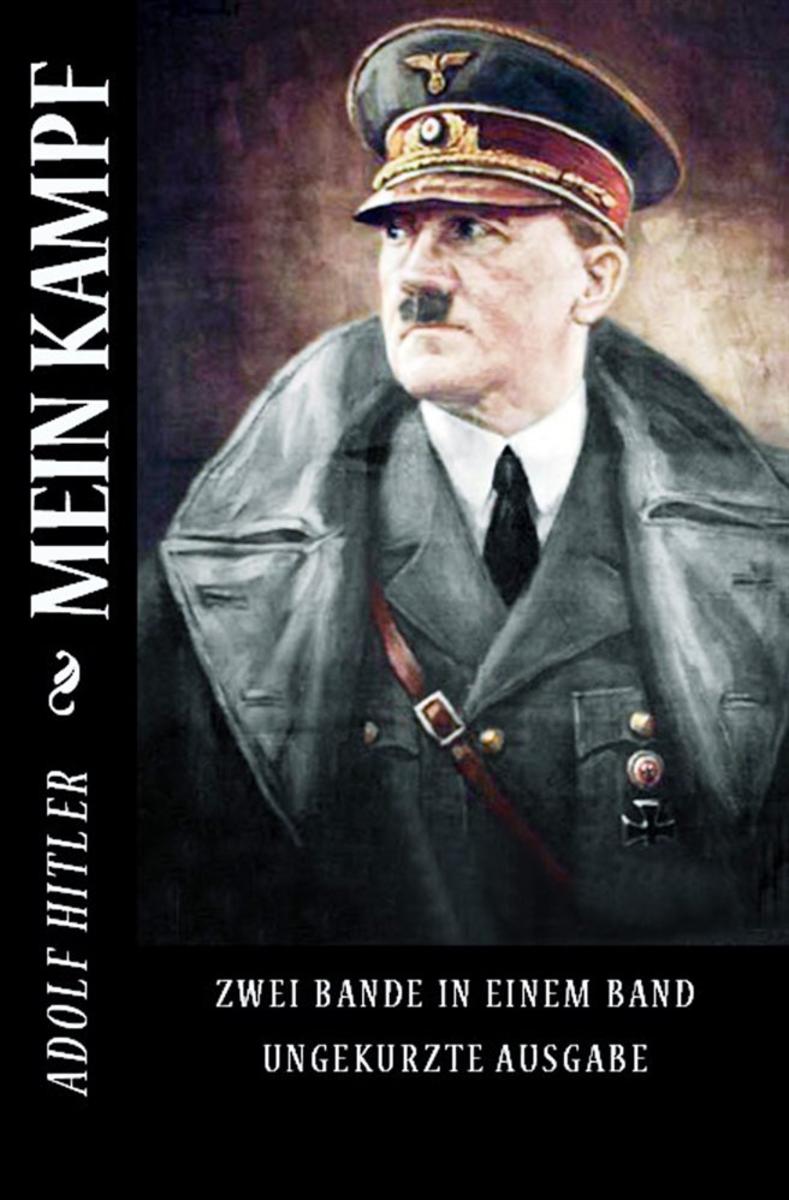
Mein Kampf: "Zwei Bande in Einem Band Ungekurzte Ausgabe"
¥37.11
Mein Kampf ist eine politisch-ideologische Programmschrift Adolf Hitlers. Sie erschien in zwei Teilen. Hitler stellte darin seinen Werdegang zum Politiker und seine Weltanschauung dar. Das Buch enthalt Hitlers Autobiografie, ist in der Hauptsache aber eine zweckgerichtete Kampf- und Propagandaschrift, die zum Neuaufbau der NSDAP als zentral gelenkter Partei unter Hitlers Fuhrung dienen sollte.??Der erste Band entstand in Hitlers Haftzeit 1924 und wurde erstmals am 18. Juli 1925, der zweite am 11. Dezember 1926 veroffentlicht. Vor allem der erste Band wurde bis 1932 in der Weimarer Republik zu einem viel diskutierten Bestseller.??Hitler schrieb 1924 den ersten Teil von Mein Kampf wahrend seiner Festungshaft in der Haftanstalt Landsberg in Landsberg am Lech. Er soll den Text seinem spateren Stellvertreter Rudolf HeB diktiert haben. Neuere Erkenntnisse weisen darauf hin, dass Hitler den Text selbst auf einer Reiseschreibmaschine tippte. Winifred Wagner berichtete, Hitler "massenhaft Schreibpapier" nach Landsberg geschickt zu haben.??Ursprunglich sollte das Buch Viereinhalb Jahre [des Kampfes] gegen Luge, Dummheit und Feigheit heiBen. Nach der vorzeitigen Haftentlassung im Dezember 1924 diktierte Hitler den starker programmatisch ausgelegten zweiten Teil von Mein Kampf seinem Gefolgsmann Max Amann, Direktor des Franz-Eher-Verlags. Amann und Hitler zogen sich im Sommer 1925 in das (daher spater so genannte) Kampfhausl des Pensionswirts Bruno Buchner auf dem Obersalzberg (nahe dem spateren Berghof) zuruck, um das Manuskript zu tippen.??Im Juli 1925 erschien der erste Band, im Dezember 1926 der zweite. Bis 1930 vertrieb der Verlag Mein Kampf in zwei groBformatigen Banden zum Preis von zunachst je 12, ab 1928 14 Reichsmark.??Der Originaltext erlebte in seiner zwanzigjahrigen Editionsgeschichte von 1925 bis 1945 zahlreiche Anderungen und Erweiterungen. Der Text der spaten Ausgaben aus den 1940er Jahren ist nur bedingt in direkten Bezug zu setzen mit Hitlers publizistischer und politischer Positionierung Mitte der 1920er. ??Im Herbst 2006 tauchten in Munchen funf Manuskript- und achtzehn Entwurfsseiten zu Hitlers Buch auf, die er vor dessen Veroffentlichung im Fruhjahr und im Sommer 1924 wahrend seiner Festungshaft in Landsberg verfasst hatte. Der Vergleich mit der spateren Endfassung ermoglichte der Hitlerforschung Ruckschlusse zur Entwicklung von Hitlers Weltbild und Agitationsweise.??Der erste und der zweite Band erschienen in einer Erstauflage von je 10.000 Exemplaren. Die NSDAP finanzierte sich ganz wesentlich uber den eigenen Parteiverlag, an dem auch Hitler personlich beteiligt war. Von der einbandigen Volksausgabe wurden bis Januar 1933 287.000 Exemplare zum Preis von je 12 RM durch den Zentralverlag der NSDAP (Franz Eher Nachfolger) verkauft. ??Hitler erhielt pro verkauftem Buch 10 Prozent Tantiemen. Die folgende einbandige Ausgabe kostete 8 RM ("Volksausgabe", ab 1930)...
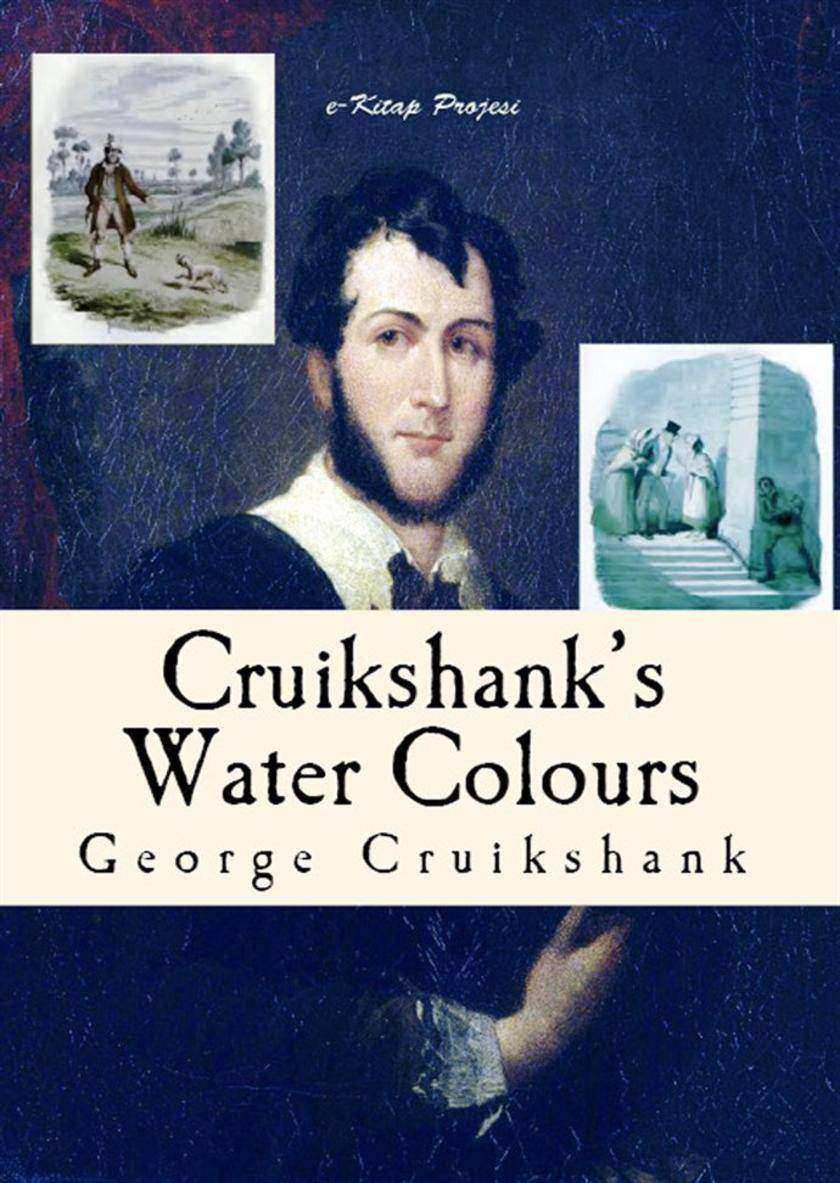
Cruikshank's Water Colours
¥27.88
It is fair to characterise the three suites of original water-colour drawings, as executed by our artist, as unique examples of the great George Cruikshank's special individual proficiency as an exponent of this branch of technical dexterity. More-over, it may be regarded as a fortunate circumstance that the three works, here reproduced with amazing fidelity in facsimile, represent happily the very chefs d'oeuvre of his wonderful productions; in their respective categories, preserving the best examples of his remarkable genius as an imaginative creator of vivid pictures, alike stirring and animated, and representing at one glance his vast dramatic powers, his mastery of the humorous side of life, and the intensity he was consistently able to infuse into terrible and tragic scenes. It is noteworthy that the inimitable artist George Cruikshank but rarely pro-duced finished water-colour drawings; the bulk of his prolific and familiarly rec-ognised designs for book illustrations were mostly dainty pencil sketches, occa-sionally finished in pen and ink. It is a problem difficult to solve satisfactorily whether, beyond the three memorable instances of the works here reproduced in facsimile, there are in existence any other complete suites of original illustrations by George Cruikshank—that is to say, fully executed by his master hand as finished water-colour drawings. Tinted sketches may be found in the prized possessions of Cruikshank collectors, and spirited studies for many of his favourite and most successful subjects have been cleverly touched in with watercolours; for instance, such as certain of his original drawings as designed for the illustrations of Harri-son Ainsworth's Tower of London, and the clever historical and picturesque series of Windsor Castle designs; these are, however, to be regarded as exceptional cases, for the bulk of these most successful and popular designs were carefully executed in pencil, or occasionally outlined with the pen, and highly finished with washes of warm sepia. It is worthy of recollection that Cruikshank was a most dexterous artist in this monochrome branch, his earlier artistic experiences having been al-most exclusively in the walk of aqua-tinted etchings; all his early book illustrations, his caricatures, and satirical plates—social or political—were uniformly etched by his hand in the most spirited fashion, after his ready sketches and rough studies, and when the outline etching was bitten in, Cruikshank elaborately worked out his colour suggestions, for light and shade, with a brush over the first-etched outline, in tones of sepia or Indian ink, for the guidance of the professional 'aquatinters'—the school of artists to whose trained skill was entrusted the task of completing these plates to produce the effect of highly finished washed drawings in mono-chrome. By this, his youthful practice, George Cruikshank had acquired remarka-ble dexterity, his original pen-and-ink designs, and the outline etchings, after his earlier book illustrations, being worked up in monochrome to the dainty finish of delicate miniatures, in which art both his father Isaac and his brother Isaac Robert were first-class proficients, as he himself has recorded with pride in describing the special gifts and qualifications which distinguished the Cruikshank family. ? ABOUT THE AUTHOR; George Cruikshank (1792 – 1878) was a British caricaturist and book illustrator, praised as the "modern Hogarth" during his life. His book illustrations for his friend Charles Dickens, and many other authors, reached an international audience. Cruikshank was born in London. His father, Isaac Cruikshank, was one of the leading caricaturists of the late 1790s and Cruikshank started his career as his father's apprentice and assistant. His older brother, Isaac Robert, also followed in the family business as a caricaturist and illustrator. Cruikshank's early work was caricature; but in 1823, at the age of 31, he started to focus on book illustration. He illustrated the first, 1823 English translation (by Edgar Taylor and David Jardine) of Grimms' Fairy Tales, published in two volumes as German Popular Stories. On 16 October 1827, he married Mary Ann Walker (1807–1849). Two years after her death, on 7 March 1851, he married Eliza Widdison. The two lived at 263 Hampstead Road, North London.Upon his death, it was discovered that Cruikshank had fathered 11 illegitimate children with a mistress named Adelaide Attree, his former servant, who lived close to where he lived with his wife. Adelaide was ostensibly married and had taken the married surname 'Archibold'.
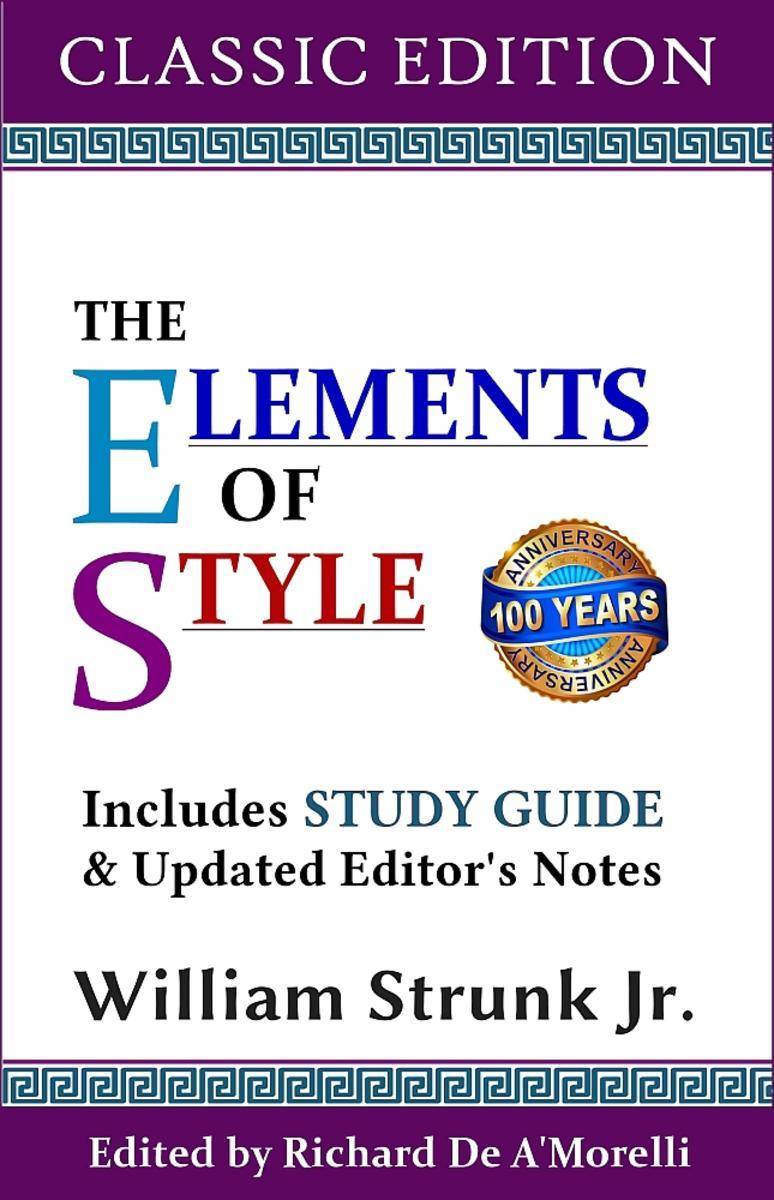
The Elements of Style (Classic Edition): With Editor's Notes and Study Guide
¥23.14
This Classic Edition contains the original version of "The Elements of Style" written by Cornell University English professor William Strunk Jr. Generations of college students and writers have learned the basics of grammar from this short primer over the years. It was rated "one of the 100 most influential books written in English" by Time in 2011, and iconic author Stephen King recommended it as a grammar handbook that all aspiring writers should read. Written one hundred years ago, "The Elements of Style" is a nostalgic link to a momentous time in American history that ushered in the Art Deco era and the Roaring Twenties. Many of the English grammar rules it cites are as relevant today as they were at the turn of the 20th century; but, one by one, these rules are becoming out-of-date This Classic Edition, updated as we head into 2017, is intended as a tribute to Prof. Strunk's enduring book. It follows the original version but includes these enhancements for today's readers: 1. Editorial notes have been inserted to indicate grammar rules now considered obsolete, and to provide brief insights on updated rules for present-day writers. 2. Easily recognizable symbols have been added to the grammar examples throughout the book so that readers can discern correctly written sentences from errors at a glance. 3. A Study Guide has been added at the conclusion of the book. 4. The paperback version includes blank, lined pages at the end for convenient note taking. 5. The digital version has been restyled for improved display on all modern e-book readers.
Utilitarianism
¥8.82
John Stuart Mill's book Utilitarianism is a philosophical defense of utilitarianism in ethics. The essay first appeared as a series of three articles published in Fraser's Magazine in 1861; the articles were collected and reprinted as a single book in 1863. It went through four editions during Mill's lifetime with minor additions and revisions. Although Mill includes discussions of utilitarian ethical principles in other works such as On Liberty and The Subjection of Women, Utilitarianism contains Mill's only major discussion of the fundamental grounds for utilitarian ethical theory.
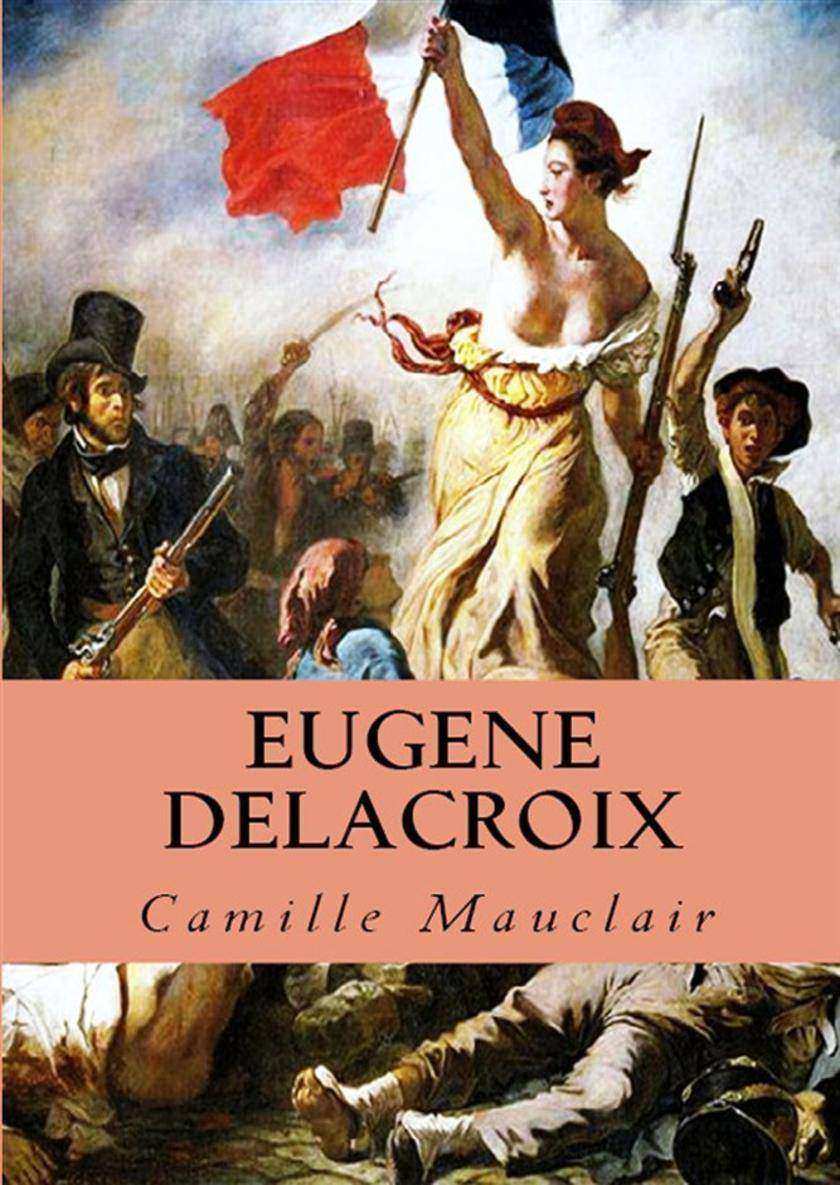
Eugène Delacroix
¥33.11
Pour bien comprendre la portée de l'intervention et de l'influence de l'?uvre de Delacroix dans l'école fran?aise, il est nécessaire de se rappeler la situation exacte de la peinture au moment où il parut.??La Révolution avait brutalement traité les ma?tres du XVIIIème siècle finissant. ?prise d'un sévère idéal gréco-romain, dont déjà Vien avait donné des exemples et que David allait porter à son apogée, la génération jacobine avait considéré les peintres légers et délicieux du règne de Louis XVI comme les bénéficiaires de la corruption luxueuse des nobles et des fermiers généraux, et elle les avait rejetés dans le même mouvement d'injuste fureur. Fragonard mourait oublié, chassé de son logis des galeries du Louvre. Hubert Robert échappait gr?ce à une erreur à l'échafaud. Greuze mourait dans la misère noire. On ne parlait plus de Chardin. Un Latour se vendait quelques francs. ??L'?Embarquement pour Cythère?, peint par Watteau pour son entrée à l'Académie, y était criblé de boulettes de papier m?ché par les élèves de David, neveu de Boucher dont ils parlaient en de tels termes, qu'il était obligé, par pudeur, d'excuser à leurs yeux son oncle. Les gravures de Cochin, de Lépicié, de Choffard, de Lavreince, des Saint-Aubin, de Debucourt, de Gravelot, d'Eisen, allaient s'ensevelir dans les soupentes de quelques brocanteurs, et on attendrait quatrevingts ans avant de les rechercher pour les couvrir d'or. Un siècle s'effondrait. Son go?t exquis, sa morale profondément naturelle et humaine, son libéralisme sceptique, tout lui était imputé à vice et à crime. On rêvait d'un art moralisateur, que Greuze avait préparé aux applaudissements de Diderot par ses scènes familiales et son ingénuité bourgeoise, mêlée de libertinage hypocrite. ??On voulait un art héro?que, sévère, propre à élever les consciences. David apparut l'homme d'une telle ?uvre, et créa d'un seul effort la réaction d'une esthétique néo-romaine, d'une peinture con?ue d'après la statuaire antique, et toute consacrée à des expressions de sentiments cornéliens. La discipline de cette école fut plus dure encore que celle imposée, centvingtcinq années auparavant, par Louis XIV, Le Brun et l'école de Rome. Plus de recherches de la nature, plus de gr?ce, plus de vérité, plus de coloris, mais simplement un art allégorique, pompeux, aride, éloigné de la vie et tout entier construit sur des théories, un art aussi opposé que possible au tempérament fran?ais.
Magna?ii. Cum au inventat Andrew Carnegie, John D.
¥86.00
Dintre toate scrierile Svetlanei Aleksievici, Ultimii martori este cea mai sf??ietoare. C?ci ce poate fi mai cumplit dec?t copil?ria ?n timp de r?zboi, mai tragic dec?t inocen?a supus? violen?ei ?i anihil?rii? Personajele acestei c?r?i, b?ie?i ?i fete, aveau, ?n perioada celui de al Doilea R?zboi Mondial – conflictul poate cel mai inuman din istorie –, ?ntre trei ?i doisprezece ani, dar r?nile c?p?tate atunci le s?ngereaz? p?n? ?n ziua de azi. ?i totu?i, ?n pofida suferin?elor descrise, textul dob?nde?te o extraordinar? for?? evocatoare pentru c? reu?e?te s? reconstituie poezia inerent? v?rstei copil?riei. Tulbur?tor prin ?nc?rc?tura sa de adev?r ?i r?v??itor suflete?te, Ultimii martori ne schimb? perspectiva asupra istoriei, a r?zboiului, a copil?riei ?i a vie?ii.
Trecutul la judecata istoriei
¥130.72
Boris Johnson exploreaz?, ?n paginile acestui volum, din ce anume este constituit ?factorul Churchill“ – acea inteligen?? unic? a unuia dintre cei mai importan?i lideri ai secolului XX. Demont?nd miturile ?i prejudec??ile care au d?inuit al?turi de realitate, Johnson realizeaz? – cu inteligen?a ?i pasiunea caracteristice – portretul unui om al contradic?iilor, al curajului contagios, ?nzestrat cu o elocin?? uimitoare ?i cu o putere inegalabil? de a croi strategii. Curajos pe c?mpul de lupt?, Churchill a trebuit s? primeasc? ordin de la rege pentru a sta departe de focul b?t?liei ?n Ziua Z; a fost de acord cu bombardamentele strategice la scar? extins?, cu toate c? ura distrugerile produse de r?zboi ?i ?i dispre?uia pe politicienii care nu ?i tr?iser? ororile. A fost un jurnalist apreciat, un mare orator ?i a c??tigat Premiul Nobel pentru Literatur?. A fost faimos pentru capacitatea de a combina serile de dineuri oficiale cu nop?ile ?n care lua decizii cruciale pentru soarta r?zboiului. Viziunea sa progresist? asupra lumii l-a f?cut un pionier ?n dezvoltarea sistemului public de s?n?tate, de educa?ie ?i de asisten?? social?, de?i a r?mas un adept incorigibil al incorectitudinii politice. Factorul Churchill nu este o carte doar pe gustul pasiona?ilor de istorie. Este o lectur? esen?ial? pentru to?i cei care doresc s? afle din ce material anume e f?cut un mare lider.


