


 购物车
购物车 个人中心
个人中心
Who Do We Think We Are?
¥32.62
A kaleidoscope of stories about war, displacement, revolution and liberation taking us on an emotional journey across three continents. Based on the actors’ personal and family experiences, the stories interweave and overlap, exploring moments of joy, sadness and laughter set against key historical events over the last hundred years. Poignant, moving, funny, inspiring, this is the first piece of work created by the Visible Ensemble, dedicated to putting older performers and their rich lives centre stage.
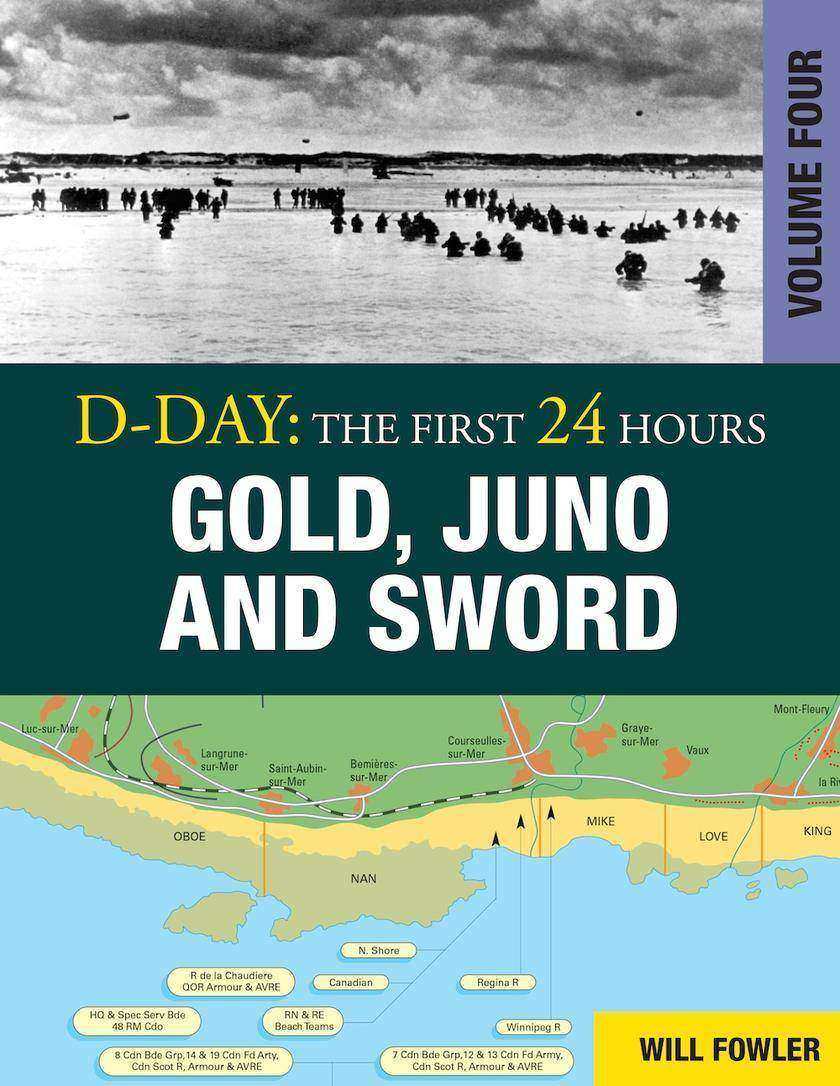
D-Day: Gold, Juno and Sword
¥40.79
In any military operation throughout history, few 24-hour periods have been as crucial as that of 6th June 1944. With the aid of specially commissioned maps, D-Day: The First 24 Hours series gives the dramatic history of the first 24 hours of the Normandy landings, and explains in detail the events that occurred in each landing zone. In this fourth volume of the series, the book describes the British and Canadian landings on Gold, Juno and Sword beaches. The book also includes details of the human cost of the first day, and a full order of battle for both sides. With colour and black & white photographs, the book is a guide to key events in the first 24 hours of the D-Day landings that saw the Allies successfully achieve a foothold in Northern Europe.
A Girl With A Book and Other Plays
¥40.79
A topical collection of new plays by popular UK playwright Nick Wood 'I am not a lone voice, I am many.'?Malala ? Yousafzai A Girl with a Book and?Other Plays ?brings together four plays for young people by acclaimed playwright Nick Wood. Topical and wide-ranging, they concern refugees, friendship, loss and courage. 'You know those sente nces that start I'm not sexist/racist/homophobic and the speaker sticks in the word 'but' and goes on to prove that's exactly what they are?' The title play, ? A Girl with a Book ?is an honest response to the story of Malala Yousafzai, who was shot by the Taliban. Produced many times in Germany and the UK, the play raises serious questions about the West's complex relationship with and attitudes to the Muslim world. 'a journey into empathy and imagination...'?Stephen Lowe Plays Nick Wood's poignant political drama A Girl with a Book is based on the true story of Nobel Peace Prize-Winner Malala Yousafza. In 2012, gunmen stopped a bus in Pakistan and shot three young girls. Their crime? Wanting to go to school. Knowing nothing about the situation, able to offer little more than outrage, the writer is forced out from behind his desk and in the search for answers to help him tell the story of a brave young woman's fight for girls' education, but when his research uncovers attitudes at odds with his liberal convictions he has to face what he learns about himself. Achieving international acclaim after its opening in Hamburg, A Girl with a Book examines Malala's story through a series of questions - Wood asks how a girl who wanted to go to school could become such a target. Bird boy:?Eddie and Tim create their own den up on the Knoll, a secret place for heroes. The only problem is, winter is setting in and Eddie won't come down. As the snow falls, Tim must decide whether to take food to Eddie or betray him by telling the grown ups where he is. Mia:?Mia is a refugee who has lost her home, and most of her family. She has odd bits and pieces in her bag, which have stories attached to them. Mia is searching for her sister, Sofia, can they help? Dream of White Horses: ? ?Paul wants two things - to find out whether his father's death was an accident or not. He climbs the same cliff, to discover what happened to his father, and a great deal about himself. '...invites us to better understand Malala, her father, and her kinsmen.'? On Religion '...a journey into empathy and imagination coolly and cleanly done. A crucially important tale well told with great humanity.' ? Stephen Lowe, playwright '...there's plenty of scope here for schools, colleges and youth theatre groups. The title play... has a cast of one... The remaining three plays use larger casts and explore asylum seeking, friendship, loss and courage.' ?Susan Elkin, The Stage
Southeast Asian Plays
¥40.79
The first ever comprehensive collection of plays ?in English from Southeast Asia. Features work by eight playwrights from seven countries in Southeast Asia, a region which is experiencing profound change:?Singapore, Vietnam, Malaysia, Thailand, the Philippines, Indonesia and Cambodia.? Southeast Asian Plays ?explores the rich variety of dramatic work that is only beginning to be translated into English. Theatre scripts are merely blueprints for productions, especially in this region. As elsewhere, second productions and revivals are rare, so publication is key to allowing play texts to find a wider international readership. Topics include the global financial crisis, sex workers, traditional v modern values, the role of faith in society, corruption in high places and journalistic ethics. The plays have been selected for performance. Plays: The Plunge by Jean Tay (Singapore) An Evening At the Opera by Floy Quintos (Philippines) Night of the Minotaur by Tew Bunnag (Thailand) Tarap Man by Ann Lee (Malaysia) Dark Rac e by Dang Chuong (Vietnam) Frangipani by Chhon Sina (Cambodia) Picnic by Joned Suryatmoko (Indonesia) Nadirah by Alfian Saat (Singapore) "The editors have done an excellent job of opening up our chances of reading and learning about plays from all over Southeast Asia. ...editorial choices are significant for opening up spaces to voices which are otherwise heard less often. All in all the plays are interesting for the ways in which they grapple with key concerns in their respective societies."? --The Asiatic
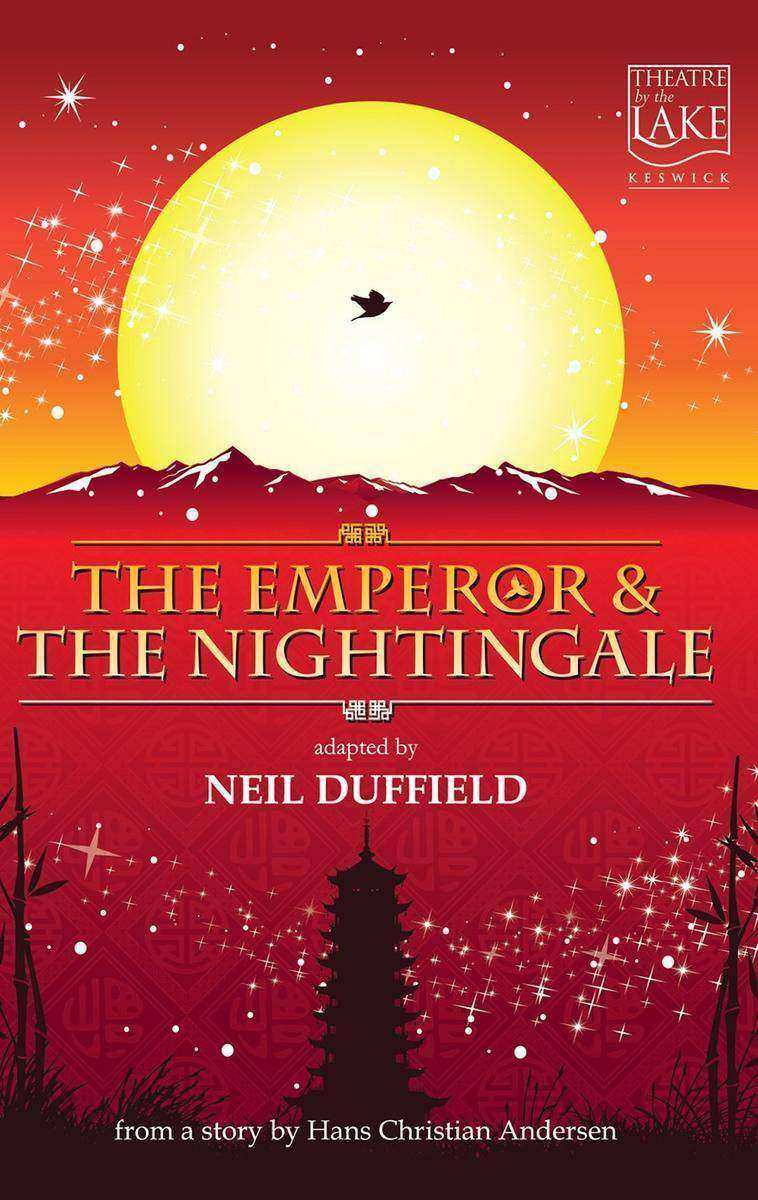
The Emperor and the Nightingale
¥40.79
From a story by Hans Christian Andersen In ancient China, young emperor Wu is kept a virtual prisoner in his palace by his devious guardian, Li Si. Wu believes the world outside the Forbidden City is an evil and dangerous place. But when Xiao, a young servant girl, tells him of the most beautiful sound on earth – the song of the nightingale – it’s too much to resist. The two embark on an adventure that will take them across mountain tops and waterfalls, past chattering monkeys and magical dragons to the far reaches of his kingdom. When Wu returns with the nightingale, and starts to overturn the old palace customs, Li Si plots to restore things to the way they were before. Featuring puppetry, music and all the colour, movement and spectacle of Chinese theatre, this joyful adaptation of Hans Christian Andersen’s fairy tale is a feast for the senses that will delight the whole family. Suitable for ages 6+

The Diary of a Hounslow Girl
¥40.79
The story of a modern Asian young woman trying to straddle Western attitudes and traditional beliefs. You've heard of an Essex Girl or even a Chelsea Girl but what is a Hounslow Girl? The term has become a byword for confident, young Muslim women who are grappling with traditional values, city life and fashion. From the joys of Pakistani weddings to fights on the night bus, Ambreen Razia's? The Diary of a Hounslow Girl ?is a funny, bold, provocative play highlighting the challenges of being a teenage girl in a traditional Muslim family, alongside the temptations and influences of growing up in and around London. “Ambreen’s writing is poetic in its structure and intensity, funny, moving, chilling, and delivered in a style that takes inspiration from spoken word and physical theatre. She has created a rhythm that draws the audience in, as compelling as a thriller, complete with gathering ominousness, shocks and comic relief.” Deborah Bestwick, Director, Ovalhouse “Ambreen Razia’s terrific play is exactly the kind of new work we wish to support in the new home of multi-cultural theatre in London. Hounslow Girl is a wonderfully funny take on a London phenomenon and one audiences will enjoy.” Jatinder Verma, Artistic Director, Tara Arts” "a powerful piece of theatre... Ambreen Razia's performance is astonishing."?BritishTheatre.com "This is a sophisticated, moving and often very funny piece of writing, particularly nuanced in its depiction of Shaheeda's relationship with her mother ... astute in tackling the breakdown of the loving bonds between parent and child that can occur when a child becomes a teenager – and also how this experience can be magnified for the children of first-generation immigrants, whose parents feel distant from their children’s British lives... Razia's script touches on everything from first love to cultural expectations to student-teacher relationships; it’s a bit like an inner-city version of An Education."?The Stage Ambreen Razia is an actress and writer from South London.? The Diary of a Hounslow Girl is Ambreen's debut show which premiered at Ovalhouse in 2015. Passionate about re-establishing British Asian comedy within the UK, she continues to write her comedy sketch show involving two British Asian girls exploring the?clash between traditional Indian/Pakistani culture and modern British life. She is also currently writing her next play POT primarily focusing on the recent comeback of gang culture within the UK.?Performance credits include: On the Middle Day (Old Vic Theatre);? Words and Women (Edinburgh Fringe); Random Acts (Channel 4);? Fair Exchange (Hen and Chickens Theatre);? Variations on a Theme (Camden People's Theatre);? Mind the Gap (National Theatre ); No Guts, No Heart, No Glory? (BBC4/Perth Festival Australia) and Murdered by my Father? (BBC3).
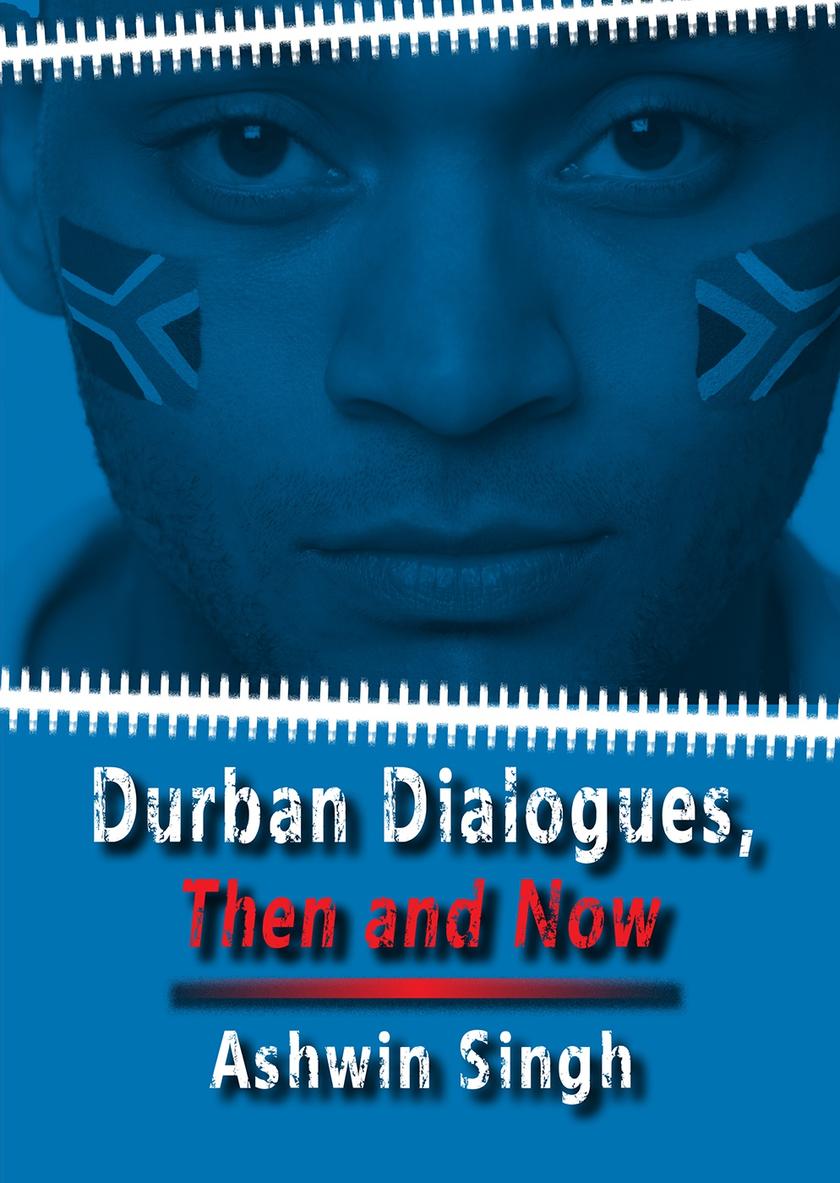
Durban Dialogues, Then and Now
¥40.79
With a foreword by director Ralph Lawson and introduction by Pranav Joshipura, Associate Professor of English, Mahila College, Gandhinagar, India. A follow-up anthology of three hard-hitting plays to Singh’s successful drama anthology Durban Dialogues, Indian Voice (2013) which is now studied internationally. The plays selected, namely Into the Grey, Shooting and Swing cover topics such as social activism, the death of a friend and discrimination in sport. Described through Singh’s satirical lens, these thought-provoking plays bring us up to date with the challenges of life in post-Apartheid South Africa. They focus particularly on people of Indian origin and their relationships with other South African communities and chart the loss of ideals in the dream of the Rainbow nation. Into the Grey: A harrowing drama depicting the twenty-nine year association between two Durban activists who battle a variety of challenges as their country stumbles towards a bleak future. Shooting: A one-man play about the unchanging paradigm in Durban’s small town communities in the early years of democracy as a football prodigy’s dream is brutally shattered. Swing: A two-hander about the relationship between a mixed-race Durban tennis player and her father/coach as they confront many obstacles in a society which undervalues the girl-child.
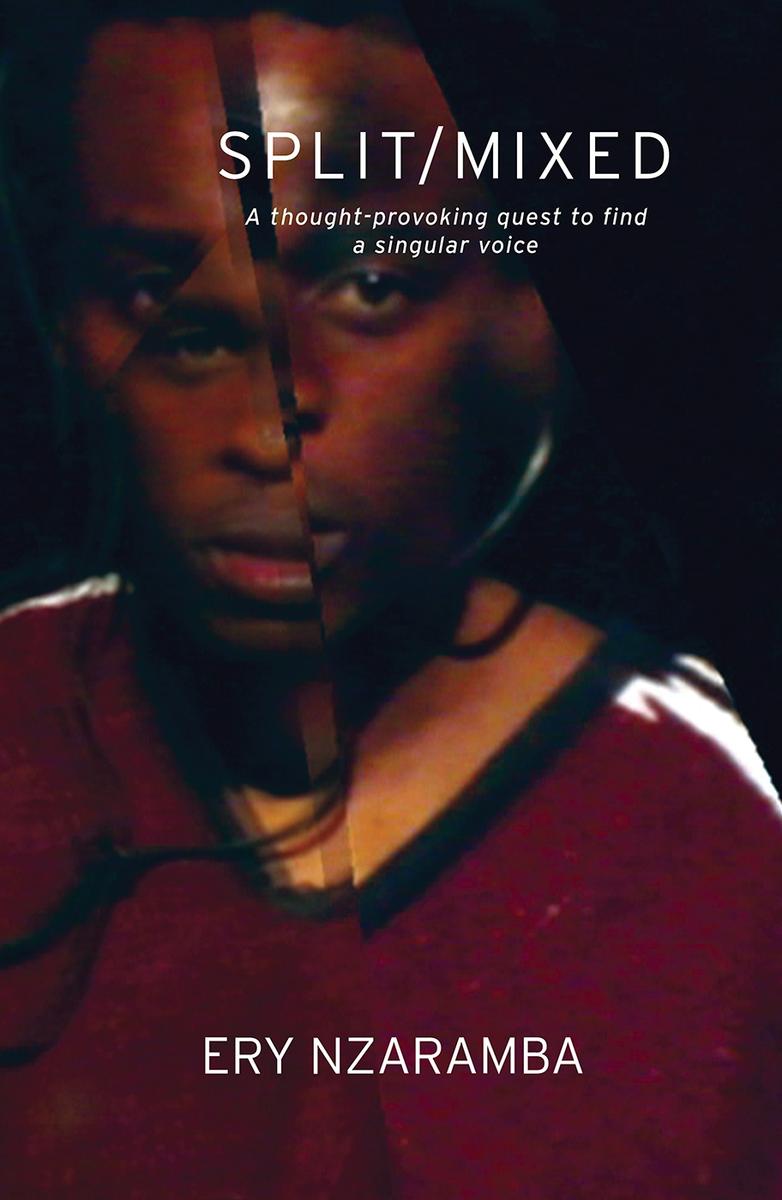
Split/Mixed
¥40.79
A dual language edition in English and French. The genocide in Rwanda shocked the world. Back then, Ery Nzaramba was only a teenager and his family’s escape to Europe turned him into a “survivor”. How should he now respond to questions about who he is and where he comes from? In this autobiographical one-man play, performed to acclaim on the Edinburgh Festival Fringe, the author journeys back to his Rwandan childhood. With the help of a cassette player, he brings to life nearly a dozen characters, exploring memories of kinship, cultural attitudes and personal identity. Both funny and poignant, the play highlights not only the intolerance that can breed violence and war but also the importance of power and privilege in the struggle for survival. Le génocide au Rwanda a choqué le monde. ? l'époque, Ery Nzaramba était un adolescent. Après que sa famille se fut échappé en Europe, il est devenu un ?survivant?. Désormais, que doit-il répondre à des questions sur qui il est et d'où il vient? Dans ce one-man show autobiographique, salué par la critique lors de sa présentation au Festival d'?dimbourg, l'auteur retourne vers son enfance au Rwanda. Accompagné d'un lecteur cassette, il donne vie à une bonne douzaine de personnages, explorant souvenirs de famille et d'affinités, attitudes culturelles et identité. ? la fois poignante et pleine d'humour, la pièce met en lumière non seulement l'intolérance qui peut engendrer violence et guerre, mais aussi l'importance du privilège dans la lutte pour la survie.
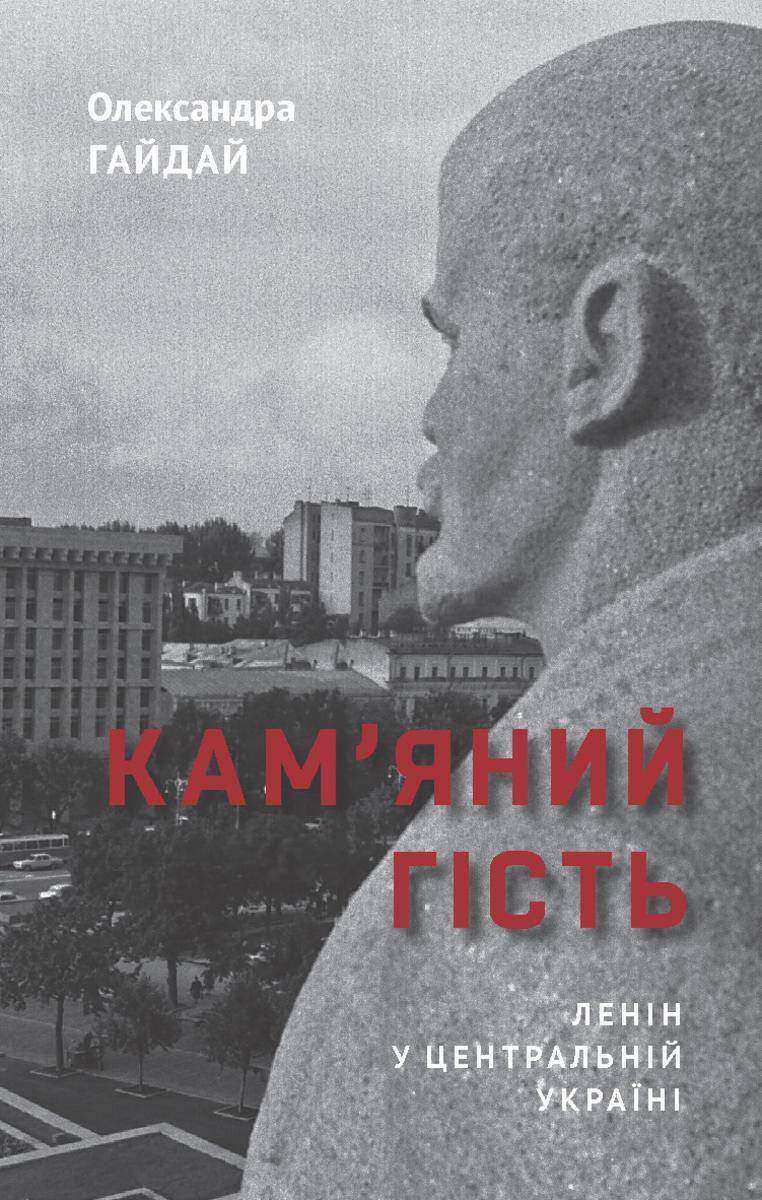
Кам’яний г?сть. Лен?н у Центральн?й Укра?н?
¥17.58
O livro apresenta uma abordagem sobre como foram construídos os saberes inerentes à medicina e ao hospital na Sociedade Moderna. Mostra, historicamente, como foi estabelecido o poder e as práticas médico-hospitalares. A obra apresenta o discurso das institui??es dominantes sobre o modelo assistencial, como também revela a realidade pragmática do acesso efetivo ao direito social à saúde, que, formalmente, foi expresso como uma necessidade básica traduzida em mínimos sociais, como condi??o legítima de dignidade da pessoa humana. A relev?ncia desse estudo é em virtude de sua especial significa??o nas diversas áreas das Ciências Humanas e Sociais, ao nutrir o debate sobre a temática do Direito à Saúde nas inst?ncias do Poder Público, bem como ao introduzi-la na agenda das profiss?es relacionadas com o campo da saúde, aprofundando suas dimens?es de transdisciplinariedade e transversalidade.

Calea spre fericire. Pove?ti adev?rate. Vol. 2
¥11.04
No caso da episteme comunicacional pode-se dizer que a mesma vem-se constituindo na historicidade de conceitos chave e de hipóteses clássicas que têm nutrido o pensamento teórico e a pesquisa empírica do campo. Pensando a episteme comunicacional trata disso, ou seja, do objeto comunica??o em sua trajetória por fazer-se, a qual, ao acumular-se, permite a renova??o do que foi pensado a seu respeito e a prospec??o de novos pontos de vista.
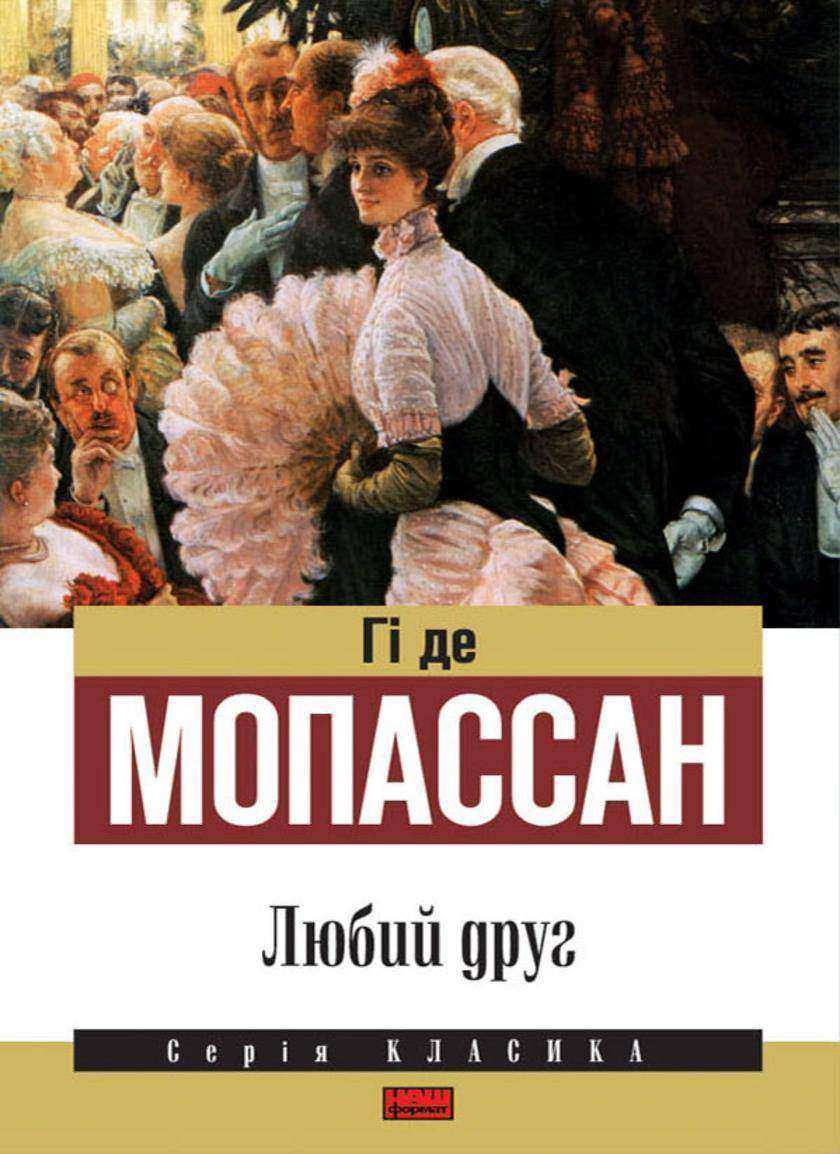
Любий друг
¥5.72
Fic??o brasileira no século XXI é um livro instigante. De leitura agradável e de interesse amplo, debru?a-se, com competência e inventividade, sobre oito escritores brasileiros contempor?neos, consagrados e premiados. O que n?o é pouco em uma tradi??o como a nossa, em que n?o se encontram muitos estudiosos de literatura que encarem o contempor?neo e consigam discuti-lo de forma a dialogar, n?o apenas com o estudioso e o especialista como também com o leitor comum interessado em literatura. Adriana Lunardi, Alberto Martins, Luiz Ruffato, Michel Laub, Milton Hatoum, Nelson de Oliveira, Ricardo Lísias e Rodrigo Lacerda encontram, por meio da leitura que deles fazem os autores deste livro, novos olhares para suas obras. E, nestes novos olhares, há um convite para novos leitores e leituras renovadas.
Цив?л?зац?я: Як Зах?д став усп?шним
¥36.79
Okupiv?i na jednome mjestu najzanimljivija imena lijeve politi?ke misli od Slovenije do Bugarske, s naglaskom na zemlje biv?e Jugoslavije, filozofi? i aktivisti Sre?ko Horvat i Igor ?tiks pred njih su stavili zadatak da napi?u tekstove o situaciji danas i ovdje, prije svega na Balkanu. ?etrnaest autora, od mladih filozofskih nada do svjetski priznatih imena, u svojim esejima pokazuje koliko je po?ast neoliberalizma u sprezi s politi?ko-mafija?kim klanovima i krupnim kapitalom razjela sve one pozitivne tekovine koje je ostavilo socijalisti?ko naslje?e. Bez sentimenta i nostalgije prema pro?lim vremenima, Dobro do?li u pustinju postsocijalizma najzanimljivija je i najaktualnija knjiga o suvre?menom trenutku. Ona je nezaobilazna studija za svakoga tko ?eli ozbiljnije shvatiti ?to nam se i za?to doga?a u vremenima duboke krize.
Cseresznyés ábránd
¥56.98
RUINS OF ANCIENT CITIES, WITH GENERAL AND PARTICULAR ACCOUNTS OF THEIR RISE, FALL, AND PRESENT CONDITION. - BY CHARLES BUCKE This Volume contain these cities;Messene, Mycen?, Miletus, Nauplia, Nemea, Nineveh, The Destruction of Sennacherib, Numantia, Olympia, Puteoli, Palmyra (Tadmor), Patr?, Pella, Pergamus, Persepolis, Petra (Wady Mousa), Phigalia, Plat?a, P?stum, Pompeii, Rama, Rome, Saguntum, Hannibal’s Speech to His Soldiers, Sais, Samaria, Sapphura, Sardis, Seleucia, Selinus, Or Selinuntum, Sicyon, Sidon, Smyrna, Spalatro, Stratonice, Susa, Sybaris, Syene, Syracuse, Thebes, Troja, And Other Cities of the Troas, Tyre, Veii Fallen, fallen, a silent heap; their heroes allSunk in their urns:—Behold the pride of pomp,The throne of nations fallen; obscured in dustEven yet majestical.—The solemn sceneElates the soul! ? ?{DYER} The reader is requested to observe, that, though the plan of this work is entirely his own, the compiler of it does not put it forth as in any way original in respect to language or description. It is, in fact, a much better book, than if it had been what is strictly called original, (which, indeed, must have involved an utter impossibility:) for it is a selection of some of the best materials the British Museum could furnish; sometimes worked up in his own language; and sometimes—and, indeed, very frequently—in that of others: the compiler having, at an humble distance and with unequal steps, followed the plan which M. Rollin proposed to himself, when he composed his celebrated history of ancient times.—"To adorn and enrich my own," says that celebrated writer, "I will be so ingenuous as to confess, that I do not scruple, nor am ashamed, to rifle whereever I come; and that I often do not cite the authors from whom I transcribe, because of the liberty I take to make some slight alterations. I have made the best use in my power of the solid reflections that occur in the Bishop of Meaux's Universal History, which is one of the most beautiful and most useful books in our language. I have also received great assistance from the learned Dean Prideaux's 'Connexion of the Old and New Testament,' in which he has traced and cleared up, in an admirable manner, the particulars relating to ancient history. I shall take the same liberty with whatever comes in my way, that may suit my design, and contribute to its perfection. I am very sensible, that it is not so much for a person's reputation to make use of other men's labours, and that it is in a manner renouncing the name and quality of author. But I am not over-fond of that title, and shall be extremely well pleased, and think myself very happy, if I can but deserve the name of a good compiler; and supply my readers with a tolerable history, who will not be over-solicitous to inquire what hand it comes from, provided they are but pleased with it."Having followed this example,—the compiler wishes he could say with equal effect,—he will be fully satisfied, should judicious readers feel inclined to concede, that he has shown some judgment in selecting his materials, and some taste in binding "the beads of the chain," that connects them together. He disclaims, in fact, (as, in the present instance, he is bound to do), all the "divine honours" of authorship; satisfied with those of a selecter, adapter, and compiler; and happy in the hope that he has here, by means of the superior writers, whose labours he has used, furnished his readers with an useful, accurate, and amusing work.? ? ? ? ? C. B.
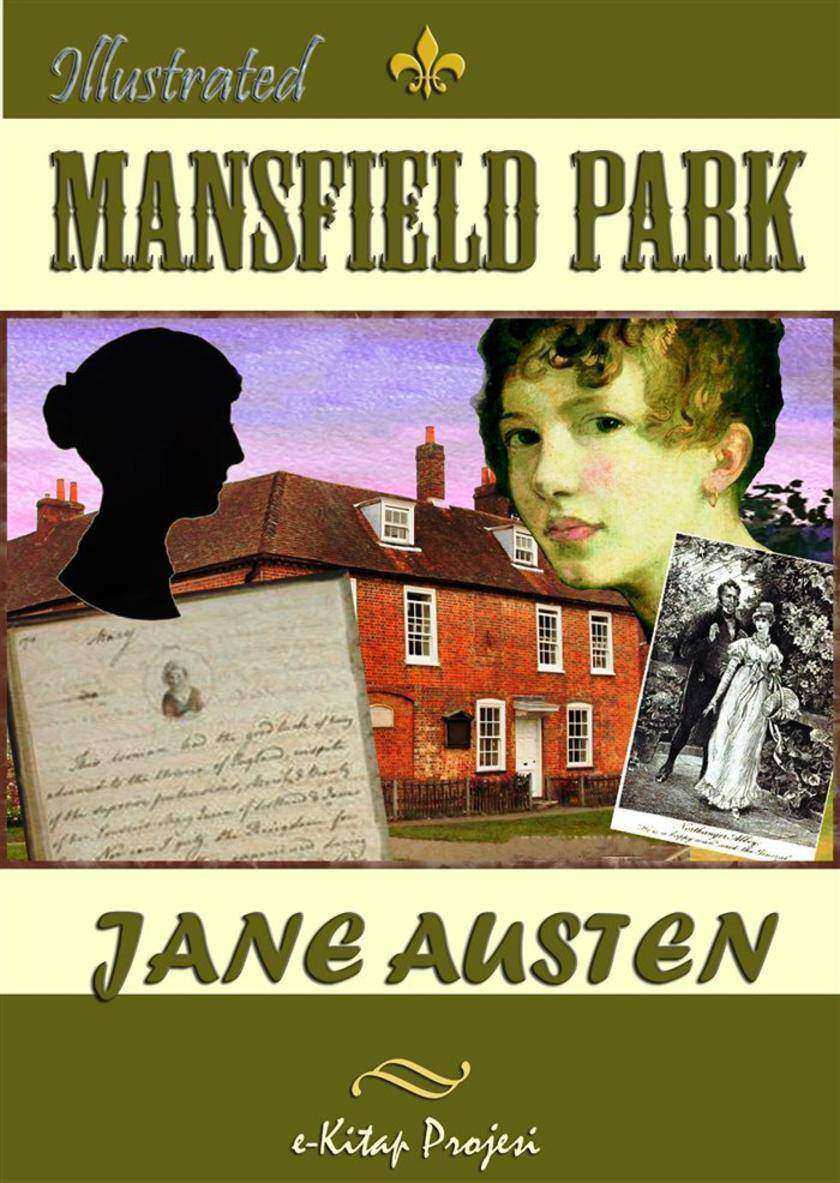
Mansfield Park
¥28.04
It is believed that the scene of this tale, and most of the information necessary to understand its allusions, are rendered sufficiently obvious to the reader in the text itself, or in the accompanying notes. Still there is so much obscurity in the Indian traditions, and so much confusion in the Indian names, as to render some explanation useful. Few men exhibit greater diversity, or, if we may so express it, greater antithesis of character, than the native warrior of North America. In war, he is daring, boastful, cunning, ruthless, self-denying, and self-devoted; in peace, just, generous, hospitable, revengeful, superstitious, modest, and commonly chaste. These are qualities, it is true, which do not distinguish all alike; but they are so far the predominating traits of these remarkable people as to be characteristic. It is generally believed that the Aborigines of the American continent have an Asiatic origin. There are many physical as well as moral facts which corroborate this opinion, and some few that would seem to weigh against it. The color of the Indian, the writer believes, is peculiar to himself, and while his cheek-bones have a very striking indication of a Tartar origin, his eyes have not. Climate may have had great influence on the former, but it is difficult to see how it can have produced the substantial difference which exists in the latter. The imagery of the Indian, both in his poetry and in his oratory, is oriental; chastened, and perhaps improved, by the limited range of his practical knowledge. He draws his metaphors from the clouds, the seasons, the birds, the beasts, and the vegetable world. In this, perhaps, he does no more than any other energetic and imaginative race would do, being compelled to set bounds to fancy by experience; but the North American Indian clothes his ideas in a dress which is different from that of the African, and is oriental in itself. His language has the richness and sententious fullness of the Chinese. Philologists have said that there are but two or three languages, among all the numerous tribes which formerly occupied the country that now composes the United States. They ascribe the known difficulty one people have to understand another to corruptions and dialects. The writer remembers to have been present at an interview between two chiefs of the Great Prairies west of the Mississippi, and when an interpreter was in attendance who spoke both their languages. The warriors appeared to be on the most friendly terms, and seemingly conversed much together; yet, according to the account of the interpreter, each was absolutely ignorant of what the other said. They were of hostile tribes, brought together by the influence of the American government; and it is worthy of remark, that a common policy led them both to adopt the same subject. They mutually exhorted each other to be of use in the event of the chances of war throwing either of the parties into the hands of his enemies. Whatever may be the truth, as respects the root and the genius of the Indian tongues, it is quite certain they are now so distinct in their words as to possess most of the disadvantages of strange languages; hence much of the embarrassment that has arisen in learning their histories, and most of the uncertainty which exists in their traditions. Like nations of higher pretensions, the American Indian gives a very different account of his own tribe or race from that which is given by other people. He is much addicted to overestimating his own perfections, and to undervaluing those of his rival or his enemy; a trait which may possibly be thought corroborative of the Mosaic account of the creation. The whites have assisted greatly in rendering the traditions of the Aborigines more obscure by their own manner of corrupting names. Thus, the term used in the title of this book has undergone the changes of Mahicanni, Mohicans, and Mohegans; the latter being the word commonly used by the whites.
Our Mutual Friend
¥28.04
IT is much easier to understand and remember a thing when a reason is given for it, than when we are merely shown how to do it without being told why it is so done; for in the latter case, instead of being assisted by reason, our real help in all study, we have to rely upon memory or our power of imitation, and to do simply as we are told without thinking about it. The consequence is that at the very first difficulty we are left to flounder about in the dark, or to remain inactive till the master comes to our assistance.? Now in this book it is proposed to enlist the reasoning faculty from the very first: to let one problem grow out of another and to be dependent on the foregoing, as in geometry, and so to explain each thing we do that there shall be no doubt in the mind as to the correctness of the proceeding. The student will thus gain the power of finding out any new problem for himself, and will therefore acquire a true knowledge of perspective.?? George Adolphus Storey??Book First?The Necessity of the Study of Perspective to Painters, Sculptors, and Architects?LEONARDO DA VINCI tells us in his celebrated Treatise on Painting that the young artist should first of all learn perspective, that is to say, he should first of all learn that he has to depict on a flat surface objects which are in relief or distant one from the other; for this is the simple art of painting. Objects appear smaller at a distance than near to us, so by drawing them thus we give depth to our canvas. The outline of a ball is a mere flat circle, but with proper shading we make it appear round, and this is the perspective of light and shade.? ‘The next thing to be considered is the effect of the atmosphere and light. If two figures are in the same coloured dress, and are standing one behind the other, then they should be of slightly different tone, so as to separate them. And in like manner, according to the distance of the mountains in a landscape and the greater or less density of the air, so do we depict space between them, not only making them smaller in outline, but less distinct.’?Sir Edwin Landseer used to say that in looking at a figure in a picture he liked to feel that he could walk round it, and this exactly expresses the impression that the true art of painting should make upon the spectator.??There is another observation of Leonardo’s that it is well I should here transcribe; he says: ‘Many are desirous of learning to draw, and are very fond of it, who are notwithstanding void of a proper disposition for it. This may be known by their want of perseverance; like boys who draw everything in a hurry, never finishing or shadowing.’ This shows they do not care for their work, and all instruction is thrown away upon them. At the present time there is too much of this ‘everything in a hurry’, and beginning in this way leads only to failure and disappointment. These observations apply equally to perspective as to drawing and painting.? Unfortunately, this study is too often neglected by our painters, some of them even complacently confessing their ignorance of it; while the ordinary student either turns from it with distaste, or only endures going through it with a view to passing an examination, little thinking of what value it will be to him in working out his pictures. Whether the manner of teaching perspective is the cause of this dislike for it, I cannot say; but certainly most of our English books on the subject are anything but attractive.??All the great masters of painting have also been masters of perspective, for they knew that without it, it would be impossible to carry out their grand compositions. In many cases they were even inspired by it in choosing their subjects. When one looks at those sunny interiors, those corridors and courtyards by De Hooghe, with their figures far off and near, one feels that their charm consists greatly in their perspective, as well as in their light and tone and colour... ?
Votes for Women: and Other Plays
¥40.79
The best collection of suffrage plays on offer. Introduced and set in historical context by Dr Susan Croft, formerly Curator at the Theatre Museum in London, with a chronology of suffrage drama from 1907-1914.? The astonishing women involved in the Actresses Franchise League set up their own theatre companies and engaged with the battle for the vote by writing and performing campaigning plays all over the country. They launched themselves onto the political stage with their satirical plays, sketches and monologues whilst at the same time challenging the staid conventions of the Edwardian Theatre of the day. The legacy of their inspiring work to change both theatre and society has survived in the political theatre, agit-prop and verbatim theatre we know today.? Full playtexts from the following: ’How the Vote was Won’ by Cicely Hamilton and Chris St. John ’The Apple’ by Inez Bensusan ’Jim s Leg’ by L.S. Phibbs ’Votes for Women’ by Elizabeth Robins ’At the Gates’ by Alice Chapin ’In the Workhouse’ by Margaret Wynne Nevinson ’A Change of Tenant’ by Helen Margaret Nightingale.
The Trouble with Asian Men
¥40.79
Macho men or metrosexual guys? Mummy’s boys or blokes under their missus’ thumbs? Self-made entrepreneurs, pukka professionals and successful executives with their Mercedes Benz lives and designer-clad wives; husbands, sons, uncles, brothers and fathers – these successful, soulful and spirited Asian men have come a long way from their origins but they’ve all got roots! The Trouble with Asian Men is a vital, tender and hilarious insight into lives that surround us every day. From the award-winning theatre company that brought us East is East, a revealing verbatim comedy that has played to sell-out houses internationally.
The Divided Laing: Or The Two Ronnies
¥40.79
London 1970: Experimental psychiatrist R.D. Laing is facing eviction from his pioneering asylum in the East End’s Kingsley Hall. Local residents are up in arms – and to make matters worse, Ronnie’s revolutionary colleague David Cooper is flipping out on the roof… With his personal life going down the pan and his mental state heading the same way, Ronnie takes an acid trip to the future. His mission is to save his therapeutic collective The Philadelphia Association and secure his professional legacy. Will it be a one-way ticket to madness – or can breakdown sometimes mean breakthrough?
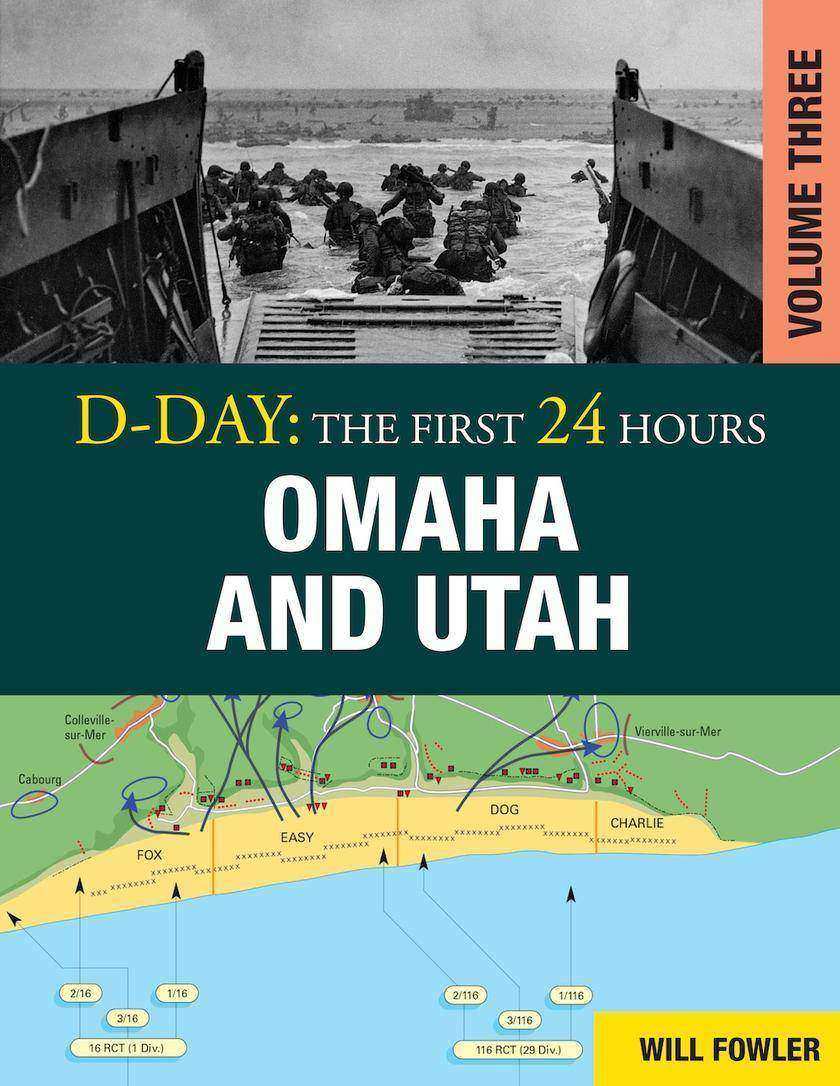
D-Day: Omaha and Utah
¥40.79
In any military operation throughout history, few 24-hour periods have been as crucial as that of 6th June 1944. With the aid of specially commissioned maps, D-Day: The First 24 Hours series gives the dramatic history of the first 24 hours of the Normandy landings, and explains in detail the events that occurred in each landing zone. In this third volume of the series, the book describes the American landings on Omaha and Utah beaches. The fighting on Omaha was some of the most desperate fighting took place, but the beach was eventually secured. The book also includes the famous operation by the US Rangers to capture the gun position at Pointe du Hoc, successfully scaling a sheer cliff face in the teeth of the defenders' fire. With colour and black & white photographs, the book is a guide to key events in the first 24 hours of the D-Day landings that saw the Allies successfully achieve a foothold in Northern Europe.
Plays of Love and Conflict
¥40.79
From beautiful adaptations of classics to exciting new writing, Duffield is a master of storytelling. Commissioned by theatres and community groups in the UK, these plays offer strong roles for both men and women, as well as the opportunity for song and dance. They will appeal to schools and youth theatres as well as both amateur and professional performers. Using a mixture of storytelling, theatre and song, BROTHERS IN ARMS draws on the true story of two brothers from a Yorkshire pit village – one of whom steadfastly refused to fight in World War I, while the other volunteered and served on the front line in France. Cast 8 minimum. Adapted from Hugo’s novel, THE HUNCHBACK OF NOTRE DAME is ‘remarkably faithful to the author’s original intention… a faultless production.’ – THE MORNING STAR Cast 8 minimum. WITH ALL MY LOVE is a tale of conspiracy and betrayal, of family feuds and deep-held secrets, of a woman’s struggle to keep faith with a husband transported to the other side of the world. Suitable for large cast productions, aimed at a general audience.
The Prodigal Daughter of Korea
¥40.79
When Mina’s father dies, she returns to Korea to visit a family she barely knows, desperately looking for some answers. But her mother is reluctant to discuss the past, especially the war, or the reasons that Mina was sent so far away as a child, to America. Her younger sister seems unable to grow up and it doesn’t help that their nosy neighbour is always on their doorstep. Secrets and lies divide them all irrevocably. When the truth is finally revealed, it is both shocking and redemptive, allowing Mina and those around her to see themselves anew and break free from years of pain and guilt.


