


 购物车
购物车 个人中心
个人中心
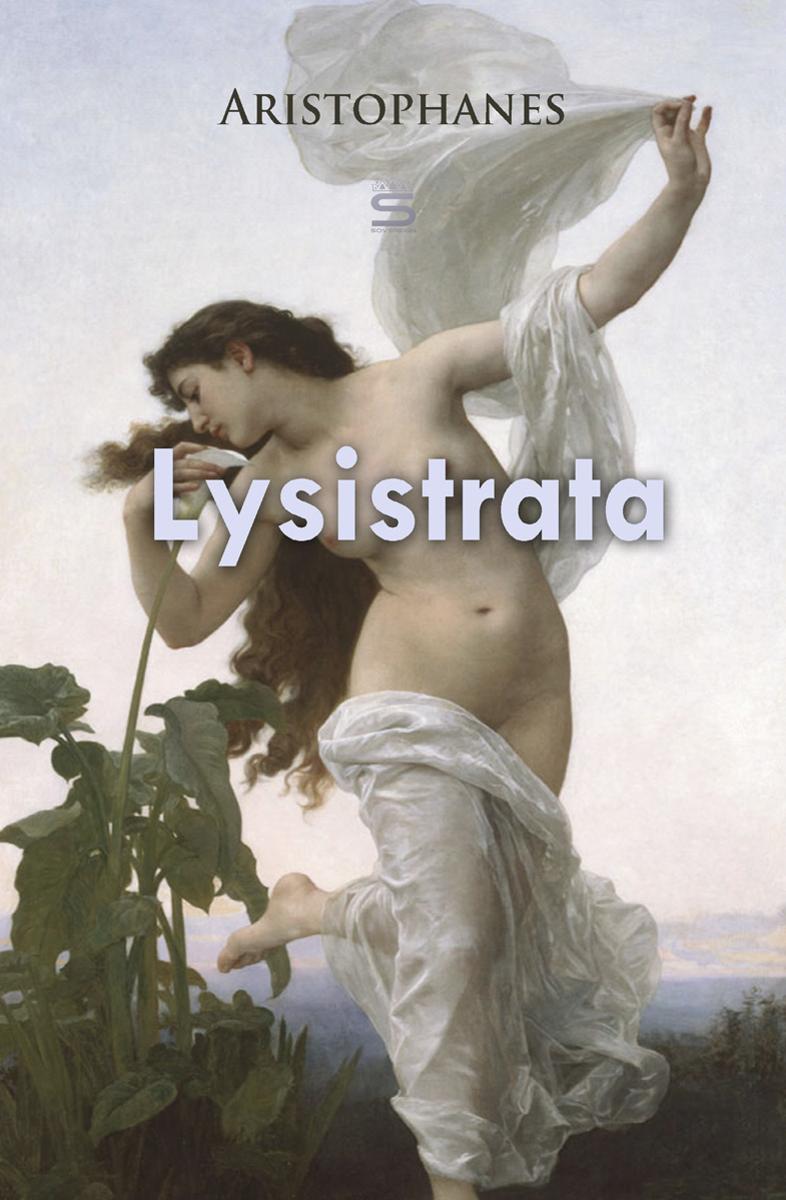
Lysistrata
¥40.79
Lysistrata is a comedy originally performed in classical Athens in 411 BC. A comic account of one woman's extraordinary mission to end the Peloponnesian War. Lysistrata persuades the women of Greece to withhold sexual privileges from their husbands and lovers as a means of forcing the men to negotiate peace—a strategy, however, that inflames the battle between the sexes. The play is notable for being an early exposé of sexual relations in a male-dominated society.
The Birds
¥40.79
Two middle-aged men stumbling across a hillside wilderness are guided by a pet crow and a pet jackdaw. One of them advises the audience that they are fed up with life in Athens, where people do nothing all day but argue over laws, and they are looking for Tereus, a king who was once metamorphosed into the Hoopoe, for they believe he might help them find a better life somewhere else.
The Thesmophoriazusae
¥40.79
Today the women at the festival are going to kill me for insulting them!' This bold statement by Euripides is the absurd premise upon which the whole play depends. The women are incensed by his plays' portrayal of the female sex as mad, murderous, and sexually depraved, and they are using the festival of the Thesmophoria (an annual fertility celebration dedicated to Demeter) as an opportunity to debate a suitable choice of revenge.

Kultur in Cartoons: "With Accompanying Notes by Well-Known English Writers"
¥28.61
When his cartoons began to reach America toward the end of 1916 this country was neutral. It is with peculiar satisfaction, therefore, that I base this brief foreword upon press extracts published prior to America’s participation in the war. If it were possible to discover today an individual who was entirely ignorant as to the causes and conduct of the war, he would, after an inspection of a hundred or more of these cartoons, probably utter his conviction somewhat as follows: ?“I do not believe that these drawings have the slightest relation to the truth; I do not believe that it is possible for such things to happen in the twenti-eth century.” ??He would be quite justified, in his ignorance of what has happened in Europe, in expressing such an opinion, just as any of us, with the possible exception of the disciples of Bernhardi himself, would have been justified in expressing a similar view in July, 1914.??What is the view of all informed people today? “To Raemaekers the war is not a topic, or a subject for charity. It is a vivid heartrending reality,” says the New York “Evening Post,” “and you come away from the rooms where his cartoons now hang so aware of what war is that mental neutrality is for you a horror. If you have slackened in your determination to find out, these cartoons are a slap in the face. ??Raemaekers drives home a universal point that concerns not merely Germans, but every country where royal decrees have supreme power. Shall one man ever be given the power to seek his ends, using the people as his pawns? We cannot look at the cartoons and remain in ignorance of exactly what is the basis of truth on which they are built.”?The “Philadelphia American” likens Raemaekers to a sensitized plate upon which the spirit which brought on the war has imprinted itself forever, and adds: ?“What he gives out on that subject is as pitilessly true as a photograph. They look down upon us in their naked truth, those pictures which are to be, before the judgment-seat of history, the last indictment of the German nation. Of all impressions, there is one which will hold you in its inexorable grip: it is that Louis Raemaekers has told you the truth.”
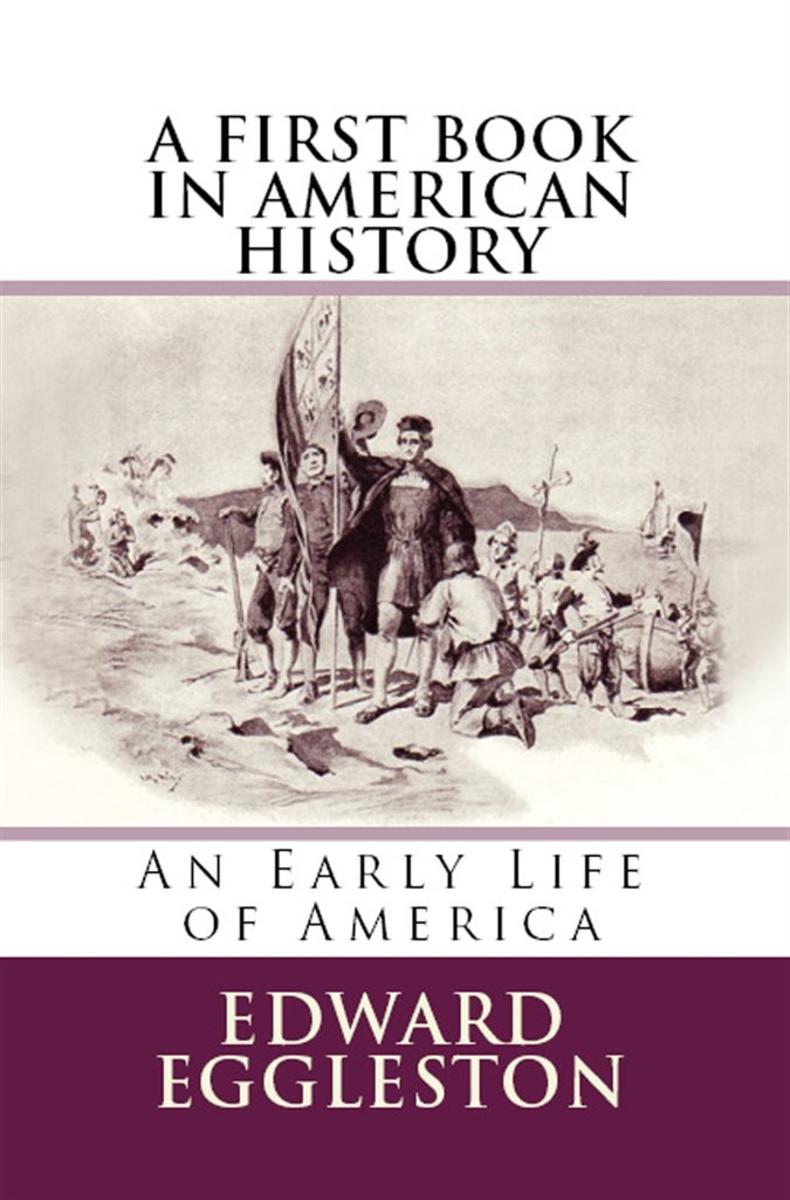
A First Book in American History: "An Early Life of America"
¥28.29
IN preparing a first book of American history, it is necessary to keep in mind the two purposed such a work is required to serve. There are children whose school life is brief; these must get all the instruction they are to receive in their country's history from a book of the grade of this.To another class of pupils the first book of American history is a preparation for the intelligent study of a textbook more advanced. It is a manifest waste of time and energy to require these to learn in a lower class the facts that must be re-studied in a higher grade. Moreover, primary histories which follow the order of larger books are likely to prove dry and unsatisfactory condensations. But a beginner's book ought before all things else to be interesting. A fact received with the attention raised to its highest power remains fixed in the memory; that which is learned listlessly is lost easily, and a lifelong aversion to history is often the main result produced by the use of an unsuitable textbook at the outset.The main peculiarity of the present book is that it aims to teach children the history of the country by making them acquainted with some of the most illustrious actors in it. A child is interested, above all, in persons. Biography is for him the natural door into history. The order of events in a nation's life is somewhat above the reach of younger pupils, but the course of human life and the personal achievements of an individual are intelligible and delightful. In teaching younger pupils by means of biography, which is the very alphabet of history, we are following a sound principle often forgotten, that primary education should be pursued along the line of the least resistance. Moreover, nothing is more important to the young American than an acquaintance with the careers of the great men of his country.
The Art of Listening
¥73.49
This first volume covers talks given in Italy, Norway and India. Krishnamurti begins with the statement "Friends, I should like you to make a living discovery, not a discovery induced by the description of others... I am not going to try to describe what to me is truth, for that would be an impossible attempt. One cannot describe or give to another the fullness of an experience. Each one must live it for himself." An extensive compendium of Krishnamurti's talks and discussions in the USA, Europe, India, New Zealand, and South Africa from 1933 to 1967—the Collected Works have been carefully authenticated against existing transcripts and tapes. Each volume includes a frontispiece photograph of Krishnamurti , with question and subject indexes at the end. The content of each volume is not limited to the subject of the title, but rather offers a unique view of Krishnamurti's extraordinary teachings in selected years. The Collected Works offers the reader the opportunity to explore the early writings and dialogues in their most complete and authentic form.
De la Homer la Joyce
¥76.03
Dincolo de miza succesului ?colar (examenul de Evaluare Na?ional? fiind un prag important pentru fiecare elev), studiul limbii ?i al literaturii rom?ne trebuie s? r?m?n?, ?n gimnaziu, o experien?? cultural? pertinent? ?i interesant?, care s? implice imagina?ia, gustul estetic, nevoia de autointerogare ?i de comunicare. Respect?nd programa specific?, structura oficial? a subiectelor ?i maniera de formulare a sarcinilor de lucru stabilite de Ministerul Educa?iei, volumul ??i propune s? nuan?eze preg?tirea continu? ?i sistematic? pentru Evaluarea Na?ional?, intervenind cu fi?e teoretice esen?ializate, teme de portofoliu, modele ?i sugestii de rezolvare, r?spunsuri selective ?i o cons istent? baterie de teste de antrenament. De asemenea, cartea are ?n vedere, prin selec?ia textelor (clasice sau contemporane, din autori celebri sau mai pu?in cunoscu?i ?n anii de gimnaziu), redescoperirea ?n adolescentul de 14?15 ani a cititorului pasionat sau m?car avizat, dornic s???i sus?in? punctele de vedere, s???i l?rgeasc? orizontul cultural ?i s? descopere, dincolo de informa?ii, reguli, canoane, adev?ratele provoc?ri, ierarhii, idoli, ca form? de acomodare cu specificul ?i noile problematici ale orelor de limba ?i literatura rom?n? din clasa a IX?a de liceu.
Arhive secrete, secretele arhivelor. Vol. 2
¥106.19
Lucrarea vizeaz? o tem? de actualitate – brandul de ora?, oferind un cadru teoretic al acestui nou concept de marketing, completat de o parte aplicativ? divers?, care ?i-a propus s? identifice ?i s? completeze eforturile autorit??ilor locale ?n aceast? direc?ie.
Libertate, moral? ?i politic?
¥65.17
Eseurile cuprinse ?n aceast? carte au ?n comun c?teva teme care m-au preocupat: ra?ionalitatea, valorile ?i libertatea. O parte din articole au ap?rut ?n diferite publica?ii, altele au v?zut lumina tiparului prin aceast? carte. Am ?ncercat s? aduc ?n con?tiin?a public? c??iva g?nditori rom?ni importan?i ?n spa?iul cultural rom?nesc ?i l?sa?i ?n umbra uit?rii. Opera acestora e realizat? ?n bun? parte ?n perioada interbelic?, ?ntr-un climat de libertate, f?r? presiuni ideologice sau de alt? natur?, fiind rezultatul for?ei intelectuale ?i al culturii personale. Dup? 1946 regimul comunist a ?ngr?dit progresiv libert??ile politice, a ?ncercat s? distrug? tradi?iile culturale a?a-zis burgheze, exercit?nd o represiune asupra intelectualit??ii ?i a creatorilor de opere. Domeniul ?tiin?elor sociale a fost afectat de o cenzur? inchizitorial?, pun?ndu-se la index autori ?i opere considerate periculoase pentru societatea rom?neasc? ?i ideologia marxist?.
Prakseologija hrvatske knji?evnosti: Knjiga III.
¥207.99
n condiiile n care cmpul teoriilor cosmopolite contemporane se afl ntr-o permanent expansiune, lucrarea urmrete maniera n care aceast paradigm a cosmopolitismului, care nu este lipsit de anumite tensiuni i controverse, poate fi aplicat i n analiza tiinelor politice, n general, i a teoriei politice, n special. Nivelurile de analiz se refer la principiile fundamentale, noile concepte i ipotezele formulate i soluiile propuse n cadrul cosmopolitismului.
Iarna ?ngerilor
¥32.62
Eseuri ?i cronici teatrale structurate simultan ?n dou? planuri, ?nc?t se reconstituie panorama artei spectacolului ?n Rom?nia ?i par?ial ?n lume, ?n perioada 1993-2003, ?i se realizeaz? o privire din unghiul zilei de azi a artei dramatice, ?n evolu?ia ei, de la antici la contemporani.
Plimb?ndu-l pe Fun
¥24.44
Drag? cititorule,Dac? te-ai uitat ieri mai mult de dou? ore la televizor ?i nu po?i f?r? asta, las? cartea asta jos.Dac? vrei s? fii de acord cu cineva, cu oricine, nu e?ti omul meu.Dac? m? ?tii din tinere?e ?i crezi c? sunt b?iatul care se b?lb?ia la prompter, dai banii degeaba.Dac? vrei s? dai cadou cartea asta unui prieten, nu mai bine ?i iei o sticl? de vin? Eu nu ?tiu s? ame?esc a?a bine.?n general, recomand cartea doar c?torva oameni.Cei care vor s? afle cum am ajuns s? tr?im, iubim, alegem ?n social media.Dar mai ales celor care cred c? a scrie poate schimba ceva.P.S. Poate.Doar c? trebuie s? scriem cu to?ii ?n acela?i timp.Despre asta e Share! Despre for?a social media, cel mai bun amplificator de idei pe care ?l ?tiu.?ntr-un fel, dac? stai s? te g?nde?ti, ?i tu ai scris-o.
Lumea ?n oglind?
¥24.44
O nuan autobiografic, perfect ntemeiat, irizeaz concepia lui Breban de la acest nivel, miza mare a ideii fiind aceea de a demonstra – ceea ce romancierul a mai fcut… – c generaia din care face el nsui parte (Nichita Stnescu, Matei Clinescu etc.) a transformat literatura ntr-un asemenea mediu germinativ de excelene, prin intermediul promovrii esteticului ca replic alternativ sublim la grotescul ideologic din jur. Trebuie s recunoatem c Breban rmne seniorial i impecabil de fiecare dat cnd enun aceast dihotomie: de pild, nu trebuie uitat faptul c Istoria dramatic a prezentului s-a zamislit cnd mpotriva autorului se trgea cu tunul, pe motivul orchestratei acuze de colaborare cu Securitatea. Nici un raspuns n volum, nimic insidios, revanard sau resentimentar: doar idei i fapte, nu psihologie. Jos plria!“ (tefan Borbély)Numai cultura, carevaszica, ne poate lecui de aceast nesiguran identitar i numai ea poate nnobila istoria noastr de care, s-a putut constata, prozatorul maramureean nu-i mulumit… Face i alte profeii, atunci cnd n capitolul final vorbete despre specificul naional, dar despre toate acestea vom putea discuta cu alt prilej. Este o tem pe care noi, romnii, o aducem mereu n discuie fie pentru a o sataniza, fie pentru a o apra. Observ c N. Breban n-o respinge, de plano, cum fac globalitii, nici n-o smintete cu un discurs encomiastic, cum fac localitii. El procedeaz corect, aa cum procedeaz orice intelectual lucid i responsabil, adic analizeaz un concept (un concept esenial) i ncearc s-i vad viitorul… Este trist, i are de ce, cnd se gndete la lumea politic de azi i la retorica resentimentului i a rzbunrii care domin lumea intelectual… S mai spun c are i n acest caz dreptate, c dup douzeci de ani de libertate intelectualii romni, cu precdere scriitorii (ei, care s-au inut bine sub regimul totalitar), se detest cu o grea sinceritate mi amintesc de o propoziie din Eminescu (reproduc din memorie): Nu eti liber, dac nu eti drept. Se poate spune i invers: Nu eti drept, dac nu eti liber. Liber, n cazul oamenilor de litere, de prejudeci, de complexe i idiosincrazii, de eecurile i vexaiunile pe care i le-a provocat istoria i pe care spiritul nu poate s le stpneasc.“ (Eugen Simion)
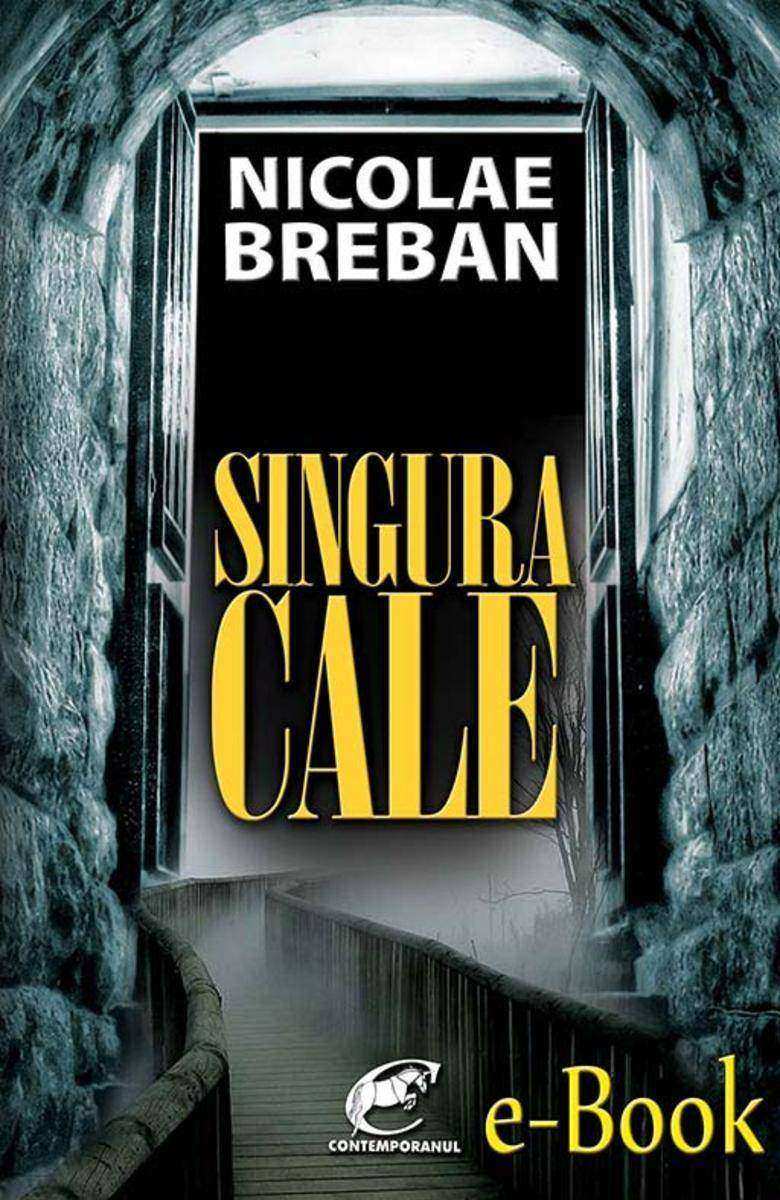
Singura cale
¥98.02
Lucrarea aduce in dezbaterile istoricilor si economistilor evolutia economica si politica a Romaniei in perioada 1859-1900, marcand o contributie insemnata in acest domeniu destul de putin studiat, analizat si dezbatut.Tema centrala a lucrarii o constituie necesitatea crearii unei industrii romanesti inca de la inceputul secolului al XIX-lea, pledand in favoarea protectionismului, a independentei capitalurilor si a mainii de lucru calificata.De asemenea, autorul analizeaza dezbaterile care au avut loc in epoca pe tema industrializarii si protectionismului intre cele doua partide mari existente in a doua jumatate a secolului XIX: Conservator si Liberal, precum si cele dintre economistii de conceptie din acea vreme: D.P. Martian, I. Ghica, Ionica Tautu, P.S. Aurelian.
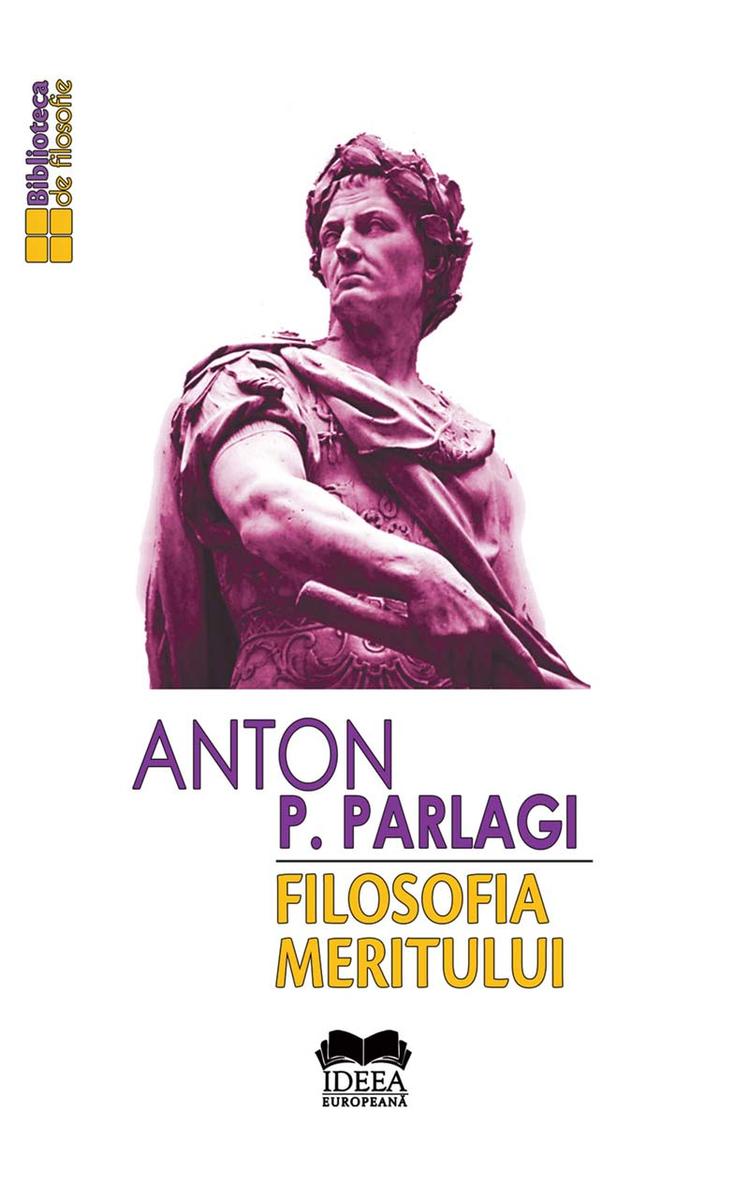
Filosofia Meritului
¥168.41
The work represents a synthesis published and printed in two volumes (the 1st volume in 2002, the second one, in 2004) under the aegis of Mica Valahie Publishing House in Bucharest. Being elaborated on the basis of some documents discovered in the Romanian and foreign archives, the two volumes cover the period up to 1929 in the first volume and the period from 1929 to 2005 in the second one. The paper reveals the role and place of Romanian oil in the evolution of the national and worldwide history, especially during the World War between 1939 and 1945 and in the development of the so-called “cold war”. The book insists upon the prospects of the specific “black gold” evolution.In the addendum there are to be found some interesting documents and the complete bibliography of oil.
Amor ?i galanterie bucure?tean?
¥61.83
Un periplu documentat prin lumea artelor plastice contemporane, un model de analiz? a fenomenului plastic actual, extrem de viu ?i incitant, ba chiar provoc?tor, ?n ciuda multiplelor probleme ridicate de tranzi?ia autohton?.
Autoportret la 28 de ani
¥54.10
Avangardismul rom?nesc r?m?ne a fi unul dintre curentele literare cele mai controversate ?i, ?n ultima instanta – ne demonstreaza aceasta monografie – cele mai putin cunoscute. Monografia abunda ?n informa?ii, aspecte, ?nt?mpl?ri, evenimente, mai pu?in sau deloc cunoscute. Cartea se adreseaz? elevilor, studen?ilor, precum ?i publicului larg de cititori.
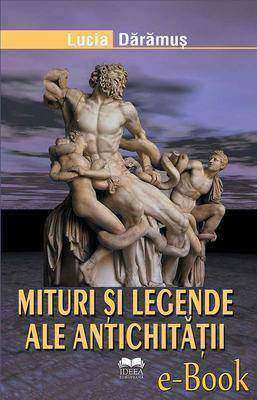
Mituri ?i legende ale antichit??ii
¥54.10
Cea dinti monografie care ofer o imagine cuprinztoare asupra receptrii literaturii romne n Cehia, cartea de fa este o incursiune n diversele etape ale totalitarismului comunist: stalinismul integral, perioada dezgheului, anii aizeci (cu transformrile din jurul Primverii de la Praga), urmai de perioada de normalizare care se ntinde pn la momentul Revoluiei de Catifea. Ineditul acestei lucrri este dat i de explorarea manifestrii unor opere i a unor personaliti literare romneti (precum Mircea Eliade, Constantin Virgil Gheorghiu sau Petru Dumitriu) n zona literar ceh prohibit din anii supui studiului, mai precis n publicaiile din exil i n revistele de tip samizdat. Cititorului i este oferit un tablou amplu asupra autorilor romni receptai cu predilecie de ctre cehi sub comunism i asupra tendinelor manifestate de romnitii cehi (coloana vertebral a procesului receptrii), de criticii literari i de recenzeni. Cartea definete o epoc n istoria raporturilor culturale dintre romni i cehi, dou popoare legate de un trecut adeseori comun i de o prietenie sincer.“ – Profesor dr. Mihai Mitu
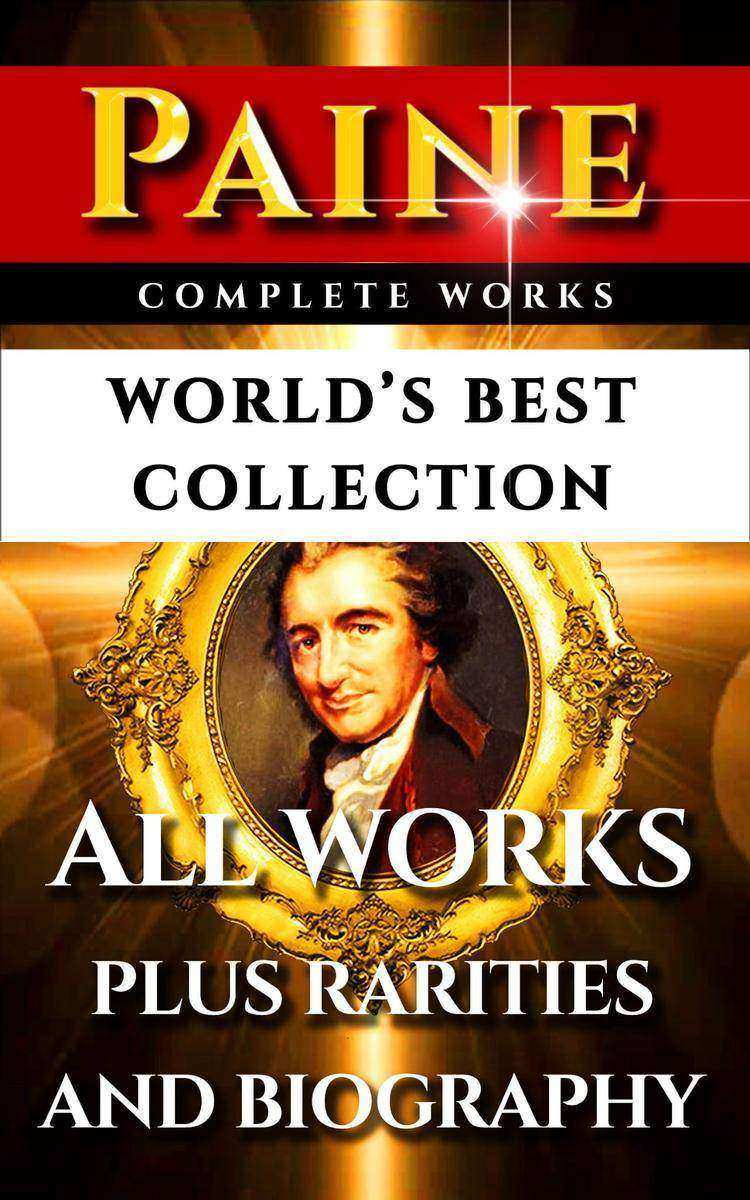
Thomas Paine Complete Works – World’s Best Collection: All Works
¥8.09
Thomas Paine Complete Works World's Best Collection This is the world’s best Thomas Paine collection, including the most complete set of Paine’s works available plus many free bonus materials. Thomas Paine Thomas Paine is known as one of the Fathers of the American Revolution. His landmark work, ‘Common Sense’, is known as the major inspiration for the ‘Declaration of Independence’, and his ‘Crisis’ pamphlet series was a favorite of George Washington to read out loud to inspire his troops at Valley Forge. Paine’s work is passionate, radical, yet accessible; covering his strong beliefs in Independence, Personal Liberty, Politics, Religion and Government. Hugely successful and inspiring strong polarization in their times, they are still must-reads today, still highly debated and revered The ‘Must-Have’ Complete Collection In this irresistible collection you get a full set of his amazing work, with All of his amazing works, All writings and All his letters, including hard to come by rarities. Plus a Bonus biography of Paine’s unbelievably intriguing life Works Included: Common Sense The famous work that inspired the American colonists with a demand and call for freedom from British rule. Also notable, that when adjusted for the population size of 1776, ‘Common Sense’ has the largest sales and circulation of any book in American history. The American Crisis A series of pamphlets published from 1776 to 1783 written to motivate the Troops during the revolution, to spur them to victory. The language is powerful and emotional, and reflects Paine’s liberal philosophies. The first lines are the famous: “These are times that try men’s souls.” The Rights Of Man (Part I and Part Ii) A radical set of books that argues that political revolution is required when a government does not safeguard its people. The Age Of Reason (Part I and Part Ii) A deistic work, about institutionalized religion, and Paine’s strong views concerning it. Letters and Miscellaneous Writings A Full Set of Paine’s must-read letters and assorted short works from Paine, Including his famous ‘Letter To George Washington’ and his last work ‘Agragian Justice’ Your Free Bonuses Thomas Paine, Biography – A fascinating biography, detailing Paine’s unbelievable, often sad, and often controversial life, written specially for this collection. Works presented as far as possible in original publication date order - So you can follow Paine’s growth as a writer and philosopher Get This Collection Right Now This is the best Thomas Paine collection you can get, so get it now and start enjoying and being intrigued by his world like never before!
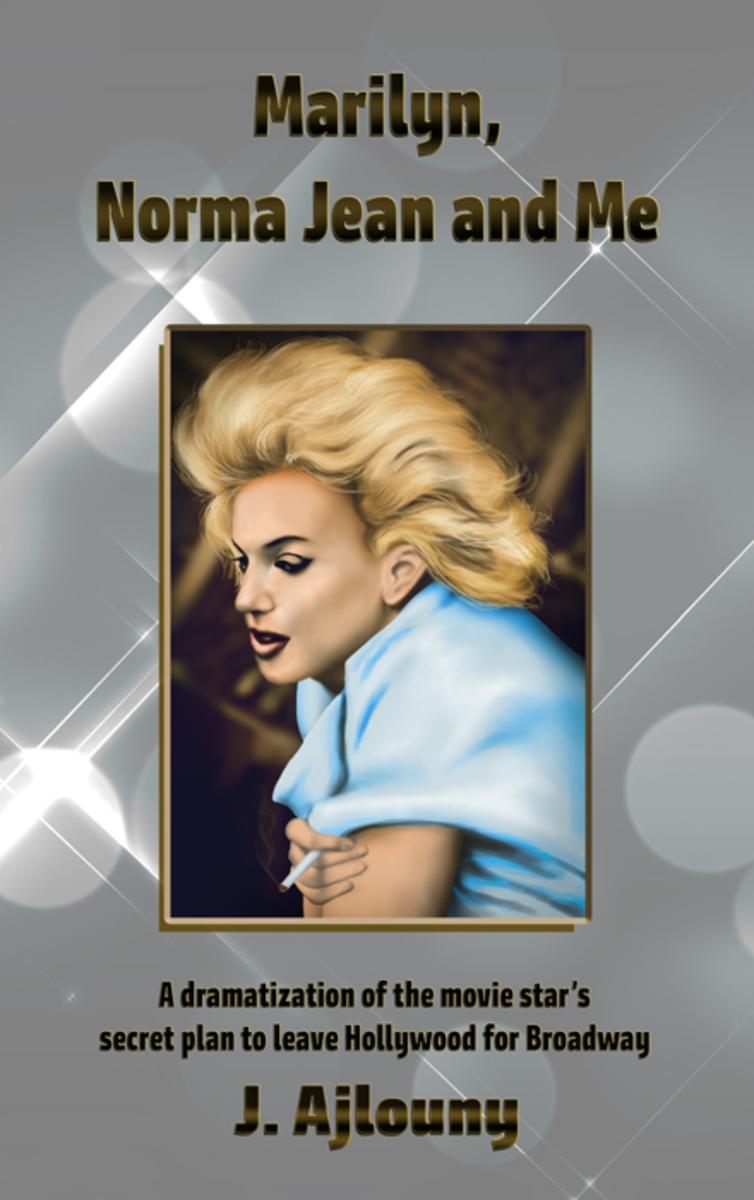
Marilyn, Norma Jean and Me
¥24.44
In this boisterous but sensitive drama, playwright J. Ajlouny looks beyond public image to find the heart of this young woman thrust wildly into fame as a sex symbol. Presented as a play-in-the-making within a play, Marilyn, Norma Jean and Me weaves biography with humor to explore the movie star’s widely speculated plan to leave Hollywood for Broadway. The author imagines her innocence and vulnerability, her friendliness and loyalty, even as the public image threatens to steal her humanity. This play is a must-see or -read for fans of film and stage, not just because it is so good, but for its powerful way of finding the real Norma Jean in the legend known as Marilyn Monroe.

Insights Into Education
¥73.49
Insights into Education presents the educational philosophy of J. Krishnamurti in an easy to use, topic-based format. It is a practical handbook that comes alive when used as an introduction to group investigation and dialogue. What it offers to teachers everywhere is an inroad into the many matters of concern with which they are faced on a daily basis. That we cannot continue as we have been doing, with rote-learning, fact-finding, and a modicum of analysis as the building blocks of education, is obvious to anyone who is at all concerned with teaching and learning in a world with accelerating technological advancement, alienation, and despair. It is these very issues that are tackled here, sometimes implicitly but always at depth. What Krishnamurti proposes, and here discloses, is a different approach to learning altogether, one that distinguishes itself radically from what we normally understand by that term: the accumulation of knowledge, with its application and testing. By narrowing down our understanding to the pragmatic and the measurable, we forfeit the opportunity to probe deeply and to awaken intelligence in our students and in ourselves. What is meant by intelligence in this context is not the capacity to memorize and measure, but that subtler ability to see the whole which comes alive in a human being when he/she sees the limits of the measurable. To awaken this intelligence is the goal of education.


