


 购物车
购物车 个人中心
个人中心
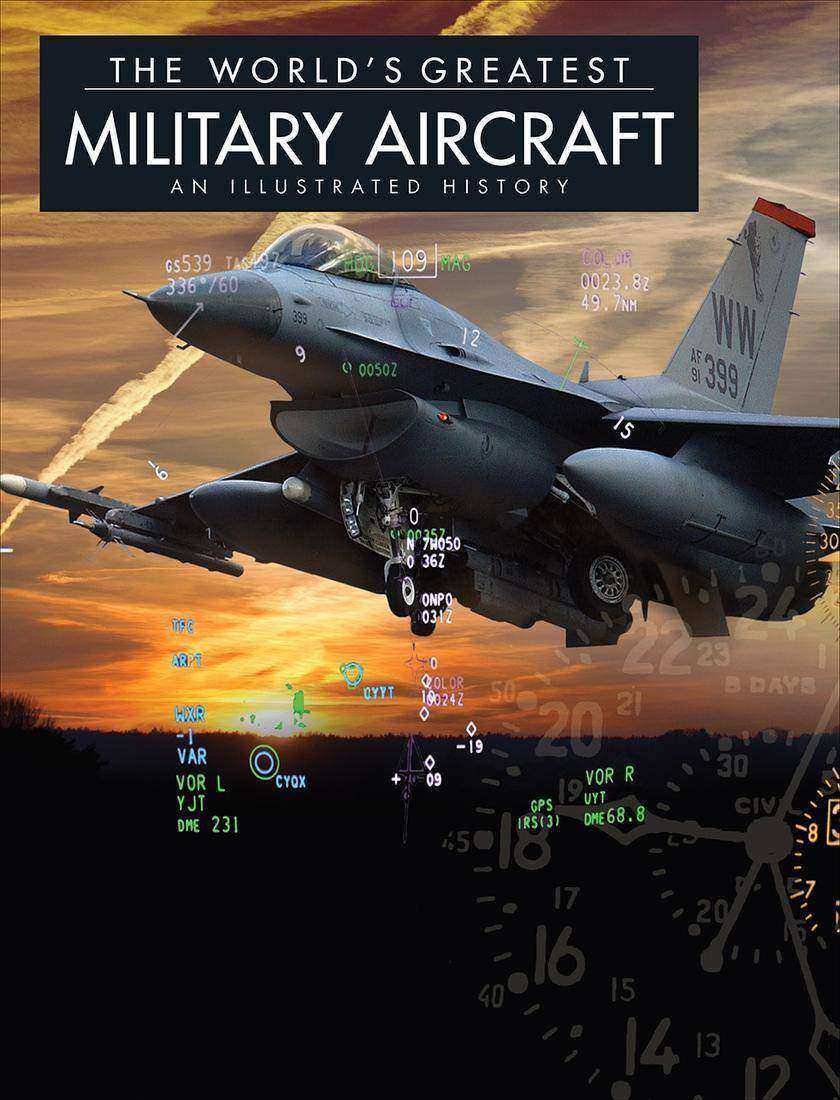
The World's Greatest Military Aircraft: An Illustrated History
¥81.67
Ever since man first took to the air, combat aircraft have been at the cutting edge of aviation technology, resulting in some of the greatest and most complex designs ever built. The World’s Greatest Military Aircraft features 52 of the most important military aircraft of the last hundred years. The book includes all the main types, from biplane fighters and carrier aircraft to tactical bombers, transport aircraft, multirole fighters, strategic strike aircraft and stealth bombers. Featured aircraft include: the Fokker Dr.1 triplane, the legendary fighter flown by German flying ace Manfred von Richthofen, ‘the Red Baron’, during World War I; the Mitsubishi A6M Zero, Japan’s highly-manoeuvrable fighter that dominated air-to-air combat in the early part of the Pacific War; the tank-busting Il-2 Shturmovik, the most produced aircraft in World War II; the Harrier jump jet, a vertical take-off and landing (VTOL) fighter that has been service for more than 40 years; the B-2 Spirit bomber, an American precision strike aircraft used in recent conflicts in Kosovo, Iraq and Afghanistan; and the F-22 Raptor, an air superiority fighter with state-of-the-art stealth technology that makes it almost invisible to radars. Each entry includes a brief description of the model’s development and history, a profile view, key features and specifications. Packed with more than 200 artworks and photographs, The World’s Greatest Military Aircraft is a colourful guide for the military aviation enthusiast.
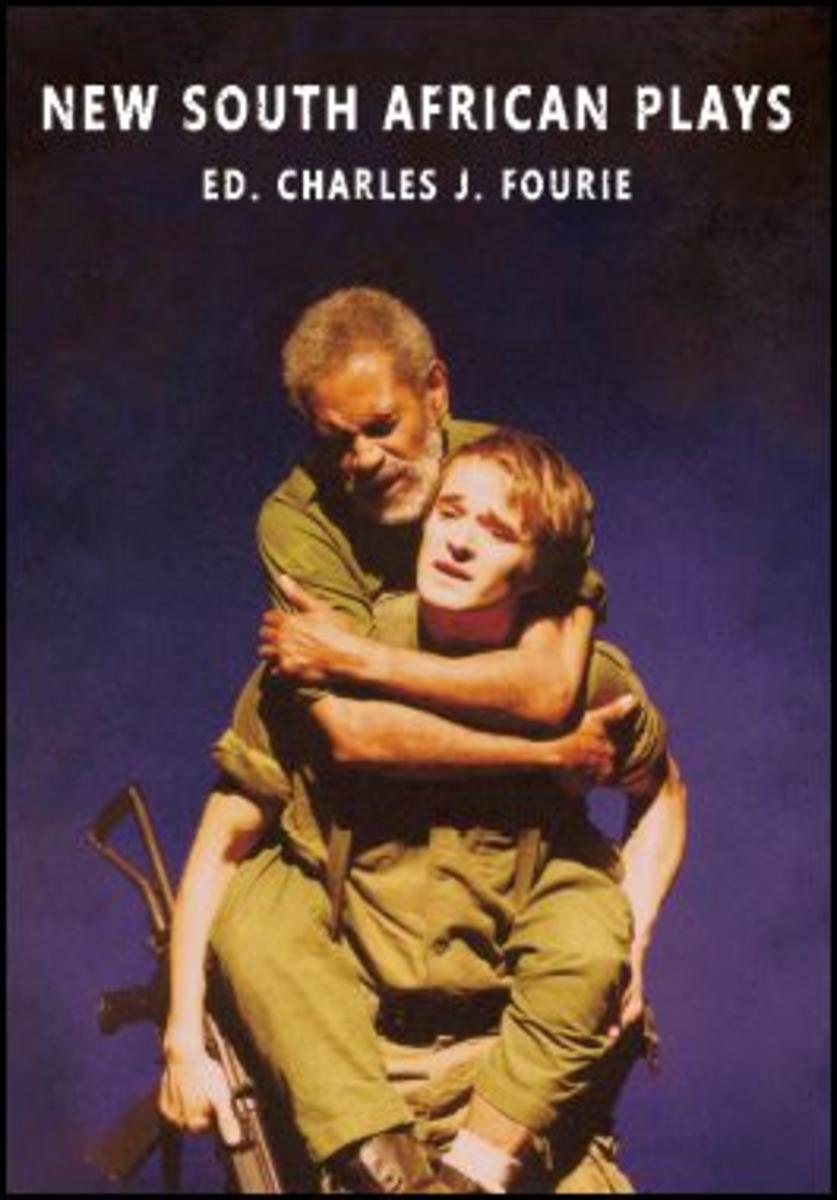
New South African Plays
¥40.79
A collection of six plays dealing with the new South Africa, published in 2006 to celebrate 10 years of democracy post-apartheid. Plays about racial conflict, the impact of AIDS, power and corruption, the legacy of the past and female identity. Reprinted 2012, 2019. ? The Plays The Playground?by Beverly Naidoo “…it floats on a haunting, echoing raft of traditional South African harmonies that make watching it a joyful experience as well as a thought-provoking one…”?Time Out Critics’ Choice – Pick of the Year Taxi?by Sibusiso Mamba: Edinburgh fringe first winner “a superbly written and produced play… A fine piece of work that’s refreshingly free of cliches.”?Daily Mail, Pick of the Week Green Man Flashing?by Mike Van Graan “…This finely crafted drama tears at the heart and soul of our democracy, and rips at the underbelly of corruption and political power through its astute writing…”?Star Tonight Rejoice?by James Whylie “… the cruellest irony of all is left until the end… the same one which has spelled the death of Rejoice… And millions more.”?Friends of BBC Radio 3 What the Water Gave Me?by Rehane Abrahams “tales that retrieve ancient magics and reveal contemporary terrors…”?Cape Times To House?by Ashwin Singh: Finalist in the 2003 PANSA (Performing Arts Network of SA) Festival of Reading of New Writing (the country’s foremost playwriting contest) “To House is an important piece of theatre; in it people voice opinions that are uncomfortable and edgy. The cathartic and therapeutic value of hearing these things said aloud in a public place is part of our essential healing process and proves, once again, that art has the ability to go where angels fear to tread.”?Daily News, Durban
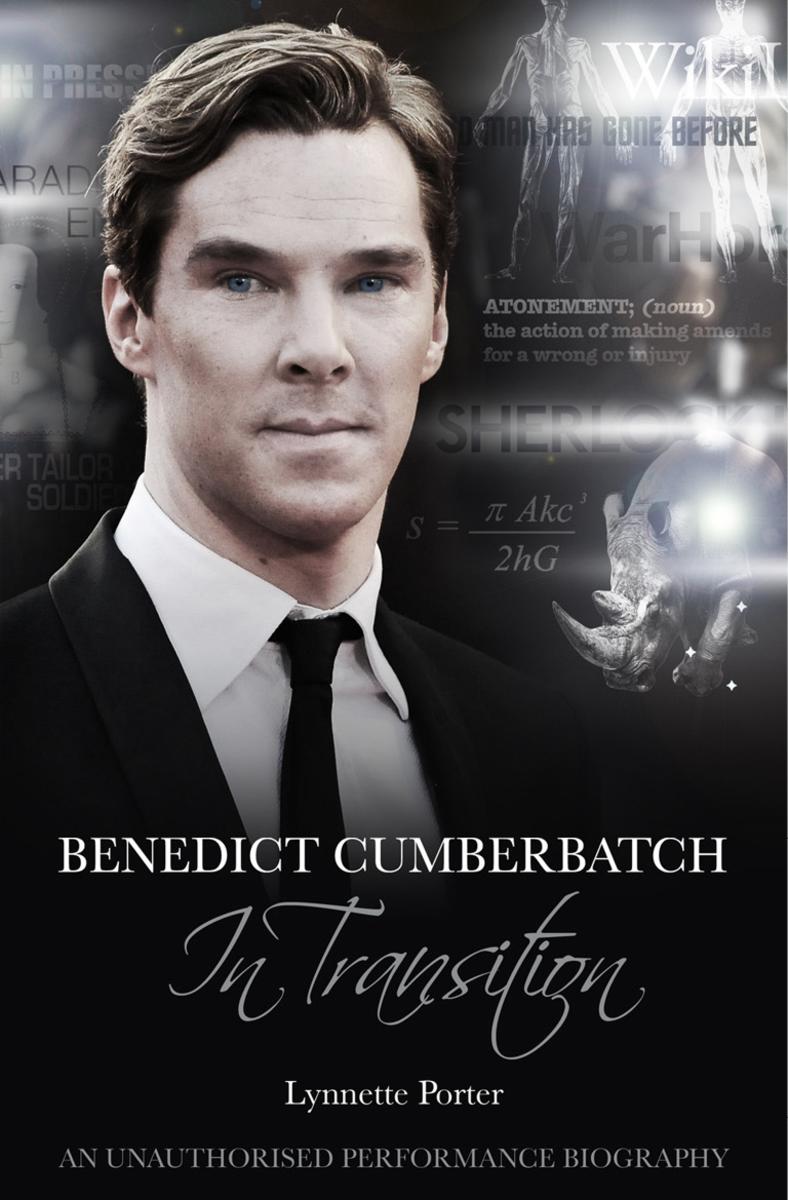
Benedict Cumberbatch, In Transition
¥58.76
Tinker Tailor Soldier Spy, War Horse, Star Trek: Into Darkness, The Hobbit trilogy, Twelve Years a Slave, August: Osage County, The Fifth Estate; Hedda Gabler, After the Dance, Frankenstein; Hawking, To the Ends of the Earth, The Last Enemy, Parade's End, and, of course, Sherlock. For most actors, these stellar cinematic, theatrical, and television events would be the highlights of a lifetime's work. On Benedict Cumberbatch's resume they are only a few of many entries. Especially since 2010, his performances have garnered a plethora of best actor awards, both in the theatre (Evening Standard Theatre Award, Critics Circle Theatre Award, and Olivier Award), by playing the dual roles of Victor Frankenstein and the Creature in the National Theatre's Frankenstein, and on television (Broadcasting Press Guild Award, Critics Choice Television Award, Crime Thriller Award, and TV Choice Award), by starring as the titular Holmes in the BBC's Sherlock. Add these and other recent accolades to nearly a decade's nominations and awards (such as the Golden Nymph as best actor in Hawking), and it's easy to see why Benedict Cumberbatch is often hailed as the actor of his generation. Cumberbatch's body of work further includes indie films, radio plays and series, television documentaries, live dramatic readings, multimedia advertisements, and even the occasional stint as a fashion model. He often shares an intriguing perspective on his profession, as evidenced in sometimes controversial interviews. He has become so much in demand that online box offices crash when tickets for his performances go on sale, and, before a Cheltenham Literature Festival Q&A session, fans overwhelmed Twitter when so many responded immediately to a call for questions. Cumberbatch consistently is a top name on lists ranging from sex appeal to global influence. In 2012 he beat David Beckham in the former and U.S. President Barack Obama in the latter. Increasingly, part of Cumberbatch's job involves the role of celebrity. Benedict Cumberbatch is at a pivotal point in his profession, and his career trajectory especially as documented in entertainment media permits a closer examination of just what it means to be a celebrity or star in Britain or the U.S. and how an actor may be perceived very differently in London or Hollywood. This performance biography is an analysis of a man in transition from working actor to multimedia star, as well as the balance between actor and celebrity. It looks at what makes this actor so well suited to play one of popular culture's iconic characters, Sherlock Holmes, and how Sherlock is so well suited to propel Cumberbatch toward greater global fame.
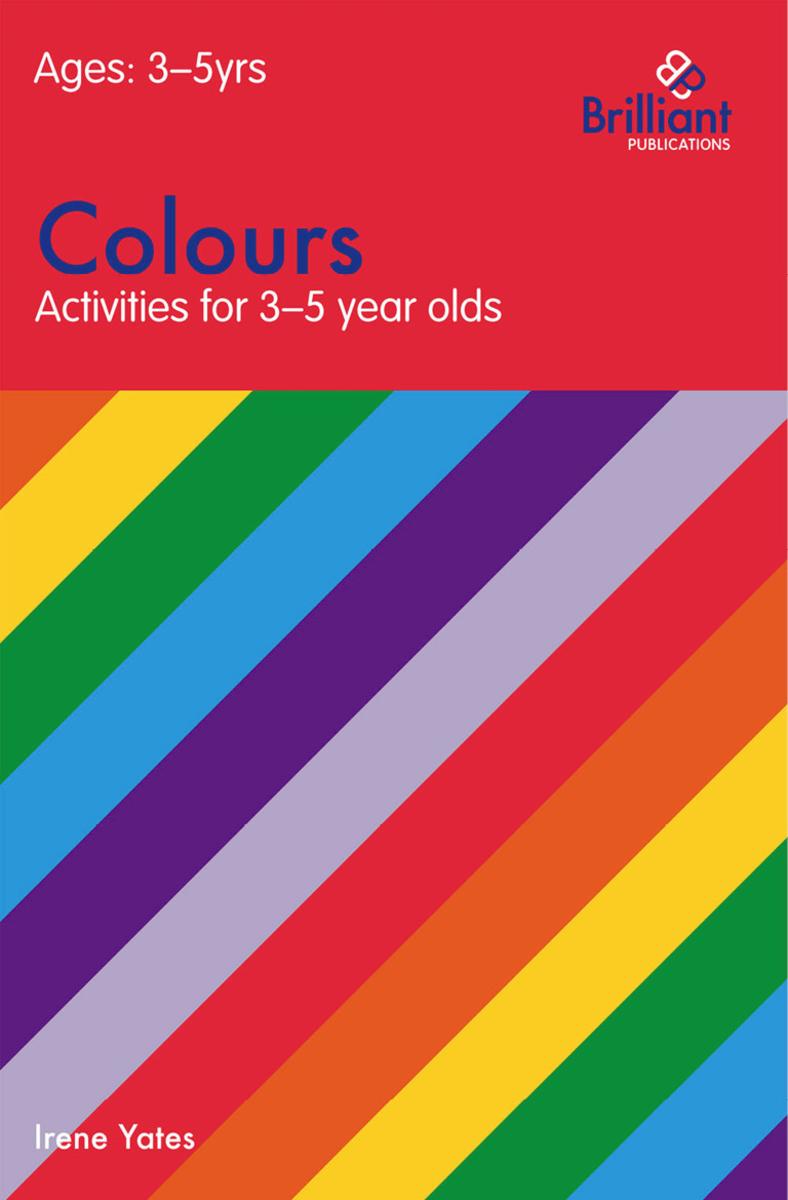
Colours (Activities for 3-5 Year Olds)
¥39.14
Colours: Activities for 3-5 Year Olds contains enjoyable activities to help develop children's essential skills. Recognizing, identifying and being able to name colours are essential steps in the early education of all children. Colour knowledge is an important means of helping children to make comparisons and observe and explore their environment. The practical activities in Colours include: Fun ways of teaching colour recognition and identification, Sorting and matching games, Unusual art and craft ideas and Suggestions for exploring colours in the environment. All the books in the Activities for 3-5 Year Olds Series contain tried-and-tested activities, linked to the six key areas of learning. They are an invaluable resource of fun, easy-to-use ideas for all early years settings, from preschools and nurseries to reception classes and day nurseries.

Dornen im Wind: Facette eines Narzissten
¥90.03
Buchbeschreibung: Jo Liebling erz?hlt die ungew?hnliche Liebesgeschichte zwischen Evelyn und Martin, die romantisch und z?rtlich beginnt und als Alptraum endet. Martin entpuppt sich als Narzisst. Evelyn begibt sich in eine ungesunde Opferhaltung und bringt sich damit in eine gef?hrliche Lage. Evelyn verliert ihr Ged?chtnis. Martin wird tot aufgefunden, fast nackt, mit einem String gekleidet und einem Eispickel im Hals. Die Spannung steigt. Es ist pur, auf den Punkt gebracht - Romantik, Erkenntnis, Dramatik und Mordaufkl?rung in einem Buch. Es lohnt sich!? www.echt-lieblich-verlag.de , kontakt@echt-lieblich-verlag.de.
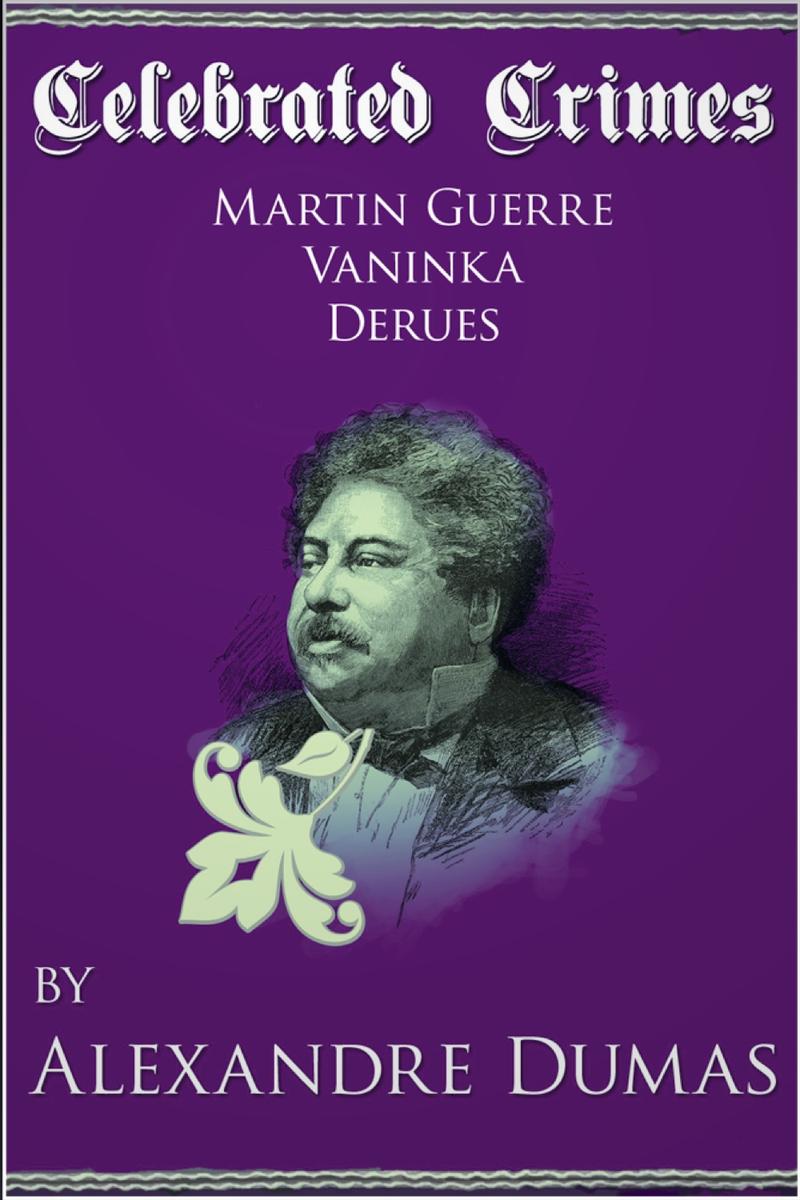
Celebrated Crimes 'Martin Guerre', 'Vaninka' and 'Derues'
¥19.52
Three writings taken from 'Celebrated Crimes', a series of essays on famous criminals and crimes by the author of 'The Count of Monte Cristo' and 'The Three Musketeers', Alexandre Dumas.
101 Amazing Kim Kardashian Facts
¥19.52
Are you the world's biggest Kim Kardashian Fan? Do you know everything there is to know about today's greatest style icon and reality TV star? Then this is the book for you! In this easy-to-digest eBook are 101 facts about your favourite celebrity - do you know all of them?Test yourself and your friends with these handily-packaged facts easily organised into categories for maximum enjoyment. Sections include Kim's TV work, her fashion, and some crazy facts about her life. Show everyone that you are the master of Kardashian Knowledge!
101 Amazing Facts about Paris Hilton
¥19.52
Are you the world's biggest Paris Hilton fan? Or do you want to know everything there is to know about the socialite, model, singer, actress and DJ?If so, then this is the book for you! Contained within are 101 amazing facts about everything, from her privileged upbringing to her extensive charity work, from her films to her music and so much more. The book is easily organised into sections so you can find the information you want fast and is perfect for all ages!
101 Amazing Andy Williams Facts
¥19.52
Are you a fan of the king of Easy listening (and Mr Christmas) Andy Williams? Do you know everything there is to know about the late, great singer? Then this is the book for you! In this easy-to-digest eBook are 101 facts about your favourite artist - do you know all of them?Test yourself and your friends with these handily-packaged facts easily organised into categories for maximum enjoyment. Sections include his early life, his music, his theater and much more.

101 Amazing One Direction Facts
¥19.52
Are you the world's biggest One Direction fan? Do you know everything there is to know about the world's best-loved boy band? Then this is the book for you! In this easy-to-digest eBook are 101 facts about your favourite group - do you know all of them?Test yourself and your friends with these handily-packaged facts easily organised into categories for maximum enjoyment. Show everyone that you are the master of One Direction mania!
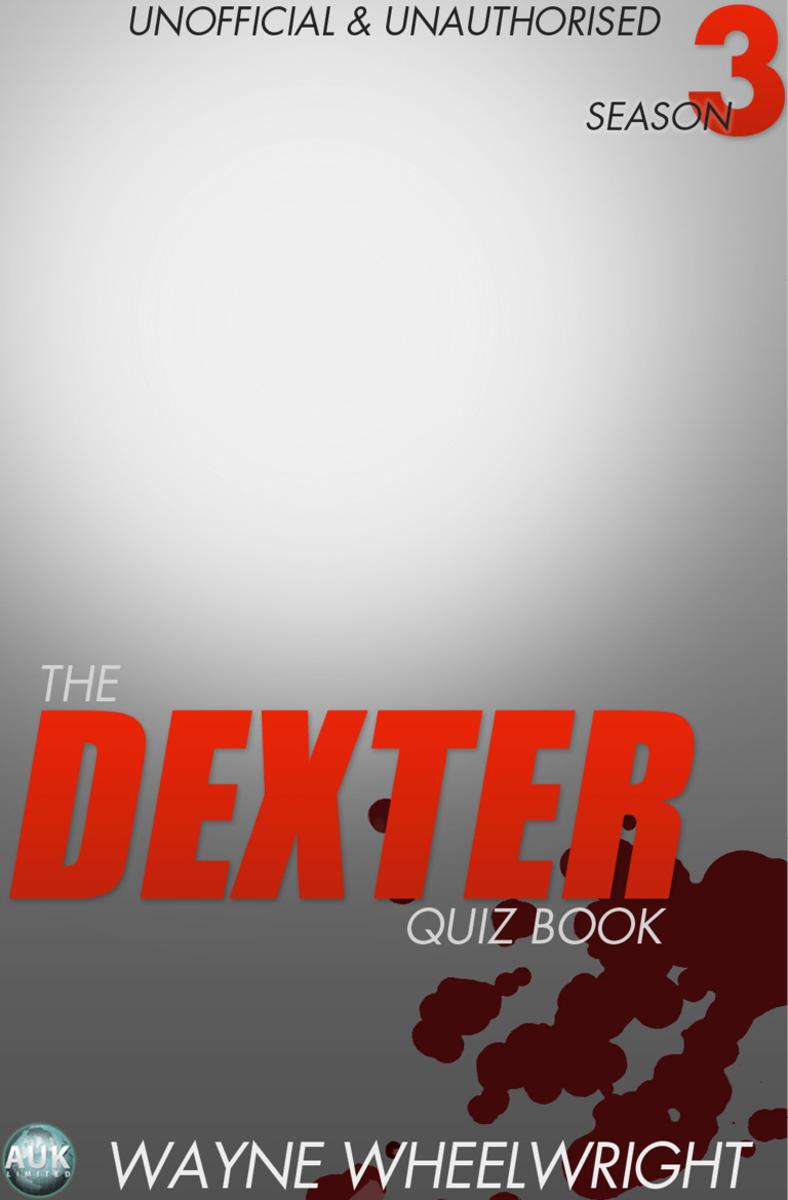
Dexter Quiz Book Season 3
¥19.52
Following the events of Dexter and the Ice Truck Killer in the first season Dexter finds himself tailed by one of his colleagues and having not killed anybody for a month. He finds out information about Harry that he is shocked by and that shakes Dexter's belief in Harry's code. Dexter's sister Debra finds herself struggling with her experience with the Ice Truck Killer in the events of last season too putting stress on her relationships with those around her. With the FBI closing in on Dexter too with the discovery of his victims bodies in the ocean this season put Dexter in some of the most uncomfortable situations so far leaving him struggling to stay in control of his dark passenger. Test yourself with over 100 questions inside from the second season of this compelling show.
101 Amazing Facts about Ariana Grande
¥19.52
Are you the world's biggest Ariana Grande fan? Or do you want to find out everything there is to know about the actress, singer and songwriter? If so, then this is the book for you! Contained within are over one hundred facts about Ariana, from her childhood and first acting roles through to her emergence as a world-renowned singer with a vocal range to rival Mariah Carey. The book is easily organised into sections so you can find the information you want fast... and is an unmissable addition to any fan's bookshelf!
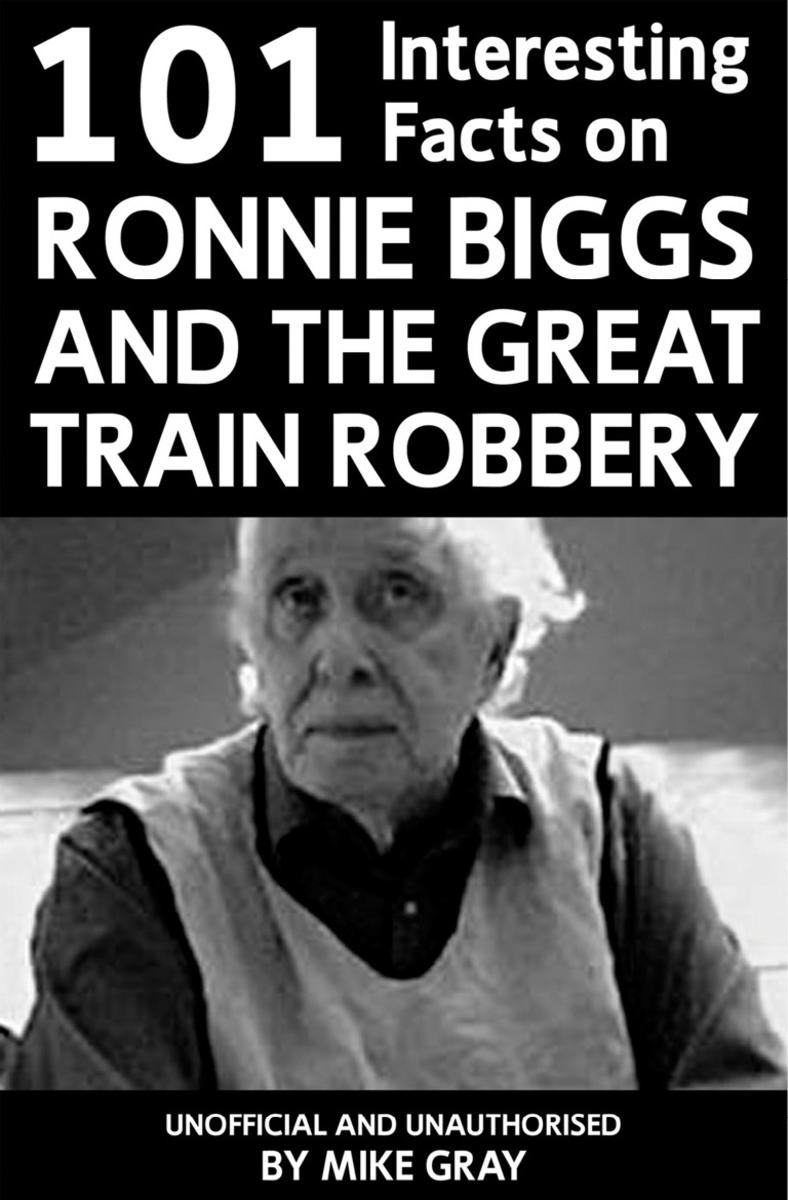
101 Interesting Facts on Ronnie Biggs and the Great Train Robbery
¥24.43
The Great Train Robbery, and the part Ronnie Biggs played in it, is one of the most famous true crime stories of all time. Ronnie's imprisonment, subsequent escape and life on the run has been the subject of much discussion and this new book sets out the facts for anyone wishing to find out what really happened on the day of the robbery and in the years beyond. Do you know how many members of rail staff were on board the train on the day of the robbery? Are you aware which celebrities became involved in the Free Ronnie Biggs Campaign? Can you name the many films, documentaries and books that have been produced about the Great Train Robbery? All this information and more is in 101 Interesting Facts on Ronnie Biggs and The Great Train Robbery. Despite Ronnie Biggs' advancing age and the fact that 2013 marks the 50th anniversary of the Great Train Robbery, the daring 1963 heist still attracts a great deal of interest. If you would like to know the facts, this book is for you.
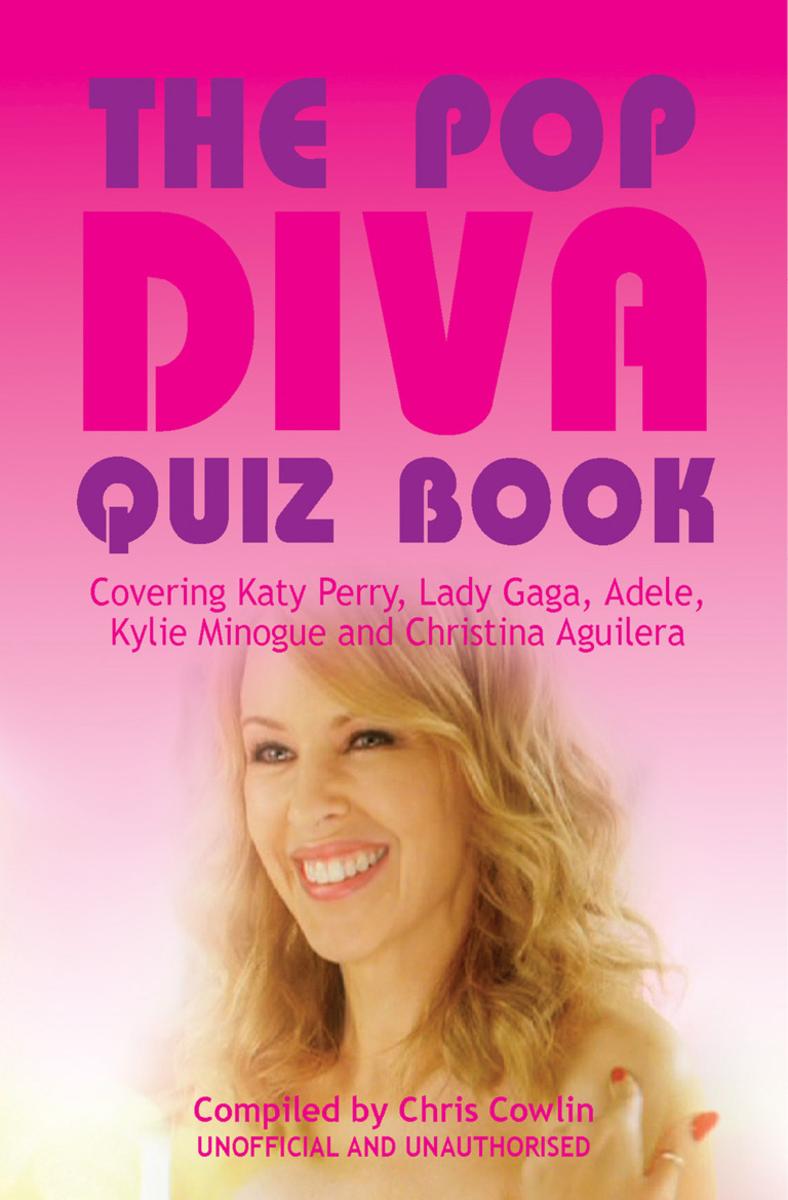
Pop Diva Quiz Book
¥39.14
The music industry has produced some iconic female artists in recent years. From princess of pop, Kylie Minogue, through to the eccentric Lady Gaga, these modern day divas belt out hit after hit for our entertainment. If you are a fan of powerful female singers, you are certain to enjoy The Pop Diva Quiz Book. Which American singer-songwriter was heavily influenced by gospel music when she was growing up? Which award-winning artist attended the BRIT school in the UK? Which singer released an album called 'Back to Basics' in 2006? The answers to these brain teasers and more can all be found inside this book. Featuring five multi-talented female artists; Katy Perry, Lady Gaga, Adele, Kylie Minogue and Christina Aguilera, you are sure to learn something new about your favourite diva. With 100 questions on the women who have helped to shape the modern music landscape, this book will appeal to pop fans of all ages. Find out how much you really know about some of the most influential women in pop.
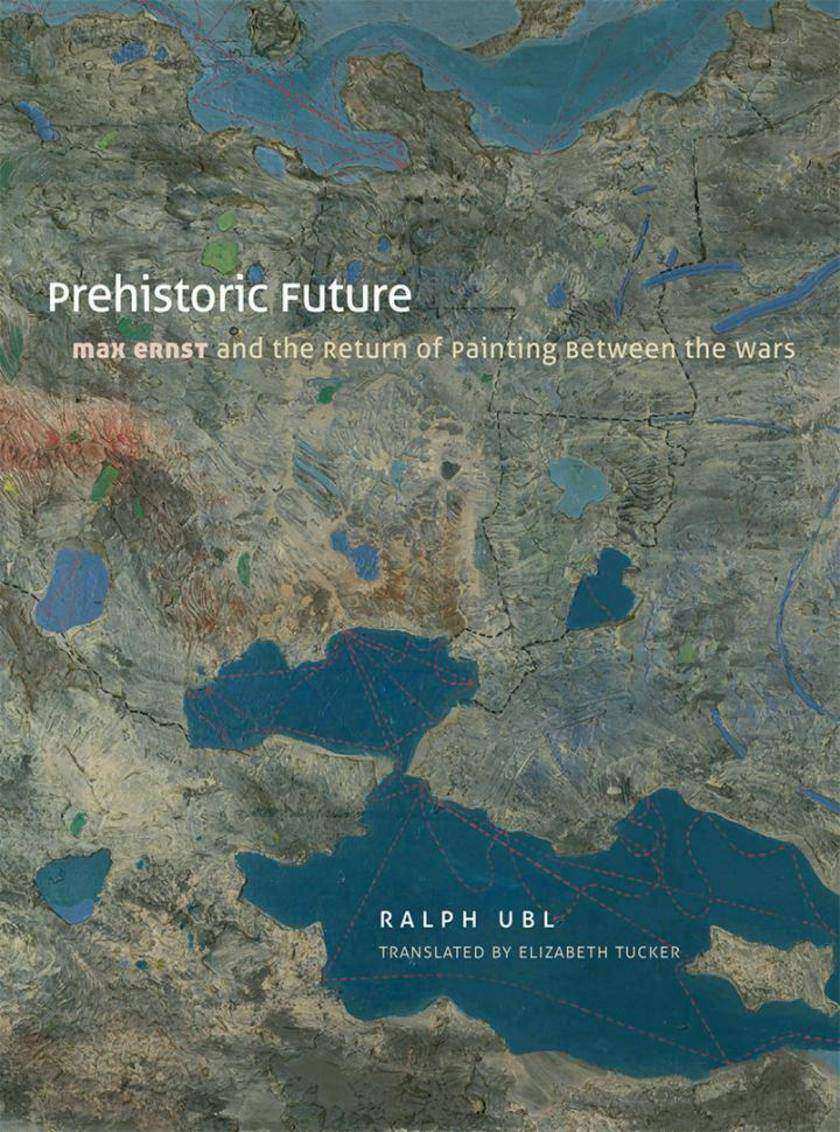
Prehistoric Future
¥370.82
One of the most admired artists of the twentieth century, Max Ernst was a proponent of Dada and founder of surrealism, known for his strange, evocative paintings and drawings. In Prehistoric Future, Ralph Ubl approaches Ernst like no one else has, using theories of the unconscious-surrealist automatism, Freudian psychoanalysis, the concept of history as trauma-to examine how Ernst's construction of collage departs from other modern artists. ?Ubl shows that while Picasso, Braque, and Man Ray used scissors and glue to create collages, Ernst employed techniques he himself had forged-rubbing and scraping to bring images forth onto a sheet of paper or canvas to simulate how a screen image or memory comes into the mind's view. In addition, Ernst scoured the past for obsolete scientific illustrations and odd advertisements to illustrate the rapidity with which time passes and to simulate the apprehension generated when rapid flows of knowledge turn living culture into artifact. Ultimately, Ubl reveals, Ernst was interested in the construction and phenomenology of both collective and individual modern history and memory. Shedding new light on Ernst's working methods and the reasons that his pieces continue to imprint themselves in viewers' memories, Prehistoric Future is an innovative work of critical writing on a key figure of surrealism.
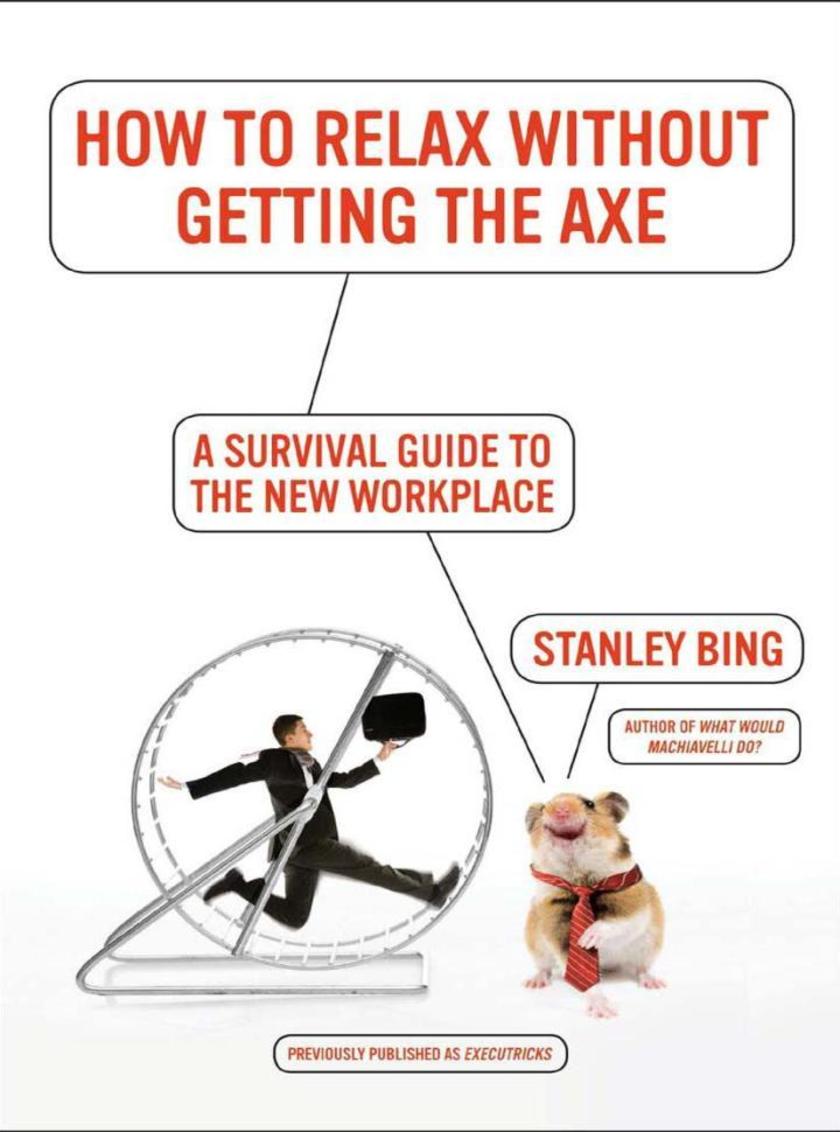
How to Relax Without Getting the Axe
¥77.49
If business is a hamster wheel, what kind of hamster do you want to beThe one who runs all day long, huffing and puffing to keep things turningOr the sleek and happy rodent who works in the corner office down the hallStanley Bing has seen the way the big furballs operate in good times and bad.Core skills taught in this book:DelegationTelling people what to do and having them do it.AbsenceOperating from the digital vacuum.Abuse of statusIt can be done.DecisivenessEven when confused.EngagementBut only when necessary.Step off the wheel.Grab this book.And relax.
Cubicle Warfare
¥90.77
Get revenge on all your annoying coworkers with this guide to 101 awesome office pranks Are your eyes beginning to glaze over from the fluorescent lights in your tiny cubicleHave you had one too many burnt cups of coffeeDoes the guy in the cube next to you insist on pencil-drumming while cranking "Hells Bells" and five-finger discounting your paper clipsIf your answer to any of these questions is yes, then you're in need of some Cubicle Warfare.With Cubicle Warfare, you'll never be bored at the office again. Make your coworkers jump, squeal, and run for cover with hilarious pranks such as the Paper Clip Chain, Bottomless Box, and the Sticky Note Office, as well as the more advanced Freezer Bomb, Chair Chaos, and Textless Keyboard. Even if you're not a prankster yourself, you can still use this riotous guide to recognize the warning signs and defend your desk from conniving coworkers. Bad days at the office will be a thing of the past.
Genius and Heroin
¥95.39
What is the price of brillianceWhy are so many creative geniuses also ruinously self-destructiveFrom Caravaggio to Jackson Pollack, from Arthur Rimbaud to Jack Kerouac, from Charlie Parker to Janis Joplin, to Kurt Cobain, and on and on, authors and artists throughout history have binged, pill-popped, injected, or poisoned themselves for their art. Fully illustrated and addictively readable, Genius and Heroin is the indispensable reference to the untidy lives of our greatest artists and thinkers, entertainingly chronicling how the notoriously creative lived and died whether their ultimate downfalls were the result of opiates, alcohol, pot, absinthe, or the slow-motion suicide of obsession.
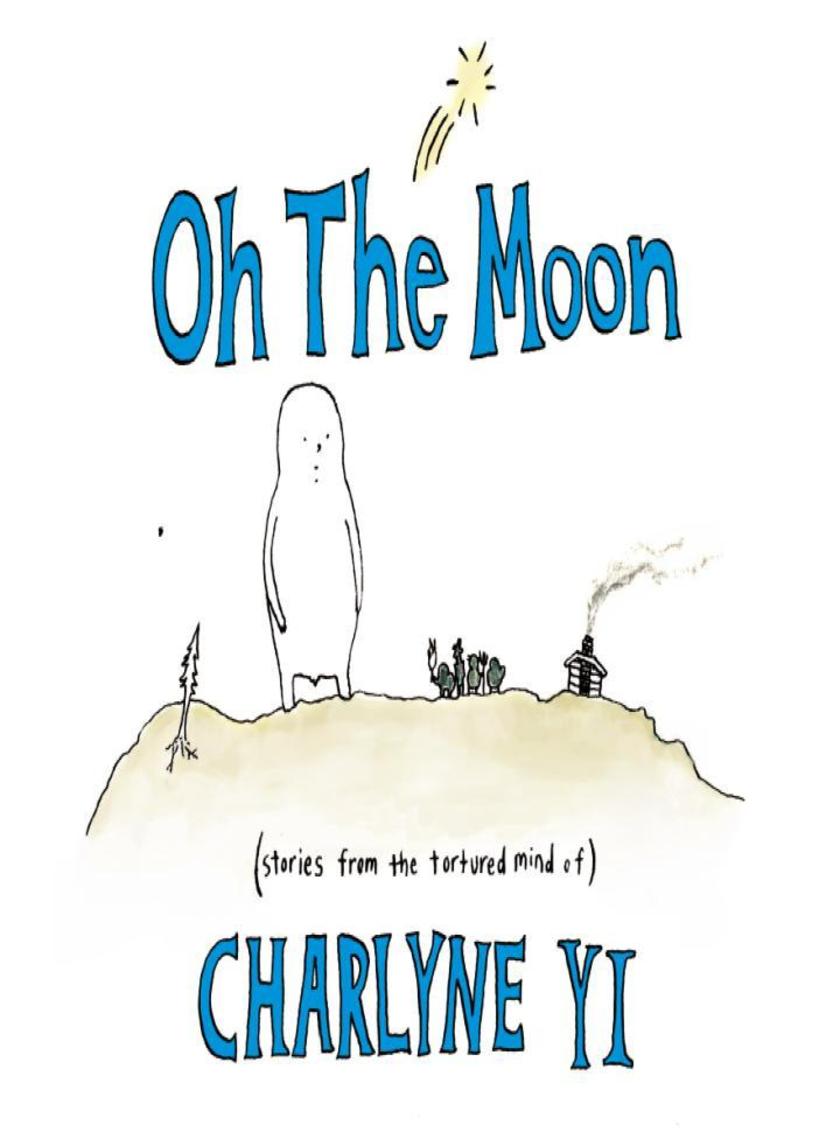
Oh the Moon
¥94.10
From actress, comedian, musician, and writer Charlyne Yi comes this collection of illustrated, interconnected short stories and anecdotes that blends comedy, fantastic adventures, and a storm of feelings that will make you want to laugh and cry at the same time—reminiscent of the works of Demetri Martin, Shel Silverstein and John Cassavetes. Charlyne Yi takes readers from a sky filled with vengeful clouds to the depths of a frog’s stomach, and to Hell and back—literally—in this collection of short stories that showcases her unique style. Equal parts whimsical, hilarious, heartbreaking, and terrifying, these short stories—both written and illustrated by Charlyne—can be read separately, but are connected thematically following the difficulties of love at every age: Forgive Me: What happens when the tiniest boy of all time is the only thing standing between the world’s largest baby and an angry mobWho could ever love something so smallOr so big She’s All Legs: In this spicy, action-packed romance, Agatha, a woman who is literally just legs and a head, decides to hunt down and kill the Devil himself. Along the way she meets Cassady, an Elvis impersonator with his own, mysterious gripe with the Dark Lord. Short, one-page anecdotes, poems, reflections, and imagery are also included. Strange, heartfelt, and wonderful, Oh the Moon shows you love in the way that only Charlyne Yi’s brilliant, witty mind can.
Macho Meditations
¥50.60
An uproariously funny daily inspirational guide for manly men. Ralph and Reggie two regular, blue-collar buds from Boston offer one-a-day mcnuggets of affirmation, inspiration, manly wisdom and earth-shaking epiphanies from the end of the bar on the inner issues that truly matter everything from sex to sports to sex to imported vs. domestic to sex to the meaning of life.
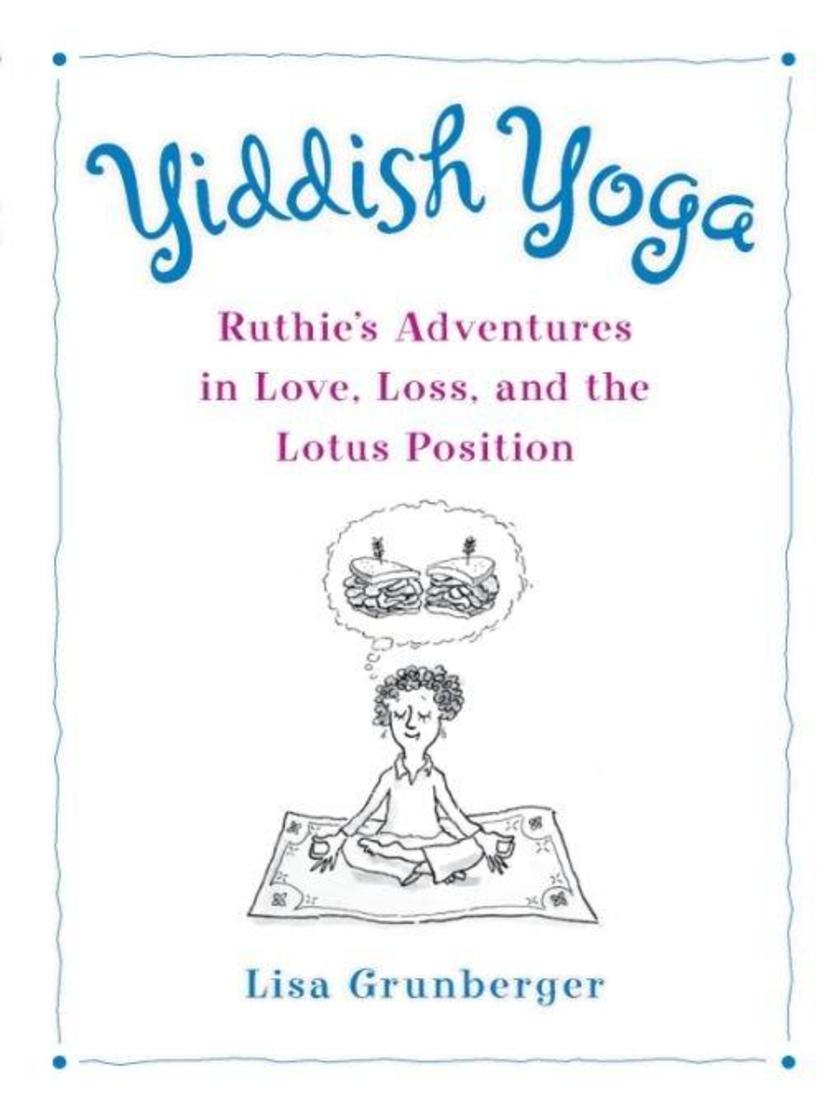
Yiddish Yoga
¥83.08
Meet Ruthie: a recently widowed New York City Jewish grandmother who doesn't necessarily come to yoga with the most open of minds. But when her granddaughter Stephanie gives her a year of yoga classes as a gift ("I think it will help you grieve, Bubby"), she doesn't want to risk offending her.At first, Ruthie is skeptical of yoga and its promise of renewal, healing, and transformation ("You know what's wrong with yogaThey haven't mastered the art of kvetching!"). She can't resist poking fun at some of the new words and rituals she encounters, translating the exotic language of Yoga into the more familiar idiom of her native Yiddish culture.As Ruthie's journey progresses from week to week, she forges new paths, new postures, and unexpected friendships, slowly overcoming her grief. Yiddish Yoga is a poignant, witty, and human story of love in its many expressions between grandmother and granddaughter, between an older woman and her younger yoga teacher, between a widow and her beloved husband of fifty years. As Ruthie learns to let go of the past without forgetting, she shows us how to embrace the present with new vigor, strength, and courage and, above all, makes us laugh.


