


 购物车
购物车 个人中心
个人中心

Portraits of Conflict
¥484.91
A deeply divided border state, heir to the "Bleeding Kansas" era, Missouri became the third most fought-over state in the war, following Virginia and Tennessee. Rich in resources and manpower, critical politically to both the Union and the Confederacy, it was the scene of conventional battles, river warfare, and cavalry raids. It saw the first combat by organized units of Native Americans and African Americans. It was also marked by guerrilla warfare of unparalleled viciousness. This volume, the ninth in the series, includes hundreds of photographs, many of them never before published. The authors provide text and commentary, organizing the photographs into chapters covering the origins of the war, its conventional and guerrilla phases, the war on the rivers, medicine (Sweeny's medical knowledge adds a great deal to this chapter and expands our knowledge of its practice in the west), the experiences of Missourians who served out of state, and the process of reunion in the postwar years.

Just Below the Line
¥372.78
With America on the brink of the largest number of older adults and persons with disabilities in the country's history, the deceleration in housing production during the first decade of the twenty-first century, and a continued reliance on conventional housing policies and practices, a perfect storm has emerged in the housing industry. The lack of fit between the existing housing stock and the needs of the U.S. population is growing pronounced. Just as housing needed to be retooled at the end of WWII, the American housing industry is in dire need of change today. The South-with its high rates of poverty, older residents, residents with disabilities, extensive rural areas, and out-of-date housing policies and practices-serves as a "canary in the coal mine" for the impending, nationwide housing crisis. Just Below the Line discusses how reworking the policies and practices of the housing industry in the South can serve as a model for the rest of the nation in meeting the physical and social needs of persons with disabilities and aging boomers. Policy makers, designers, builders, realtors, advocates, and housing consumers will be able to use this book to promote the production of equitable housing nationwide.Published in collaboration with the Fay Jones School of Architecture.

A Kidnapped Santa Claus
¥84.16
First published in 1904, "A Kidnapped Santa Claus" by L. Frank Baum, the author of The Wizard of Oz, describes the action of some uncommon events in the land of Santa. Not far from the Laughing Valley where Santa and all his magical helpers live, and beyond the Forest of Burzee, there stands a huge mountain that contains the Cave of Demons. Each demon has a specialty: Selfishness, Envy, Hatred, Malice, and Repentance. Because the promise of Santa puts all girls and boys on their best behavior, the demons have hardly any visitors to their caves. In order to remedy their dismal foot traffic, they conspire to kidnap Santa! But oh! even when it looks as if the demons might win, one can never underestimate the power of devoted (and magical!) friends. Adapted by Alex Robinson, author of several graphic novels, the action and menace of the tale will be enhanced and lightly spoofed. It seems a most appropriate treatment of Baum's work -- he was an author who often let his profound and unsettling meanings roil beneath the surface of his otherwise fanciful stories.
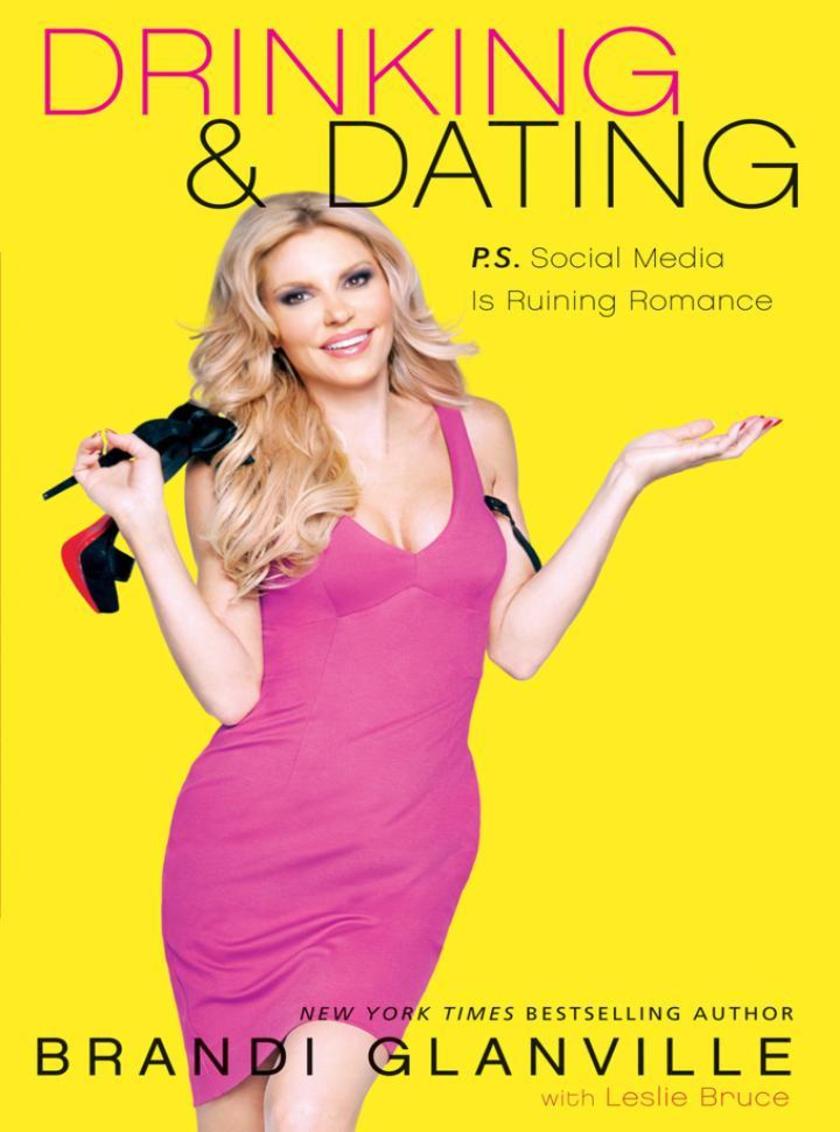
Drinking and Dating
¥83.03
Feisty, funny, and almost fabulous: A relationship guide and collection of outrageous dating mishaps from the unfiltered and often inappropriate Real Housewives of Beverly Hills star. Welcome to Drinking and Dating . . . and how social media is ruining us all. In this honest, hilarious, and wild tell-all, reality TV starlet and number one New York Times bestselling author Brandi Glanville chronicles her misadventures stumbling through today's dating world. From felons to social media blunders and bedroom esca-pades, Brandi withholds nothing as she writes about the perils of getting back . . . on her back. Despite Brandi's life in the public spotlight, she has the same difficulty meeting, trusting, and even dating new people as the rest of us—perhaps even more. She hopes to develop a lasting, loving relationship, but it's been a struggle. With her signature tell-it-like-it-is voice, the single mother of two brings you along on her journey as the controversial but charming former fashion model shows her all-too-human side, candidly sharing the humorous and unforeseen ups and downs—literally and figuratively—in her search for love. Brandi Glanville is surprising, vulnerable, and outspoken, and her take on dating after heartbreak—and life in general—is as unique as she is. Just like Brandi herself, Drinking and Dating is sexy, funny, and eyebrow-raising—not that she can raise hers. #Botox.
Dump 'Em
¥90.77
Everybody has that special someone in their life that they can't wait to get rid of. Whether it's a housekeeper, a therapist, or a personal trainer, the time comes when you have to pull the plug on the relationship.Featuring personal stories, useful *s, and interviews with experts such as Bob Harper from The Biggest Loser, funnyman Adam Carolla, and Michael Jackson's attorney, Thomas Mesereau, Dump 'Em is a practical guide for giving any bad relationship the boot. Jodyne L. Speyer provides a roadmap to finding your own way of saying "thanks, but no thanks." Written with honesty, empathy, and ruthless wit, Dump 'Em will teach you to conquer your fear of confrontation and master the art of the peaceful and permanent breakup. So what are you waiting forDump 'em!

Power Moves
¥90.90
Meet Karl Welzein, aka Captain Karl, aka @DadBoner on Twitter—the Midwest's most beautiful loser Karl Welzein is really lookin' forward to the weekend, you guys. His job is a drag and his wife kicked him out, but that's okay. She wears granny panties and is constantly dropping wads of cash at Target, and his son cries all the time. Now his "temporary" roommate, Dave, ate all the Totino's pizza rolls. Again. Karl Welzein is sick of this. So sick of this. Power Moves chronicles the hilarious decline of Karl Welzein on his journey from life as a Dockers-and-golfshirt-wearing dad to a ponytailed party maniac who spits out his life philosophies like a modern-day Charles Bukowski (if he preferred to get drunk at Applebee's). A middle-aged Michigan native, Karl may be overweight, prone to questionable fashion and culinary choices, oblivious to his drinking problem, a poor excuse for an employee, obsessed with the restroom, and a terrible husband, father, and friend . . . but in his heart he means well. He's just like a lot of us—he loves the USA, Guy Fieri, bold flavors, Bob Seger, and thinking he looks jacked in a tight tee and Maui Jim sunglasses. Karl is an everyman and like no other man on the planet all at once. Inspired by the Twitter feed @DadBoner, Karl finally tells his full story. He shares his wisdom on fitness (1. Look at a pic of Stone Cold Steve Austin. 2. Do 'shups 'til you look like Stone Cold. 3. Cut off your sleeves), diet (Eat only the filling of the Taco Bell Beefy Melts for maximum flavor and low-carb health), fashion (Wearin' boots with jean shorts says "I like to keep cool, but I'm ready if the action gets hot"), work life (If you don't have a job that makes you want to kill yourself, you don't deserve to drink until you want to die), and the bliss of the perfect weekend (beers, brats, and babes' chest beefers). But above all, this is a story about America—the real red, white, and blue America of today. Welcome to Karl's world. Reading this book is the ultimate Power Move.

The Works of John Leguizamo
¥94.10
John Leguizamo's smash–hit one–man shows have been acclaimed by critics and fans alike. In this new Harper Paperback edition, all four shows are compiled into one phenomenally entertaining volume. Mambo Mouth (1991), Leguizamo's first show, was an off Broadway sensation. Leguizamo's portrayal of seven different Latino characters earned him both Obie and Outer Critics Circle awards. His follow up, Spic–O–Rama (1993), a "dysfunctional family comedy," presents 24–hours in the life of one family. It enjoyed a sold–out run in Chicago before relocating to New York where it won its creator a Drama Desk Award. Freak (1998), Leguizamo's Broadway debut, is his own coming–of–age story. A "demi–semi–quasi–pseudo–autobiography," the show was a critical and commercial success and won an Emmy when it was shown on TV. Sexaholix: A Love Story (2001), based on the sold–out national tour of John Leguizamo Live! was nominated for an Outer Critics Circle Award as well as a Tony Award. Alternately hilarious and poignant, always candid and searingly intelligent, The Works of John Leguizamo is a must–have for fans of this inimitable performer.

Fail Nation
¥73.03
From the underbelly of the nuts behind hit websites failblog.org and icanhascheezburger.com comes FAIL Nation, your silent guide and handler to the not-even-close-to-perfect nation of FAIL, chock-full of irrelevant tips and useless suggestions about why to shop, who to eat, and when to see. So fasten your exit and check for the nearest seatbelt your FAIL plane departs now.

My Dead Dad Was in ZZ Top
¥83.03
An irreverent and ridiculous collection of "found" documents that will change everything you thought you knew about rock and roll, by the creator and star of Adult Swim's DelocatedJon Glaser delves into the unknown and highly secretive histories of dozens of rock and roll's greatest bands with sometimes spectacular, sometimes heartbreaking, always completely made-up results. In this book, you'll discover the following: Handwritten letters by Glaser's own father, which reveal him to be an early member of the band we now know as ZZ Top Old lyrics journals of, among others, Bob Dylan and David Bowie, featuring a collection of songs they probably hoped would never see the light of day A letter from Ringo to the rest of the Beatles, the week after their breakup, informing them of his plans to start a Beatles tribute band Formerly classified government documents with shocking revelations about the Navy SEALs and the Butthole Surfers Prince's set list for the bat mitzvah of Steven Spielberg's daughter Rachel, including the songs "Purple Oy Vey," "I Could Never Take the Place of Your Rabbi," and "When Doves Kvetch" My Dead Dad Was in ZZ Top is for everyone who loves absurd, made-up stories about their favorite bands. It's also for everyone who doesn't love absurd, made-up stories about their favorite real bands they just might not enjoy it as much.
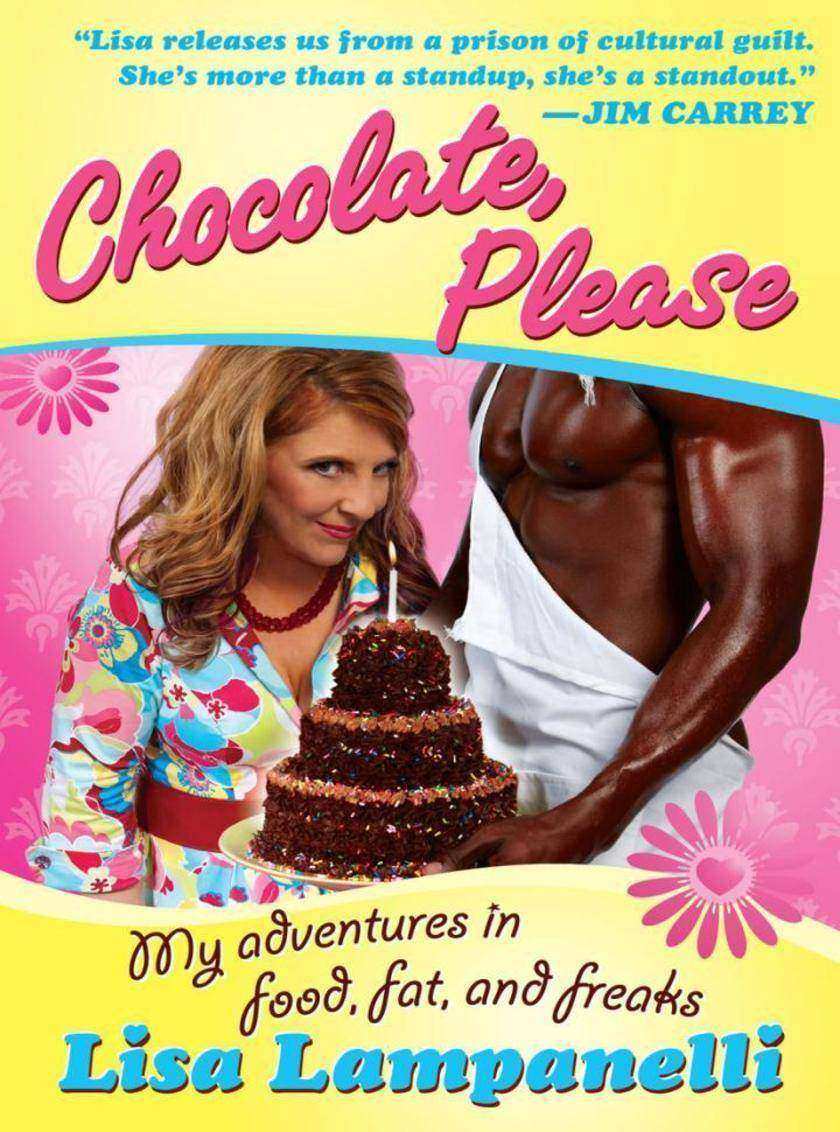
Chocolate, Please
¥84.28
An inside look at the life of Comedy's Lovable Queen of Mean, Lisa Lampanelli, as she dishes on everything from relationships, food, and fat to why once you go black, you never go back In her jaw-droppingly hilarious and politically incorrect memoir, Lisa reveals all including the dysfunctional childhood that made her the insult comic she is today, the subject for which she's best known (black men, black men, and more black men), and her hilarious struggles with her addiction to food and hot guys. By telling her story in her very real, very candid, very open way, Lisa shows her audience that it's okay to be yourself, even if it's just one rehab stint at a time. Lisa also takes readers behind the scenes at the roasts that have marked her comedy career and launched her into the comedy elite, and reveals the important "firsts" in her career, including her first time on her hero's program, The Howard Stern Show.Chocolate, Please is a side-splittingly funny portrait of the woman behind the award-winning insult comedy.
I Shudder
¥83.03
A hilariously funny, touching, and revelatory book from one of America's preeminent humorists In his plays, his screenplays, and his writing for the New Yorker and Premiere, Paul Rudnick has established himself as a comic master whose talents transcend genre. Now, in I Shudder, he trains his wickedly perceptive eye on everything from his New Jersey family to Hollywood to demented alcoholic Broadway stars waving swords. At his Uncle Rudy's funeral, Rudnick's beloved Aunt Lil put one hand on her husband's coffin and her other hand on Rudnick's shoulder and said, "Your Uncle Rudy always loved you. He never understood why, in your writing, you had to use that kind of language, but he loved you."Charming and touching, I Shudder is rendered in Rudnick's gorgeous, zinger-laden prose and reminds us of the need to keep our tongues sharp in the midst of life's many obstacles and absurdities. Here is one of the most accomplished collections in years, from a writer who ranks with David Sedaris and Augusten Burroughs as one of our most gifted and hilarious social observers.

Everybody Dies
¥84.16
Nobody likes to think about death, but the world would be awfully crowded without it.From YouTube sensation Ken Tanaka and actor David Ury, who was crushed by an ATM on AMC's Breaking Bad, comes Everybody Dies, a colorful story and delightful assemblage of games that makes it easy-even fun- to come to grips with mortality.

Mental Floss: What's the Difference?
¥72.70
Enlighten Up Already!MonetManetWho can even tell the differenceWell, with the help of the newest mental_floss tome, you can! Want to learn how to tell egg rolls from spring rolls, nuclear bombs from dirty nuclear bombs, or even how to tell an idiot from a moron (there's a real scientific difference)Piece of cake! Whether you're trying to impress your boss, your mother-in-law, attractive singles, or a pack of fourth graders (you know how they love semantics), mental_floss gives you all the tips and tricks to have you sounding like a genius.

Mirth of a Nation
¥90.54
A salvo of hilarity from that loose canon of American humor that Mirth of a Nation editor Michael J. Rosen has culled from some 1200 pages of brilliantly original works by our best contemporary humorists. This action-packed compilation of highlights includes Bobbie Ann Mason's stint at the La Bamba hotline, David Rakoff's insights on families, Andy Borowitz's memoir of Emily Dickinson (basically, she was a drunken jerk), and Michael Feldman's helpful (re)locating of the Midwest.

It Books
¥139.90
self-inflicted wound (n): a spectacularly humiliating, and often hilarious, incident entirely of one's own making. see also: you did it to yourself.Have you ever made a decision you instantly regrettedHumiliated yourself in a room of your peers, or shamed yourself in front of your massive crushEver blown a job interview, frozen during a presentation, acted like a total idiot on a dateEver said the wrong thing at the wrong time, unable to keep your tongue from flapping out the stupidest words you've ever said in your life, everIf you are a human being, the answer, of course, is yes. Take heart. You're not alone. This is known as the Self-Inflicted Wound, and every one of us bears a scar. Or several. Here, Aisha Tyler, comedian, actress, cohost of CBS's The Talk, star of Archer, and creator of the top-ranked podcast Girl on Guy, serves up a spectacular collection of her own self-inflicted wounds. From almost setting herself on fire, to vomiting on a boy she liked, to getting drunk and sleeping through the SATs, to going into crushing debt to pay for college and then throwing away her degree to become a comedian, Aisha's life has been a series of spectacularly epic fails. And she's got the scars to prove it. Literally.Through it all, Aisha's triumphs haven't come in spite of the failures, but because of them. Because with every failure comes a lesson learned, a strength revealed, a fear overcome, or an adventure braved. Self-Inflicted Wounds isn't just about surviving failure. It's about embracing failure pursuing it, even on the winding path to success. And after you've failed a time or three, hopefully you'll have learned something. Or at the very least have a really killer story. Because to err is human, but to fail epically is hilarious.
It Is Just You, Everything’s Not Shit
¥73.58
The Optimist’s Encyclopedia. In this A-Z of all things nice, Steve Stack takes the reader on an alphabetical tour of the good things in life. Trivial things such as dunking biscuits, drawing pictures in steamed up windows and the sound jelly makes. Big important things like falling in love, Nobel Peace Prize winners and the Internet. And pretty much everything in between from Lego to the shipping forecast, popping bubble wrap to meerkats with guest appearances from Sir David Attenborough, Oliver Postgate, Columbo and The Flaming Lips. It Is Just You, Everything’s Not Shit is the perfect gift for the cynic in your life. It will cheer up even the most miserable of old gits.

We’re British, Innit: An Irreverent A to Z of All Things British
¥63.18
Forget the Government's Citizenship Test – this is the real measure of Britishness. With a wealth of brand-new material that will bring a smile of recognition to even the stiffest of upper lips, Iain Aitch brings us even more explorations of innate Britishness. Continuing in the snappy A-Z format, Iain Aitch brings us all things uniquely British, whether it's our love of fish and chips, our high regard for James Bond or the red telephone box, everything you've ever regarded as being inimitably British is contained within these pages. Test your knowledge of Britain and what it means to be British by answering the multiple choice questions at the end of the book. What kind of peas are used to make mushy peas? What were the last words of Admiral Lord Nelson? What exactly is Readers' Wives? Were you paying attention? With more style than Jarvis Cocker's moves and more pomp than Elgar's masterpiece, this is a celebration of all that is truly glorious about good old Blighty. A book for the entire British population - Northerner, Southerner, and even tourist and immigrant alike - this is the perfect read for someone seeking a truly British experience.

The World of Karl Pilkington
¥70.44
A collection of the best moments from the ‘Ricky Gervais Show’ with further musings from Karl Pilkington, star of Sky 1’s ‘An Idiot Abroad’. Karl Pilkington, the Confucian-like savant of the ‘Ricky Gervais Show’, has led an extraordinary and curiously individual life. As a kid growing up in Manchester he regularly missed school to accompany his parents on caravanning holidays and left without collecting his exam results: his family weaned him well. Pilkington’s is a brilliant mind, locked inside a perfectly round head, and uncluttered by the unhelpful constraints of logic or common sense; factors that have led him to such dazzling insights as ‘you never see old men eating Twix bars’ or that the ‘Diary of Anne Frank’ was ‘an Adrian Mole sort of thing’. In this pithy and hilarious book, Karl is in conversation with (the often bewildered) Ricky Gervais and Stephen Merchant, the writers and stars of ‘The Office’ and ‘Extras’, outwitting even these comedy Goliaths with his take on such contentious issues as charity, the lack of Chinese homeless people, reincarnation, the rights of monkeys and favourite superpowers. Featuring Karl's original illustrations, imaginative scribblings, full-colour pictures sent in by fans, and the best conversations of the first twelve podcasts, this is a unique trip into the world of one of our most innovative thinkers, visionaries and prophets, or as Gervais and Merchant know him, ‘the funniest man alive in Britain today’.
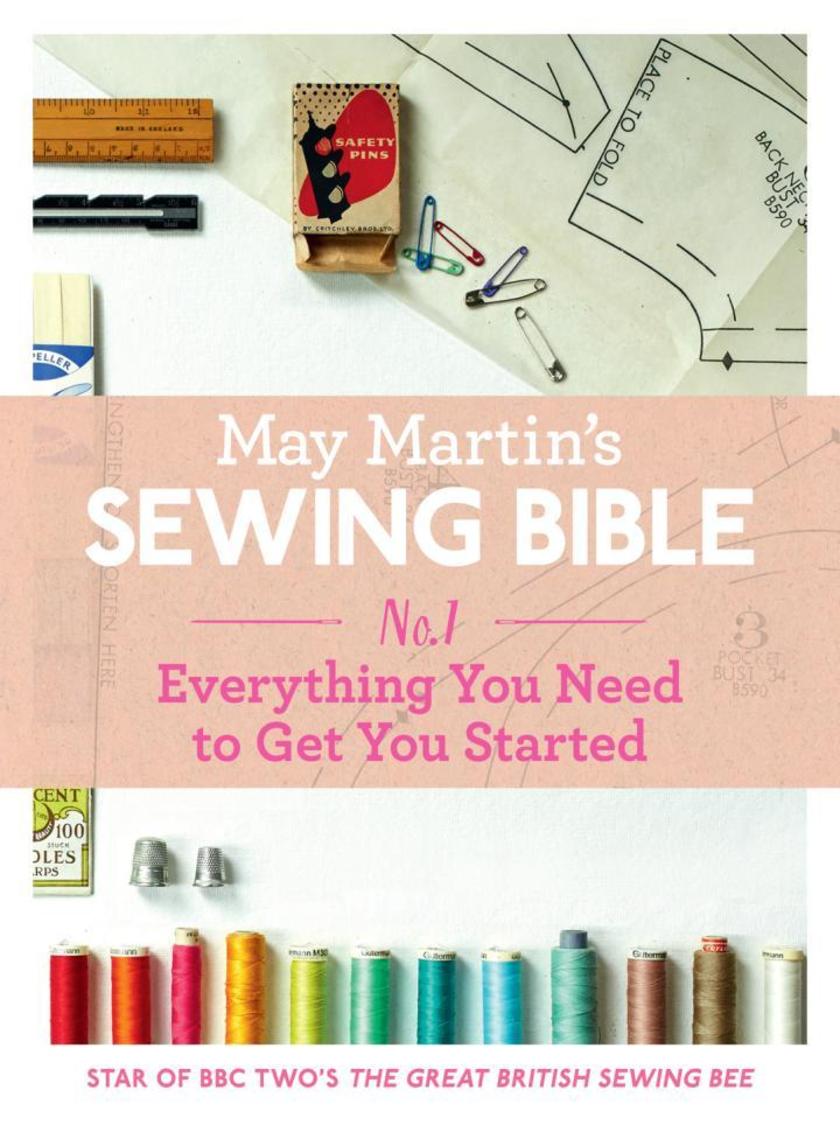
May Martin’s Sewing Bible e-short 1
¥9.71
The first of 6 eBook-only shorts from star of the Great British Sewing Bee and doyenne of the Women’s Institute, May Martin, with everything the aspiring seamstress needs to get started: A Place to Sew & the Equipment You Need, General Dressmaking Tips, and Hand Stitches. An exclusive first look at May Martin’s Sewing Bible, due out in August. May has been teaching sewing for over 40 years. Now for the first time she shares her tips and tricks, offering the ultimate beginners’ guide to sewing. Beautifully styled and simple-to-follow, this authoritative sewing e-short, taken from May Martin’s Sewing Bible, gives readers information on everything they need to know to get started with sewing.
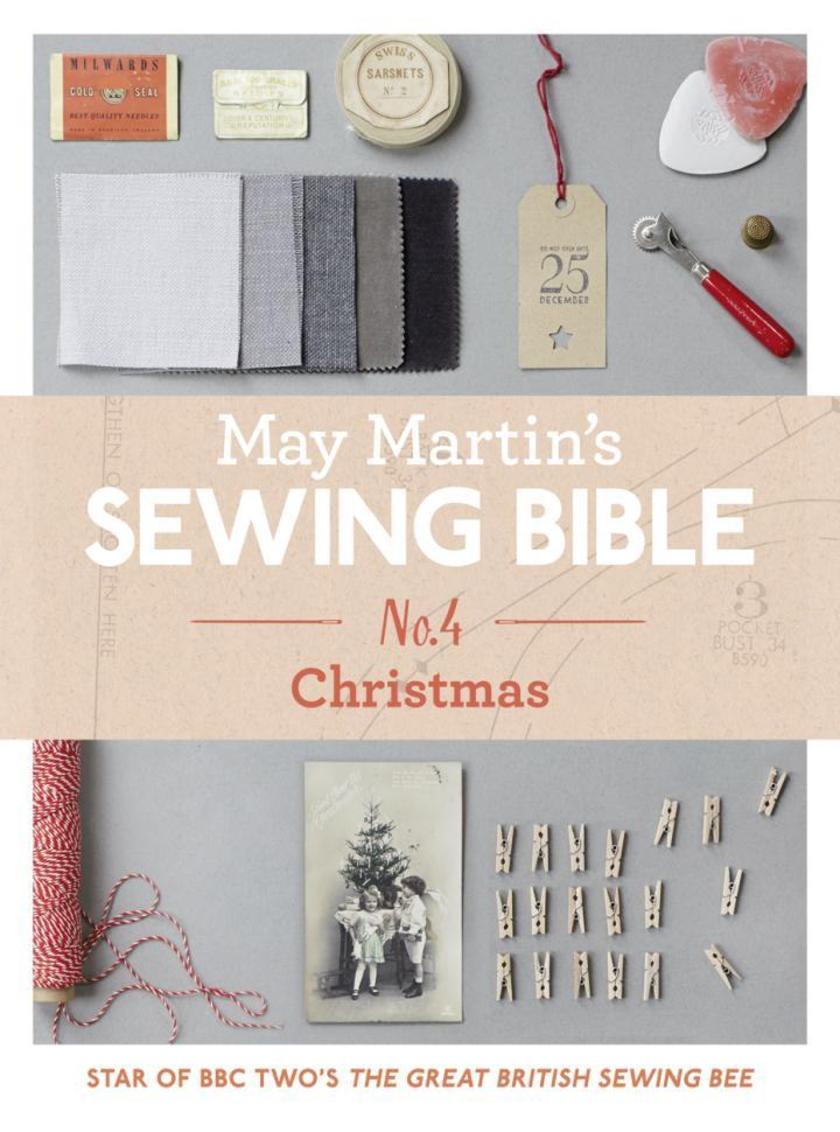
May Martin’s Sewing Bible e-short 4: Christmas
¥15.60
The fourth of 6 eBook-only shorts from star of the Great British Sewing Bee and doyenne of the Women’s Institute, May Martin, including a delightful array of seasonal-inspired projects from stockings to Christmas decorations just in time for the end-of-year festivities - taken from May Martin’s Sewing Bible. May has been teaching sewing for over 40 years. Now she shares three easy and practical ways to brighten up the home for Christmas, perfect as little additions to the festive home. Beautifully styled and simple-to-follow, this authoritative sewing e-short, taken from May Martin’s Sewing Bible, provides three projects to add to the holiday spirit.
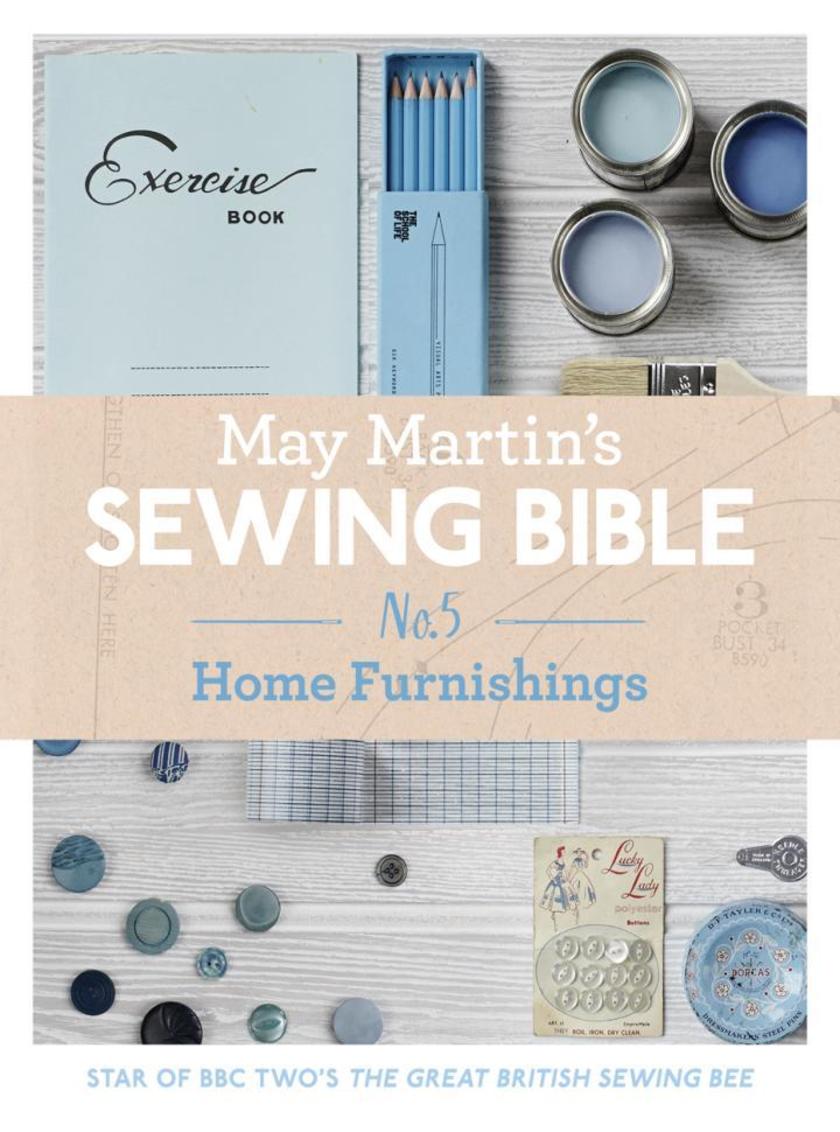
May Martin’s Sewing Bible e-short 5: Homeware
¥15.60
The fifth of 6 eBook-only shorts from star of the Great British Sewing Bee and doyenne of the Women’s Institute, May Martin, including three brilliant ways to improve the home from curtains to cushions – taken from May Martin’s Sewing Bible. May has been teaching sewing for over 40 years. Now she shares her tips and tricks on making the home even more beautiful, giving readers the chance to transform their home interiors. Beautifully styled and simple-to-follow, this authoritative sewing e-short, taken from May Martin’s Sewing Bible, provides three new and exciting ways to decorate the home.


