


 购物车
购物车 个人中心
个人中心
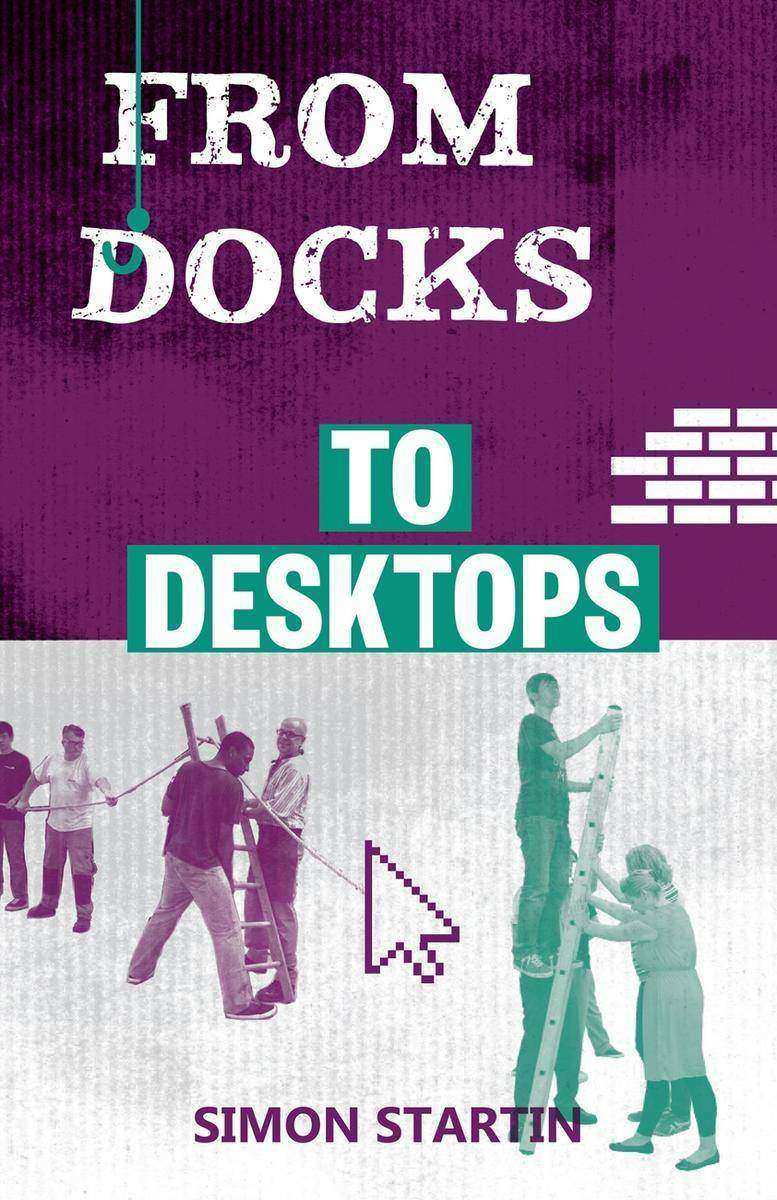
From Docks to Desktops
¥40.79
London's recent history captured in dramatic form. Created from dozens of personal testimonies, this is the story of the changing face of work today. Surrey Docks in South-East London was once a thriving commercial hub, hosting some of the UK’s leading commercial brands, including Crosse & Blackwell, Sarson’s, Peek Freans and Lipton’s. These huge organisations created a myriad of jobs for local people, and the community prospered. But, with the decline of the docks in the 1970s, factories closed down or relocated, work patterns changed and redevelopment began. ‘From Docks to Desktops’ explores the fascinating story of how one community has survived the 21st-century challenges of urban change and renewal.
Publish Your Way to More Clients
¥54.10
This book explains how to plan, write and publish a book so that you are seen as 'the one' in the eyes of your potential clients. One of the best ways to show off your expertise, is to write a book - you can then use this as a fantastic marketing tool to get people into your sales funnel and attract higher paying clients. This book takes you through the entire process, from getting your plan into place, to writing and publishing your book. It may seem like a complicated process, but when you know how, it's actually quite simple. With a step by step plan, plus handy resources to help you along the way, you'll have your book written in no time.

The Western Front 1914–1916: From the Schlieffen Plan to Verdun and the Somme
¥81.67
The Western Front, running from the Belgian coast in the north to the Swiss border in the south, was to prove the decisive battlefront of World War I. It was where the great powers of Germany, France and the British Empire concentrated the bulk of their military might, and it was where many believed the war would be settled before Christmas 1914. The German General Staff realised the dangers of fighting a two-front war against both France and Russia simultaneously. They sought to knock the French out of the war quickly, making a rapid advance on Paris through neutral Belgium – the infamous 'Schlieffen Plan'. After desperate delaying actions fought by the French and British armies, the German hope for swift victory in the West was thwarted by their defeat at the First Battle of the Marne. Following a 'Race to the Sea' – where each side sought to outflank the other, culminating in the battles of First Ypres and the Yser – the Western Front settled down into a pattern of trench warfare that would remain little changed until 1917. The year 1915 proved one of frustration for the Allies as attack after attack – in Champagne, at Neuve Chapelle, Festubert and Loos – all failed to pierce the German defensive lines. To break the deadlock, a joint Allied offensive was planned for 1916 with simultaneous attacks against the Central Powers to take place in all the European theatres. This planned major effort was pre-empted by the German assault on the fortress city of Verdun, intended to bleed the French Army dry. The joint Somme offensive thus became a largely British and Imperial affair to relieve the pressure on their French allies. The blooding of Kitchener's volunteer New Army on the first day of the Somme has become a byword for the slaughter on the Western Front. By the year's end, it was clear there would be no easy victory for either side. With the aid of over 300 photographs, complemented by full-colour maps, The Western Front 1914–1916 provides a detailed guide to the background and conduct of the conflict on the Western Front in the first half of the war, up to and including the Battles of the Somme and Verdun.
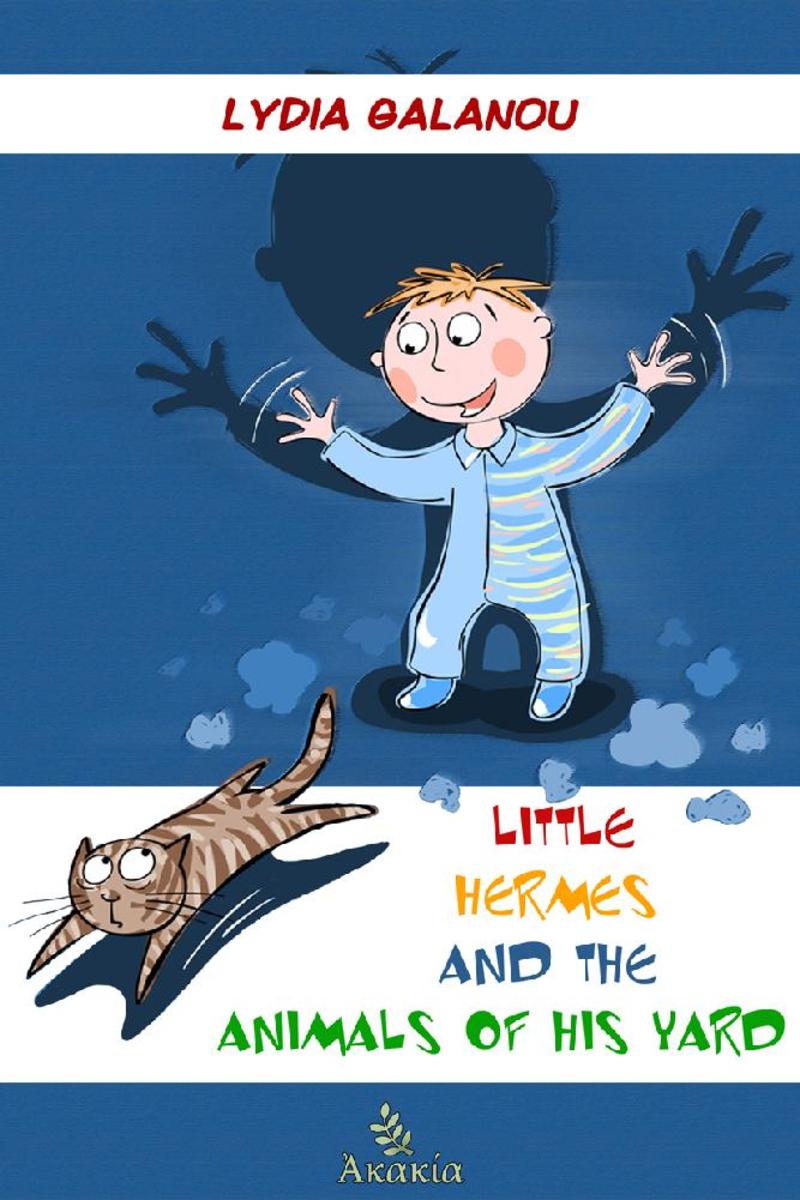
Little Hermes and the Animals of his Yard
¥31.56
Lydia Galanou offers the world of children's literature, an amazing little story which talks about children's mischief and how one can impart to them important advice about their future in a beautiful and vivid way!
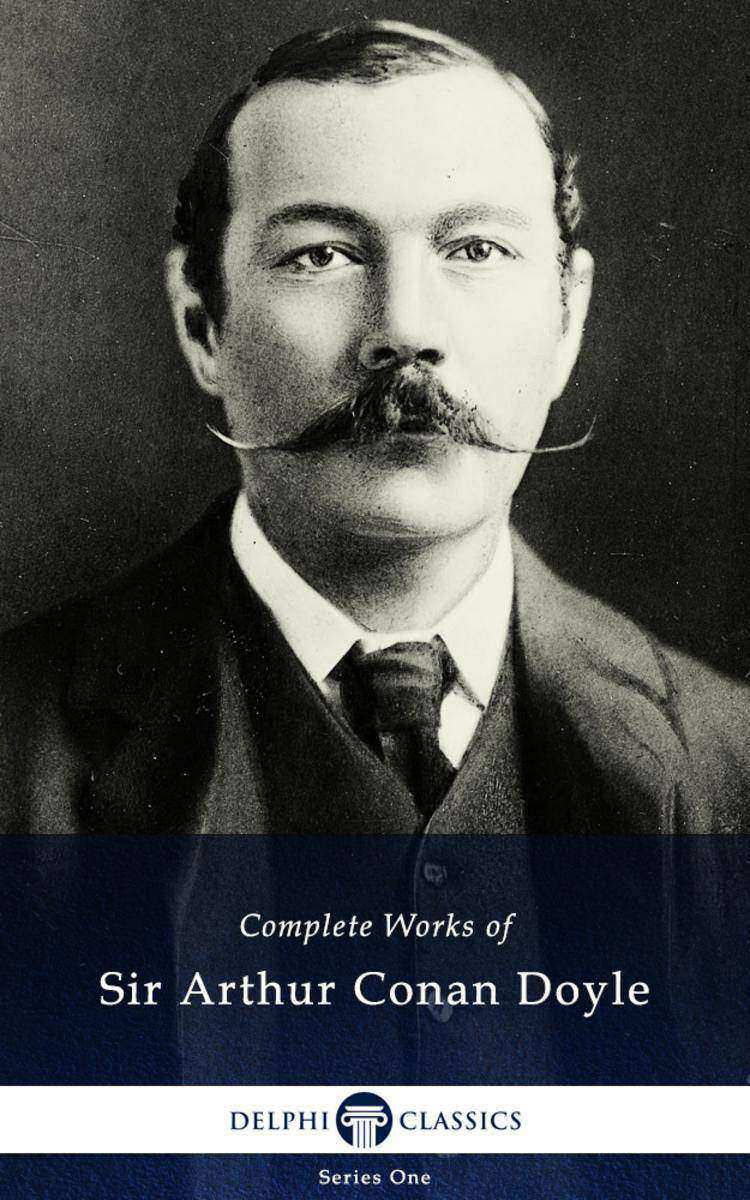
Delphi Complete Works of Sir Arthur Conan Doyle (Illustrated)
¥24.44
Not only the creator of the immortal Sherlock Holmes, Sir Arthur Conan Doyle produced a diverse and entertaining oeuvre of works, which you can now enjoy with ease on your eReader. This comprehensive eBooks offers the complete works of Conan Doyle, with beautiful illustrations and bonus texts. (Version 5) * annotated with concise introductions to the novels and other texts * illustrated with the original Sherlock Holmes images * images of how the books first appeared, giving your eReader a taste of the Victorian texts * ALL of the Sherlock Holmes stories – even the rare and unfinished “THE ADVENTURE OF THE TALL MAN” * ALL of the Challenger and Gerard stories * the rare comic opera Conan Doyle collaborated on with Peter Pan author J.M. Barrie * ALL of the short stories and short story collections have their own unique contents tables – choose from a vast range of amazing and rare short stories * ALL of the ‘lost’ tales only found in recent years * many images relating to Conan Doyle, his life and works * rare spiritualist non-fiction texts * Conan Doyle’s historic war treatises with maps * scholarly ordering of texts into chronological order and literary genres * BONUS text – Conan Doyle’s rare autobiography MEMORIES AND ADVENTURES – first time in digital print * includes rare plays by Conan Doyle, including SHERLOCK HOLMES – explore the Great Man’s theatrical talents * scarce non-fiction works, appearing for the first time in digital print Please visit www.delphiclassics.com to browse through our range of exciting titles CONTENTS: The Sherlock Holmes Works A STUDY IN SCARLET THE SIGN OF THE FOUR THE ADVENTURES OF SHERLOCK HOLMES THE MEMOIRS OF SHERLOCK HOLMES THE HOUND OF THE BASKERVILLES THE RETURN OF SHERLOCK HOLMES THE VALLEY OF FEAR HIS LAST BOW THE FIELD BAZAAR HOW WATSON LEARNT THE TRICK THE ADVENTURE OF THE TALL MAN THE CASE-BOOK OF SHERLOCK HOLMES LIST OF THE SHERLOCK HOLMES SHORT STORIES The Challenger Stories THE LOST WORLD THE POISON BELT THE LAND OF MIST WHEN THE WORLD SCREAMED THE DISINTEGRATION MACHINE The Complete Novels - too many to list The Short Story Collections THE CAPTAIN OF THE POLESTAR AND OTHER TALES. THE GREAT KEINPLATZ EXPERIMENT AND OTHER TALES OF TWILIGHT AND THE UNSEEN MY FRIEND THE MURDERER AND OTHER MYSTERIES AND ADVENTURES ROUND THE RED LAMP THE GREEN FLAG AND OTHER STORIES THE EXPLOITS OF BRIGADIER GERARD THE ADVENTURES OF GERARD ROUND THE FIRE STORIES THE LAST GALLEY DANGER! AND OTHER STORIES TALES OF TERROR AND MYSTERY THE DEALINGS OF CAPTAIN SHARKEY AND OTHER TALES OF PIRATES THE MAN FROM ARCHANGEL AND OTHER TALES OF ADVENTURE The Short Stories LIST OF SHORT STORIES IN CHRONOLOGICAL ORDER LIST OF SHORT STORIES IN ALPHABETICAL ORDER The Opera JANE ANNIE, OR THE GOOD CONDUCT PRIZE The Plays WATERLOO SHERLOCK HOLMES THE SPECKLED BAND THE CROWN DIAMOND THE JOURNEY The Poetry SONGS OF ACTION SONGS OF THE ROAD THE GUARDS CAME THROUGH Non Fiction Works THE GREAT BOER WAR THE WAR IN SOUTH AFRICA THROUGH THE MAGIC DOOR THE CRIME OF THE CONGO THE BRITISH CAMPAIGN IN FRANCE AND FLANDERS VOLUME I-IV THE CASE OF MR. GEORGE EDALJI THE CASE OF MR. OSCAR SLATER THE NEW REVELATION THE VITAL MESSAGE THE WANDERINGS OF A SPIRITUALIST THE COMING OF THE FAIRIES THE HISTORY OF SPIRITUALISM THE EDGE OF THE UNKNOWN The Biography MEMORIES AND ADVENTURES Please visit www.delphiclassics.com to browse through our range of exciting titles
Delphi Complete Works of O. Henry (Illustrated)
¥24.44
America’s master of the short story has entertained readers for over a hundred years. This eBook offers you the unique opportunity of exploring O. Henry’s work in a manner never before possible in digital print. The edition includes every O. Henry short story collection, with poems and letters and other bonus texts. * ALL the short story collections and each with their own contents table * overall contents tables for the short stories – both alphabetical and chronological – find that special story quickly and easily! * rare short story collections like O HENRYANA and THE TWO WOMEN – often missed out of collections * includes O. Henry’s poetry and letters * EVEN includes the enigmatic LETTERS TO LITHOPOLIS FROM O. HENRY TO MABEL WAGNALLS, available in no other collection * includes the BONUS text of C. Alphonso Smith’s famous biography – explore O. Henry’s interesting life! * ALSO includes the story collection MY TUSSLE WITH THE DEVIL by O. Henry’s Ghost for your enjoyment * images relating to O. Henry’s life, works, places and film adaptations * scholarly ordering of texts into chronological order and literary genres, allowing easy navigation around O. Henry’s works Please visit www.delphiclassics.com to browse through our range of exciting titles CONTENTS: The Short Story Collections CABBAGES AND KINGS THE FOUR MILLION THE TRIMMED LAMP HEART OF THE WEST THE VOICE OF THE CITY ROADS OF DESTINY OPTIONS STRICTLY BUSINESS WHIRLIGIGS THE TWO WOMEN SIXES AND SEVENS THE GENTLE GRAFTER ROLLING STONES WAIFS AND STRAYS O HENRYANA MY TUSSLE WITH THE DEVIL BY O. HENRY’S GHOST The Short Stories CHRONOLOGICAL LIST OF SHORT STORIES ALPHABETICAL LIST OF SHORT STORIES The Poetry LIST OF POEMS The Letters LIST OF LETTERS LETTERS TO LITHOPOLIS FROM O. HENRY TO MABEL WAGNALLS The Biography O. HENRY BIOGRAPHY BY C. ALPHONSO SMITH Please visit www.delphiclassics.com to browse through our range of exciting titles
Delphi Complete Works of Nikolai Gogol (Illustrated)
¥16.27
This unique eBook presents the complete FICTIONAL works of Nikolai Gogol, with beautiful illustrations, informative introductions and the usual Delphi bonus material. (4MB Version 1) * Beautifully illustrated with images relating to Gogol's life and works * Concise introductions to the novels and other works * The complete novels, stories and plays, with contents tables * Features many of Constance Garnett's original translations * Images of how the books were first printed, giving your eReader a taste of the original texts * Excellent formatting of the texts * Special chronological and alphabetical contents tables for the short stories * Easily locate the short stories you want to read * Special criticism section, with two essays evaluating Gogol's contribution to literature * Scholarly ordering of texts into chronological order and literary genres CONTENTS: The Novels TARAS BULBA DEAD SOULS The Short Story Collections EVENINGS ON A FARM NEAR DIKANKA ARABESQUES MIRGOROD UNCOLLECTED SHORT STORIES The Short Stories LIST OF SHORT STORIES IN CHRONOLOGICAL ORDER LIST OF SHORT STORIES IN ALPHABETICAL ORDER The Plays MARRIAGE THE GAMBLERS THE GOVERNMENT INSPECTOR The Criticism GOGOL BY IVAN PANIN EXTRACT FROM ‘ESSAYS ON RUSSIAN NOVELISTS’ BY WILLIAM LYON PHELPS
Macbeth in French
¥8.09
Traduit par Fran?ois Pierre Guillaume Guizot (1787 - 1874), historien fran?ais et homme d'?tat. Publié en 1864. Selon Wikipedia: ?La tragédie de Macbeth (communément appelée Macbeth) est une tragédie de William Shakespeare à propos d'un homme qui commet un régicide pour devenir roi et commet ensuite d'autres meurtres pour maintenir son pouvoir. effet corruptif de l'ambition, mais aussi traite de la relation entre la cruauté et la masculinité, la tyrannie et la royauté, la trahison, la violence, la culpabilité, la prophétie et la perturbation de l'ordre naturel.
Le Marchand de Venise (The Merchant of Venice in French)
¥8.09
Comédie Shakespeare, traduit en fran?ais. Selon Wikipedia: "Le Marchand de Venise est une comédie tragique de William Shakespeare, qui aurait été écrite entre 1596 et 1598. Bien que classifiée comme une comédie dans le Premier Folio et partageant certains aspects avec les autres comédies romantiques de Shakespeare, la pièce est peut-être On se souvient surtout de ses scènes dramatiques, et il est surtout connu pour Shylock et le fameux discours ?N'avez pas les yeux d'un juif.? Le discours de Portia sur la ?qualité de la miséricorde? est également remarquable.
La Songe d'une Nuit de'Ete (A Midsummer Night's Dream in French)
¥8.09
Comédie de Shakespeare, traduite en fran?ais par Fran?ois Pierre Guillaume Guizot (1787 - 1874), historien fran?ais et homme d'?tat. Publié en 1862. Selon Wikipedia: "Un Songe d'une nuit d'été est une pièce écrite par William Shakespeare, qui aurait été écrite entre 1590 et 1596. Elle décrit les événements entourant le mariage du duc d'Athènes, Thésée, et la Reine des Amazones, Hippolyta, dont les aventures de quatre jeunes amants athéniens et d'un groupe de six comédiens amateurs manipulés par les fées qui peuplent la forêt où se déroule la plus grande partie de la pièce. Les ?uvres les plus populaires de Shakespeare pour la scène et sont largement jouées à travers le monde. "
Troilus et Cressida, Troilus and Cressida in French
¥8.09
Traduit par Fran?ois Pierre Guillaume Guizot (1787 - 1874), historien fran?ais et homme d'?tat. Publié en 1862. Selon Wikipedia: "Troilus et Cressida est une tragédie de William Shakespeare, qui aurait été écrite en 1602. Il a également été décrit par Frederick S. Boas comme l'une des pièces à problèmes de Shakespeare. note avec la mort du noble cheval de Troie Hector et la destruction de l'amour entre Tro?lus et Cressida.Tout au long de la pièce, le ton s'écroule follement entre comédie débile et tristesse tragique, et les lecteurs et les spectateurs ont souvent du mal à comprendre comment on est Cependant, plusieurs éléments caractéristiques de la pièce (le plus notable étant sa remise en question constante de valeurs intrinsèques telles que la hiérarchie, l'honneur et l'amour) ont souvent été considérés comme nettement ?modernes? ..
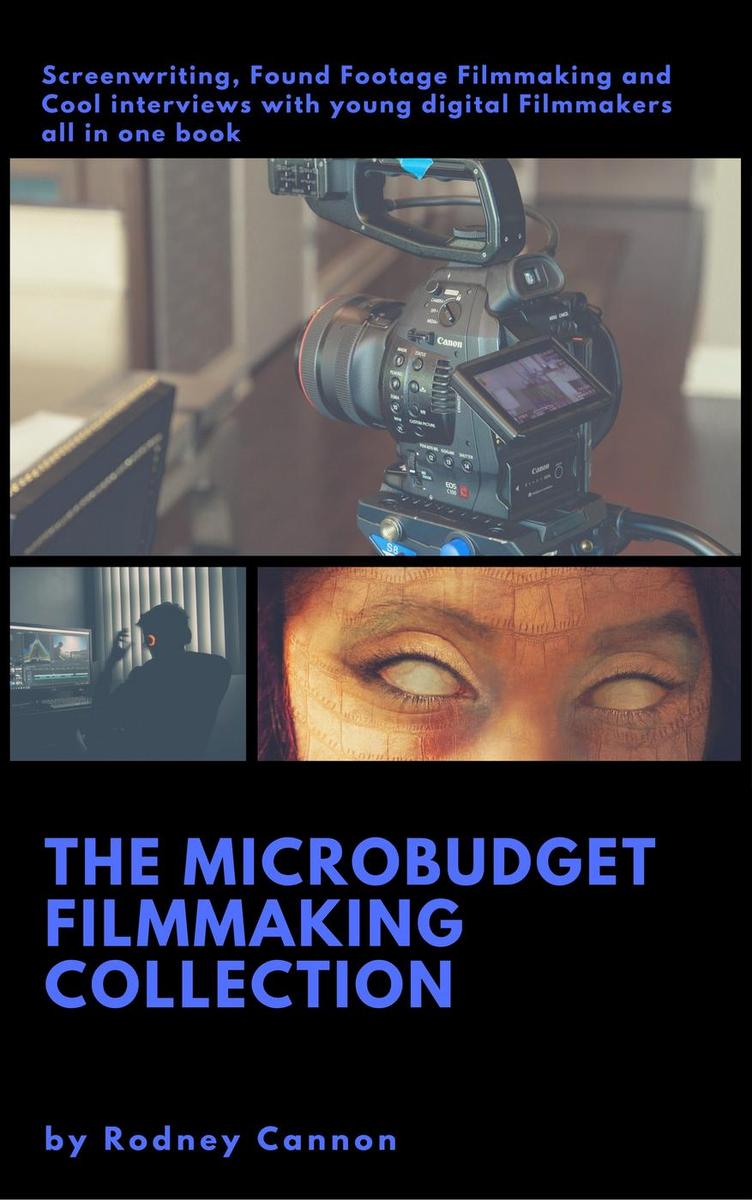
The Micro Budget Filmmaking Collection
¥16.27
The Best Selling Indie film making manuals. The books On Low Budget Film Making, On, Writing A Low Budget Screenplay and On Making A Found Footage Film all in one book. Featuring dozen of interviews with a whole new generation of micro budget film makers along with hands on advice on every aspect of film making in this new DSLR age. This set of books will take you from crafting a low budget screenplay straight through to post production. There is no one better on earth to learn the ins and outs of micro budget filmmaking than those who are in the trenches doing it on a day to day basis. You will pick up so much useful information from the interviews done with these filmmakers in On Low Budget Filmmaking. People for decades have said if you want to get started in the film industry you need to write a low budget screenplay. Great, but no one bothered to tell you how to do this. Well, I have. In my book On Writing a Low Budget Screenplay, I teach you the basic rules and concepts to aid you in crafting a low to micro budget screenplay. I believe that a quality screenplay can to crafted with a budget of fewer than ten thousand dollars in mind. This book is not only going to teach you to focus on the budget but to create a compelling character. This book will make you a better screenwriter. With the rules, you learn you will be able to craft a strong screenplay at any budget level. The Found Footage film is never going away. I realized this a while a go so I spent over a year studying these films and interview dozens of film makers who have made Found Footage films, including the guys behind Found Footage 3D, and tried to put the lessons that they learned all into one book. If you wish to make a Found Footage film then my book On Making A Found Footage Film is a must read. You can enjoy all three books in one collection.

Music Theory for Teenagers
¥92.95
Music Theory for Teenagers, delivers music theory without confusive movement. By the way you'll get system knowledge of music. This book contains no junk which useally confuse many people forever. Read this book and you’ll gain the perception how to play any musical instrument quite professionally in a short period.
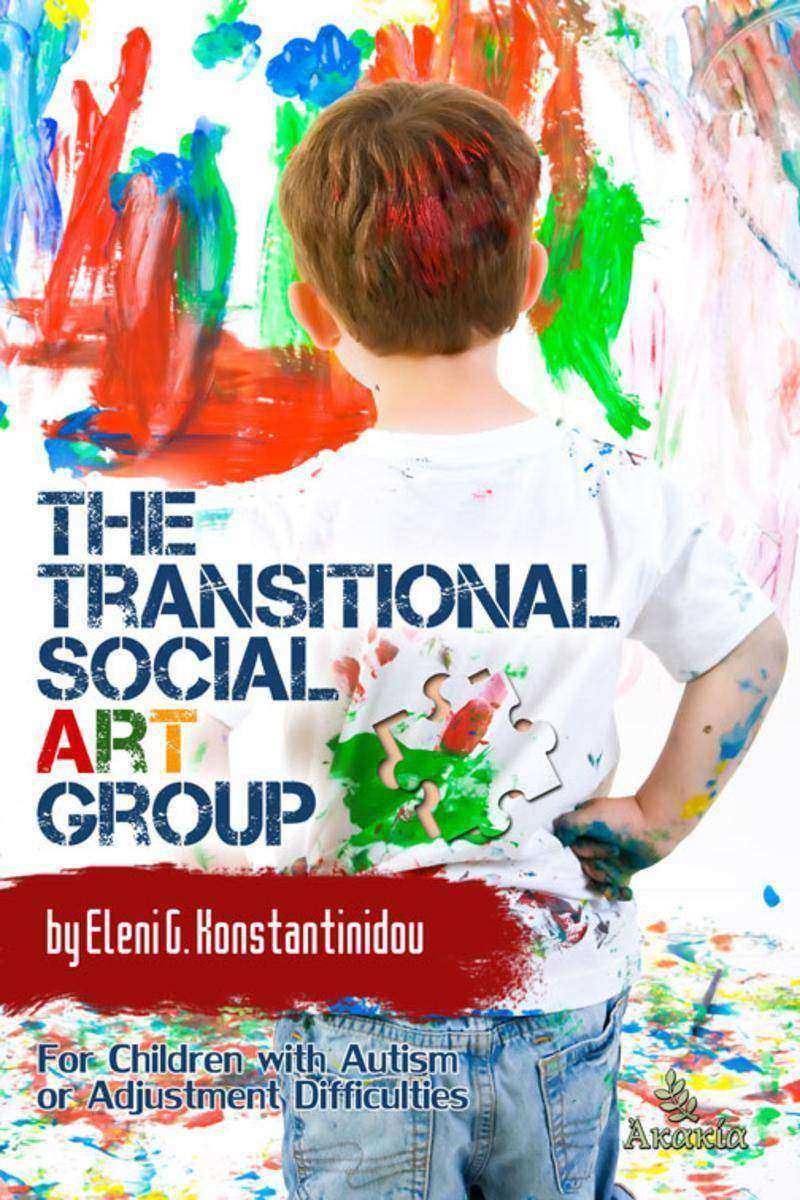
The Transitional Social Art Group: For Children with Autism or Adjustment Diffic
¥31.56
According to various research data, transition from primary to secondary school causes concern to many children (Jindal-Snape, 2010). This is more intense in the case of children with autism, because of their difficulty to face changes (Al-Ghani & Kenward, 2009). In the Transitional Social Art Group numerous topics can be explored systematically about this transition through an arts activity programme. Furthermore meetings involve presentation of sensory material, group discussion and group games relevant to each topic. Mainstream students can participate voluntarily in this group; in this case they could be prepared to provide practical and social support to peers with autism/communication difficulties during this transition under adult supervision. In this way this programme could also contribute to the prevention or elimination of bullying. In the present book there is an analytical presentation of the Transitional Social Art Group Programme addressed to practitioners or parents of children with autism. Additionally it could be implemented for children having communication or adjustment difficulties due to other reasons. The Transitional Social Art Group Programme can be used during other transitions, too.
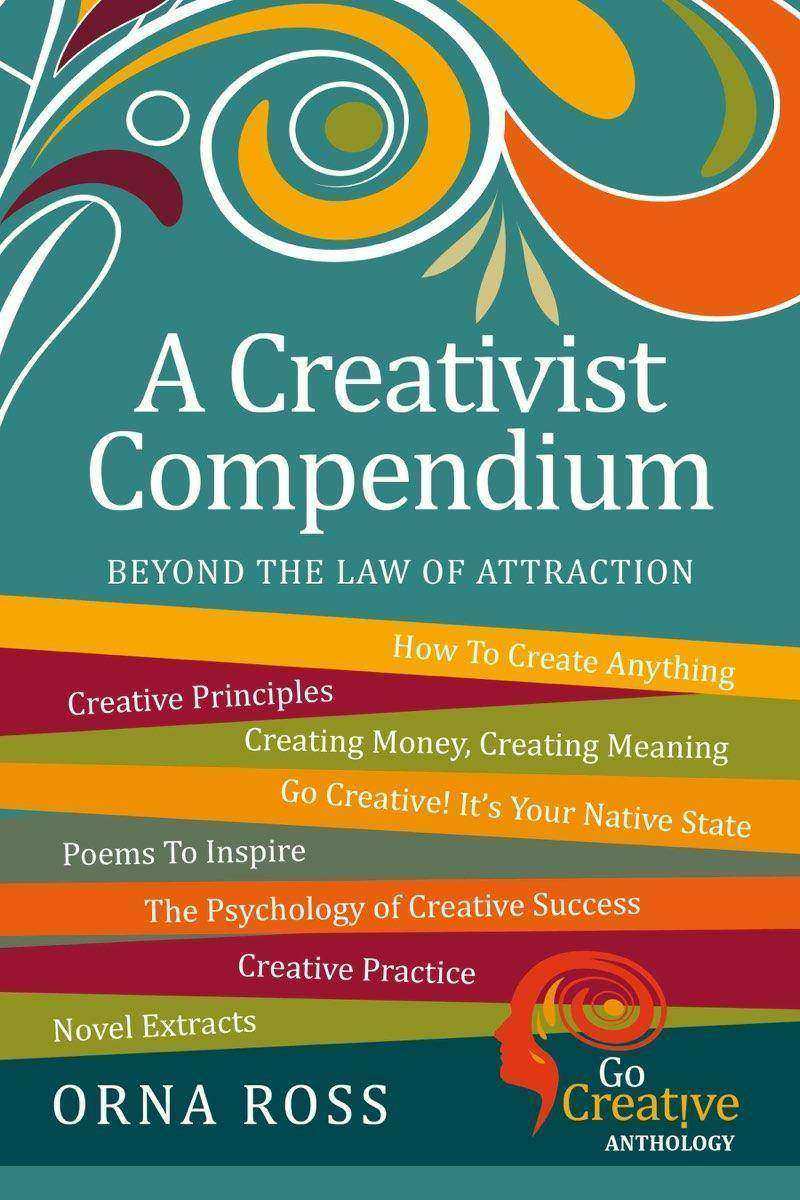
Beyond The Law of Attraction: A Compendium For Creativists: Insights For Creativ
¥19.58
This is not a book about writing or innovation, arts or craft but a guide to being more creative and to applying the creative process to everything. Orna Ross, award-winning and best-selling novelist, and founder of the global non-profit self-publishing association, the Alliance of Independent Authors, has gathered extracts from a selection of her books -- novels, poems and the Go Creative! series into this anthology of inspirations, aimed at helping you to be more creative in everything you do. Ranging widely across her work, this anthology is at once a memoir, a meditation on the creative process, and an eloquent companion to living life as a conscious creator: a creativist. At its core is the concept of creativism, the art of creating more of what you truly want in your life and less of what you don’t. Through a blend of stories from lore and literature, from science and psychology, from her students and from her own life, Orna offers enduring wisdoms about creative practice as it applies to life, love and the pursuit of happiness -- including how to foster flow, overcome self-sabotage and enjoy true creative living. Chapters include: "The Seven Stages of The Creative Process"; "How To Create Anything" and "Where The Law of Attraction Goes Wrong” but what makes this volume unique is the stories and poems. Extracts from Orna's novels illustrate creative principles in action in the lives of her characters. And inspirational poems ignite the state of creative presence as you read. The combination of ancient wisdoms and up-to-date creative research equips you for the creative age in which we now live. Guaranteed to inspire and ignite your own creative spark, this compendium is also an excellent introduction to the Go Creative! series, as well as a practical guide to being more creative at work, at home and in everything you do.
Great Expectations
¥8.09
This unique edition of Great Expectations from Dead Dodo Vintage includes the full original text as well as exclusive features not available in other editions.
Dancing Deeper Still:The Practice of Contact Improvisation
¥77.31
You went to your first Contact Improvisation (C.I.) class, or a friend invited you to the weekly jam, and you’re captivated. Or perhaps, you’ve been dancing and investigating for years. What’s next? What discoveries await you in your dance? In 1972, Steve Paxton convened a group of athletes and dancers to research the principles of Contact Improvisation. Since then the form has matured into a worldwide, collaborative experiment with no central control. Everyone who enters adds their findings and permutations to this inherently unfinished dance form. Dancing Deeper Still is a sourcebook of essays on Contact Improvisation, a philosophical treatise, and a handbook. This compilation of 30 years of writings is meant to accompany and support your investigation as you discover new pathways and dynamics in your dancing. It includes chapters on: ·??????Contact Improvisation in performance ·??????Boundaries and sexuality ·??????Political activism ·??????Dancing while aging ·??????Expanded teaching research notes ·??????Advanced skills Whether you are the improviser who savors the slow rivers of sensation…or who delights in spontaneous acrobatics…or any of the bountiful realms in between, this book was written for you. Your discoveries enrich the community-held body of knowledge in our ever-evolving form. I invite you to dance deeper still. ? Martin Keogh dances, teaches, and researches Contact Improvisation. His love for the dance has taken him to 31 countries across six continents. Keogh was named a Fulbright Senior Specialist for his contribution to the development of the form. Martin spent time in monasteries in Japan and Korea and was the director of the Empty Gate Zen Center in Berkeley, CA before he discovered the world of dance. He is the author of: As Much Time as it Takes and the anthology: Hope Beneath Our Feet: Restoring Our Place in the Natural World. He lives with his family by the Salish Sea in British Columbia. martinkeogh.com
Herstories. An Anthology of New Ukrainian Women Prose Writers
¥90.03
Women’s prose writing has exploded on the literary scene in Ukraine just prior to and following Ukrainian independence in 1991. Over the past two decades scores of fascinating new women authors have emerged. These authors write in a wide variety of styles and genres including short stories, novels, essays, and new journalism. In the collection you will find: realism, magical realism, surrealism, the fantastic, deeply intellectual writing, newly discovered feminist perspectives, philosophical prose, psychological mysteries, confessional prose, and much more.
The Sarabande of Sara’s Band
¥90.03
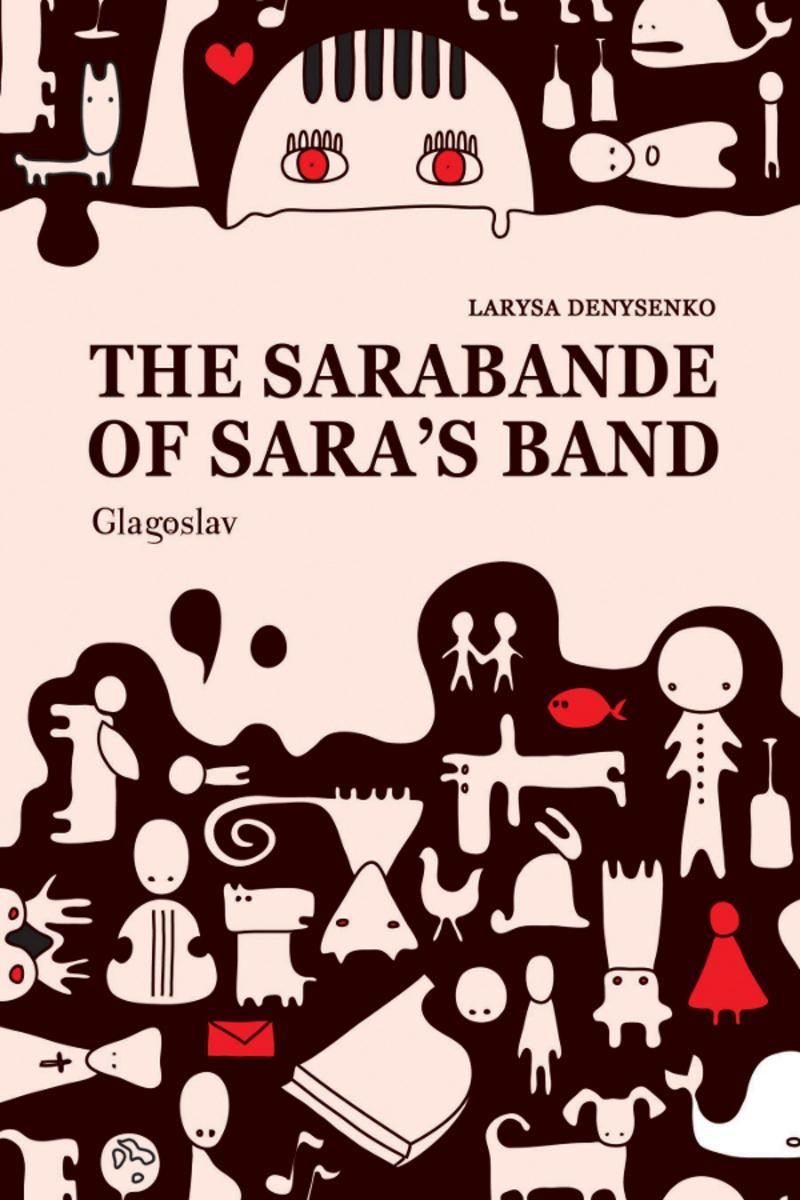
Sarabande is a novel presented mostly through the rapid-fire interactions of the characters in one-on-one situations or in small groups. Most of the novel revolves around the male protagonist, the journalist Pavlo Dudnyk, who takes his schoolhood friend Sara Polonsky as his second wife. Sara, who blossomed from an inconspicuous overweight adolescent into a vivacious woman, used to mock him in school with the nickname “Underbutt” for his bony derriere that always needed padding on the classroom chairs. When Pavlo marries Sara, he doesn’t realize at first that he’s also married into her extended family, Sara’s band of Polonskys, with their myriad quirks and manifestations of peculiar behavior.
The Hound of the Baskervilles
¥40.79
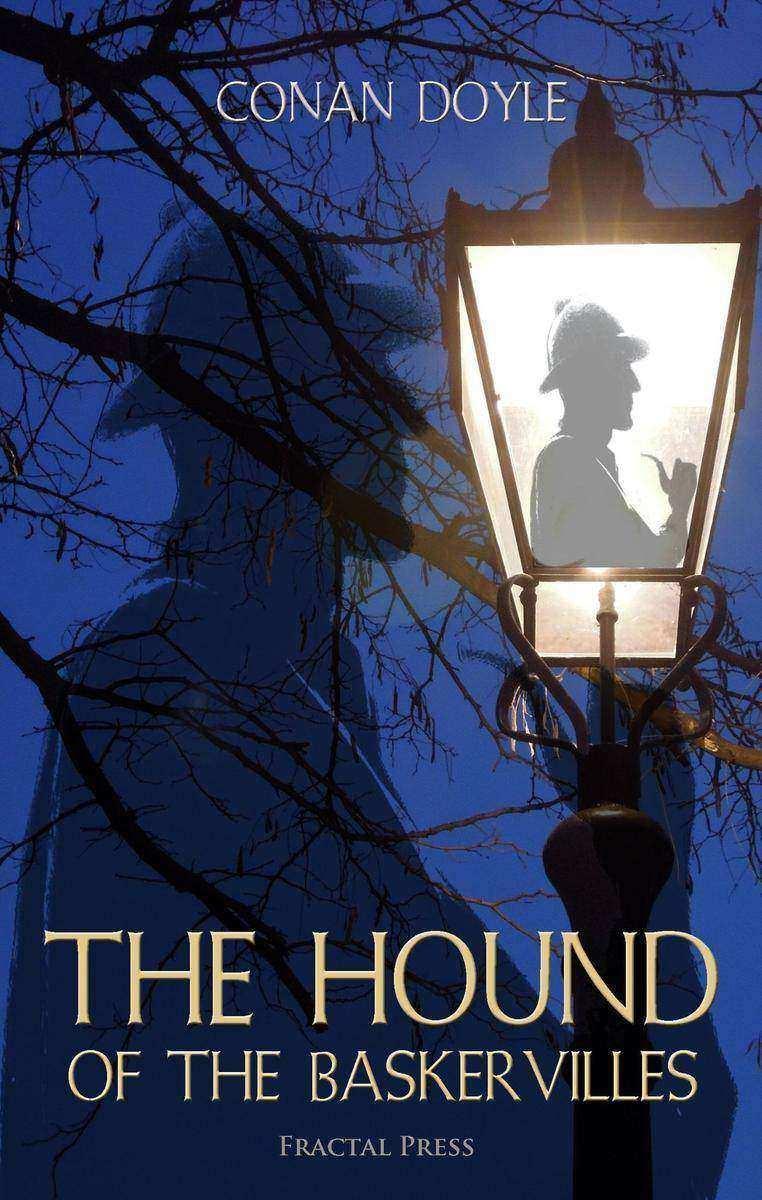
The Hound of the Baskervilles is one of the four crime novels by Sir Arthur Conan Doyle in which detective Sherlock Holmes and Dr Watson investigate the legend of a supernatural beast that may have been trained to murder Sir Henry Baskerville on the fog-shrouded moorland that makes up his estate.

Frankenstein
¥40.79
A landmark work of romantic and gothic literature, as well as science fiction, the novel's storyline emerged from a dream and Shelley's own travels of the region in which the story unfolds. Mary Shelley started writing the story when she was just eighteen.


