


 购物车
购物车 个人中心
个人中心
Hamlet, with line numbers
¥8.09
The classic tragedy. According to Wikipedia: "Hamlet is a tragedy by William Shakespeare, believed to have been written between 1599 and 1601. The play, set in Denmark, recounts how Prince Hamlet exacts revenge on his uncle Claudius, who has murdered Hamlet's father, the King, and then taken the throne and married Hamlet's mother. The play vividly charts the course of real and feigned madness—from overwhelming grief to seething rage—and explores themes of treachery, revenge, incest, and moral corruption."
Julius Caesar, with line numbers
¥8.09
The classic tragedy. According to Wikipedia: "Julius Caesar is a tragedy by William Shakespeare, believed to have been written in 1599. It portrays the conspiracy against the Roman dictator of the same name, his assassination and its aftermath. It is one of several Roman plays that he wrote, based on true events from Roman history, which also include Coriolanus and Antony and Cleopatra. Although the title of the play is Julius Caesar, Caesar is not the main character in its action; he appears in only three scenes, and is killed at the beginning of the third act. The protagonist of the play is Marcus Brutus, and the central psychological drama is his struggle between the conflicting demands of honor, patriotism, and friendship. The play reflected the general anxiety of England over succession of leadership. At the time of its creation and first performance, Queen Elizabeth, a strong ruler, was elderly and had refused to name a successor, leading to worries that a civil war similar to that of Rome might break out after her death."
King Lear, with line numbers
¥8.09
The classic tragedy. According to Wikipedia: "King Lear is a tragedy by William Shakespeare, believed to have been written between 1603 and 1606, and is considered one of his greatest works. The play is based on the legend of Leir of Britain, a mythological pre-Roman king. It has been widely adapted for stage and screen, with the part of Lear being played by many of the world's most accomplished actors. There are two distinct versions of the play: The True Chronicle of the History of the Life and Death of King Lear and His Three Daughters, which appeared in quarto in 1608, and The Tragedy of King Lear, which appeared in the First Folio in 1623, a more theatrical version. The two texts are commonly printed in a conflated version, although many modern editors have argued that each version has its individual integrity. After the Restoration the play was often modified by theatre practitioners who disliked its dark and depressing tone. But since the 19th century, it has been regarded as one of Shakespeare's supreme achievements. The tragedy is particularly noted for its probing observations on the nature of human suffering and kinship.
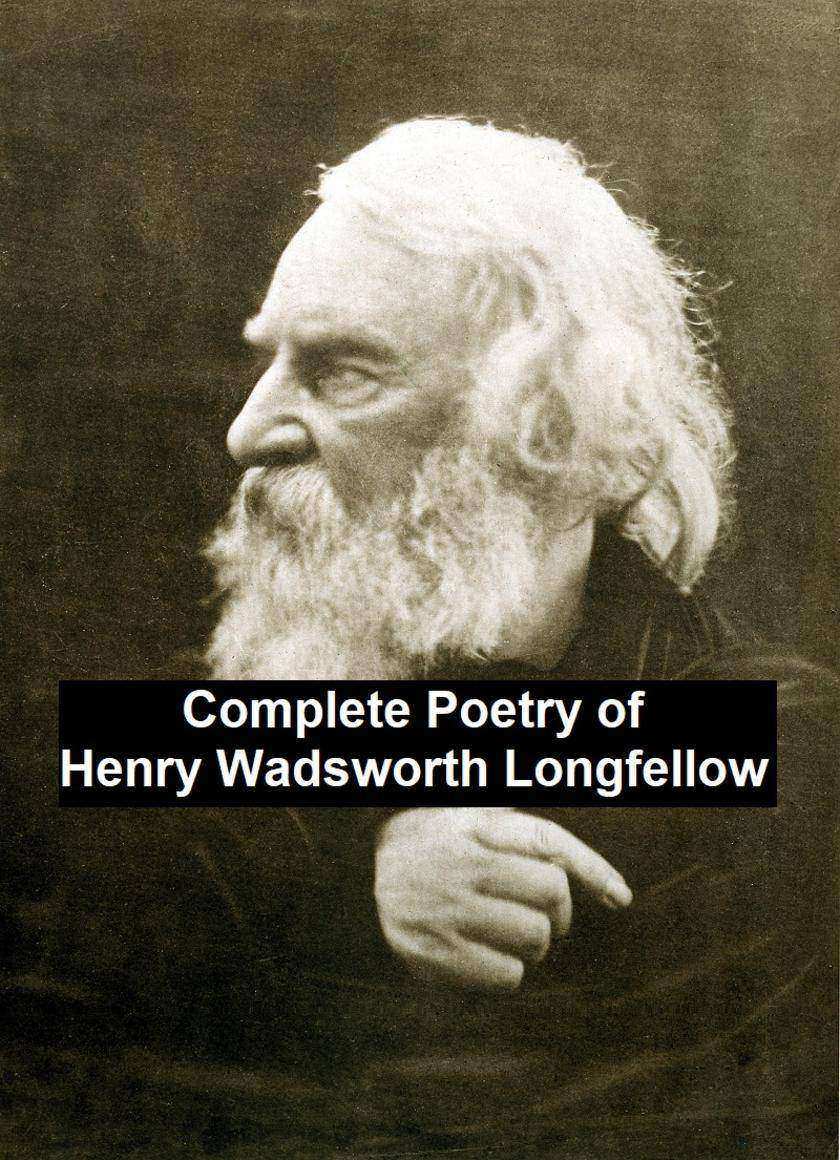
Complete Poetry of Henry Wadsworth Longfellow
¥8.09
The Household Edition of Longfellow's Poetical Writings contains all his original verse that he wished to preserve, and all his translations except the Divina Commedia. The poems are printed as nearly as possible in chronological order. Originally published in 1902. According to Wikipedia: "Henry Wadsworth Longfellow (February 27, 1807 – March 24, 1882) was an American educator and poet whose works include "Paul Revere's Ride", The Song of Hiawatha, and "Evangeline". He was also the first American to translate Dante Alighieri's The Divine Comedy and was one of the five members of the group known as the Fireside Poets."
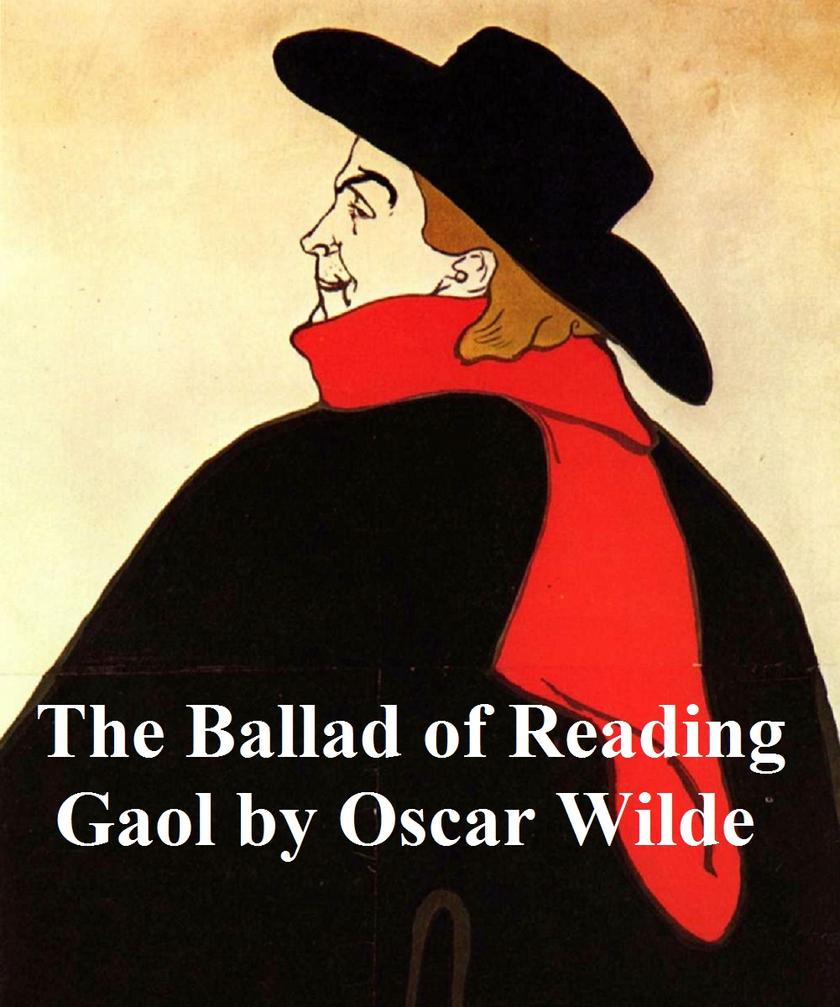
The Ballad of Reading Gaol
¥8.09
Classic poem, written in jail. According to Wikipedia: "Oscar Fingal O'Flahertie Wills Wilde (1854 - 1900) was an Irish playwright, novelist, poet, and author of short stories. Known for his barbed wit, he was one of the most successful playwrights of late Victorian London, and one of the greatest celebrities of his day. As the result of a famous trial, he suffered a dramatic downfall and was imprisoned for two years of hard labour after being convicted of the offence of 'gross indecency.'"
Troilus and Cressida, with line numbers
¥8.09
Classic Shakespearean drama. According to Wikipedia: "Troilus and Cressida is a tragedy by William Shakespeare, believed to have been written in 1602. The play (also described as one of Shakespeare's problem plays) is not a conventional tragedy, since its protagonist (Troilus) does not die. The play ends instead on a very bleak note with the death of the noble Trojan Hector and destruction of the love between Troilus and Cressida. Throughout the play, the tone lurches wildly between bawdy comedy and tragic gloom, and readers and theatre-goers have frequently found it difficult to understand how one is meant to respond to the characters. However, several characteristic elements of the play (the most notable being its constant questioning of intrinsic values such as hierarchy, honor and love) have often been viewed as distinctly "modern"..."
The Tempest
¥8.09
Classic Shakespearean romance. According to Wikipedia: "The Tempest is a play written by William Shakespeare. Many scholars believe that it was written in 1610–11,[1] although some researchers have argued for an earlier dating.[2] While listed as a comedy when it was initially published in the First Folio of 1623, many modern editors have since re-labeled the play a romance. It did not attract a significant amount of attention before the closing of the theatres in 1642 and after the Restoration it attained popularity only in adapted versions.[3] Theatre productions began to reinstate the original Shakespearean text in the mid-19th century,[4] and in the 20th century, critics and scholars undertook a significant re-appraisal of the play's value, to the extent that it is now considered to be one of Shakespeare's greatest works."
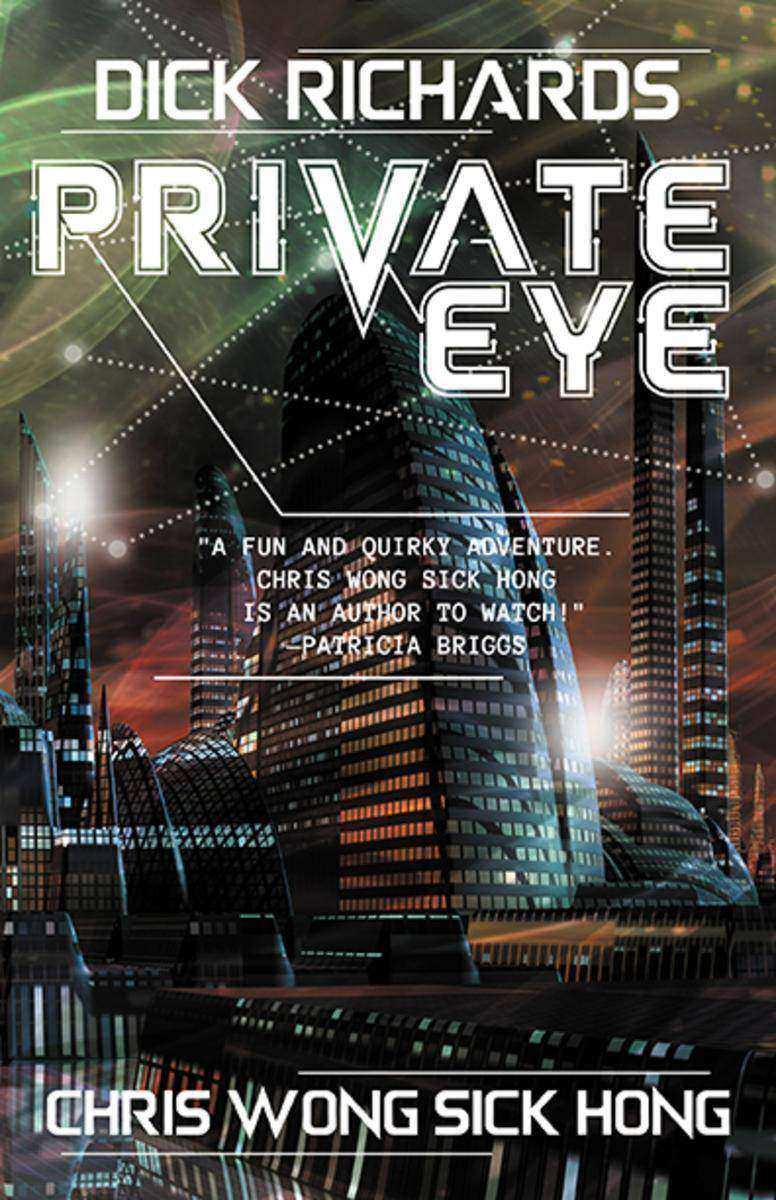
Dick Richards: Private Eye
¥23.14
"A fun and quirky adventure. Chris Sick Hong is an author to watch!" - Patricia Briggs Dick Richards lives and breathes a world full to bursting with technology and magic, wonder and whimsy. Skyscrapers kiss the edge of space, the magical races are quietly mixing back into thronging humanity, and itinerant superheroes are one step ahead of the law. Dick is at home in the seamy underbelly of this world—if you wrung his coat, it would drip cynicism. But when his latest case endangers his friends...?it becomes personal. ____________________________________________________________ Join Dick Richards on his next adventure! The 2nd part of the series,? Dick Richards: Planeswalker is now available as an ebook.?? Readers' reviews “ Chris Sick Hong knows his craft well and strikes a daring pose with DICK RICHARDS, PRIVATE EYE. Entertaining, informed and informing, humor and action driven, this Noir Cyberpunk adventure is sure to thrill and entertain. With tinges of Harrison’s Stainless Steel Rat and Gibson’s Burning Chrome, DICK RICHARDS forges a unique alloy of fantasy, magic, and science into an engaging and entertaining story. ”?- Kevin Noel Olson, author of TOCSIN CODEX " This is such a fun, quirky book. So many authors do the noir style badly, but Chris absolutely nails it. In a futuristic world that's like Blade Runner with elves, a jaded private detective gets drawn into a case that becomes increasingly dangerous...and increasingly personal. " - 5 star review on Goodreads? "I loved this book from start to finish. The world is engaging, the characters are colorful and interesting. The plot is engaging and dynamic. If you are a fan of the sci-fi genre, this is a great book to read. " - 5 star review on Amazon " I definitely recommend this to anyone looking for a fresh take on the traditional detective/mystery story. " - 4 star review on Amazon
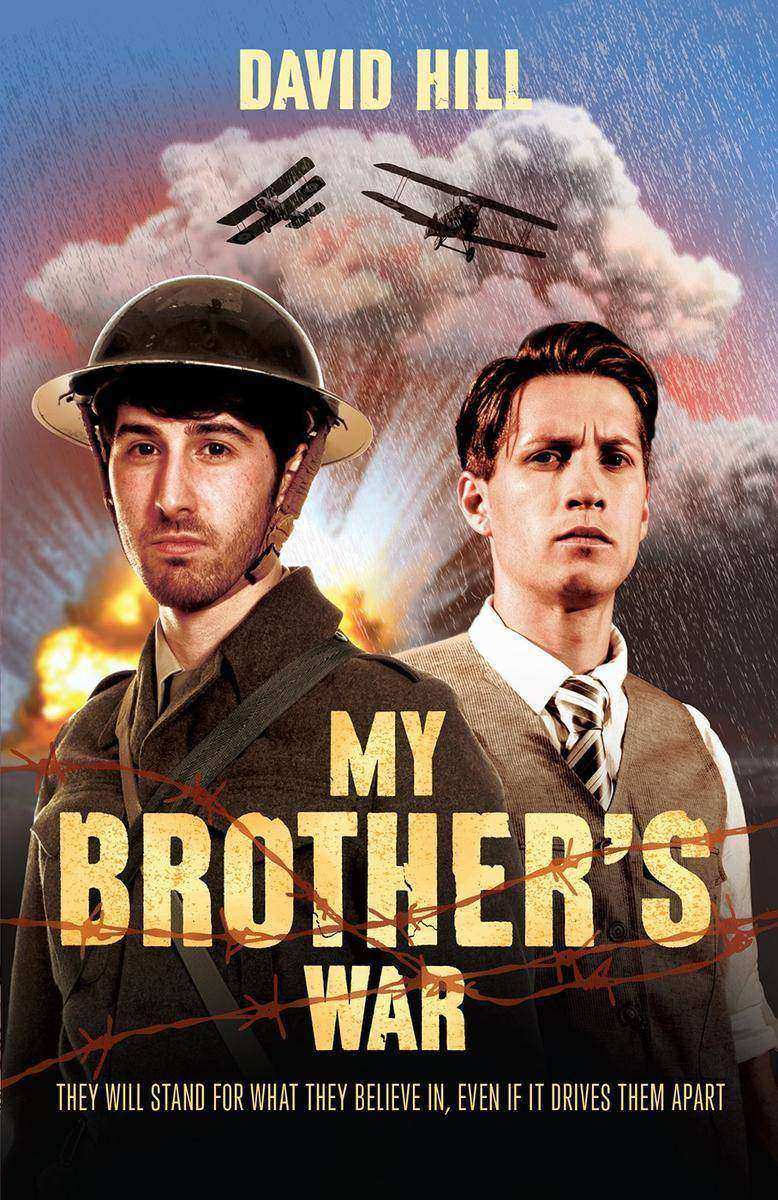
My Brother’s War
¥38.62
It’s 1914 – the biggest war the world has known has just broken out in Europe. Far away in New Zealand, William is keen to join up and fight the Germans but his younger brother, Edmund, is totally against the war and refuses to fight. While William trains to be a soldier, Edmund is arrested for being a ‘conchie’ and locked up in prison. Then he too is made to work for the army. What happens on the terrible battlefields in France? Will either brother live to fight another day? This book is a triple award-winner by acclaimed New Zealand writer of YA fiction, David Hill.
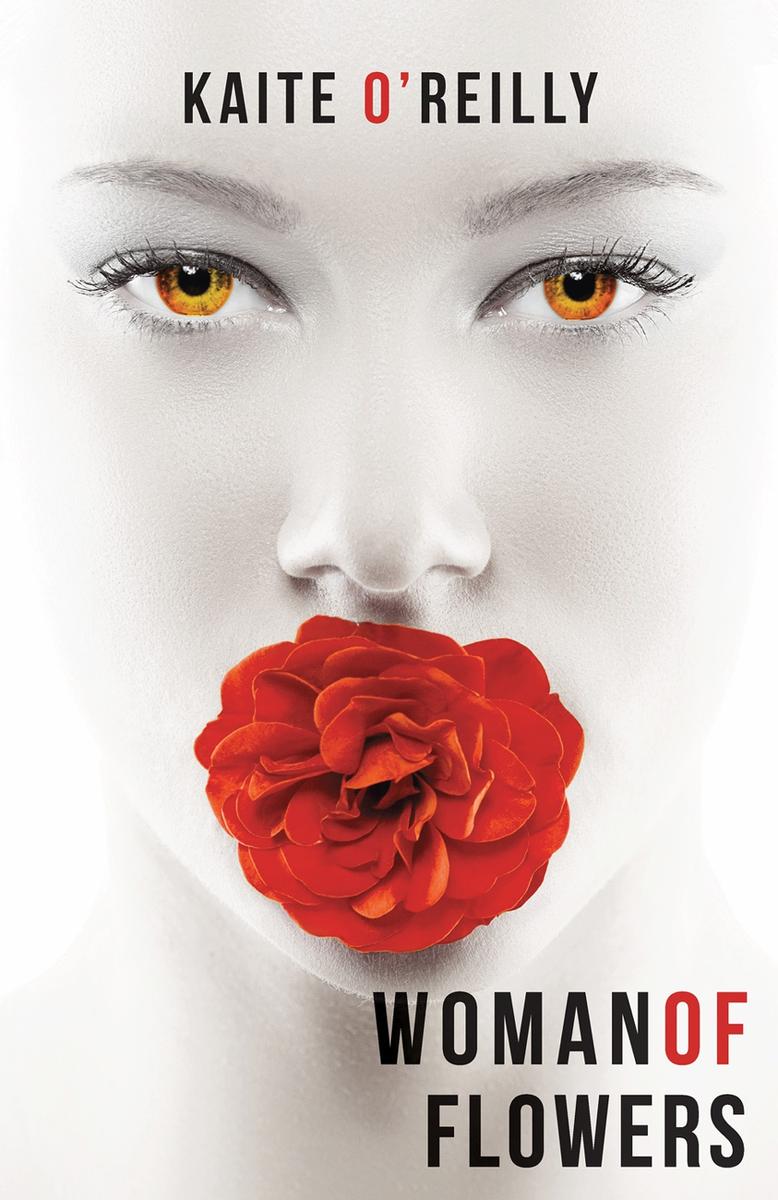
Woman of Flowers
¥40.79
Rose cannot remember what came before the house at the edge of the forest. Gwynne says he magicked her out of the flowers, but she’s not so sure. She has played the part of the perfect farmer’s wife for Lewis, who is kept firmly in place by his uncle Gwynne, and accepted her lonely existence. Then a stranger is seen in the forest. What lengths will she go to, to escape the life chosen for her? A contemporary tale of desire, beauty, betrayal and revenge. Award-winning Kaite O’Reilly has written for National Theatre Wales and the London 2012 Cultural Olympiad. Her work has been produced across the UK and internationally. Her awards include the Peggy Ramsay Award, and the Ted Hughes prize for New Works in Poetry.
Dancing at the Edge: Competence, Culture and Organization in the 21st Century
¥88.37
In his 1980 essay,? The World of Tomorrow and the Person of Tomorrow , the psychologist Carl Rogers contemplated the future. He described those who would usher in this new era as people with the capacity to understand, bring about and absorb a paradigm shift. He added: "I have an uneasy feeling about this chapter… It is a beginning, an outline, a suggestion… I believe that what I am saying here will some day be fleshed out much more fully, either by me or someone else." Maureen O’Hara and Graham Leicester are uniquely qualified to flesh out Carl Rogers’s vision (Maureen worked closely with Rogers for many years). Here they explore the competencies – the ways of being, doing, knowing and organising - that can help us navigate in complex and powerful times. They argue that these competencies are innate and within reach of all of us – given the right setting, plenty of practice and some gentle guidance. But they are seldom seen because they are routinely undervalued in today’s culture. That must change, the authors insist, and this book is intended to begin that change. The book is based on the authors’ extensive research and their practical experience observing the qualities demonstrated by some of today’s most successful cultural, political and business leaders.?
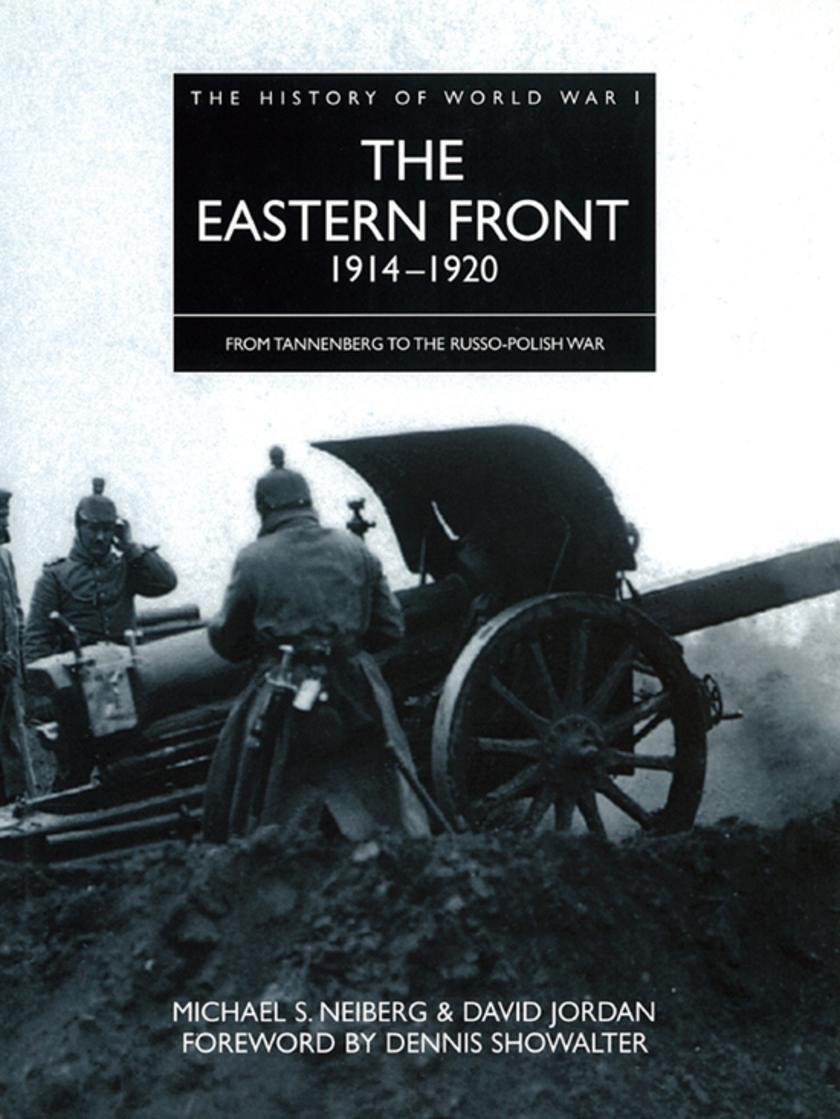
The Eastern Front 1914–1920: From Tannenberg to the Russo-Polish War
¥81.67
The length of the front in the East was much longer than in the West. The theater of war was roughly delimited by the Baltic Sea in the West and Moscow in the East, a distance of 1,200 kilometers, and Saint Petersburg in the North and the Black Sea in the South, a distance of more than 1,600 kilometers. This had a drastic effect on the nature of the warfare. While World War I on the Western Front developed into trench warfare, the battle lines on the Eastern Front were much more fluid and trenches never truly developed. This was because the greater length of the front ensured that the density of soldiers in the line was lower so the line was easier to break. Once broken, the sparse communication networks made it difficult for the defender to rush reinforcements to the rupture in the line to mount a rapid counteroffensive and seal off a breakthrough. There was also the fact that the terrain in the Eastern European theater was quite solid, often making it near impossible to construct anything resembling the complicated trench systems on the Western Front, which tended to have muddier and much more workable terrain. In short, on the Eastern front the side defending did not have the overwhelming advantages it had on the Western front. Because of this, front lines in the East kept on shifting throughout the conflict, and not just near the beginning and end of the fighting, as was the case in the West. In fact the greatest advance of the whole war was made in the East by the German Army in the summer of 1915. With the aid of numerous black and white and color photographs, many previously unpublished, the World War I series recreates the battles and campaigns that raged across the surface of the globe, on land, at sea and in the air. The text is complemented by full-color maps that guide the reader through specific actions and campaigns.

Direct Selling Success
¥103.82
Practical know-how to get you to the top of your company. This is a book with generic hands-on advice that you can implement immediately into your business. Yogeeta will share with you important factors and principles that are crucial to helping you with strategy and mindset for Direct Selling Success. The information is current, it's fresh, it's generic to whichever company you are involved with, and you will find that some of it will resonate within you to help you understand and run your Direct Selling business to a better degree.

The Survival Handbook: Learn the survival skills of the world's elite forces
¥40.79
The Survival Handbook takes you through all the things you need to know about surviving disasters and staying alive in the wild, such as where to find water in the desert; how to build shelters from locally-available materials that will keep out the wind and rain but will also be ventilated; what plants are safe to eat and what are deadly poisonous; and what animals will pose a threat in survival situations. Packed with tips from the world's elite special forces and other survival specialists, this is a handy reference to surviving in the wild. [This is a text-only ebook edition.]

Delphi Complete Works of Sir Walter Scott (Illustrated)
¥24.44
Sir Walter Scott, the Scottish novelist, poet, historian and biographer, is often regarded as the inventor of the historical novel, who produced a wide body of literary works, having a profound impact on world literature. This comprehensive eBook presents Scott’s complete fictional works, with numerous illustrations, rare texts appearing in digital print for the first time, informative introductions and the usual Delphi bonus material. (Version 7) * Beautifully illustrated with images relating to Scott’s life and works * Concise introductions to the novels and other texts * ALL 26 novels, with individual contents tables * Rare novels and shorter fiction often missed out of collections * Images of how the books were first published, giving your eReader a taste of the original texts * Excellent formatting of the texts * Famous works such as WAVERLEY, ROB ROY and IVANHOE are fully illustrated with their original artwork * Special chronological and alphabetical contents tables for the poetry * Easily locate the poems you want to read * Includes Scott’s rare poetry collections and plays – available in no other collection * Includes a wide selection of Scott’s non-fiction – spend hours exploring the author’s varied works * Special criticism section with essays by writers such as Henry James, Leslie Stephen and Charles Dickens examining Scott's literary achievements * Features two biographies – discover Scott’s literary life * Scholarly ordering of texts into chronological order and literary genres * UPDATED with entirely revised texts, new formatting, rare plays and new introductions Please visit www.delphiclassics.com to browse through our range of exciting titles CONTENTS: The Novels WAVERLEY GUY MANNERING THE ANTIQUARY BLACK DWARF OLD MORTALITY ROB ROY THE HEART OF MIDLOTHIAN THE BRIDE OF LAMMERMOOR A LEGEND OF MONTROSE IVANHOE THE MONASTERY THE ABBOT KENILWORTH THE PIRATE THE FORTUNES OF NIGEL PEVERIL OF THE PEAK QUENTIN DURWARD ST. RONAN’S WELL REDGAUNTLET THE BETROTHED THE TALISMAN WOODSTOCK THE FAIR MAID OF PERTH ANNE OF GEIERSTEIN COUNT ROBERT OF PARIS CASTLE DANGEROUS The Shorter Fiction CHRONICLES OF THE CANONGATE MY AUNT MARGARET’S MIRROR THE TAPESTRIED CHAMBER DEATH OF THE LAIRD’S JOCK. MISCELLANEOUS SHORT PIECES The Plays GOETZ VON BERLICHINGEN HALIDON HILL MACDUFF’S CROSS THE DOOM OF DEVORGOIL AUCHINDRANE THE HOUSE OF ASPEN The Poetry Collections TRANSLATIONS AND IMITATIONS FROM GERMAN BALLADS THE MINSTRELSY OF THE SCOTTISH BORDER THE LAY OF THE LAST MINSTREL BALLADS AND LYRICAL PIECES MARMION THE LADY OF THE LAKE THE VISION OF DON RODERICK THE BRIDAL OF TRIERMAIN ROKEBY THE FIELD OF WATERLOO THE LORD OF THE ISLES HAROLD THE DAUNTLESS MISCELLANEOUS POEMS The Poems LIST OF POEMS IN CHRONOLOGICAL ORDER LIST OF POEMS IN ALPHABETICAL ORDER The Non-Fiction THE LIFE OF JOHN DRYDEN PAUL’S LETTERS TO HIS KINSFOLK THE JOURNAL OF SIR WALTER SCOTT THE LETTERS OF MALACHI MALAGROWTHER THE LIFE OF NAPOLEON BUONAPARTE TALES OF A GRANDFATHER LETTERS ON DEMONOLOGY AND WITCHCRAFT TRIAL OF DUNCAN TERIG, ALIAS CLERK, AND ALEXANDER BANE MACDONALD MISCELLANEOUS PROSE WORKS The Criticism SIR WALTER SCOTT by William Hazlitt SIR WALTER SCOTT by Leslie Stephen THE POEMS OF SIR WALTER SCOTT by Andrew Lang LETTERS TO DEAD AUTHORS by Andrew Lang SIR WALTER SCOTT AND THE BORDER MINSTRELSY by Andrew Lang SIR WALTER SCOTT AS A CRITIC OF LITERATURE by Margaret Ball SIR WALTER SCOTT: A LECTURE by William Ker SIR WALTER SCOTT by Henry James MEMORIES AND PORTRAITS by Robert Louis Stevenson SCOTT AND HIS PUBLISHERS by Charles Dickens SIR WALTER SCOTT AND LADY MORGAN by Victor Hugo The Biographies SIR WALTER SCOTT by Richard H. Hutton SIR WALTER SCOTT by George Saintsbury Please visit www.delphiclassics.com to browse through our range of exciting titles or to purchase this eBook as a Parts Edition of individual eBooks
Summer
¥40.79
Charity Royall is eighteen, bored with life in the small town of North Dormer. While working at the library, Charity meets visiting architect Lucius Harney and they become friends. Will their growing closeness lead to a happy marriage? Charity was born in an impoverished mountain community and her life is complicated by Mr. Royall who intruded into her bedroom when she was seventeen and later urged her to marry him. Lucius starts an affair with Charity Royall, all the while hiding the fact that he is engaged to society girl Annabel Balch.
From the Earth to the Moon; and, Round the Moon
¥40.79
The Gun Club, a society based in Baltimore and dedicated to the design of weapons of all kinds, come up with a plan to construct a cannon capable of shooting a projectile to the moon. The projectile is successfully launched, but the destinies of the three astronauts are left inconclusive. The sequel, Around the Moon, deals with what happens to the three men in their travel from the earth to the moon.
Ten Years Later
¥40.79
In this continuing sequel to The Three Musketeers, d'Artagnan discovers Belle-Isle is being fortified and the engineer ostensibly in charge is Porthos. The blueprints show Aramis' handwriting. Despite his friends, d'Artagnan hides the true reason for his presence. Aramis, suspicious of d'Artagnan, sends Porthos back to Paris to warn Fouquet, whilst tricking d'Artagnan into searching for Porthos around Vannes. Porthos warns Fouquet in time, and he cedes Belle-Ile to the king, humiliating Colbert. On returning from the mission, d'Artagnan is made Captain of the King's Musketeers.

Play Easily on Piano and Keyboards
¥92.62
Every year few millions of Americans start to study music. After one year 80% of them stop this studying. They are not talented enough? But what they are studying for whole year long. All music theory can be delivered for 30 minutes. In this book we deliver music theory in historical and logic succession demonstrating it on examples for playing piano and keyboards. This book really helps you.Every year few millions of Americans start to study music. After one year 80% of them stop this studying. They are not talented enough? But what they are studying for whole year long. All music theory can be delivered for 30 minutes. In this book we deliver music theory in historical and logic succession demonstrating it on examples for playing piano and keyboards. This book really helps you.
The Marble Faun
¥40.79
The Marble Faun, a romance set in beautiful Italy tells the story of Miriam, the painter with an unknown past. Throughout the novel, she is compared to many other women including Eve, Beatrice Cenci, Judith, and Cleopatra. Miriam is pursued by a mysterious, threatening man who is her evil genius through life.
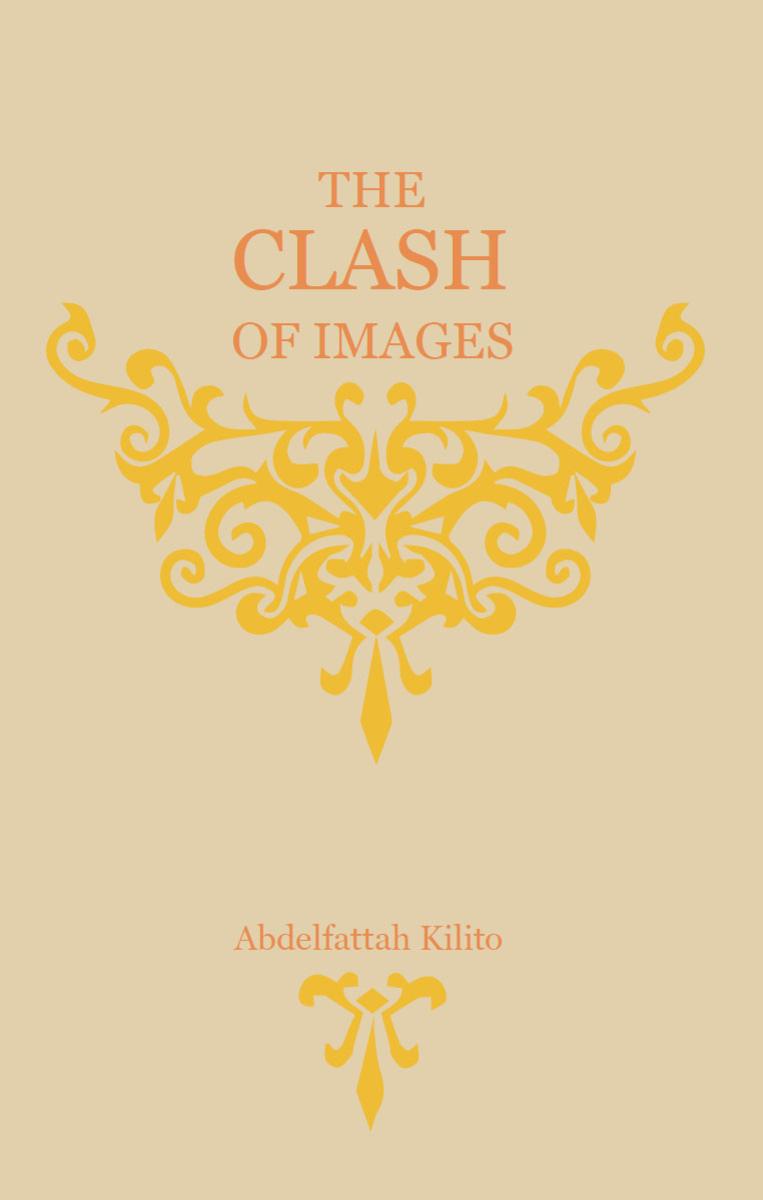
The Clash of Images
¥57.14
The Clash of Images is a sweet, Borgesian mix of bildungsroman memoir, family history, short-story collection, fable, and literary criticism. Written in a graceful and charming style, Kilito’s story takes place in an unnamed coastal city of memories where a child experiences first-hand the cultural clash of text and image in a changing, modern society. It is a time when the old Arabic world of texts and oral traditions is making way for something new: the era of the image, the comic book, photo IDs, and the cinema. The stories form a kaleidoscopic memoir of growing up in two worlds, a brilliant mixture of cultural and family history. Here are tales of first kisses and first reads, Tintin and the Prophet Muhammad, fantasies of the Wild West, the inferno of the bathhouse, and the lost paradises of childhood. The Clash of Images is a celebration of the pleasures of storytelling, a magic lantern that delicately reveals how the world of books intimately connects with the world outside their pages.


