


 购物车
购物车 个人中心
个人中心
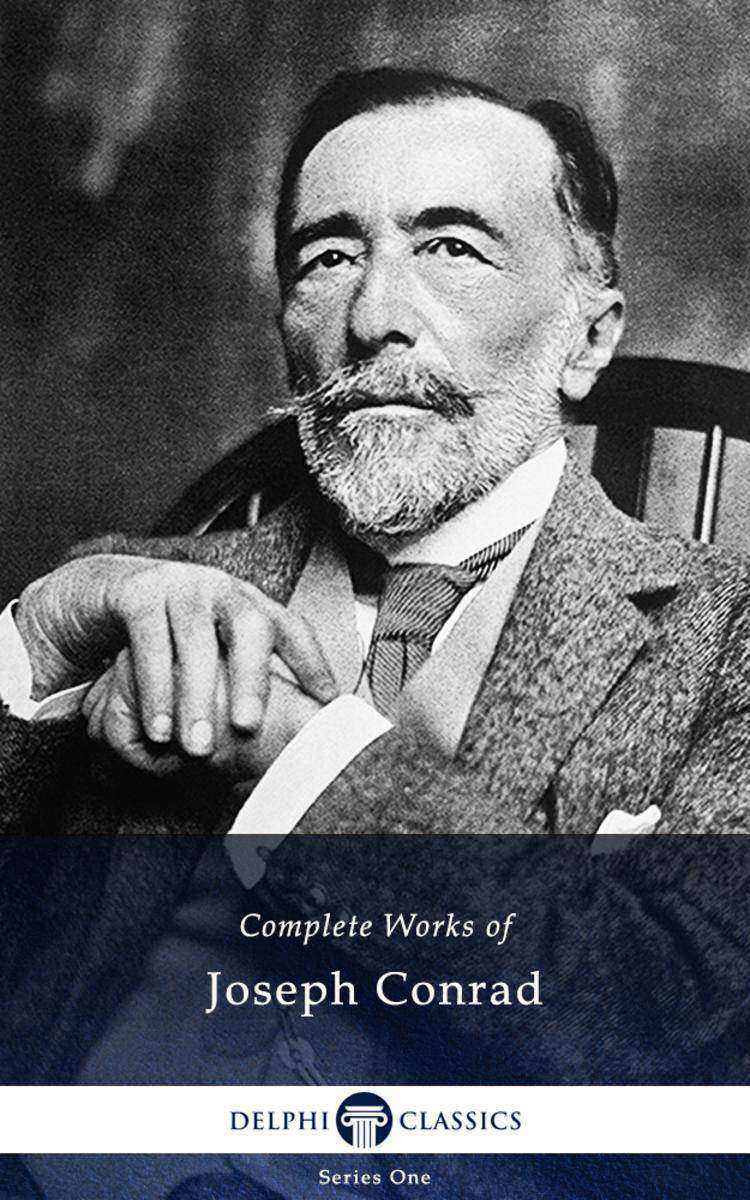
Delphi Complete Works of Joseph Conrad (Illustrated)
¥24.44
Widely regarded as one of the greatest writers of the twentieth century, Joseph Conrad is celebrated as a forerunner of modernist fiction, whose innovative narrative style and anti-heroes had a significant influence on the course of English literature. This comprehensive eBook presents the only complete works of Joseph Conrad in digital format, with numerous illustrations, rare texts appearing for the first time, informative introductions and the usual Delphi bonus material. (Version 1) * Beautifully illustrated with images relating to Conrad's life and works * Concise introductions to the novels and other texts * ALL 19 novels, with individual contents tables * Images of how the books were first printed, giving your eReader a taste of the original texts * Excellent formatting of the texts * All of the collaborative works with Ford Madox Ford * Includes the rare unfinished novel SUSPENSE, available in no other collection * Special chronological ordering of the short stories * Easily locate the short stories you want to read * Includes Conrad's essays - spend hours exploring the author’s critical works * The complete memoirs - explore the author’s life in detail * Special criticism section, with 11 essays by critics such as Virginia Woolf, Henry James and John Galsworthy evaluating Conrad’s contribution to literature * Scholarly ordering of texts into chronological order and literary genres * UPDATED with new introductions, new formatting of ALL the texts and corrections Please visit www.delphiclassics.com to browse through our range of exciting titles CONTENTS: The Novels and Novellas ALMAYER’S FOLLY AN OUTCAST OF THE ISLANDS THE NIGGER OF THE NARCISSUS LORD JIM THE INHERITORS TYPHOON HEART OF DARKNESS ROMANCE NOSTROMO THE SECRET AGENT UNDER WESTERN EYES CHANCE VICTORY THE SHADOW-LINE THE ARROW OF GOLD THE RESCUE THE NATURE OF A CRIME THE ROVER SUSPENSE The Short Stories THE BLACK MATE THE IDIOTS THE LAGOON AN OUTPOST OF PROGRESS THE RETURN KARAIN: A MEMORY YOUTH FALK AMY FOSTER TO-MORROW THE END OF THE TETHER GASPAR RUIZ THE INFORMER THE BRUTE AN ANARCHIST THE DUEL IL CONDE A SMILE OF FORTUNE THE SECRET SHARER FREYA OF THE SEVEN ISLES PRINCE ROMAN THE PLANTER OF MALATA THE PARTNER THE INN OF THE TWO WITCHES BECAUSE OF THE DOLLARS THE WARRIOR’S SOUL THE TALE The Essays NOTES ON LIFE AND LETTERS LAST ESSAYS The Memoirs THE MIRROR OF THE SEA A PERSONAL RECORD The Criticism JOSEPH CONRAD by Virginia Woolf MR. CONRAD: A CONVERSATION by Virginia Woolf Extract from ‘ENGLISH PROSE’ by Virginia Woolf Extract from ‘THE NEW NOVEL: 1914’ by Henry James TRIBUTES TO CONRAD by John Galsworthy REMINISCENCES OF CONRAD by John Galsworthy EXTRACT OF A LETTER by George Gissing JOSEPH CONRAD by John Cowper Powys TWO ARTICLES by Arnold Bennett JOSEPH CONRAD by Robert Lynd JOSEPH CONRAD. A PERSONAL REMEMBRANCE by Ford Madox Ford Please visit www.delphiclassics.com to browse through our range of exciting titles
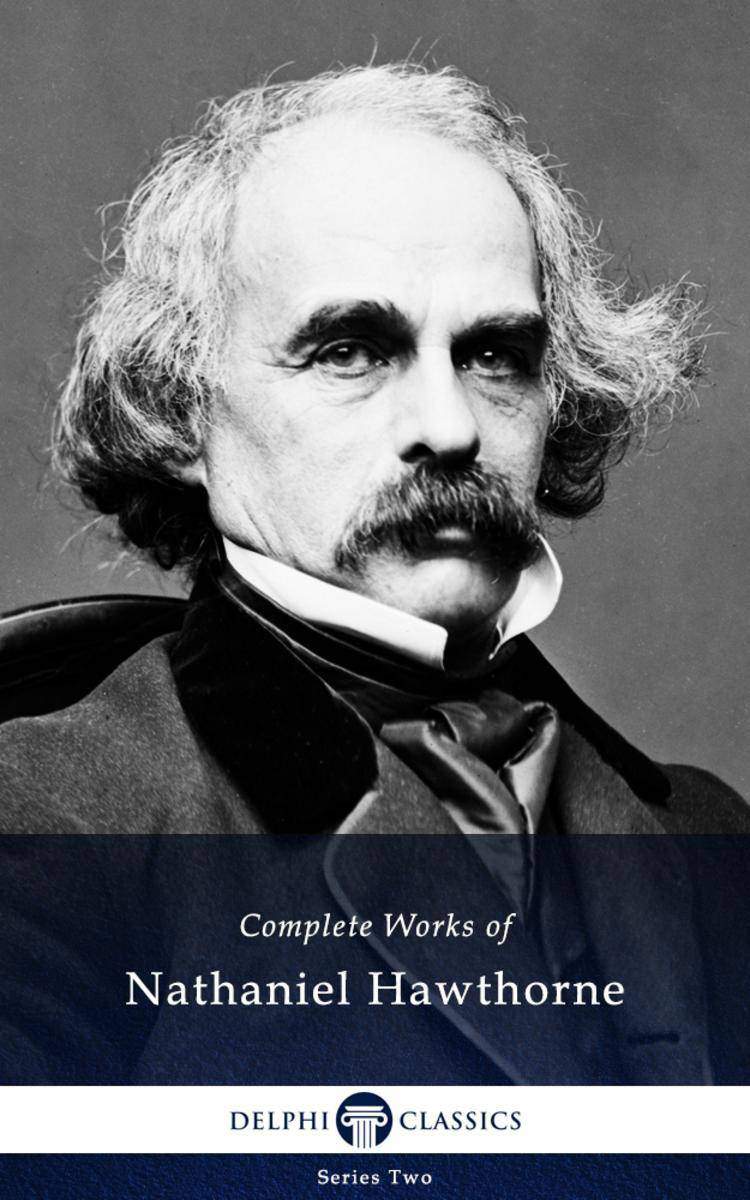
Delphi Complete Works of Nathaniel Hawthorne (Illustrated)
¥24.44
Nathaniel Hawthorne is a literary giant of American literature, whose works have gone on to inspire many other great writers. This eBook offers readers the unique opportunity of exploring the prolific writer’s work, as well as an assortment of bonus texts. (Current version: 2) * illustrated with many images relating to Hawthorne’s life and works * annotated with concise introductions to the novels and other works * ALL the novels – even rare unfinished novels – each with their own contents table * THE SCARLET LETTER and other works are beautiful illustrated * images of how the novels first appeared, giving your eReader a taste of the original texts * the complete short story collections * separate CHRONOLOGICAL and ALPHABETICAL contents tables for the short stories – find that special story easily! * the children’s storybooks are fully illustrated * includes Hawthorne’s non-fiction works * EVEN includes Hawthorne’s extensive notebooks * boasts a special criticism section, with six works examining Hawthorne’s contribution to literature, including Henry James’ seminal work HAWTHORNE * BONUS biographies section, with no less than five biographical books * features biographies written by Hawthorne’s son Julian and his daughter Rose * scholarly ordering of texts in chronological order and literary genres, allowing easy navigation around Hawthorne’s immense oeuvre Please visit www.delphiclassics.com to browse through our range of exciting titles CONTENTS: The Novels FANSHAWE THE SCARLET LETTER THE HOUSE OF THE SEVEN GABLES THE BLITHEDALE ROMANCE THE MARBLE FAUN THE DOLLIVER ROMANCE SEPTIMIUS FELTON DOCTOR GRIMSHAWE’S SECRET THE ANCESTRAL FOOTSTEP The Short Story Collections TWICE-TOLD TALES GRANDFATHER’S CHAIR MOSSES FROM AN OLD MANSE THE SNOW-IMAGE, AND OTHER TWICE-TOLD TALES A WONDER-BOOK FOR GIRLS AND BOYS TANGLEWOOD TALES THE DOLLIVER ROMANCE AND OTHER PIECES THE GHOST OF DOCTOR HARRIS The Short Stories LIST OF SHORT STORIES IN CHRONOLOGICAL ORDER LIST OF SHORT STORIES IN ALPHABETICAL ORDER The Non-Fiction BIOGRAPHICAL STORIES FOR CHILDREN THE LIFE OF FRANKLIN PIERCE OUR OLD HOME CHIEFLY ABOUT WAR MATTERS The Notebooks PASSAGES FROM THE AMERICAN NOTE-BOOKS: VOLUME I & II PASSAGES FROM THE ENGLISH NOTE-BOOKS: VOLUME I & II PASSAGES FROM THE FRENCH AND ITALIAN NOTE-BOOKS: VOLUME I & II The Criticism HAWTHORNE BY HENRY JAMES EXTRACT FROM ‘MY LITERARY PASSIONS’ BY WILLIAM DEAN HOWELLS EXTRACT FROM ‘ESSAYS BEFORE A SONATA’ BY CHARLES IVES EXTRACT FROM ‘ADVENTURES AMONG BOOKS’ BY ANDREW LANG EXTRACT FROM ‘HOURS IN A LIBRARY’ BY LESLIE STEPHEN EXTRACT FROM ‘FOUR AMERICANS’ BY HENRY A. BEERS The Biographies THE LIFE AND GENIUS OF NATHANIEL HAWTHORNE BY FRANK PRESTON STEARNS HAWTHORNE AND HIS CIRCLE BY JULIAN HAWTHORNE MEMORIES OF HAWTHORNE BY ROSE HAWTHORNE LATHROP NATHANIEL HAWTHORNE BY GEORGE E. WOODBERRY A STUDY OF HAWTHORNE BY GEORGE PARSONS LATHROP Please visit www.delphiclassics.com to browse through our range of exciting titles
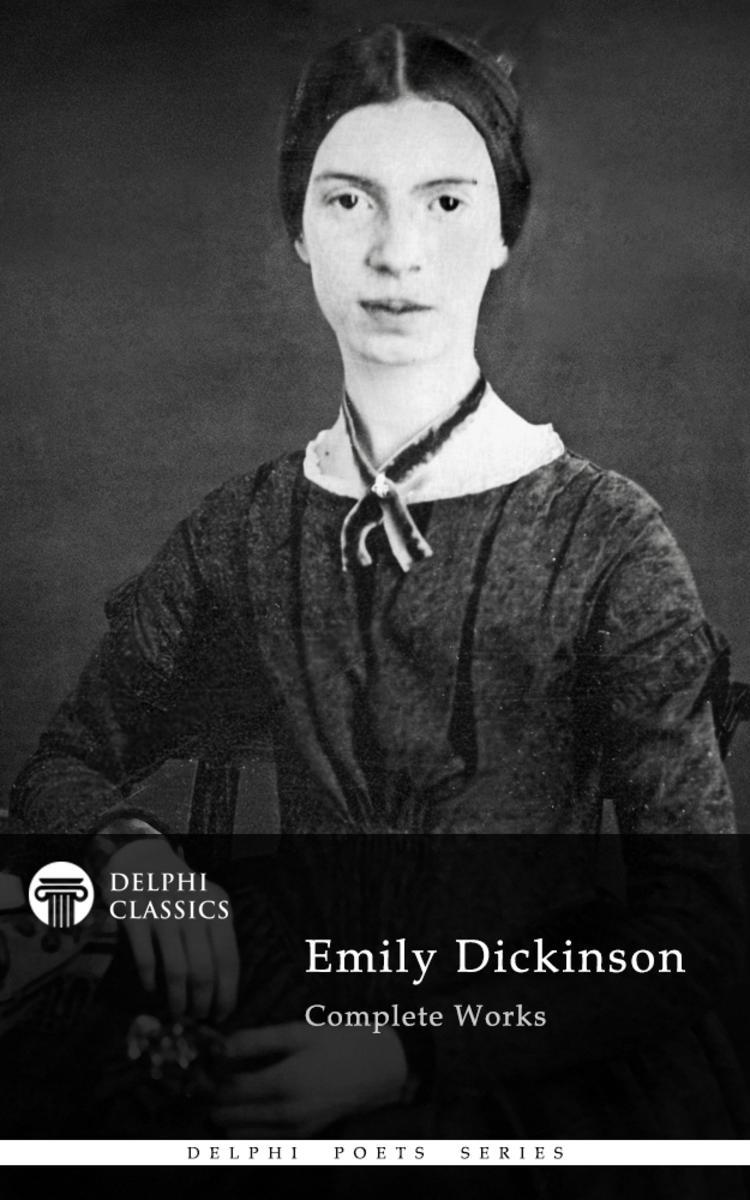
Delphi Complete Works of Emily Dickinson (Illustrated)
¥16.27
This is the second volume of a new series of publications by Delphi Classics, the best-selling publisher of classical works. Many poetry collections are often poorly formatted and difficult to read on eReaders. The Delphi Poets Series offers readers the works of literature’s finest poets, with superior formatting. This volume presents the complete poetical works of Emily Dickinson, with beautiful illustrations and the usual Delphi bonus material. (Version: 1) * Beautifully illustrated with images relating to Dickinson’s life and works * Concise introductions to the poetry and other works * For the first time in digital print, all 1775 poems by Dickinson * Images of how the poetry books were first printed, giving your eReader a taste of the original texts * Excellent formatting of the poems * Special chronological and alphabetical contents tables for the poetry * Easily locate the poems you want to read * Includes Dickinson’s letters – spend hours exploring the poet’s literary life * Scholarly ordering of texts into chronological order and literary genres CONTENTS: The Poetry Collections POEMS : SERIES ONE POEMS : SERIES TWO POEMS : SERIES THREE The Poems THE COMPLETE 1775 POEMS LIST OF POEMS IN CHRONOLOGICAL ORDER LIST OF POEMS IN ALPHABETICAL ORDER The Letters THE LETTERS OF EMILY DICKINSON Please visit www.delphiclassics.com to browse through our range of exciting titles
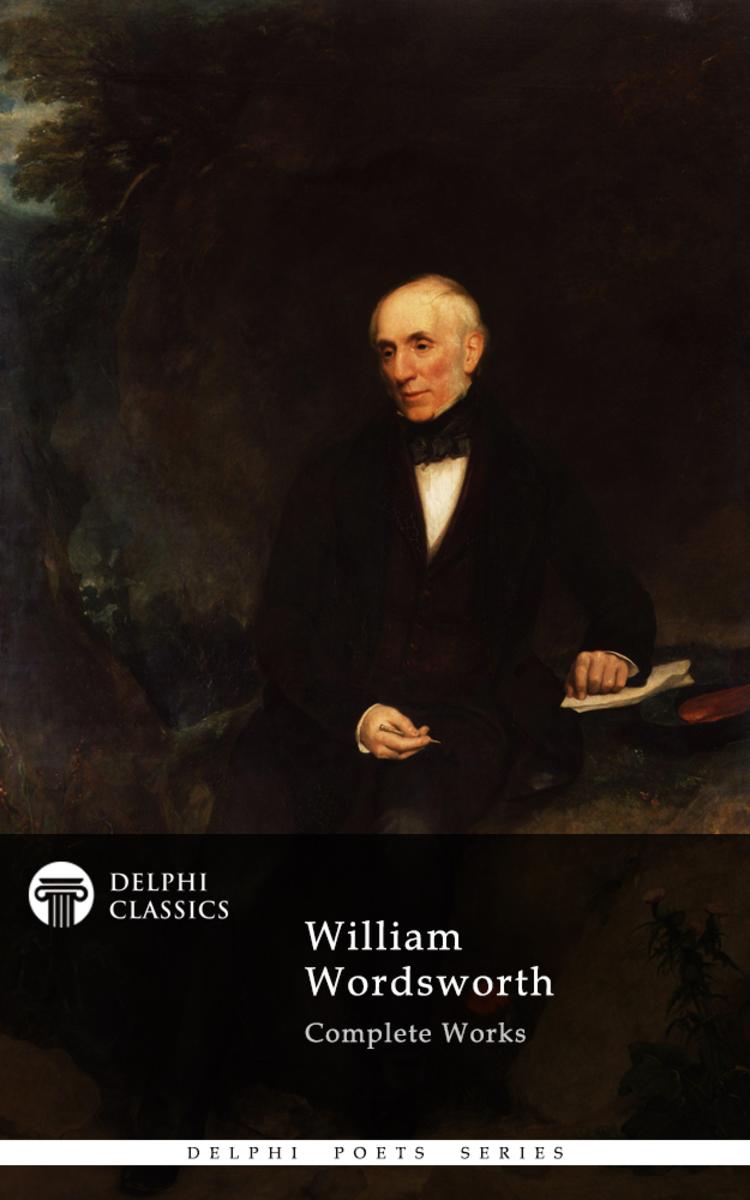
Delphi Complete Works of William Wordsworth (Illustrated)
¥16.27
The Delphi Poets Series offers readers the works of literature's finest poets, with superior formatting. This volume presents the complete works of William Wordsworth, one of the most celebrated poets of all time, enhanced with beautiful illustrations and the usual Delphi bonus material. (8MB Version 1) Please visit www.delphiclassics.com to browse through our range of exciting titles * Beautifully illustrated with images relating to Wordsworth's life and works * Concise introductions to the poetry collections and other works * Images of how the poetry books were first printed, giving your eReader a taste of the original texts * All versions of the famous 'Lyrical Ballads', including all of Coleridge's contributions * Excellent formatting of over 950 poems * Special chronological and alphabetical contents tables for the poetry * Easily locate the poems you want to read * The complete prose works, will fully working contents tables * Includes Dorothy Wordsworth's famous travel writing book - spend hours exploring Wordsworth's adventures with his sister and Coleridge * Features F. W. H. Myers's famous and detailed biography - discover Wordsworth's literary life * Scholarly ordering of texts into chronological order and literary genres
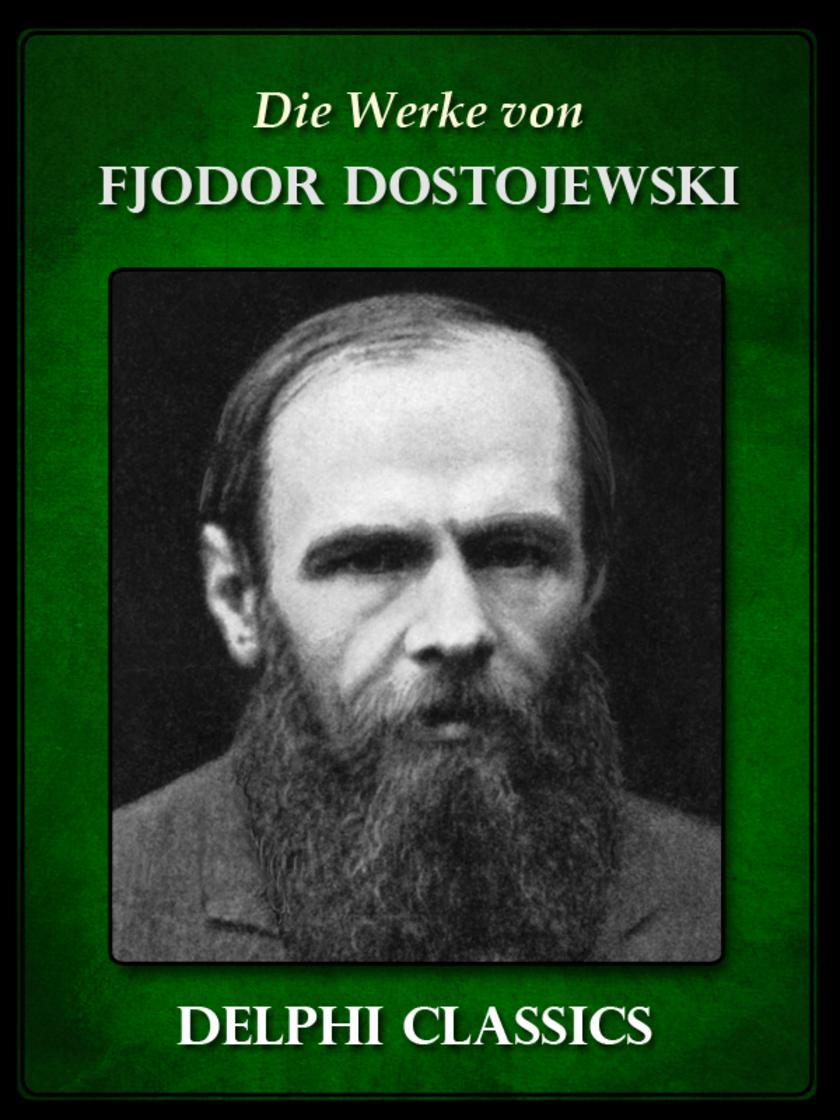
Die Werke von Fjodor Dostojewski (Illustrierte)
¥24.44
Fjodor Dostojewski gilt als einer der bedeutendsten russischen Schriftsteller. Sein Ein?uss auf die Literatur des 20. Jahrhunderts, insbesondere auf existentialistische und expressionistische Str?mungen, war gro?. Jetzt genie?en Sie die Werke von Dostojewski auf Ihrem E-Reader. Diese enorme Sammlung umfasst auch spezielle Bonustexte. (9MB Version 1) Besuchen Sie bitte www.delphiclassics.com für weitere Informationen und unsere anderen eBooks durchsuchen. Merkmale: * kurze Einführungen in die Romanen und anderen Texte * zahlreiche Bilder mit Bezug zu Fjodor Dostojewski, seinem Leben und seinen Werken * die vollst?ndige Romane, mit Inhaltsverzeichnissen * Erz?hlprosa * die vollst?ndigen autobiographischen Werke - Erkunden Sie Dostojewskis erstaunliches Leben! * Ein spezieller Abschnitt mit Kritik an Dostojewskis Werken. INHALT: Romane ARME LEUTE DER DOPPELG?NGER NETTCHEN NESWANOWA ONKELCHENS TRAUM DAS GUT STEPANTSCHIKOWO UND SEINE BEWOHNER DIE ERNIEDRIGTEN UND BELEIDIGTEN AUFZEICHNUNGEN AUS EINEM TOTENHAUS AUFZEICHNUNGEN AUS DEM UNTERGRUND SCHULD UNS S?HNE DER SPIELER DER EWIGE GATTE DER IDIOT DIE D?MONEN DER J?NGLING DIE BR?DER KARAMASOW Erz?hlungen WEI?E N?CHTE EIN SCHWACHES HERZ CHRISTBAUM UND HOCHZEIT Autobiographisches AUTOBIOGRAPHISCHE SCHRIFTEN Literaturkritik DOSTOJEWSKI VON OTTO JULIUS BIERBAUM DOSTOJEWSKI VON DMITRI SERGEJEWITSCH MERESCHKOWSKI DOSTOJEWSKI VON HERMANN BAHR

Die Werke von Lew Tolstoi (Illustrierte)
¥24.44
Lew Tolstoi ist einer der gr??ten Schriftsteller aller Zeiten. In diesem wohlgeordneten eBook finden Sie eine Sammlung seiner bekanntesten Werke nun endlich in deutscher Sprache und mit vielen Extras. (Version: 1) Besuchen Sie bitte www.delphiclassics.com für weitere Informationen und unsere anderen eBooks durchsuchen. Merkmale: * 6 Romane und Novellen in deutscher ?bersetzung * Jeder Roman hat ein eigenes Inhaltsverzeichnis * Knappe Einleitungen zu den Romanen und anderen Werken * Viele Bilder aus Tolstois Leben und seinen Werken * Enth?lt Kurzgeschichten und ein Theaterstück * Abbildungen der Originaltitelbl?tter der Romane, was Ihnen ein Gefühl der Originalausgaben vermittelt * Chronologisch und nach Literaturgattungen geordnete Textreihenfolge, was Ihnen die Steuerung durch Tolstois Werke erleichtert. * Enth?lt eine Bonus-Text-Biografie INHALT: Romane und Novellen KRIEG UND FRIEDEN ANNA KARENINA DIE KREUTZERSONATE AUFERSTEHUNG CHADSCHI MURAT DER MORGEN EINES GUTSBESITZERS Kurzgeschichten LISTE DER KURZGESCHICHTEN Theaterstück DER LEBENDE LEICHNAM Sachbücher MEINE ERSTEN ERINNERUNGEN SOWIE VERSCHIEDENE KLEINE SCHRIFTEN Biografie ERINNERUNGEN AN DEN GRAFEN LEO TOLSTOI VON EUGEN SCHUYLER
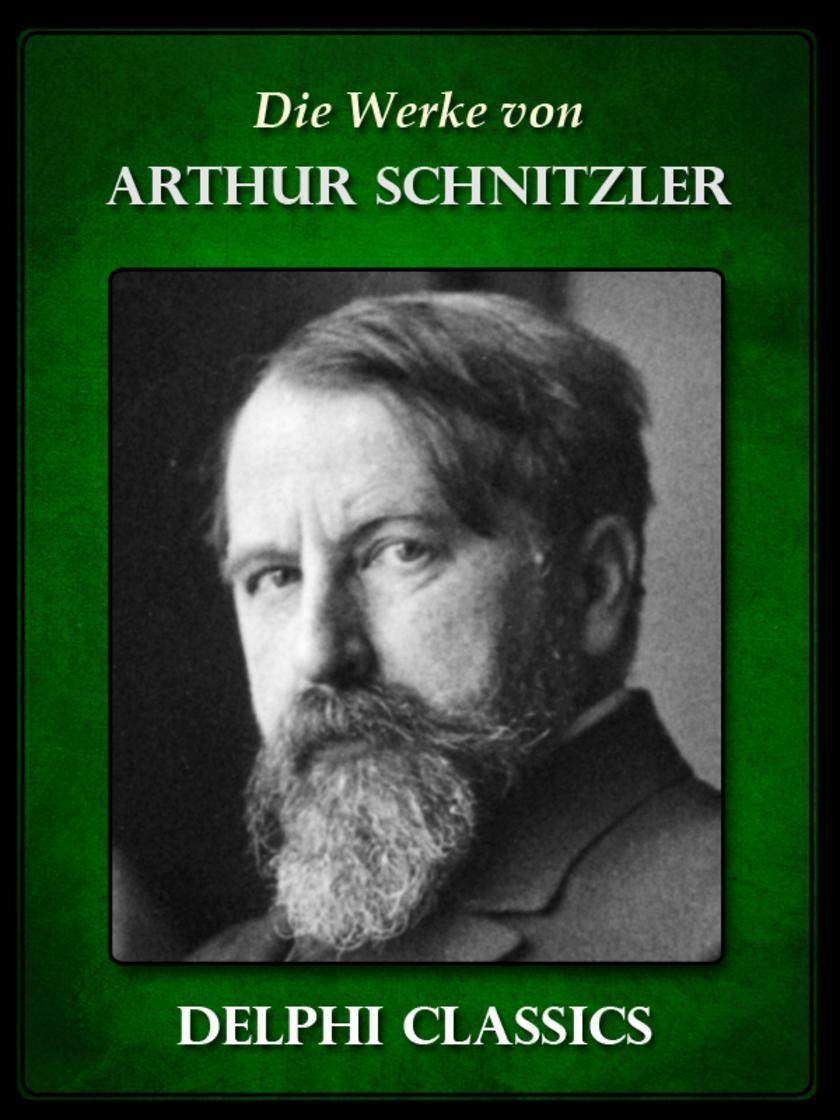
Die Werke von Arthur Schnitzler (Illustrierte)
¥24.44
Arthur Schnitzler gilt als einer der bedeutendsten Vertreter der Wiener Moderne. Diese riesige Sammlung bietet fast s?mtliche Werke dieses berühmten Schriftstellers. (Version 1) * die vollst?ndige Romane und Novellen, mit Inhaltsverzeichnissen * knappe Einleitungen zu den Romanen und anderen Werken * zahlreiche Bilder mit Bezug zu Schnitzler, seinem Leben und seinen Werken * umfasst 22 Theaterstücke * die autobiographischen Werk JUGEND IN WIEN. Erkunden Sie Schnitzlers erstaunliche Leben! * Chronologisch und nach Literaturgattungen geordnete Textreihenfolge, was Ihnen die Steuerung durch Schnitzlers Werke erleichtert. Inhalt: Romane Der Weg ins Freie Therese. Chronik eines Frauenlebens Erz?hlungen und Novellen Dramatische Werke Das M?rchen Anatol Anatols Gr?ssenwahn Liebelei Reigen. Zehn Dialoge Das Verm?chtnis Paracelsus Der grüne Kakadu Die Gef?hrtin Freiwild Der Schleier der Beatrice Lebendige Stunden Die Frau mit dem Dolche Die letzten Masken Literatur Der einsame Weg Zwischenspiel Der Ruf des Lebens Komtesse Mizzi oder der Familientag Das weite Land Professor Bernhardi Marionetten Autobiographisches Jugend in Wien
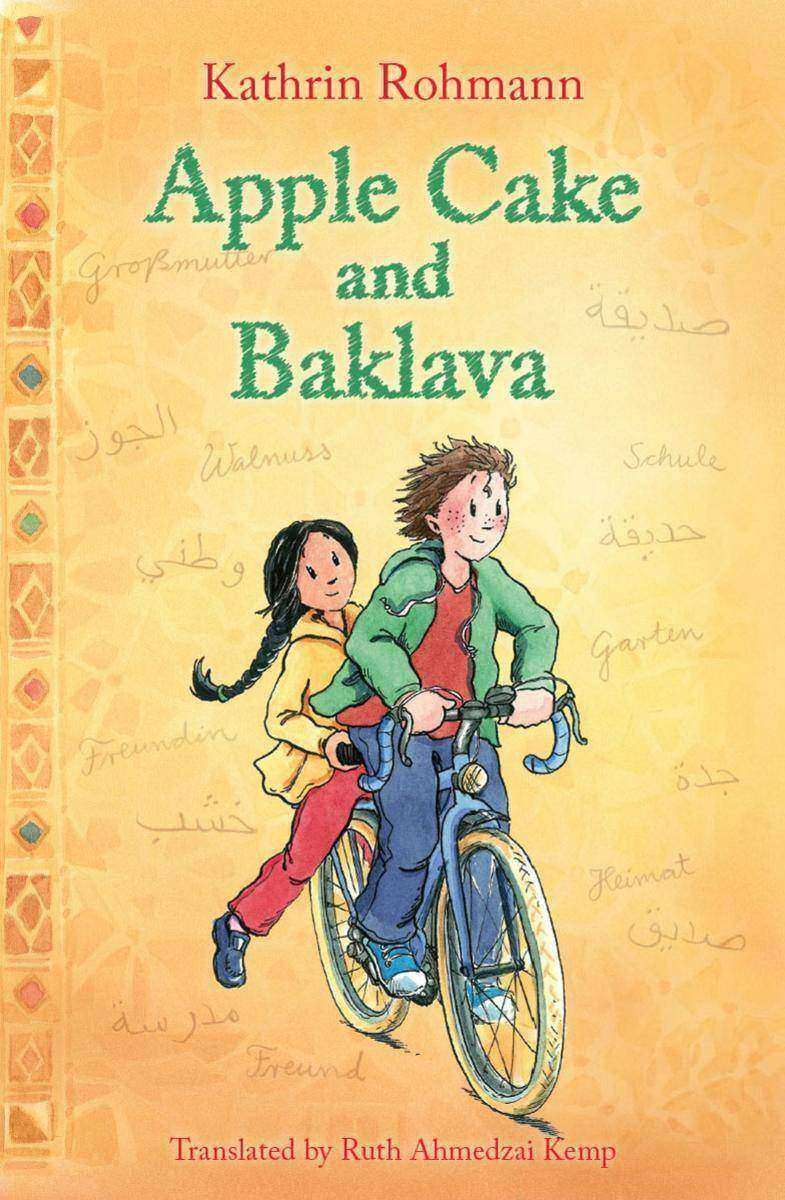
Apple Cake and Baklava
¥65.32
Leila is the new girl in Max’s class in rural Germany, and they soon become close friends. She has fled Syria with her family, having left her beloved grandmother and father behind. Her most cherished object is a walnut from her grandmother’s garden. Max is close to his own grandmother, who is very understanding of Leila’s situation, having fled her home in Pommern as a little girl. Leila is desperately sad when she loses her beloved walnut and, in a failed attempt, sets out to return to Syria. Apple Cake and Baklava is a story about otherness, openness and the willingness to come to know one another. Many children will be aware of the latest surge of refugees and their plight. Leila’s is a sadly universal and timeless story of leaving behind a home country forever. While set in rural Northern Germany, it could equally take place in most European countries. This is an absorbing book for older primary and younger middle-school children, and Franziska Harvey’s lovely black-and-white illustrations – some small, some full page – enrich the story.
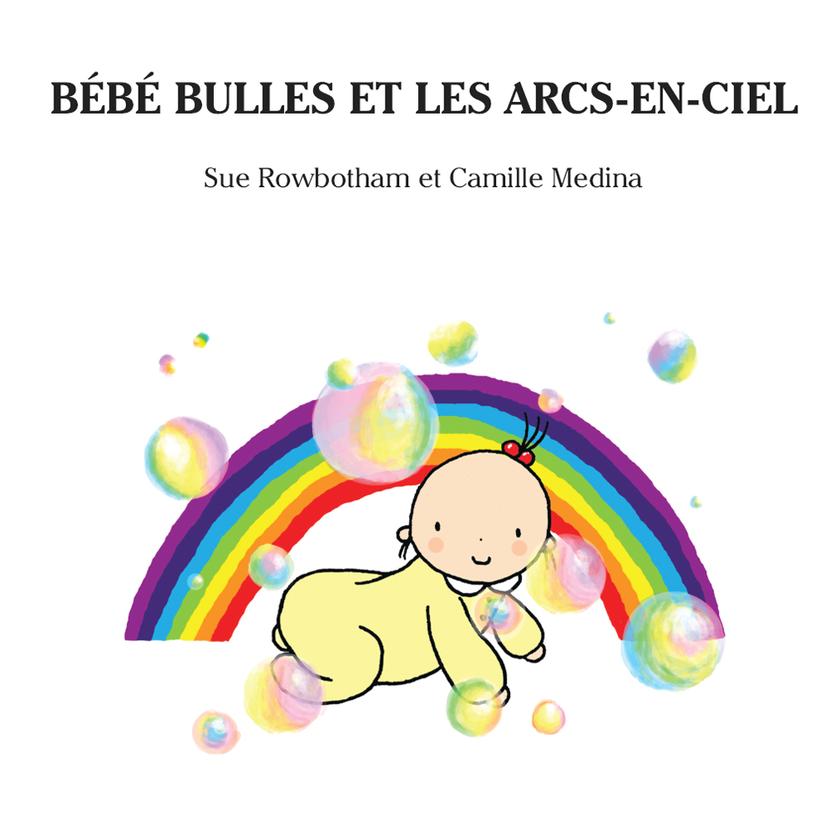
Bebe Bulles Et Les Arcs-En-Ciel
¥31.07
Bébé Bulles aime les arcs-en-ciel. Elle en voit de partout. Et toi, est-ce que toi aussi tu les vois ? Il était une fois une petite fille prénommée Sue, qui aimait jouer avec les mots et raconter des histoires, et qui rêvait de devenir écrivain. Elle grandit et sa vie prit un tout autre chemin, mais elle continua à inventer des histoires pour ses enfants. L’une de ces histoires fut abandonnée dans un tiroir pendant 25 ans. Pendant ce temps, dans une autre partie du monde et plusieurs années plus tard, une autre petite fille du nom de Camille se passionna pour le matériel d’art et de papèterie, le dessin, et les travaux manuels. Quand cette petite fille devint adulte elle décida qu’elle voulait continuer à imaginer et créer, et faire sourire les gens ; elle devint donc illustratrice. Un jour, un peu par hasard les chemins de la conteuse d’histoires et de l’illustratrice se croisèrent, et Bébé Bulles vit le jour. Explorez son univers gai et coloré avec vos tout-petits, et aidez-les à apprendre les couleurs et à trouver des arcs-en-ciel dans toutes sortes de lieux inattendus.

The Darkening
¥84.20
In a world which is full of light, bright and bursting with love, joy, paradise and truth, some choose to hide in the darkness. They prefer to move around in the abyss and to become beasts which terrify the light and devour weak consciences. Some choose to find the one dark part of their soul and to dwell there forever, side by side with blood-soaked apologies which are given to none. They choose the Darkening. IT IS STRICTLY PROHIBITED for this book to be read by anyone suffering from heart conditions, psychological ailments, asthma or ulcers. It is also prohibited to be read by pregnant women and, in general, anyone who is sensitive. If you start to feel unwell, shakiness, heart palpitations, chest pain, nausea, acute pain in the head or eyes, or if you feel yourself losing consciousness or detect bleeding, then you’re on the right path!
The Life and Adventures of Santa Claus by L. Frank Baum - Delphi Classics (Illus
¥8.09
This eBook features the unabridged text of ‘The Life and Adventures of Santa Claus by L. Frank Baum - Delphi Classics (Illustrated)’ from the bestselling edition of ‘The Complete Works of L. Frank Baum’. Having established their name as the leading publisher of classic literature and art, Delphi Classics produce publications that are individually crafted with superior formatting, while introducing many rare texts for the first time in digital print. The Delphi Classics edition of Baum includes original annotations and illustrations relating to the life and works of the author, as well as individual tables of contents, allowing you to navigate eBooks quickly and easily. eBook features: * The complete unabridged text of ‘The Life and Adventures of Santa Claus by L. Frank Baum - Delphi Classics (Illustrated)’ * Beautifully illustrated with images related to Baum’s works * Individual contents table, allowing easy navigation around the eBook * Excellent formatting of the text Please visit www.delphiclassics.com to learn more about our wide range of titles
Annabel, a Novel for Young Folk by L. Frank Baum - Delphi Classics (Illustrated)
¥8.09
This eBook features the unabridged text of ‘Annabel, a Novel for Young Folk by L. Frank Baum - Delphi Classics (Illustrated)’ from the bestselling edition of ‘The Complete Works of L. Frank Baum’. Having established their name as the leading publisher of classic literature and art, Delphi Classics produce publications that are individually crafted with superior formatting, while introducing many rare texts for the first time in digital print. The Delphi Classics edition of Baum includes original annotations and illustrations relating to the life and works of the author, as well as individual tables of contents, allowing you to navigate eBooks quickly and easily. eBook features: * The complete unabridged text of ‘Annabel, a Novel for Young Folk by L. Frank Baum - Delphi Classics (Illustrated)’ * Beautifully illustrated with images related to Baum’s works * Individual contents table, allowing easy navigation around the eBook * Excellent formatting of the text Please visit www.delphiclassics.com to learn more about our wide range of titles
Cleopatra by H. Rider Haggard - Delphi Classics (Illustrated)
¥8.09
This eBook features the unabridged text of ‘Cleopatra by H. Rider Haggard - Delphi Classics (Illustrated)’ from the bestselling edition of ‘The Complete Works of H. Rider Haggard’. Having established their name as the leading publisher of classic literature and art, Delphi Classics produce publications that are individually crafted with superior formatting, while introducing many rare texts for the first time in digital print. The Delphi Classics edition of Haggard includes original annotations and illustrations relating to the life and works of the author, as well as individual tables of contents, allowing you to navigate eBooks quickly and easily. eBook features: * The complete unabridged text of ‘Cleopatra by H. Rider Haggard - Delphi Classics (Illustrated)’ * Beautifully illustrated with images related to Haggard’s works * Individual contents table, allowing easy navigation around the eBook * Excellent formatting of the text Please visit www.delphiclassics.com to learn more about our wide range of titles
The Thirty-Nine Steps by John Buchan - Delphi Classics (Illustrated)
¥8.09
This eBook features the unabridged text of ‘The Thirty-Nine Steps by John Buchan - Delphi Classics (Illustrated)’ from the bestselling edition of ‘The Complete Works of John Buchan’. Having established their name as the leading publisher of classic literature and art, Delphi Classics produce publications that are individually crafted with superior formatting, while introducing many rare texts for the first time in digital print. The Delphi Classics edition of Buchan includes original annotations and illustrations relating to the life and works of the author, as well as individual tables of contents, allowing you to navigate eBooks quickly and easily. eBook features: * The complete unabridged text of ‘The Thirty-Nine Steps by John Buchan - Delphi Classics (Illustrated)’ * Beautifully illustrated with images related to Buchan’s works * Individual contents table, allowing easy navigation around the eBook * Excellent formatting of the text Please visit www.delphiclassics.com to learn more about our wide range of titles

Hard Times: - play adaptation
¥38.62
Brilliant adaptation of Charles Dickens biting novel H ard Times . Dominated by Gradgrind and Bounderby, Coketown’s prosperity is built on the cotton mills where thousands of men and women slave away for long hours and little pay. Gradgrind’s obsession with material progress damages his children Louisa and Tom, leading to scandal and disaster. ‘Hard Times’ celebrates the importance of the human heart in an age obsessed with materialism. Circus, music, and dark comedy all go into the rich mix of this truly Dickensian theatrical tale. Charles Way has written over 50 plays, specializing in writing for children, young people and family audiences. His plays are performed worldwide. He has won several major awards - A Spell of Cold Weather won the Writers Guild best children's play award in 2001 and in 2004 his play Red Red Shoes won the English Arts Council best children's play award. In Germany, his play Missing won the Children's Theatre prize and in the USA? he was nominated for a Helen Hayes Award. He was commissioned by the National Theatre to write Alice In The News , which children all over Britain have performed. He has also written many plays for radio, and a TV poem for BBC 2, No Borders , set in the Welsh borders, where he lives and has spent most of his creative life. ? " A stellar adaptation by Charles Way, moving, thoughtful and wonderfully drawn’.??????????????????????? What’s on Stage ***** ‘Way gives real depth to characters, replaces Dickens’ sentimentality with warmth and his censoriousness with moral indignation’. ?????????????????????????? The Independent ***** ‘daringly restructures Dickens’ plot, yet sticks to the motto of his lisping ringmaster Mr Sleary: “People mutht be amuthed.”’ ????????????????????????????????????????????The Observer ?

The Magic of Oz by L. Frank Baum - Delphi Classics (Illustrated)
¥8.09
This eBook features the unabridged text of ‘The Magic of Oz by L. Frank Baum - Delphi Classics (Illustrated)’ from the bestselling edition of ‘The Complete Works of L. Frank Baum’. Having established their name as the leading publisher of classic literature and art, Delphi Classics produce publications that are individually crafted with superior formatting, while introducing many rare texts for the first time in digital print. The Delphi Classics edition of Baum includes original annotations and illustrations relating to the life and works of the author, as well as individual tables of contents, allowing you to navigate eBooks quickly and easily. eBook features: * The complete unabridged text of ‘The Magic of Oz by L. Frank Baum - Delphi Classics (Illustrated)’ * Beautifully illustrated with images related to Baum’s works * Individual contents table, allowing easy navigation around the eBook * Excellent formatting of the text Please visit www.delphiclassics.com to learn more about our wide range of titles
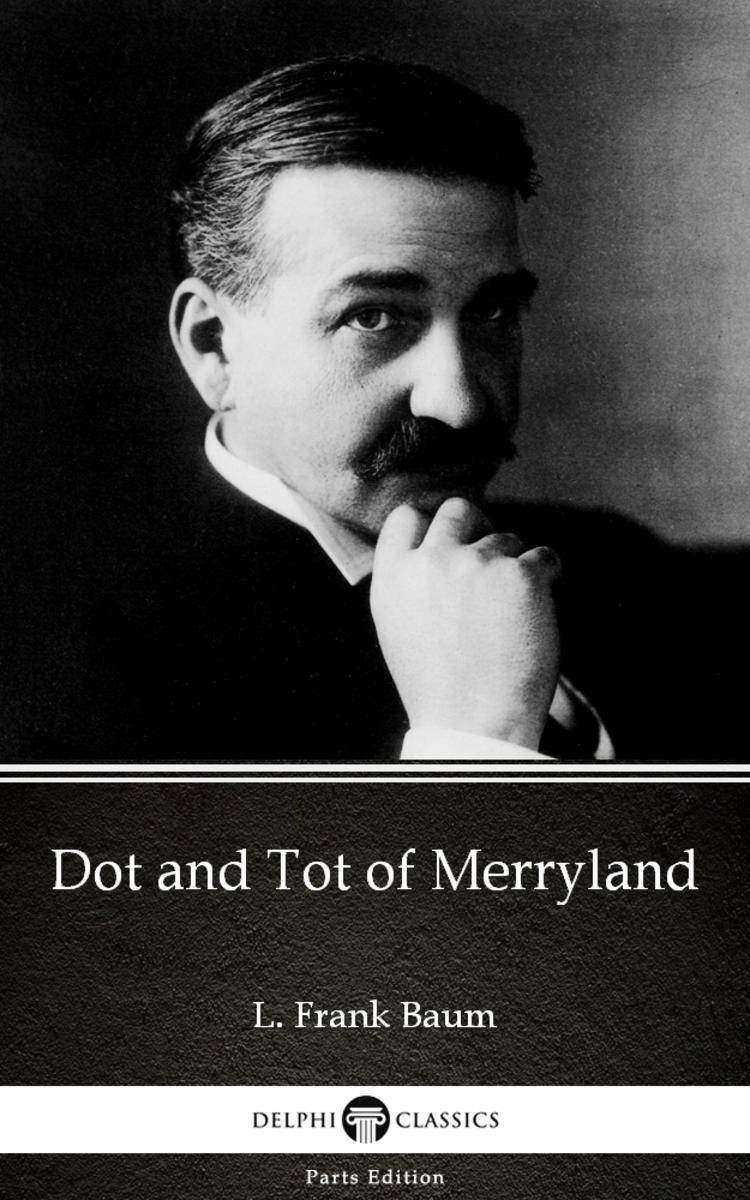
Dot and Tot of Merryland by L. Frank Baum - Delphi Classics (Illustrated)
¥8.09
This eBook features the unabridged text of ‘Dot and Tot of Merryland by L. Frank Baum - Delphi Classics (Illustrated)’ from the bestselling edition of ‘The Complete Works of L. Frank Baum’. Having established their name as the leading publisher of classic literature and art, Delphi Classics produce publications that are individually crafted with superior formatting, while introducing many rare texts for the first time in digital print. The Delphi Classics edition of Baum includes original annotations and illustrations relating to the life and works of the author, as well as individual tables of contents, allowing you to navigate eBooks quickly and easily. eBook features: * The complete unabridged text of ‘Dot and Tot of Merryland by L. Frank Baum - Delphi Classics (Illustrated)’ * Beautifully illustrated with images related to Baum’s works * Individual contents table, allowing easy navigation around the eBook * Excellent formatting of the text Please visit www.delphiclassics.com to learn more about our wide range of titles
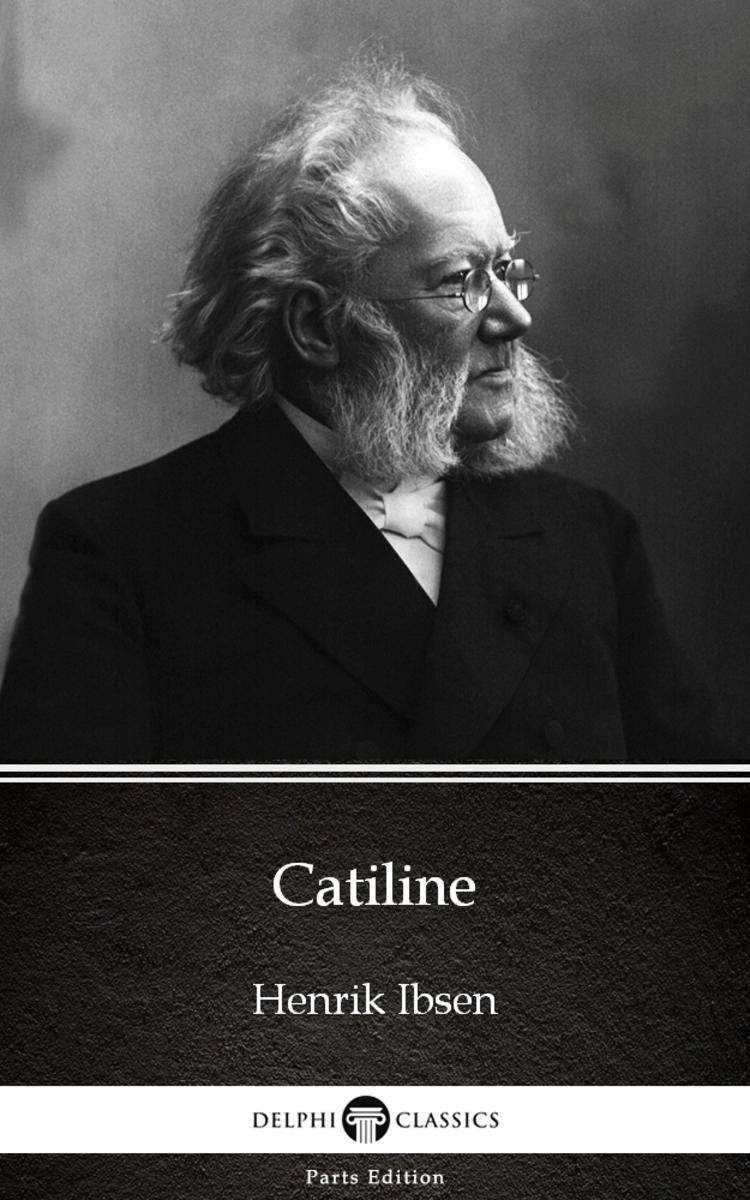
Catiline by Henrik Ibsen - Delphi Classics (Illustrated)
¥8.09
This eBook features the unabridged text of ‘Catiline by Henrik Ibsen - Delphi Classics (Illustrated)’ from the bestselling edition of ‘The Complete Works of Henrik Ibsen’. Having established their name as the leading publisher of classic literature and art, Delphi Classics produce publications that are individually crafted with superior formatting, while introducing many rare texts for the first time in digital print. The Delphi Classics edition of Ibsen includes original annotations and illustrations relating to the life and works of the author, as well as individual tables of contents, allowing you to navigate eBooks quickly and easily. eBook features: * The complete unabridged text of ‘Catiline by Henrik Ibsen - Delphi Classics (Illustrated)’ * Beautifully illustrated with images related to Ibsen’s works * Individual contents table, allowing easy navigation around the eBook * Excellent formatting of the text Please visit www.delphiclassics.com to learn more about our wide range of titles

Architecture of the Lower Rio Grande Valley: An Introduction
¥163.42
Architecture of the Lower Rio Grande Valley: An Introduction
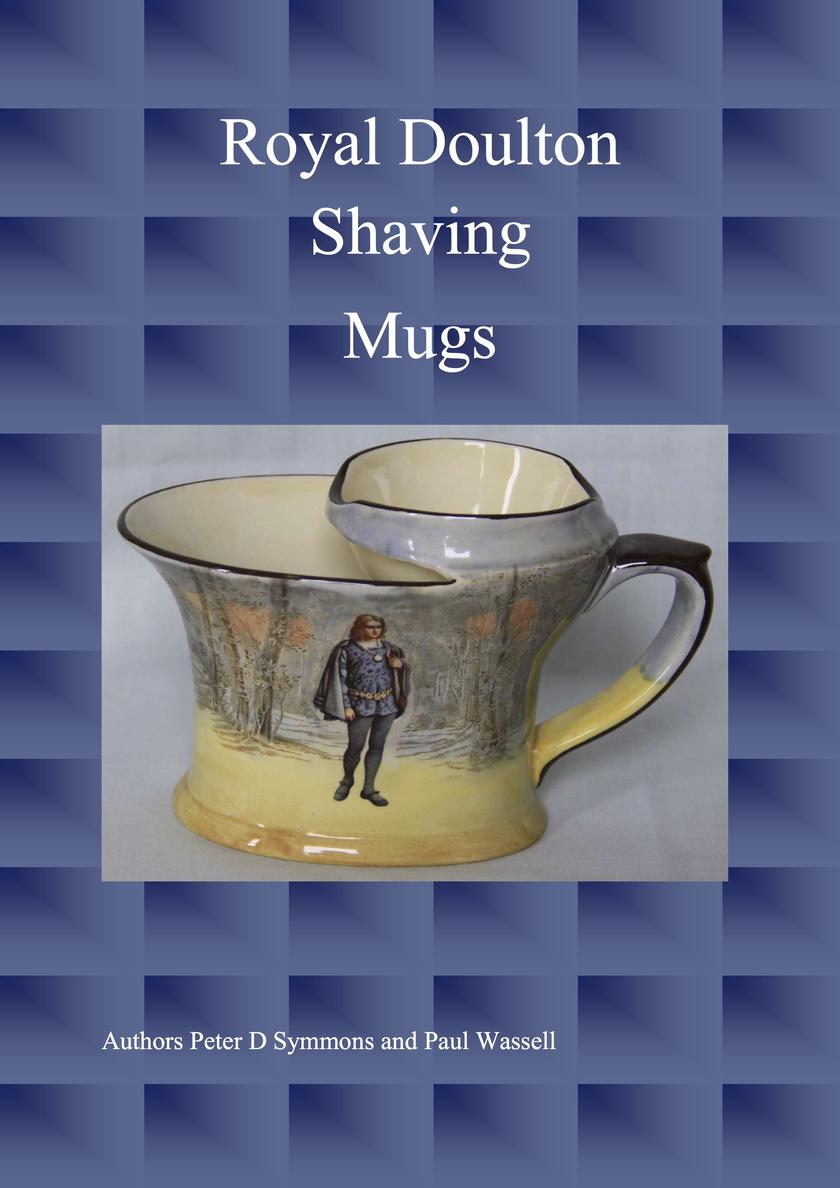
Royal Doulton Shaving Mugs
¥31.07
Royal Doulton Shaving Mugs

?airlerin en güzel s?zleri
¥2.65
airlerin en güzel szleri


