


 购物车
购物车 个人中心
个人中心
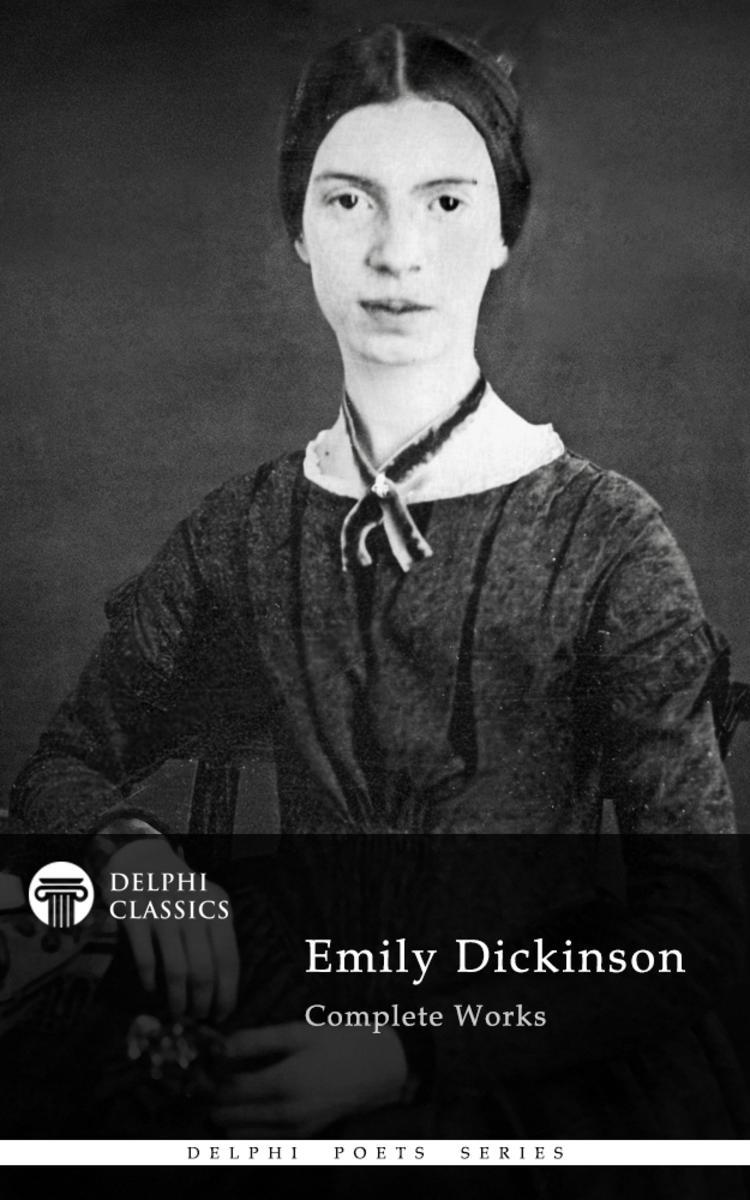
Delphi Complete Works of Emily Dickinson (Illustrated)
¥16.27
This is the second volume of a new series of publications by Delphi Classics, the best-selling publisher of classical works. Many poetry collections are often poorly formatted and difficult to read on eReaders. The Delphi Poets Series offers readers the works of literature’s finest poets, with superior formatting. This volume presents the complete poetical works of Emily Dickinson, with beautiful illustrations and the usual Delphi bonus material. (Version: 1) * Beautifully illustrated with images relating to Dickinson’s life and works * Concise introductions to the poetry and other works * For the first time in digital print, all 1775 poems by Dickinson * Images of how the poetry books were first printed, giving your eReader a taste of the original texts * Excellent formatting of the poems * Special chronological and alphabetical contents tables for the poetry * Easily locate the poems you want to read * Includes Dickinson’s letters – spend hours exploring the poet’s literary life * Scholarly ordering of texts into chronological order and literary genres CONTENTS: The Poetry Collections POEMS : SERIES ONE POEMS : SERIES TWO POEMS : SERIES THREE The Poems THE COMPLETE 1775 POEMS LIST OF POEMS IN CHRONOLOGICAL ORDER LIST OF POEMS IN ALPHABETICAL ORDER The Letters THE LETTERS OF EMILY DICKINSON Please visit www.delphiclassics.com to browse through our range of exciting titles
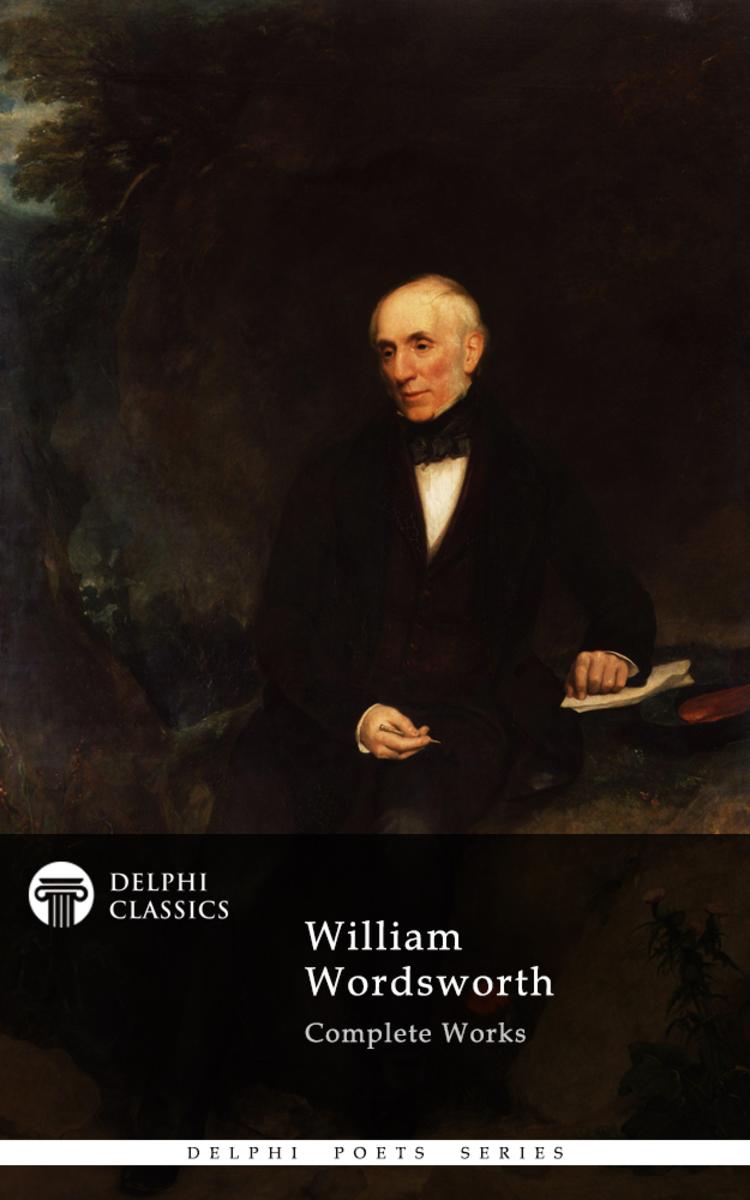
Delphi Complete Works of William Wordsworth (Illustrated)
¥16.27
The Delphi Poets Series offers readers the works of literature's finest poets, with superior formatting. This volume presents the complete works of William Wordsworth, one of the most celebrated poets of all time, enhanced with beautiful illustrations and the usual Delphi bonus material. (8MB Version 1) Please visit www.delphiclassics.com to browse through our range of exciting titles * Beautifully illustrated with images relating to Wordsworth's life and works * Concise introductions to the poetry collections and other works * Images of how the poetry books were first printed, giving your eReader a taste of the original texts * All versions of the famous 'Lyrical Ballads', including all of Coleridge's contributions * Excellent formatting of over 950 poems * Special chronological and alphabetical contents tables for the poetry * Easily locate the poems you want to read * The complete prose works, will fully working contents tables * Includes Dorothy Wordsworth's famous travel writing book - spend hours exploring Wordsworth's adventures with his sister and Coleridge * Features F. W. H. Myers's famous and detailed biography - discover Wordsworth's literary life * Scholarly ordering of texts into chronological order and literary genres

The Darkening
¥84.20
In a world which is full of light, bright and bursting with love, joy, paradise and truth, some choose to hide in the darkness. They prefer to move around in the abyss and to become beasts which terrify the light and devour weak consciences. Some choose to find the one dark part of their soul and to dwell there forever, side by side with blood-soaked apologies which are given to none. They choose the Darkening. IT IS STRICTLY PROHIBITED for this book to be read by anyone suffering from heart conditions, psychological ailments, asthma or ulcers. It is also prohibited to be read by pregnant women and, in general, anyone who is sensitive. If you start to feel unwell, shakiness, heart palpitations, chest pain, nausea, acute pain in the head or eyes, or if you feel yourself losing consciousness or detect bleeding, then you’re on the right path!
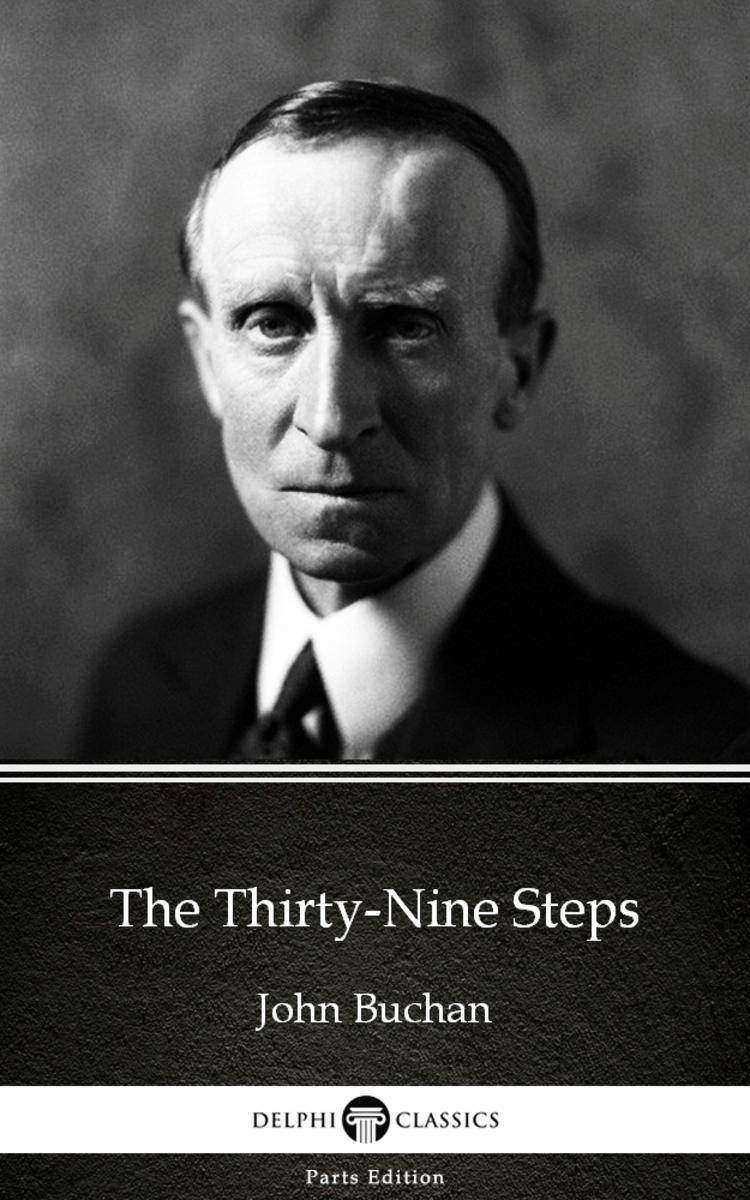
The Thirty-Nine Steps by John Buchan - Delphi Classics (Illustrated)
¥8.09
This eBook features the unabridged text of ‘The Thirty-Nine Steps by John Buchan - Delphi Classics (Illustrated)’ from the bestselling edition of ‘The Complete Works of John Buchan’. Having established their name as the leading publisher of classic literature and art, Delphi Classics produce publications that are individually crafted with superior formatting, while introducing many rare texts for the first time in digital print. The Delphi Classics edition of Buchan includes original annotations and illustrations relating to the life and works of the author, as well as individual tables of contents, allowing you to navigate eBooks quickly and easily. eBook features: * The complete unabridged text of ‘The Thirty-Nine Steps by John Buchan - Delphi Classics (Illustrated)’ * Beautifully illustrated with images related to Buchan’s works * Individual contents table, allowing easy navigation around the eBook * Excellent formatting of the text Please visit www.delphiclassics.com to learn more about our wide range of titles
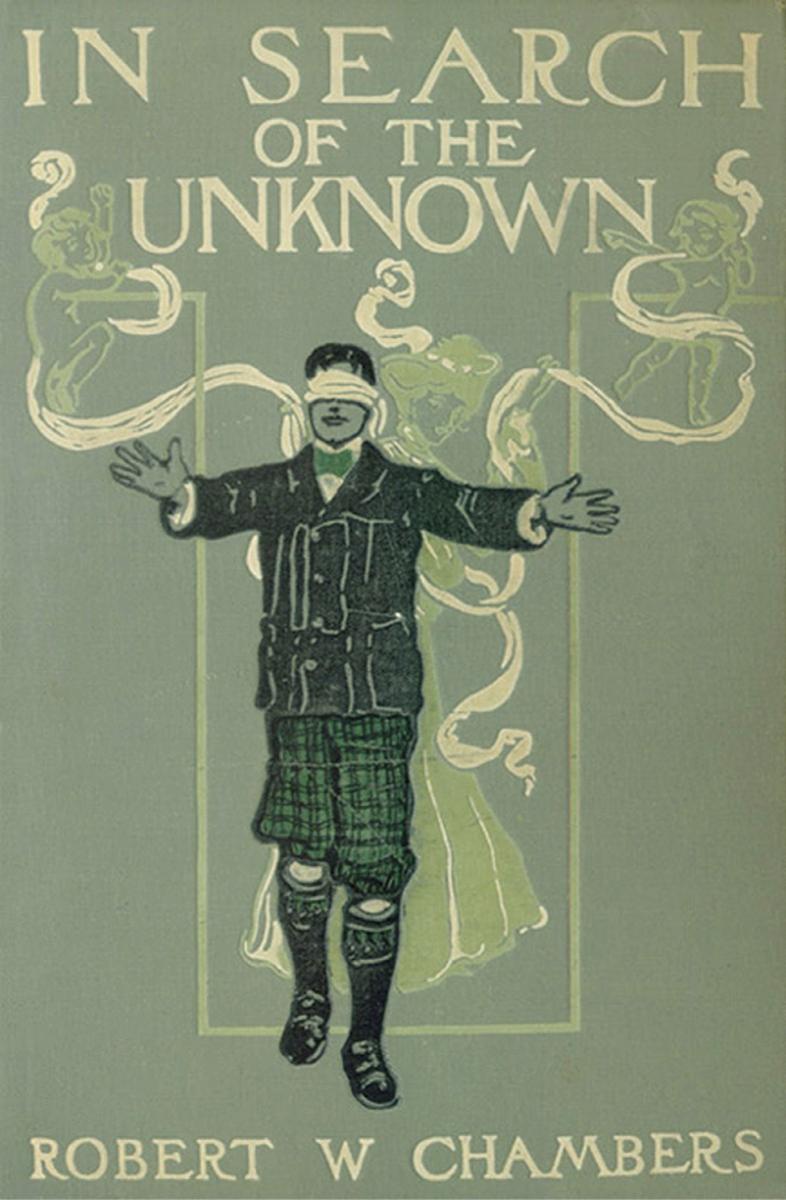
In Search of the Unknown
¥40.79
Our narrator is hired by the New York Zoological Society to assist a professor who is in charge of their gardens and exhibits. He embarks on his search for a Great Auk, a species that was extinct for fifty or so years.
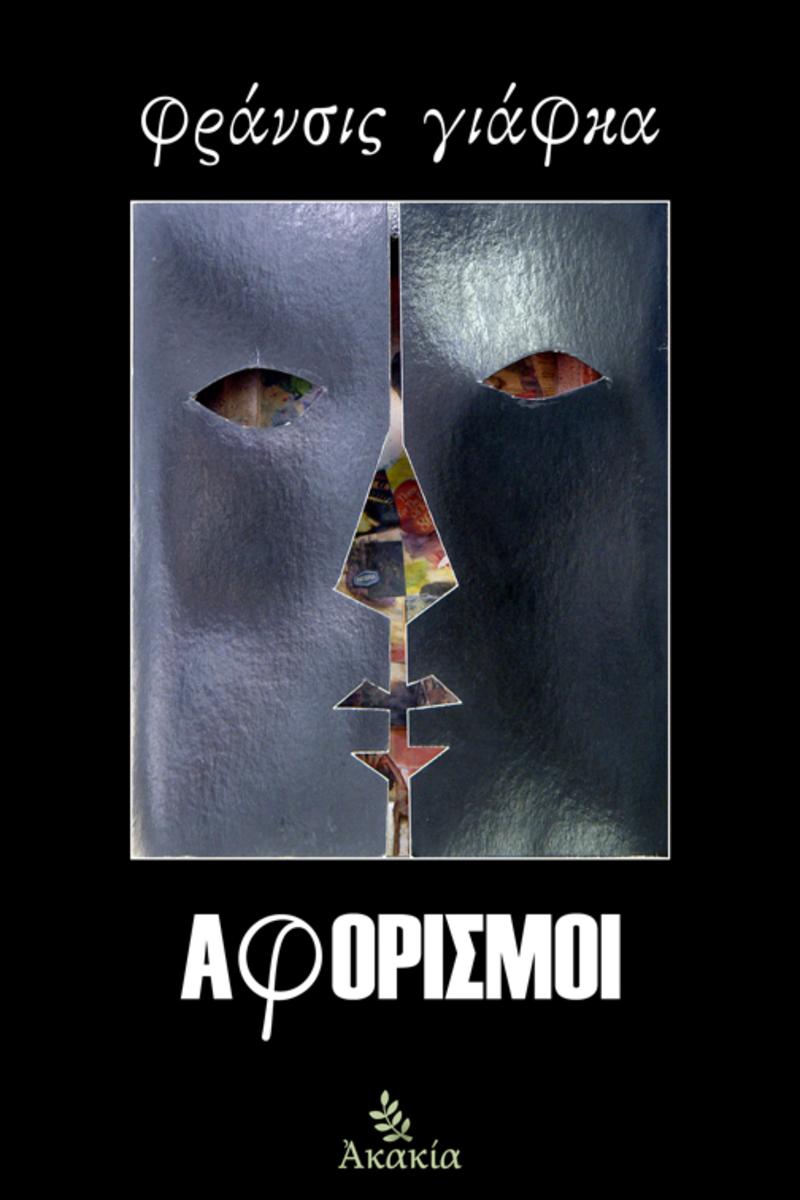
Αφορισμο?
¥31.56
Το ?χουμε ξεπερ?σει, πλ?ον, το προπατορικ? αμ?ρτημα... δεν πα?ρνουμε το ρ?λο ο?τε τη? Ε?α?, ο?τε του Αδ?μ... αλλ? του φιδιο?! ?να βιβλ?ο γεμ?το απ? σκ?ψει? και σχ?δια τη? Φρ?νσι? Γι?φκα!

The Burglar's Christmas
¥40.79
A beautiful Christmas story of love, forgiveness and uneasy life. Set in Chicago on a bitterly cold Christmas night, William, considers stealing both to satisfy his hunger and to find excitement in his dull life, but when a woman drops a parcel he gives it to her instead of running off with it. He feels as if he is a failed thief, in the same manner as he has failed at everything - college, journalism, real estate, performing. He then walks into a house in an attempt to steal the jewellery, and his own mother finds him there.
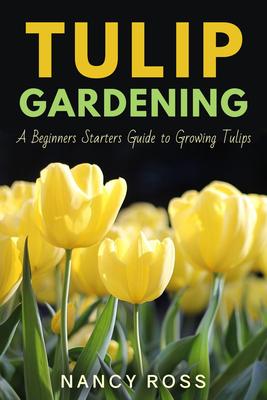
Tulip Gardening:A Beginners Starters Guide to Growing Tulips
¥38.62
WANT TO LEARN THE INS AND OUTS OF TULIP GARDENING FOR BEGINNERS? Here Is A Preview Of What You'll Learn... The Planning and Preparation Plant the Tulip Bulbs Caring for the Tulips Planting Your Tulips in a Pot Providing the Right Amount of Water to Your Tulips Providing the Right Sunlight for Tulips to Grow Working with Multi-Headed Tulips Much, Much, More!

No Name
¥40.79
The two sisters Norah and Magdalen live in peace and contentment, looked after by their governess, Miss Garth. Magdalen likes nothing better than to read at her window while her personal maid combs through and through her long hair. She finds herself a talented actress and falls in love with Frank Clare, the good for nothing but handsome son of a neighbour, whom she entices into the play. And then the sisters experience sudden death of their parents leaving them with no property, no rights and no name as a result of a legal defect with their inheritance.
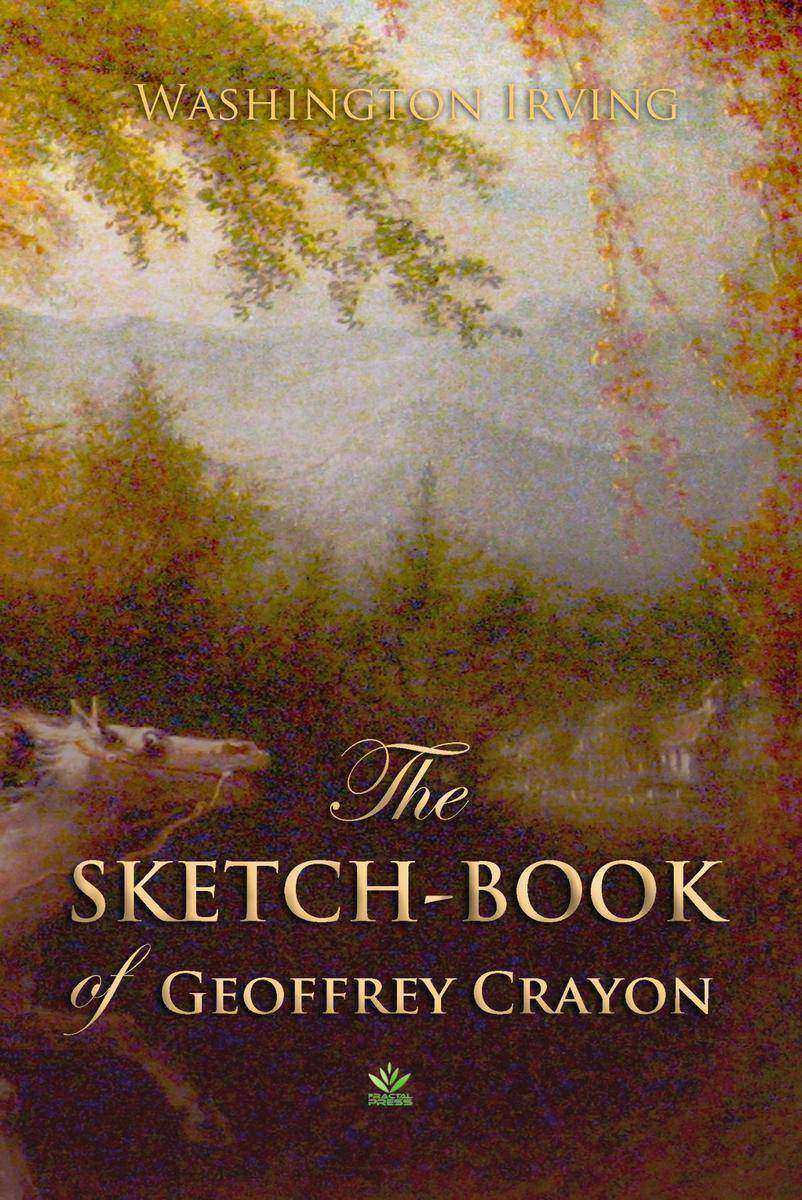
The Sketch-Book of Geoffrey Crayon
¥40.79
A collection of stories and legends written by Washington Irving. Apart from Rip Van Winkle and The Legend of Sleepy Hollow which made both Irving and The Sketch Book famous , the other tales include Roscoe, The Broken Heart, A Royal Poet, The Spectre Bridegroom, Westminster Abbey, Little Britain, and others. The book also marks Irving's first use of the pseudonym Geoffrey Crayon.
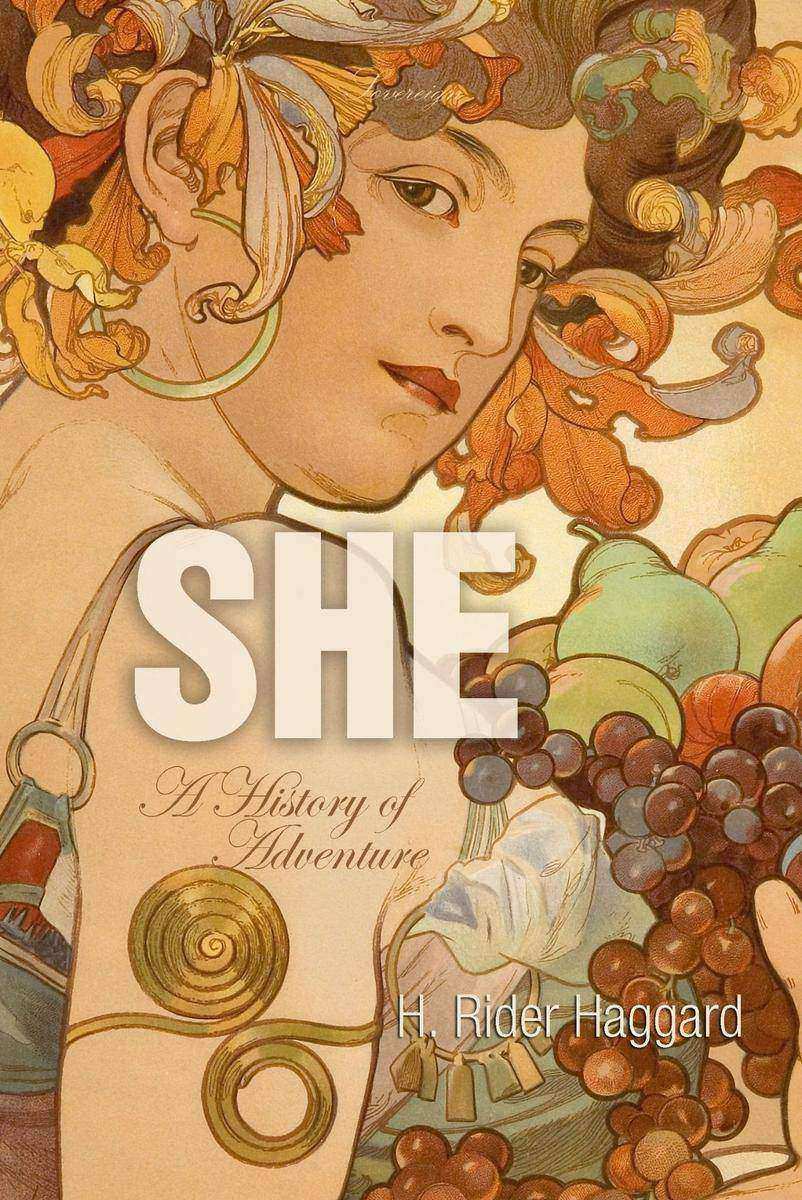
She: A History of Adventure
¥40.79
A young Cambridge University professor, Horace Holly, is visited by a colleague, Vincey, who reveals that he will soon die and proceeds to tell Holly a fantastical tale of his family heritage. He charges Holly with the task of raising his young son, Leo and gives Holly a locked iron box, with instructions that it is not to be opened until Leo turns 25.
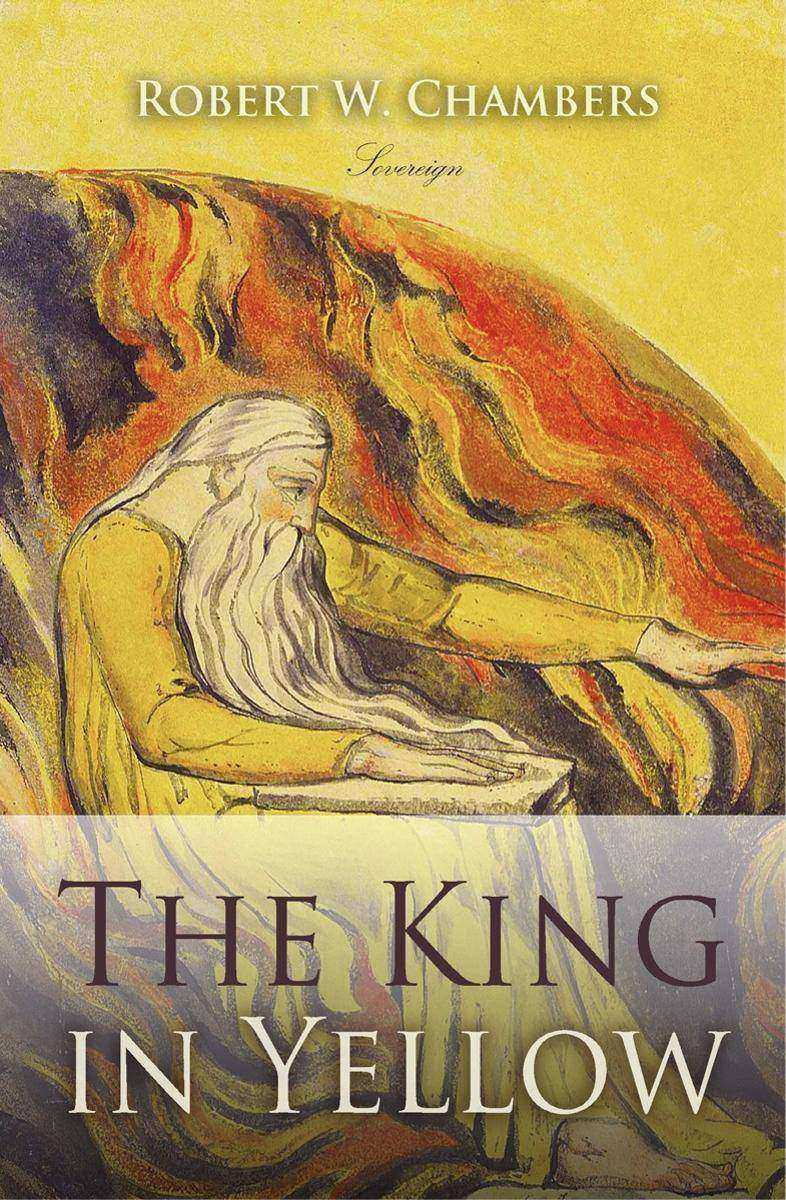
The King in Yellow
¥40.79
The King in Yellow is a book of mysteries and supernatural stories by American writer Robert W. Chambers. The stories inspired production of the new hit HBO series True Detective. There are ten stories, the first four of which, The Repairer of Reputations, The Mask, In the Court of the Dragon, and The Yellow Sign, mention The King in Yellow, a forbidden play which induces despair or madness in those who read it.
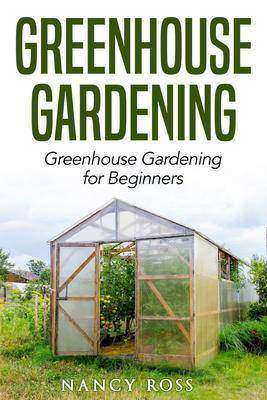
Greenhouse Gardening:Greenhouse Gardening for Beginners
¥38.62
WANT TO LEARN THE INS AND OUTS OF GREENHOUSE GARDENING? Here Is A Preview Of What You'll Learn... Setting Up a Greenhouse Garden Growing Plants in Your Greenhouse Ways to Control the Climate in the Greenhouse Some of the Best Planting Methods in the Greenhouse How to Get Rid of the Pests Much, Much, More!
The Life and Adventures of Santa Claus by L. Frank Baum - Delphi Classics (Illus
¥8.09
This eBook features the unabridged text of ‘The Life and Adventures of Santa Claus by L. Frank Baum - Delphi Classics (Illustrated)’ from the bestselling edition of ‘The Complete Works of L. Frank Baum’. Having established their name as the leading publisher of classic literature and art, Delphi Classics produce publications that are individually crafted with superior formatting, while introducing many rare texts for the first time in digital print. The Delphi Classics edition of Baum includes original annotations and illustrations relating to the life and works of the author, as well as individual tables of contents, allowing you to navigate eBooks quickly and easily. eBook features: * The complete unabridged text of ‘The Life and Adventures of Santa Claus by L. Frank Baum - Delphi Classics (Illustrated)’ * Beautifully illustrated with images related to Baum’s works * Individual contents table, allowing easy navigation around the eBook * Excellent formatting of the text Please visit www.delphiclassics.com to learn more about our wide range of titles

Annabel, a Novel for Young Folk by L. Frank Baum - Delphi Classics (Illustrated)
¥8.09
This eBook features the unabridged text of ‘Annabel, a Novel for Young Folk by L. Frank Baum - Delphi Classics (Illustrated)’ from the bestselling edition of ‘The Complete Works of L. Frank Baum’. Having established their name as the leading publisher of classic literature and art, Delphi Classics produce publications that are individually crafted with superior formatting, while introducing many rare texts for the first time in digital print. The Delphi Classics edition of Baum includes original annotations and illustrations relating to the life and works of the author, as well as individual tables of contents, allowing you to navigate eBooks quickly and easily. eBook features: * The complete unabridged text of ‘Annabel, a Novel for Young Folk by L. Frank Baum - Delphi Classics (Illustrated)’ * Beautifully illustrated with images related to Baum’s works * Individual contents table, allowing easy navigation around the eBook * Excellent formatting of the text Please visit www.delphiclassics.com to learn more about our wide range of titles
Cleopatra by H. Rider Haggard - Delphi Classics (Illustrated)
¥8.09
This eBook features the unabridged text of ‘Cleopatra by H. Rider Haggard - Delphi Classics (Illustrated)’ from the bestselling edition of ‘The Complete Works of H. Rider Haggard’. Having established their name as the leading publisher of classic literature and art, Delphi Classics produce publications that are individually crafted with superior formatting, while introducing many rare texts for the first time in digital print. The Delphi Classics edition of Haggard includes original annotations and illustrations relating to the life and works of the author, as well as individual tables of contents, allowing you to navigate eBooks quickly and easily. eBook features: * The complete unabridged text of ‘Cleopatra by H. Rider Haggard - Delphi Classics (Illustrated)’ * Beautifully illustrated with images related to Haggard’s works * Individual contents table, allowing easy navigation around the eBook * Excellent formatting of the text Please visit www.delphiclassics.com to learn more about our wide range of titles
Kipling & Trix
¥40.79
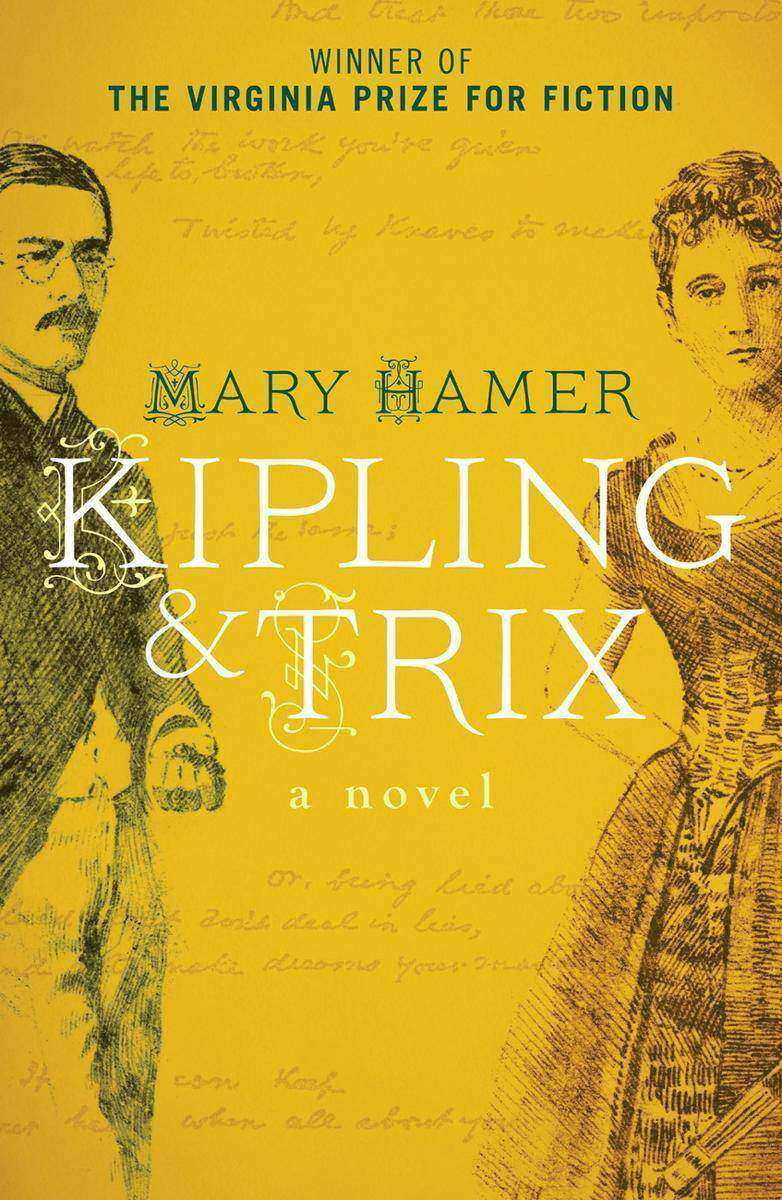
As young children, Rudyard and his sister ‘Trix’ flourished in the brilliant warmth and colour of India. Their happiness ended abruptly when they were sent back to England to live with a strict and god-fearing foster family. Both became writers, although one lived in the shadow of the other’s extraordinary success. The name Rudyard Kipling is known to millions, but what became of his talented younger sister? She was careful to hide her secret life even from those closest to her. Mary Hamer’s fascinating novel brings both Kipling and Trix vividly to life. In this fictionalised account of their lives, she goes to the heart of the relationship between a difficult brother and his troubled sister. Hamer peels back the historical record to reveal the obsessions which fuelled Kipling and his sister. Was he really better equipped to deal with conflict, heartbreak and loss than his beloved Trix?

The Divided Laing: Or The Two Ronnies
¥38.62
London 1970: Experimental psychiatrist R.D. Laing is facing eviction from his pioneering asylum in the East End’s Kingsley Hall. Local residents are up in arms – and to make matters worse, Ronnie’s revolutionary colleague David Cooper is flipping out on the roof… With his personal life going down the pan and his mental state heading the same way, Ronnie takes an acid trip to the future. His mission is to save his therapeutic collective The Philadelphia Association and secure his professional legacy. Will it be a one-way ticket to madness – or can breakdown sometimes mean breakthrough?

Who Do We Think We Are?
¥38.62
A kaleidoscope of stories about war, displacement, revolution and liberation taking us on an emotional journey across three continents. Based on the actors’ personal and family experiences, the stories interweave and overlap, exploring moments of joy, sadness and laughter set against key historical events over the last hundred years. Poignant, moving, funny, inspiring, this is the first piece of work created by the Visible Ensemble, dedicated to putting older performers and their rich lives centre stage.
The Old Ways
¥32.62
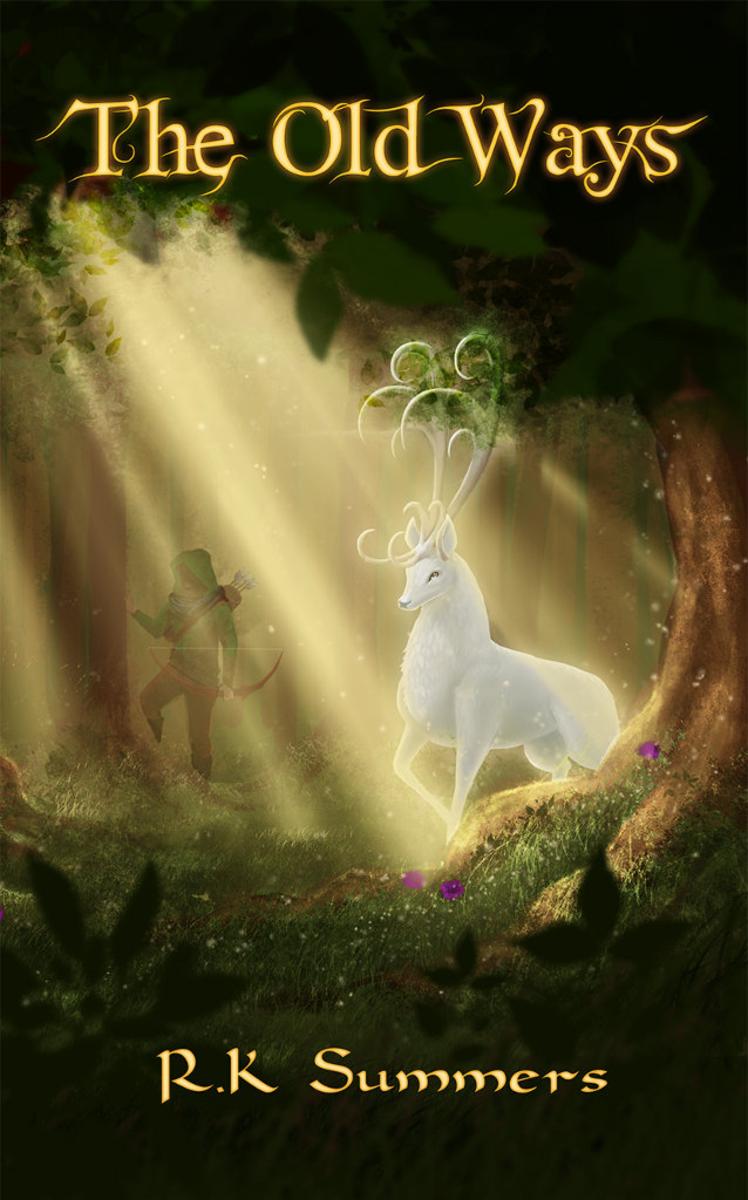
Something snapped. He let the arrow fly. The night Thomas Rhymer’s young sister is stolen away by shadows and smoke, he discovers there’s more to life than the fields and forests he knows so well. If he has any hope of rescuing Alissa, he must first cross into a realm where magic is lifeblood, and where shadows dance with dragonfire. With the help of the seelie faery Thistledown, Thomas embarks on a treacherous quest, deep into the heart of war-raved Albion. But getting his sister back means pledging aid to Mab, the usurped Queen of the Old Ways, against the tyranny of the Dark Prince. Yet danger and deceit lie around every corner, and some secrets are better left untold.

Delphi Complete Works of Joseph Conrad (Illustrated)
¥24.44
Widely regarded as one of the greatest writers of the twentieth century, Joseph Conrad is celebrated as a forerunner of modernist fiction, whose innovative narrative style and anti-heroes had a significant influence on the course of English literature. This comprehensive eBook presents the only complete works of Joseph Conrad in digital format, with numerous illustrations, rare texts appearing for the first time, informative introductions and the usual Delphi bonus material. (Version 1) * Beautifully illustrated with images relating to Conrad's life and works * Concise introductions to the novels and other texts * ALL 19 novels, with individual contents tables * Images of how the books were first printed, giving your eReader a taste of the original texts * Excellent formatting of the texts * All of the collaborative works with Ford Madox Ford * Includes the rare unfinished novel SUSPENSE, available in no other collection * Special chronological ordering of the short stories * Easily locate the short stories you want to read * Includes Conrad's essays - spend hours exploring the author’s critical works * The complete memoirs - explore the author’s life in detail * Special criticism section, with 11 essays by critics such as Virginia Woolf, Henry James and John Galsworthy evaluating Conrad’s contribution to literature * Scholarly ordering of texts into chronological order and literary genres * UPDATED with new introductions, new formatting of ALL the texts and corrections Please visit www.delphiclassics.com to browse through our range of exciting titles CONTENTS: The Novels and Novellas ALMAYER’S FOLLY AN OUTCAST OF THE ISLANDS THE NIGGER OF THE NARCISSUS LORD JIM THE INHERITORS TYPHOON HEART OF DARKNESS ROMANCE NOSTROMO THE SECRET AGENT UNDER WESTERN EYES CHANCE VICTORY THE SHADOW-LINE THE ARROW OF GOLD THE RESCUE THE NATURE OF A CRIME THE ROVER SUSPENSE The Short Stories THE BLACK MATE THE IDIOTS THE LAGOON AN OUTPOST OF PROGRESS THE RETURN KARAIN: A MEMORY YOUTH FALK AMY FOSTER TO-MORROW THE END OF THE TETHER GASPAR RUIZ THE INFORMER THE BRUTE AN ANARCHIST THE DUEL IL CONDE A SMILE OF FORTUNE THE SECRET SHARER FREYA OF THE SEVEN ISLES PRINCE ROMAN THE PLANTER OF MALATA THE PARTNER THE INN OF THE TWO WITCHES BECAUSE OF THE DOLLARS THE WARRIOR’S SOUL THE TALE The Essays NOTES ON LIFE AND LETTERS LAST ESSAYS The Memoirs THE MIRROR OF THE SEA A PERSONAL RECORD The Criticism JOSEPH CONRAD by Virginia Woolf MR. CONRAD: A CONVERSATION by Virginia Woolf Extract from ‘ENGLISH PROSE’ by Virginia Woolf Extract from ‘THE NEW NOVEL: 1914’ by Henry James TRIBUTES TO CONRAD by John Galsworthy REMINISCENCES OF CONRAD by John Galsworthy EXTRACT OF A LETTER by George Gissing JOSEPH CONRAD by John Cowper Powys TWO ARTICLES by Arnold Bennett JOSEPH CONRAD by Robert Lynd JOSEPH CONRAD. A PERSONAL REMEMBRANCE by Ford Madox Ford Please visit www.delphiclassics.com to browse through our range of exciting titles


