


 购物车
购物车 个人中心
个人中心

A-Z of Sega Mega Drive Games - Volume 1
¥19.52
The A-Z of Sega Mega Drive Games: Volume 1 features reviews of three different games for each letter of the alphabet. The games range from the very earliest releases in the mid-eighties to the modern homebrew games of today. This book shows you just how diverse the library of titles is for the Sega Mega Drive and how it became one of the most popular consoles of all-time.

A-Z of Atari 2600 Games
¥19.52
The A-Z of Atari 2600 Games: Volume 2 features reviews of three different games for each letter of the alphabet. The games range from the very earliest releases in the 70s to the modern homebrew games of today. This book shows you just how diverse the library of titles is for the Atari 2600 and how it became one of the best selling consoles of all time.

A-Z of Nintendo Game Boy Games
¥19.52
The A-Z of Nintendo Game Boy Games: Volume 1 features reviews of three different games for each letter of the alphabet. The games range from the very earliest releases in 1989 to the modern homebrew games of today. This book shows you just how diverse the library of titles is for the Nintendo Game Boy and how it became one of the most popular consoles of all-time.

What a Life!
¥58.76
Many people may not have heard of actor Jim Whelan but he has appeared in some of the most iconic programmes on British television over the past four decades, from Crown Court and Last of the Summer Wine to The Royle Family and Heartbeat. What a Life is the story of one man's passion for acting and his determination to follow his dream at all costs. From humble beginnings and an unpromising start, leaving school with no qualifications and few job prospects, Jim went on to enjoy a long TV career, receiving accolades from respected directors and working alongside such famous actors as Ray Winstone, Martin Clunes, David Tennant, Christian Bale and Rod Steiger. This autobiography explains how a shy and insecure Salford boy went from being a dockland worker to become a recurring character in Coronation Street and documents the successes and disappointments of a jobbing actor. In this honest account of his life Jim spills the beans on some of the big name stars he has worked with and provides the reader with a fascinating insight to the television industry and some of the larger than life characters who inhabit the world of 'soap'. This book is a riveting read that is certain to hold your attention from the first page to the last.

Celebrities' Favourite Pets
¥58.76
Celebrities' Favourite Pets has been put together in aid of the PDSA (People's Dispensary for Sick Animals) who provide free veterinary treatment to sick and injured animals.This fun book provides a fascinating insight into the favourite pets of people in the public eye and, along with the obvious choices, there are bound to be one or two surprises as we find out which animals celebrities choose to get close to. Hopefully the book will also get people thinking about the relationship we have with our pets.With a fitting forward by Bob Champion MBE, this book supports the work of the UK's leading veterinary charity and reminds us of the responsibility we all have towards ensuring that the nation's pets are happy and well looked after.

Living With Body Dysmorphic Disorder
¥73.48
Lea Walker first caught the public eye when she appeared on Channel 4's Big Brother programme in 2006. Her outgoing personality, surgery enhanced figure and outspoken manner kept audiences glued to their screens but behind the smiles she was hiding a long history of eating disorders, abusive relationships and unhappiness. As well as trying to come to terms with a history of violence, a failed marriage and life as a single parent, Lea has faced a continuous battle with her distorted body image. It is only recently, that she has managed to emerge triumphant from the trauma of the past and find the inner strength to finally lay her demons to rest. Living with BDD is more than a biography. It is a touching and honest account of one woman's struggle to come to terms with the crushing low self esteem and dysfunctional body image that have dominated her life. By telling her story, Lea hopes that she may be able to help others to face up to their own personal nightmares. She is living proof that there is no problem so great that it cannot be overcome.

Autobiography of Liza Goddard
¥78.38
Liza Goddard is one of the country's best loved and hardest working actresses, but few people know the real woman behind the 'dizzy blonde' image. In this much-anticipated autobiography, Liza talks about her work, her loves and the real-life dramas that have shaped her as a woman and an actress. The book charts her early life in England and follows her to Australia, where her beloved father played a key role in helping to set up the country's fledgling television industry. As a young actress, Liza was cast in the long-running children's drama series, Skippy the Bush Kangaroo. She later returned to England, where she appeared in a host of classic TV series, including Pig In The Middle, The Brothers, Bergerac, Dr Who and Midsomer Murders. Liza talks about her working relationship with Alan Ayckbourn and explains how a planned move to America failed to materialise. Find out how Liza got together with her first husband, actor Colin Baker on the set of The Brothers, why her marriage to '70s rocker Alvin Stardust failed and how she eventually found true love with producer David Cobham. Liza also reveals the truth about her alleged affair with Bergerac star John Nettles, and reveals how she successfully sued a tabloid newspaper over the allegations. She describes her courageous battle against breast cancer and reveals how beating the disease has given her a new perspective on life. Liza explains why animals continue to play an important part in her life and recounts some hilarious stories about the assortment of creatures that have featured in her life. A warts and all account from one of Britain's most popular actresses, Working With Children And Animals will have you laughing and crying in equal measure.

101 Amazing Facts about Blink-182
¥19.52
Are you the world's biggest Blink-182 fan? Do you know everything there is to know about pop-punk's greatest band? Or are you new to the scene and want to become an instant expert on the band everyone is talking about? Then this is the book for you. Contained within are 101 amazing facts covering everything from the band's early days through the more difficult times (including the infamous plane crash) right up to their 2016 comeback - although WE all know they never really went away! Amaze yourself and your friends with these handily-packaged facts which are easily organised into relevant categories for maximum enjoyment.
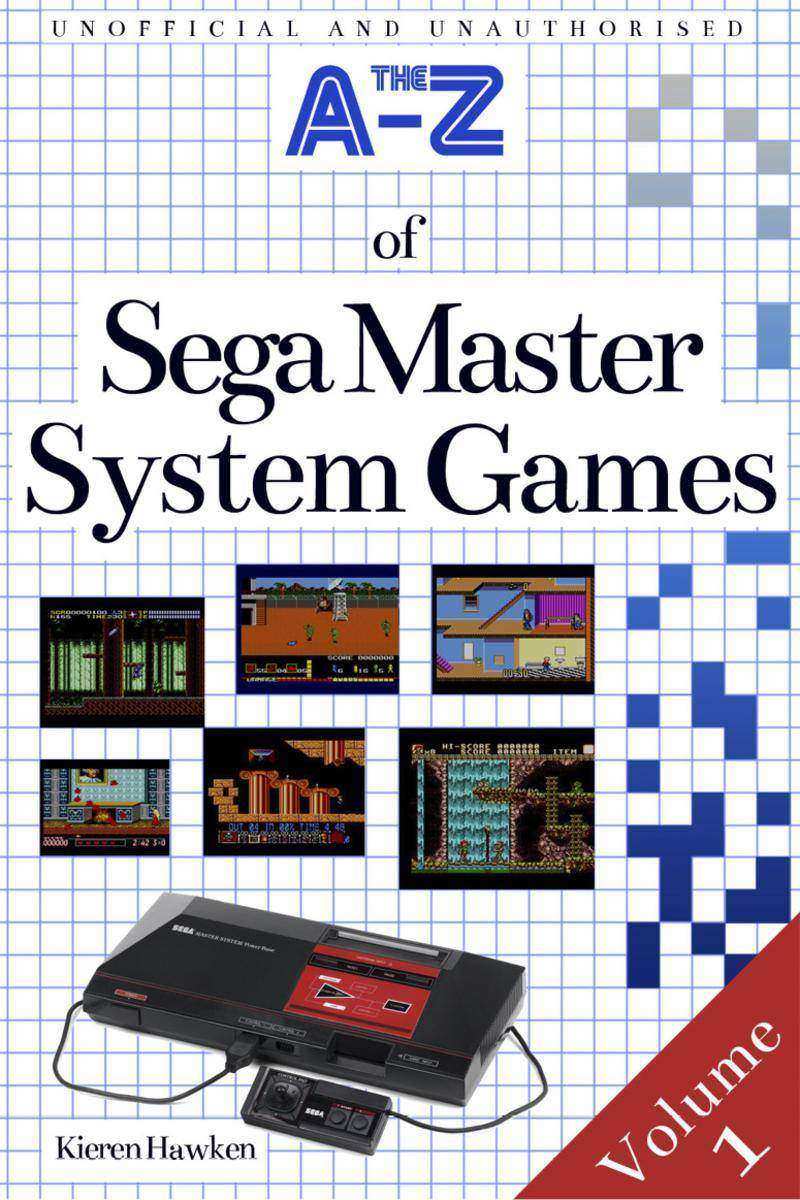
A-Z of Sega Master System Games
¥19.52
The A-Z of Sega Master System Games: Volume 1 features reviews of three different games for each letter of the alphabet. The games range from the very earliest releases in the mid-eighties to the modern homebrew games of today. This book shows you just how diverse the library of titles is for the Sega Master System and how it put Sega on the path to success.
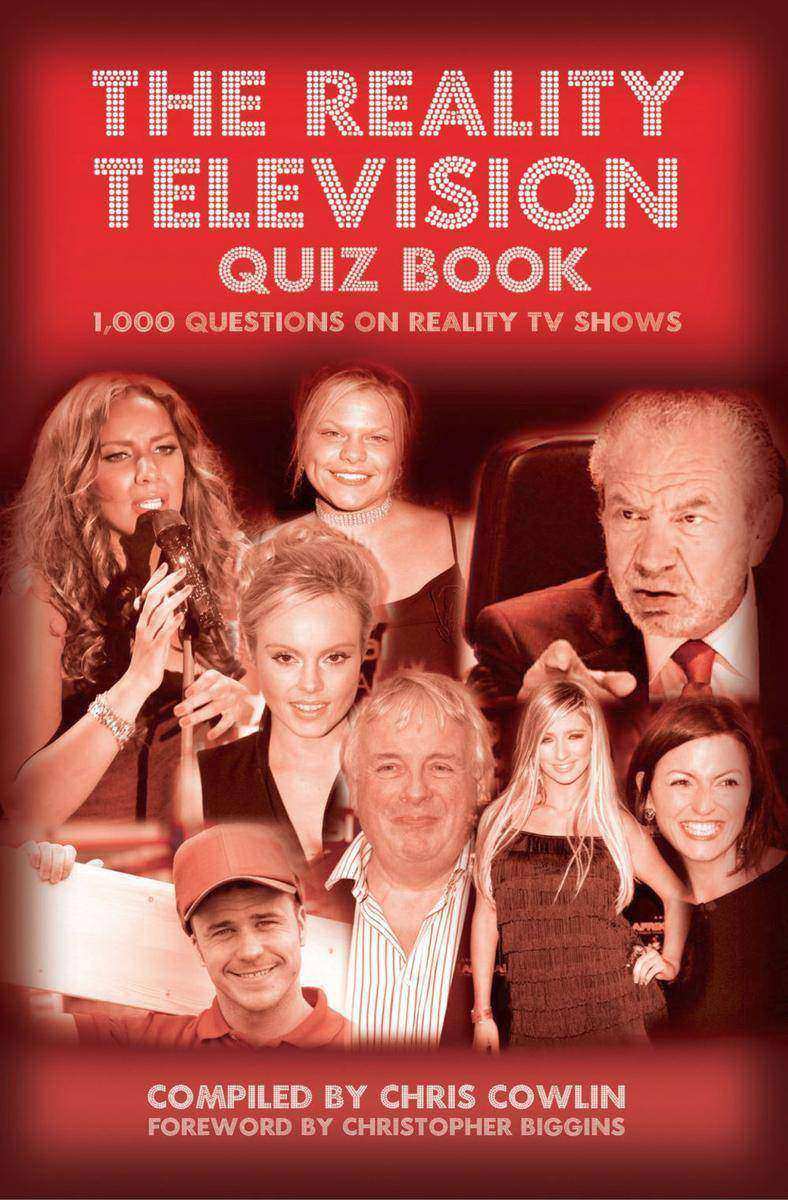
Reality Television Quiz Book
¥73.48
Are you addicted to reality TV? Do you watch all the shows from Britain's Got Talent to The Apprentice? Can you name every contestant ever to walk through the doors of the Big Brother house? Then The Reality Television Quiz Book is definitely for you. Who can forget Jade Goody, Peter Andre and Jordan, Leona Lewis or Paul Potts? They are all inside in this book alongside the many memorable characters who have become household names by appearing live on our television screens. The 1,000 brain-teasing questions in this quiz book cover every aspect of reality TV, from the celebrities and wannabes to the strange and the bizarre, including all the heroes, villains, tears and tantrums we have come to expect from the genre in recent years. Packed with behind the scenes information about all your favourite shows, this book is guaranteed to provide hours of entertainment for the whole family and is a must have for all fans of reality television.
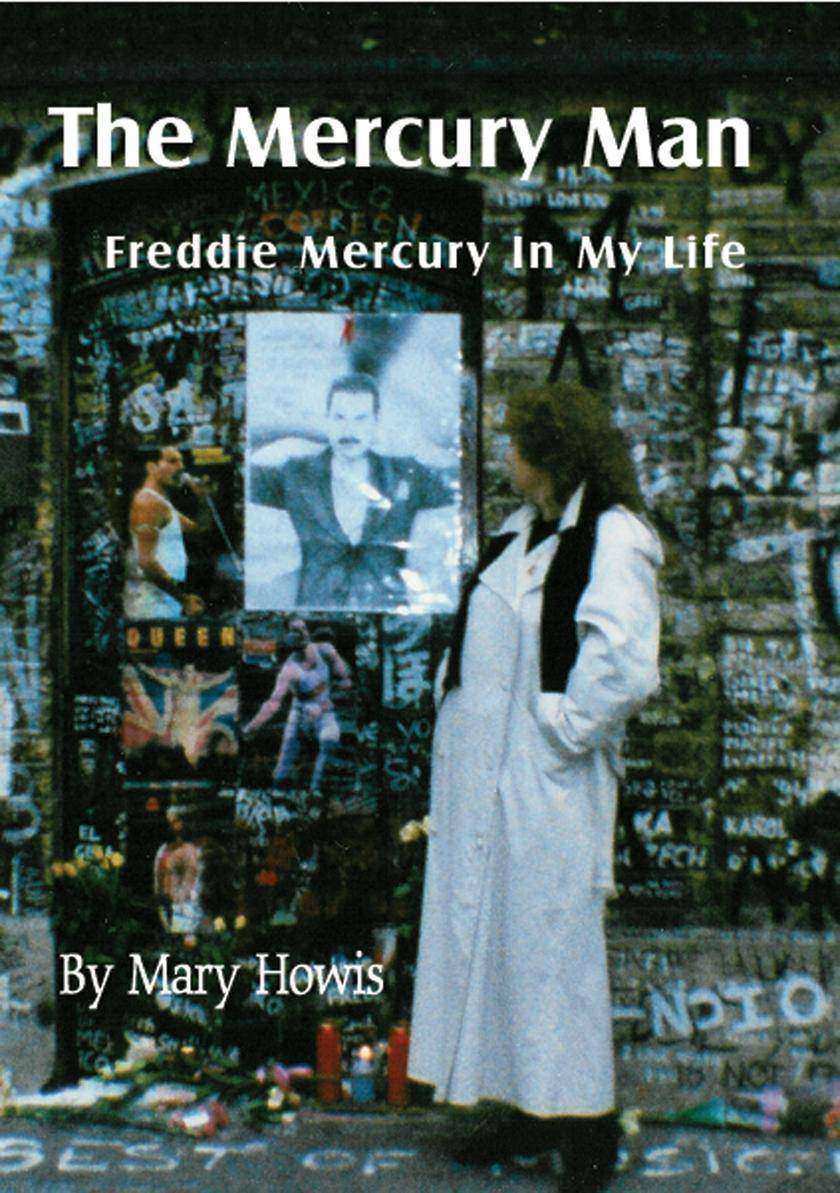
Mercury Man
¥53.86
On 24 November 1991 people all over the world mourned the untimely death of Freddie Mercury, lead singer of rock band Queen. But for the author, Mary Howis, her life would never be the same, as, from that day forward, she was aware of a strange presence around her; someone from the spirit world - the spirit that once was Freddie Mercury, known in the spirit world as 'the Mercury Man'. Mary had been chosen for a special mission - to be an instrument for the spirit world, for Freddie, through which they could communicate. But why her? Why someone who, until the news reports of Freddie Mercury's death, had never even heard of him? Mary tells the story of her spiritual journey of discovery from disbelief, self-doubt and denial to an absolute conviction that what she was experiencing was real, the messages she was receiving were true, and they were proof that life continues after death; that Freddie was still alive, in spirit form, and had much knowledge to impart to the world. Despite the ridicule she might face, Mary knew that she was destined to write this book, to tell her story - Freddie's story - to the world, in the hope that it would bring comfort and hope to those who are suffering in their earthly bodies, who are grieving for loved ones, who are fearful of death. The message is clear: death is not the end, it is a new and exciting beginning.
101 Amazing Facts about Lionel Richie
¥19.52
Are you the world's biggest Lionel Richie fan? Or do you want to find out everything there is to know about the former Commodores lead vocalist and one of the world's best-loved singer-songwriters? If so, then this is the book for you! Contained within are 101 amazing facts about how Lionel got started in the music industry, the numerous awards he has won, his family and much, much more. The book is easily organised into sections so you can find the information you want fast and is the perfect addition to any fan's bookshelf.

Укра?нська легко! (Ukra?ns'ka legko!)
¥26.65
Н?л Фер?юсон зауважу?: ?Ще на початку XV стол?ття сама лише думка про те, що наступн? п’ять стол?ть Зах?д буде дом?нувати над рештою св?ту, здалася б дуже дивною. А вт?м, це сталося?. ? нин? могутн?сть Заходу вража? нав?ть найбагатшу уяву... То чому ж так трапилося? Чому ?вропа, що на 1500-й р?к поступалася Сходу за багатьма показниками — економ?чними, технолог?чними, демограф?чними, — зум?ла р?зко рвонути уперед ? досягти безперечного св?тового панування? Як? складов? усп?ху зах?дно? цив?л?зац??? Саме ц? дражлив? питання украй см?ливо, часом нав?ть зухвало, а проте надзвичайно захопливо висв?тлю? Н?л Фер?юсон.

Выращиваем лекарственные и пряные травы на участке
¥17.74
Дарону Аджемо?лу ? Джеймсу Роб?нсону вдалося, здавалося б, неможливе — в?дпов?сти на питання, яке до них безрезультатно вивчали стол?ттями: чому одн? кра?ни багат?, а ?нш? — б?дн?????рунтуючись на п’ятнадцятир?чних досл?дженнях у галузях ?стор??, пол?толог?? та економ?ки, автори легко ? доступно пояснюють, чому економ?чний усп?х держав не залежить в?д культури, кл?мату чи географ?чного положення.??Аджемо?лу та Роб?нсон переконан?: кра?ни стали найусп?шн?шими через те, що ?хн? громадяни повалили владну ел?ту ? створили сусп?льства, де головною ц?нн?стю стали р?вн? економ?чн? та пол?тичн? права кожного. На ?хню думку, саме свобода робить св?т багатшим.??Книга ?Чому нац?? занепадають? — сво?р?дний пос?бник, який допоможе краще зрозум?ти причини, що сприяють процв?танню держав та ?хньому занепаду.

Világfa
¥28.53
A budapesti Lánchíd pesti hídf?jénél álló Gresham-palotát mindannyian jól ismerjük – legalábbis kívülr?l. De tudjuk-e, miféle titkokat rejtett egykor az impozáns épület? Szelke László izgalmas és olvasmányos nyomozása, A Gresham a nácik ellen a 19. századtól a második világháborúig kíséri nyomon a mai luxusszálloda fordulatos t?rténetét. A százarcú épület a kezdetekt?l a t?rténelem f?sodrában állt. El?dje, a Nákó-palota magánházként olyan hírességek lakhelye volt, mint a Lánchíd tervein dolgozó Clark ?dám vagy a Széchenyi István életnagyságú portréját fest? Barabás Miklós, a század végén pedig a Gresham életbiztosító társaság székhelyéül szolgált. Miután a 20. század elején szecessziós stílusban újjáépítették, a pezsg? kávéházi élet meghatározó színterévé, haladó értelmiségiek találkahelyévé avanzsált. Ahogy a Horthy-rendszer idején egyre fogyott a leveg?, úgy vált a Gresham-palota az ellenzéki politika, a szellemi ellenállás, a mind rendszerkritikusabb kabarék otthonává ? a második világháború idején pedig a titkos diplomácia és az embermentés megkerülhetetlen k?zpontjává. Náciellenes m?vészek, újságírók, tudósítók, attasék, hírszerz?k, kémelhárítók, kett?s, s?t hármas ügyn?k?k fordultak meg a falai k?zt, és itt m?k?d?tt t?bbek k?zt a liberális párt pesti klubja, illetve a szabadelv? Esti Kurir cím? napilap szerkeszt?sége. A k?nyv lapjain a kor olyan meghatározó figurái t?nnek fel, mint Szent-Gy?rgyi Albert és Herczeg Ferenc, Szekf? Gyula és Raoul Wallenberg, de megismerkedhetünk a budapesti k?nyvhét alapítójával, a bátor emberment? Supka Gézával, a zsidót?rvények kíméletlen kritikusával, Rassay Károllyal vagy a Pódium Kabarét vezet? Békeffi Lászlóval, aki az angol titkosszolgálattal is kapcsolatban állt. Tények és legendák, t?rvénytisztel?k és provokátorok, h?s?k és áldozatok – A Gresham a nácik ellen a t?rténelem legrejtettebb kulisszái m?gé kalauzolja olvasóját. Szelke László 1975-ben született. Egyetemi adjunktus, 2013-ban szerzett doktori fokozatot, jelenleg a piliscsabai M?vel?dési Információs K?zpont és K?nyvtár igazgatója. 19?20. századi magyar és egyetemes t?rténelmet tanít a Pázmány Péter Katolikus Egyetemen.

Tatjána
¥58.04
Vajon van esélye Hanna és Olivér szerelmének?Túlélheti a fiatal lány a végzetesnek hitt balesetet? ?s ha túl is éli, visszaállhat-e az élete a normális kerékvágásba?Mire képes a szerelem, mit bír el a szív? Elfogadni, megbocsátani, elengedni, újrakezdeni. A másik oldalról els? részében megismert szerepl?ké mellett új kapcsolatok alakulását is nyomon k?vethetjük. Együtt sírhatunk és nevethetünk a hétk?znapi h?s?kkel, akikkel végtelen természetességük miatt igazán k?nny? azonosulni. A korábbi k?tethez hasonlóan ezúttal is számtalan komoly téma vet?dik fel, a bonyodalmakkal dúsított, meglep?, néhol megd?bbent? fordulatokban gazdag t?rténet mégis k?nnyed, szórakoztató kikapcsolódást ígér. Papp Csilla legújabb k?nyvében, mely ott kezd?dik, ahol az els? regény véget ér, újra és újra rácsodálkozhatunk a szerelem erejére, mik?zben minden kétséget kizáróan el fogjuk hinni, hogy biztosan nincsenek véletlenek.

Union J Quiz Book
¥24.43
Are you a fan of Union J? If so, you will probably be able to name the band members but how much else do you know about the four boys? Whether you are fully familiar with the lads from Union J, or would like to find out more about them, this quiz book is for you. With what record company did Union J sign after their time on The X Factor in 2012? Where did Union J first perform their single 'Carry You'? During what month in 2013 did Union J take over the Daybreak sofa at 7.50 am each morning for a week? The answers to these questions and more can all be found inside this new book. Packed with fun facts about all aspects of Union J, including many personal details, The Union J Quiz Book documents the boys' journey from four unknown artists into successful X Factor boy band and beyond. With 100 questions about your favourite group, this is a book Union J fans of all ages just won't want to be without.

101 Interesting Facts on The Wanted
¥24.43
Do you like British boy band The Wanted? Have you followed their career from when they first formed in 2009 through to the current day? Would you like to find out more about Max, Siva, Jay, Tom and Nathan? If you answered yes to any of these questions, 101 Interesting Facts on The Wanted is certain to appeal to you. Do you know who is the oldest member of the group? Which artist did The Wanted support on tour in Brazil? What member of the band originally came up with the name, The Wanted? The answers can all be found inside this book, together with many more fascinating facts about your favourite band. Fun and informative, this book includes many personal details about the individual band members as well as up-to-date information about The Wanted's projects, past and present. Gen up on The Wanted so that you can impress your friends with your knowledge. If you are a fan of The Wanted, you won't want to be without this book.

Ultimate Doctor Who Quiz Book
¥39.14
Are you a big fan of Doctor Who? Have you watched all of the series from years gone by through to the present day? Can you name the various actors who have played the Doctor from William Hartnell to Matt Smith? If you can tell a Hath from the Heavenly Host and a Sontaran from a Slitheen, you are certain to enjoy this fun new quiz book? What was the title of episode one of the first Doctor story, The Daleks? Who played The Siren in the eleventh Doctor story, The Curse of the Black Spot? What companion has appeared in the most episodes of Doctor Who since its return in 2005? The answers to these brain-teasers and more can all be found inside The Doctor Who Quiz Book. As the iconic series celebrates 50 years of production, have a go at the 500 questions in this book to find out how much you really know about the Doctor. This is a must-have tribute for Doctor Who fans of all ages.

101 Interesting Facts on Arctic Monkeys
¥24.43
Are you a fan of rock band the Arctic Monkeys? Have you followed their career from the early days when the band first gained recognition via the internet through to international success? Would you like to know more about your favourite indie band? 101 Interesting Facts on Arctic Monkeys gives you the chance to pick up some little-known trivia about popular band from Sheffield. What was the original line-up and who was the band's other lead singer with Alex Turner? What NME first did the Arctic Monkeys clock up in 2006? What offer did the Band repeatedly turn down during 2005? Find out the answers in this exciting new book along with many more fascinating facts. Packed with information including many personal details about the individual band members as well as up-to-date news on the Arctic Monkeys' recent projects. This book will appeal to anyone with an interest in contemporary music and is a must-have for all Arctic Monkeys' fans.
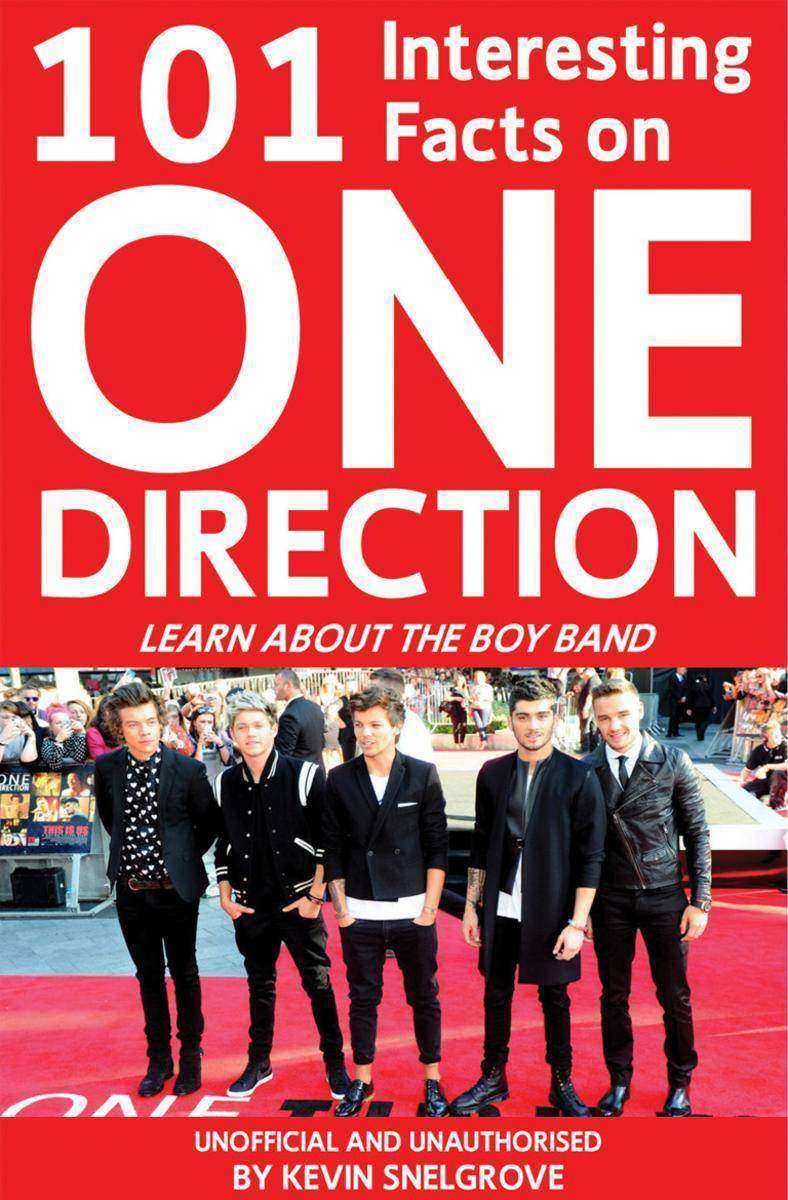
101 Interesting Facts on One Direction
¥24.43
Are you a fan of One Direction? Have you followed the popular boyband from their very first performance on The X Factor to international stardom? Would you like to find out more about the 1D boys? If so, you there is no better way to get to know your favourite band than with 101 Interesting Facts About One Direction. Which member of One Direction was the first to suggest the name for the band? When and where was the premiere of 1D's 2013 film This Is Us held? What new product did One Direction launch in September 2013? Find out the answers inside this book, full of up to the minute information all about 1D. The book includes many personal details about each of the band members as well as facts about their past and current projects.Make sure that you are up to date on all the latest 1D news with this new book. If you love One Direction, you won't want to be without it.


