


 购物车
购物车 个人中心
个人中心
101 Amazing Facts about The Hunger Games
¥34.24
Runtime: 27 minutesDo you know which classical legend was a key inspiration for Suzanne Collins when she wrote The Hunger Games? Or why Katniss is so named? What amusing incidents happened to the cast and crew during filming? And what are the key differences between the books and the films? This fantastic audiobook features over one hundred fascinating facts, split into sections such as costumes, actors, books, films, unbelievable facts and more.
Mix 'N' Match Pop Quiz Book
¥34.24
Brief Description: Are you knowledgeable about pop music? Can you reel off the names of groups from years gone by and their lead singers? Can you recall chart topping hits from the past and who sung them? If so, this exciting quiz book will quickly uncover how much you really know about the history of pop music. Which year did Elvis Presley have a UK hit with 'Way Down'? What was the name of Kate Bush's debut album released in 1978? Which year did The Animals have a transatlantic number 1 with 'House of the Rising Sun'? The answers to these questions and more can all be found in The Mix 'n' Match Pop Music Quiz Book. This book takes the reader on a nostalgic journey from Bing Crosby to Katy Perry with 300 questions about the groups, songwriters, hits and individual artists that have shaped the music scene over the years. Packed full of information this book is guaranteed to entertain and inform and there is no better way to test your knowledge of pop culture. This is a must-have book for music fans of all ages.
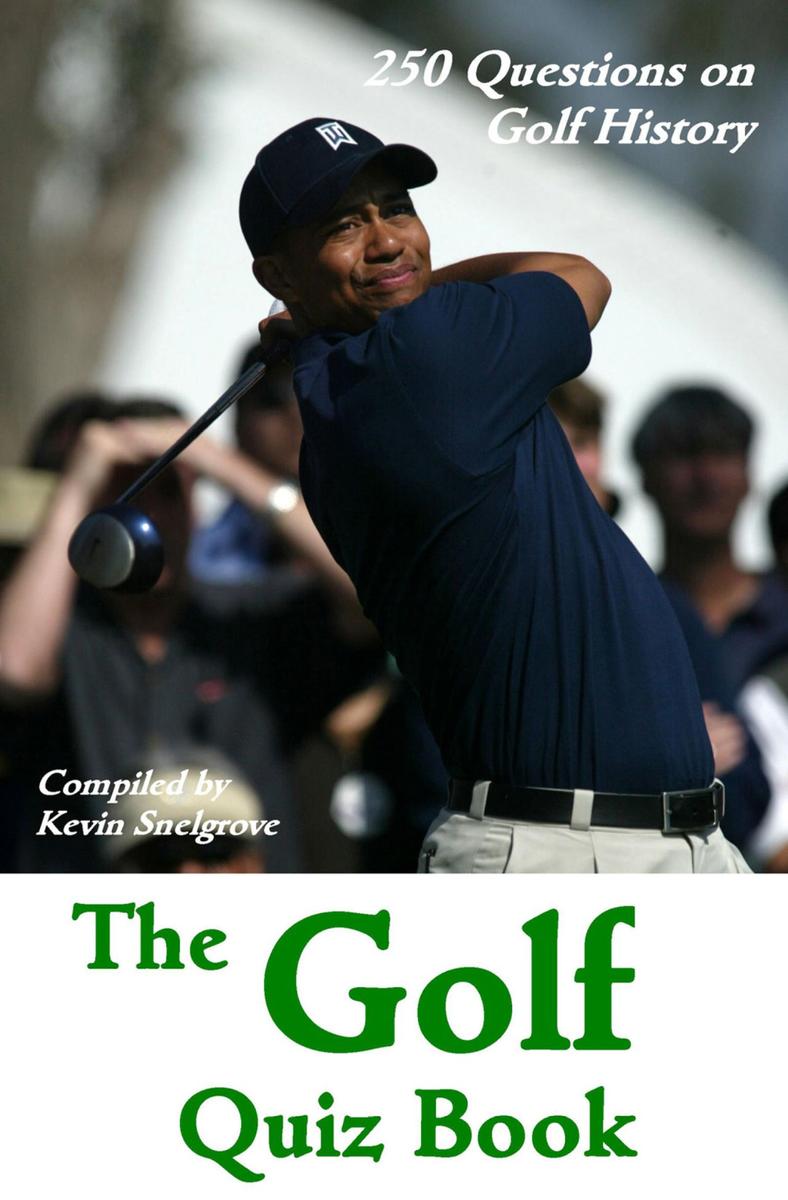
Golf Quiz Book
¥34.24
Are you a keen golfer? Do you follow the sport on TV and marvel at the talent of the professionals? Are you familiar with the people and places that have made golfing history? If so, the time has come to find out how much you really know about your favourite sport with The Golf Quiz Book. Do you know what year the Open Championship was established? When did Tiger Woods play in his first Ryder Cup? How many times did Bernhard Langer win the German National Open Championship? The answers to all these questions and more can be found in this quick quiz book. With 250 questions on the top players, their nationalities, tournaments, scores and trophies, this book covers all aspects of the game. Full of fascinating facts, this quiz book is sure to appeal to golfers of all ages, from anyone who enjoys a leisurely round of weekend golf to those who aspire to add their name to the list of all time greats. This is a must-have book for all golf fans.
Fulham Quiz Book
¥34.24
Is Fulham your local football team or the one you have chosen to support? Do you go to every match? Are you clued up on all the events, people and places that have shaped the club's long history? Then why not find out how much you really know about The Cottagers with this fun quiz book?With 250 thought-provoking questions about all aspects of the club, including the top players and managers, nationalities and playing positions, worthy opponents, club honours, and all those memorable matches from days gone by, this book can't fail to turn up one or two surprises alongside all the well known facts.Packed full of information, The Fulham Quiz Book is certain to score a hit with football fans of all ages, whether you want to impress family and friends with your knowledge or simply find out more about the club. This tribute to the Cottagers is an indispensable guide for all fans of Fulham FC and anyone who is interested in learning about London's oldest professional football team.
Джерело
¥34.83
Idu?i ?enskom stranom hrvatske knji?evnosti Lidija Duji? sla?e koncizan i zanimljiv pregled izabranog segmenta doma?e knji?evne povijesti. Ocrtava sociolo?ke krokije hrvatskih knji?evnica, iznosi kratke karakterizacije, uzgred problematiziraju?i ?enski geto didakti?ke i dje?je knji?evnosti. Analiziraju?i i ponovno vrednuju?i neka djela, prihva?ena pod etiketom ??enskog pisma“, autorica dovodi u pitanje mnoga op?a mjesta, ne ?tite?i se krinkom autoriteta znanstvene objektivnosti – pi?u?i u prvom licu. Knjiga se temelji na njezinoj doktorskoj disertaciji, ali je pisana popularno te je namijenjena ?iroj publici.
K?nyvkett?: A k?nyv, az írás és az irodalom j?v?jér?l
¥34.99
A Hamlet (1601), talán legismertebb, legt?bbet játszott m?ve Shakespeare-nek. K?zéppontjában az élet kínálta, s mindenkiben f?lmerül? kérdés áll: "Lenni vagy - nem lenni?", és ha lenni - hogyan? Mi az emberi cselekvés végs? határa a vélt vagy valós hiba, netán b?n helyrehozatalához? Egyáltalán van-e igazi létezés, s ha van, az mennyire lehet veszélyes a létez?re? Vívódó, t?preng? alkotás a dráma, miként a f?szerepl? maga. Hamlet késleltetett bosszúját hosszas ?nmarcangoló kérdéselvetések, bizonyságkéresésék el?zik meg. Végül igazságot szolgáltat, de ? is belepusztul. T?rni vagy ellenszegülni? A reneszánsz ember dilemmája ?r?kérvény?! Mert a cselekvés erk?lcsileg legvitathatóbb pontja az emberi élet kioltása. Van-e joga valakinek - ha oka van is - ?lni? K?vetkezmények nélkül semmi sem vállalható, kül?n?sen nem a pusztítás. De van-e joga az embernek vélt vagy valós igaza tudatában nem cselekedni, nem vállalni a tett kockázatát? Mennyire tartozunk felel?sséggel a külvilág és saját lelkiismeretünk el?tt? Hamlet tettével válaszol a kérdésekre, ám az egész dráma nem ad egyértelm? feleletet. Nem is adhat. Remekm?vek; géniuszok és a természet sajátossága a talányosság... Nem beszélve arról, hogy a mindennapok kisebb-nagyobb d?ntéseit mindenkinek magának kell meghoznia.
Monoverzumok: Kozmosz, t?rvény, tudomány
¥34.99
Az álomszer?en meseszép hangulat hirtelen féltékenységi dührohammá változik, rémálommá: a szicíliai király barátját, Polixenést és feleségét (Hermione) házasságt?réssel vádolva küldi a halálba, el?bbi csupán Camillo h?ségének k?sz?nhet?en menekülhet el. Apollo jóslata sem tudja meggy?zni Leontest képzetei hamisságáról, csupán a sz?rny? látvány – szerettei holtteste – ébreszti fel zavaros állapotából. Már kés?, egyetlen utódját, a fattyúnak vélt csecsem?t távoli partokon hagyta sorsára. A t?rténetbe sok év múltán kapcsolódunk bele újra, Perdita – a csecsem?, akit megtalált fiával együtt (Mufurc) nevelt egy pásztor – felcseperedett, és mindenkit elámít vélt származását meghazudtoló szépsége, nemessége. Florizel királyfi beleszeret, és elhagyja érte apja, Polixenes királyi udvarát. A király, a h? Camillóval együtt, álruhában meglesi a pásztorok ünnepét, és haraggal veszi tudomásul fia vonzódását egy egyszer? pásztorlány iránt. Camillo, aki ráj?n Perdita kilétére, a fiatalokat Szicíliába küldi, ahol Leontes tárt karokkal fogadja elveszettnek hitt lányát, és Hermione szobra életre kel. A megbocsájtás, a feloldás pillanata lehetne ez, ha a t?rténetet mindvégig mozgató figura nem g?rdítené a néz?tér és a színpad k?zé az áttetsz?ség, a látomás, az álomszer?ség tüllfügg?nyét. ?s számunkra nem marad más, csupán a feloldatlanság feszültsége.
Lakodalom az állatkertben
¥35.99
A magyar turanizmus jellegzetesen magyar és teljességgel elhallgatott eszmeáramlat: akik benne voltak, igyekeztek még a nyomait is eltüntetni. Pedig a magyar k?zvéleményt a 19. század eleje óta izgatta a magyarság keleti eredete és nyugati mintak?vetése k?zti ellentmondás. Vissza kell-e fordulnunk keletre? Létrej?het-e a ?turáni népek” ?sszefogása? Van-e a magyaroknak küldetésük Keleten? Vagy éppen Nyugaton? Száz évvel ezel?tt magyar expedíciók rótták Anatólia, a Balkán és Dél-Oroszország útjait, a magyar kormány hatalmas ?sszegeket áldozott, hogy keleti ?szt?ndíjasokat hozzon Magyarországra, magyar üzletemberek próbáltak piacot találni a K?zel-Keleten, és a turanizmus divatjának k?sz?nhet? az els? külf?ldi magyar intézet megnyitása is. A két világháború k?z?tt az eszmeáramlat számos befolyásos értelmiségit kísértett meg, majd 1945 után elhallgattatták. Ennek ellenére túlélte az államszocializmus éveit, és újra teret nyert a rendszerváltozás után. Ez a k?nyv nemcsak a turanizmus, hanem a Keletr?l való gondolkodás és politikai konzekvenciáinak t?rténete is. Izgalmas, másfél évszázados utazás Tibett?l Argentínáig, Tartutól Isztambulig. Felbukkan benne a turáni egyistenhív? rádióm?szerész, a feministából lett vércsoportkutató f?ldbirtokosleány, a monoklis múzeumalapító, aki egyszerre találta ki a világbékét és a l?vészárokásó gépet, néhány pénzhamisító, illetve a mérn?k, aki megállapította a magyar–maori rokonságot. Turanista emlékek k?z?tt élünk – csak nem tudunk róluk. Ablonczy Balázs (1974) t?rténész, az ELTE BTK oktatója és az MTA BTK T?rténettudományi Intézetének tudományos f?munkatársa. Doktori címét 2004-ben szerezte, tanított és kutatott Londonban, Párizsban, Berlinben és az Egyesült ?llamokbeli Bloomingtonban. 2011 és 2015 k?z?tt a Párizsi Magyar Intézet igazgatója volt. Jelenleg az MTA Lendület-pályázatán támogatott Trianon 100 kutatócsoport vezet?je, Budapesten él.

Сила звички
¥36.13
UNGV?RY KRISZTI?N és TABAJDI G?BOR rendhagyó útikalauza a 20. század politikai diktatúrái és legmegrázóbb t?rténelmi eseményei mentén veszi lajstromba Budapest emlékeit. A szerz?páros olyan f?városi helyszíneket mutat be olvasóinak, amelyek jobbára ismeretlenek a turisták el?tt, a városlakók számára pedig már a félmúlt homályába vesznek. A fiatal kutatók budapesti sétáin feltárulnak az 1919-es Tanácsk?ztársaság és az azt k?vet? fehérterror, a német megszállás, a nyilas rémuralom és a zsidóüld?zés, a világháborús f?város, a szovjet megszállás és a Rákosi-diktatúra, az 1956-os forradalom és szabadságharc, végül a Kádár-korszak elfeledett vagy épp szándékosan titokban tartott t?rténeti helyszínei és emlékhelyei. Az egyes t?rténelmi eseményekhez k?thet? szobrok és m?emlékek kapcsán a szerz?k múlt és jelen emlékezetpolitikai t?rekvéseit is áttekintik. A t?rténészpáros kíméletlen és fájdalmas ?szinteséggel mutat rá: a múlt századi véres diktatúrák emlékei jel?letlenül bár, de ma is ott kísértenek a f?város utcáin – ideje lenne hát mindenkinek megismerni ?ket. UNGV?RY KRISZTI?N 1969-ben született Budapesten. Tanulmányait az ELTE BTK t?rténelem-német szakán végezte. Budapest ostromát feldolgozó doktori disszertációja k?nyv formájában is megjelent, és számos hazai, illetve külf?ldi kiadást megélt. 2001-t?l az 1956-os Intézet tudományos munkatársa, t?bb nemzetk?zi tudományos testület tagja. Kutatási területe a 20. század politika- és hadt?rténete, a széls?jobb mozgalmak, valamint az állambiztonság t?rténete. TABAJDI G?BOR 1980-ban született Budapesten. Az ELTE B?lcsészettudományi Karán t?rténelmet, politikaelméletet és filozófiát tanult. Jelenleg az Országos Széchényi K?nyvtár 1956-os Intézetének munkatársa. Eddig f?ként a 20. századi Magyarország politikat?rténetével kapcsolatos publikációi jelentek meg. F? kutatási területei: a magyar állambiztonsági szervek, illetve a pártállami rendszer m?k?désének t?rténete. A fiatal kutatókat t?m?rít? ?Fehér Hollók” munkacsoport koordinátora.
Montegue Blister’s Strange Games
¥36.50
A hilarious compendium of weird, wonderful, warped classic and new games. Taken from the brilliant website http://strange-games.blogspot.com/, Montegue Blister's Strange Games is a pocket-sized compendium of the most hilarious, noisy, messy, and often vomit-inducing games ever written. Finally, the official rules for all the games you played at school as a kid, such as Finger Jousting, Peanuts, Slapsies and Thumb Wrestling. But that's not all! Montegue Blister's Strange Games includes dangerous variations on old classics such as Extreme Rock Paper Scissors, Bloody Knuckles, Shin Kicking and Toe Wrestling, plus a whole host of new, weird and wonderful games like Face Ball, Crazy Stair Climbing, Watermelon Skiing and Mosquito Squashing. Some games are violent, some are downright savage - and most involve a tiny bit of blood. But one thing's for sure - they're great fun! Montegue Blister's Strange Games is the perfect gift for Christmas and beyond. Chapters in Strange Games in include: Hand and feet games; Urban Games; Festivals; Party Games; Trick Games; Playground Games; Throwing & Propulsion; Sports; Stand off Games; Animal Games.
Az ?sfák fiainak lombjai alatt
¥36.54
A rock and roll nem csupán egy zenei m?faj, ?nem egy tánc”: maga az ?r?k fiatalság. Alkotás és feloldódás, amit nem magányos farkasoknak találtak ki. Csapatmunka, melyben zenész és hallgatósága egyaránt részt vesz. ?Mindenki itt van?” – kiáltja a sztár a színpadról, a t?meg pedig harsogva feleli: ?Mindenki!” Mert ahhoz, hogy egy dal megszülessen, hogy ezernyi torok visszhangozza az énekes mágikus szavait, valóban mindenkire szükség van. Az Azok a régi csibészek a hazai pop és rock legendáinak arcképcsarnoka. Csatári Bence t?rténész és Poós Zoltán író faggatja a popkultúra olyan ikonikus alakjait és nagyágyúit, mint Bródy János, Nagy Feró, Sz?rényi Levente, T?r?k ?dám, Pataky Attila, Zalatnay Sarolta és még sokan mások. Az interjúkból kirajzolódik a magyarországi rock and roll els? negyedszázadának íve Nógrádver?cét?l Londonig. A megszólalók mesélnek és mesélnek – a legvidámabb barakk k?nny?zenei szcénájáról, ?rületes bulikról, rend?rpofonokról és persze a rock and roll iránti olthatatlan szerelemr?l...
Цив?л?зац?я: Як Зах?д став усп?шним
¥36.79
Okupiv?i na jednome mjestu najzanimljivija imena lijeve politi?ke misli od Slovenije do Bugarske, s naglaskom na zemlje biv?e Jugoslavije, filozofi? i aktivisti Sre?ko Horvat i Igor ?tiks pred njih su stavili zadatak da napi?u tekstove o situaciji danas i ovdje, prije svega na Balkanu. ?etrnaest autora, od mladih filozofskih nada do svjetski priznatih imena, u svojim esejima pokazuje koliko je po?ast neoliberalizma u sprezi s politi?ko-mafija?kim klanovima i krupnim kapitalom razjela sve one pozitivne tekovine koje je ostavilo socijalisti?ko naslje?e. Bez sentimenta i nostalgije prema pro?lim vremenima, Dobro do?li u pustinju postsocijalizma najzanimljivija je i najaktualnija knjiga o suvre?menom trenutku. Ona je nezaobilazna studija za svakoga tko ?eli ozbiljnije shvatiti ?to nam se i za?to doga?a u vremenima duboke krize.
Makinelerin Evrimi: 4. Sanayi Devrimi
¥37.11
Endu?stri 4.0 d?nemi ile fabrikadaki u?retim ekipmanlar? birbirleriyle konu?up anla?acak ve gelecekte insans?z fabrikalar yayg?nla?acak. ?? kazalar? azalacak ve teknolojik verimlilik sa?lanacak. Yeni endu?stri devrimi hem enerji tasarrufu sa?layacak hem de maliyetleri du??u?recek. Alman Hu?ku?metinin u?retim su?re?lerini bilgisayarla?ma y?nu?nde te?vik etme ve yu?ksek teknolojiyle donatmas? projesi olarak kabul edilen Endu?stri 4.0, ayn? zamanda d?rdu?ncu? sanayi devrimi anlam?na geliyor. Endu?stri 4.0 ile tu?m yaz?l?m ve networklerde u?ru?n geli?tirme, u?retim ve servis su?re?lerinin ileti?imi, makinalar?n ve u?ru?nlerin ger?ek zamanl? bilgi al??veri?i, otonom kontrol ve optimizasyonu mu?mku?n olacak. 1784’te ortaya ??kan ilk sanayi devriminde, su ve buhar gu?cu?nu?n kullan?m?yla u?retim yap?lmas? hakim iken, 1870’lerde elektrik enerjisinin kullan?m?, ikinci sanayi devriminin de kap?lar?n? a?t?. Dijital devrim olarak da adland?r?labilecek u??u?ncu? sanayi devrimi ise, 1969’da elektronik ve bili?im teknolojilerinin kullan?m? ile ortaya ??kt?. 2013 y?l?na geldi?imizde ise internet uygulamalar?, yatay-dikey entegrasyonlu ve ger?ek zamanl? yeni de?er zincirleri, siber-fiziksel sistemler ve ak?ll? fabrikalar hayatlar?m?zdaki varl???n? gu??lendirdi. Yazar Hakk?nda [Tarkan ?zhan, 1969-] ???REN?M DURUMU: Trakya üniversitesi B?lüm: Fen Fakultesi Kimyager MESLE??: Borsac?, Trader, Portfoy Y?netimi Aktif ?al??ma süresi; 25 y?l
Mein Kampf: "Zwei Bande in Einem Band Ungekurzte Ausgabe"
¥37.11
Mein Kampf ist eine politisch-ideologische Programmschrift Adolf Hitlers. Sie erschien in zwei Teilen. Hitler stellte darin seinen Werdegang zum Politiker und seine Weltanschauung dar. Das Buch enthalt Hitlers Autobiografie, ist in der Hauptsache aber eine zweckgerichtete Kampf- und Propagandaschrift, die zum Neuaufbau der NSDAP als zentral gelenkter Partei unter Hitlers Fuhrung dienen sollte.??Der erste Band entstand in Hitlers Haftzeit 1924 und wurde erstmals am 18. Juli 1925, der zweite am 11. Dezember 1926 veroffentlicht. Vor allem der erste Band wurde bis 1932 in der Weimarer Republik zu einem viel diskutierten Bestseller.??Hitler schrieb 1924 den ersten Teil von Mein Kampf wahrend seiner Festungshaft in der Haftanstalt Landsberg in Landsberg am Lech. Er soll den Text seinem spateren Stellvertreter Rudolf HeB diktiert haben. Neuere Erkenntnisse weisen darauf hin, dass Hitler den Text selbst auf einer Reiseschreibmaschine tippte. Winifred Wagner berichtete, Hitler "massenhaft Schreibpapier" nach Landsberg geschickt zu haben.??Ursprunglich sollte das Buch Viereinhalb Jahre [des Kampfes] gegen Luge, Dummheit und Feigheit heiBen. Nach der vorzeitigen Haftentlassung im Dezember 1924 diktierte Hitler den starker programmatisch ausgelegten zweiten Teil von Mein Kampf seinem Gefolgsmann Max Amann, Direktor des Franz-Eher-Verlags. Amann und Hitler zogen sich im Sommer 1925 in das (daher spater so genannte) Kampfhausl des Pensionswirts Bruno Buchner auf dem Obersalzberg (nahe dem spateren Berghof) zuruck, um das Manuskript zu tippen.??Im Juli 1925 erschien der erste Band, im Dezember 1926 der zweite. Bis 1930 vertrieb der Verlag Mein Kampf in zwei groBformatigen Banden zum Preis von zunachst je 12, ab 1928 14 Reichsmark.??Der Originaltext erlebte in seiner zwanzigjahrigen Editionsgeschichte von 1925 bis 1945 zahlreiche Anderungen und Erweiterungen. Der Text der spaten Ausgaben aus den 1940er Jahren ist nur bedingt in direkten Bezug zu setzen mit Hitlers publizistischer und politischer Positionierung Mitte der 1920er. ??Im Herbst 2006 tauchten in Munchen funf Manuskript- und achtzehn Entwurfsseiten zu Hitlers Buch auf, die er vor dessen Veroffentlichung im Fruhjahr und im Sommer 1924 wahrend seiner Festungshaft in Landsberg verfasst hatte. Der Vergleich mit der spateren Endfassung ermoglichte der Hitlerforschung Ruckschlusse zur Entwicklung von Hitlers Weltbild und Agitationsweise.??Der erste und der zweite Band erschienen in einer Erstauflage von je 10.000 Exemplaren. Die NSDAP finanzierte sich ganz wesentlich uber den eigenen Parteiverlag, an dem auch Hitler personlich beteiligt war. Von der einbandigen Volksausgabe wurden bis Januar 1933 287.000 Exemplare zum Preis von je 12 RM durch den Zentralverlag der NSDAP (Franz Eher Nachfolger) verkauft. ??Hitler erhielt pro verkauftem Buch 10 Prozent Tantiemen. Die folgende einbandige Ausgabe kostete 8 RM ("Volksausgabe", ab 1930)...
Drame Oskara Vajlda
¥37.20
Ni prevodi najzna?ajnijih drama Oskara Vajlda: Salome, Sveta kurtizana i Va?no je?da si?Ernest
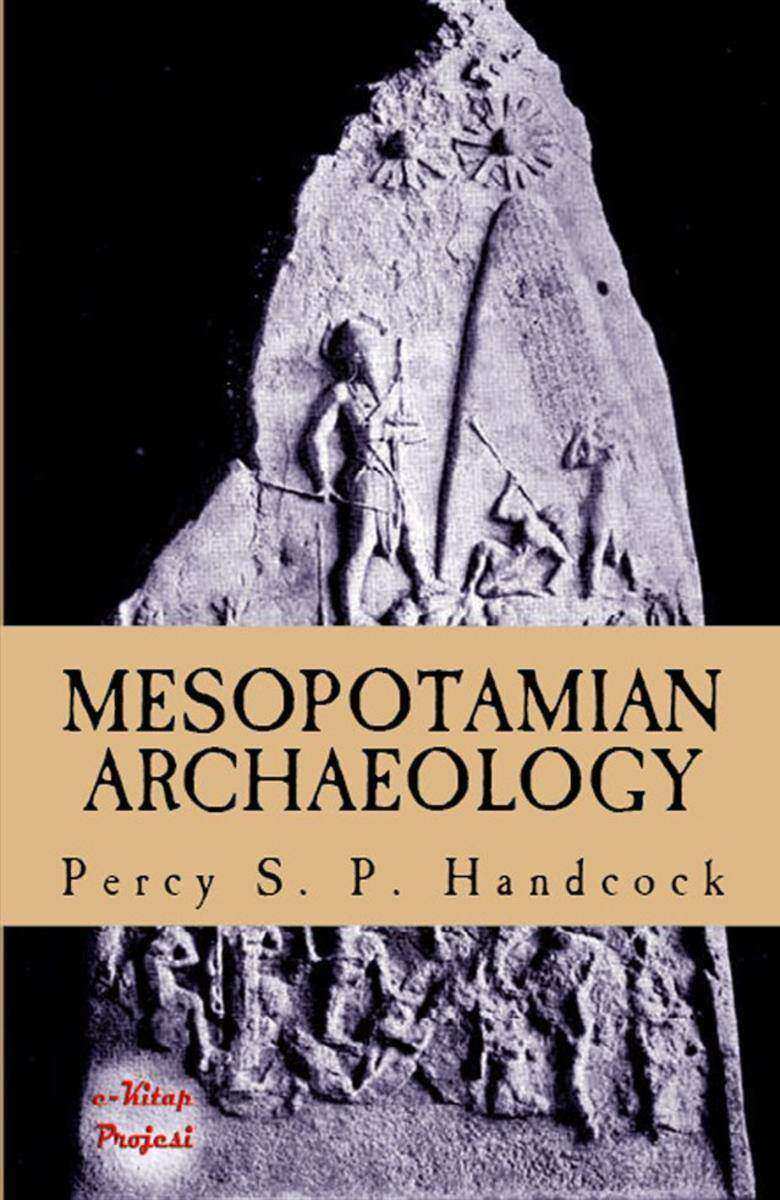
Mesopotamian Archaeology
¥37.20
THE Mesopotamian civilization shares with the Egyptian civilization the honour of being one of the two earliest civilizations in the world, and although M. J. de Morgan’s excavations at Susa the ruined capital of ancient Elam, have brought to light the elements of an advanced civilization which perhaps even antedates that of Mesopotamia, it must be remembered that the Sumerians who, so far as our present knowledge goes, were the first to introduce the arts of life and all that they bring with them, into the low-lying valley of the Tigris and Euphrates, probably themselves emigrated from the Elamite plateau on the east of the Tigris; at all events the Sumerians expressed both “mountain” and “country” by the same writing-sign, the two apparently being synonymous from their point of view; in support of this theory of a mountain-home for the Sumerians, we may perhaps further explain the temple-towers, the characteristic feature of most of the religious edifices in Mesopotamia, as a conscious or unconscious imitation in bricks and mortar of the hills and ridges of their native-land, due to an innate aversion to the dead-level monotony of the Babylonian plain, while it is also a significant fact that in the earliest period Shamash the Sun-god is represented with one foot resting on a mountain, or else standing between two mountains. However this may be, the history of the Elamites was intimately wrapped up with that of the dwellers on the other side of the Tigris, from the earliest times down to the sack of Susa by Ashur-bani-pal, king of Assyria, in the seventh century. Both peoples adopted the cuneiform system of writing, so-called owing to the wedge-shaped formation of the characters, the wedges being due to the material used in later times for all writing purposes—the clay of their native soil—: both spoke an agglutinative, as opposed to an inflexional language like our own, and both inherited a similar culture. A further, and in its way a more convincing argument in support of the mountain-origin theory is afforded by the early art of the Sumerians. On the most primitive seal cylinders1 we find trees and animals whose home is in the mountains, and which certainly were not native to the low-lying plain of Babylonia. The cypress and the cedar-tree are only found in mountainous districts, but a tree which must be identified with one or the other of them is represented on the early seal cylinders; it is of course true that ancient Sumerian rulers fetched cedar wood from the mountains for their building operations, and therefore the presence of such a tree on cylinder seals merely argues a certain acquaintance with the tree, but Ceteris paribus it is more reasonable to suppose that the material earthly objects depicted, were those with which the people were entirely familiar and not those with which they were merely casually acquainted. Again, on the early cylinders the mountain bull, known as the Bison bonasus, assumes the r?le played in later times by the lowland water-buffalo. This occurs with such persistent regularity that the inference that the home of the Sumerians in those days was in the mountains is almost inevitable. Again, as Ward points out, the composite man-bull Ea-bani, the companion of Gilgamesh, has always the body of a bison, never that of a buffalo. So too the frequent occurrence of the ibex, the oryx, and the deer with branching horns, all argues in the same direction, for the natural home of all these animals lay in the mountains.
Crayon Portraiture
¥37.36
Macbeth (full title The Tragedy of Macbeth) is a tragedy written by William Shakespeare, and is considered one of his darkest and most powerful works. Set in Scotland, the play dramatizes the corrosive psychological and political effects produced when evil is chosen as a way to fulfil the ambition for power. The play is believed to have been written between 1599 and 1606, and is most commonly dated 1606. The earliest account of a performance of what was probably Shakespeare's play is the Summer of 1606, when Simon Forman recorded seeing such a play at the Globe Theatre. Macbeth is Shakespeare's shortest tragedy, and tells the story of a brave Scottish general named Macbeth who receives a prophecy from a trio of witches that one day he will become King of Scotland. Consumed by ambition and spurred to action by his wife, Macbeth murders King Duncan and takes the throne for himself. He is then wracked with guilt and paranoia, and he soon becomes a tyrannical ruler as he is forced to commit more and more murders to protect himself from enmity and suspicion. The bloodbath and consequent civil war swiftly take Macbeth and Lady Macbeth into the realms of arrogance, madness, and death. The play opens amidst thunder and lightning, and the Three Witches decide that their next meeting shall be with Macbeth. In the following scene, a wounded sergeant reports to King Duncan of Scotland that his generals—Macbeth, who is the Thane of Glamis, and Banquo—have just defeated the allied forces of Norway and Ireland, who were led by the traitorous Macdonwald and the Thane of Cawdor. Macbeth, the King's kinsman, is praised for his bravery and fighting prowess.In the following scene, Macbeth and Banquo discuss the weather and their victory. As they wander onto a heath, the Three Witches enter and greet them with prophecies. Though Banquo challenges them first, they address Macbeth, hailing him as "Thane of Glamis," "Thane of Cawdor," and that he shall "be King hereafter." Macbeth appears to be stunned to silence. When Banquo asks of his own fortunes, the witches inform him that he will father a line of kings, though he himself will not be one. While the two men wonder at these pronouncements, the witches vanish, and another thane, Ross, arrives and informs Macbeth of his newly bestowed title: Thane of Cawdor, as the previous Thane of Cawdor shall be put to death for his traitorous activities. The first prophecy is thus fulfilled, and Macbeth immediately begins to harbour ambitions of becoming king.King Duncan welcomes and praises Macbeth and Banquo, and declares that he will spend the night at Macbeth's castle at Inverness; he also names his son Malcolm as his heir. Macbeth sends a message ahead to his wife, Lady Macbeth, telling her about the witches' prophecies. Lady Macbeth suffers none of her husband's uncertainty, and wishes him to murder Duncan in order to obtain kingship. When Macbeth arrives at Inverness, she overrides all of her husband's objections by challenging his manhood, and successfully persuades him to kill the king that very night. He and Lady Macbeth plan to get Duncan's two chamberlains drunk so that they will black out; the next morning they will blame the chamberlains for the murder. They will be defenseless, as they will remember nothing.While Duncan is asleep, Macbeth stabs him, despite his doubts and a number of supernatural portents, including a hallucination of a bloody dagger. He is so shaken that Lady Macbeth has to take charge. In accordance with her plan, she frames Duncan's sleeping servants for the murder by placing bloody daggers on them. Early the next morning, Lennox, a Scottish nobleman, and Macduff, the loyal Thane of Fife, arrive. A porter opens the gate and Macbeth leads them to the king's chamber, where Macduff discovers Duncan's body. ABOUT AUTHOR: William Shakespeare ( 1564 (baptised) – 1616) was an English poet, playwright and actor, widely regarded as the greatest writer in the English language and the world's pre-eminent dramatist. He is often called England's national poet and the "Bard of Avon". His extant works, including some collaborations, consist of about 38 plays, 154 sonnets, two long narrative poems, and a few other verses, the authorship of some of which is uncertain. His plays have been translated into every major living language and are performed more often than those of any other playwright. Shakespeare was born and brought up in Stratford-upon-Avon. At the age of 18, he married Anne Hathaway, with whom he had three children: Susanna, and twins Hamnet and Judith. Between 1585 and 1592, he began a successful career in London as an actor, writer, and part-owner of a playing company called the Lord Chamberlain's Men, later known as the King's Men. He appears to have retired to Stratford around 1613 at age 49, where he died three years later. Few records of Shakespeare's private life survive, and there has been considerable speculation about such matters as his physic
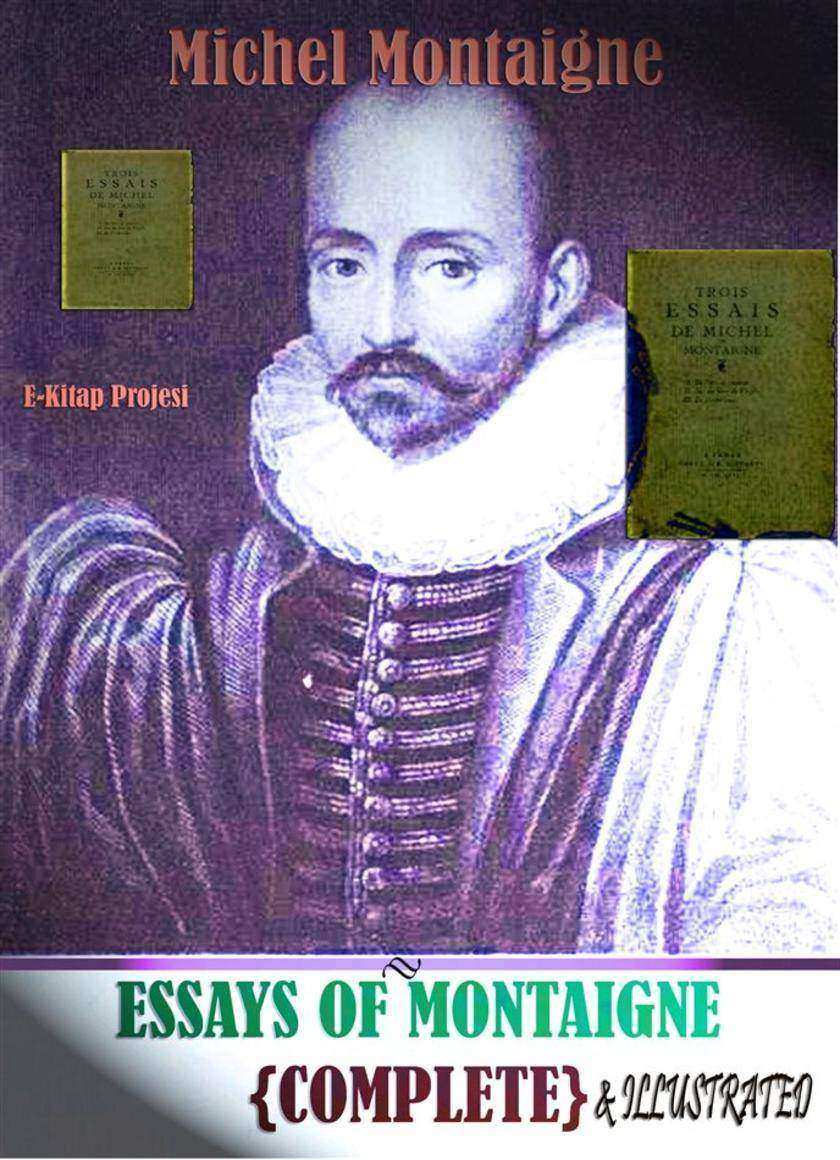
Essays of Montaigne: {Complete & Illustrated}
¥37.36
The Odyssey (Greek:Odysseia) is one of two major ancient Greek epic poems attributed to Homer. It is, in part, a sequel to the Iliad, the other work ascribed to Homer. The poem is fundamental to the modern Western canon, and is the second oldest extant work of Western literature, the Iliad being the oldest. It is believed to have been composed near the end of the 8th century BC, somewhere in Ionia, the Greek coastal region of Anatolia. The poem mainly centers on the Greek hero Odysseus (known as Ulysses in Roman myths) and his journey home after the fall of Troy. It takes Odysseus ten years to reach Ithaca after the ten-year Trojan War. In his absence, it is assumed he has died, and his wife Penelope and son Telemachus must deal with a group of unruly suitors, the Mnesteres or Proci, who compete for Penelope's hand in marriage. It continues to be read in the Homeric Greek and translated into modern languages around the world. Many scholars believe that the original poem was composed in an oral tradition by an aoidos (epic poet/singer), perhaps a rhapsode (professional performer), and was more likely intended to be heard than read. The details of the ancient oral performance, and the story's conversion to a written work inspire continual debate among scholars. The Odyssey was written in a poetic dialect of Greek—a literary amalgam of Aeolic Greek, Ionic Greek, and other Ancient Greek dialects—and comprises 12,110 lines of dactylic hexameter. Among the most noteworthy elements of the text are its non-linear plot, and the influence on events of choices made by women and serfs, besides the actions of fighting men. In the English language as well as many others, the word odyssey has come to refer to an epic voyage. The Odyssey has a lost sequel, the Telegony, which was not written by Homer. It was usually attributed in Antiquity to Cinaethon of Sparta, but in one source was said to have been stolen from Musaeus by Eugamon or Eugammon of Cyrene (see Cyclic poets). ABOUT AUTHOR: Homeros, In the Western classical tradition, Homer (Ancient Greek: Homeros) is the author of the Iliad and the Odyssey, and is revered as the greatest of ancient Greek epic poets. These epics lie at the beginning of the Western canon of literature, and have had an enormous influence on the history of literature. When he lived is unknown. Herodotus estimates that Homer lived 400 years before his own time, which would place him at around 850 BC, while other ancient sources claim that he lived much nearer to the supposed time of the Trojan War, in the early 12th century BC. Most modern researchers place Homer in the 7th or 8th centuries BC. The formative influence of the Homeric epics in shaping Greek culture was widely recognized, and Homer was described as the teacher of Greece. Homer's works, which are about fifty percent speeches, provided models in persuasive speaking and writing that were emulated throughout the ancient and medieval Greek worlds. Fragments of Homer account for nearly half of all identifiable Greek literary papyrus finds. PeriodFor modern scholars "the date of Homer" refers not to an individual, but to the period when the epics were created. The consensus is that "the Iliad and the Odyssey date from around the 8th century BC, the Iliad being composed before the Odyssey, perhaps by some decades," i.e. earlier than Hesiod, the Iliad being the oldest work of Western literature. Over the past few decades, some scholars have argued for a 7th-century BC date. Oliver Taplin believes that the conclusion of modern researchers is that Homer dates to between 750 to 650 BC. Some of those who argue that the Homeric poems developed gradually over a long period of time give an even later date for the composition of the poems; according to Gregory Nagy for example, they only became fixed texts in the 6th century BC. The question of the historicity of Homer the individual is known as the "Homeric question"; there is no reliable biographical information handed down from classical antiquity. The poems are generally seen as the culmination of many generations of oral story-telling, in a tradition with a well-developed formulaic system of poetic composition. Some scholars, such as Martin West, claim that "Homer" is "not the name of a historical poet, but a fictitious or constructed name."
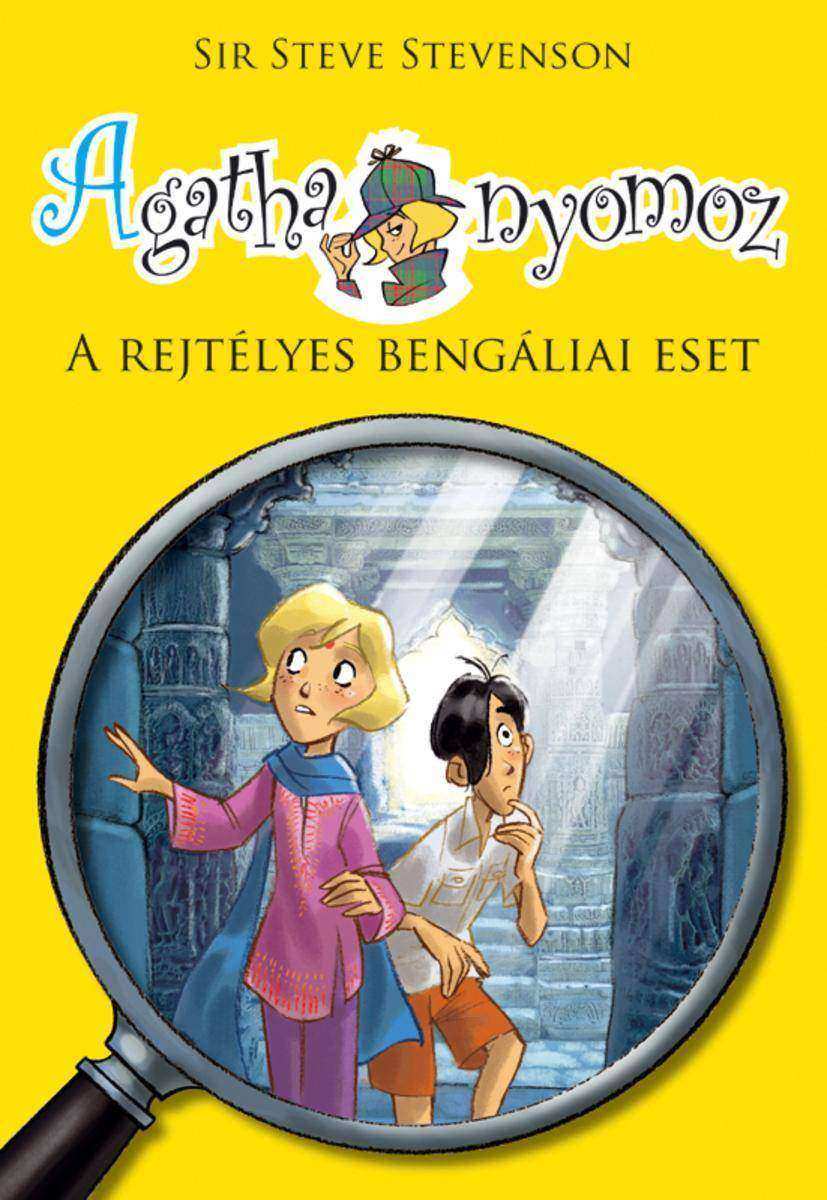
Agatha nyomoz - A rejtélyes bengáliai eset
¥38.18
A meg?zvegyült Szilvai professzornak az a terve, hogy a gyámsága alá tartozó unoka?ccséhez feleségül adja titokban nevelt gyámleányát, Mariskát. A fiú k?zben a professzor tudta nélkül Liliomfi néven vándorszínésznek áll, és meghódítja Mariska szívét. A professzor ellenzi a házasságot, éppen attól a férfit?l félti a lányt, akihez egyébként feleségül szeretné adni. Liliomfi pedig azt hiszi, hogy a nagybátyja hitvesének akarja Mariskát. A h? barát és színésztárs, Szellemfi segít Szilvai megtévesztésében, Liliomfinak adva ki magát. Egy másik - társadalmi kül?nbségek miatti - reménytelennek látszó szerelem (Gyuri, a pincér és Erzsi, a gazdag Kányai fogadós uram lánya) t?rténete ?sszefonódik Liliomfi és Mariska sorsával.
Unusual poetry life
¥38.26
Unusual poetry life
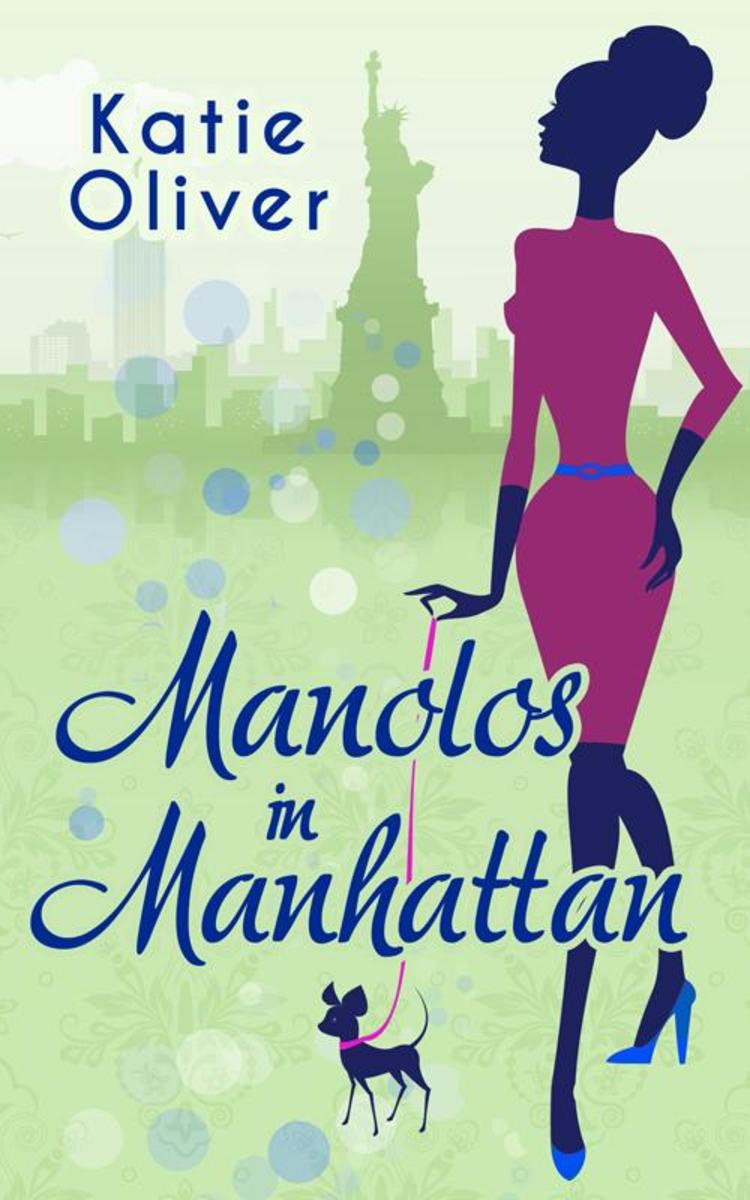
Manolos In Manhattan (Marrying Mr Darcy, Book 3)
¥38.26
She’s a fiancée of good fortune… Strutting down Park Avenue in her new Manolos, Holly James looks like a woman who has it all. But beneath the Prada sunglasses, Holly has a mounting list of decidedly unfabulous problems. Right at the top? The fact that since her fiancé Jamie started spending all his time at his new restaurant (with his impossibly gorgeous sous-chef!), Holly has practically forgotten what he looks like…and started to feel a teensy bit paranoid. …but has Holly found the right Mr Darcy? So being kissed by film star Ciaran Duncan should have been a much-needed boost to Holly’s ego. But losing herself in the moment is impossible, since she’s still fuming after meeting English lawyer Hugh Darcy. He’s easily the most arrogant man in Manhattan and she’s engaged to be married…so why can’t Holly stop imagining kissing him? Suddenly, Holly finds herself torn between three eligible bachelors…and it’s proving more difficult than choosing between a Manolo Blanik and a Jimmy Choo – especially since men are non-refundable! What’s a New York fashionista to do? Don’t miss Manolos in Manhattan, book three in Katie Oliver’s Marrying Mr Darcy series. Also by Katie Oliver: Prada and Prejudice Love and Liability Mansfield Lark And the Bride Wore Prada Love, Lies and Louboutins


