


 购物车
购物车 个人中心
个人中心
Elita interbelic?: sociologia rom?neasc? ?n context european
¥90.84
Pe 1 mai 1915, c?nd Primul R?zboi Mondial intra ?n cea de a zecea sa lun?, un transoceanic de linie luxos, la fel de bogat decorat ca un conac englezesc de ?ar?, pleca din New York cu destina?ia Liverpool, av?nd la bord un num?r record de copii. ?n r?ndurile pasagerilor domnea o surprinz?toare stare de bun? dispozi?ie, de?i Germania declarase c? apele din jurul Marii Britanii constituiau o zon? de r?zboi. Luni de zile, submarinele germane sem?naser? teroarea ?n Atlanticul de Nord. Dar Lusitania era unul dintre marile transatlantice ale epocii, cel mai rapid vapor de linie aflat ?n serviciu, iar c?pitanul ei, William Thomas Turner, avea o ?ncredere de nestr?mutat ?n regulile stricte ale r?zboiului purtat de gentlemani, care feriser?, vreme de un secol, vasele civile de orice atac. Este o poveste pe care mul?i dintre noi cred c? o cunosc, f?r? a o ?ti cu adev?rat, iar Erik Larson ne-o readuce ?n aten?ie plin? de suspans, schimb?nd rolurile ?ntre v?n?tor ?i v?nat, ?n timp ce descrie un tablou mai general al Americii la apogeul Erei Progresului. Plin? de str?lucire ?i de emo?ie, Siajul mor?ii aduce la via?? o distribu?ie de personaje evocatoare, de la faimosul librar din Boston Charles Lauriat, la pioniera din domeniul arhitecturii Theodate Pope ?i la pre?edintele Woodrow Wilson, un om sufocat de suferin?? ?i ?ngrozit de perspectiva unui r?zboi mondial. Siajul mor?ii surprinde drama pur? ?i puterea emo?ional? a unui dezastru ale c?rui detalii intime ?i ?n?eles real riscau s? r?m?n? pierdute ?n negurile istoriei.
Mansfield Park
¥28.04
It is believed that the scene of this tale, and most of the information necessary to understand its allusions, are rendered sufficiently obvious to the reader in the text itself, or in the accompanying notes. Still there is so much obscurity in the Indian traditions, and so much confusion in the Indian names, as to render some explanation useful. Few men exhibit greater diversity, or, if we may so express it, greater antithesis of character, than the native warrior of North America. In war, he is daring, boastful, cunning, ruthless, self-denying, and self-devoted; in peace, just, generous, hospitable, revengeful, superstitious, modest, and commonly chaste. These are qualities, it is true, which do not distinguish all alike; but they are so far the predominating traits of these remarkable people as to be characteristic. It is generally believed that the Aborigines of the American continent have an Asiatic origin. There are many physical as well as moral facts which corroborate this opinion, and some few that would seem to weigh against it. The color of the Indian, the writer believes, is peculiar to himself, and while his cheek-bones have a very striking indication of a Tartar origin, his eyes have not. Climate may have had great influence on the former, but it is difficult to see how it can have produced the substantial difference which exists in the latter. The imagery of the Indian, both in his poetry and in his oratory, is oriental; chastened, and perhaps improved, by the limited range of his practical knowledge. He draws his metaphors from the clouds, the seasons, the birds, the beasts, and the vegetable world. In this, perhaps, he does no more than any other energetic and imaginative race would do, being compelled to set bounds to fancy by experience; but the North American Indian clothes his ideas in a dress which is different from that of the African, and is oriental in itself. His language has the richness and sententious fullness of the Chinese. Philologists have said that there are but two or three languages, among all the numerous tribes which formerly occupied the country that now composes the United States. They ascribe the known difficulty one people have to understand another to corruptions and dialects. The writer remembers to have been present at an interview between two chiefs of the Great Prairies west of the Mississippi, and when an interpreter was in attendance who spoke both their languages. The warriors appeared to be on the most friendly terms, and seemingly conversed much together; yet, according to the account of the interpreter, each was absolutely ignorant of what the other said. They were of hostile tribes, brought together by the influence of the American government; and it is worthy of remark, that a common policy led them both to adopt the same subject. They mutually exhorted each other to be of use in the event of the chances of war throwing either of the parties into the hands of his enemies. Whatever may be the truth, as respects the root and the genius of the Indian tongues, it is quite certain they are now so distinct in their words as to possess most of the disadvantages of strange languages; hence much of the embarrassment that has arisen in learning their histories, and most of the uncertainty which exists in their traditions. Like nations of higher pretensions, the American Indian gives a very different account of his own tribe or race from that which is given by other people. He is much addicted to overestimating his own perfections, and to undervaluing those of his rival or his enemy; a trait which may possibly be thought corroborative of the Mosaic account of the creation. The whites have assisted greatly in rendering the traditions of the Aborigines more obscure by their own manner of corrupting names. Thus, the term used in the title of this book has undergone the changes of Mahicanni, Mohicans, and Mohegans; the latter being the word commonly used by the whites.
The Mysterious Island
¥8.67
Hard Times – For These Times (commonly known as "Hard Times") is the tenth novel by Charles Dickens, first published in 1854. The book appraises English society and highlights the social and economic pressures of the times. Hard Times is unusual in several respects. It is by far the shortest of Dickens' novels, barely a quarter of the length of those written immediately before and after it. Also, unlike all but one of his other novels, Hard Times has neither a preface nor illustrations. Moreover, it is his only novel not to have scenes set in London. Instead the story is set in the fictitious Victorian industrial Coketown, a generic Northern English mill-town, in some ways similar to Manchester, though smaller. Coketown may be partially based on 19th-century Preston. One of Dickens's reasons for writing Hard Times was that sales of his weekly periodical, Household Words, were low, and it was hoped the novel's publication in instalments would boost circulation – as indeed proved to be the case. Since publication it has received a mixed response from critics. Critics such as George Bernard Shaw and Thomas Macaulay have mainly focused on Dickens's treatment of trade unions and his post–Industrial Revolution pessimism regarding the divide between capitalist mill owners and undervalued workers during the Victorian era. F. R. Leavis, a great admirer of the book, included it—but not Dickens' work as a whole—as part of his Great Tradition of English novels. ***‘Now, what I want is, Facts. Teach these boys and girls nothing but Facts. Facts alone are wanted in life. Plant nothing else, and root out everything else. You can only form the minds of reasoning animals upon Facts: nothing else will ever be of any service to them. This is the principle on which I bring up my own children, and this is the principle on which I bring up these children. Stick to Facts, sir!’ ? ?The scene was a plain, bare, monotonous vault of a school-room, and the speaker’s square forefinger emphasized his observations by underscoring every sentence with a line on the schoolmaster’s sleeve. The emphasis was helped by the speaker’s square wall of a forehead, which had his eyebrows for its base, while his eyes found commodious cellarage in two dark caves, overshadowed by the wall. The emphasis was helped by the speaker’s mouth, which was wide, thin, and hard set. The emphasis was helped by the speaker’s voice, which was inflexible, dry, and dictatorial. The emphasis was helped by the speaker’s hair, which bristled on the skirts of his bald head, a plantation of firs to keep the wind from its shining surface, all covered with knobs, like the crust of a plum pie, as if the head had scarcely warehouse-room for the hard facts stored inside. The speaker’s obstinate carriage, square coat, square legs, square shoulders,—nay, his very neckcloth, trained to take him by the throat with an unaccommodating grasp, like a stubborn fact, as it was,—all helped the emphasis. ‘In this life, we want nothing but Facts, sir; nothing but Facts!’The speaker, and the schoolmaster, and the third grown person present, all backed a little, and swept with their eyes the inclined plane of little vessels then and there arranged in order, ready to have imperial gallons of facts poured into them until they were full to the brim.

Перемикайся. Стань тим, ким хочеш бути
¥29.02
David Stevenson?jedan je od najistaknutijih prou?avatelja Prvoga svjetskog rata. U svom monumentalnom djelu?1914.–1918. Povijest Prvog svjetskog rata?kre?e od uzroka sukoba, prolazi kroz sva boji?ta, analizira geopoliti?ke odnose, ravnote?u izme?u imperijalnih sila, politi?ke i vojne promjene, kraj rata i mirovne ugovore koji su odredili okvir budu?ih me?unarodnih odnosa, te zavr?ava raspravom o nastavku ratnog sukoba drugim sredstvima i o poslijeratnom ure?enju svijeta koje ?e izazvati nove sukobe. Ova povijest jedna je od onih koje otkrivaju nove ?injenice i reinterpretiraju povijesne izvore, ali jednako tako stvaraju cjelovitu sliku o kompleksnosti sukoba. Stevensonova povijest prva je sveobuhvatna povijest Prvoga svjetskog rata objavljena u Hrvatskoj nakon vi?e od 50 godina. Knjiga koju je potrebno pro?itati da bi se shvatilo dvadeseto stolje?e i razumjelo vrijeme u kojem ?ivimo.

Cseresznyés ábránd
¥56.98
RUINS OF ANCIENT CITIES, WITH GENERAL AND PARTICULAR ACCOUNTS OF THEIR RISE, FALL, AND PRESENT CONDITION. - BY CHARLES BUCKE This Volume contain these cities;Messene, Mycen?, Miletus, Nauplia, Nemea, Nineveh, The Destruction of Sennacherib, Numantia, Olympia, Puteoli, Palmyra (Tadmor), Patr?, Pella, Pergamus, Persepolis, Petra (Wady Mousa), Phigalia, Plat?a, P?stum, Pompeii, Rama, Rome, Saguntum, Hannibal’s Speech to His Soldiers, Sais, Samaria, Sapphura, Sardis, Seleucia, Selinus, Or Selinuntum, Sicyon, Sidon, Smyrna, Spalatro, Stratonice, Susa, Sybaris, Syene, Syracuse, Thebes, Troja, And Other Cities of the Troas, Tyre, Veii Fallen, fallen, a silent heap; their heroes allSunk in their urns:—Behold the pride of pomp,The throne of nations fallen; obscured in dustEven yet majestical.—The solemn sceneElates the soul! ? ?{DYER} The reader is requested to observe, that, though the plan of this work is entirely his own, the compiler of it does not put it forth as in any way original in respect to language or description. It is, in fact, a much better book, than if it had been what is strictly called original, (which, indeed, must have involved an utter impossibility:) for it is a selection of some of the best materials the British Museum could furnish; sometimes worked up in his own language; and sometimes—and, indeed, very frequently—in that of others: the compiler having, at an humble distance and with unequal steps, followed the plan which M. Rollin proposed to himself, when he composed his celebrated history of ancient times.—"To adorn and enrich my own," says that celebrated writer, "I will be so ingenuous as to confess, that I do not scruple, nor am ashamed, to rifle whereever I come; and that I often do not cite the authors from whom I transcribe, because of the liberty I take to make some slight alterations. I have made the best use in my power of the solid reflections that occur in the Bishop of Meaux's Universal History, which is one of the most beautiful and most useful books in our language. I have also received great assistance from the learned Dean Prideaux's 'Connexion of the Old and New Testament,' in which he has traced and cleared up, in an admirable manner, the particulars relating to ancient history. I shall take the same liberty with whatever comes in my way, that may suit my design, and contribute to its perfection. I am very sensible, that it is not so much for a person's reputation to make use of other men's labours, and that it is in a manner renouncing the name and quality of author. But I am not over-fond of that title, and shall be extremely well pleased, and think myself very happy, if I can but deserve the name of a good compiler; and supply my readers with a tolerable history, who will not be over-solicitous to inquire what hand it comes from, provided they are but pleased with it."Having followed this example,—the compiler wishes he could say with equal effect,—he will be fully satisfied, should judicious readers feel inclined to concede, that he has shown some judgment in selecting his materials, and some taste in binding "the beads of the chain," that connects them together. He disclaims, in fact, (as, in the present instance, he is bound to do), all the "divine honours" of authorship; satisfied with those of a selecter, adapter, and compiler; and happy in the hope that he has here, by means of the superior writers, whose labours he has used, furnished his readers with an useful, accurate, and amusing work.? ? ? ? ? C. B.

Our Mutual Friend
¥28.04
IT is much easier to understand and remember a thing when a reason is given for it, than when we are merely shown how to do it without being told why it is so done; for in the latter case, instead of being assisted by reason, our real help in all study, we have to rely upon memory or our power of imitation, and to do simply as we are told without thinking about it. The consequence is that at the very first difficulty we are left to flounder about in the dark, or to remain inactive till the master comes to our assistance.? Now in this book it is proposed to enlist the reasoning faculty from the very first: to let one problem grow out of another and to be dependent on the foregoing, as in geometry, and so to explain each thing we do that there shall be no doubt in the mind as to the correctness of the proceeding. The student will thus gain the power of finding out any new problem for himself, and will therefore acquire a true knowledge of perspective.?? George Adolphus Storey??Book First?The Necessity of the Study of Perspective to Painters, Sculptors, and Architects?LEONARDO DA VINCI tells us in his celebrated Treatise on Painting that the young artist should first of all learn perspective, that is to say, he should first of all learn that he has to depict on a flat surface objects which are in relief or distant one from the other; for this is the simple art of painting. Objects appear smaller at a distance than near to us, so by drawing them thus we give depth to our canvas. The outline of a ball is a mere flat circle, but with proper shading we make it appear round, and this is the perspective of light and shade.? ‘The next thing to be considered is the effect of the atmosphere and light. If two figures are in the same coloured dress, and are standing one behind the other, then they should be of slightly different tone, so as to separate them. And in like manner, according to the distance of the mountains in a landscape and the greater or less density of the air, so do we depict space between them, not only making them smaller in outline, but less distinct.’?Sir Edwin Landseer used to say that in looking at a figure in a picture he liked to feel that he could walk round it, and this exactly expresses the impression that the true art of painting should make upon the spectator.??There is another observation of Leonardo’s that it is well I should here transcribe; he says: ‘Many are desirous of learning to draw, and are very fond of it, who are notwithstanding void of a proper disposition for it. This may be known by their want of perseverance; like boys who draw everything in a hurry, never finishing or shadowing.’ This shows they do not care for their work, and all instruction is thrown away upon them. At the present time there is too much of this ‘everything in a hurry’, and beginning in this way leads only to failure and disappointment. These observations apply equally to perspective as to drawing and painting.? Unfortunately, this study is too often neglected by our painters, some of them even complacently confessing their ignorance of it; while the ordinary student either turns from it with distaste, or only endures going through it with a view to passing an examination, little thinking of what value it will be to him in working out his pictures. Whether the manner of teaching perspective is the cause of this dislike for it, I cannot say; but certainly most of our English books on the subject are anything but attractive.??All the great masters of painting have also been masters of perspective, for they knew that without it, it would be impossible to carry out their grand compositions. In many cases they were even inspired by it in choosing their subjects. When one looks at those sunny interiors, those corridors and courtyards by De Hooghe, with their figures far off and near, one feels that their charm consists greatly in their perspective, as well as in their light and tone and colour... ?
The World's Greatest Military Aircraft: An Illustrated History
¥81.67
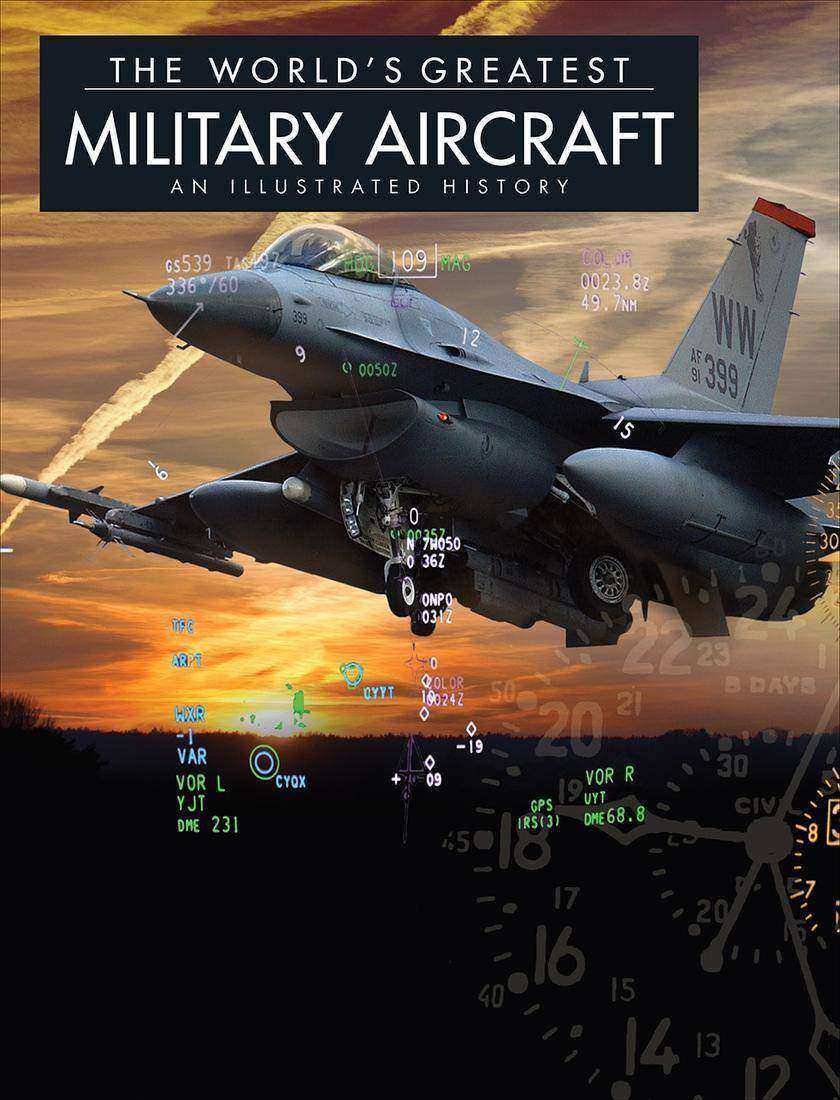
Ever since man first took to the air, combat aircraft have been at the cutting edge of aviation technology, resulting in some of the greatest and most complex designs ever built. The World’s Greatest Military Aircraft features 52 of the most important military aircraft of the last hundred years. The book includes all the main types, from biplane fighters and carrier aircraft to tactical bombers, transport aircraft, multirole fighters, strategic strike aircraft and stealth bombers. Featured aircraft include: the Fokker Dr.1 triplane, the legendary fighter flown by German flying ace Manfred von Richthofen, ‘the Red Baron’, during World War I; the Mitsubishi A6M Zero, Japan’s highly-manoeuvrable fighter that dominated air-to-air combat in the early part of the Pacific War; the tank-busting Il-2 Shturmovik, the most produced aircraft in World War II; the Harrier jump jet, a vertical take-off and landing (VTOL) fighter that has been service for more than 40 years; the B-2 Spirit bomber, an American precision strike aircraft used in recent conflicts in Kosovo, Iraq and Afghanistan; and the F-22 Raptor, an air superiority fighter with state-of-the-art stealth technology that makes it almost invisible to radars. Each entry includes a brief description of the model’s development and history, a profile view, key features and specifications. Packed with more than 200 artworks and photographs, The World’s Greatest Military Aircraft is a colourful guide for the military aviation enthusiast.
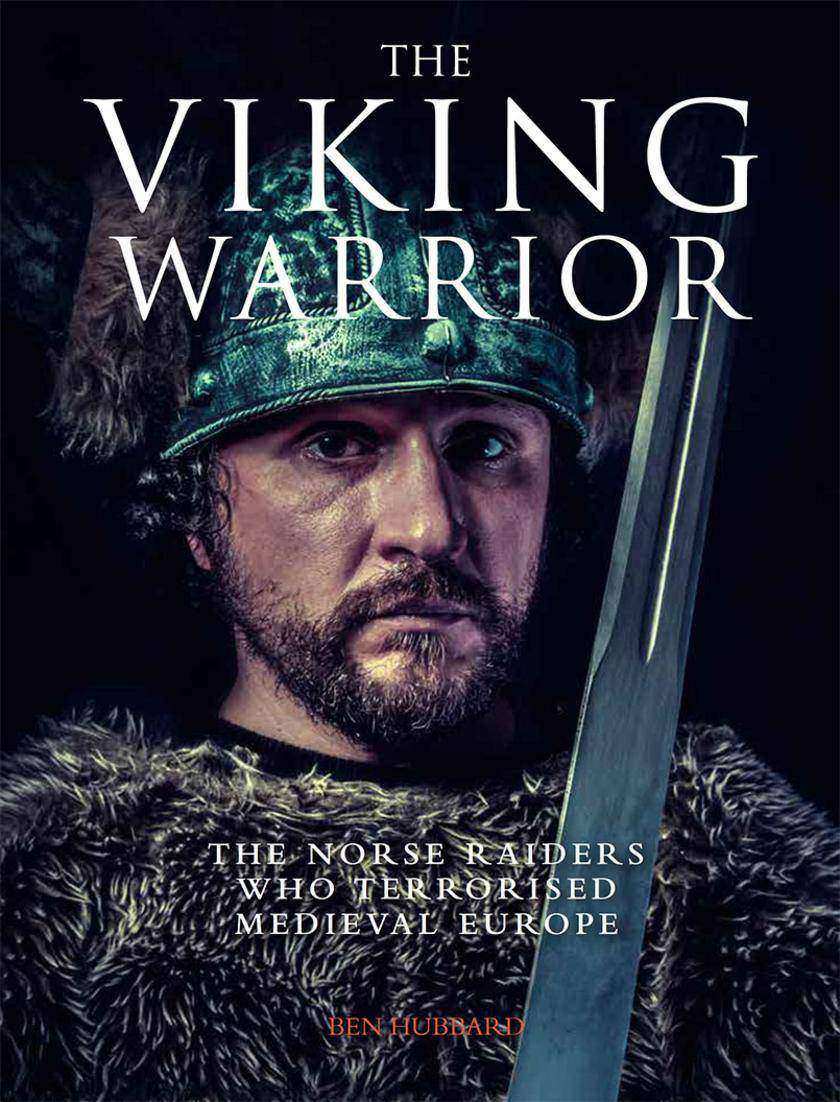
The Viking Warrior: The Norse Raiders Who Terrorized Medieval Europe
¥81.67
"…and they laid all waste with dreadful havoc, trod with unhallowed feet the holy places, dug up the altars, and carried off all the treasures of the holy church. Some of the brethren they killed; some they carried off in chains; many they cast out, naked and loaded with insults; some they drowned in the sea." —Simeon of Durham, A History of the Community of Durham Beginning in 789 CE, the Vikings raided monasteries, sacked settlements and invaded the Atlantic coast of Europe and the British Isles. They looted and enslaved their enemies, terrorizing all whom they encountered. But that is only part of their story. Sailing their famous longboats, they discovered Iceland and North America, colonised Greenland, founded Dublin, and also sailed up the River Seine and besieged Paris. They settled from Newfoundland to Russia, conquered eastern England, and fought battles from Ireland to the Caspian Sea. They traded walruses with Inuits, brought Russian furs to Western Europe and took European slaves to Constantinople. Their graves contain Arab silver, Byzantine silks and Frankish weapons and artefacts. Illustrated with more than 200 maps, photographs and artworks, The Viking Warrior examines these fearsome warriors through their origins, social structure, raiding culture, weapons, trading networks and settlements.
American Battles and Campaigns: A Chronicle from 1622 - Present
¥65.32
Raids and sieges; trench warfare and air campaigns; guerrilla warfare, naval engagements, and colonial wars; American Battles & Campaigns covers every major campaign and battle fought in North America or by United States’ forces overseas, from the Pequot War of 1634 to the recent conflicts in Afghanistan and Iraq. Arranged chronologically, American Battles & Campaigns includes hundreds of entries, ranging from the 1770 Boston Massacre through the Alamo (1836) and the Philippine-American War (1899–1902), to Chateau-Thierry (1918), Midway (1942) and Hue (1969). Major battles, such as Yorktown, Gettysburg, Pearl Harbor, and D-Day are illustrated with an annotated colour 3D map and detailed text explaining the course of the engagement. There are also colour and black & white photographs, numerous 2D battle maps, paintings and artworks, and expert accounts from leading military historians on each engagement. American Battles & Campaigns offers a complete guide to every war fought by the United States, from early European settlement to the present day.

Plays for Young People
¥40.79
Red Red Shoes was commissioned by the Unicorn Theatre for Children and The Place. Based on the Hans Christian Andersen tale, this play uses dance, music and drama to explore the inner world of a traumatised child fleeing from war in Eastern Europe. (Ages 9+) Eye of the Storm offers a contemporary version of Shakespeare’s The Tempest, exploring father/daughter relationships and the need for independence. (Ages 12+) Playing From the Heart, commissioned by the Polka Theatre, is a poetic piece which follows the travails of the young Evelyn Glennie to become a professional musician despite her profound deafness. (Ages 8+)

The British Beat Explosion: Rock'N'Roll Island
¥40.79
Over a small bridge on an island in the middle of the Thames, a great 60s club played host to acts that would later make a global name for themselves, including the Rolling Stones, Long John Baldry, Rod Stewart, the Small Faces, the Yardbirds and David Bowie. Jazz greats such as Cyril Davies, Ken Colyer and Acker Bilk also played at the legendary Eel Pie Hotel during its 50s and 60s heyday. This collection of essays traces ‘Eelpiland’s’ long-overlooked contribution to the British music scene.

Who Do We Think We Are?
¥32.62
A kaleidoscope of stories about war, displacement, revolution and liberation taking us on an emotional journey across three continents. Based on the actors’ personal and family experiences, the stories interweave and overlap, exploring moments of joy, sadness and laughter set against key historical events over the last hundred years. Poignant, moving, funny, inspiring, this is the first piece of work created by the Visible Ensemble, dedicated to putting older performers and their rich lives centre stage.
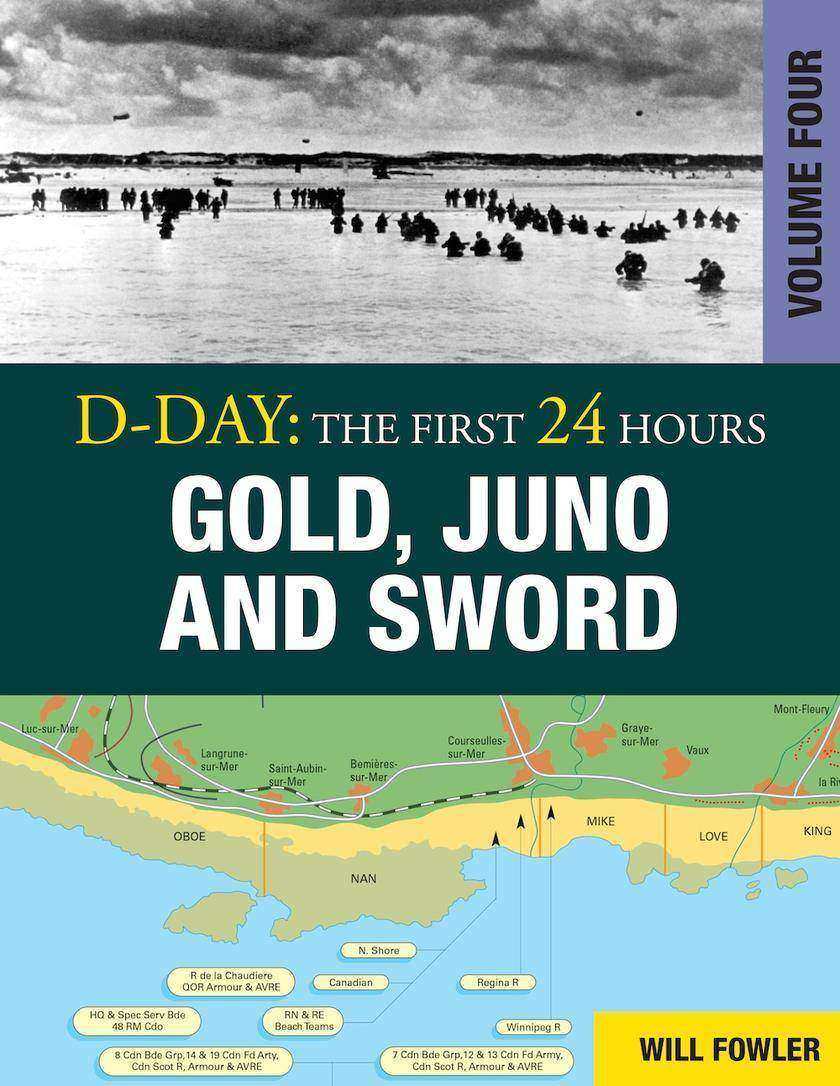
D-Day: Gold, Juno and Sword
¥40.79
In any military operation throughout history, few 24-hour periods have been as crucial as that of 6th June 1944. With the aid of specially commissioned maps, D-Day: The First 24 Hours series gives the dramatic history of the first 24 hours of the Normandy landings, and explains in detail the events that occurred in each landing zone. In this fourth volume of the series, the book describes the British and Canadian landings on Gold, Juno and Sword beaches. The book also includes details of the human cost of the first day, and a full order of battle for both sides. With colour and black & white photographs, the book is a guide to key events in the first 24 hours of the D-Day landings that saw the Allies successfully achieve a foothold in Northern Europe.

Lakodalom az állatkertben
¥35.99
A magyar turanizmus jellegzetesen magyar és teljességgel elhallgatott eszmeáramlat: akik benne voltak, igyekeztek még a nyomait is eltüntetni. Pedig a magyar k?zvéleményt a 19. század eleje óta izgatta a magyarság keleti eredete és nyugati mintak?vetése k?zti ellentmondás. Vissza kell-e fordulnunk keletre? Létrej?het-e a ?turáni népek” ?sszefogása? Van-e a magyaroknak küldetésük Keleten? Vagy éppen Nyugaton? Száz évvel ezel?tt magyar expedíciók rótták Anatólia, a Balkán és Dél-Oroszország útjait, a magyar kormány hatalmas ?sszegeket áldozott, hogy keleti ?szt?ndíjasokat hozzon Magyarországra, magyar üzletemberek próbáltak piacot találni a K?zel-Keleten, és a turanizmus divatjának k?sz?nhet? az els? külf?ldi magyar intézet megnyitása is. A két világháború k?z?tt az eszmeáramlat számos befolyásos értelmiségit kísértett meg, majd 1945 után elhallgattatták. Ennek ellenére túlélte az államszocializmus éveit, és újra teret nyert a rendszerváltozás után. Ez a k?nyv nemcsak a turanizmus, hanem a Keletr?l való gondolkodás és politikai konzekvenciáinak t?rténete is. Izgalmas, másfél évszázados utazás Tibett?l Argentínáig, Tartutól Isztambulig. Felbukkan benne a turáni egyistenhív? rádióm?szerész, a feministából lett vércsoportkutató f?ldbirtokosleány, a monoklis múzeumalapító, aki egyszerre találta ki a világbékét és a l?vészárokásó gépet, néhány pénzhamisító, illetve a mérn?k, aki megállapította a magyar–maori rokonságot. Turanista emlékek k?z?tt élünk – csak nem tudunk róluk. Ablonczy Balázs (1974) t?rténész, az ELTE BTK oktatója és az MTA BTK T?rténettudományi Intézetének tudományos f?munkatársa. Doktori címét 2004-ben szerezte, tanított és kutatott Londonban, Párizsban, Berlinben és az Egyesült ?llamokbeli Bloomingtonban. 2011 és 2015 k?z?tt a Párizsi Magyar Intézet igazgatója volt. Jelenleg az MTA Lendület-pályázatán támogatott Trianon 100 kutatócsoport vezet?je, Budapesten él.

Váratlan nyaralás
¥60.90
Kádár János és a nevével fémjelzett korszak megítélése napjainkig élesen megosztja a magyar k?zvéleményt. Ennek egyik ered?je az a hatvanas évek elején meghirdetett ?sz?vetségi politika”, amely egy újfajta kiegyezés reményében együttm?k?d?k, ?társutasok” megnyerésével igyekezett alkut k?tni a magyar társadalommal. Az ennek érdekében hozott politikai, gazdasági intézkedések a t?rténeti elemzések révén mára jól ismertek. Kádár hatalomtechnikai t?rekvéseinek mélyebb rétegei, személyes dimenziói azonban részben még ma is feltáratlanok. Kik voltak azok, akikkel a pártállami vezet?k a megújuló hatalomgyakorlási mód jegyében párbeszédet kezdtek? Milyen korábbi mintákat hasznosított az MSZMP ?sz?vetségi politikájának” kialakítása során? Milyen út vezetett addig, amíg az 1956-os forradalom leverése után ?t évvel elhangozhatott a kádárizmus jelszava, a bibliai mondást kifordító ?aki nincs ellenünk, az velünk van” mottó? TABAJDI G?BOR legújabb k?tete a ?kádárizmus” hatalomtechnikai módszereinek kialakulását mutatja be, és azt a hatalom birtokosai, a magyar kommunisták, illetve Kádár János politikája fel?l értelmezi. ?tfogó elemzéséhez a r?vid és hosszú távú, kül-, illetve belpolitikai folyamatok bemutatása mellett eddig nem publikált titkosszolgálati dokumentumokat is felhasznál.
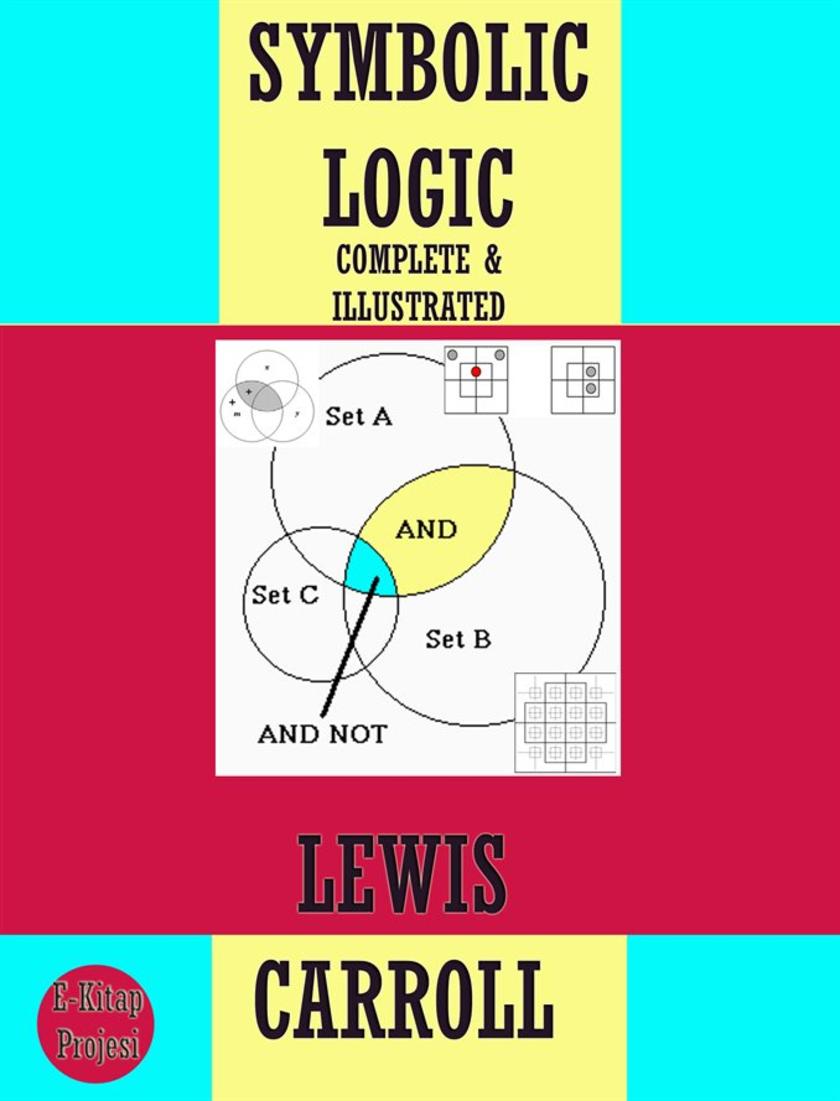
Symbolic Logic: {Complete & Illustrated}
¥28.04
The excellence of the following Treatise is so well known to all in any tolerable degree conversant with the Art of Painting, that it would be almost superfluous to say any thing respecting it, were it not that it here appears under the form of a new translation, of which fome account may be expected. Of the original Work, which is in reality a selection from the voluminous manuscript collections of the Author, both in Solio and Quarto, of all such passages as related to Painting, no edition appeared in print till 1651. Though its Author died so long before as the year 1519; and it is owing to the circumstance of a manuscript copy of these extracts in the original Italian, having fallen into the hands of “Raphael” that in the former of these years it was published at Paris in a thin folio volume in that language, accompanied with a set of cuts from the drawings of Niccolo Pouissin, and Alberti, the former having designed and defined the human figures, the latter the geometrical and other representations.. The first translation of this Treatise into English, appeared in the year 1721. It does not declare by whom it was made; but though it prosesses to have been done from the original Italian, it is evident, upon a comparison, that more use was made of the revised edition of the French translation. Indifferent, however, as it is, it had become fo scarce, and risen to a price fo extravagant, that, to supply the demand, it was found necessary, in the year 1796, to reprint it as it stood, with all its errors on its head, no opportunity then offering of procuring a french translation. This last impression, however, being now alfo disposed of, and a new one again called for, the present Translator was induced to step forward, and undertake the office of frenh translating it, on finding, by comparing the former versions both in French and English with the original, many passages which he thought might at once be more concisely and more faithfully rendered. ABOUT AUTHOR: Leonardo di ser Piero da Vinci (15 April 1452 – 2 May 1519) was an Italian painter, sculptor, architect, musician, mathematician, engineer, inventor, anatomist, geologist, cartographer, botanist, and writer. He is widely considered to be one of the greatest polymaths of all time and perhaps the most diversely talented person ever to have lived. His genius, perhaps more than that of any other figure, epitomized the Renaissance humanist ideal. Leonardo has often been described as the archetype of the Renaissance Man, a man of "unquenchable curiosity" and "feverishly inventive imagination". Marco Rosci states that while there is much speculation about Leonardo, his vision of the world is essentially logical rather than mysterious, and that the empirical methods he employed were unusual for his time. Born out of wedlock to a notary, Piero da Vinci, and a peasant woman, Caterina, in Vinci in the region of Florence, Leonardo was educated in the studio of the renowned Florentine painter Verrocchio. Much of his earlier working life was spent in the service of Ludovico il Moro in Milan. He later worked in Rome, Bologna and Venice, and he spent his last years in France at the home awarded him by Francis I. Leonardo was, and is, renowned as one of the greatest painters of all time. Among his works, the Mona Lisa is the most famous and most parodied portrait and The Last Supper the most reproduced religious painting of all time, with their fame approached only by Michelangelo's The Creation of Adam. Leonardo's drawing of the Vitruvian Man is also regarded as a cultural icon, being reproduced on items as varied as the euro coin, textbooks, and T-shirts. Perhaps fifteen of his paintings have survived, the small number because of his constant, and frequently disastrous, experimentation with new techniques, and his chronic procrastination. Nevertheless, these few works, together with his notebooks, which contain drawings, scientific diagrams, and his thoughts on the nature of painting, compose a contribution to later generations of artists rivalled only by that of his contemporary, Michelangelo. Leonardo is revered for his technological ingenuity. He conceptualised flying machines, an armoured vehicle, concentrated solar power, an adding machine, and the double hull, also outlining a rudimentary theory of plate tectonics.
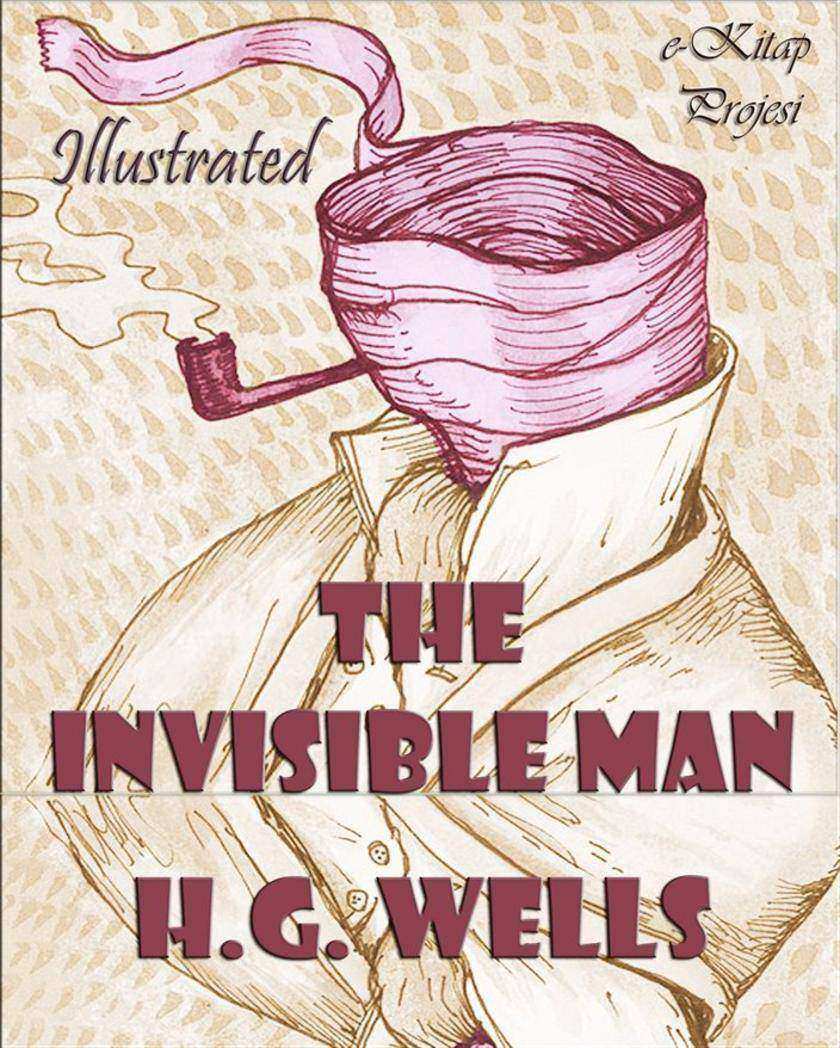
The Invisible Man
¥18.74
To present at a single glance a comprehensive view of the History of English Church Architecture from the Heptarchy to the Reformation, and to do this in a manner, which, without taxing too seriously the memory of the student, may enable him to fix in his mind the limits, and the general outline of the inquiry he is about to enter upon, is the object of the present treatise.? Instead therefore of entering, as is usual in elementary works of this nature, into a detailed account of all the parts of an Ecclesiastical structure, a certain portion only of such a building has for this purpose been selected, and so exhibited in the garb in which it appeared at successive intervals of time, as to present to the reader a means of comparison that will enable him readily to apprehend the gradual change of form through which it passed from the Eleventh to the Sixteenth Centuries, and at once to recognise the leading characteristics of the several Periods into which it is here proposed to divide the History of our National Architecture. Having thus fixed these leading characteristics in his mind, he will then be in a condition to follow us hereafter, if he pleases, into the detail of the whole subject, and to become familiar with those niceties of distinction, the detection of which—escaping, as they do, the eye of the general observer—contributes so materially to the enjoyment of the study, and a perfect acquaintance with which is so absolutely essential to a correct understanding of the true History of the Art.?That this mode of approaching the study of this subject is a convenient one, will probably be admitted by those who may remember the difficulties they encoun-tered, in their early attempts to acquire a general conception of the scheme of the History of Church Architecture, as given in most of the manuals now in use; and the complexity of detail in which they found themselves immediately involved on the very threshold of their inquiry.? It has been the practice in most elementary works on Church Architecture to derive the illustrations of the subject, indifferently from the smaller and the larger buildings of the Kingdom; and by implication to assign an equal authority to both. It will be readily admitted, however, that the History of an Art is to be gathered from its principal Monuments, and not from those the design or execution of which may have been entrusted to other than the ablest masters of the Period: in the choice, therefore, of the examples which have been selected to illustrate the series of changes which are described in the following pages, reference has been made principally to the great Cathedral, Abbey, and Collegiate Churches of the Kingdom, and occasionally only to some of the larger Parish Churches whose size or importance would seem to bring them under the above denomination.??Church Architecture in England, from its earliest existence down to the Sixteenth Century, was in a state of constant progress, or transition, and this progress appears to have been carried on, with certain exceptions in different parts of the country, very nearly simultaneously. It follows from this circumstance, first, That it is impossible to divide our National Architecture correctly into any number of distinct Orders or Styles; and secondly, That any Division of its History into a given number of Periods, must necessarily be an arbitrary one. It is nevertheless absolutely essential for the purpose of conveniently describing the long series of noble monuments which remain to us, that we should adopt some system of chronological arrangement, which may enable us to group, and to classify them in a distinct and intelligible manner: and although no broad lines of demarcation in this connected series are discernible—so gradual was the change—yet so rapid and so complete was it also, that a period of fifty years did not elapse without a material alteration in the form and fashion of every detail of a building. ?
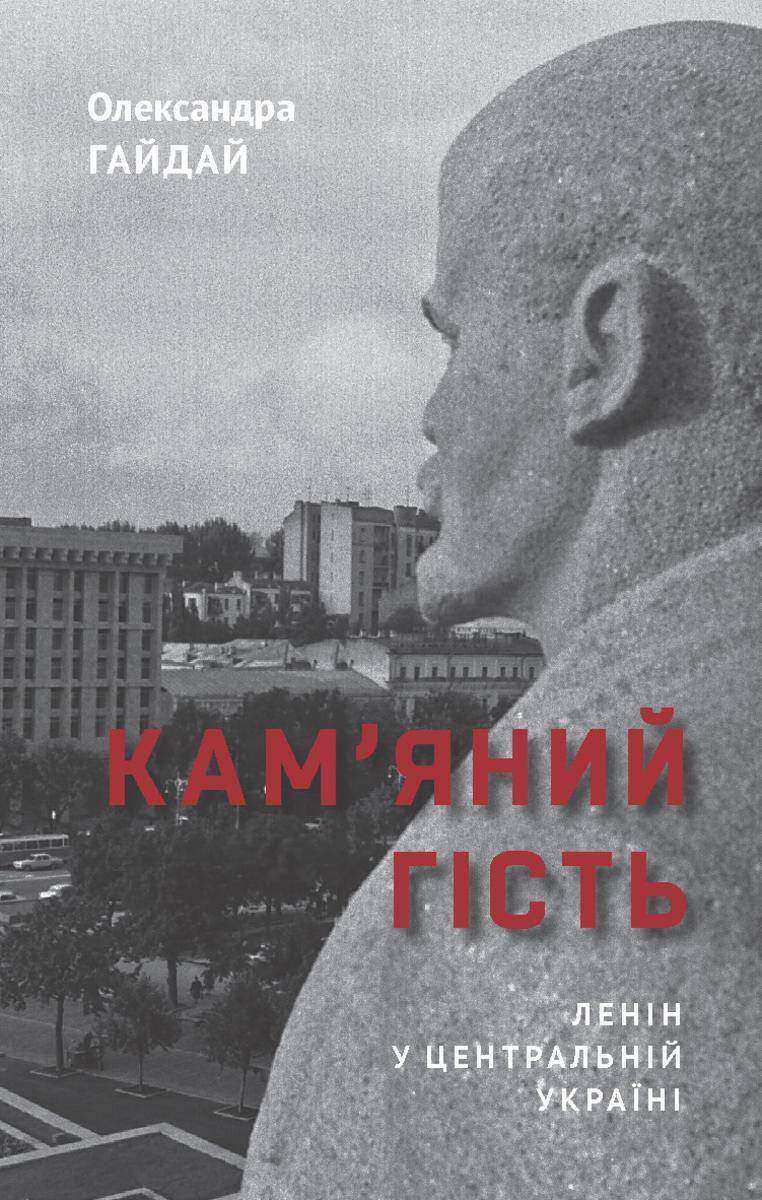
Кам’яний г?сть. Лен?н у Центральн?й Укра?н?
¥17.58
O livro apresenta uma abordagem sobre como foram construídos os saberes inerentes à medicina e ao hospital na Sociedade Moderna. Mostra, historicamente, como foi estabelecido o poder e as práticas médico-hospitalares. A obra apresenta o discurso das institui??es dominantes sobre o modelo assistencial, como também revela a realidade pragmática do acesso efetivo ao direito social à saúde, que, formalmente, foi expresso como uma necessidade básica traduzida em mínimos sociais, como condi??o legítima de dignidade da pessoa humana. A relev?ncia desse estudo é em virtude de sua especial significa??o nas diversas áreas das Ciências Humanas e Sociais, ao nutrir o debate sobre a temática do Direito à Saúde nas inst?ncias do Poder Público, bem como ao introduzi-la na agenda das profiss?es relacionadas com o campo da saúde, aprofundando suas dimens?es de transdisciplinariedade e transversalidade.

Calea spre fericire. Pove?ti adev?rate. Vol. 2
¥11.04
No caso da episteme comunicacional pode-se dizer que a mesma vem-se constituindo na historicidade de conceitos chave e de hipóteses clássicas que têm nutrido o pensamento teórico e a pesquisa empírica do campo. Pensando a episteme comunicacional trata disso, ou seja, do objeto comunica??o em sua trajetória por fazer-se, a qual, ao acumular-se, permite a renova??o do que foi pensado a seu respeito e a prospec??o de novos pontos de vista.
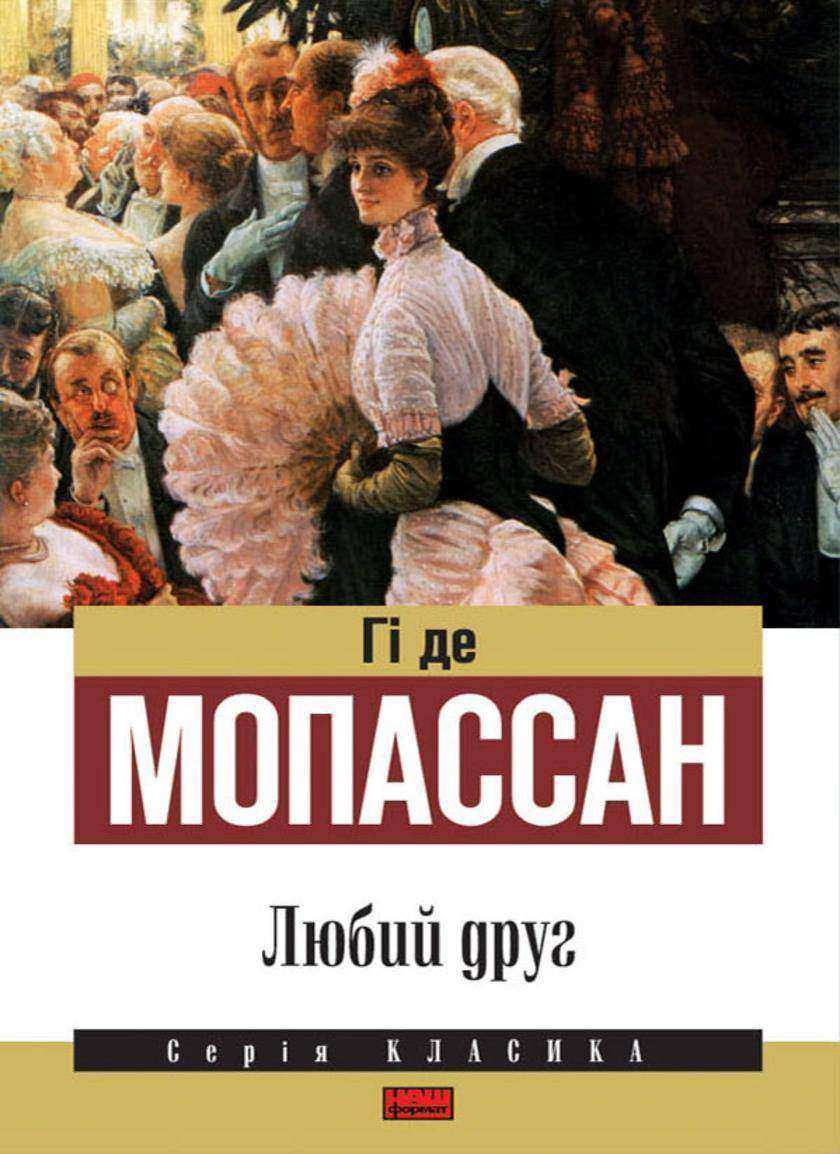
Любий друг
¥5.72
Fic??o brasileira no século XXI é um livro instigante. De leitura agradável e de interesse amplo, debru?a-se, com competência e inventividade, sobre oito escritores brasileiros contempor?neos, consagrados e premiados. O que n?o é pouco em uma tradi??o como a nossa, em que n?o se encontram muitos estudiosos de literatura que encarem o contempor?neo e consigam discuti-lo de forma a dialogar, n?o apenas com o estudioso e o especialista como também com o leitor comum interessado em literatura. Adriana Lunardi, Alberto Martins, Luiz Ruffato, Michel Laub, Milton Hatoum, Nelson de Oliveira, Ricardo Lísias e Rodrigo Lacerda encontram, por meio da leitura que deles fazem os autores deste livro, novos olhares para suas obras. E, nestes novos olhares, há um convite para novos leitores e leituras renovadas.
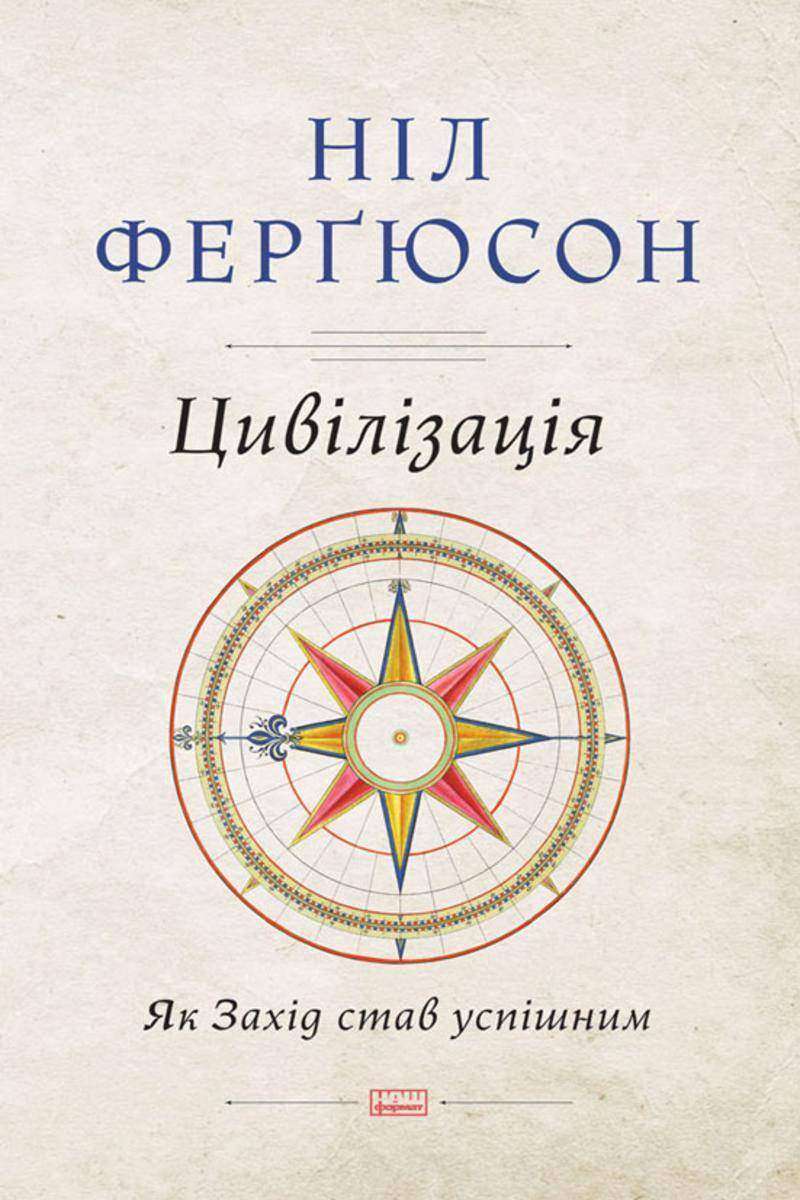
Цив?л?зац?я: Як Зах?д став усп?шним
¥36.79
Okupiv?i na jednome mjestu najzanimljivija imena lijeve politi?ke misli od Slovenije do Bugarske, s naglaskom na zemlje biv?e Jugoslavije, filozofi? i aktivisti Sre?ko Horvat i Igor ?tiks pred njih su stavili zadatak da napi?u tekstove o situaciji danas i ovdje, prije svega na Balkanu. ?etrnaest autora, od mladih filozofskih nada do svjetski priznatih imena, u svojim esejima pokazuje koliko je po?ast neoliberalizma u sprezi s politi?ko-mafija?kim klanovima i krupnim kapitalom razjela sve one pozitivne tekovine koje je ostavilo socijalisti?ko naslje?e. Bez sentimenta i nostalgije prema pro?lim vremenima, Dobro do?li u pustinju postsocijalizma najzanimljivija je i najaktualnija knjiga o suvre?menom trenutku. Ona je nezaobilazna studija za svakoga tko ?eli ozbiljnije shvatiti ?to nam se i za?to doga?a u vremenima duboke krize.


