


 购物车
购物车 个人中心
个人中心
Drum-Taps
¥8.09
Dodo Collections brings you another classic from Walt Whitman, ‘Drum-Taps’. Drum-taps is a collection of poetry by Walt Whitman first published in 1865. The collection originally consisted of 53 poems (not including the 18 poems of Sequel to Drum-Taps added later in the year). Walter "Walt" Whitman (May 31, 1819 – March 26, 1892) was an American poet, essayist and journalist. A humanist, he was a part of the transition between transcendentalism and realism, incorporating both views in his works. Whitman is among the most influential poets in the American canon, often called the father of free verse. His work was very controversial in its time, particularly his poetry collection Leaves of Grass, which was described as obscene for its overt sexuality. Born in Huntington on Long Island, Whitman worked as a journalist, a teacher, a government clerk, and—in addition to publishing his poetry—was a volunteer nurse during the American Civil War. Early in his career, he also produced a temperance novel, Franklin Evans (1842). Whitman's major work, Leaves of Grass, was first published in 1855 with his own money. The work was an attempt at reaching out to the common person with an American epic. He continued expanding and revising it until his death in 1892. After a stroke towards the end of his life, he moved to Camden, New Jersey, where his health further declined. When he died at age 72, his funeral became a public spectacle. Whitman's sexuality is often discussed alongside his poetry. Though biographers continue to debate his sexuality, he is usually described as either homosexual or bisexual in his feelings and attractions. However, there is disagreement among biographers as to whether Whitman had actual sexual experiences with men. Whitman was concerned with politics throughout his life. He supported the Wilmot Proviso and opposed the extension of slavery generally. His poetry presented an egalitarian view of the races, though his attitude in life reflected many of the racial prejudices common to nineteenth-century America and his opposition to slavery was not necessarily based on belief in the equality of races per se. At one point he called for the abolition of slavery, but later he saw the abolitionist movement as a threat to democracy.
The Wound Dresser
¥8.09
Dodo Collections brings you another classic from Walt Whitman, ‘The Wound Dresser’. Walt Whitman’s “The Wound-Dresser” is a sixty-five-line free-verse poem in four sections describing the suffering in the Civil War hospitals and the poet’s suffering, faithfulness to duty, and developing compassion as he tended to soldiers’ physical wounds and gave comfort. Published at war’s end, the poem opens with an old veteran speaking, imaginatively suggesting some youths gathered about who have asked him to tell of his most powerful memories. The children request stories of battle glory, but the poet quickly dismisses these as ephemeral. He then narrates a journey through a military hospital such as Whitman experienced in Washington, D.C., during the second half of the war. Walter "Walt" Whitman (May 31, 1819 – March 26, 1892) was an American poet, essayist and journalist. A humanist, he was a part of the transition between transcendentalism and realism, incorporating both views in his works. Whitman is among the most influential poets in the American canon, often called the father of free verse. His work was very controversial in its time, particularly his poetry collection Leaves of Grass, which was described as obscene for its overt sexuality. Born in Huntington on Long Island, Whitman worked as a journalist, a teacher, a government clerk, and—in addition to publishing his poetry—was a volunteer nurse during the American Civil War. Early in his career, he also produced a temperance novel, Franklin Evans (1842). Whitman's major work, Leaves of Grass, was first published in 1855 with his own money. The work was an attempt at reaching out to the common person with an American epic. He continued expanding and revising it until his death in 1892. After a stroke towards the end of his life, he moved to Camden, New Jersey, where his health further declined. When he died at age 72, his funeral became a public spectacle. Whitman's sexuality is often discussed alongside his poetry. Though biographers continue to debate his sexuality, he is usually described as either homosexual or bisexual in his feelings and attractions. However, there is disagreement among biographers as to whether Whitman had actual sexual experiences with men. Whitman was concerned with politics throughout his life. He supported the Wilmot Proviso and opposed the extension of slavery generally. His poetry presented an egalitarian view of the races, though his attitude in life reflected many of the racial prejudices common to nineteenth-century America and his opposition to slavery was not necessarily based on belief in the equality of races per se. At one point he called for the abolition of slavery, but later he saw the abolitionist movement as a threat to democracy.
Judith, a Play in Three Acts: Founded on the Apocryphal Book of Judith
¥8.09
Dodo Collections brings you another classic from Arnold Bennett, ‘"Judith, a Play in Three Acts; Founded on the Apocryphal Book of Judith."’ ? Enoch Arnold Bennett (always known as Arnold Bennett) was one of the most remarkable literary figures of his time, a product of the English Potteries that he made famous as the Five Towns. Yet he could hardly wait to escape his home town, and he did so by the sheer force of his ambition to succeed as an author. In his time he turned his hand to every kind of writing, but he will be remembered for such novels as The Old Wives' Tale, the Clayhanger trilogy (Clayhanger, Hilda Lessways, and These Twain), and The Card. He also wrote such intriguing self-improvement books as Literary Taste, How To Live on 24 Hours a Day, The Human Machine, etc. ? After a local education Bennett finished his education at the University of London and for a time was editor of Woman magazine. After 1900 he devoted himself entirely to writing; dramatic criticism was one of his foremost interests. Bennett is best known, however, for his novels, several of which were written during his residence in France. ? Bennett's infancy was spent in genteel poverty, which gave way to prosperity as his father succeeded as a solicitor. From this provincial background he became a novelist. His enduring fame is as a Chronicler of the Potteries towns, the setting and inspiration of some of his most famous and enduring literary work and the place where he grew up.
Shakespeare's Works: 37 plays, plus poetry, with line numbers
¥8.09
This file includes all of Shakespeare's plays, with line numbers (11 tragedies, 12 comedies, 10 histories, and 4 romances), plus his poetry (Sonnets, Venus and Adonis, Rape of Lucrece, Lover's Complaint, and Passionate Pilgrim. According to Wikipedia: "William Shakespeare (baptised 26 April 1564 – died 23 April 1616) was an English poet and playwright, widely regarded as the greatest writer in the English language and the world's pre-eminent dramatist. He is often called England's national poet and the "Bard of Avon" (or simply "The Bard"). His surviving works consist of 38 plays, 154 sonnets, two long narrative poems, and several other poems. His plays have been translated into every major living language, and are performed more often than those of any other playwright."
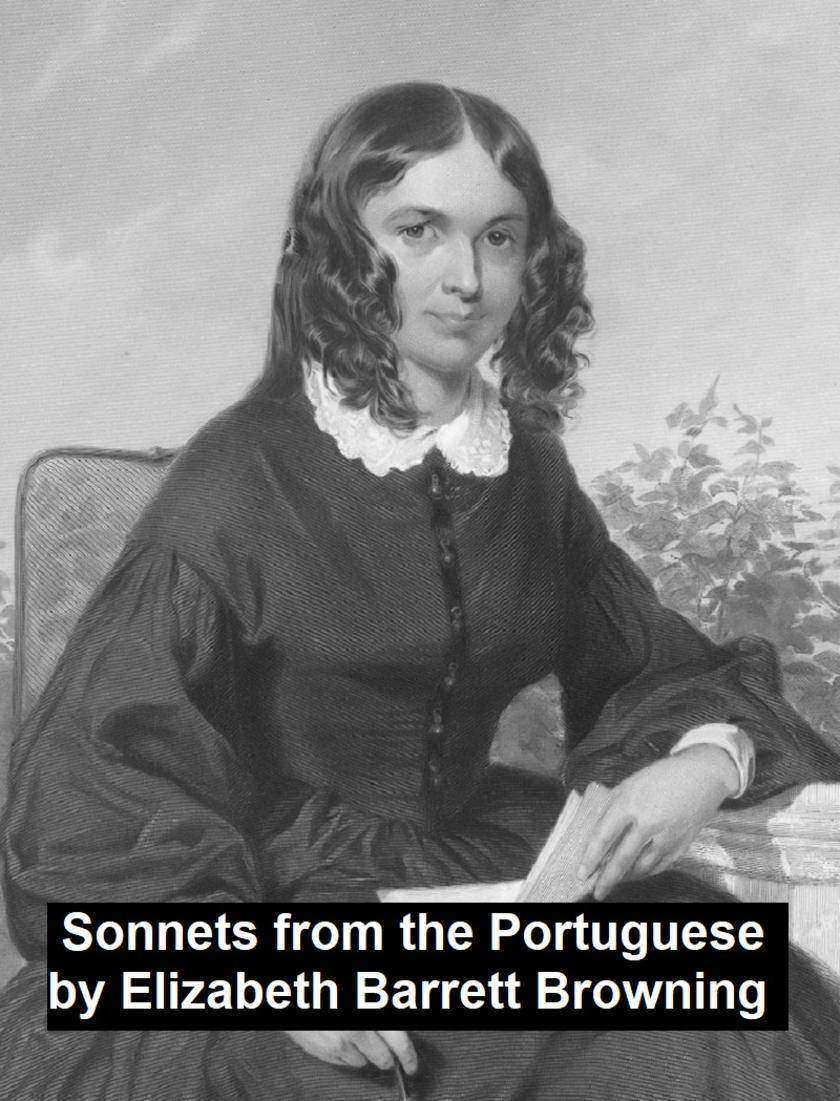
Sonnets from the Portuguese
¥8.09
Very short collection of love poems. According to Wikipedia: "Elizabeth Barrett Browning (1806 – 1861) was one of the most respected poets of the Victorian era."
Julius Caesar, with line numbers
¥8.09
The classic tragedy. According to Wikipedia: "Julius Caesar is a tragedy by William Shakespeare, believed to have been written in 1599. It portrays the conspiracy against the Roman dictator of the same name, his assassination and its aftermath. It is one of several Roman plays that he wrote, based on true events from Roman history, which also include Coriolanus and Antony and Cleopatra. Although the title of the play is Julius Caesar, Caesar is not the main character in its action; he appears in only three scenes, and is killed at the beginning of the third act. The protagonist of the play is Marcus Brutus, and the central psychological drama is his struggle between the conflicting demands of honor, patriotism, and friendship. The play reflected the general anxiety of England over succession of leadership. At the time of its creation and first performance, Queen Elizabeth, a strong ruler, was elderly and had refused to name a successor, leading to worries that a civil war similar to that of Rome might break out after her death."
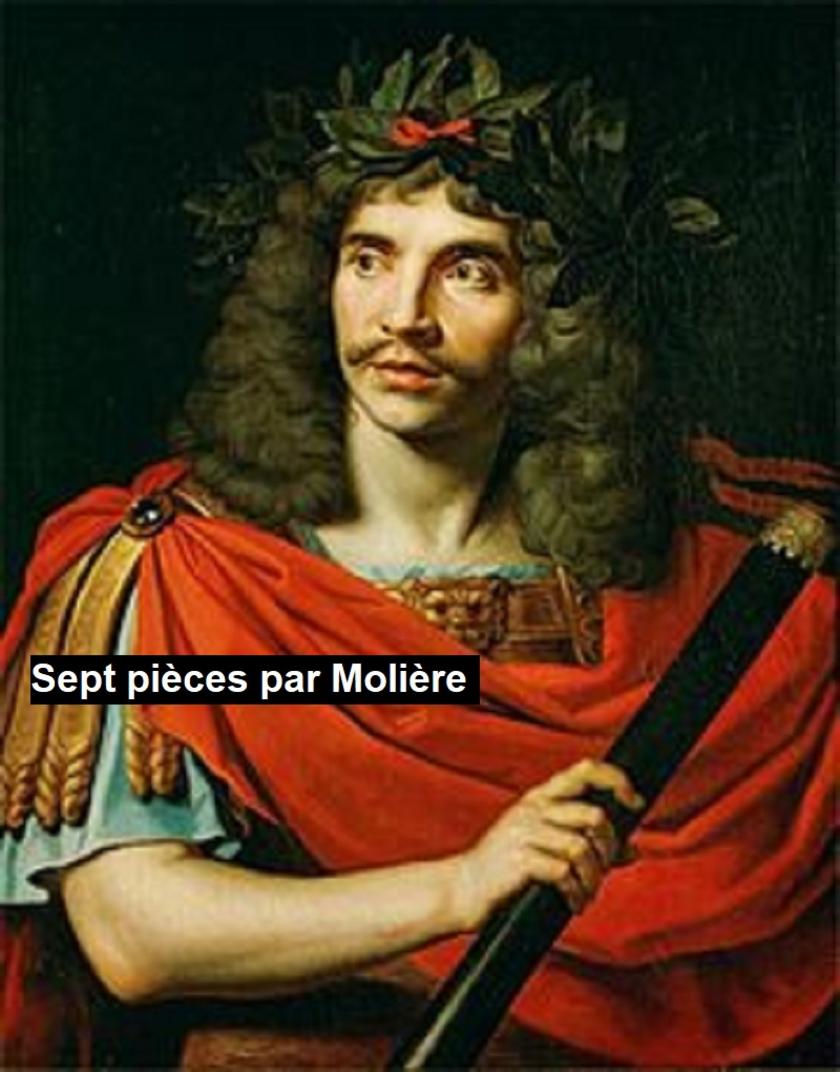
Sept pièces
¥8.09
Ce fichier comprend: Don Juan ou Le Festin de Pierre (1663); L'Avare (1667); L'?tourdi ou Les Contre-Temps (1653-1658); Le Mariage Forcé (1664); Le Médecin Malgré Lui (1666); Les Précieuses Ridicules (1659); et Sganarelle ou Le Cocu Imaginaire (1660); Selon Wikipedia: "Jean-Baptiste Poquelin, connu surtout sous son nom de scène Molière (15 janvier 1622 - 17 février 1673) était un dramaturge et acteur fran?ais considéré comme l'un des plus grands ma?tres de la comédie dans la littérature occidentale. Les drames les plus connus de Molière sont Le Misanthrope (Le Misanthrope), L'?cole des femmes, Tartuffe ou L'Imposteur, Tartuffe ou l'Hypocrite, L'Avare ou L'?cole du Mensonge. Le Malade imaginaire, et Le Bourgeois gentilhomme, issu d'une famille prospère et ayant étudié au Collège de Clermont (aujourd'hui le Lycée Louis-le-Grand), Molière était bien placé pour débuter une La vie au thé?tre Treize ans en tant qu'acteur itinérant l'ont aidé à peaufiner ses capacités comiques en commen?ant à écrire, en combinant les éléments de la Commedia dell'Arte avec la comédie fran?aise, plus raffinée.
Hamlet, with line numbers
¥8.09
The classic tragedy. According to Wikipedia: "Hamlet is a tragedy by William Shakespeare, believed to have been written between 1599 and 1601. The play, set in Denmark, recounts how Prince Hamlet exacts revenge on his uncle Claudius, who has murdered Hamlet's father, the King, and then taken the throne and married Hamlet's mother. The play vividly charts the course of real and feigned madness—from overwhelming grief to seething rage—and explores themes of treachery, revenge, incest, and moral corruption."
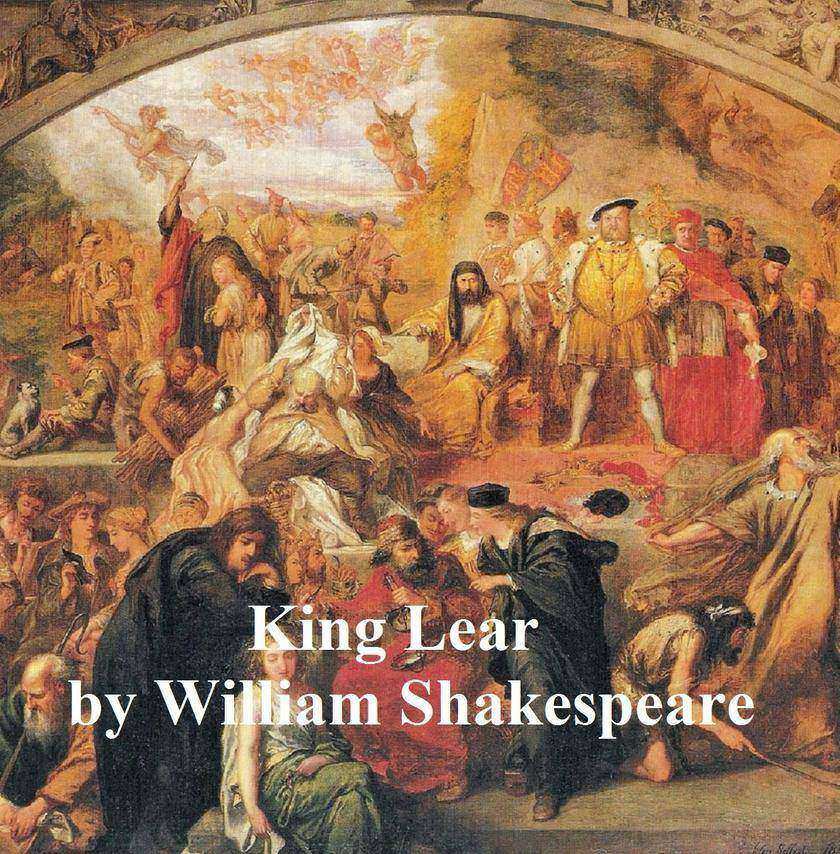
King Lear, with line numbers
¥8.09
The classic tragedy. According to Wikipedia: "King Lear is a tragedy by William Shakespeare, believed to have been written between 1603 and 1606, and is considered one of his greatest works. The play is based on the legend of Leir of Britain, a mythological pre-Roman king. It has been widely adapted for stage and screen, with the part of Lear being played by many of the world's most accomplished actors. There are two distinct versions of the play: The True Chronicle of the History of the Life and Death of King Lear and His Three Daughters, which appeared in quarto in 1608, and The Tragedy of King Lear, which appeared in the First Folio in 1623, a more theatrical version. The two texts are commonly printed in a conflated version, although many modern editors have argued that each version has its individual integrity. After the Restoration the play was often modified by theatre practitioners who disliked its dark and depressing tone. But since the 19th century, it has been regarded as one of Shakespeare's supreme achievements. The tragedy is particularly noted for its probing observations on the nature of human suffering and kinship.
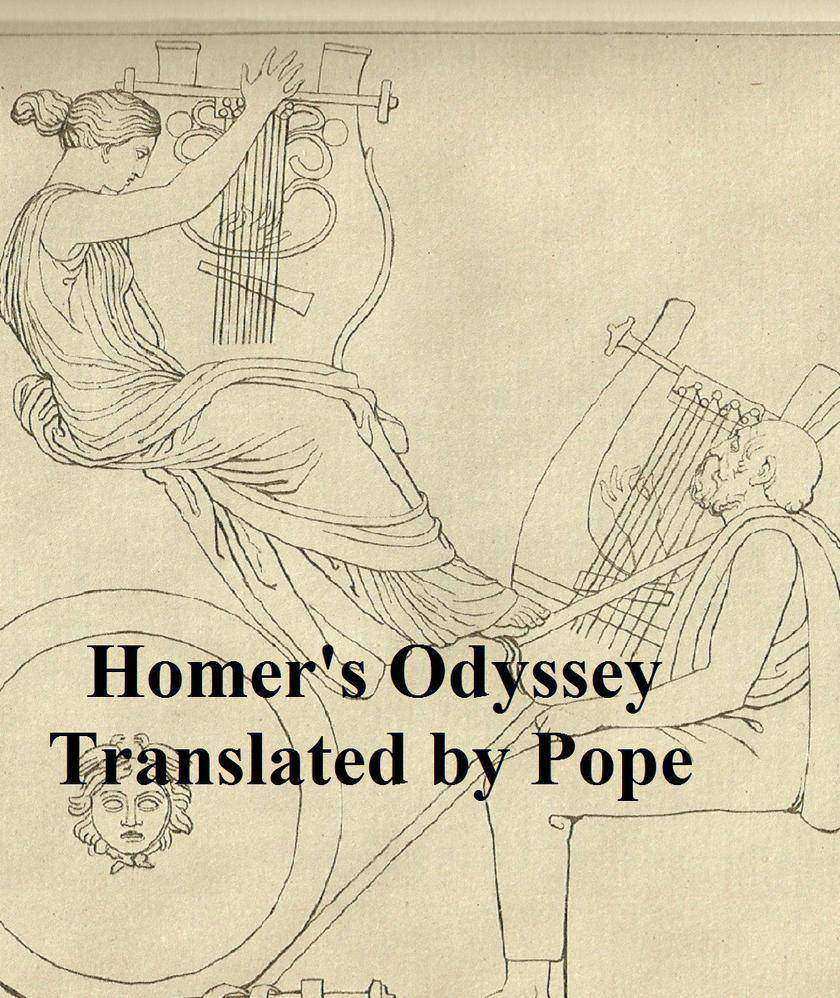
Homer's Odyssey
¥8.09
Prose translation. According to Wikipedia: "Homer is a legendary ancient Greek epic poet, traditionally said to be the author of the epic poems the Iliad and the Odyssey. The ancient Greeks generally believed that Homer was a historical individual, but modern scholars are skeptical: no reliable biographical information has been handed down from classical antiquity, and the poems themselves manifestly represent the culmination of many centuries of oral story-telling and a well-developed "formulaic" system of poetic composition."
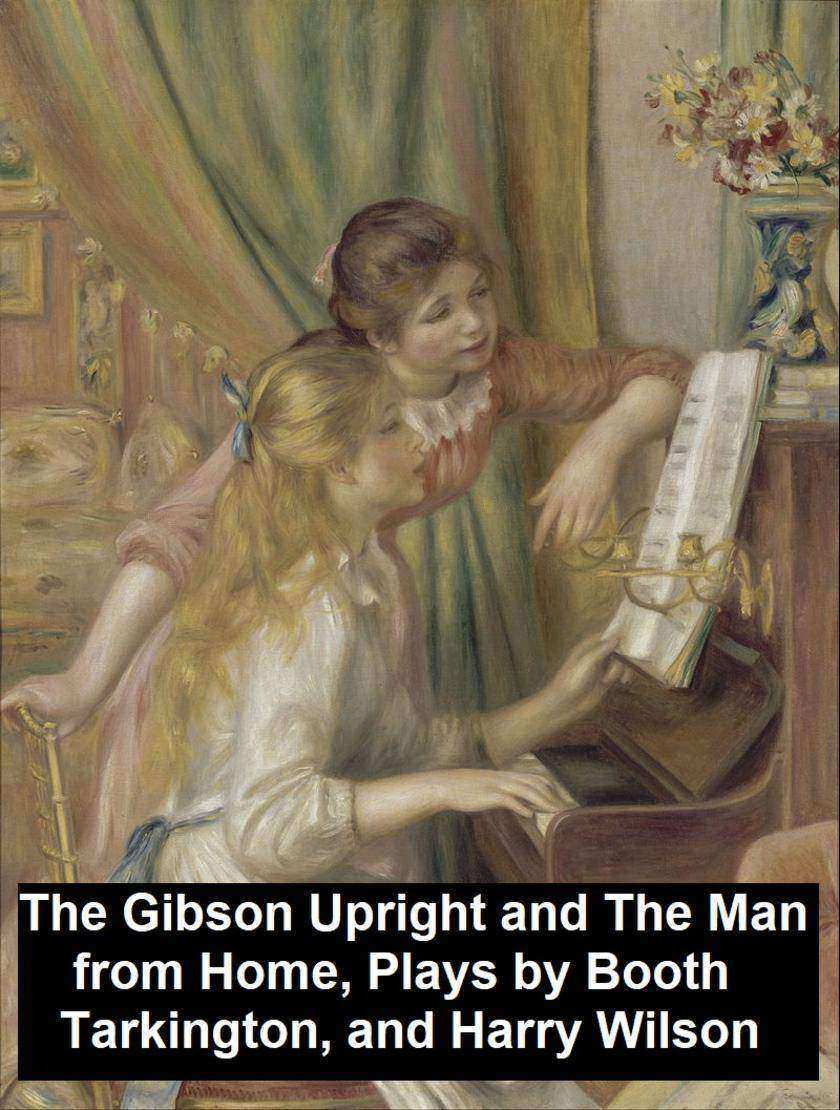
The Gibson Upright and The Man from Home, Plays
¥8.09
This file includes The Gibson Upright and The Man from Home. According to Wikipedia, "Booth Tarkington (July 29, 1869 – May 19, 1946) was an American novelist and dramatist best known for his Pulitzer Prize-winning novels The Magnificent Ambersons and Alice Adams.... Much of Tarkington's work consists of satirical and closely observed studies of the American class system and its foibles....his novel The Magnificent Ambersons, which Orson Welles filmed in 1942, the second volume in Tarkington's Growth trilogy, contrasted the decline of the "old money" Amberson dynasty against the rise of "new money" industrial tycoons in the years between the American Civil War and World War I... Harry Leon Wilson (May 1, 1867 – June 28, 1939) was an American novelist and dramatist best known for his novels, Ruggles of Red Gap and Merton of the Movies. His novel, Bunker Bean helped popularize the term flapper."
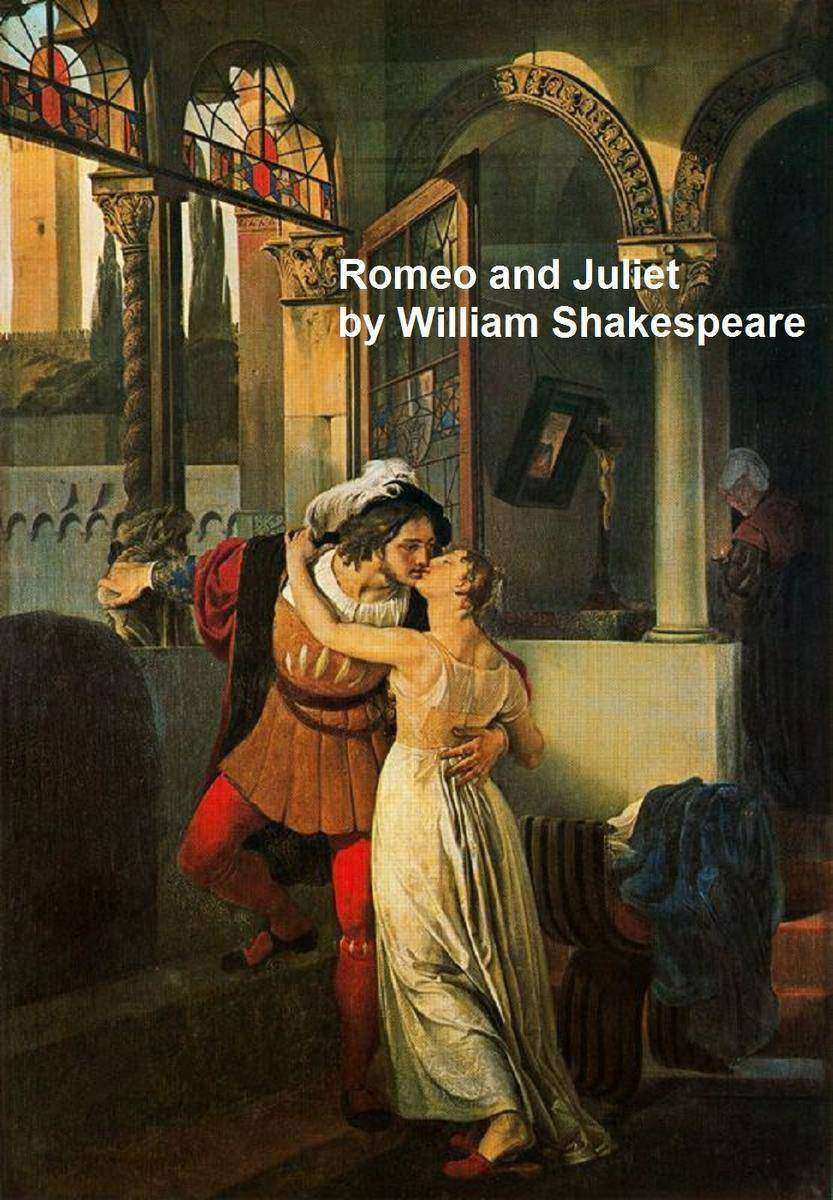
Romeo and Juliet, with line numbers
¥8.09
The classic tragedy. According to Wikipedia: "Romeo and Juliet is a tragedy written early in the career of William Shakespeare about two teenage "star-cross'd lovers" whose untimely deaths ultimately unite their feuding families. It was among Shakespeare's most popular plays during his lifetime and, along with Hamlet, is one of his most frequently performed plays. Today, the title characters are regarded as archetypal young lovers."
Othello, with line numbers
¥8.09
The classic tragedy. According to Wikipedia: "Othello, the Moor of Venice is a tragedy by William Shakespeare, believed to have been written in approximately 1603, based on the short story "Moor of Venice" by Cinthio. The work revolves around four central characters: Othello, his wife Desdemona, his lieutenant Cassio, and his trusted advisor Iago. Attesting to its enduring popularity, the play appeared in 7 editions between 1622 and 1705. Because of its varied themes — racism, love, jealousy and betrayal — it remains relevant to the present day and is often performed in professional and community theatres alike. The play has also been the basis for numerous operatic, film and literary adaptations."
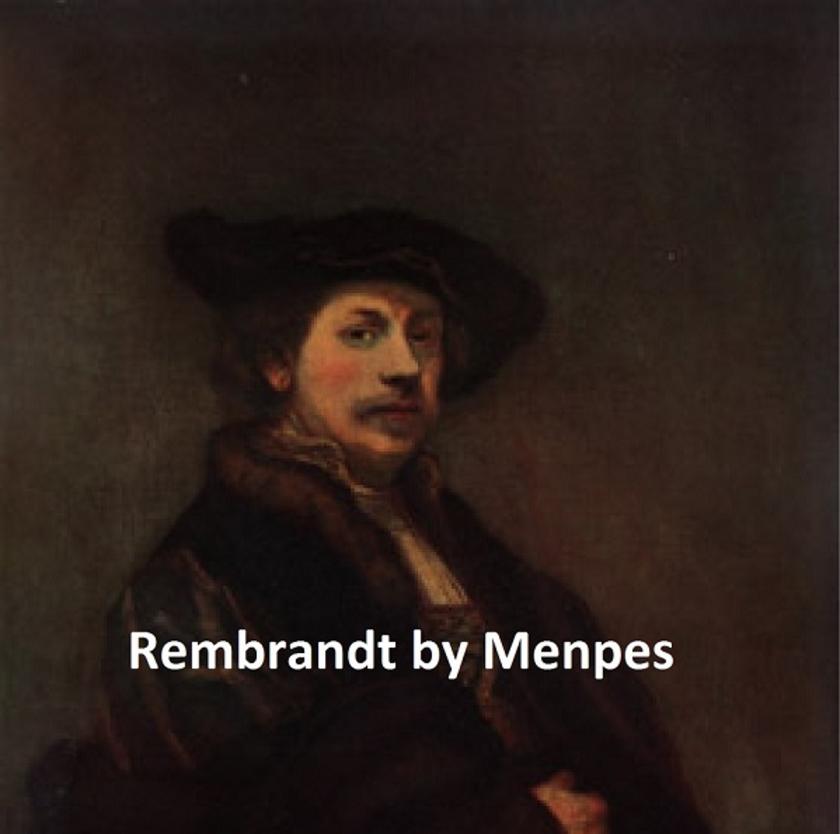
Rembrandt by Menpes: Illustrated
¥8.09
Illustrated with 15 color photographs of his paintings. According to Wikipedia: "Rembrandt Harmenszoon van Rijn (15 July 1606 – 4 October 1669) was a Dutch painter and etcher. He is generally considered one of the greatest painters and printmakers in European art history and the most important in Dutch history. His contributions to art came in a period of great wealth and cultural achievement that historians call the Dutch Golden Age when Dutch Golden Age painting, although in many ways antithetical to the Baroque style that dominated Europe, was extremely prolific and innovative."
Charmides: And Other Poems
¥8.09
Short poetry collection. According to Wikipedia: "Oscar Fingal O'Flahertie Wills Wilde (1854 - 1900) was an Irish playwright, novelist, poet, and author of short stories. Known for his barbed wit, he was one of the most successful playwrights of late Victorian London, and one of the greatest celebrities of his day. As the result of a famous trial, he suffered a dramatic downfall and was imprisoned for two years of hard labour after being convicted of the offence of 'gross indecency.'"
Underwoods
¥8.09
Poetry. According to Wikipedia: "Robert Louis (Balfour) Stevenson ( 1850 - 1894), was a Scottish novelist, poet, and travel writer, and a leading representative of Neo-romanticism in English literature. He was the man who "seemed to pick the right word up on the point of his pen, like a man playing spillikins", as G. K. Chesterton put it. He was also greatly admired by many authors, including Jorge Luis Borges, Ernest Hemingway, Rudyard Kipling, Vladimir Nabokov, and J. M. Barrie. Most modernist writers dismissed him, however, because he was popular and did not write within their definition of modernism. It is only recently that critics have begun to look beyond Stevenson's popularity and allow him a place in the canon."
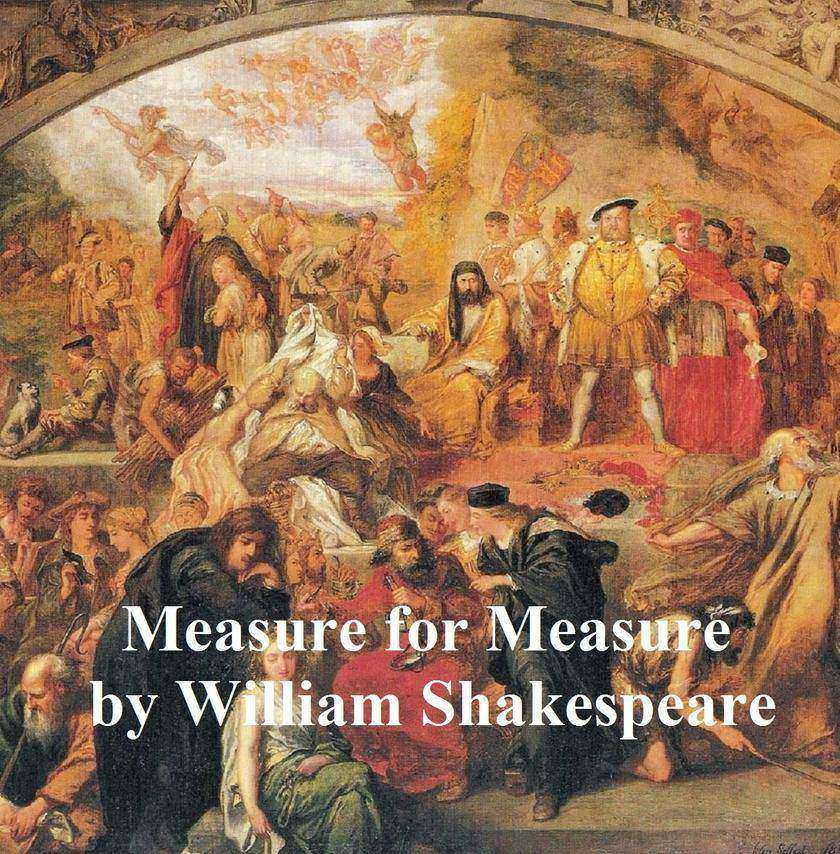
Measure for Measure, with line numbers
¥8.09
One of Shakespeare's "problem" plays. (Not quite a comedy, not quite a romance). According to Wikipedia: "Measure for Measure is a play by William Shakespeare, believed to have been written in 1603 or 1604. It was originally classified as a comedy, but is now also classified as one of Shakespeare's problem plays. Originally published in the First Folio of 1623, the play's first recorded performance was in 1604. The play deals with the issues of mercy, justice, truth and their relationship to pride and humility: "Some rise by sin, and some by virtue fall"
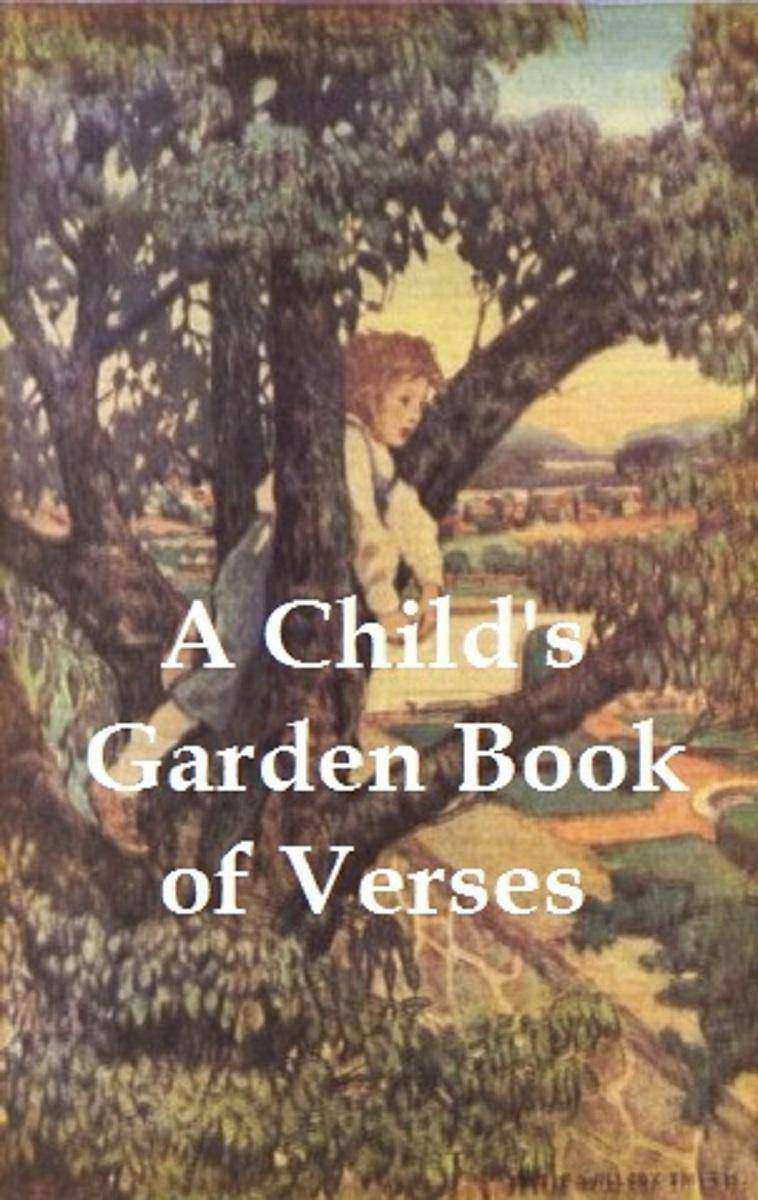
A Child's Garden of Verses
¥8.09
80 illustrations, some color, some black-and-white. According to Wikipedia: "A Child's Garden of Verses is a collection of poetry for children by the Scottish author Robert Louis Stevenson. The collection first appeared in 1885 under the title Penny Whistles, but has been reprinted many times, often in illustrated versions. It contains about 65 poems including the cherished classics "Foreign Children," "The Lamplighter," "The Land of Counterpane," "Bed in Summer," "My Shadow" and "The Swing."
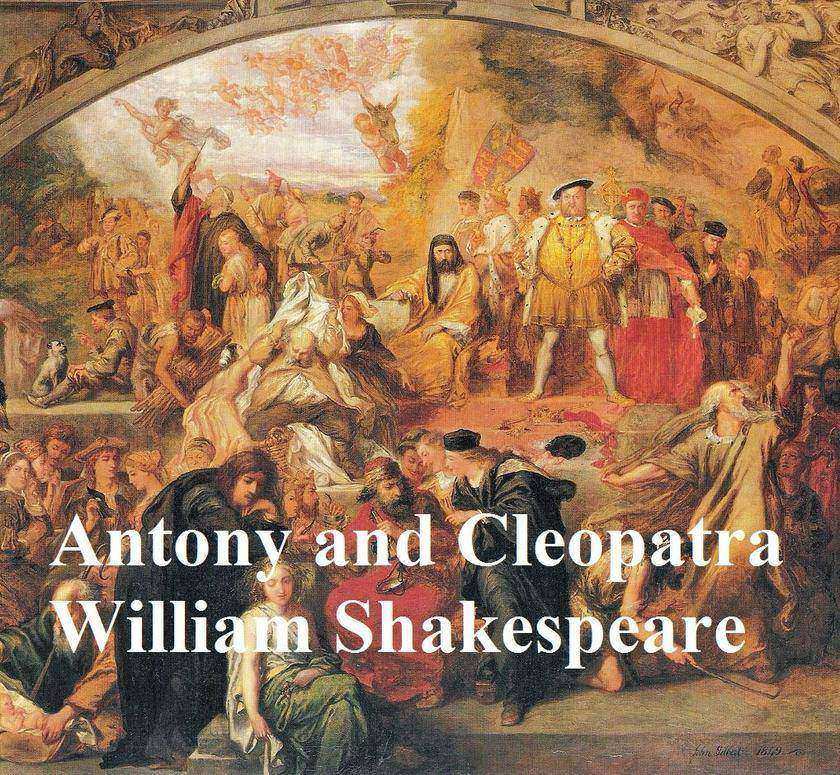
Antony and Cleopatra, with line numbers
¥8.09
The classic tragedy. According to Wikipedia: "Antony and Cleopatra is a tragedy by William Shakespeare. It was first printed in the First Folio of 1623. The plot is based on Thomas North's translation of Plutarch's Life of Markus Antonius and follows the relationship between Cleopatra and Mark Antony from the time of the Parthian War to Cleopatra's suicide. The major antagonist is Octavius Caesar, one of Antony's fellow triumvirs and the future first emperor of Rome. The tragedy is a Roman play characterized by swift, panoramic shifts in geographical locations and in registers, alternating between sensual, imaginative Alexandria and the more pragmatic, austere Rome. Many consider the role of Cleopatra in this play one of the most complex female roles in Shakespeare's work. She is frequently vain and histrionic, provoking an audience almost to scorn; at the same time, Shakespeare's efforts invest both her and Antony with tragic grandeur. These contradictory features have led to famously divided critical responses.["
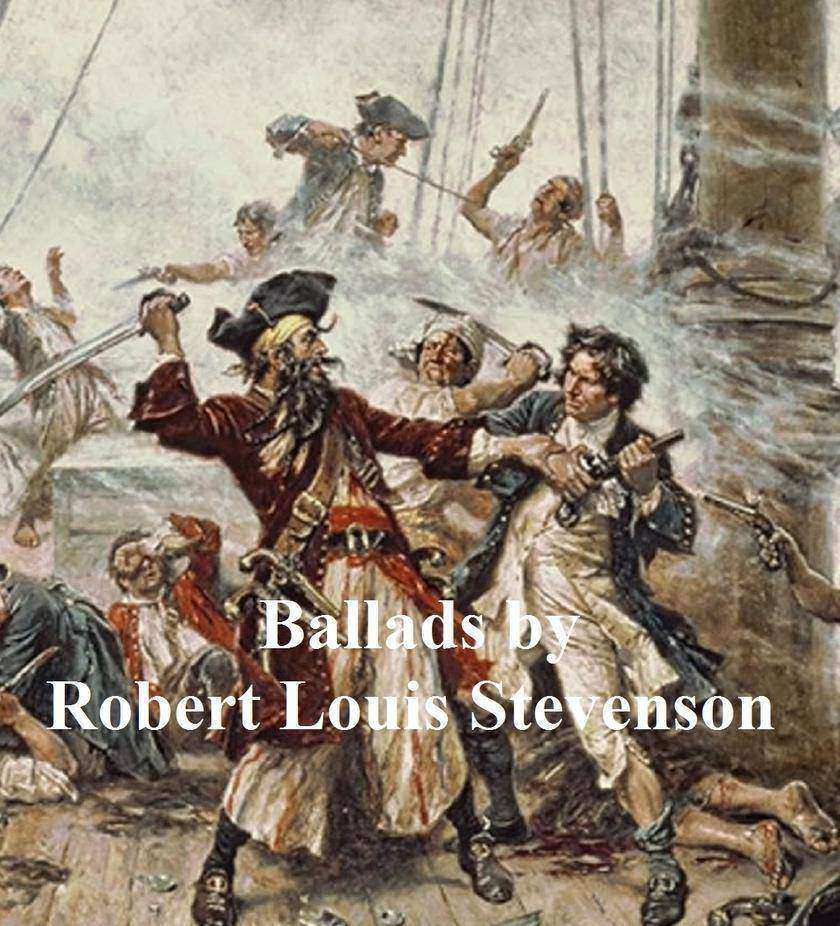
Ballads
¥8.09
Poetry. According to Wikipedia: "Robert Louis (Balfour) Stevenson (1850 - 1894), was a Scottish novelist, poet, and travel writer, and a leading representative of Neo-romanticism in English literature. He was the man who "seemed to pick the right word up on the point of his pen, like a man playing spillikins", as G. K. Chesterton put it. He was also greatly admired by many authors, including Jorge Luis Borges, Ernest Hemingway, Rudyard Kipling, Vladimir Nabokov, and J. M. Barrie. Most modernist writers dismissed him, however, because he was popular and did not write within their definition of modernism. It is only recently that critics have begun to look beyond Stevenson's popularity and allow him a place in the canon."
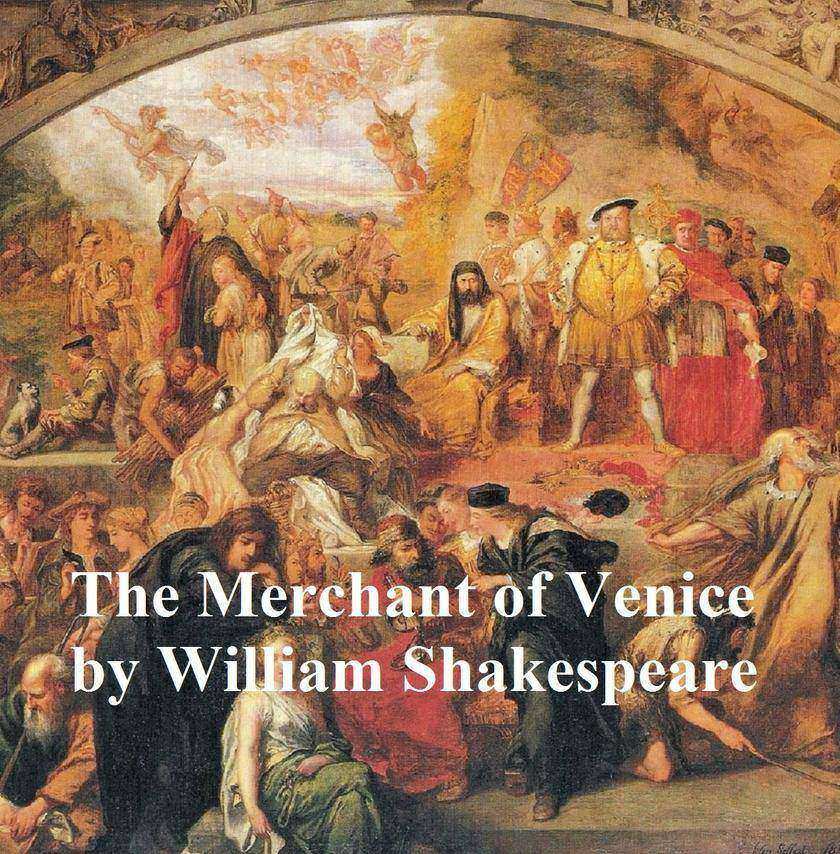
The Merchant of Venice, with line numbers
¥8.09
The classic play. According to Wikipedia: "The Merchant of Venice is a play by William Shakespeare, believed to have been written between 1596 and 1598. Although classified as a comedy in the First Folio, and while it shares certain aspects with Shakespeare's other romantic comedies, the play is perhaps more remembered for its dramatic scenes, and is best known for the character of Shylock. The title character is the merchant Antonio, not the Jewish moneylender Shylock, who is the play's most prominent and more famous character. Though Shylock is a tormented character, he is also a tormentor, so whether he is to be viewed with disdain or sympathy is up to the audience (as influenced by the interpretation of the play's director and lead actors). As a result, The Merchant of Venice is often classified as one of Shakespeare's problem plays."


