


 购物车
购物车 个人中心
个人中心

Negotiation Skills in 7 simple steps
¥61.51
7 simple steps to flawless negotiations A successful negotiation results in a win-win agreement for both parties. But where do you start if you’re up against people or organisations with conflicting objectives? Or people who are just downright difficult? Getting what you want requires determination and tact. You need to be assertive but know when to compromise. We’ll help you refine your persuasive skills through verbal and non-verbal communication. We’ll show you how to identify and understand the key issues, distinguish between needs and interests and come to an agreement that benefits everyone. With our 7 simple steps you’ll be a pro in no time.

Get that Job in 7 simple steps
¥61.51
7 simple steps to help you find your perfect job Kickstart your job applications and get the job you want. If you’re new to the job market, back for a restart, or want a change of scene, we’ll help you target what you want and show you how to get there. The job market is tougher than ever, and making a great first impression is everything. We’ll debunk the myths of applying for jobs, help get your CV into shape and prepare you for the interview. Just make sure you get there on time (that bit’s up to you).

Who Killed Change?
¥66.22
By the bestselling author of The One Minute Manager, a business parable that teaches organizations to cope successfully with change. Every day organizations around the world launch change initiatives – often big, expensive ones - designed to improve the status quo. Yet 50 to 70 percent of these change efforts fail. A few perish suddenly, but many die painful, protracted deaths that drain the organization's resources, energy and morale. So, Who or what is killing change? That's what you'll find out in this delightful whodunit. The story features a Columbo-style detective named Agent who's investigating the murder of yet another Change. One by one, Agent interviews thirteen prime suspects, including a myopic leader named Vision; a chronically tardy manager named Urgency; an executive named Communication whose laryngitis makes communication all but impossible; and several other dubious characters. The suspects are sure to sound familiar, and you're bound to relate them to your own workplace. In the end, Agent solves the case in a way that will inspire you to become an effective Change Agent in your own organization.

Good To Great And The Social Sectors
¥78.32
Building upon the concepts introduced in Good to Great, Jim Collins answers the most commonly asked questions raised by his readers in the social sectors. Using information gathered from interviews with over 100 social sector leaders, Jim Collins shows that his "Level 5 Leader" and other good-to-great principles can help social sector organizations make the leap to greatness.

The Irrational Bundle
¥323.63
Dan Ariely's three New York Times bestselling books on his groundbreaking behavioral economics research, Predictably Irrational, The Upside of Irrationality, and The (Honest) Truth About Dishonesty, are now available for the first time in a single volume.

The Watson Dynasty
¥95.39
For an extraordinary fifty-seven-year period, one of the nation's largest and fastest-growing companies was run by two men who were flesh and blood. The chief executives of the International Business Machines Corporation from 1914 until 1971 were Thomas J. Watson and Thomas J. Watson, father and son. That great corporation bears the imprint of both men -- their ambitions and their strengths -- but it also bears the consequences of a family that was in near-constant conflict.Sometimes wrong but never in doubt, both Watsons had clear -- and farsighted -- visions of what their company could become. They also had volcanic tempers. Their fights with each other combined with their commitment to leadership and excellence made IBM one of the most rewarding, yet gut-clutching firms to work for in the history of American business.We are accustomed to describing professional behavior as if men and women leave their emotions and vulnerabilities at home each day. In the case of the Watsons, filial and sibling strife could not be excluded from the office. In closely studying the desires and frustrations of the Watson family, eminent historian Richard S. Tedlow has produced something more than a family portrait or a company history. He has raised the nearly forbidden issue of the role of emotion in corporate life.This book explores the interplay between the person- alities of these two extraordinary men and the firm they created. Both Watsons had deeply held beliefs about what a corporation is and should be. These ideas helped make "Big Blue" the bluest of blue-chip stocks during the Watsons' tenure. These very beliefs, however, also sowed the seeds for IBM's disasters in the late 1980s and early 1990s, when the company had lost sight of the original meaning behind many of the practices each man put into place.Tracing the family's idiosyncratic ability to cope with each other's weaknesses but not their strengths, The Watson Dynasty is a book for every person who ever went to work but didn't want to check his personality at the door.

Money 911
¥94.10
The popular TODAY financial editor Jean Chatzky helps you navigate through the critical challenges and potential catastrophes of personal finance.You've just lost your job. You've got a baby on the way. Your parent has had a stroke. Most people seek financial help not because they're planning for the future but because they need it . . . right now! If you have money problems or are seeking immediate help to solve a dire, unanticipated financial emergency, then you need Money 911. In this invaluable guidebook, financial expert Jean Chatzky provides answers to today's most pressing financial questions and concerns, including: How do I get out of debtHow do I avoid foreclosureHow do I set up a monthly budgetHow can I improve my credit scoreHow do I get my health insurance to pay a claimWhat should I do when I lose a parentWith Money 911, you can prepare for retirement, buy or sell a home, pick up the pieces of your personal finances, and get back on your feet and stay there!

Winning the Money Game
¥94.10
Former NBA center Adonal Foyle has seen athletes burn through millions on women, large entourages, family gifts, gambling debts even shark tanks! Such spending habits are partly responsible for 60 percent of NBA players going broke within five years of retirement and nearly 80 perfect of NFL players being strapped within two.Rich with anecdotes from a sports insider, Winning the Money Game shows you how to avoid the financial fouls of athletes. Foyle gives you the straight, offering guidance on a wide range of money matters, from taxes to alimony, from child support to medical bills, and so much more. He beaks down expenses point by point, illustrating the difference between luxury items and family needs, and lays out the essential dos and don'ts to help you spend, save, and grow your money wisely.

Revolt in the Boardroom
¥83.93
Throughout the 20th century, American corporations were governed by autocratic, almost unaccountable chief executives. Their word was law and the only check on their power was a board of directors composed of their friends and allies.Then, in a stunning reversal, a momentous series of firings deposed the heads of some of the world's best-known companies: AIG, Morgan Stanley, Boeing, Hewlett-Packard and Pfizer, just to name a few. Formerly unchallenged CEOs found themselves under fire, often from their own handpicked boards. The number of deposed executives is astonishing. In 2004, the leaders of 600 companies were asked to leave. That number more than doubled in 2005 and reached 1,400 companies in 2006.Flexing new muscles, directors are assuming new and unfamiliar responsibilities. In Revolt in the Boardroom, Alan Murray reveals the inner workings of the new seat of power. Using the access afforded to him by his influential Wall Street Journal column, Murray tells the story of three seminal board revolts the now-famous Hewlett-Packard drama, the ousting of Boeing's Harry Stonecipher and the end of the reign one of the world's most autocratic executives, Hank Greenberg at AIG.Murray goes further to chart the history of the corporation, the rise of governance and the effects of the new power gained by outside institutions like hedge funds and interest groups. Through it all, Murray shows how the job of chief executive has rapidly and permanently changed. Leaders like A. G. Lafley and Jeff Immelt govern instead of rule, build alliances and support instead of dictating direction and pay careful attention to a broader range of stakeholders than ever before.Revolt in the Boardroom is the first look at the new world of corporate power and the last word on the transformational events of the last two years.

Pit Bull
¥105.17
Welcome to the world of Martin "Buzzy" Schwartz, Champion Trader--the man whose nerves of steel and killer instinct in the canyons of Wall Street earned him the well-deserved name "Pit Bull." This is the true story of how Schwartz became the best of the best, of the people and places he discovered along the way and of the trader's tricks and techniques he used to make his millions.

First Comes Love, Then Comes Money
¥83.03
Happy Couples Know How to Talk About MoneyThe number one cause for divorce is financial infidelity. Now "The Money Couple" reveals the missing ingredient needed before any financial program or plan can work: healthy financial communication. This book tells you how to: Diagnose your level of financial infidelity Identify your individual Money Personality Master the Money Huddle and the Money Dump Achieve financial goals once and for all

The Great Hangover
¥99.65
Vanity Fair presents 21 true stories of the new hard times Where did all the billions goCommissioned by the editors at Vanity Fair magazine, The Great Hangover is an eye-opening collection of essays on the global economic crisis by fifteen of the most respected contemporary business writers in America, including:Bryan Burrough (Barbarians at the Gate) on the atmosphere of uncertainty and fear that preceded the demise of Bear Stearns . . . Michael Lewis (Liar's Poker) on Iceland's bizarre national implosion . . . Mark Bowden (Black Hawk Down) on the decline of The New York Times and the threat to the ailing newspaper industry . . . Mark Seal on the defining figure of the seriously tarnished New Gilded Age: the Grand Master of Greed, Bernie Madoff . . . Along with compelling and sometimes hair-raising pieces from a dozen other Vanity Fair contributors on the recent recession's myriad villains and victims and the worldwide impact of the financial downturn.
The House of Harper
¥95.39
The epic story of a publishing giantIn 1817 four young brothers opened a printing shop in downtown Manhattan. Two centuries later, their small enterprise has grown into one of the world's largest and most successful publishing houses. The Harper brothers and their sons and successors created a grand cultural institution that has become a cornerstone of America's literary heritage.Eugene Exman's classic history, published in 1967, The House of Harper is the fascinating account of the birth and growth of a magnificent literary empire. Richly detailed, it is filled with portraits of dynamic publishers and editors, with remarkable anecdotes about the legendary artists and authors whose works they championed and brought to the general public Charles Dickens, George Eliot, Herman Melville, Mark Twain, Winslow Homer, Henry James, Edna St. Vincent Millay, Thomas Wolfe, and Aldous Huxley, to name but a few. More than the enthralling saga of a successful business venture, it is a story of the shaping of American literature and culture.
The Girl's Guide to Starting Your Own Business
¥90.77
Geared toward the unique challenges faced by self-employed businesswomen and updated for the social media-driven, post-financial crisis world The Girl's Guide to Starting Your Own Business offers solutions and advice for handling a range of issues, including how to write a business plan, how to secure funding, and how to hire (and fire) employees. Caitlin Friedman and Kimberly Yorio share practical information drawn from their own extensive experience in the public relations, marketing, and consulting fields. Their concise and engaging advice is explained through entertaining tips, lists, and quizzes that speak directly to women who are dreaming of starting, or have already started, their own businesses.
The Cycle of Leadership
¥101.00
In The Leadership Engine Noel Tichy showed how great companies strive to create leaders at all levels of the organization and how those leaders actively develop future generations of leaders. In this new book he takes the theme further showing how great companies and their leaders develop their business knowledge into achable points of view pend a great portion of their time giving their learnings to others sharing best practices and how they in turn learn and receive business ideas/knowledge from the employees they are teaching. Calling this exchange a virtuous teaching cycle Professor Tichy shows how business builders from Jack Welch at GE to Joe Liemandt at Trilogy create organizations that foster this knowledge exchange and how their efforts result in smarter more agile companies and winning results. Some of these ideas were showcased in Tichy's recent Harvard Business Review article entitled Ordinary Boot Camp. Using examples from GE Ford Dell Southwest Airlines and many others Tichy presents and analyzes these principles in action and shows how managers can begin to transform their own businesses into teaching organizations and consequently better performing companies

Use The News
¥78.32
Explaining the methods that have made her -- and her stock picks -- famous, Maria Bartiromo tells investors how to use hot information to make money in any market, raging bull or lumbering bear. Packed with sage advice from the most influential people on Wall Street, Use the News is an indispensable investment handbook that will disclose the Wall Street insiders' secrets and show you how to take control of your investments.
Best Practices: Difficult People
¥72.70
Every office has someone who's no fun to be around. But getting along with that person and managing them effectively can make both your jobs easier. Difficult People, a comprehensive and essential resource for any manager on the run, shows you how.Learn to: Recognize why and when people act out Identify different types of difficult people Cope with difficult behavior Get the most out of trouble employees Nurture a harmonious work environment The Collins Best Practices guides offer new and seasoned managers the essential information they need to achieve more, both personally and professionally. Designed to provide tried-and-true advice from the world's most influential business minds, they feature practical strategies and tips to help you get ahead.

Best Practices: Time Management
¥72.70
There are only twenty-four hours in a day, but you can make them count. Time Management, a comprehensive and essential resource for any manager on the run, shows you how.Learn to: Set and prioritize goals, objectives, and tasks Create an effective schedule Avoid distractions and interruptions Respect other people's time Build a time-conscious organization The Collins Best Practices guides offer new and seasoned managers the essential information they need to achieve more, both personally and professionally. Designed to provide tried-and-true advice from the world's most influential business minds, they feature practical strategies and tips to help you get ahead.
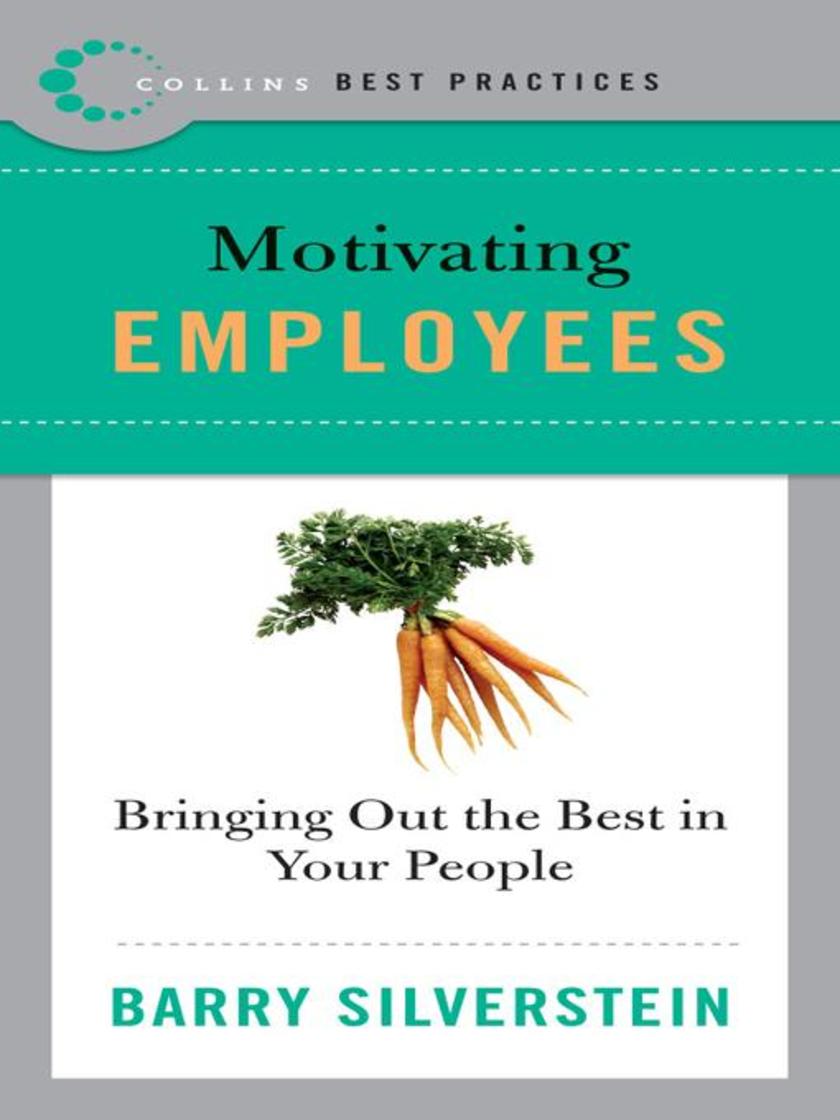
Best Practices: Motivating Employees
¥72.70
In today's high-pressure workplace, motivating all employees to consistently contribute their best can mean the difference between success and failure. Motivating Employees, a comprehensive and essential resource for any manager on the run, shows you how.Learn to: Inspire employees to succeed Improve performance through coaching Minimize the impact of common de-motivators Create a fair and consistent reward system Turn negative experiences into positive, motivational opportunities The Collins Best Practices guides offer new and seasoned managers the essential information they need to achieve more, both personally and professionally. Designed to provide tried-and-true advice from the world's most influential business minds, they feature practical strategies and tips to help you get ahead.

Direct From Dell
¥94.10
At nineteen, Michael Dell started his company as a freshman at the University of Texas with $1,000 and has since built an industry powerhouse. As Dell journeys through his childhood adventures, ups and downs, and mistakes made along the way, he reflects on invaluable lessons learned.Michael Dell's revolutionary insight has allowed him to persevere against all odds, and Direct from Dell contains valuable information for any business leader. His strategies will show you effective ways to grow your business and will help you save time on costly mistakes by following his direct model for success.

The Peter Principle
¥88.56
The classic #1 New York Times bestseller that answers the age-old questionWhy is incompetence so maddeningly rampant and so vexingly triumphantThe Peter Principle, the eponymous law Dr. Laurence J. Peter coined, explains that everyone in a hierarchy from the office intern to the CEO, from the low-level civil servant to a nation's president will inevitably rise to his or her level of incompetence. Dr. Peter explains why incompetence is at the root of everything we endeavor to do why schools bestow ignorance, why governments condone anarchy, why courts dispense injustice, why prosperity causes unhappiness, and why utopian plans never generate utopias.With the wit of Mark Twain, the psychological acuity of Sigmund Freud, and the theoretical impact of Isaac Newton, Dr. Laurence J. Peter and Raymond Hull's The Peter Principle brilliantly explains how incompetence and its accompanying symptoms, syndromes, and remedies define the world and the work we do in it.


