


 购物车
购物车 个人中心
个人中心

Ami Ami Dogs 2
¥84.16
This Amigurumi handbook is filled with new breeds of adorable miniature puppies. Photos inside reveal the secret, devilish world of your little friends, along with easy-to-follow patterns to help you create them. These sweet creatures are perfect additions to any Amigurumi collection.

The Great Mortality
¥94.87
La moria grandissima began its terrible journey across the European and Asian continents in 1347, leaving unimaginable devastation in its wake. Five years later, twenty-five million people were dead, felled by the scourge that would come to be called the Black Death. The Great Mortality is the extraordinary epic account of the worst natural disaster in European history -- a drama of courage, cowardice, misery, madness, and sacrifice that brilliantly illuminates humankind's darkest days when an old world ended and a new world was born.
Dark Star
¥83.03
For more than thirty years, Jerry Garcia was the musical and spiritual center of the Grateful Dead, one of the most popular rock bands of all time. In Dark Star, the first biography of Garcia published after his death, Garcia is remembered by those who knew him best. Together the voices in this oral biography explore his remarkable life: his childhood in San Francisco; the formation of his musical identity; the Dead's road to rock stardom; and his final, crushing addiction to heroin. Interviews with Jerry's former wives, lovers, family members, close friends, musical partners, and cultural cohorts create a behind-the-scenes look at the making of a rock-and-roll icon and at the price of fame.
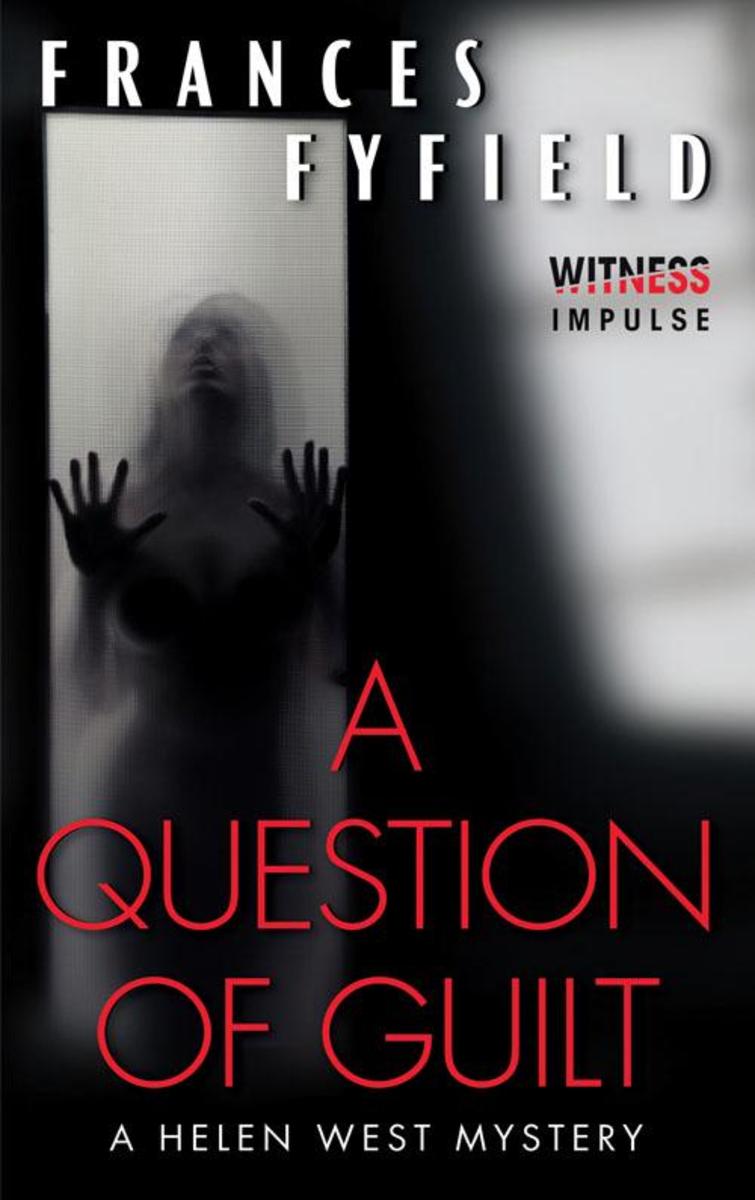
A Question of Guilt
¥32.73
Cunning and evil, poisoned by a lifetime of love withheld, Eileen Cartwright has an unrivaled passion for revenge. When the rich, middle-aged widow falls in love with her lawyer, she goes to fatal lengths to make him hers. Prosecutor Helen West is assigned to the case, but when Eileen's extraordinary evil reaches out even from behind prison bars, the investigation reaches a climax of frightening and frenzied violence.

Half Light
¥32.73
Elisabeth is a picture restorer. This gives her the solitude and independence she needs—living and working alone in her flat. Despite her skills and reliability, Elisabeth undercharges for her work—valuing the worth of the paintings rather more than she values herself. Her ambitions are modest: beauty to look upon, unintrusive friendships, and complete privacy. But when a mysterious and obviously wealthy man commissions her to restore his fabulous collection, an uncharacteristic combination of curiosity and financial need prompts her to accept his offer. Elisabeth soon realizes her error, as the past and the present combine to make privacy her nemesis. As she becomes a hostage to her patron, her lover and her friend realize they know nothing about her, or where she might be.
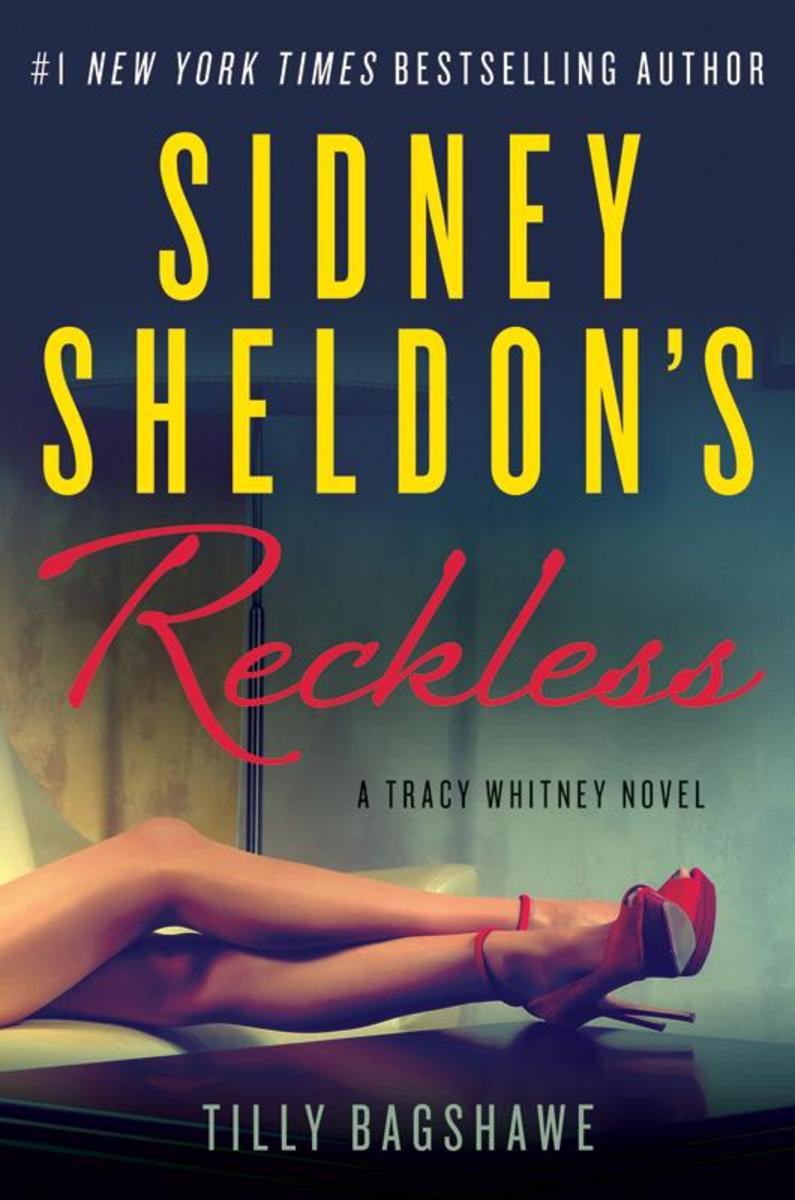
Sidney Sheldon's Reckless
¥55.31
#1 New York Times bestselling author Sidney Sheldon’s most popular and enduring heroine—Tracy Whitney of If Tomorrow Comes and Sidney Sheldon’s Chasing Tomorrow—finds herself caught in a nefarious and far-reaching scheme involving international terrorism and corruption in this compelling thriller packed with heart-stopping twists and breathtaking actionOnce upon a time, Tracy Whitney was one of the best thieves in the business. Then she settled down and had a child—a beautiful, bright, mischievous boy who was the center of her life. Tracy planned to spend the rest of her days quietly, living anonymously deep in the stunning Colorado mountains, devoted to raising her son. But tragedy forces her to face her greatest nightmare. Now, with nothing left to protect, this superb con artist, jewel thief, computer wizard, and cat burglar returns to the hunt, more dangerous, ruthless, and reckless than ever.The world faces a new terror threat from Group 99, a diverse collection of global hackers intent on thecollapse of capitalism and private wealth and the creation of a new world order. When the group turns to violence—kidnapping an American investigative journalist, shooting a British military hostage, and blowing up an international industrialist—the mysterious woman pulling their strings, a wily and wealthy American known only as Althea, becomes the CIA’s most sought criminal.But their only hope of finding her is a woman with a dark and dangerous past of her own. A woman who has also successfully evaded detection by the authorities around the world: Tracy.Convinced that Althea is behind the deadly act that shattered her life, Tracy sets out on a global hunt to flush out her prey. But as she soon discovers, the truth is as elusive as her target. Hampered by corruption, lies, and enemies masked as allies, Tracy will be pushed to the brink, where she must face her darkest demons. All of her experience tells Tracy that the answers are right in front of her—if only she can look at the clues in the right way.Propelled by an unquenchable thirst for revenge, and with the fate of so many resting in her hands, just how reckless will Tracy become when she has nothing left to lose?An addictive tale of espionage, mystery, passion, greed, betrayal, and vengeance that takes you from the beautiful Rocky Mountains to Europe’s oldest and grandest cities, filled with a cast of intriguing characters both new and familiar, Sidney Sheldon’s Reckless is a glamorous thrill ride that will leave you breathless until its shocking end.

The Damage
¥68.04
Power has its price.David Blake should be enjoying the high life now that he's top dog, controlling everything in the city that's worth controlling.But when it becomes clear that someone wants him dead, Blake struggles to maintain his restraint. From the heroin-laced high-rises of Newcastle to the seedy back streets of Bangkok, in a world of contract killers, corrupt politicians, bent detectives, fast women, and dangerous men, Blake is in a race against time to find—and stop—his potential assassin.Packed with action and attitude, The Damage is a gripping gangland thriller for fans of the hit films The Town and Goodfellas.
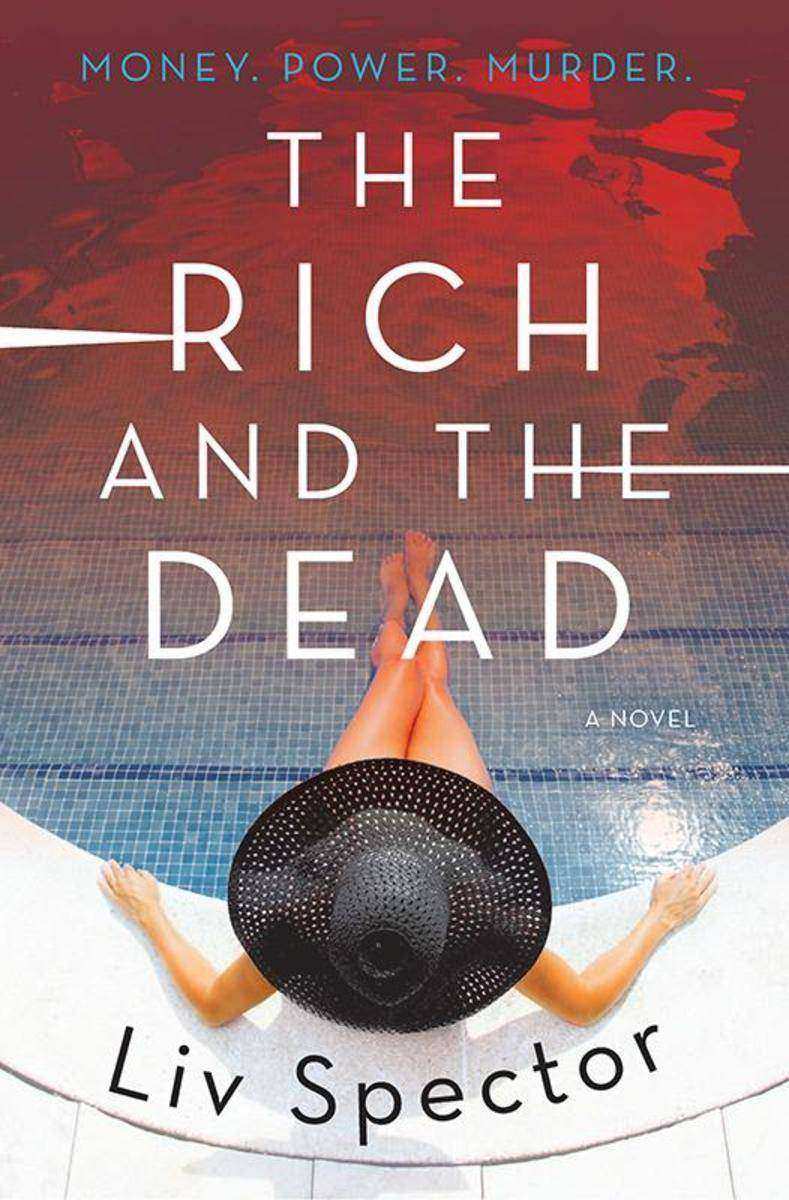
The Rich and the Dead
¥78.55
To solve the crime of the century, she'll have to go back in time....Welcome to Star Island, where Miami's wealthiest residents lead private lives behind the tall gates of their sprawling mansions. It's a blissful escape from the hot and dirty city—or it was, until New Year's Day 2015, when twelve of the most powerful people in the world were found murdered in the basement of a Star Island mansion. The massacre shocked the nation and destroyed the life of investigator Lila Day. Her hunt for the Star Island killer consumed her. But the case went unsolved, resulting in her dismissal from the Miami PD.Now, three years later, life hands Lila an unexpected second chance: reclusive billionaire Teddy Hawkins approaches Lila and asks her to solve the case. But how do you investigate a crime when all the leads have long ago gone coldThe answer, Teddy tells her, is to solve the case before it happens. He's going to send Lila back in time.With nothing left to lose, an incredulous Lila travels back to 2014, determined to find the Star Island killer once and for all. But as she goes undercover among the members of Miami's high society, she finds herself caring for—and falling for—people who are destined to die that fateful night. Now she must either say good-bye or risk altering the future forever.
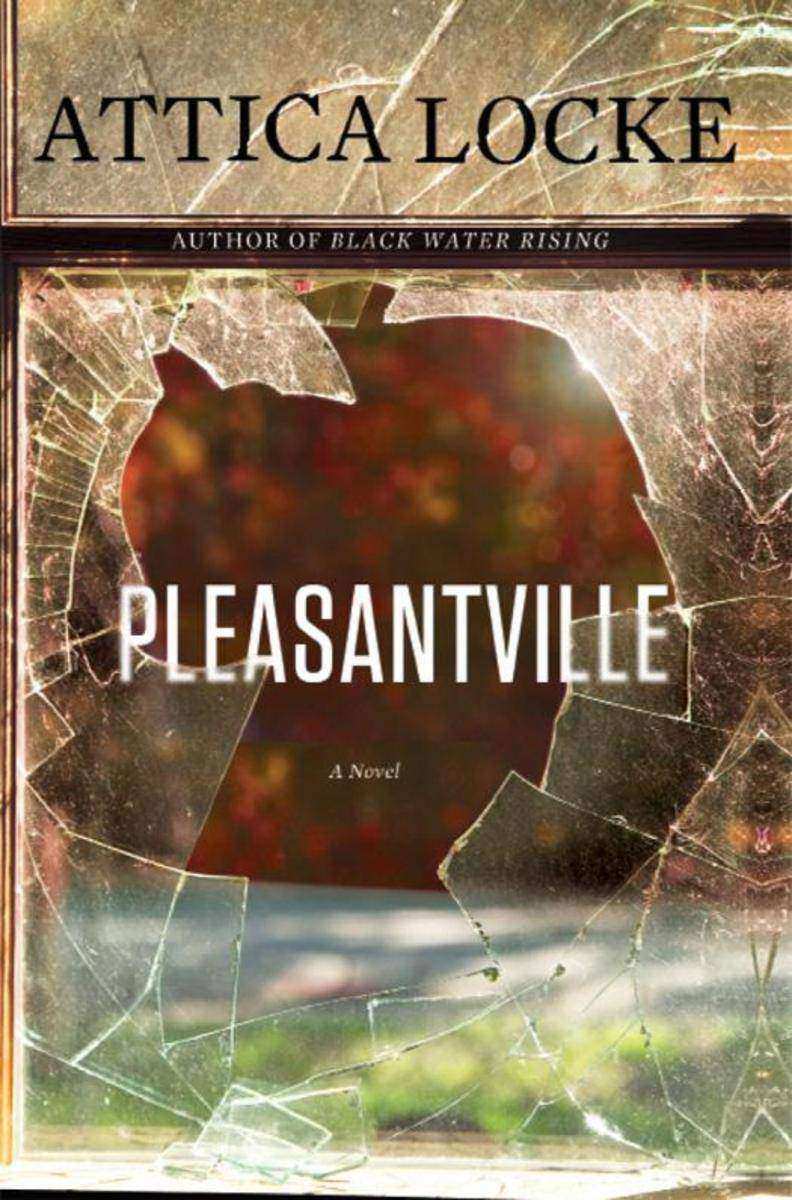
Pleasantville
¥90.51
Jay Porter, the hero of the critically acclaimed bestseller Black Water Rising, becomes embroiled in a toxic case involving politics, corruption, and murder in this electrifying and atmospheric tale from Attica Locke, a writer "akin to George Pelecanos or Dennis Lehane" (New York Times).Fifteen years after his career-defining case against Cole Oil, Jay Porter is broke and tired. That victory might have won the environmental lawyer fame, but thanks to a string of appeals, he hasn't seen a dime. His latest case—representing Pleasantville in the wake of a chemical fire—is dragging on, shaking his confidence and raising doubts about him within this upwardly mobile black community on Houston's north side. Though Jay still believes in doing what's right, he is done fighting other people's battles. Once he has his piece of the settlement, the single father is going to devote himself to what matters most—his children.His plans are abruptly derailed when a female campaign volunteer vanishes on the night of Houston's mayoral election, throwing an already contentious campaign into chaos. The accused is none other than the nephew and campaign manager of one of the leading candidates—a scion of a prominent Houston family headed by the formidable Sam Hathorne. Despite all the signs suggesting that his client is guilty—and his own misgivings—Jay can't refuse when a man as wealthy and connected as Sam asks him to head up the defense. Not if he wants that new life with his kids. But he has to win.Plunging into a shadowy world of ambitious enemies and treacherous allies armed with money, lies, and secrets, Jay reluctantly takes on his first murder trial—a case that will put him and his client, and an entire political process, on trial.
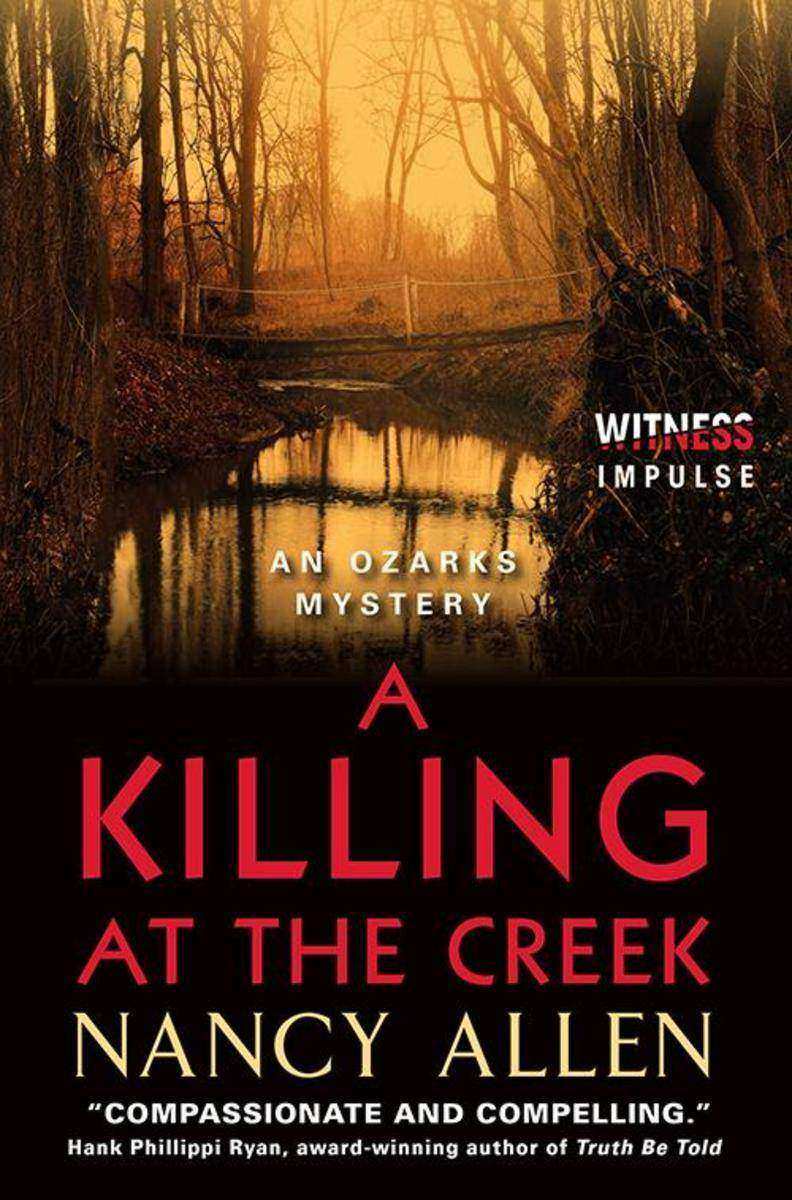
A Killing at the Creek
¥67.12
Prosecutor Elsie Arnold loves her small-town home in the Ozark hills, but she’s been waiting for a murder to come along and make her career. So when a body is found under a bridge, throat cut, Elsie jumps at the chance to work on the case, even if it’s alongside the brash new chief assistant, Chuck Harris—and her latest flame, Detective Bob Ashlock.But when the investigation reveals that the deceased woman was driving a school bus, and the police locate the vehicle, its interior covered in blood, the occupant and only suspect is a fifteen-year-old boy. Elsie’s in for more than she bargained for.Win or lose, this case will haunt her. No one has successfully prosecuted a juvenile for first-degree murder in McCown County. If she loses, it’s her career on the line and a chilling homicide unresolved; if she wins, a boy’s liberty will be taken from him before he reaches his sixteenth birthday.
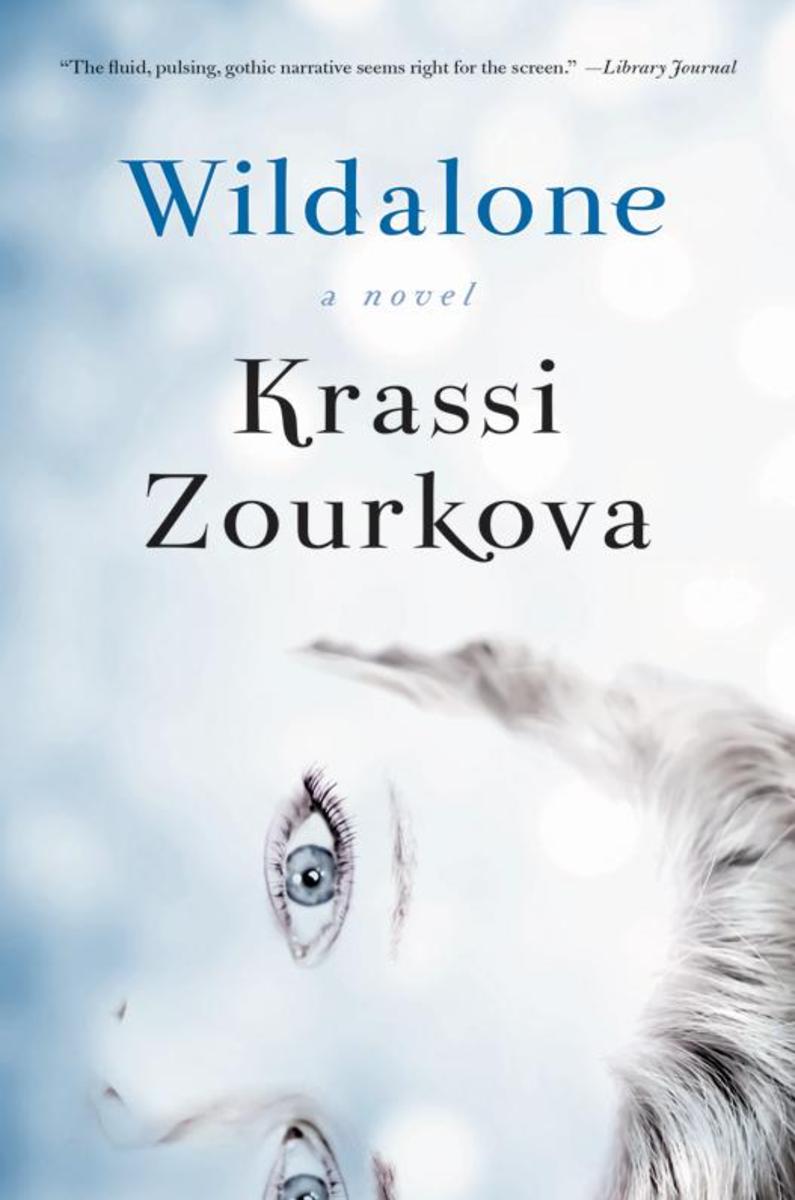
Wildalone
¥84.16
In this darkly imaginative debut novel full of myth, magic, romance, and mystery, a Princeton freshman is drawn into a love triangle with two enigmatic brothers and discovers terrifying secrets about her family and herself—a bewitching blend of Twilight, The Secret History, Jane Eyre, and A Discovery of WitchesFor every world, there is an underworld. Arriving at Princeton for her freshman year, Thea Slavin finds herself alone, a stranger in a strange land. Away from her family and her Eastern European homeland for the first time, she struggles to adapt to unfamiliar American ways and the challenges of college life—including a young man whose brooding good looks and murky past intrigue her. Drawn to the elusive Rhys and his equally handsome and mysterious brother, Jake, she ventures into a sensual mythic underworld as irresistible as it is dangerous.In this shadow world that seems to evoke Greek mythology and the Bulgarian legends of the samodivi, or "wildalones"—forest witches who beguile and entrap men—Thea will discover a family secret bound to transform her forever . . . if she can accept that dead doesn't always mean gone, and love doesn't always distinguish between the two.Mesmerizing and addictive, Wildalone is a thrilling blend of the modern and the fantastical. Krassi Zourkova creates an atmospheric world filled with rich characters as compelling as those of Diana Gabaldon, Deborah Harkness, and Stephenie Meyer.
Goldengrove
¥78.55
At the center of Francine Prose's profoundly moving new novel is a young girl facing the consequences of sudden loss after the death of her sister. As her parents drift toward their own risky consolations, thirteen-year-old Nico is left alone to grope toward understanding and clarity, falling into a seductive, dangerous relationship with her sister's enigmatic boyfriend.Over one haunted summer, Nico must face that life-changing moment when children realize their parents can no longer help them. She learns about the power of art, of time and place, the mystery of loss and recovery. But for all the darkness at the novel's heart, the narrative itself is radiant with the lightness of summer and charged by the restless sexual tension of teenage life.Goldengrove takes its place among the great novels of adolescence, beside Henry James's The Awkward Age and L. P. Hartley's The Go-Between.

Secrets From the Eating Lab
¥151.53
Is Your Diet Making You Fat?From her Health and Eating Laboratory at the University of Minnesota, Professor Traci Mann researches self-control and dieting. And what she has discovered is groundbreaking: not only do diets not work, they often result in weight gain. We are losing the battle of the bulge because our bodies and brains are not hardwired to resist food—in fact, the very idea of it works against our biological imperative to survive.In Secrets from the Eating Lab, Mann challenges assumptions—including those that make up the foundation of the weight loss industry—about how diets work and why they fail. As Mann explains, most weight loss plans are reliant on the notion of willpower—and willpower is an illusion. Moreover, even when we are able to successfully lose weight, our bodies fight our efforts, seeking to regain the weight we've worked so hard to lose. In the end, we become chronic "yo-yo" dieters, destined to lose and regain the same pounds time and again. The diet industry is well aware of these facts and has tellingly built their business model on the concept of the "repeat customer"; they know we'll be back.The result of more than two decades of research, Secrets from the Eating Lab presents cutting-edge science and offers exciting new insights into the American obesity epidemic and our relationship with food. From redefining "comfort food" to reconsidering healthy food labeling that, ironically, makes us less inclined to make healthy choices, Mann presents an arsenal of simple, common-sense strategies that take advantage of human nature instead of fighting it—helping you to achieve a healthy and sustainable weight.
The Bookseller
¥90.77
A mesmerizingly powerful debut novel about the ways in which past choices can irrevocably define the present—and the bittersweet confrontation of what might have been1962: It may be the Swinging Sixties in New York, but in Denver it's different: being a single gal over thirty in this city is almost bohemian. Still, thirty-eight-year-old Kitty Miller has come to terms with her unconventional single life. She was involved, once—with a doctor named Kevin—but when things didn't work out the way she had hoped, she decided to chart her own path. Now she dedicates herself to the bookstore she runs with her best friend, Frieda, returning home each evening to her cozy apartment. Without a husband expecting dinner, she can enjoy last-minute drinks after work with her friends; without children who need to get ready for school, she can stay up all night reading with her beloved cat, Aslan, by her side.Then the dreams begin.1963: Katharyn Andersson is married to Lars, the love of her life. They live in a picture-perfect home in a suburban area of Denver, close to their circle of friends. It's the ideal place in which to raise their children. Katharyn's world is exactly what Kitty once believed she wanted . . . but it exists only when she sleeps.At first, Kitty enjoys her nighttime forays into this alternate world. Even though there is no Frieda, no bookstore, no other familiar face, Kitty becomes increasingly reluctant to open her eyes and abandon Katharyn's alluring life.But with each visit to her dreamworld, it grows more real. As the lines between the two worlds begin to blur, Kitty faces an uncertain future. What price must she pay to stayWhat is the cost of letting go?

The Greek Diet
¥127.33
Lose weight and feel great by indulging in the world's healthiest and most delicious dietAncient Greeks ate for pleasure, regularly enjoying wine and rich ingredients like olive oil and honey with their legendary feasts. The Greeks were known for their Adonis-like physiques, and their bodies were immortalized in sculpture as a standard of beauty and sensuality. Today, centuries later, new studies prove that the Mediterranean diet, with its trademark staples like wine, yogurt, and coffee, is the healthiest food plan in the world. Research shows that it is especially noted for reducing the risk of diabetes, improving heart health, and sharpening the mind with foods rich in omega-3s. Now, in The Greek Diet, world-renowned chef Maria Loi—who grew up in a small Greek village where she learned to cook from family recipes—has teamed up with veteran health-journalist Sarah Toland, and the two have combined their individual areas of expertise to bring the weight-loss and health benefits of the traditional Greek diet straight to your table. Structured around the twelve Pillar Foods of the Mediterranean diet, The Greek Diet offers easy-to-follow meal plans to jump-start your weight loss and improve your overall health, including one hundred authentic, mouthwatering Greek recipes using whole foods and unprocessed ingredients. The plans can be modified to fit any lifestyle, including gluten-free and dairy-free alternatives. Also included are tips for incorporating exercise and improving sleep—both metabolism boosters—into your Greek lifestyle. On this diet, there is no starving; no calorie counting; no long, grueling hours at the gym; and no restrictive plans that force you to give up foodie favorites like carbs, caffeine, or alcohol. More than just a weight-loss plan, The Greek Diet is a path back to health and a way of eating that is not only sustainable but completely satisfying and enjoyable. Once you learn how good it tastes (and how good you'll feel) eating Greek, you'll never want or need another diet again. So go ahead and indulge; your body and your taste buds will thank you.
After the War Is Over
¥94.10
The internationally bestselling author of Somewhere in France returns with her sweeping second novel—a tale of class, love, and freedom—in which a young woman must fnd her place in a world forever changedAfter four years as a military nurse, Charlotte Brown is ready to leave behind the devastation of the Great War. The daughter of a vicar, she has always been determined to dedicate her life to helping others. Moving to busy Liverpool, she throws herself into her work with those most in need, only tearing herself away for the lively dinners she enjoys with the women at her boardinghouse.Just as Charlotte begins to settle into her new circumstances, two messages arrive that will change her life. One is from a radical young newspaper editor who offers her a chance to speak out for those who cannot. The other pulls her back to her past, and to a man she has tried, and failed, to forget.Edward Neville-Ashford, her former employer and the brother of Charlotte's dearest friend, is now the new Earl of Cumberland—and a shadow of the man he once was. Yet under his battle wounds and haunted eyes Charlotte sees glimpses of the charming boy who long ago claimed her foolish heart. She wants to help him, but dare she risk her future for a man who can never be hers?As Britain seethes with unrest and postwar euphoria fattens into bitter disappointment, Charlotte must confront long-held insecurities to fnd her true voice . . . and the courage to decide if the life she has created is the one she truly wants.
Book of Jamaica
¥79.38
Russell Banks explores the complexities of political life in the Caribbean.

Trailerpark
¥78.55
Get to know the colorful cast of characters at the Granite State Trailerpark, where Flora in number 11 keeps more than a hundred guinea pigs andscreams at people to stay away from her babies, Claudel in number 5 thinks he is lucky until his wife burns down their trailer and runs off with Howie Leeke, and Noni in number 7 has telephone conversations with Jesus and tells the police about them. In this series of related short stories, Russell Banks offers gripping, realistic portrayals of individual Americans and paints a portrait of New England life that is at once dark, witty, and revealing.
The Story of Land and Sea
¥88.56
Set in a small coastal town in North Carolina during the waning years of the American Revolution, this incandescent debut novel follows three generations of family—fathers and daughters, mother and son, master and slave—characters who yearn for redemption amid a heady brew of war, kidnapping, slavery, and love. Drawn to the ocean, ten-year-old Tabitha wanders the marshes of her small coastal village and listens to her father's stories about his pirate voyages and the mother she never knew. Since the loss of his wife, Helen, John has remained land-bound for their daughter, but when Tab contracts yellow fever, he turns to the sea once more. Desperate to save his daughter, he takes her aboard a sloop bound for Bermuda, hoping the salt air will heal her.Years before, Helen herself was raised by a widowed father. Asa, the devout owner of a small plantation, gives his daughter a young slave named Moll for her tenth birthday. Left largely on their own, Helen and Moll develop a close but uneasy companionship. Helen gradually takes over the running of the plantation as the girls grow up, but when she meets John, the pirate turned Continental soldier, she flouts convention and her father's wishes by falling in love. Moll, meanwhile, is forced into marriage with a stranger. Her only solace is her son, Davy, whom she will protect with a passion that defies the bounds of slavery.In this elegant, evocative, and haunting debut, Katy Simpson Smith captures the singular love between parent and child, the devastation of love lost, and the desperate paths we travel in the name of renewal.

The Playroom
¥66.50
An unforgettable psychological thriller reminiscent of Emma Donoghue's Room and V. C. Andrews' Flowers in the AtticKatherine and David have the perfect life: they are beautiful, rich, debonair, and gifted. But cracks begin to form beneath the smooth exterior when David suspects that one of their two children is not his. There is no other reason why chubby, petulant Jeanetta does not conform to David's standards of perfection and order.Soon, David's mood swings become more violent and irrational. In an attempt to exercise some control over his world, he sends Jeanetta to the playroom . . . and locks the door. With harrowing precision, Fyfield tells the story of a family's descent into madness.
Harper
¥147.48
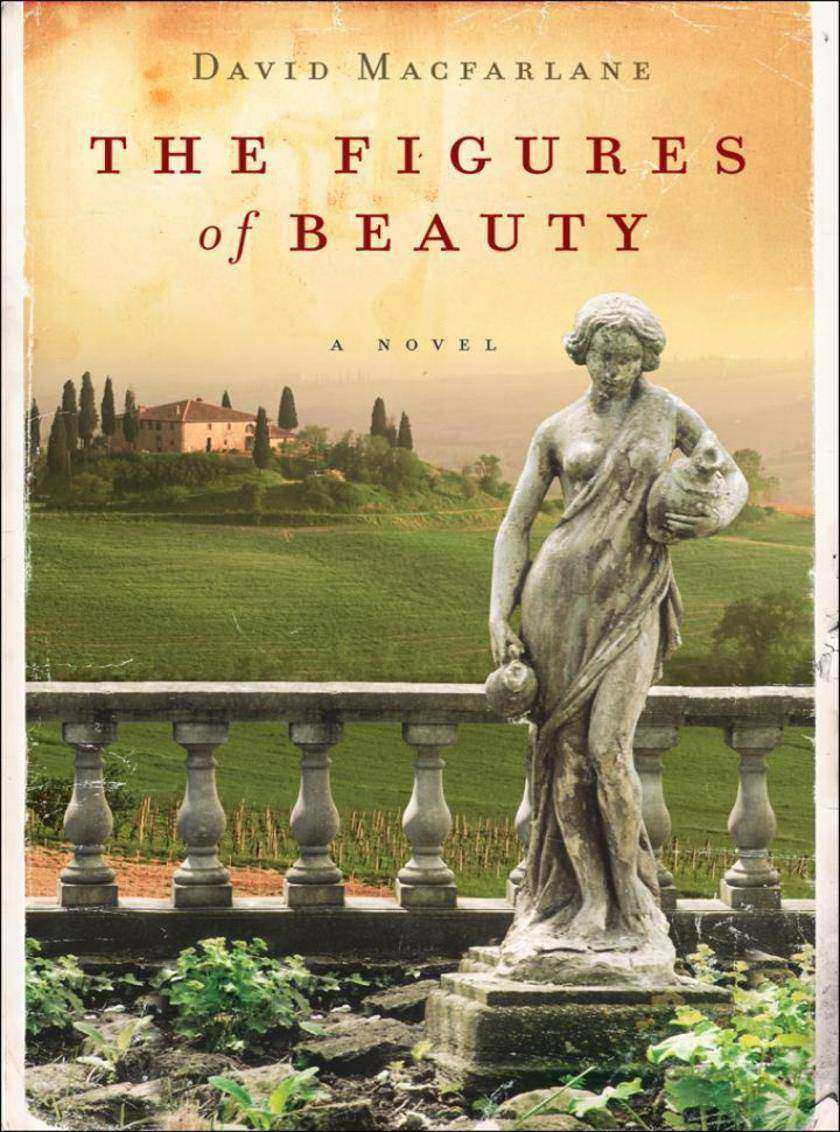
A sensuous, heartbreaking novel about art, beauty, and the choices we make that define us for lifeIn 1968 a young man travels to Paris, where a series of unlikely events take him to a tiny village in Italy—and to the one great love of his life. A marble merchant meets a couple on their honeymoon, introducing them to the sensual beauty of Carrara. An Italian woman arrives in Canada to find the father she never knew. A terrible accident in a marble quarry changes the course of a young boy's life and, ultimately, sets in motion each of these stories, which David Macfarlane masterfully shapes into a magnificent whole.Oliver Hughson falls in love with wild, bohe-mian Anna over the course of one glorious summer in Italy. Bound by a sense of responsibility to his adoptive parents back home in Canada, however, he leaves her, an act he will regret for the rest of his life. Narrated by the daughter he never knew he had, The Figures of Beauty is a love story of mythic proportions. Through luck, fate, and great good fortune, Oliver found the one place and the one woman he should never have left. This is the story of his trying to find his way back.


