


 购物车
购物车 个人中心
个人中心

A Convenient Wedding (Mills & Boon Vintage Cherish)
¥31.10
It was a grand white wedding that would make the society pages the world over–handsome British aristocrat Jarvis Larne was marrying beautiful American oil heiress Meryl Winters. But behind the lavish ceremony, their vows were a sham. Marrying for convenience had been the only way Jarvis could save his estate–and that had hurt his pride. But after the wedding came the wedding night–which exceeded both their expectations! Was their society wedding set to become a marriage for real?

A Doctor's Vow (Mills & Boon Vintage Cherish)
¥31.10
Pediatrician Veronica Powers could handle crying babies and sticky-fingered toddlers without batting an eye, but in her personal life, order reigned supreme. So the beautiful and hardworking doctor was unnerved by her fascination with strong, sexy hospital administrator Ryan Malone–especially since his chaotic life involved three rambunctious kids and an inquisitive mother-in-law. Nevertheless, the single father was wreaking havoc with Ronni's well-ordered notions. And whether she wanted it or not, this man and his family were chipping away at Ronni's guarded heart and changing her mind about marriage!
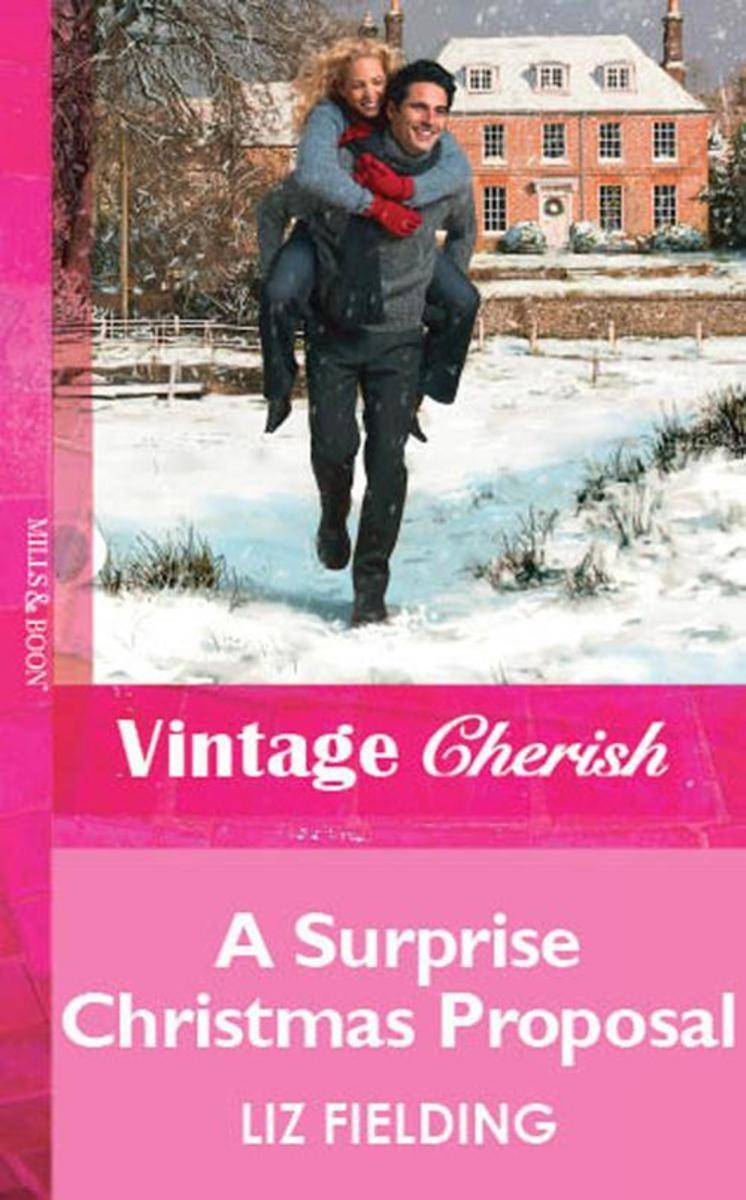
A Surprise Christmas Proposal (Mills & Boon Vintage Cherish)
¥31.10
Her Christmas gift came in a small velvet box… "Isn't it strange how things turn out? A week ago I was virtually jobless, almost homeless, and had totally sworn off men–a sad way to be before Christmas, don't you think? Now I'm not only working for the most gorgeous man alive, but I'm living in his house!" Meet sassy, smiley Sophie Harrington. Read in her own words how a much-needed job brings her up close and personal with rugged bachelor Gabriel York. Although Sophie is hardly a waif or stray, Gabriel ends up taking her in as a temporary lodger in his exclusive London home. How long before he realizes Sophie isn't just for Christmas–but for life…?

A Wife on Paper (Mills & Boon Vintage Cherish)
¥20.60
A convenient wife… An inconvenient love… Francesca walked into the room and Guy Dymoke was mesmerized. But she was pregnant with Guy's brother's baby. An impossible situation…and Guy had been hiding his feelings ever since. Years later, Francesca is now a widow, and when the will is read she's stunned to discover she's been placed into Guy's safekeeping…as his convenient wife! Guy wants to give Francesca and her son all the care in the world. He also yearns to tell her how much he really loves her. But he'll wait for the day that she gives her love freely in return….

Harpy’s Flight (The Ki and Vandien Quartet, Book 1)
¥51.50
A reissue of classic backlist titles from the author of the best selling Farseer Trilogy and The Liveship Traders books. HARPY'S FLIGHT was Lindholm's first novel, and the first in the WINDSINGERS series, which introduced her popular gypsy characters, Ki and Vandien. Harpies don't give up of blood debts. Neither do the men who serve them. A life must be given in return. Devastated by the slaughter of her family and haunted by memories of her own violent revenge, Ki rejects the comfort of her husband's gypsy people and wants only to wander in solitude as an outcast. Across mountains sheathed with ice, through the treacherous shadow of the impassable Sisters, Ki finds herself running for her life, pursued by frenzied Harpies sworn to vengeance; and by one stubborn, dark-haired man who seems intent on being part of her future.
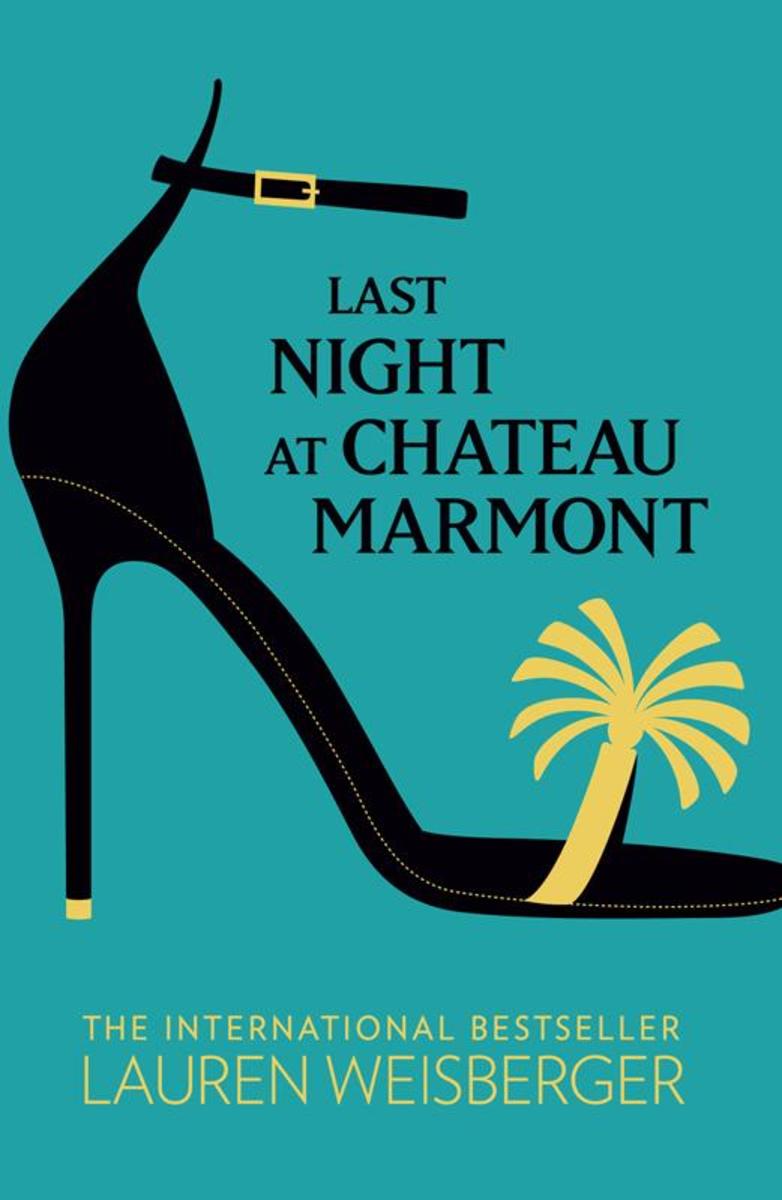
Last Night at Chateau Marmont
¥35.22
A novel from the million copy bestselling author of The Devil Wears Prada. Heartbreak, headlines and Hermes – welcome to Brooke's new world… Brooke and Julian live a happy life in New York – she's the breadwinner working two jobs and he's the struggling musician husband. Then Julian is discovered by a Sony exec and becomes an overnight success – and their life changes for ever. Soon they are moving in exclusive circles, dining at the glitziest restaurants, attending the most outrageous parties in town and jetting off to the trendiest hotspots in LA. But Julian's new-found fame means that Brooke must face the savage attentions of the ruthless paparazzi. And when a scandalous picture hits the front pages, Brooke's world is turned upside down. Can her marriage survive the events of that fateful night at Chateau Marmont? It's time for Brooke to decide if she's going to sink or swim…

Sixteen Shades of Crazy
¥58.86
‘Went out, got pissed. Same shit, different day.' Aberalaw, a tiny South Wales valley village where nobody ever arrives and nobody ever leaves. The new police chief has declared war on recreational drugs, resulting in an eighteen-month drought. The party-loving wives and girlfriends of local punk band, The Boobs, are getting desperate, both for drugs and thrills: Ellie, factory girl with dreams of a better life in New York; Rhiannon, hairdresser with a taste for violence and designer clothes and Si?n, unappreciated, obsessive compulsive mother of three. Into their lives, enter the languid dark stranger, Johnny: Englishman, drug dealer and shameless seducer. In the space of just a few months, three women's lives will be changed forever. Prize-winning writer, Rachel Trezise, dissects the morals and mores of a small Welsh village community with a scalpel-sharp pen and an incisive wit.
Stolen Child - A gripping psychological thriller
¥49.83
It's every mother's worst nightmare . . . Carla Kelly wakes to find her two-day-old baby’s cot cold and empty. Her daughter has been taken. Desperate and at breaking point, Carla launches a fierce national campaign to find her baby – but the trail runs cold. Then she receives an intriguing letter, offering support from a surprising quarter. But it leads Carla into a chain of events that exposes shocking secrets from her past. Someone is out to seek their cold-blooded revenge. And it will bring Carla unknowingly closer to the stolen daughter she has sworn she will do anything to get back …
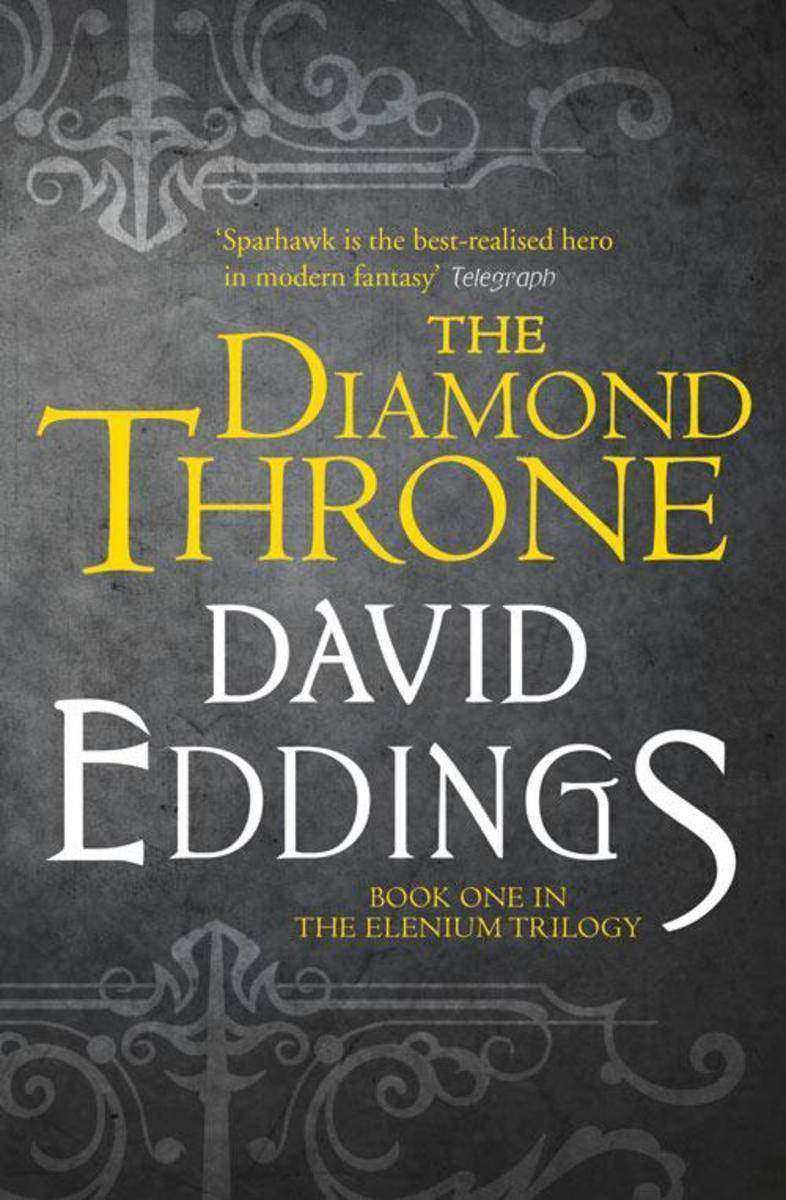
The Diamond Throne (The Elenium Trilogy, Book 1)
¥54.74
Book One of the classic ELENIUM series. After a long exile, Pandion Knight Sparhawk returns to his native land to find his young queen grievously ill. Ehlana has been poisoned and will die unless a cure can be found within a year. The life force of twelve of her sworn knights is all that sustains her; but one knight will be lost within the passing of each month if the antidote isn’t found. To save his queen, his comrades, and the stability of the kingdom, Sparhawk begins the search for the cure, only to discover a greater and more pervasive evil than he could ever have imagined.
Hot Pursuit
¥56.11
Maggie’s about to have the holiday romance of a lifetime. Perfect for fans of Jill Mansell and Carole Matthews. Maggie Morgan has been longing to find Mr Right all her life but even she didn't expect him to be delivered to her door, giftwrapped in a skimpy towel, one sunny summer morning. Sexy Nick Lucas seems almost too good to be true – and maybe he is. Arriving out of nowhere, he seems to have no past, no family, no history: things just don't add up. As Nick's past starts to catch up with him, Maggie becomes embroiled in an exciting cat-and-mouse chase across the country. Temperatures rise and passion sizzles but although Maggie has the hots for Nick, can she take the heat?
Driven
¥63.18
Whether skateboarding across the kitchen as a child, or taking part in the world's most prestigious vintage road race, TV chef James Martin has never been one to sit still. In this entertaining narrative he reveals how his two passions – cooking and cars – have fuelled his hopes, dreams and successes and made him the household name he is today. James talks with passion, energy and candid humour about his childhood, early ambitions, becoming a successful chef and wowing audiences with his foxtrot on Strictly Come Dancing. His story is punctuated with tales of remarkable cars, from his first toy Ferrari to his vintage Maserati, each one representing a personal milestone and bringing with it charming stories and amusing anecdotes. James' cars give him the perfect excuse to delve into his life, revealing frank and fascinating details - from racing through the fields on his father's tractor and teenage fumblings in the back seat, to hurtling round a track with James Bond actor, Daniel Craig. With James' career reaching new heights, and his collection of classic cars continuing to grow, Driven tells how his two lifelong obsessions have shaped the life of this relentlessly ambitious man.

Nature Conservation (Collins New Naturalist Library, Book 91)
¥182.47
This latest volume in the New Naturalist series provides a comprehensive study of wildlife conservation in Britain, concentrating on events in the last 30 years. As our environment is subjected to increasing assault from climatic changes and pollutants, conservation has become a growing concern for both specialists and generalists alike. The first chapter of this book considers the political and institutional development of nature conservation and reviews the physical and biological nature of Britain, its geology, climate and wildlife habitats. Subsequent chapters cover the loss of habitats and species, how these losses have been managed and the techniques used to survey and monitor the integration of nature conservation policies in industries from agriculture to forestry and fisheries. Marren continues by discussing how nature conservation has emerged from the sidelines to become a major concern. He addresses the role of the media, weighs up the successes and failures of the conservation movement and looks to what the future may hold.

A Country Parish (Collins New Naturalist Library, Book 9)
¥456.66
The natural history of an ordinary English country parish was one of the first subjects that suggested themselves when the New Naturalist series was planned. Collins are delighted to announce the republication in facsimile form of the first editions of the very first volumes in the New Naturalist Library. Originally planned in the darkest days of World War II and first published in 1945, this series is the longest running nature series in the world. It is a reflection of the quality of the authors and the books they wrote, that they are still sought after 73 years later. The books will be identical in every way to the original first editions, including the iconic jackets by Clifford and Rosemary Ellis. The natural history of an ordinary English country parish was one of the first subjects that suggested themselves when the New Naturalist series was planned. Being chiefly farmland and therefore practically all man-made, most country parishes are extremely complex from the naturalist's point of view and also inevitably contain a vast amount of human history. Any attempt to describe their plants and animals has to be closely related with the ways of man himself, who must be regarded as the chief element in the community - a fact which has been obvious enough to naturalists ever since the days of Gilbert White. For this book we were fortunate to find an author who combined a thorough all-round knowledge of natural history with a sound insight into human customs, history, pastimes and farming methods. Arnold Boyd lived in Cheshire all his life - and in keeping with the best tradition of English amateur naturalists, he excelled as a collector of facts, as is apparent from his previous books, his writing in the Manchester Guardian and other journals, and in his assistant editorship of British Birds. By weaving together his collection of facts he presents us with a book of remarkable unity and which shows a wide grasp of every aspect of the living communities. This charming yet erudite portrait will protect his beloved parish for ever from the ravages of human forgetfulness.
Hey Baby! (The Sleepover Club)
¥27.27
The hugely popular Sleepover Club series is back with a gorgeous new look. Meet Frankie, Kenny, Fliss, Rosie and Lyndz – five best friends who just want to have fun! Baby Morgan needs a babysitter urgently and the Sleepover Club girls agree to take charge. After all, what can be so difficult about looking after a baby? But things are never quite that simple for Frankie and friends.. As well as a great story this book has tips on how to have your own brilliant sleepover party for you and your friends. Pack up those nappies and toddle on over!

Close Range: Brokeback Mountain and other stories
¥55.92
The inspiration behind ‘Life of Pi’ director Ang Lee’s ‘Brokeback Mountain’ is one of the short stories to be found in this haunting collection of Wyoming tales. ‘Brokeback Mountain’ is set in the beautiful, wild landscape of Wyoming where cowboys live as they have done for generations. Hard, lonely lives in unforgiving country. Jack Twist and Ennis del Mar are two ranch hands, glad to have found each other’s company where none had been expected. But companionship becomes something else on Brokeback Mountain, something not looked for – an intimacy neither can forget. ‘Brokeback Mountain’ was made into an Academy Award-winning film by Ang Lee, and starred Heath Ledger, Jake Gyllenhaal, Michelle Williams and Anne Hathaway.
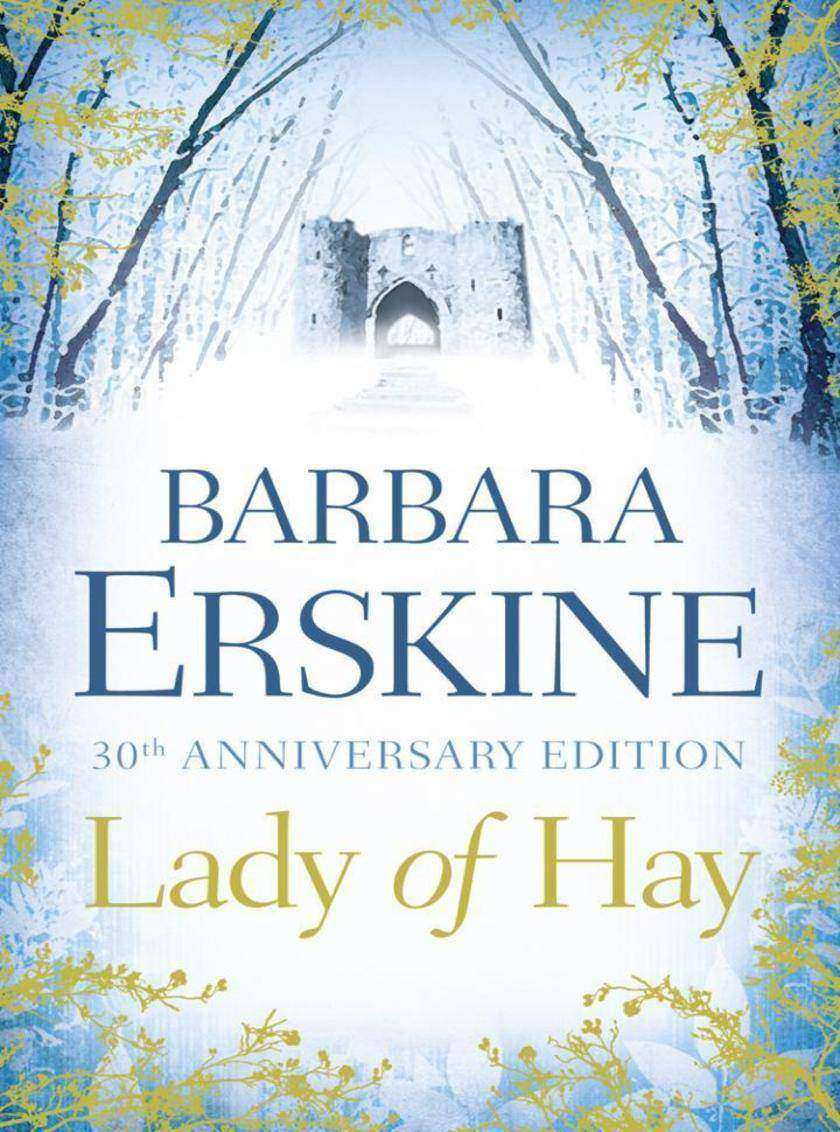
Lady of Hay: An enduring classic – gripping, atmospheric and utterly compelling
¥78.38
A story spanning centuries. A long awaited revenge. In London, journalist Jo Clifford plans to debunk the belief in past-lives in a hard-hitting magazine piece. But her scepticism is shaken when a hypnotist forces her to relive the experiences of Matilda, Lady of Hay, a noblewoman during the reign of King John. She learns of Matilda's unhappy marriage, her love for the handsome Richard de Clare, and the brutal death threats handed out by King John, before it becomes clear that Jo’s past and present are inevitably entwined. She realises that eight hundred years on, Matilda’s story of secret passion and unspeakable treachery is about to repeat itself… Barbara Erskine’s iconic debut novel still delights generations of readers thirty years after its first publication.
The Herbalist: Nicholas Culpeper and the Fight for Medical Freedom
¥72.40
From the bestselling author of ‘The Queen’s Conjuror’, comes the story of Nicholas Culpeper – legendary rebel, radical, Puritan, and author of the great ‘Herbal’. This is a powerful history of medicine’s first freedom fighter set in London during Britain’s age of revolution. In the mid-17th century, England was visited by the four horsemen of the apocalypse: a civil war which saw levels of slaughter not matched until the Somme, famine in a succession of failed harvests that reduced peasants to 'anatomies', epidemics to rival the Black Death in their enormity, and infant mortality rates that left childless even women who had borne eight or nine children. In the midst of these terrible times came Nicholas Culpeper’s ‘Herbal’ – one of the most popular and enduring books ever published. Culpeper was a virtual outcast from birth. Rebelling against a tyrannical grandfather and the prospect of a life in the church, he abandoned his university education after a doomed attempt at elopement. Disinherited, he went to London, where he was to find his vocation in instigating revolution. London's medical regime was then in the grip of the College of Physicians, a powerful body personified in the ‘immortal’ William Harvey, anatomist, royal physician and discoverer of the circulation of the blood. Working in the underground world of religious sects, secret printing presses and unlicensed apothecary shops, Culpeper challenged this stronghold at the time it was reaching the very pinnacle of its power – and in the process helped spark the revolution that toppled a monarchy. In a spellbinding narrative of impulse, romance and heroism, Benjamin Woolley vividly recreates these momentous struggles and the roots of today's hopes and fears about the power of medical science, professional institutions and government. ‘The Herbalist’ tells the story of a medical rebel who took on the authorities and paid the price.
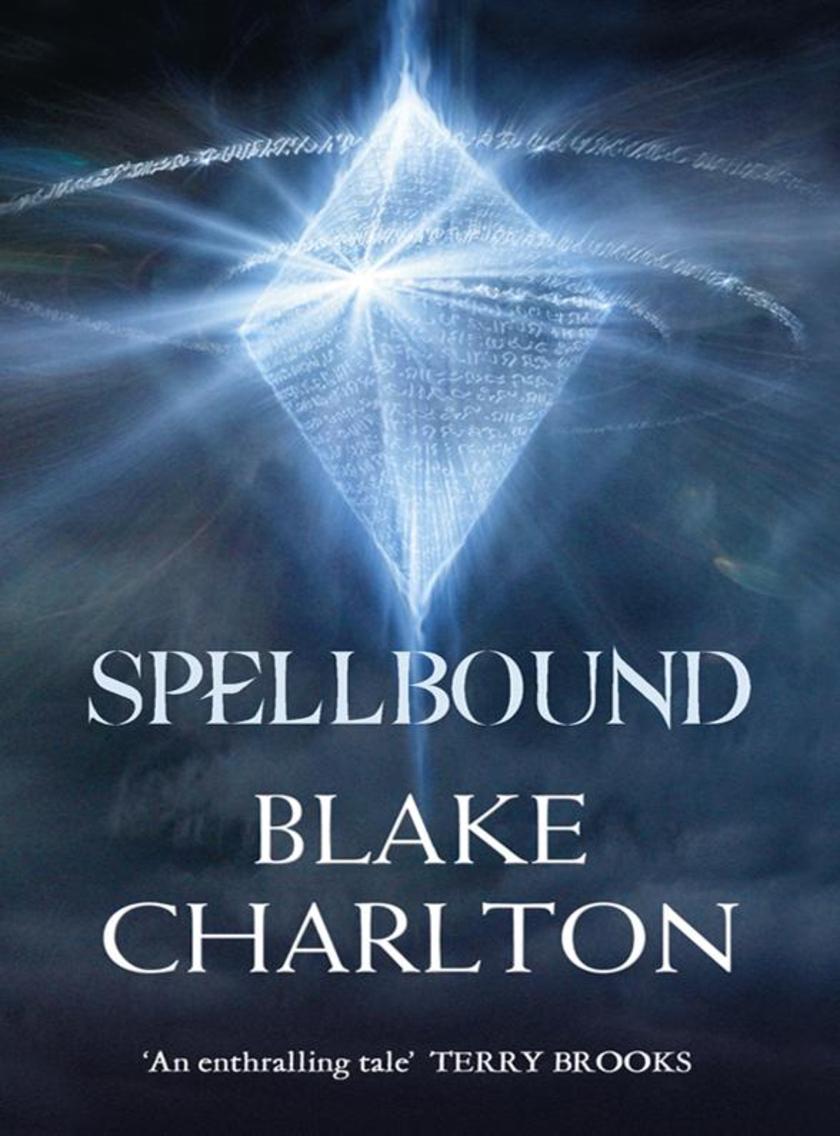
Spellbound: Book 2 of the Spellwright Trilogy (The Spellwright Trilogy, Book 2)
¥59.15
SPELLBOUND is the second book in acclaimed debut author Blake Charlton’s exciting and original trilogy, following on from SPELLWRIGHT. Francesca DeVega is a successful healer in the city of Avel, wielding magical text to close wounds and disspell curses, but her life is thrown into chaos when a dead patient suddenly sits up and tells her to run. Now Francesca is in the middle of a game she doesn’t understand, one that ties her to the notorious rogue wizard, Nicodemus Weal, and brings her face to face with demons, demigods, and a man she thought she’d never see again. It has been ten years since Nicodemus Weal escaped the Starhaven Academy, where he was considered disabled and useless, where he battled the demon who stole his birthright and killed his friends. Unable to use the magical languages of his own people, Nico has honed his skills in the dark language of the kobolds, readying himself for his next encounter with the demon. But there are complications: his mentor suffers from an incurable curse, his half-sister’s agents are hunting him, and he’s still not sure what part Francesca DeVega will play. He certainly doesn’t know what to make of Francesca herself…. Introducing new twists to the unique magical system of Spellwright and uncovering more sinister dangers, Spellbound is sure to please Blake Charlton’s fans and earn him new ones.
Scott of the Antarctic: A Life of Courage and Tragedy in the Extreme South
¥76.91
David Crane has given us a magisterial portrait of one of Britain’s greatest heroes and explorers, acclaimed as the ‘masterpiece’ on the subject. Reissued for the 100th anniversary of Scott’s doomed expedition. ‘It seems a pity, but I do not think I can write more…For God’s sake look after our people.’ These were the final words written in Scott’s diary on 29 March 1912, as he lay dying of exhaustion, starvation and extreme cold, in his tent on his return journey from the South Pole. Since then he has been the subject of many books. Yet in all the pages that have been written about him, the personality behind the legend has been forgotten or distorted beyond all recognition. David Crane’s magisterial biography redresses this completely. By reassessing Scott’s life and his substantial scientific achievements, Crane is able to provide a fresh and exciting perspective on both the Discovery expedition of 1901-4 and the Terra Nova expedition of 1910-12. The courage and tragedy of Scott’s last journey are only one part of the process, for the scientific enquiry that led up to it transformed the whole nature and ambition of Antarctic exploration. Written with the full support of Scott’s surviving relatives, and with access to the voluminous diaries and records of key participants, this definitive biography sets out to reconcile the very private struggles of the man with the very public life of extremes that he led.

Castle in the Air
¥51.50
A magical Arabian Nights tale from the captivating creator of fantasy, Diana Wynne Jones. The dazzling sequel to Howls Moving Castle, now a major animated film. Far to the south in the Land of Ingary, lives a young carpet merchant called Abdullah. In his dreams, he is the long-lost son of a great prince. This dream is a complete castle in the air… or is it? Abdullah’s day-dreams suddenly start to come true when he meets the exquisite Flower-in-the-Night, daughter of the ferocious Sultan of Zanzib. Fate has destined them for each other, but a bad-tempered genie, a hideous djinn, and various villanous bandits have their own ideas. When Flower-in-the-Night is carried off, Abdullah is determined to rescue her – if he can find her.
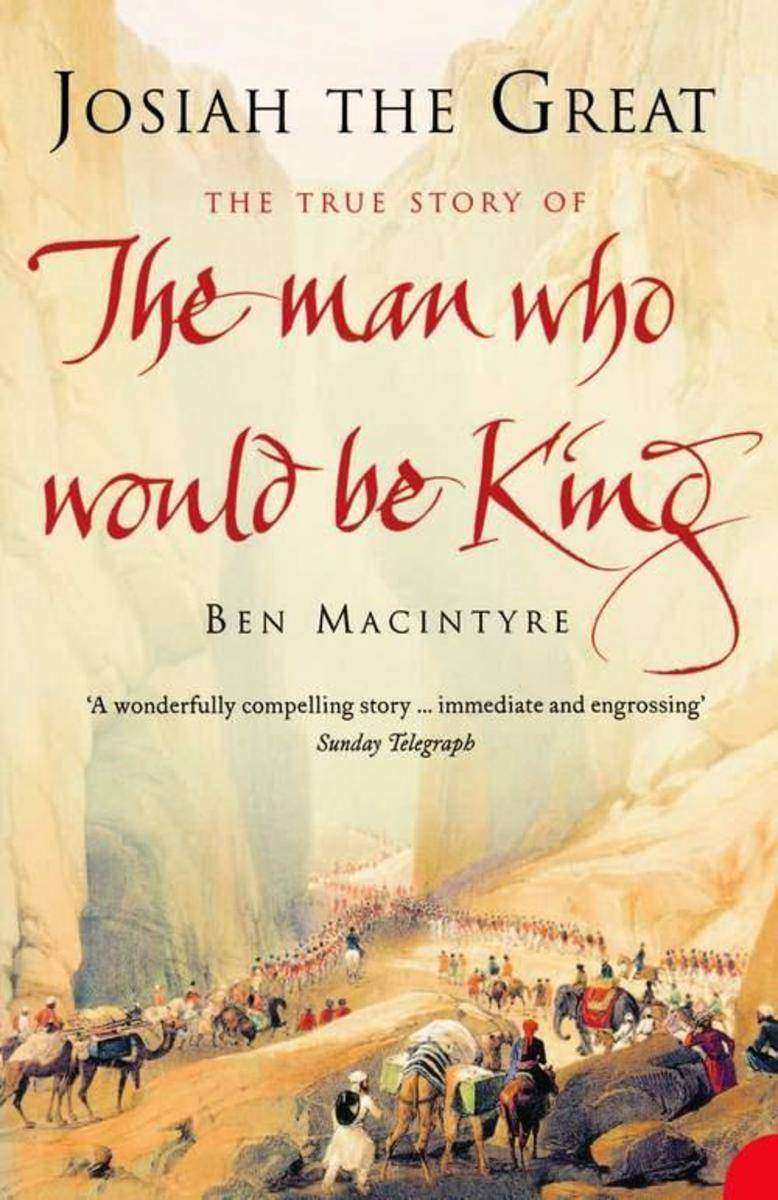
Josiah the Great: The True Story of The Man Who Would Be King
¥68.67
The amazing tale of a resourceful and unscrupulous early-19th-century American adventurer who forges his own kingdom in the wilds of Afghanistan. In the year 1838, a young adventurer, surrounded by his native troops and mounted on an elephant, raised the American flag on the summit of the Hindu Kush and declared himself Prince of Ghor, the heir to Alexander the Great. Josiah Harlan, the first American to set foot in Afghanistan, would become the model for Kipling’s ‘The Man Who Would be King’, but the true story of his life is stranger than fiction. A soldier, spy, doctor, naturalist and writer, Harlan set off into the wilds of Central Asia after a failed love affair in 1820. Following a brief stint as a surgeon in the East India Company’s army, he joined the court of the deposed Afghan monarch Shah Shujah, and then slipped into Kabul disguised as a Muslim priest to foment rebellion. For the next two decades he would play a pivotal role in the bloody politics of the region. Using a trove of newly discovered documents, including Harlan’s long-lost journals, Ben Macintyre has followed Harlan’s footsteps to uncover an astonishing, untold chapter in the history of the Great Game. If you enjoyed William Dalrymple’s ‘Return of a King’, ‘Josiah the Great’ should be on your reading list.


