


 购物车
购物车 个人中心
个人中心
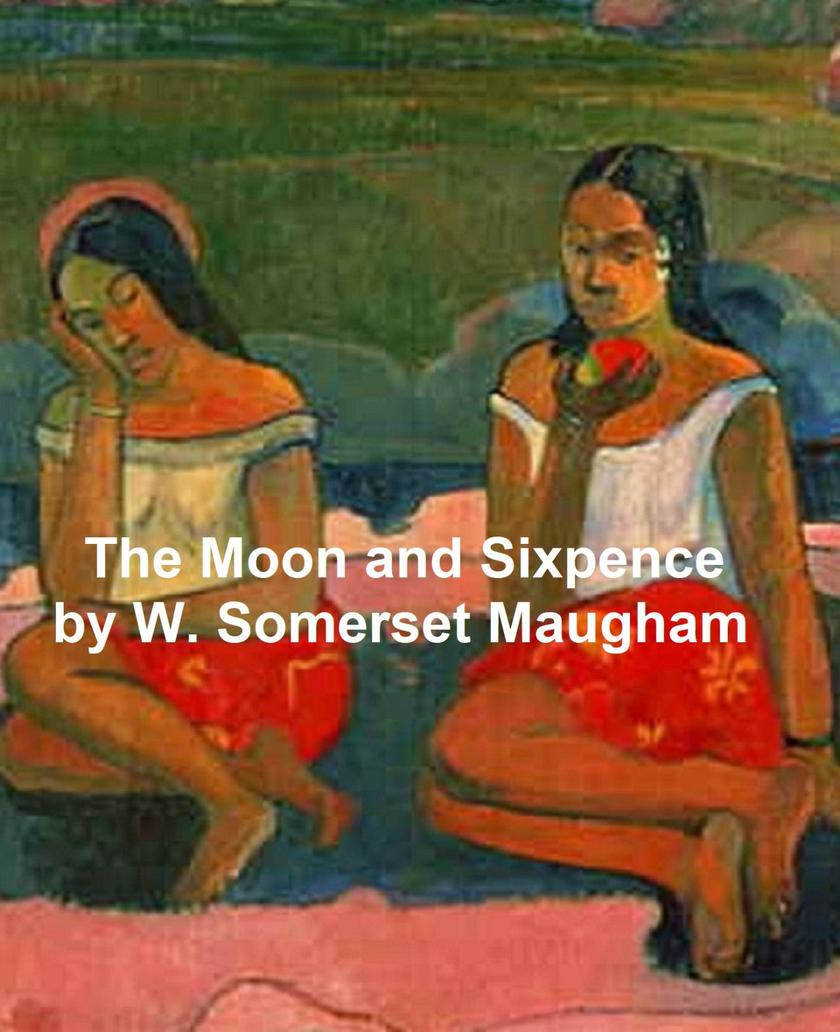
The Moon and Sixpence
¥8.09
Classic novel, first published in 1919. According to Wikipedia: "The Moon and Sixpence is a short novel of 1919 by William Somerset Maugham based on the life of the painter Paul Gauguin. The story is told in episodic form by the first-person narrator as a series of glimpses into the mind and soul of the central character, Charles Strickland, a middle-aged English stockbroker who abandons his wife and children abruptly to pursue his desire to become an artist."
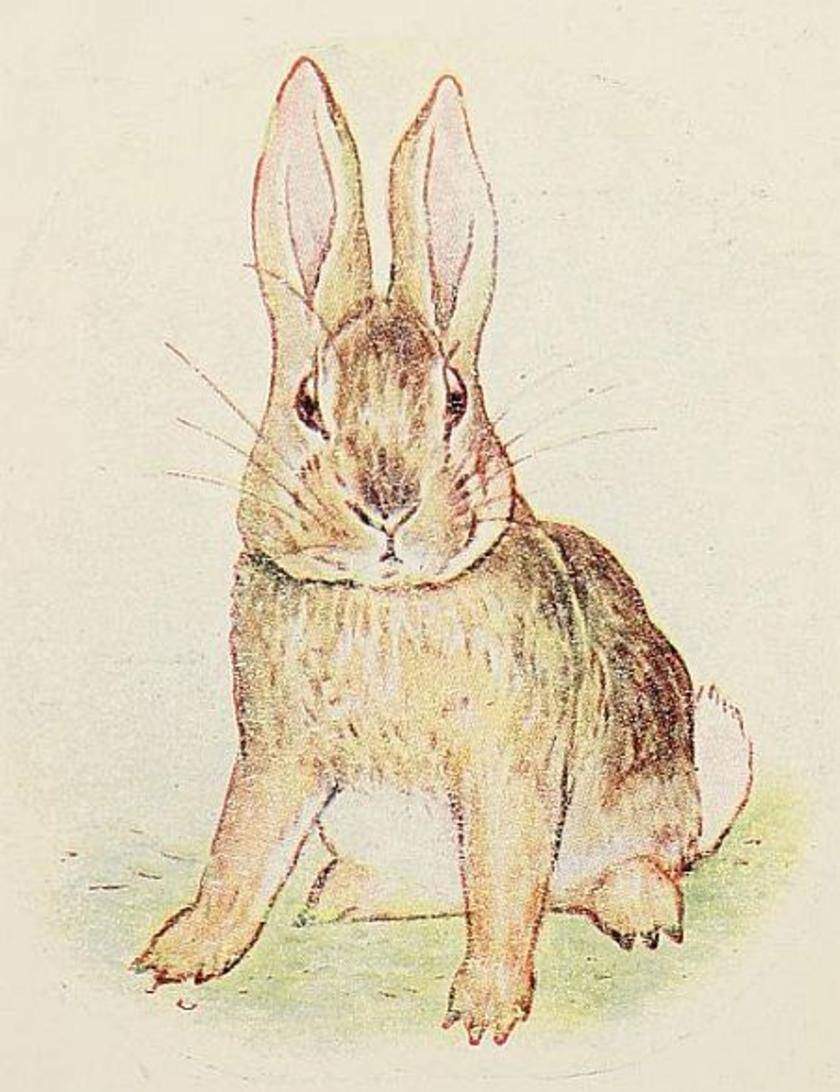
The Story of a Fierce Bad Rabbit
¥8.09
Classic picture book, with dozens of color illustations, first published in 1906. According to Wikipedia: "Helen Beatrix Potter (28 July 1866 – 22 December 1943) was an English author, illustrator, mycologist and conservationist best known for children's books featuring anthropomorphic characters such as in The Tale of Peter Rabbit. Born into a privileged household, Potter was educated by governesses and grew up isolated from other children. She had numerous pets and spent holidays in Scotland and the Lake District, developing a love of landscape, flora and fauna, all of which she closely observed and painted. Her parents discouraged her intellectual development as a young woman, but her study and watercolors of fungi led to her being widely respected in the field of mycology. In her thirties, Potter published the highly successful children's book, The Tale of Peter Rabbit. Potter began writing and illustrating children's books full time. With proceeds from the books, she became financially independent of her parents and was eventually able to buy Hill Top Farm in the Lake District. She extended the property with other purchases over time. In her forties, she married William Heelis, a local solicitor, became a sheep breeder and farmer while continuing to write and illustrate books for children. She published twenty-three books."
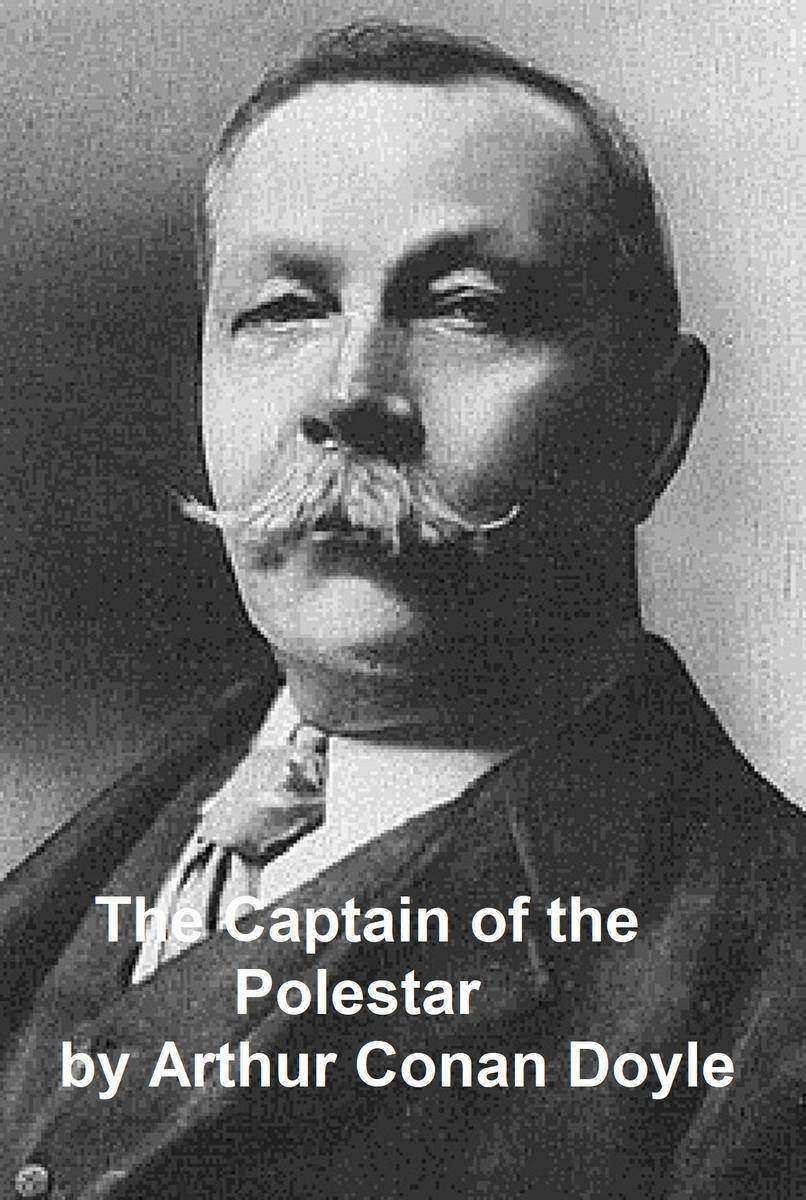
The Captain of the Polestar
¥8.09
Story collection, first published in 1883. According to Wikipedia: "Sir Arthur Ignatius Conan Doyle (22 May 1859 – 7 July 1930) was a Scottish physician and writer who is most noted for his fictional stories about the detective Sherlock Holmes, which are generally considered milestones in the field of crime fiction. He is also known for writing the fictional adventures of a second character he invented, Professor Challenger, and for popularising the mystery of the Mary Celeste. He was a prolific writer whose other works include fantasy and science fiction stories, plays, romances, poetry, non-fiction, and historical novels."
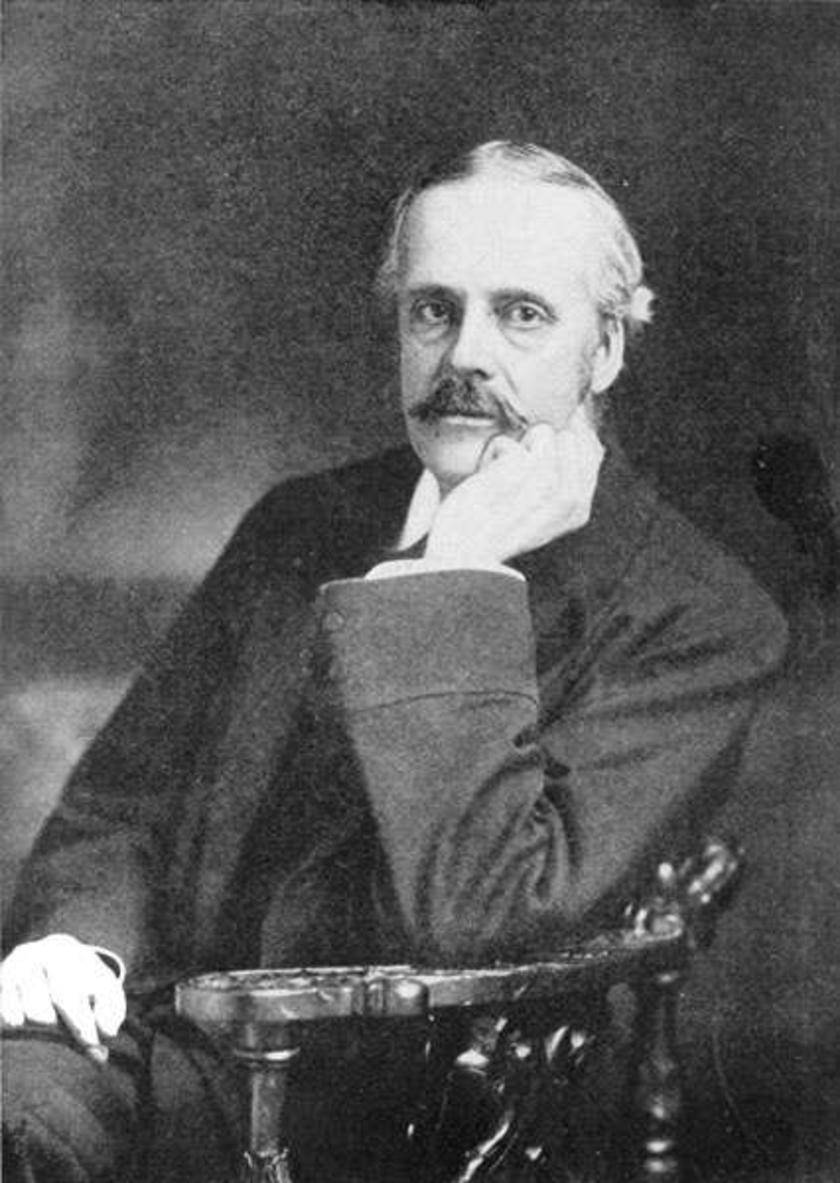
British Political Leaders
¥8.09
First published in 1903. Biographies of Balfour, Lord Salisbury, Lord Rosebery, Chamberlain, Labourchere, Morley, Burns, Hicks-Beach, Redmond,Harcourt, Bryce, Campbell-Bannerman, and the Earl of Aberdeen.
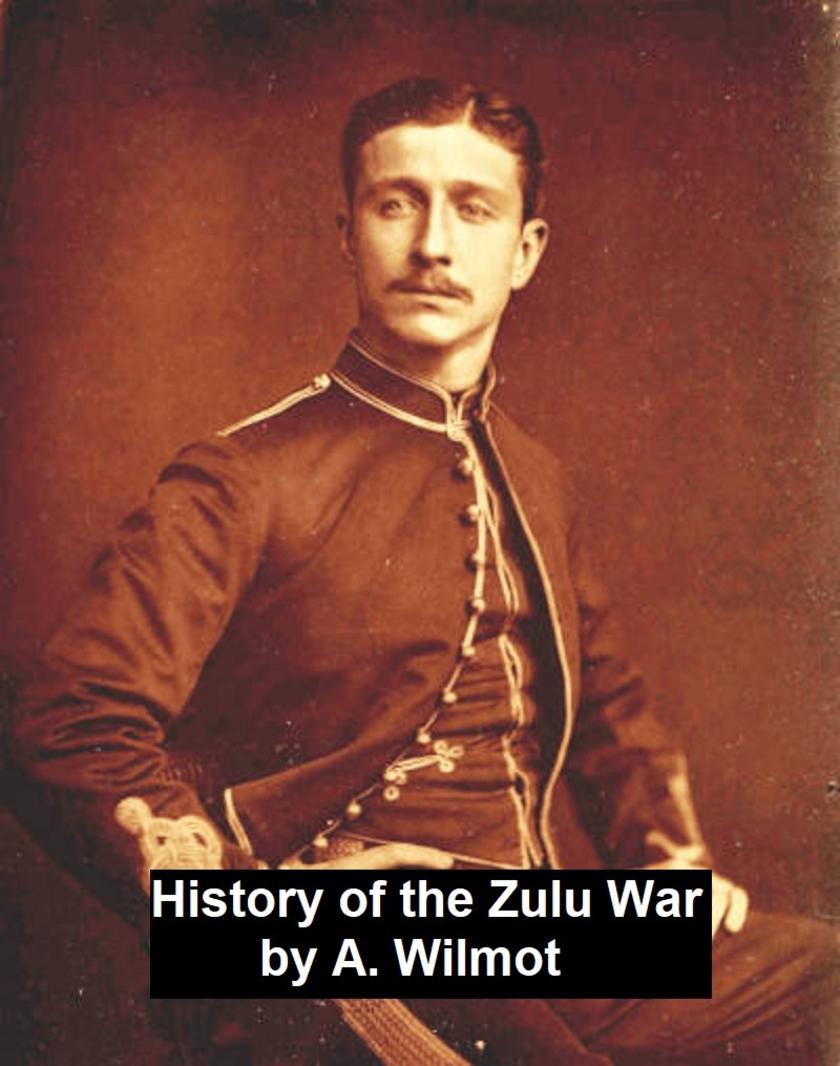
History of the Zulu War
¥8.09
First published in 1880. According to Wikipedia: "The Anglo-Zulu War was fought in 1879 between the British Empire and the Zulu Kingdom. Following Lord Carnarvon's successful introduction of federation in Canada, it was thought that similar political effort, coupled with military campaigns, might succeed with the African kingdoms, tribal areas and Boer republics in South Africa. In 1874, Sir Henry Bartle Frere was sent to South Africa as High Commissioner for the British Empire to bring such plans into being. Among the obstacles were the presence of the independent states of the South African Republic and the Kingdom of Zululand and its army.[6] Frere, on his own initiative, without the approval of the British government[7][8] and with the intent of instigating a war with the Zulu, had presented an ultimatum on 11 December 1878, to the Zulu king Cetshwayo with which the Zulu king could not comply.[9] Cetshwayo did not comply and Bartle Frere sent Lord Chelmsford to invade Zululand.[10] The war is notable for several particularly bloody battles, including a stunning opening victory by the Zulu at Isandlwana, as well as for being a landmark in the timeline of imperialism in the region. The war eventually resulted in a British victory and the end of the Zulu nation's independence."

Great Opera Stories
¥8.09
First published in 1912. Stories from operas retold for children. Chapters include: Children of Kings, Haensel and Gretel, The aster Singers, Lohengrin the Knight of the Swan, The Flying Dutchman, and Tannhauser the Minstrel Knight.
Afghanistan - A Country Study
¥8.09
Based on research completed in 1997. Originally published by the Federal Research Division of the Library of Congress as part of the Country Studies/Area Handbook Series sponsored by the U.S. Department of the Army between 1986 and 1998. Each study offers a comprehensive description and analysis of the country or region's historical setting, geography, society, economy, political system, and foreign policy.

Predicting the Soviet Invasion of Afghanistan
¥8.09
Originally published by the CIA, as an unclassified public document. Douglas MacEachin served as CIA's Deputy Director for Intelligence from 1993 to 1995 during his thirty-two year career at CIA. Mr. MacEachin was an officer-in-residence at Harvard University's John F. Kennedy School of Government, from 1995 to 1997, subsequently becoming a senior at the Kennedy School.

Spanish Grammar - Theory and Exercises
¥24.44
Spanish Grammar - Theory and Exercises” is an indispensable guide for all the people who want to learn spanish. The book explains each area of grammar clearly and concisely. Each lesson is accompanied by examples and exercises. The book contains 1300 exercises.
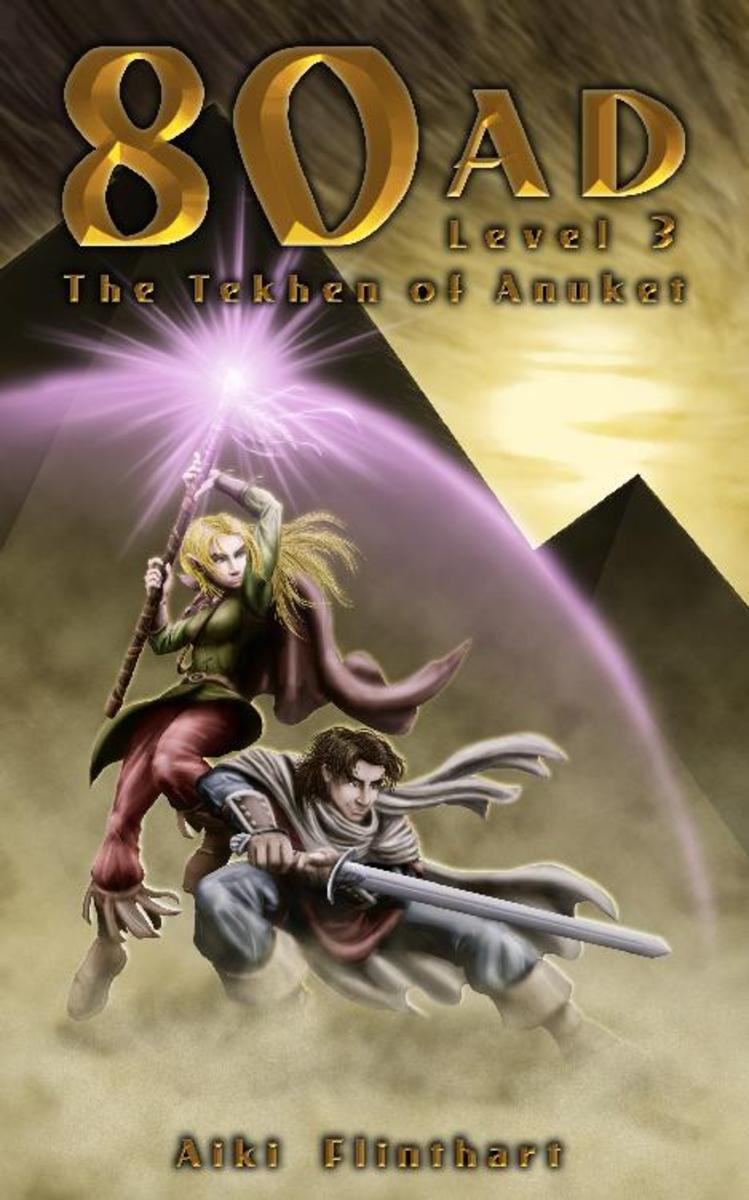
80AD The Tekhen of Anuket (Bk3)
¥24.44
80AD Book 3 finds Phoenix, Jade, Marcus and Brynn trapped inside a pyramid in ancient Egypt. No Pharaohs here, this is Egypt as you've never see it. Rome has taken over and the country is far from peaceful.? This adventure is the most insane yet. It has everything you'd expect: mummies, secret passages, treasure, an evil high priest, human sacrifice, walking undead and more. Together our four adventurers must escape the clutches of the high priest of the Egyptian god, Set and release the imprisoned goddess of the Nile, Anuket. Without Anuket, Egypt suffers endless drought and the country will die.? An ancient prophecy predicts 'the Phoenix' to be the savior of Egypt, but our Phoenix doesn't think he's up for it. Phoenix and Jade must battle not only external enemies, but their own inner demons, as they struggle to deal with this harder, harsher Level and its new enemies.? To make matters worse, Phoenix and Jade's old enemy, Feng Zhudai, is manipulating the Roman leader of Egypt, weaseling his way into things, trying again to upset the balance of this world by causing chaos.
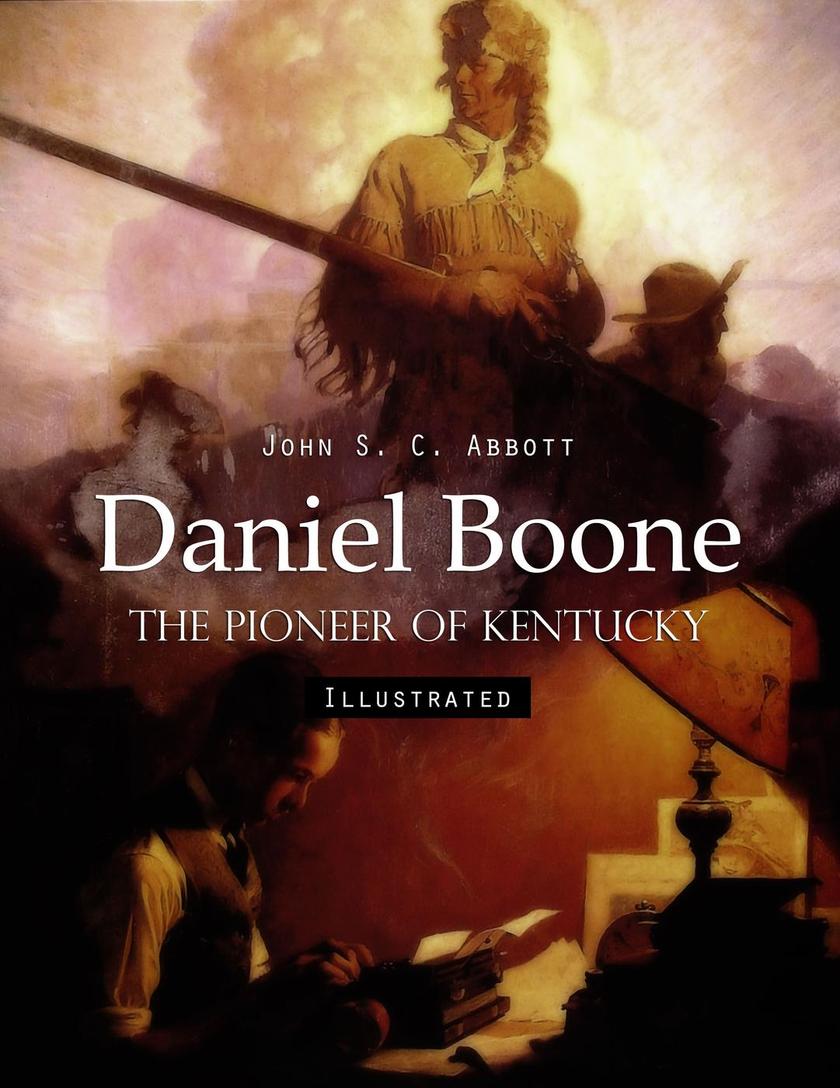
Daniel Boone: The Pioneer of Kentucky (Illustrated)
¥18.56
This is a detailed biography of the life and adventures of Daniel Boone. His accomplishments are brushed over in history classes these days and not given the recognition they deserve. This biography clearly paints a picture of the benevolent person of Daniel Boone as well as the achievements he made in furthering European settlement in America.

The Enchanted April
¥18.56
Elizabeth von Arnim's novel tells the story of four dissimilar women in 1920s England who leave their damp and rainy environments to go on a holiday to a secluded coastal castle in Italy. Mrs Arbuthnot and Mrs Wilkins, who belong to the same ladies' club, but have never spoken, become acquainted after reading a newspaper advertisement for a small medieval Italian castle on the shores of the Mediterranean to be let furnished for the month of April. They find some common ground in that both are struggling to make the best of unhappy marriages. Having decided to seek other ladies to help share expenses, they reluctantly take on the waspish, elderly Mrs Fisher and the stunning, but aloof, Lady Caroline Dester. The four women come together at the castle and find rejuvenation in the tranquil beauty of their surroundings, rediscovering hope and love.
The Trail of the White Mule
¥8.09
Classic western. According to Wikipedia: "Bertha Muzzy Sinclair or Sinclair-Cowan, née Muzzy (November 15, 1871 – July 23, 1940), best known by her pseudonym B. M. Bower, was an American novelist who wrote fictional stories about the American Old West. .. She wrote 57 Western novels, several of which were turned into films."
Bull Hunter
¥8.09
Classic western. According to Wikipedia: "Frederick Schiller Faust (May 29, 1892 - May 12, 1944) was an American fiction author known primarily for his thoughtful and literary Westerns. Faust wrote mostly under pen names, and today is primarily known by one, Max Brand. Others include George Owen Baxter, Evan Evans, David Manning, John Frederick, Peter Morland, George Challis, and Frederick Frost. ... Faust managed a massive outpouring of fiction, rivaling Edgar Wallace and especially Isaac Asimov as one of the most prolific authors of all time. He wrote more than 500 novels for magazines and almost as many stories of shorter length. His total literary output is estimated to have been between 25,000,000 and 30,000,000 words. Most of his books and stories were turned out at breakneck rate, sometimes as quickly as 12,000 words in the course of a weekend. New books based on magazine serials or unpublished manuscripts or restored versions continue to appear so that he has averaged a new book every four months for seventy-five years. Beyond this, some work by him is newly reprinted every week of every year in one or another format somewhere in the world."
Hilda Lessways
¥8.09
Dodo Collections brings you another classic from Arnold Bennett, ‘"Hilda Lessways”. ? In the second volume of the trilogy, events in Clayhanger are retold from the perspective of Hilda Lessways, who is embarking upon a relationship with George Cannon, a charismatic entrepreneur, whose success has taken him from the Five Towns to Brighton. A disastrous bigamous marriage and pregnancy result. Finally, however, she is reconciled with Edwin Clayhanger and one of Bennett’s most lively heroines must face up to her conflicting emotions, and the reality of her hopes and tragedies. ? Enoch Arnold Bennett (always known as Arnold Bennett) was one of the most remarkable literary figures of his time, a product of the English Potteries that he made famous as the Five Towns. Yet he could hardly wait to escape his home town, and he did so by the sheer force of his ambition to succeed as an author. In his time he turned his hand to every kind of writing, but he will be remembered for such novels as The Old Wives' Tale, the Clayhanger trilogy (Clayhanger, Hilda Lessways, and These Twain), and The Card. He also wrote such intriguing self-improvement books as Literary Taste, How To Live on 24 Hours a Day, The Human Machine, etc. ? After a local education Bennett finished his education at the University of London and for a time was editor of Woman magazine. After 1900 he devoted himself entirely to writing; dramatic criticism was one of his foremost interests. Bennett is best known, however, for his novels, several of which were written during his residence in France. ? Bennett's infancy was spent in genteel poverty, which gave way to prosperity as his father succeeded as a solicitor. From this provincial background he became a novelist. ? His enduring fame is as a Chronicler of the Potteries towns, the setting and inspiration of some of his most famous and enduring literary work and the place where he grew up.
War of the Classes
¥8.09
Collection of essays, including The Class Struggle, The Tramp, The Scab, The Question of the Maximum, A Review, Wanted: A New Land of Development, and How I Became a Socialist. According to Wikipedia: "Jack London (1876 – 1916) was an American author who wrote The Call of the Wild, White Fang, and The Sea Wolf along with many other popular books. A pioneer in the then-burgeoning world of commercial magazine fiction, he was one of the first Americans to make a lucrative career exclusively from writing."
Sayings of the Jewish Fathers: Pirke Abot
¥8.09
Volume 3 of the Library of Jewish Classics. From the Preface: "Notwithstanding the fact that there are many editions of the Sayings of the Jewish Fathers, and that it has been translated innumerable times in all modern tongues, no apology need be given for the appearance of this little volume in the series of Jewish Classics. The Pirke Abot is indeed a classical bit of that ancient Jewish classic, the Mishnah. The translation in this edition is based largely upon that of Taylor, in his Sayings of the Jewish Fathers, and upon the excellent version of Singer, in his Authorized Daily Prayer Book."
Alarms and Discursions
¥8.09
Collection of stories and essays. According to Wikipedia: "Gilbert Keith Chesterton (1874 ? 1936) was an influential English writer of the early 20th century. His prolific and diverse output included journalism, philosophy, poetry, biography, Christian apologetics, fantasy and detective fiction. Chesterton has been called the "prince of paradox."[1] He wrote in an off-hand, whimsical prose studded with startling formulations. For example: "Thieves respect property. They merely wish the property to become their property that they may more perfectly respect it."[2] He is one of the few Christian thinkers who are equally admired and quoted by both liberal and conservative Christians, and indeed by many non-Christians. Chesterton's own theological and political views were far too nuanced to fit comfortably under the "liberal" or "conservative" banner. "
Henry V in French
¥8.09
Pièce d'histoire de Shakespeare, Henry V, en traduction fran?aise. Selon Wikipédia: "Henry V est une pièce d'histoire de William Shakespeare, dont on pense qu'elle a été écrite vers 1599. Ses titres complets sont The Cronicle History of Henri Quint (dans le texte du premier quarto) et The Life of Henry the Fifth (dans le premier texte du Folio) raconte l'histoire du roi Henry V d'Angleterre, en se concentrant sur les événements qui ont précédé et suivi la bataille d'Azincourt (1415) pendant la guerre de Cent Ans.
The Heritage of Dedlow Marsh and Other Tales, collection of stories
¥8.09
Collection of stories, including: The Heritage of Dedlow Marsh, A Knight-Errant of the Foot-Hills, A Secret of Telegraph Hill, and Captain Jim's Friend. According to Wikipedia: "Bret Harte (August 25, 1836[2] – May 6, 1902) was an American author and poet, best remembered for his accounts of pioneering life in California. He was born in Albany, New York. ... He moved to California in 1853, later working there in a number of capacities, including miner, teacher, messenger, and journalist. He spent part of his life in the northern California coast town now known as Arcata, then just a mining camp on Humboldt Bay. His first literary efforts, including poetry and prose, appeared in The Californian, an early literary journal edited by Charles Henry Webb. In 1868 he became editor of The Overland Monthly, another new literary magazine, but this one more in tune with the pioneering spirit of excitement in California. His story, "The Luck of Roaring Camp," appeared in the magazine's second edition, propelling Harte to nationwide fame... Determined to pursue his literary career, in 1871 he and his family traveled back East, to New York and eventually to Boston, where he contracted with the publisher of The Atlantic Monthly for an annual salary of $10,000, "an unprecedented sum at the time." His popularity waned, however, and by the end of 1872 he was without a publishing contract and increasingly desperate. He spent the next few years struggling to publish new work (or republish old), delivering lectures about the gold rush, and even selling an advertising jingle to a soap company. In 1878 Harte was appointed to the position of United States Consul in the town of Krefeld, Germany and then to Glasgow in 1880. In 1885 he settled in London. During the thirty years he spent in Europe, he never abandoned writing, and maintained a prodigious output of stories that retained the freshness of his earlier work. He died in England in 1902 of throat cancer and is buried at Frimley."
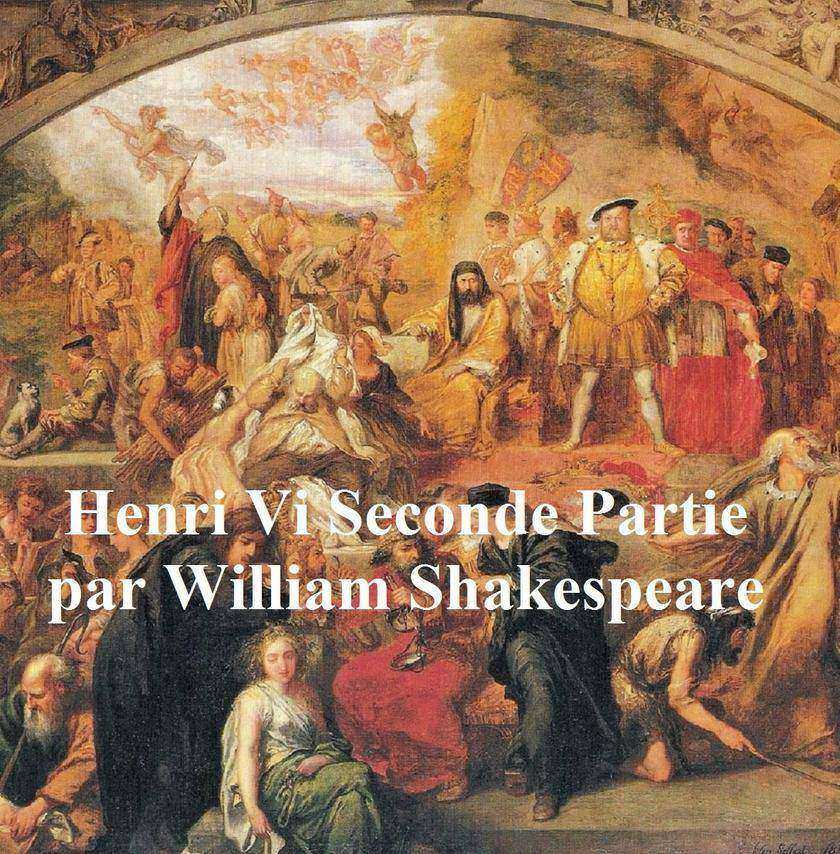
Henri VI, Seconde Partie (Henry VI Part II in French)
¥8.09
Pièce d'histoire de Shakespeare, Henry VI Deuxième partie, en traduction fran?aise. Selon Wikipédia: "Henry VI, Part 2 ou la deuxième partie de Henry le Sixt (souvent écrit comme 2 Henry VI) est une pièce d'histoire de William Shakespeare qui aurait été écrite en 1591, et placée pendant la vie du roi Henri VI Alors que 1 Henri VI traite principalement de la perte des territoires fran?ais de l'Angleterre et des machinations politiques menant aux guerres des Roses, et 3 Henry VI traite des horreurs de ce conflit, 2 Henri VI se concentre sur l'incapacité du roi à apaiser les querelles de ses nobles, la mort de son conseiller de confiance, le duc Humphrey de Gloucester, l'ascension du duc d'York et l'inévitabilité des conflits armés, ce qui aboutit à la première bataille de la guerre, la première bataille de St Albans. "


