


 购物车
购物车 个人中心
个人中心

On Rocky Top
¥88.56
There is no college football team more zealous and competitive than the University of Tennessee Volunteers When Clay Travis, acclaimed author of Dixieland Delight, decided to spend the 2008 season up close and personal with UT football, he and every other college football aficionado thought he was in for a rollicking ride with one of the leading contenders for the national title. After all, when the Vols kicked off the season on September 1, the defending SEC East champions were ranked 18th in the country. As head coach Phillip Fulmer prepared for the game, he reflected upon a coaching career that included an astounding 147 victories, two SEC championships, and a national title. With 34 years at UT under his belt as both a player and coach, the Tennessee native had just signed a contract extension that projected to keep him at the university long enough to become the winningest coach in program history.But when the Volunteers lost their season opener and the losses continued to mount, it became clear that 2008 was going to be a season on the brink for UT football. By December, the team had suffered its second-worst season ever, and Fulmer, the most beloved and recognized man in Tennessee, had been fired.Based on exclusive interviews with Fulmer, UT athletic director Mike Hamilton, university boosters, team personnel, players and their families, and fans, On Rocky Top recounts in vivid detail how a season of promise tragically ended an era of college football. Enlivening the narrative is a diverse cast of supporting characters, including 65-year-old "Good Time" Charlie Harris, who has driven the UT big rig for almost 10 years; star running back Arian Foster, a fifth-year senior striving to become the all-time leading rusher in Volunteer history; and multimillionaire booster John "Thunder" Thornton, who defended Fulmer till the end. A lifelong Volunteer fan whose grandfather played for the team during the 1930s, Travis reports from the locker room to the sideline, and has created a fascinating and loving chronicle of an impassioned state, a celebrated football culture, a beloved coach, and the sensational collapse of a once-mighty juggernaut.
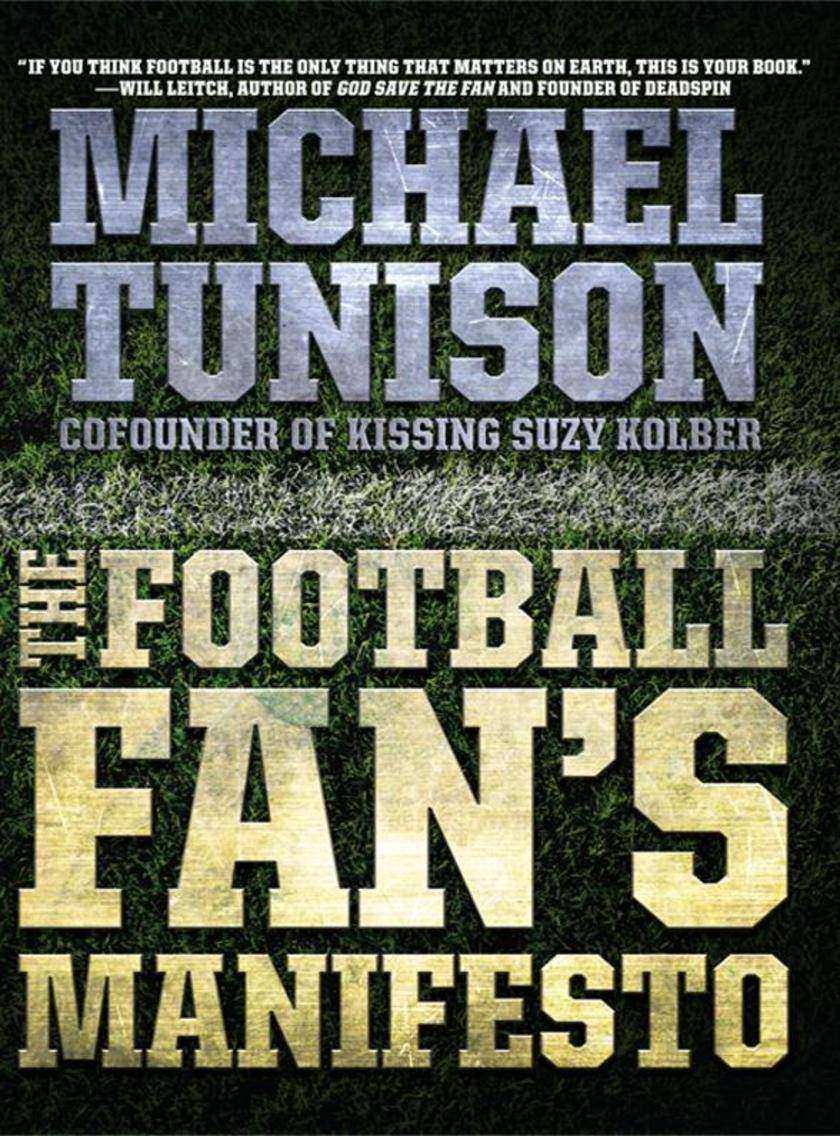
The Football Fan's Manifesto
¥90.77
The Football Fan's Ten Commandments You Must Choose Your Team by the Age of Eight. Value That Team Above All Else, Even Yourself. Under No Circumstances Can You Switch Teams (And Expect to Live). There is a Limit to the Amount of Merchandise You Can Own (But It's Very Generous). Sportsmanship is for the Athletes. Fans Can Gloat Endlessly. A Self-Induced Coma to Skip the Off-season is a Practical Solution to an Annoying Problem. An Inoffensive Fantasy Football Name is a Lame Fantasy Football Name. Wealth Doesn't Matter So Long As You Don't Have to Work Weekends. Respect Superstitions. If Your Team Lost, It's Because You Jinxed Them. In Life, the Order of Importance: Football First, Football Second, Football Third, Family . . . uh, I Don't Know, twelfthThese are just the basics if you wish to be a True Football Fan. The full picture is much more complex and boozy. Thankfully, The Football Fan's Manifesto is your very own playbook to the strict rules and bylaws that must be scrupulously observed. After all, trash-talking is an intricate science and running onto the field a dangerous but irresistible pursuit. There are many lessons to be learned, especially that choosing a favorite team to live and die with is not a choice made easily: It's the most important decision of your life!
The Revolution Will Not Be Televised
¥90.77
When Joe Trippi signed on to manage Howard Dean's 2004 presidential campaign, the long-shot candidate had 432 known supporters and $100,000 in the bank. Within a year the most obscure horse in the field was the front-runner, with $50 million in the campaign till, thanks to Trippi and his team. The Revolution Will Not Be Televised is the incredible story of how Joe Trippi's revolutionary use of the Internet forever changed politics as we know it. Trippi's memoir cum manifesto offers a blueprint for engaging Americans in real dialogue and is an instruction manual for how businesspeople, government leaders, and anyone else can make use of democracy. In a new afterword, Trippi reviews how these lessons have influenced the 2008 campaign, a race marked by higher voter interest than any other in recent history.
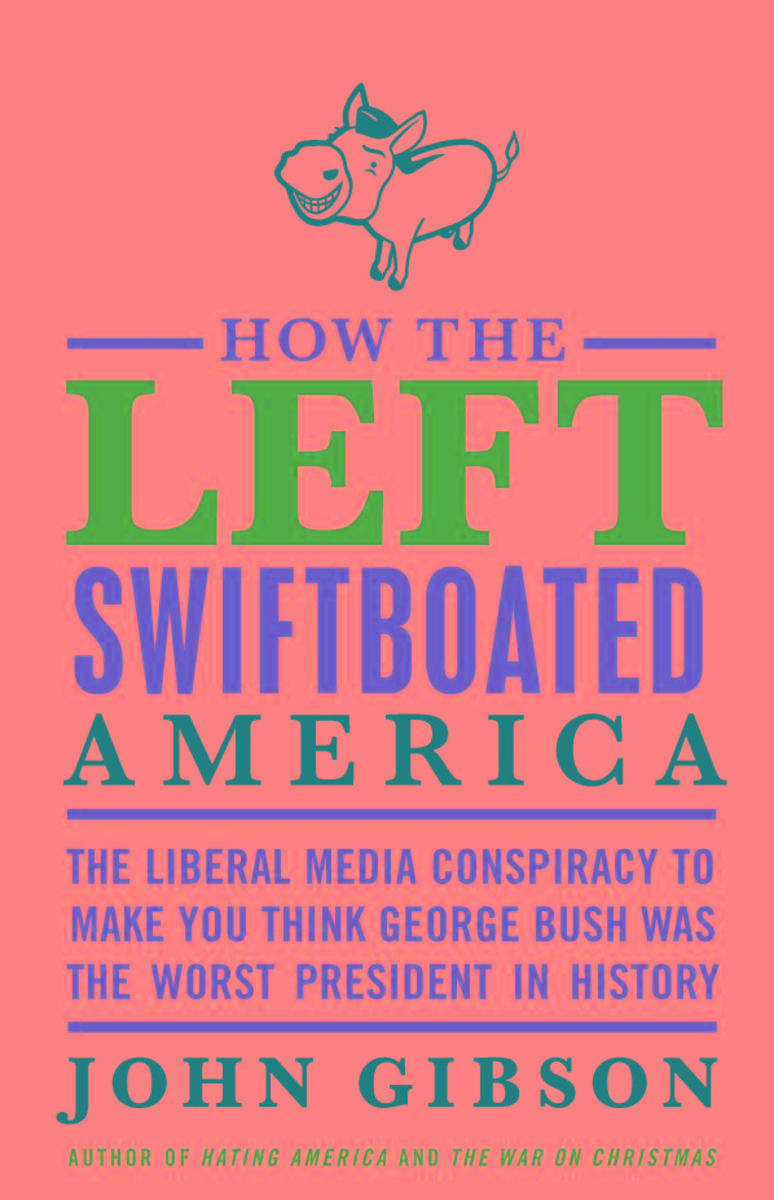
How the Left Swiftboated America
¥90.77
Bestselling author John Gibson shows that George W. Bush was the victim of a concentrated effort by Democrats and their allies in the press to discredit and distort virtually everything he did. That effort was amazingly successful. Was George W. Bush really the worst president in American historyWas the Iraq War really the biggest foreign policy blunder of all recorded timeDid Bush really steal the 2000 election, make war on civil rights, torture innocent goatherds, and prove America's racism during Hurricane Katrina?If this is what you think, then you may have been swiftboated by the liberal media. Swiftboating, as it has come to be defined by the left, is the political trick of claiming to expose the truth while in fact lying. The swiftboating of George W. Bush began in 2000 and continued throughout his presidency, involving his response to 9/11, the Iraq War, warrantless wiretapping, enhanced interrogation techniques, the Surge, uranium from Niger, the number of deaths in Iraq, the federal response to Katrina, and much, much more. One only has to look at the charges leveled against the Bush administration by candidate Barack Obama to witness the success of this campaign. Obama ran for president and won on the left's extensive catalog of lies about George W. Bush. Moreover, once in office, Obama and the left continued to use these same techniques to swiftboat the Republican opposition. Obama constantly complained that he had inherited a "mess" in Iraq and blamed the "failed ideology" of free-market capitalism for the financial collapse that helped elect him. Meanwhile, his media allies attacked Rush Limbaugh, Dick Cheney, the tea party movement, and the health-care protestors as "racists" for opposing Obama's agenda.In How the Left Swiftboated America, talk radio host and bestselling author John Gibson sets the record straight. Gibson shows that, in case after case across the board, Bush's performance was much better than most people now believe. And he calls on all Americans to fight back and put an end to the swiftboating lies of the left.

Berlin Games
¥90.73
IN 1936, Adolf Hitler welcomed the world to Berlin to attend the Olympic Games. It promised to be not only a magnificent sporting event but also a grand showcase for the rebuilt Germany. No effort was spared to present the Third Reich as the newest global power. But beneath the glittering surface, the Games of the Eleventh Olympiad of the Modern Era came to act as a crucible for the dark political forces that were gathering, foreshadowing the bloody conflict to come. The 1936 Olympics were nothing less than the most political sporting event of the last century an epic clash between proponents of barbarism and those of civilization, both of whom tried to use the Games to promote their own values. Berlin Games is the complete history of those fateful two weeks in August. It is a story of the athletes and their accomplishments, an eye-opening account of the Nazi machine's brazen attempt to use the Games as a model of Aryan superiority and fascist efficiency, and a devastating indictment of the manipulative power games of politicians, diplomats, and Olympic officials that would ultimately have profound consequences for the entire world.

Seasons in Basilicata
¥88.56
Award-winning travel writer and illustrator, David Yeadon embarks with his wife, Anne on an exploration of the "lost word" of Basilicata, in the arch of Italy's boot. What is intended as a brief sojourn turns into an intriguing residency in the ancient hill village of Aliano, where Carlo Levi, author of the world-renowned memoir Christ Stopped at Eboli, was imprisoned by Mussolini for anti-Fascist activities. As the Yeadons become immersed in Aliano's rich tapestry of people, traditions, and festivals, reveling in the rituals and rhythms of the grape and olive harvests, the culinary delights, and other peculiarities of place, they discover that much of the pagan strangeness that Carlo Levi and other notable authors revealed still lurks beneath the beguiling surface of Basilicata.

Warped Passages
¥100.71
The universe has many secrets. It may hide additional dimensions of space other than the familier three we recognize. There might even be another universe adjacent to ours, invisible and unattainable . . . for now.Warped Passages is a brilliantly readable and altogether exhilarating journey that tracks the arc of discovery from early twentieth-century physics to the razor's edge of modern scientific theory. One of the world's leading theoretical physicists, Lisa Randall provides astonishing scientific possibilities that, until recently, were restricted to the realm of science fiction. Unraveling the twisted threads of the most current debates on relativity, quantum mechanics, and gravity, she explores some of the most fundamental questions posed by Nature taking us into the warped, hidden dimensions underpinning the universe we live in, demystifying the science of the myriad worlds that may exist just beyond our own.

A Splintered History of Wood
¥88.56
In a world without wood, we might not be here at all. Without wood, we wouldn't have had the fire, heat, and shelter that allowed us to expand into the colder regions of the planet. If civilization somehow did develop, our daily lives still would be vastly different: there would be no violins, baseball bats, chopsticks, or wine corks. The book you are now holding wouldn't exist. At the same time, many of us are removed from the world where wood is shaped and celebrated every day. That world is inhabited by a unique assortment of eccentric craftsmen and passionate enthusiasts who have created some of the world's most beloved musical instruments, feared weapons, dazzling architecture, sacred relics, and bizarre forms of transportation. In A Splintered History of Wood, Spike Carlsen has uncovered the most outlandish characters and examples, from world-champion chainsaw carvers to blind woodworkers, the Miraculous Staircase to the Lindbergh kidnapping case, and many more, in a passionate and personal exploration of nature's greatest gift.
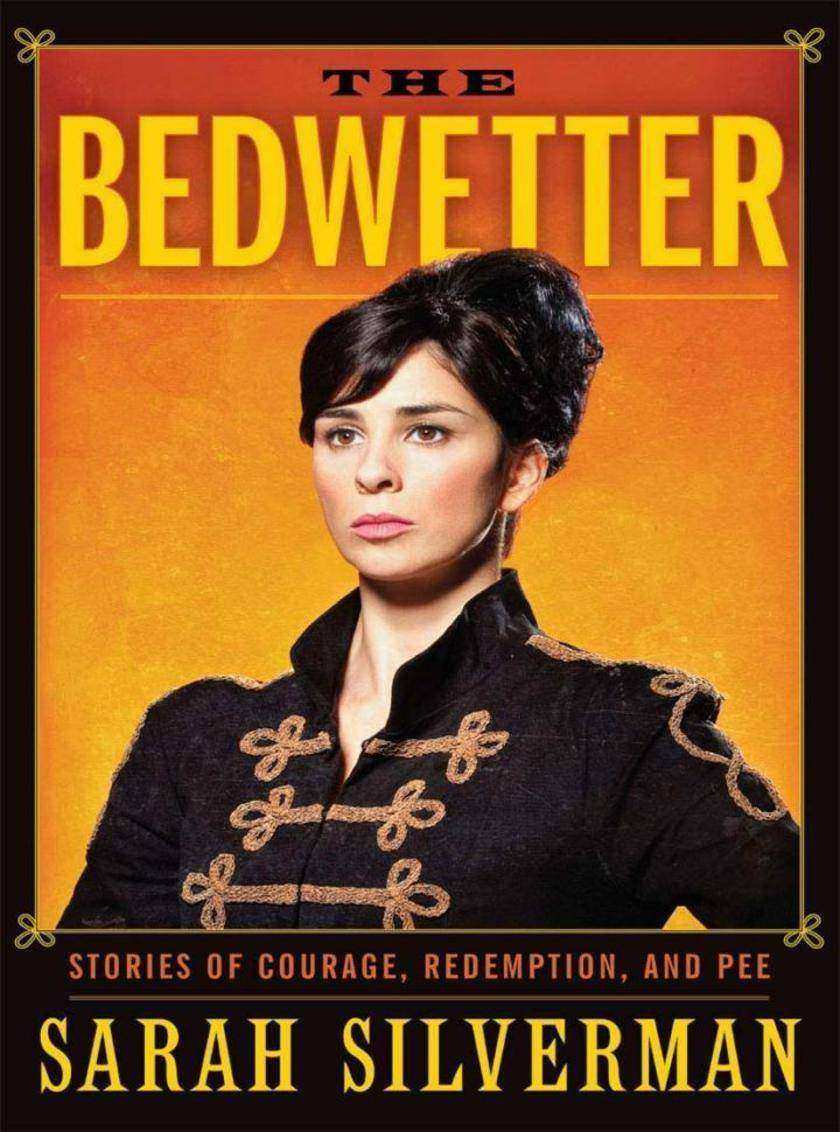
The Bedwetter
¥94.10
Warning from publisher to reader: At HarperCollins, we are committed to customer satisfaction. Before proceeding with your purchase, please take the following questionnaire to determine your likelihood of enjoying this book:1. Which of the following do you appreciate?(a) Women with somewhat horse-ish facial features.(b) Women who, while not super Jew-y, are more identifiably Jewish than, say, Natalie Portman.(c) Frequent discussion of unwanted body hair. 2. Are you offended by the following behavior?(a) Instructing one's grandmother to place baked goods in her rectal cavity.(b) Stripping naked in public eleven times in a row.(c) Stabbing one's boss in the head with a writing implement. 3. The best way to treat an emotionally fragile young girl is:(a) Murder the main course of her Thanksgiving dinner before her very eyes.(b) Tell her that her older sister is prettier than she, and then immediately die.(c) Prevent her suicide by recommending she stay away from open windows. If you read the above questions without getting nauseous or forming a hate Web site, you are ready to buy this book! Please proceed to the cashier.

The Weather of the Future
¥90.77
Droughts. Floods.Climate refugees.Global warming isn't just about polar bears anymore. Let's assume we do nothing about climate change. Imagine that we just continue to emit carbon at our current levels or even exceed those levels. How would our weather changeWhat would our forecast beWelcome to The Weather of the Future. In this groundbreaking work, Dr. Heidi Cullen, one of the world's foremost climatologists and environmental journalists, puts a vivid face on climate change, offering a new way of seeing this phenomenon not just as an event set to happen in the distant future but as something happening right now in our own backyards. Arguing that we must connect the weather of today with the climate change of tomorrow, Cullen combines the latest research from scientists on the ground with state-of-the-art climate-model projections to create climate-change scenarios for seven of the most at-risk locations around the world.From the Central Valley of California, where coming droughts will jeopardize the entire state's water supply, to Greenland, where warmer temperatures will give access to mineral wealth buried beneath ice sheets for millennia, Cullen illustrates how, if left unabated, climate change will transform every corner of the world by midcentury. What emerges is a mosaic of changing weather patterns that collectively spell out the range of risks posed by global warming whether it's New York City, whose infrastructure is extremely vulnerable to even a relatively weak category 3 hurricane, or Bangladesh, a country so low-lying that millions of people could become climate refugees due to rising sea levels.Provocative and convincing, The Weather of the Future makes climate change local, showing how no two regions of the country or the world will be affected in quite the same way, and demonstrating that melting ice is just the beginning.
Men at Work
¥88.56
In his classic tribute to America's pastime now with a new introduction political commentator, Pulitzer Prize-winning journalist, and lifelong sports enthusiast George F. Will travels from the baseball field to the dugout to the locker room to get to the root of the game we all love. He breaks down the sport to its four basic components, managing, pitching, hitting, and fielding, and analyzes the way four of its notables, manager Tony La Russa, pitcher Orel Hershiser, outfielder Tony Gwynn, and shortstop Cal Ripken Jr., approach the game. One of the most acclaimed sports books ever written, Men at Work is a revelatory, and often surprising, study of professional baseball.
Science Is Culture
¥90.77
Seed magazine brings together a unique gathering of prominent scientists, artists, novelists, philosophers + other thinkers who are tearing down the wall between science + culture. We are on the cusp of a twenty-first-century scientific renaissance. Science is driving our culture and conversation unlike ever before, transforming the social, political, economic, aesthetic, and intellectual landscape of our time. Today, science is culture. As global issues like energy and health become increasingly interconnected, and as our curiosities like how the mind works or why the universe is expanding become more complex, we need a new way of looking at the world that blurs the lines between scientific disciplines and the borders between the sciences and the arts and humanities. In this spirit, the award-winning science magazine Seed has paired scientists with nonscientists to explore ideas of common interest to us all. This book is the result of these illuminating Seed Salon conversations, edited and with an introduction by Seedfounder and editor in chief Adam Bly. Science Is Culture includes:E. O. Wilson + Daniel C. DennetSteven Pinker + Rebecca GoldsteinNoam Chomsky + Robert TriversDavid Byrne + Daniel LevitinJonathan Lethem + Janna LevinBenoit Mandelbrot + Paola AntonelliLisa Randall + Chuck Hoberman Michel Gondry + Robert StickgoldAlan Lightman + Richard Colton Laurie David + Stephen SchneiderTom Wolfe + Michael GazzanigaMarc Hauser + Errol Morris

Marriage and the Family in the Middle Ages
¥88.56
A compelling, lucid, and highly readable chronicle of medieval life written by the authors of the bestselling Life in a Medieval Castle and Life in a Medieval City Historians have only recently awakened to the importance of the family, the basic social unit throughout human history. This book traces the development of marriage and the family from the Middle Ages to the early modern era. It describes how the Roman and barbarian cultural streams merged under the influence of the Christian church to forge new concepts, customs, laws, and practices. Century by century it follows the development -- sometimes gradual, at other times revolutionary -- of significant elements in the history of the family: The basic functions of the family as production unit, as well as its religious, social, judicial, and educational roles. The shift of marriage from private arrangement between families to public ceremony between individuals, and the adjustments in dowry, bride-price, and counter-dowry. The development of consanguinity rules and incest taboos in church law and lay custom. The peasant family in its varying condition of being free or unfree, poor, middling, or rich. The aristocratic estate, the problem of the younger son, and the disinheritance of daughters. The Black Death and its long-term effects on the family. Sex attitudes and customs: the effects of variations in age of men and women at marriage. The changing physical environment of noble, peasant, and urban families. Arrangements by families for old age and retirement.
There Will Be Rainbows
¥90.73
No contemporary pop performer's work mixes innovation and tradition like Rufus Wainwright's. He is the son of singer, songwriter, actor Loudon Wainwright III and legendary Canadian folk singer Kate McGarrigle whose story is one of towering highs and rock bottom lows in which family influences, sexual experimentation, and a crystal meth addiction in the early 2000s have greatly contributed to his creative process.In seeking to explain how Wainwright works and where his place lies in a great tradition, rock journalist Kirk Lake entered into many odd and diverse worlds Canadian folk, neo-Conservatism, drug addiction, gay liberation, Hollywood musicals as he followed Wainwright's journey from Van Dyke Parks to rehab to Carnegie Hall. The product of in-depth interviews with musicians, producers, filmmakers, family friends, There Will Be Rainbows is a fascinating, sometimes troubling study of the glorious enigma that is Rufus Wainwright.
Atlantic
¥88.56
Blending history and anecdote, geography and reminiscence, science and exposition, the New York Times bestselling author of Krakatoa tells the breathtaking saga of the magnificent Atlantic Ocean, setting it against the backdrop of mankind's intellectual evolution Until a thousand years ago, no humans ventured into the Atlantic or imagined traversing its vast infinity. But once the first daring mariners successfully navigated to far shores whether it was the Vikings, the Irish, the Chinese, Christopher Columbus in the north, or the Portuguese and the Spanish in the south the Atlantic evolved in the world's growing consciousness of itself as an enclosed body of water bounded by the Americas to the West, and by Europe and Africa to the East. Atlantic is a biography of this immense space, of a sea which has defined and determined so much about the lives of the millions who live beside or near its tens of thousands of miles of coast. The Atlantic has been central to the ambitions of explorers, scientists and warriors, and it continues to affect our character, attitudes, and dreams. Poets to potentates, seers to sailors, fishermen to foresters all have a relationship with this great body of blue-green sea and regard her as friend or foe, adversary or ally, depending on circumstance or fortune. Simon Winchester chronicles that relationship, making the Atlantic come vividly alive. Spanning from the earth's geological origins to the age of exploration, World War II battles to modern pollution, his narrative is epic and awe-inspiring.
The Great Hangover
¥99.65
Vanity Fair presents 21 true stories of the new hard times Where did all the billions goCommissioned by the editors at Vanity Fair magazine, The Great Hangover is an eye-opening collection of essays on the global economic crisis by fifteen of the most respected contemporary business writers in America, including:Bryan Burrough (Barbarians at the Gate) on the atmosphere of uncertainty and fear that preceded the demise of Bear Stearns . . . Michael Lewis (Liar's Poker) on Iceland's bizarre national implosion . . . Mark Bowden (Black Hawk Down) on the decline of The New York Times and the threat to the ailing newspaper industry . . . Mark Seal on the defining figure of the seriously tarnished New Gilded Age: the Grand Master of Greed, Bernie Madoff . . . Along with compelling and sometimes hair-raising pieces from a dozen other Vanity Fair contributors on the recent recession's myriad villains and victims and the worldwide impact of the financial downturn.

Cycle Savvy
¥88.56
Should I be concerned if my cycles are rarely 28 daysWhy do I often feel so emotional before my periodAnd how can I know when my period's really going to start?! If you're a teenage girl, you've probably asked yourself these questions and many more. Now Cycle Savvy has the answers that will help you understand what is really happening with your body on a day-to-day basis. It's the first book specifically designed to teach young women about the practical benefits of charting their cycles. Explore the fascinating world of ovulation, fertility, and why you even have periods at all! And learn all about the body signals, mood changes, and other signs that accompany your cycle. With charming illustrations, fun brainteasers, confidence builders, sample charts, and first-person tales of experiences that every girl can relate to, Cycle Savvy takes the mystery out of your amazing body.
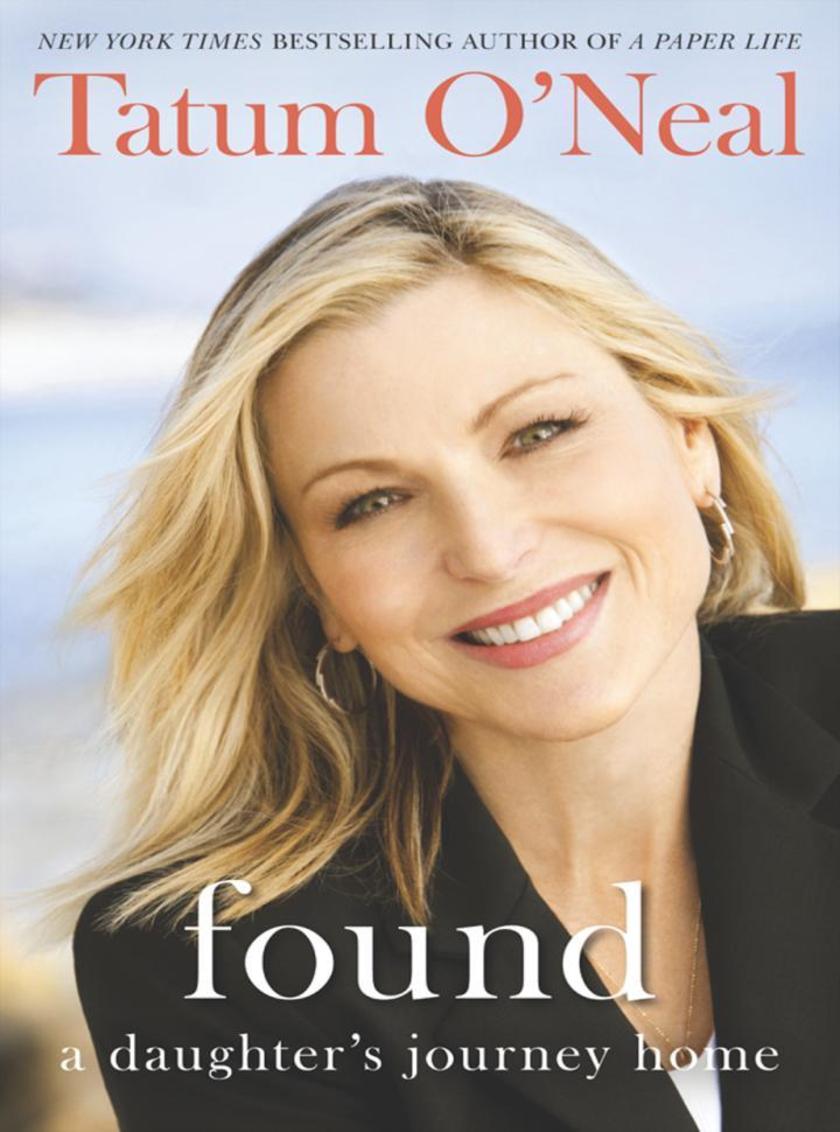
Found
¥88.56
In this powerful follow-up to her New York Times bestselling memoir, A Paper Life, Academy Award?-winning actress Tatum O’Neal returns with an extraordinary chronicle of family, forgiveness, redemption, and commitment—a remarkable story told with honesty, humility, determination, and above all . . . love The golden child of a glamorous Hollywood couple, Tatum O’Neal had a childhood that looked, from the outside, to be fairy-tale perfect. The reality was far from perfect, and in A Paper Life, Tatum shared her poignant, painful experiences of growing up in—and away from—a dysfunctional show-business family. Now, in Found, she digs even deeper and explores the tough issues that resonate in most women’s lives. It is a story of taking two steps forward and one step back, of learning to understand what forgiveness really means—physically, emotionally, and spiritually—and how to live it every day. With candor and grace, Tatum chronicles the challenges and joys of being a single mother to three grown children, an ex-wife, a working actress, and a woman who has lived her life in the public eye for the better part of forty-five years. She speaks frankly about the persistence it took to beat her addictions to drugs and alcohol, and the hard work of staying clean and sober, including dealing with the deep emotional void that illicit substances falsely promise to fill. Tatum details her ongoing efforts to negotiate friends, family, aging, money, love, loss, and Hollywood, while the specter of her past continues to lurk, a reminder of her battle and a testament to her will to survive. And she honors the people whose perseverance and courage in overcoming their own dark troubles have inspired her. Found is also a father-daughter love story: a portrait of a fragile, tentative reconciliation between a parent and a child who, as documented in the OWN television docuseries The O’Neals: Ryan and Tatum, try to heal the hurt and pain of a lifetime. Tatum O’Neal has done the hard work necessary to get her life on track and come to terms with the person she is. Finally, she shares her whole story. Her moving and inspirational saga reminds us all that no matter what has happened in our own lives, we must keep moving forward to the light and the future, step by step, day by day. Only then may we find the true path home.

The Confederate Nation
¥88.56
We have for years needed a serious, scholarly, readable work on the Confederate nation that rounds up modem scholarship and offers a fresh and detached view of the whole subject. This work fills that order admirably ... [Thomas] sensibly and deftly integrates the course of Southern military fortunes with the concerns that shaped them and were shaped by them. In doing so he also manages to convey a sense of how the war itself deteriorated from something spirited and gallant to something base and mean and modern on both sides.
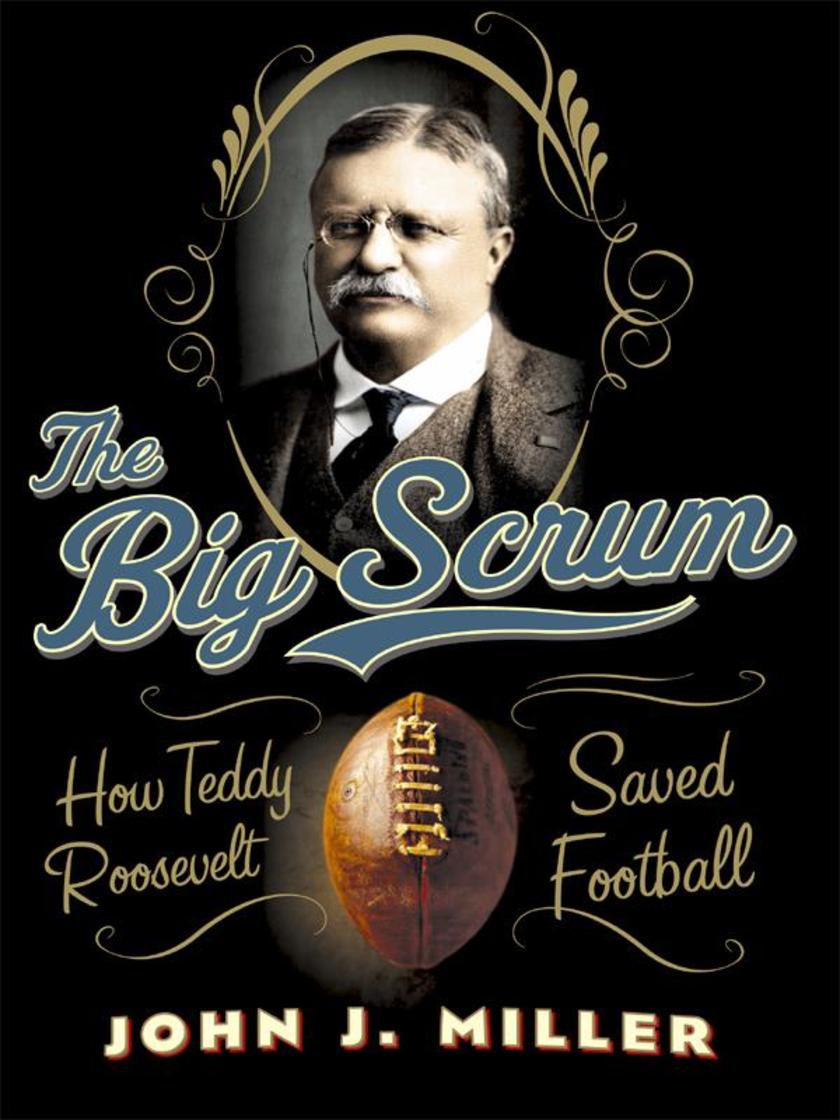
The Big Scrum
¥88.56
The intriguing, never-before-fully-told story of how Theodore Roosevelt helped tosave the game that would become America's most popular sport.In its infancy during the late nineteenth century,the game of football was still a work in progress thatonly remotely resembled the sport millions followtoday. There was no common agreement about many ofthe game's basic rules, and it was incredibly violent andextremely dangerous. An American version of rugby, thisnew game grew popular even as the number of casualtiesrose. Numerous young men were badly injured and dozensdied playing football in highly publicized incidents, oftenat America's top prep schools and colleges.Objecting to the sport's brutality, a movement ofproto-Progressives led by Harvard University presidentCharles W. Eliot tried to abolish the game. PresidentTheodore Roosevelt, a vocal advocate of the strenuouslife and a proponent of risk, acknowledged football's dangers but admired its potential for building character. A longtime fan of the game who purposely recruited menwith college football experience for his Rough Riders,Roosevelt fought to preserve the game's manly essence,even as he understood the need for reform.In 1905, he summoned the coaches of Harvard, Yale,and Princeton to the White House and urged them to act.The result was the establishment of the National CollegiateAthletic Association, as well as a series of rule changes including the advent of the forward pass that ultimatelysaved football and transformed it into the quintessentialAmerican game. The Big Scrum reveals for the first timethe fascinating details of this little-known story of sportshistory.
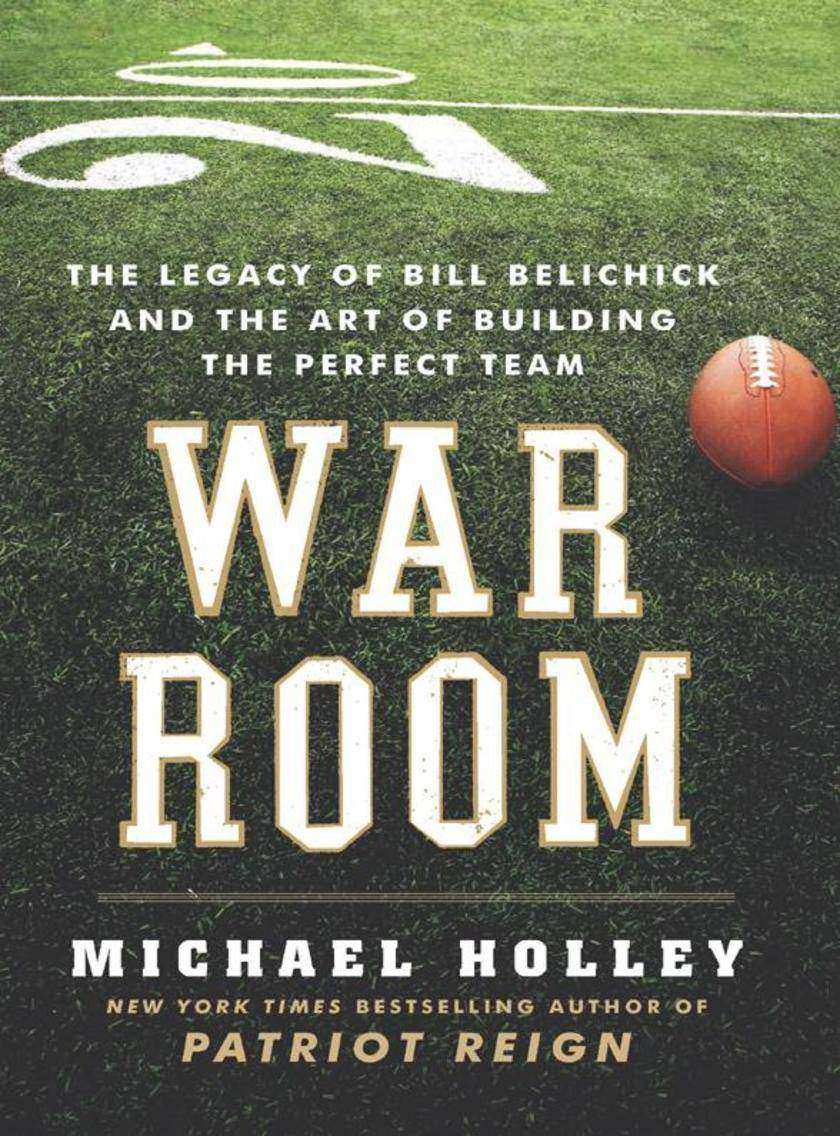
War Room
¥95.39
Football games aren’t won on Sundays in the fall. They’re won on draft day in the spring—in the war room. In this landmark book, New York Times bestselling author Michael Holley takes readers behind the scenes of three contending National Football League teams and into the brilliant minds of Bill Belichick and his two former protégés Thomas Dimitroff and Scott Pioli. Holley masterfully shows how a single idea conceived by Belichick in 1991—how to build the perfect team—triggered a journey filled with miraculous finishes, heartbreaking losses, broken relationships, and Super Bowl championships. Readers are given unprecedented access—from the draft room to the locker room to the sidelines—and insights into why Belichick is considered to be the NFL’s best coach and premier strategist. Before he achieved success, though, Belichick was barely surviving as a coach. War Room opens in Cleveland, where Belichick, a young head coach, worked in an office with two employees in their late twenties: Pioli, a low-paid scouting assistant, and Dimitroff, a groundskeeper and part-time scout. After Belichick was fired by the Browns in 1996, the three men were in separate cities and seemingly a lifetime away from being recognized as leaders and champions. But soon they were reunited in New England, where they refined and burnished Belichick’s method for constructing a winning team, overseeing one of the greatest franchises in modern NFL history. These three master strategists are now competitors. Belichick continues at the helm of the New England Patriots, while Pioli is now in charge of the Kansas City Chiefs and Dimitroff is running the Atlanta Falcons. And even though they no longer work for the same franchise, they do have a common goal: building the perfect team, one draft pick and one trade at a time. War Room is their unique and often astonishing story. It is packed with never-been-told anecdotes and new observations from team officials, players, coaches, and scouts, all leading to surprising and groundbreaking insights into the art of building a champion.


