


 购物车
购物车 个人中心
个人中心
Affinities and Other Stories
¥8.09
According to Wikipedia: "Mary Roberts Rinehart (August 12, 1876-September 22, 1958) was a prolific author often called the American Agatha Christie.[1] She is considered the source of the phrase "The butler did it", although she did not actually use the phrase herself, and also considered to have invented the "Had-I-But-Known" school of mystery writing.... Rinehart wrote hundreds of short stories, poems, travelogues and special articles. Many of her books and plays, such as The Bat (1920) were adapted for movies, such as The Bat (1926), The Bat Whispers (1930), and The Bat (1959). While many of her books were best-sellers, critics were most appreciative of her murder mysteries. Rinehart, in The Circular Staircase (1908), is credited with inventing the "Had-I-But-Known" school of mystery writing. The Circular Staircase is a novel in which "a middle-aged spinster is persuaded by her niece and nephew to rent a country house for the summer. The house they choose belonged to a bank defaulter who had hidden stolen securities in the walls. The gentle, peace-loving trio is plunged into a series of crimes solved with the help of the aunt. This novel is credited with being the first in the "Had-I-But-Known" school."[3] The Had-I-But-Known mystery novel is one where the principal character (frequently female) does less than sensible things in connection with a crime which have the effect of prolonging the action of the novel. Ogden Nash parodied the school in his poem Don't Guess Let Me Tell You: "Sometimes the Had I But Known then what I know now I could have saved at least three lives by revealing to the Inspector the conversation I heard through that fortuitous hole in the floor." The phrase "The butler did it", which has become a cliché, came from Rinehart's novel The Door, in which the butler actually did do it, although that exact phrase does not actually appear in the work."
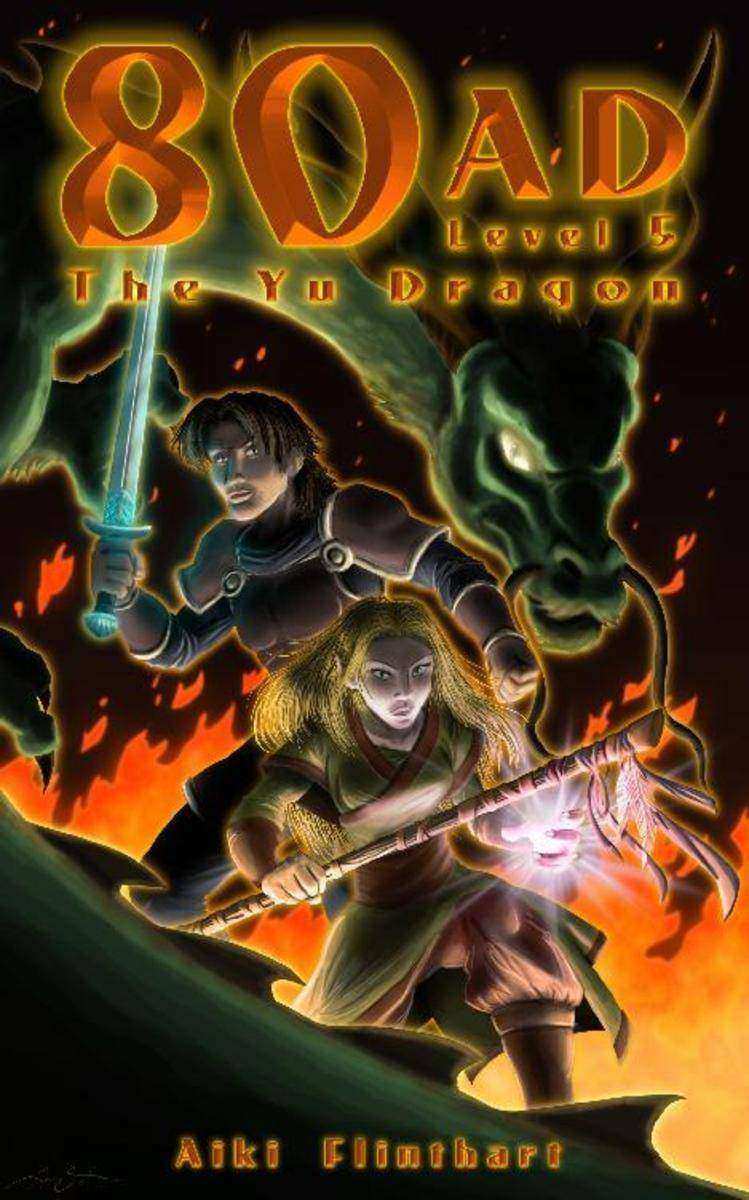
80AD The Yu Dragon (Bk5)
¥24.44
This is it. The final Level of the Game. China in 80AD is the stage for the final showdown between Phoenix and Jade and their arch-enemy, Feng Zhudai.? Things don't start off so well. Jade is a prisoner, separated by vast distances from her companions; in the hands of Feng Zhudai himself. Phoenix and the others have to find her before they can even think of freeing her. What have they got to work with? How can they fight Feng Zhudai's incredible magical powers on his own home ground? How can they fulfill their quest to master the Yu Dragon, when they don't even know where to find it or what it looks like - or how to go about mastering a dragon?? To top it all off, they must stop Feng Zhudai from taking control of the Han Empire and the world. If he wins this round, it's all over.? Everything and everyone they know and love will be destroyed - in both worlds. With the fate of this world and their own in the balance, Phoenix and Jade have insurmountable odds stacked against them.
Bliss, and Other Stories
¥18.56
Mansfield's Bliss, and Other Stories, published in 1920, secured the author's literary reputation. While readers and critics at the time generally lauded the short fiction collection, a few reviewers objected to its controversial subject matter - infidelities, discussions of sexuality, cruel and superficial characters. Today "Bliss" is one of Mansfield's most frequently anthologized stories and still resonates with modern readers.
Marriage as a Trade
¥18.56
In "Marriage as a Trade" Hamilton asserts that "woman, as we know her to-day, is largely a manufactured product; that the particular qualities which are supposed to be inherent in her and characteristic of her sex are often enough nothing more than the characteristics of a repressed class and the entirely artificial result of her surroundings and training."
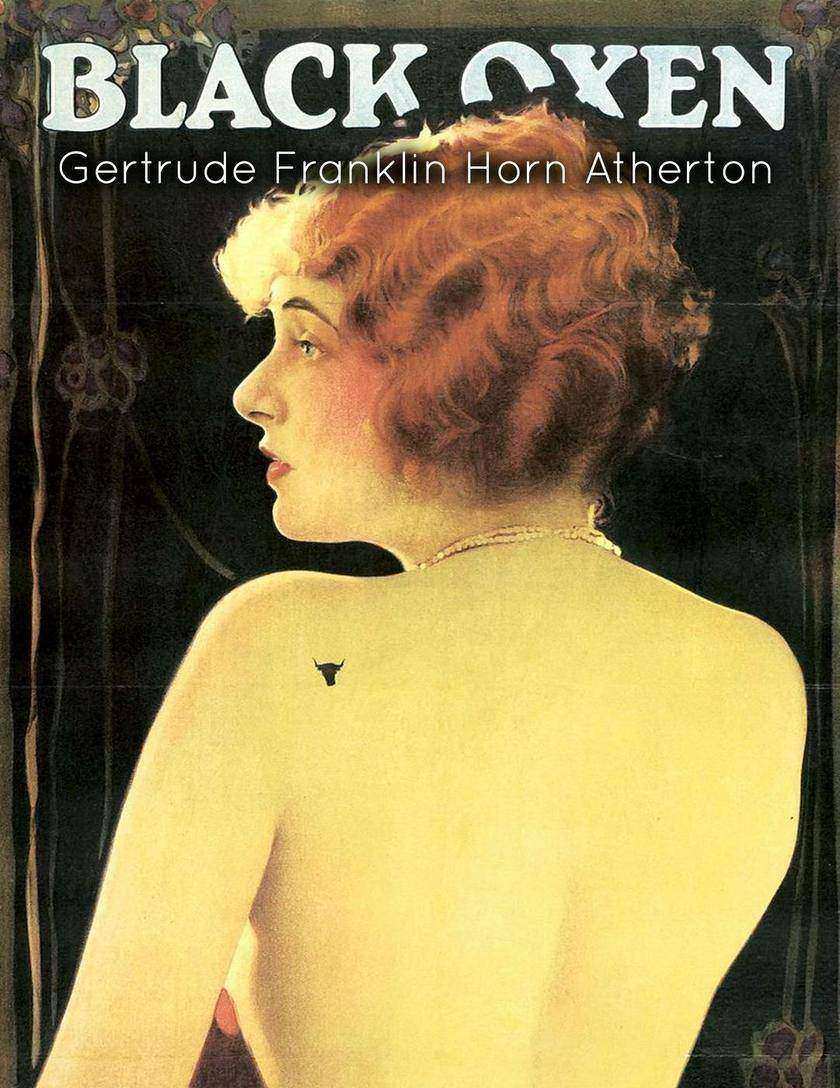
Black Oxen
¥18.56
This tale of scientific rejuvenation was the number one best seller of 1923. The story centers on the relationship between thirty-four year old columnist Lee Clavering, and Mary Zattiany, a 58 year old woman who, through modern science, has regained her youth. The story takes place within New York’s high society and there is much criticism of both the older and younger generations in the 1920s. The older generation is argued to be unreasonably caught up in convention while the younger generation is shown as being too eager to flout their straying from those same conventions.
The Hunchback of Notre Dame
¥18.56
In the vaulted Gothic towers of Notre-Dame lives Quasimodo, the hunchbacked bellringer. Mocked and shunned for his appearance, he is pitied only by Esmerelda, a beautiful gypsy dancer to whom he becomes completely devoted. Esmerelda, however, has also attracted the attention of the sinister archdeacon Claude Frollo, and when she rejects his lecherous approaches, Frollo hatches a plot to destroy her that only Quasimodo can prevent. Victor Hugo's sensational, evocative novel brings life to the medieval Paris he loved, and mourns its passing in one of the greatest historical romances of the nineteenth century.
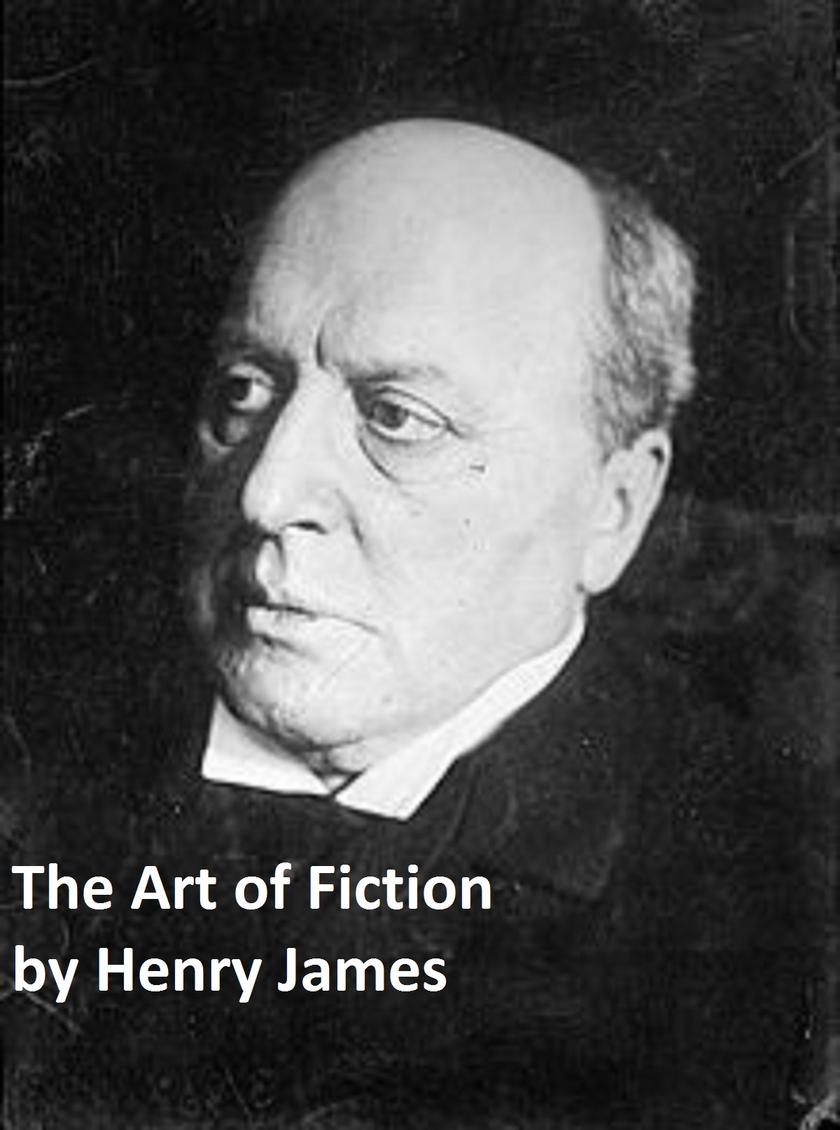
The Art of Fiction
¥8.09
Classic essay from the collection "Partial Portraits". According to Wikipedia: "Partial Portraits is a book of literary criticism by Henry James published in 1888. The book collected essays that James had written over the preceding decade, mostly on English and American writers. But the book also offered treatments of Alphonse Daudet, Guy de Maupassant and Ivan Turgenev. Perhaps the most important essay was The Art of Fiction, James' plea for the widest possible freedom in content and technique in narrative fiction. The Art of Fiction was a response to remarks by English critic Walter Besant, who wrote an article that literally attempted to lay down the "laws of fiction." For instance, Besant insisted that novelists should confine themselves to their own experience: "A young lady brought up in a quiet country village should avoid descriptions of garrison life." James argued that a sufficiently alert novelist could catch knowledge from everywhere and use it to good purpose: "The young lady living in a village has only to be a damsel upon whom nothing is lost to make it quite unfair (as it seems to me) to declare to her that she shall have nothing to say about the military. Greater miracles have been seen than that, imagination assisting, she should speak the truth about some of these gentlemen." James continually argues for the fullest freedom in the novelist's choice of subject and method of treatment..."

The Importance of Being Earnest: A Trivial Comedy for Serious People
¥8.09
Wilde's best-known play. According to Wikipedia: "Oscar Fingal O'Flahertie Wills Wilde (1854 - 1900) was an Irish playwright, novelist, poet, and author of short stories. Known for his barbed wit, he was one of the most successful playwrights of late Victorian London, and one of the greatest celebrities of his day. As the result of a famous trial, he suffered a dramatic downfall and was imprisoned for two years of hard labour after being convicted of the offence of 'gross indecency.'"
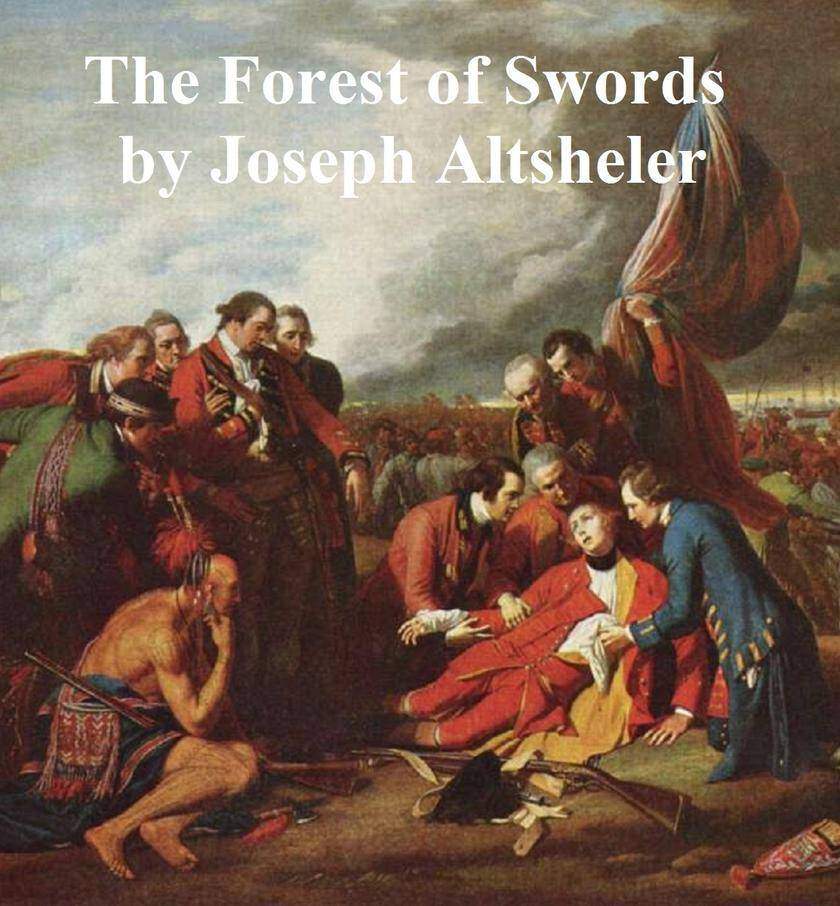
The Forest of Swords
¥8.09
World War I historical novel. According to Wikipedia: "Joseph Alexander Altsheler (1862 - 1919), was an American author of popular juvenile historical fiction. Altsheler was born in Three Springs, Kentucky to Joseph and Louise Altsheler. In 1885, he took a job at the Louisville Courier-Journal as a reporter and later, an editor. He started working for the New York World in 1892, first as the paper's Hawaiian correspondent and then as the editor of the World's tri-weekly magazine. Due to a lack of suitable stories, he began writing children's stories for the magazine."
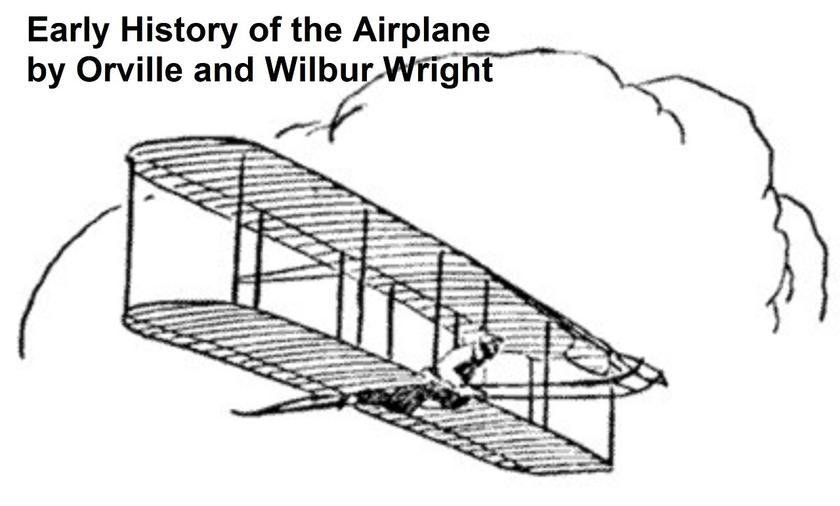
Early History of the Airplane
¥8.09
First-hand account of the invention of the airplane by Orville and Wilbur Wright. The book begins: "THOUGH the subject of aerial navigation is generally considered new, it has occupied the minds of men more or less from the earliest ages. Our personal interest in it dates from our childhood days. Late in the autumn of 1878 our father came into the house one evening with some object partly concealed in his hands, and before we could see what it was, he tossed it into the air. Instead of falling to the floor, as we expected, it flew across the room, till it struck the ceiling, where it fluttered awhile, and finally sank to the floor."
The Six Comedies of Terence
¥8.09
Six comedies by the Roman dramatist, in English translation: Andria; or, the Fair Andrian; Eunuchus; or, the Eunuch; Heautontimorumenos; or, the Self-Tormentor; Adelphi; or, the Brothers; Hecyra; the Mother-in-law; and Phormio; or, the Scheming Parasite.
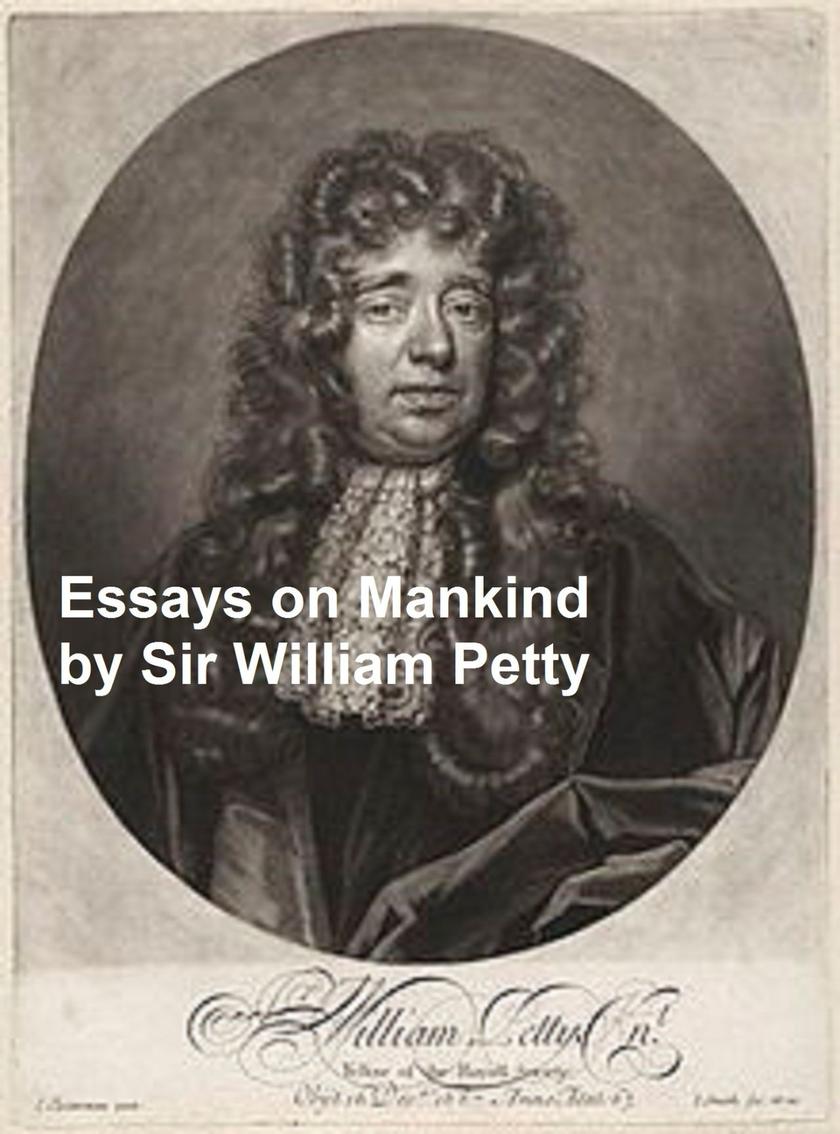
Essays on Mankind
¥8.09
This work, first published around 1680, resembles the work of Malthus on the implications of population growth, which was written more than a hundred years later. According to Wikipedia: "Sir William Petty (26 May 1623 – 16 December 1687) was an English economist, scientist and philosopher. He first became prominent serving Oliver Cromwell and Commonwealth in Ireland. He developed efficient methods to survey the land that was to be confiscated and given to Cromwell's soldiers. He also managed to remain prominent under King Charles II and King James II, as did many others who had served Cromwell. He was Member of the Parliament of England briefly and was also a scientist, inventor, and entrepreneur, and was a charter member of the Royal Society. It is for his theories on economics and his methods of political arithmetic that he is best remembered, however, and to him is attributed the philosophy of 'laissez-faire' in relation to government activity. He was knighted in 1661."
Practical Instruction for Detectives
¥8.09
First published in 1916. According to the Preface: " Having been connected for many years with two of the largest and most successful private detective agencies in this country, both as an operator and as an official, and having been requested to outline briefly and concisely the most modern and up-to-date methods employed by leading detectives and private detective agencies of today, I shall confine myself in these pages to facts and a few personal experiences. I will endeavor to show that any person possessed of average intelligence, and who will use good common sense, can become a successful detective, regardless of his present or previous occupation."
Some Reminiscences
¥8.09
Conrad's autobiography. According to Wikipedia: "Joseph Conrad (1857 – 1924) was a Polish-born English novelist. Many critics regard him as one of the greatest novelists in the English language—a fact that is remarkable, as he did not learn to speak English fluently until he was in his twenties (and always with a strong Polish accent). He became a naturalized British subject in 1886. Conrad is recognized as a master prose stylist. Some of his works have a strain of romanticism, but more importantly he is recognized as an important forerunner of modernist literature. His narrative style and anti-heroic characters have influenced many writers, including Ernest Hemingway, D. H. Lawrence, F. Scott Fitzgerald, Graham Greene, William S. Burroughs, Joseph Heller, V.S. Naipaul, Italo Calvino and J. M. Coetzee."
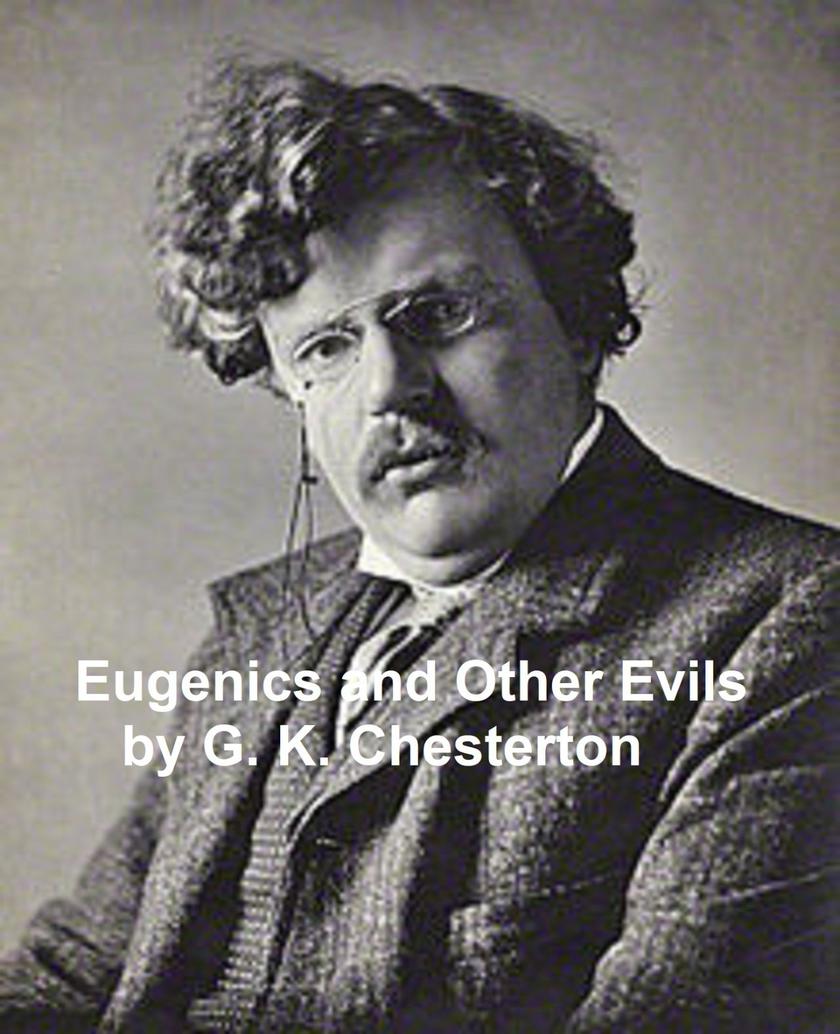
Eugenics and Other Evils
¥8.09
Classic collection of essays. According to Wikipedia: "Gilbert Keith Chesterton (1874 - 1936) was an influential English writer of the early 20th century. His prolific and diverse output included journalism, philosophy, poetry, biography, Christian apologetics, fantasy and detective fiction. Chesterton has been called the "prince of paradox." He wrote in an off-hand, whimsical prose studded with startling formulations. For example: "Thieves respect property. They merely wish the property to become their property that they may more perfectly respect it."[2] He is one of the few Christian thinkers who are equally admired and quoted by both liberal and conservative Christians, and indeed by many non-Christians. Chesterton's own theological and political views were far too nuanced to fit comfortably under the "liberal" or "conservative" banner."
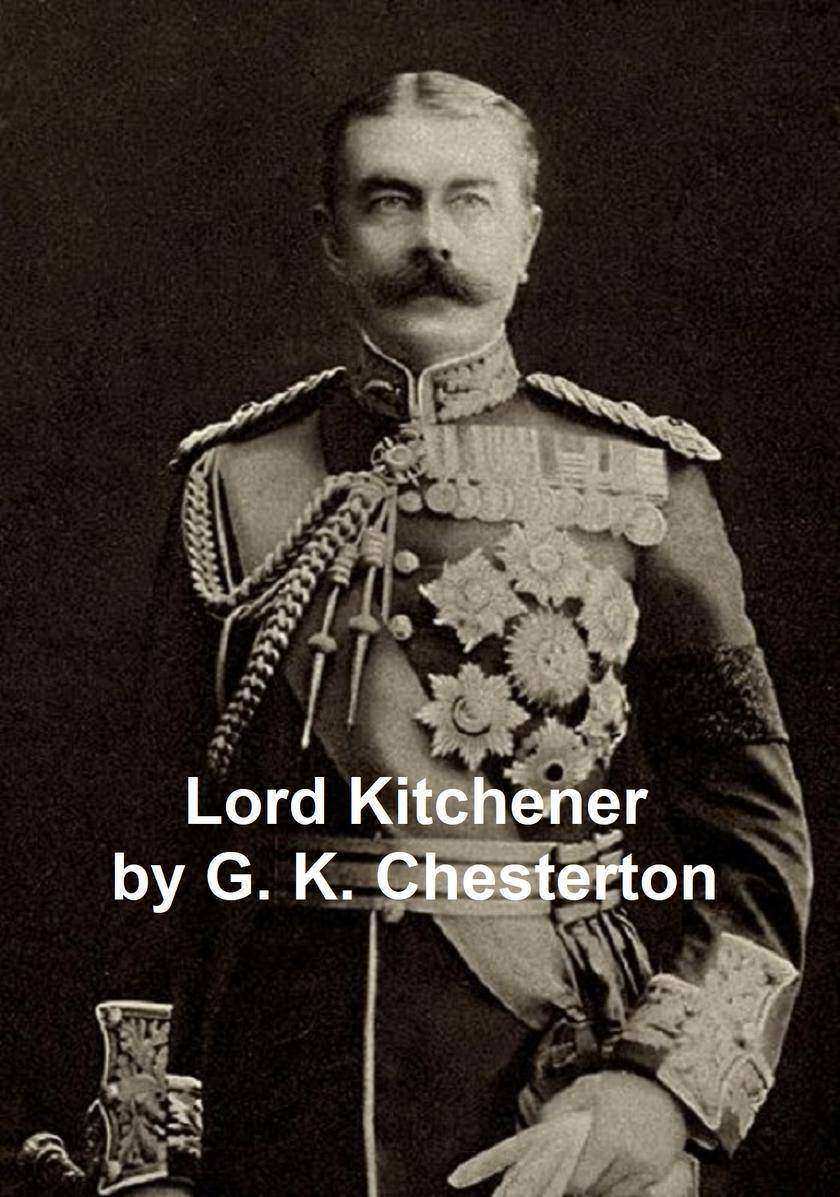
Lord Kitchener
¥8.09
Brief biography. According to Wikiipedia: "Field Marshal Horatio Herbert Kitchener, 1st Earl Kitchener KG KP GCB OM GCSI GCMG GCIE PC (/?k?t??n?r/; 24 June 1850 – 5 June 1916) was a senior British Army officer and colonial administrator who won fame for his imperial campaigns and later played a central role in the early part of the First World War, although he died halfway through it... Gilbert Keith Chesterton (1874 - 1936) was an influential English writer of the early 20th century. His prolific and diverse output included journalism, philosophy, poetry, biography, Christian apologetics, fantasy and detective fiction. Chesterton has been called the "prince of paradox." He wrote in an off-hand, whimsical prose studded with startling formulations. For example: "Thieves respect property. They merely wish the property to become their property that they may more perfectly respect it."[2] He is one of the few Christian thinkers who are equally admired and quoted by both liberal and conservative Christians, and indeed by many non-Christians. Chesterton's own theological and political views were far too nuanced to fit comfortably under the "liberal" or "conservative" banner."
Sir Quixote of the Moors
¥8.09
John Buchan (1875-1940) was a Scottish novelist, historian, and politician, who served as governor general of Canada. His best-known fiction is The Thirty-Nine Steps, featuring the action hero Richard Hannay.
Ethan Brand and A Virtuoso's Collection
¥8.09
Two short stories by Nathaniel Hawthorne related to the legend of "the wandering Jew". According to Wikipedia: "Nathaniel Hawthorne (1804 –1864) was an American novelist and short story writer... Much of Hawthorne's writing centers around New England and many feature moral allegories with a Puritan inspiration. His fiction works are considered part of the Romantic movement and, more specifically, dark romanticism. His themes often center on the inherent evil and sin of humanity and his works often have moral messages and deep psychological complexity. His published works include novels, short stories, and a biography of his friend Franklin Pierce."
The Social Web
¥8.09
This pioneering book, first published in 1997, details the process to empower businesses and individuals to build websites based on common interests and social interaction. It provides insights that are as relevant now as they were when the book was written.
Siddhartha, an Indian Tale
¥8.09
Classic novel, first published in 1922. According to Wikipedia: "Siddhartha is a novel by Hermann Hesse that deals with the spiritual journey of a boy known as Siddhartha from the Indian subcontinent during the time of the Buddha. The book, Hesse's ninth novel, was written in German, in a simple yet powerful and lyrical style. It was published in the U.S. in 1951 and became influential during the 1960s. Hesse dedicated Siddhartha to Ninon Hesse, his wife. The word Siddhartha is made up of two words in the Sanskrit language, siddha (achieved) + artha (meaning or wealth). The two words together mean "he who has found meaning (of existence)" or "he who has attained his goals". The Buddha's name, before his renunciation, was Prince Siddhartha Gautama. In this book, the Buddha is referred to as "Gotama".
The Laughing Cavalier, the Story of the Ancestor of the Scarlet Pimpernel
¥8.09
Classic historical novel, set in the Netherlands in the 17th century, related to the Scarlet Pimpernel series. According to Wikipedia: "The Scarlet Pimpernel is a classic play and adventure novel by Baroness Emmuska Orczy, set during the Reign of Terror following the start of the French Revolution. The story is a precursor to the "disguised superhero" tales such as Zorro. The play was produced and adapted by Julia Neilson and Fred Terry. It first opened on 15 October 1903 at Nottingham’s Theatre Royal; it was not a success. Terry, however, had confidence in the play and, with a rewritten last act, took it to London where it opened at the New Theatre on 5 January 1905. The premier of the London production was enthusiastically received by the audience, but critics considered the play 'old-fashioned.' In spite of negative reviews, the play became a popular success, running 122 performances and enjoying numerous revivals. The Scarlet Pimpernel became a favourite of London audiences, playing more than 2,000 performances and becoming one of the most popular shows staged in England to that date. The novel was published soon after the play's opening and was an immediate success. Orczy gained a following of readers in Britain and throughout the world. The popularity of the novel encouraged her to write a number of sequels for her "reckless daredevil" over the next 35 years. The play was performed to great acclaim in France, Italy, Germany and Spain, while the novel was translated into 16 languages. Subsequently, the story has been adapted for television, film, a musical and other media. The international success of The Scarlet Pimpernel allowed Orczy and her husband to live out their lives in luxury. Over the years, they lived on an estate in Kent, a bustling London home and an opulent villa in Monte Carlo. Orczy wrote in her autobiography, Links in the Chain of Life: "I have so often been asked the question: "But how did you come to think of The Scarlet Pimpernel?" And my answer has always been: "It was God's will that I should." And to you moderns, who perhaps do not believe as I do, I will say, "In the chain of my life, there were so many links, all of which tended towards bringing me to the fulfillment of my destiny." According to Wikipedia: "Baroness Emma Magdolna Rozália Mária Jozefa Borbála "Emmuska" Orczy de Orczi (23 September 1865 – 12 November 1947) was a British novelist, playwright and artist of Hungarian noble origin. She was most notable for her series of novels featuring the Scarlet Pimpernel. Some of her paintings were exhibited at the Royal Academy in London."


