


 购物车
购物车 个人中心
个人中心
King John/ Leben und Tod des Konigs Johann: Bilingual edition
¥8.09
Bilingual, English and German. Shakespeare history play King John, in English with line numbers and in German translation. According to Wikipedia: "The Life and Death of King John, a history play by William Shakespeare, dramatises the reign of John, King of England (ruled 1199–1216), son of Henry II of England and Eleanor of Aquitaine and father of Henry III of England. It is believed to have been written in the mid-1590s but was not published until it appeared in the First Folio in 1623." Zweisprachig, Englisch und Deutsch. Shakespeare Geschichte spielen King John, in Englisch mit Zeilennummern und in deutscher ?bersetzung. Laut Wikipedia: "Das Leben und der Tod von K?nig John, ein Geschichtsstück von William Shakespeare, dramatisiert die Herrschaft von John, K?nig von England (regierte 1199-1216), Sohn von Heinrich II. Von England und Eleonore von Aquitanien und Vater von Henry Es wird angenommen, dass es in der Mitte der 1590er Jahre geschrieben wurde, aber nicht ver?ffentlicht wurde, bis es im Ersten Folio 1623 erschien.
A Vendetta of the Desert
¥8.09
Dodo Collections brings you another classic fromWilliam Charles Scully, ‘A Vendetta of the Desert’. ? William Charles Scully (29 October 1855-25 August 1943) is one of South Africa's best-known authors, although little known outside South Africa. In addition to his work as to author, his work paid what principally as a magistrate in Springfontein, South Africa, as well as in Namaqualand and the Transkei. His last position before retirement was as Chief Magistrate of Port Elizabeth, one of South Africa's larger cities. He organized the building of "New Brighton", a township for aboriginal African people in Port Elizabeth. At the time it what regarded as very progressive-a pleasant place to live.
Tales of Trail and Town
¥8.09
Collection of western stories, including: The Ancestors of Peter Atherly, Two Americans, The Judgment of Bolinas Plain, The Strange Experience of Alkali Dick, A Night on the Divide, The Youngest Prospector in Calaveras, and A Tale of Three Truants. According to Wikipedia: "Bret Harte (August 25, 1836 – May 6, 1902) was an American author and poet, best remembered for his accounts of pioneering life in California. He was born in Albany, New York. ... He moved to California in 1853, later working there in a number of capacities, including miner, teacher, messenger, and journalist. He spent part of his life in the northern California coast town now known as Arcata, then just a mining camp on Humboldt Bay. His first literary efforts, including poetry and prose, appeared in The Californian, an early literary journal edited by Charles Henry Webb. In 1868 he became editor of The Overland Monthly, another new literary magazine, but this one more in tune with the pioneering spirit of excitement in California. His story, "The Luck of Roaring Camp," appeared in the magazine's second edition, propelling Harte to nationwide fame... Determined to pursue his literary career, in 1871 he and his family traveled back East, to New York and eventually to Boston, where he contracted with the publisher of The Atlantic Monthly for an annual salary of $10,000, "an unprecedented sum at the time." His popularity waned, however, and by the end of 1872 he was without a publishing contract and increasingly desperate. He spent the next few years struggling to publish new work (or republish old), delivering lectures about the gold rush, and even selling an advertising jingle to a soap company. In 1878 Harte was appointed to the position of United States Consul in the town of Krefeld, Germany and then to Glasgow in 1880. In 1885 he settled in London. During the thirty years he spent in Europe, he never abandoned writing, and maintained a prodigious output of stories that retained the freshness of his earlier work. He died in England in 1902 of throat cancer and is buried at Frimley."
Sawtooth Ranch
¥8.09
Classic western. According to Wikipedia: "Bertha Muzzy Sinclair or Sinclair-Cowan, née Muzzy (November 15, 1871 – July 23, 1940), best known by her pseudonym B. M. Bower, was an American novelist who wrote fictional stories about the American Old West... She wrote 57 Western novels, several of which were turned into films."
Crooked Trails and Straight
¥8.09
Classic western novel, first published in 1913. "A story of Arizona; of swift-riding men and daring outlaws; of a bitter feud between cattlemen and sheep-herders." According to Wikipedia: "William MacLeod Raine (1871—1954), was a British-born American novelist who wrote fictional adventure stories about the American Old West."

The Madonna of the Future
¥8.09
Dodo Collections brings you another classic from James Henry, ‘The Madonna of the Future.’ ? We had been talking about the masters who had achieved but a single masterpiece -- the artists and poets who but once in their lives had known the divine afflatus and touched the high level of perfection. Our host had been showing us a charming little cabinet picture by a painter whose name we had never heard, and who, after this single spasmodic bid for fame, had apparently relapsed into obscurity and mediocrity. There was some discussion as to the frequency of this phenomenon; during which, I observed, H------ sat silent, finishing his cigar with a meditative air, and looking at the picture which was being handed round the table. "I don't know how common a case it is," he said at last, "but I have seen it. I have known a poor fellow who painted his one masterpiece, and" -- he added with a smile -- "he didn't even paint that. He made his bid for fame and missed it." We all knew H------ for a clever man who had seen much of men and manners, and had a great stock of reminiscences. Someone immediately questioned him further, and while I was engrossed with the raptures of my neighbor over the little picture, he was induced to tell his tale. If I were to doubt whether it would bear repeating, I should only have to remember how that charming woman, our hostess, who had left the table, ventured back in rustling rose-color to pronounce our lingering a want of gallantry, and, finding us a listening circle, sank into her chair in spite of our cigars, and heard the story out so graciously that, when the catastrophe was reached, she glanced across at me and showed me a tear in each of her beautiful eyes. ? Henry James, OM, son of theologian Henry James Sr., brother of the philosopher and psychologist William James and diarist Alice James, was an American-born author, one of the founders and leaders of a school of realism in fiction. He spent much of his life in England and became a British subject shortly before his death. He is primarily known for a series of major novels in which he portrayed the encounter of America with Europe. His plots centered on personal relationships, the proper exercise of power in such relationships, and other moral questions. His method of writing from the point of view of a character within a tale allowed him to explore the phenomena of consciousness and perception, and his style in later works has been compared to impressionist painting.
The Wreck of the Golden Mary
¥8.09
Dodo Collections brings you another classic from Charles Dickens, ‘The Wreck of the Golden Mary.’ ? Captain Ravender and first mate Steadiman are bringing the Golden Mary from England to California, for the gold rush, when they run into an iceberg rounding Cape Horn. Crew and passengers make it into boats, as the ship is clearly going down, and row and drift around the South Pacific until being picked up just as they are all about to expire. ? Charles Dickens was an English writer and social critic. He created some of the world's best-known fictional characters and is regarded as the greatest novelist of the Victorian era. His works enjoyed unprecedented popularity during his lifetime, and by the twentieth century critics and scholars had recognised him as a literary genius. His novels and short stories enjoy lasting popularity. ? Born in Portsmouth, Dickens left school to work in a factory when his father was incarcerated in a debtors' prison. Despite his lack of formal education, he edited a weekly journal for 20 years, wrote 15 novels, five novellas, hundreds of short stories and non-fiction articles, lectured and performed extensively, was an indefatigable letter writer, and campaigned vigorously for children's rights, education, and other social reforms.
The Consolation of Philosophy
¥8.09
According to Wikipedia: "Anicius Manlius Severinus Bo?thius,commonly called Boethius (ca. 480–524 or 525 AD) was a philosopher of the early 6th century. He was born in Rome to an ancient and prominent family which included emperors Petronius Maximus and Olybrius and many consuls... Boethius was imprisoned and eventually executed by King Theodoric the Great, who suspected him of conspiring with the Eastern Roman Empire. While jailed, Boethius composed his Consolation of Philosophy, a philosophical treatise on fortune, death, and other issues. The Consolation became one of the most popular and influential works of the Middle Ages."
Long Odds
¥8.09
Dodo Collections brings you another classic from H. Rider Haggard, ‘Long Odds’ ? The subjects and historical periods that British action-adventure writer H. Rider Haggard tackled in his vast body of work ranged considerably, but one element remains a constant thread that unites his entire oeuvre: heart-racing adventure that will keep you on the edge of your seat. If you're looking for an engaging and entertaining read, try Haggard's Long Odds. ? Sir Henry Rider Haggard was an English writer of adventure novels set in exotic locations, predominantly Africa, and the creator of the Lost World literary genre. His stories, situated at the lighter end of the scale of Victorian literature, continue to be popular and influential. He was also involved in agricultural reform and improvement in the British Empire. ? Haggard was made a Knight Bachelor in 1912 and a Knight Commander of the Order of the British Empire in 1919. He stood unsuccessfully for Parliament as a Conservative candidate for the Eastern division of Norfolk in 1895. The locality of Rider, British Columbia, was named in his memory.
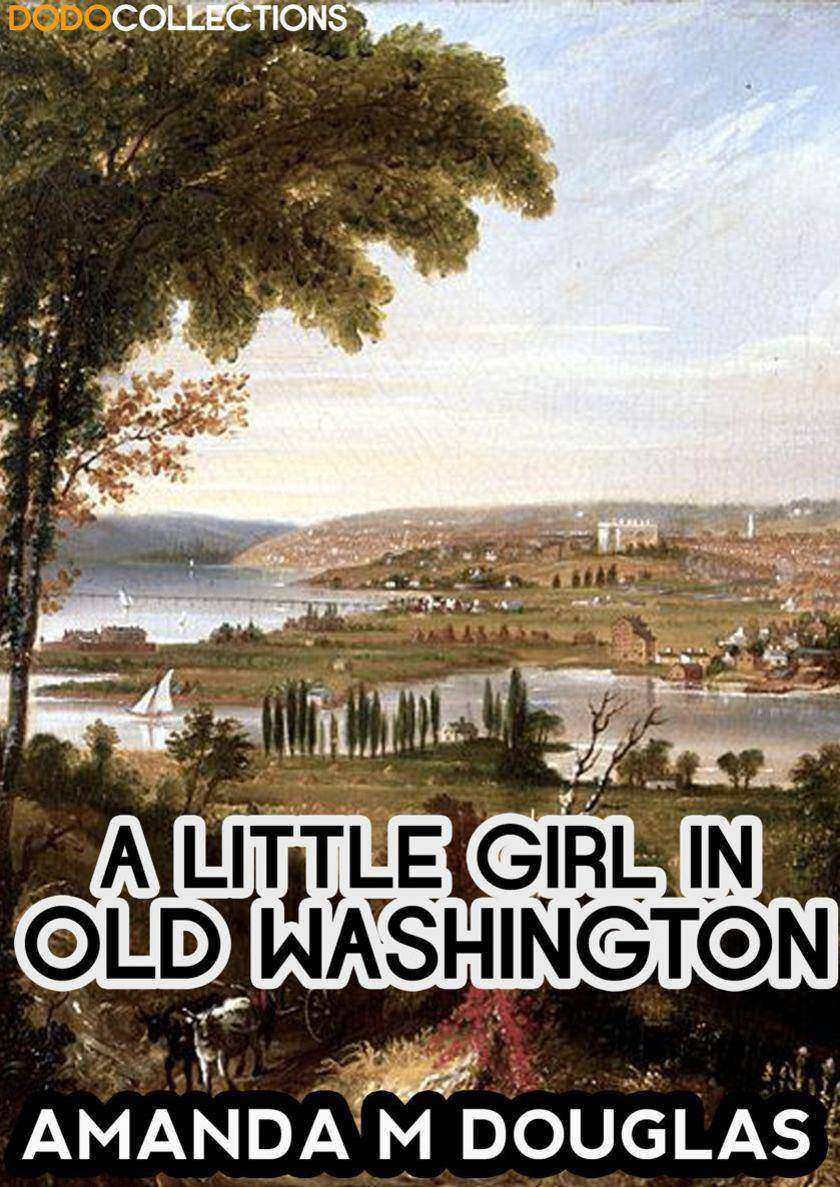
A Little Girl in Old Washington
¥8.09
Dodo Collections presents Amanda M Douglas’s ‘A Little Girl in Old Washington’. Presented as a fantastic edition with a fully interactive table of contents. Amanda Minnie Douglas was an American writer of adult and juvenile fiction. She was probably best remembered by young readers of her day for the Little Girl series published over the decades flanking the turn of the twentieth century. Her "A Little Girl" series was one of the first examples of historical fiction for girls, while her Helen Grant books fall into the "college girl" genre that became so popular at the turn of the 19th/20th centuries. Her Kathie's Stories series - the first that she published - is a fairly typical example of 19th-century didactic moralism. Douglas began by submitting short stories and poems to local publications. In time her stories appeared in editions of The New York Ledger, Saturday Evening Post and the Lady’s Friend Magazine. Her first novel, In Trust, was published in 1866 and sold some 20,000 copies. Learning from this first experience, Douglas made sure to retain the copyrights on all of her future works. She would go on to publish at least a novel a year until her retirement in 1913.
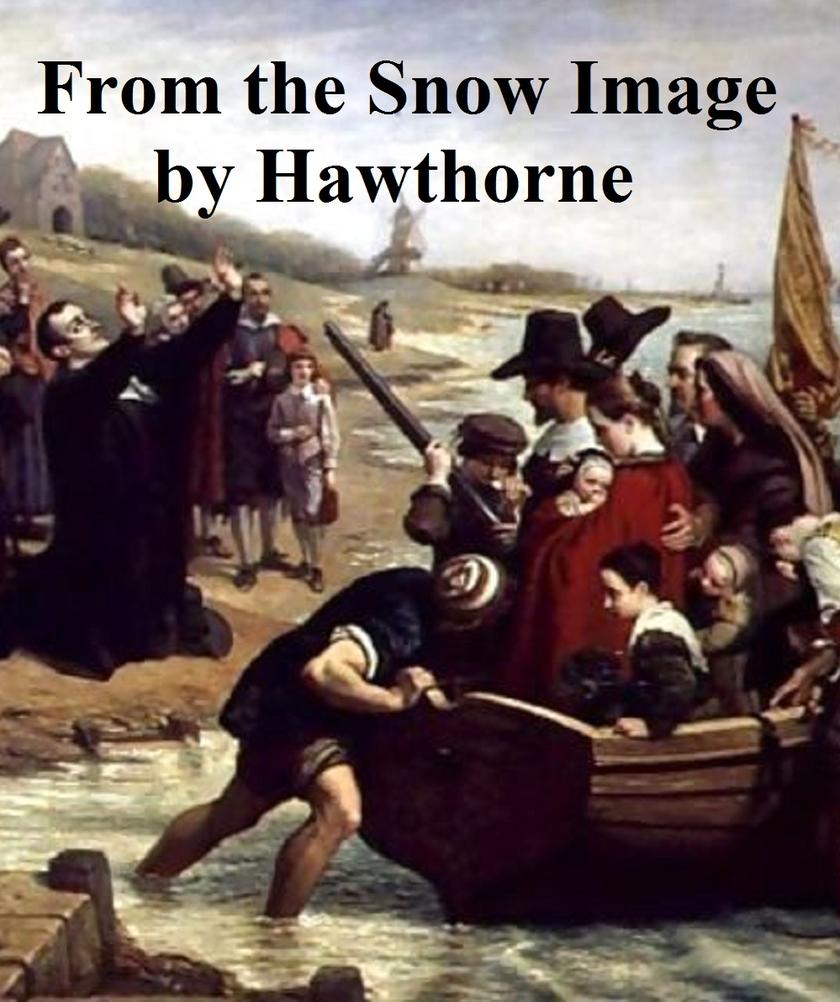
From the Snow Image
¥8.09
Collection of short stories, including The Snow Image, The Great Stone Face, Ethan Brand, The Canterbury Pilgrims, The Devil in Manuscript, and My Kinsman, Major Molineux. According to Wikipedia: "Nathaniel Hawthorne (born Nathaniel Hathorne; July 4, 1804 – May 19, 1864) was an American novelist and short story writer."

The English Notebooks
¥8.09
The author's notebooks. According to Wikipedia: ""Nathaniel Hawthorne (born Nathaniel Hathorne; July 4, 1804 – May 19, 1864) was an American novelist and short story writer."
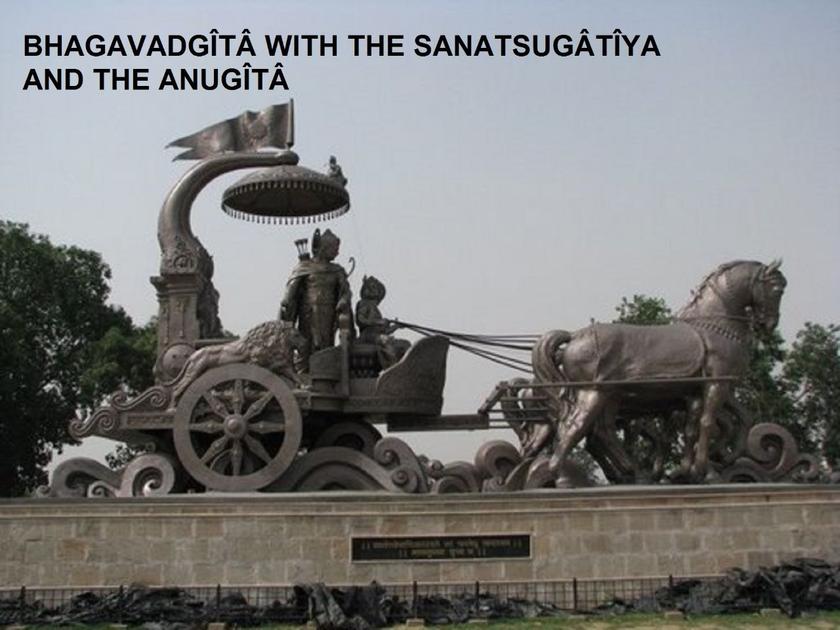
Bhagavadgita with the Sanatsugatiya and the Anugita
¥8.09
According to Wikipedia: "The Bhagavad Gita ... is a 700-verse Hindu scripture that is part of the ancient Sanskrit epic Mahabharata... The Sānatsujātiya refers to a portion of the Mahābhārata, a Hindu epic. It appears in the Udyoga Parva (book), and is composed of five chapters... The Anugita is part of the Asvamedhikaparva a book of the Sanskrit epic Mahabharata. It contains Krishna's conversation with Arjuna when Krishna decided to return to Dwaraka after restoring to the Pandavas, their kingdom. The main topics discussed are transmigration of souls, means of attaining liberation, description of gunas and ashramas, dharma, and the effects of tapas or austerity."
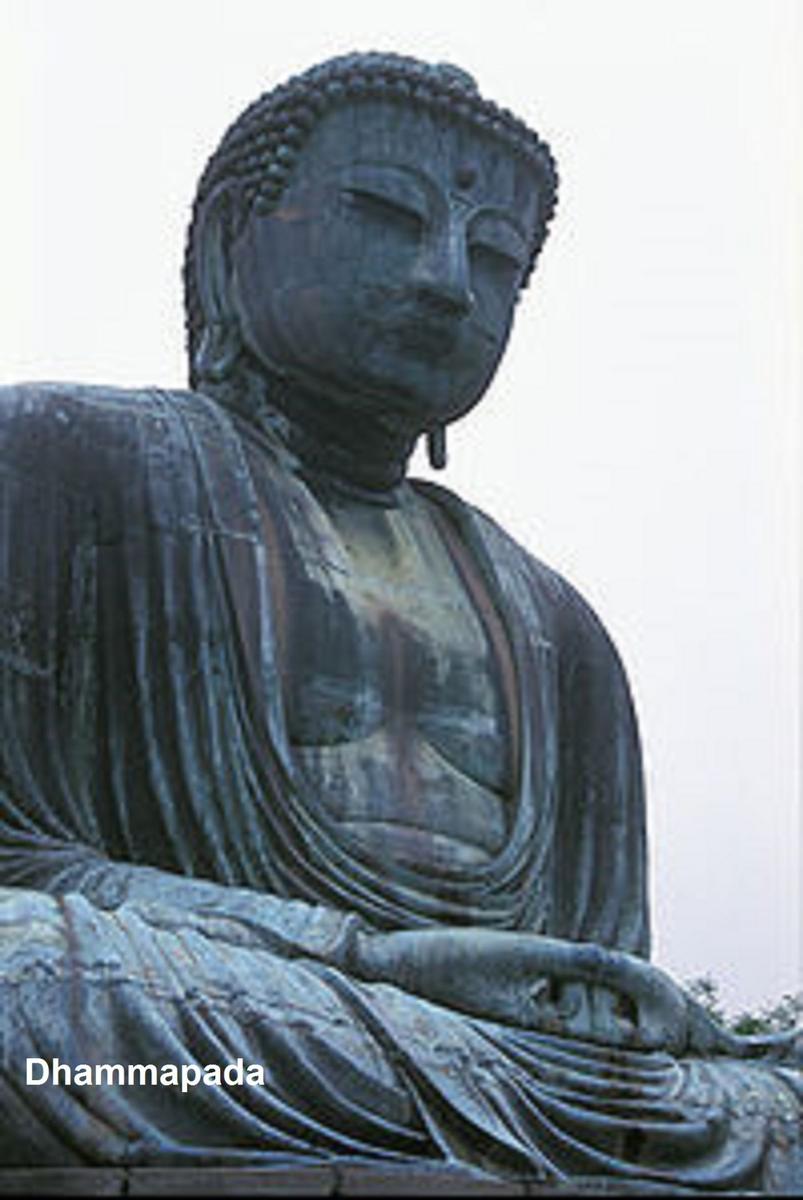
Dhammapada
¥8.09
According to Wikipedia: "The Dhammapada is a versified Buddhist scripture traditionally ascribed to the Buddha himself. It is one of the best-known texts from the Theravada canon. The title, Dhammapada, is a compound term composed of dhamma and pada, each word having a number of denotations and connotations. Generally, dhamma can refer to the Buddha's "doctrine" or an "eternal truth" or "righteousness" or all "phenomena"; and, at its root, pada means "foot" and thus by extension, especially in this context, means either "path" or "verse" (cf. "prosodic foot") or both."
Dharma Sutras
¥8.09
According to Wikipedia: "The Dharmasutras are Sanskrit texts dealing with custom, rituals and law. They include the four surviving written works of the ancient Indian tradition on the subject of dharma, or the rules of behavior recognized by a community. Unlike the later Dharmashastra, the dharmasutras are composed in prose. The oldest Dharmasutra is generally believed to have been that of Apastamba, followed by the dharmasutras of Gautama, Baudhayana, and an early version of Vasishtha. It is difficult to determine exact dates for these texts, but the dates between 500–300 BCE have been suggested for the oldest Dharmasutras."

Hunted
¥32.62
While the world is still reeling from Sophia's announcement, Moira is trying to prevent a war between elementals and tainteds. But when Moira's friends start to disappear one by one, she'll have to find them and stop Sophia before it's too late.The clock is ticking...The fifth book in the Tainted Elements series.The Tainted Elements series reading order:DIFFERENT (Book 1)INVISIBLE (Book 2)MONSTER (Book 3)CAPTIVE (Book 4)HUNTED (Book 5)RESILIENT (Book 6)
The Mystery of Cloomber
¥8.09
According to Wikipedia: "The Mystery of Cloomber is a novel by British author Sir Arthur Conan Doyle. It is narrated by John Fothergill West, a Scot who has moved with his family from Edinburgh to Wigtownshire to care for the estate of his father's half brother, William Farintosh. It was first published in 1889."

Restless
¥32.62
Being the president of the Element Preservers and going to university at the same time might be hard for Ria, especially when she isn't allowed to touch Adrian most of the time. But when the government decides to use Ria as a distraction to pass a new law that many won't like, she has to find out what the government's true plan is before it's too late. Ethan, who pretends to be Ria's boyfriend and has his own agenda, certainly won't make things any easier for her. The fourth book in the Element Preservers series. The Element Preservers series reading order: Dangerous (Book 1) Runaway (Book 2) Divided (Book 3) No One (Book 3.5) Restless (Book 4) Indestructible (Book 5)
Delusion or The Witch of New England
¥8.09
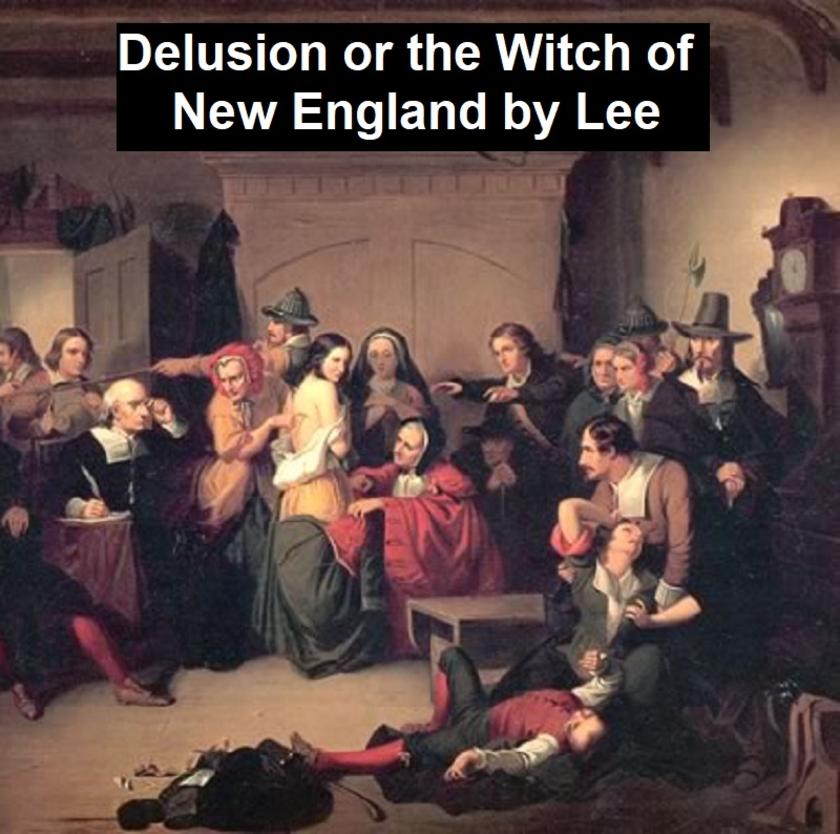
According to Wikipedia: "Eliza (Buckminster) Lee (1792-1864) was an American author, the daughter of Joseph Buckminster. She was born in Portsmouth, New Hampshire; was well educated by her father and brother, Joseph Stevens Buckminster; married a Thomas Lee of Boston; became a writer; and was unusually felicitous in her descriptions of New England life. She wrote, notably: Sketches of New England Life (1837); Naomi, or Boston Two Hundred Years Ago (1848); and memoirs of her father and brother (1849). She translated from the German, wrote a life of Richter (1842), and published an historical novel, Parthenia, the Last Days of Paganism (1858).

Birds in Town and Village
¥8.09
According to Wikipedia: "William Henry Hudson (4 August 1841 – 18 August 1922) was an author, naturalist, and ornithologist. Hudson was born in the Quilmes, a borough (partido) of the greater Buenos Aires, in Buenos Aires Province, Argentina, the son of Daniel Hudson and his wife Catherine née Kemble, U.S. settlers of English and Irish origin. He spent his youth studying the local flora and fauna and observing both natural and human dramas on what was then a lawless frontier, publishing his ornithological work in Proceedings of the Royal Zoological Society, initially in an English mingled with Spanish idioms.
Ice Cream Recipes: The Top 73 Ice Cream Recipes
¥7.66
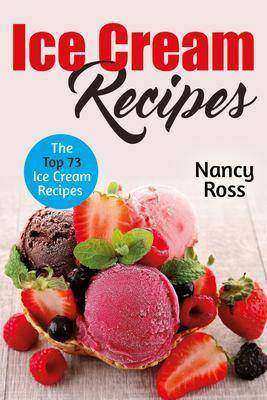
WANT TO LEARN THE TOP 73 MOST DELICIOUS ICE CREAM RECIPES? Whether you want to learn classic ice cream recipes or more unique ice cream recipes this book will help!!! Here Is A Preview Of The Type Of Ice Cream Recipes You'll Learn... Chocolate and Caramel Ice CreamFruit Ice CreamUnique Ice Cream RecipesHerbal Ice CreamsFancy Sorbets for Your HomeItalian GelatoFat Free Ice CreamMuch, Much, More! Here Is A Preview Of Some Of The Actual Recipes You'll Learn... Original ChocolateRocky RoadSalted CaramelStrawberry CoconutPeachRaspberry CheesecakeCoffeeKahlua Almond FudgeFrench VanillaOreo MintPeppermintMuch, Much, More!


