


 购物车
购物车 个人中心
个人中心
The Forty-Niners, A Chronicle of the California Trail and El Dorado
¥8.09
Classic western. According to Wikipedia: "Stewart Edward White (12 March 1873 – September 18, 1946) was an American author. Born in Grand Rapids, Michigan he earned degrees from University of Michigan (Ph.D., 1895; M.A., 1903). From about 1900 until about 1922, he wrote adventure travel books."
The Heptameron, Volume 4
¥8.09
With 65 illustrations. According to Wikipedia: "The Heptameron is a collection of 72 short stories written in French by Marguerite of Navarre (1492-1549), published posthumously in 1558. It has the form of a frame narrative and was inspired by The Decameron of Giovanni Boccaccio. It was originally intended to contain one hundred stories covering ten days just as The Decameron does, but at Marguerite’s death it was only completed as far as the second story of the eighth day. Many of the stories deal with love, lust, infidelity and other romantic and sexual matters. One was based on the life of Marguerite de La Rocque, a French noblewoman abandoned, as punishment, with her lover on an island off Quebec... Marguerite de Navarre (French: Marguerite d'Angoulême) (April 11, 1492 – December 21, 1549), also known as Marguerite of Angouleme and Margaret of Navarre, was the queen consort of King Henry II of Navarre. As patron of humanists and reformers, and as an author in her own right, she was an outstanding figure of the French Renaissance. Samuel Putnam called her "The First Modern Woman"."
![A Daughter of the Dons, A Story of New Mexico Today [1914]](https://platform-permanent.ddimg.cn/pt-media-info-soa-resource/digital/product/55/94/1901155594_ii_cover.jpg?version=9e2b4f96-44d1-4b3c-a4e8-2e2f0542f860)
A Daughter of the Dons, A Story of New Mexico Today [1914]
¥8.09
Classic western novel, first published in 1914."A Western story of romance and adventure, comprising a vivacious and stirring tale." According to Wikipedia: "William MacLeod Raine (1871—1954), was a British-born American novelist who wrote fictional adventure stories about the American Old West.."
Retrospection and Introspection
¥8.09
According to Wikipedia: "Mary Baker Eddy (born Mary Morse Baker July 16, 1821 – December 3, 1910) was the founder of the Christian Science movement. Deeply religious, she advocated Christian Science as a spiritual practical solution to health and moral issues. She wrote Science and Health with Key to the Scriptures, founded The First Church of Christ, Scientist of Boston in 1879, and several periodicals including The Christian Science Monitor. She took the name Mary Baker Glover from her first marriage and was also known as Mary Baker Glover Eddy or Mary Baker G. Eddy from her third marriage. She did much spiritual teaching, lecturing, and instantaneous healing. Her influence continues to grow through her writings."
Oh, You Tex!
¥8.09
Classic western novel, first published in 1919. According to Wikipedia: "William MacLeod Raine (1871—1954), was a British-born American novelist who wrote fictional adventure stories about the American Old West.."
K
¥8.09
According to Wikipedia: "Mary Roberts Rinehart (August 12, 1876-September 22, 1958) was a prolific author often called the American Agatha Christie.[1] She is considered the source of the phrase "The butler did it", although she did not actually use the phrase herself, and also considered to have invented the "Had-I-But-Known" school of mystery writing.... Rinehart wrote hundreds of short stories, poems, travelogues and special articles. Many of her books and plays, such as The Bat (1920) were adapted for movies, such as The Bat (1926), The Bat Whispers (1930), and The Bat (1959). While many of her books were best-sellers, critics were most appreciative of her murder mysteries. Rinehart, in The Circular Staircase (1908), is credited with inventing the "Had-I-But-Known" school of mystery writing. The Circular Staircase is a novel in which "a middle-aged spinster is persuaded by her niece and nephew to rent a country house for the summer. The house they choose belonged to a bank defaulter who had hidden stolen securities in the walls. The gentle, peace-loving trio is plunged into a series of crimes solved with the help of the aunt. This novel is credited with being the first in the "Had-I-But-Known" school."[3] The Had-I-But-Known mystery novel is one where the principal character (frequently female) does less than sensible things in connection with a crime which have the effect of prolonging the action of the novel. Ogden Nash parodied the school in his poem Don't Guess Let Me Tell You: "Sometimes the Had I But Known then what I know now I could have saved at least three lives by revealing to the Inspector the conversation I heard through that fortuitous hole in the floor." The phrase "The butler did it", which has become a cliché, came from Rinehart's novel The Door, in which the butler actually did do it, although that exact phrase does not actually appear in the work."
The Mysterious Rider
¥8.09
Classic Western. According to Wikipedia: "Zane Grey (1872 – 1939) was an American author best known for his popular adventure novels and stories that presented an idealized image of the rugged Old West. As of June 2007, the Internet Movie Database credits Grey with 110 films, one TV episode, and a series, Dick Powell's Zane Grey Theater based loosely on his novels and short stories."
The Character and Influence of the Indian Trade in Wisconsin
¥8.09
Classic work of American history. According to Wikipedia: "Frederick Jackson Turner (November 14, 1861 - March 14, 1932) is widely regarded, along with Charles A. Beard, as one of the two most influential American historians of the early 20th century. He is best known for The Significance of the Frontier in American History."
Napoleon le Petit
¥8.09
Selon Wikipédia: ?Napoléon le Petit était un pamphlet politique influent de Victor Hugo qui condamnait le règne de Napoléon III, empereur des Fran?ais, qui vécut en exil à Guernesey pendant la plus grande partie du règne de Napoléon III, et sa critique du monarque fut significative. comme il était l'un des Fran?ais les plus éminents de l'époque, et a été vénéré par beaucoup, il inclut le concept de deux et deux font cinq comme un déni de la vérité par l'autorité, une notion plus tard utilisée par George Orwell dans Nineteen Quatre-vingt-quatre volumes ont été introduites clandestinement en France (par exemple dans des balles de foin, et entre des t?les comme une bo?te de sardines), lues lors de réunions secrètes et copiées à la main.Toujours selon Wikipédia: "Victor-Marie Hugo (26 février 1802 - 22 mai 1885) était un poète, dramaturge, romancier, essayiste, plasticien, homme d'?tat, militant des droits de l'homme et représentant du mouvement romantique en France. En France, la renommée littéraire de Hugo vient d'abord de sa poésie mais repose aussi sur ses romans et ses réalisations dramatiques. Parmi les nombreux volumes de poésie, Les Contemplations et La Légende des siècles sont particulièrement estimés et Hugo est parfois identifié comme le plus grand poète fran?ais. Hors de France, ses ?uvres les plus connues sont les romans Les Misérables et Notre-Dame de Paris (connus aussi en anglais sous le titre de Le Bossu de Notre-Dame). Bien que royaliste conservateur engagé lorsqu'il était jeune, Hugo devint plus libéral au fil des décennies; il est devenu un partisan passionné du républicanisme et son travail touche à la plupart des questions politiques et sociales et aux tendances artistiques de son temps. Il est enterré au Panthéon. "
Monsieur Beaucaire
¥8.09
According to Wikipedia: "Newton Booth Tarkington (July 29, 1869, Indianapolis – May 19, 1946) was an American novelist and dramatist best known for his Pulitzer Prize-winning novels The Magnificent Ambersons and Alice Adams…. Much of Tarkington's work consists of satirical and closely observed studies of the American class system and its foibles. He himself came from a patrician family that came down in the world after the Panic of 1873. Today he is best known for his novel The Magnificent Ambersons, which Orson Welles filmed in 1942. It is included in the Modern Library's list of top-100 novels."
Born in Exile
¥8.09
Classic novel. According to Wikipedia: "George Robert Gissing (November 22, 1857 – December 28, 1903) was an English novelist who wrote twenty-three novels between 1880 and 1903. From his early naturalistic works, he developed into one of the most accomplished realists of the late-Victorian era. ... In 1880 when his first novel, Workers in the Dawn, proved to be an abject failure, he became a private tutor to keep poverty from the door. In 1883, he separated from his wife, now an alcoholic, but gave her a weekly income on what little money he had until her death in 1888. In 1884 his second novel, The Unclassed, which saw a marked improvement in style and characterisation, met with moderate critical acclaim. After this Gissing published novels almost on a yearly basis, but so little money did they bring him, that for several more years he had to continue working as a tutor. Although notoriously exploited by his publishers, he was able to visit Italy in 1889 from the sale of the copyright of The Nether World, his most pessimistic book. Between 1891 and 1897 (his so-called middle period) Gissing produced his best works, which include New Grub Street, Born in Exile, The Odd Women, In the Year of Jubilee, and The Whirlpool. In advance of their time, they variously deal with the growing commercialism of the literary market, religious charlatanism, the situation of emancipated women in a male-dominated society, the poverty of the working classes, and marriage in a decadent world. During this period, having belatedly become aware of the financial rewards of writing short stories for the press, he produced almost seventy stories. As a result he was able to give up teaching. ... The middle years of the decade saw Gissing's reputation reach new heights: by some critics he is counted alongside George Meredith and Thomas Hardy as one of the best three novelists of his day. He also enjoyed new friendships with fellow writers such as Henry James, and H.G. Wells, and came into contact with many other up and coming writers such as Joseph Conrad and Stephen Crane. ... In 1903 Gissing published The Private Papers of Henry Ryecroft, which brought him much acclaim. This is his most autobiographical work. It is the memoir of the last happy years of a writer who had struggled much like Gissing, but thanks to a late legacy had been able to give up writing to retire to the countryside."
Eve's Ransom
¥8.09
Classic novel. According to Wikipedia: "George Robert Gissing (November 22, 1857 – December 28, 1903) was an English novelist who wrote twenty-three novels between 1880 and 1903. From his early naturalistic works, he developed into one of the most accomplished realists of the late-Victorian era. ... In 1880 when his first novel, Workers in the Dawn, proved to be an abject failure, he became a private tutor to keep poverty from the door. In 1883, he separated from his wife, now an alcoholic, but gave her a weekly income on what little money he had until her death in 1888. In 1884 his second novel, The Unclassed, which saw a marked improvement in style and characterisation, met with moderate critical acclaim. After this Gissing published novels almost on a yearly basis, but so little money did they bring him, that for several more years he had to continue working as a tutor. Although notoriously exploited by his publishers, he was able to visit Italy in 1889 from the sale of the copyright of The Nether World, his most pessimistic book. Between 1891 and 1897 (his so-called middle period) Gissing produced his best works, which include New Grub Street, Born in Exile, The Odd Women, In the Year of Jubilee, and The Whirlpool. In advance of their time, they variously deal with the growing commercialism of the literary market, religious charlatanism, the situation of emancipated women in a male-dominated society, the poverty of the working classes, and marriage in a decadent world. During this period, having belatedly become aware of the financial rewards of writing short stories for the press, he produced almost seventy stories. As a result he was able to give up teaching. ... The middle years of the decade saw Gissing's reputation reach new heights: by some critics he is counted alongside George Meredith and Thomas Hardy as one of the best three novelists of his day. He also enjoyed new friendships with fellow writers such as Henry James, and H.G. Wells, and came into contact with many other up and coming writers such as Joseph Conrad and Stephen Crane. ... In 1903 Gissing published The Private Papers of Henry Ryecroft, which brought him much acclaim. This is his most autobiographical work. It is the memoir of the last happy years of a writer who had struggled much like Gissing, but thanks to a late legacy had been able to give up writing to retire to the countryside."
The Pink Fairy Book
¥8.09
Collection of classic fairy tales. According to Wikipedia: "Andrew Lang (March 31, 1844, Selkirk ? July 20, 1912, Banchory, Kincardineshire) was a prolific Scots man of letters. He was a poet, novelist, and literary critic, and contributor to anthropology. He now is best known as the collector of folk and fairy tales." With the active (hyperlinked) table of contents, click on a story title to go to that story.
The Town Traveller
¥8.09
Classic novel. According to Wikipedia: "George Robert Gissing (November 22, 1857 – December 28, 1903) was an English novelist who wrote twenty-three novels between 1880 and 1903. From his early naturalistic works, he developed into one of the most accomplished realists of the late-Victorian era. ... In 1880 when his first novel, Workers in the Dawn, proved to be an abject failure, he became a private tutor to keep poverty from the door. In 1883, he separated from his wife, now an alcoholic, but gave her a weekly income on what little money he had until her death in 1888. In 1884 his second novel, The Unclassed, which saw a marked improvement in style and characterisation, met with moderate critical acclaim. After this Gissing published novels almost on a yearly basis, but so little money did they bring him, that for several more years he had to continue working as a tutor. Although notoriously exploited by his publishers, he was able to visit Italy in 1889 from the sale of the copyright of The Nether World, his most pessimistic book. Between 1891 and 1897 (his so-called middle period) Gissing produced his best works, which include New Grub Street, Born in Exile, The Odd Women, In the Year of Jubilee, and The Whirlpool. In advance of their time, they variously deal with the growing commercialism of the literary market, religious charlatanism, the situation of emancipated women in a male-dominated society, the poverty of the working classes, and marriage in a decadent world. During this period, having belatedly become aware of the financial rewards of writing short stories for the press, he produced almost seventy stories. As a result he was able to give up teaching. ... The middle years of the decade saw Gissing's reputation reach new heights: by some critics he is counted alongside George Meredith and Thomas Hardy as one of the best three novelists of his day. He also enjoyed new friendships with fellow writers such as Henry James, and H.G. Wells, and came into contact with many other up and coming writers such as Joseph Conrad and Stephen Crane. ... In 1903 Gissing published The Private Papers of Henry Ryecroft, which brought him much acclaim. This is his most autobiographical work. It is the memoir of the last happy years of a writer who had struggled much like Gissing, but thanks to a late legacy had been able to give up writing to retire to the countryside."
The Red Fairy Book
¥8.09
Collection of classic fairy tales. According to Wikipedia: "Andrew Lang (March 31, 1844, Selkirk ? July 20, 1912, Banchory, Kincardineshire) was a prolific Scots man of letters. He was a poet, novelist, and literary critic, and contributor to anthropology. He now is best known as the collector of folk and fairy tales." With the active (hyperlinked) table of contents, click on a story title to go to that story.
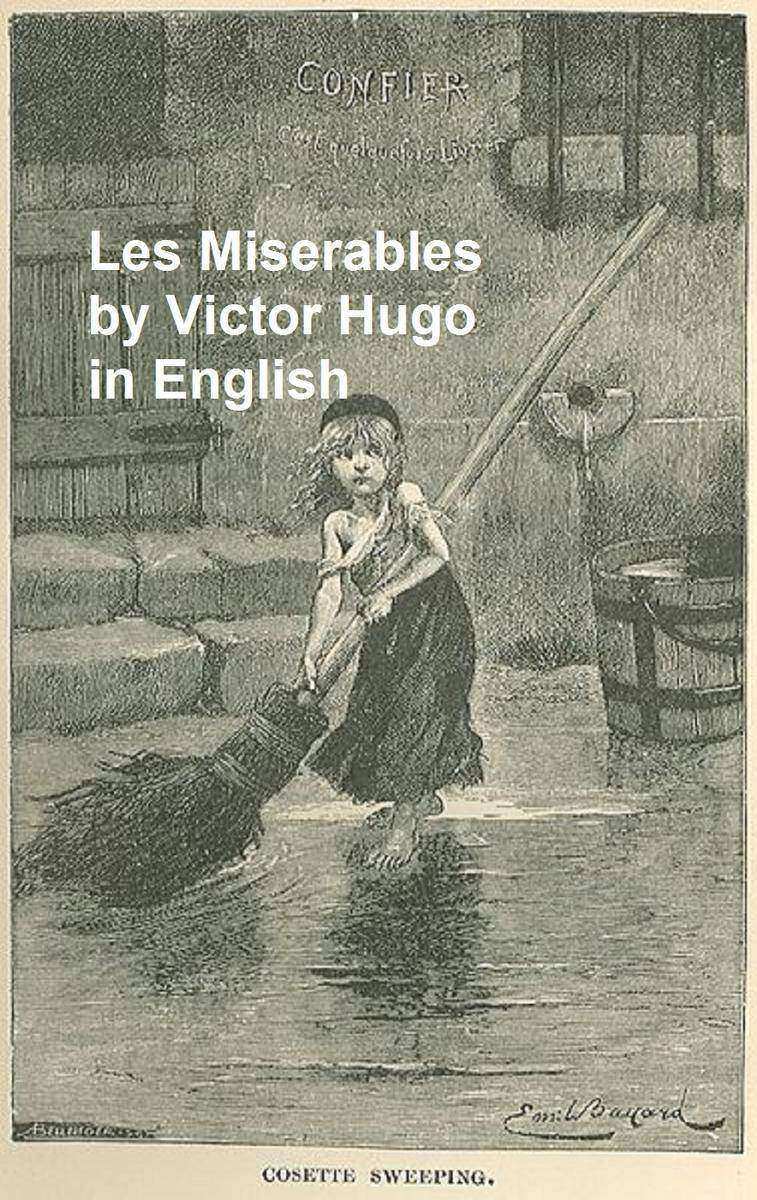
Les Miserables
¥8.09
According to Wikipedia: "Les Misérables is a French historical novel by Victor Hugo, first published in 1862, that is considered one of the greatest novels of the nineteenth century. In the English-speaking world, the novel is usually referred to by its original French title, which can be translated from the French as The Miserables, The Wretched, The Miserable Ones, The Poor Ones, The Wretched Poor, or The Victims. Beginning in 1815 and culminating in the 1832 June Rebellion in Paris, the novel follows the lives and interactions of several characters, focusing on the struggles of ex-convict Jean Valjean and his experience of redemption."
The Adventures of Sherlock Holmes, First of the Five Sherlock Holmes Short Story
¥8.09
The other Sherlock Holmes story collections are: The Memoirs of Sherlock Holmes, The Return of Sherlock Holmes, His Last Bow, and The Case-Book of Sherlock Holmes. According to Wikipedia: "Sir Arthur Ignatius Conan Doyle, (22 May 1859 – 7 July 1930) was an author most noted for his stories about the detective Sherlock Holmes, which are generally considered a major innovation in the field of crime fiction, and for the adventures of Professor Challenger. He was a prolific writer whose other works include science fiction stories, historical novels, plays and romances, poetry, and non-fiction."
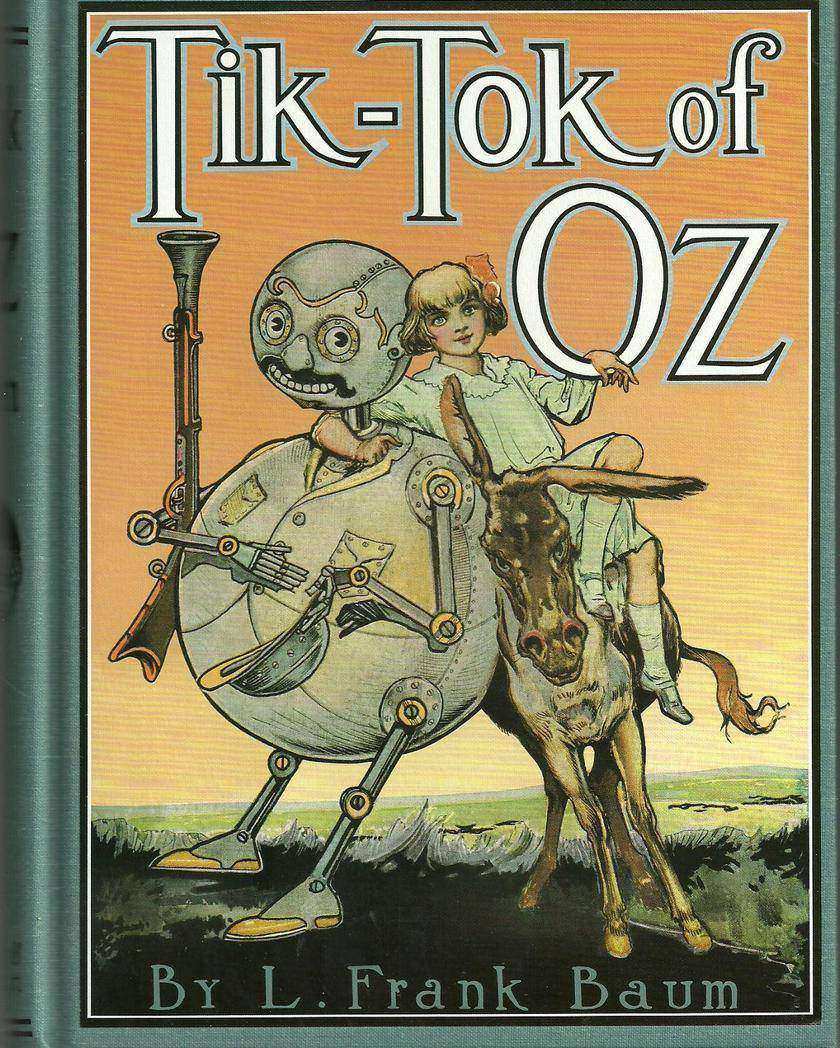
Tik-Tok of Oz
¥8.09
With 14 color illustrations by John R. Neill. According to Wikipedia: "Betsy Bobbin, a girl from Oklahoma, is shipwrecked with her mule, Hank, in the Rose Kingdom of Oz. She meets the Shaggy Man there and the two try to rescue the Shaggy Man's brother from the Nome King. This book is partly based upon Baum's stage musical, The Tik-Tok Man of Oz, which was in turn based on Ozma of Oz. The series includes: 1 The Wizard of Oz, 2 The Land of Oz, 3 Ozma of Oz, 4 Dorothy and the Wizard in Oz, 5 The Road to Oz, 6 The Emerald City of Oz, 7 The Patchwork Girl of Oz, 8 Tik-Tok of Oz, 9 The Scarecrow of Oz, 10 Rinkitink in Oz, 11 The Lost Princess of Oz, 12 The Tin Woodman of Oz, 13 The Magic of Oz, 14 Glinda of Oz, and 15 The Royal Book of Oz. According to Wikipedia: "Lyman Frank Baum (1856 – 1919) was an American author, poet, playwright, actor and independent filmmaker, best known today as the creator, along with illustrator W. W. Denslow, of one of the most popular books in American children's literature, The Wonderful Wizard of Oz, better known now as simply The Wizard of Oz. He wrote thirteen sequels, nine other fantasy novels, and a plethora of other works (55 novels in total, 82 short stories, over 200 poems, an unknown number of scripts, and many miscellaneous writings), and made numerous attempts to bring his works to the stage and screen.
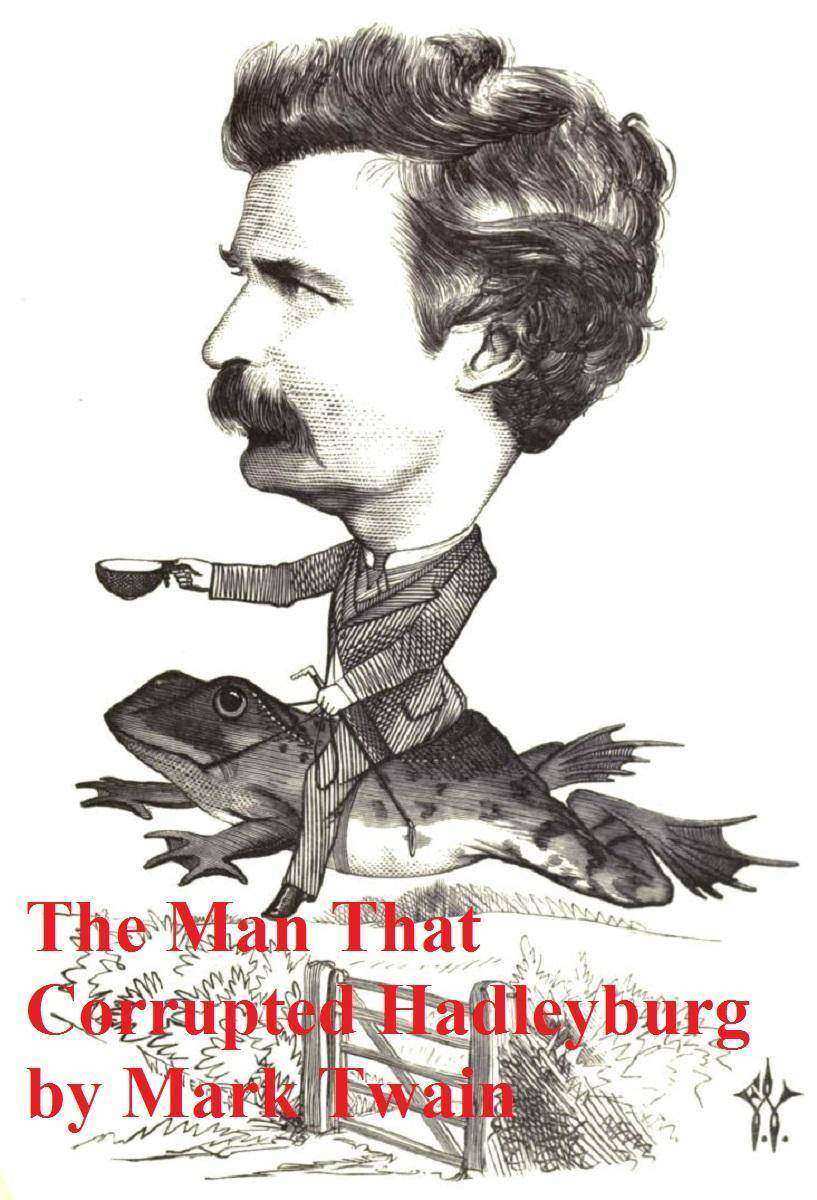
The Man That Corrupted Hadleyburg and Other Stories
¥8.09
The stories include: THE MAN THAT CORRUPTED HADLEYBURG; MY FIRST LIE; AND HOW I GOT OUT OF IT; THE ESQUIMAUX MAIDEN'S ROMANCE; CHRISTIAN SCIENCE AND THE BOOK OF MRS. EDDY; IS HE LIVING OR IS HE DEAD? MY DEBUT AS A LITERARY PERSON; AT THE APPETITE-CURE; CONCERNING THE JEWS; FROM THE 'LONDON TIMES' OF 1904; ABOUT PLAY-ACTING; TRAVELLING WITH A REFORMER; DIPLOMATIC PAY AND CLOTHES; LUCK; THE CAPTAIN'S STORY; STIRRING TIMES IN AUSTRIA; MEISTERSCHAFT; MY BOYHOOD DREAMS; TO THE ABOVE OLD PEOPLE; and IN MEMORIAM--OLIVIA SUSAN CLEMENS.
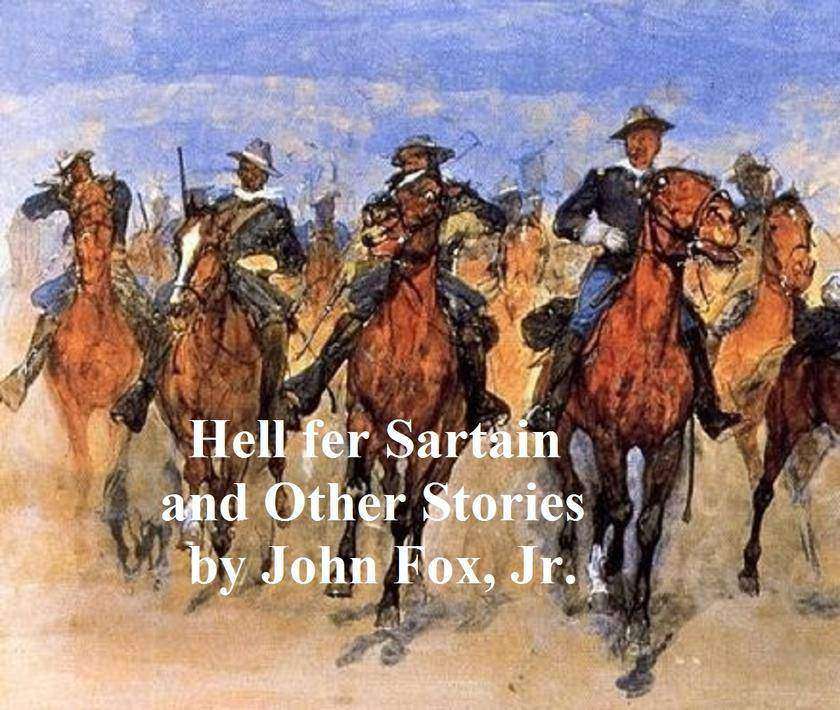
Hell fer Sartain and Other Stories
¥8.09
The stories include: ON HELL-FER-SARTAIN CREEK, THROUGH THE GAP, A TRICK O' TRADE, GRAYSON'S BABY, COURTIN' ON CUTSHIN, THE MESSAGE IN THE SAND, THE SENATOR'S LAST TRADE, PREACHIN' ON KINGDOM-COME, THE PASSING OF ABRAHAM SHIVERS, and A PURPLE RHODODENDRON. According to Wikipedia: "Born in Stony Point, Kentucky to John William Fox, Sr., and Minerva Worth Carr, Fox studied English at Harvard University. He graduated in 1883 before becoming a reporter in New York City. After working for both New York Times and the New York Sun, he published a successful serialization of his first novel, A Mountain Europa, in Century magazine in 1892. Two moderately successful short story collections followed, as well as his first conventional novel, The Kentuckians in 1898. Fox gained a following as a war correspondent, working for Harper's Weekly in Cuba during the Spanish-American War of 1898, where he served with the "Rough Riders." Six years later he traveled to Asia to report on the Russo-Japanese War for Scribner's magazine. Though he occasionally wrote for periodicals, after 1904, Fox dedicated much of his attention to fiction. The Little Shepherd of Kingdom Come (published in 1903) and The Trail of the Lonesome Pine (published in 1908) are arguably his most well known and successful works, entering the New York Times top ten list of bestselling novels for 1903, 1904, 1908, and 1909 respectively. Many of his works reflected the naturalist style, his childhood in Kentucky's Bluegrass region, and his life among the coal miners of Big Stone Gap, Virginia. Many of his novels were historical romances or period dramas set in that region."
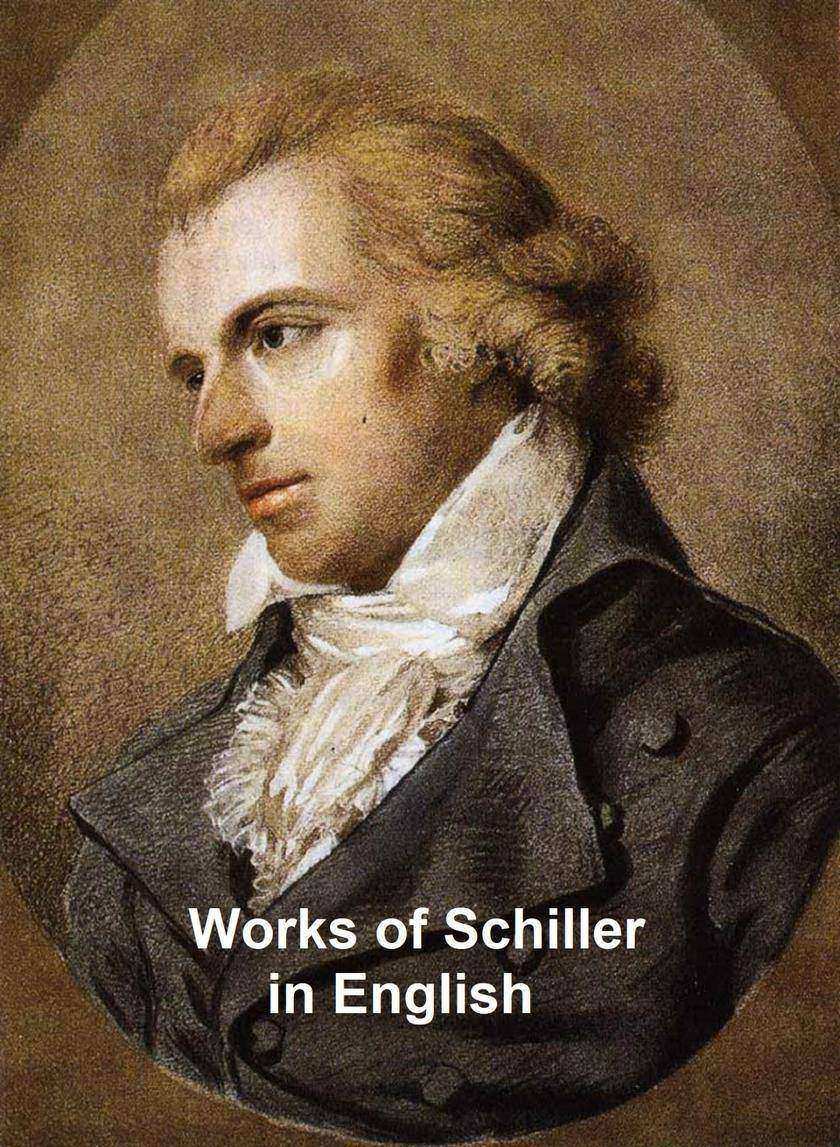
Works of Schiller in English
¥8.09
This collection includes: Life of Schiller by Calvin Thomas and such works by Schiller as Death of Wallenstein, William Tell, excerpts from The Thirty Years' War, poetry, and Correspondence with Goethe. The German Classics Of The Nineteenth And Twentieth Centuries, Volume 3, edited by Kuno Francke.


