


 购物车
 个人中心


Creating Capital: Money-making as an aim in business
¥40.79
The object of this paper is to discuss money-making; to examine its prevalence as an aim among people generally and the moral standards which obtain among those who consciously seek to make money. The desire to make money is common to most men. Stronger or weaker, in some degree it is present in the mind of nearly every one. Now, how far does this desire grow to be an aim or object in our lives, and to what extent is such an aim a worthy one?
The Shadow Over Innsmouth
¥8.98
The story describes of a strange hybrid race, half-human and half an unknown creature that resembles a cross between a fish and frog, that dwells in the seaside village of Innsmouth (formerly a large town, but lately fallen into disrepair). The townspeople worship Cthulhu and Dagon, a Philistine deity incorporated into the Cthulhu Mythos.
The Metamorphoses
¥40.79
The Metamorphoses, or The Golden Ass, is the only Ancient Roman novel to survive in its entirety. The protagonist of the novel is called Lucius. At the end of the novel, he is revealed to be from Madaurus, in ancient Algeria, the hometown of Apuleius himself. The plot revolves around the protagonist's curiosity and insatiable desire to see and practice magic. While trying to perform a spell to transform into a bird, he is accidentally transformed into an ass. This leads to a long journey, literal and metaphorical, filled with in-set tales. He finally finds salvation through the intervention of the goddess Isis, whose cult he joins.
Medusa's Coil
¥9.00
"Medusa's Coil" is a short story by H. P. Lovecraft and Zealia Bishop. It was first published in Weird Tales magazine in January 1939, two years after Lovecraft's death. The story concerns the son of an American plantation owner who brings back from Paris a new wife. It mixes elements of Lovecraft's Cthulhu Mythos with the ancient Greek myth of Medusa, but it has also been noted for its racist aspects.
The Women's Festival
¥40.79
Today the women at the festival are going to kill me for insulting them!' This bold statement by Euripides is the absurd premise upon which the whole play depends. The women are incensed by his plays' portrayal of the female sex as mad, murderous, and sexually depraved, and they are using the festival of the Thesmophoria (an annual fertility celebration dedicated to Demeter) as an opportunity to debate a suitable choice of revenge.
The Festival
¥9.00
"The Festival" is a short story by H. P. Lovecraft written in October 1923 and published in the January 1925 issue of Weird Tales. The story is set at Christmas time: "It was the Yuletide, that men call Christmas though they know in their hearts it is older than Bethlehem and Babylon, older than Memphis and mankind." An unnamed narrator is making his first visit to Kingsport, Massachusetts, an "ancient sea town where my people had dwelt and kept festival in the elder time when festival was forbidden; where also they had commanded their sons to keep festival once every century, that the memory of primal secrets might not be forgotten."

Flat-Coated Retriever Training
¥24.44
Are you tired of your Flat-Coated Retriever puppy leaving “messes” all over the house? What about the biting and chewing? Does your Flat-Coated Retriever drag you down the street when you try and take him/her for a walk? Do you want to teach your new puppy how to sit, stay, or play fetch??This short, simple, no-fluff beginner's training guide can help you with it all! Here Is A Preview of What You'll Learn... Is a Flat-Coated Retriever Right For You? How Much Is Enough Exercise? How To Speak Your Dog’s Language Effective Discipline How to Potty Train Your Flat-Coated Retriever Basic Obedience Training Such As: Sit, Drop, Come, Fetch, Stay, and Wait Leash Training Your Flat-Coated Retriever Puppy Socialization Training How to Stop the Biting and Chewing and Advanced Training Techniques This is a must-have guide for all beginner Flat-Coated Retriever puppy owners and individuals who are thinking of getting a Flat-Coated Retriever puppy. Don’t wait any longer! Scroll up and click the ‘Buy Now’ button to turn your little fluff ball into the perfect puppy!

Στα β?θη τη? τ?φρου
¥84.20
Η ζω? απ? την πρ?τη μ?ρα που γεννηθ?καμε, ε?ναι μια αν?βαση στο βουν? που ποτ? δεν σταματ? να μα? εκπλ?σσει. ?λοι μα? μπορο?με μια μ?ρα να γ?νουμε πρωταγωνιστ?? μ?σα απ? κ?ποια αληθιν? ιστορ?α, ακ?μη και π?σω απ? ?να παρ?ξενο παραμ?θι. Καθ?? ?μω? απογαλακτιζ?μαστε με π?θο? για να τη ζ?σουμε ?ντονα, τα λ?θη ?ρχονται να ακολουθ?σουν δ?πλα μα?, με τη μν?μη πολλ?? φορ?? να γ?νεται φ?λη των τ?ψε?ν μα?. Η ζω? ε?ναι ?να μεγ?λο βιβλ?ο που γρ?φεται με χρ?ματα, ?να ταξ?δι με παρελθ?ν, παρ?ν και μ?λλον, και εκε? μ?σα θα υπ?ρξουν πολλ? ακ?μη ν?α κεφ?λαια. Το καλ?τερο ?μω? κεφ?λαιο μπορε? να γραφτε? ανο?γοντα? τι? σκουριασμ?νε? π?λε? του μυαλο? μα?, ?χοντα? αποκτ?σει τι? αν?λογε? εμπειρ?ε? με τα αυτι? μα? και τα μ?τια μα? ανοιχτ?. Σ’ αυτ? το βιβλ?ο θα γνωρ?σουμε την Ανν?τα Αρμ?νη, ?να νεαρ? κορ?τσι που τρ?βηξε την προσοχ? μα?, καθ?? περπατο?σε στον δ?σβατο δρ?μο τη?. Θα βι?σουμε ?να μελαν? χρ?μα στο ταξ?δι τη?, κοντ? στα πρ?τα κεφ?λαια τη? ζω?? τη?, με πολλ? μυστικ? που θα μα? αγγ?ξουν παθιασμ?να. Μαζ? τη? θα ανακαλ?ψουμε μερικ? σπουδα?α πρ?γματα μ?σα σε μερικ?? και μ?νο λ?ξει?: εμπιστοσ?νη, ελευθερ?α, ελπ?δα, αγ?πη, ζω? και π?νω απ? ?λα δικαιοσ?νη. Λ?ξει? που θα τι? κρατ?σουμε στην ψυχ? μα? προστατευμ?νε? για π?ντα, καθ?? ανο?ξαμε την καρδι? τη? και συναντ?σαμε σκι?? του μυαλο? τη? να μ?χονται με τη φωτι?. Τ?τε που ?λοι μαζ? ανακαλ?ψαμε π?σω απ? ?να πληγωμ?νο ?σ’ αγαπ?? τι ?ταν τελικ? αυτ? που ?ψαχνε απελπισμ?να να ζ?σει αυτ? η γυνα?κα, π?τε στο φω? του ?λιου και π?τε στο σκοτ?δι τη? τ?φρου.
The Disinterment
¥9.00
Fist published in 1935, "The Disinterment" is a short horror story by H.P. Lovecraft.
Beyond the Wall of Sleep
¥9.00
"Beyond the Wall of Sleep" is a science fiction short story by American writer H. P. Lovecraft, written in 1919 and first published in the amateur publication Pine Cones in October 1919. An intern in a mental hospital relates his experience with Joe Slater, an inmate who died at the facility a few weeks after being confined as a criminally insane murderer. He describes Slater as a "typical denizen of the Catskill Mountain region, who corresponds exactly with the 'white trash' of the South", for whom "laws and morals are nonexistent" and whose "general mental status is probably below that of any other native American people".

At the end of the Corridor
¥63.77
Aris, a traveler of life who is a perennial observer of the events happening around him, finds it impossible to comprehend and accept the controversies of the world around him. He finds himself trapped deeper and deeper into torturing thoughts. An attractive, voluptuous female presence dominates his mind. He comes across Anna, who is trying to solve the mystery of the Western Ward of the Hospital she works at. Her path crosses that of a mysterious man and leads her to the beautiful Glass City. Will Anna be able to solve the mystery and will Aris manage to find the exit of his dark corridor? The reader will enter into the mind of the heroes and experience all of their intense feelings and thoughts until their catharsis.
Cool Air
¥9.00
"Cool Air" is a short story by the American horror fiction writer H. P. Lovecraft, written in March 1926 and published in the March 1928 issue of Tales of Magic and Mystery. The narrator offers a story to explain why a "draught of cool air" is the most detestable thing to him. His tale begins in the spring of 1923, when he was looking for housing in New York City. He finally settles in a converted brownstone on West Fourteenth Street. Investigating a chemical leak from the floor above, he discovers that the inhabitant directly overhead is a strange, old, and reclusive physician. One day the narrator suffers a heart attack, and remembering that a doctor lives overhead, he climbs the stairs and meets Dr. Mu?oz for the first time.

The Survivors of the Chancellor
¥8.82
The Survivors of the Chancellor: Diary of J. R. Kazallon, Passenger is an 1875 novel written by Jules Verne about the final voyage of a British sailing ship, the Chancellor, told from the perspective of one of its passengers (in the form of a diary).
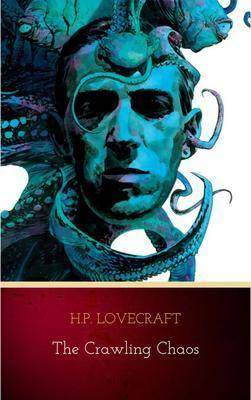
The Crawling Chaos
¥9.00
"The Crawling Chaos" is a short story by American writers H. P. Lovecraft and Winifred V. Jackson (first published April 1921 in the United Cooperative. As in their other collaboration, "The Green Meadow", the tale was credited to "Elizabeth Berkeley" (Jackson) and "Lewis Theobald, Jun" (Lovecraft). The story begins with the narrator describing the effects of opium and the fantastical vistas it can inspire. The narrator then tells of his sole experience with opium in which he was accidentally administered an overdose by a doctor during the "year of the plague".
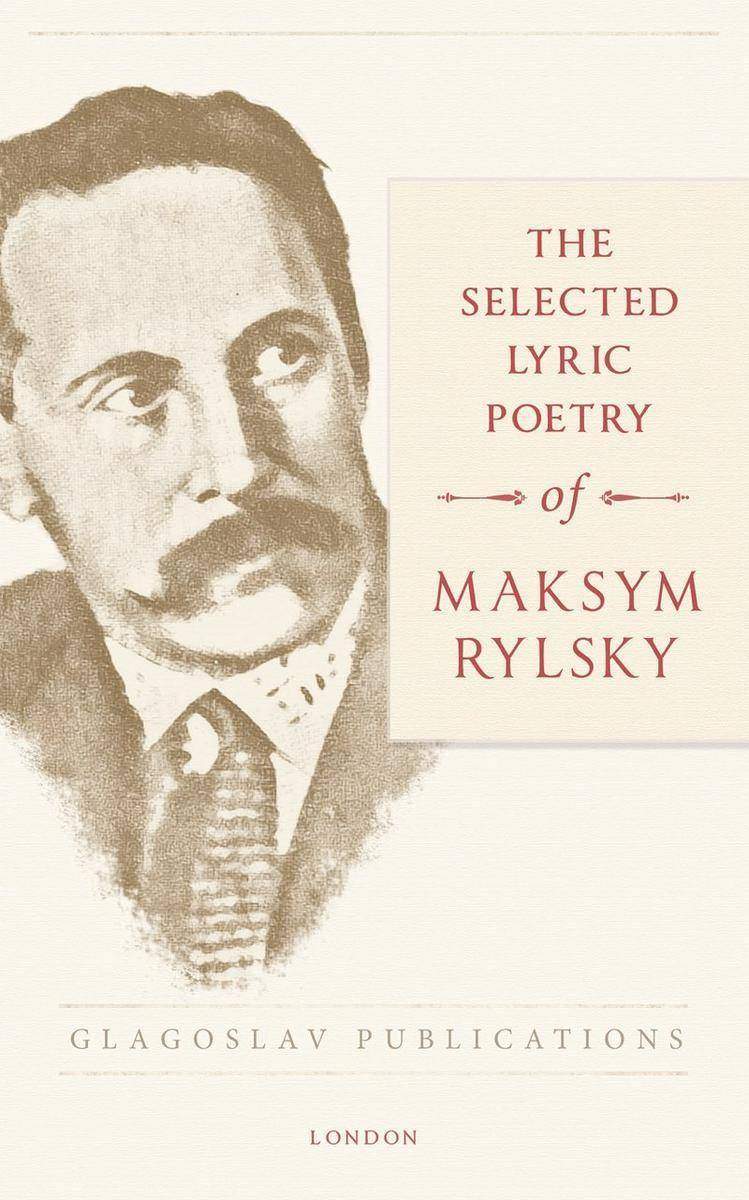
The Selected Lyric Poetry Of Maksym Rylsky
¥90.03
Maksym Rylsky (1895-1964) is one of the most outstanding Ukrainian poets of the the 20th century and master of the genres of the modern sonnet and the long narrative poem. He was closely associated with the Neoclassicist group of Ukrainian poets, who employed traditional poetic forms with rhyme and meter, wrote in a clear and accessible contemporary idiom, and often referenced Ancient Greek and Roman mythology as well as numerous other authors from world literature in their poetry. Rylsky was also a prolific translator from English, French, German, and Polish as well as a folklore and literary scholar, who worked most of the earlier part of his life as a teacher of philology. He published his first book of poetry at the precocious age of fifteen—On White Islands in 1910. His other early books of poetry include The Edge of the Forest: Idylls (1918), Under Autumn Stars (1918), The Blue Distance (1922), Long Poems (1924), Through a Storm and Snow (1925), Beneath Autumn Stars (1926), Thirteenth Spring (1926), Where Roads Meet (1929), and Echo and Re-echo (1929). Rylsky gained considerable popularity among the Ukrainian reading public for his neo-romantic contemplative musings and intimate lyrical poetry that focused on love, life and nature. While his poetry was completely apolitical, at the end of the Ukrainian cultural renaissance in the 1920s that was crushed by Stalin, Rylsky was sternly rebuked in the state-controlled press for focusing on the personal and not writing in service to the state. In 1931 the Soviet secret police, the NKVD, arrested and publicly humiliated him. He was released in 1932 after he agreed to write in the style of socialist realism and was one of the few prominent Ukrainian writers to survive the Stalinist purges of the 1930s. During the wartime period he wrote two masterful long poems that deviated from socialist realism—“Thirst” (1942) and “Journey to Youth” (1941-4), for which he was again publicly chastised. In 1942 he became Director of the Institute of Fine Arts, Folklore and Ethnography in Kyiv, a post that he held until his death in 1964. The Institute now bears his name. He published some 30 collections of original poetry during his lifetime as well as numerous translations and scholarly works. By 1974 almost five million copies of his works in the original or in translation had appeared in the USSR. In his last two books—In the Shadow of the Lark (1961) and Winter Notes (1964) published during The Thaw, a period of relaxed censorship during the reign of Nikita Khrushchev, Rylsky’s poetic voice returned to the stature of his early poetry. This selected works edition includes poetry from virtually all of Rylsky’s early collections of poetry, with selection primarily based on esthetic principles; the powerful long poem “Thirst,” penned during the darkest days of World War II for Ukraine; and other poems from various periods of his life. Translated by Michael M. Naydan. With a guest introduction by Maria Zubrytska

The Flying Dutchman
¥88.70
Some time in the 1970s, Konstantin Alpheyev, a well-known Russian musicologist, finds himself in trouble with the KGB, the Russian secret police, after the death of his girlfriend, for which one of their officers may have been responsible. He has to flee from the city and to go into hiding. He rents an old house located on the bank of a big Russian river, and lives there like a recluse observing nature and working on his new book about Wagner. The house, a part of an old barge, undergoes strange metamorphoses rebuilding itself as a medieval schooner, and Alpheyev begins to identify himself with the Flying?Dutchman. Meanwhile, the police locate his new whereabouts and put him under surveillance. A chain of strange events in the nearby village makes the police officer contact the KGB, and the latter figure out who the new tenant of the old house actually is.?
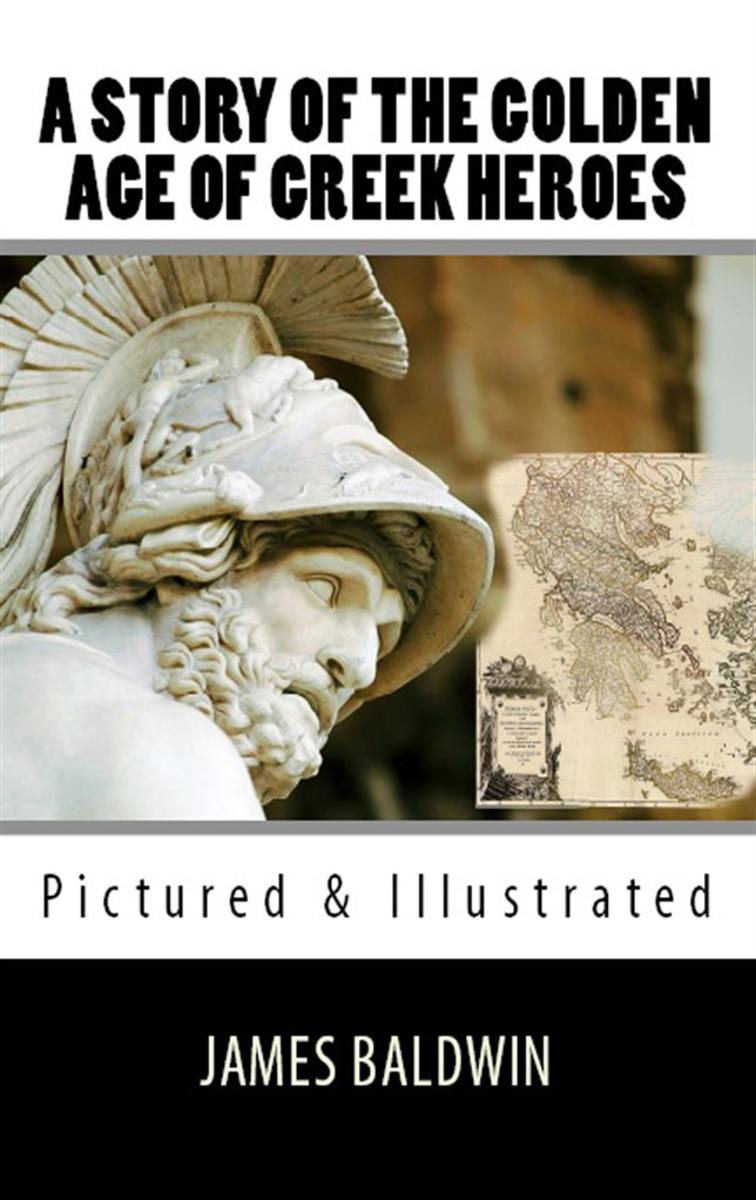
A Story of the Golden Age of Greek Heroes: Pictured & Illustrated
¥28.29
YOU have heard of Homer, and of the two wonderful poems, the Iliad and the Odyssey, which bear his name. No one knows whether these poems were composed by Homer, or whether they are the work of many different poets. And, in fact, it matters very little about their authorship. Everybody agrees that they are the grandest poems ever sung or written or read in this world; and yet, how few persons, comparatively, have read them, or know any thing about them except at second-hand! ? Homer commences his story, not at the beginning, but "in the midst of things;" hence, when one starts out to read the Iliad without having made some special preparation beforehand, he finds it hard to understand, and is tempted, in despair, to stop at the end of the first book. Many people are, therefore, content to admire the great masterpiece of poetry and story-telling simply because others admire it, and not because they have any personal acquaintance with it.? Now, it is not my purpose to give you a "simplified version" of the Iliad or the Odyssey. There are already many such versions; but the best way for you, or any one else, to read Homer, is to read Homer. If you do not understand Greek, you can read him in one of the many English translations. You will find much of the spirit of the original in the translations by Bryant, by Lord Derby, and by old George Chapman, as well as in the admirable prose rendering by Butcher and Lang; but you can get none of it in any so-called simplified version.??My object in writing this "Story of the Golden Age" has been to pave the way, if I dare say it, to an enjoyable reading of Homer, either in translations or in the original. I have ta-ken the various legends relating to the causes of the Trojan war, and, by assuming certain privileges never yet denied to story-tellers, have woven all into one continuous narrative, ending where Homer's story begins. The hero of the Odyssey—a character not always to be admired or commended—is my hero. And, in telling the story of his boyhood and youth, I have taken the opportunity to repeat, for your enjoyment, some of the most beautiful of the old Greek myths. If I have, now and then, given them a coloring slightly different from the original, you will remember that such is the right of the story-teller, the poet, and the artist. The essential features of the stories remain unchanged. I have, all along, drawn freely from the old tragedians, and now and then from Homer himself; nor have I thought it necessary in every instance to mention authorities, or to apologize for an occasional close imitation of some of the best translations. The pictures of old Greek life have, in the main, been derived from the Iliad and the Odyssey, and will, I hope, help you to a better understanding of those poems when you come to make acquaintance directly with them.??Should you become interested in the "Story of the Golden Age," as it is here related, do not be disappointed by its somewhat abrupt ending; for you will find it continued by the master-poet of all ages, in a manner both inimitable and unapproachable. If you are pleased with the discourse of the porter at the gate, how much greater shall be your delight when you stand in the palace of the king, and hearken to the song of the royal minstrel! ?

Poems by Emily Dickinson, Volume 2
¥40.79
The eagerness with which the first volume of Emily Dickinson’s poems has been read shows very clearly that all our alleged modern artificiality does not prevent a prompt appreciation of the qualities of directness and simplicity in approaching the greatest themes,—life and love and death. That 'irresistible needle-touch,' as one of her best critics has called it, piercing at once the very core of a thought, has found a response as wide and sympathetic as it has been unexpected even to those who knew best her compelling power. This second volume, while open to the same criticism as to form with its predecessor, shows also the same shining beauties.

America First: —100 Stories from Our History—
¥23.54
WHEN children advance beyond the nursery age, no story is so wonderful as a true story. Fiction to them is never as appealing as fact. I have often been faced with the inquiry: whether or not a story is a true one. The look of gratification, when told that "it actually happened," was most satisfying to me as a story-teller.??The nearer a story is to the life and traditions of the child, the more eagerly it is attended. True stories about our own people, about our neighbors and friends, and about our own country at large, are more interesting than true stories of remote places and people. We naturally are interested in our own affairs, and the nearer they are to us the greater the interest we feel.??That history is just a long, thrilling story of the trials and triumphs of pioneers and patriots is well known to those who have had to do with the teaching of history to youthful minds. That the dry recital of political and governmental history does not interest children is also well known. History should be made vital, vibrant, and personal if we expect children to be stirred by its study.?To gratify the love of children for the dramatic and picturesque, to satisfy them with stories that are true, and to make them familiar with the great characters in the history of their own country, is the purpose of this volume.??It is hoped that through appeal to youthful love of adventure, this collection of stories, covering the entire range of American history, will stimulate the ambition and strengthen the patriotism of those young citizens whose education has been the constant concern of the author for many years.
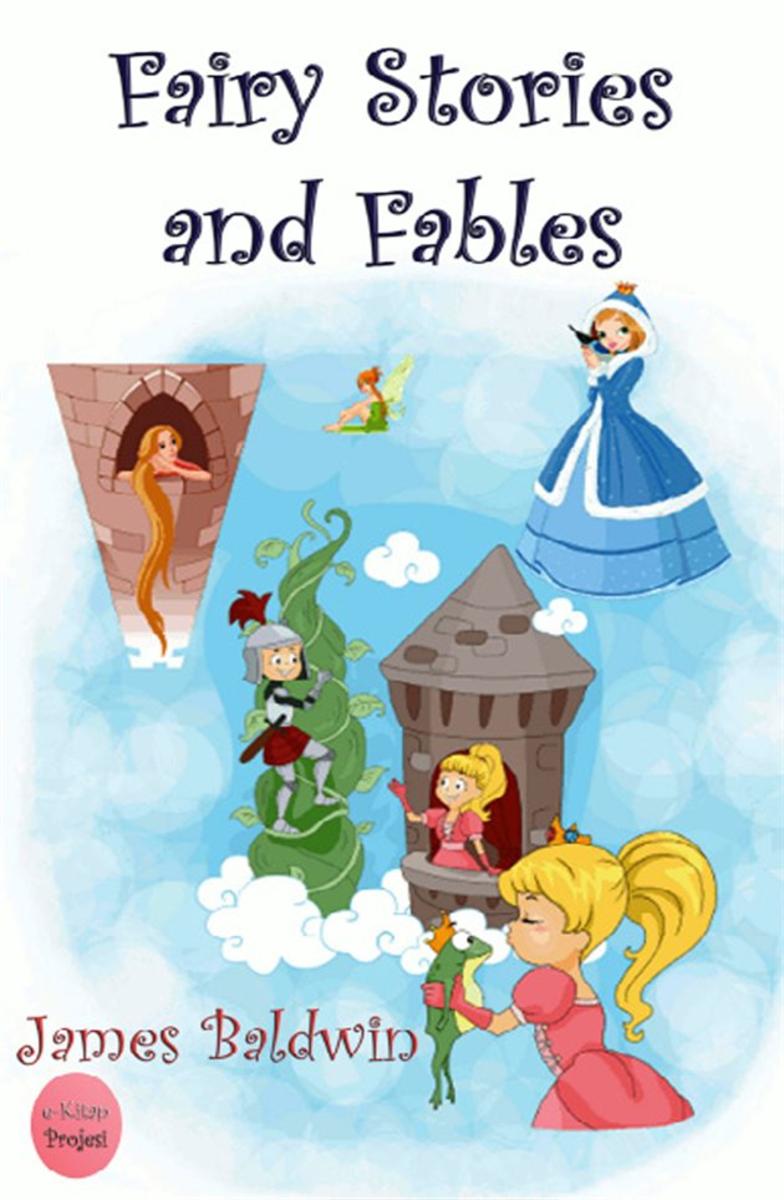
Fairy Stories and Fables
¥28.29
The longer stories in this book are called Fairy Stories, because that is the name by which such tales are always known to children; and yet only a very few contain any direct reference to fairies. The most of them have to do with talking animals and with strange incidents and transformations such as have always delighted the childish fancy. They have been drawn from a variety of sources; and liberty has been taken to make such changes in the narratives as seemed most necessary to adapt them to the understanding and needs of the children of our own time and country. ??Free renderings, they may be called, of some of the most popular folktales of foreign lands. The Three Bears, Tom Thumb, Jack and the Beanstalk, and Tom Tit Tot are old English favorites dressed in modern garb; Little Red Riding Hood, Puss in Boots, Princet and the Golden Blackbird, and Drakesbill and his Friends are variants of the well-known French versions by Perrault, Marelles, and Sebillot; Little Tuppen and The Three Goats named Bruse are from Norwegian sources; and the rest are founded upon German originals. In the retelling of these tales care has been taken to avoid whatever might distress the most sensitive child as well as everything that could give a wrong bias to his moral nature or distort his perception of the beautiful and the true.
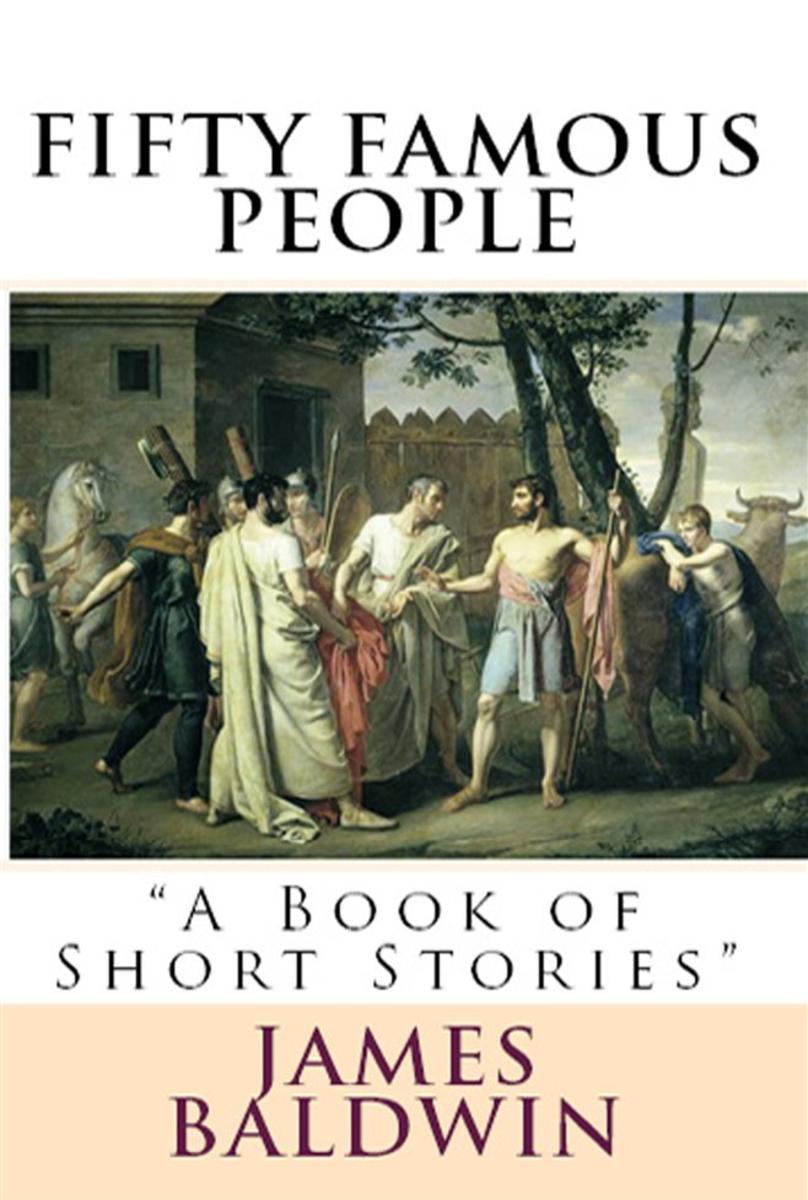
Fifty Famous People: "A Book of Short Stories"
¥28.29
ONE of the best things to be said of the stories in this volume is that, although they are not biographical, they are about real persons who actually lived and performed their parts in the great drama of the world's history. Some of these persons were more famous than others, yet all have left enduring "footprints on the sands of time" and their names will not cease to be remembered. ??In each of the stories there is a basis of truth and an ethical lesson which cannot fail to have a wholesome influence; and each possesses elements of interest which, it is believed, will go far towards proving the fallibility of the doctrine that children find delight only in tales of the imaginative and unreal. The fact that there are a few more than fifty famous people mentioned in the volume may be credited to the author's wish to give good measure.??SAVING THE BIRDS?ONE day in spring four men were riding on horseback along a country road. These men were lawyers, and they were going to the next town to attend court.?There had been a rain, and the ground was very soft. Water was dripping from the trees, and the grass was wet.?The four lawyers rode along, one behind another; for the pathway was narrow, and the mud on each side of it was deep. They rode slowly, and talked and laughed and were very jolly.?As they were passing through a grove of small trees, they heard a great fluttering over their heads and a feeble chirping in the grass by the roadside.? "Stith! stith! stith!" came from the leafy branches above them.?"Cheep! cheep! cheep!" came from the wet grass.?"What is the matter here?" asked the first lawyer, whose name was Speed.?"Oh, it's only some old robins!" said the second lawyer, whose name was Hardin. "The storm has blown two of the little ones out of the nest. They are too young to fly, and the mother bird is making a great fuss about it."?"What a pity! They'll die down there in the grass," said the third lawyer, whose name I forget.?"Oh, well! They're nothing but birds," said Mr. Hardin. "Why should we bother?"? "Yes, why should we?" said Mr. Speed.?The three men, as they passed, looked down and saw the little birds fluttering in the cold, wet grass. They saw the mother robin flying about, and crying to her mate.?Then they rode on, talking and laughing as before. In a few minutes they had forgotten about the birds.?But the fourth lawyer, whose name was Abraham Lincoln, stopped. He got down from his horse and very gently took the little ones up in his big warm hands.


