


 购物车
购物车 个人中心
个人中心

The Bad Things (Alex Devlin, Book 1)
¥45.42
A darkly compelling psychological thriller, full of twists and turns, perfect for fans of THE WICKED GIRLS by Alex Marwood and THE GIRL IN THE RED COAT by Kate Hamer. Alex Devlin’s life changed forever fifteen years ago when her sister Sasha's two small children were snatched in broad daylight. Little Harry’s body was found a few days later, but Millie’s remains were never discovered. Now Jackie Wood, jailed as an accessory to the twins’ murder, has been released, her conviction quashed by the Appeal Court. Convinced Jackie can reveal where Millie is buried, Alex goes to meet her. But the unexpected information Wood reveals shocks Alex to the core and threatens to uncover the dark secret she has managed to keep under wraps for the past fifteen years. Because in the end, can we ever really know what is in the hearts of those closest to us?
Eleanor
¥66.22
The Sunday Times bestseller ‘Funny, touching and unpredictable’ Jojo Moyes Eleanor Oliphant has learned how to survive – but not how to live Eleanor Oliphant leads a simple life. She wears the same clothes to work every day, eats the same meal deal for lunch every day and buys the same two bottles of vodka to drink every weekend. Eleanor Oliphant is happy. Nothing is missing from her carefully timetabled life. Except, sometimes, everything. One simple act of kindness is about to shatter the walls Eleanor has built around herself. Now she must learn how to navigate the world that everyone else seems to take for granted – while searching for the courage to face the dark corners she’s avoided all her life. Change can be good. Change can be bad. But surely any change is better than… fine? ‘Heartwrenching and wonderful’ Nina Stibbe ‘Deft, compassionate and moving’ Paula McLain ‘I adored it. Skilled, perceptive, Eleanor's world will feel familiar to you from the very first page. An outstanding debut!’ Joanna Cannon
Secret Sister
¥62.59
Madeline and Daphne were once as close as sisters - until a secret tore them apart. Now it might take them to their graves. Madeline has returned to Washington after her grandmother's mysterious death. And at her family's old, abandoned hotel - a place she never wanted to see again - a dying man's last words convey a warning: the secrets she and Daphne believed buried forever have been discovered. Now, after almost two decades, Madeline and Daphne will be reunited in friendship and in fear. Unable to trust the local police, Madeline summons Jack Rayner, the hotel chain's new security expert. Despite the secrets and mysteries that surround him, Jack is the only one she trusts . . . and wants. Jack is no good at relationships but he does possess a specific skill set that includes an intimate understanding of warped and dangerous minds. With the assistance of Jack's brother, Abe, a high-tech magician, the four of them will form an uneasy alliance against a killer who will stop at nothing to hide the truth . . . The New York Times bestselling author of Trust No One and River Road delivers a novel that twists and turns into a read that will leave you breathless
Death Falls
¥22.27
When a young boy goes missing, it’s easier to believe the lies than to believe the truth… Perfect for fans of Gregg Hurwitz and P.J. Tracy. On the same night that Neil Armstrong walked on the moon, nine-year-old Charlie Olmstead jumped on his bike to see if he could get a better look. It was the last anyone ever saw of him.
Death Night
¥67.39
24 hours: that’s all they have to stop a killer in his tracks… Perfect for fans of Gregg Hurwitz and P.J. Tracy. Two things Perry Hollow Police Chief Kat Campbell never thought she would do again: Enter a burning building, and lay eyes on Henry Goll, the man who was trapped inside with her the last time she was in one. So Kat's on high alert when, barely a year after the dust settled around the Grim Reaper killings, both happen on the same day. She's jolted awake at 1 a.m. by a desperate phone call telling her Perry Hollow’s one and only museum—home to all the town’s historical artifacts—has been set on fire. Arriving at the scene, Kat catches just a glimpse of Henry's face among the crowd before she's rushed into the charred building, only to find the museum curator dead…bludgeoned, not burned. Kat has lived through some tense moments and seen some gruesome crimes, but the next twenty-four hours will be the most dangerous of her life as she and Henry seek out a killer and the motivation behind these terrifying crimes. Todd Ritter returns to the beloved town of Perry Hollow, Pennsylvania with Death Night, his most poignant, cleverly plotted novel yet.
The Dressmaker’s Daughter
¥22.27
Prepare to be swept away by this enthralling story of love, war and one woman who survived them both… Lizzie Bishop’s humble beginnings as a dressmaker’s daughter see her hope for nothing more than a simple offer of marriage. Love, passion and romance are reserved for daydreams.
Rags to Riches
¥39.73
Whisked from the industrial Black Country to the dazzling clubs of New York City…1936 will be Maxine Kite’s year! Plucked from obscurity, young cellist Maxine Kite is thankful for the chance given to her by Birmingham’s esteemed orchestra, but a part of her is still unfulfilled. Music has always been her passion but she has dreams far too big for a girl from a simple family. When the jazz clubs of New York beckon, along with the sultry world of wayward musician Brent Shackleton, Maxine leaves safety and propriety behind. But a girl’s good name can be all she has in the world… and once lost, is almost impossible, to reclaim…
Daisy’s Betrayal
¥35.61
Daisy Drake had always been able to summon up a picture of the man she might eventually marry. Apart from the essential virtues of being tall, lean, excessively handsome, kind and, of course, gentile, he would be reasonably well off and never inhibited about showing his affection – even in public. He would also be a patient man; patient not only with her but with her family as well. Such high marital expectations for a lowly working-class girl like Daisy might have been unrealistically optimistic, but her self-esteem was high and she never doubted that such a man existed and would eventually emerge through the Black Country’s industrial murk. By the time she was twenty-two however, her imagined bridegroom still had not shown up and the thought had already crossed her mind that maybe she was destined to be an old maid
A Hundred Summers
¥61.51
As the 1938 hurricane approaches Rhode Island, another storm brews in this New York Times bestseller from the author of The Secret Life of Violet Grant and Along the Infinite Sea. Lily Dane has returned to Seaview, Rhode Island, where her family has summered for generations. It’s an escape not only from New York’s social scene but from a heartbreak that still haunts her. Here, among the seaside community that has embraced her since childhood, she finds comfort in the familiar rituals of summer. But this summer is different. Budgie and Nick Greenwald—Lily’s former best friend and former fiancé—have arrived, too, and Seaview’s elite are abuzz. Under Budgie’s glamorous influence, Lily is seduced into a complicated web of renewed friendship and dangerous longing. As a cataclysmic hurricane churns north through the Atlantic, and uneasy secrets slowly reveal themselves, Lily and Nick must confront an emotional storm that will change their worlds forever...

Geek Drama (Geek Girl)
¥12.56
“My name is Harriet Manners, and I am a geek.” A brand new World Book Day story from the no. 1 bestselling and award-winning GEEK GIRL series! Harriet Manners knows that the hottest observed place on earth is Furnace Creek in Death Valley. She knows that dolphins shed the top layer of their skin every two hours. And she knows just how badly auditions can go, especially when you’re a model. But she has no idea how to get herself out of the extreme embarrassment of the school play or what to do when arch-nemesis Alexa decides it’s the perfect opportunity to humiliate her… Can GEEK GIRL survive the bright lights of the stage? A hilarious World Book Day GEEK GIRL novella by award-winning, bestselling author Holly Smale.
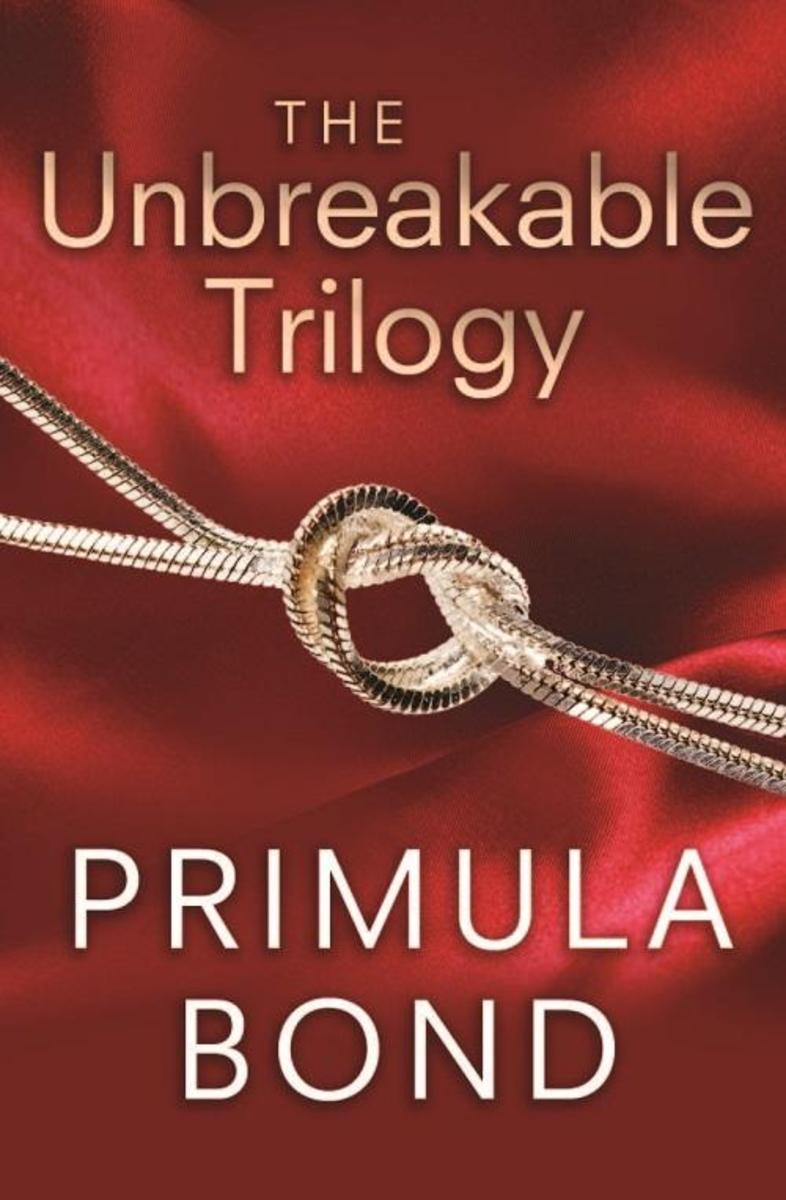
The Unbreakable Trilogy
¥113.99
Bound by passion, she was powerless to resist. The Silver Chain is the first in the sexy, passionate and addictive Unbreakable Trilogy by Primula Bond. One dark evening in London, photographer Serena Folkes is indulging her impulsive side with a night-time shoot. But someone is watching her – mysterious entrepreneur Gustav Levi. Serena doesn’t know it yet, but this handsome stranger will change her life forever… Serena is fascinated by Gustav, the enigmatic owner of the Levi Gallery, and she soon feels an irresistible pull of attraction. The interest is mutual, and Gustav promises to launch Serena’s photographic career at his gallery, but only if Serena agrees to become his exclusive companion. To mark their agreement, Gustav gives Serena a bracelet to wear at all times. Attached to it is a silver chain of which he is the keeper. With the chain Gustav controls Serena physically and symbolically – a sign that she is under his power. As their passionate relationship intensifies, Gustav’s hold on the silver chain grows stronger. But will Gustav’s dark past tear them apart? A seductive and beautifully written novel perfect for fans of erotic romance.
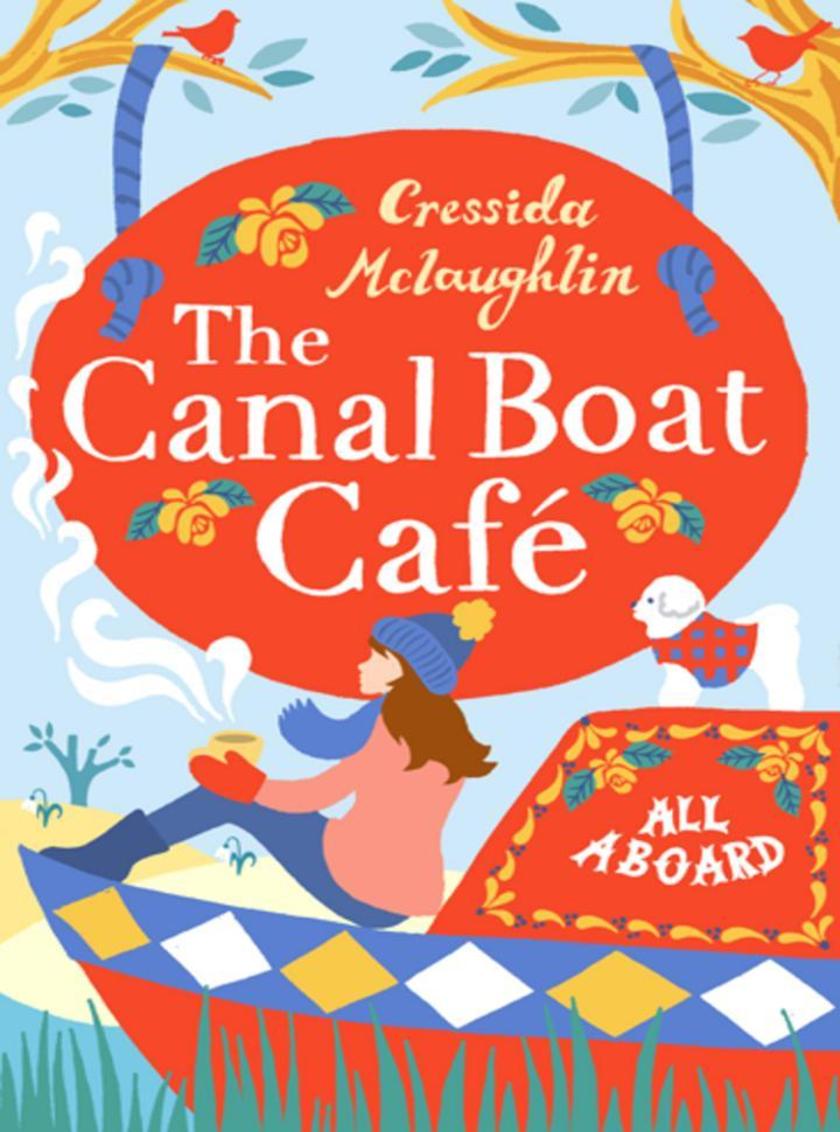
All Aboard:A perfect feel good romance (The Canal Boat Café, Book 1)
¥28.15
Summer Freeman returns to the waterside village of Willowbeck to rescue the Canal Boat Café, her late mother’s picturesque narrowboat, which has run into choppy waters. A family friend, Valerie, has been trying to keep things afloat, but the coffee machine is jammed, the cake offerings are paltry, and not all of the locals want to see the café succeed. Help comes from the boat next door, in the shape of handsome wildlife photographer, Mason and his naughty Border Terrier, who are showing more than a passing interest in Summer and her adorable Bichon Frise, Latte. But is Mason being honest about himself? Or does he have something to hide? As her life and the community of Willowbeck begin to entwine, Summer finds herself setting sail on a new adventure. Will the anchor of a steady life on land be too strong, or can Summer learn to cut loose and embrace life afloat?
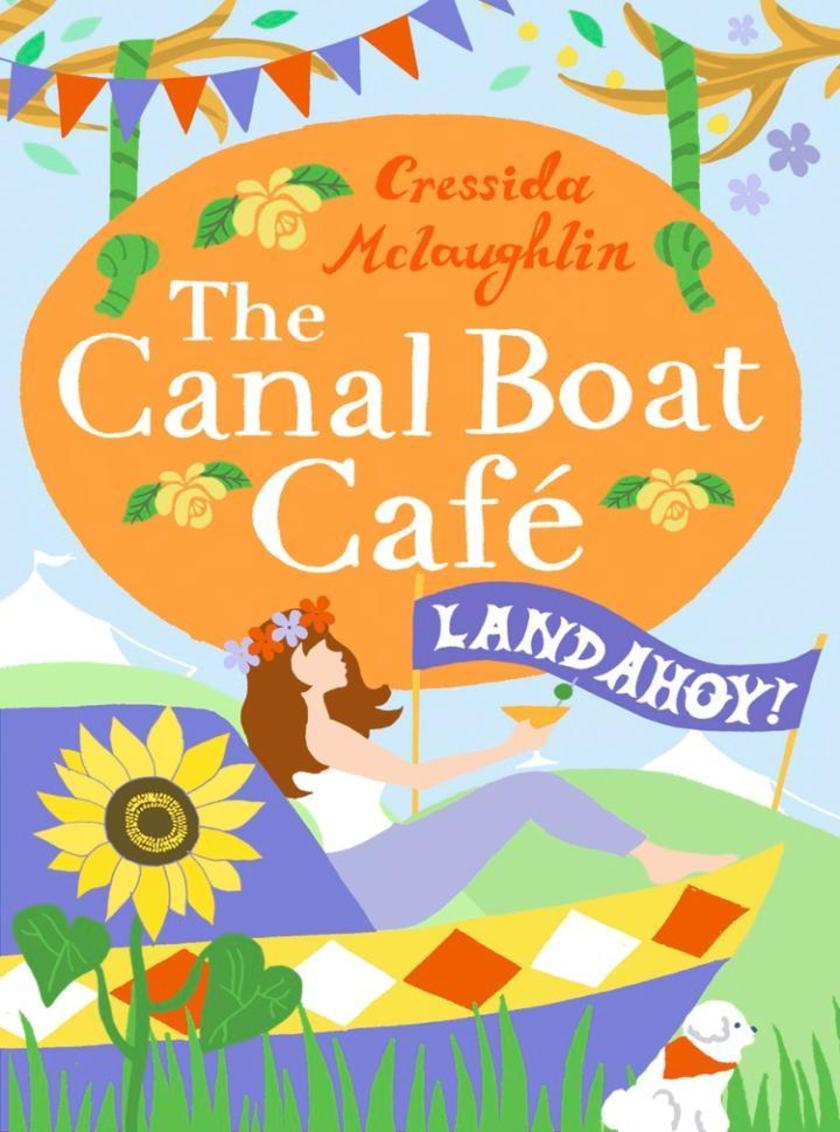
Land Ahoy!:A perfect feel good romance (The Canal Boat Café, Book 4)
¥28.15
Summer Freeman returns to the waterside village of Willowbeck to rescue the Canal Boat Café, her late mother’s picturesque narrowboat, which has run into choppy waters. A family friend, Valerie, has been trying to keep things afloat, but the coffee machine is jammed, the cake offerings are paltry, and not all of the locals want to see the café succeed. Help comes from the boat next door, in the shape of handsome wildlife photographer, Mason and his naughty Border Terrier, who are showing more than a passing interest in Summer and her adorable Bichon Frise, Latte. But is Mason being honest about himself? Or does he have something to hide? As her life and the community of Willowbeck begin to entwine, Summer finds herself setting sail on a new adventure. Will the anchor of a steady life on land be too strong, or can Summer learn to cut loose and embrace life afloat?
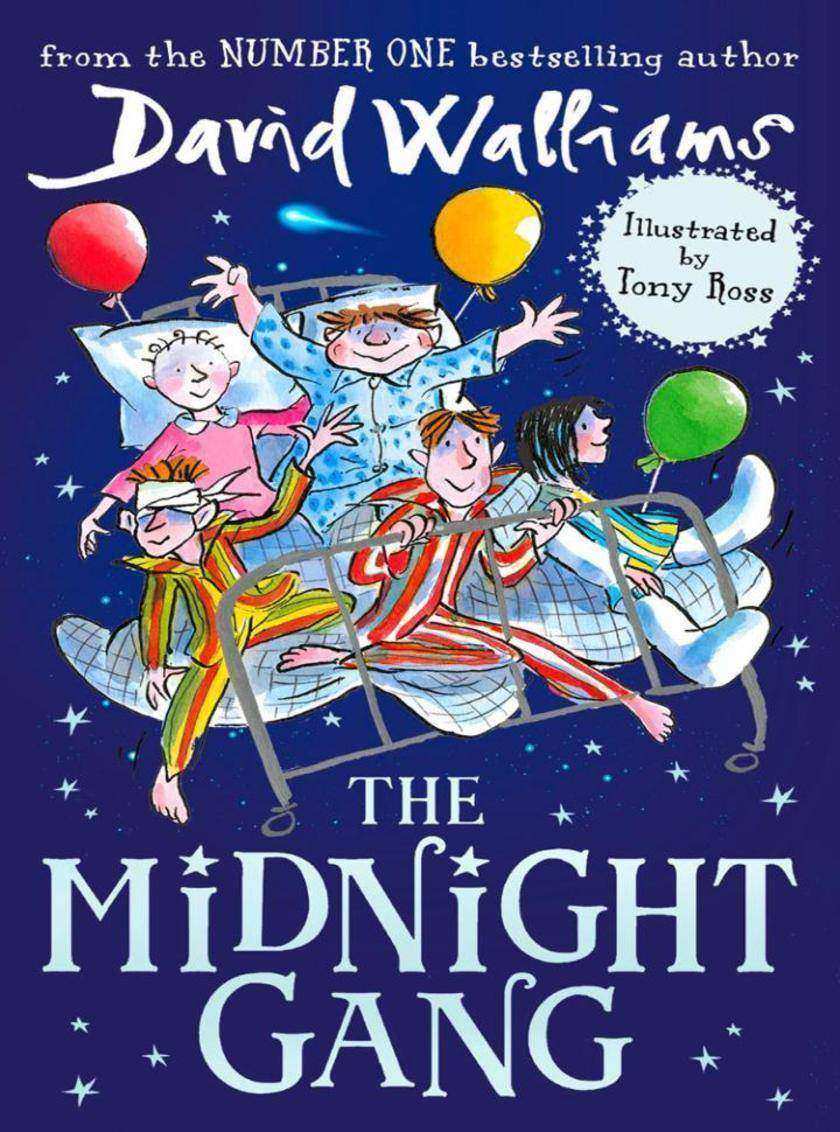
The Midnight Gang
¥51.50
Welcome to the Midnight Gang! Midnight is the time when all children are fast asleep, except of course for… the Midnight Gang. That is when their adventures are just beginning… When Tom gets hit on the head by a cricket ball, he finds himself at Lord Funt Hospital, and is greeted by a terrifying-looking porter. Things go from bad to worse when he meets the wicked matron in charge of the children’s ward… But Tom is about to embark on the most thrilling journey of a lifetime! The Midnight Gang tells an extraordinarily heartwarming and, of course, funny story of five children on a hospital ward – and on a quest for adventure! It is a story of friendship and magic – and of making dreams come true. Readers are set to be utterly spellbound by this heartfelt story that will bring magic to everyone’s Christmas.
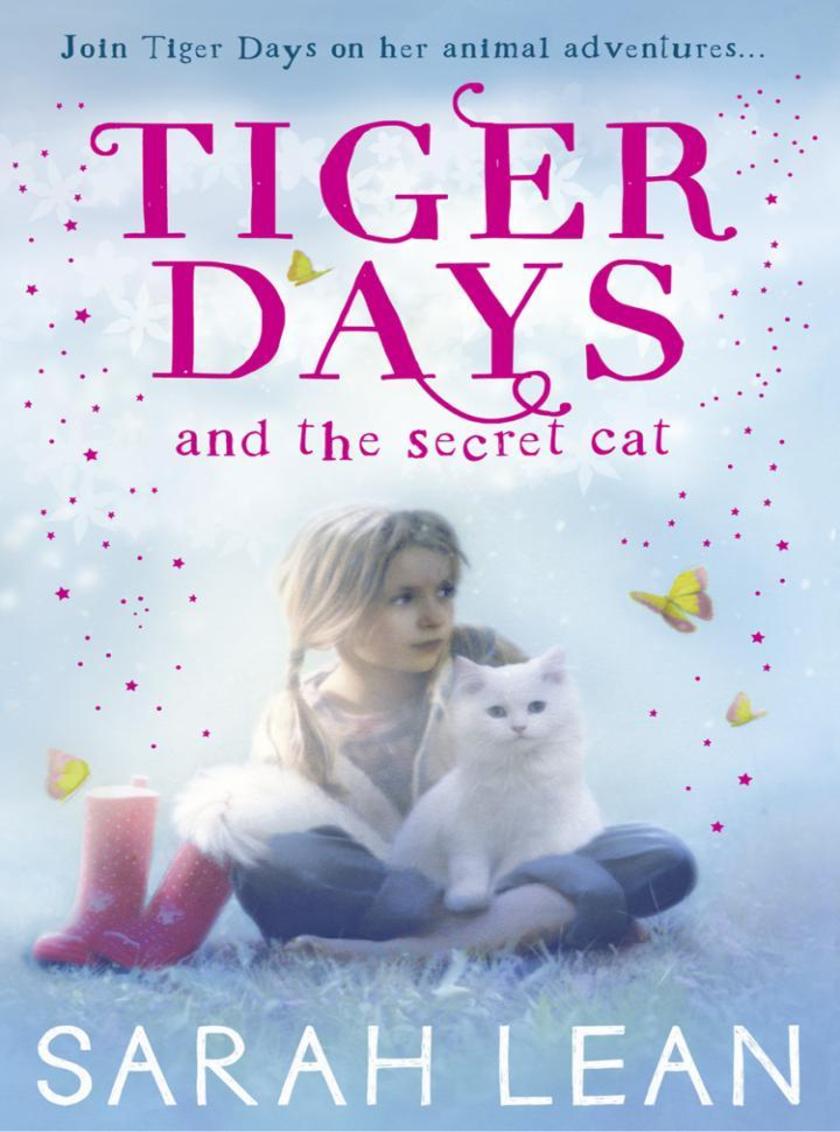
The Secret Cat (Tiger Days, Book 1)
¥44.15
Meet animal lover, Tiger Days! A brand-new young fiction series about animals, friendship and adventure by bestselling author Sarah Lean. Beautiful black-and-white illustrations throughout. When nine-year-old Tiger Days stays with her grandmother at Willowgate House she never knows what might happen… new friends to meet, animals to rescue and problems to solve! Tiger’s grandmother looks after animals in need and on her first visit, Tiger quickly learns how to feed a baby warthog and keep it safe. Tiger already has her hands full, but then a mysterious sound leads her to another little animal… At Willowgate House, no day is ever dull for Tiger!
The Boy with the Board:A Short Story (The Meet Cute)
¥7.36
‘Sweet, romantic, perfectly formed coffee break reads. I loved them.’ – Best-selling author, Carmel Harrington A gorgeously romantic short story, part of The Meet Cute series.
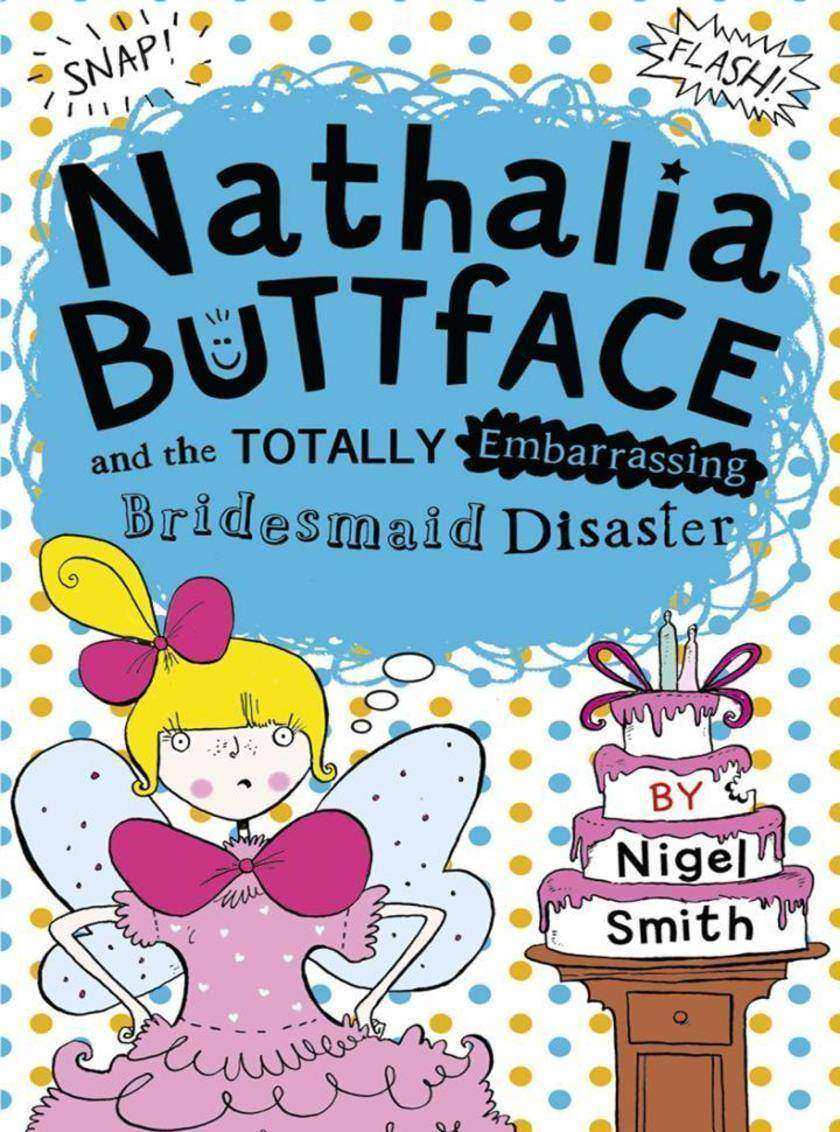
Nathalia Buttface and the Totally Embarrassing Bridesmaid Disaster
¥51.50
The laugh-out-loud funny girl-series returns - and Nat is more embarrassed than ever! From TV and radio comedy writing talent Nigel Smith. Nathalia's back and this time she has to attend 2 disastrous weddings. Think missing grooms, guest lists from hell, unappetising cakes and a HIDEOUS frilly pink bridesmaid dress! Throw the world's most embarrassing dad into the mix and surely things can't get any worse? Don't bet on it!

Sampler:Elly Pear’s Fast Days and Feast Days
¥11.77
Reset your diet for the New Year with this exclusive e-short from rising cookery star Elly Pear. Gone is pre*ive eating – here you will find eight delicious 5:2 recipes along with no-nonsense advice for both your fast days and feast days. This is the answer to all your New Year healthy eating resolutions. Since opening the hugely popular Pear Café nine years ago, Elly Pear has been on a quest for good food and new ideas. Having found real results sticking to the 5:2 way of eating, Elly shares some of her favourite, most exciting recipes for eating well and enjoying food on both fast days and feast days.

Wildfowl (Collins New Naturalist Library, Book 110)
¥206.30
New Naturalist Wildfowl provides a much-anticipated overview of the fascinating birds that have become icons of our diminishing wilderness areas. Wildfowl – swans, geese and ducks – have been the subject of poetry, fables, folklore and music, and a source of inspiration to writers, artists, historians and naturalists alike. Historically, they have featured prominently in our diet – more recently they have become the most widely domesticated group of birds. Wildfowl have been scientifically studied more intensively than any other group of birds and were one of the first groups to highlight more general issues of conservation. Their status as the most popular group of birds is underlined by the success of the original Wildfowl Trust (now the Wildfowl & Wetlands Trust). David Cabot has been obsessed with wildfowl for nearly sixty years. In this seminal new work, he discusses the 56 species of wildfowl that have been recorded either in a natural state, or that have been introduced and now maintain self-sustaining populations in Britain and Ireland. He focuses on their social behaviour, feeding ecology and population dynamics, and in particular their seasonal migration patterns. He also explores the evolution and history of wildfowl and our long relationship with them, through popular mythology and legends, which continue to fascinate us with a sense of mystery and awe.
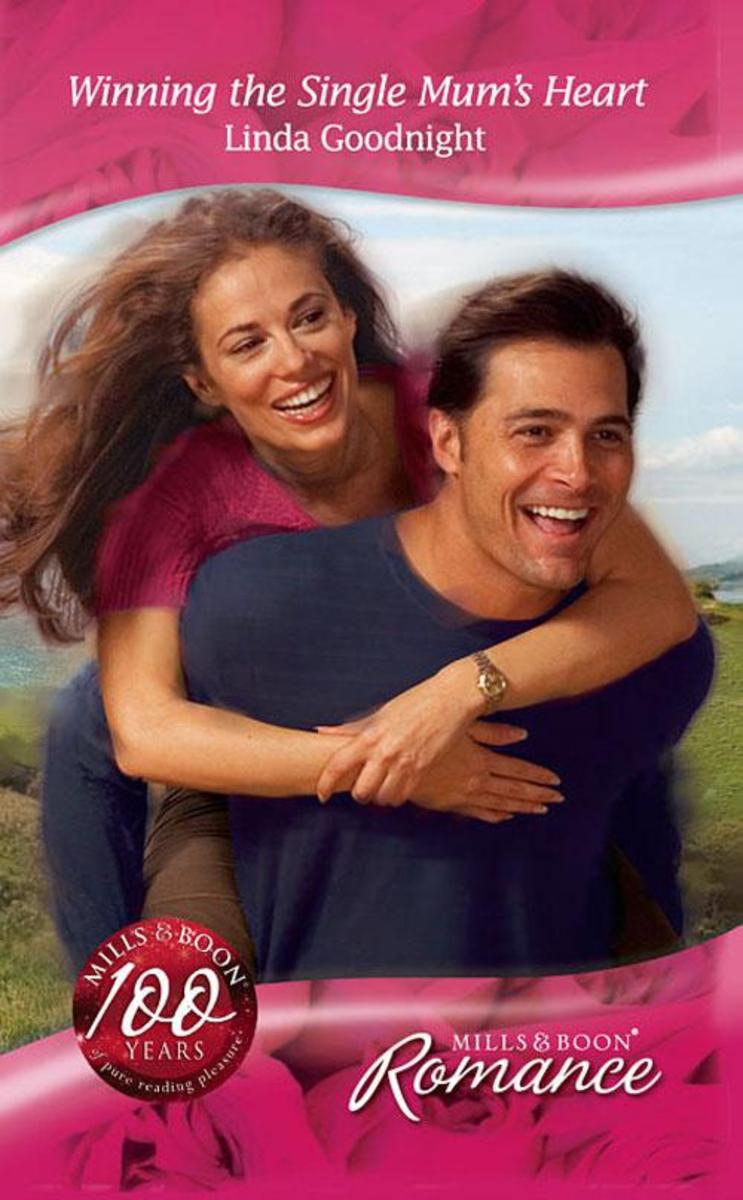
Winning the Single Mum's Heart (Mills & Boon Romance)
¥23.05
Single mom Natalie juggles creating fantastic cakes for the Wedding Belles with raising her troublesome twins. But her hard-won independence means she won't be decorating her own cake anytime soon....Cooper Sullivan is a winner. He's competitive and at the top of his career. A new job leads him back to Natalie's door. Seeing her again after so many years makes Cooper realize that the only thing he never won--and the only thing that really matters--is Natalie's heart....

Boardroom Bride and Groom (Mills & Boon Romance) (9 to 5, Book 43)
¥23.05
Out of the office and into his arms… For gorgeous lawyer Nick Gilbert, after-hours with a woman usually means a romantic dinner – not a children’s charity picnic… But he’s game! Especially as his date is his rather prim but intriguing colleague, Carolyn Duff… Watching her with the little kids, Nick sees a new side to Carolyn. He suddenly understands the glimmer of sadness behind her dazzling green gaze. As the real woman behind the business-suit fa?ade is laid bare, Nick has never seen anyone more beautiful… Nine to Five From city girl to corporate wife


