


 购物车
购物车 个人中心
个人中心
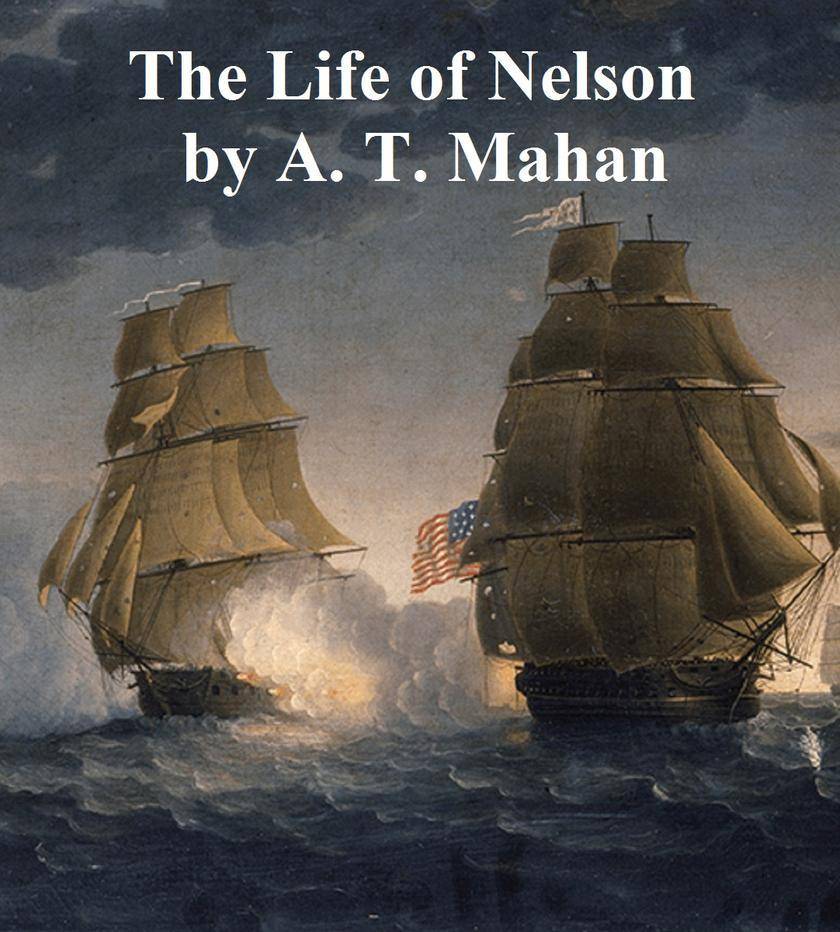
The Life of Nelson
¥8.09
Classic biography. According to Wikipedia: "Alfred Thayer Mahan (September 27, 1840 - December 1, 1914) was a United States Navy officer, geostrategist, and educator. His ideas on the importance of sea power influenced navies around the world, and helped prompt naval buildups before World War I. Several ships were named USS Mahan, including the lead vessel of a class of destroyers. His research into naval History led to his most important work, The Influence of Seapower Upon History,1660-1783, published in 1890."
All of Grace
¥8.09
Inspirational book by 19th-century Baptist preacher, known as "the Prince of Preachers". According to Wikipedia: "Charles Haddon Spurgeon, commonly C.H. Spurgeon, (June 19, 1834 – January 31, 1892) was a British Reformed Baptist preacher who remains highly influential among Christians of different denominations, among whom he is still known as the "Prince of Preachers." He also founded the charity organization now known as Spurgeon's, that works worldwide with families and children, as well as a famous theological college which after his death was called after him: Spurgeon's College. Spurgeon was a prolific author of many types of works including sermons, an autobiography, a commentary, books on prayer, a devotional, a magazine, and more. Many sermons were transcribed as he spoke and were translated into many languages during his lifetime. Arguably, no other author, Christian or otherwise, has more material in print than C.H. Spurgeon."

Caesar's Commentaries
¥8.09
De Bello Gallico (The War in Gaul) and The Civil War. According to Wikipedia: "Gaius Julius Caesar (13 July 100 BC – 15 March 44 BC), was a Roman military and political leader. He played a critical role in the transformation of the Roman Republic into the Roman Empire. A politician of the populares tradition, he formed an unofficial triumvirate with Marcus Licinius Crassus and Gnaeus Pompeius Magnus which dominated Roman politics for several years, opposed in the Roman Senate by optimates like Marcus Porcius Cato and Marcus Calpurnius Bibulus. His conquest of Gaul extended the Roman world to the North Sea, and he also conducted the first Roman invasion of Britain in 55 BC. The collapse of the triumvirate, however, led to a stand-off with Pompey and the Senate. Leading his legions across the Rubicon, Caesar began a civil war in 49 BC from which he became the master of the Roman world. After assuming control of government, he began extensive reforms of Roman society and government. He was proclaimed "dictator in perpetuity" (dictator perpetuo), and heavily centralised the bureaucracy of the Republic. A group of senators, led by Marcus Junius Brutus, assassinated the dictator on the Ides of March (March 15) in 44 BC, hoping to restore the normal running of the Republic. However, the result was another Roman civil war, which ultimately led to the establishment of a permanent autocracy by Caesar's adopted heir, Gaius Octavianus. In 42 BC, two years after his assassination, the Senate officially sanctified Caesar as one of the Roman deities. Much of Caesar's life is known from his own Commentaries (Commentarii) on his military campaigns, and other contemporary sources such as the letters and speeches of his political rival Cicero, the historical writings of Sallust, and the poetry of Catullus."
Till He Come
¥8.09
First published in 1896. Spurgeon was an English Baptist preacher, known as "the Prince of Preachers". The Preface begins: " For many years, whether at home or abroad, it was Mr. Spurgeon's constant custom to observe the ordinance of the Lord's supper every Sabbath-day, unless illness prevented. This he believed to be in accordance with apostolic precedent; and it was his oft-repeated testimony that the more frequently he obeyed his Lord's command, "This do in remembrance of Me," the more precious did his Saviour become to him, while the memorial celebration itself proved increasingly helpful and instructive as the years rolled by." According to Wikipedia: "Charles Haddon Spurgeon, commonly C.H. Spurgeon, ( 1834 – 1892) was a British Reformed Baptist preacher who remains highly influential among Christians of different denominations, among whom he is still known as the "Prince of Preachers." He also founded the charity organization now known as Spurgeon's, that works worldwide with families and children, as well as a famous theological college which after his death was called after him: Spurgeon's College. Spurgeon was a prolific author of many types of works including sermons, an autobiography, a commentary, books on prayer, a devotional, a magazine, and more. Many sermons were transcribed as he spoke and were translated into many languages during his lifetime. Arguably, no other author, Christian or otherwise, has more material in print than C.H. Spurgeon."
Alexander the Great
¥8.09
According to Wikipedia: "Jacob Abbott (November 14, 1803 – October 31, 1879) was an American writer of children's books. Abbott was born at Hallowell, Maine to Jacob and Betsey Abbott. He graduated from Bowdoin College in 1820; studied at Andover Theological Seminary in 1821, 1822, and 1824; was tutor in 1824-1825, and from 1825 to 1829 was professor of mathematics and natural philosophy at Amherst College; was licensed to preach by the Hampshire Association in 1826; founded the Mount Vernon School for Young Ladies in Boston in 1829, and was principal of it in 1829-1833; was pastor of Eliot Congregational Church (which he founded), at Roxbury, Massachusetts in 1834-1835; and was, with his brothers, a founder, and in 1843-1851 a principal of Abbott's Institute, and in 1845-1848 of the Mount Vernon School for Boys, in New York City. He was a prolific author, writing juvenile fiction, brief histories, biographies, religious books for the general reader, and a few works in popular science. He died in Farmington, Maine, where he had spent part of his time after 1839, and where his brother, Samuel Phillips Abbott, founded the Abbott School."
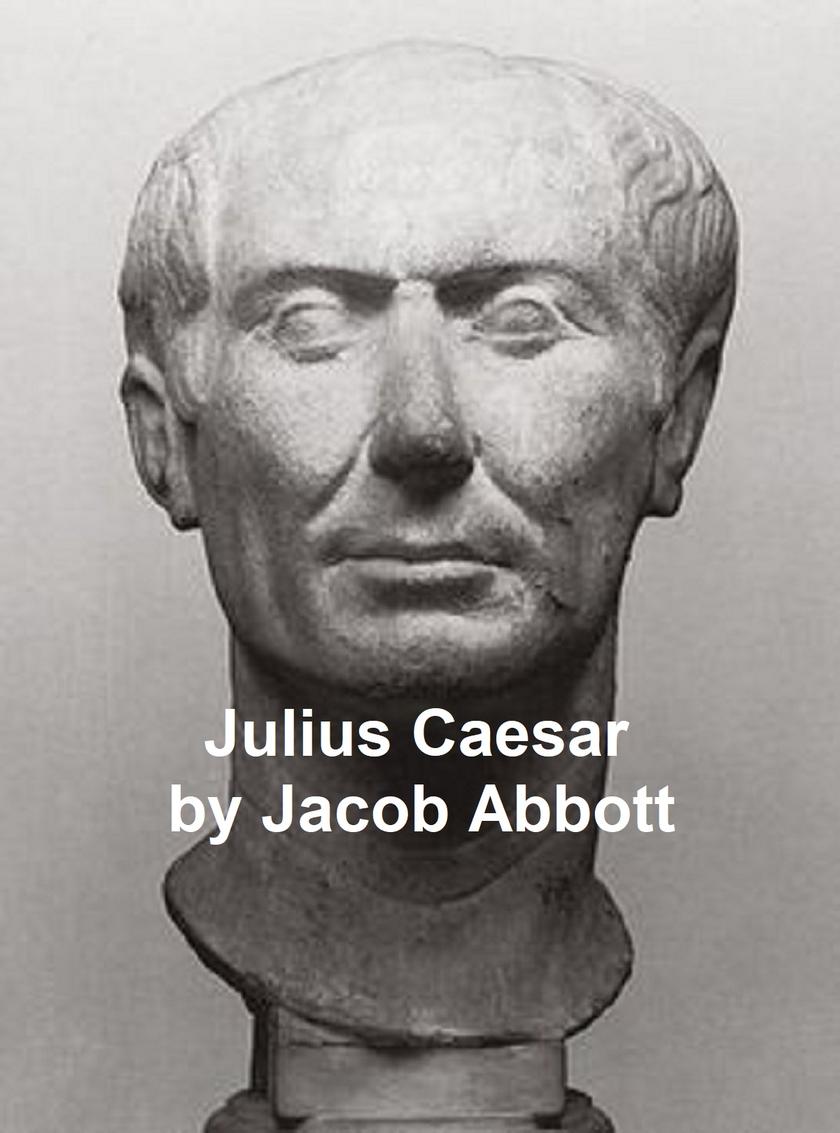
History of Julius Caesar
¥8.09
According to Wikipedia: "Jacob Abbott (November 14, 1803 – October 31, 1879) was an American writer of children's books. Abbott was born at Hallowell, Maine to Jacob and Betsey Abbott. He graduated from Bowdoin College in 1820; studied at Andover Theological Seminary in 1821, 1822, and 1824; was tutor in 1824-1825, and from 1825 to 1829 was professor of mathematics and natural philosophy at Amherst College; was licensed to preach by the Hampshire Association in 1826; founded the Mount Vernon School for Young Ladies in Boston in 1829, and was principal of it in 1829-1833; was pastor of Eliot Congregational Church (which he founded), at Roxbury, Massachusetts in 1834-1835; and was, with his brothers, a founder, and in 1843-1851 a principal of Abbott's Institute, and in 1845-1848 of the Mount Vernon School for Boys, in New York City. He was a prolific author, writing juvenile fiction, brief histories, biographies, religious books for the general reader, and a few works in popular science. He died in Farmington, Maine, where he had spent part of his time after 1839, and where his brother, Samuel Phillips Abbott, founded the Abbott School."
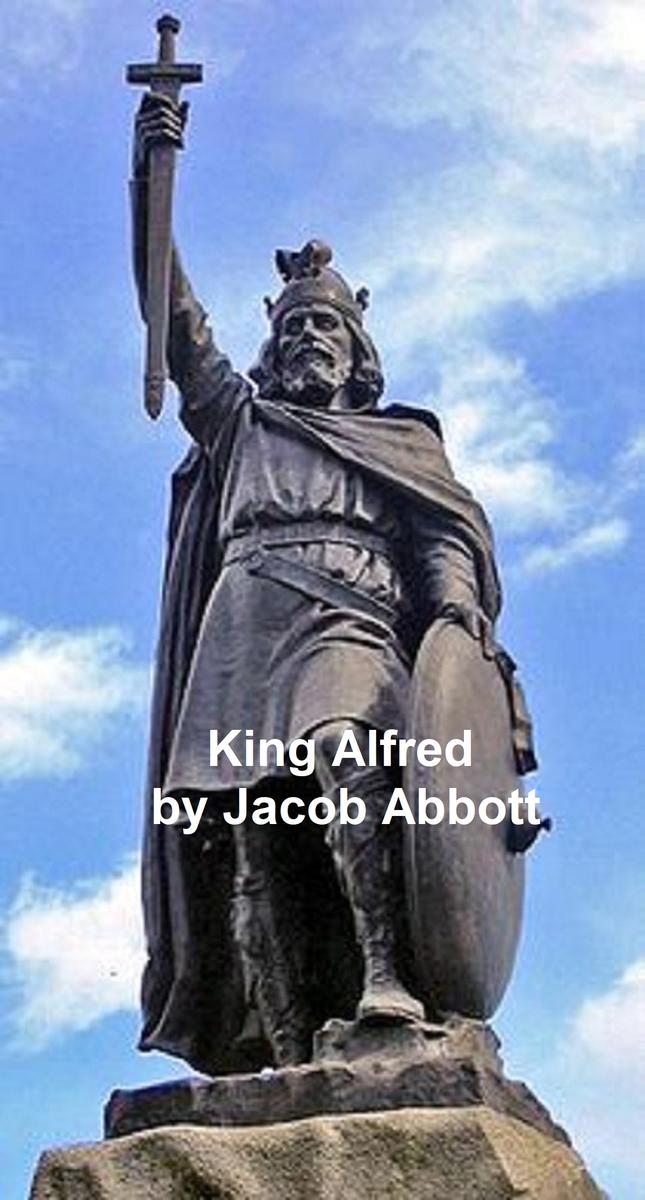
King Alfred of England
¥8.09
According to Wikipedia: "Jacob Abbott (November 14, 1803 – October 31, 1879) was an American writer of children's books. Abbott was born at Hallowell, Maine to Jacob and Betsey Abbott. He graduated from Bowdoin College in 1820; studied at Andover Theological Seminary in 1821, 1822, and 1824; was tutor in 1824-1825, and from 1825 to 1829 was professor of mathematics and natural philosophy at Amherst College; was licensed to preach by the Hampshire Association in 1826; founded the Mount Vernon School for Young Ladies in Boston in 1829, and was principal of it in 1829-1833; was pastor of Eliot Congregational Church (which he founded), at Roxbury, Massachusetts in 1834-1835; and was, with his brothers, a founder, and in 1843-1851 a principal of Abbott's Institute, and in 1845-1848 of the Mount Vernon School for Boys, in New York City. He was a prolific author, writing juvenile fiction, brief histories, biographies, religious books for the general reader, and a few works in popular science. He died in Farmington, Maine, where he had spent part of his time after 1839, and where his brother, Samuel Phillips Abbott, founded the Abbott School."
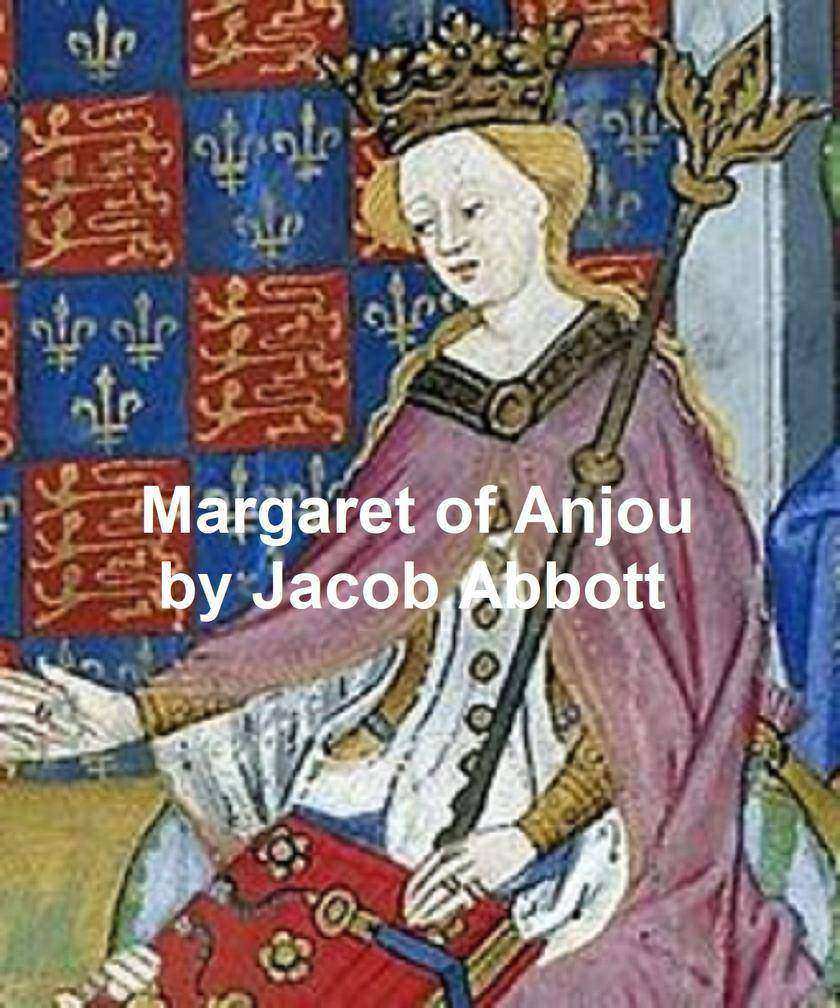
Margaret of Anjou
¥8.09
According to Wikipedia: "Jacob Abbott (November 14, 1803 – October 31, 1879) was an American writer of children's books. Abbott was born at Hallowell, Maine to Jacob and Betsey Abbott. He graduated from Bowdoin College in 1820; studied at Andover Theological Seminary in 1821, 1822, and 1824; was tutor in 1824-1825, and from 1825 to 1829 was professor of mathematics and natural philosophy at Amherst College; was licensed to preach by the Hampshire Association in 1826; founded the Mount Vernon School for Young Ladies in Boston in 1829, and was principal of it in 1829-1833; was pastor of Eliot Congregational Church (which he founded), at Roxbury, Massachusetts in 1834-1835; and was, with his brothers, a founder, and in 1843-1851 a principal of Abbott's Institute, and in 1845-1848 of the Mount Vernon School for Boys, in New York City. He was a prolific author, writing juvenile fiction, brief histories, biographies, religious books for the general reader, and a few works in popular science. He died in Farmington, Maine, where he had spent part of his time after 1839, and where his brother, Samuel Phillips Abbott, founded the Abbott School."
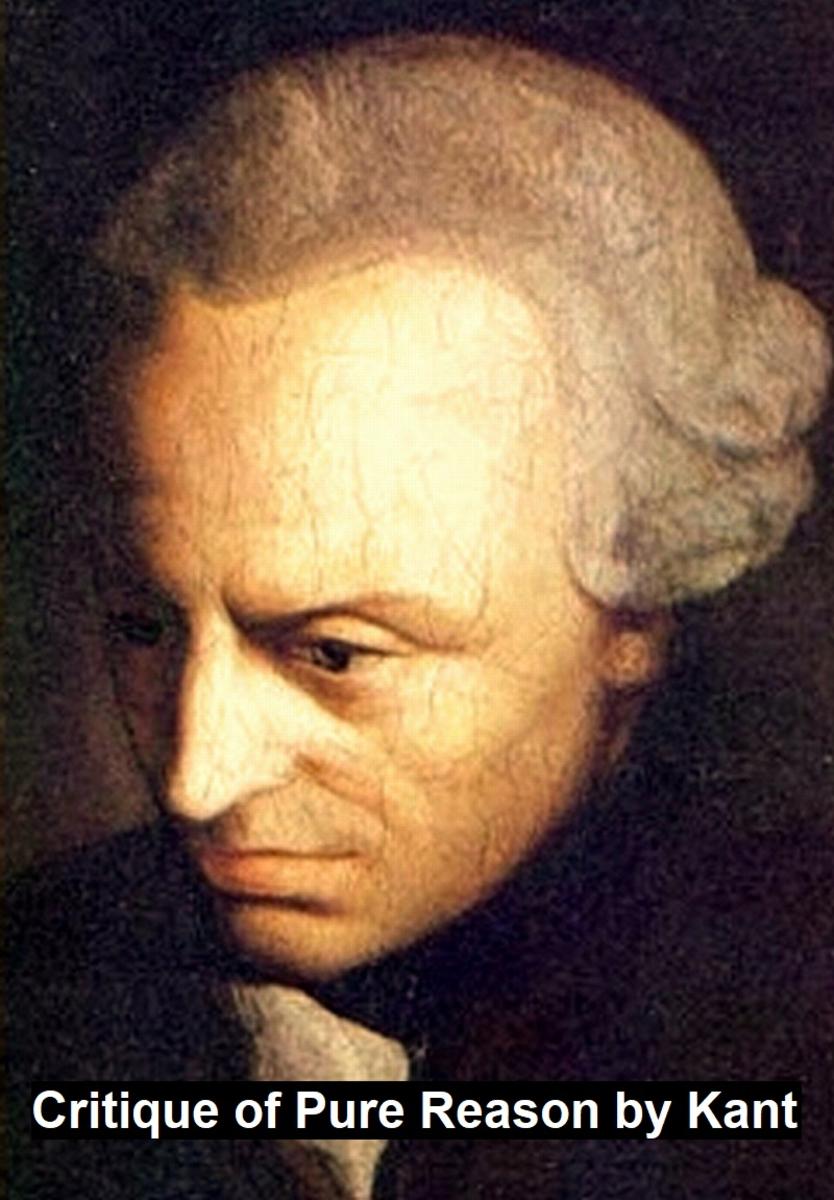
Critique of Pure Reason
¥8.09
According to Wikipedia: "Immanuel Kant (22 April 1724 – 12 February 1804) was an 18th-century German philosopher from the Prussian city of K?nigsberg (now Kaliningrad, Russia). He is regarded as one of the most influential thinkers of modern Europe and of the late Enlightenment. Kant created a new widespread perspective in philosophy which is influencing enlightened philosophy until the 21st Century. He published important works of epistemology as also scripts in coherence to religion, law and history. His most important work is the Critique of Pure Reason, an investigation into the limitations and structure of reason itself. It encompasses an attack on traditional metaphysics and epistemology, and highlights Kant's own contribution to these areas. The other main works of his maturity are the Critique of Practical Reason, which concentrates on ethics, and the Critique of Judgment, which investigates aesthetics and teleology."

The Kingdom in History and Prophecy
¥8.09
According to Wikipedia: "Lewis Sperry Chafer (February 27, 1871 – August 22, 1952) was the founder and first president of Dallas Theological Seminary, and an influential founding member of modern Christian Dispensationalism.
Satan
¥8.09
According to Wikipedia: "Lewis Sperry Chafer (February 27, 1871 – August 22, 1952) was the founder and first president of Dallas Theological Seminary, and an influential founding member of modern Christian Dispensationalism.
Manual of the Mother Church
¥8.09
According to Wikipedia: "Mary Baker Eddy (born Mary Morse Baker July 16, 1821 – December 3, 1910) was the founder of the Christian Science movement. Deeply religious, she advocated Christian Science as a spiritual practical solution to health and moral issues. She wrote Science and Health with Key to the Scriptures, founded The First Church of Christ, Scientist of Boston in 1879, and several periodicals including The Christian Science Monitor. She took the name Mary Baker Glover from her first marriage and was also known as Mary Baker Glover Eddy or Mary Baker G. Eddy from her third marriage. She did much spiritual teaching, lecturing, and instantaneous healing. Her influence continues to grow through her writings."

Montcalm and Wolfe
¥8.09
Classic work of history about the war between France and England for Canada. According to Wikipedia: "Francis Parkman (September 16, 1823 - November 8, 1893) was an American historian, best known as author of The Oregon Trail: Sketches of Prairie and Rocky-Mountain Life and his monumental seven volume France and England in North America. These works are still valued as history and especially as literature, although the biases of his work have met with criticism. "

Story of the War in South Africa 1899-1900
¥8.09
Classic work of history. According to Wikipedia: "Alfred Thayer Mahan (September 27, 1840 - December 1, 1914) was a United States Navy officer, geostrategist, and educator. His ideas on the importance of sea power influenced navies around the world, and helped prompt naval buildups before World War I. Several ships were named USS Mahan, including the lead vessel of a class of destroyers. His research into naval History led to his most important work, The Influence of Seapower Upon History,1660-1783, published in 1890."
The Age of Reason
¥8.09
Classic work of political science. According to Wikipedia: "Thomas Paine (Thetford, England, 29 January 1737 - 8 June 1809, New York City, U.S.) was an English pamphleteer, revolutionary, radical, classical liberal, inventor and intellectual. He lived and worked in Britain until the age of 37, when he migrated to the American colonies just in time to take part in the American Revolution. His main contribution was as the author of the powerful, widely read pamphlet, Common Sense (1776), advocating independence for the American Colonies from the Kingdom of Great Britain, and of The American Crisis, supporting the Revolution."
Types of Naval Officers
¥8.09
Classic work of history. According to Wikipedia: "Alfred Thayer Mahan (September 27, 1840 - December 1, 1914) was a United States Navy officer, geostrategist, and educator. His ideas on the importance of sea power influenced navies around the world, and helped prompt naval buildups before World War I. Several ships were named USS Mahan, including the lead vessel of a class of destroyers. His research into naval History led to his most important work, The Influence of Seapower Upon History,1660-1783, published in 1890."

Critique of Practical Reason
¥8.09
According to Wikipedia: "Immanuel Kant (22 April 1724 – 12 February 1804) was an 18th-century German philosopher from the Prussian city of K?nigsberg (now Kaliningrad, Russia). He is regarded as one of the most influential thinkers of modern Europe and of the late Enlightenment. Kant created a new widespread perspective in philosophy which is influencing enlightened philosophy until the 21st Century. He published important works of epistemology as also scripts in coherence to religion, law and history. His most important work is the Critique of Pure Reason, an investigation into the limitations and structure of reason itself. It encompasses an attack on traditional metaphysics and epistemology, and highlights Kant's own contribution to these areas. The other main works of his maturity are the Critique of Practical Reason, which concentrates on ethics, and the Critique of Judgment, which investigates aesthetics and teleology."
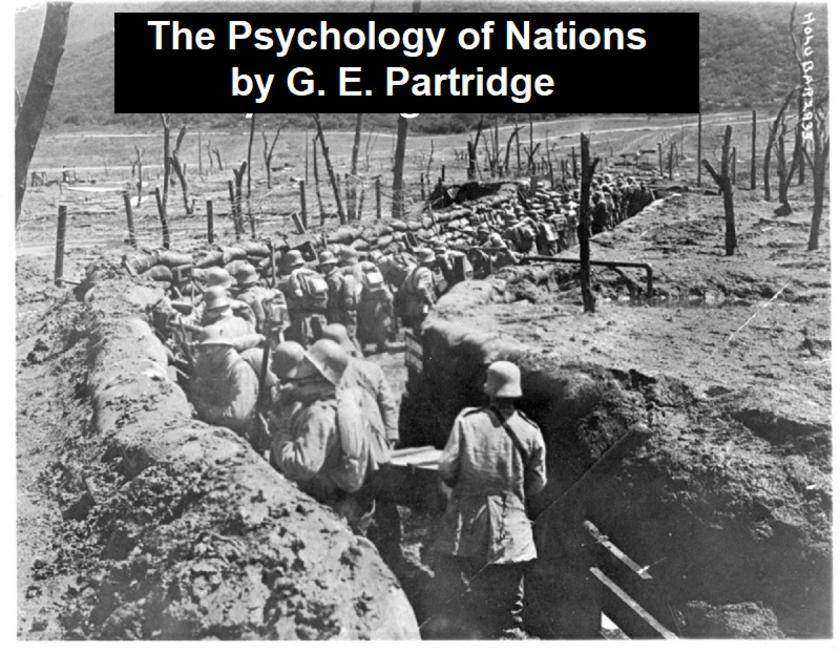
The Psychology of Nations
¥8.09
This "contribution to the philosophy of history" was first published soon after the First World War.
Institutes of the Christian Religion
¥8.09
According to Wikipedia: "John Calvin (né Jean Cauvin; 10 July 1509 – 27 May 1564) was an influential French theologian and pastor during the Protestant Reformation. He was a principal figure in the development of the system of Christian theology later called Calvinism. Originally trained as a humanist lawyer, he suddenly converted and broke from the Roman Catholic Church in the 1520s. After a violent uprising against Protestants in France, he was forced to flee to Basel, Switzerland, where in 1536 he published the first edition of his seminal work, Institutes of the Christian Religion. Calvin was invited by William Farel to help reform the church in Geneva. However, the city council resisted the implementation of Calvin and Farel's ideas and both were expelled. At the invitation of Martin Bucer, Calvin proceeded to Strasbourg where he became the minister of a church of French refugees. He continued to support the reform movement in Geneva, and was eventually invited back to lead its church. Following his return he introduced new forms of church government and liturgy, despite the opposition of several powerful families in the city who tried to curb his authority. During this period, Michael Servetus, a Spaniard known for his heretical views, arrived in Geneva. He was denounced by Calvin and executed by the city council. Following an influx of supportive refugees and new elections to the council, Calvin's opponents were forced out. He spent his final years promoting the Reformation both within Geneva and throughout Europe."

The Winning of the West: all four volumes
¥8.09
Volume 1 - from the Alleghanies to the Mississippi 1769-1776; Volume 2 - from the Alleghanies to the Mississippi 1777-1783; Volume 3 -- The Founding of the Trans-Alleghany Commonwealths 1784-1790; Volume 4 - Louisiana and the Northwest 1791-1807. According to Wikipedia: "Theodore Roosevelt (October 27, 1858 – January 6, 1919), also known as T.R., and to the public (but never to friends and intimates) as Teddy, was the 26th President of the United States. A leader of the Republican Party and of the Progressive Party, he was a Governor of New York and a professional historian, naturalist, explorer, hunter, author, and soldier. He is most famous for his personality: his energy, his vast range of interests and achievements, his model of masculinity, and his "cowboy" image. Originating from a story from one of Roosevelt's hunting expeditions, teddy bears are named after him."


