


 购物车
购物车 个人中心
个人中心
The Committed Marriage
¥88.56
In our turbulent world, it sometimes seems difficult to forge and maintain the bonds of a committed, loving relationship. In The Committed Marriage, Rebbetzin Esther Jungreis, esteemed teacher, counselor, and matchmaker, helps even the most pressured modern couples find harmony and unity, guided by the timeless wisdom of the Torah. Starting with the first stagesof finding a soul mate, and continuing through the challenge of learning to communicate with compassion and understanding, whether debating parenting issues or how to grow old in harmony, these real-life success stories reflect the practicality and endurance of traditional values. The anecdotes and true-life stories will speak to your heart and mind, while the Rebbetzin's faith and depth of understanding will inspire you and strengthen your marriage.

Fifty Things You Need To Know About British History
¥72.40
What are the 50 key events you need to understand to grasp British history? If you could choose the 50 things that define British history, events of significance not only in themselves, but in their importance to wider themes running through our past, what would they be? Hugh Williams has made that selection, and the result is a fascinating overview of Britain’s past. He refines British history into a series of key themes that represent a crucial strand in our history, and pinpoints the seminal events within those strands - Roots, from the Roman invasion to Britain’s entry into the Common Market; Fight, Fight and Fight Again, from the Battle of Agincourt to the Falklands War; The Pursuit of Liberty, from the Magna Carta through the Glorious Revolution to the foundation of the NHS; Home and Abroad, from Sir Francis Drake and Clive of India to the arrival of the SS Empire Windrush; and All Change, from Chaucer and the English language to the invention of the jet engine. With great clarity, simplicity and a zest for the marvellous stories that underpin many of these events, Hugh Williams explains the linkage between each one and its importance in the progress of British history as a whole. Along the way, he has some fascinating tales to tell, making this a highly enjoyable read as well as a perceptive insight into our shared past, and vital for anyone who wants quickly and enjoyably to grasp the essential facts about Britain’s history.
I Am a Woman Finding My Voice
¥90.77
This celebration of womanhood, with a foreword by Dr. Joan Borysenko, delights in the joy of the feminine soul. In a time when it might not be politically correct to speak of such a uniquely feminine soul, Quinn takes the position that finding one's own authentic voice is imperative if we are to value a universal livelihood of love and community.
Stress Relief for Disasters Great and Small
¥72.70
This valuable pre*ive guide, organized by timeline, addresses such questions as: How can we tell when the normal becomes abnormalWhen should we worryHow do we know what's coming nextDr. Witkin provides both strategies and support for the unique, acute anxiety and chronic emotional and physical fall-out that results from trauma, whether caused by the events of 9/11 or the loss of a loved one. She emphasizes that the process is the same for any type of disaster, and spells out what she calls the sequence of recovery after disaster knowing what to do and what feelings to expect and when. Most important, Stress Relief includes more than 80 specific pre*ions to help you help yourself and others, from day one to year one and beyond.
Toward a Meaningful Life, New Edition
¥94.10
With a new foreword and chapter that address the upheaval that followed the events of September 11, Toward a Meaningful Life is a spiritual road map for living based on the teachings of one of the foremost religious leaders of our time: Rabbi Menachem Mendel Schneerson. Head of the Lubavitcher movement for forty-four years and recognized throughout the world simply as "the Rebbe," Menachem Mendel Schneerson, who passed away in June 1994, was a sage and visionary of the highest order.Toward a Meaningful Life gives Jews and non-Jews alike fresh perspectives on every aspect of their lives -- from birth to death, youth to old age; marriage, love, intimacy, and family; the persistent issues of career, health, pain, and suffering; and education, faith, science, and government. We learn to bridge the divisions between accelerated technology and decelerated morality, between unprecedented worldwide unity and unparalleled personal disunity.At the threshold of a new world where matter and spirit converge, the Rebbe proposes spiritual principles that unite people as opposed to the materialism that divides them. In doing so, he continues to lead us toward personal and universal redemption, a meaningful life, and God.
How to Be Idle
¥78.32
From the founding editor of The Idler, the celebrated magazine about the freedom and fine art of doing nothing, comes not simply a book, but an antidote to our work-obsessed culture. In How to Be Idle, Tom Hodgkinson presents his learned yet whimsical argument for a new universal standard of living: being happy doing nothing. He covers a whole spectrum of issues affecting the modern idler sleep, work, pleasure, relationships while reflecting on the writing of such famous apologists for it as Oscar Wilde, Robert Louis Stevenson, and Nietzsche all of whom have admitted to doing their very best work in bed.
Brendan
¥77.49
An acclaimed author interweaves history and legend to re-create the life of a complex man of faith fifteen hundred years ago. Winner of the 1987 Christianity and Literature Book Award for Belles-Lettres.
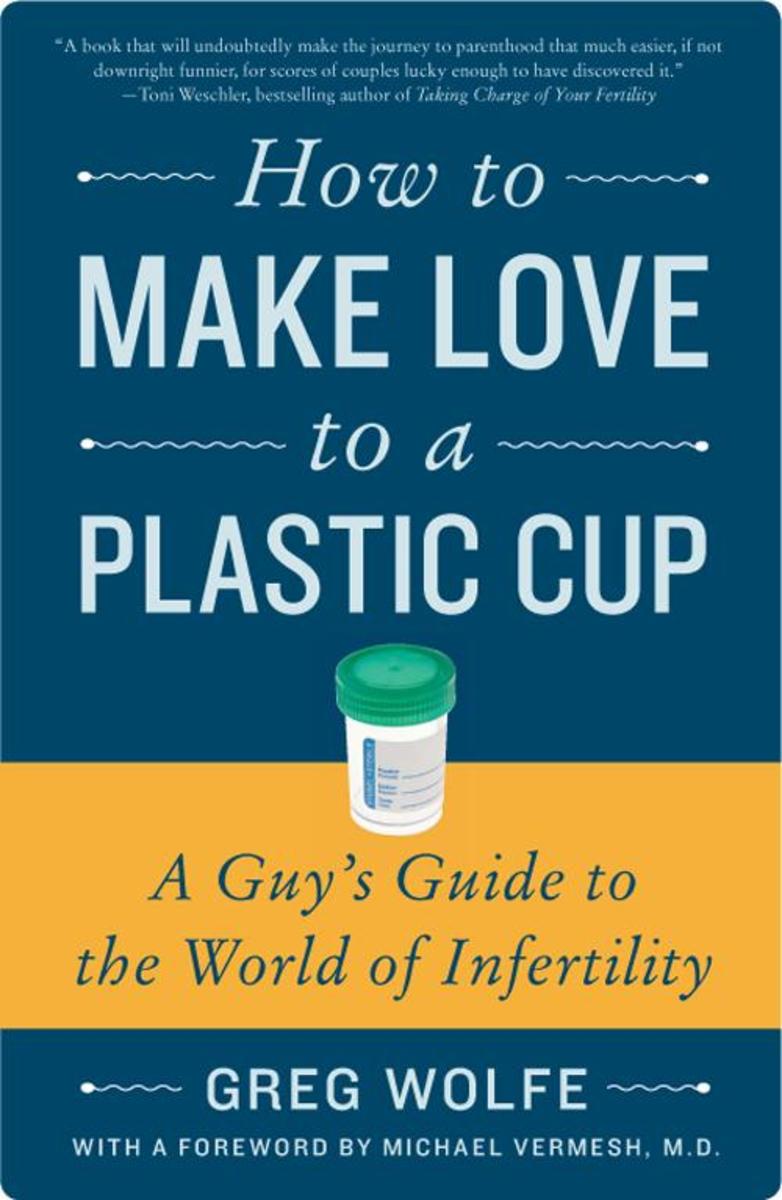
How to Make Love to a Plastic Cup
¥88.56
The man's guide to anything and everything in the infertility universe Greg Wolfe went through four cycles of IVF on his rocky journey to fatherhood and now, with profound sympathy and side-splitting humor, he lays it all out for guys on similar baby-making quests. How to Make Love to a Plastic Cup is not your typical nuts and bolts (no pun intended) medical guide but a helpful handbook designed specifically with the male partner in mind, with answers to his most pressing questions about the infertility process, including: Why are boxers better than briefsHow can hamsters help determine what's wrong with my spermMy wife's already moody enough why am I injecting her with even more hormonesIs it necessary for me to fill the whole cup at the fertility clinicFrom understanding a woman's cycle to "porn etiquette" at the clinic, How to Make Love to a Plastic Cup has everything a man needs to know to get the job done!
40 Ways to Raise a Nonracist Child
¥78.55
30 years after the civil rights movement, America is still imbued with the spirit of racism. Despite the best intentions of a generation, children today are still learning the dangerous lessons of prejudice, hate and bigotry. Ultimately, the only way to rid our society of the evil of racism is to teach our children, while they're still impressionable, that color is not an indication of a person's worth. Unfortunately, many parents are at a loss as to how to do this effectively. 40 Ways to Raise a Nonracist Child is the perfect aid for these parents. Divided into five age-related sections, ranging from preschool age to the teenage years, it provides helpful and practical ways parents can teach these important lessons, and contains specific advice addressing the unique concerns of both white parents and parents of color. With topics ranging from how to select toys for toddlers to how to talk with teenagers about what they see on the evening news, 40 Ways to Raise a Nonracist Child is a book all concerned parents will want to have on their shelves.
The Lessons of Love
¥83.03
The timeless, magical story of one woman's return to life and love when she thought she had lost it all.
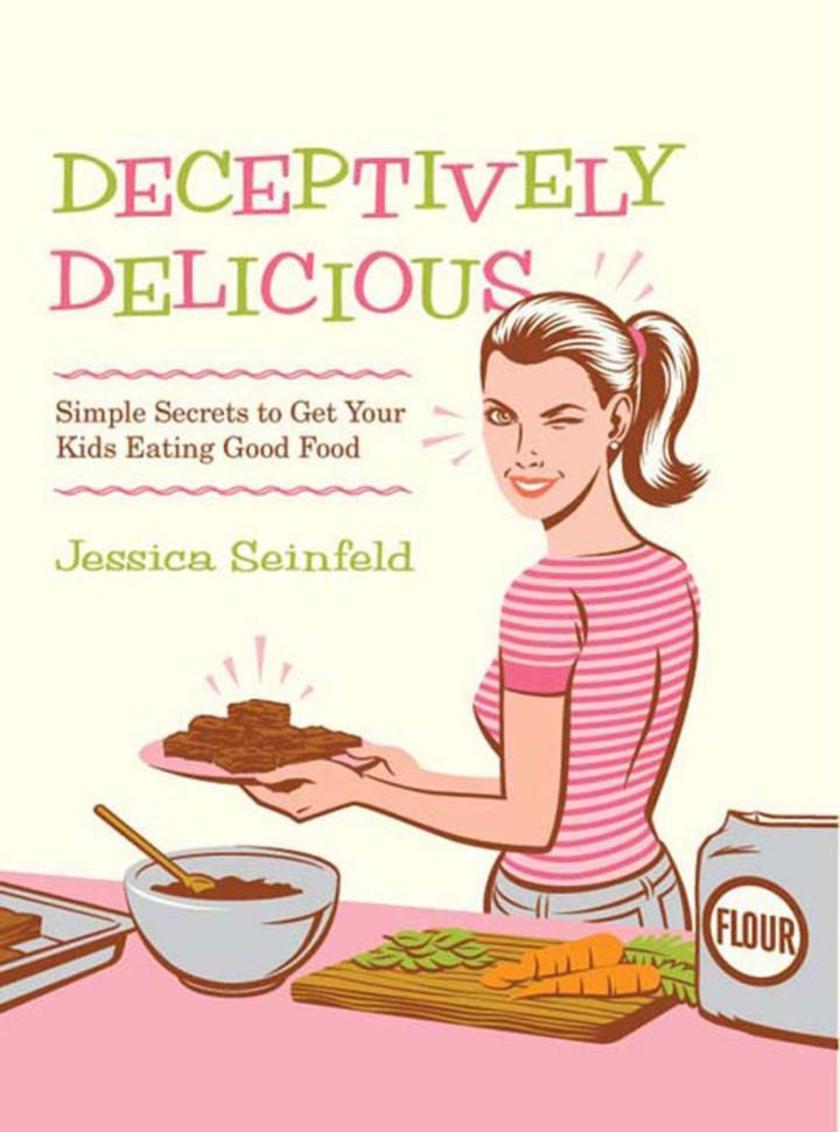
Deceptively Delicious
¥110.71
It has become common knowledge that childhood obesity rates are increasing every year. But the rates continue to rise. And between busy work schedules and the inconvenient truth that kids simply refuse to eat vegetables and other healthy foods, how can average parents ensure their kids are getting the proper nutrition and avoiding bad eating habitsAs a mother of three, Jessica Seinfeld can speak for all parents who struggle to feed their kids right and deal nightly with dinnertime fiascos. As she wages a personal war against sugars, packaged foods, and other nutritional saboteurs, she offers appetizing alternatives for parents who find themselves succumbing to the fastest and easiest (and least healthy) choices available to them. Her modus operandiHer book is filled with traditional recipes that kids love, except they're stealthily packed with veggies hidden in them so kids don't even know! With the help of a nutritionist and a professional chef, Seinfeld has developed a month's worth of meals for kids of all ages that includes, for example, pureed cauliflower in mac and cheese, and kale in spaghetti and meatballs. She also provides revealing and humorous personal anecdotes, tear out shopping guides to help parents zoom through the supermarket, and tips on how to deal with the kid that "must have" the latest sugar bomb cereal. But this book also contains much more than recipes and tips. By solving problems on a practical level for parents, Seinfeld addresses the big picture issues that surround childhood obesity and its long term (and ruinous) effects on the body. With the help of a prominent nutritionist, her book provides parents with an arsenal of information related to kids' nutrition so parents understand why it's important to throw in a little avocado puree into their quesadillas. She discusses the critical importance of portion size, and the specific elements kids simply must have (as opposed to adults) in order to flourish now and in the future: protein, calcium, vitamins, and Omega 3 and 6 fats. Jessica Seinfeld's book is practical, easy to read, and a godsend for any parent that wants their kids to be healthy for a long time to come.
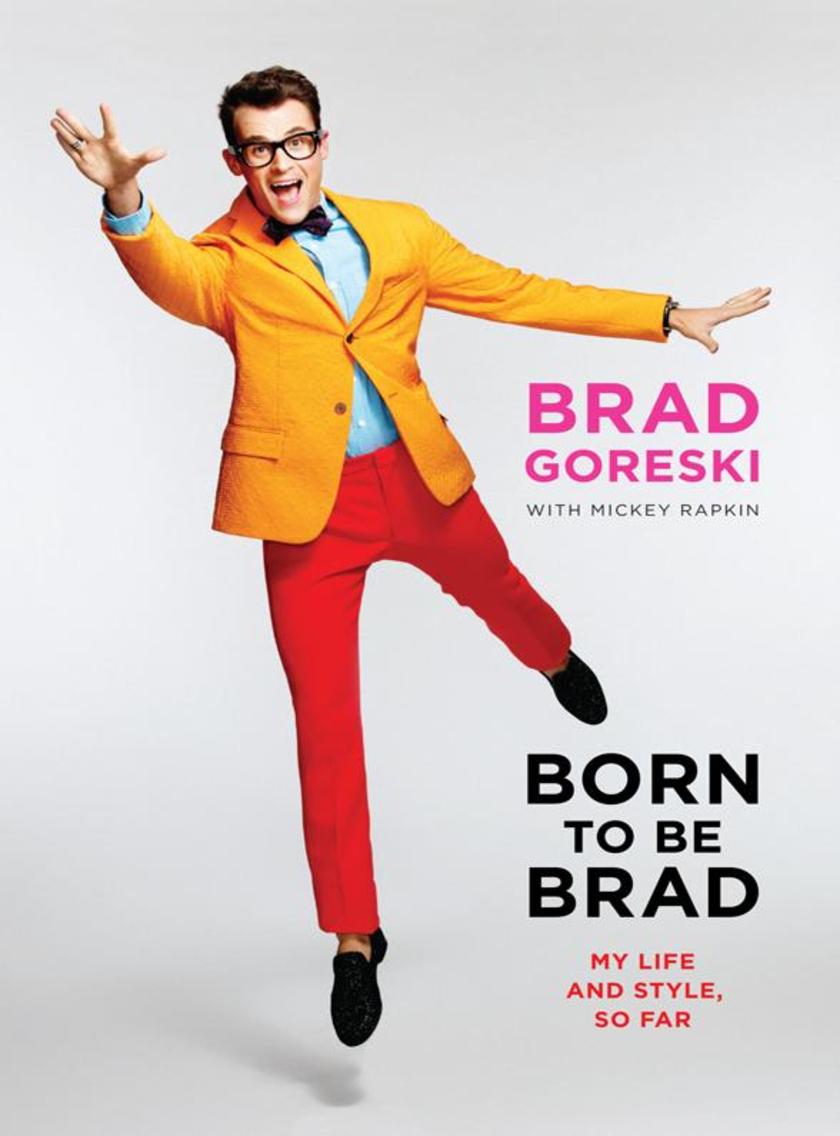
Born to Be Brad
¥99.65
Join Brad on his wild ride as he transforms from a small-town boy into a big-time Hollywood fashionistaFans know Brad Goreski as the fun-loving, bow-tie-wearing celebrity stylist. They have watched the reality star climb his way through the ranks of the fashion world, as he transformed himself from an assistant stylist into a full-fledged style icon. Along the way, they have experienced his near-fashion disasters and red-carpet victories.But what they might not know is that Brad's first clients were his Barbie dolls or that he grew up in a small town far removed from the glitz of Hollywood. His love of glamour, sparkles, and costume jewelry set him apart from the other boys at school. In spite of this, he embraced his differences and followed his passion. Landing an internship and later a job at Vogue helped the young Brad break into the competitive fashion world and eventually capture the hearts of millions as the quirky and endearing assistant on The Rachel Zoe Project.Now, for the first time ever, Brad reveals the moving story of his road to success, and offers a glimpse into his world today, filled with insider access to the countless red carpets and awards shows he has worked across the globe. Of course, Brad also shares his fashion advice, style tips, and tricks to help you look your best. Part style guide, part memoir, and full of inspiration, Born to Be Brad will delight both loyal fans and newcomers alike.
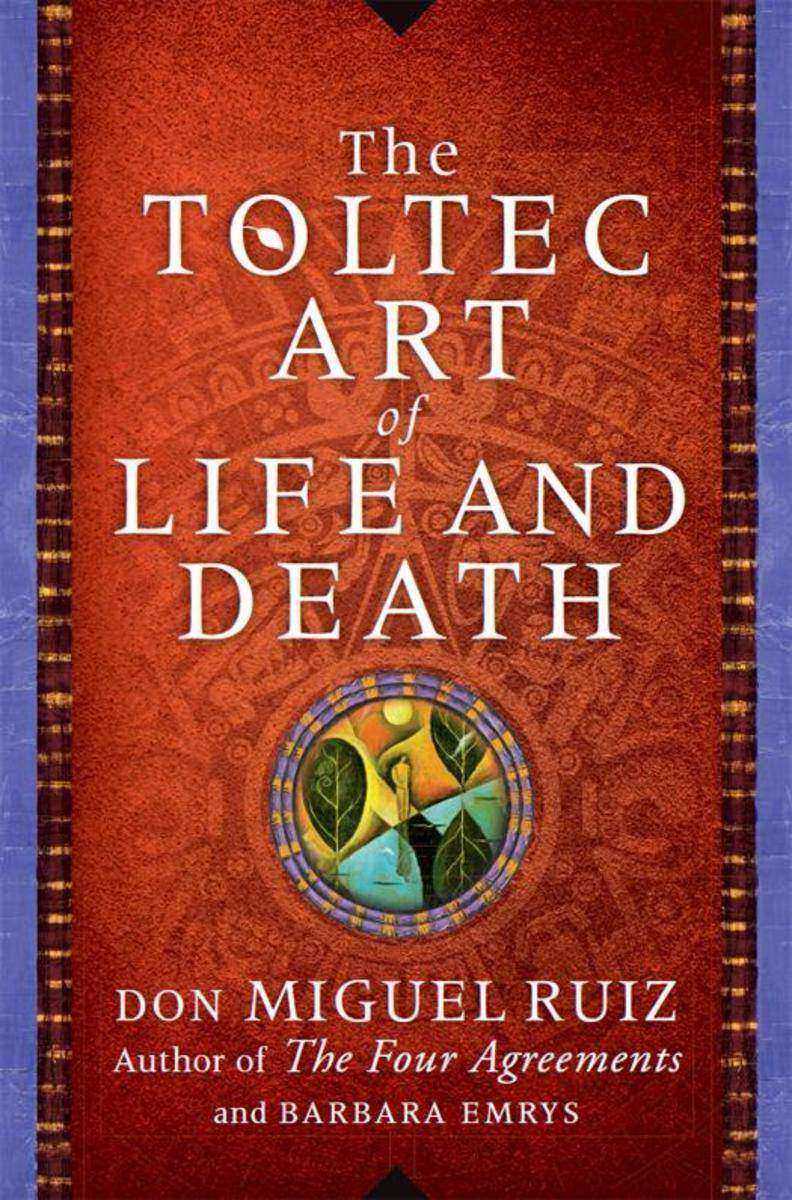
The Toltec Art of Life and Death
¥90.77
From the beloved teacher of spiritual wisdom and author of the phenomenal New York Times and international bestseller The Four Agreements comes a profound new spiritual masterwork. Don Miguel Ruiz has been lauded the world over for his deep integrity, insight, and wisdom. Now in The Toltec Art of Life and Death he takes readers on a mystical personal journey, introducing us to an even greater level of spiritual teaching and awareness.In 2002, Don Miguel Ruiz suffered a near-fatal heart attack that left him in a coma on the verge of death for nine weeks. The journey he undertook while suspended between this world and the next forms the heart of this autobiographical novel, a profound and mystical tale of spiritual struggle. As his body lies unconscious, Ruiz travels in his dreams and encounters the people, ideas, and events that have shaped him, illuminating the eternal struggle between life unending energy and truth and death matter and subjective knowledge in which we are all called to engage. The Toltec Art of Life and Death invites readers into the mind of a master seeker, offering an unparalleled and intimate glimpse into the development of a soul. In this culmination of a lifetime's learning, Ruiz shares with readers the innermost workings of his singular heart and mind, summoning us to grapple with timeless insights drawn from ancient Toltec wisdom that are the essence of transformation and freedom.
Femininity Lost and Regained
¥60.92
The author of the phenomenal bestsellers He and She discusses the importance of regaining the feminine dimension in our lives. According to Johnson, regaining the power of feminine feeling and value is critical to the development of human peace and consciousness.
The Porn Trap
¥94.10
Breaking the silence, removing the shame In this highly acclaimed recovery guide, renowned sex and relationship therapists Wendy and Larry Maltz shed new light on the compelling nature and destructive power of today's instantly available pornography. Weaving together poignant real-life stories with innovative exercises, checklists, and expert advice, this groundbreaking resource provides a comprehensive program for understanding and healing porn addiction and other serious consequences of porn use. The Porn Trap will help you to: Decide whether it's time to quit using porn Learn how to stop using porn and deal with cravings Improve self-esteem and personal integrity Heal an intimate relationship harmed by porn use Develop a healthy sex life'
Discernment
¥99.65
Henri Nouwen, the world-renowned spiritual guide and counselor, understood the spiritual life as a journey of faith and transformation that is deepened by accountability, community, and relationships. Though Henri counseled many people during his lifetime, his principles of discernment were never collected into a single volume. Now, in association with the Nouwen Legacy Trust, Michael Christensen one of Nouwen's longtime students and Rebecca Laird have taken his coursework, journals, and unpublished writings and created the definitive resource on spiritual discernment.This is the third book of a series. Spiritual Direction explores our core questions about the spiritual life as Nouwen acts as spiritual director, opening the door to personal transformation. In Spiritual Formation, Nouwen offers guidance on spiritual development as dynamic movements from fear to love. In this final book, Discernment, Nouwen teaches us how to read the "signs of the times" in daily life in order to make decisions that are ultimately guided by God. Nouwen emphasizes listening to the Word of God in our hearts, in the Bible, in the community of faith, and in the voice of the poor. Nouwen's thoughts on discernment begin to answer one of the biggest questions we face: what should I do with my life?
The Zimzum of Love
¥94.10
There is a mysterious, indescribable, complex exchange that can happen in the space between you and your partner. You find each other. Your centers of gravity expand as your lives become more and more entwined. You create space for this other person to thrive while they're doing the same for you. This creates a flow of energy in the space between you. This energy field is at the heart of marriage. It flows in the space between you, space that exists nowhere else in the universe. You can become more familiar with how this energy field works. You can develop language between you to identify what's happening in the space between you. You can sharpen your abilities to assess it. You can act in certain ways to increase the flow. You can identify what's blocking the flow, and then you can overcome those barriers. Years into your marriage, you can continue to intensify this energetic flow between you.It is risky to give yourself to another. There are no guarantees, and there are lots of ways for it to fall apart and break your heart. But the upside is infinite. from The Zimzum of LoveNew York Times bestselling author Rob Bell and his wife, Kristen Bell, explore a whole new way of understanding our most intimate and powerful relationship: marriage. The concepts behind The Zimzum of Love open ways for us to transform and deepen how we love.
Silence
¥94.10
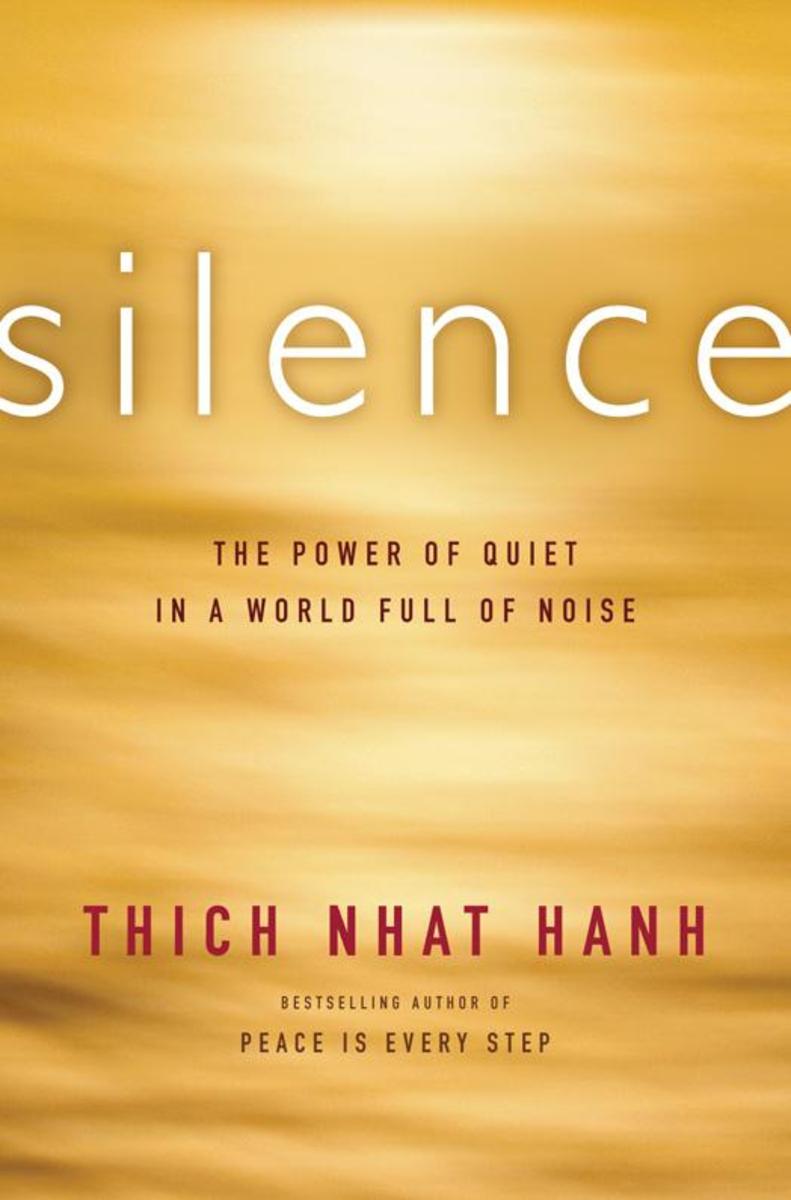
One of the world's most beloved teachers and Zen masters shares a profound, concise, and practical guide to understanding and developing our most powerful inner resource silence to help us find happiness, purpose, and peace.We spend a lot of our lives searching for happiness, running from one thing to another, worrying about the past and being anxious about the future. All the while the world around us is overflowing with the wonder and contentment we seek. This beauty calls to us every day, yet we rarely are in the position to listen. If we don't have silence in ourselves, if our minds and our bodies are full of noise, we can't hear beauty's call.In Silence, Thich Nhat Hanh guides us on a path to cultivate the calm within ourselves and experience the profound power of quiet amid our noisy everyday lives.The gift of silence doesn't require hours upon hours of solitary meditation or an existing practice of any kind. With mindfulness comes the stillness we need to come home to ourselves and discover who we are and what we truly want.Combining powerful stories, timeless wisdom, and simple mindfulness techniques, Thich Nhat Hanh shows us that silence is at the heart of the happiness we seek.
Fire Your Boss
¥77.49
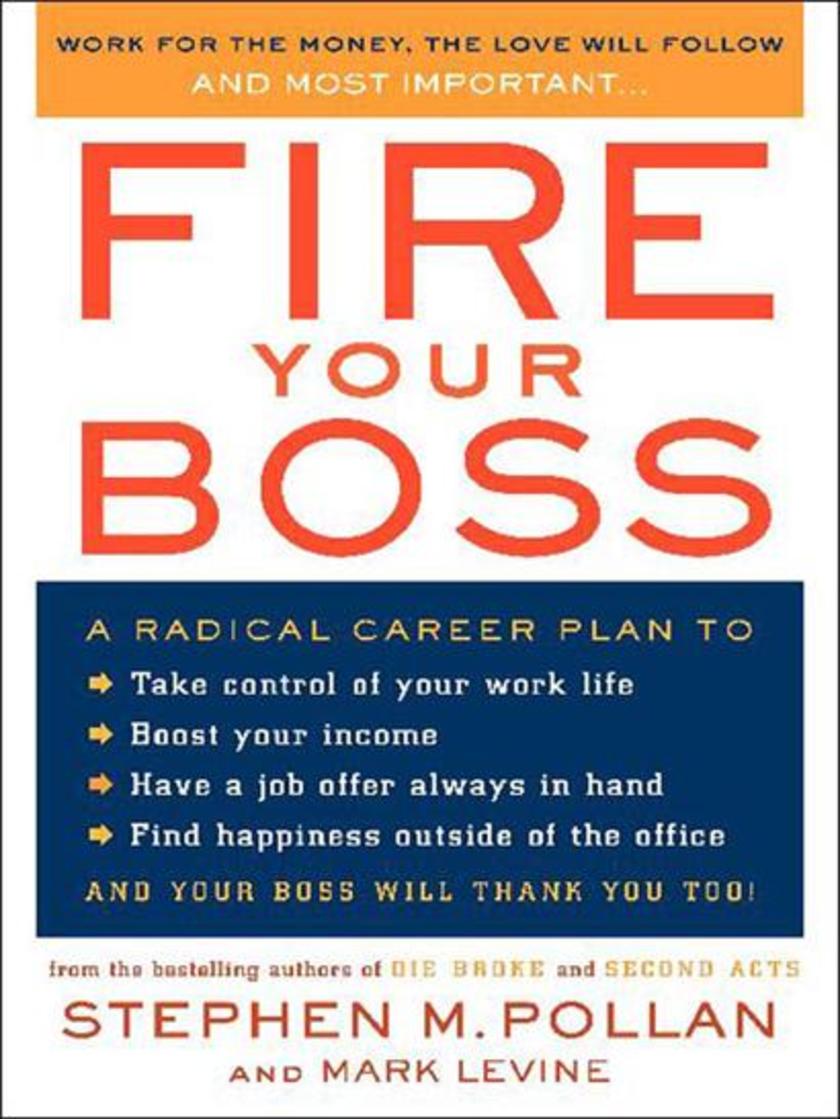
Fire Your Boss And Hire Yourself.ImpossibleNot according to nationally bestselling author Stephen M. Pollan. As he says in this new and empowering book, "You don't have to accept your current work situation. You can be in control of your job and your stream of income, so you're never again subject to the whims, prejudices, moods, or circumstances of your so-called boss."In today's difficult work environment, gone are the days of finding satisfaction through your job, gone is the time when your job was secure, and gone are the days when your employer cared about you. This new environment requires new rules, and Pollan has provided surprisingly fresh and intriguing methods for finding "success" on the job.Pollan's bold and unique message begins with the idea that you must "fire your boss." By this he means you can no longer rely on your manager or your company for economic security. Instead, you must put yourself in charge of your working life. In this thought-provoking and counterintuitive career guide, Pollan presents a seven-step program and a series of exercises that give you the confidence, power, and will to achieve the life of your dreams.Once you have changed your mind-set and learned the new rules of the game, you can start the process of moving to a richer, more enriching, and more enjoyable life. And the best part about itYour boss will love you for it.
Were You Raised by Wolves?
¥78.55
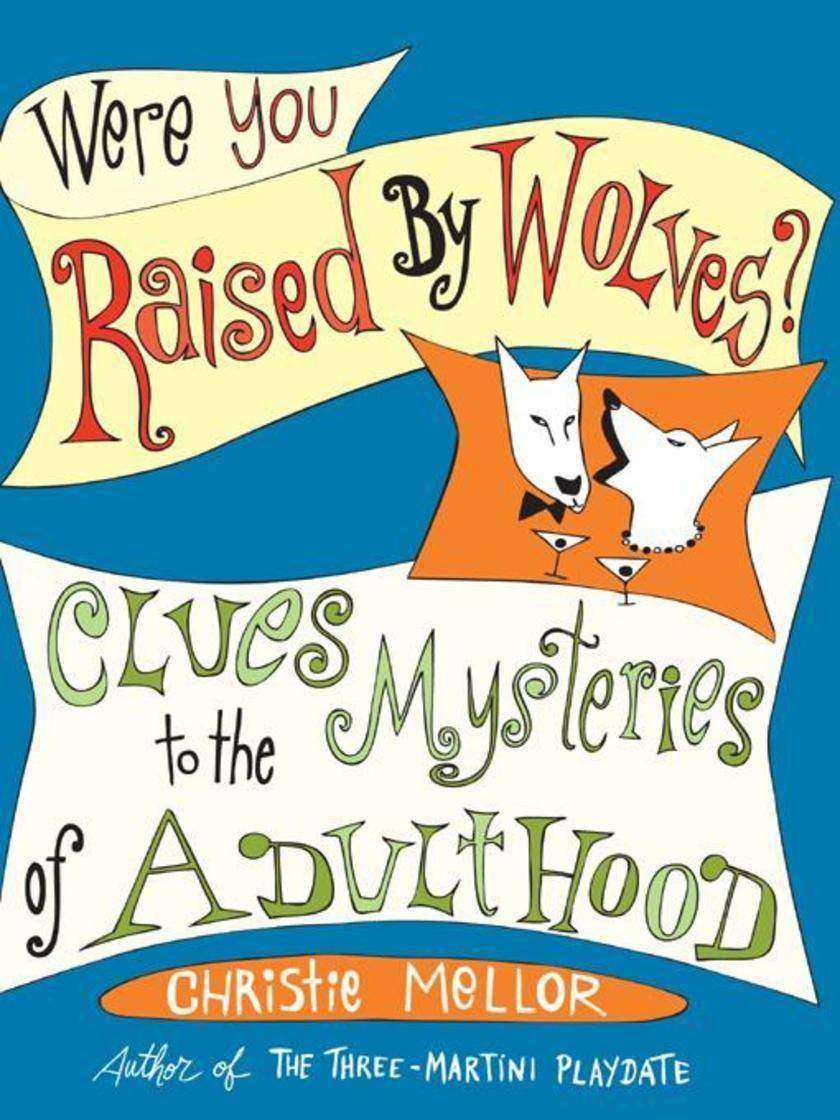
Perhaps, in your parents' eagerness to smooth life's bumpy road, they took such good care of you that you never learned how to be a self-sufficient human being. And now here you are, all grown up. What nextYou may think you don't really need to know how to make a proper cup of coffee. You've never given much thought to your listening skills, or how one goes about saving money, or stocking a bar. But knowing these things will really make you a much more well-rounded and all-around more charming and useful person, one who is more apt to be invited over for dinner. In fact, a lot of us might benefit from having a few gentle hints about housekeeping, habits, and behavior lobbed in our general direction. With advice and information ranging from How to Boil an Egg to How to Go a Whole Day Without Spending Money in chapters as diverse as the Upside of Being Single and Lonely and the Hangover: Badge of Courage or Waste of a DayWere You Raised by Wolveswill help you come away more confident about important issues such as where the hell to put those flowers somebody brought over last night. So let's all of us embrace our adulthood, shall weIf your mother still chews your food for you and your dad still fills your gas tank, it's time to put on those big boy pants and jump into the deep end of the pool where the grown-ups swim.
Speaking Christian
¥88.56
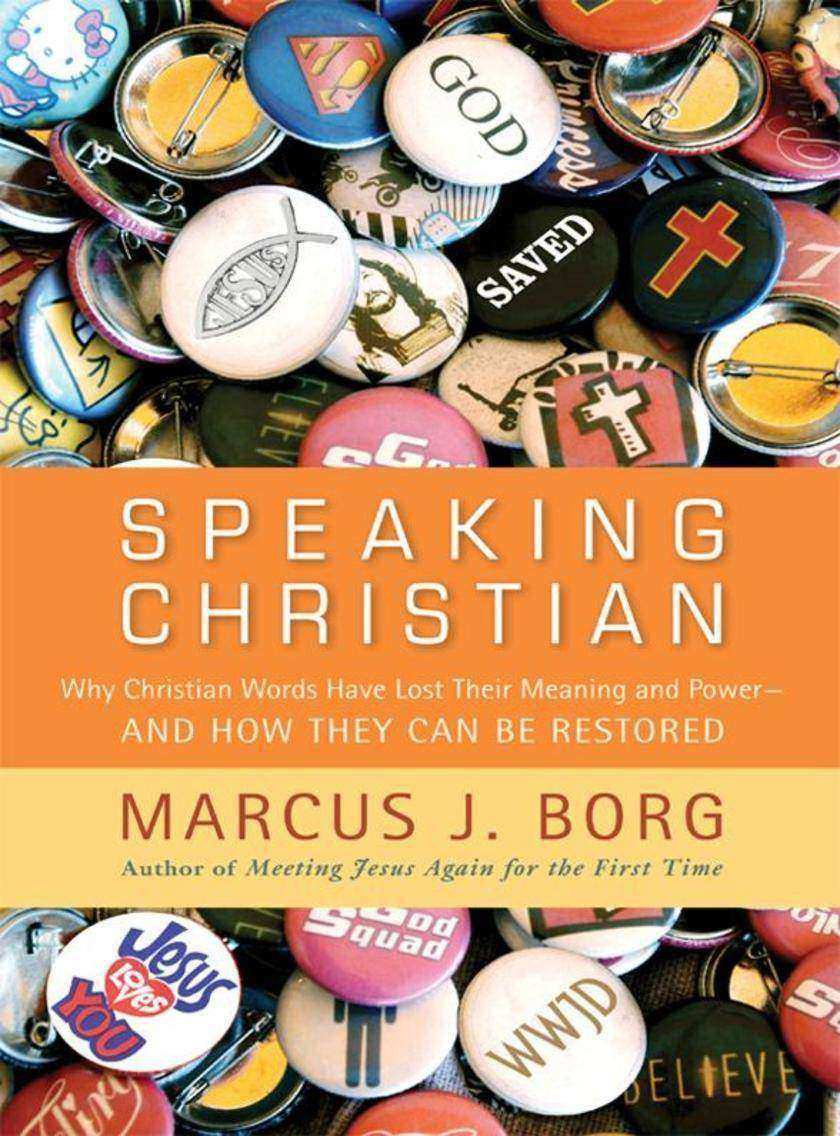
Modern Christians are steeped in a language so distorted that it has become a stumbling block to the religion, says internationally renowned Bible scholar Marcus J. Borg. Borg argues that Christianity’s important words, and the sacred texts and stories in which those words are embedded, have been narrowed by a modern framework for the faith that emphasizes sin, forgiveness, Jesus dying for our sins, and the afterlife. Here, Borg employs the “historical-metaphorical” method for understanding Christian language that can restore for us these words of power and transformation. For example, ?Redemption: now narrowly understood as Jesus saving us from sins so we can go to heaven, but in the Bible it refers to being set free from slavery. ?Savior: now refers to Jesus as the one who saves us from our sins, but in the Bible it has a rich and wonderful variety of meanings having nothing to do with the afterlife. ?Sacrifice: now refers to Jesus’s death on the cross as payment for our sins, but in the Bible it is never about substitutionary payment for sin. In Speaking Christian, Borg delivers a language for twenty-first-century Christians that grounds the faith in its deep and rich original roots and allows it once again to transform our lives.


