


 购物车
购物车 个人中心
个人中心
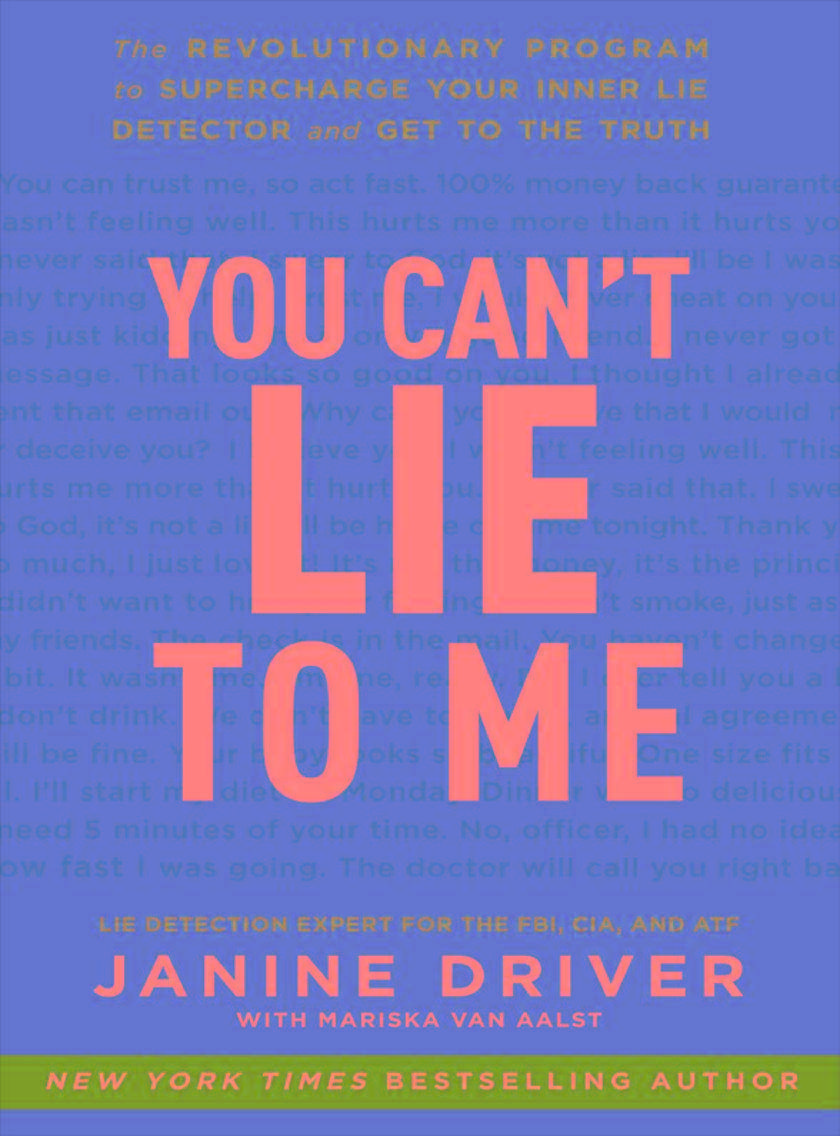
You Can't Lie to Me
¥94.10
What if you could increase your salary by 15 percent, kick problems and worries to the curb, and get a better night's rest simply by learning how to detect a lie the moment it starts (or even before)What if you had an easy-to-use test that tipped you off the instant someone held something back from youAn innate lie detector so powerful it becomes an unconscious skill, applicable with any person, in any situation, to help you act fast before what began as an innocent white lie suddenly takes hold of you, your paycheck, or your happinessNo machine built to date has proven more effective than a well-trained human lie detector, says world-renowned body language expert Janine Driver, a former federal law enforcement investigator who has trained agents at the ATF, CIA, and FBI. Today, Driver teaches people like you to supercharge your internal BS Barometer quickly and accurately so you can protect yourself from liars and manipulators. You Can't Lie to Me will change the way you look at job applicants, coworkers, dates, salespeople, money managers anyone from whom you want and deserve the truth while simultaneously strengthening and deepening your relationships with your siblings, children, friends, and lovers. Driver distills nearly two decades of behind-the-scenes knowledge, cutting-edge science, and relatable case studies into a simple, powerful five-step program.Whether it's with your teenager, spouse, mechanic, or fellow board member, and whether you are communicating face-to-face or through phone calls, e-mails, texts, Facebook posts, or handwritten notes, you will have all the tools and confidence you need to spot deception. More important, you will recognize the truth as you build the caring, authentic connections that make life worth living.In You Can't Lie to Me learn how to perfect your inner lie detector ( BS Barometer) and ban liars from your life, so you can feel more confident and create stronger, more trusting relationships. Lie detection expert Janine Driver delivers a step-by-step, foolproof program to:outsmart disloyal coworkers and beat them to theplum promotions protect your children from predators and guard agingloved ones and their nest eggs from unscrupulous con artists hire honest employees whose resumes and experienceyou can trust say yes to honest partners and avoid lying cheaters Get your boss's attention with these little tips save thousands of dollars each year using rich people's #1 trick
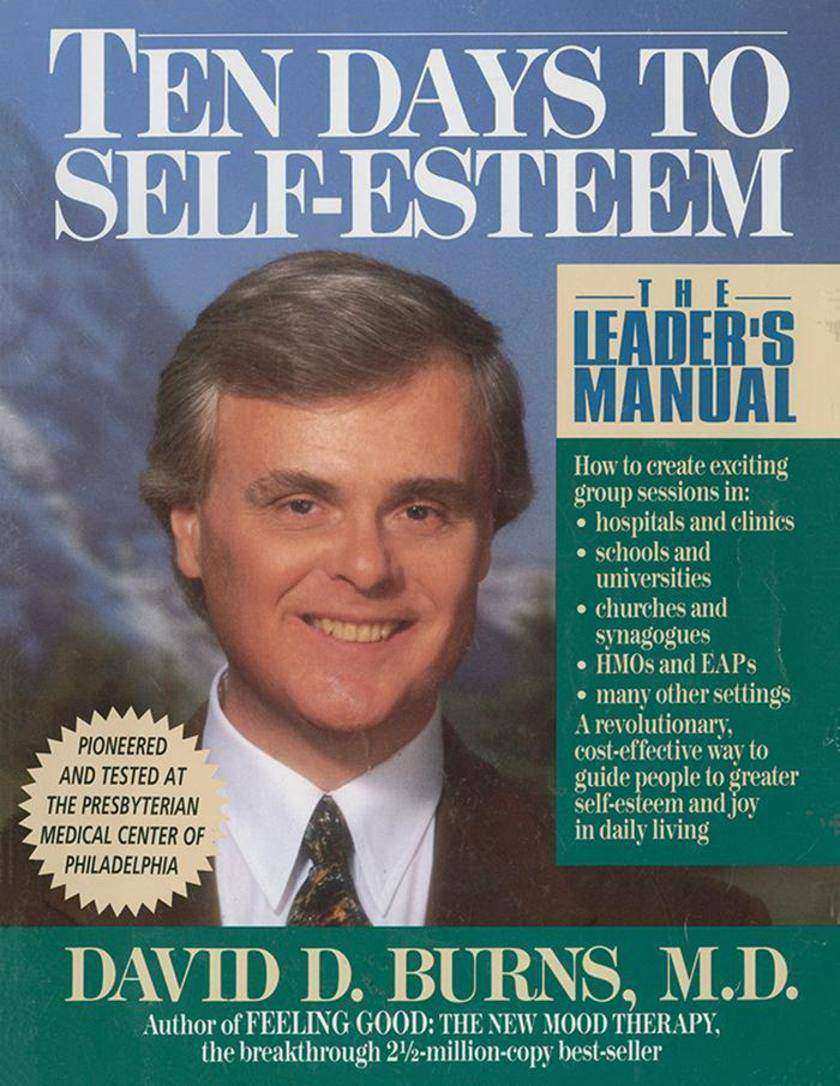
Ten Days to Self-Esteem
¥105.17
Do you wake up dreading the dayDo you feel ciscouraged with what you've accomplished in lifeDo you want greater self-esteem, productivity, and joy in daily livingIf so, you will benefit from this revolutionary way of brightening your moods without drugs or lengthy therapy. All you need is your own common sense and the easy-to-follow methods revealed in this book by one of the country's foremost authorities on mood and personal relationship problems. In Ten Days to Self-esteem, Dr. David Burns presents innovative, clear, and compassionate methods that will help you identify the causes of your mood slumps and develop a more positive outlook on life. You will learn that You feel the way you think: Negative feelings like guilt, anger, and depression do not result from the bad things that happen to you, but from the way you think about these events. This simple but revolutionary idea can change your life! You can change the way you feel: You will discover why you get depressed and learn how to brighten your outlook when you're in a slump. You can enjoy greater happiness, productivity, and intimacy—without drugs or lengthy therapy. Can a self-help book do all thisStudies show that two thirds of depressed readers of Dr. Burns's classic bestseller, Feeling Good: The New Mood Therapy, experienced dramatic felief in just four weeks without psychotherapy or antidepressant medications. Three-year follow-up studies revealed that readers did not relapse but continued to enjoy their positive outlook. Ten Days to Self-esteem offers a powerful new tool that provides hope and healing in ten easy steps. The methods are based on common sense and are not difficult to apply. Research shows that they really work! Feeling good feels wonderful. You owe it to yourself to feel good!
Sacred Circles
¥99.65
From Jewish to Christian, Mormon and Pagan, women's sacred circles are sprouting up everywhere, in astonishing variety providing a haven where essential female values can be discussed and embraced.This much-needed guide celebrates the rich diversity of women's spiritual lives and offers practical, step-by-step advice for those who want to create and sustain a spirituality group of their own.Sacred Circle shows us how we can use a group to explore our relationship to the sacred, and honor the divine in everyday life. The authors, drawing from their own group experiences as well as those of many diverse groups around the country, share the model they've developed, while offering wise advise on how and why groups work. They propose circle basics, such as listening without an agenda and rotating leadership, and also offer reflections on the power of personal storytelling and thoughts on reclaiming and reinventing ritual. Women longing for a powerful and supportive feminine community in which to thrive spiritually will find vital wisdom here.
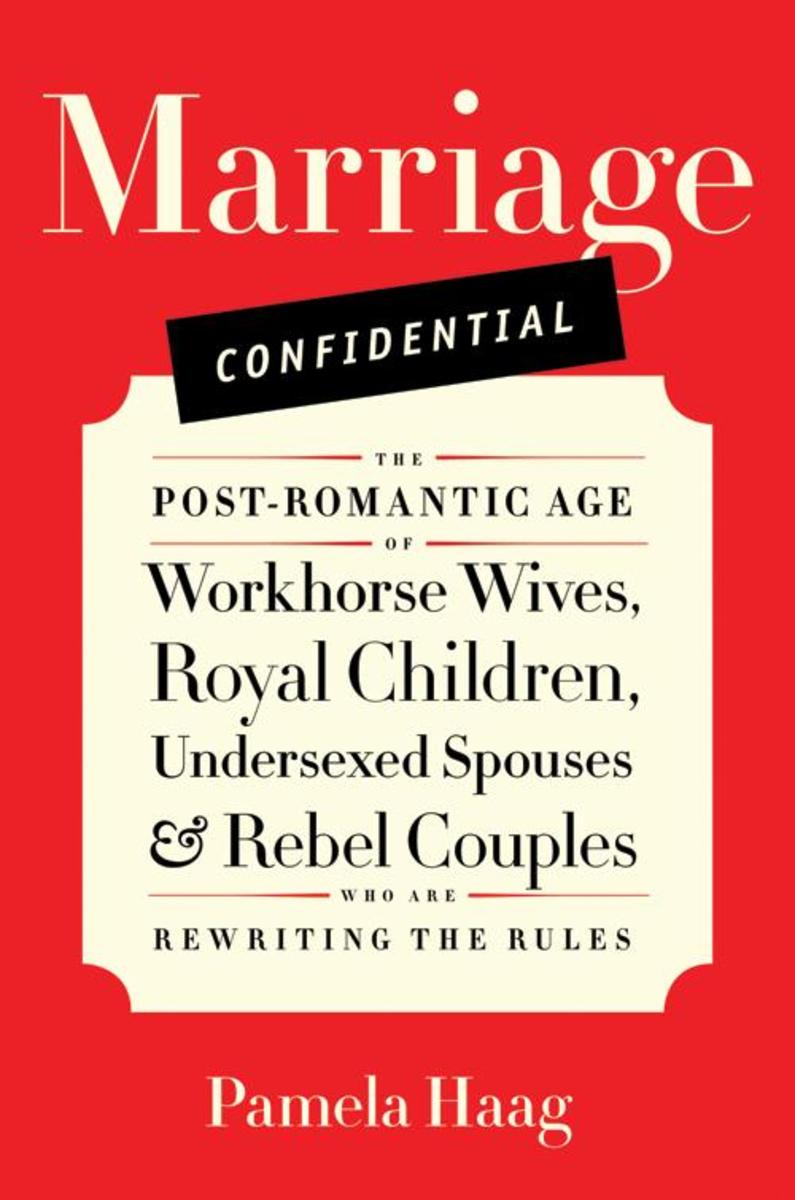
Marriage Confidential
¥90.77
Pamela Haag has written the generational "big book" on modern marriage, a mesmerizing, sometimes salacious look at the semi-happy ambivalence lurking just below the surface of many marriages today. The spouses may rarely fight they may maintain a sincere affection for each other but one or both may harbor a melancholy sense that something important is missing. Remarkably, this side of the marriage story hasn't been told or analyzed until now.Meticulously researched and injected with insightful firsthand accounts and welcome doses of humor, Marriage Confidential articulates for a generation that grew up believing they would "have it all" why they have ended up disenchanted. Haag introduces us to contemporary marriages where spouses act more like life partners than lovers; children occupy an uncontested position at the center of the marital relationship; and even the romantic staples of sexual fidelity and passion are assailed from all sides so much so that spouses can end up having affairs online almost by accident.Blending tales from the front lines of matrimony with cultural history, surveys, and research covert-ops (such as joining an online affair-finding site and posting a personal ad in the New York Review of Books), Haag paints a detailed picture of the state of marriage today. And to show what's possible as well as what's melancholy in our post-romantic age, Haag seeks out marriages with a twist rebels who are quietly brainstorming and evolving the *s around career, money, social life, child rearing, and sex.Provocative but sympathetic, forward-thinking and bold, here, at last, is a manifesto for living large in marriage.
The Reluctant Parting
¥90.77
Now in paperback, The Reluctant Parting is a poignant look at the New Testament exploring the forgotten question of intention and identity in Christianity's core writings– How did Jesus's followers stop being Jewish without meaning toWhile other books have demonstrated the "Jewishness" of Jesus, none have grappled with the implications of the New Testament authors' relationship to their own Judaism. The Christian New Testament has led a life never imagined by its Jewish sectarian authors. Through lively and accessible scholarship, Galambush reveals the anguish of the early Christians as they first struggled with, and then left behind, the larger Jewish community. She illuminates the human drama of the split between Jews and Christians, revealing a deep loss at the heart of Christian tradition that continues to cry out for reconciliation between Christianity and the Judaism it so painfully left. Not just another well–credentialed scholar, Galambush is uniquely positioned as both a convert to Judaism and a former associate pastor to identify what is at stake for Jews as well as for Christians. The book's deeply empathic portrayal of the early Christians' struggle with their Jewish identity will allow it to serve as a resource for Jews and Christians alike.
From Diapers to Dating
¥95.39
This widely recommended parenting guide offers a wealth of practical techniques to help you identify and communicate your own values about sexuality to your children, infants to age twelve. In this revised edition, acclaimed parenting educator Debra Haffner covers the latest research and addresses issues of timely concern, including Internet safety. The book includes: "Values Exercises" to help you identify and communicate your beliefs to your children "Special Issues" to advise you on discussing difficult topics "Teachable Moments" to help you recognize opportunities or entry points into a discussion of important issues. "I believe it is up to you and your partner to decide on the messages and values you want to give your child about sexuality," Haffner writes. "It is your right and your responsibility to share them with your child."
A Passion For the Possible
¥71.94
Discover your own extraordinary gifts and live every day with passionNow you can explore and expand your own unique possibilities on all four levels of your being--the physical, psychological, symbolic, and spiritual--using the practical and creative tools in this remarkable guide. In her most deeply transforming book to date, Houston leads you on a profound journey of self-discovery and shows how you can courageously commit to experiencing your real potential.
She's Had a Baby
¥72.93
She's had the Baby, you're a daddy -- now whatJames Barron draws on his own experience, the experiences of countless others, and on insights from mothers on what they think new fathers should know to offer advice on balancing the demands of being a good father and a good husband, from the infant through the toddler years. He includes tips on: recapturing the romantic days of just the two of you vacationing with toddlers distinguishing between needing to call the pediatrician and pestering the pediatrician having sex while your 1-1/2 year-old is in the house Hardly a standard child-rearing book, She's Had a Baby doesn't diagnose allergies or suggest developmentally appropriate toys. Rather, in bite-sized observations, Barron champions the joys and anxieties of daddyhood, while helping a man to cope with the ups and downs a relationship can go through during this time.
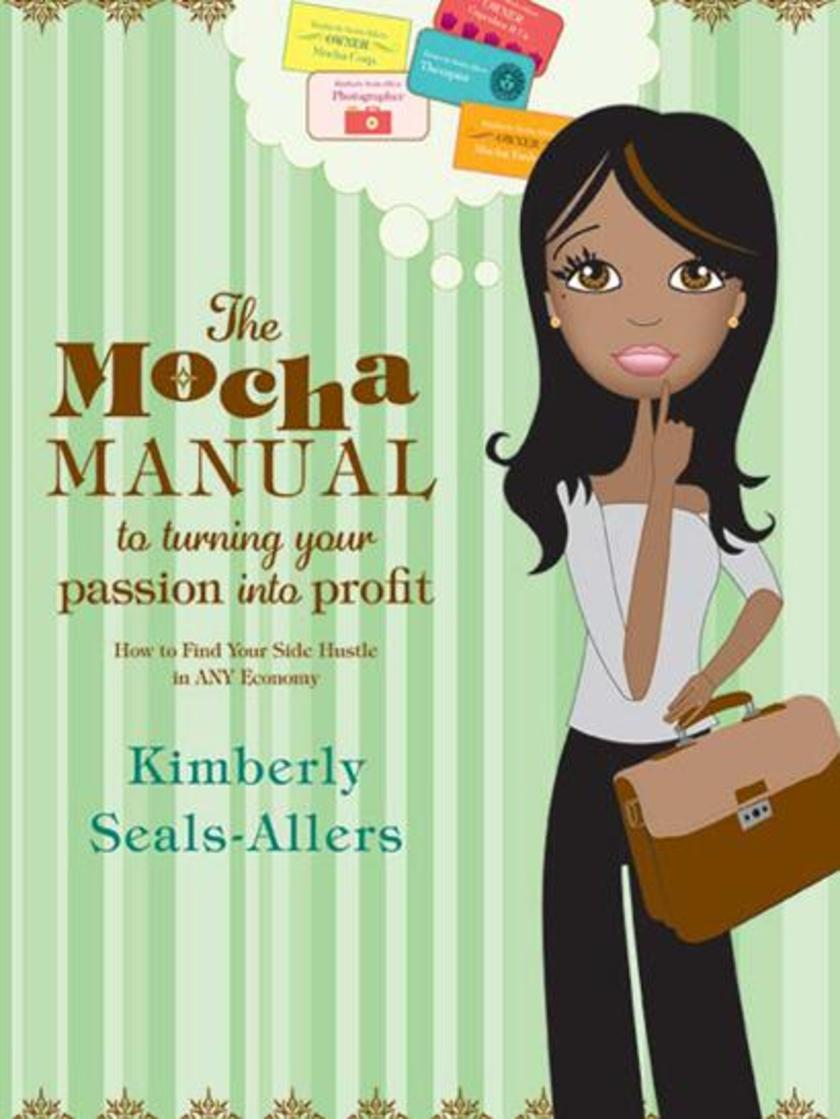
The Mocha Manual to Turning Your Passion into Profit
¥95.39
Who among us haven't dreamed of turning our passion into an income-producingenterpriseWhether it's arranging flowers, creating our own beauty products, or taking care of children, we all have our special talents. But how do you turn your hobbies into something more lucrativeAnd when would you ever find the time?In an uncertain economy, there is no better time than now to get started and The Mocha Manual to Turning Your Passion into Profit offers the step-by-step answers you need to turn your ideas into a business plan and your business plan into a bona fide business. Whether Kimberly Seals-Allers, an entrepreneur herself, is directing you toward resources that will tell you which licenses you need to get started or advising you on how to pick an accountant once your business starts to grow, you can count on her counsel to be clear, concise, and inspiring. Her wisdom on everything from marketing ideas to managing employees is combined with advice and anecdotes from everyday women who have founded companies ranging from small IT consulting businesses to massive operations such as Carol's Daughter. Whether you want to quit your job and start your own company or supplement your existing income with a "side hustle," this inspiring book is for you.
Eight Lessons for a Happier Marriage
¥71.72
Applying the methods and ideas espoused in his popular book Choice Theory, world-renowned psychiatrist and relationship expert Dr. William Glasser, along with his wife, Carleen, offers a practical guide to an enduring, satisfying, successful marriage. Eight Lessons for a Happier Marriage showcases eight real-life histories of troubled couples and presents simple, practical solutions to overcoming the pitfalls illustrated therein. Keeping love alive and strong is not as difficult as you think; let the Glassers and this indispensable book show you how!
The Law of Divine Compensation
¥94.10
Unleash the Divine Power of Abundance Author, activist, and spiritual leader Marianne Williamson is often considered one of the defining voices for a new generation of spiritual seekers.Spirituality and Health Williamson focuses on what defines meaningful work and how our jobs can be an extension of our spirituality. As she teaches . . . the sense of endless possibility to reshape our lives unfolds.Huffington Post The Law of Divine Compensation assures us that everything will be all right since the universe is set up to work for us. . . . We are challenged to believe that miracles do happen and what is lacking can become abundant.Spirituality and Practice
Willpower Is Not Enough
¥83.03
Many people think that what the addict needs is willpower, but nothing could be further from the truth: When a person has already lost control over a drug or activity, attempts to control its use almost never work. Because the source of addiction isn't the drug or activity itself but a desire for a mood changer, successful recovery means ultimately changing the way we live, giving up the addictive life-style. Willpower's Not Enough will show you how to change your life-style and to recover from your addiction.
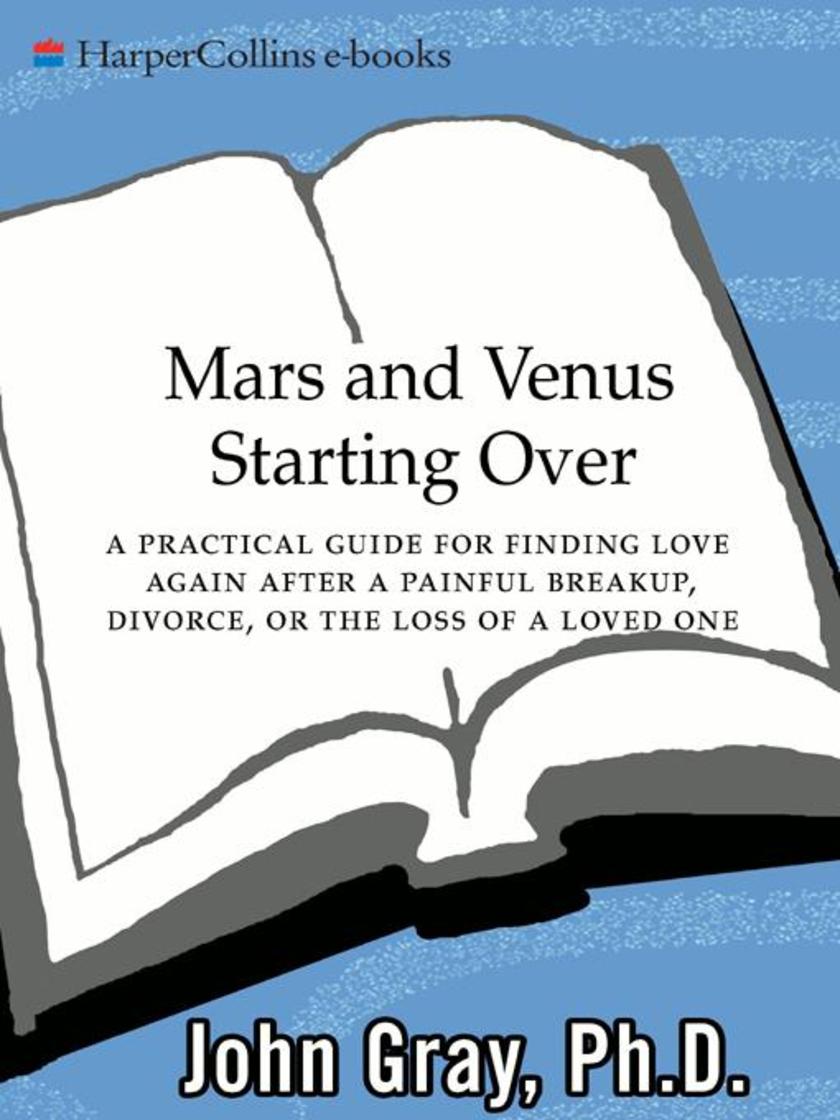
Mars and Venus Starting Over
¥90.51
Is it possible to find love again after a breakup, death, or divorce?At the end of a relationship, it can sometimes feel like the end of the world. Devastation, loneliness, and bitterness are some emotions that exist due to a breakup, divorce, or the loss of a loved one. But with the help of this compassionate guide, Dr. John Gray expresses that you will survive and tells you how to find love again.While the process of healing is similar with both sexes, there are distinct differences between the ways men and women heal their bruised hearts. In Mars and Venus Starting Over, Dr. Gray offers gender-specific advice on how to: Deal with pain Find forgiveness Discover the strength to let go Rebuild confidence Rise to the challenge of finding fulfillment again Filled with gentle guidance, healing practices, and compassionate wisdom, Mars and Venus Starting Over will help men and women explore the meaning of loss, find their way through the healing process, and discover the secret to moving on.
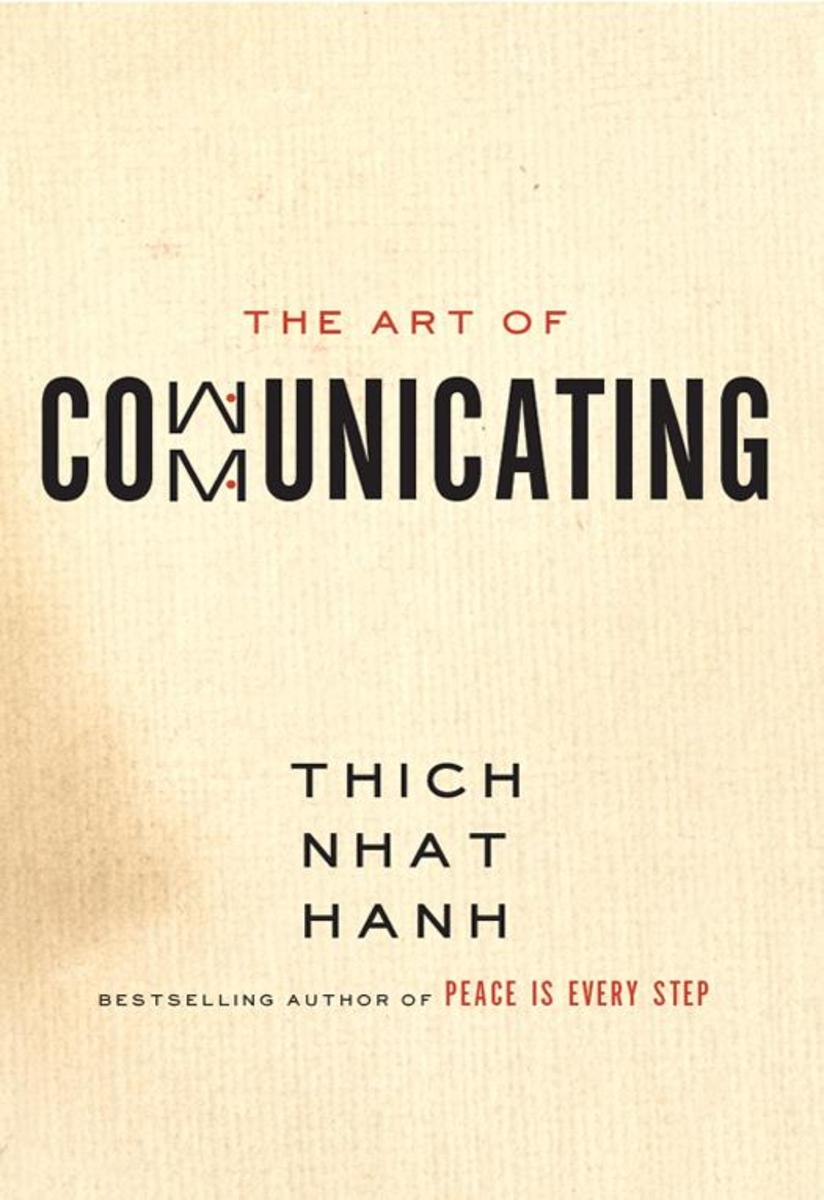
The Art of Communicating
¥88.56
Zen master Thich Nhat Hanh, bestselling author of Peace is Every Step and one of the most respected and celebrated religious leaders in the world, delivers a powerful path to happiness through mastering life's most important skill.How do we say what we mean in a way that the other person can really hear?How can we listen with compassion and understandingCommunication fuels the ties that bind, whether in relationships, business, or everyday interactions. Most of us, however, have never been taught the fundamental skills of communication or how to best represent our true selves. Effective communication is as important to our well-being and happiness as the food we put into our bodies. It can be either healthy (and nourishing) or toxic (and destructive).In this precise and practical guide, Zen master and Buddhist monk Thich Nhat Hanh reveals how to listen mindfully and express your fullest and most authentic self. With examples from his work with couples, families, and international conflicts, The Art of Communicating helps us move beyond the perils and frustrations of misrepresentation and misunderstanding to learn the listening and speaking skills that will forever change how we experience and impact the world.
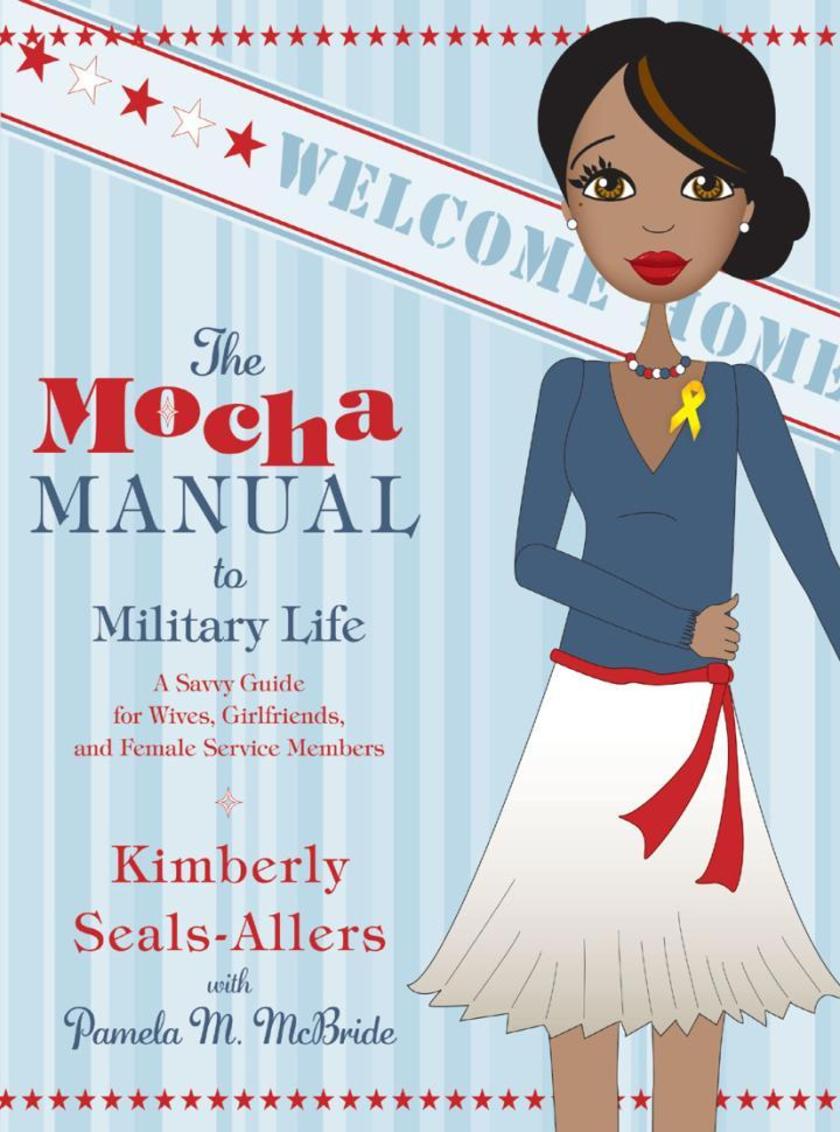
The Mocha Manual to Military Life
¥90.77
From Kimberly Seals-Allers, the creator of the Mocha Manual series, and coauthor Pamela McBride, a seasoned military wife, comes the ultimate guide to life, love, and logistics for military spouses, girlfriends, and female service members. Whether you're just beginning to date a military man and pondering the ins and outs of a long-distance relationship as he moves from base to base or you're a newly wed military wife, The Mocha Manual to Military Life has a host of tips for optimizing your romance. Beyond matters of the heart, the book also offers advice on everything from how to thrive during deployment to how to master military protocol to how to best build friendships among military wives. Accessible and witty, The Mocha Manual to Military Life is a fresh and timely must-read for all women but particularly African American and Latina women affected by military service. Written in the same informative tone as the other books in the Mocha Manual series, with sidebars and testimony from women who have experience navigating military life, this book is sure to be essential reading for all women engaged in some form or fashion with the military.
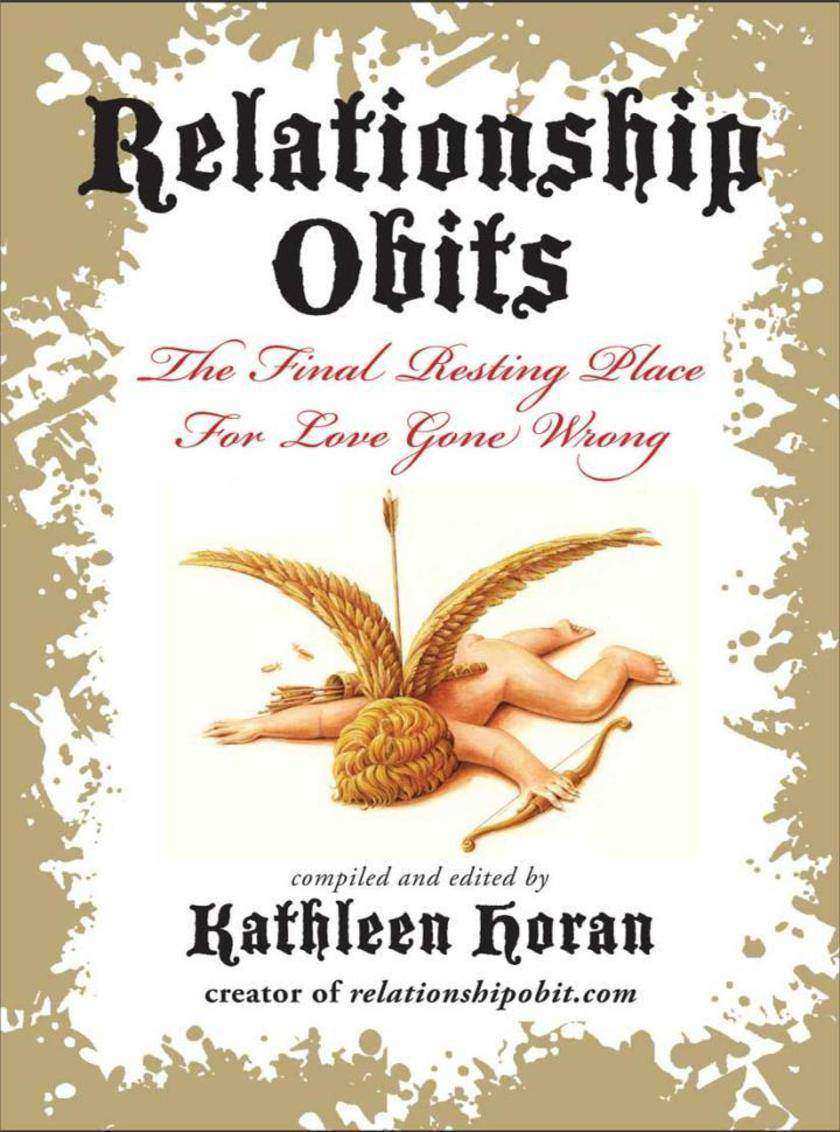
Relationship Obits
¥83.03
Because We All Have a Relationship We Need to Put to Rest From your basic lying, cheating, no-good scum to those relationships that were doomed from the start (they were married to different people), to a man who faked his death, Relationship Obits is a voyeuristic romp through the unexplored underbelly of love and life. Kathleen Horan founded relationshipobit.com when a big breakup was followed two weeks later by the death of her father. Writing her father's obituary made her wonder what it would be like to write one for the end of her relationship. The Web site was born and thousands began to put their love to rest online. This collection is at times hilarious, raw, shocking, and poignant a true celebration of love in all its manifestations.
A Year of Living Consciously
¥83.03
Embrace Each DayWe all want to live authentic, self-aware, and successful lives. How do we go about itWhere do we beginIn a daily map full of wisdom, inspirational quotes, and transformational exercises, bestselling author and psychotherapist Gay Hendricks sets us on a fantastic journey to personal and relationship success. In bite-size portions, Hendricks encourages understanding, self-awareness, and honesty-all vital elements in a conscious life. A Year of Living Consciously teaches us to relish the journey that results in greater self-esteem and emotional literacy, achievements that can only come from leading an examined life. Quotes from historical and literary figures reinforce the timeless importance of honesty and self-knowledge. By helping us see, comprehend, and ultimately embrace the secrets we often hide from ourselves. A Year of Living Consciously brings us into accord to create clearer understanding, genuine change, and self-realization.
The 21-Day Consciousness Cleanse
¥94.10
Now, in her most practical and pre*ive book to date, bestselling author Debbie Ford delivers a three-part process that empowers us to let go of toxic thoughts and destructive behaviors and discover the deep peace that resides within. The first 7 days are a life-changing release of everything from the past that depletes our vitality and holds us back. When we purge these old emotions like hardened grief, bitter resentments, deadening regrets, and outdated beliefs we begin to feel a new passion for life. During the next 7 days, standing in the present, Ford has us take an honest look at where and who we are today. We'll observe everything and notice what is and what is not working. Standing firmly inside the present moment, we realize our own strength and the ability to respond to the calling of our soul. The final week brings the most exhilarating transformation as we look into the future and discover who we want to be from this day forward.The 21-Day Consciousness Cleanse carries us on an incredible personal journey that will open our eyes to all that we are and all that we desire to be. We transform our consciousness and unlock purpose, meaning, and passion in our life.
Twins! 2e
¥106.61
Twins! is a comprehensive guide for all parents preparing for a multiple birth. It is filled with practical advice from specialists who work with expectant mothers and their twins every day.From the moment the expectant mom knows she's getting more than she expected, Twins! provides complete information on pregnancy, birth, and the postpartum experience: Your relationship with your practitioner Pre-pregnancy planning Fetal and embryonic development Healthy weight gain for expectant mothers Once the babies are born, Twins! sees the whole family through the exciting and challenging first year, examining such issues as: Sleeping and feeding schedules Your babies as individuals Redefining the family and supporting the needs of other children Survival tips for extra-busy parents Insightful roundtable discussions with other parents of twins New in this second edition: Complimentary medical practices, including acupuncture, supplements and herbs as well as current safety guidelines for the use of pre*ion and over-the-counter medications 3-D ultrasound images of developing twins What parents need to know about immunizations and their safety An up-to-date resource guide to twin-specific organizations, periodicals, and Internet links And much more! Twins! gives you all the information you need to have a safe and sound twin pregnancy so you can concentrate on the joy of raising happy, healthy children.Congratulations!
Don't Just Do Something, Sit There
¥83.03
Get away from doing and into being with this lively, down-to-earth guide to your own meditation retreat by beloved mindfulness meditation teacher Sylvia Boorstein. Presenting what Jon Kabat-Zinn has called "endearingly personal mindfulness wisdom," she offers a three-day retreat plan accompanied by timeless lessons -- always grounded in real life -- on how anyone can achieve calm, clarity and joy through meditation practices.
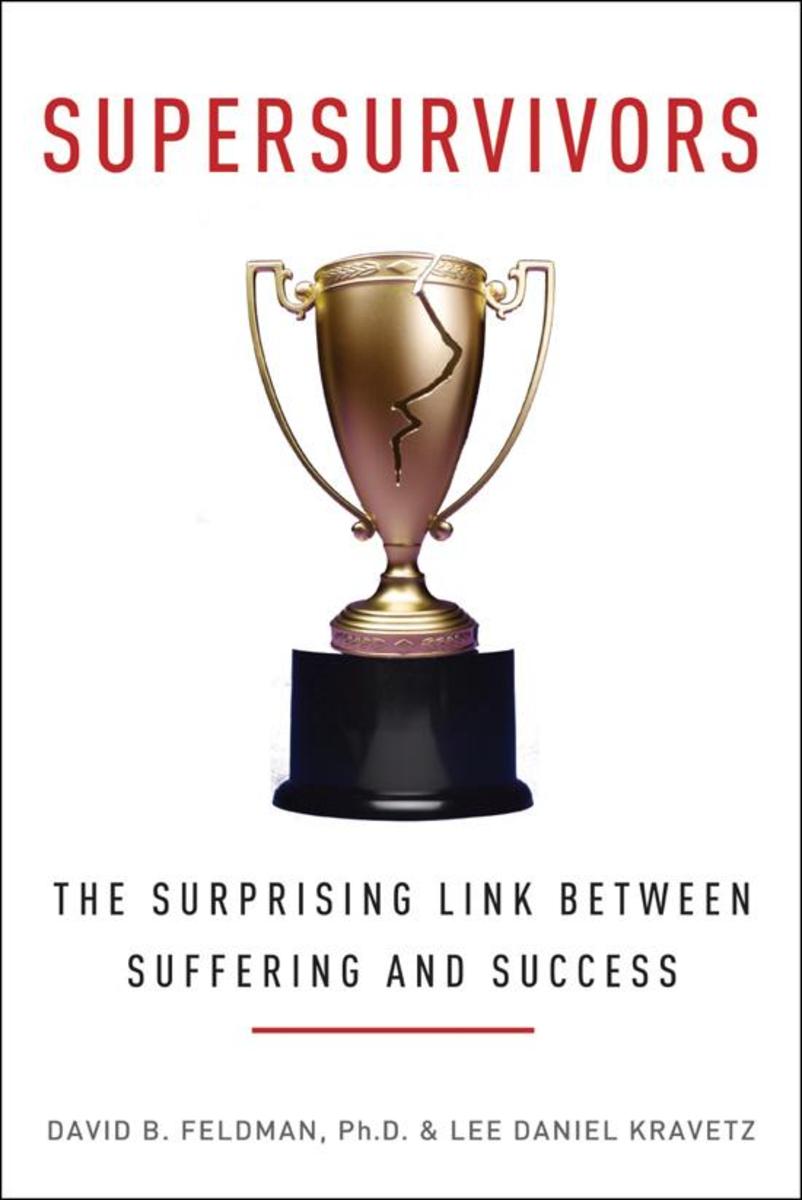
Supersurvivors
¥88.56
The key to how ordinary people accomplish extraordinary things after traumatic upheavalMany people suffer trauma in their lifetime. While some experience serious psychological consequences, like post-traumatic stress disorder and other afflictions, many are able to move on and overcome trauma's effects. Then there are those rare individuals who, in the aftermath of great tragedy and turmoil, reassess their priorities, redirect their focus, and accomplish extraordinary feats they break records, win awards, and meet the seemingly unattainable goals they set for themselves.These are the supersurvivors. A leukemia sufferer who won an Olympic gold medal, a blind man who rowed across the Atlantic, a woman who survived genocide in Rwanda and went on to become a President Obama appointee: these are among the extraordinary men and women who moved beyond mere resilience. They radically deviated on their life path, transforming the worst thing to happen to them into their best success.Renowned psychology researchers David B. Feldman and Lee Daniel Kravetz interviewed dozens of men and women to understand how these individuals pushed beyond their experiences to attain greatness. We discover why certain delusions can be healthy, why forgiveness is good for the body, and why reflecting on death can lead to a better life. And, perhaps counterintuitively, we learn how positive thinking is not always a strategy toward the good. Feldman and Kravetz weave the narratives of these supersurvivors with the latest scientific findings and clinical experience to elucidate how we can learn from their inspiring stories, offering hope that tragedy does not have to cause us to shrink from a full and adventurous life. Supersurvivors is sure to reset our thinking about how we deal with all our challenges, no matter who we are or what we have endured.


