


 购物车
购物车 个人中心
个人中心
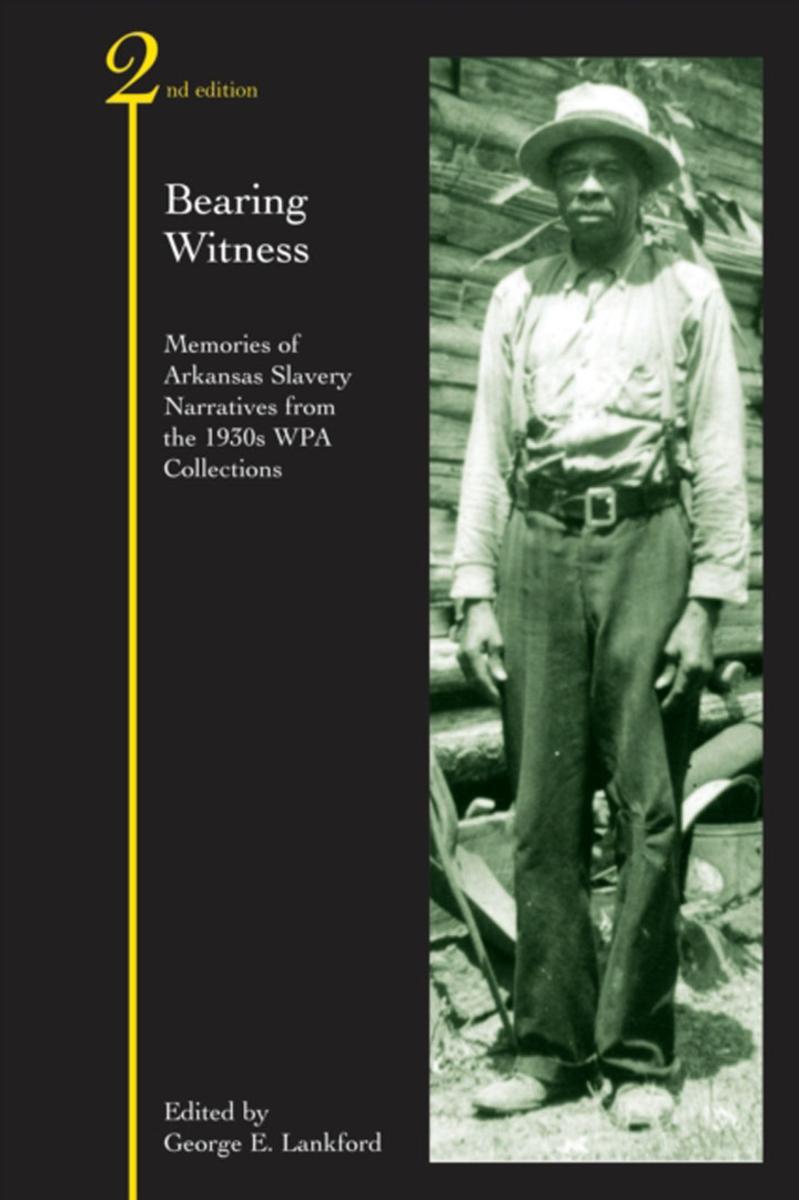
Bearing Witness
¥261.73
The first edition of Bearing Witness brought together for the first time 176 slave narratives from the state of Arkansas. Now, this new edition adds ten previously undiscovered accounts. No one knew the truths of slavery better than the slaves themselves, but no one consulted them until the 1930s. Then, recognizing that this generation of unique witnesses would soon be lost to history, the Works Progress Administration's Federal Writers' Project acted to interview as many former slaves as possible. In a continuation of the project's interest in the life histories of ordinary people, writers interviewed over two thousand former slaves, more than a third of them in Arkansas. These oral histories were first published in the 1970s in a thirty-nine-volume series organized by state, and they transformed America's understanding of slavery. They have offered crucial evidence on a variety of other topics as well: the Civil War, Reconstruction, agricultural practices, everyday life, and oral history itself. But some former Arkansas slaves were interviewed in Texas, Oklahoma, and other states, so their narratives were published in those other collections. And more than half of the testimonies in the Arkansas volume were interviews with people who had moved to Arkansas after freedom. Folklorist George Lankford combed all of the state collections for the testimonies properly belonging to Arkansas and deleted from this state's collection the testimony of later migrants
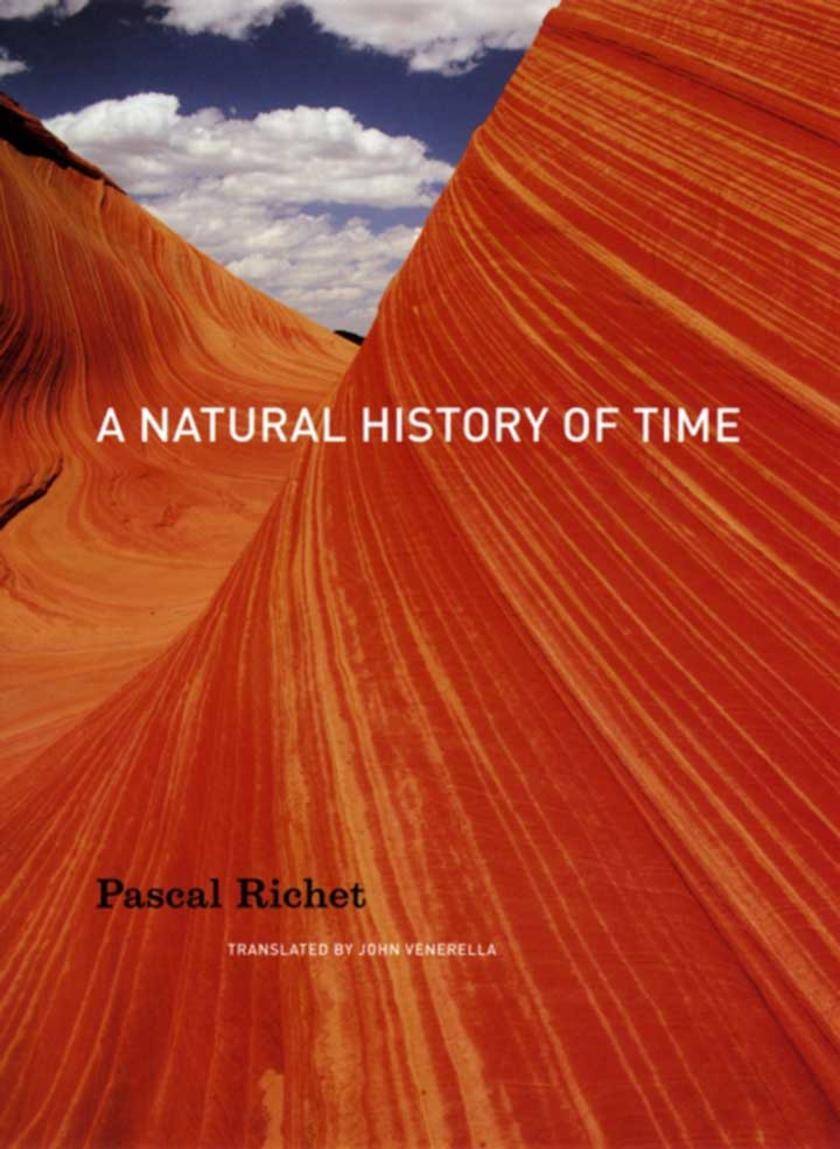
A Natural History of Time
¥147.15
The quest to pinpoint the age of the Earth is nearly as old as humanity itself. For most of history, people trusted mythology or religion to provide the answer, even though nature abounds with clues to the past of the Earth and the stars. In A Natural History of Time, geophysicist Pascal Richet tells the fascinating story of how scientists and philosophers examined those clues and from them built a chronological scale that has made it possible to reconstruct the history of nature itself.Richet begins his story with mythological traditions, which were heavily influenced by the seasons and almost uniformly viewed time cyclically. The linear history promulgated by Judaism, with its story of creation, was an exception, and it was that tradition that drove early Christian attempts to date the Earth. For instance, in 169 CE, the bishop of Antioch, for instance declared that the world had been in existence for quote;5,698 years and the odd months and days quote;Until the mid-eighteenth century, such natural timescales derived from biblical chronologies prevailed, but, Richet demonstrates, with the Scientific Revolution geological and astronomical evidence for much longer timescales began to accumulate. Fossils and the developing science of geology provided compelling evidence for periods of millions and millions of years-a scale that even scientists had difficulty grasping. By the end of the twentieth century, new tools such as radiometric dating had demonstrated that the solar system is four and a half billion years old, and the universe itself about twice that, though controversial questions remain.The quest for time is a story of ingenuity and determination, and like a geologist, Pascal Richet carefully peels back the strata of that history, giving us a chance to marvel at each layer and truly appreciate how far our knowledge-and our planet-have come.
Studying Human Behavior
¥241.33
In Studying Human Behavior, Helen E. Longino enters into the complexities of human behavioral research, a domain still dominated by the age-old debate of "e;nature versus nurture."e; Rather than supporting one side or another or attempting to replace that dichotomy with a different framework for understanding behavior, Longino focuses on how scientists study it, specifically sexual behavior and aggression, and asks what can be known about human behavior through empirical investigation.?She dissects five approaches to the study of behavior-quantitative behavioral genetics, molecular behavior genetics, developmental psychology, neurophysiology and anatomy, and social/environmental methods-highlighting the underlying assumptions of these disciplines, as well as the different questions and mechanisms each addresses. She also analyzes efforts to integrate different approaches. Longino concludes that there is no single "e;correct"e; approach but that each contributes to our overall understanding of human behavior. In addition, Longino reflects on the reception and transmission of this behavioral research in scientific, social, clinical, and political spheres. A highly significant and innovative study that bears on crucial scientific questions, Studying Human Behavior will be essential reading not only for scientists and philosophers but also for science journalists and anyone interested in the engrossing challenges of understanding human behavior.
Distinguishing Disability
¥200.12
Students in special education programs can have widely divergent experiences. For some, special education amounts to a dumping ground where schools unload their problem students, while for others, it provides access to services and accommodations that drastically improve chances of succeeding in school and beyond. Distinguishing Disability argues that this inequity in treatment is directly linked to the disparity in resources possessed by the students' parents.Since the mid-1970s, federal law has empowered parents of public school children to intervene in virtually every aspect of the decision making involved in special education. However, Colin Ong-Dean reveals that this power is generally available only to those parents with the money, educational background, and confidence needed to make effective claims about their children's disabilities and related needs. Ong-Dean documents this class divide by examining a wealth of evidence, including historic rates of learning disability diagnosis, court decisions, and advice literature for parents of disabled children. In an era of expanding special education enrollment, Distinguishing Disability is a timely analysis of the way this expansion has created new kinds of inequality.
Natural Questions
¥229.55
Lucius Annaeus Seneca (4 BCE-65 CE) was a Roman Stoic philosopher, dramatist, statesman, and adviser to the emperor Nero, all during the Silver Age of Latin literature. The Complete Works of Lucius Annaeus Seneca is a fresh and compelling series of new English-language translations of his works in eight accessible volumes. Edited by world-renowned classicists Elizabeth Asmis, Shadi Bartsch, and Martha C. Nussbaum, this engaging collection restores Seneca-whose works have been highly praised by modern authors from Desiderius Erasmus to Ralph Waldo Emerson-to his rightful place among the classical writers most widely studied in the humanities.Written near the end of Seneca's life, Natural Questions is a work in which Seneca expounds and comments on the natural sciences of his day-rivers and earthquakes, wind and snow, meteors and comets-offering us a valuable look at the ancient scientific mind at work. The modern reader will find fascinating insights into ancient philosophical and scientific approaches to the physical world and also vivid evocations of the grandeur, beauty, and terror of nature.
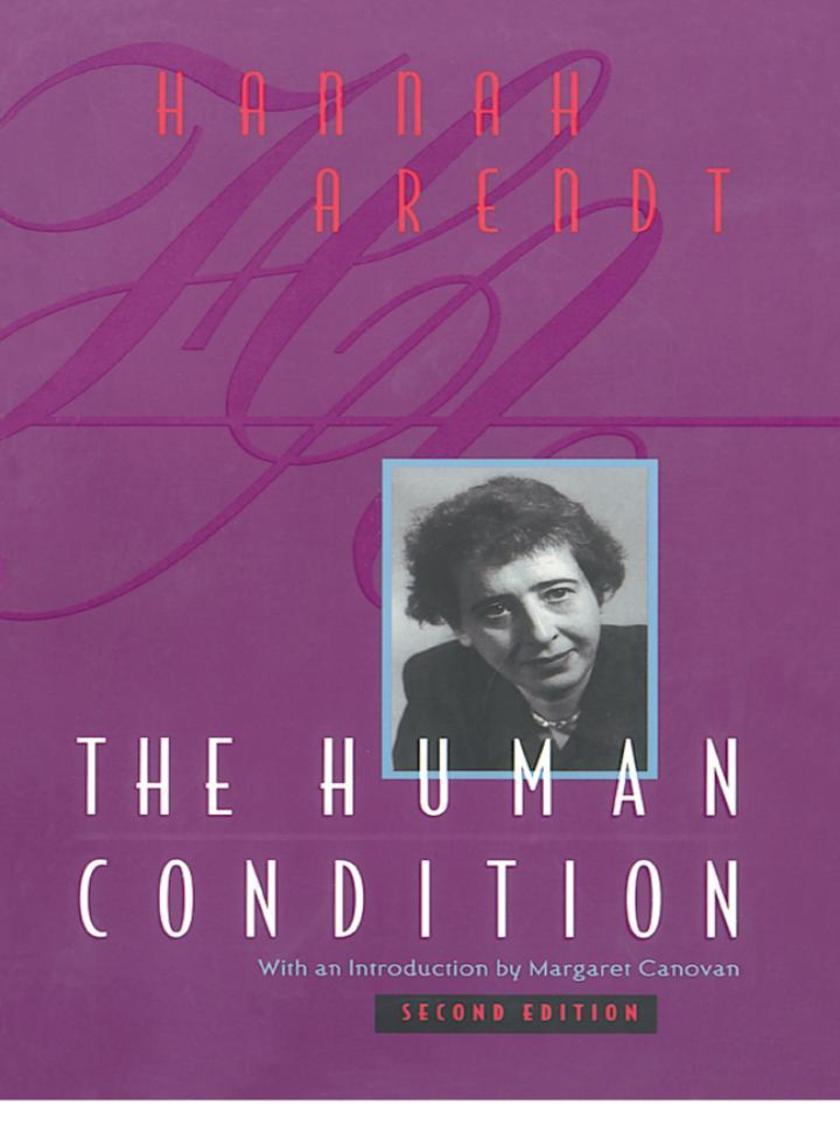
Human Condition
¥147.15
A work of striking originality bursting with unexpected insights, The Human Condition is in many respects more relevant now than when it first appeared in 1958. In her study of the state of modern humanity, Hannah Arendt considers humankind from the perspective of the actions of which it is capable. The problems Arendt identified then-diminishing human agency and political freedom, the paradox that as human powers increase through technological and humanistic inquiry, we are less equipped to control the consequences of our actions-continue to confront us today. This new edition, published to coincide with the fortieth anniversary of its original publication, contains an improved and expanded index and a new introduction by noted Arendt scholar Margaret Canovan which incisively analyzes the book's argument and examines its present relevance. A classic in political and social theory, The Human Condition is a work that has proved both timeless and perpetually timely.Hannah Arendt (1906-1975) was one of the leading social theorists in the United States. Her Lectures on Kant's Political Philosophy and Love and Saint Augustine are also published by the University of Chicago Press.
Heidegger, Strauss, and the Premises of Philosophy
¥229.55
In this groundbreaking work, Richard L. Velkley examines the complex philosophical relationship between Martin Heidegger and Leo Strauss. Velkley argues that both thinkers provide searching analyses of the philosophical tradition's origins in radical questioning. For Heidegger and Strauss, the recovery of the original premises of philosophy cannot be separated from rethinking the very possibility of genuine philosophizing.?Common views of the influence of Heidegger's thought on Strauss suggest that, after being inspired early on by Heidegger's dismantling of the philosophical tradition, Strauss took a wholly separate path, spurning modernity and pursuing instead a renewal of Socratic political philosophy. Velkley rejects this reading and maintains that Strauss's engagement with the challenges posed by Heidegger-as well as by modern philosophy in general-formed a crucial and enduring framework for his lifelong philosophical project. More than an intellectual biography or a mere charting of influence, Heidegger, Strauss, and the Premises of Philosophy is a profound consideration of these two philosophers' reflections on the roots, meaning, and fate of Western rationalism.
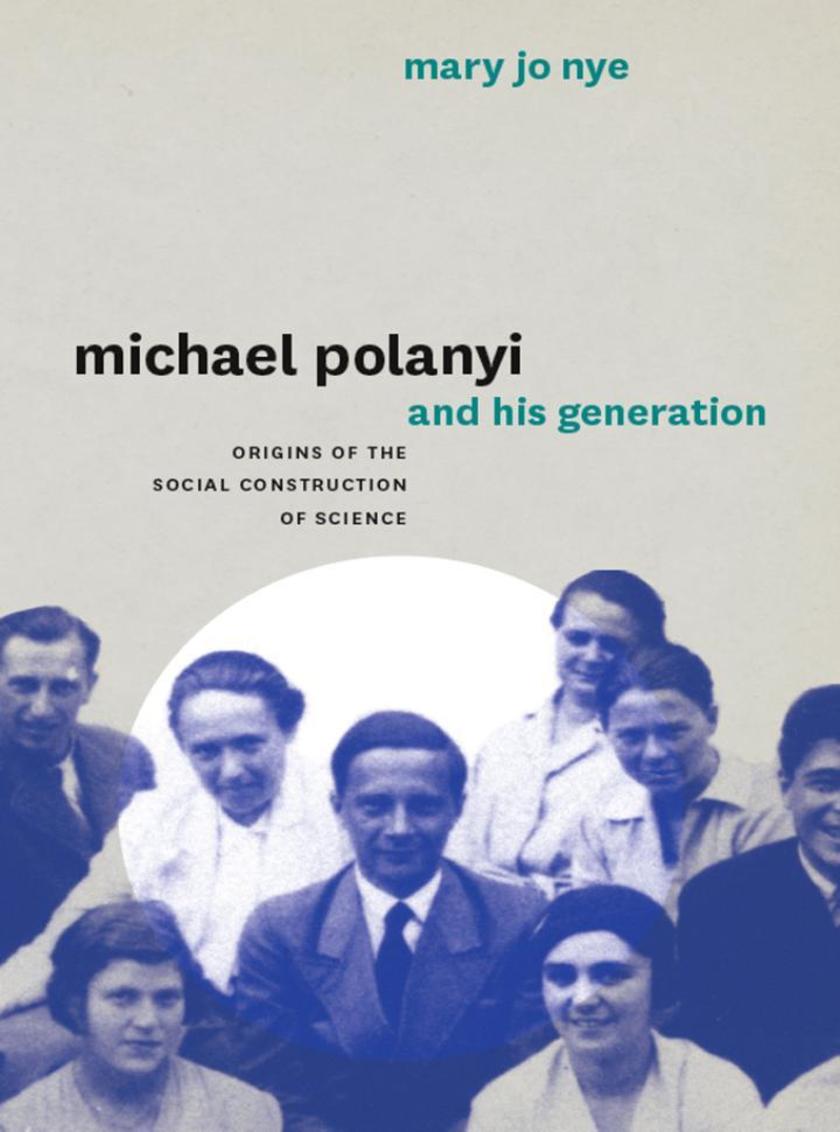
Michael Polanyi and His Generation
¥247.21
In Michael Polanyi and His Generation, Mary Jo Nye investigates the role that Michael Polanyi and several of his contemporaries played in the emergence of the social turn in the philosophy of science. This turn involved seeing science as a socially based enterprise that does not rely on empiricism and reason alone but on social communities, behavioral norms, and personal commitments. Nye argues that the roots of the social turn are to be found in the scientific culture and political events of Europe in the 1930s, when scientific intellectuals struggled to defend the universal status of scientific knowledge and to justify public support for science in an era of economic catastrophe, Stalinism and Fascism, and increased demands for applications of science to industry and social welfare.?At the center of this struggle was Polanyi, who Nye contends was one of the first advocates of this new conception of science. Nye reconstructs Polanyi's scientific and political milieus in Budapest, Berlin, and Manchester from the 1910s to the 1950s and explains how he and other natural scientists and social scientists of his generation-including J. D. Bernal, Ludwik Fleck, Karl Mannheim, and Robert K. Merton-and the next, such as Thomas Kuhn, forged a politically charged philosophy of science, one that newly emphasized the social construction of science.
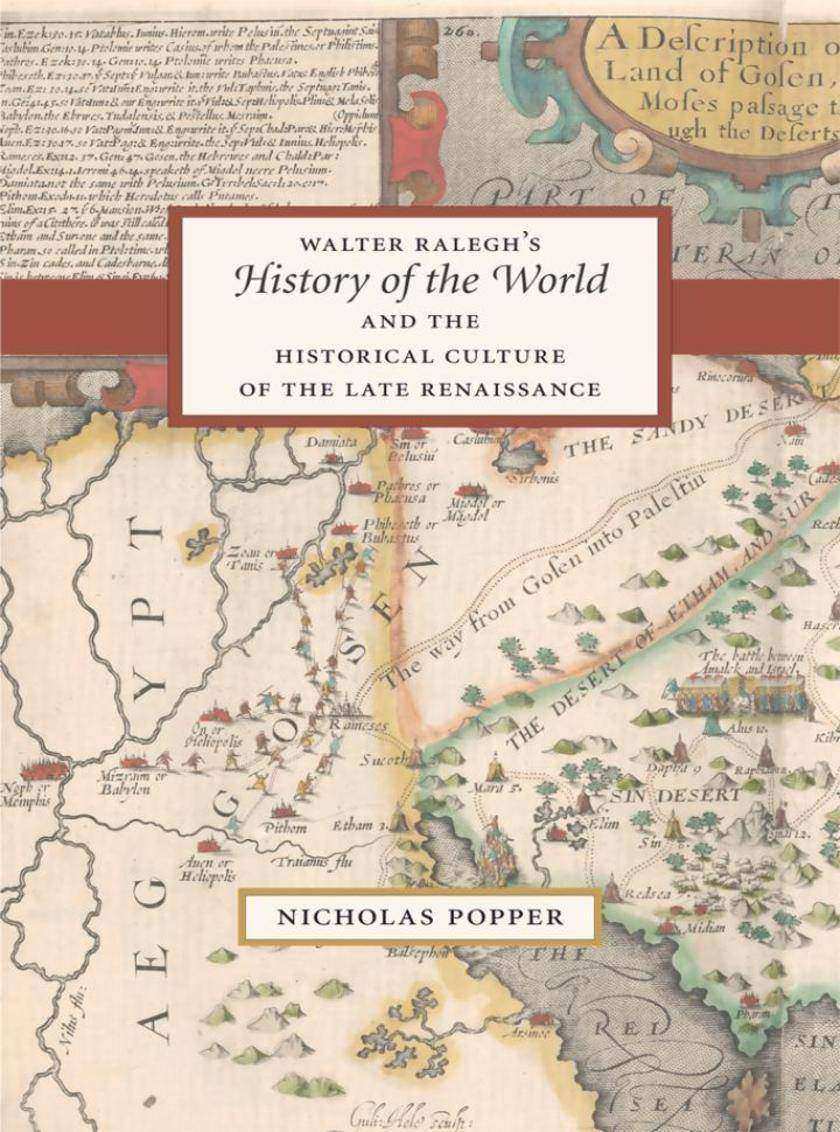
Walter Ralegh's "e;History of the World"e …
¥247.21
Imprisoned in the Tower of London after the death of Queen Elizabeth in 1603, Sir Walter Ralegh spent seven years producing his massive History of the World.?Created with the aid of a library of more than five hundred books that he was allowed to keep in his quarters, this incredible work of English vernacular would become a best seller, with nearly twenty editions, abridgments, and continuations issued in the years that followed.Nicholas Popper uses Ralegh's?History?as a touchstone in this lively exploration of the culture of history writing and historical thinking in the late Renaissance. From Popper we learn why early modern Europeans ascribed heightened value to the study of the past and how scholars and statesmen began to see historical expertise as not just a foundation for political practice and theory, but as a means of advancing their power in the courts and councils of contemporary Europe. The rise of historical scholarship during this period encouraged the circulation of its methods to other disciplines, transforming Europe's intellectual-and political-regimes. More than a mere study of Ralegh's History of the World, Popper's book reveals how the methods that historians devised to illuminate the past structured the dynamics of early modernity in Europe and England.
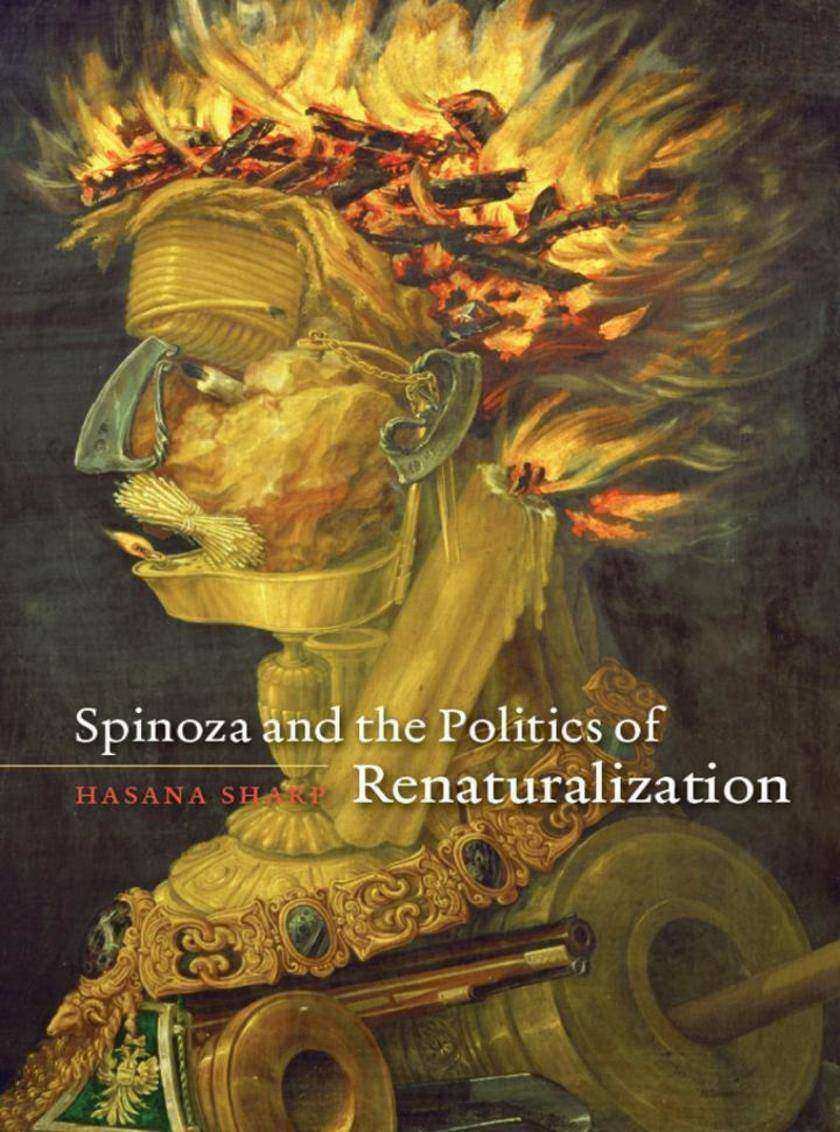
Spinoza and the Politics of Renaturalization
¥353.16
There have been many Spinozas over the centuries: atheist, romantic pantheist, great thinker of the multitude, advocate of the liberated individual, and rigorous rationalist. The common thread connecting all of these clashing perspectives is Spinoza's naturalism, the idea that humanity is part of nature, not above it.?In this sophisticated new interpretation of Spinoza's iconoclastic philosophy, Hasana Sharp draws on his uncompromising naturalism to rethink human agency, ethics, and political practice. Sharp uses Spinoza to outline a practical wisdom of "e;renaturalization,"e; showing how ideas, actions, and institutions are never merely products of human intention or design, but outcomes of the complex relationships among natural forces beyond our control. This lack of a metaphysical or moral division between humanity and the rest of nature, Sharp contends, can provide the basis for an ethical and political practice free from the tendency to view ourselves as either gods or beasts.?Sharp's groundbreaking argument critically engages with important contemporary thinkers-including deep ecologists, feminists, and race and critical theorists-making Spinoza and the Politics of Renaturalization vital for a wide range of scholars.

White Mughals: Love and Betrayal in 18th-century India (Text Only)
¥95.75
From the author of the Samuel Johnson prize-shortlisted ‘Return of a King’, the romantic and ultimately tragic tale of a passionate love affair that transcended all the cultural, religious and political boundaries of its time. James Achilles Kirkpatrick was the British Resident at the court of Hyderabad when he met Khair un-Nissa – ‘Most Excellent among Women’ – the great-niece of the Prime Minister of Hyderabad. He fell in love with her and overcame many obstacles to marry her, converting to Islam and, according to Indian sources, becoming a double-agent working against the East India Company. It is a remarkable story, but such things were not unknown: from the early sixteenth century to the eve of the Indian Mutiny, the ‘white Mughals’ who wore local dress and adopted Indian ways were a source of embarrassment to successive colonial administrations. Dalrymple unearths such colourful figures as ‘Hindoo Stuart’, who travelled with his own team of Brahmins to maintain his temple of idols, and Sir David Auchterlony, who took all 13 of his Indian wives out for evening promenades, each on the back of her own elephant. In ‘White Mughals’, William Dalrymple discovers a world almost entirely unexplored by history, and places at its centre a compelling tale of seduction and betrayal.
Longitude
¥34.14
The dramatic human story of an epic scientific quest: the search for the solution of how to calculate longitude and the unlikely triumph of an English genius. With a Foreword by Neil Armstrong.
《梦的心理》+《一个少女的日记》
¥6.16
《梦的心理+一个少女的日记》:西格蒙德·弗洛伊德。 《梦的心理+一个少女的日记》:1900年,弗洛伊德开始运用临床个案,致力于分析病人的各种各样的奇怪的梦。他对梦的解释,深入到人的内心深处的潜在动机。他以“性欲论”解释梦。我们现在出版的这本《梦的心理》,则是他精神分析理论体系形成过程中一个很重要的标志性出版物。德国哲学家弗洛姆曾说弗洛伊德对梦的分析,是“现代科学对梦的分析的**原创性、著名与重要的贡献”。《一个少女的日记》记述了少女丽塔从11岁到14岁半期间成长过程中的青春思绪与豆蔻情怀。书中描述了作者与父母、与家庭中其他成员,如何相处,如何更亲密。同时书中也写了作者与别人产生的友情,是如何形成与破裂的;还有,作者也写了早恋的萌芽心态,以及对初恋对象的朦胧情感;写了神秘的性意识是如何启蒙、占据青春期少女的内心世界的;写了怎样惴惴不安地解开心结,探索爱的真谛;写了蠢蠢欲动的各种年少思想;写了家庭内部不公引发作者的愤怒;写了与老师和同学间关系的处理……文字间透露着简单、明快、犀利、爱憎分明的个性,充盈着对亲情、友情、爱情的体悟和思考,揭示出家庭因素在孩童成长和日后观念形成中产生的巨大作用,对我们理解自我曾经走过的成长之路,也大有帮助。
We Were Young and at War
¥66.22
Never before have the diaries and letters of young people from all sides of World War Two been woven together to provide an account of what it was like to grow up amidst the daily struggles and horrors of this devastating war. We Were Young And At War follows the stories of sixteen teenage boys and girls who write with a disarming directness about their reactions to and experiences of a very adult war. They are British, French, American, Japanese, Polish, German and Russian, each with a unique and heart-rending tale to tell. Only two of them are alive today. Some of them fought and died in the war, others starved to death; many were separated from their families. All were forced to grow up quickly, their lives changed beyond all recognition by their experiences. This is their story.
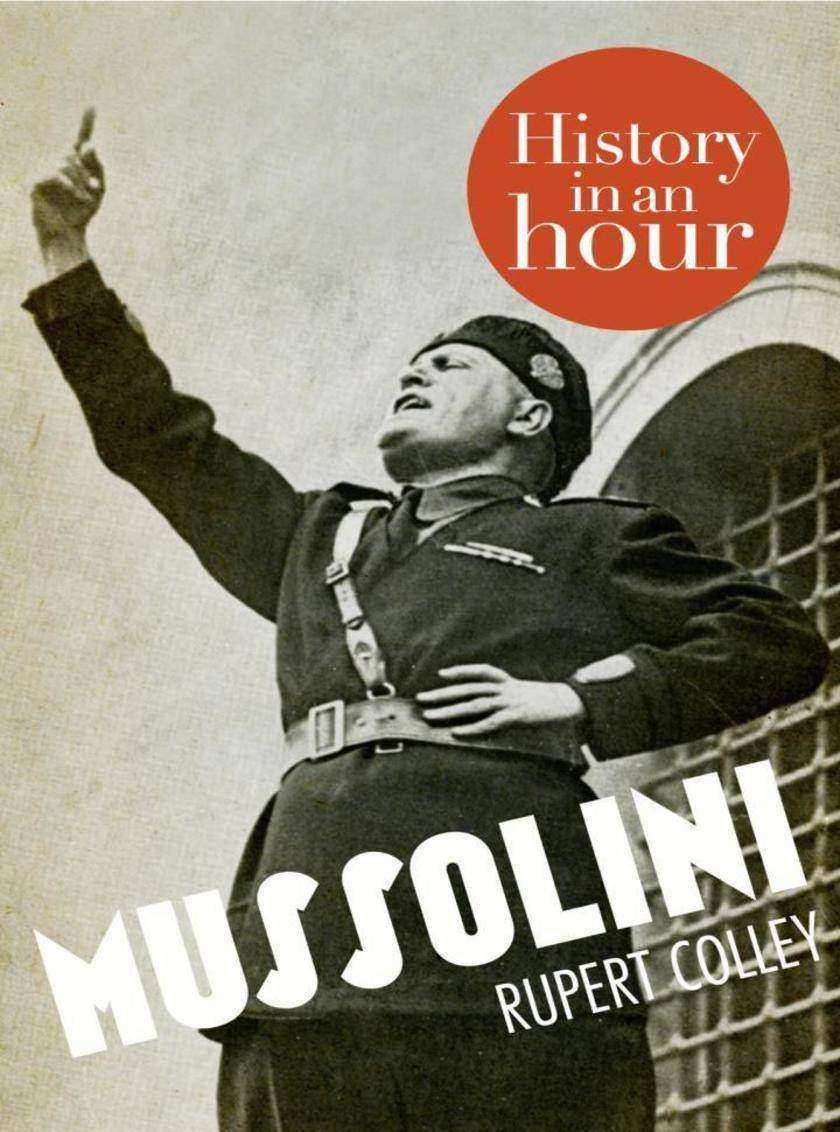
Mussolini: History in an Hour
¥18.05
Love history? Know your stuff with History in an Hour. ‘Il Duce’, Benito Mussolini, was one of the key figures in the creation of fascism. Famed for his dictatorial style, his political cunning and admired – initially – by Hitler, Mussolini led the National Fascist Party and ruled Italy as Prime Minister from 1922 until his ousting in 1943. In so doing, he paved the way towards Italy’s defeat in World War Two, and some of the 20th century’s most destructive ideologies and practices. Following expulsion from Italian Socialist Party, Mussolini denounced all efforts of class conflict, and instead later commanded a Fascist March on Rome to become the youngest Prime Minister in Italian history. Thereafter he set about dismantling the apparatus of democracy and initiated what would become known as the one-party totalitarian state. With World War II came defeat, humiliation and his bloody deposing. Explaining his ideologies, policies, actions and flaws, ‘Mussolini: History in an Hour’ is the concise life of the man whose ideas helped create some of the worst horrors of the modern history. Love history? Know your stuff with History in an Hour…
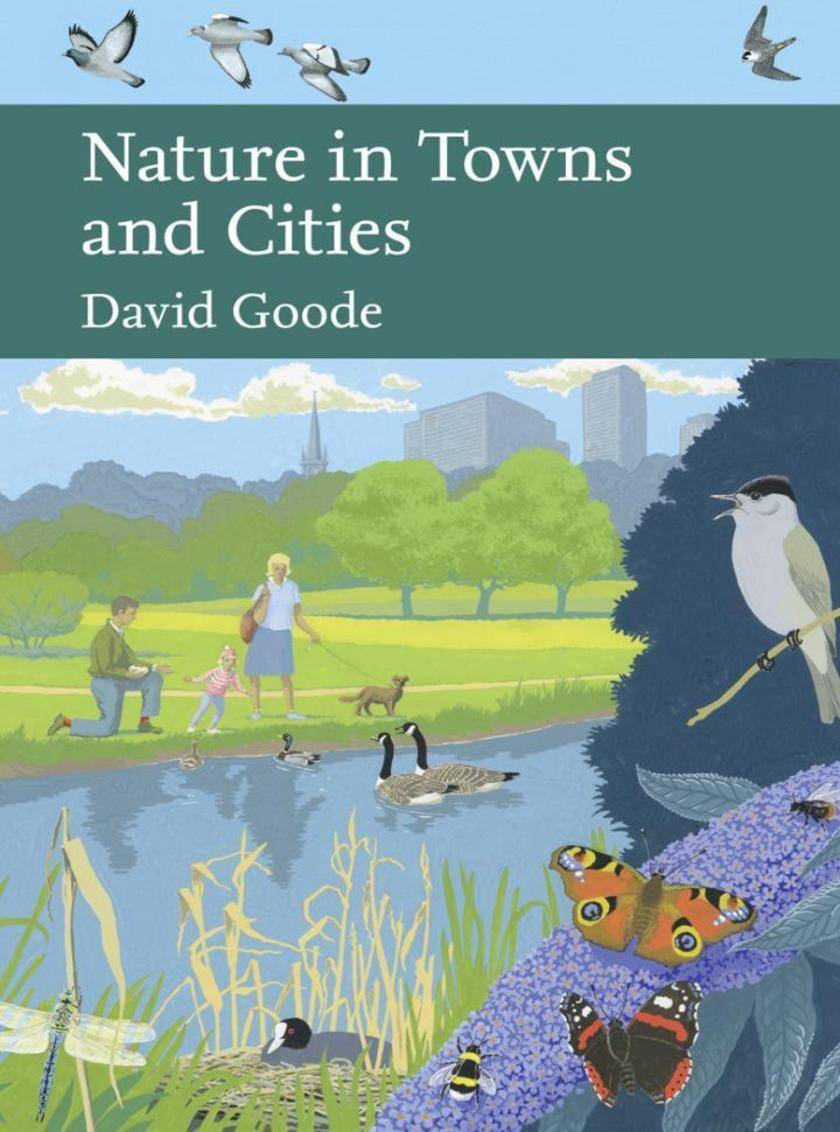
Nature in Towns and Cities (Collins New Naturalist Library, Book 127)
¥269.78
The latest in the New Naturalist series documents the parks and green spaces unique to Britain's cities – and the wildlife that has flourished in these habitats. Not since Richard Fitter’s landmark publication in 1945, ‘London’s Natural History’ – volume 3 in the New Naturalist series – has there been a comprehensive guide to urban natural history. Since then there have been major advances in the conservation of nature in our towns and cities, and there is even more to say about how animals and plants have adapted, in varying degrees, to urbanisation. But this is not merely an exploration of natural history within the urban environment – David Goode uses his knowledge of urban ecology to describe the range of habitats and species which exist within urban areas, and shows how our understanding is being applied to encourage a greater variety of nature into towns and cities. He illustrates how an ecological approach can be incorporated within planning and design to create a range of habitats from tiny oases to extensive new urban woodland and wetlands.

The Real Band of Brothers
¥72.30
Personal stories from the soldiers who volunteered to fight for a cause they passionately believed in The Spanish Civil War, which raged from 1936-9, was brutal and intense, claiming well over 500,000 lives. Rightly predicting that the rise of Fascism in Spain could develop into a more global conflict, almost 2,500 British volunteers travelled to Spain under the banner of the International Brigade to fight for the Spanish Republic in an attempt to stem the tide. Acclaimed oral historian Max Arthur tracked down the eight survivors of this conflict and interviewed them for their unique perspective, their memories of their time fighting and the motives that compelled them to fight. From Union leader to nurse, Egyptologist to IRA activist, theirs is a unique story, of men and women volunteering to lay down their lives for a cause, believing passionately that the Spanish Republic's fight was their fight too. And, in 2009, they were finally granted Spanish nationality as a mark of the importance of that decision. Since the book was first published, two of the people featured have died, but their stories survive. These incredible, compelling and sometimes harrowing tales of their experiences reveal their ideologies, pride, regrets and feelings about the legacy of the actions they took. ‘For most young people there was a feeling of frustration, but some were determined to do anything that seemed possible, even if it meant death, to try to stop the spread of Fascism. It was real, and it had to be stopped.’ Jack Jones (1913-2009) - Volunteer
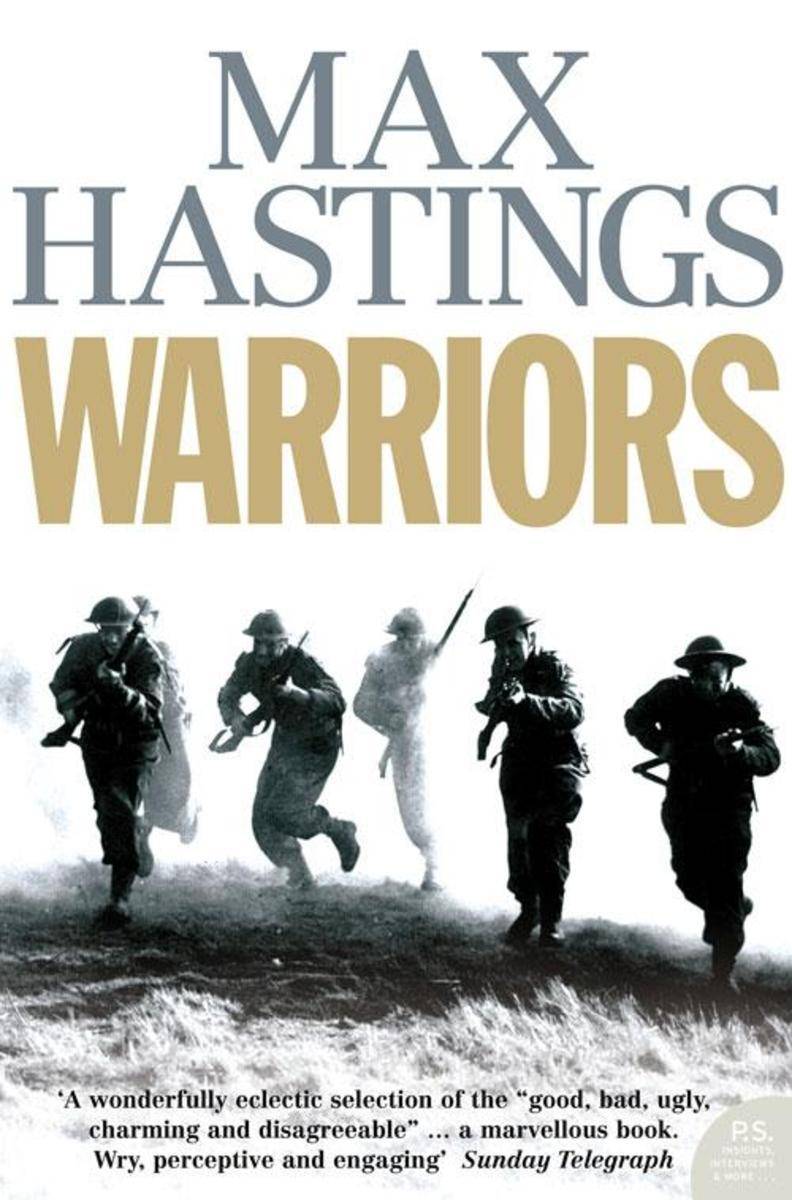
Warriors: Extraordinary Tales from the Battlefield
¥81.03
An exhilarating and uplifting account of the lives of sixteen ‘warriors’ from the last three centuries, hand-picked for their bravery or extraordinary military experience by the eminent military historian, author and ex-editor of the Daily Telegraph, Sir Max Hastings. Over the course of forty years of writing about war, Max Hastings has grown fascinated by outstanding deeds of derring-do on the battlefield (land, sea or air) – and by their practitioners. He takes as his examples sixteen people from different nationalities in modern history – including Napoleon’s ‘blessed fool’ Baron Marcellin de Marbot (the model for Conan Doyle’s Brigadier Gerard); Sir Harry Smith, whose Spanish wife Juana became his military companion on many a campaign in the early 19th-century; Lieutenant John Chard, an unassuming engineer who became the hero of Rorke’s Drift in the Zulu wars; and Squadron Leader Guy Gibson, the ‘dam buster’ whose heroism in the skies of World War II earned him the nation's admiration, but few friends. Every army, in order to prevail on the battlefield, needs a certain number of people capable of courage beyond the norm. In this book Max Hastings investigates what this norm might be – and how it has changed over the centuries. While celebrating feats of outstanding valour, he also throws a beady eye over the awarding of medals for gallantry – and why it is that so often the most successful warriors rarely make the grade as leaders of men.
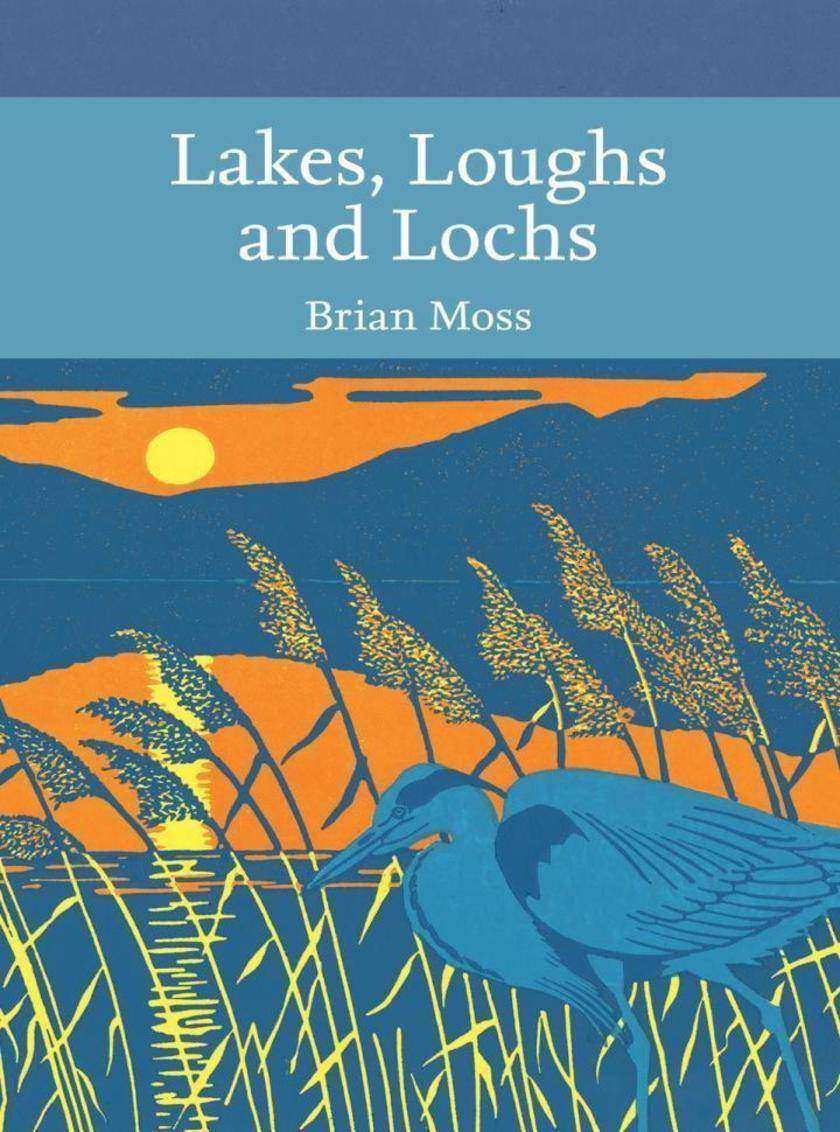
Lakes, Loughs and Lochs (Collins New Naturalist Library, Book 128)
¥257.90
Another volume in the popular New Naturalist series, this book gives a comprehensive account of the natural history of Britain and Ireland’s inland waters, many of which are popular holiday destinations. The study of life in British lakes and rivers has been traditionally neglected in natural history publications, and yet the intricacies of plant and animal ecology as a whole can be readily studied in a pond or lake. Not since Macan and Worthington’s landmark publication in 1951, Life in Lakes and Rivers – volume 15 in the New Naturalist series – has there been a comprehensive overview of British freshwater life. In Brian Moss’s much-anticipated new volume, he gives a passionate account of the natural history of our lakes, loughs and lochs. Our understanding of lakes has changed enormously since the days of Macan and Worthington. From new techniques using stable isotopes and molecular biology to ambitious approaches using whole lakes for experiments; from advances in chemical methods that detect tiny traces of organic substances to the development of new electronic instruments, it is becoming increasingly urgent to make use of these advances to help maintain and conserve some of the most damaged of the Earth’s ecosystems. Freshwaters form the fascinating threads that stitch together the landscapes of our planet with a myriad of exchanges involving an array of organisms, from algae and insects to hippopotami and otters. Healthy lakes and their shores influence our quality of life and they strengthen the economy. They are important ecosystems that can sustain a healthy balance of aquatic life, provide us with much enjoyment, and help support our socio-economic needs. At the same time they suffer the consequences of human abuses of the land – increasing urbanisation, intensive farming, drainage and an increasing invasion of non-native species, to name but a few. Moss explores the richness of their fundamental ecology, emphasizing the need to view these freshwater systems as a whole, and not to manage or assess them in isolation, as well as the importance of ongoing conservation efforts.
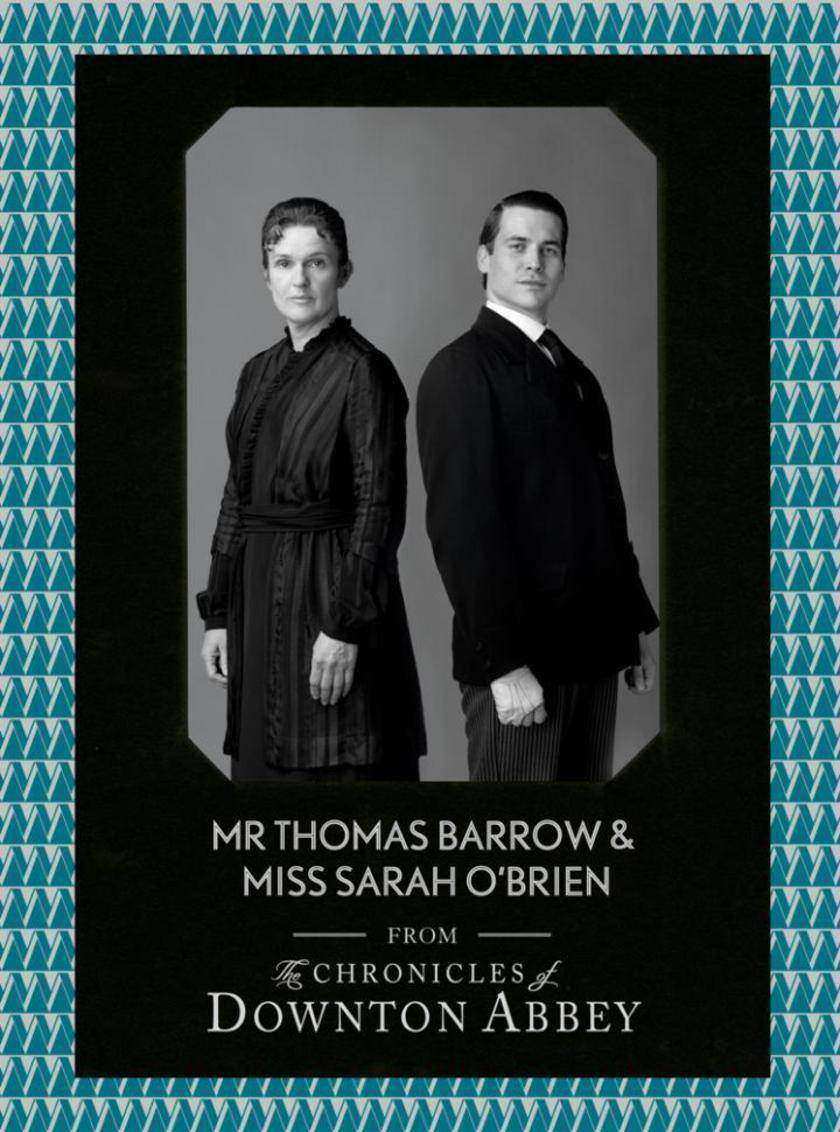
Mr Thomas Barrow and Miss Sarah O’Brien
¥11.77
This richly illustrated short, extracted from the official book The Chronicles of Downton Abbey, focuses on the characters individually, examining their motivations, their actions and the inspirations behind them. Forwarded by Downton Abbey creator Julian Fellowes. Thomas Barrow is one of the most complicated and intriguing of all the characters at Downton Abbey. As we have got to know him through years of both peace and war, multiple layers have been peeled away to reveal an insecure, jealous, sometimes paranoid, defensive and cowardly man beneath a glossy veneer of good looks and arrogance. ‘O’Brien realises that she is never going to be rich or successful – although she is quite successful as the lady’s maid of a countess,” says Julian Fellowes. “But she gets her thrills by manipulating and being devious and plotting. Her reward is in having a sense that she has power over people.’ Purchase this ebook short and the others in the series to get closer still to the characters at Downton Abbey and to understand more about their social context – from the changing role of the aristocracy to fashion and beauty, American Anglophiles, the Suffragette movement and life below stairs in a big country house like Downton. Search for The Chronicles of Downton Abbey to purchase all shorts combined.
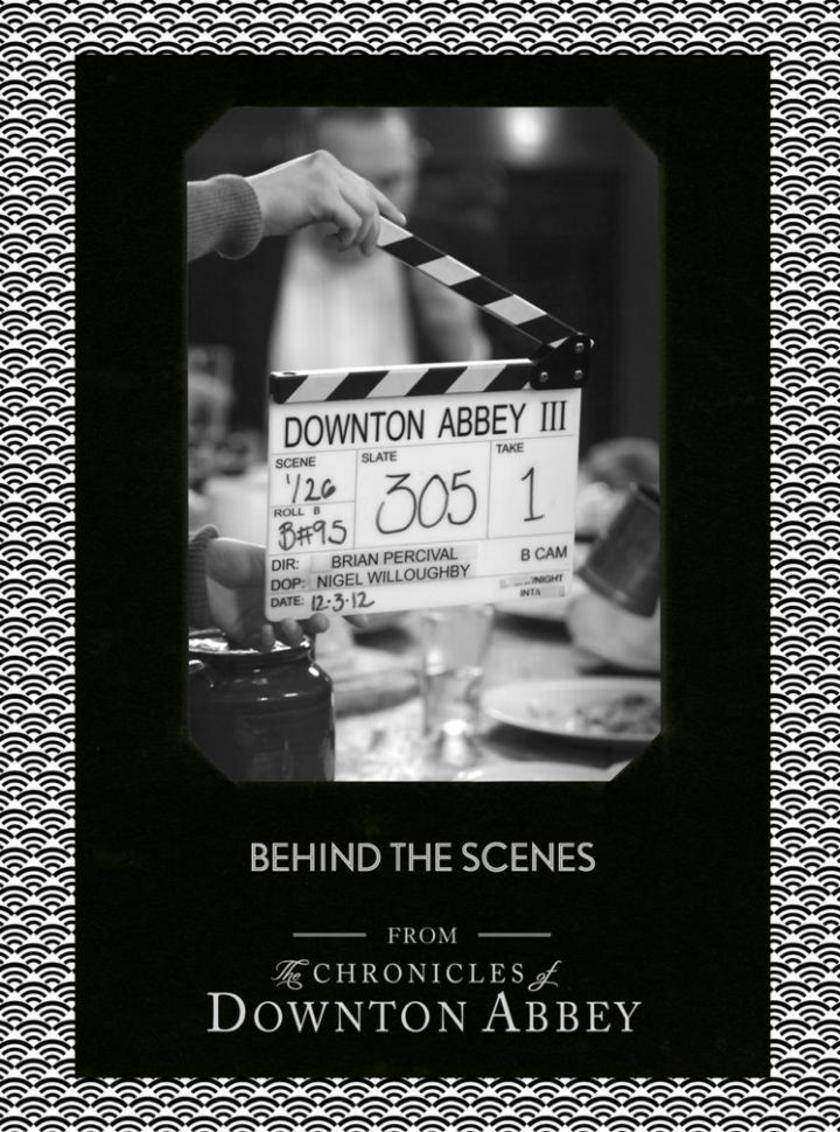
Behind the Scenes (Downton Abbey Shorts, Book 11)
¥11.77
This richly illustrated short, extracted from the official book The Chronicles of Downton Abbey peels back the curtain on the making of Series 3. With a foreword from Downton Abbey creator Julian Fellowes. You’ll have privileged access to the on-set jokes and camaraderie between the actors – including anecdotes about Jim Carter’s (Carson’s) magic tricks and a revelation that two actors liked to burst into an impromptu duet of the Three Degrees classic “When Will I See You Again” between takes – find out who! See also how the sets at Highclere Castle and Ealing Studios were adapted, and hear from the costume and make up artists about the incredible attention to detail they applied to bring the 1920s so vividly to life. Purchase this ebook short and the others in the series to get closer still to the characters at Downton Abbey and to understand more about their social context – from the changing role of the aristocracy to fashion and beauty, American Anglophiles, the Suffragette movement and life below stairs in a big country house like Downton. Search for The Chronicles of Downton Abbey to purchase all shorts combined.


