


 购物车
购物车 个人中心
个人中心

Date Like A Man
¥72.93
Do you get depressed every time a date turns out to be a dud?Are you devastated when you don't get "the call" from a guy you likeDo you constantly check your dates out for marriage potentialChances are you're taking dating way too seriously. According to Myreah Moore -- "America's Dating Coach" -- women need to start dating to have fun, which is what men have been doing for ages! In fact, Moore says, dating is a lot like a science. And with any scientific experiment, it's trial and error. In Date Like a Man, she steals dating secrets from men (the masters of dating) and transforms them into a personal training program that will boost your dating prospects -- and increase your chances of finding a soul mate.Clear, candid, and empowering, Date Like a Man makes the manhunt fun -- the way it should be. Even if you think you're a dating expert, you'll devour this manual -- the new bible for surviving and thriving in today's world.

A Book of Psalms
¥71.94
Psalm 93God acts within every momentand creates the world with each breath.He speaks from the center of the universe,in the silence beyond all though.Mighter than the crash of a thunderstorm,mighter than the roar of the sea,is God's voice silently speakingin the depths of the listening heart.

The Sistah's Rules
¥73.71
The RulesPuhleeze! Any real black woman can tell you that when it comes to African-American men, The Rules is about as good as Monopoly money in Macy's. Waiting three days to return a brother's phone call will get a black woman nothing more than a warm spot on the couch by herself with an empty bag of corn chips and the remote.A sister needs her own special set of rules for finding a brother even when it seems that there just aren't that many good ones to go around. Millner says they are out there but sistahs need to drop their materialistic, brother-in-the white-Benz fantasies and pick up the right vibes for finding a genuine brother who's worth keeping around. The Sistahs' Rules gives black women commonsense guidelines for landing in a healthy relationship with a makes-your-toes-curl brother, including: Get to know his mama, get to know him Use what you got to get what you want Girlfriends are everything, but they don't know it all With warm stories and practical advice from black mamas and papas who've been there and done that, and sistahs and brothers in the mix, The Sistahs' Rules is a sassy, hip, step-by-step guide to finding Brother Mr. Rightand having fun in the process.

How to Get Married After 35
¥84.16
For women thirty-five and over who don't want to leave their chances to fate, relationship consultant Helena Rosenberg -- who got married in her forties -- offers a concrete program to help singles maximize their opportunities for marriage. How to Get Married After Thirty-Five will help women change their course and be on their way to success -- and even have fun in the process! Whether you're looking to marry for the first time or hoping to remarry, How to Get Married After Thirty-Five guides you through the process with sensitivity and humor, and shows how to: take personal responsibility for your life embrace your goals and what's in your way grasp what you need in a partner recognize him once you meet him avoid men who are destructive or unmarriageable master the world of internet dating Finally, with wisdom and encouragement, Helena Rosenberg offers practical advice on where to find eligible men (they do exist!), how to assess a man for his marriage potential, and why marrying the man of her choice after thirty-five had almost nothing to do with luck.

Sleeping Through the Night
¥77.54
Right after "Is it a boy or a girl?" and "What's his/her name?," the next question people invariably ask new parents is "Are you getting any sleep?" Unfortunately, the answer is usually "Not much." In fact, studies show that approximately 25% of young children experience some type of sleep problem and, as any bleary-eyed parent will attest, it is one of the most difficult challenges of parenting.Drawing on her ten years of experience in the assessment and treatment of common sleep problems in children, Dr. Jodi A. Mindell now provides tips and techniques, the answers to commonly asked questions, and case studies and quotes from parents who have successfully solved their children's sleep problems.Unlike other books on the subject, Dr. Mindell also offers practical tips on bedtime, rather than middle-of-the-night-sleep training, and shows how all members of the family can cope with the stresses associated with teaching a child to sleep.
Forgiving and Not Forgiving
¥78.60
In our culture the belief that "To err is human, to forgive divine," is so prevalent that few of us question its wisdom. But do we ever completely forgive those who have betrayed usAren't some actions unforgivableCan we achieve closure and healing without forgivingDrawing on more than two decades of work as a practicing psychotherapist, more than fifty indepth interviews, and sterling research into the concept of forgiveness in our society, Dr. Jeanne Safer challenges popular opinion with her own searching answers to these and other questions. The result is a penetrating look at what is often a lonely, and perhaps unnecessary, struggle to forgive those who have hurt us the most and an illuminating examination of how to determine whether forgiveness is, indeed, the best path to take--and why, often, it is not.
Contentment
¥78.55
Simple Gifts of Contentment The forces of modern life urge us to achieve and acquire more, pushing us outward in our quest for contentment. World renowned Jungian analyst Robert A. Johnson and psychotherapist Jerry M. Ruhl guide us inward, to a deep understanding of true, lasting happiness.Instead of relegating joy and satisfaction to another time, a different place, a better circumstance ("just as soon as I finish this project / land that perfect job / find a new relationship"), Johnson and Ruhl encourage us to negotiate and embrace "what is." Instructive and wise, this gentle guide contains all the tools we need including illustrative stories, myths, poems, and practical exercises to seize true contentment in the here and now.
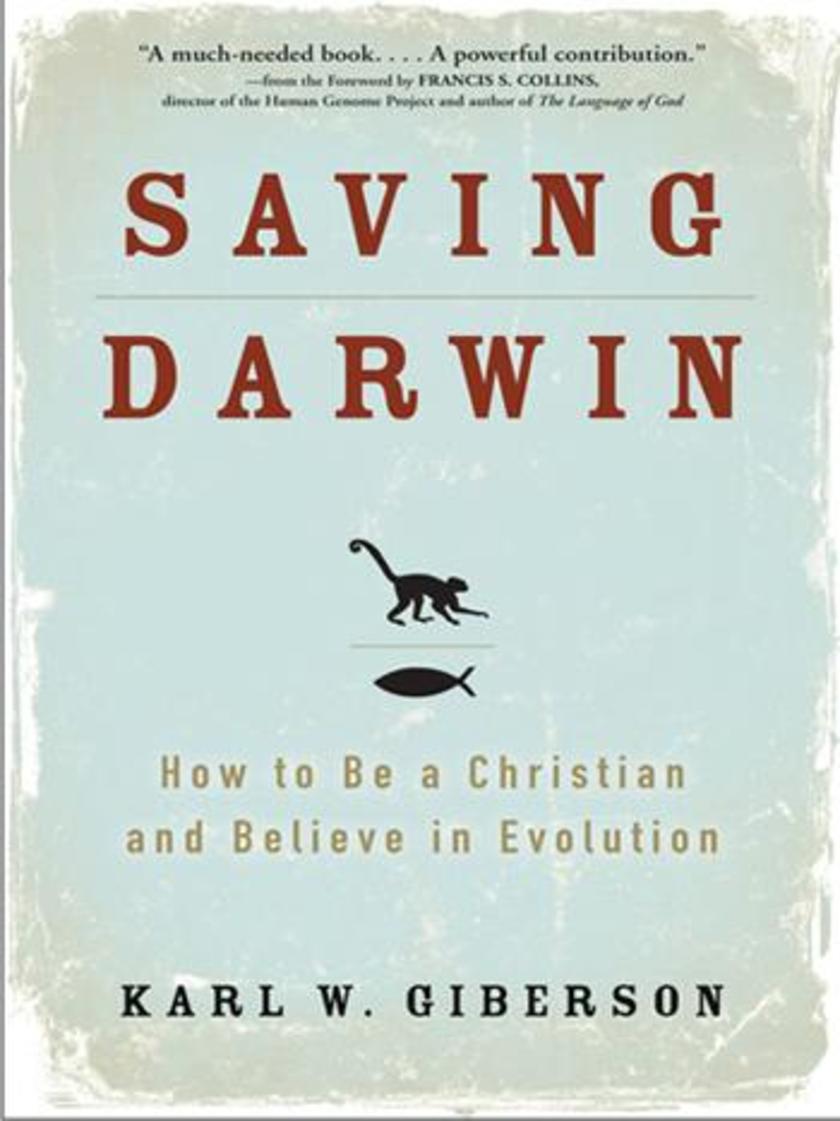
Saving Darwin
¥84.16
Evolution Is Not the Bible's Enemy Saving Darwin explores the history of the controversy that swirls around evolution science, from Darwin to current challenges, and shows why and how it is possible to believe in God and evolution at the same time.
Changing for Good
¥83.92
How many times have you thought about starting a diet or quitting smoking without doing anything about itOr lapsed back into bad habits after hitting a rough spot on the road to recoveryTo uncover the secret to successful personal change, three acclaimed psychologists studied more than 1,000 people who were able to positively and permanently alter their lives without psychotherapy. They discovered that change does not depend on luck or willpower. It is a process that can be successfully managed by anyone who understands how it works. Once you determine which stage of change you're in, you can: create a climate where positive change can occur maintain motivation turn setbacks into progress make your new benefifificial habits a permanent part of your life This groundbreaking book offers simple self-assessments, informative case histories, and concrete examples to help clarify each stage and process. Whether your goal is to start saving money, to stop drinking, or to end other self-defeating or addictive behaviors, this revolutionary program will help you implement positive personal change . . . for life.The National Cancer Institute Found this program more than twice as effective as standard programs in helping smokers quit for 18 months.

Sleeping Through the Night
¥99.65
Right after "Is it a boy or a girl?" and "What's his/her name?," the next question people invariably ask new parents is "Are you getting any sleep?" Unfortunately, the answer is usually "Not much." In fact, studies show that approximately 25% of young children experience some type of sleep problem and, as any bleary-eyed parent will attest, it is one of the most difficult challenges of parenting.Drawing on her ten years of experience in the assessment and treatment of common sleep problems in children, Dr. Jodi A. Mindell now provides tips and techniques, the answers to commonly asked questions, and case studies and quotes from parents who have successfully solved their children's sleep problems.Unlike other books on the subject, Dr. Mindell also offers practical tips on bedtime, rather than middle-of-the-night-sleep training, and shows how all members of the family can cope with the stresses associated with teaching a child to sleep.

Normal Gets You Nowhere
¥84.16
nor-mal: according with, constituting,or not deviating from a norm, ruleor principle / conforming to a type,standard, or regular pattern / of,relating to, or characterized byaverage intelligence or developmentNormalWho wants to be thatWhen Kelly Cutrone's first book, If You Haveto Cry, Go Outside, was first published, youngpeople flocked to this new voice finally,someone was telling it like it is, in languagethey spoke. It quickly became a New YorkTimes bestseller, and fashion publicist KellyCutrone became more than a personality,she became a beloved guru, mentor, andfairy godmother.Now she's back with another no-holds-barredbook to awaken our souls and kick our assesinto gear. With Normal Gets You Nowhere,she invites us to get our freak on. History isfull of successful, world-changing people whodid not fit in. Think Nelson Mandela, Joanof Arc, Eleanor Roosevelt, Amelia Earhart,John Lennon, and Rosa Parks. Instead ofchanging themselves to accommodate thestatus quo or what others thought they shouldbe, these people hung a light on their differences and changed humanity in the process. I know you don't feel normal, so why areyou trying to act it and prove to everyone you areCutrone says. So much of what we sayor don't say, and what we do or don't do, isdictated by what others have told us, or whatpeople may think of us. This is not how weshould be living, by measuring ourselvesagainst the mundane.An invitation to rethink who you are, what youvalue, and what you want from life, NormalGets You Nowhere goes beyond how to reinventyourself and create your own brand, andinvestigates what it means to live in this worldas a tuned-in, caring individual with a passionfor making a difference. There's already anarmy of super talented uberfreaks changingthe world isn't it time you joined them?

She's Having a Baby
¥85.05
A Man's Survival Guide to PregnancyIt's easy for a man to feel like a bystander during pregnancy. Finally, from one man to another, here is a pregnancy book with funny, down-to-earth, and practical advice on: figuring out what you wife's obstetrician is saying keeping your sex life alive staying on top of insurance forms and other paperwork and much, much more This book will help make pregnancy the experience of a lifetime.

Captive
¥83.03
In March 2005, Ashley Smith made headlines around the globe when she miraculously talked her way out of the hands of alleged courthouse killer Brian Nichols after he took her hostage for seven hours in her suburban Atlanta apartment. In this moving, inspirational account now a motion picture from Paramount Ashley shares the details of her traumatic ordeal and expands on how her faith and the bestselling book The Purpose Driven Life helped her survive and bring the killer's murderous rampage to a peaceful end.Like her captor, Smith too had faced darkness and despair. Seeking a new life, she moved to Atlanta, got a job, enrolled in a medical assistant training program, and was beginning to find her way to becoming the kind of mom she wanted her little girl to have. Then Brian Nichols took her hostage. Just hours earlier, he'd allegedly shot to death a judge, a court reporter, a deputy, and a federal agent and escaped in a stolen vehicle. Now she found herself face-to-face with Nichols, a desperate, heavily armed man with nothing left to lose.Juxtaposing the minute-by-minute tale of her experience with the tragedies and triumphs of her own life, Captive is a riveting story that will leave no reader untouched.

Infusionsoft Cookbook
¥99.18
Over 88 recipes for effective use of Infusionsoft to mitigate your CRM needs, marketing automation, conducting online business optimallyAbout This BookMaximize client engagement by automating lead capture and follow-upCollect information and set up lead scoring in Infusionsoft to enhance your marketing interactions to build more clientsSet up online shopping carts, manage your online store, and enhance user experience Who This Book Is For If you want to excel in the use of Infusionsoft to develop a set of common applications or project types and solutions effectively, this book is perfect for you. This book will empower you to provide better results for your clients, faster! It is assumed that you are familiar with and use Infusionsoft.What You Will LearnSet up and configure features that will enhance new user creation using InfusionsoftAttract leads and build your list efficientlyUnderstand the different strategies to sell and get paidCreate amazing customer experiences by following up and automating messagesMaster techniques to use Infusionsoft for internal administrative functionsMake better business decisions by mastering the reporting functionalitySave time and simplifying day-to-day usage using InfusionsoftGet to know the Ninja hacks while working with Infusionsoft efficiently. In Detail Infusionsoft is an all-in-one software-as-a-service (SaaS) for small business sales and marketing. It empowers businesses with the same level of automation and personalization that were previously only available to large corporate enterprises with deep pockets. You can easily manage customer relationships, target communications in an automated manner, and sell their products/services online effectively. Starting with recipes on the general setup and core competencies related to Infusionsoft, you will then learn about tools to enhance user experience. Further on, you'll dive deep into different strategies to attract, sell, and wow your customers. You’ll also explore different ways to manage administrative tasks and reporting, which are crucial to perform better workflow management. Later, you will become proficient in lead generation and lead management, referral management, report generation, and working with the campaign builder. Finally, the book closes with unsupported ninja hacks to take your business strategies into the stratosphere!Style and approach A recipe-based guide that covers real-life scenarios on optimising marketing automation, lifecycle management, lead generation, inventory management, and adding ecommerce functionality

The Verdict
¥24.44
Born and raised in Algeria with an active political life in the 70’s leading to his eventual emigration as a political refugee Elias Adam is the father of a family deeply affected by the new reality for economic and political migrants in Western Europe, victims of the new face of politics and some would say of Fear. This is his Book Of natural Rebellion
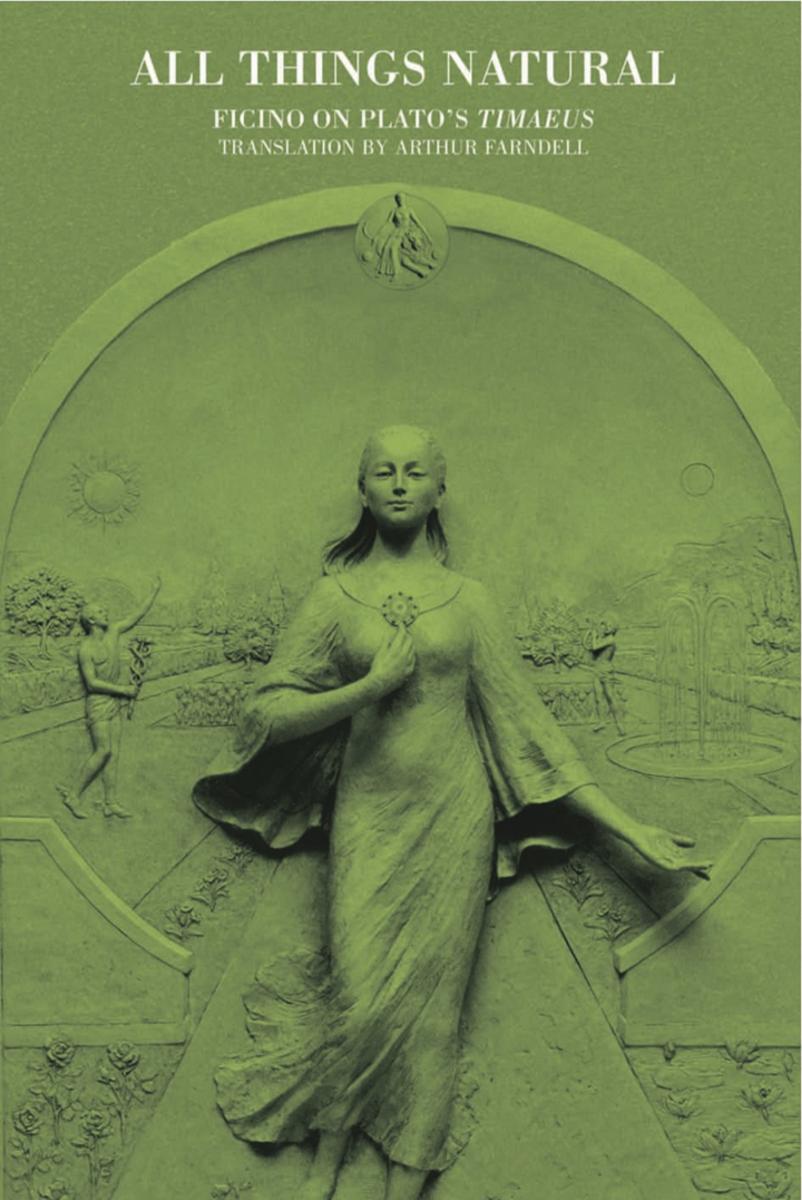
All Things Natural
¥24.44
Ficino's commentary on Plato?s Timaeus offers the English reader, for the first time, an opportunity to share the insights of this highly influential Renaissance philosopher into one of Plato's most important and controversial works. Here are discussed the perennial questions which affect us all: What is the nature of the universeHow did it beginDoes it have a cause outside itselfWhat is our place in itWhat is the nature of mind, soul, matter and timeThe central portion of the work, focusing on number, harmony, and music, has exerted a strong influence on the history of Western musical theory. Ficino added an appendix which amplifies and elucidates Plato?s meanings and reveals fascinating detail about Ficino himself. This volume provides rich source material for all who are interested in philosophy, the history of cosmic theory, and Platonic and Renaissance studies. This completes the four volume series, including Gardens of Philosophy, 2006 (ISBN 9780856832406), Evermore Shall Be So, 2008 (9780856832567) and When Philosophers Rule, 2009 (9780856832574), which contain all Ficino?s commentaries not previously translated into English.

Evermore Shall Be So
¥24.44
With the publication of Arthur FWith the publication of Arthur Farndell’s Gardens of Philosophy (Shepheard Walwyn 2006), there remained only four of Ficino’s commentaries on Plato’s dialogues which had not yet been translated into English. With the publication of this volume there remain only three. Farndell’s translation of the commentaries on the Republic and the Laws will comprise the third volume under the title When Philosophers Rule (9780856832574 – due 2009) and the fourth, All Things Natural (9780856832581 – due 2010), will contain the Timaeus. As Carol Kaske of Cornell University wrote when reviewing Gardens of Philosophy in Renaissance Quarterly, these translations fill ‘a need. Even those Anglophone scholars who know Latin still need a translation in order to read quickly through a large body of material’ The central message of Parmenides, that everything depends on the One, resonates with the growing awareness around the world of the interrelatedness of all things, be it in the biosphere, the intellectual or spiritual realms. Philosophers in ancient Greece appreciated this unity and employed reason and dialectic to draw the mind away from its preoccupation with the material world and attract it towards contemplation of the soul, and ultimately of that Oneness which embraces, but is distinct from, the multifarious forms of creation. Thus Parmenides carefully instructed the young Socrates, and Plato recorded their dialogue in this work which he named after the elderly philosopher. Nearly 2000 years later, Marsilio Ficino made Parmenides available to the West by translating it into Latin, the language of scholars in his time. Ficino added a lengthy commentary to this translation, a commentary which Evermore Shall Be So puts into English for the first time, more than 500 years after its original composition. Ficino’s crucial influence upon the unfolding of the Renaissance and his presentation of Plato’s understanding of the One and the socalled Platonic Ideas or Forms make Evermore Shall Be So an important work in the history of thought. Though it will be an essential buy for Renaissance scholars and historians, its freshness of thought and wisdom are as relevant today as they ever were to inspire a new generation seeking spiritual and philosophical direction in their lives. ‘This is philosophy with a mystical dimension – one that is crucial to the original Socratic and Platonic teaching’ Tony Cross in Faith and Freedomarndell’s Gardens of Philosophy ( 2006), there remained only four of Ficino’s commentaries on Plato’s dialogues which had not yet been translated into English. With the publication of this volume there remain only three. Farndell’s translation of the commentaries on the Republic and the Laws will comprise the third volume under the title When Philosophers Rule (9780856832574 – due 2009) and the fourth, All Things Natural (9780856832581 – due 2010), will contain the Timaeus.As Carol Kaske of Cornell University wrote when reviewing Gardens of Philosophy in Renaissance Quarterly, these translations fill ‘a need. Even those Anglophone scholars who know Latin still need a translation in order to read quickly through a large body of material’ The central message of Parmenides, that everything depends on the One, resonates with the growing awareness around the world of the interrelatedness of all things, be it in the biosphere, the intellectual or spiritual realms. Philosophers in ancient Greece appreciated this unity and employed reason and dialectic to draw the mind away from its preoccupation with the material world and attract it towards contemplation of the soul, and ultimately of that Oneness which embraces, but is distinct from, the multifarious forms of creation.Thus Parmenides carefully instructed the young Socrates, and Plato recorded their dialogue in this work which he named after the elderly philosopher. Nearly 2000 years later, Marsilio Ficino made Parmenides available to the West by translating it into Latin, the language of scholars in his time. Ficino added a lengthy commentary to this translation, a commentary which Evermore Shall Be So puts into English for the first time, more than 500 years after its original composition. Ficino’s crucial influence upon the unfolding of the Renaissance and his presentation of Plato’s understanding of the One and the socalled Platonic Ideas or Forms make Evermore Shall Be So an important work in the history of thought. Though it will be an essential buy for Renaissance scholars and historians, its freshness of thought and wisdom are as relevant today as they ever were to inspire a new generation seeking spiritual and philosophical direction in their lives. ‘This is philosophy with a mystical dimension – one that is crucial to the original Socratic and Platonic teaching’ Tony Cross in Faith and Freedom
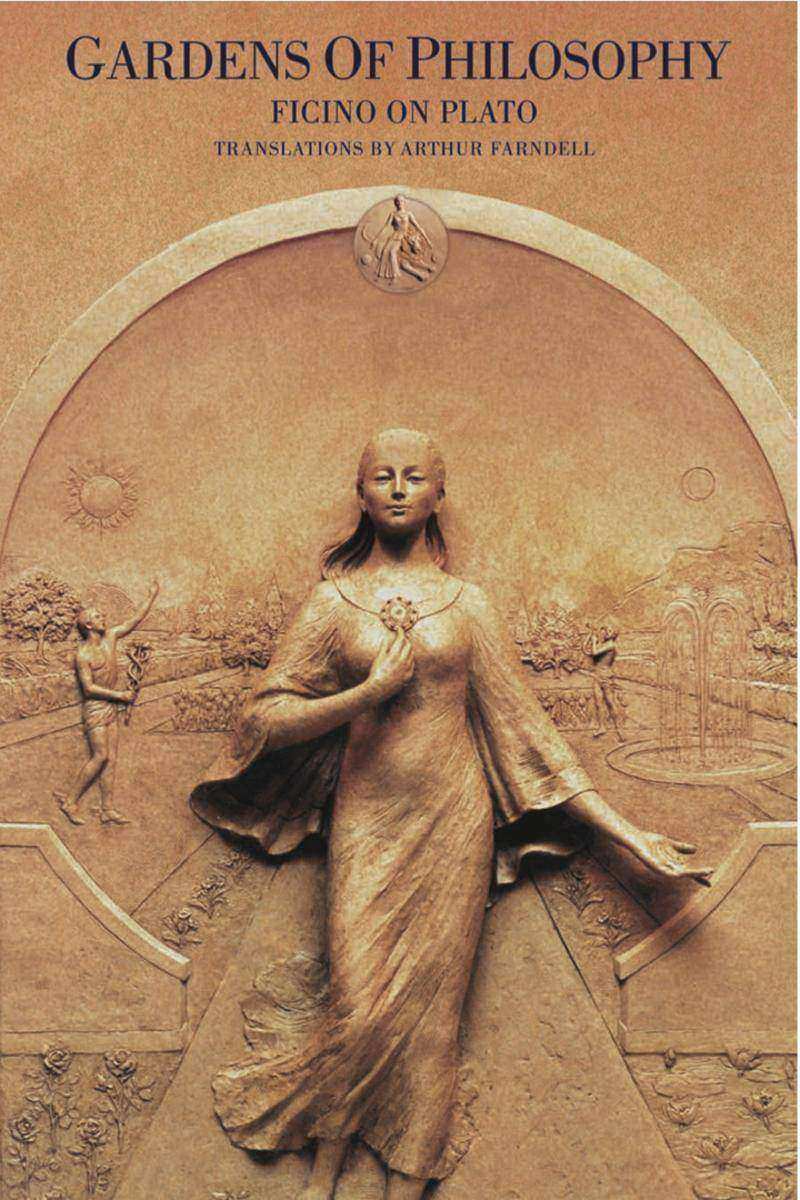
Gardens of Philosophy
¥24.44
What made the Renaissance tickWhy had it such a force that its thinking spread from a small group of scholars in Florence, working in their own brilliant ways but coming together in a small villa on the Florentine hillside where Marsilio Ficino (143399) lived, to affect the thinking of the whole of Europe, and eventually of America, for five hundred years and is continuing to do soCosimo de?Medici, the virtual ruler of Florence, had been attracted to the philosophy of Plato by Gemistos Plethon during the Council Florence in 1439 and had instructed his agents to gather together Plato?s works before Constantinople fell to the Turks in 1453. In 1462 he commissioned Marsilio Ficino to translate them from Greek into Latin for the benefit of the Latin speaking world, a task he completed in under five years according to his biographer Giovanni Corsi. This, the first volume in a four volume series, provides the first English translation of the 25 short commentaries on the dialogues and the 12 letters traditionally ascribed to Plato. Later volumes will provide translations of his longer commentaries on the Parmenides (2008), the Republic and Laws (2009) and Timaeus (2010). Though this book will be an essential buy for Renaissance scholars and historians, its freshness of thought and wisdom are as relevant today as they ever were to inspire a new generation seeking spiritual and philosophical direction in their lives.
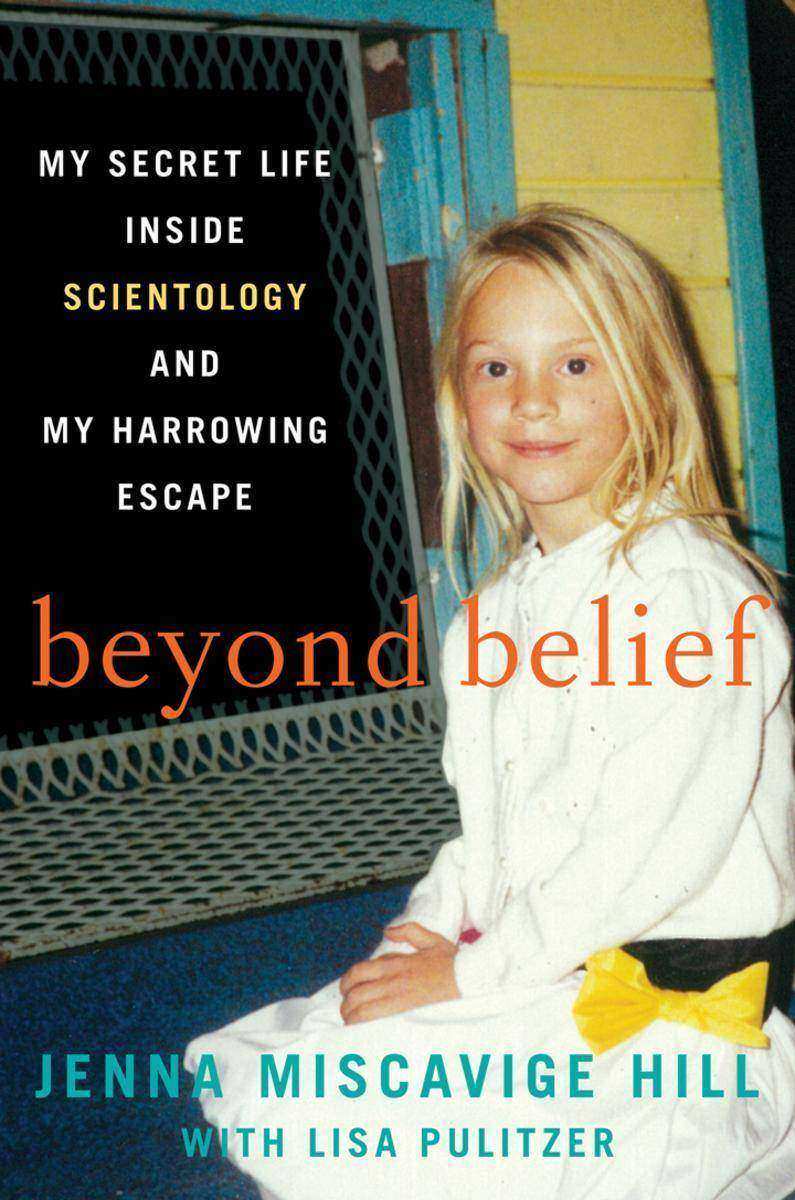
Beyond Belief
¥90.77
Jenna Miscavige Hill was raised to obey. As the niece of the Church of Scientology leader David Miscavige, she grew up at the center of this highly controversial and powerful organization. But at twenty-one, Jenna made a daring break, risking everything she had ever known and loved to leave Scientology once and for all. Now she speaks out about her life, the Church, and her dramatic escape, going deep inside a religion that, for decades, has been the subject of fierce debate and speculation worldwide. Piercing the veil of secrecy that has long shrouded the world of Scientology, this insider reveals unprecedented firsthand knowledge of the religion, its obscure rituals, and its mysterious leader David Miscavige. From her prolonged separation from her parents as a small child to being indoctrinated to serve the greater good of the Church, from her lack of personal freedoms to the organization emphasis on celebrity recruitment, Jenna goes behind the scenes of Scientology oppressive and alienating culture, detailing an environment rooted in control in which the most devoted followers often face the harshest punishments when they fall out of line. Addressing some of the Church most notorious practices in startling detail, she also describes a childhood of isolation and neglect a childhood that, painful as it was, prepared her for a tough life in the Church most devoted order, the Sea Org. Despite this hardship, it is only when her family approaches dissolution and her world begins to unravel that she is finally able to see the patterns of stifling conformity and psychological control that have ruled her life. Faced with a heartbreaking choice, she mounts a courageous escape, but not before being put through the ultimate test of family, faith, and love. At once captivating and disturbing, Beyond Belief is an eye-opening exploration of the limits of religion and the lengths to which one woman went to break free.
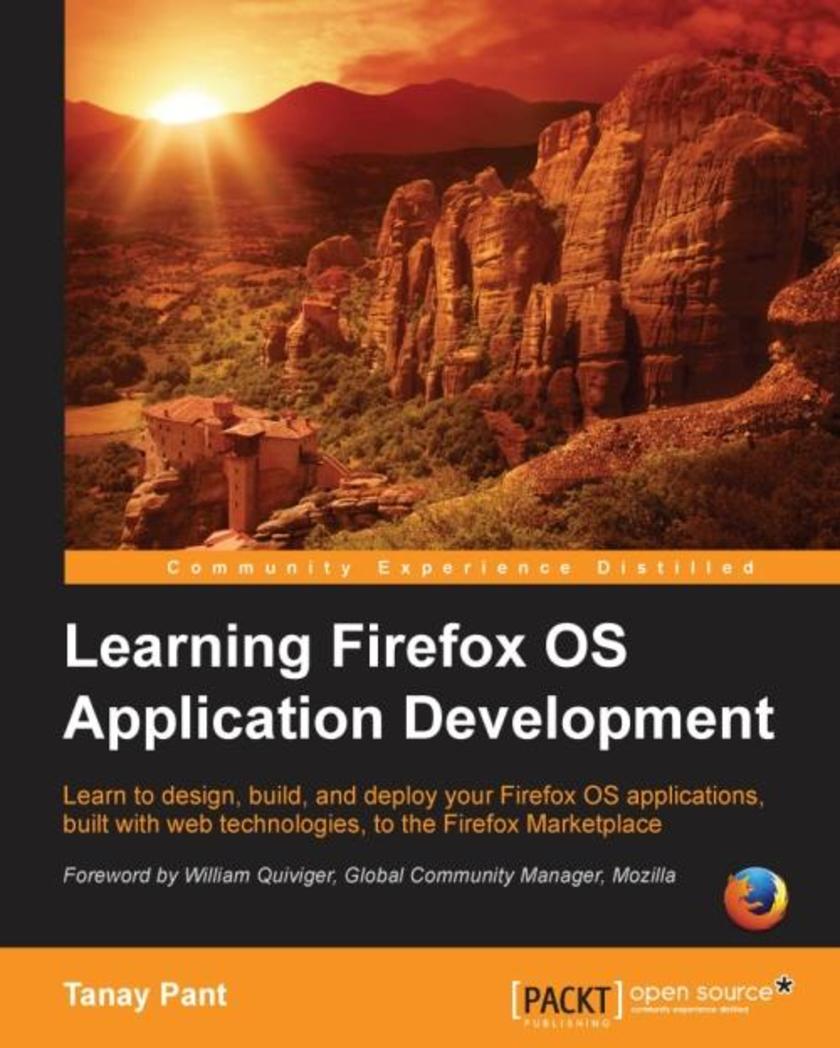
Learning Firefox OS Application Development
¥54.49
Learn to design, build, and deploy your Firefox OS applications, built with web technologies, to the Firefox MarketplaceAbout This BookCreate beautiful and interactive Firefox OS applications by applying your knowledge of web developmentCater your applications to a huge number of users by porting them to the Firefox OSA step-by-step learning workflow with real-life applications to demonstrate the concepts Who This Book Is For This is a practical guide that uses hands-on examples to teach you how to create applications for Firefox OS and also how to port applications to Firefox Marketplace. This book is intended for developers who want to build applications for Firefox OS. An understanding of HTML5, JavaScript, and CSS is required.What You Will LearnInstall, use, and access the Firefox OS simulator with the help of WebIDEGet to know about application manifest files and the essential difference between web applications and Firefox OS applicationsCreate an application that measures the tapping speed of the userCreate an application that allows a user to check in at a place with geolocation taggingAccess device-specific features with WebAPIs and implement these by building a photo editing and sharing applicationSubmit your own applications to the Firefox Marketplace and share them with othersProfessionally maintain the code of your application with the help of Github and deploy your hosted applications to OpenShift In Detail With broad compatibility, the latest in web technologies, and powerful development tools, Firefox is a great choice for both web developers and end users. Firefox OS’s promotion of HTML5 as a first class citizen opens up the walled gardens of mobile application development for web developers. It is because of this initiative that no special SDKs are required to develop for Firefox OS. This book will help you excel in the art of developing applications for Firefox OS. It sequentially covers knowledge building, skills acquisition, and practical applications. Starting with an introduction to Firefox OS, usage of WebIDE, and then the application structure, this book introduces applications of increasing complexity with each chapter. An application that measures your tapping speed, a geolocation tagging application, and a photo editing and sharing application are the three applications that will be built from scratch. You will learn about topics such as the difference between various types of Firefox OS applications, application manifest files, offline apps, and designing principles for applications. You will also learn to test and submit the applications to the marketplace and finally maintain the repository of the Firefox OS application. By the end, you will be able to develop beautifully designed, fully-fledged, and rigorously tested Firefox OS applications and also share them at the Firefox OS Marketplace.Style and approach This book is an easy-to-grasp workflow with practical examples of real-world applications such as Clickr, Check In!, and FotoFox. Each chapter explains the concepts, which are then reinforced as they are demonstrated in an application or a flowchart.
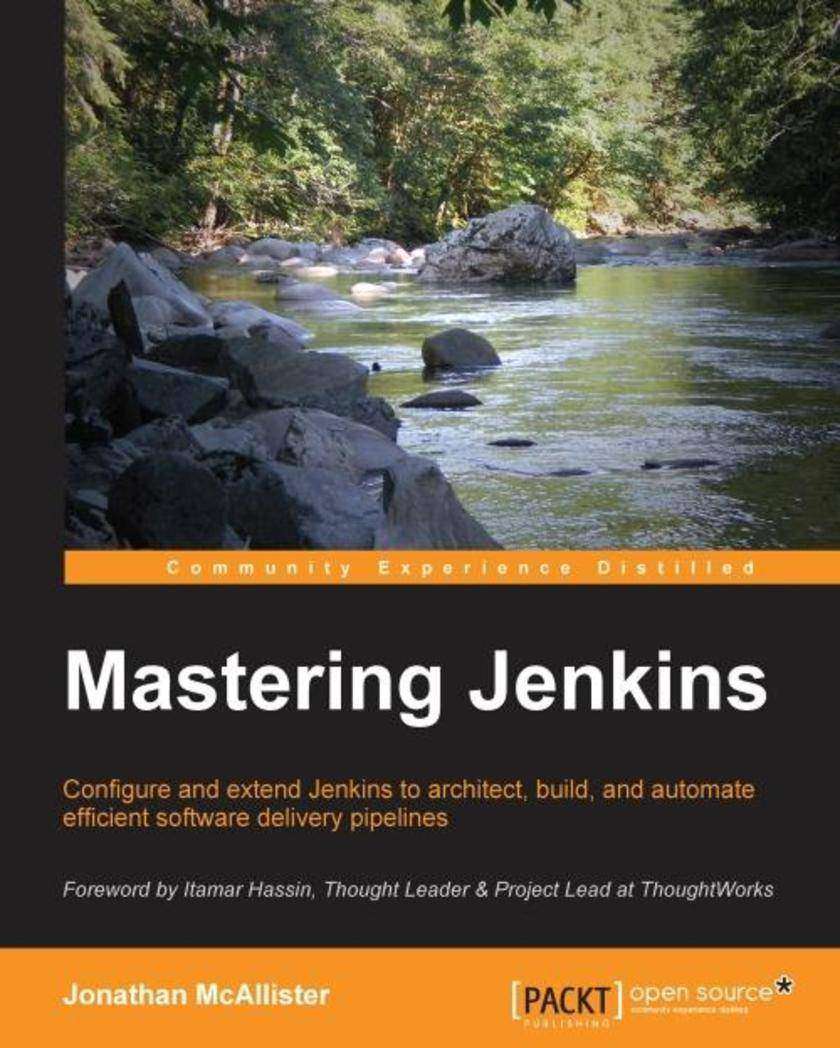
Mastering Jenkins
¥90.46
Configure and extend Jenkins to architect, build, and automate efficient software delivery pipelinesAbout This BookConfigure and horizontally scale a Jenkins installation to support a development organization of any sizeImplement Continuous Integration, Continuous Delivery, and Continuous Deployment solutions in JenkinsA step-by-step guide to help you get the most out of the powerful automation orchestration platform that is Jenkins Who This Book Is For If you are a novice or intermediate-level Jenkins user who has used Jenkins before but are not familiar with architecting solutions and implementing it in your organization, then this is the book for you. A basic understanding of the core elements of Jenkins is required to make the best use of this book.What You Will LearnCreate and manage various types of build jobs, and implement automation tasks to support a software project of any kindGet to grips with the automated testing architecture, and scalable automated testing techniquesFacilitate the delivery of software across the SDLC by creating scalable automated deployment solutionsManage scalable automation pipelines in Jenkins using the latest build, test, and deployment strategiesImplement a scalable master / slave build automation platform, which can support Windows, Mac OSX, and Linux software solutionsCover troubleshooting and advanced configuration techniques for Jenkins slave nodesSupport a robust build and delivery system by implementing basic infrastructure as code solutions in configuration management tools such as Ansible In Detail With the software industry becoming more and more competitive, organizations are now integrating delivery automation and automated quality assurance practices into their business model. Jenkins represents a complete automation orchestration system, and can help converge once segregated groups into a cohesive product development and delivery team. By mastering the Jenkins platform and learning to architect and implement Continuous Integration, Continuous Delivery, and Continuous Deployment solutions, your organization can learn to outmanoeuvre and outpace the competition. This book will equip you with the best practices to implement advanced continuous delivery and deployment systems in Jenkins. The book begins with giving you high-level architectural fundamentals surrounding Jenkins and Continuous Integration. You will cover the different installation scenarios for Jenkins, and see how to install it as a service, as well as the advanced XML configurations. Then, you will proceed to learn more about the architecture and implementation of the Jenkins Master/Save node system, followed by creating and managing Jenkins build jobs effectively. Furthermore, you’ll explore Jenkins as an automation orchestration system, followed by implementing advanced automated testing techniques. The final chapters describe in depth the common integrations to Jenkins from third-party tools such as Jira, Artifactory, Amazon EC2, and getting the most out of the Jenkins REST-based API. By the end of this book, you will have all the knowledge necessary to be the definitive resource for managing and implementing advanced Jenkins automation solutions for your organization.Style and approach This book is a step-by-step guide to architecting and implementing automated build solutions, automated testing practices, and automated delivery methodologies. The topics covered are based on industry-proven techniques, and are explained in a simple and easy to understand manner.


