


 购物车
购物车 个人中心
个人中心
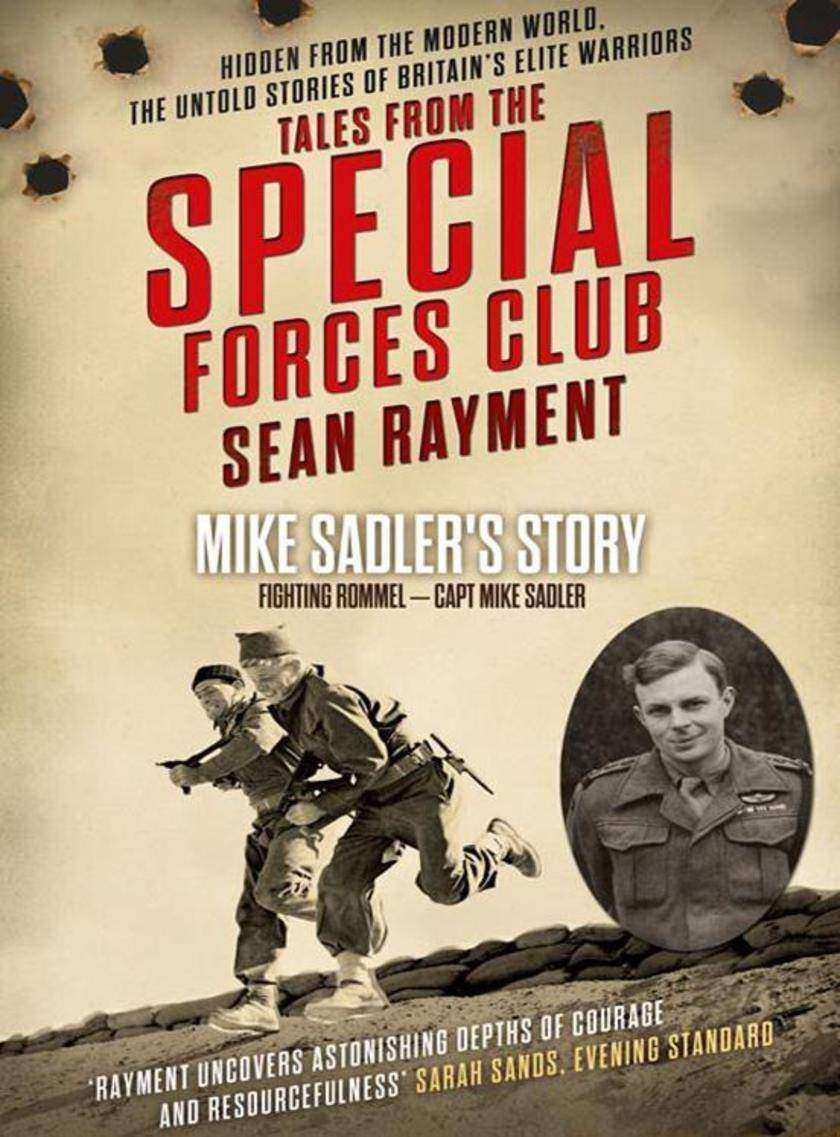
Fighting Rommel
¥9.71
This is Mike Sadler’s story, one of five true-life recollections from the Second World War in Tales From The Special Forces Club. The Special Forces Club is a fabled gentlemen’s club, based in the heart of London. It has a closely guarded secret: you have to be a genuine hero to be a member. Mike Sadler was in Rhodesia working on a farm when he decided to join up and fight Hitler. He would become one of the legendary men in the Long Range Desert Group, roaming behind Erwin Rommel’s front line and causing havoc and confusion to the German Africa Korp. He would also go on to serve with distinction in the SAS. This is his story.
Eileen’s story (Individual stories from THE SWEETHEARTS, Book 3)
¥11.77
This is Eileen’s story, one of five stories extracted from THE SWEETHEARTS. Whether in wartime or peace, tales of love, laughter and hardship from the girls in the Rowntrees factory in Yorkshire. “Eileen’s dad worked at the Rowntree’s factory loading cocoa beans into the grinding mills; it was hard physical work, but he was a tall and powerful figure and very fit. Eileen was only five when war broke out and her dad went away, and was just nine years old when he came back from war. ‘He looked simply horrendous. His wounded leg was still in plaster, his hair had grown long, there were scars all over his face and scalp, and to allow his wounds to continue to heal and to keep his eye sockets open until he could be fitted with glass eyes.’ He could have trained to run a corner shop, or done plenty of other things –but all he wanted to do was go back to Rowntree’s…” From the 1930s through to the 1980s, as Britain endured war, depression, hardship and strikes, the women at the Rowntree’s factory in York kept the chocolates coming. This is the true story of The Sweethearts, the women who roasted the cocoa beans, piped the icing and packed the boxes that became gifts for lovers, snacks for workers and treats for children across the country. More often than not, their working days provided welcome relief from bad husbands and bad housing, a community where they could find new confidence, friendship and when the supervisor wasn’t looking, the occasional chocolate.
Dorothy’s story (Individual stories from THE SWEETHEARTS, Book 4)
¥11.77
This is Dorothy’s story, one of five stories extracted from THE SWEETHEARTS. Whether in wartime or peace, tales of love, laughter and hardship from the girls in the Rowntrees factory in Yorkshire. “‘Every Friday when we got paid, they used to come round with your pay packet and a tin for charity and you’d put a penny in, and they’d go round all the machines for people to put money in. That was a very Rowntree’s thing to do.’ Dorothy gave all her pay to her grandma for her board, but was given back five shillings for herself. She loved the cinema: ‘I’d put on as much make-up as I thought my grandmother would let me get away with and my friends and I would go to the pictures two or three times a week. We’d all have a good look around and see who was there and what was going on. It used to make me smile when I’d see girls who had been sitting with one boy before the interval, settling down with a different boy as the lights went down again.’…” From the 1930s through to the 1980s, as Britain endured war, depression, hardship and strikes, the women at the Rowntree’s factory in York kept the chocolates coming. This is the true story of The Sweethearts, the women who roasted the cocoa beans, piped the icing and packed the boxes that became gifts for lovers, snacks for workers and treats for children across the country. More often than not, their working days provided welcome relief from bad husbands and bad housing, a community where they could find new confidence, friendship and when the supervisor wasn’t looking, the occasional chocolate.
Maureen’s story (Individual stories from THE SWEETHEARTS, Book 5)
¥11.77
This is Maureen’s story, one of five stories extracted from THE SWEETHEARTS. Whether in wartime or peace, tales of love, laughter and hardship from the girls in the Rowntrees factory in Yorkshire. “Maureen started work at Rowntree’s on her fifteenth birthday in April 1959, and remembers being the only one in the entire workforce who was wearing ankle socks. But she soon settled in and on Saturday afternoons Maureen and the rest of the girls would go into town – 'I really liked the fashions then and used to love getting dressed up in those days. We wore stockings and suspenders, stilettos, and we always wore gloves, usually white ones, and shoes and handbag to match. We all wore skirts under our overalls and hooped petticoats. My digs were just over the bridge from Rowntree’s and the boys used to love watching me run down the bridge in the morning! I was never late for work, but I usually cut it pretty fine and often had to run the last couple of hundred yards. The hoops would ride up while I was running so there’d be a lot of wolf whistles from the boys…’” From the 1930s through to the 1980s, as Britain endured war, depression, hardship and strikes, the women at the Rowntree’s factory in York kept the chocolates coming. This is the true story of The Sweethearts, the women who roasted the cocoa beans, piped the icing and packed the boxes that became gifts for lovers, snacks for workers and treats for children across the country. More often than not, their working days provided welcome relief from bad husbands and bad housing, a community where they could find new confidence, friendship and when the supervisor wasn’t looking, the occasional chocolate.
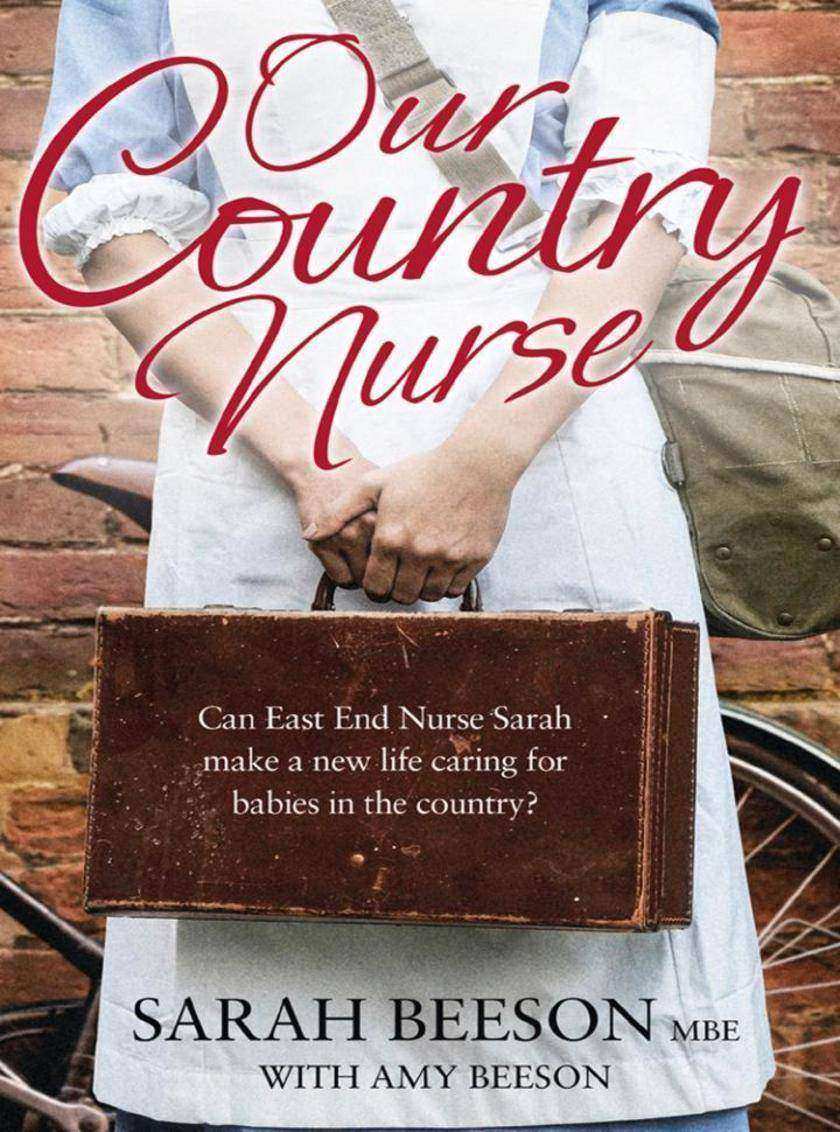
Our Country Nurse
¥37.08
All seems tranquil as newly qualified Health Visitor Sarah motors into a small Kentish hilltop village in her new green mini. She’s barely out of the car when she’s called to assist the midwife with a bride who’s gone into labour in the middle of her own wedding reception. And so her adventures begin… As a health visitor Nurse Sarah is as green as grass but she puts her best foot into wellies and braves the mad dogs, killer ganders and muddy tracks of the farming community. Despite set-backs young Sarah is determined to help the mums she meets, from struggling young mothers in unmodernised farmhouses, to doyennes of the county dinner party set who slave over stuffed olive hors-d'oeuvres. Village life in 1970s isn’t always quite the Good Life Sarah’s been expecting; her attempts at self-sufficiency and cider making lead to drunk badgers and spirited house parties – but will it be the clergyman, the vet or the young doctor that win Sarah’s heart. During her first year in Kent, Nurse Sarah Hill get stuck in – reuniting families and helping mums in the midst of community full of ancient feuds, funny little ways and just a bit of magic.
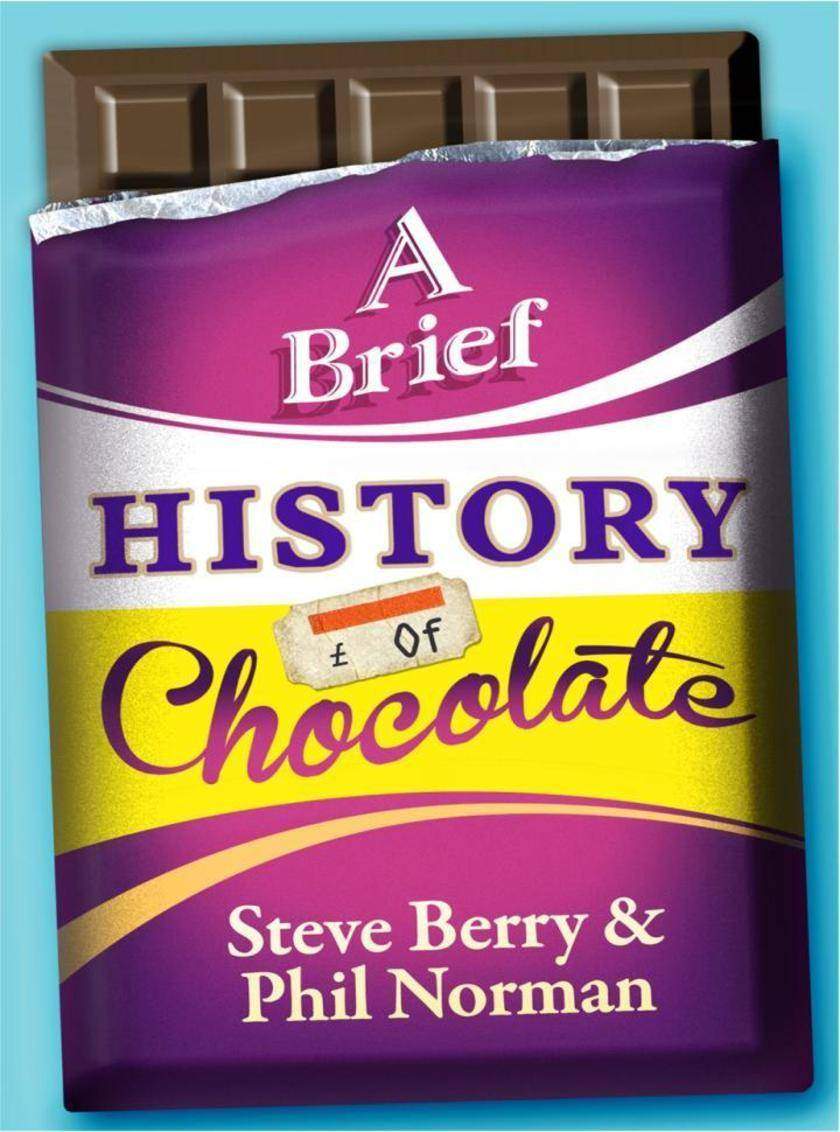
A Brief History of Chocolate
¥22.66
An illustrated guide to chocolate that every self-respecting chocoholic should read. Do you remember when a Snickers was a Marathon? And when you could burst in to a sweet shop and ask for ‘an Oliver Twist, two Tiffins and a Big Wig, please!’ and keep a straight face? Those were the good days: when a Dairy Milk bar was 22p and you’d never seen anything as big as a Wagon Wheel. Revisit some of your forgotten favourites and current addictions, as Steve Berry and Phil Norman take you on a tour of cocoa’s finest moments. Fully illustrated with hundreds of wrappers, ads and pack shots, ‘A Brief History of Chocolate’ brings together research from the archives, factories and warehouses of some of the leading chocolate manufacturers in the country to create a book that is packed full of fascinating historical research… … and lots and lots of chocolate. Warning: may contain nuts A ‘Brief History of Chocolate’ originally featured in ‘The Great British Tuck Shop’, the ultimate book of sweetie nostalgia.
Atlantic: A Vast Ocean of a Million Stories
¥73.58
The definitive biography of the world's most important body of water – the Atlantic. One hundred and ninety million years ago, the shifting of two of the world's tectonic plates led to the creation of an immense chasm. This giant gash in the flanks of the planet slowly opened up and eventually evolved into the most important and most travelled ocean in our world. In this utterly original biography, Simon Winchester explores the life of the Atlantic; it's birth, its relationship with mankind, and what lies in store for it once man has left the stage. He charts the development of the first settlements by the Oceanside – the communities of Celts and Vikings and whose lives depended on the sea – and delves into the age of exploration, venturing to forgotten worlds. The building of some of the world's most beautiful port cities – London, Rio de Janeiro, New York, Casablanca – is also examined, along with the creation of settlements and colonies in and around the sea. Completely unique and highly readable, Atlantic takes its reader on a wonderful journey through time, along the waves of our planet's most significant ocean.
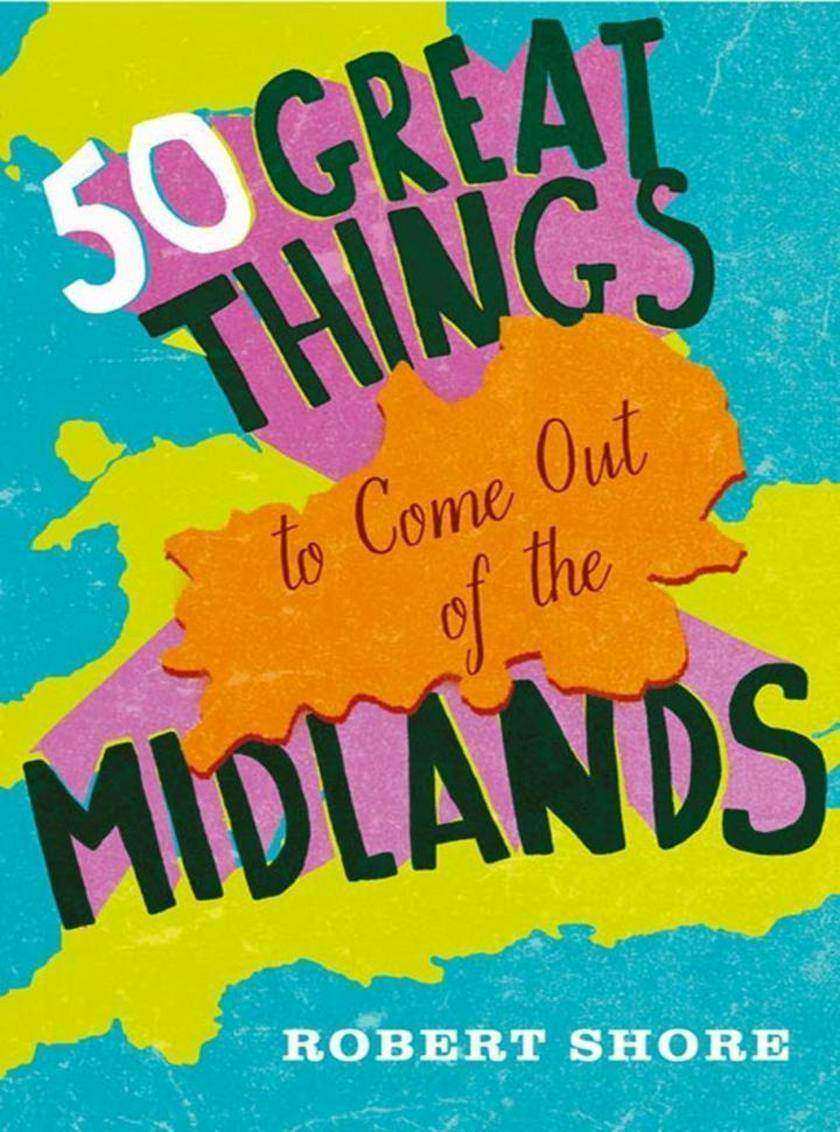
Fifty Great Things to Come Out of the Midlands
¥9.71
Celebrate the heart of Britain in this fun and informative mini-ebook. Rugby, Walkers Crisps, Conkers. These are just a handful of the many great things to have come out of the Midlands. In this celebratory list, journalist and loyal Midlander Robert Shore counts down fifty of the best gifts the Midlands has given the world. Knowledge no Midlander – nay, Brit! – should be without. From the author of Bang in the Middle.
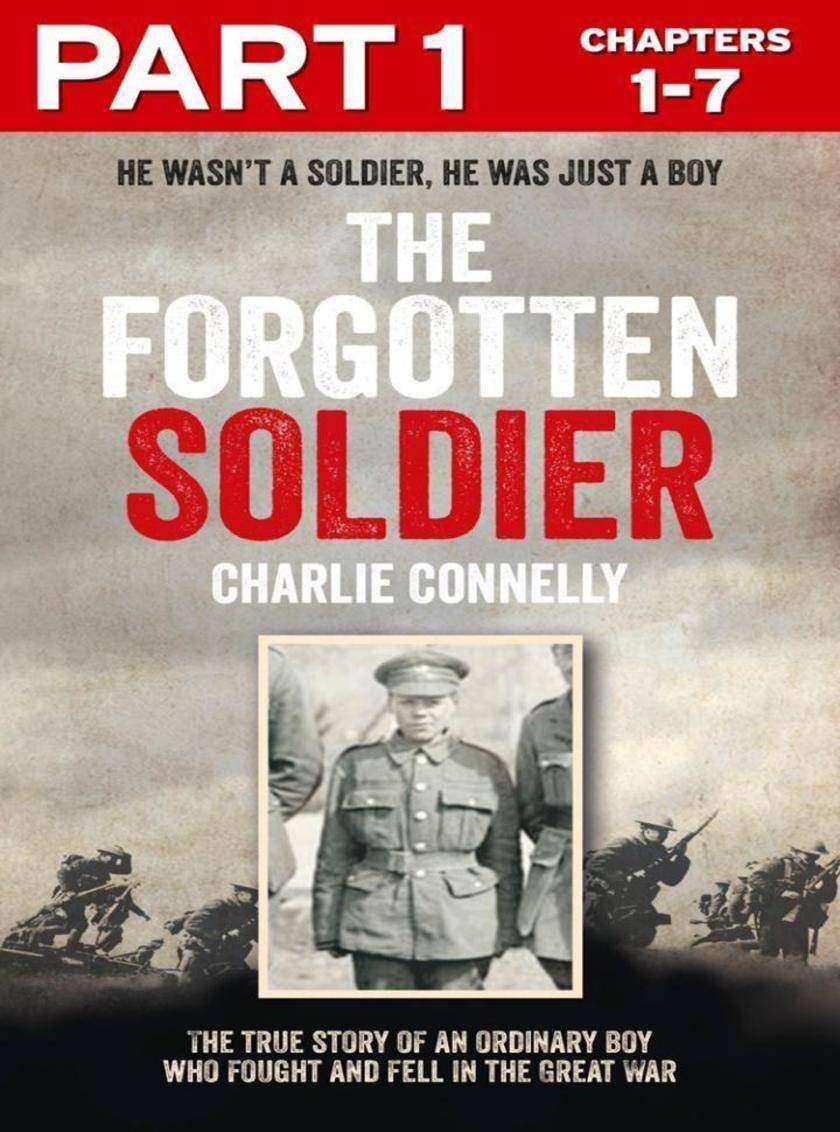
The Forgotten Soldier (Part 1 of 3)
免费
Bestselling author Charlie Connelly returns with a First World War memoir of his great uncle, Edward Connelly, who was an ordinary boy sent to fight in a war the likes of which the world had never seen. But this is not just his story; it is the story of all the young forgotten soldiers who fought and bravely died for their country The Forgotten Soldier tells the story of Private Edward Connelly, aged 19, killed in the First World War a week before the Armistice and immediately forgotten, even, it seems, by his own family. Edward died on exactly the same day, and as part of the same military offensive, as Wilfred Owen. They died only a few miles apart and yet there cannot be a bigger contrast between their legacies. Edward had been born into poverty in west London on the eve of the twentieth century, had a job washing railway carriages, was con*ed into the army at the age of eighteen and sent to the Western Front from where he would never return. He lies buried miles from home in a small military cemetery on the outskirts of an obscure town close to the French border in western Belgium. No-one has ever visited him. Like thousands of other young boys, Edward’s life and death were forgotten. By delving into and uncovering letters, poems and war diaries to reconstruct his great uncle’s brief life and needless death; Charlie fills in the blanks of Edward’s life with the experiences of similar young men giving a voice to the voiceless. Edward Connelly’s tragic story comes to represent all the young men who went off to the Great War and never came home. This is a book about the unsung heroes, the ordinary men who did their duty with utmost courage, and who deserve to be remembered.
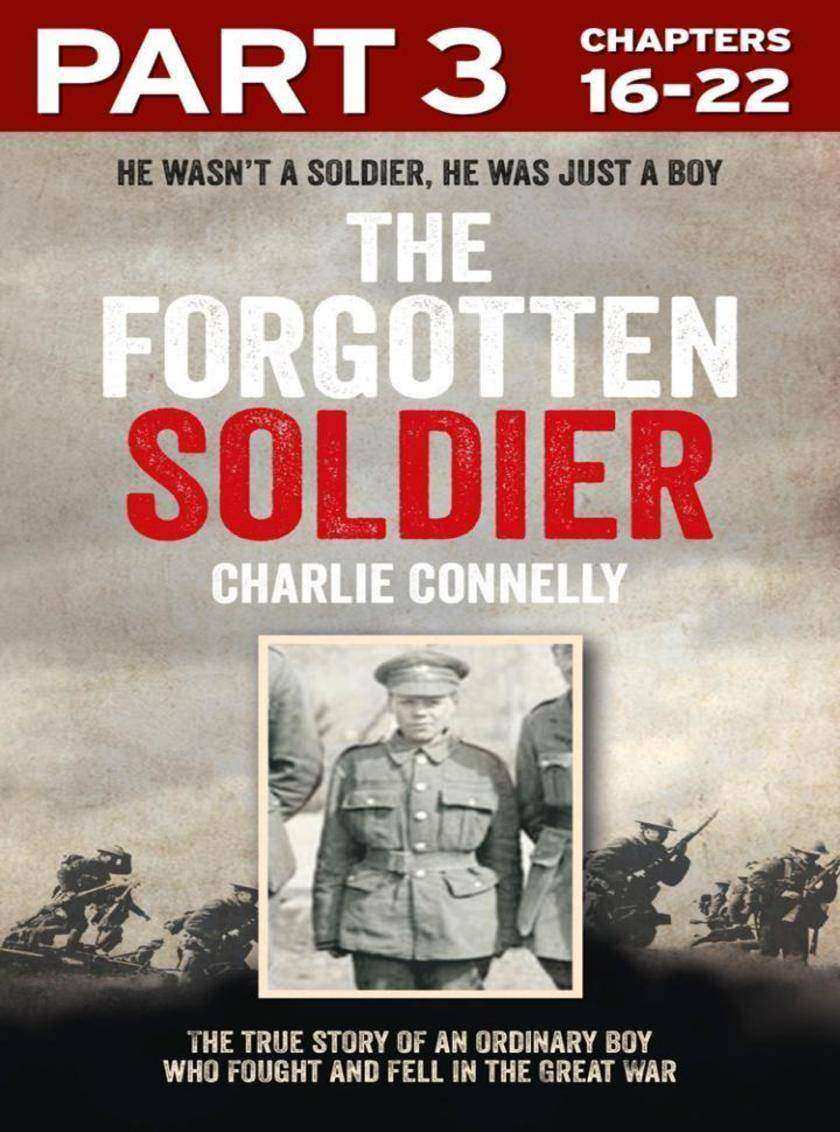
The Forgotten Soldier (Part 3 of 3)
¥47.48
Bestselling author Charlie Connelly returns with a First World War memoir of his great uncle, Edward Connelly, who was an ordinary boy sent to fight in a war the likes of which the world had never seen. But this is not just his story; it is the story of all the young forgotten soldiers who fought and bravely died for their country The Forgotten Soldier tells the story of Private Edward Connelly, aged 19, killed in the First World War a week before the Armistice and immediately forgotten, even, it seems, by his own family. Edward died on exactly the same day, and as part of the same military offensive, as Wilfred Owen. They died only a few miles apart and yet there cannot be a bigger contrast between their legacies. Edward had been born into poverty in west London on the eve of the twentieth century, had a job washing railway carriages, was con*ed into the army at the age of eighteen and sent to the Western Front from where he would never return. He lies buried miles from home in a small military cemetery on the outskirts of an obscure town close to the French border in western Belgium. No-one has ever visited him. Like thousands of other young boys, Edward’s life and death were forgotten. By delving into and uncovering letters, poems and war diaries to reconstruct his great uncle’s brief life and needless death; Charlie fills in the blanks of Edward’s life with the experiences of similar young men giving a voice to the voiceless. Edward Connelly’s tragic story comes to represent all the young men who went off to the Great War and never came home. This is a book about the unsung heroes, the ordinary men who did their duty with utmost courage, and who deserve to be remembered.

A History of Television in 100 Programmes
¥76.91
An entertaining and illuminating celebration of televisual history by cultural historian Phil Norman For decades, television occupied a unique position in the national imagination. By today’s standards the ‘box’ was tiny, but it dominated the living room in a way its technically superior descendants never quite manage. Has the television lost its power in the internet age? Cultural historian Phil Norman goes in search of such questions as he tells the history of TV through 100 ground-breaking programmes. He celebrates the joy of the TV schedule which, in the days of just a few channels, threw up dizzy juxtapositions on a daily basis: an earnest play might be followed by a variety spectacular; a horror anthology that drove children behind furniture followed a sketch show that chewed the carpet. This riotous mix, now slowly disappearing as themed channels and on-demand services take over, gave television a sense of community that no other media could compete with. The wonderful variety of programmes in the book includes overlooked gems and justly wiped follies, overcooked spectaculars and underfunded experiments – just as much a part of TV history as the national treasures and stone-cold classics. A History of Television in 100 Programmes revels in the days when television was at the most exciting, creative stage of any medium: a cottage industry with the world at its feet.
The Homing Instinct: Meaning and Mystery in Animal Migration
¥73.58
The story and science of how animals find their way home. Home is the place we long for most, when we feel we have travelled too far, for too long. Since boyhood, acclaimed scientist and author Bernd Heinrich has returned every year to a beloved patch of woods in his native western Maine. But while it’s the pull of nostalgia that informs our desire to go back, what is it that drives the homing instinct in animals? Heinrich explores the fascinating science behind the mysteries of animal migration: how geese imprint true visual landscape memory over impossible distances; how the subtlest of scent trails are used by many creatures, from fish to insects to amphibians, to pinpoint their home; and how the tiniest of songbirds are equipped for solar and magnetic orienteering over vast distances. Most movingly, Heinrich chronicles the spring return of a pair of sandhill cranes to their pond in the Alaska tundra. With his marvellously evocative prose, Heinrich portrays the psychological state of the newly arrived birds, articulating just what their yearly return truly means, to the birds and to those fortunate enough to witness this transcendently beautiful ritual. The Homing Instinct is an enchanting study of this phenomenon of the natural world, reminding us that to discount our own feelings toward home is to ignore biology itself.
3 Para
¥68.67
Afghanistan in the summer of 2006. In blazing heat in remote outposts the 3 Para battlegroup is pitted against a stubborn enemy who keep on coming. Until now, the full story of what happened there has not been told. This is it. In April 2006, the elite 3 Para battlegroup was despatched to Helmand Province in southern Afghanistan. They were tasked with providing security to reconstruction efforts, a deployment it was hoped would pass off without a shot being fired. In fact, over the six months they were there, the 3 Para battle group saw near continuous combat – one gruelling battle after another – in what would become one of the most extraordinary campaigns ever fought by British troops. Around parched, dusty outposts reliant on a limited number of helicopters for food and ammunition resupply, troops were subjected to relentless Taliban attacks, as well as energy-sapping 50 degree heat and spartan conditions. At the end of the tour, the Taliban offensive aimed at driving the British and Afghan Government troops out of Helmand had been tactically defeated. But 3 Para paid a high price: fourteen soldiers and one interpreter were killed, and 46 wounded. ‘3 Para’ will tell the stories of the men and women who took part in this extraordinary and largely unreported saga. Best-selling author Patrick Bishop has been given exclusive access to the soldiers whose tales of courage and endurance provide an unforgettable portrait of one of the world's finest and most fascinating fighting regiments, and a remarkable band of warriors. Their bravery was reflected in the array of gallantry medals that were bestowed on their return, including the Victoria Cross awarded to Corporal Bryan Budd and the George Cross won by Corporal Mark Wright, both of whom were killed winning their awards. 3 Para’s saga of comradeship, courage and fortitude is set to become a classic.
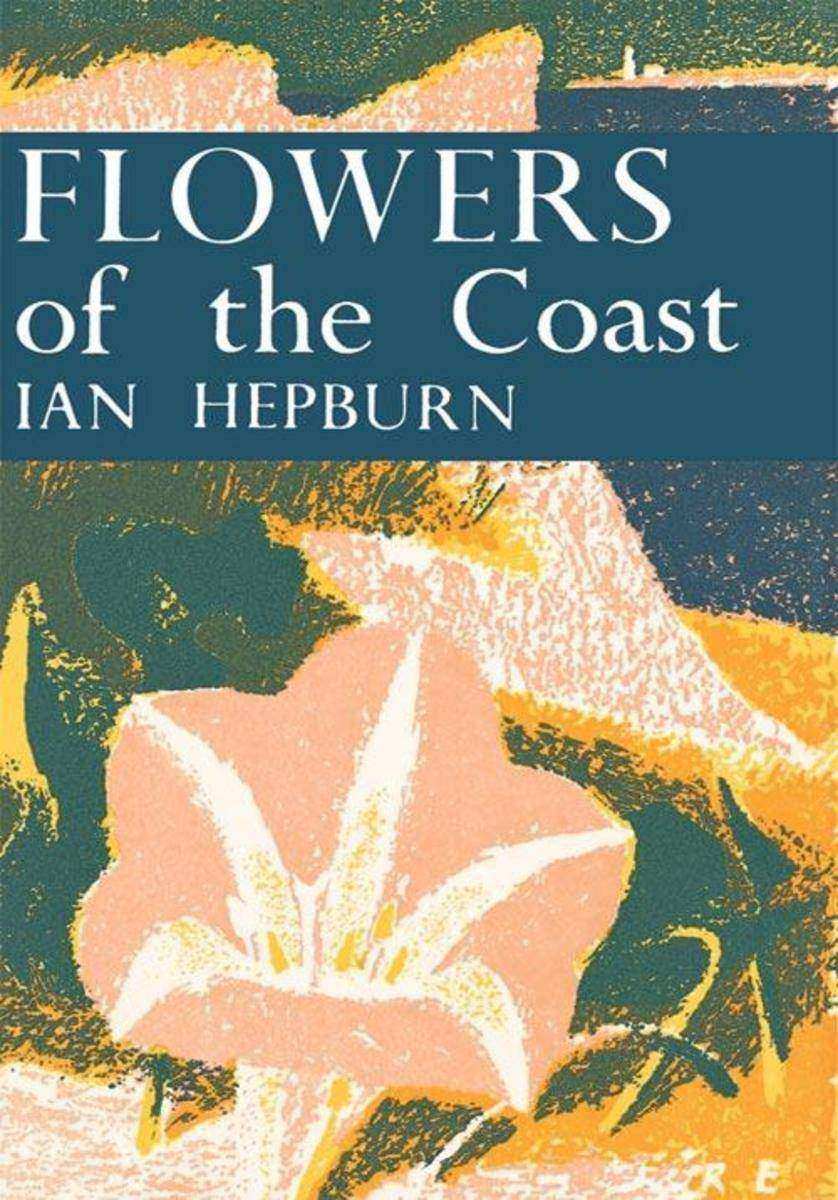
Flowers of the Coast (Collins New Naturalist Library, Book 24)
¥456.66
Few parts of our British islands can compare with our sea coasts as plant hunting ground. Flowers of the Coast takes us on a search across sand dune, cliff, shingle and rock. This edition is produced from an original copy by William Collins.
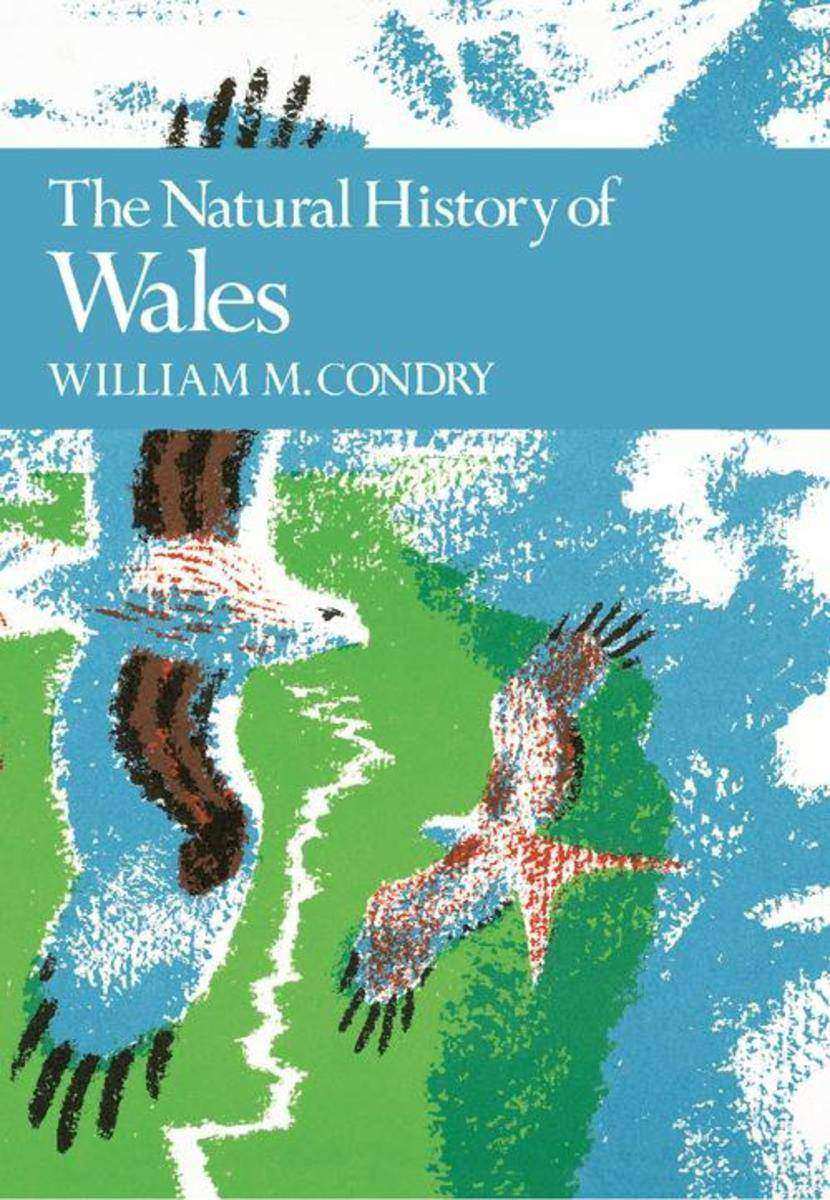
The Natural History of Wales (Collins New Naturalist Library, Book 66)
¥456.66
This book is an attempt to survey the natural history of the whole of Wales. It therefore covers such areas as Snowdonia and the Brecon Beacons as well as the spectacularly beautiful Pembrokeshire coast and the less well-known but no less interesting areas of mid-Wales. Wales is a country of great geographical and biological diversity, a largely mountainous land whose eastern scarps overlook the richer plains of Mercia. William Condry is an acute observer of the potentialities of terrain, and particularly in respect of wildlife habitats. The author of the distinguished volume on Snowdonia in the New Naturalist series, he is the ideal person to write about one of the best-known and best-loved parts of Great Britain. This book is an attempt to survey the natural history of the whole of Wales. It therefore covers such areas as Snowdonia and the Brecon Beacons as well as the spectacularly beautiful Pembrokeshire coast and the less well-known but no less interesting areas of mid-Wales. Describing each kind of terrain in turn, William Condry has explored and surveyed the face of this unique land as few others have done. Beginning with corries, crags and summits, he goes on to consider moorlands, mires and conifers. There then follow rivers, lakes and marshes; the native woodlands; limestone flora; farmlands, villages and estates; the industrial scene; and finally perhaps the most striking terrain of all, the coast. This encompasses polders, peatlands, beaches, dunes and estuaries as well as cliffs, headlands and island. Within each of these areas William Condry brings a wealth of experience to bear on the more obvious aspects of wildlife - flowering plants and ferns, mammals, birds, fish, reptiles and amphibians. Important rarities such as the Snowdon lily or the red kite are, of course, included, but always with the intention of establishing a proper respect for their conservation. Affectionate and thoroughly informative, full of insights into local history and always a delight to read, this is a magnificent introduction to Wales and its countryside.
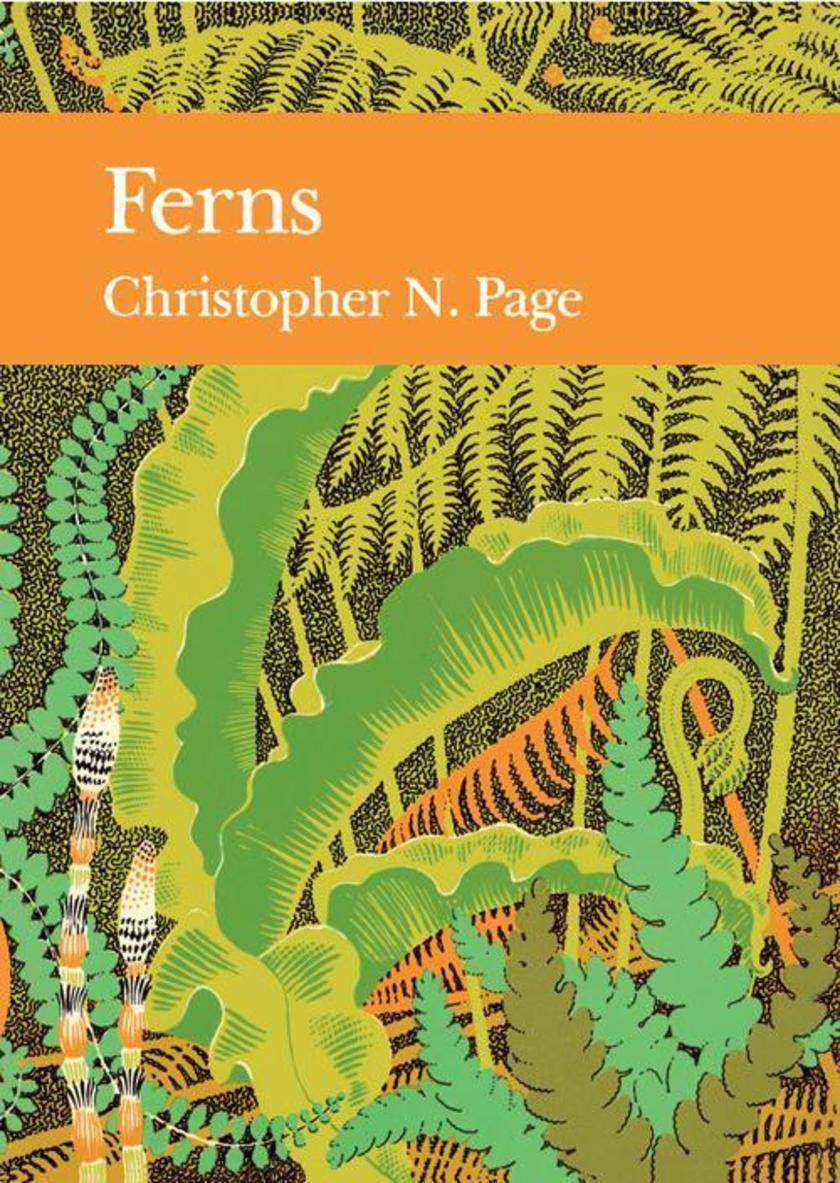
Ferns (Collins New Naturalist Library, Book 74)
¥456.66
Ferns gives the reader an introduction to the reasons for the variety of ferns in the British Isles, as well as the history of their development within this landscape and their use by man. This edition is exclusive to newnaturalists.com Ferns, horsetails and clubmosses, or to use their technical term the Pteridophyta, are a fascinating area of the British flora that ranged from the prehistoric-looking horsetails to the delicate beauty of the Aspleniaceae family (otherwise known as the spleenworts and familiar inhabitants of many a conservatory). Ferns are ubiquitous on this damp island, but often overlooked, overshadowed by the interest in the technicolour of our flowering plants. This book gives the reader an introduction to the reasons for the variety of ferns in the British Isles, as well as the history of their development within this landscape and their use by man. Taking each major habitat, Dr Page details which species of ferns are most likely to be encountered and why. Using numerous examples, he also shows how some species have become highly adapted to their environment using a whole range of strategies varying from the ordinary to the bizarre. Ferns follows in the distinguished New Naturalist series tradition of investigative natural history, drawing from the latest field studies and research, and is the most authoritative, up-to-date and in-depth survey of this part of the British flora available.
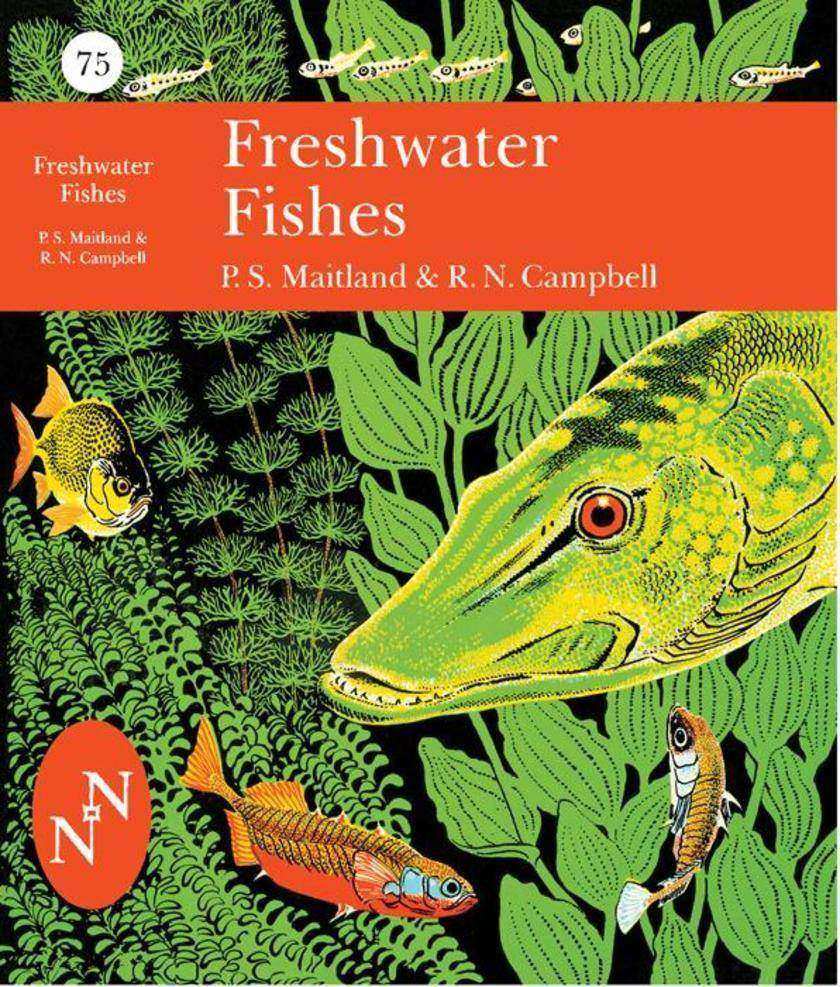
British Freshwater Fish (Collins New Naturalist Library, Book 75)
¥456.66
An in-depth look at the fish that inhabit the fresh waters of Britain and Ireland. These include famous members of the salmon family, such as the Atlantic Salmon and the Brown Trout, and the obscure whitefish, species of which are confined to just a few lakes. This edition is exclusive to newnaturalists.com Fish have been a highly sought after part of the British fauna since Dame Juliana Berners wrote the first fishing book in 1486, but have long been overlooked by naturalists as a part of the British countryside. In this new volume in the New Naturalist series, Dr Peter Maitland and Niall Campbell, who have both spent a lifetime studying and catching fish, take an in-depth look at the fish that inhabit the fresh waters of Britain and Ireland. These include famous members of the salmon family, such as the Atlantic Salmon and the Brown Trout, and the obscure whitefish, species of which are confined to just a few lakes. The information that the authors uncover gives a comprehensive overview of the life cycle of fish, whether mundane spawning or the complex migrations of the Eel and Sea Trout, as well as details on diet, behaviour and ecology. The book also contains the most up to date identification key to both the families and individual species of fish, allowing every species of freshwater fish to be conclusively identified. As well as detailed de*ions of each family, there are also seven chapters on more general subject. These include chapters on fish conservation and the future of the fish fauna in our country: a sign of the change in status of fish from the pursued to the studied.
Lichens (Collins New Naturalist Library, Book 86)
¥447.14
Lichens are fascinating and beautiful organisms able to colonise a vast range of habitats, including seemingly impossible places such as bare icy mountain tops and sun-scorched coastal rocks. This book discusses all aspects of British lichens, revealing the secrets of their success. This edition is exclusive to newnaturalists.com Lichens are fascinating and beautiful organisms able to colonise a vast range of habitats, including seemingly impossible places such as bare icy mountain tops and sun-scorched coastal rocks. This book discusses all aspects of British lichens, revealing the secrets of their success. The book begins by looking at how lichens have been used throughout history in medicines, dyes, food and perfumes. It then goes on to describe what lichens are, and how they grow and reproduce. A detailed survey is given of the range of habitats in which lichens can be found: on trees, rocks, heaths and moors, chalk and limestone, mountains, rivers, lakes, the coast, walls and buildings, most famously on churches and in churchyards. Gilbert also discusses the susceptibility of lichens to air pollution, and how they can be used to detect environmental pollution. The comprehensive, reader-friendly text, over 150 illustrations and 16 pages of colour, combine to make Lichens the definitive work on this subject of great natural history interest.
Death or Victory: The Battle for Quebec and the Birth of Empire
¥81.52
An epic history of the battle of Quebec, the death of General James Wolfe and the beginnings of Britain’s empire in North America. Military history at its best. Perched on top of a tall promontory, surrounded on three sides by the treacherous St Lawrence River, Quebec – in 1759 France’s capital city in Canada – forms an almost impregnable natural fortress. That year, with the Seven Years’ War raging around the globe, a force of 49 ships and nearly 9,000 men commanded by the irascible General James Wolfe, navigated the river, scaled the cliffs and laid siege to the town in an audacious attempt to expel the French from North America forever. In this magisterial first solus book, tying into the 250th anniversary of the battle, Dan Snow tells the story of this famous campaign which was to have far-reaching consequences for Britain’s rise to global hegemony, and the world at large. Snow brilliantly sets the battle within its global context and tells a gripping tale of brutal war quite unlike any fought in Europe, where terrain, weather and native Canadian tribes were as fearsome as any enemy. ‘I never served so disagreeable a campaign as this,’ grumbled one British commander, ‘it is war of the worst shape.’ 1759 was, without question, a year in which the decisions of men changed the world forever. Based on original research and told from all perspectives, this is history – military, political, human – on an epic scale.
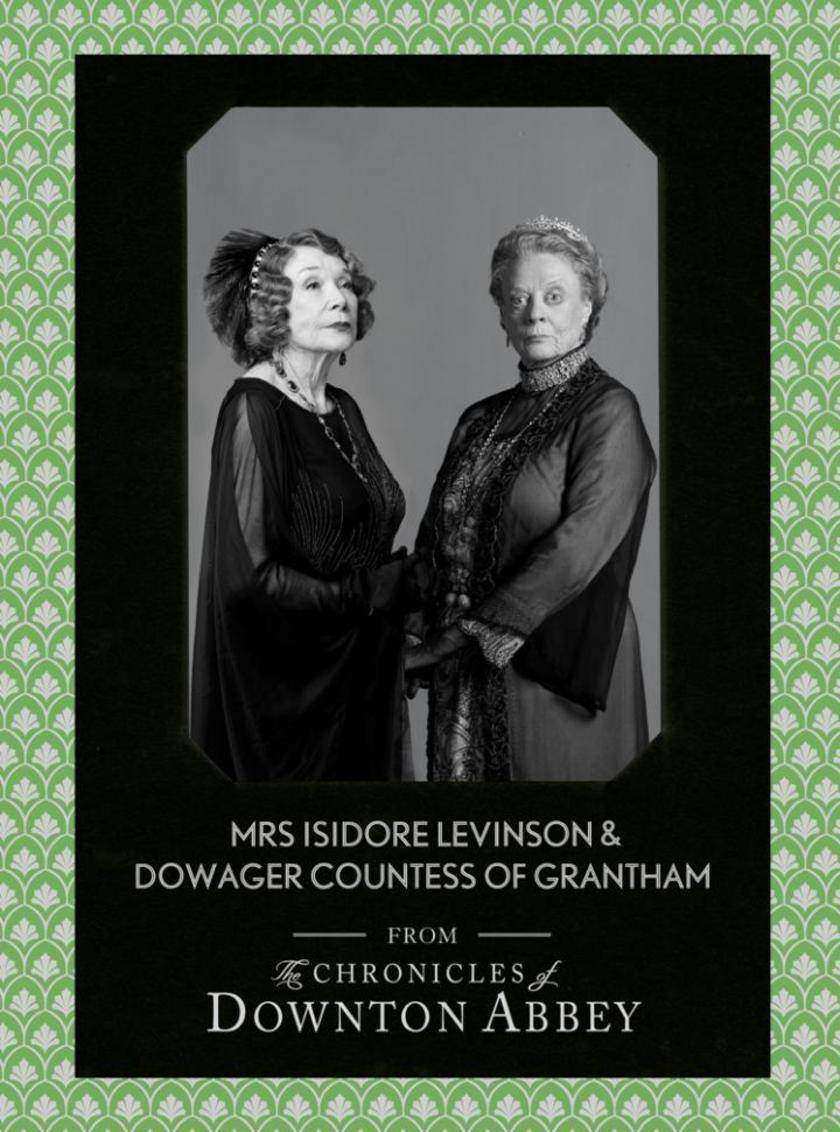
Dowager Countess of Grantham and Mrs Isidore Levinson
¥11.77
This richly illustrated short, extracted from the official book The Chronicles of Downton Abbey, focuses on the characters individually, examining their motivations, their actions and the inspirations behind them. Forwarded by Downton Abbey creator Julian Fellowes. When Cora’s mother, Martha Levinson, comes to stay, it’s clear that she is more than a match for Violet. Equally confident in their age, status and belief that their way is the right way, the two could easily quarrel. Intransigent, intractable Violet is the definitive dowager. Largely based on Julian Fellowes’s own great-aunt, Isie Stephenson, ‘in whom there was a mix of severity and a kind heart’, Violet represents the last of an era; one of the few remaining Victorians who believed absolutely in the necessity of moral exactitude, the importance of family and the oblige of the noblesse. Martha may have once been awed by the English upper classes (this, after all, was why she brought her daughter over to be presented at the London Season), but she welcomes the post-war changes that are being brought to England, even if they seem slower in coming to Downton Abbey. Shirley MacLaine, the actress who plays Martha, believes that her character’s attitude comes not so much from her money as her politics: ‘Her confidence comes from being a democratic American – she is so centred in her fairness and considers America to be fair, and tradition is not fair.’ Purchase this ebook short and the others in the series to get closer still to the characters at Downton Abbey and to understand more about their social context – from the changing role of the aristocracy to fashion and beauty, American Anglophiles, the Suffragette movement and life below stairs in a big country house like Downton. Search for The Chronicles of Downton Abbey to purchase all shorts combined.
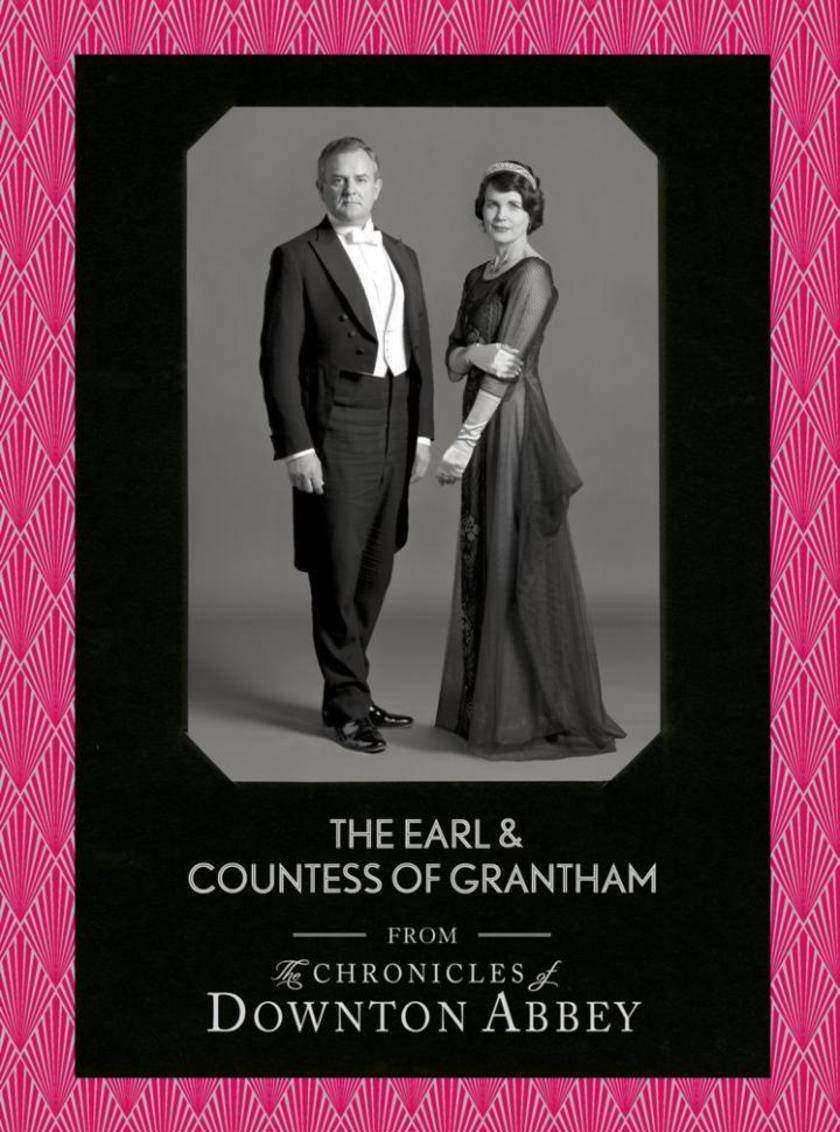
The Earl and Countess of Grantham (Downton Abbey Shorts, Book 3)
¥11.77
This richly illustrated short, extracted from the official book The Chronicles of Downton Abbey, focuses on the characters individually, examining their motivations, their actions and the inspirations behind them. Forwarded by Downton Abbey creator Julian Fellowes. “I think Cora is very much an emotionally connected mother”, says Elizabeth McGovern the actress who plays her. “As an American she would have a distinctive approach, different to the English aristocracy’s way of doing things. Her instinct is to be involved with the day-to-day and to go about things in a more hands-on way.’ Cora is a woman of resilience and unfailing supportiveness. Where Robert is emotionally insecure, she is sure of herself and undaunted by the difficulties they could face. As a mother, she has a role in life, no matter what else is going on, but being Robert’s wife is also very important to her. Lord Grantham – Robert – has many good qualities: he is kind, loyal to his family, loving to his wife, adoring of his daughters, a fair employer and generous to those around him. But, for him, all these things are peripheral in the face of his most important role in life – as the 7th Earl of Grantham. As he sees it, he has been put on this earth with one prime objective: to keep Downton Abbey in its proper state and hand it over in this condition to his heir. Purchase this ebook short and the others in the series to get closer still to the characters at Downton Abbey and to understand more about their social context – from the changing role of the aristocracy to fashion and beauty, American Anglophiles, the Suffragette movement and life below stairs in a big country house like Downton. Search for The Chronicles of Downton Abbey to purchase all shorts combined.


