


 购物车
购物车 个人中心
个人中心

Adonais
¥24.44
Adonais begins as he stands on the Iberian Peninsula and looks out towards the coast of North Africa, fighting for the strength to go with his inner leadings and follow his destiny that lies beyond that coast. The story observes the young Friar as he makes his journey from the Peninsula?s southern tip through the Alpujarra to a Gharnata that is feeling a new rise in sectarian tension and is hearing news of violent events across the border in Christian Sevilla. In Gharnata he meets his childhood friend Miriam in the house of Rabbi Andrew, the spiritual head of Gharnata?s distinguished Jewish population. They agree to share the journey together to her forest community that is on the way to his final destination which is the Christian frontier city of Jaen. These young orphan children who grew up as closest friends and confidantes but have blossomed into beautiful adults have a deep and soul searching time of facing a lot of their confusion over their adult relationship which causes, especially Adonais to face some of the ghosts of his past. Miriam?s joyous wedding occurs in the vibrant community of which she is a key part and the whole event provides cathartic, healing for many of the participants. After the wedding Adonais continues his journey to Jaen as the shocking, violent and murderous events of June 1391 in Sevilla become the focus.Adonais the character symbolizes the way in which a true and wholesome spirituality can rebuild a life broken by hatred and religious sectarianism. The story is set in the late 14th Century Iberian Peninsula, and evokes the tension and intrigue of the time as well as capturing its beguiling mystery.In the novel Adonais, the author has managed to survey an extremely dark, treacherous and violent era in history and show a story of the triumph of hope and goodness over that same darkness. The novel explores many themes related to the history of the period, the interaction between different religious groups and the tension between inner spirituality and outer, sectarian religion.

Golf Formats For Societies & Game Secretaries
¥24.44
If you play golf then this book is for you , offering a variety of new ways to play your favourite game through clear instructions it guarantees a fun day on the course with friends. Includes individual game formats as well as Individual Game Formats 2 Ball Team Game Formats 3 Ball Team Game Formats 4 Ball Team Tournament Formats 4 Ball Tournament Fun Formats Tournament Formats for mixed 3 & 4 Ball Teams Definitions

The Teaching Of Reality
¥24.44
The Teaching of Reality is, as far as we know, the first translation into English of Tattvopade?a, a work attributed to the great spiritual teacher ?ankara. The text reveals the full significance of the great sentence ‘You are That’ (tat twam asi), which is said to convey the essence of the entire teaching of the Upanishads and to be the key to Advaita, the philosophy of non-duality. The reader is led through a systematic process enabling the real Self to be realised in practice.
Selenium Testing Tools Cookbook - Second Edition
¥80.65
Over 90 recipes to help you build and run automated tests for your web applications with Selenium WebDriverAbout This BookLearn to leverage the power of Selenium WebDriver with simple examples that illustrate real-world problems and their workaroundsExplains the testing of mobile applications with Appium for mobile platforms such as iOS and AndroidA pragmatic manual with engaging recipes and attractive screenshots to test your web applications efficiently Who This Book Is For This book is intended for software quality assurance/testing professionals, software project managers, or software developers with prior experience in using Selenium and Java to test web-based applications. This books also provides examples for C#, Python and Ruby users.What You Will LearnUnderstand how the locators work and use various locator methods to build reliable testsBuild reliable and maintainable tests with the Selenium WebDriver APIUse the PageFactory pattern to build a robust and easy to maintain test frameworkBuild data-driven tests and extend Selenium API to implement custom steps and checksIntegrate and use ATDD/BDD tools such as Cucumber, SpecFlow, Capybara, and Behave with the Selenium WebDriver APISet up iPhone/iPad and Android simulators and devices to test your mobile web application with AppiumSet up Selenium Grid for faster and parallel running of tests, increasing test coverage and reducing test execution time for cross-browser testingBuild extended Selenium WebDriver tests for additional coverage In Detail This book is an incremental guide that will help you learn and use the advanced features of the Selenium toolset including the WebDriver API in various situations to build a reliable test automation. You start off by setting up the test development environment and gain tips on the advanced locater strategy and the effective use of the Selenium WebDriver API. After that, the use of design patterns such as data - driven tests and PageFactory are demonstrated. You will then be familiarised with extending Selenium WebDriver API by implementing custom tasks and setting up your own distributed environment to run tests in parallel for cross-browser testing. Finally, we give you some tips on integrating Selenium WebDriver with other popular tools and testing mobile applications. By the end of this book, you will have learned enough to solve complex testing issues on your own.Style and approach This recipe-based guide covers real-life scenarios of testing your web apps with Selenium. Each recipe begins with a short introduction and key concepts along with illustrated examples of use cases, and ends with detailed but informative de*ions of the inner workings of the example.

Scala Data Analysis Cookbook
¥80.65
Navigate the world of data analysis, visualization, and machine learning with over 100 hands-on Scala recipesAbout This BookImplement Scala in your data analysis using features from Spark, Breeze, and ZeppelinScale up your data anlytics infrastructure with practical recipes for Scala machine learningRecipes for every stage of the data analysis process, from reading and collecting data to distributed analytics Who This Book Is For This book shows data scientists and analysts how to leverage their existing knowledge of Scala for quality and scalable data analysis.What You Will LearnFamiliarize and set up the Breeze and Spark libraries and use data structuresImport data from a host of possible sources and create dataframes from CSVClean, validate and transform data using Scala to pre-process numerical and string dataIntegrate quintessential machine learning algorithms using Scala stackBundle and scale up Spark jobs by deploying them into a variety of cluster managersRun streaming and graph analytics in Spark to visualize data, enabling exploratory analysis In Detail This book will introduce you to the most popular Scala tools, libraries, and frameworks through practical recipes around loading, manipulating, and preparing your data. It will also help you explore and make sense of your data using stunning and insightfulvisualizations, and machine learning toolkits. Starting with introductory recipes on utilizing the Breeze and Spark libraries, get to grips withhow to import data from a host of possible sources and how to pre-process numerical, string, and date data. Next, you’ll get an understanding of concepts that will help you visualize data using the Apache Zeppelin and Bokeh bindings in Scala, enabling exploratory data analysis. iscover how to program quintessential machine learning algorithms using Spark ML library. Work through steps to scale your machine learning models and deploy them into a standalone cluster, EC2, YARN, and Mesos. Finally dip into the powerful options presented by Spark Streaming, and machine learning for streaming data, as well as utilizing Spark GraphX.Style and approach This book contains a rich set of recipes that covers the full spectrum of interesting data analysis tasks and will help you revolutionize your data analysis skills using Scala and Spark.
Learning Underscore.js
¥71.93
Explore the Underscore.js library by example using a test-driven development approachAbout This BookUnderstand and learn to apply functional programming principles using the built-in functions of Underscore.jsLeverage and reuse Underscore.js-based code to create code that targets client, server, or database contextsTake Underscore.js further by reusing code between client and server and by learning about other closely related libraries Who This Book Is For If you are a developer with fundamental JavaScript knowledge and want to use modern JavaScript libraries to extend your functional programming skills, then Underscore.js is an important library you should be familiar with.What You Will LearnReference and call Underscore.js functions using a modern JavaScript development workflowApply Underscore.js to JavaScript arrays, objects, and functionsTake advantage of object-oriented or functional programming techniques with Underscore.jsLeverage Underscore.js to create code that targets client, server, or database contextsExtend Underscore.js functionality with other closely related librariesReuse Underscore.js-based code between client and server applicationsPrepare for the upcoming JavaScript standard ECMAScript 6 and support older browsers In Detail Underscore.js is one of the most popular modern JavaScript libraries used for functional programming. It can be used as a base for building complex JavaScript applications in a sustainable manner and for building other JavaScript libraries. It embraces functional programming principles but is not opinionated and can be used with imperative, object-oriented, functional, or other programming styles. This book explores how to use Underscore.js to power your code and understand modern JavaScript development concepts while applying a lightweight and efficient workflow to build applications. The book starts with an incremental Underscore.js introduction by exploring key JavaScript concepts. You will then explore the basic features of Underscore.js in action and establish a lightweight development workflow that allows the provided examples to be guided by tests. The book then covers the functionality of Underscore.js with in-depth examples and explanations for understanding and applying the Underscore.js API. You'll also learn how to use Underscore.js as a base for your own modules and libraries within an object-oriented or functional programming style, and will be able to explore Underscore.js use cases in different environments. Eventually, you'll learn about libraries that are closely related with Underscore.js, how to share code between client and server, and how to prepare for the upcoming JavaScript standard ECMAScript 6.Style and approach This book takes an example-driven approach to describing some of the essential JavaScript concepts and practices that are useful for building sustainable applications.
OpenStack Networking Cookbook
¥90.46
Harness the power of OpenStack Networking for public and private clouds using 90 hands-on recipesAbout This BookBuild and manage virtual switching, routing, and firewall-based networks in OpenStack using NeutronDevelop plugins and drivers for Neutron to enhance the built-in networking capabilitiesMonitor and automate OpenStack networks using tools like Ceilometer and Heat Who This Book Is For This book is aimed at network and system administrators who want to deploy and manage OpenStack-based cloud and IT infrastructure. If you have basic knowledge of OpenStack and virtualization, this book will help you leverage the rich functionality of OpenStack Networking in your cloud deployments.What You Will LearnOperate OpenStack Networking for public and private cloudsConfigure advanced routing services for your workloadsSecure data traffic using firewall-as-a-service capabilities of OpenStackDiscover how to leverage VXLAN to implement SDN in your OpenStack cloudMonitor the virtual networks using CeilometerDevelop plugins to enhance and customize OpenStack NetworkingProvide HA and VPN connectivity for your virtual machinesTroubleshoot and solve common problems with OpenStack Networking In Detail Networking in OpenStack has evolved from Nova Network to Neutron. This has resulted in a rich suite of networking services available to OpenStack users and administrators. Advanced services such as routers, firewall, and load balancers use building blocks such as network and subnets. Recent improvements support powerful customization using plugins. The evolution of Neutron continues as it integrates with tools like Ceilometer and Heat. This book will explore the built-in capabilities of Neutron to effectively deploy cloud solutions. You will begin with the most fundamental constructs of OpenStack Networking for switching and routing. You will then learn how to provide your tenants with services like firewalls and load-balancers. The step-by-step recipes will help you configure and troubleshoot networking problems in your cloud. This book will also introduce you to advanced topics like Ceilometer, Heat, and other upcoming tools in OpenStackStyle and approach The book is full of step-by-step recipes to configure and manage the networking aspects of your OpenStack cloud. In addition to covering basic configuration involved in OpenStack Networking, the books also shares various troubleshooting tips and techniques. As much as possible the book uses OpenStack dashboard (Horizon) to help the user get a feel of real OpenStack Networking
OpenStack Orchestration
¥71.93
Exploit the power of dynamic cloud formation and auto-scaling features to fully implement OpenStack orchestrationAbout This BookSet up, manage, and troubleshoot Heat and effectively automate your datacenter and cloud-based servicesAchieve high availability, minimize down-time, and automate the deployment of cloud-based services and resources with minimum effortUpgrade your skills and manipulate resources on virtual machines in an unattended fashion using Heat Who This Book Is For If you are a System Engineer, System Administrator, Cloud Administrator, or a Cloud Engineer, then this book is for you. You should have a background of working in a Linux-based setup. Any knowledge of OpenStack-based cloud infrastructure will help you create wonders using this book.What You Will LearnInstall an orchestration service for a private cloud environmentTackle errors that show up during the installation and configuration of heatConfigure a template for orchestration using the native HOT formatConfigure a template for orchestration using the AWS cloud formation formatDeploy a stack using the HOT templateDeploy a test stack using the AWS CloudFormation templateAutomate and orchestrate cloud-based services with OpenStack Heat In Detail This book is focused on setting up and using one of the most important services in OpenStack orchestration, Heat. First, the book introduces you to the orchestration service for OpenStack to help you understand the uses of the templating mechanism, complex control groups of cloud resources, and huge-potential and multiple-use cases. We then move on to the topology and orchestration specification for cloud applications and standards, before introducing the most popular IaaS cloud framework, Heat. You will get to grips with the standards used in Heat, overview and roadmap, architecture and CLI, heat API, heat engine, CloudWatch API, scaling principles, JeOS and installation and configuration of Heat. We wrap up by giving you some insights into troubleshooting for OpenStack. With easy-to-follow, step-by-step instructions and supporting images, you will be able to manage OpenStack operations by implementing the orchestration services of Heat.Style and approach The book is a step-by-step guide to implementing an orchestration (cloud formation) service for OpenStack-based cloud environments. This book uses real-world scenarios and examples to demonstrate the procedures in an easy-to-understand language with plenty of screenshots to help you get a better understanding.
Building a RESTful Web Service with Spring
¥54.49
A hands-on guide to building an enterprise-grade, scalable RESTful web service using the Spring FrameworkAbout This BookFollow best practices and explore techniques such as clustering and caching to achieve a scalable web serviceLeverage the Spring Framework to quickly implement RESTful endpointsLearn to implement a client library for a RESTful web service using the Spring Framework Who This Book Is For This book is intended for those who want to learn to build RESTful web services with the Spring Framework. To make best use of the code samples included in the book, you should have a basic knowledge of the Java language. Previous experience with the Spring Framework would also help you get up and running quickly.What You Will LearnDeep dive into the principles behind RESTExpose CRUD operations through RESTful endpoints with the Spring FrameworkDevise response formats and error handling strategies, offering a consistent and flexible structure to simplify integration for service consumersFollow the best approaches for dealing with a service’s evolution while maintaining backward compatibilityUnderstand techniques to secure web servicesComply with the best ways to test RESTful web services, including tips for load testingOptimise and scale web services using techniques such as caching and clustering In Detail REST is an architectural style that tackles the challenges of building scalable web services. In today’s connected world, APIs have taken a central role on the web. APIs provide the fabric through which systems interact, and REST has become synonymous with APIs. The depth, breadth, and ease of use of Spring makes it one of the most attractive frameworks in the Java ecosystem. Marrying the two technologies is therefore a very natural choice. This book takes you through the design of RESTful web services and leverages the Spring Framework to implement these services. Starting from the basics of the philosophy behind REST, you’ll go through the steps of designing and implementing an enterprise-grade RESTful web service. Taking a practical approach, each chapter provides code samples that you can apply to your own circumstances. This book goes beyond the use of Spring and explores approaches to tackle resilience, security, and scalability concerns. You’ll learn techniques to deal with security in Spring and discover how to implement unit and integration test strategies. Finally, the book ends by walking you through building a Java client for your RESTful web service, along with some scaling techniques for it.Style and approach This book is a step-by-step, hands-on guide to designing and building RESTful web services. The book follows the natural cycle of developing these services and includes multiple code samples to help you.
Troubleshooting Citrix XenDesktop?
¥90.46
The ultimate troubleshooting guide for clear, concise, and real-world solutions to a wide range of common Citrix XenDesktop problemsAbout This BookExplore the XenDesktop architecture and work with various troubleshooting tools that every Citrix admin should know aboutDiscover how to troubleshoot performance, VDA registration, and NetScaler integration issuesA fast-paced troubleshooting guide to help you identify and resolve any kind of problem you might face while working with Citrix XenDesktop Who This Book Is For Troubleshooting Citrix XenDesktop is targeted at Citrix Administrators or Citrix Engineers who are working on Xendesktop and want to learn tips and techniques required to deal with the issues they face in their day-to-day life. A working knowledge of core elements and concepts of Xendesktop would be an added advantage.What You Will LearnSolve VDA registration problems and Citrix session launch difficultiesIdentify and resolve XenDesktop service issuesTroubleshoot performance issues related to the XenDesktop architectureWork around common printing issuesUnderstand the Citrix XenDesktop HDX policies and deal with the HDX MediaStream challengesResolve the common MCS and PVS configuration issues in your XenDesktop environmentFind solutions to some general issues that have been identified and recorded by Citrix in their database that every administrator must be aware of In Detail In today’s world, many organizations have decided to move to secure and stable VDI platforms to benefit their organization to meet their security needs. To meet an organization’s requirements, Citrix XenDesktop serves as the best desktop virtualization solution available, providing the optimum user experience. Troubleshooting Citrix XenDesktop is a single resource guide that will help you dig deep into all the technical issues you encounter to resolve them using an autonomous and well-defined approach. The book starts by walking you through the XenDesktop architecture and the troubleshooting toolkit for Citrix XenDesktop. The subsequent chapters will help you identify possible causes of various types of Citrix XenDesktop problems that may arise while installing, configuring, or troubleshooting day-to-day problems. You will also be dealing with the most common and important VDA registration problems that you might often face while working with the XenDesktop product suite. Additionally, you will resolve issues that arise while launching Citrix sessions, troubleshoot performance issues, and learn how to integrate Citrix NetScaler with your XenDesktop environment.Style and approach This book is an easy-to-follow troubleshooting guide with real-world examples of resolving XenDesktop issues. Each chapter is focused on a specific troubleshooting area, giving you the time to learn about and apply relevant tools and practices to troubleshoot the problems using a systematic approach.

Swift 2 Blueprints
¥80.65
Sharpen your skills in Swift by designing and deploying seven fully functional applicationsAbout This BookDevelop a variety of iOS-compatible applications that range from health and fitness to utilities using this project-based handbookDiscover ways to make the best use of the latest features in Swift to build on a wide array of applicationsFollow step-by-step instructions to create Swift apps oriented for the real world Who This Book Is For If you are a competent iOS developer who wants to develop stunning applications with Swift, then this book is for you. Familiarity with Swift programming is assumed.What You Will LearnGet to grips with the basics of Xcode and Swift for application developmentCreate a Photo Sharing application to capture an image, edit it using different features and share it via social media.Develop applications using the WatchKit and exchange data between iPhone and the WatchUse advanced features such as SpriteKit to build a gameInstall third-party Swift frameworks to improvise on your application developmentDiscover how to simulate home automation with HomeKitBuild an application to monitor the user's weight, heart rate and the number of steps for Health Historic AnalysisManipulate media using AVFoundation framework to merge audio and video. In Detail In this book, you will work through seven different projects to get you hands-on with developing amazing applications for iOS devices. We start off with a project that teaches you how to build a utility app using Swift. Moving on, we cover the concepts behind developing an entertainment or social networking related application, for example, a small application that helps you to share images, audio, and video files from one device to another. You’ll also be guided through create a city information app with customized table views, a reminder app for the Apple Watch, and a game app using SpriteKit. By the end of this book, you will have the required skillset to develop various types of iOS applications with Swift that can run on different iOS devices. You will also be well versed with complex techniques that can be used to enhance the performance of your applications.Style and approach This book takes a step-by-step approach to help you build apps from scratch and learn the methodology to develop real-time applications using Swift.
Data Analysis and Business Modeling with Excel 2013
¥71.93
Manage, analyze, and visualize data with Microsoft Excel 2013 to transform raw data into ready to use informationAbout This BookCreate formulas to help you analyze and explain findingsDevelop interactive spreadsheets that will impress your audience and give them the ability to slice and dice dataA step-by-step guide to learn various ways to model data for businesses with the help of Excel 2013 Who This Book Is For If you want to start using Excel 2013 for data analysis and business modeling and enhance your skills in the data analysis life cycle then this book is for you, whether you’re new to Excel or experienced.What You Will LearnDiscover what Excel formulas are all about and how to use them in your spreadsheet developmentIdentify bad data and learn cleaning strategiesCreate interactive spreadsheets that engage and appeal to your audienceLeverage Excel’s powerful built-in tools to get the median, maximum, and minimum values of your dataBuild impressive tables and combine datasets using Excel’s built-in functionalityLearn the powerful *ing language VBA, allowing you to implement your own custom solutions with ease In Detail Excel 2013 is one of the easiest to use data analysis tools you will ever come across. Its simplicity and powerful features has made it the go to tool for all your data needs. Complex operations with Excel, such as creating charts and graphs, visualization, and analyzing data make it a great tool for managers, data scientists, financial data analysts, and those who work closely with data. Learning data analysis and will help you bring your data skills to the next level. This book starts by walking you through creating your own data and bringing data into Excel from various sources. You’ll learn the basics of SQL syntax and how to connect it to a Microsoft SQL Server Database using Excel’s data connection tools. You will discover how to spot bad data and strategies to clean that data to make it useful to you. Next, you'll learn to create custom columns, identify key metrics, and make decisions based on business rules. You’ll create macros using VBA and use Excel 2013’s shiny new macros. Finally, at the end of the book, you'll be provided with useful shortcuts and tips, enabling you to do efficient data analysis and business modeling with Excel 2013.Style and approach This is a step-by-step guide to performing data analysis and business modelling with Excel 2013, complete with examples and tips.
Ionic Cookbook
¥90.46
Over 35 exciting recipes to spice up your application development with IonicAbout This BookLearn how to utilize the robust features of Ionic CLI and its framework to create, develop, and build your mobile appExplore new integrations with various Backend-as-a-Services, along with AngularJS modules, for creative solutionsUse out-of-the-box Ionic functionalities, customize existing components, and add new components with this comprehensive, step-by-step guide Who This Book Is For If you are a front-end developer and want to take advantage of your existing mobile application development skills to develop cross-platform mobile apps, this book is for you. You will build up your Ionic knowledge with in-depth recipes on Angular.js, Cordova, and Sass.What You Will LearnAuthenticate users using an e-mail password, Twitter, Facebook, Google+, and LinkedInRetrieve data and store it using FirebaseAccess native device functionalities such as a camera, contact list, e-mail, and maps using ngCordovaWork with localStorage and SQLite for persistent data access on the client sideCommunicate to and from your app using push notifications or SMSLeverage AngularJS events and Ionic-specific events to communicate across pages, controllers, and directivesCustomize the color and theme of your Ionic appCreate new custom directives as componentsCompile your app for iOS, Android, and Windows Phone In Detail The world of mobile development is extremely fragmented with many platforms, frameworks, and technologies available. Ionic is intended to fill that gap, by enabling developers to build apps that have a native feel to them, using web technologies such as HTML, CSS, and AngularJS. Ionic makes it easy for front-end developers to become app developers. The framework provides superior performance with deep Cordova integration and a comprehensive set of tools for prototyping, backend support, and deployment. Ionic Cookbook takes you through the process of developing a cross-platform mobile app using just HTML5 and the JavaScript-based Ionic. You will start with an introduction to the CLI and then move on to building and running an app. You will explore common features of real-world mobile apps such as authenticating a user, and getting and saving data using either Firebase or Local Storage. Next, the book covers how Ionic integrates with Cordova to support native device features using ngCordova, and you will discover how to take advantage of existing modules around its ecosystem. You will also delve into advanced topics, including how to extend Ionic to create new components. Finally, the book will walk you through customizing the Ionic theme and building the app so that it can be deployed to all platforms.Style and approach This book follows a recipe-based approach to cross-platform mobile app development, where each task is explained in a conversational and easy-to-follow style. Every topic explains individual features or components of Ionic, and provides extra details for readers to come up with custom solutions based on real-world applications.
Learning Java Functional Programming
¥99.18
Create robust and maintainable Java applications using the functional style of programmingAbout This BookExplore how you can blend object-oriented and functional programming styles in JavaUse lambda expressions to write flexible and succinct codeA tutorial that strengthens your fundamentals in functional programming techniques to enhance your applications Who This Book Is For If you are a Java developer with object-oriented experience and want to use a functional programming approach in your applications, then this book is for you. All you need to get started is familiarity with basic Java object-oriented programming concepts.What You Will LearnUse lambda expressions to simplyfy codeUse function composition to achieve code fluencyApply streams to simply implementations and achieve parallelismIncorporate recursion to support an application’s functionalityProvide more robust implementations using OptionalsImplement design patterns with less codeRefactor object-oriented code to create a functional solutionUse debugging and testing techniques specific to functional programs In Detail Functional programming is an increasingly popular technology that allows you to simplify many tasks that are often cumbersome and awkward using an object-oriented approach. It is important to understand this approach and know how and when to apply it. Functional programming requires a different mindset, but once mastered it can be very rewarding. This book simplifies the learning process as a problem is described followed by its implementation using an object-oriented approach and then a solution is provided using appropriate functional programming techniques. Writing succinct and maintainable code is facilitated by many functional programming techniques including lambda expressions and streams. In this book, you will see numerous examples of how these techniques can be applied starting with an introduction to lambda expressions. Next, you will see how they can replace older approaches and be combined to achieve surprisingly elegant solutions to problems. This is followed by the investigation of related concepts such as the Optional class and monads, which offer an additional approach to handle problems. Design patterns have been instrumental in solving common problems. You will learn how these are enhanced with functional techniques. To transition from an object-oriented approach to a functional one, it is useful to have IDE support. IDE tools to refactor, debug, and test functional programs are demonstrated through the chapters. The end of the book brings together many of these functional programming techniques to create a more comprehensive application. You will find this book a very useful resource to learn and apply functional programming techniques in Java.Style and approach In this tutorial, each chapter starts with an introduction to the terms and concepts covered in that chapter. It quickly progresses to contrast an object-oriented approach with a functional approach using numerous code examples.
Harper Perennial
¥94.10
On Writing Well has been praised for its sound advice, its clarity and the warmth of its style. It is a book for everybody who wants to learn how to write or who needs to do some writing to get through the day, as almost everybody does in the age of e-mail and the Internet. Whether you want to write about people or places, science and technology, business, sports, the arts or about yourself in the increasingly popular memoir genre, On Writing Well offers you fundamental priciples as well as the insights of a distinguished writer and teacher. With more than a million copies sole, this volume has stood the test of time and remains a valuable resource for writers and would-be writers.
A Year with C. S. Lewis 与C.S.路易斯相伴365日
¥138.41
Beloved author C. S. Lewis is our trusted guide in this intimate day-by-day companion offering his distinctive and celebrated wisdom. Amidst the bustle of our daily experience, A Year with C. S. Lewis provides the necessary respite and inspiration to meet the many challenges we face in our lives. Ruminating on such themes as the nature of love, the existence of miracles, overcoming a devastating loss, and discovering a profound faith, Lewis offers unflinchingly honest insight for each day of the year. These daily meditations have been culled from Lewis's celebrated Signature Classics: Mere Christianity , The Screwtape Letters , The Great Divorce , The Problem of Pain , Miracles , and A Grief Observed , as well as from the distinguished works The Weight of Glory and The Abolition of Man. Throughout this elegant daybook the reader will find poignant biographical com-mentary about C. S. Lewis's life that offers a remarkable portrait of Lewis in the context of his work. As each day unfolds, we embark on a path of discovery with a friend by your side. A Year with C. S. Lewis is the perfect com-panion for everyone who cherishes Lewis's timeless words.

A Year with John Paul II
¥127.33
Called the Pilgrim Pope, a pope of the people, John Paul II connected with his flock from the highest to the lowest. He was one of history's most beloved popes among Catholics and non-Catholics alike, a man whose indomitable spirit touched and taught us all. A Year with John Paul II showcases his most important teachings as well as his inspirational writings, in a daily devotional format that will inspire readers and deepen their reflections and meditations. With a foreword by Cardinal William W. Baum, head of the Holy See's Major Penitentiary and former archbishop of Washington DC, an introduction by Bishop William Murphy, and a moving eulogy composed for the pope's funeral by Cardinal Joseph Ratzinger (now Pope Benedict XVI), A Year with John Paul II will take readers on a year-long spiritual journey with this deeply religious and inspiring man. Karol Wojyla was born on May 18, 1920, in Wadowice, Poland. He survived the Nazi occupation during World War II and was ordained to the priesthood in 1946. He was appointed archbishop of Krakow by Pope Paul VI. On October 16, 1978, he ascended to the papacy, taking the name John Paul II. During his papacy he greeted an estimated sixteen million pilgrims at the Vatican's general audiences. Pope John Paul II died in April 2005.
The Spirit of the Disciplines
¥88.56
How to Live as Jesus Lived Dallas Willard, one of today's most brilliant Christian thinkers and author of The Divine Conspiracy (Christianity Today's 1999 Book of the Year), presents a way of living that enables ordinary men and women to enjoy the fruit of the Christian life. He reveals how the key to self-transformation resides in the practice of the spiritual disciplines, and how their practice affirms human life to the fullest. The Spirit of the Disciplines is for everyone who strives to be a disciple of Jesus in thought and action as well as intention.

Just Kids
¥95.11
Due to copyright restrictions, this eBook may not contain all of the images available in the print edition. It was the summer Coltrane died, the summer of love and riots, and the summer when a chance encounter in Brooklyn led two young people on a path of art, devotion, and initiation. Patti Smith would evolve as a poet and performer, and Robert Mapplethorpe would direct his highly provocative style toward photography. Bound in innocence and enthusiasm, they traversed the city from Coney Island to Forty-second Street, and eventually to the celebrated round table of Max's Kansas City, where the Andy Warhol contingent held court. In 1969, the pair set up camp at the Hotel Chelsea and soon entered a community of the famous and infamous the influential artists of the day and the colorful fringe. It was a time of heightened awareness, when the worlds of poetry, rock and roll, art, and sexual politics were colliding and exploding. In this milieu, two kids made a pact to take care of each other. Scrappy, romantic, committed to create, and fueled by their mutual dreams and drives, they would prod and provide for one another during the hungry years. Just Kids begins as a love story and ends as an elegy. It serves as a salute to New York City during the late sixties and seventies and to its rich and poor, its hustlers and hellions. A true fable, it is a portrait of two young artists' ascent, a prelude to fame.
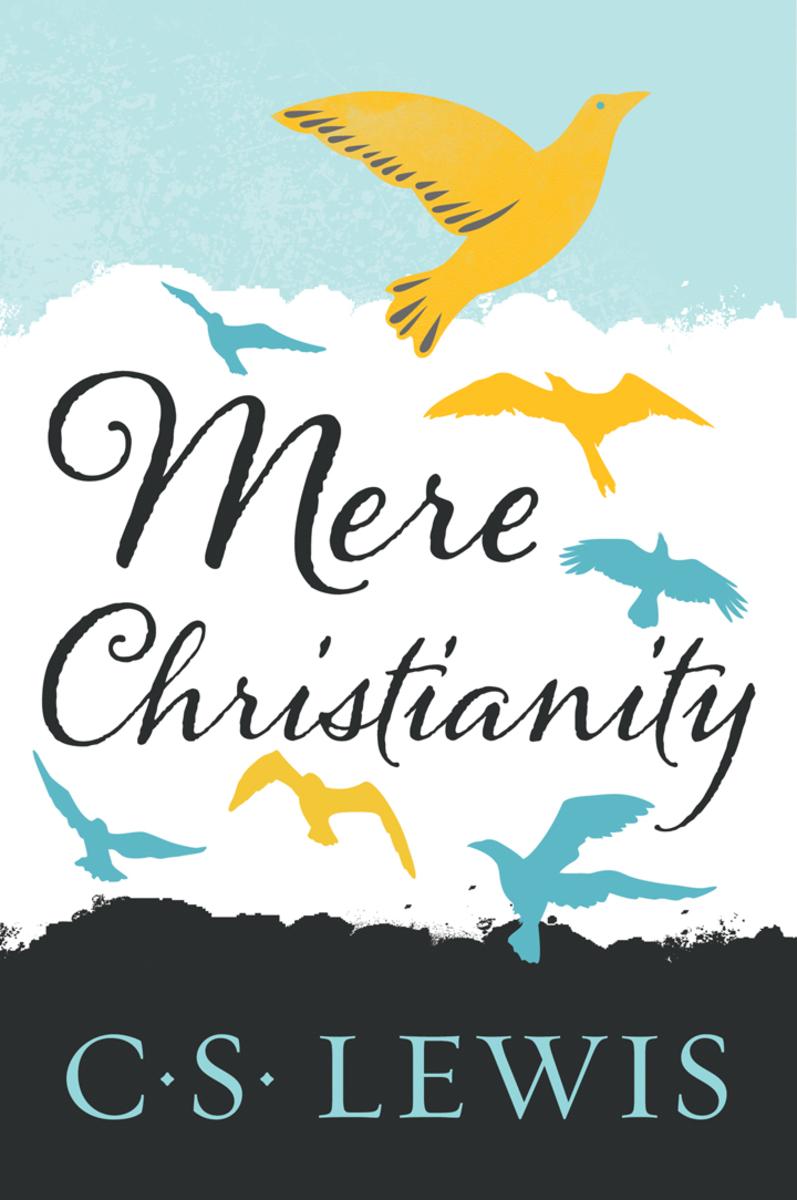
Mere Christianity
¥90.77
One of the most popular and beloved introductions to the concept of faith ever written, Mere Christianity has sold millions of copies worldwide. The book brings together C. S. Lewis legendary radio broadcasts during the war years, in which he set out simply to explain and defend the belief that has been common to nearly all Christians at all times. Rejecting the boundaries that divide Christianity many denominations, Mere Christianity provides an unequalled opportunity for believers and nonbelievers alike to absorb a powerful, rational case for the Christian faith.
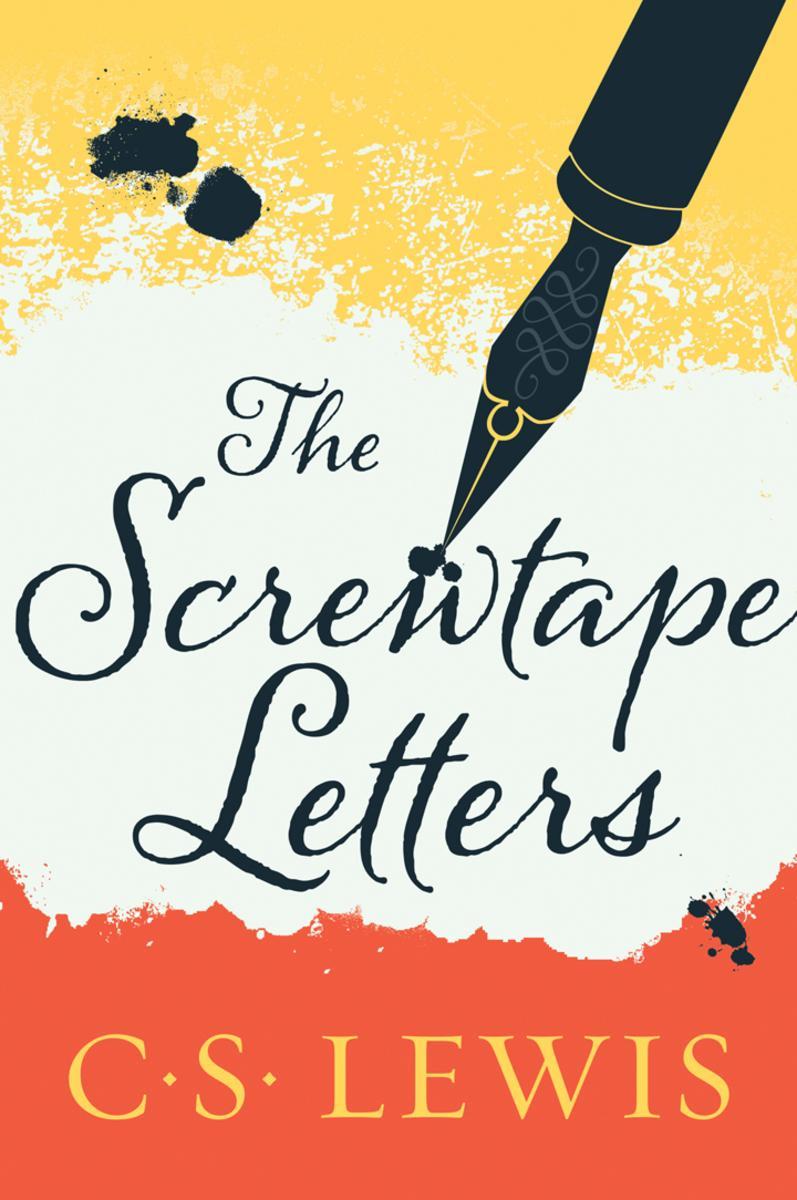
The Screwtape Letters
¥83.92
A milestone in the history of popular theology, The Screwtape Letters is an iconic classic on spiritual warfare and the dynamics of temptation. This profound and striking narrative takes the form of a series of letters from Screwtape, a devil high in the Infernal Civil Service, to his nephew Wormwood, a junior colleague engaged in his first mission on earth, trying to secure the damnation of a young man who has just become a Christian. Although the young man initially looks to be a willing victim, he changes his ways and is "lost" to the young devil. Dedicated to Lewis's friend and colleague J. R. R. Tolkien, The Screwtape Letters is a timeless classic on spiritual conflict and the psychology of temptation which are part of our religious experience.


