


 购物车
购物车 个人中心
个人中心
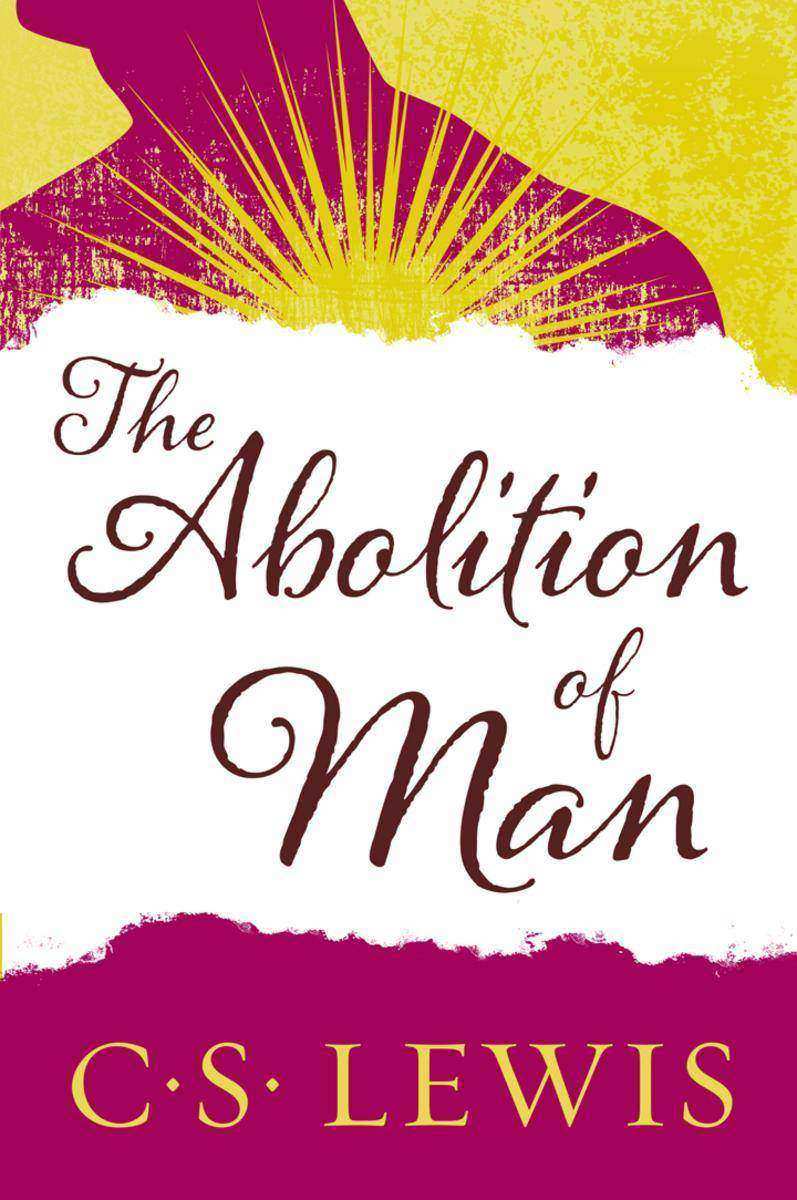
The Abolition of Man
¥78.32
Both astonishing and prophetic, The Abolition of Man remains one of C. S. Lewis's most controversial works. Lewis sets out to persuade his audience of the ongoing importance and relevance of universal objective values, such as courage and honor, and the foundational necessity of natural law. He also makes a cogent case that a retreat from these pillars of our educational system, even if in the name of "scientism," would be catastrophic. National Review lists it as number seven on their "100 Best Nonfiction Books of the Twentieth Century."
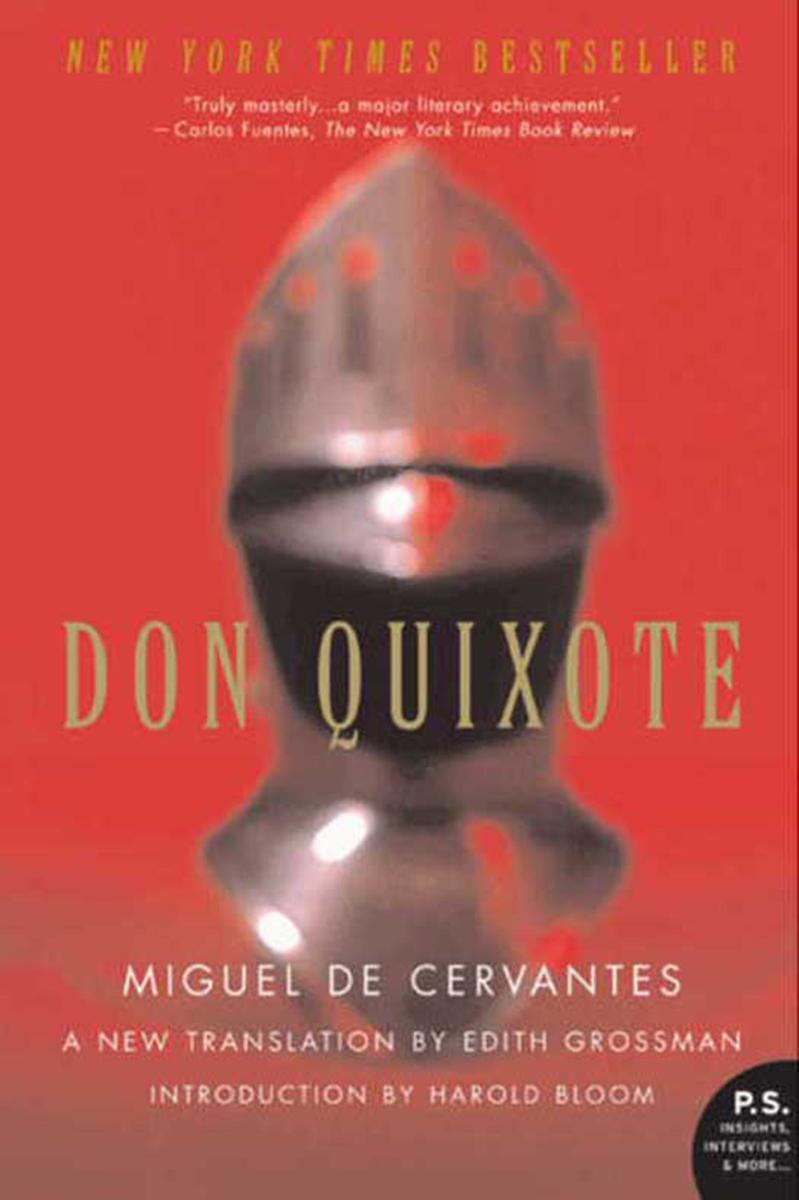
Don Quixote
¥111.91
Edith Grossman's definitive English translation of the Spanish masterpiece. Widely regarded as the world's first modern novel, and one of the funniest and most tragic books ever written, Don Quixote chronicles the famous picaresque adventures of the noble knight-errant Don Quixote of La Mancha and his faithful squire, Sancho Panza, as they travel through sixteenth-century Spain. Unless you read Spanish, you've never read Don Quixote. "Though there have been many valuable English translations of Don Quixote, I would commend Edith Grossman's version for the extraordinarily high quality of her prose. The Knight and Sancho are so eloquently rendered by Grossman that the vitality of their characterization is more clearly conveyed than ever before. There is also an astonishing contextualization of Don Quixote and Sancho in Grossman's translation that I believe has not been achieved before. The spiritual atmosphere of a Spain already in steep decline can be felt throughout, thanks to her heightened quality of diction. Grossman might be called the Glenn Gould of translators, because she, too, articulates every note. Reading her amazing mode of finding equivalents in English for Cervantes's darkening vision is an entrance into a further understanding of why this great book contains within itself all the novels that have followed in its sublime wake." From the Introduction by Harold Bloom Miguel de Cervantes was born on September 29, 1547, in Alcala de Henares, Spain. At twenty-three he enlisted in the Spanish militia and in 1571 fought against the Turks in the battle of Lepanto, where a gunshot wound permanently crippled his left hand. He spent four more years at sea and then another five as a slave after being captured by Barbary pirates. Ransomed by his family, he returned to Madrid but his disability hampered him; it was in debtor's prison that he began to write Don Quixote. Cervantes wrote many other works, including poems and plays, but he remains best known as the author of Don Quixote. He died on April 23, 1616.

The Food52 Cookbook, Volume 2
¥196.59
The team behind the bestselling The Food52 Cookbook and the James Beard Award–winning website Food52.com are back. Powered by a thriving online community and edited by noted food writers Amanda Hesser and Merrill Stubbs, Food52.com spotlights the best recipes from talented home cooks all over the world. The Food52 Cookbook, Volume 2, features seventy-five of the latest community favorites, including:Late-Night Coffee-Brined Chicken Roasted Carrot Soup Herbed Beef Skewers with Horseradish Cream Kentucky Hot Toddy Burnt Caramel Pudding
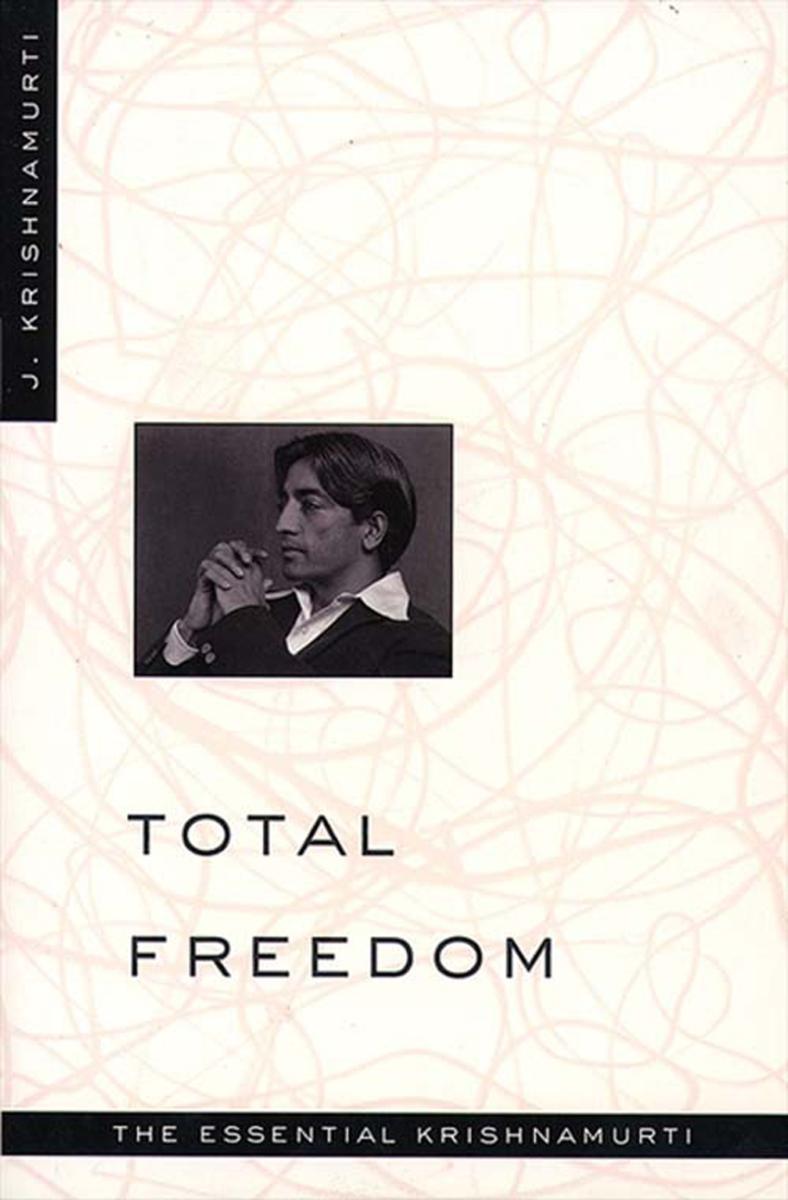
Total Freedom
¥110.71
Counted among his admirers are Jonas Salk, Aldous Huxley, David Hockney, and Van Morrison, along with countless other philosophers, artist, writers and students of the spiritual path. Now the trustees of Krishnamurti work have gathered his very best and most illuminating writings and talks to present in one volume the truly essential ideas of this great spiritual thinker.Total Freedom includes selections from Krishnamurti early works, his Commentaries on Living, and his discourses on life, the self, meditation, sex and love. These writings reveal Krishnamuri core teachings in their full eloquence and power: the nature of personal freedom; the mysteries of life and death; and the pathless land, the personal search for truth and peace. Warning readers away from blind obedience to creeds or teachers including himself Krishnamurti celebrated the individual quest for truth, and thus became on of the most influential guides for independent-minded seekers of the twentieth century and beyond.
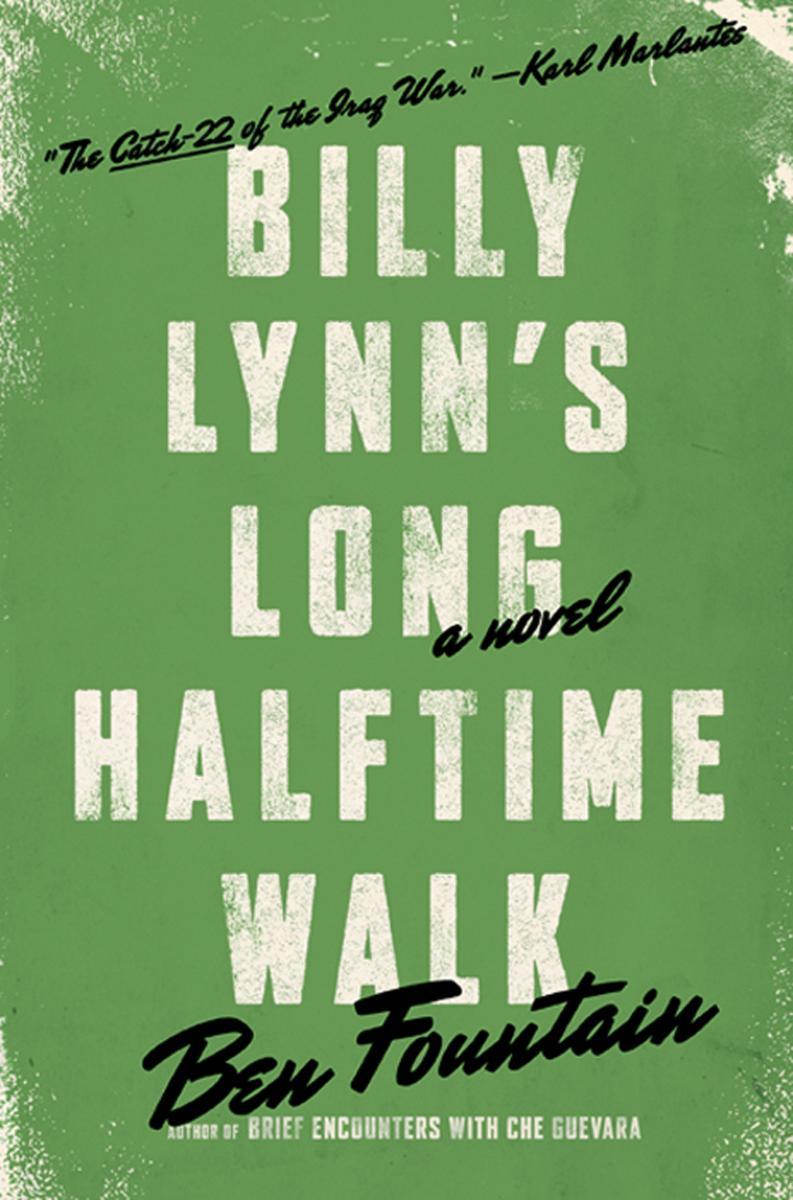
Billy Lynn's Long Halftime Walk
¥94.10
A finalist for the National Book Award! A ferocious firefight with Iraqi insurgents at the battle of Al-Ansakar Canal three minutes and forty-three seconds of intense warfare caught on tape by an embedded Fox News crew has transformed the eight surviving men of Bravo Squad into America most sought-after heroes. For the past two weeks, the Bush administration has sent them on a media-intensive nationwide Victory Tour to reinvigorate public support for the war. Now, on this chilly and rainy Thanksgiving, the Bravos are guests of America Team, the Dallas Cowboys, slated to be part of the halftime show alongside the superstar pop group Destiny's Child. Among the Bravos is the Silver Star winning hero of Al-Ansakar Canal, Specialist William Lynn, a nineteen-year-old Texas native. Amid clamoring patriots sporting flag pins on their lapels and Support Our Troops bumper stickers on their cars, the Bravos are thrust into the company of the Cowboys' hard-nosed businessman/owner and his coterie of wealthy colleagues; a luscious born-again Cowboys cheerleader; a veteran Hollywood producer; and supersized pro players eager for a vicarious taste of war. Among these faces Billy sees those of his family his worried sisters and broken father and Shroom, the philosophical sergeant who opened Billy mind and died in his arms at Al-Ansakar. Over the course of this day, Billy will begin to understand difficult truths about himself, his country, his struggling family, and his brothers-in-arms soldiers both dead and alive. In the final few hours before returning to Iraq, Billy will drink and brawl, yearn for home and mourn those missing, face a heart-wrenching decision, and discover pure love and a bitter wisdom far beyond his years. Poignant, riotously funny, and exquisitely heartbreaking, Billy Lynn Long Halftime Walk is a devastating portrait of our time, a searing and powerful novel that cements Ben Fountain reputation as one of the finest writers of his generation.
The Hero's Guide to Saving Your Kingdom
¥44.73
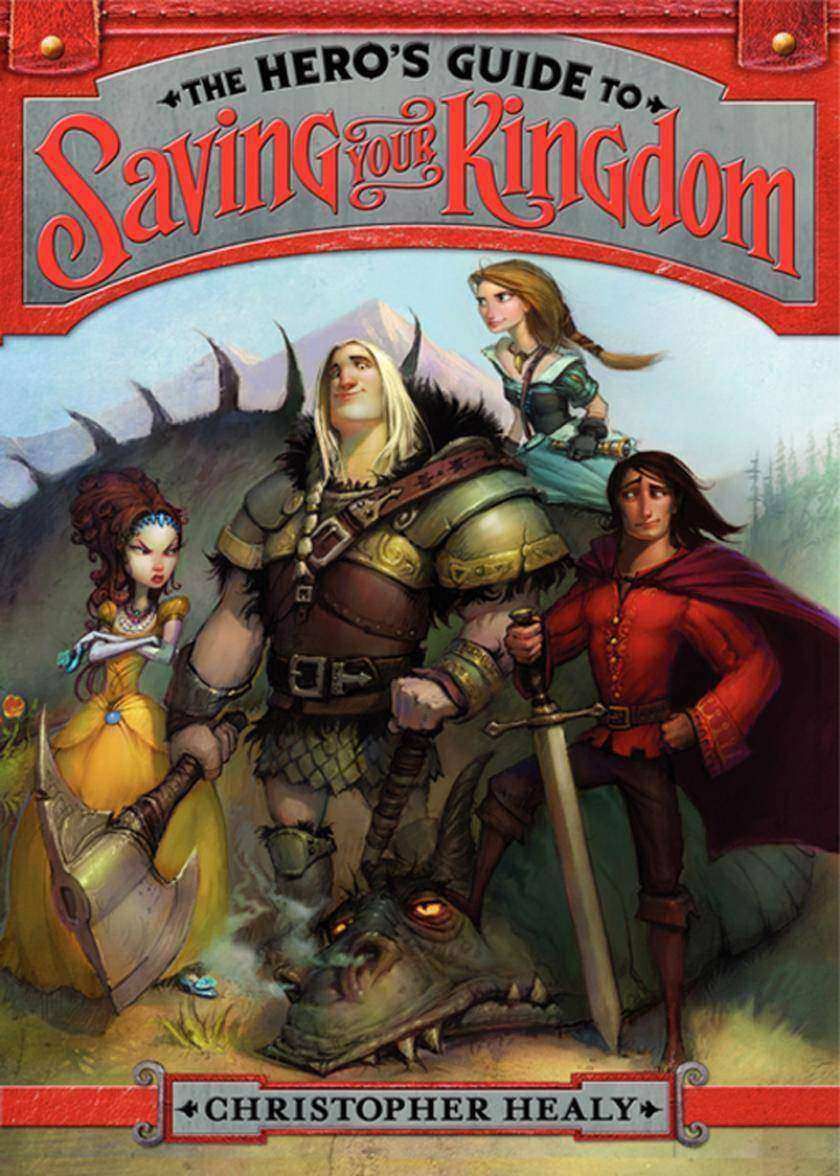
Prince Liam. Prince Frederic. Prince Duncan. Prince Gustav. You’ve never heard of them, have youThese are the princes who saved Sleeping Beauty, Cinderella, Snow White, and Rapunzel, respectively, and yet, thanks to those lousy bards who wrote the tales, you likely know them only as Prince Charming. But all of this is about to change. Rejected by their princesses and cast out of their castles, the princes stumble upon an evil plot that could endanger each of their kingdoms. Now it up to them to triumph over their various shortcomings, take on trolls, bandits, dragons, witches, and other assorted terrors, and become the heroes no one ever thought they could be. Christopher Healy Hero Guide to Saving Your Kingdom is a completely original take on the world of fairy tales, the truth about what happens after “happily ever after.” It a must-have for middle grade readers who enjoy their fantasy adventures mixed with the humor of the Diary of a Wimpy Kid books. Witty black-and-white drawings by Todd Harris add to the fun.
Gamification with Moodle
¥54.49
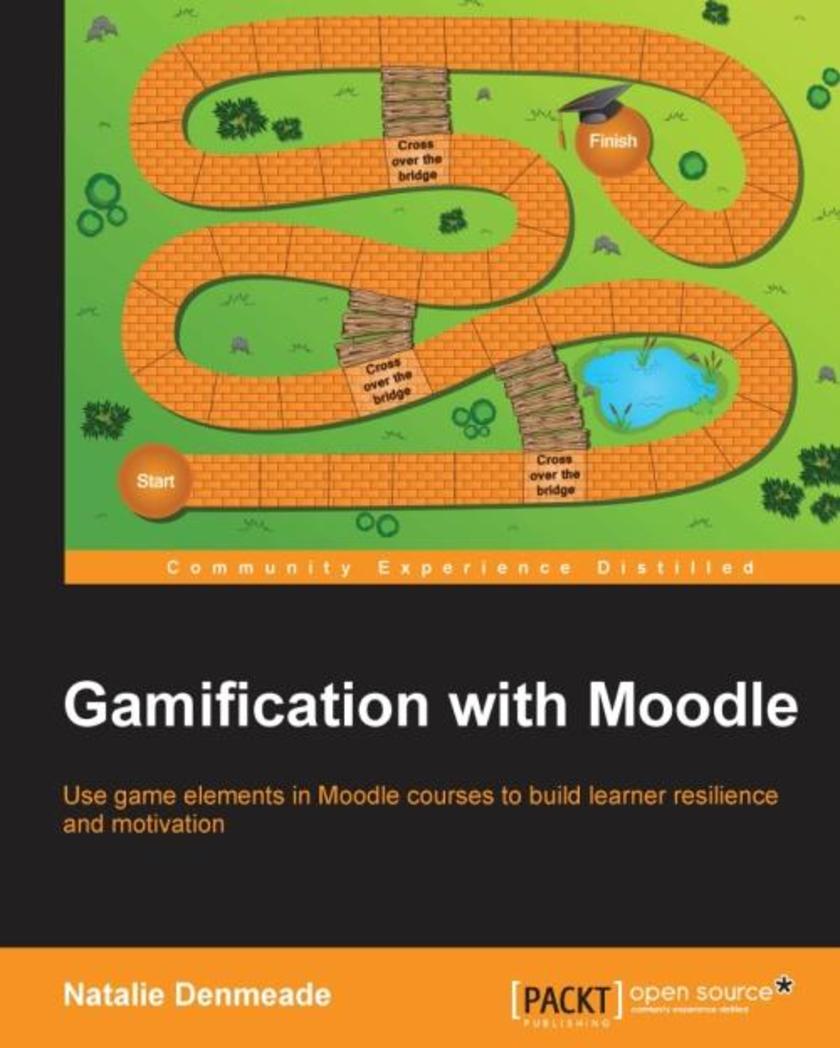
Use game elements in Moodle courses to build learner resilience and motivationAbout This BookFormulate a Moodle course that acts as a flexible framework ready for your own contentKeep learners engrossed and create opportunities for motivation through the concepts of status, access, and powerA resourceful guide to innovative learning using automatic reports, assessments, and conditional release of activities Who This Book Is For This book has been designed for teachers who to use technology to create more engaging learning experiences for both online learning and in face-to-face sessions. This book will especially appeal to people who are interested in the underlying mechanics of play and games and want to know more about applying these concepts in an educational context. It is assumed that you are a teacher and expert in your field, have basic computer skills, and have access to the Internet.What You Will LearnSet up a scoring system using Moodle GradebookEnable communication and collaboration in your class as a Learning Community using forumsAssess your learners’ abilities by setting up challenges and questsConfigure gateways to check and ensure progress before new content or activities are releasedCreate Moodle assignments to provide effective feedback through a comment bank and custom scaleIssue Open Badges to recognize achievements and set up an online backpack to share digital badgesReduce anxiety for learners by using the game-like concept of “Levelling Up” In Detail This book describes how teachers can use Gamification design within the Moodle Learning Management System. Game elements can be included in course design by using, badges, rubrics, custom grading scales, forums, and conditional activities. Moodle courses do not have to be solo-learning experiences that replicate Distance Education models. The Gamification design process starts by profiling players and creating levels of achievement towards meeting learning outcomes. Each task is defined, valued, and sequenced. Motivation loops are devised to keep the momentum going. In a gaming studio, this approach would require a team of specialists with a large budget and time frames. Preparing for a class rarely has these optimal conditions. The approach used in this book is to introduce game elements into the course design gradually. First, apply gamification to just one lesson and then build up to gamifying a series of lessons over a term. Each example will indicate the difficulty level and time investment. Try it out to see what is most effective with your learners and choose wisely in your use of technology. By the end of this book, you will be able to create Moodle courses that incorporate choice, communication, challenge, and creativity.Style and approach An easy-to-follow guide full of screenshots and step-by-step instructions with estimated time frames required to accomplish numerous tasks. Tips are offered for new Moodlers and plugin extensions are suggested for advanced Moodlers. The focus of the book is on why you would want to use each activity rather than detailed technical de*ions.
Global Pigeon
¥247.21
The pigeon is the quintessential city bird. Domesticated thousands of years ago as a messenger and a source of food, its presence on our sidewalks is so common that people consider the bird a nuisance-if they notice it at all. Yet pigeons are also kept for pleasure, sport, and profit by people all over the world, from the "e;pigeon wars"e; waged by breeding enthusiasts in the skies over Brooklyn to the Million Dollar Pigeon Race held every year in South Africa.Drawing on more than three years of fieldwork across three continents, Colin Jerolmack traces our complex and often contradictory relationship with these versatile animals in public spaces such as Venice's Piazza San Marco and London's Trafalgar Square and in working-class and immigrant communities of pigeon breeders in New York and Berlin. By exploring what he calls "e;the social experience of animals,"e; Jerolmack shows how our interactions with pigeons offer surprising insights into city life, community, culture, and politics. Theoretically understated and accessible to interested readers of all stripes, The Global Pigeon is one of the best and most original ethnographies to be published in decades.
Early Antiquity
¥759.29
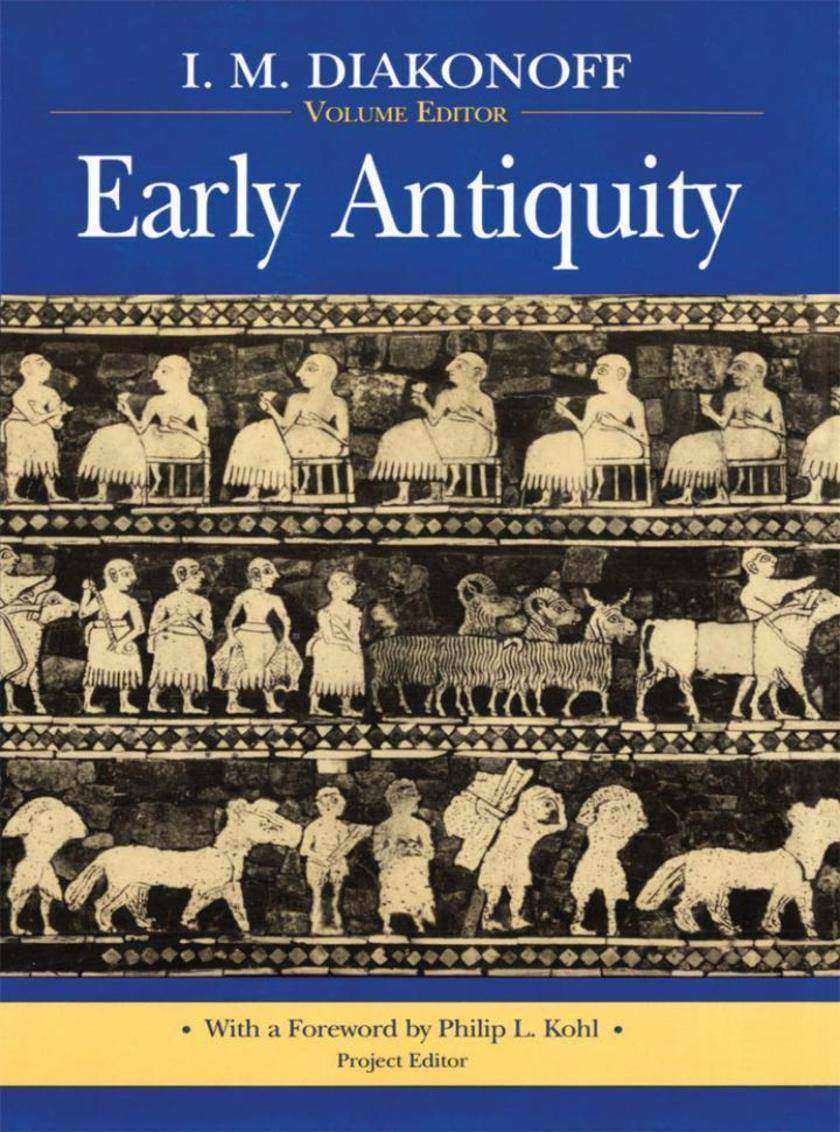
The internationally renowned Assyriologist and linguist I.M. Diakonoff has gathered the work of Soviet historians inthis survey of the earliest history of the ancient Near East,Central Asia, India, and China. Diakonoff and hiscolleagues, nearly all working within the general Marxisthistoriographic tradition, offer a comprehensive, accessiblesynthesis of historical knowledge from the beginnings ofagriculture through the advent of the Iron Age and the Greekcolonization in the Mediterranean and the Black Sea areas.Besides discussing features of Soviet historicalscholarship of the ancient world, the essays treat thehistory of early Mesopotamia and the course of PharaonicEgyptian civilization and developments in ancient India andChina from the Bronze Age into the first millennium B.C.Additional chapters are concerned with the early history ofSyria, Phoenicia, and Palestine, the Hittite civilization,the Creto-Mycenaean world, Homeric Greece, and the Phoenicianand Greek colonization.This volume offers a unified perspective on earlyantiquity, focusing on the economic and social relations ofproduction. Of immense value to specialists, the book willalso appeal to general readers.I. M. Diakonoff is a senior research scholar of ancienthistory at the Institute of Oriental Studies, LeningradAcademy of Sciences. Philip L. Kohl is professor ofanthropology at Wellesley College.
Personal Knowledge
¥206.01
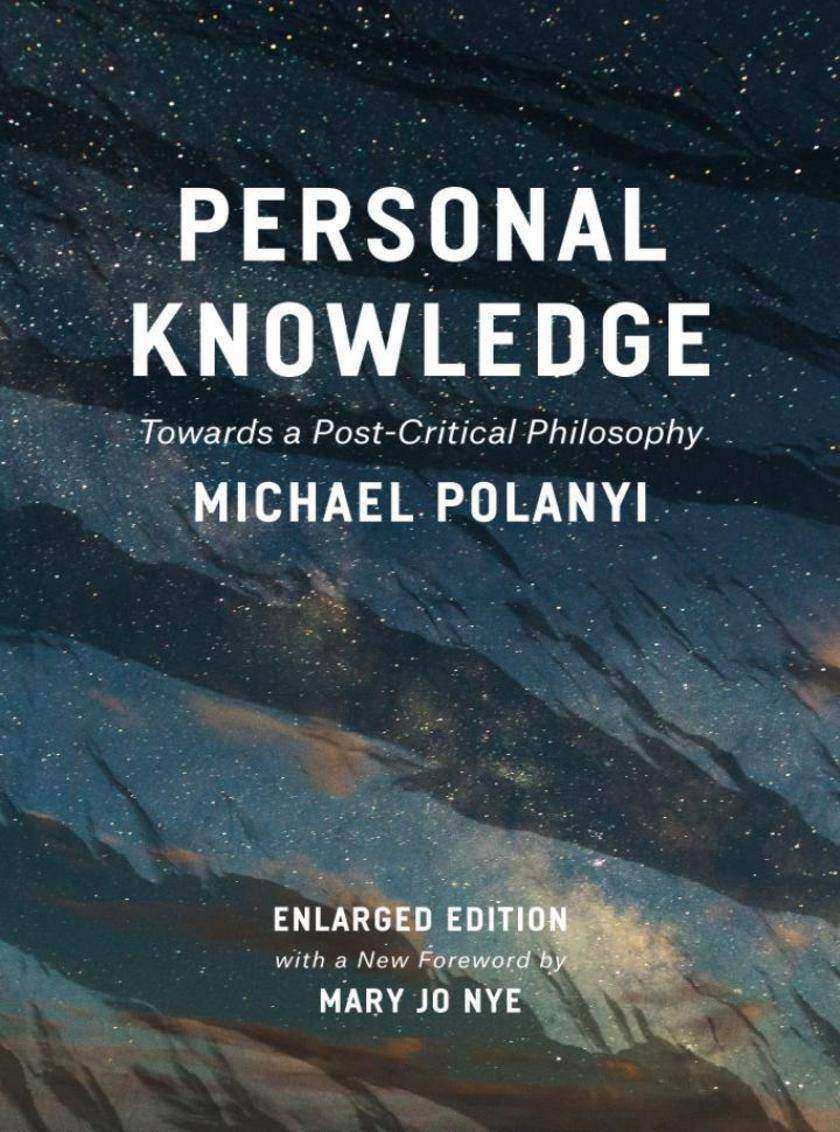
The publication of Personal Knowledge in 1958 shook the science world, as Michael Polanyi took aim at the long-standing ideals of rigid empiricism and rule-bound logic. Today, Personal Knowledge remains one of the most significant philosophy of science books of the twentieth century, bringing the crucial concepts of "e;tacit knowledge"e; and "e;personal knowledge"e; to the forefront of inquiry.In this remarkable treatise, Polanyi attests that our personal experiences and ways of sharing knowledge have a profound effect on scientific discovery. He argues against the idea of the wholly dispassionate researcher, pointing out that even in the strictest of sciences, knowing is still an art, and that personal commitment and passion are logically necessary parts of research. In our technological age where fact is split from value and science from humanity, Polanyi's work continues to advocate for the innate curiosity and scientific leaps of faith that drive our most dazzling ingenuity.For this expanded edition, Polyani scholar Mary Jo Nye set the philosopher-scientist's work into contemporary context, offering fresh insights and providing a helpful guide to critical terms in the work. Used in fields as diverse as religious studies, chemistry, economics, and anthropology, Polanyi's view of knowledge creation is just as relevant to intellectual endeavors today as when it first made waves more than fifty years ago.
Richard Rorty
¥158.92
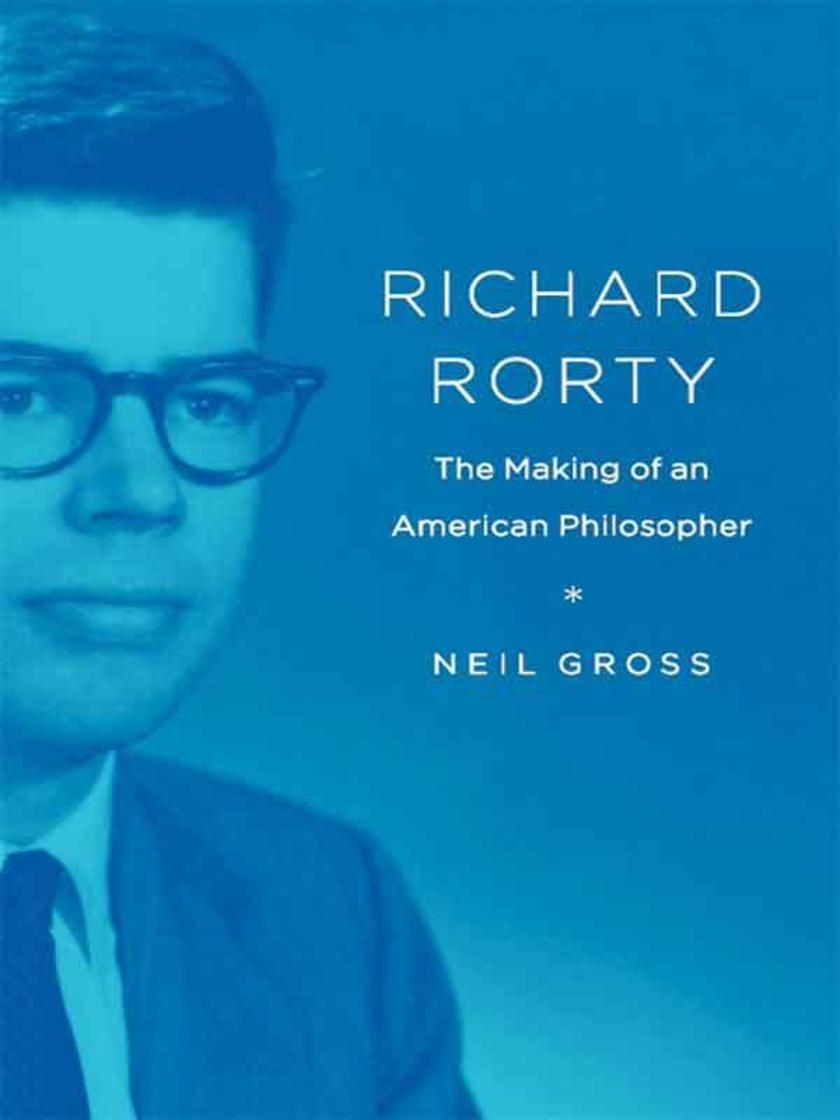
On his death in 2007, Richard Rorty was heralded by the New York Times as "e;one of the world's most influential contemporary thinkers."e; Controversial on the left and the right for his critiques of objectivity and political radicalism, Rorty experienced a renown denied to all but a handful of living philosophers. In this masterly biography, Neil Gross explores the path of Rorty's thought over the decades in order to trace the intellectual and professional journey that led him to that prominence.The child of a pair of leftist writers who worried that their precocious son "e;wasn't rebellious enough,"e; Rorty enrolled at the University of Chicago at the age of fifteen. There he came under the tutelage of polymath Richard McKeon, whose catholic approach to philosophical systems would profoundly influence Rorty's own thought. Doctoral work at Yale led to Rorty's landing a job at Princeton, where his colleagues were primarily analytic philosophers. With a series of publications in the 1960s, Rorty quickly established himself as a strong thinker in that tradition-but by the late 1970s Rorty had eschewed the idea of objective truth altogether, urging philosophers to take a "e;relaxed attitude"e; toward the question of logical rigor. Drawing on the pragmatism of John Dewey, he argued that philosophers should instead open themselves up to multiple methods of thought and sources of knowledge-an approach that would culminate in the publication of Philosophy and the Mirror of Nature, one of the most seminal and controversial philosophical works of our time.In clear and compelling fashion, Gross sets that surprising shift in Rorty's thought in the context of his life and social experiences, revealing the many disparate influences that contribute to the making of knowledge. As much a book about the growth of ideas as it is a biography of a philosopher, Richard Rorty will provide readers with a fresh understanding of both the man and the course of twentieth-century thought.
Wolves on the Hunt
¥412.02
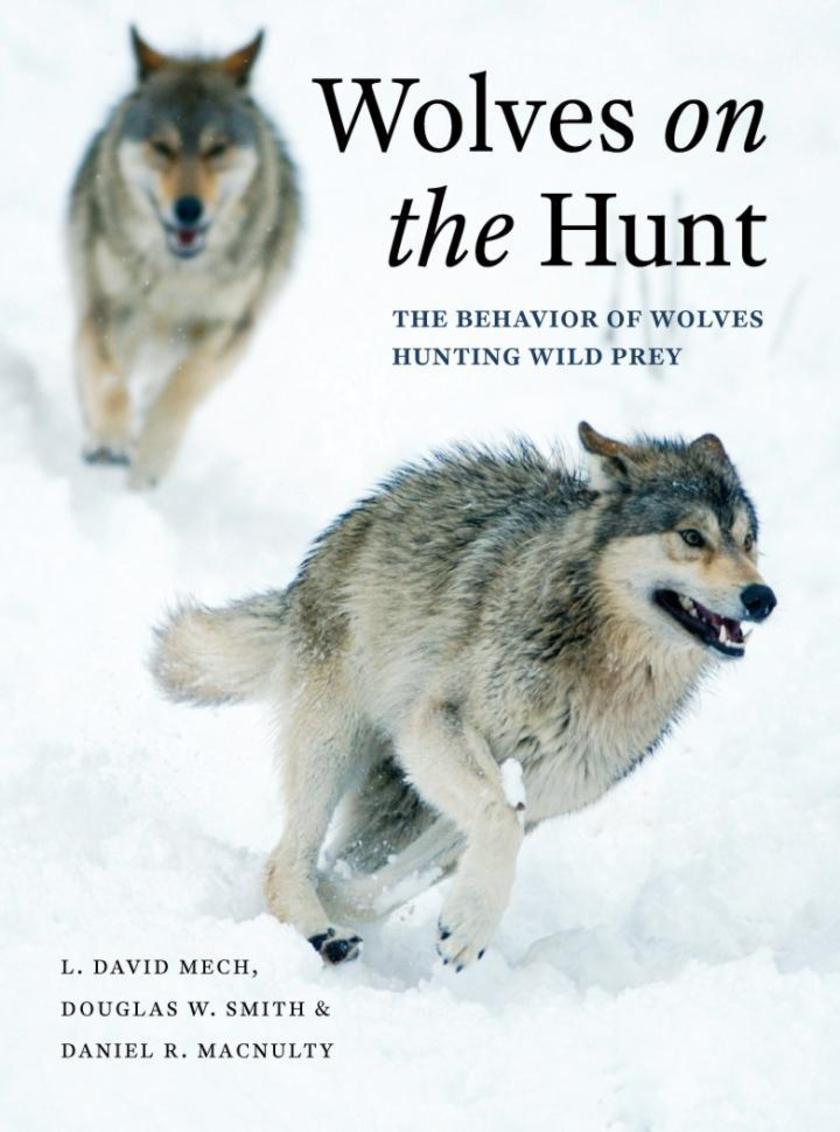
The interactions between apex predators and their prey are some of the most awesome and meaningful in nature-displays of strength, endurance, and a deep coevolutionary history. And there is perhaps no apex predator more impressive and important in its hunting-or more infamous, more misjudged-than the wolf. Because of wolves' habitat, speed, and general success at evading humans, researchers have faced great obstacles in studying their natural hunting behaviors. The first book to focus explicitly on wolf hunting of wild prey, Wolves on the Hunt seeks to fill these gaps in our knowledge and understanding.Combining behavioral data, thousands of hours of original field observations, research in the literature, a wealth of illustrations, and-in the e-book edition and online-video segments from cinematographer Robert K. Landis, the authors create a compelling and complex picture of these hunters. The wolf is indeed an adept killer, able to take down prey much larger than itself. While adapted to hunt primarily hoofed animals, a wolf-or especially a pack of wolves-can kill individuals of just about any species. But even as wolves help drive the underlying rhythms of the ecosystems they inhabit, their evolutionary prowess comes at a cost: wolves spend one-third of their time hunting-the most time consuming of all wolf activities-and success at the hunt only comes through traveling long distances, persisting in the face of regular failure, detecting and taking advantage of deficiencies in the physical condition of individual prey, and through ceaseless trial and error, all while risking injury or death.By describing and analyzing the behaviors wolves use to hunt and kill various wild prey-including deer, moose, caribou, elk, Dall sheep, mountain goats, bison, musk oxen, arctic hares, beavers, and others-Wolves on the Hunt provides a revelatory portrait of one of nature's greatest hunters.
Coming to Mind
¥370.82
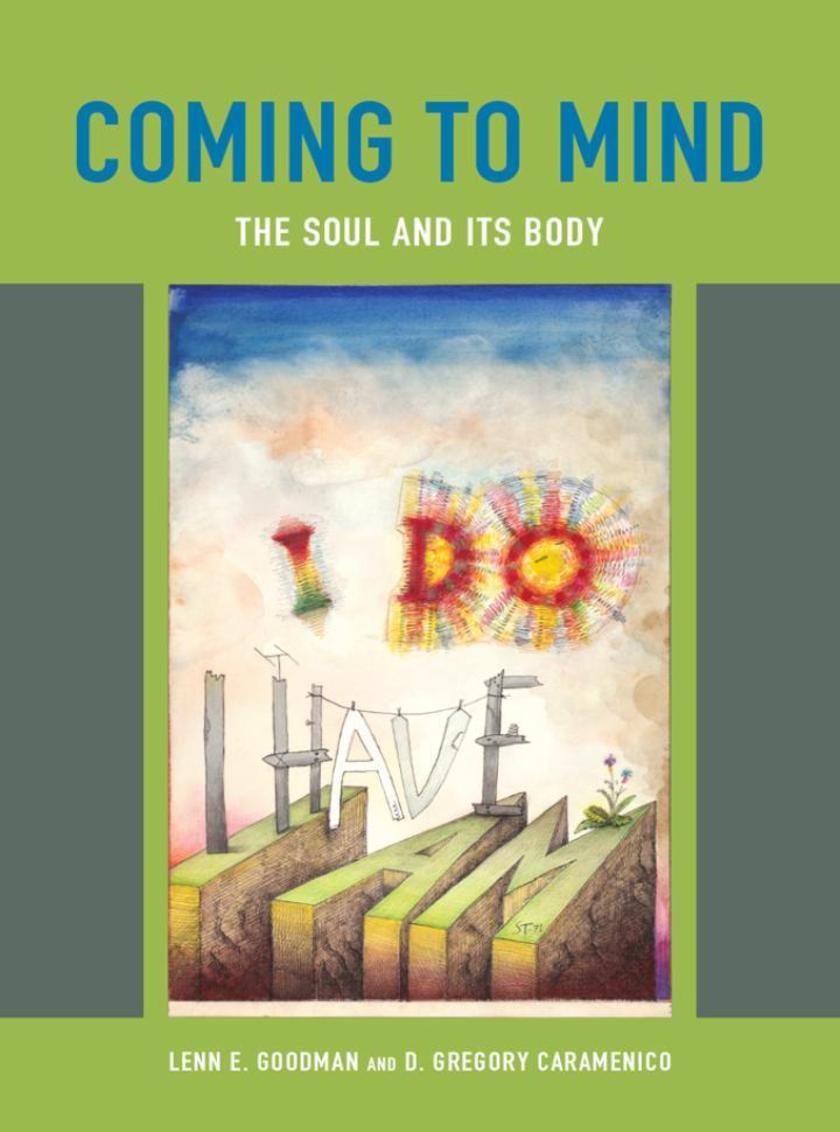
How should we speak of bodies and soulsIn Coming to Mind, Lenn E. Goodman and D. Gregory Caramenico pick their way through the minefields of materialist reductionism to present the soul not as the brain's rival but as its partner. What acts, they argue, is what is real. The soul is not an ethereal wisp but a lively subject, emergent from the body but inadequately described in its terms.Rooted in some of the richest philosophical and intellectual traditions of Western and Eastern philosophy, psychology, literature, and the arts and the latest findings of cognitive psychology and brain science-Coming to Mind is a subtle manifesto of a new humanism and an outstanding contribution to our understanding of the human person. Drawing on new and classical understandings of perception, consciousness, memory, agency, and creativity, Goodman and Caramenico frame a convincing argument for a dynamic and integrated self capable of language, thought, discovery, caring, and love.
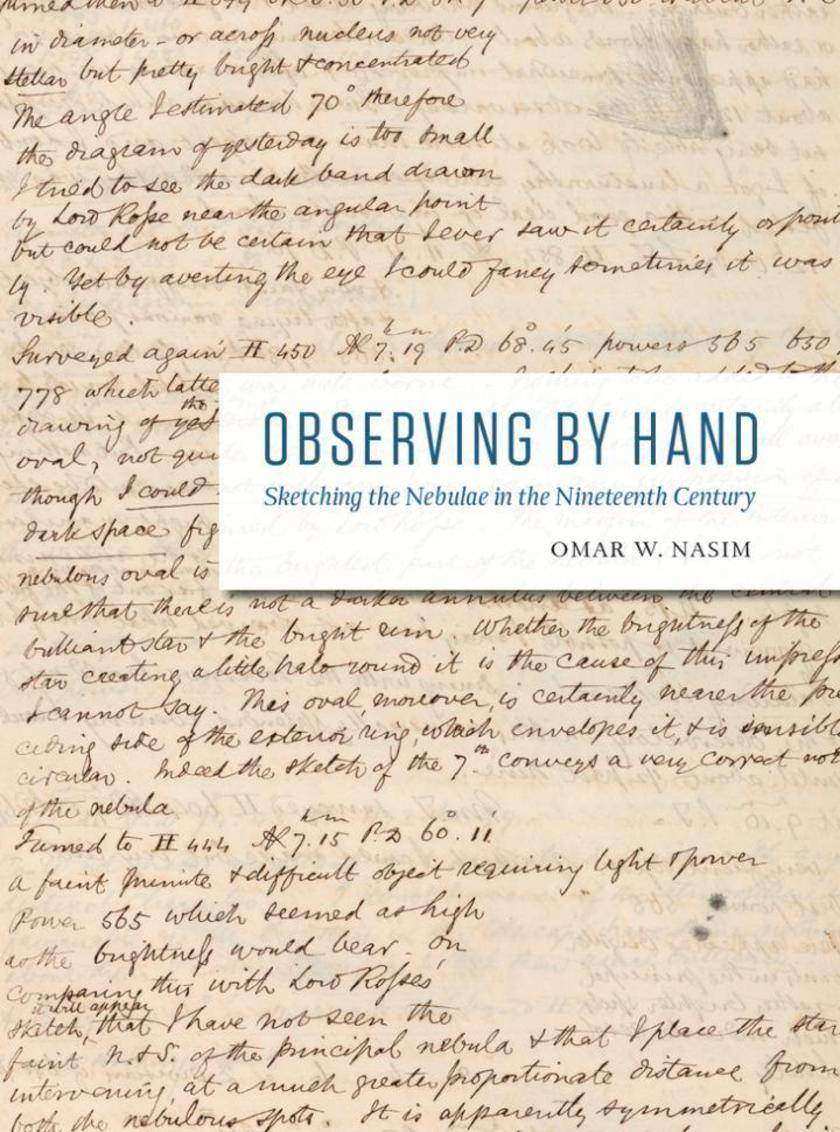
Observing by Hand
¥370.82
Today we are all familiar with the iconic pictures of the nebulae produced by the Hubble Space Telescope's digital cameras. But there was a time, before the successful application of photography to the heavens, in which scientists had to rely on handmade drawings of these mysterious phenomena.?Observing by Hand sheds entirely new light on the ways in which the production and reception of handdrawn images of the nebulae in the nineteenth century contributed to astronomical observation. Omar W. Nasim investigates hundreds of unpublished observing books and paper records from six nineteenth-century observers of the nebulae: Sir John Herschel; William Parsons, the third Earl of Rosse; William Lassell; Ebenezer Porter Mason; Ernst Wilhelm Leberecht Tempel; and George Phillips Bond. Nasim focuses on the ways in which these observers created and employed their drawings in data-driven procedures, from their choices of artistic materials and techniques to their practices and scientific observation. He examines the ways in which the act of drawing complemented the acts of seeing and knowing, as well as the ways that making pictures was connected to the production of scientific knowledge.?An impeccably researched, carefully crafted, and beautifully illustrated piece of historical work, Observing by Hand will delight historians of science, art, and the book, as well as astronomers and philosophers.
Lost Classroom, Lost Community
¥370.82
In the past two decades in the United States, more than 1,600 Catholic elementary and secondary schools have closed, and more than 4,500 charter schools-public schools that are often privately operated and freed from certain regulations-have opened, many in urban areas. With a particular emphasis on Catholic school closures, Lost Classroom, Lost Community examines the implications of these dramatic shifts in the urban educational landscape.?More than just educational institutions, Catholic schools promote the development of social capital-the social networks and mutual trust that form the foundation of safe and cohesive communities. Drawing on data from the Project on Human Development in Chicago Neighborhoods and crime reports collected at the police beat or census tract level in Chicago, Philadelphia, and Los Angeles, Margaret F. Brinig and Nicole Stelle Garnett demonstrate that the loss of Catholic schools triggers disorder, crime, and an overall decline in community cohesiveness, and suggest that new charter schools fail to fill the gaps left behind.This book shows that the closing of Catholic schools harms the very communities they were created to bring together and serve, and it will have vital implications for both education and policing policy debates.
Leo Strauss and the Problem of Political Philosophy
¥370.82
Leo Strauss and his alleged political influence regarding the Iraq War have in recent years been the subject of significant media attention, including stories in the Wall Street Journal and New York Times.Time magazine even called him "e;one of the most influential men in American politics."e; With The Truth about Leo Strauss, Michael and Catherine Zuckert challenged the many claims and speculations about this notoriously complex thinker. Now, with Leo Strauss and the Problem of Political Philosophy, they turn their attention to a searching and more comprehensive interpretation of Strauss's thought as a whole, using the many manifestations of the "e;problem of political philosophy"e; as their touchstone.?For Strauss, political philosophy presented a "e;problem"e; to which there have been a variety of solutions proposed over the course of Western history. Strauss's work, they show, revolved around recovering-and restoring-political philosophy to its original Socratic form. Since positivism and historicism represented two intellectual currents that undermined the possibility of a Socratic political philosophy, the first part of the book is devoted to Strauss's critique of these two positions. Then, the authors explore Strauss's interpretation of the history of philosophy and both ancient and modern canonical political philosophers, including Plato, Aristotle, Machiavelli, and Locke. Strauss's often-unconventional readings of these philosophers, they argue, pointed to solutions to the problem of political philosophy. Finally, the authors examine Strauss's thought in the context of the twentieth century, when his chief interlocutors were Schmitt, Husserl, Heidegger, and Nietzsche.?The most penetrating and capacious treatment of the political philosophy of this complex and often misunderstood thinker, from his early years to his last works, Leo Strauss and the Problem of Political Philosophy reveals Strauss's writings as an attempt to show that the distinctive characteristics of ancient and modern thought derive from different modes of solving the problem of political philosophy and reveal why he considered the ancient solution both philosophically and politically superior.
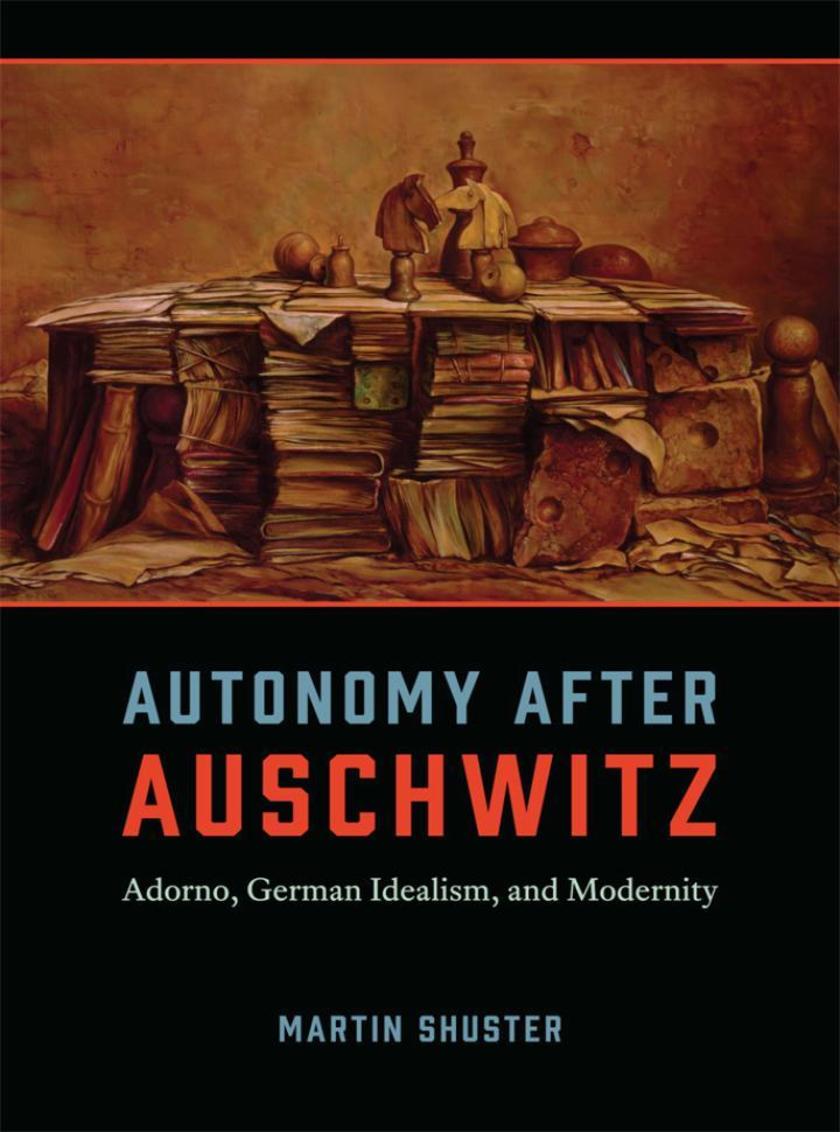
Autonomy After Auschwitz
¥370.82
Ever since Kant and Hegel, the notion of autonomy-the idea that we are beholden to no law except one we impose upon ourselves-has been considered the truest philosophical expression of human freedom. But could our commitment to autonomy, as Theodor Adorno asked, be related to the extreme evils that we have witnessed in modernityIn Autonomy after Auschwitz, Martin Shuster explores this difficult question with astonishing theoretical acumen, examining the precise ways autonomy can lead us down a path of evil and how it might be prevented from doing so.Shuster uncovers dangers in the notion of autonomy as it was originally conceived by Kant. Putting Adorno into dialogue with a range of European philosophers, notably Kant, Hegel, Horkheimer, and Habermas-as well as with a variety of contemporary Anglo-American thinkers such as Richard Rorty, Stanley Cavell, John McDowell, and Robert Pippin-he illuminates Adorno's important revisions to this fraught concept and how his different understanding of autonomous agency, fully articulated, might open up new and positive social and political possibilities. Altogether, Autonomy after Auschwitz is a meditation on modern evil and human agency, one that demonstrates the tremendous ethical stakes at the heart of philosophy.?
To Flourish or Destruct
¥370.82
In his 2010 book What Is a Person?, Christian Smith argued that sociology had for too long neglected this fundamental question. Prevailing social theories, he wrote, do not adequately "e;capture our deep subjective experience as persons, crucial dimensions of the richness of our own lived lives, what thinkers in previous ages might have called our 'souls' or 'hearts.'"e; Building on Smith's previous work, To Flourish or Destruct examines the motivations intrinsic to this subjective experience: Why do people do what they doHow can we explain the activity that gives rise to all human social life and social structuresSmith argues that our actions stem from a motivation to realize what he calls natural human goods: ends that are, by nature, constitutionally good for all human beings. He goes on to explore the ways we can and do fail to realize these ends-a failure that can result in varying gradations of evil. Rooted in critical realism and informed by work in philosophy, psychology, and other fields, Smith's ambitious book situates the idea of personhood at the center of our attempts to understand how we might shape good human lives and societies.
Wasting a Crisis
¥370.82
The recent financial crisis led to sweeping reforms that inspired countless references to the financial reforms of the New Deal. Comparable to the reforms of the New Deal in both scope and scale, the 2,300-page Dodd-Frank Act of 2010-the main regulatory reform package introduced in the United States-also shared with New Deal reforms the assumption that the underlying cause of the crisis was misbehavior by securities market participants, exacerbated by lax regulatory oversight.With Wasting a Crisis, Paul G. Mahoney offers persuasive research to show that this now almost universally accepted narrative of market failure-broadly similar across financial crises-is formulated by political actors hoping to deflect blame from prior policy errors. Drawing on a cache of data, from congressional investigations, litigation, regulatory reports, and filings to stock quotes from the 1920s and '30s, Mahoney moves beyond the received wisdom about the financial reforms of the New Deal, showing that lax regulation was not a substantial cause of the financial problems of the Great Depression. As new regulations were formed around this narrative of market failure, not only were the majority largely ineffective, they were also often counterproductive, consolidating market share in the hands of leading financial firms. An overview of twenty-first-century securities reforms from the same analytic perspective, including Dodd-Frank and the Sarbanes-Oxley Act of 2002, shows a similar pattern and suggests that they too may offer little benefit to investors and some measurable harm.
Making "e;Nature"e;
¥370.82
Making "e;Nature"e; is the first book to chronicle the foundation and development of Nature, one of the world's most influential scientific institutions. Now nearing its hundred and fiftieth year of publication, Nature is the international benchmark for scientific publication. Its contributors include Charles Darwin, Ernest Rutherford, and Stephen Hawking, and it has published many of the most important discoveries in the history of science, including articles on the structure of DNA, the discovery of the neutron, the first cloning of a mammal, and the human genome.But how did Nature become such an essential institutionIn Making "e;Nature,"e; Melinda Baldwin charts the rich history of this extraordinary publication from its foundation in 1869 to current debates about online publishing and open access. This pioneering study not only tells Nature's story but also sheds light on much larger questions about the history of science publishing, changes in scientific communication, and shifting notions of "e;scientific community."e; Nature, as Baldwin demonstrates, helped define what science is and what it means to be a scientist.
Secular Powers
¥329.62
Secularism is usually thought to contain the project of self-deification, in which humans attack God's authority in order to take his place, freed from all constraints. Julie E. Cooper overturns this conception through an incisive analysis of the early modern justifications for secular politics. While she agrees that secularism is a means of empowerment, she argues that we have misunderstood the sources of secular empowerment and the kinds of strength to which it aspires.Contemporary understandings of secularism, Cooper contends, have been shaped by a limited understanding of it as a shift from vulnerability to power. But the works of the foundational thinkers of secularism tell a different story. Analyzing the writings of Hobbes, Spinoza, and Rousseau at the moment of secularity's inception, she shows that all three understood that acknowledging one's limitations was a condition of successful self-rule. And while all three invited humans to collectively build and sustain a political world, their invitations did not amount to self-deification. Cooper establishes that secular politics as originally conceived does not require a choice between power and vulnerability. Rather, it challenges us-today as then-to reconcile them both as essential components of our humanity.


