


 购物车
购物车 个人中心
个人中心
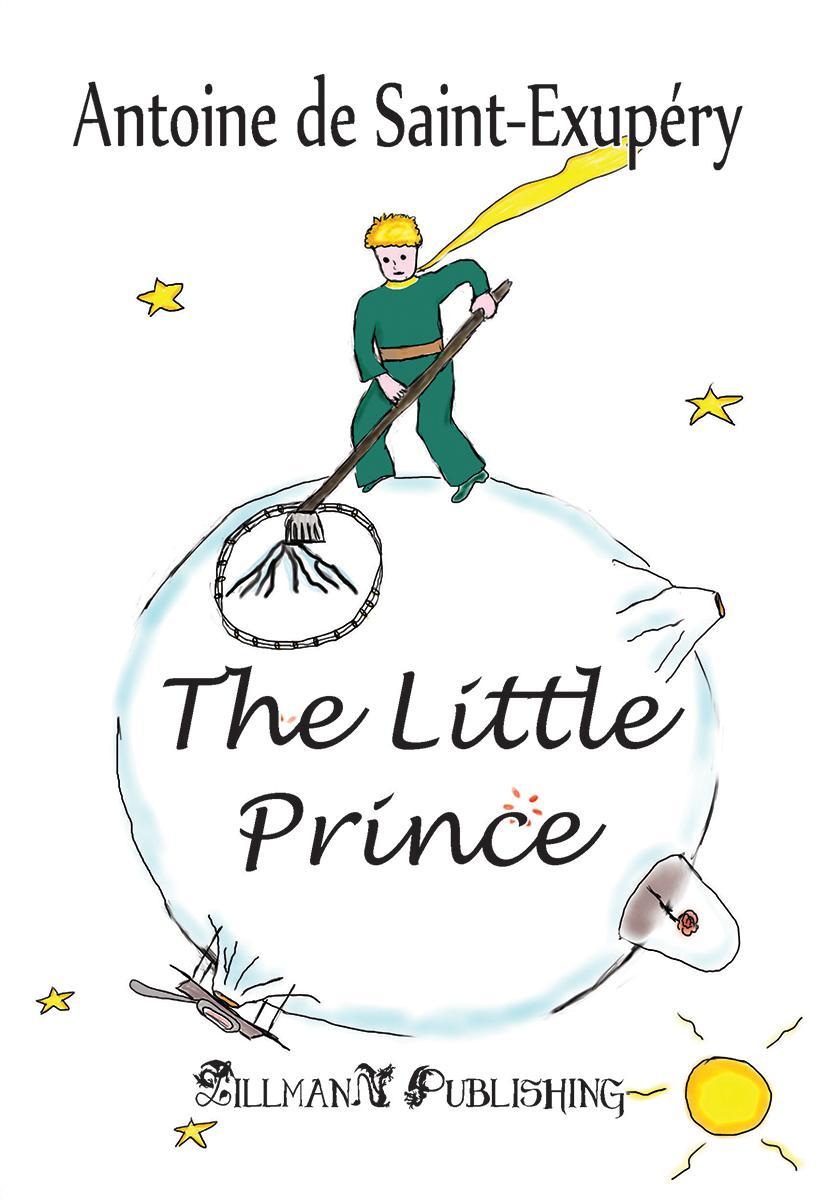
The Little Prince
¥12.26
Goodbye, said the fox. And now here is my secret, a very simple secret. It is only with the heart that one can see rightly. What is essential is invisible to the eye.Antoine de Saint-Exupeacutery, The Little Prince The Little Prince first published in 1943, is a novella and the most famous work of the French aristocrat, writer, poet and pioneering aviator Antoine de Saint-Exupeacutery.The novella is both the most read and most translated book in the French language, and was voted the best book of the 20th century in France. Translated into more than 250 languages and dialects selling over a million copies per year with sales totalling more than 140 million copies worldwide, it has become one of the best-selling books ever published.Saint-Exupeacutery, a laureate of several of France's highest literary awards and a reserve military pilot at the start of the Second World War, wrote and illustrated the manuscript while exiled in the United States after the Fall of France. He had travelled there on a personal mission to persuade its government to quickly enter the war against Nazi Germany. In the midst of personal upheavals and failing health he produced almost half of the writings he would be remembered for, including a tender tale of loneliness, friendship, love and loss, in the form of a young prince fallen to Earth.

Como ser uma pessoa humilde
¥8.18
Você pode se perguntar: por que eu deveria me esfor?ar para ser uma pessoa humilde?A humildade só irá trazer benefícios para a sua vida; pois, ao contrário do que muitos pensam, humildade n?o é fraqueza - é uma virtude, uma excelência moral.Ao contrário do orgulho e arrog?ncia, a humildade aproxima as pessoas de você, abre portas para novas oportunidades, lhe ajuda a crescer e a se tornar uma pessoa cada vez melhor.Aprenda valiosas li??es para ser uma pessoa humilde.
Delphi Complete Works of George Orwell (Illustrated)
¥24.44
For the first time in digital publishing history, readers can explore the complete fictional works of the modern master George Orwell in one comprehensive eBook. Also featuring a wide selection of non-fiction works, this latest addition to Delphi's bestselling series of publications is presented with numerous illustrations, informative introductions and active content tables. (Version 1)* Beautifully illustrated with images relating to Orwell's life and works* Concise introductions to the novels and other texts* All 6 novels and 3 memoirs, with individual contents tables* Images of how the books were first printed, giving your eReader a taste of the original texts* Excellent formatting of the texts* Includes fifty of Orwell's most celebrated essays - spend hours exploring the author's diverse oeuvre* Scholarly ordering of texts into chronological order and literary genres Please visit www.delphiclassics.com to browse through our range of exciting titles CONTENTS: The Novels BURMESE DAYS A CLERGYMAN'S DAUGHTER KEEP THE ASPIDISTRA FLYING COMING UP FOR AIR ANIMAL FARM NINETEEN EIGHTY-FOUR The Memoirs DOWN AND OUT IN PARIS AND LONDON THE ROAD TO WIGAN PIER HOMAGE TO CATALONIA The Poetry LIST OF POEMS Selected Non-Fiction LIST OF ESSAYS LIST OF BOOK REVIEWS AUTOBIOGRAPHICAL NOTE Please visit www.delphiclassics.com to browse through our range of exciting titles

Aman?ii 3.0
¥53.33
Femeia asta, autoarea adic, nu e ntreag la minte i nici ia care o citesc, adic nici eu! i face singur promovare, pleac in turnee prin ar, doarme prin trenuri i pe la fanii ei p-acas, fr team c d peste vreo rud cu vasluienii. tia, adic fanii, o ajut cu organizarea evenimentelor, se implic n promovare, caut locaii pentru lansri. E aa, un fel de concubinaj sau amantlc literar de nu s-a mai pomenit. Oameni cu preocupri, profesii i niveluri de percepie diferite au devenit un fel de clan, de mafioi ai amantlcului Made in Romania. Sau mai degrab o sect, mie mi place s le spun Martorii Corinei. i lor, nou, ne place, because love is in the air, dragostea e n straturile de ozon. Aa cum e ea, dragostea, pe la noi, cu obscenitile, grobianismele i rahaturile tipic mioritice. Cnd o s-i cunoatei pe Cati i pe Mircea, eroii romanelor, vei nelege ce spun.“ (Cristian Niculescu, Bucureti) Corina Ozon face ce vrea, cu mine, cu tine, cu noi. Eu aa zic. Exact ce vrea. Ne-a scris, aa, din voleu, ntre dou postri pe Facebook, dou cri despre Viaa n Ultra High Definition. Ne place sau nu s recunoatem, noi tia care o citim suntem cam lovii cu leuca n cap i stau i m-ntreb cum de-am rezistat fr Zilele Amanilor i Nopile amanilor pn la vrsta asta“(Magdalena Manea, Toronto) Paradox este alctuirea Corinei. Blond doar la pr, cu nfiare candid de statuet de Tanagra, greu de crezut c poate fi att de spurcat la limb i oeit la fiere. Reporter par excelance, Corina are psihologia la vrful degetelor cu care tasteaz i un umor dulce amar de numa numa. i mai are ea ceva fainisim. Nu suport ipocrizia. Mircea i Cati exist n fiecare. Suntem noi, cei care mcar odat n via am fost sinceri cu noi nine i cu ispita i am clcat strmb. Iar dac unii s-au inut virtuoi, tot au pctuit n amantlcul cu gndul.“ (Ctlin Bdulescu, Braov)
ISO Internal Audit – A Plain English Guide
¥81.67
Let’s be realistic – it is human to make mistakes, so it’s impossible to have a system with no errors; it is, however, possible to have a system that improves itself and learns from its mistakes. Internal audits are a crucial part of such a system. In this book, Dejan Kosutic, an author, and experienced ISO consultant is giving away his practical know-how on ISO 9001, ISO 14001, ISO 27001, ISO 22301, ISO 20000, ISO 22000, OHSAS 18001, ISO 13485, AS9100 and IATF 16949 internal audits. This book is written primarily for beginners in internal auditing and for people with moderate knowledge about internal audits. On the other hand, if you do have experience with internal audits, but you feel that you still have gaps in your knowledge, you’ll also find this book helpful. So, no matter if you are new or experienced in the field, this book gives you everything you will ever need to learn and more about internal audits. Inside you will find not just basic information about the internal audit and ISO 19011 but also information on how to create the internal audit checklist, how to write the internal audit report, what are the best technics for finding evidence during the audit, how to perform interviewing during the audit and much more. Kosutic uses real-life examples and plain English in order to explain everything that is necessary to completely understand how to perform an internal audit for all ISO management standards.
Six Non-Fiction Books
¥8.09
This book-collection file includes six books. Three are on war -- The Great Boer War, The War in South Africa, and A Visit to Three Fronts, June 1916. Two are on Spiritualism -- The New Revelation and The Vital Message. And one on Medicine -- Round the Red Lamp: Facts and Fancies of the Medical Life. According to Wikipedia: "Sir Arthur Ignatius Conan Doyle, DL (22 May 1859 – 7 July 1930) was an author most noted for his stories about the detective Sherlock Holmes, which are generally considered a major innovation in the field of crime fiction, and for the adventures of Professor Challenger. He was a prolific writer whose other works include science fiction stories, historical novels, plays and romances, poetry, and non-fiction."
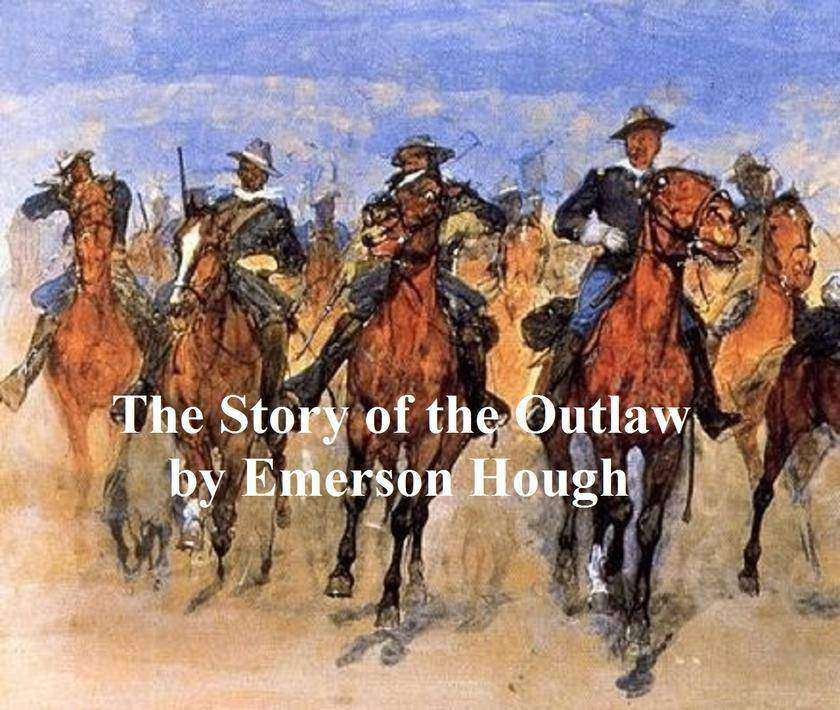
The Story of the Outlaw, A Study of the Western Desperado
¥8.09
"A Study Of The Western Desperado, With Historical Narratives Of Famous Outlaws; The Stories Of Noted Border Wars; Vigilante Movements And Armed Conflicts On The Frontier."According to Wikipedia: "Emerson Hough (1857-1923) was an American author, best known for writing western stories. Hough was born in Newton, Iowa, and graduated from the University of Iowa with a law degree. He moved to White Oaks, New Mexico, and practiced law there but eventually turned to literary work by taking camping trips and writing about them for publication. He is best known as a novelist, writing The Mississippi Bubble as well as The Covered Wagon, about Oregon Trail pioneers, which later became successful as a movie, running 59 weeks at the Criterion Theater in New York City, passing the record set by Birth of a Nation. Other notable works included Story of the Cowboy, Way of the West, Singing Mouse Stories, and Passing of the Frontier, and writing the "Out-of-Doors" column for the Saturday Evening Post."
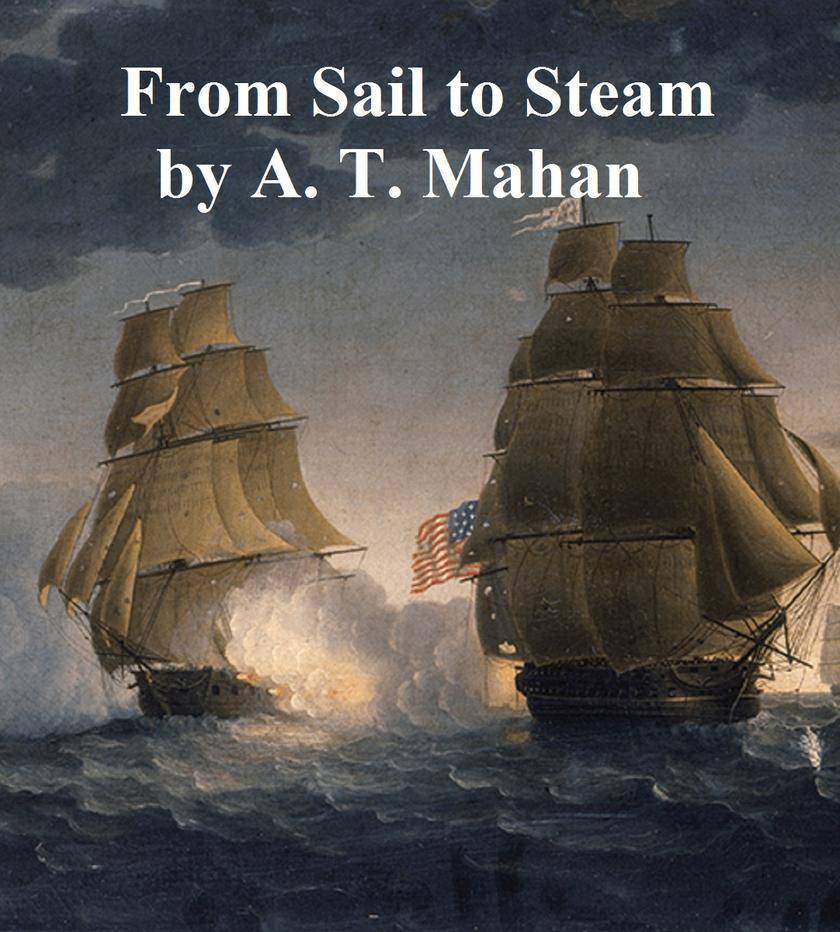
From Sail to Steam
¥8.09
Classic work of history. According to Wikipedia: "Alfred Thayer Mahan (September 27, 1840 - December 1, 1914) was a United States Navy officer, geostrategist, and educator. His ideas on the importance of sea power influenced navies around the world, and helped prompt naval buildups before World War I. Several ships were named USS Mahan, including the lead vessel of a class of destroyers. His research into naval History led to his most important work, The Influence of Seapower Upon History, 1660-1783, published in 1890."

The Oregon Trail
¥8.09
Classic work of history. According to Wikipedia: "Francis Parkman (September 16, 1823 - November 8, 1893) was an American historian, best known as author of The Oregon Trail: Sketches of Prairie and Rocky-Mountain Life and his monumental seven volume France and England in North America. These works are still valued as history and especially as literature, although the biases of his work have met with criticism. "

The Prince
¥8.09
Based largley on examples from the life of Cesare Borgia (son of Pope Alexander VI and sister of Lucrezia Borgia), this book was intended as practical advice for how to unify Italy with force. Machiavelli begins with the assumption that the end justifies the means -- so any action is permitted that leads to a unified Italy. His work has served for centuries as a handbook for would-be dictators and conquerors. According to Wikipedia: "Niccolò di Bernardo dei Machiavelli (1469 – 1527) was an Italian diplomat, political philosopher, musician, poet and playwright. Machiavelli was a figure of the Italian Renaissance, and a servant of the Florentine republic. In June of 1498, following the ouster and execution of Savonarola, the Great Council elected Machiavelli as the Secretary to the second Chancery of the Republic of Florence. He is most famous — or notorious — for one of his shorter works, The Prince, sometimes described as a work of realist political theory. However, both that text and the more substantial republican Discourses on Livy — as well as History of Florence (commissioned by the Medici family) — were printed only after his death, all appearing in the early 1530s. In his own lifetime, while he circulated The Prince among friends, the only work Machiavelli promoted through printing was his dialogue on The Art of War. But generations from the sixteenth century onwards were most attracted and repelled by the cynical approach to power on display in The Prince, Discourses and History. Whatever Machiavelli's own intentions (and they remain a matter of heated debate), his name became synonymous with ruthless politics, deceit and the pursuit of power by any means."
Heroes: The Greatest Generation and the Second World War
¥82.01
‘Heroes’ is the story of an extraordinary generation of young men, mostly British, who came of age in the Second World War. These young men – and women – found themselves facing life-threatening danger and the kind of responsibility few would be prepared to shoulder today. Whether fighting in the jungles of Burma or on the D-Day beaches, as submariners, pilots, spies or prisoners of war, young soldiers in WWII displayed astonishing courage and resilience, united by honour and bound by the fellowship of their comrades. Those who made it home are now a passing generation, and for many this is the last chance for them to tell their stories – men like football legend Tom Finney, who saw action in southern Italy; or James Bond set-designer Ken Adam, a German Jew who flew as a fighter pilot for the RAF; or identical twins Tom and Dee Bowles, who landed together on Easy Red beach on D-Day. Many of these young men never returned home and those who did faced insurmountable challenges assimiliating back into civilian life. ‘Heroes’ is a moving and uplifting tribute to an remarkable generation.

Sea Disasters
¥97.69
This series of nonfiction readers will grab a student's interest from the very first page! Designed with struggling readers in mind, these riveting 92-page books offer short chapters on significant disasters. Each chapter is its own mini-book, which includes a timeline, key terms, and interesting facts. Fascinating black and white photographs keep the pages turning. A bibliography encourages further topical reading. Disasters are inherently frightening, riveting, and involving. Grabbed straight from the headlines, these disasters leave tragedy, destruction, and years of anguish: The Titanic, Ferry Disasters, Sydney to Hobart, War and Military, The Prestige Oil Spill, The Costa Concordia, and more.

Space Disasters
¥97.69
This series of nonfiction readers will grab a student's interest from the very first page! Designed with struggling readers in mind, these riveting 92-page books offer short chapters on significant disasters. Each chapter is its own mini-book, which includes a timeline, key terms, and interesting facts. Fascinating black and white photographs keep the pages turning. A bibliography encourages further topical reading. Disasters are inherently frightening, riveting, and involving. Grabbed straight from the headlines, these disasters leave tragedy, destruction, and years of anguish: Apollo 1, Apollo 13, Soyuz 11, Challenger, Columbia, Asteroid Collisions, and more.
Lost and Found
¥97.69
Discover the astonishing true stories--that will make readers laugh, cry, and gasp--behind the headlines: Pompeii, Amelia Earhart, Twins Reunite, Tuffy, HMS Beagle, Stolen Holocaust Masterpiece Fetches Millions, and more. This series of nonfiction readers will grab a student's interest from the very first page! Designed with struggling readers in mind, these riveting books offer short chapters on high-interest headlines. Each chapter is its own mini-book, which includes a timeline, key terms, and interesting facts. Fascinating black and white photographs keep the pages turning. A bibliography encourages further topical reading.
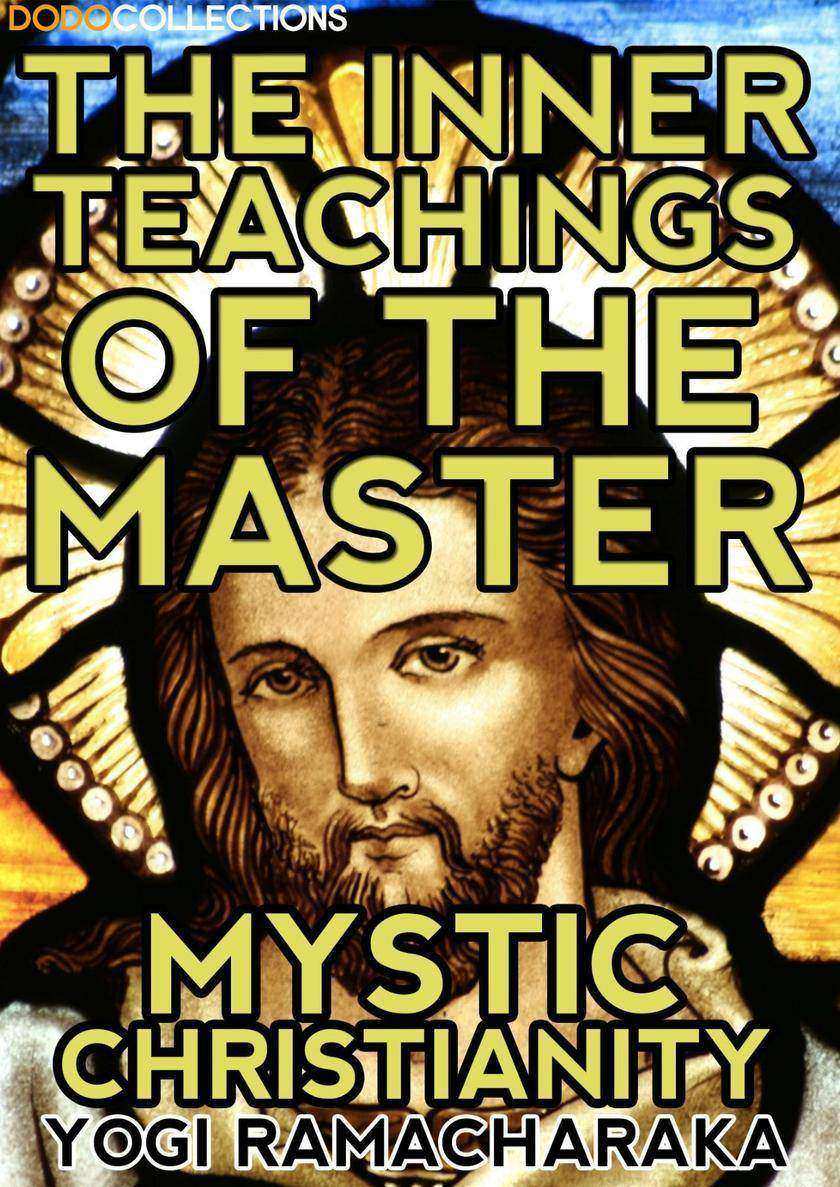
The Inner Teachings Of The Master:Mystic Christianity
¥8.09
This book fills in the gap in the canonical gospels concerning the life of Jesus from about age 12 to age 30. It also provides a refreshing alternative to the "thou shalt have faith and fear" approach found in the orthodox religions.

Forensics
¥97.69
Bursting with facts, these books will truly enthrall struggling readers. Nonfiction titles cover high-interest topics both creepy and utterly terrifying. Each title is thoroughly researched and includes an introduction, five chapters, an epilogue, glossary, and index. On-the-scene photography captures students' imagination and spurs further reading. These are books that struggling readers will not put down! The science of forensics is little understood except for what we watch in prime time. Five chapters explore forensic dentistry; ballistics; computer forensics; facial reconstruction; and fingerprinting.

Boris Yeltsin:The Decade that Shook the World
¥90.03
The literature on Boris Yeltsin is vast. Memoirs have been produced not only by politicians – first-hand participants in the events, Yeltsin himself penned three volumes of recollections – but also assistants, press secretaries, political analysts, journalists, MPs, retired members of Gorbachev’s Politburo, public figures now long forgotten, generals of special services and security service staff. Boris Minaev started working on Boris Yeltsin’s biography when the politician was still alive. In his work the author has used not only publicly accessible documents that have been printed or otherwise made accessible but also interviews that are published for the first time. In this unique biography of the first President of the Russian Federation author consistently describes events of Yeltsin's life, capturing and conveying his unique personality with all the contradictions of his character and principles that determined public attitude towards Yeltsin. Some saw him as an outstanding builder of the new Russia, others - as a destroyer of the great state. But whoever he was de facto, the decade of his rule shook the world. *** Boris Minayev is a Russian writer and correspondent. Minayev has worked for many Russian venues and is currently serving as Editor-in-Chief of the journal Medved. Boris Minayev is known for his children’s books and novels for mature readers. One of the most famous works of his that is being widely quoted in the media is his biography of Russia’s first president Boris Yeltsin, first published in the series ‘Lives of Extraordinary People’.
All Things Natural
¥24.44
Ficino's commentary on Plato?s Timaeus offers the English reader, for the first time, an opportunity to share the insights of this highly influential Renaissance philosopher into one of Plato's most important and controversial works. Here are discussed the perennial questions which affect us all: What is the nature of the universeHow did it beginDoes it have a cause outside itselfWhat is our place in itWhat is the nature of mind, soul, matter and timeThe central portion of the work, focusing on number, harmony, and music, has exerted a strong influence on the history of Western musical theory. Ficino added an appendix which amplifies and elucidates Plato?s meanings and reveals fascinating detail about Ficino himself. This volume provides rich source material for all who are interested in philosophy, the history of cosmic theory, and Platonic and Renaissance studies. This completes the four volume series, including Gardens of Philosophy, 2006 (ISBN 9780856832406), Evermore Shall Be So, 2008 (9780856832567) and When Philosophers Rule, 2009 (9780856832574), which contain all Ficino?s commentaries not previously translated into English.
Evermore Shall Be So
¥24.44
With the publication of Arthur FWith the publication of Arthur Farndell’s Gardens of Philosophy (Shepheard Walwyn 2006), there remained only four of Ficino’s commentaries on Plato’s dialogues which had not yet been translated into English. With the publication of this volume there remain only three. Farndell’s translation of the commentaries on the Republic and the Laws will comprise the third volume under the title When Philosophers Rule (9780856832574 – due 2009) and the fourth, All Things Natural (9780856832581 – due 2010), will contain the Timaeus. As Carol Kaske of Cornell University wrote when reviewing Gardens of Philosophy in Renaissance Quarterly, these translations fill ‘a need. Even those Anglophone scholars who know Latin still need a translation in order to read quickly through a large body of material’ The central message of Parmenides, that everything depends on the One, resonates with the growing awareness around the world of the interrelatedness of all things, be it in the biosphere, the intellectual or spiritual realms. Philosophers in ancient Greece appreciated this unity and employed reason and dialectic to draw the mind away from its preoccupation with the material world and attract it towards contemplation of the soul, and ultimately of that Oneness which embraces, but is distinct from, the multifarious forms of creation. Thus Parmenides carefully instructed the young Socrates, and Plato recorded their dialogue in this work which he named after the elderly philosopher. Nearly 2000 years later, Marsilio Ficino made Parmenides available to the West by translating it into Latin, the language of scholars in his time. Ficino added a lengthy commentary to this translation, a commentary which Evermore Shall Be So puts into English for the first time, more than 500 years after its original composition. Ficino’s crucial influence upon the unfolding of the Renaissance and his presentation of Plato’s understanding of the One and the socalled Platonic Ideas or Forms make Evermore Shall Be So an important work in the history of thought. Though it will be an essential buy for Renaissance scholars and historians, its freshness of thought and wisdom are as relevant today as they ever were to inspire a new generation seeking spiritual and philosophical direction in their lives. ‘This is philosophy with a mystical dimension – one that is crucial to the original Socratic and Platonic teaching’ Tony Cross in Faith and Freedomarndell’s Gardens of Philosophy ( 2006), there remained only four of Ficino’s commentaries on Plato’s dialogues which had not yet been translated into English. With the publication of this volume there remain only three. Farndell’s translation of the commentaries on the Republic and the Laws will comprise the third volume under the title When Philosophers Rule (9780856832574 – due 2009) and the fourth, All Things Natural (9780856832581 – due 2010), will contain the Timaeus.As Carol Kaske of Cornell University wrote when reviewing Gardens of Philosophy in Renaissance Quarterly, these translations fill ‘a need. Even those Anglophone scholars who know Latin still need a translation in order to read quickly through a large body of material’ The central message of Parmenides, that everything depends on the One, resonates with the growing awareness around the world of the interrelatedness of all things, be it in the biosphere, the intellectual or spiritual realms. Philosophers in ancient Greece appreciated this unity and employed reason and dialectic to draw the mind away from its preoccupation with the material world and attract it towards contemplation of the soul, and ultimately of that Oneness which embraces, but is distinct from, the multifarious forms of creation.Thus Parmenides carefully instructed the young Socrates, and Plato recorded their dialogue in this work which he named after the elderly philosopher. Nearly 2000 years later, Marsilio Ficino made Parmenides available to the West by translating it into Latin, the language of scholars in his time. Ficino added a lengthy commentary to this translation, a commentary which Evermore Shall Be So puts into English for the first time, more than 500 years after its original composition. Ficino’s crucial influence upon the unfolding of the Renaissance and his presentation of Plato’s understanding of the One and the socalled Platonic Ideas or Forms make Evermore Shall Be So an important work in the history of thought. Though it will be an essential buy for Renaissance scholars and historians, its freshness of thought and wisdom are as relevant today as they ever were to inspire a new generation seeking spiritual and philosophical direction in their lives. ‘This is philosophy with a mystical dimension – one that is crucial to the original Socratic and Platonic teaching’ Tony Cross in Faith and Freedom
Gardens of Philosophy
¥24.44
What made the Renaissance tickWhy had it such a force that its thinking spread from a small group of scholars in Florence, working in their own brilliant ways but coming together in a small villa on the Florentine hillside where Marsilio Ficino (143399) lived, to affect the thinking of the whole of Europe, and eventually of America, for five hundred years and is continuing to do soCosimo de?Medici, the virtual ruler of Florence, had been attracted to the philosophy of Plato by Gemistos Plethon during the Council Florence in 1439 and had instructed his agents to gather together Plato?s works before Constantinople fell to the Turks in 1453. In 1462 he commissioned Marsilio Ficino to translate them from Greek into Latin for the benefit of the Latin speaking world, a task he completed in under five years according to his biographer Giovanni Corsi. This, the first volume in a four volume series, provides the first English translation of the 25 short commentaries on the dialogues and the 12 letters traditionally ascribed to Plato. Later volumes will provide translations of his longer commentaries on the Parmenides (2008), the Republic and Laws (2009) and Timaeus (2010). Though this book will be an essential buy for Renaissance scholars and historians, its freshness of thought and wisdom are as relevant today as they ever were to inspire a new generation seeking spiritual and philosophical direction in their lives.

A Touch Of Love
¥24.44
After her young nephew and two nieces’ parents are drowned in a tragic sailing accident off the coast of Cornwall, the beautiful red-headed Tamara is devastated by their loss and realises almost at once that she is the only person who can look after the three children as she loves them so much. She speaks to the local Solicitor, who tells her that there is no money left in her brother-in-law’s estate and so she has no choice but to take the three children to their uncle, the Duke of Granchester, who lives in splendid isolation in a vast sprawling but intimidating Castle in Gloucestershire. The prospect at once appals Tamara. Firstly because she despises the Duke for the way he had cut off all contact with her sister and brother-in-law as he disapproved of their marriage, thinking that she was an actress when in fact she was a renowned opera singer. Worse still, Tamara has written a somewhat scurrilous novel portraying the Duke as the vile character she believes him to be! And the novel is just about to be published in London! Arriving at Granchester Castle in the guise of the children’s Governess, she finds the Duke to be as arrogant, high-handed and annoyingly handsome as her fictional portrayal of him and she hates him even more bitterly. Until a touch of love intervenes and changes everything forever.


