


 购物车
 个人中心


The Food52 Cookbook, Volume 2
¥196.59
The team behind the bestselling The Food52 Cookbook and the James Beard Award–winning website Food52.com are back. Powered by a thriving online community and edited by noted food writers Amanda Hesser and Merrill Stubbs, Food52.com spotlights the best recipes from talented home cooks all over the world. The Food52 Cookbook, Volume 2, features seventy-five of the latest community favorites, including:Late-Night Coffee-Brined Chicken Roasted Carrot Soup Herbed Beef Skewers with Horseradish Cream Kentucky Hot Toddy Burnt Caramel Pudding
Harper Perennial
¥94.10
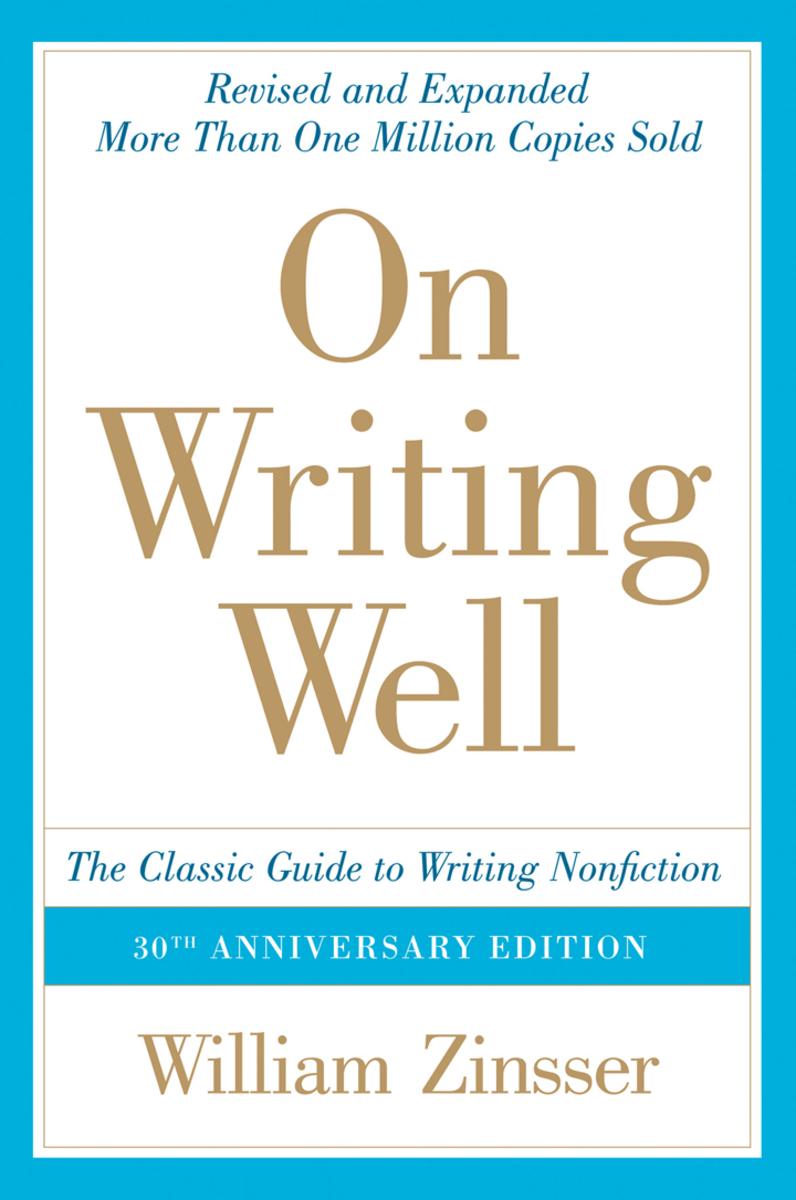
On Writing Well has been praised for its sound advice, its clarity and the warmth of its style. It is a book for everybody who wants to learn how to write or who needs to do some writing to get through the day, as almost everybody does in the age of e-mail and the Internet. Whether you want to write about people or places, science and technology, business, sports, the arts or about yourself in the increasingly popular memoir genre, On Writing Well offers you fundamental priciples as well as the insights of a distinguished writer and teacher. With more than a million copies sole, this volume has stood the test of time and remains a valuable resource for writers and would-be writers.
The Spirit of the Disciplines
¥88.56
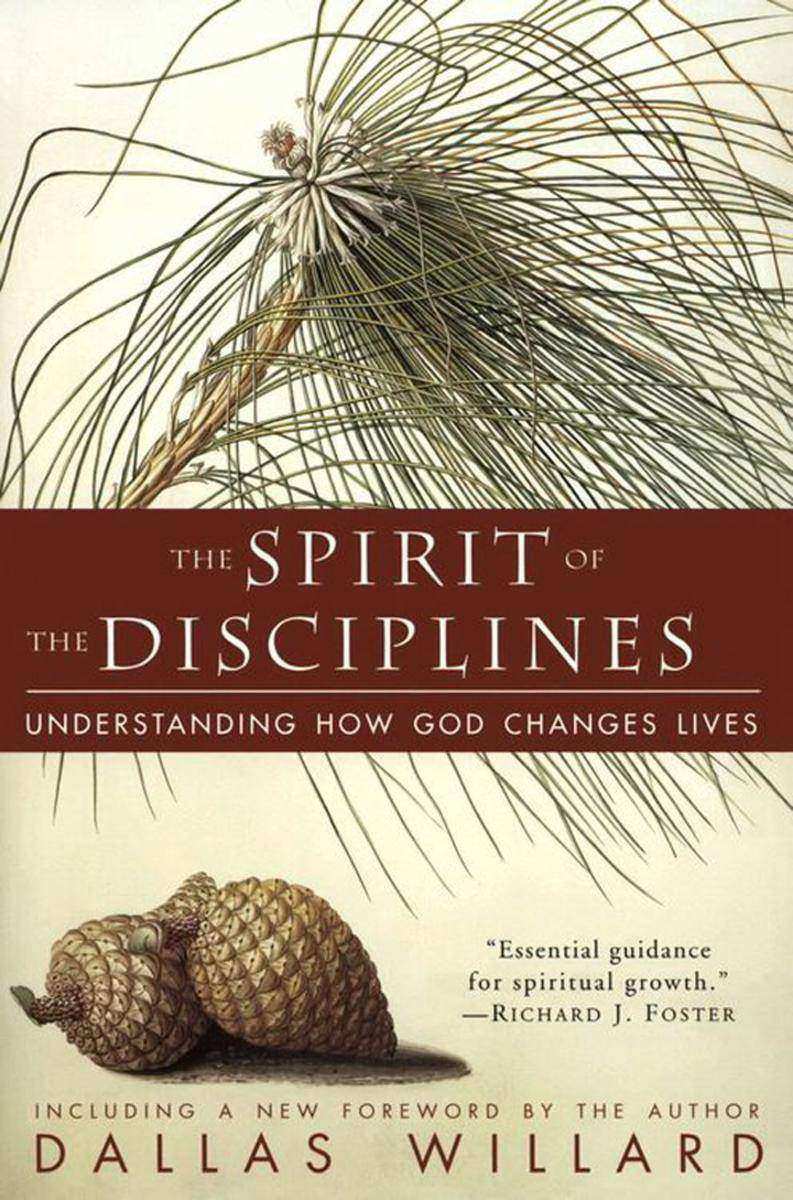
How to Live as Jesus Lived Dallas Willard, one of today's most brilliant Christian thinkers and author of The Divine Conspiracy (Christianity Today's 1999 Book of the Year), presents a way of living that enables ordinary men and women to enjoy the fruit of the Christian life. He reveals how the key to self-transformation resides in the practice of the spiritual disciplines, and how their practice affirms human life to the fullest. The Spirit of the Disciplines is for everyone who strives to be a disciple of Jesus in thought and action as well as intention.

Just Kids
¥95.11
Due to copyright restrictions, this eBook may not contain all of the images available in the print edition. It was the summer Coltrane died, the summer of love and riots, and the summer when a chance encounter in Brooklyn led two young people on a path of art, devotion, and initiation. Patti Smith would evolve as a poet and performer, and Robert Mapplethorpe would direct his highly provocative style toward photography. Bound in innocence and enthusiasm, they traversed the city from Coney Island to Forty-second Street, and eventually to the celebrated round table of Max's Kansas City, where the Andy Warhol contingent held court. In 1969, the pair set up camp at the Hotel Chelsea and soon entered a community of the famous and infamous the influential artists of the day and the colorful fringe. It was a time of heightened awareness, when the worlds of poetry, rock and roll, art, and sexual politics were colliding and exploding. In this milieu, two kids made a pact to take care of each other. Scrappy, romantic, committed to create, and fueled by their mutual dreams and drives, they would prod and provide for one another during the hungry years. Just Kids begins as a love story and ends as an elegy. It serves as a salute to New York City during the late sixties and seventies and to its rich and poor, its hustlers and hellions. A true fable, it is a portrait of two young artists' ascent, a prelude to fame.
Total Freedom
¥110.71
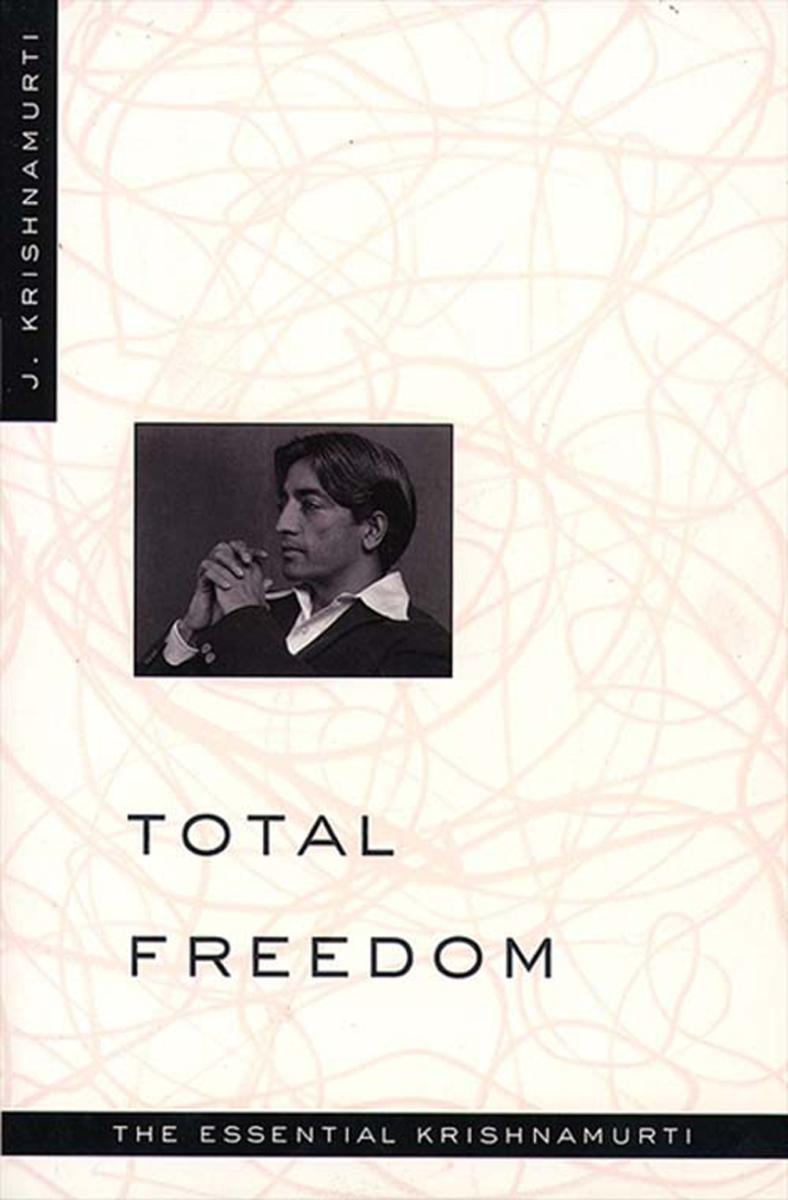
Counted among his admirers are Jonas Salk, Aldous Huxley, David Hockney, and Van Morrison, along with countless other philosophers, artist, writers and students of the spiritual path. Now the trustees of Krishnamurti work have gathered his very best and most illuminating writings and talks to present in one volume the truly essential ideas of this great spiritual thinker.Total Freedom includes selections from Krishnamurti early works, his Commentaries on Living, and his discourses on life, the self, meditation, sex and love. These writings reveal Krishnamuri core teachings in their full eloquence and power: the nature of personal freedom; the mysteries of life and death; and the pathless land, the personal search for truth and peace. Warning readers away from blind obedience to creeds or teachers including himself Krishnamurti celebrated the individual quest for truth, and thus became on of the most influential guides for independent-minded seekers of the twentieth century and beyond.
Billy Lynn's Long Halftime Walk
¥94.10
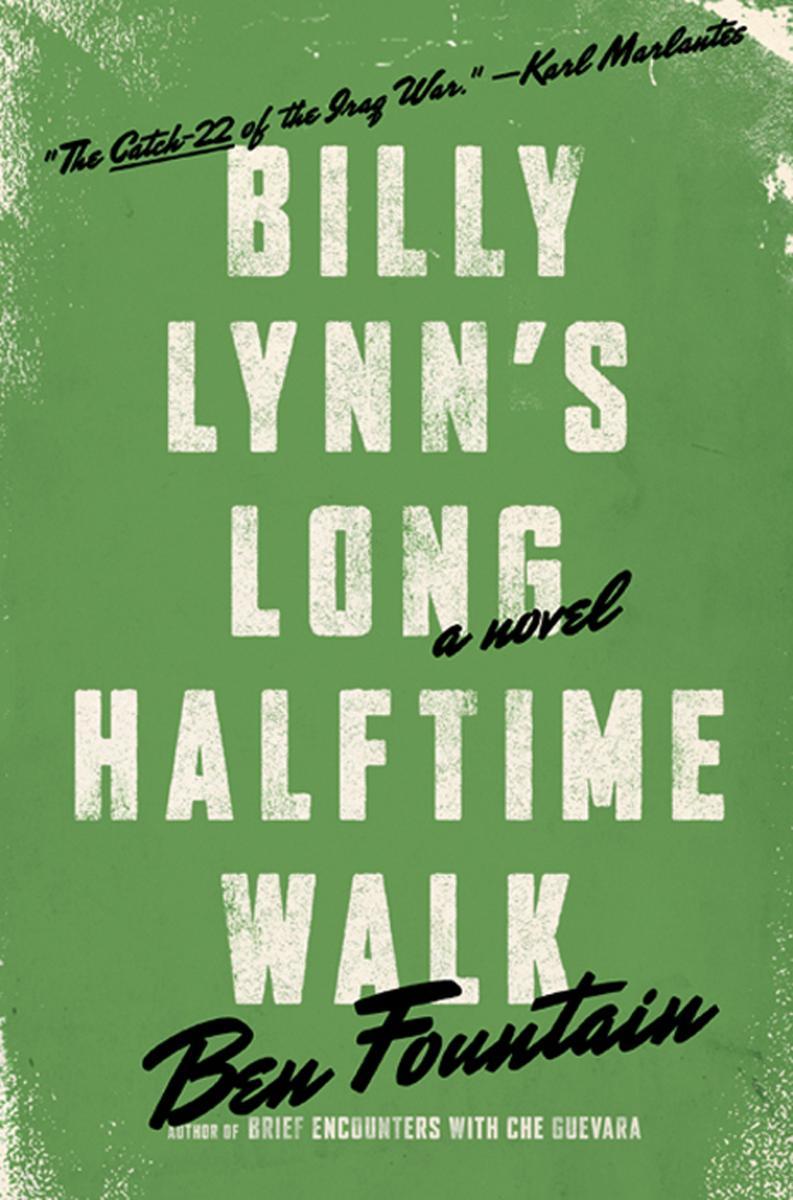
A finalist for the National Book Award! A ferocious firefight with Iraqi insurgents at the battle of Al-Ansakar Canal three minutes and forty-three seconds of intense warfare caught on tape by an embedded Fox News crew has transformed the eight surviving men of Bravo Squad into America most sought-after heroes. For the past two weeks, the Bush administration has sent them on a media-intensive nationwide Victory Tour to reinvigorate public support for the war. Now, on this chilly and rainy Thanksgiving, the Bravos are guests of America Team, the Dallas Cowboys, slated to be part of the halftime show alongside the superstar pop group Destiny's Child. Among the Bravos is the Silver Star winning hero of Al-Ansakar Canal, Specialist William Lynn, a nineteen-year-old Texas native. Amid clamoring patriots sporting flag pins on their lapels and Support Our Troops bumper stickers on their cars, the Bravos are thrust into the company of the Cowboys' hard-nosed businessman/owner and his coterie of wealthy colleagues; a luscious born-again Cowboys cheerleader; a veteran Hollywood producer; and supersized pro players eager for a vicarious taste of war. Among these faces Billy sees those of his family his worried sisters and broken father and Shroom, the philosophical sergeant who opened Billy mind and died in his arms at Al-Ansakar. Over the course of this day, Billy will begin to understand difficult truths about himself, his country, his struggling family, and his brothers-in-arms soldiers both dead and alive. In the final few hours before returning to Iraq, Billy will drink and brawl, yearn for home and mourn those missing, face a heart-wrenching decision, and discover pure love and a bitter wisdom far beyond his years. Poignant, riotously funny, and exquisitely heartbreaking, Billy Lynn Long Halftime Walk is a devastating portrait of our time, a searing and powerful novel that cements Ben Fountain reputation as one of the finest writers of his generation.
Global Pigeon
¥247.21
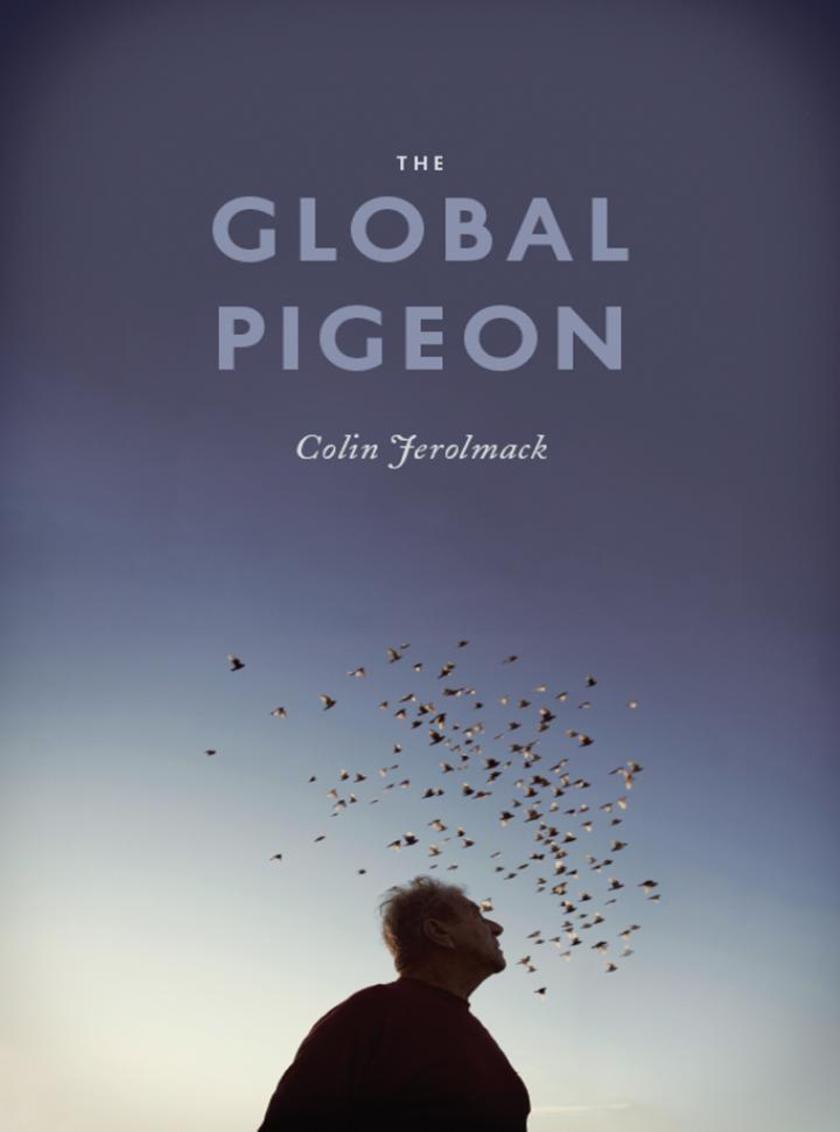
The pigeon is the quintessential city bird. Domesticated thousands of years ago as a messenger and a source of food, its presence on our sidewalks is so common that people consider the bird a nuisance-if they notice it at all. Yet pigeons are also kept for pleasure, sport, and profit by people all over the world, from the "e;pigeon wars"e; waged by breeding enthusiasts in the skies over Brooklyn to the Million Dollar Pigeon Race held every year in South Africa.Drawing on more than three years of fieldwork across three continents, Colin Jerolmack traces our complex and often contradictory relationship with these versatile animals in public spaces such as Venice's Piazza San Marco and London's Trafalgar Square and in working-class and immigrant communities of pigeon breeders in New York and Berlin. By exploring what he calls "e;the social experience of animals,"e; Jerolmack shows how our interactions with pigeons offer surprising insights into city life, community, culture, and politics. Theoretically understated and accessible to interested readers of all stripes, The Global Pigeon is one of the best and most original ethnographies to be published in decades.
Early Antiquity
¥759.29
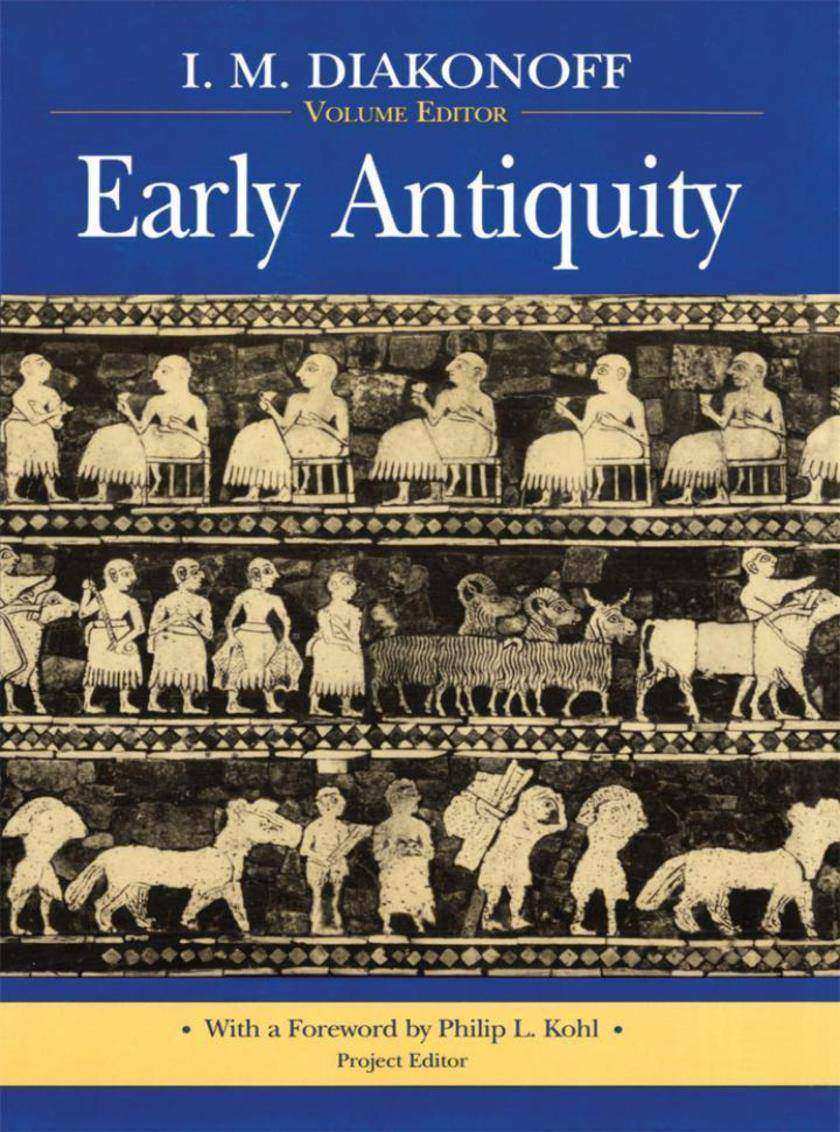
The internationally renowned Assyriologist and linguist I.M. Diakonoff has gathered the work of Soviet historians inthis survey of the earliest history of the ancient Near East,Central Asia, India, and China. Diakonoff and hiscolleagues, nearly all working within the general Marxisthistoriographic tradition, offer a comprehensive, accessiblesynthesis of historical knowledge from the beginnings ofagriculture through the advent of the Iron Age and the Greekcolonization in the Mediterranean and the Black Sea areas.Besides discussing features of Soviet historicalscholarship of the ancient world, the essays treat thehistory of early Mesopotamia and the course of PharaonicEgyptian civilization and developments in ancient India andChina from the Bronze Age into the first millennium B.C.Additional chapters are concerned with the early history ofSyria, Phoenicia, and Palestine, the Hittite civilization,the Creto-Mycenaean world, Homeric Greece, and the Phoenicianand Greek colonization.This volume offers a unified perspective on earlyantiquity, focusing on the economic and social relations ofproduction. Of immense value to specialists, the book willalso appeal to general readers.I. M. Diakonoff is a senior research scholar of ancienthistory at the Institute of Oriental Studies, LeningradAcademy of Sciences. Philip L. Kohl is professor ofanthropology at Wellesley College.
Personal Knowledge
¥206.01
The publication of Personal Knowledge in 1958 shook the science world, as Michael Polanyi took aim at the long-standing ideals of rigid empiricism and rule-bound logic. Today, Personal Knowledge remains one of the most significant philosophy of science books of the twentieth century, bringing the crucial concepts of "e;tacit knowledge"e; and "e;personal knowledge"e; to the forefront of inquiry.In this remarkable treatise, Polanyi attests that our personal experiences and ways of sharing knowledge have a profound effect on scientific discovery. He argues against the idea of the wholly dispassionate researcher, pointing out that even in the strictest of sciences, knowing is still an art, and that personal commitment and passion are logically necessary parts of research. In our technological age where fact is split from value and science from humanity, Polanyi's work continues to advocate for the innate curiosity and scientific leaps of faith that drive our most dazzling ingenuity.For this expanded edition, Polyani scholar Mary Jo Nye set the philosopher-scientist's work into contemporary context, offering fresh insights and providing a helpful guide to critical terms in the work. Used in fields as diverse as religious studies, chemistry, economics, and anthropology, Polanyi's view of knowledge creation is just as relevant to intellectual endeavors today as when it first made waves more than fifty years ago.
Richard Rorty
¥158.92
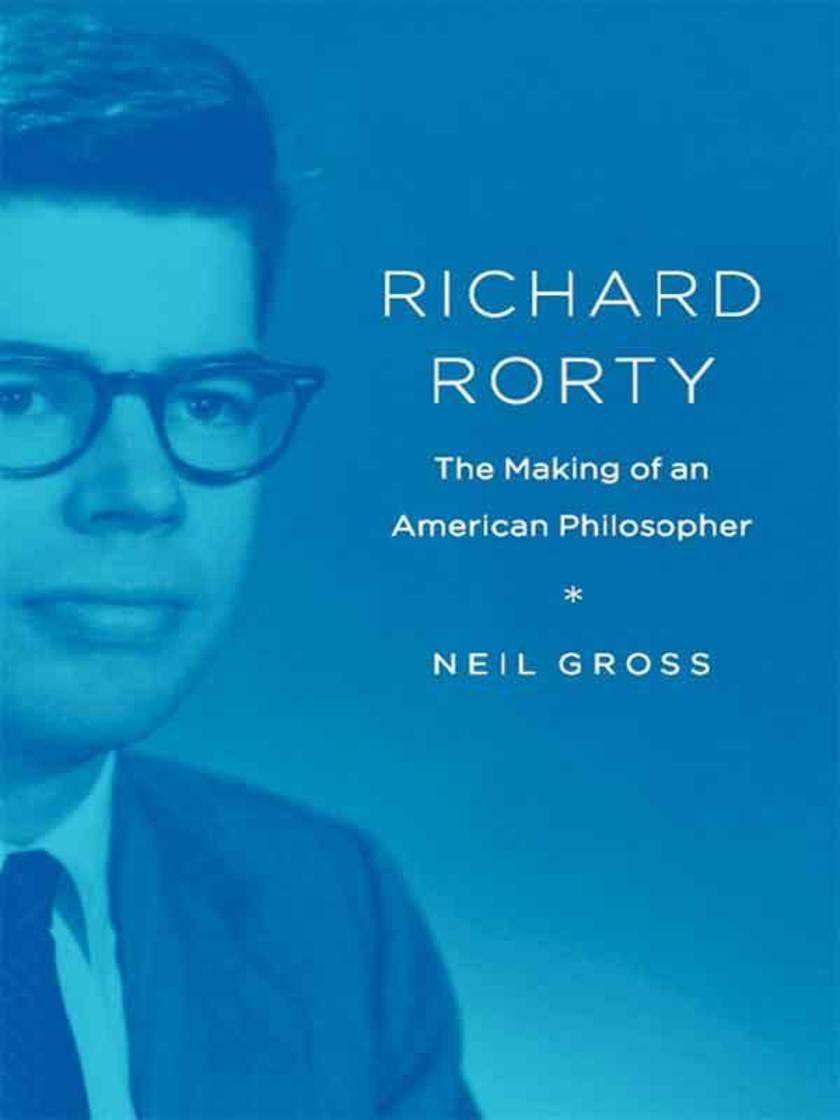
On his death in 2007, Richard Rorty was heralded by the New York Times as "e;one of the world's most influential contemporary thinkers."e; Controversial on the left and the right for his critiques of objectivity and political radicalism, Rorty experienced a renown denied to all but a handful of living philosophers. In this masterly biography, Neil Gross explores the path of Rorty's thought over the decades in order to trace the intellectual and professional journey that led him to that prominence.The child of a pair of leftist writers who worried that their precocious son "e;wasn't rebellious enough,"e; Rorty enrolled at the University of Chicago at the age of fifteen. There he came under the tutelage of polymath Richard McKeon, whose catholic approach to philosophical systems would profoundly influence Rorty's own thought. Doctoral work at Yale led to Rorty's landing a job at Princeton, where his colleagues were primarily analytic philosophers. With a series of publications in the 1960s, Rorty quickly established himself as a strong thinker in that tradition-but by the late 1970s Rorty had eschewed the idea of objective truth altogether, urging philosophers to take a "e;relaxed attitude"e; toward the question of logical rigor. Drawing on the pragmatism of John Dewey, he argued that philosophers should instead open themselves up to multiple methods of thought and sources of knowledge-an approach that would culminate in the publication of Philosophy and the Mirror of Nature, one of the most seminal and controversial philosophical works of our time.In clear and compelling fashion, Gross sets that surprising shift in Rorty's thought in the context of his life and social experiences, revealing the many disparate influences that contribute to the making of knowledge. As much a book about the growth of ideas as it is a biography of a philosopher, Richard Rorty will provide readers with a fresh understanding of both the man and the course of twentieth-century thought.
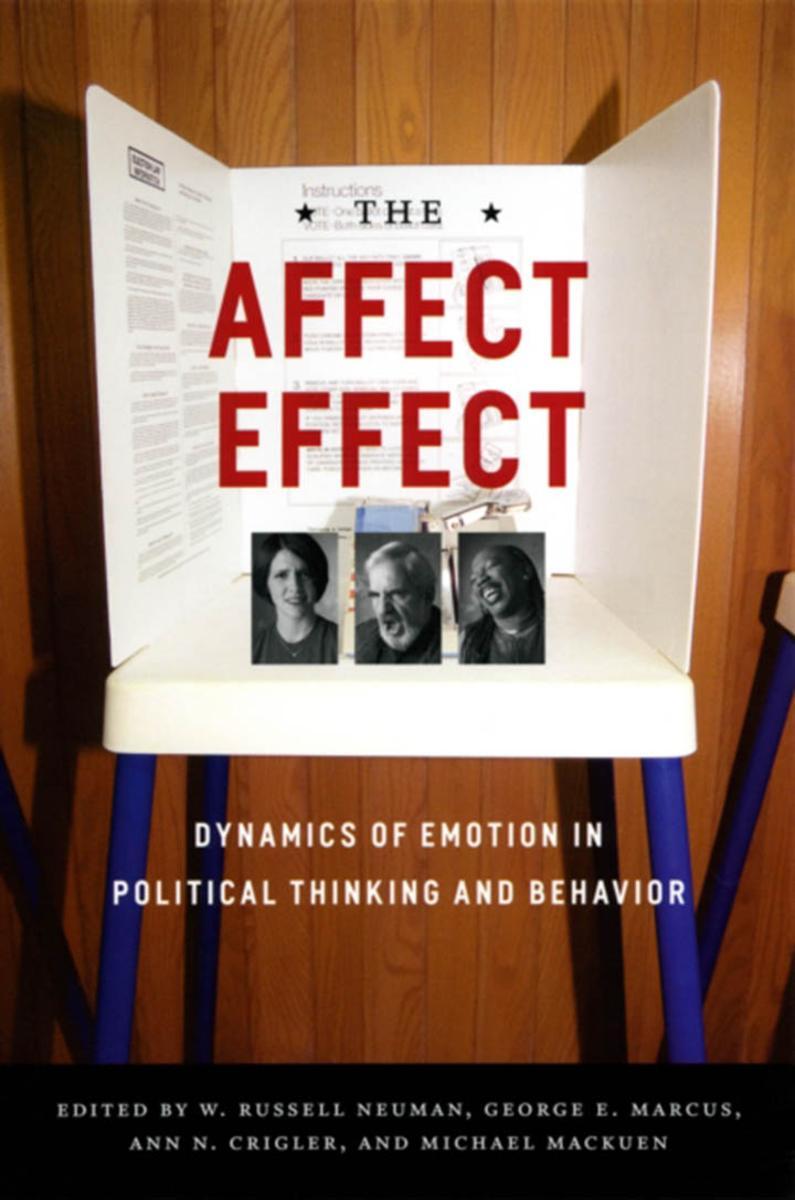
THE Affect Effect
¥265.87
two sections branch out to explore how politics work at the societal level and suggest the next steps in modeling, research, and political activity itself. Opening up new paths of inquiry in an exciting new field, this volume will appeal not only to scholars of American politics and political behavior, but also to anyone interested in political psychology and sociology.
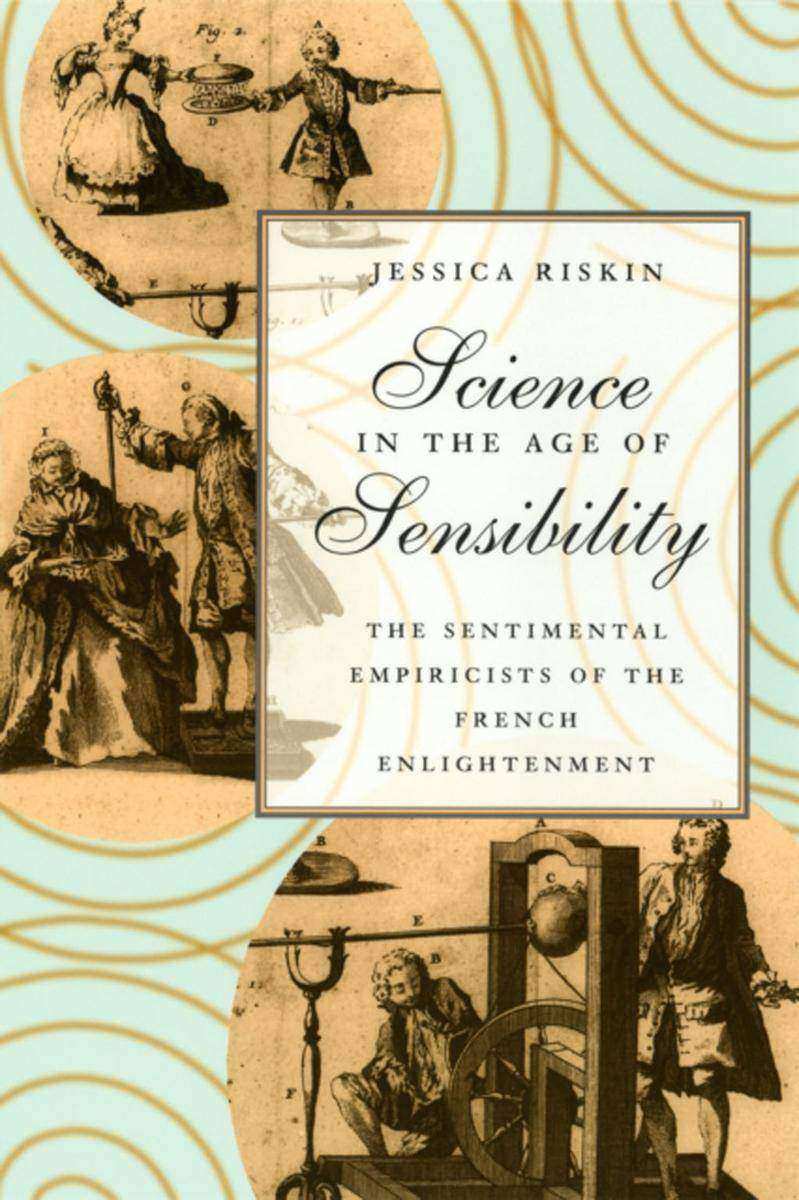
Science in the Age of Sensibility
¥282.53
Empiricism today implies the dispassionate scrutiny of facts. But Jessica Riskin finds that in the French Enlightenment, empiricism was intimately bound up with sensibility. In what she calls a "sentimental empiricism," natural knowledge was taken to rest on a blend of experience and emotion.Riskin argues that sentimental empiricism brought together ideas and institutions, practices and politics. She shows, for instance, how the study of blindness, led by ideas about the mental and moral role of vision and by cataract surgeries, shaped the first school for the blind; how Benjamin Franklin's electrical physics, ascribing desires to nature, engaged French economic reformers; and how the question of the role of language in science and social life linked disputes over Antoine Lavoisier's new chemical names to the founding of France's modern system of civic education.Recasting the Age of Reason by stressing its conjunction with the Age of Sensibility, Riskin offers an entirely new perspective on the development of modern science and the history of the Enlightenment.
Stratigraphic Paleobiology
¥353.16
Whether the fossil record should be read at face value or whether it presents a distorted view of the history of life is an argument seemingly as old as many fossils themselves. In the late 1700s, Georges Cuvier argued for a literal interpretation, but in the early 1800s, Charles Lyell's gradualist view of the earth's history required a more nuanced interpretation of that same record. To this day, the tension between literal and interpretive readings lies at the heart of paleontological research, influencing the way scientists view extinction patterns and their causes, ecosystem persistence and turnover, and the pattern of morphologic change and mode of speciation.?With Stratigraphic Paleobiology, Mark E. Patzkowsky and Steven M. Holland present a critical framework for assessing the fossil record, one based on a modern understanding of the principles of sediment accumulation. Patzkowsky and Holland argue that the distribution of fossil taxa in time and space is controlled not only by processes of ecology, evolution, and environmental change, but also by the stratigraphic processes that govern where and when sediment that might contain fossils is deposited and preserved. The authors explore the exciting possibilities of stratigraphic paleobiology, and along the way demonstrate its great potential to answer some of the most critical questions about the history of life: How and why do environmental niches change over timeWhat is the tempo and mode of evolutionary change and what processes drive this changeHow has the diversity of life changed through time, and what processes control this changeAnd, finally, what is the tempo and mode of change in ecosystems over time
Signature Derrida
¥247.21
Throughout his long career, Jacques Derrida had a close, collaborative relationship with Critical Inquiry and its editors. He saved some of his most important essays for the journal, and he relished the ensuing arguments and polemics that stemmed from the responses to his writing that Critical Inquiry encouraged. Collecting the best of Derrida's work that was published in the journal between 1980 and 2002, Signature Derrida provides a remarkable introduction to the philosopher and the evolution of his thought.?These essays define three significant "e;periods"e; in Derrida's writing: his early, seemingly revolutionary phase; a middle stage, often autobiographical, that included spirited defense of his work; and his late period, when his persona as a public intellectual was prominent, and he wrote on topics such as animals and religion. The first period is represented by essays like "e;The Law of Genre,"e; in which Derrida produces a kind of phenomenological narratology. Another essay, "e;The Linguistic Circle of Geneva,"e; embodies the second, presenting deconstructionism at its best: Derrida shows that what was imagined to be an epistemological break in the study of linguistics was actually a repetition of earlier concepts. The final period of Derrida's writing includes the essays "e;Of Spirit"e; and?"e;The Animal That Therefore I Am (More to Follow),"e; and three eulogies to the intellectual legacies of Michel Foucault, Louis Marin, and Emmanuel Lvinas, in which Derrida uses the ideas of each thinker to push forward the implications of their theories.?With an introduction by Francoise Meltzer that provides an overview of the oeuvre of this singular philosopher, Signature Derrida is the most wide-ranging, and thus most representative, anthology of Derrida's work to date.
Accompaniment
¥229.55
In this culmination of his search for anthropological concepts and practices appropriate to the twenty-first century, Paul Rabinow contends that to make sense of the contemporary anthropologists must invent new forms of inquiry. He begins with an extended rumination on what he gained from two of his formative mentors: Michel Foucault and Clifford Geertz. Reflecting on their lives as teachers and thinkers, as well as human beings, he poses questions about their critical limitations, unfulfilled hopes, and the lessons he learned from and with them.?This spirit of collaboration animates The Accompaniment, as Rabinow assesses the last ten years of his career, largely spent engaging in a series of intensive experiments in collaborative research and often focused on cutting-edge work in synthetic biology. He candidly details the successes and failures of shifting his teaching practice away from individual projects, placing greater emphasis on participation over observation in research, and designing and using websites as a venue for collaboration. Analyzing these endeavors alongside his efforts to apply an anthropological lens to the natural sciences, Rabinow lays the foundation for an ethically grounded anthropology ready and able to face the challenges of our contemporary world.
Machiavelli's Virtue
¥147.15
Uniting thirty years of authoritative scholarship by a master of textual detail, Machiavelli's Virtue is a comprehensive statement on the founder of modern politics. Harvey Mansfield reveals the role of sects in Machiavelli's politics, his advice on how to rule indirectly, and the ultimately partisan character of his project, and shows him to be the founder of such modern and diverse institutions as the impersonal state and the energetic executive. Accessible and elegant, this groundbreaking interpretation explains the puzzles and reveals the ambition of Machiavelli's thought."e;The book brings together essays that have mapped [Mansfield's] paths of reflection over the past thirty years. . . . The ground, one would think, is ancient and familiar, but Mansfield manages to draw out some understandings, or recognitions, jarringly new."e;-Hadley Arkes, New Criterion"e;Mansfield's book more than rewards the close reading it demands."e;-Colin Walters, Washington Times"e;[A] masterly new book on the Renaissance courtier, statesman and political philosopher. . . . Mansfield seeks to rescue Machiavelli from liberalism's anodyne rehabilitation."e;-Roger Kimball, The Wall Street Journal
Creating a Physical Biology
¥353.16
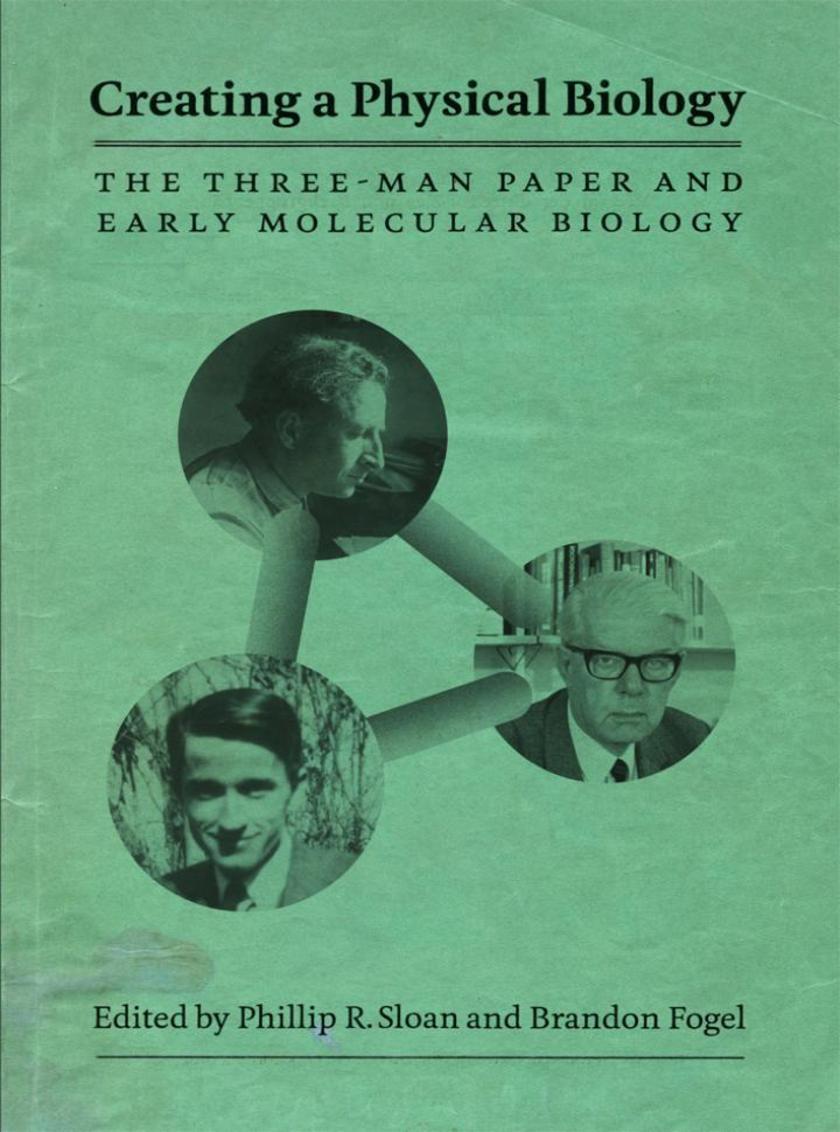
In 1935 geneticist Nikolai Timofeeff-Ressovsky, radiation physicist Karl G. Zimmer, and quantum physicist Max Delbruck published "e;On the Nature of Gene Mutation and Gene Structure,"e; known subsequently as the "e;Three-Man Paper."e; This seminal paper advanced work on the physical exploration of the structure of the gene through radiation physics and suggested ways in which physics could reveal definite information about gene structure, mutation, and action. Representing a new level of collaboration between physics and biology, it played an important role in the birth of the new field of molecular biology. The paper's results were popularized for a wide audience in the What is Lifelectures of physicist Erwin Schrodinger in 1944.?Despite its historical impact on the biological sciences, the paper has remained largely inaccessible because it was only published in a short-lived German periodical. Creating a Physical Biology makes the Three Man Paper available in English for the first time. Brandon Fogel's translation is accompanied by an introductory essay by Fogel and Phillip Sloan and a set of essays by leading historians and philosophers of biology that explore the context, contents, and subsequent influence of the paper, as well as its importance for the wider philosophical analysis of biological reductionism.
Gabriel Tarde On Communication and Social Influence
¥282.53
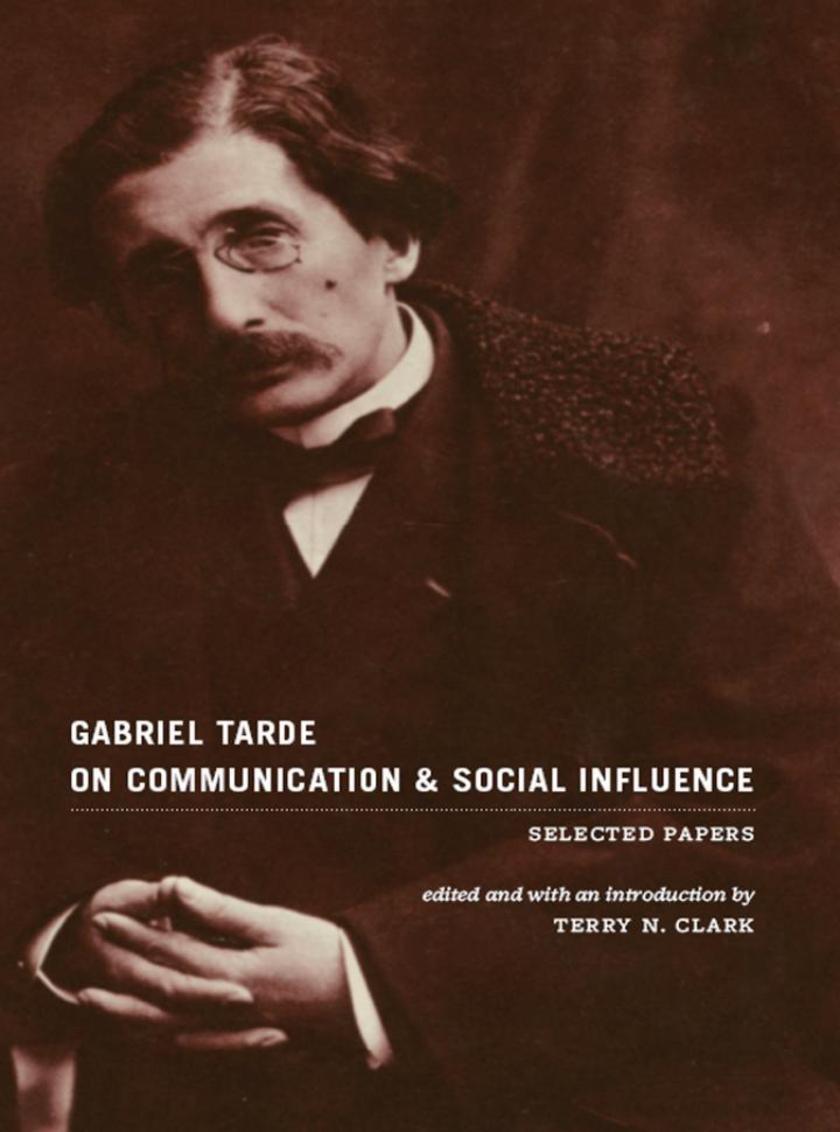
Gabriel Tarde ranks as one of the most outstanding sociologists of nineteenth-century France, though not as well known by English readers as his peers Comte and Durkheim. This book makes available Tarde's most important work and demonstrates his continuing relevance to a new generation of students and thinkers.Tarde's landmark research and empirical analysis drew upon collective behavior, mass communications, and civic opinion as elements to be explained within the context of broader social patterns. Unlike the mass society theorists that followed in his wake, Tarde integrated his discussions of societal change at the macrosocietal and individual levels, anticipating later twentieth-century thinkers who fused the studies of mass communications and public opinion research.Terry N. Clark's introduction, considered the premier guide to Tarde's opus, accompanies this important work, reprinted here for the first time in forty years.
Maps and Civilization
¥282.53
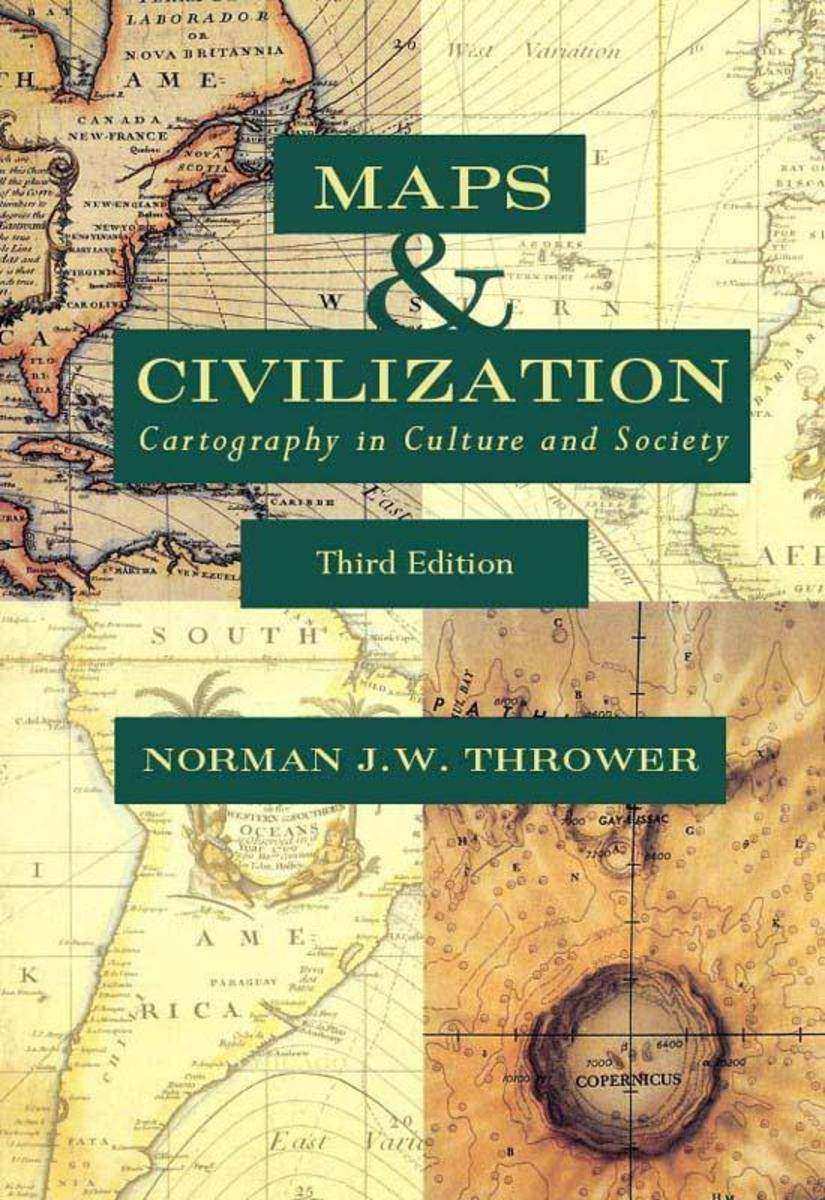
In this concise introduction to the history of cartography, Norman J. W. Thrower charts the intimate links between maps and history from antiquity to the present day. A wealth of illustrations, including the oldest known map and contemporary examples made using Geographical Information Systems (GIS), illuminate the many ways in which various human cultures have interpreted spatial relationships.The third edition of Maps and Civilization incorporates numerous revisions, features new material throughout the book, and includes a new alphabetized bibliography.?Praise for previous editions of Maps and Civilization:"e;A marvelous compendium of map lore. Anyone truly interested in the development of cartography will want to have his or her own copy to annotate, underline, and index for handy referencing."e;-L. M. Sebert, Geomatica
Contesting Nietzsche
¥311.96
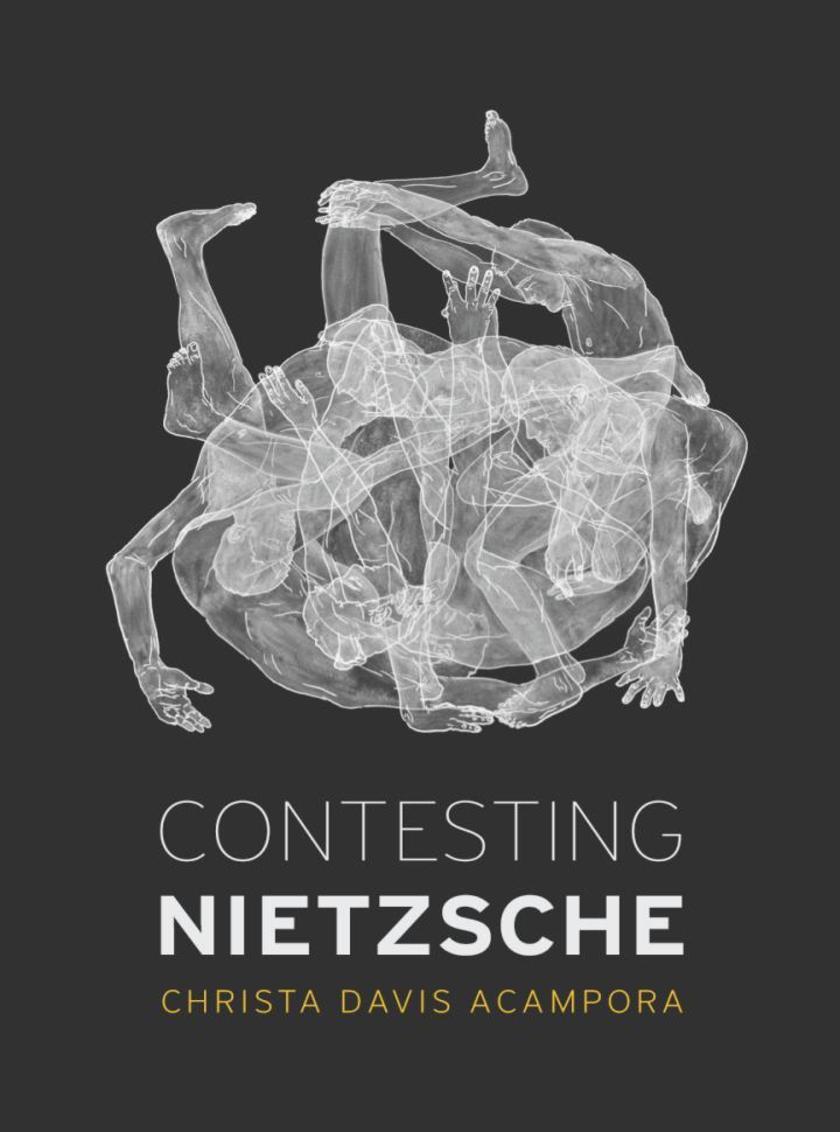
In this groundbreaking work, Christa Davis Acampora offers a profound rethinking of Friedrich Nietzsche's crucial notion of the agon. Analyzing an impressive array of primary and secondary sources and synthesizing decades of Nietzsche scholarship, she shows how the agon, or contest, organized core areas of Nietzsche's philosophy, providing a new appreciation of the subtleties of his notorious views about power. By focusing so intensely on this particular guiding interest, she offers an exciting, original vantage from which to view this iconic thinker: Contesting Nietzsche.?Though existence-viewed through the lens of Nietzsche's agon-is fraught with struggle, Acampora illuminates what Nietzsche recognized as the agon's generative benefits. It imbues the human experience with significance, meaning, and value. Analyzing Nietzsche's elaborations of agonism-his remarks on types of contests, qualities of contestants, and the conditions in which either may thrive or deteriorate-she demonstrates how much the agon shaped his philosophical projects and critical assessments of others. The agon led him from one set of concerns to the next, from aesthetics to metaphysics to ethics to psychology, via Homer, Socrates, Saint Paul, and Wagner. In showing how one obsession catalyzed so many diverse interests, Contesting Nietzsche sheds fundamentally new light on some of this philosopher's most difficult and paradoxical ideas.
Maimonides and Spinoza
¥353.16
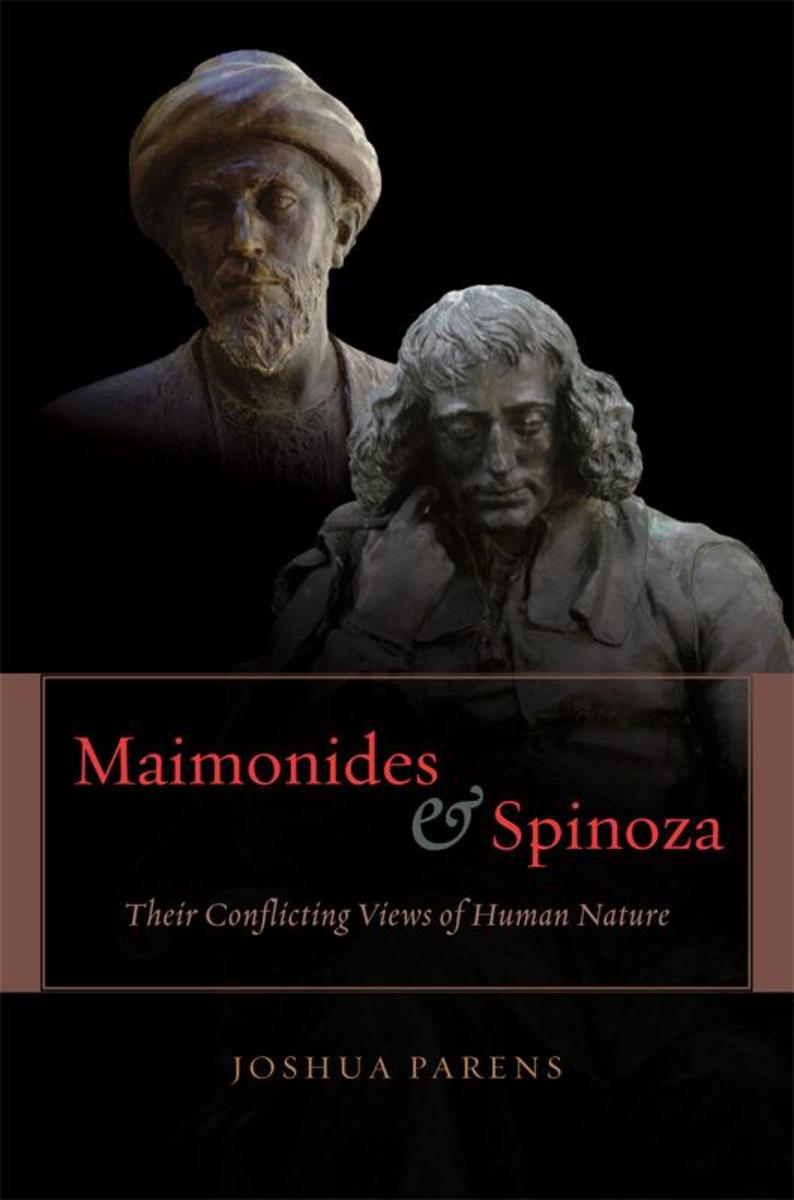
Until the last century, it was generally agreed that Maimonides was a great defender of Judaism, and Spinoza-as an Enlightenment advocate for secularization-among its key opponents. However, a new scholarly consensus has recently emerged that the teachings of the two philosophers were in fact much closer than was previously thought. In his perceptive new book, Parens sets out to challenge the now predominant view of Maimonides as a protomodern forerunner to Spinoza-and to show that a chief reason to read Maimonides is in fact to gain distance from our progressively secularized worldview.Turning the focus from Spinoza's oft-analyzed Theologico-Political Treatise, this book has at its heart a nuanced analysis of his theory of human nature in the Ethics. Viewing this work in contrast to Maimonides's Guide of the Perplexed, it makes clear that Spinoza can no longer be thought of as the founder of modern Jewish identity, nor should Maimonides be thought of as having paved the way for a modern secular worldview. Maimonides and Spinoza dramatically revises our understanding of both philosophers.


