


 购物车
购物车 个人中心
个人中心
Lichens (Collins New Naturalist Library, Book 86)
¥447.14
Lichens are fascinating and beautiful organisms able to colonise a vast range of habitats, including seemingly impossible places such as bare icy mountain tops and sun-scorched coastal rocks. This book discusses all aspects of British lichens, revealing the secrets of their success. This edition is exclusive to newnaturalists.com Lichens are fascinating and beautiful organisms able to colonise a vast range of habitats, including seemingly impossible places such as bare icy mountain tops and sun-scorched coastal rocks. This book discusses all aspects of British lichens, revealing the secrets of their success. The book begins by looking at how lichens have been used throughout history in medicines, dyes, food and perfumes. It then goes on to describe what lichens are, and how they grow and reproduce. A detailed survey is given of the range of habitats in which lichens can be found: on trees, rocks, heaths and moors, chalk and limestone, mountains, rivers, lakes, the coast, walls and buildings, most famously on churches and in churchyards. Gilbert also discusses the susceptibility of lichens to air pollution, and how they can be used to detect environmental pollution. The comprehensive, reader-friendly text, over 150 illustrations and 16 pages of colour, combine to make Lichens the definitive work on this subject of great natural history interest.

Death or Victory: The Battle for Quebec and the Birth of Empire
¥81.52
An epic history of the battle of Quebec, the death of General James Wolfe and the beginnings of Britain’s empire in North America. Military history at its best. Perched on top of a tall promontory, surrounded on three sides by the treacherous St Lawrence River, Quebec – in 1759 France’s capital city in Canada – forms an almost impregnable natural fortress. That year, with the Seven Years’ War raging around the globe, a force of 49 ships and nearly 9,000 men commanded by the irascible General James Wolfe, navigated the river, scaled the cliffs and laid siege to the town in an audacious attempt to expel the French from North America forever. In this magisterial first solus book, tying into the 250th anniversary of the battle, Dan Snow tells the story of this famous campaign which was to have far-reaching consequences for Britain’s rise to global hegemony, and the world at large. Snow brilliantly sets the battle within its global context and tells a gripping tale of brutal war quite unlike any fought in Europe, where terrain, weather and native Canadian tribes were as fearsome as any enemy. ‘I never served so disagreeable a campaign as this,’ grumbled one British commander, ‘it is war of the worst shape.’ 1759 was, without question, a year in which the decisions of men changed the world forever. Based on original research and told from all perspectives, this is history – military, political, human – on an epic scale.
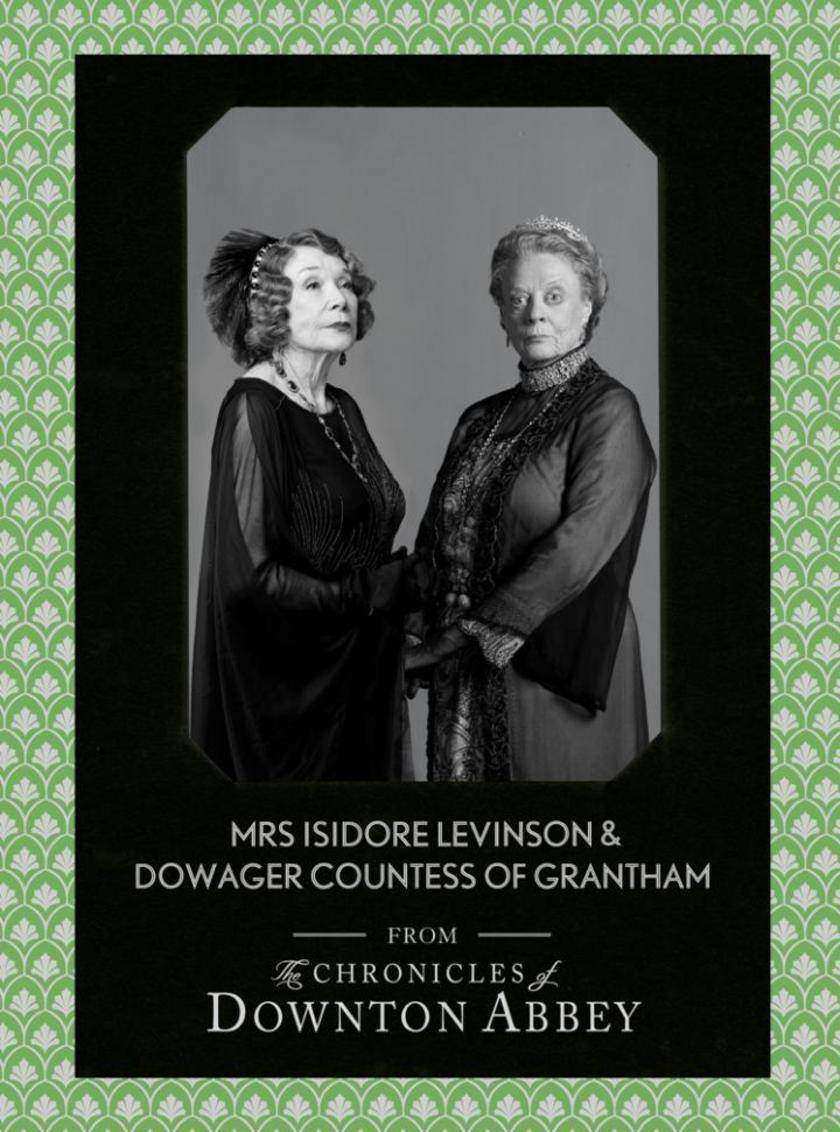
Dowager Countess of Grantham and Mrs Isidore Levinson
¥11.77
This richly illustrated short, extracted from the official book The Chronicles of Downton Abbey, focuses on the characters individually, examining their motivations, their actions and the inspirations behind them. Forwarded by Downton Abbey creator Julian Fellowes. When Cora’s mother, Martha Levinson, comes to stay, it’s clear that she is more than a match for Violet. Equally confident in their age, status and belief that their way is the right way, the two could easily quarrel. Intransigent, intractable Violet is the definitive dowager. Largely based on Julian Fellowes’s own great-aunt, Isie Stephenson, ‘in whom there was a mix of severity and a kind heart’, Violet represents the last of an era; one of the few remaining Victorians who believed absolutely in the necessity of moral exactitude, the importance of family and the oblige of the noblesse. Martha may have once been awed by the English upper classes (this, after all, was why she brought her daughter over to be presented at the London Season), but she welcomes the post-war changes that are being brought to England, even if they seem slower in coming to Downton Abbey. Shirley MacLaine, the actress who plays Martha, believes that her character’s attitude comes not so much from her money as her politics: ‘Her confidence comes from being a democratic American – she is so centred in her fairness and considers America to be fair, and tradition is not fair.’ Purchase this ebook short and the others in the series to get closer still to the characters at Downton Abbey and to understand more about their social context – from the changing role of the aristocracy to fashion and beauty, American Anglophiles, the Suffragette movement and life below stairs in a big country house like Downton. Search for The Chronicles of Downton Abbey to purchase all shorts combined.
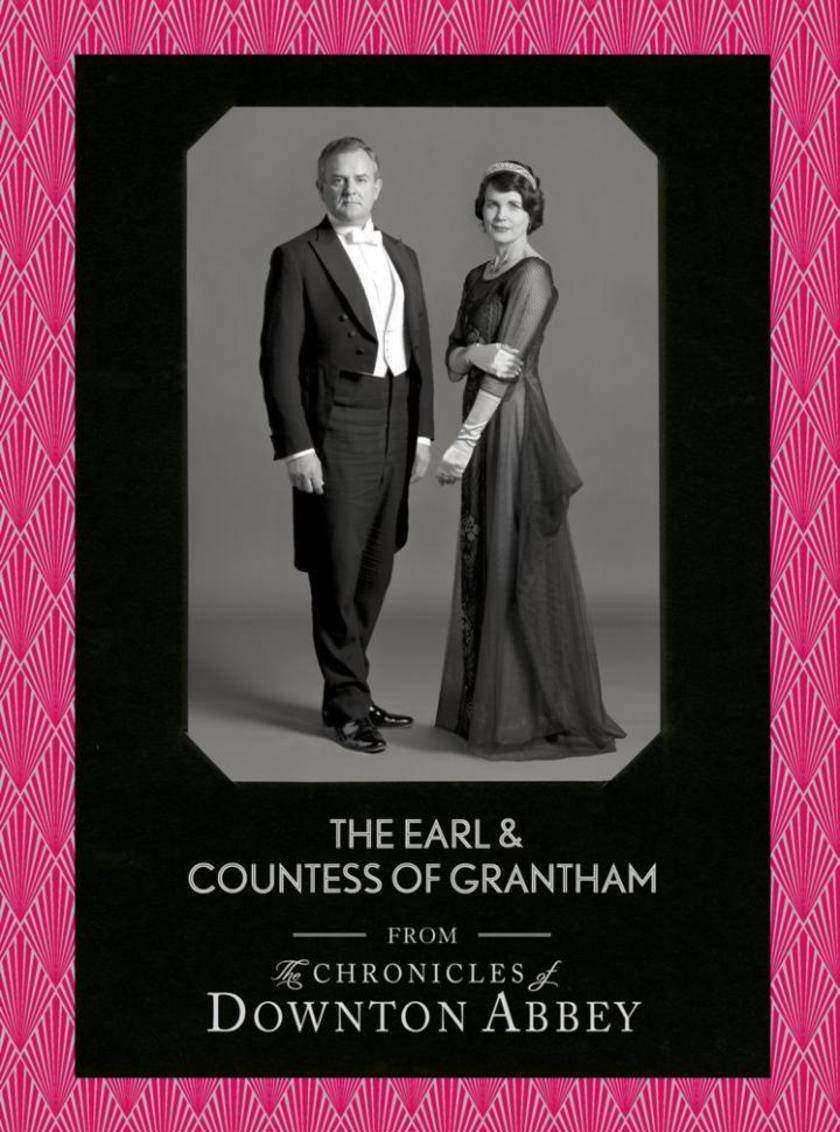
The Earl and Countess of Grantham (Downton Abbey Shorts, Book 3)
¥11.77
This richly illustrated short, extracted from the official book The Chronicles of Downton Abbey, focuses on the characters individually, examining their motivations, their actions and the inspirations behind them. Forwarded by Downton Abbey creator Julian Fellowes. “I think Cora is very much an emotionally connected mother”, says Elizabeth McGovern the actress who plays her. “As an American she would have a distinctive approach, different to the English aristocracy’s way of doing things. Her instinct is to be involved with the day-to-day and to go about things in a more hands-on way.’ Cora is a woman of resilience and unfailing supportiveness. Where Robert is emotionally insecure, she is sure of herself and undaunted by the difficulties they could face. As a mother, she has a role in life, no matter what else is going on, but being Robert’s wife is also very important to her. Lord Grantham – Robert – has many good qualities: he is kind, loyal to his family, loving to his wife, adoring of his daughters, a fair employer and generous to those around him. But, for him, all these things are peripheral in the face of his most important role in life – as the 7th Earl of Grantham. As he sees it, he has been put on this earth with one prime objective: to keep Downton Abbey in its proper state and hand it over in this condition to his heir. Purchase this ebook short and the others in the series to get closer still to the characters at Downton Abbey and to understand more about their social context – from the changing role of the aristocracy to fashion and beauty, American Anglophiles, the Suffragette movement and life below stairs in a big country house like Downton. Search for The Chronicles of Downton Abbey to purchase all shorts combined.
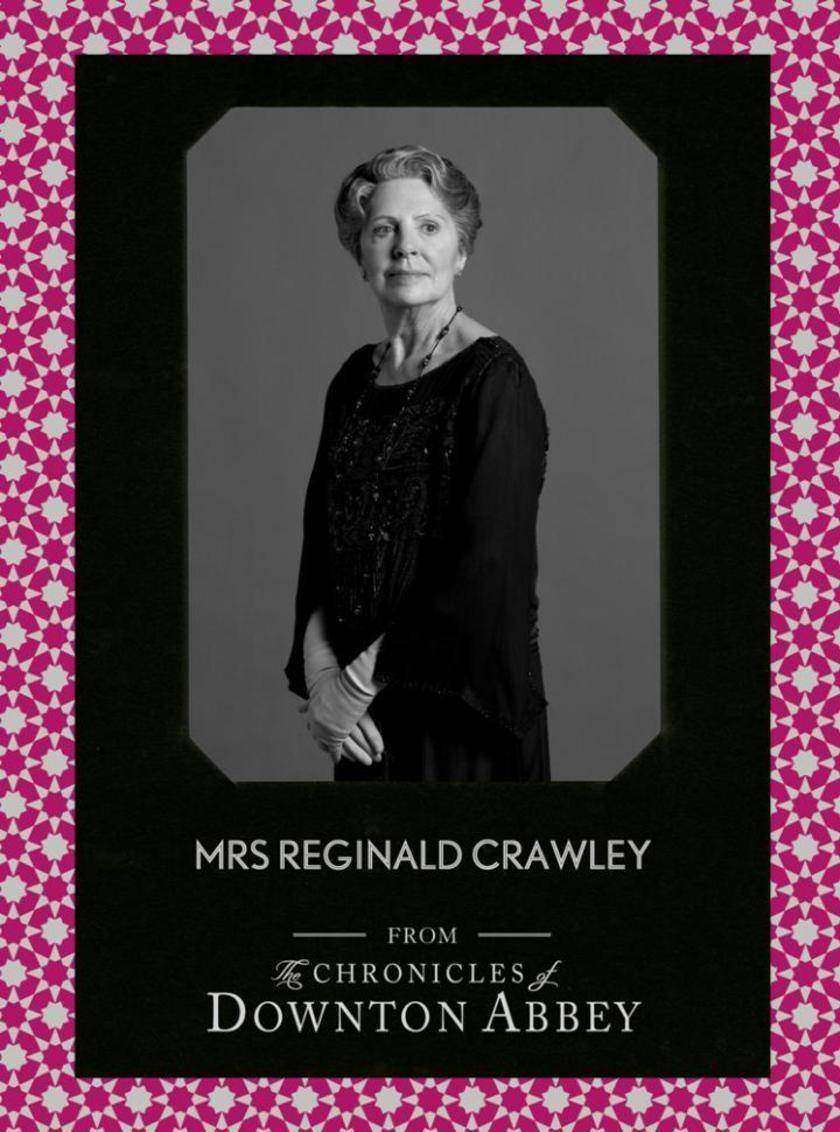
Mrs Reginald Crawley (Downton Abbey Shorts, Book 6)
¥11.77
This richly illustrated short, extracted from the official book The Chronicles of Downton Abbey, focuses on the characters individually, examining their motivations, their actions and the inspirations behind them. Forwarded by Downton Abbey creator Julian Fellowes. Isobel Crawley is a woman with a cause. The cause may change, but she likes to make sure she’s always got one on the go. An educated, forward-thinking woman who lived amongst the professional middle classes of Manchester, she suddenly found herself the mother of an earl-in-waiting. Thrust into this position, she determined that she and Matthew should not be cowed by their new situation. Penelope Wilton, the actress portraying Isobel, explains the subtleties of her character’s motives: ‘She is not the least resentful – or disapproving – of the Downton world. Though she is critical of the wider society and wants to improve it. But she is not a radical socialist. Her desire to help is conceived within the existing structures of her world.’ Purchase this ebook short and the others in the series to get closer still to the characters at Downton Abbey and to understand more about their social context – from the changing role of the aristocracy to fashion and beauty, American Anglophiles, the Suffragette movement and life below stairs in a big country house like Downton. Search for The Chronicles of Downton Abbey to purchase all shorts combined.
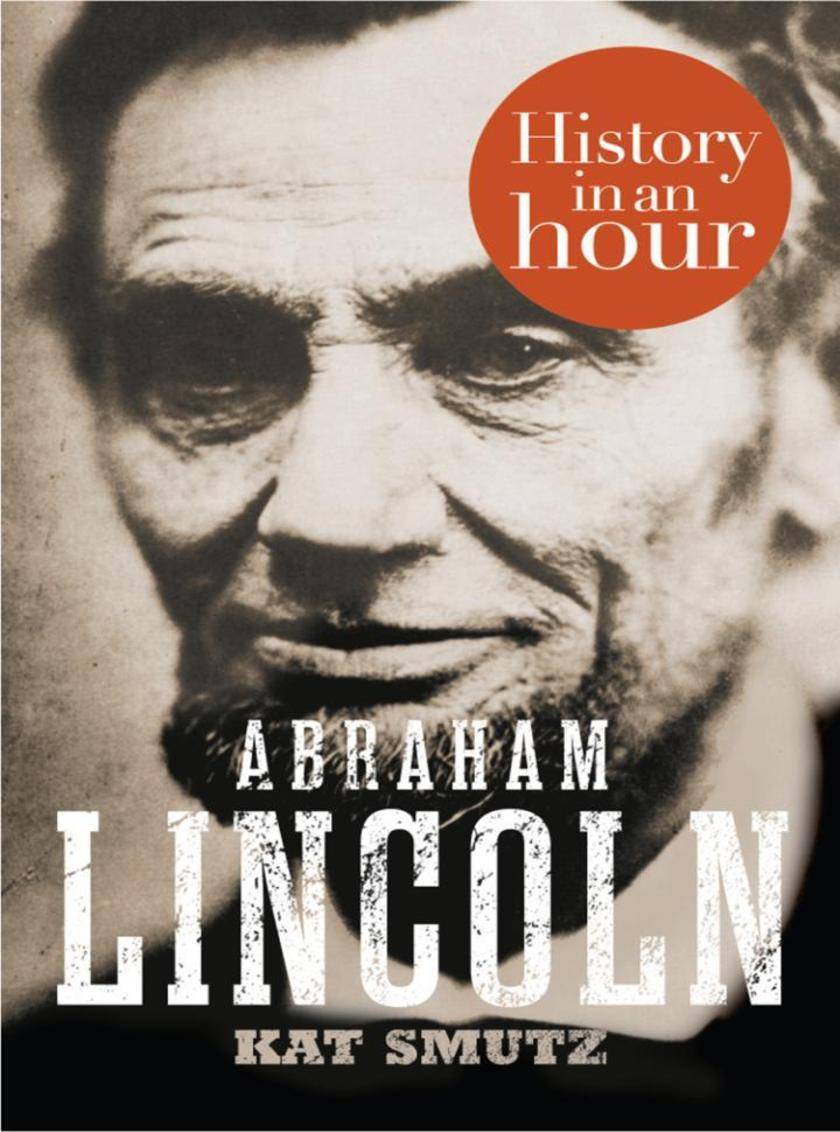
Abraham Lincoln: History in an Hour
¥18.05
Love history? Know your stuff with History in an Hour. Abraham Lincoln, the sixteenth president of the United States, is an American icon. To many, he is a symbol of values, sacrifice and determination. Modern notions of nationalism, liberty, and constitution all owe their debt to Lincoln, as does the unity of the American states. And yet, in his own day, Lincoln was also reviled by many as a traitor, tarnished by his associations with the wrong kind of race and the wrong end of society. Charting his ascent from humble origins to the leader of the United States during its hardest democratic and ethical conflict – the American Civil War – ‘Lincoln: History in an Hour’ is a succinct guide to the life of a great and controversial modernizer. Having educated himself and made good as a lawyer, he embarked on a journey that would see triumph in the abolition of slavery and then tragedy in the final drama of his own assassination. From his struggles as President to his family life and roles as husband, father and friend, this is the story of one of history’s greatest leaders. Love history? Know your stuff with History in an Hour…
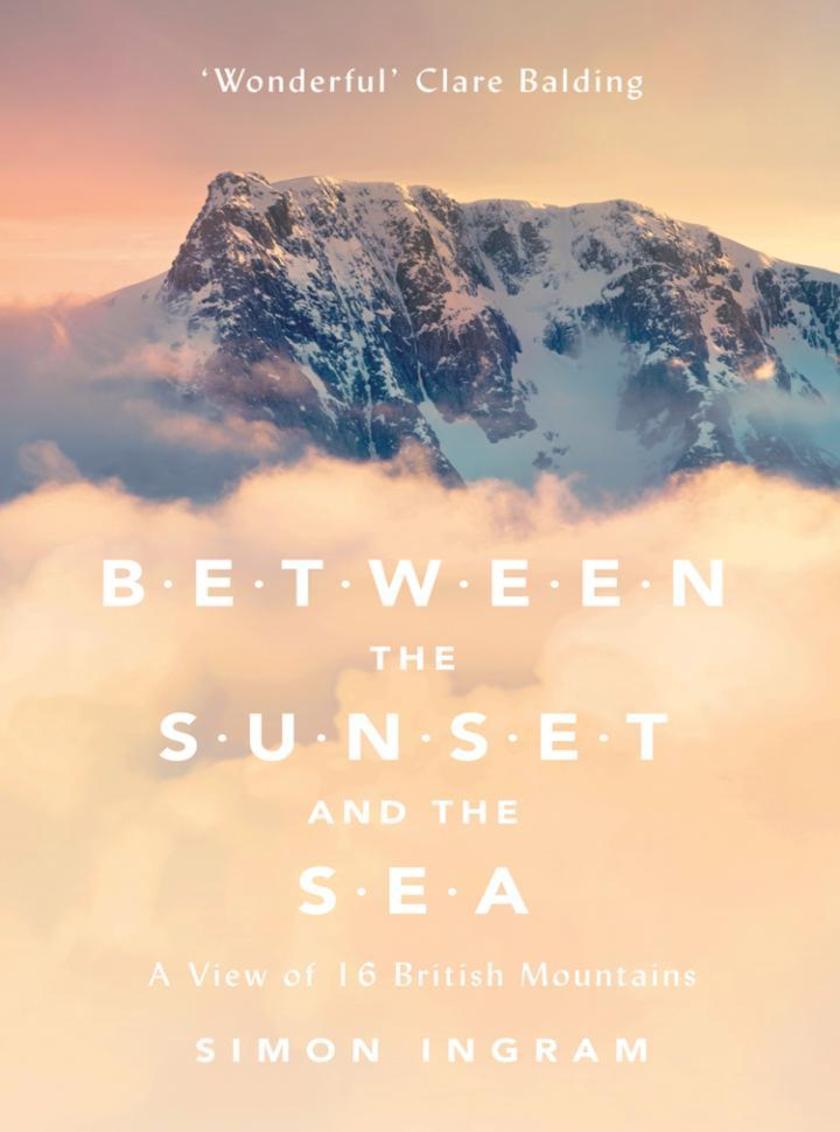
Between the Sunset and the Sea: A View of 16 British Mountains
¥73.58
‘I watched the mirror for a last view, for now, of the frozen mountains of Glen Coe. As the road bent and the outline of Buachaille Etive Mor slid into sight, I did what I always did, and always would. I felt for that flutter of awe and that indefinable, unmistakable quickening of the pulse.’ In the late 18th century, mountains shifted from being universally reviled to becoming the most inspiring things on earth. Simply put, the monsters became muses – and an entire artistic movement was born. This movement became a love affair, the love affair became an obsession, and gradually but surely, obsession became lifestyle as mountains became stitched into the fabric of the British cultural tapestry. In his compelling new book, Simon Ingram explores how mountains became such a preoccupation for the modern western imagination, weaving his own adventures into a powerful narrative which provides a kind of experiential hit list for people who don’t have the time nor the will to climb a thousand mountains. For some of these mountains, the most amazing thing about them might be the journey they’ve taken to get here. Others, the tales of science, endeavour and art that have played out on their slopes. The mythology they’re drenched in. The history they’ve seen. The genius they’ve inspired. The danger that draws people to them. The life that clusters around them, human and otherwise. The extreme weather they conjure. The adventure they fuel. The way that some raise the hairs on the back of your neck, and trigger powerful, strange emotions. And moreover, what they’re like to be amidst, under, on – just what that indefinable quality is that the British mountains wield which takes possession of you so powerfully, and never goes away. Ingram takes us high into the rafters of Britain’s most forbidding, unflinching and unchanging wild places through all the seasons of the year – from the first blush of spring to the deepest, darkest bite of the mountain winter. From Beinn Dearg to Ben Nevis, he takes us on a journey spanning sixteen of Britain’s most evocative mountainous landscapes, and what they mean to us today.
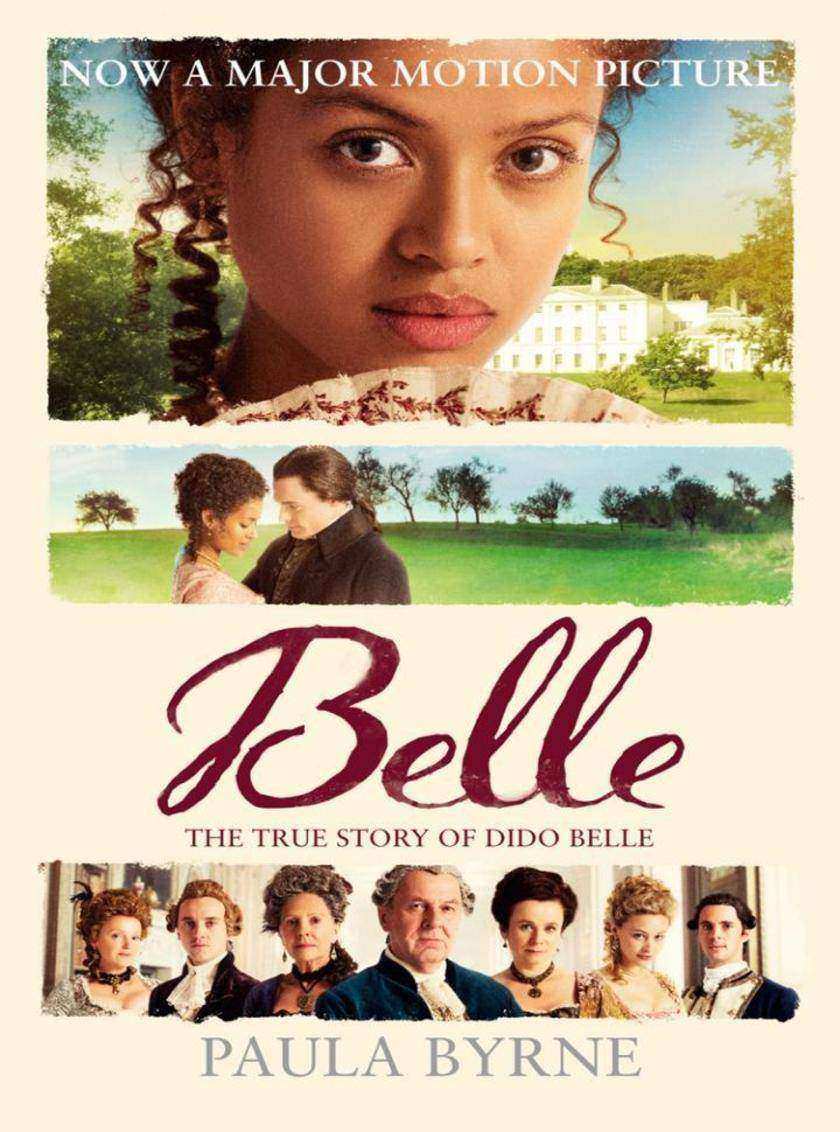
Belle: The True Story of Dido Belle
¥66.22
The inspiration behind the powerful new film starring Gugu Mbatha-Raw, Tom Wilkinson and Emily Watson, this is the story of Dido Belle, whose adoption by an aristocratic family challenged the conventions of 18th century England. In one of the most famous portraits in the world, a pretty girl walks through the grounds of Kenwood House, a vision of aristocratic refinement. But the eye is drawn to the beautiful woman on her right. Pointing at her own cheek, she playfully acknowledges her remarkable position in eighteenth-century society. For Dido Belle was the illegitimate, mixed-race daughter of a Royal Navy captain and a slave woman, adopted by the Earl of Mansfield. As Lord Chief Justice of England he would preside over the notorious Zong case – the drowning of 142 slaves by an unscrupulous shipping company. His ruling provided the legal underpinning to the abolition of slavery in Britain. From the privileged yet unequal lives of Dido and her cousin Elizabeth, to the horrific treatment of African slaves, Paula Byrne – the bestselling author of ‘The Real Jane Austen’ – vividly narrates the story of a family that defied convention, the legal trial that exposed the cruelties of slavery and the woman who challenged notions of race at the highest rank.
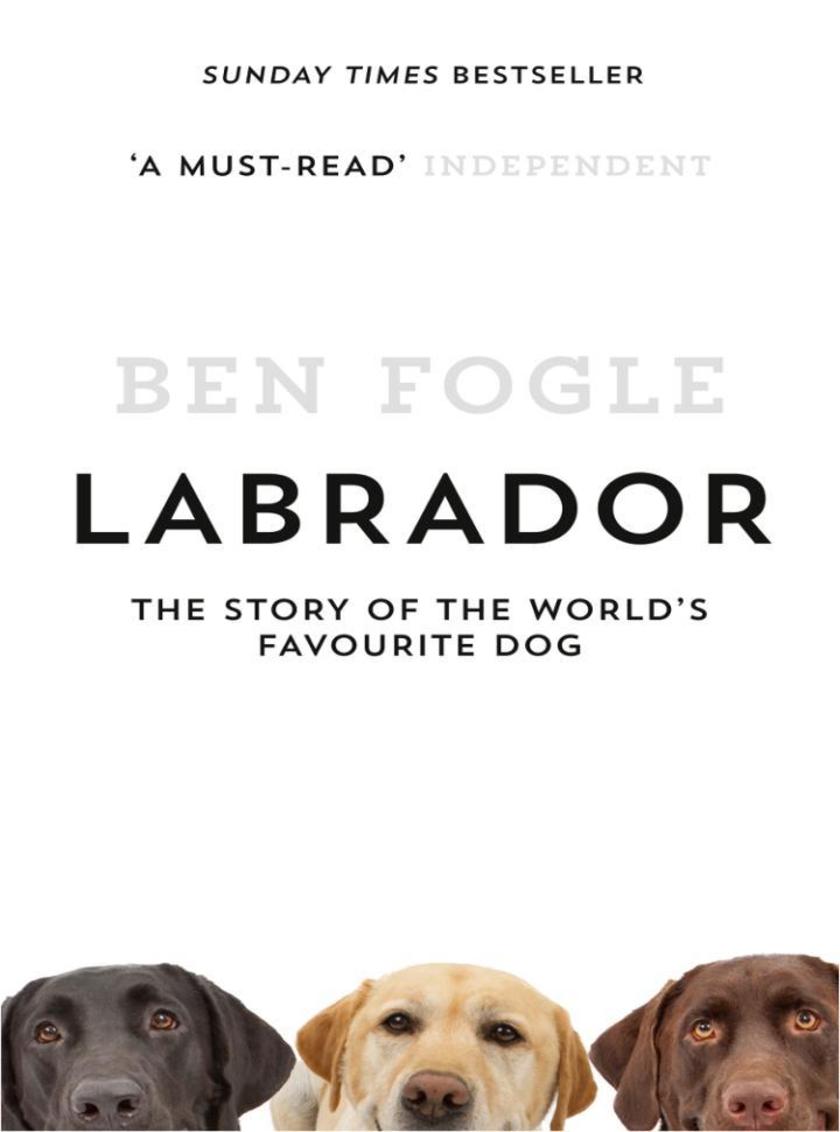
Labrador: The Story of the World’s Favourite Dog
¥66.22
Sunday Times Bestseller ‘Passionate and well-researched’ Tatler ‘A must-read’ Independent A social history of Labradors, and how they have become the world’s most beloved dogs, by writer, presenter and long-time dog lover Ben Fogle. Labradors are the most popular breed of dog in the world. Not only a great family companion, they also excel at hunting, tracking, retrieving, guiding and rescuing. But where did the breed originally come from? How did it develop? When did black, yellow and chocolate Labradors first appear? Did they really all come from Labrador in Canada and are they really all related to just one dog? In this first history of the Labrador, Ben Fogle goes in search of what makes Labradors so special. Their extraordinary companionship, intelligence, work ethic and loyalty is captured by Ben as he weaves the story of the breed into his own story of his beloved Inca. Ben visits Canada, discovers hair-raising stories of early Labrador exploits and uncovers stories of RNIB Labradors and Labradors at war, Labradors as working dogs and every other manifestation of the Labrador’s character. Exploring their origin, early characteristics, their use as gun dogs, as therapy dogs, as police dogs, as search and rescue dogs and last – and absolutely not least – as family pets, Ben tells the story of a dog breed which has captured our imagination and love for hundreds of years.
Ancient Greece (Collins Gem)
¥36.79
From theatre to politics, no other single civilisation has influenced the Western world more profoundly than that of ancient Greece. From the roots of democracy to philosophy and mathematics, it’s fascinating to learn how much western civilisation has stemmed from that of ancient Greece. This book offers an introduction to the lives of the ancient Greeks, their mythologies and traditions and their culture and learning. With colour illustrations supporting a clear, informative and engaging text, this guide is a perfect companion for both adults and children alike. Includes: ? Geography – map of Greece ? History – the different civilizations from the Minoans through to the Hellenistic period ? Religion – gods, festivals, oracles and muses ? Mythology – Homer's Odyssey, the Minotaur, Icarus ? Daily life in Ancient Greece – everyday life for all levels of society; the jobs, family life, leisure activities ? Politics – democracy and the Athenian council ? Learning and knowledge – philosophy, science, mathematics, medicine and literature ? War – important wars; the army and navy ? Greece Today – temples, archaeology and the monuments that can still be seen today
Ancient Rome (Collins Gem)
¥38.36
From the Colosseum to Hadrian’s Wall, Gem Ancient Rome shows us how Rome’s vast empire laid the foundations of today’s civilisation. From aqueducts to baths, from gladiators to emperors, the fascinating history of and mythology of ancient Rome are brought to life in this entertaining and highly-readable guide. With their sophisticated army, monuments and roads, the Romans literally paved the way to modern Europe. Learn about the hand-to-hand combat at gladiatorial shows, rediscover the myths and legends of the Roman gods and find out how and why Rome became the conquering superpower that it did. History will come to life in this engaging and comprehensive introduction to one of the most fascinating and influential places the world has ever known. Includes: ? Geography – map of the Roman Empire ? History – a timeline with the accomplishments of the emperors ? Culture – what the Romans did for us ? Religion – Gods and Festivals ? Mythology – Virgil's Aeneid, Romulus and Remus ? Daily life in Ancient Greece – different levels in society, the jobs, family life, leisure activities ? Politics – transition from Republic to Dictatorship ? Learning and knowledge – Law, Science, Architecture, Literature, Art ? War – important wars, the Empire, the army and navy ? Rome Today – temples, archaeology, and modern tourist sites
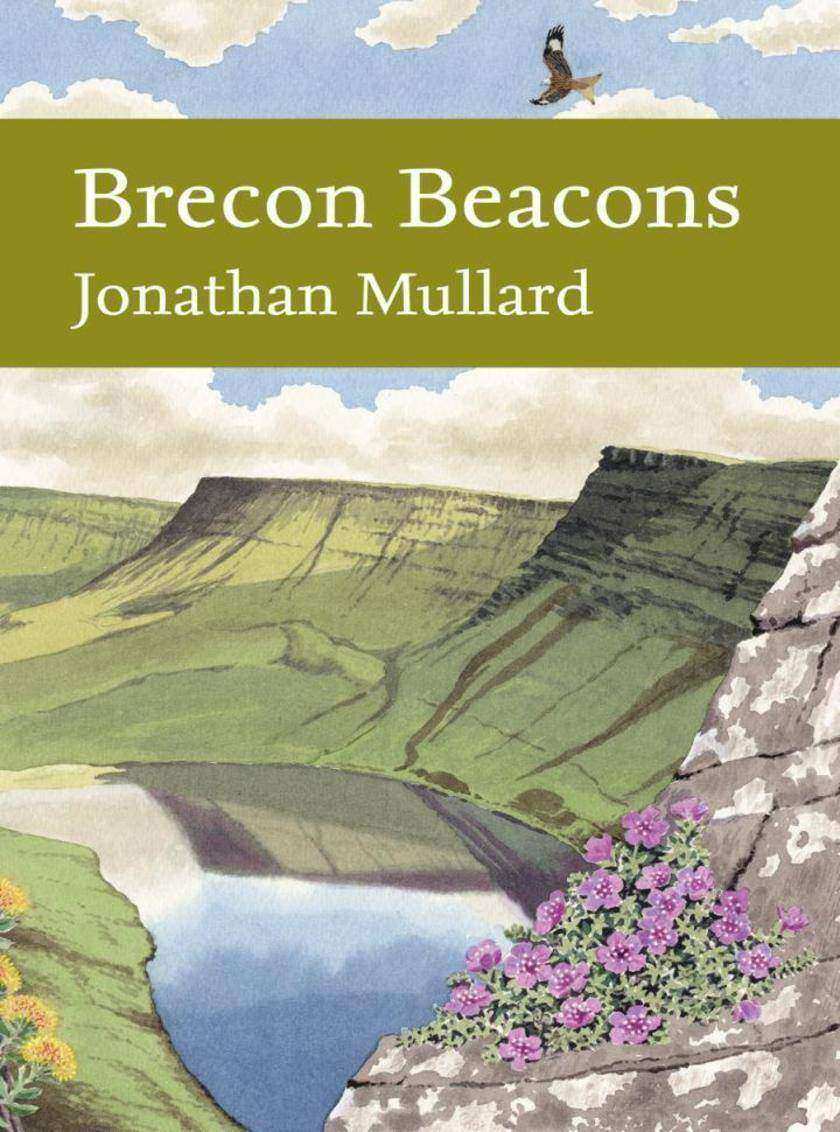
Brecon Beacons (Collins New Naturalist Library, Book 126)
¥257.90
The first comprehensive book to be published about the wildlife of the Brecon Beacons is a much-anticipated addition to the New Naturalist series, and reveals the natural wonders of this seemingly wild and inhospitable mountain landscape. The Brecon Beacons range across upland Wales and create a varied landscape of extensive cave systems, limestone crags and rich meadows. This variety supports thousands of species, some of which are found nowhere else on Earth. The natural history of the Brecon Beacons is like most parts of the British Isles – inextricably linked to the activities of man across many thousand years. Jonathan Mullard explores the evolving landscape and observes its effects on its native species and habitats. He provides a detailed examination of the geology of the region and the integration of the archaeological and historic landscape with the natural landscape and its fauna. Covering the vast diversity of its mountains and moorlands, rivers and waterfalls, caves, woodlands, wetlands and farmland, he provides an overview of man’s influence on the natural environment over the centuries and the ongoing conservation of the area. A landscape rich in legends, the Brecon Beacons play host to a number of myths involving, among others, King Arthur. Mullard explores these rich tales alongside other cultural landmarks of historical interest, such as the churches and chapels of the area. The culmination of years of research, New Naturalist Brecon Beacons is an inspiring exploration of this diverse and fascinating area.
SOE Manual: How to be an Agent in Occupied Europe
¥54.65
The actual course given to all secret agents in SOE before working behind enemy lines. It includes everything you needed to know to go undercover – from documents, cover stories and how to live off the land to how to get through an interrogation. The Special Operations Executive (SOE) was a secret British World War II organisation formed in 1940 to conduct espionage, sabotage and reconnaissance in occupied Europe against the Axis powers, and to aid local resistance movements. In late 1942, SOE was asked to increase the number of agents to aid the invasion of mainland Europe. Part of agent training was ‘tradecraft’ – the practical details on how to be a clandestine agent behind enemy lines – which every agent had to attend at various bases centred around Beaulie in Hampshire. The course was a set of lectures and this book contains the actual text of those lectures which were discovered in the National Archives this year. It is not only a fascinating insight into the workings of one of the Second World Wars most famous and secretive organisations, but is also a reminder of the huge danger anyone being dropped behind enemy lines had to face. SYLLABUS Introduction to Course. Individual Security. Informant Service. Cover. Interrogations. Operational Orders. Know your Enemy. Surveillance. Internal Communications. Premises. Security and Premises for W/T Operator. W/T Operator. External Communications. Organisation. Cell System. Security of Organisation. Recruiting. Discipline and Morale. Burglary. Lock-picking. Selection of Dropping Points and Reception Arrangements. To be given on instructions from London.). Handcuffs. Pigeons. German Counter Espionage. German Uniformed Police. National Police – e.g. of France, Belgium etc. (Given according to student's destination.). The Nazi Party and its Formations in Occupied Territory. Recognition of German Troops by weapons and equipment. Recognition of German Troops by uniforms. Military Intelligence Reports. Handling of German Light Weapons. Morale Warfare. Methods of Morale Warfare. Subversion of enemy troops. Instructions for Foreign Workers in Germany. Passive Resistance in Occupied Countries. Current German Propaganda to Europe. Tasks Preparatory to Allied arrival.
The Perfect Mother's Day gift for mums who have it all
¥51.50
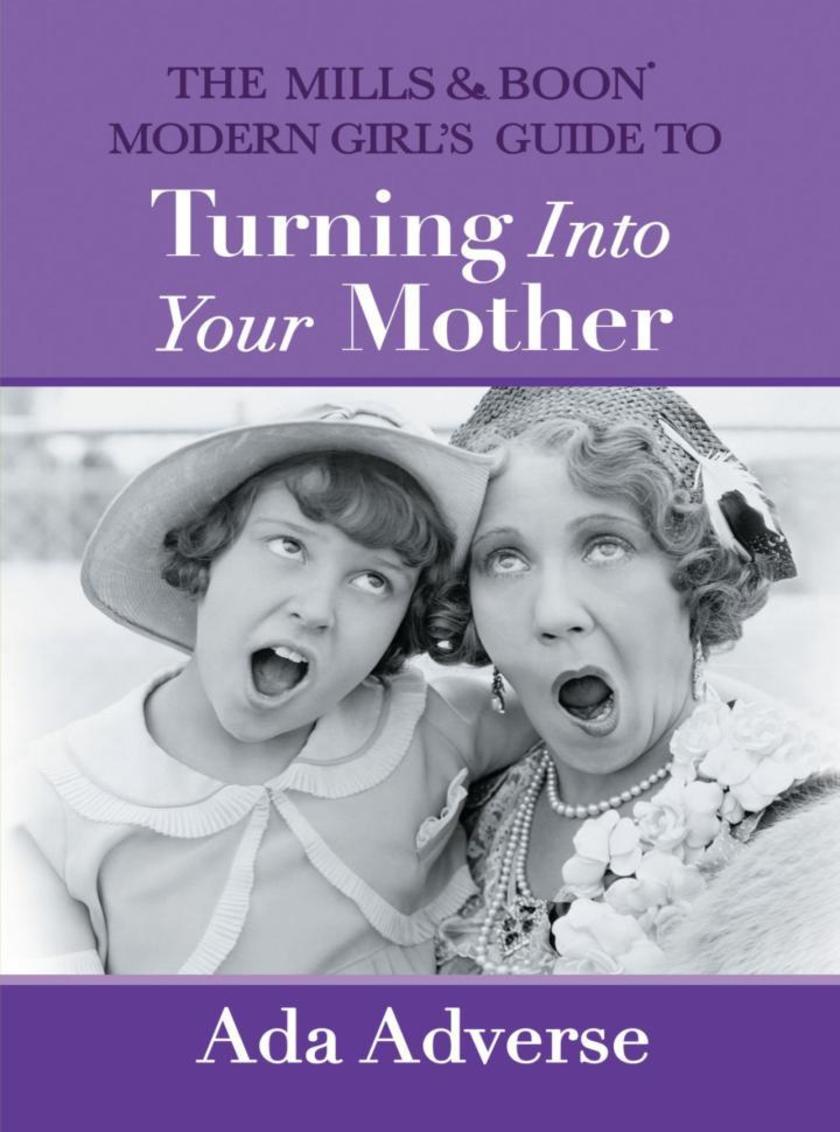
Ada Adverse was brought up in a deeply puritanical household where looking at a cake or using words containing more than one vowel were considered decadences punishable by a night in the coal cellar. But at fifteen she ran away from home and is now the world’s leading authority on Having Fun, which is definitely an actual job, she has ‘Fungineer’ printed on her business cards to prove it, though in retrospect she should have been more clear that this does not mean she specialises in mushrooms. Ada’s hobbies include topiary, mazes, homing pigeons, flea circuses, forming imaginary bands in her head, embalming things, tattoos, pylons, and the films of Billy Wilder. Ada’s dislikes include predatory mcaws, getting out the wrong side of the bed, collections of masks, and porcelain dolls with realistic teeth.
The Mills & Boon Modern Girl’s Guide to Growing Old Disgracefully
¥51.50
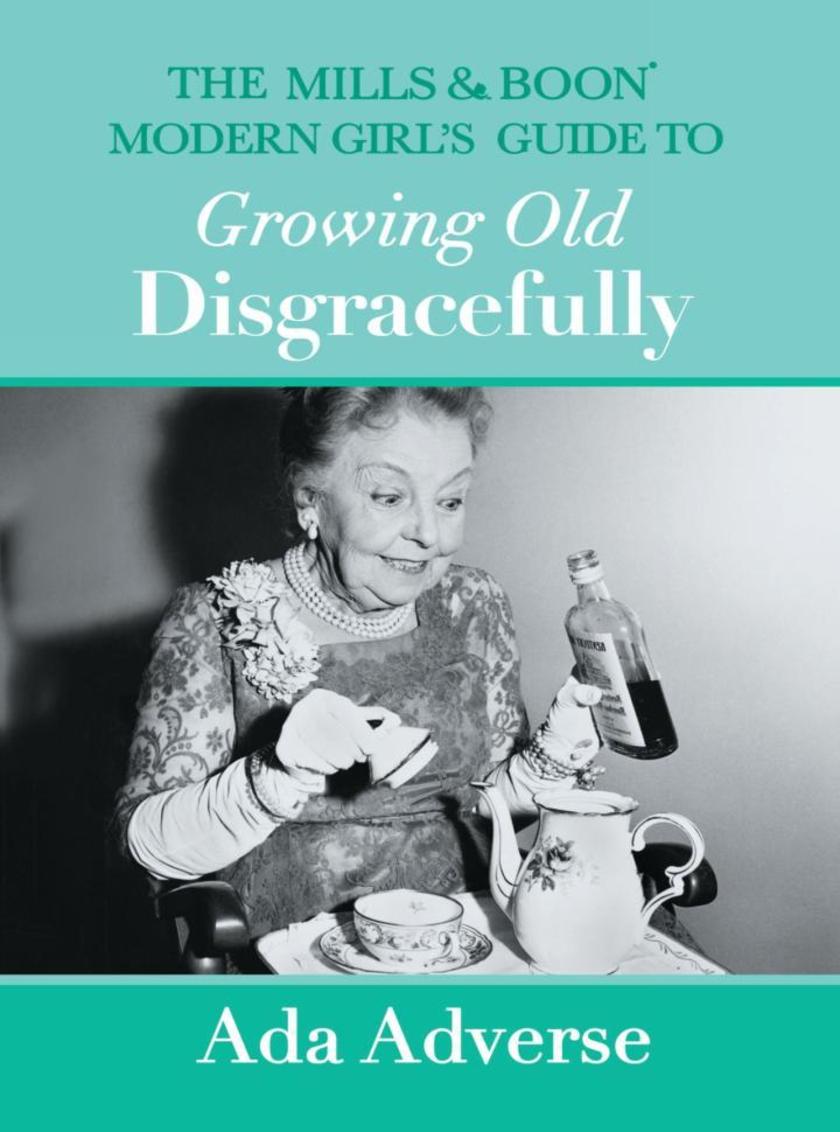
Ada Adverse was brought up in a deeply puritanical household where looking at a cake or using words containing more than one vowel were considered decadences punishable by a night in the coal cellar. But at fifteen she ran away from home and is now the world’s leading authority on Having Fun, which is definitely an actual job, she has ‘Fungineer’ printed on her business cards to prove it, though in retrospect she should have been more clear that this does not mean she specialises in mushrooms. Ada’s hobbies include topiary, mazes, homing pigeons, flea circuses, forming imaginary bands in her head, embalming things, tattoos, pylons, and the films of Billy Wilder. Ada’s dislikes include predatory mcaws, getting out the wrong side of the bed, collections of masks, and porcelain dolls with realistic teeth.
Arcadia: England and the Dream of Perfection (Text Only)
¥81.03
Adam Nicolson is the author of many books on history, travel and the environment. He is the winner of the Somerset Maugham Award, the British Topography Prize and the WH Heinemann Award. He lives on a farm in Sussex. This is his fith book for HarperCollins – his previous four being ‘Men of Honour’, ‘Sea Room’, ‘Power and Glory’ and ‘Seamanship’.

The Doctor’s Kitchen: Supercharge your health with 100 delicious everyday recipe
¥115.56
Dr Rupy Aujla is a practising GP in London. Trained at Imperial College London, his aim is to be the leading voice in how nutrition can heal and improve health. He is one of twenty global ‘I Quit Sugar’ experts, regular Doctor on BBC Asian Network’s Noreen Khan show with half a million listeners, Men’s Health Recipe Creator and Doctor, TEDxNHS Speaker, Huffington Post, Shortlist, Stylist, Metro contributor as well as leading nutrition websites including Nutritionfacts.org. Dr Rupy is developing The Doctors Kitchen social presence on You Tube, Instagram and Twitter.
Serious Survival: How to Poo in the Arctic and Other essential tips for explorer
¥115.56
Marshall Corwin is producer of the BBC TV series and has been on every expedition, so has first-hand experience of organising expeditions and living in far-away places.
Paris, City of Light: 1919–1939 (Text Only)
¥154.12
In the early days of Cubism, when writers and painters led bohemian lives in Montmartre, a familiar figure in the studios and cafes was a young journalist named Roland Dorgelès. With high brow, long straight nose, lean face and steady blue eyes, smartly turned out, often in a long black coat with astrakhan collar, he was well liked for his cheerful manner, vein of poetry and adventurousness.Dorgelès came of petit bourgeois parents. The father, a travelling textile salesman, was often absent and did not get along with his wife, who transferred her affection to her only son without however becoming possessive. She gave him a Catholic upbringing and encouraged him to read good authors, his favourites being Molière and Courteline. After an unsuccessful spell at the Ecole des Arts décoratifs he decided on a literary career. He became a journalist of the Paris scene, had two short plays put on and indulged in light-hearted practical jokes: calling the fire brigade to extinguish a nonexistent fire in the flat of a rival in love and, on another occasion, to protest against the thick glass on certain paintings in the Louvre, installing himself in front of one such painting, producing razor, cream and brush, soaping his face and calmly shaving as though in front of a mirror.
Kindness: The Little Thing that Matters Most
¥73.58
‘Urgently needed – rugs.’ That was the message that started everything. I was searching online for second-hand furniture, when I came across the plea for help. It was a Wanted ad placed by a woman who sounded desperate. I emailed her and was heartbroken by what I learned. She needed the rugs to cover her broken floor so her young children wouldn’t cut their feet. She was a single mum who had fled a horrifying domestic situation and was starting all over again with nothing. I wanted to help her, and I was sure that if others knew about her, they would want to help, too. So I spread the word among my friends and family, and household goods soon started pouring in.I delivered everything to her one afternoon – piles of bedding, furniture, kitchenware, clothing, toys and some gift vouchers. I will never forget the look on her face when she opened the door. She was in complete shock that people she didn’t even know would be willing to help her. This was a woman very much in need of kindness, and strangers helped her feel loved when she needed it the most.
Down to the River and Up to the Trees: Discover the hidden nature on your doorst
¥66.22
Sue Belfrage lives in a cottage in rural Somerset with her husband and pet animals. A writer and artist, she draws inspiration from the land around her.


