


 购物车
购物车 个人中心
个人中心
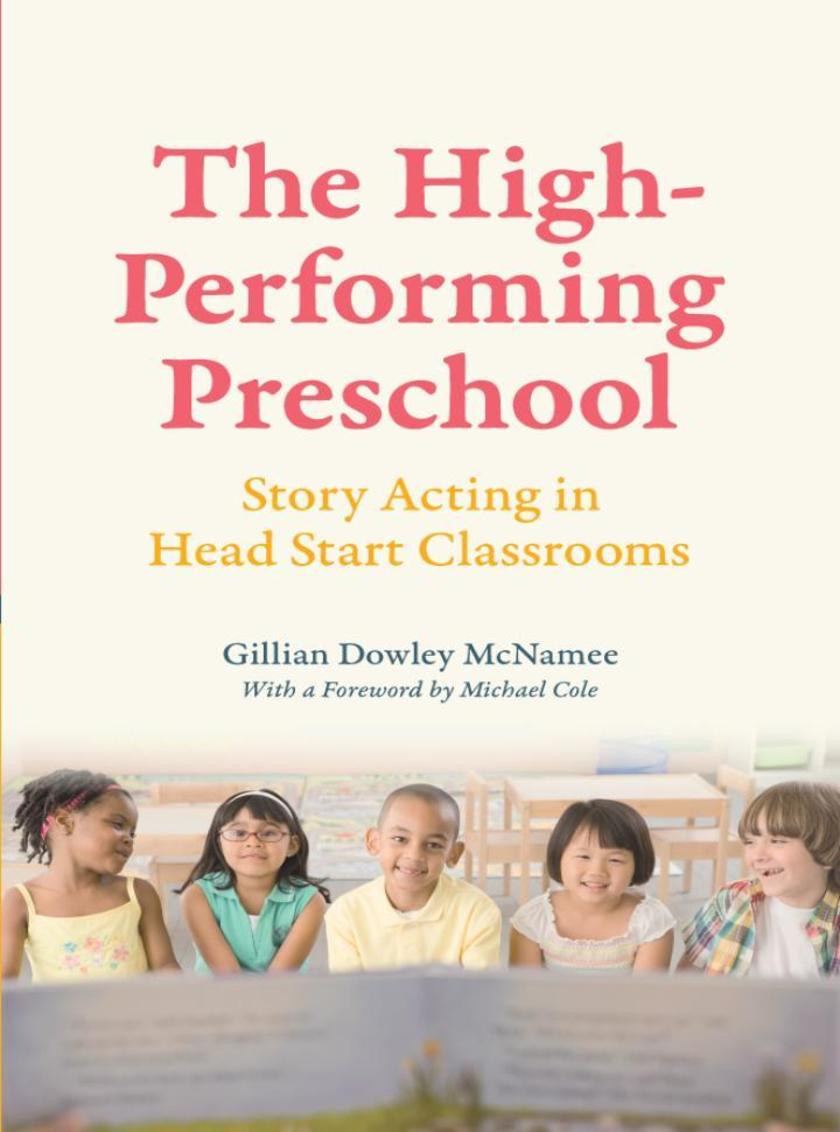
High-Performing Preschool
¥182.47
The High-Performing Preschool takes readers into the lives of three- and four-year-old Head Start students during their first year of school and focuses on the centerpiece of their school day: story acting. In this activity, students act out stories from high-quality children's literature as well as stories dictated by their peers. Drawing on a unique pair of thinkers-Russian psychologist Lev Vygotsky and renowned American teacher and educational writer Vivian G. Paley-Gillian Dowley McNamee elucidates the ways, and reasons, this activity is so successful. She shows how story acting offers a larger blueprint for curricula that helps ensure all preschools-not just those for society's well-to-do-are excellent.McNamee outlines how story acting cultivates children's oral and written language skills. She shows how it creates a crucial opportunity for teachers to guide children inside the interior logic and premises of an idea, and how it fosters the creation of a literary community. Starting with Vygotsky and Paley, McNamee paints a detailed portrait of high-quality preschool teaching, showing how educators can deliver on the promise of Head Start and provide a setting for all young children to become articulate, thoughtful, and literate learners. ?
Demands of the Day
¥188.35
Demands of the Day asks about the logical standards and forms that should guide ethical and experimental anthropology in the twenty-first century. Anthropologists Paul Rabinow and Anthony Stavrianakis do so by taking up Max Weber's notion of the "e;demands of the day."e; Just as the demand of the day for anthropology decades ago consisted of thinking about fieldwork, today, they argue, the demand is to examine what happens after, how the experiences of fieldwork are gathered, curated, narrated, and ultimately made available for an anthropological practice that moves beyond mere ethnographic de*ion.?Rabinow and Stavrianakis draw on experiences from an innovative set of anthropological experiments that investigated how and whether the human and biological sciences could be brought into a mutually enriching relationship. Conceptualizing the anthropological and philosophic ramifications of these inquiries, they offer a bold challenge to contemporary anthropology to undertake a more rigorous examination of its own practices, blind spots, and capacities, in order to meet the demands of our day.
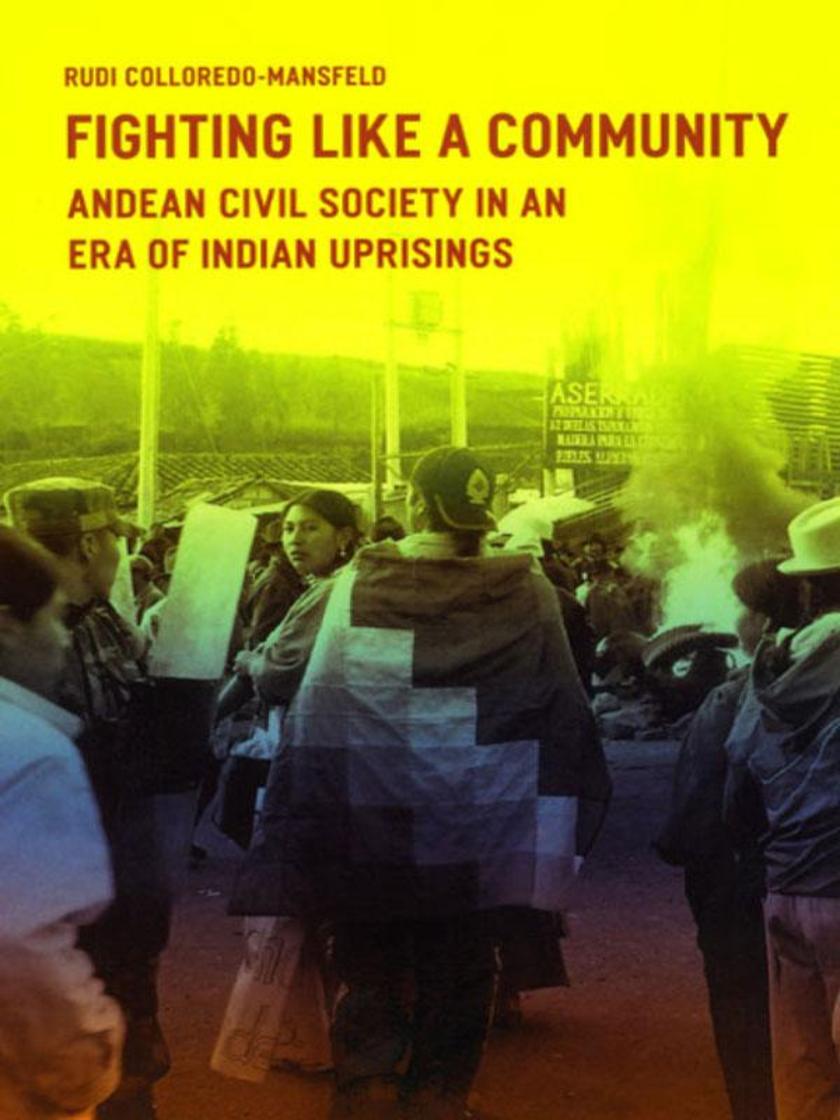
Fighting Like a Community
¥229.55
The indigenous population of the Ecuadorian Andes made substantial political gains during the 1990s in the wake of a dynamic wave of local activism. The movement renegotiated land development laws, elected indigenous candidates to national office, and successfully fought for the constitutional redefinition of Ecuador as a nation of many cultures. Fighting Like a Community argues that these remarkable achievements paradoxically grew out of the deep differences-in language, class, education, and location-that began to divide native society in the 1960s.Drawing on fifteen years of fieldwork, Rudi Colloredo-Mansfeld explores these differences and the conflicts they engendered in a variety of communities. From protestors confronting the military during a national strike to a migrant family fighting to get a relative released from prison, Colloredo-Mansfeld recounts dramatic events and private struggles alike to demonstrate how indigenous power in Ecuador is energized by disagreements over values and priorities, eloquently contending that the plurality of Andean communities, not their unity, has been the key to their political success.
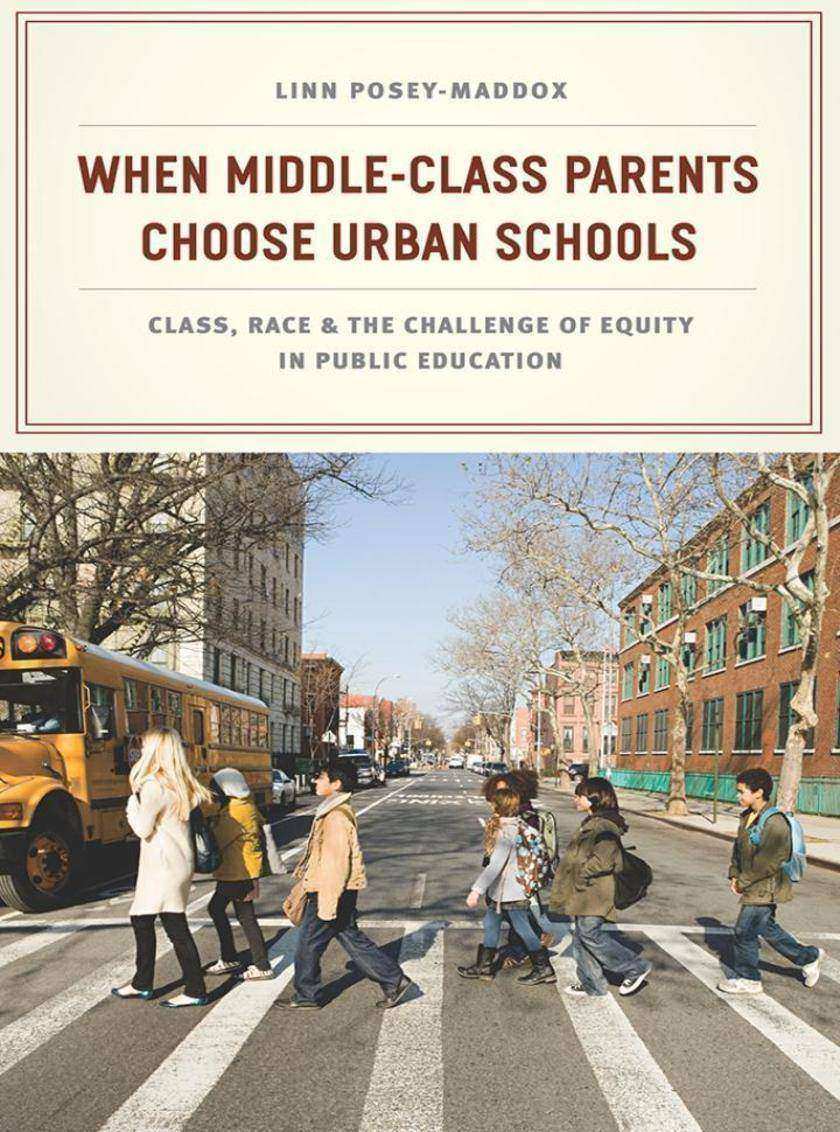
When Middle-Class Parents Choose Urban Schools
¥206.01
In recent decades a growing number of middle-class parents have considered sending their children to-and often end up becoming active in-urban public schools. Their presence can bring long-needed material resources to such schools, but, as Linn Posey-Maddox shows in this study, it can also introduce new class and race tensions, and even exacerbate inequalities. Sensitively navigating the pros and cons of middle-class transformation, When Middle-Class Parents Choose Urban Schools asks whether it is possible for our urban public schools to have both financial security and equitable diversity.?Drawing on in-depth research at an urban elementary school, Posey-Maddox examines parents' efforts to support the school through their outreach, marketing, and volunteerism. She shows that when middle-class parents engage in urban school communities, they can bring a host of positive benefits, including new educational opportunities and greater diversity. But their involvement can also unintentionally marginalize less-affluent parents and diminish low-income students' access to the improving schools. In response, Posey-Maddox argues that school reform efforts, which usually equate improvement with rising test scores and increased enrollment, need to have more equity-focused policies in place to ensure that low-income families also benefit from-and participate in-school change.?
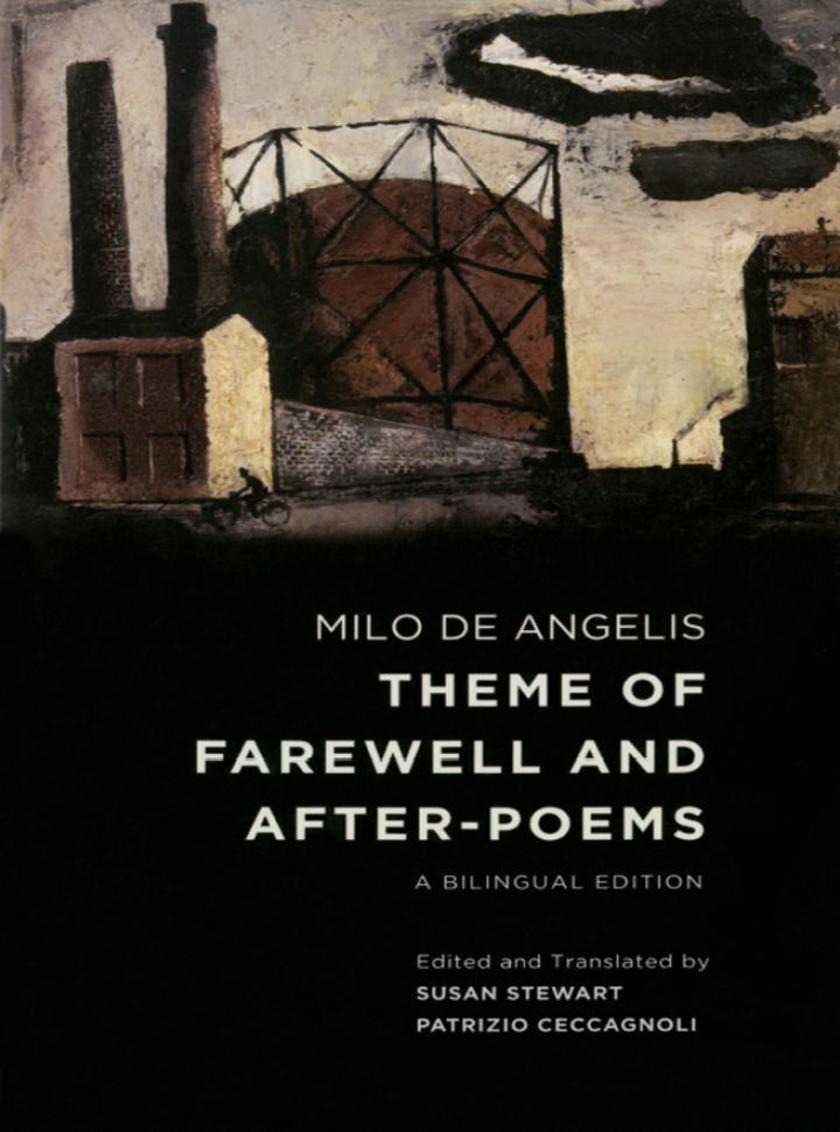
Theme of Farewell and After-Poems
¥241.33
Milo De Angelis, born in 1951, is one of the most important living Italian poets. With this volume, Susan Stewart and?Patrizio Ceccagnoli bring to English readers for the first time a facing-page edition of his most recent work: his book-length elegy,?Theme of Farewell, and the subsequent poems of That Wandering in?the Darkness of Courtyards. These two books form a sequence narrating the illness and premature death, in 2003, of the poet's wife, the writer Giovanna Sicari, a celebrated poet in her own right; they also trace De Angelis's turn from grief, through time, back to the world. Immediate, perceptive, and woven from the fabric of everyday life in contemporary Milan, the poems never depart from universal human emotions of despair and awakening. Throughout his long career, De?Angelis has renewed lyric poetry with the sheer intensity of his forms and insights, and the volumes offered here have won some of the most important Italian literary awards, including the coveted Premio Viareggio.?These inexorable and beautifully crafted translations will be of interest to scholars of contemporary Italian literature, students?of contemporary poetry and literary translation, and those who work in comparative literature. Above all, they are bound to speak to any reader in search of a poet writing at the height of his powers of expression.
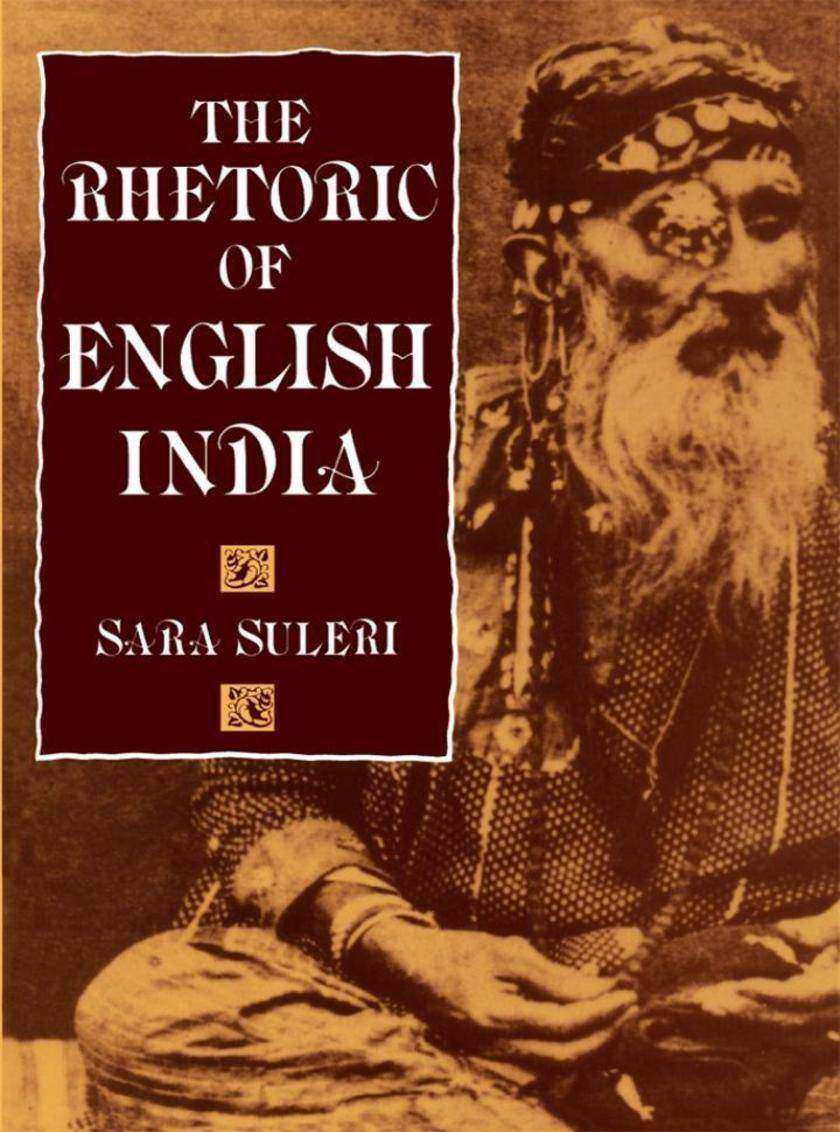
Rhetoric of English India
¥241.33
Tracing a genealogy of colonial discourse, Suleri focuses on paradigmatic moments in the multiple stories generated by the British colonization of the Indiansubcontinent. Both the literature of imperialism and its postcolonial aftermath emerge here as a series of guilty transactions between two cultures that are equally evasive and uncertain of their own authority."e;A dense, witty, and richly allusive book . . . an extremely valuable contribution to postcolonial cultural studies as well as to the whole area of literary criticism."e;-Jean Sudrann, Choice
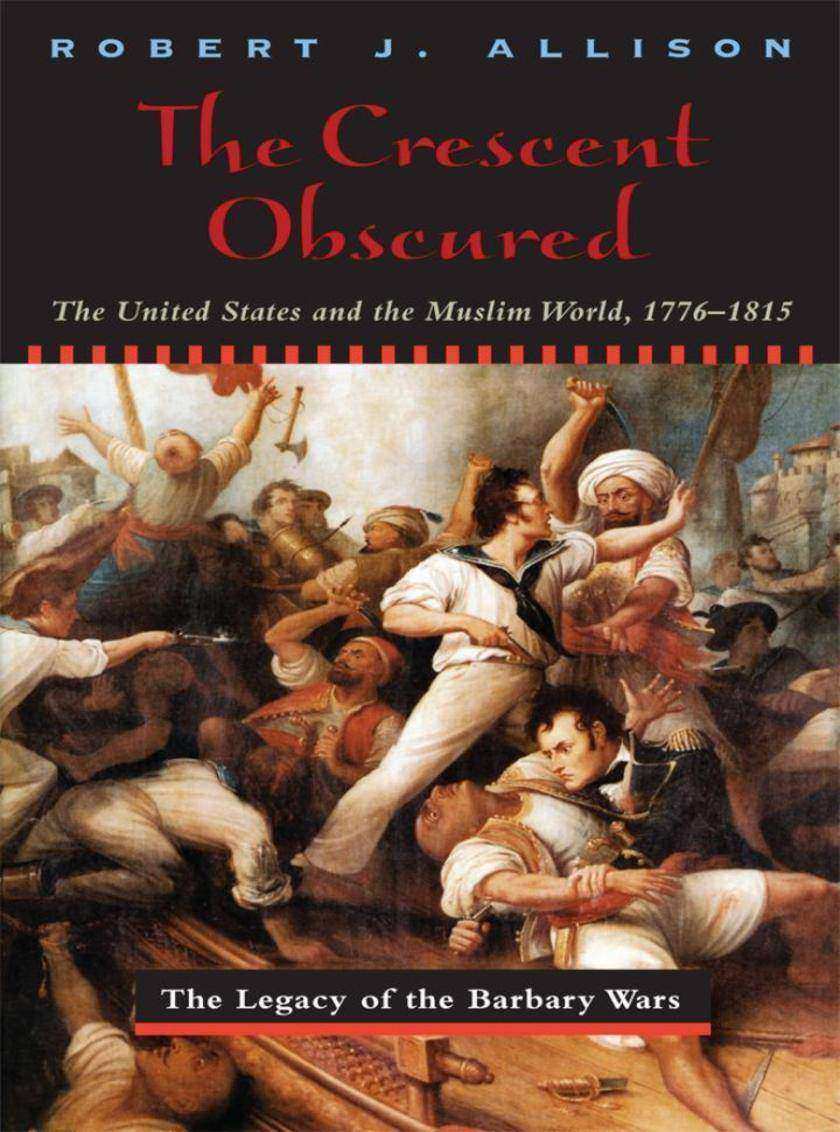
Crescent Obscured
¥241.33
From the beginning of the colonial period to the recent conflicts in the Middle East, encounters with the Muslim world have helped Americans define national identity and purpose. Focusing on America's encounter with the Barbary states of North Africa from 1776 to 1815, Robert Allison traces the perceptions and mis-perceptions of Islam in the American mind as the new nation constructed its ideology and system of government."e;A powerful ending that explains how the experience with the Barbary states compelled many Americans to look inward . . . with increasing doubts about the institution of slavery."e; -David W. Lesch, Middle East Journal"e;Allison's incisive and informative account of the fledgling republic's encounter with the Muslim world is a revelation with a special pertinence to today's international scene."e; -Richard W. Bulliet, Journal of Interdisciplinary History"e;This book should be widely read. . . . Allison's study provides a context for understanding more recent developments, such as America's tendency to demonize figures like Iran's Khumaini, Libya's Qaddafi, and Iraq's Saddam."e; -Richard M. Eaton, Eighteenth Century Studies
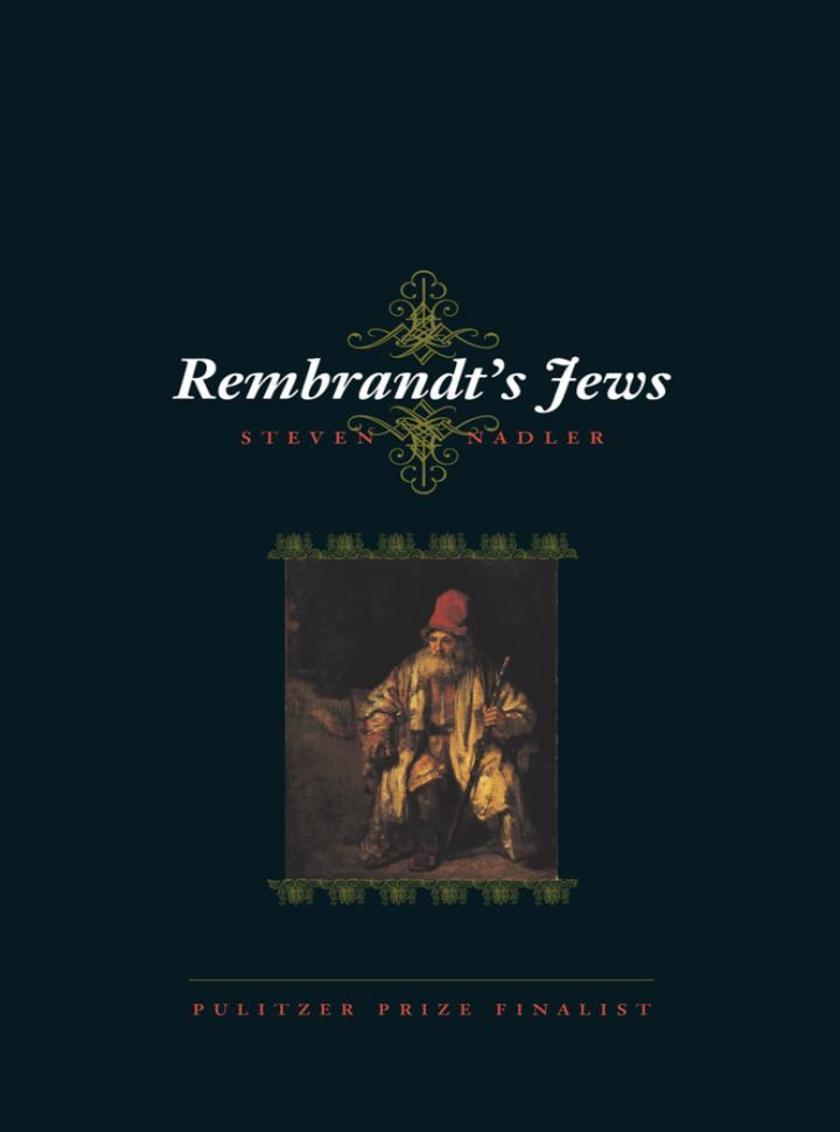
Rembrandt's Jews
¥175.40
There is a popular and romantic myth about Rembrandt and the Jewish people. One of history's greatest artists, we are often told, had a special affinity for Judaism. With so many of Rembrandt's works devoted to stories of the Hebrew Bible, and with his apparent penchant for Jewish themes and the sympathetic portrayal of Jewish faces, it is no wonder that the myth has endured for centuries.Rembrandt's Jews puts this myth to the test as it examines both the legend and the reality of Rembrandt's relationship to Jews and Judaism. In his elegantly written and engrossing tour of Jewish Amsterdam-which begins in 1653 as workers are repairing Rembrandt's Portuguese-Jewish neighbor's house and completely disrupting the artist's life and livelihood-Steven Nadler tells us the stories of the artist's portraits of Jewish sitters, of his mundane and often contentious dealings with his neighbors in the Jewish quarter of Amsterdam, and of the tolerant setting that city provided for Sephardic and Ashkenazic Jews fleeing persecution in other parts of Europe. As Nadler shows, Rembrandt was only one of a number of prominent seventeenth-century Dutch painters and draftsmen who found inspiration in Jewish subjects. Looking at other artists, such as the landscape painter Jacob van Ruisdael and Emmanuel de Witte, a celebrated painter of architectural interiors, Nadler is able to build a deep and complex account of the remarkable relationship between Dutch and Jewish cultures in the period, evidenced in the dispassionate, even ordinary ways in which Jews and their religion are represented-far from the demonization and grotesque caricatures, the iconography of the outsider, so often found in depictions of Jews during the Middle Ages and the Renaissance.Through his close look at paintings, etchings, and drawings; in his discussion of intellectual and social life during the Dutch Golden Age; and even through his own travels in pursuit of his subject, Nadler takes the reader through Jewish Amsterdam then and now-a trip that, under ever-threatening Dutch skies, is full of colorful and eccentric personalities, fiery debates, and magnificent art.
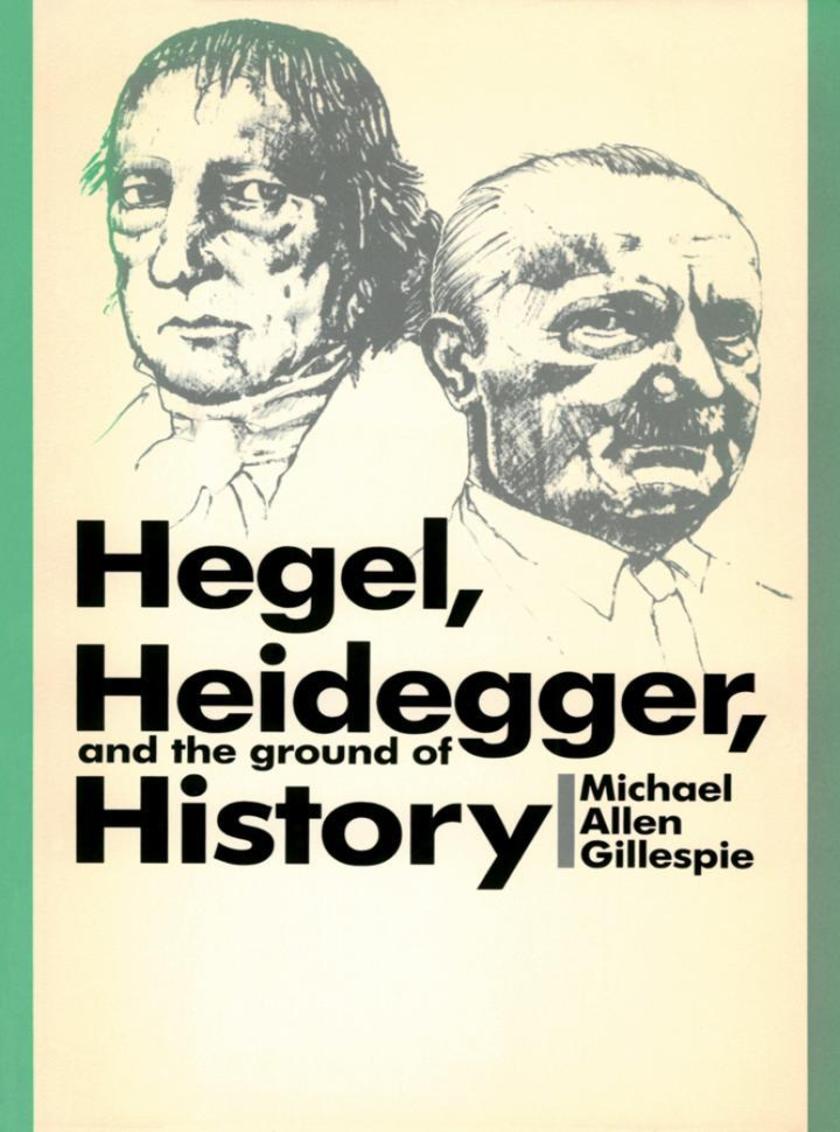
Hegel, Heidegger, and the Ground of History
¥182.47
In this wide-ranging and thoughtful study, Michael Allen Gillespie explores the philosophical foundation, or ground, of the concept of history. Analyzing the historical conflict between human nature and freedom, he centers his discussion on Hegel and Heidegger but also draws on the pertinent thought of other philosophers whose contributions to the debate is crucial-particularly Rousseau, Kant, and Nietzsche.
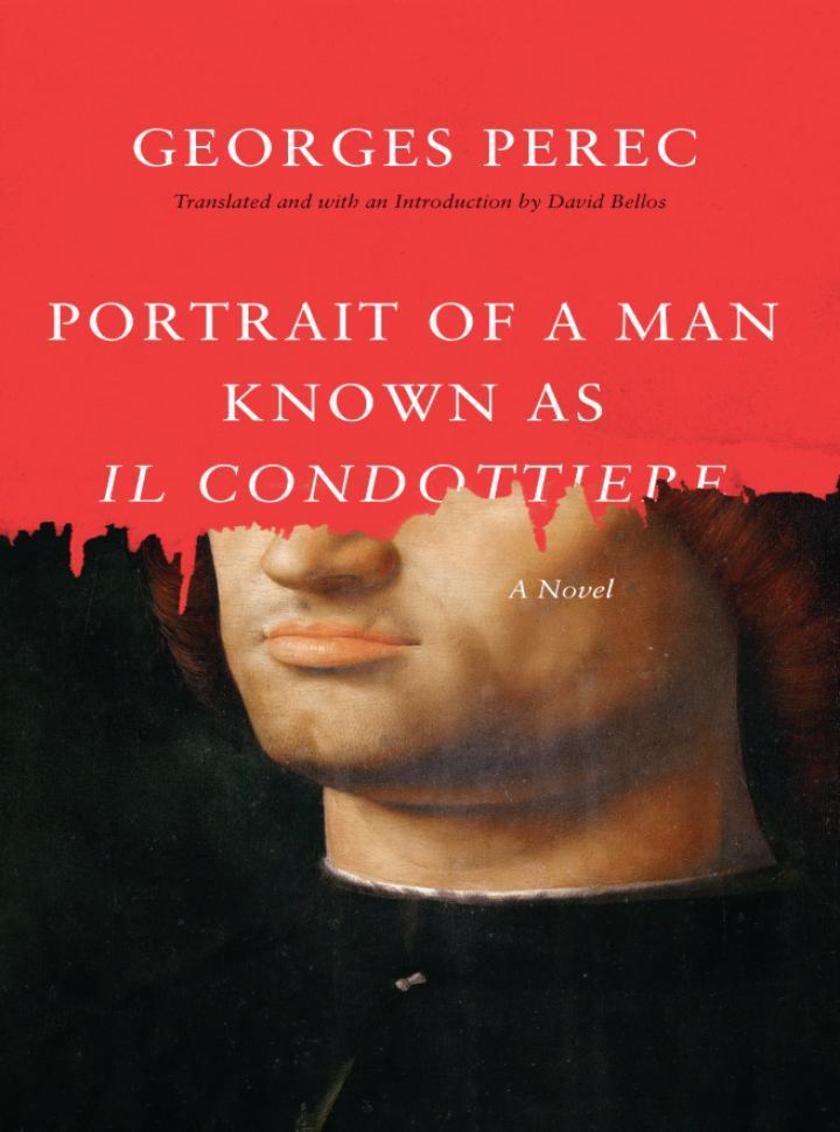
Portrait of a Man Known as Il Condottiere
¥147.15
Puckish and playful, Georges Perec infused avant-garde and experimental fiction with a wit and wonder that belied the serious concerns and concepts that underpinned it. A prominent member of the OuLiPo, and an abiding influence on fiction writers today, Perec used formal constraints to dazzling effect in such works as A Void-a murder mystery that contains nary an "e;e"e;-and Life A User's Manual, in which an apartment building, systematically canvassed, unfolds secrets and, ultimately offers a reflection on creation, destruction, and the devotion to art.?Before embarking on these experiments, however, Perec tried his hand at a relatively straightforward novel, Portrait of a Man. His first book, it was rejected by publishers when he submitted it in 1960, after which he filed it away. Decades after Perec's death, David Bellos discovered the manu*, and through his translation we have a chance to enjoy it in English for the first time. What fans will find here is a thriller that combines themes that would remain prominent in Perec's later work, such as art forgery, authenticity, and murder, as well as craftsman Gaspard Winckler, who whose namesakes play major roles in Life A User's Manual and W or The Memory of Childhood.?Engaging and entertaining on its own merits, and gaining additional interest when set in the context of Perec's career, Portrait of a Man is sure to charm the many fans of this postmodern master.
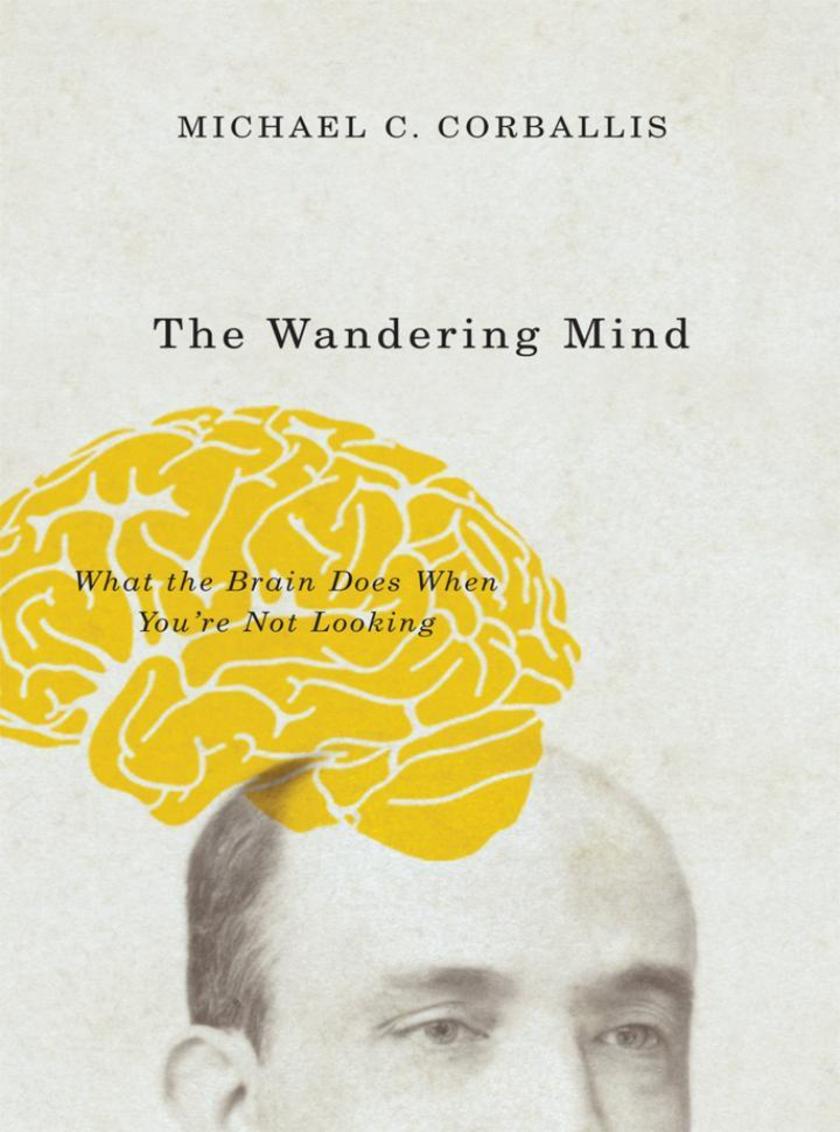
Wandering Mind
¥147.15
If we've done our job well-and, let's be honest, if we're lucky-you'll read to the end of this de*ion. Most likely, however, you won't. Somewhere in the middle of the next paragraph, your mind will wander off. Minds wander. That's just how it is.?That may be bad news for me, but is it bad news for people in generalDoes the fact that as much as fifty percent of our waking hours find us failing to focus on the task at hand represent a problemMichael Corballis doesn't think so, and with The Wandering Mind, he shows us why, rehabilitating woolgathering and revealing its incredibly useful effects. Drawing on the latest research from cognitive science and evolutionary biology, Corballis shows us how mind-wandering not only frees us from moment-to-moment drudgery, but also from the limitations of our immediate selves. Mind-wandering strengthens our imagination, fueling the flights of invention, storytelling, and empathy that underlie our shared humanity; furthermore, he explains, our tendency to wander back and forth through the timeline of our lives is fundamental to our very sense of ourselves as coherent, continuing personalities.?Full of unusual examples and surprising discoveries, The Wandering Mind mounts a vigorous defense of inattentioneven as it never fails to hold the reader's.
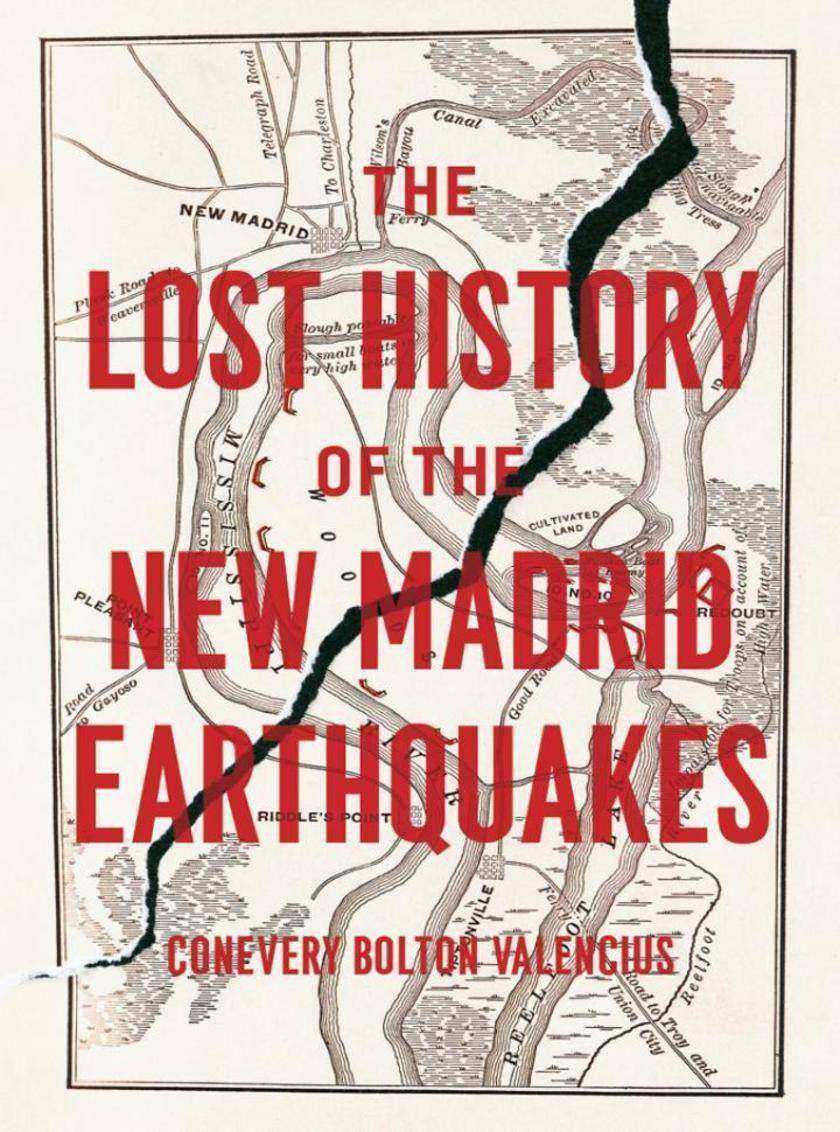
Lost History of the New Madrid Earthquakes
¥247.21
From December 1811 to February 1812, massive earthquakes shook the middle Mississippi Valley, collapsing homes, snapping large trees midtrunk, and briefly but dramatically reversing the flow of the continent's mightiest river. For decades, people puzzled over the causes of the quakes, but by the time the nation began to recover from the Civil War, the New Madrid earthquakes had been essentially forgotten.?In The Lost History of the New Madrid Earthquakes, Conevery Bolton Valencius remembers this major environmental disaster, demonstrating how events that have been long forgotten, even denied and ridiculed as tall tales, were in fact enormously important at the time of their occurrence, and continue to affect us today. Valencius weaves together scientific and historical evidence to demonstrate the vast role the New Madrid earthquakes played in the United States in the early nineteenth century, shaping the settlement patterns of early western Cherokees and other Indians, heightening the credibility of Tecumseh and Tenskwatawa for their Indian League in the War of 1812, giving force to frontier religious revival, and spreading scientific inquiry. Moving into the present, Valencius explores the intertwined reasons-environmental, scientific, social, and economic-why something as consequential as major earthquakes can be lost from public knowledge, offering a cautionary tale in a world struggling to respond to global climate change amid widespread willful denial.Engagingly written and ambitiously researched-both in the scientific literature and the writings of the time-The Lost History of the New Madrid Earthquakes will be an important resource in environmental history, geology, and seismology, as well as history of science and medicine and early American and Native American history.
University of Chicago
¥247.21
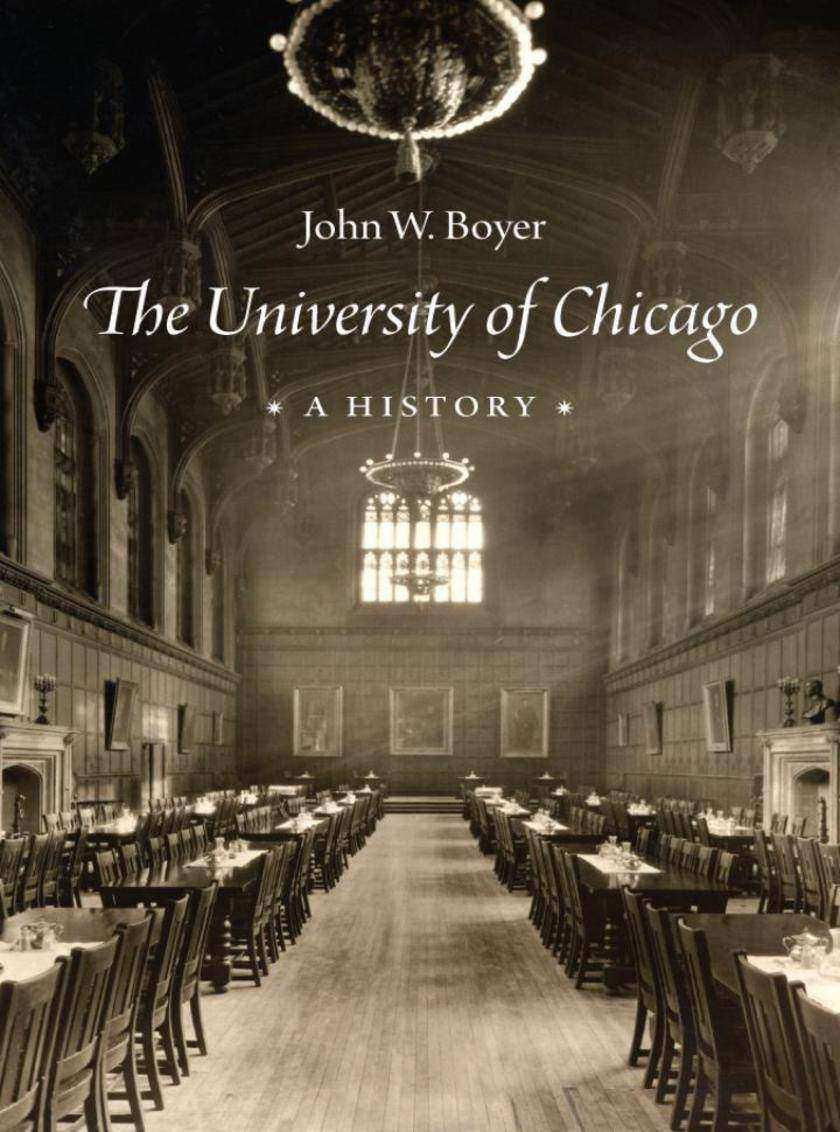
One of the most influential institutions of higher learning in the world, the University of Chicago has a powerful and distinct identity, and its name is synonymous with intellectual rigor. With nearly 170,000 alumni living and working in more than 150 countries, its impact is far-reaching and long-lasting.With The University of Chicago: A History, John W. Boyer, Dean of the College since 1992, presents a deeply researched and comprehensive history of the university. Boyer has mined the archives, exploring the school's complex and sometimes controversial past to set myth and hearsay apart from fact. The result is a fascinating narrative of a legendary academic community, one that brings to light the nature of its academic culture and curricula, the experience of its students, its engagement with Chicago's civic community, and the conditions that have enabled the university to survive and sustain itself through decades of change.Boyer's extensive research shows that the University of Chicago's identity is profoundly interwoven with its history, and that history is unique in the annals of American higher education. After a little-known false start in the mid-nineteenth century, it achieved remarkable early successes, yet in the 1950s it faced a collapse of undergraduate enrollment, which proved fiscally debilitating for decades. Throughout, the university retained its fierce commitment to a distinctive, intense academic culture marked by intellectual merit and free debate, allowing it to rise to international acclaim. Today it maintains a strong obligation to serve the larger community through its connections to alumni, to the city of Chicago, and increasingly to its global community.Published to coincide with the 125th anniversary of the university, this must-have reference will appeal to alumni and anyone interested in the history of higher education of the United States.
Rhetoric of Plato's Republic
¥247.21
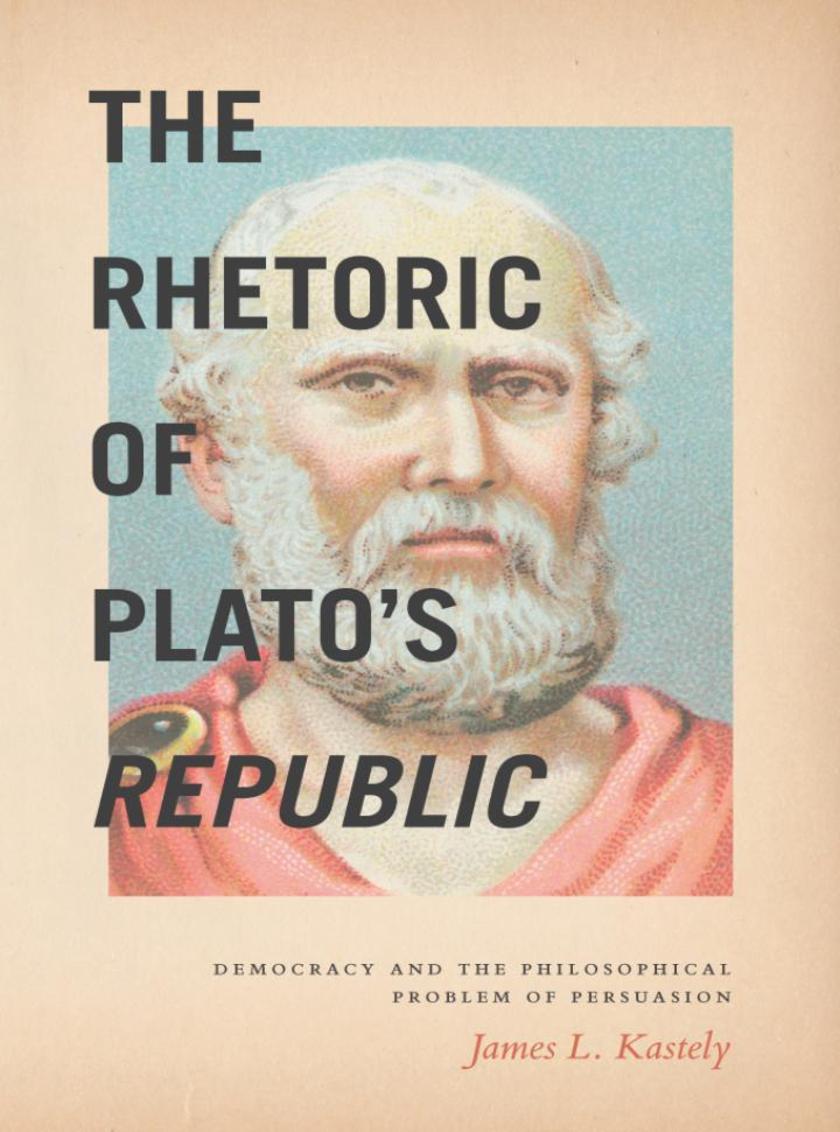
Plato isn't exactly thought of as a champion of democracy, and perhaps even less as an important rhetorical theorist. In this book, James L. Kastely recasts Plato in just these lights, offering a vivid new reading of one of Plato's most important works: the Republic. At heart, Kastely demonstrates, the Republic is a democratic epic poem and pioneering work in rhetorical theory. Examining issues of justice, communication, persuasion, and audience, he uncovers a seedbed of theoretical ideas that resonate all the way up to our contemporary democratic practices. As Kastely shows, the Republic begins with two interrelated crises: one rhetorical, one philosophical. In the first, democracy is defended by a discourse of justice, but no one can take this discourse seriously because no one can see-in a world where the powerful dominate the weak-how justice is a value in itself. That value must be found philosophically, but philosophy, as Plato and Socrates understand it, can reach only the very few. In order to reach its larger political audience, it must become rhetoric; it must become a persuasive part of the larger culture-which, at that time, meant epic poetry. Tracing how Plato and Socrates formulate this transformation in the Republic, Kastely isolates a crucial theory of persuasion that is central to how we talk together about justice and organize ourselves according to democratic principles.?
Charles Bell and the Anatomy of Reform
¥247.21
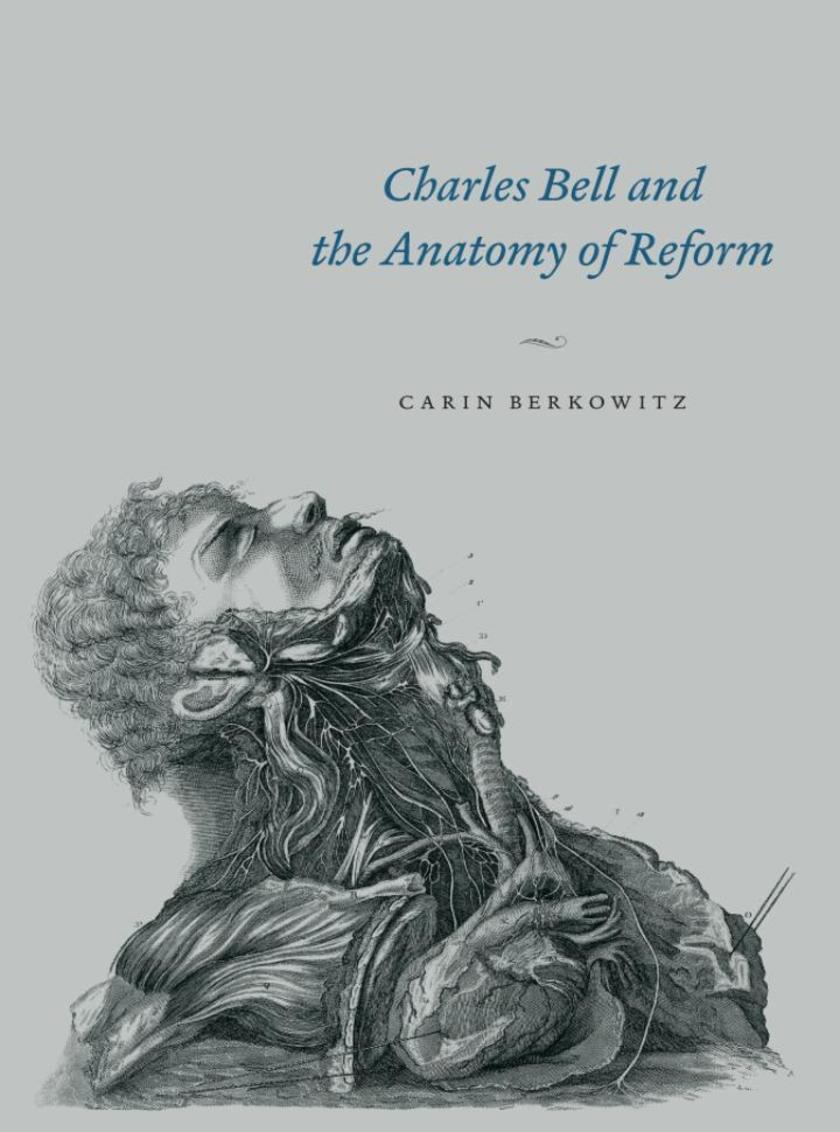
Sir Charles Bell (1774-1842) was a medical reformer in a great age of reform-an occasional and reluctant vivisectionist, a theistic popularizer of natural science, a Fellow of the Royal Society, a surgeon, an artist, and a teacher. He was among the last of a generation of medical men who strove to fashion a particularly British science of medicine; who formed their careers, their research, and their publications through the private classrooms of nineteenth-century London; and whose politics were shaped by the exigencies of developing a living through patronage in a time when careers in medical science simply did not exist. A decade after Bell's death, that world was gone, replaced by professionalism, standardized education, and regular career paths.?In Charles Bell and the Anatomy of Reform, Carin Berkowitz takes readers into Bell's world, helping us understand the life of medicine before the modern separation of classroom, laboratory, and clinic. Through Bell's story, we witness the age when modern medical science, with its practical universities, set curricula, and medical professionals, was born.
Hidden Game of Baseball
¥147.15
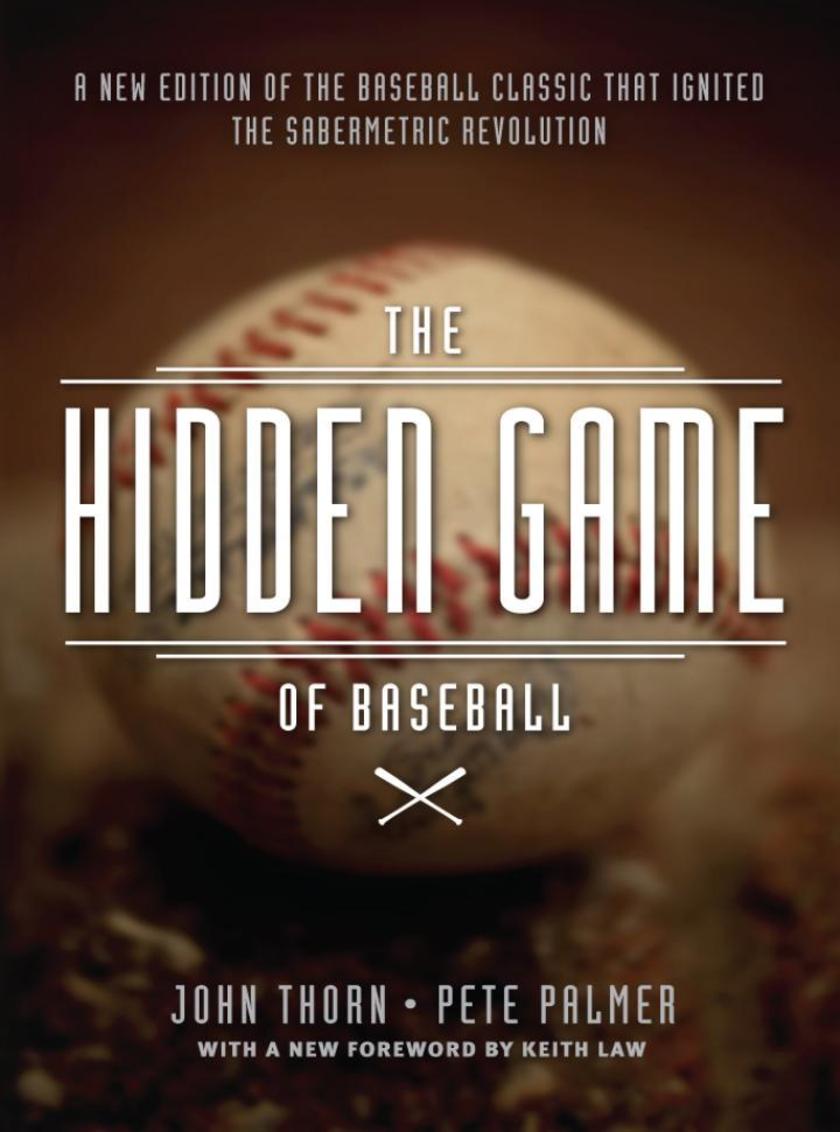
Long before Moneyball became a sensation or Nate Silver turned the knowledge he'd honed on baseball into electoral gold, John Thorn and Pete Palmer were using statistics to shake the foundations of the game. First published in 1984, The Hidden Game of Baseball ushered in the sabermetric revolution by demonstrating that we were thinking about baseball stats-and thus the game itself-all wrong. Instead of praising sluggers for gaudy RBI totals or pitchers for wins, Thorn and Palmer argued in favor of more subtle measurements that correlated much more closely to the ultimate goal: winning baseball games.The new gospel promulgated by Thorn and Palmer opened the door for a flood of new questions, such as how a ballpark's layout helps or hinders offense or whether a strikeout really is worse than another kind of out. Taking questions like these seriously-and backing up the answers with data-launched a new era, showing fans, journalists, scouts, executives, and even players themselves a new, better way to look at the game.This brand-new edition retains the body of the original, with its rich, accessible analysis rooted in a deep love of baseball, while adding a new introduction by the authors tracing the book's influence over the years. A foreword by ESPN's lead baseball analyst, Keith Law, details The Hidden Game's central role in the transformation of baseball coverage and team management and shows how teams continue to reap the benefits of Thorn and Palmer's insights today. Thirty years after its original publication, The Hidden Game is still bringing the high heat-a true classic of baseball literature.
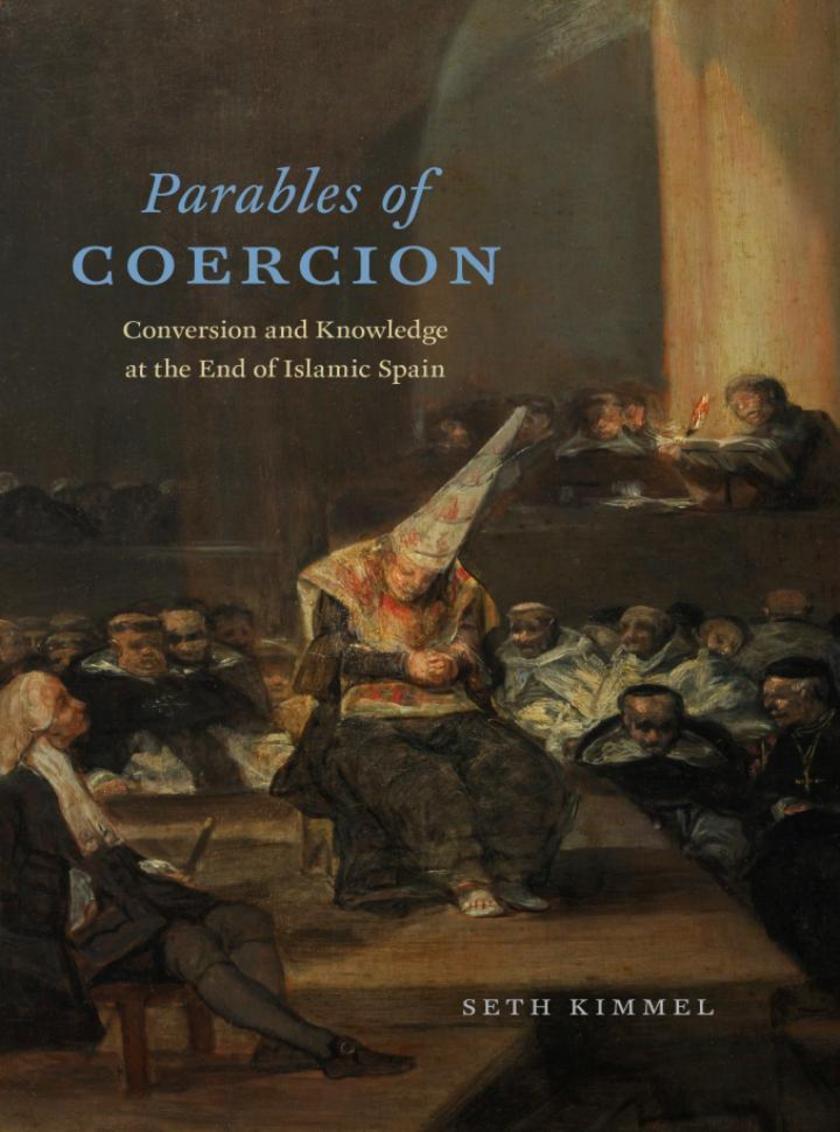
Parables of Coercion
¥265.87
In the sixteenth and seventeenth centuries, competing scholarly communities sought to define a Spain that was, at least officially, entirely Christian, even if many suspected that newer converts from Islam and Judaism were Christian in name only. Unlike previous books on conversion in early modern Spain, however, Parables of Coercion focuses not on the experience of the converts themselves, but rather on how questions surrounding conversion drove religious reform and scholarly innovation.In its careful examination of how Spanish authors transformed the history of scholarship through debate about forced religious conversion, Parables of Coercion makes us rethink what we mean by tolerance and intolerance, and shows that debates about forced conversion and assimilation were also disputes over the methods and practices that demarcated one scholarly discipline from another.
Second Birth
¥365.93
Most scholars link the origin of politics to the formation of human societies, but in this innovative work, Tilo Schabert takes it even further back: to our very births. Drawing on mythical, philosophical, religious, and political thought from around the globe-including America, Europe, the Middle East, and China-The Second Birth proposes a transhistorical and transcultural theory of politics rooted in political cosmology. With impressive erudition, Schabert explores the physical fundamentals of political life, unveiling a profound new insight: our bodies actually teach us politics.?Schabert traces different figurations of power inherent to our singular existence, things such as numbers, time, thought, and desire, showing how they render our lives political ones-and, thus, how politics exists in us individually, long before it plays a role in the establishment of societies and institutions. Through these figurations of power, Schabert argues, we learn how to institute our own government within the political forces that already surround us-to create our own world within the one into which we have been born. In a stunning vision of human agency, this book ultimately sketches a political cosmos in which we are all builders, in which we can be at once political and free.?
Capital and Interest
¥365.93
Produced throughout the first fifteen years of Hayek's career, the writings collected in Capital and Interest see Hayek elaborate upon and extend his landmark lectures that were published as Prices and Production and work toward the technically sophisticated line of thought seen in his later Pure Theory of Capital. Illuminating the development of Hayek's detailed contributions to capital and interest theory, the collection also sheds light on how Hayek's work related to other influential economists of the time. Highlights include the 1936 article "e;The Mythology of Capital"e;-presented here alongside Frank Knight's criticisms of the Austrian theory of capital that prompted it-and "e;The Maintenance of Capital,"e; with subsequent comments by the English economist A. C. Pigou. These and other familiar works are accompanied by lesser-known articles and lectures, including a lecture on technological progress and excess capacity. An introduction by the book's editor, leading Hayek scholar Lawrence H. White, places Hayek's contributions in careful historical context, with ample footnotes and citations for further reading, making this a touchstone addition to the University of Chicago Press's Collected Works of F. A. Hayek series.
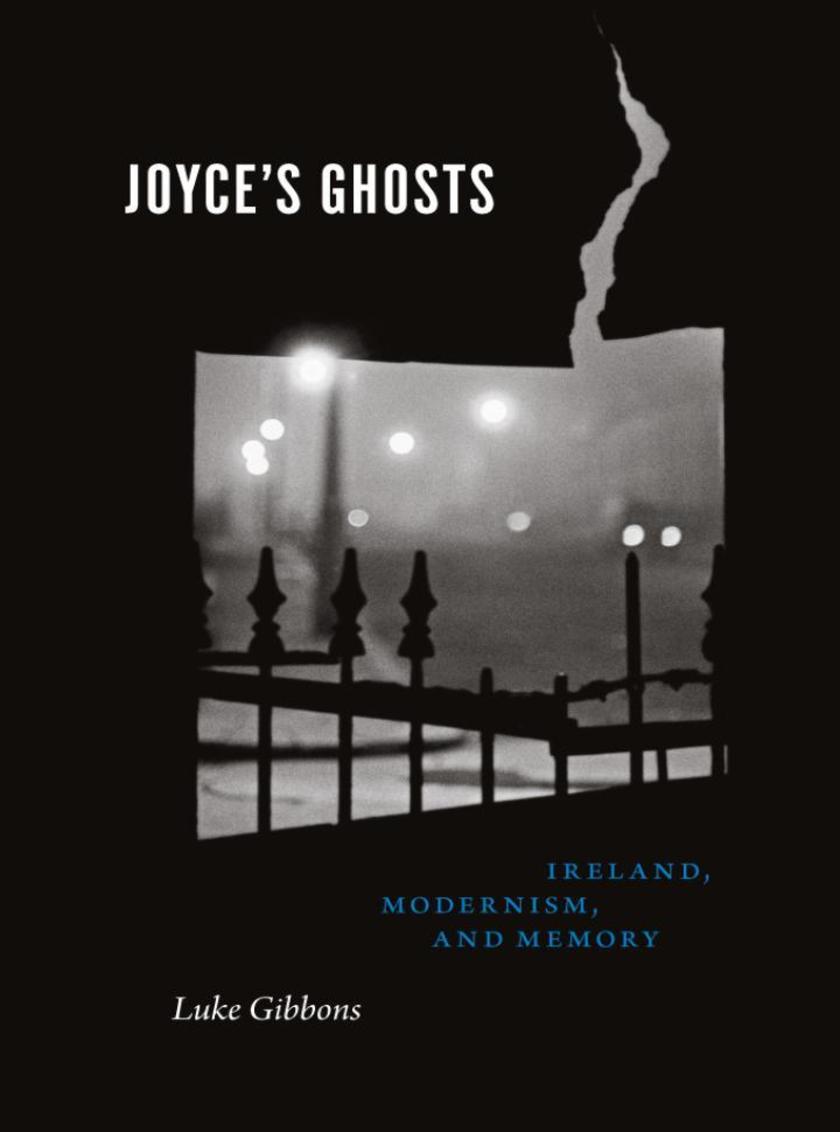
Joyce's Ghosts
¥294.30
For decades, James Joyce's modernism has overshadowed his Irishness, as his self-imposed exile and association with the high modernism of Europe's urban centers has led critics to see him almost exclusively as a cosmopolitan figure.In Joyce's Ghosts, Luke Gibbons mounts a powerful argument that this view is mistaken: Joyce's Irishness is intrinsic to his modernism, informing his most distinctive literary experiments. Ireland, Gibbons shows, is not just a source of subject matter or content for Joyce, but of form itself. Joyce's stylistic innovations can be traced at least as much to the tragedies of Irish history as to the shock of European modernity, as he explores the incomplete project of inner life under colonialism. Joyce's language, Gibbons reveals, is haunted by ghosts, less concerned with the stream of consciousness than with a vernacular interior dialogue, the "e;shout in the street,"e; that gives room to outside voices and shadowy presences, the disruptions of a late colonial?culture in crisis.Showing us how memory under modernism breaks free of the nightmare of history, and how in doing so it gives birth to new forms, Gibbons forces us to think anew about Joyce's achievement and its foundations.
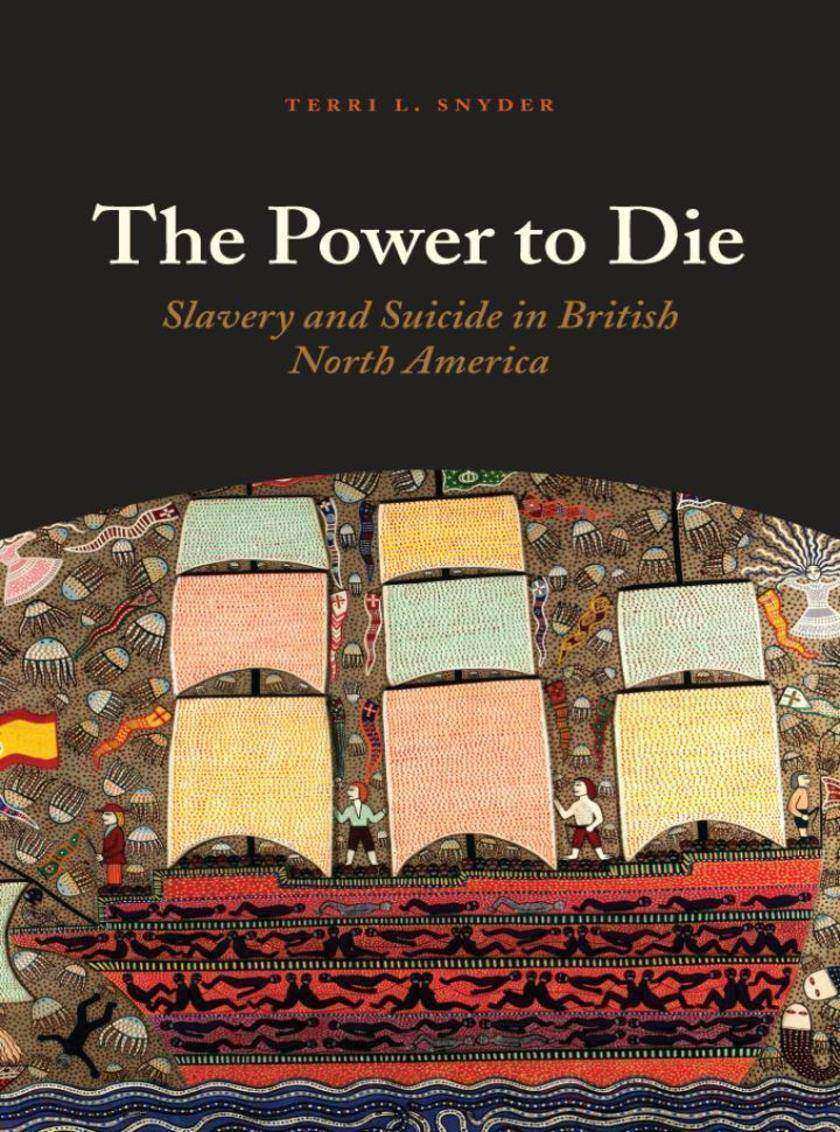
Power to Die
¥294.30
The history of slavery in early America is a history of suicide. On ships crossing the Atlantic, enslaved men and women refused to eat or leaped into the ocean. They strangled or hanged themselves. They tore open their own throats. In America, they jumped into rivers or out of windows, or even ran into burning buildings. Faced with the reality of enslavement, countless Africans chose death instead.In The Power to Die, Terri L. Snyder excavates the history of slave suicide, returning it to its central place in early American history. How did people-traders, plantation owners, and, most importantly, enslaved men and women themselves-view and understand these deaths, and how did they affect understandings of the institution of slavery then and nowSnyder draws on ships' logs, surgeons' journals, judicial and legislative records, newspaper accounts, abolitionist propaganda and slave narratives, and many other sources to build a grim picture of slavery's toll and detail the ways in which suicide exposed the contradictions of slavery, serving as a powerful indictment that resonated throughout the Anglo-Atlantic world and continues to speak to historians today.


