


 购物车
购物车 个人中心
个人中心
It’s Christmas!: Whatever Happened to the Christmas Single?
¥18.65
Updated for Christmas 2013! James King is tired of ‘Step Into Christmas’. He’s tired of ‘All I Want for Christmas is You’. He’s tired – if it’s possible – of ‘Fairytale of New York’. It’s time for a new Christmas Classic. ‘It’s Chriiiistmaaaas’ is a festive journey through the decades via the most cherished seasonal songs of the last century – from ‘Rockin’ Around the Christmas Tree’ to ‘Do They Know it’s Christmas?’. But beneath the nostalgia, are serious questions: is it always ‘Last Christmas’ for the December charts? Has the music buying public become like Noddy Holder’s Gran, telling everyone the ‘old songs are the best’? In this, his manifesto, James King takes us through the grand history of the Christmas number one, proving, once and for all, that the charts are ready for a new Christmas hit.
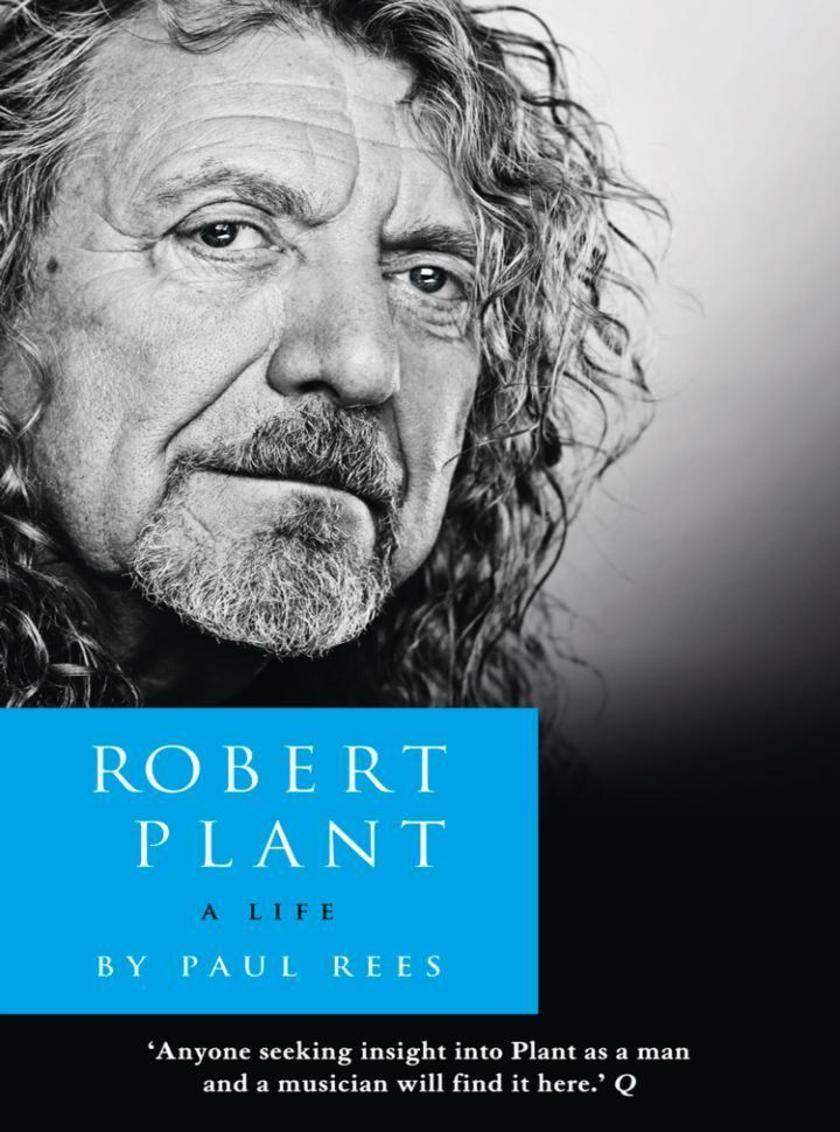
Robert Plant: A Life: The Biography
¥70.44
Robert Plant is one of the few genuine living rock legends. Frontman of Led Zeppelin, musical innovator and seller of millions of records, Plant has had a profound influence on music for over four decades. But the full account of his life has barely been told … until now. Robert Plant: A Life is the first complete and comprehensive telling of Plant’s story. From his earliest performances in folk clubs in the early 1960s, to the world’s biggest stages as Led Zeppelin’s self-styled ‘Golden God’, and on to his emergence as an emboldened solo star. The sheer scale of Zeppelin’s success is extraordinary: in the US alone they sold 70 million records, a figure surpassed only by the Beatles. But their success was marred by tragedy. These pages contain first-hand accounts of Plant’s greatest highs and deepest lows: the tragic deaths of his son Karac and his friend, Zeppelin drummer John Bonham. Told in vivid detail, this is the definitive story of a man of great talent, remarkable fortitude and extraordinary conviction.
A Safe Place for Joey
¥58.86
From bestselling author and teacher Mary Maccracken comes the engaging and inspiring story of five troubled children who she fought to bring back from the brink Joey is the class clown, but alone proves to be an intensely dark seven-year old who still can’t read. Eric is a kindergartener, left withdrawn and speechless by the horrors he’s witnessed at home. Alice appears the model fifth year child, but secretly scores zero on every maths test. Charlie, an eight-year old, struggles to understand his place in the world, leaving him confused and alone. Ben comes from a comfortable life at home, but has been called stupid so many times he now believes it. These are some of the learning-disabled children who were in deep trouble until Mary MacCracken, an extraordinary therapist and teacher, works her magic with them and transforms their lives. Her heart-warming book is a testament to her talent, compassion and love.
Just a Little Run Around the World
¥63.18
After her husband died of cancer, 57-year-old Rosie set off to run around the world, raising money in memory of the man she loved. Followed by wolves, knocked down by a bus, confronted by bears, chased by a naked man with a gun and stranded with severe frostbite, Rosie's breathtaking 20,000-mile solo journey is as gripping as it is inspiring. Rosie's solo run around the world started out of sorrow and heartache and a wish to turn something around. Heartbroken when she lost her husband to cancer, Rosie set off from Wales with nothing but a small backpack of food and equipment, and funded by the rent from her little cottage. So began her epic 5-year journey that would take her 20,000 miles around the world, crossing Europe, Russia, Asia, Alaska, North America, Greenland, Iceland, and back into the UK. On a good day she'd run 30 miles, on a bad day she'd only manage 500 yards, digging herself out of the snow at -62 degrees C, moving her cart inches at a time. Every inch, every mile, was a triumph, a celebration of life, and 53 pairs of shoes later Rosie arrived home to jubilant crowds in Tenby, Wales. Rosie's incredible story is a mesmerizing page-turner of the run of her life. It will wake up the sleeping adventurer in you; it will inspire hope, courage and determination in you; but most of all it will convince you to live your life to the full and make every day count.

Staffordshire Bull Terrier: An Owner’s Guide
¥57.00
A comprehensive guide to all aspects of owning a Staffordshire Bull Terrier, this highly illustrated book is full of practical information and expert advice for pet owners and breeders. Staffordshire Bull Terriers are renowned for their loyalty to their owners and stability of temperament which makes them great pets. When properly socialised and trained they are playful, energetic and have a real love of people. If you are considering getting a Staffordshire Bull Terrier, or are an existing owner who wants to learn more about the care of your dog then this book will be an invaluable resource. Contents include: ? History of the breed ? Acquiring a puppy ? Socialization and training ? Behaviour ? Showing and obedience work ? Healthcare
An A–Z of Exceptional Dogs
¥73.58
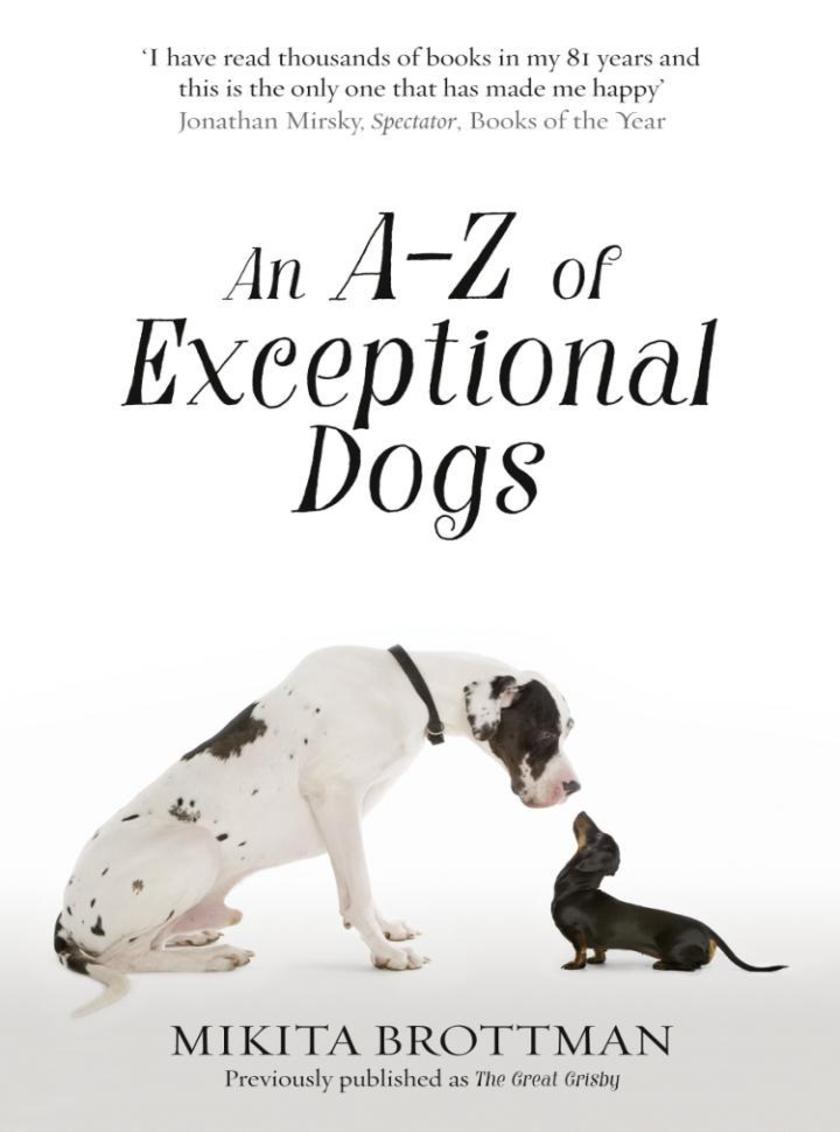
In this charming bestiary of exceptional dogs, Mikita Brottman reflects on the role dogs play in our world, all explored through her relationship with her dog Grisby and many other examples of the dogs of great writers and artists from literature, lore, and life. While gradually unveiling her eight-year love affair with her French bulldog, Grisby, Mikita Brottman ruminates on the singular bond between dogs and humans. Why do prevailing attitudes warn us against loving our pet “too much”? Is her relationship with Grisby nourishing or dysfunctional, commonplace or unique? Challenging the assumption that there’s something repressed and neurotic about those deeply connected to a dog, she turns her keen eye on the many ways in which dog is the mirror of man. The Great Grisby is organised into twenty-six alphabetically arranged chapters, each devoted to a particular human-canine union drawn from history, art, philosophy, or literature. Here is Picasso’s dachshund Lump; Freud’s chow Yofi; Bill Sikes’s mutt Bull’s Eye in Oliver Twist; and Elizabeth Barrett Browning’s spaniel Flush, whose biography was penned by Virginia Woolf. There are royal dogs, like Prince Albert’s greyhound Eos, and dogs cherished by authors, like Thomas Hardy’s fox terrier, Wessex. Brottman’s own beloved Grisby serves as an envoy for sniffing out these remarkable companions. Quirky and delightful, and peppered with incisive personal reflections and back-and-white sketches portraying a different dog and its owner, The Great Grisby reveals how much dogs have to teach us about empathy, happiness, love―and what it means to be human.

They All Love Jack: Busting the Ripper
¥76.91
LONGLISTED FOR THE SAMUEL JOHNSON PRIZE FOR NON-FICTION A book like no other – the tale of a gripping quest to discover the identity of history’s most notorious murderer and a literary high-wire act from the legendary writer and director of Withnail and I. For over a hundred years, ‘the mystery of Jack the Ripper’ has been a source of unparalleled fascination and horror, spawning an army of obsessive theorists, and endless volumes purporting finally to reveal the identity of the brutal murderer who terrorised Victorian England. But what if there was never really any ‘mystery’ at all? What if the Ripper was always hiding in plain sight, deliberately leaving a trail of clues to his identity for anyone who cared to look, while cynically mocking those who were supposedly attempting to bring him to justice? In THEY ALL LOVE JACK, the award-winning film director and screenwriter Bruce Robinson exposes the cover-up that enabled one of history’s most notorious serial killers to remain at large. More than twelve years in the writing, this is much more than a radical reinterpretation of the Jack the Ripper legend, and an enthralling hunt for the killer. A literary high-wire act reminiscent of Tom Wolfe or Hunter S. Thompson, it is an expressionistic journey through the cesspools of late-Victorian society, a phantasmagoria of highly placed villains, hypocrites and institutionalised corruption. Polemic, forensic investigation, panoramic portrait of an age, underpinned by deep scholarship and delivered in Robinson’s inimitably vivid and scabrous prose, THEY ALL LOVE JACK is an absolutely riveting and unique book, demolishing the theories of generations of self-appointed experts – the so-called ‘Ripperologists’ – to make clear, at last, who really did it; and more importantly, how he managed to get away with it for so long.
The Loyal Lieutenant
¥66.22
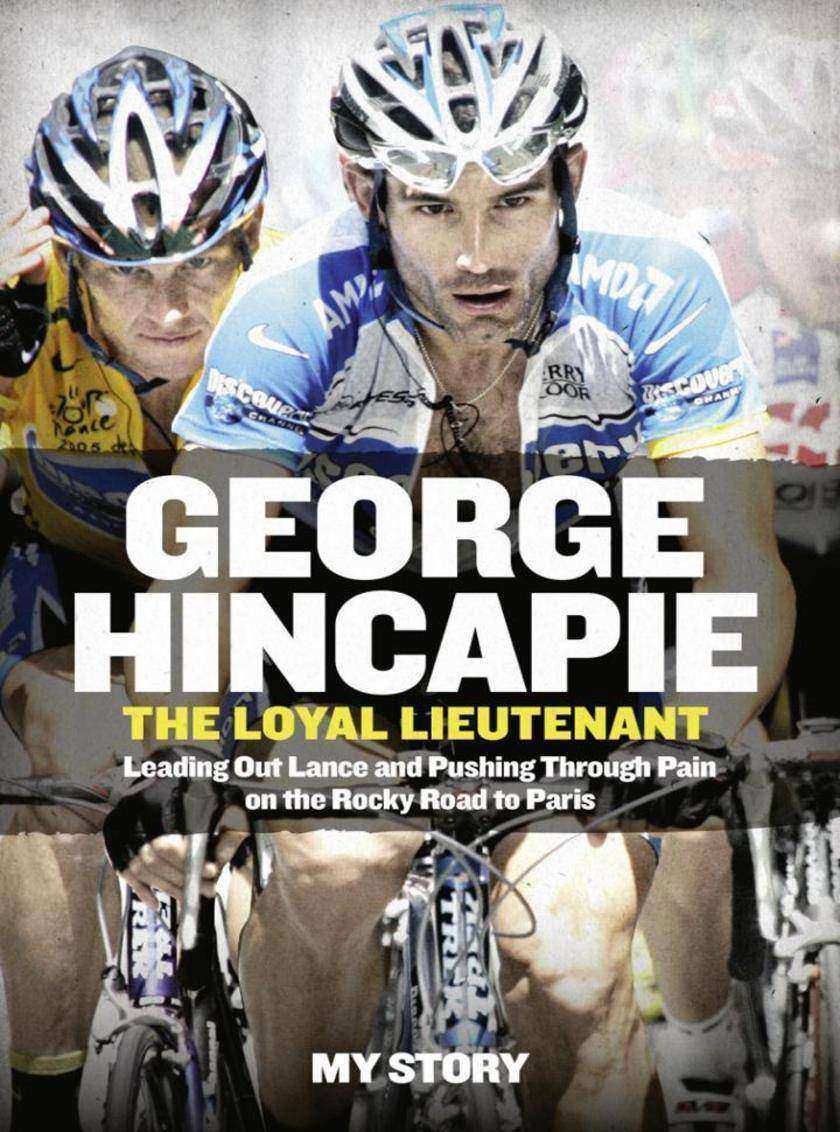
The stunningly candid autobiography of one of cycling’s great names and the man who rode alongside Lance Armstrong for each of his now infamous seven Tour victories George Hincapie has always personified more than the sport in which he chose to compete, cycling, and his legacy will be more than the sum of his accomplishments on the road. It is also intertwined with the team-mates he helped to achieve success. As Lance Armstrong’s trusted sidekick, he helped re-write the record books of the greatest cycling event in the world, the Tour de France. No other team-mate was with Lance for all seven of his wins. No one was closer to him as a friend or confidante and no one was closer to the scandal which would ultimately bring down Armstrong and so many of those around him. Told with stunning candour, ‘The Loyal Lietenant’ offers the most transparent and engaging account yet of the now infamous years of cycling’s modern history. It is a book that will once again change our perceptions of what it means to be a sporting great.
Get Her Off the Pitch!: How Sport Took Over My Life
¥66.22
From the bestselling author of ‘Eats, Shoots & Leaves’, this is the hilarious new book from Lynne Truss about her strange journey through the world of sport and sports journalism. ‘Years ago, Boris Becker famously said, after losing at Wimbledon, “Nobody died. I just lost a tennis match.” And while some people applauded him for his healthy sense of proportion, it didn’t ring remotely true. While I was writing about sport, I was caught on the horns of this dilemma for the whole bloody time. I was like the poor confused jurors in ‘Alice’s Adventures in Wonderland’ who sit in their jury box, writing emphatically on their little slates, both “important” and “not important” because they honestly don't have a clue.’ In this magnificent book, Lynne Truss charts her often bizarre wanderings during her time as a sports journalist for the ‘Sunday Times’. From covering a heavyweight world title fight at Madison Square Garden, to watching England beat Holland from an airship above Wembley (while eating chocolate cake); from her extravagant feelings about Andre Agassi, to covering sports like cricket (where, initially, she didn’t have any idea what was going on), Lynne Truss manages to crystallize exactly the essence of what sport is about, and bring her characteristic wisdom and wry humour to it. The book will be a revelation to sport's foolish doubters, and a treat for the many of us who spend too much of our time watching it.
Some Sunny Day
¥63.18
The remarkable autobiography of the last great wartime icon. Born Vera Welch on 20 March, 1917 in the East End of London, Dame Vera Lynn’s career was set from an early age - along with her father, who also did a ‘turn’, she sang in Working Men’s Clubs from just seven years old. She had a successful radio career with Joe Loss and Charlie Kunz in the 1920s and ‘30s, but it was with World War II that she became the iconic figure that captured the imagination of the national public. Her spirit and verve, along with her ability to connect with the men fighting for their country and those left behind praying for their loved ones, made her the ‘Forces’ sweetheart’. Performing the songs that she will always be associated with, such as ‘We’ll Meet Again’ and ‘Yours’, Vera toured Egypt, India and Burma to entertain the troops and bring them a sense of ‘back home’. Her career after the war flourished, with hits in the US and the UK, but Vera was never able to leave behind her wartime role and was deeply affected by what she had seen. Still heavily involved with veteran and other charities, this is Dame Vera’s vivid story of her life and her war - from bombs and rations to dance halls and the searing heat of her appearances abroad. Epitomising British fortitude and hope, Dame Vera gives a vivid portrait of Britain at war, and a unique story of one woman who came to symbolize a nation.
Stan: Tackling My Demons
¥80.25
The searingly honest and at times harrowing autobiography of the former Liverpool, Aston Villa and England striker. Exposes the dark and often seedy world hidden behind the glamorous facade of professional football. ‘I was a mess. I couldn’t get out of bed. I couldn’t structure my day properly. I couldn’t face having a shower or getting dressed. Those all seemed like major events I didn’t want to confront.’ Once the most charismatic and expensive player in the new Premiership flooded with cash, Stan Collymore had, by the age of 28, booked himself into The Priory to treat his depression, close to self-destruction and unable to get his head round playing at all. Along the way, he had been the goalscorer nobody wanted to congratulate, the centre-forward no one knew how to manage, a deeply reluctant star in a tabloid culture that saw him make the front pages as often as the back, and that waited for him to crack up or lash out. When he eventually did, it was, infamously, inevitably, at his then celebrity girlfriend, Ulrika Jonsson. But then retired from football in 2001 and finding himself in the commentary box, he proved he did care about the game, rather too much perhaps, sounding like a fan as much as an ex-player – and at a stroke he had more in common with the rest of the nation. He knew it was all so much more than a game, and what happened on the field was only a reflection of what was going on inside players’ heads. The contradictions remain. A man, who had a steady stream of celebrity women falling at his feet, shamed by his voyeurism in a Cannock car park; a star with everything who was once discovered by his wife tightening a belt around his neck; a loving dad of two whose own father walked out of the marital home and who Collymore continues to blot from his memory to this day; a footballer who abstains from drugs, yet who needs therapy at Sex and Love Addicts Anonymous; the loner slated for his aloofness who found critical acclaim as a football pundit on national prime-time radio. This is Stan Collymore’s own life story, the real person on his flawed character and personal demons, telling it like you have never seen before – raw and uncut.
The 13th Gift: Part Two (HarperTrue Life – A Short Read)
¥11.77
A true Christmas story of a family suffering their darkest moments finding strength and love from a surprise Christmas miracle. December 1999: It was the Christmas season, but Joanne Smith was numb. She wished she could just go to sleep and wake up on December 26. No singing. No laughter. No shopping. She typically enjoyed the holidays, but this year she couldn’t celebrate. Her beloved husband of almost twenty years had died two months previously. What had once been a happy home was now devastated, leaving her and her three children drowning in grief. Until they were thrown a lifeline. Twelve days before Christmas, Jo was in the midst of rushing her kids to school, when she discovered a poinsettia sitting on her doorstep with a card, signed cryptically by her “true friends.” That seemingly small gift was the turning point for the Smith family, as over the course of the twelve days of Christmas, a new gift arrived daily. The mystery of the Christmas presents – specifically, the generosity and kindness behind them – worked its magic on the Smiths as the family knitted back together. They rose out of their grief and latched onto the hope they suddenly felt again: that with love, with community, and with family, even the most broken hearts can be mended.
Raw: The diary of an anorexic (HarperTrue Life – A Short Read)
¥9.71
Lydia was 19 years old and enjoying university with a loving family and great friends when she became anorexic. The doctors told her that she would die. This is Lydia’s account of what anorexia did to her, how it changed her and how it impacted on her family, friends and all her choices in life. Her story is told through letters and blogs that Lydia wrote at the best and worst of times, notes from her parent s and friends desperately trying to find a way through to her and doctors notes with the horrific exacting details. Lydia is now 23 and ‘recovering’. She strongly believes that recovery is possible, and feels she is almost there. She wrote her book to explain her deepest thoughts and to explain the painful mental torture that she endured and overcame. And she wrote it in the hope that others suffering would relate to it, and that other families watching their loved ones will be touched and understand more deeply how an eating disorder really feels.
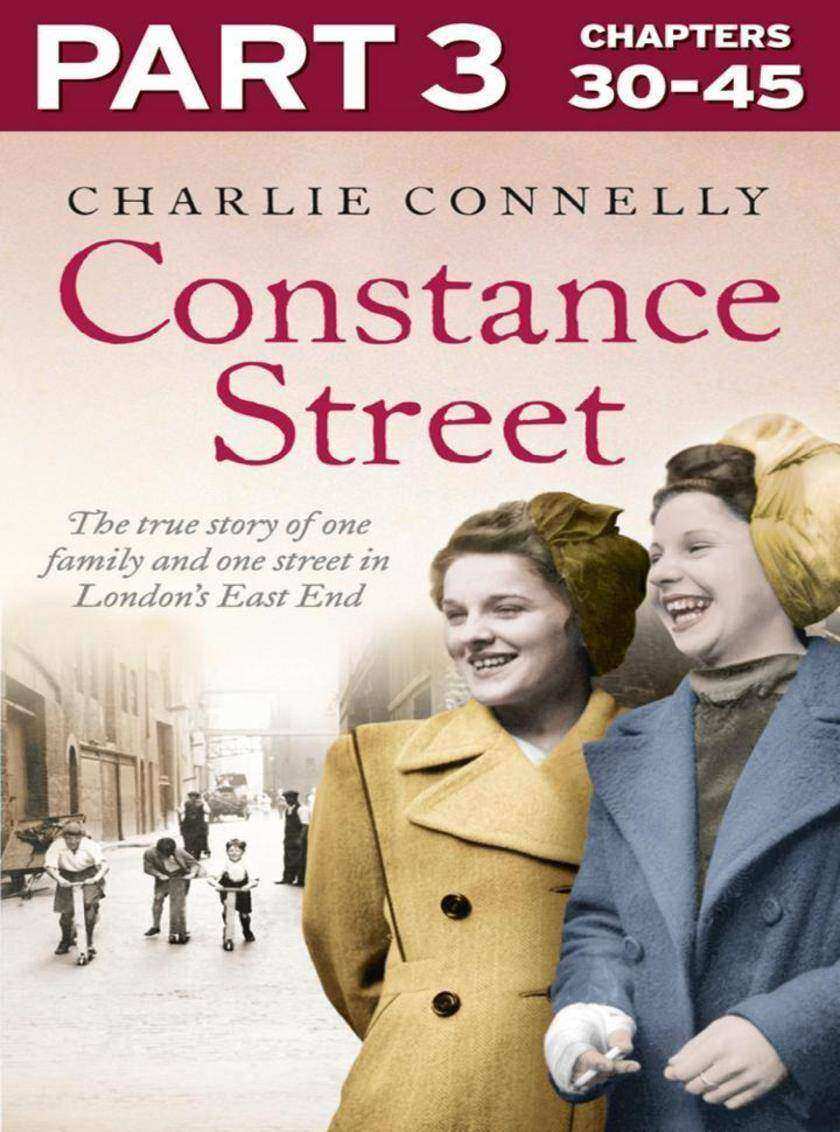
Constance Street: Part 3 of 3
¥36.50
Constance Street can either be read as a full-length eBook or in 3 serialised eBook-only parts. This is PART 3 of 3. You can read Part 3 on release of the full-length eBook and paperback. One forgotten street, 12 unforgettable women. Through the story of one street – Constance Street – we hear the true life tales of a tight knit group of working class women in the East End of London set against a backdrop of war, hardship and struggle. It’s a story of matriarchy and deep family ties, of a generation that was scattered away from the street during the blitz bombings, but which maintained the ties of that street for decades afterwards. Set in an area of East London called Silvertown, a once thriving docking community that at the turn of the 20th century was the industrial heartland of the south of England; the story focuses on the lives of 12 incredible women and their struggle to survive amidst the chaos of the war years. We have Nellie Greenwood, the author’s great grandmother who runs a laundry in Silvertown which becomes the focal point of the community. In 1917 a munitions factory in Silvertown explodes flattening much of the surrounding area and causing extensive damage to Constance Street – Nellie’s daughter is blown from her crib but miraculously survives. Deciding to open the laundry as a field hospital for the injured, Nellie and the women on the street come together to tend the wounded, the sick and the emotionally shattered as they cope with the aftermath of not just one but two world wars. Through the Great War, the roaring Twenties, the Depression and then the unimaginable – the outbreak of a second world war – Nellie and the street survive with love, laughter and friendships that bind the community together. But just as this incredible group of women live through the worst, the unthinkable happens. On 7 September 1940, Constance Street is no more. Following in the footsteps of Farewell to the East End by Jennifer Worth and The Sugar Girls, Constance Street is a life-affirming, heart-warming read that reminds us of a time when people pulled together.

Care for Your Puppy (RSPCA Pet Guide)
¥31.59
Published in association with the RSPCA, the UK’s leading animal welfare charity, this practical family guide is full of expert advice on how to choose a puppy and how best to look after it. If you already own or are planning to buy a puppy this easy-to-use introductory guide is a must. Clearly illustrated with colour photographs throughout, it covers all aspects of daily care including housing, feeding, hygiene, grooming, exercise and first aid. Published in association with the experts at the RSPCA, this book will help you ensure that you are giving your puppy the best possible start in life.
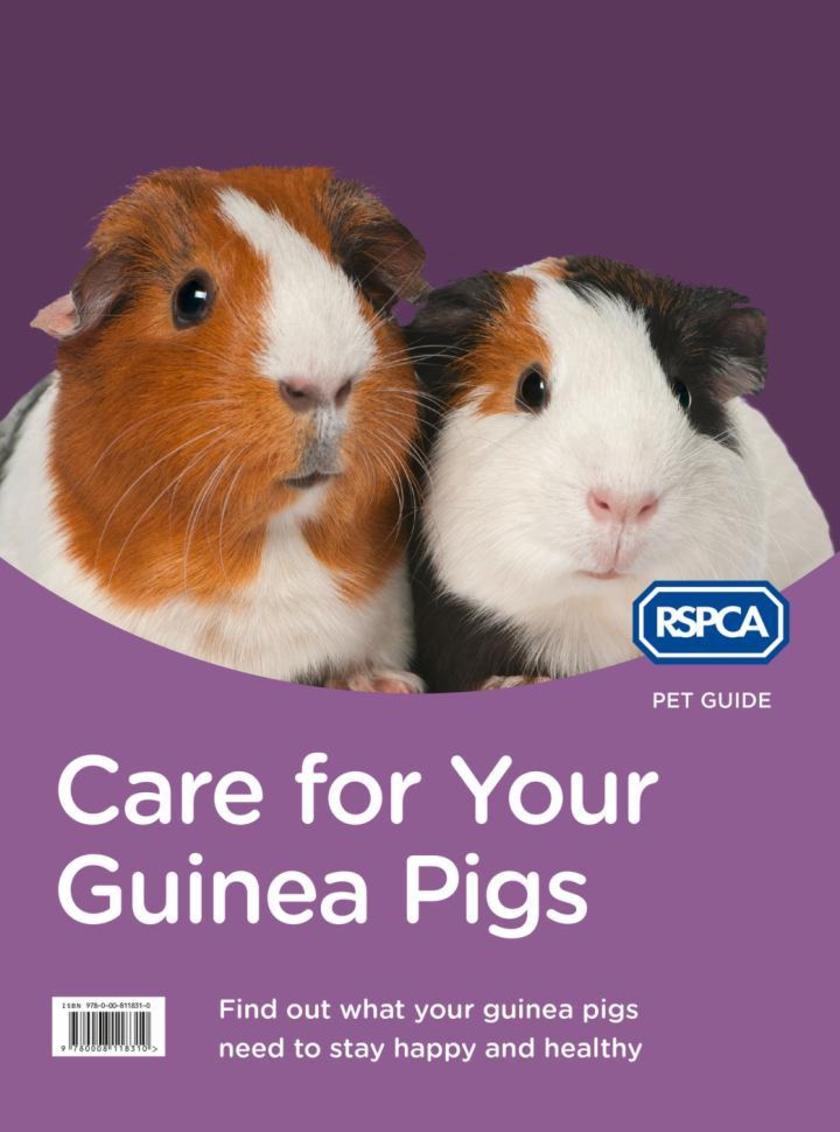
Care for Your Guinea Pigs (RSPCA Pet Guide)
¥31.59
Published in association with the RSPCA, the UK’s leading animal welfare charity, this practical family guide is full of expert advice on how to choose a guinea pig and how best to look after it. If you already own or are planning to buy a guinea pig this easy-to-use introductory guide is a must. Clearly illustrated with colour photographs throughout, it covers all aspects of daily care including housing, feeding, hygiene, grooming, exercise and first aid. Published in association with the experts at the RSPCA, this book will help you ensure that you are giving your guinea pig the best possible care.

No Ordinary Wedding Planner
¥11.77
This is the inspiring story of Naomi Thomas, a secondary breast cancer sufferer who has decided to devote the remainder of her life to spreading joy, helping others to find happiness by fulfilling the wedding dreams of those who are terminally ill. Naomi was 26 when she was diagnosed with breast cancer. Her boyfriend Graham had proposed just two days earlier. After seven months of treatment Naomi was declared cancer free, only to receive the devastating news a few short months later that the disease had returned and was no longer curable. Her son, Devon, was just six days old. Thoughts of their wedding were the one thing that kept Naomi and Graham going, but the financial burden of terminal illness had made the reality of their special day seem impossible. However, in this time of darkness, the couple discovered the amazing generosity and selflessness of local companies as they rallied around and helped to organise and fund a dream wedding. Their kindness was overwhelming. Determined not to die in vain, Naomi began fund-raising, ultimately setting up her own charity with the mission of spreading the joy she had experienced on her big day. The Wedding Wishing Well Foundation was formed, and Naomi now organises and funds weddings for those affected by terminal and life-limiting illnesses, helping them to enjoy married life before it’s too late. Inspiring, heart warming and incredibly moving, this story will show you the true meaning of love. ‘Everyone has the right to marry the love of their life, but you don’t realise just how important it is until you are told you are dying.’

The 9/11 Dogs
¥9.71
Meet the dogs who searched for life amongst the ruins of the Twin Towers. Many heroes were made on 9/11 and in the weeks that followed. Not all of them showed human courage. Some of them could only show that they were truly man’s best friend. German Shepherds, Labradors and Spaniels accounted for the majority of the four-legged heroes. Over three hundred search and rescue dogs worked the pile at Ground Zero and the crash site at the Pentagon. For hours they searched, fighting off exhaustion with sheer determination and they continued every day long after the hope of finding survivors had passed. There were faithful Guide dogs who helped their sightless owners out of the Twin Towers and led them to safety showed unstinting devotion in the face of adversity. And later, therapy dogs arrived to bring comfort to the bereaved and confused. At every stage of the operation, dogs were there helping humankind in various roles. And invaluably, they provided comfort and reassurance and lifted spirits by their pure presence. Sadly many of the dogs are no longer with us but their achievements will never be forgotten. Isabel George was fortunate that the people close to the dogs were pleased to be asked to share their stories. This book is to honour the dogs and their people.
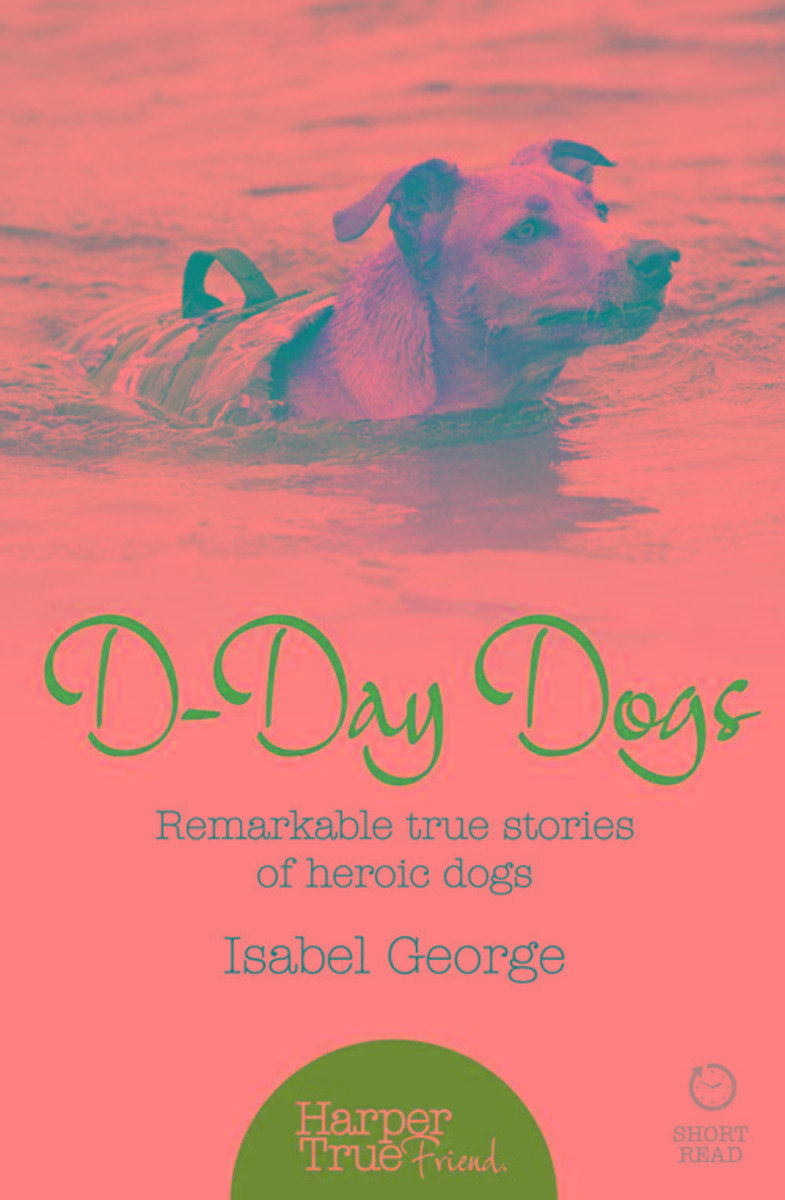
D-day Dogs: Remarkable true stories of heroic dogs
¥9.71
Incredible true stories of canine loyalty in the Second World War. There were dogs involved with the landings, dogs the soldiers could not bear to leave behind and dogs trained to patrol, protect and locate. The dogs sailed with the Merchant Navy and brought their boats into dangerous waters to retrieve the wounded or stranded. They were on land, in the air and on the water during the D-Day operation – playing their special part in every aspect. Through this inspiring short collection of the true stories of four of these canine heroes the remarkable achievements of the D-Day dogs are brought to life.
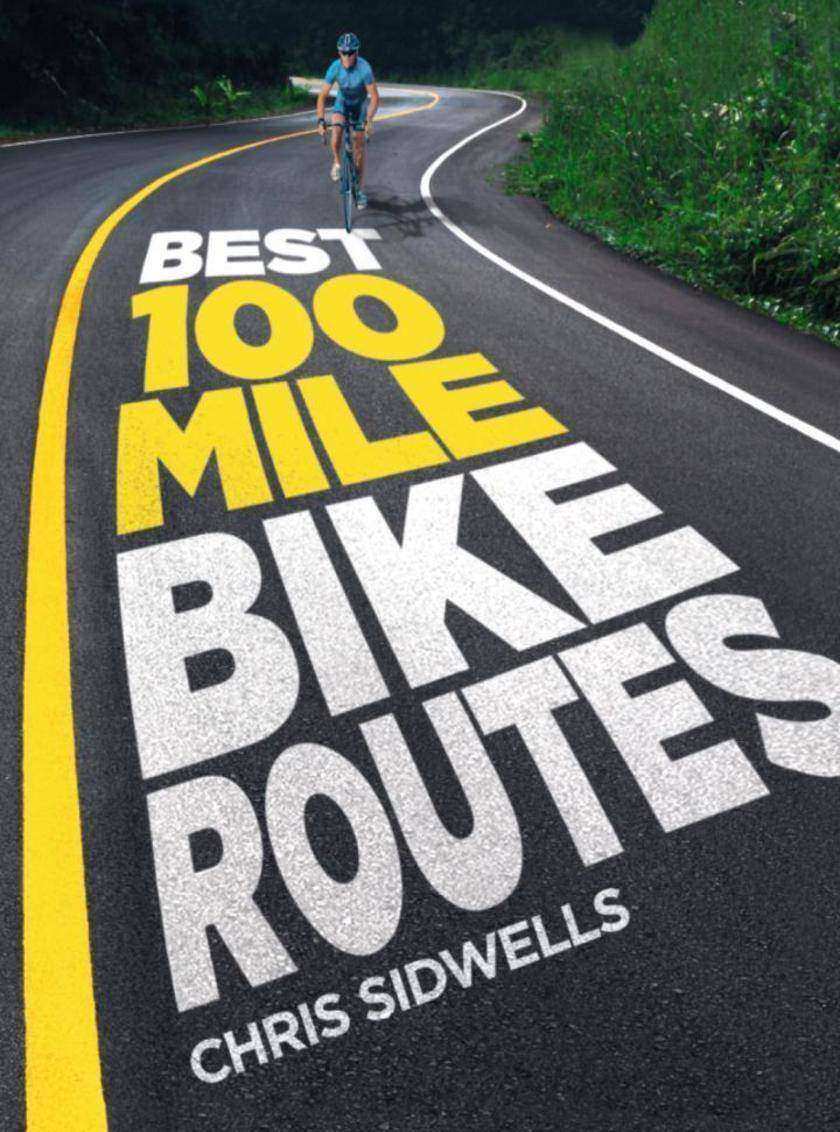
Best 100-Mile Bike Routes
¥184.23
Completing one hundred miles by bike is a timeless challenge. Ever since the invention of a pedal- powered, two-wheel vehicle, 100 miles has been the benchmark by which cyclists can measure their prowess. Best 100-Mile Bike Routes is the ultimate guide to a hundred 100-mile rides grouped in geographical regions, from the north of Scotland to the south coast; representing the best the UK has to offer. The routes are unique, named after local events, people or geography, or inspired by classic sportive routes, and each one has been carefully put together, tried and tested. With clear mapping, directions, statistics, points of interest, elevations and ratings, every route is simple to follow. Perfect for cyclists of all levels of ability, and providing details of the necessary equipment and training schedules, Best 100-Mile Bike Routes prepares you completely for the challenge, making this cycling feat achievable by almost anyone.
Faraday:The Life (Text Only)
¥92.41
A major biography of Michael Faraday (1791–1867), one of the giants of 19th century science and discoverer of electricity who was at the centre of an extraordinary scientific renaissance in London. Faraday’s life was truly inspirational. Son of a Yorkshire blacksmith who moved to London in 1789, he was a self-made, self-educated man whose public life was underpinned by his devotion to a minor Christian sect (the Sandemanians) and to his wife. He was also a fine writer and brilliant lecturer. This book is a passionate exploration of his life, work and times (he was a pioneering scientific all-rounder who also experimented with electromagnetism, techniques for preserving meat and fish, optical glass, the safety lamp, and the identification of iodine as a new element). It will also tell the story of the dawn of the modern scientific age and interweave Faraday’s life with the groundbreaking work of the Royal Institution and other early scientists like Humphrey Davey, Charles Babbage, John Herschel and Mary Somerville.


