


 购物车
 个人中心


Felsefe ?iirleri: ?iir
¥27.71
Deniz fenerinin ki gibidir: Ayd?n?n da ?????. Birisi gemileri, di?eri insanlar? ayd?nlat?r. Onlar?n sayesinde: Gemiler ve toplumlar yollar?n? bulabilirler."Batmaktan" kurtulup ayakta kalabilirler. Yeter ki: I??klar? söndürülmesin. Hiçbir fener, hiçbir ko?ulda; bir geminin tonaj?n? ve band?ras?n? sormaz. Gerçek bir ayd?n da öyle: Ayd?nl???n?n bilgisini sunarken; insanlar?n hiçbirine, ne ?rk?n? ve cinsiyetini ne de inanç tercihini sormaz. Ayd?n dedi?in; ayn? zamanda gerçekçidir. Gördü?ü: Hiçbir kötü rüyay? da hayra yormaz!...Her ikisi de; ?ss?z ve sessiz geceler boyu çal??arak; ayd?nlatmaya çabalar karanl?klar?. Ayd?nlar da fenerler gibidirler: Ortakt?r yaln?zl?klar?!..Özetle:"Ben de;Küçük bir "burunda"Küçük bir deniz feneriyim,Hümanizmin ise; sad?k bir neferiyim.I????m? hep çakar?m, Her durumda.Ya?am benim kutsal?m:Ya?ayan her canl? benim umurumda.Fenerler, kimseleri aramazlar;Arayanlar, mutlaka onlar? bulurlar:Ço?u kez de zor durumda.Ben her daim i?ime bakar,Sürekli ?????m? çakar?m.Hiç y?lmam; bunu hep yapar?m!...FELSEFE ???RLER? tüm bu duygular? ifade etmek için, yeni bir ?iir türü olarak yaz?ld?..

The Evolution of Modern Orchestration
¥27.88
It is not the purpose of this work to write a treatise on instrumentation or to prepare a pedagogical analysis of orchestration only, but rather to trace the evolu-tion of the orchestra and of orchestration in connection with the history of music proper. Special emphasis will be laid upon what may be termed the IMPELLING FORCES to which the development of orchestration is due. This necessitates a considerable repetition of familiar facts that do not lend themselves to further original treatment. The restatement of such facts, however, would seem to form an indispensable background for the main theme, which is thereby exposed with all its attending phases of logical evolution. In addition to extended studies of orchestral scores themselves, the standard works of Berlioz, Geva?rt, Riemann, Parry, and others have, as a matter of course, been referred to. The subject under discussion has already been admirably handled by Lavoix in his voluminous work entitled "Histoire de L'Instrumentation," but it was unquestionably done through French glasses, and the scores of not one German romanticist are submitted to careful analysis beyond those of Weber and Wagner. "Parsifal" had not been produced at the time when Lavoix's book went to press, nor had such representative composers as Brahms, Saint-Sa?ns, Tschaikowsky, Dvorak then won their full meed of recognition. It is obvious, therefore, that the orchestration especially of the nineteenth century offers a fertile field for further profitable research. Again, the present writer is not aware of the existence of any comprehensive work in the English language upon the history of the orchestra and of orchestration. Throughout these pages the achievements of the more prominent composers are set forth in such manner as to indicate not only the distinctive features of their orchestration but of their general creative ability as well. In each case, the general style of composition and its significance as a contribution to musical literature are first enlarged upon. This is followed by an examination of the differentiated treatment of the strings, the wood, the brass, presented in logical sequence. A final analysis is then made of the individual method of orchestration as a whole, together with its relative value in the evolution of orchestration. In the Appendix to this book will be found a few musical illustrations selected from representative orchestral scores. LOUIS ADOLPHE COERNE. Cambridge, Massachusetts, U.S.A.April 30, 1905.
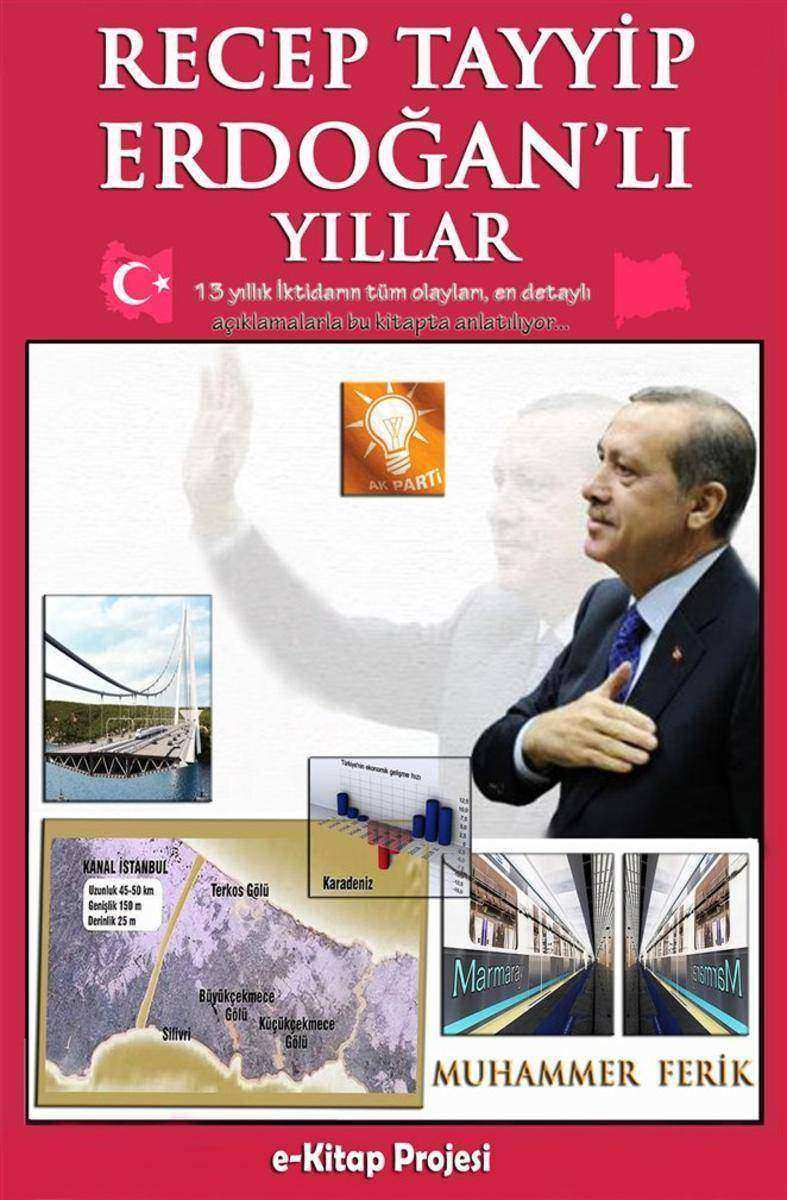
Recep Tayyip Erdo?an'l? Y?llar
¥27.80
Bu kitapta Türkiye Cumhuriyeti'nin Atatürk'ten sonra gelen en ba?ar?l? lideri Recep Tayyip Erdo?an'?n siyasi hayat? ve ?zellikle icraat?n ba??nda oldu?u Ba?bakanl?k d?nemi yer almaktad?r. Ba?bakanl?k d?neminde ya?anan siyasi ve gündemi olu?turan olaylar kronolojik olarak s?ralanm??t?r. Bu eserde "Ba?ar?l? bir siyaset?i nas?l olunur?" sorusunun cevab?, 13 y?ll?k Ba?bakanl?k yapt??? g?revinde nas?l ba?ar?l? oldu?unun yan?t?, Recep Tayyip Erdo?an'?n hayat?ndan kesitler ve Recep Tayyip Erdo?an'?n farkl? konulardaki de?erlendirmeleri ve g?rü?leri vard?r. Ayr?ca Recep Tayyip Erdo?an'?n karakteri, ald??? ?düller ve yabanc?lar?n g?zünden Recep Tayyip Erdo?an hakk?nda yorumlar yer almaktad?r. "Yeni Türkiye" olarak tan?mlad??? Recep Tayyip Erdo?an'?n Türkiye'sinden bizim almam?z gereken dersler de elbette vard?r...Recep Tayyip Erdo?an, 26 ?ubat 1954'te ?stanbul'un Kas?mpa?a semtinde ailesinin ü?üncü ?ocu?u olarak do?du. Ahmet Erdo?an'?n Tenzile Erdo?an'la olan ikinci evlili?inden bir erkek ?ocu?u, Recep Tayyip dünyaya geldi. Babas?n?n, bir ?nceki evlili?inden iki ?ocu?u daha vard?. Recep Tayyip Erdo?an'?n biri k?z d?rt karde?i vard?. Deniz Hatlar?'nda k?y? kaptan? olarak ?al??an "Reis Kaptan" lakapl? baba Ahmet Erdo?an, o?luna babas?n?n ad? olan Tayyip ad?n? koydu. Eski takvime g?re Recep ay?nda do?an bebe?e Recep ad? da verildi. Recep Tayyip Erdo?an'?n ailesi, Recep Tayyip Erdo?an 13 ya??ndayken Rize'nin eski ad?yla Potamya yeni ad?yla Güneysu il?esinden, yokluk ve i?sizlik nedeniyle ?stanbul'un Kas?mpa?a semtine g?? etti. Recep Tayyip Erdo?an'?n babas? Sahil Güvenlik Te?kilat?nda g?revli oldu?u i?in ?ocuklu?u Rize'de ge?ti. Babas?, o d?nemin “?irket-i Hayriye”si günümüzün Denizyollar?'nda kaptanl?k yapt? ve ve k?y? kaptanl???ndan emekli oldu. Recep Tayyip Erdo?an, o günleri anlat?rken babas?n?n ?stanbul'un varo?lar?nda ko?turdu?unu belirterek, gelecekte nas?l bir ya?am olmas? gerekti?ini ?u s?zlerle ifade ediyordu:“O ?ilelerin i?erisinden geldik. Onlar da oralarda b?yle merdiven altlar?nda odalarda ya?ad?lar. Bunlar? bana a?layarak anlat?rd? rahmetli babam. Biz oralardan geldik. Ama oralarda kalamay?z. Gelecek ku?aklar?m?za da biz oralar? ?rnek olarak veririz ama ‘Orada kal.’ diyemeyiz. Bunlar? ya?ad???m?za g?re gelecek ku?aklara biz ?ok daha farkl? bir Türkiye b?rakmak zorunday?z. O yavrular?m?z ?ok daha farkl? yeti?mek durumunda. E?er ben o?lumu, torunumu bilimde, sanatta her alanda ?ok daha ileri g?türebiliyorsam kendimi ?ok daha ba?ar?l? bir baba ve dede olarak g?rebilirim. E?er g?türemiyorsam o zaman ba?ar?s?z?m, olaya b?yle bakaca??z. Onun i?in bizim bir günümüz di?erine e?it olmamal?. Dün bugünden geri kalmal?. Yar?n bugünden ?ok daha ileri olmal?. Mevlana diyor ya ’Dün dünde kald? canca??z?m yeni bir ?eyler yapmak, s?ylemek laz?m.’ … ??te biz bunu ba?armak durumunday?z.”

Ποιητικ? Αυτογνωσ?α
¥42.10
Το συγγραφικ? αυτ? ?ργο ε?ναι απ?σταγμα των ιδια?τερων συναισθηματικ?ν δεσμ?ν του συγγραφ?α με το εσ?τερο κομμ?τι τη? ψυχ?? του και τον αν?τερο φ?λακα ?γγελ? του, ?που ο ?διο? ο ?γγελο? μιλ? με σαφ?νεια και απαρ?μιλλη αγ?πη προ? αυτ?ν, μεταφ?ροντα? την ευλογ?α που συναντ? κανε?? στα κρυμμ?να καταπρ?σινα λιβ?δια του καρδιακο? πεδ?ου, ?που επ?ση? τα ροζ λουλο?δια επικρατο?ν. Ε?ναι πρ?γματι μια προσωπικ? μελ?τη γεμ?τη με πλο?σια συναισθ?ματα, ?που τι? ιερ?? στιγμ?? τη? σιωπ?? αναδ?ονται τα στοιχε?α του πυρ?να τη? ?παρξη? και αυτ? αντιμ?χονται την κ?λπικη προσωπικ?τητα, με νικηφ?ρα πορε?α την υπ?ρμαχο αγ?πη και τη συμπ?νια για κ?θε τι που υπ?ρχει σ?μερα. ?Μπορε? το σ?μερα να νικ?σει την εμμον? στο παρελθ?ν και το φευγι? στο μ?λλον?? ... Μα δεν υπ?ρχει τ?ποτε ?λλο παρ? μ?νο αυτ? η στιγμ? που διαβ?ζει? αυτ? την απλ? φρ?ση!!!... Υπ?ρχει? τ?ρα!!!...

120 Zmajevih pesama za decu
¥37.20
Poruke radosti i vedrine neophodne svakom novom pokoljenju -- pesme bez kojih se ne mo?e odrasti. S originalnim ilustracijama iz ?asopisa Neven.
Burhan Bey
¥0.01
Mevsim, k?? ortas?yd?! Günlerce ya?murla ?slanm??t? ?stanbul! Bütün hafta f?rt?nayla, karla, so?ukla insanlar?n can?n ??kar. Sonra da insanlara ?ektirdi?ine pi?man olmu? gibi bir sevimlili?e büründü. ?stanbul bu, bir bakm??s?n?z f?rt?na dinmi?, güne? a?m??, bir bakm??s?n?z aniden kar ya?m??. ?stanbul b?yledir i?te… Parlayan güne?i f?rsat bilen binlerce insan sokaklara d?külür. Kimi bo?azda, kimi k?prüde, kimi deniz k?y?s?nda oltas?yla bal?k tutuyor, kimileri vapurla adalara gidiyor, kimi Emin?nü’ne, kimi al?? veri? merkezlerine, ya da kar?n tad?n? ??karmak i?in Belgrat ormanlar?na gidiyor… Bu gün hava karl?yd? ve tipik ?stanbul hali i?te! Zalim bir ?ehirdir ?u ?stanbul! Tehlike ?ok ama, bir o kadar da güzeldir. Sana hep ihanet eder ve sen yine onu sevmeye devam edersin. “?stanbul’u sevmeyen g?nül, a?k? ne anlar!” demi?ler ?airler ve bu s?zü bo?una s?ylememi?ler! Bir bakm??s?n?z güzel bir gün ge?irirken onu bozacak birisi mutlaka ??kar. Sanki ?stanbul’un de?i?mez bir kurald?r bu! Onu o kadar iyi tan?m?? durumday?m ki, hakk?nda ciltler dolusu kitap bile yazabilirim... ? ? ? Halit Fuat Be?ik kimdir? 1952 y?l?nda Fatsa'da do?du. ?lk ve orta ??renimini Fatsa'da, üniversite ??renimini ise ?stanbul'da tamamlad?. Kapal? ?ar??da ticaret hayat?na at?ld?. Bu arada dünyan?n pek ?ok ülkesini gezme f?rsat? buldu. ?nceleri rezaletten ka?mayan ve "Hep ben" mant???yla maceral? bir hayat ya?ad?. Okumay? ve not almay? ?ok sevdi?i i?in pek ?ok kitap ve notlara sahiptir… Yazar?n ?al??malar?; "TALAN MEVS?M?NDE ADAM G?B? YA?AMAK", "SOKRATES’?N ?SYANI", "HA?LILAR ?ANAKKALEDE", "Y?Z ELL? YA?INDAK? ADAM", "TEVRATIN ?OCUKLARI VE KURAN", "AR?F’?N ?L?M?", "???RLE A?LAMAK", "K???K MAHMUT ?LE KOCA BAYRAM", "VEN?S GEZEGEN?NDE ?SYAN", "ADEME MEKTUPLAR" gibi Kur-an ahlak?na dayal?, ama daha cüretk?r ve farkl? konuda yaz?lm?? kitaplard?r. ?Yazmak konusuna otuz y?ll?k bir emek vermesine ra?men, bu konuda daha pek ?ok ?ey yapmas? gerekti?ine inan?yor. “Talan Mevsiminde Adam gibi ya?amak”, “Sokrates’in ?syan?”, “Ha?l?lar ?anakkale’de”, “Tevrat’?n ?ocuklar? ve Kur-an”, “Yüz Elli Ya??ndaki Adam”, “?iirle A?lamak”, “Kü?ük Mahmut ile Koca Bayram”, “Venüs Gezegeninde ?syan” ve “Adem’e Mektuplar” isimli kitaplar? yay?nlanm??t?r. ?nan?, Adalet, ?nsan sevgisi ve Kuran ahlak?na dayal? o muhte?em denge i?inde eserler vermeye ?al???yor. Ger?ek eserlerini bundan sonra size sunaca??na inan?yor... ?imdilik, ya??yor i?te…

Cum s? fii o fat? rea
¥65.32
B?rba?ii vin de pe Marte, femeile de la coafor este urmarea best-sellerului Femeile vin de pe Venus, b?rba?ii de la b?ut. Ambele volume s-au n?scut ?n paginile s?pt?m?nalului satiric Ca?avencii. De?i pare c? e vorba de un ?r?zboi ?ntre sexe“, ?n realitate, autorii n-au dus niciodat? un r?zboi, ci un dialog. R?nd pe r?nd, toate stereotipurile care circul? despre via?a de cuplu au fost puse ?ntr-o lumin? umoristic?, eliberatoare. Primul volum s-a bucurat de o primire extraordinar? din partea publicului, ating?nd ?n mai pu?in de doi ani de la lansare un tiraj de aproape 20.000 de exemplare. Ne face pl?cere s? v? oferim acum continuarea lui, const?nd ?ntr-o nou? colec?ie de texte pline de umor, inteligen?? ?i autoironie. * * * De unde naiba s? ?tie b?rbatul care-i sunt hainele murdare??? ??i miroase, timp de dou? ore, toate c?rpele de pe scaunul-cuier. Le ?mparte ?n dou? gr?mezi, unele curate ?i altele murdare. C?nd, transpirat, anun?? c? a terminat, bestia de so?ie se ?nfiin?eaz? ?i ia ambele mormane la sp?lat. — De ce le iei ?i pe-alea curate? o ?ntreab?, confuz. — Pentru c? sunt jegoase. ?i d?-le ?i pe toate alea de pe tine, c? put. — Dar sunt proasp?t sp?late, le-am luat de-abia acum o s?pt?m?n?. Vr?jitoarea e ?ns? de neclintit. ?i ?ntoarce spatele ?i iese, l?s?ndu-l gol, dezorientat, umilit ?i mirosindu-se la subra?. * * * C?nd e o hain? murdar?? C?nd te-ai uitat la ea. Ai p?ng?rit-o cu privirea ta. E ca ?i cum s-a frecat un pechinez ?n c?lduri pe ea, trebuie aruncat? la sp?lat. Multe femei stau la u?a ?ifonierului ?i te urm?resc c?nd ??i alegi haine: — Haaaa, tricou atins, tricou ?mbr?cat, tricou ?mpu?iiiiit!

Psalmi
¥55.59
n lirica decadent a lui Pierre Lous (18701925), actul erotic are valene mistice i chiar religioase. Poemele sale reproduc un adevrat ritual de adoraie.Pierre Lous ncepe ca secesionist (plin de langori i crnuri fezandate) i/sau ca prerafaelit, ca s continue,n lo stile floreale, ca n, bunoar, celebrele Chansons de Bilitis, scriere apocrif a unei aazise discipole din vechea Grecie a Sapphidei, transpus muzical de civa mari compozitori (printre acetia, Debussy) i tradus, de muli ani, i n romn, ca una ce, antic fiind, devine acceptabil cum este, printre altele, Ars amatoria a surghiunitului la Tomis“ – erban Foar.
A Game Called Loneliness: Incarcerated Tale
¥57.14
„C? Lucia Cuciureanu era nu numai predispus?, dar ?i preg?tit? de zbenguial? liric? se vedea deja din volumul las? apa s? curg?, unde lucrarea principal? era f?cut? de verv? ?i de inteligen??. Nici aici, în noua carte (o sut? de kilometri mai la nord), nu lucreaz? altcineva în locul lor. Textul e un joc de compozi?ie cu regul? de imprevizibilit??i cât mai spontane (pe principiul «s? fie u?or ilogic» totul) ?i cu gândul s? par? fermec?toare. A?a ar ?i p?rea dac? din loc în loc n-ar c?dea, în plin? euforie ludic? (inclusiv intra-textual?, nu doar referen?ial? la tot pasul), câte-un strop de ghea?? sau câte-o imagine de frison (de genul lini?tii «din fereastr?/ca un pumn în plex» ori al «creierului strivit de ?enile» ce «pare o poian? cu brându?e» ?.a.) care magnetizeaz? anxios pulberea de nota?ii existen?iale.“ - Al. Cistelecan

B?tr?na canapea albastr? ?i alte povestiri
¥32.62
eu rd ca s nu gndesc,tu rzi de mutrele mele,de lustra din tavan,de piciorul mesei.sunt att de mic sub tinenct nu m vede nimeni de pe marte.dac big brother triete,pe tine te observ primul.“
Hidden Game of Baseball
¥147.15
Long before Moneyball became a sensation or Nate Silver turned the knowledge he'd honed on baseball into electoral gold, John Thorn and Pete Palmer were using statistics to shake the foundations of the game. First published in 1984, The Hidden Game of Baseball ushered in the sabermetric revolution by demonstrating that we were thinking about baseball stats-and thus the game itself-all wrong. Instead of praising sluggers for gaudy RBI totals or pitchers for wins, Thorn and Palmer argued in favor of more subtle measurements that correlated much more closely to the ultimate goal: winning baseball games.The new gospel promulgated by Thorn and Palmer opened the door for a flood of new questions, such as how a ballpark's layout helps or hinders offense or whether a strikeout really is worse than another kind of out. Taking questions like these seriously-and backing up the answers with data-launched a new era, showing fans, journalists, scouts, executives, and even players themselves a new, better way to look at the game.This brand-new edition retains the body of the original, with its rich, accessible analysis rooted in a deep love of baseball, while adding a new introduction by the authors tracing the book's influence over the years. A foreword by ESPN's lead baseball analyst, Keith Law, details The Hidden Game's central role in the transformation of baseball coverage and team management and shows how teams continue to reap the benefits of Thorn and Palmer's insights today. Thirty years after its original publication, The Hidden Game is still bringing the high heat-a true classic of baseball literature.
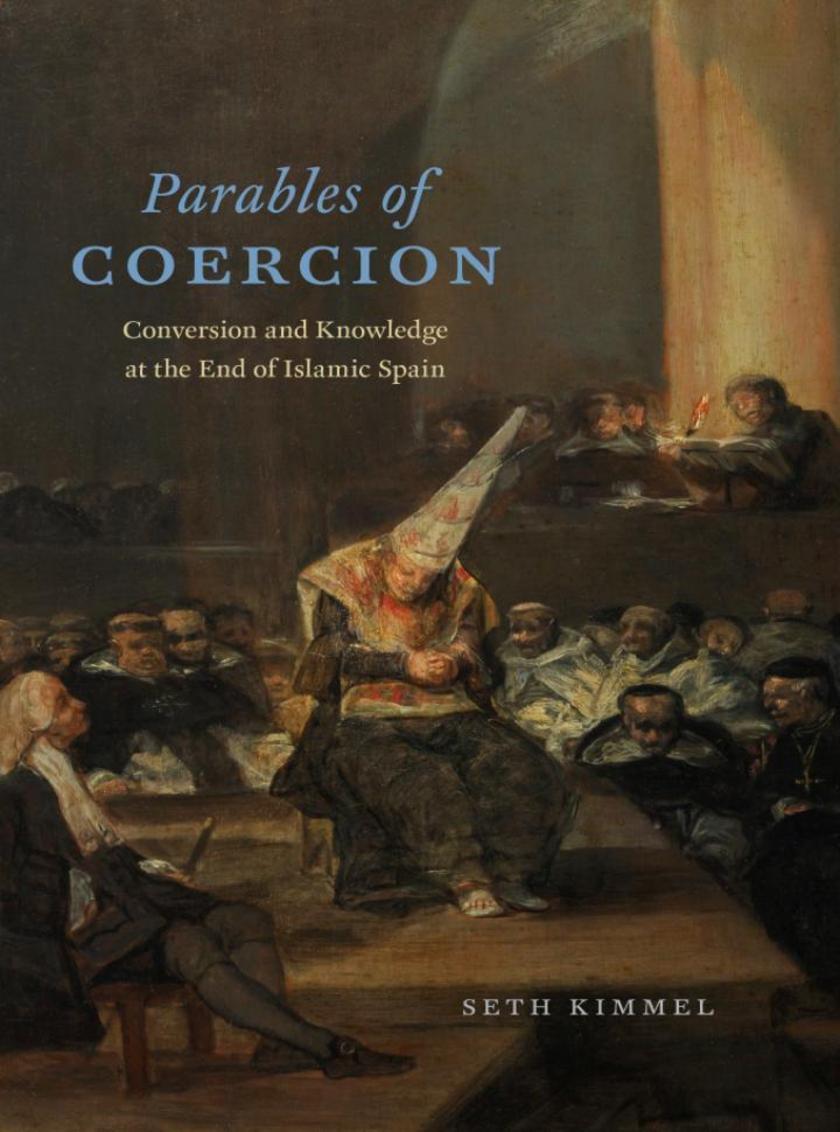
Parables of Coercion
¥265.87
In the sixteenth and seventeenth centuries, competing scholarly communities sought to define a Spain that was, at least officially, entirely Christian, even if many suspected that newer converts from Islam and Judaism were Christian in name only. Unlike previous books on conversion in early modern Spain, however, Parables of Coercion focuses not on the experience of the converts themselves, but rather on how questions surrounding conversion drove religious reform and scholarly innovation.In its careful examination of how Spanish authors transformed the history of scholarship through debate about forced religious conversion, Parables of Coercion makes us rethink what we mean by tolerance and intolerance, and shows that debates about forced conversion and assimilation were also disputes over the methods and practices that demarcated one scholarly discipline from another.
Second Birth
¥365.93
Most scholars link the origin of politics to the formation of human societies, but in this innovative work, Tilo Schabert takes it even further back: to our very births. Drawing on mythical, philosophical, religious, and political thought from around the globe-including America, Europe, the Middle East, and China-The Second Birth proposes a transhistorical and transcultural theory of politics rooted in political cosmology. With impressive erudition, Schabert explores the physical fundamentals of political life, unveiling a profound new insight: our bodies actually teach us politics.?Schabert traces different figurations of power inherent to our singular existence, things such as numbers, time, thought, and desire, showing how they render our lives political ones-and, thus, how politics exists in us individually, long before it plays a role in the establishment of societies and institutions. Through these figurations of power, Schabert argues, we learn how to institute our own government within the political forces that already surround us-to create our own world within the one into which we have been born. In a stunning vision of human agency, this book ultimately sketches a political cosmos in which we are all builders, in which we can be at once political and free.?
Capital and Interest
¥365.93
Produced throughout the first fifteen years of Hayek's career, the writings collected in Capital and Interest see Hayek elaborate upon and extend his landmark lectures that were published as Prices and Production and work toward the technically sophisticated line of thought seen in his later Pure Theory of Capital. Illuminating the development of Hayek's detailed contributions to capital and interest theory, the collection also sheds light on how Hayek's work related to other influential economists of the time. Highlights include the 1936 article "e;The Mythology of Capital"e;-presented here alongside Frank Knight's criticisms of the Austrian theory of capital that prompted it-and "e;The Maintenance of Capital,"e; with subsequent comments by the English economist A. C. Pigou. These and other familiar works are accompanied by lesser-known articles and lectures, including a lecture on technological progress and excess capacity. An introduction by the book's editor, leading Hayek scholar Lawrence H. White, places Hayek's contributions in careful historical context, with ample footnotes and citations for further reading, making this a touchstone addition to the University of Chicago Press's Collected Works of F. A. Hayek series.
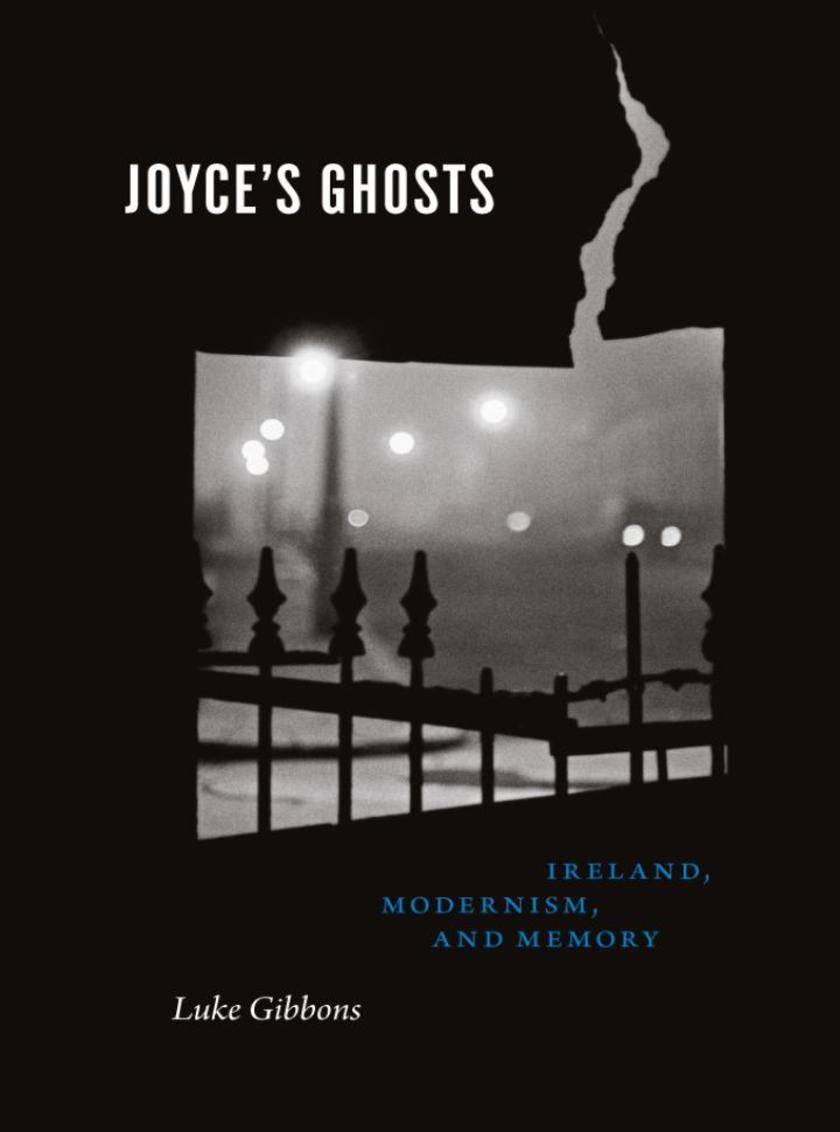
Joyce's Ghosts
¥294.30
For decades, James Joyce's modernism has overshadowed his Irishness, as his self-imposed exile and association with the high modernism of Europe's urban centers has led critics to see him almost exclusively as a cosmopolitan figure.In Joyce's Ghosts, Luke Gibbons mounts a powerful argument that this view is mistaken: Joyce's Irishness is intrinsic to his modernism, informing his most distinctive literary experiments. Ireland, Gibbons shows, is not just a source of subject matter or content for Joyce, but of form itself. Joyce's stylistic innovations can be traced at least as much to the tragedies of Irish history as to the shock of European modernity, as he explores the incomplete project of inner life under colonialism. Joyce's language, Gibbons reveals, is haunted by ghosts, less concerned with the stream of consciousness than with a vernacular interior dialogue, the "e;shout in the street,"e; that gives room to outside voices and shadowy presences, the disruptions of a late colonial?culture in crisis.Showing us how memory under modernism breaks free of the nightmare of history, and how in doing so it gives birth to new forms, Gibbons forces us to think anew about Joyce's achievement and its foundations.

Power to Die
¥294.30
The history of slavery in early America is a history of suicide. On ships crossing the Atlantic, enslaved men and women refused to eat or leaped into the ocean. They strangled or hanged themselves. They tore open their own throats. In America, they jumped into rivers or out of windows, or even ran into burning buildings. Faced with the reality of enslavement, countless Africans chose death instead.In The Power to Die, Terri L. Snyder excavates the history of slave suicide, returning it to its central place in early American history. How did people-traders, plantation owners, and, most importantly, enslaved men and women themselves-view and understand these deaths, and how did they affect understandings of the institution of slavery then and nowSnyder draws on ships' logs, surgeons' journals, judicial and legislative records, newspaper accounts, abolitionist propaganda and slave narratives, and many other sources to build a grim picture of slavery's toll and detail the ways in which suicide exposed the contradictions of slavery, serving as a powerful indictment that resonated throughout the Anglo-Atlantic world and continues to speak to historians today.

Worldmakers
¥294.30
In this beautifully conceived book, Ayesha Ramachandran reconstructs the imaginative struggles of early modern artists, philosophers, and writers to make sense of something that we take for granted: the world, imagined as a whole. Once a new, exciting, and frightening concept, "e;the world"e; was transformed in the sixteenth and seventeenth centuries. But how could one envision something that no one had ever seen in its totalityThe Worldmakers moves beyond histories of globalization to explore how "e;the world"e; itself-variously understood as an object of inquiry, a comprehensive category, and a system of order-was self-consciously shaped by human agents. Gathering an international cast of characters, from Dutch cartographers and French philosophers to Portuguese and English poets, Ramachandran describes a history of firsts: the first world atlas, the first global epic, the first modern attempt to develop a systematic natural philosophy-all part of an effort by early modern thinkers to capture "e;the world"e; on the page.

Emptiness
¥288.41
For many Christians in America, becoming filled with Christ first requires being empty of themselves-a quality often overlooked in religious histories. In Emptiness, John Corrigan highlights for the first time the various ways that American Christianity has systematically promoted the cultivation of this feeling. ?Corrigan examines different kinds of emptiness essential to American Christianity, such as the emptiness of deep longing, the emptying of the body through fasting or weeping, the emptiness of the wilderness, and the emptiness of historical time itself. He argues, furthermore, that emptiness is closely connected to the ways Christian groups differentiate themselves: many groups foster a sense of belonging not through affirmation, but rather avowal of what they and their doctrines are not. Through emptiness, American Christians are able to assert their identities as members of a religious community.Drawing much-needed attention to a crucial aspect of American Christianity, Emptiness expands our understanding of historical and contemporary Christian practices.?
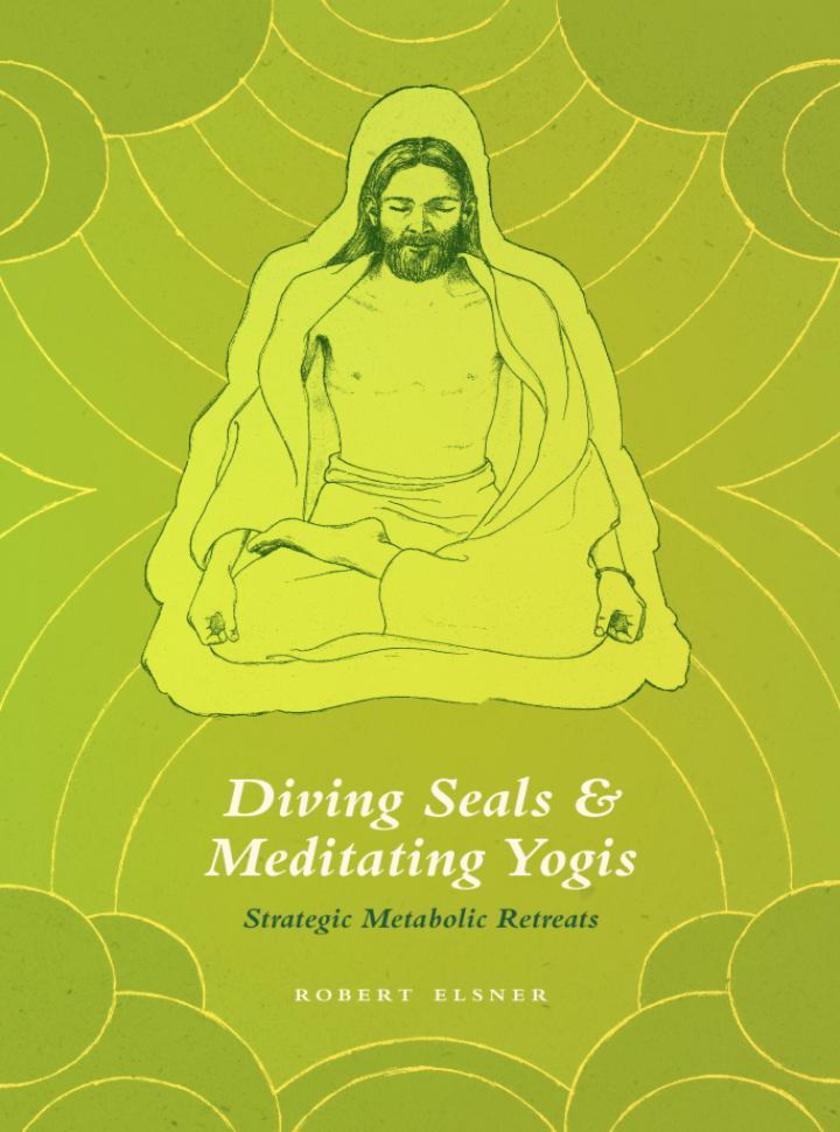
Diving Seals and Meditating Yogis
¥265.87
The comparative physiology of seemingly disparate organisms often serves as a surprising pathway to biological enlightenment. How appropriate, then, that Robert Elsner sheds new light on the remarkable physiology of diving seals through comparison with members of our own species on quests toward enlightenment: meditating yogis.As Elsner reveals, survival in extreme conditions such as those faced by seals is often not about running for cover or coming up for air, but rather about working within the confines of an environment and suppressing normal bodily function. Animals in this withdrawn state display reduced resting metabolic rates and are temporarily less dependent upon customary levels of oxygen. For diving seals-creatures especially well-adapted to prolonged submergence in the ocean's cold depths-such periods of rest lengthen dive endurance. But while human divers share modest, brief adjustments of suppressed metabolism with diving seals, it is the practiced response achieved during deep meditation that is characterized by metabolic rates well below normal levels, sometimes even approaching those of non-exercising diving seals. And the comparison does not end here: hibernating animals, infants during birth, near-drowning victims, and clams at low tide all also display similarly reduced metabolisms.By investigating these states-and the regulatory functions that help maintain them-across a range of species, Elsner offers suggestive insight into the linked biology of survival and well-being.

Gravity's Ghost and Big Dog
¥247.21
Gravity's Ghost and Big Dog brings to life science's efforts to detect cosmic gravitational waves. These ripples in space-time are predicted by general relativity, and their discovery will not only demonstrate the truth of Einstein's theories but also transform astronomy. Although no gravitational wave has ever been directly detected, the previous five years have been an especially exciting period in the field. Here sociologist Harry Collins offers readers an unprecedented view of gravitational wave research and explains what it means for an analyst to do work of this kind.?Collins was embedded with the gravitational wave physicists as they confronted two possible discoveries-"e;Big?Dog,"e; fully analyzed in this volume for the first time, and the "e;Equinox Event,"e; which was first chronicled by Collins in Gravity's Ghost. Collins records the agonizing arguments that arose as the scientists worked out what they had seen and how to present it to the world, along the way demonstrating how even the most statistical of sciences rest on social and philosophical choices. Gravity's Ghost and Big Dog draws on nearly fifty years of fieldwork observing scientists at the American Laser Interferometer Gravitational Wave Observatory and elsewhere around the world to offer an inspired commentary on the place of science in society today.

Realizing Educational Rights
¥247.21
In?Realizing Educational Rights, Anne Newman examines two educational rights questions that arise at the intersection of political theory, educational policy, and law: What is the place of a right to education in a participatory democracy, and how can we realize this right in the United StatesTracking these questions across both philosophical and pragmatic terrain, she addresses urgent moral and political questions, offering a rare, double-pronged look at educational justice in a democratic society.Newman argues that an adequate K-12 education is the right of all citizens, as a matter of equality, and emphasizes that this right must be shielded from the sway of partisan and majoritarian policy making far more than it currently is. She then examines how educational rights are realized in our current democratic structure, offering two case studies of leading types of rights-based activism: school finance litigation on the state level and the mobilization of citizens through community-based organizations. Bringing these case studies together with rich philosophical analysis,?Realizing Educational Rights?advances understanding of the relationships among moral and legal rights, education reform, and democratic politics.?


