


 购物车
购物车 个人中心
个人中心
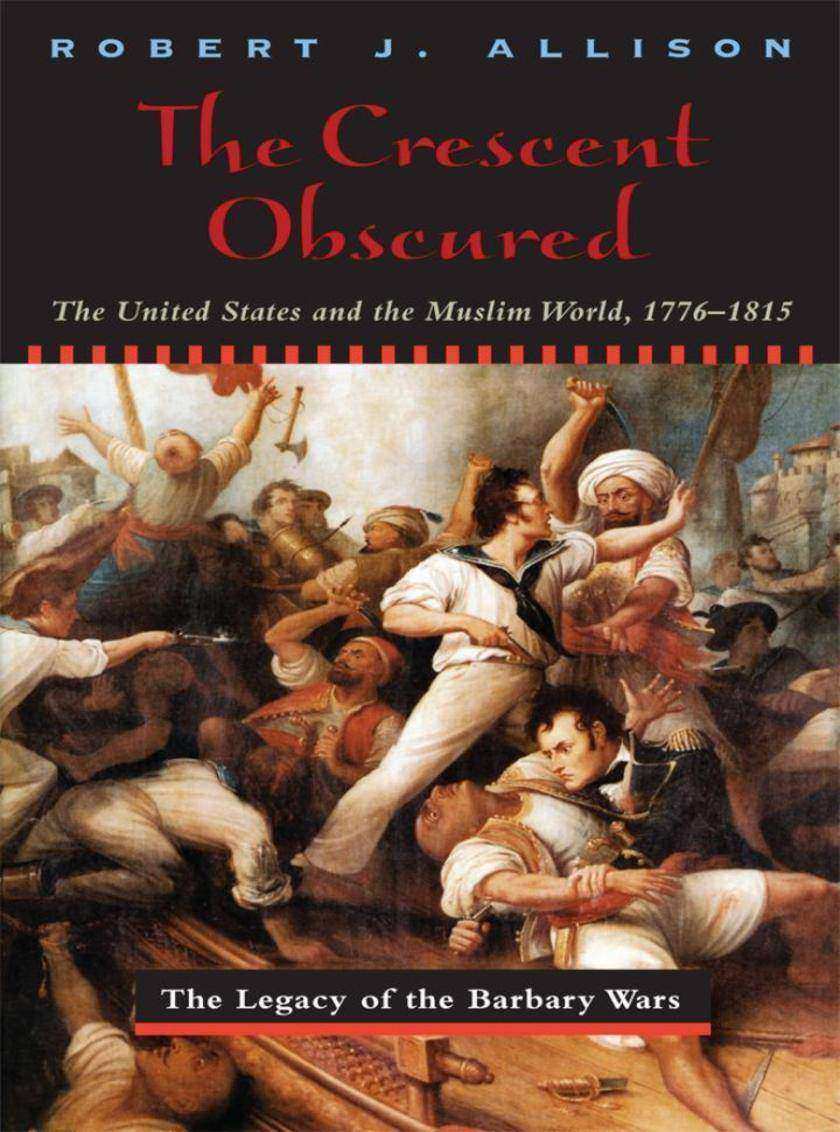
Crescent Obscured
¥241.33
From the beginning of the colonial period to the recent conflicts in the Middle East, encounters with the Muslim world have helped Americans define national identity and purpose. Focusing on America's encounter with the Barbary states of North Africa from 1776 to 1815, Robert Allison traces the perceptions and mis-perceptions of Islam in the American mind as the new nation constructed its ideology and system of government."e;A powerful ending that explains how the experience with the Barbary states compelled many Americans to look inward . . . with increasing doubts about the institution of slavery."e; -David W. Lesch, Middle East Journal"e;Allison's incisive and informative account of the fledgling republic's encounter with the Muslim world is a revelation with a special pertinence to today's international scene."e; -Richard W. Bulliet, Journal of Interdisciplinary History"e;This book should be widely read. . . . Allison's study provides a context for understanding more recent developments, such as America's tendency to demonize figures like Iran's Khumaini, Libya's Qaddafi, and Iraq's Saddam."e; -Richard M. Eaton, Eighteenth Century Studies

Poetry and Its Others
¥206.01
What is poetryOften it is understood as a largely self-enclosed verbal system-"e;suspended from any mutual interaction with alien discourse,"e; in the words of Mikhail Bakhtin. But in Poetry and Its Others, Jahan Ramazani reveals modern and contemporary poetry's animated dialogue with other genres and discourses. Poetry generates rich new possibilities, he argues, by absorbing and contending with its near verbal relatives. ?Exploring poetry's vibrant exchanges with other forms of writing, Ramazani shows how poetry assimilates features of prose fiction but differentiates itself from novelistic realism; metabolizes aspects of theory and philosophy but refuses their abstract procedures; and recognizes itself in the verbal precision of the law even as it separates itself from the law's rationalism. But poetry's most frequent interlocutors, he demonstrates, are news, prayer, and song. Poets such as William Carlos Williams and W. H. Auden refashioned poetry to absorb the news while expanding its contexts; T. S. Eliot and Charles Wright drew on the intimacy of prayer though resisting its limits; and Paul Muldoon, Rae Armantrout, and Patience Agbabi have played with and against song lyrics and techniques. Encompassing a cultural and stylistic range of writing unsurpassed by other studies of poetry, Poetry and Its Others shows that we understand what poetry is by examining its interplay with what it is not.
Political Theory of The Federalist
¥188.35
In The Political Theory of"e;The Federalist,"e; David F. Epstein offers a guide to the fundamental principles of American government as they were understood by the framers of the Constitution. Epstein here demonstrates the remarkable depth and clarity of The Federalist's argument, reveals its specifically political (not merely economic) view of human nature, and describes how and why the American regime combines liberal and republican values."e;While it is a model of scholarly care and clarity, this study deserves an audience outside the academy. . . . David F. Epstein's book is a fine demonstration of just how much a close reading can accomplish, free of any flights of theory or fancy references."e;-New Republic"e;Epstein's strength lies in two aspects of his own approach. One is that he reads the text with uncommon closeness and sensitivity; the other is an extensive knowledge of the European political thought which itself forms an indispensable background to the minds of the authors."e;-Times Literary Supplement

Darkness Visible
¥188.35
One of the best books ever written on one of humanity's greatest epics, W. R. Johnson's classic study of Vergil's Aeneid challenges centuries of received wisdom. Johnson rejects the political and historical reading of the epic as a record of the glorious prehistory of Rome and instead foregrounds Vergil's enigmatic style and questioning of the heroic myths.With an approach to the text that is both grounded in scholarship and intensely personal, and in a style both rhetorically elegant and passionate, Johnson offers readings of specific passages that are nuanced and suggestive as he focuses on the "e;somber and nourishing fictions"e; in Vergil's poem. A timeless work of scholarship, Darkness Visible will enthrall classicists as well as students and scholars of the history of criticism-specifically the way in which politics influence modern readings of the classics-and of poetry and literature.
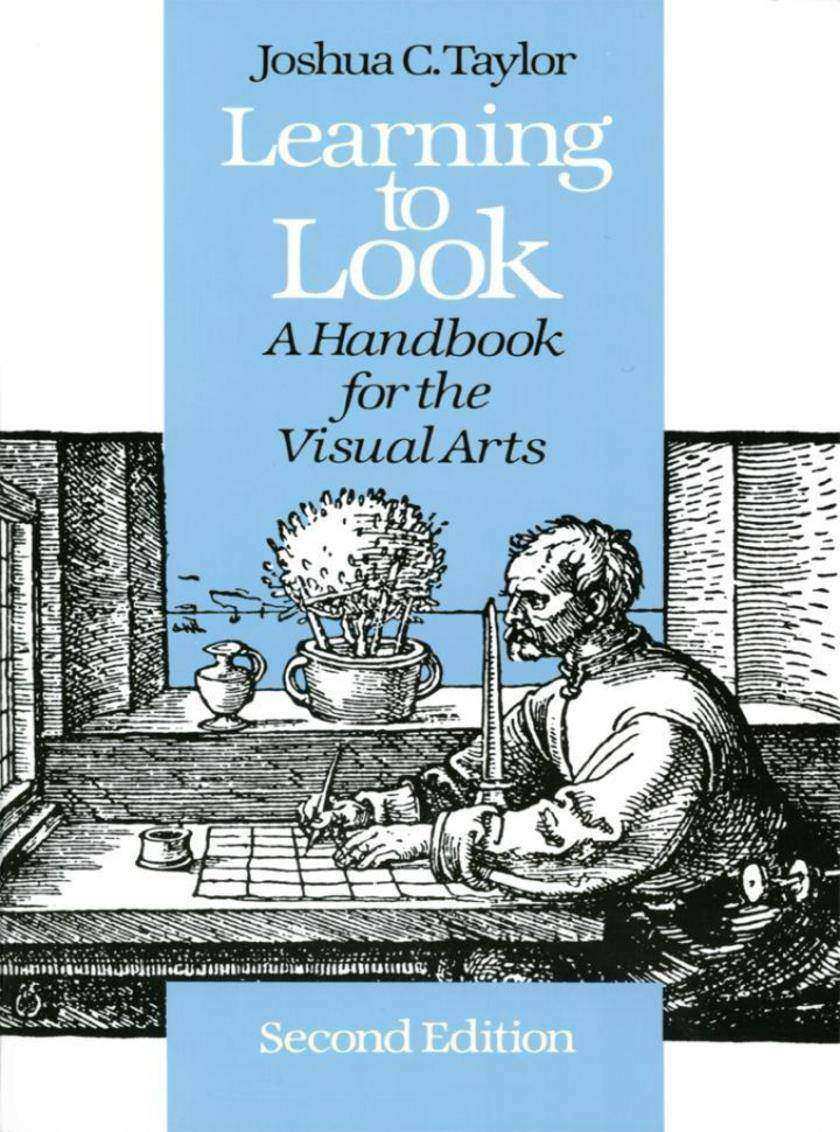
Learning to Look
¥123.61
Sometimes seeing is more difficult for the student of art than believing. Taylor, in a book that has sold more than 300,000 copies since its original publication in 1957, has helped two generations of art students "e;learn to look."e;This handy guide to the visual arts is designed to provide a comprehensive view of art, moving from the analytic study of specific works to a consideration of broad principles and technical matters. Forty-four carefully selected illustrations afford an excellent sampling of the wide range of experience awaiting the explorer.The second edition of Learning to Look includes a new chapter on twentieth-century art. Taylor's thoughtful discussion of pure forms and our responses to them gives the reader a few useful starting points for looking at art that does not reproduce nature and for understanding the distance between contemporary figurative art and reality.
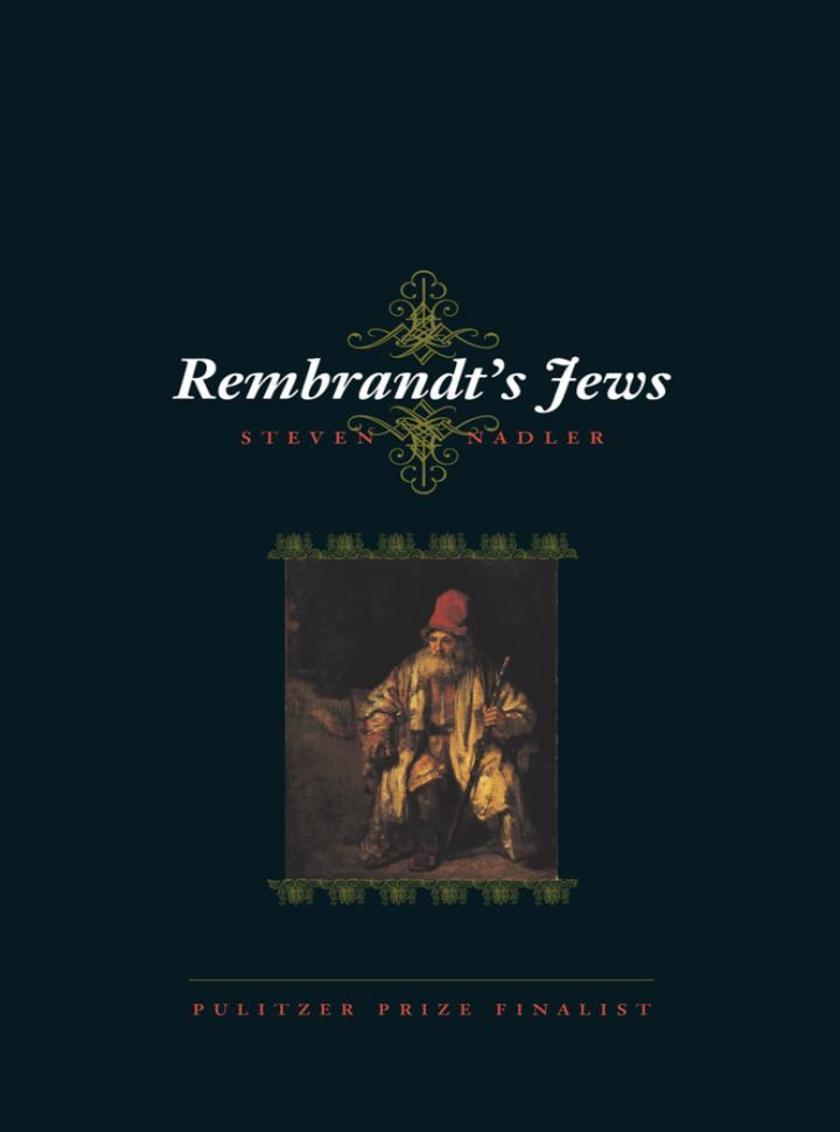
Rembrandt's Jews
¥175.40
There is a popular and romantic myth about Rembrandt and the Jewish people. One of history's greatest artists, we are often told, had a special affinity for Judaism. With so many of Rembrandt's works devoted to stories of the Hebrew Bible, and with his apparent penchant for Jewish themes and the sympathetic portrayal of Jewish faces, it is no wonder that the myth has endured for centuries.Rembrandt's Jews puts this myth to the test as it examines both the legend and the reality of Rembrandt's relationship to Jews and Judaism. In his elegantly written and engrossing tour of Jewish Amsterdam-which begins in 1653 as workers are repairing Rembrandt's Portuguese-Jewish neighbor's house and completely disrupting the artist's life and livelihood-Steven Nadler tells us the stories of the artist's portraits of Jewish sitters, of his mundane and often contentious dealings with his neighbors in the Jewish quarter of Amsterdam, and of the tolerant setting that city provided for Sephardic and Ashkenazic Jews fleeing persecution in other parts of Europe. As Nadler shows, Rembrandt was only one of a number of prominent seventeenth-century Dutch painters and draftsmen who found inspiration in Jewish subjects. Looking at other artists, such as the landscape painter Jacob van Ruisdael and Emmanuel de Witte, a celebrated painter of architectural interiors, Nadler is able to build a deep and complex account of the remarkable relationship between Dutch and Jewish cultures in the period, evidenced in the dispassionate, even ordinary ways in which Jews and their religion are represented-far from the demonization and grotesque caricatures, the iconography of the outsider, so often found in depictions of Jews during the Middle Ages and the Renaissance.Through his close look at paintings, etchings, and drawings; in his discussion of intellectual and social life during the Dutch Golden Age; and even through his own travels in pursuit of his subject, Nadler takes the reader through Jewish Amsterdam then and now-a trip that, under ever-threatening Dutch skies, is full of colorful and eccentric personalities, fiery debates, and magnificent art.
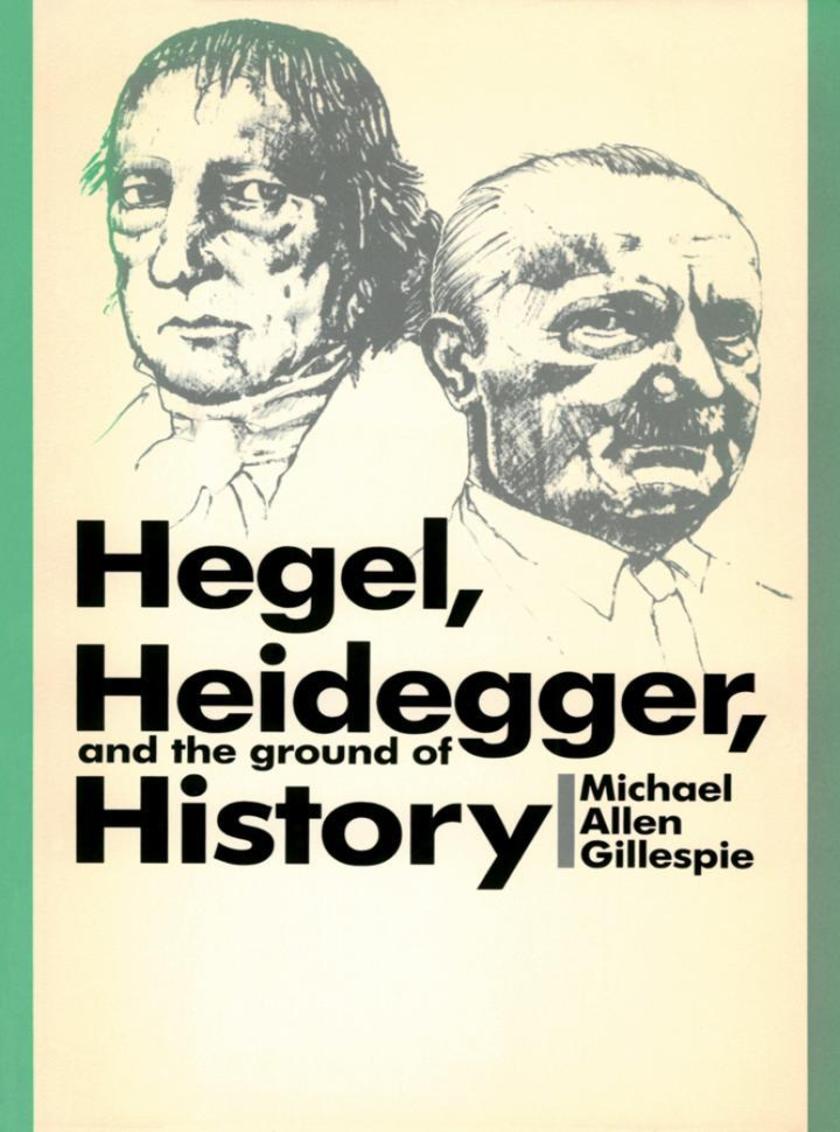
Hegel, Heidegger, and the Ground of History
¥182.47
In this wide-ranging and thoughtful study, Michael Allen Gillespie explores the philosophical foundation, or ground, of the concept of history. Analyzing the historical conflict between human nature and freedom, he centers his discussion on Hegel and Heidegger but also draws on the pertinent thought of other philosophers whose contributions to the debate is crucial-particularly Rousseau, Kant, and Nietzsche.
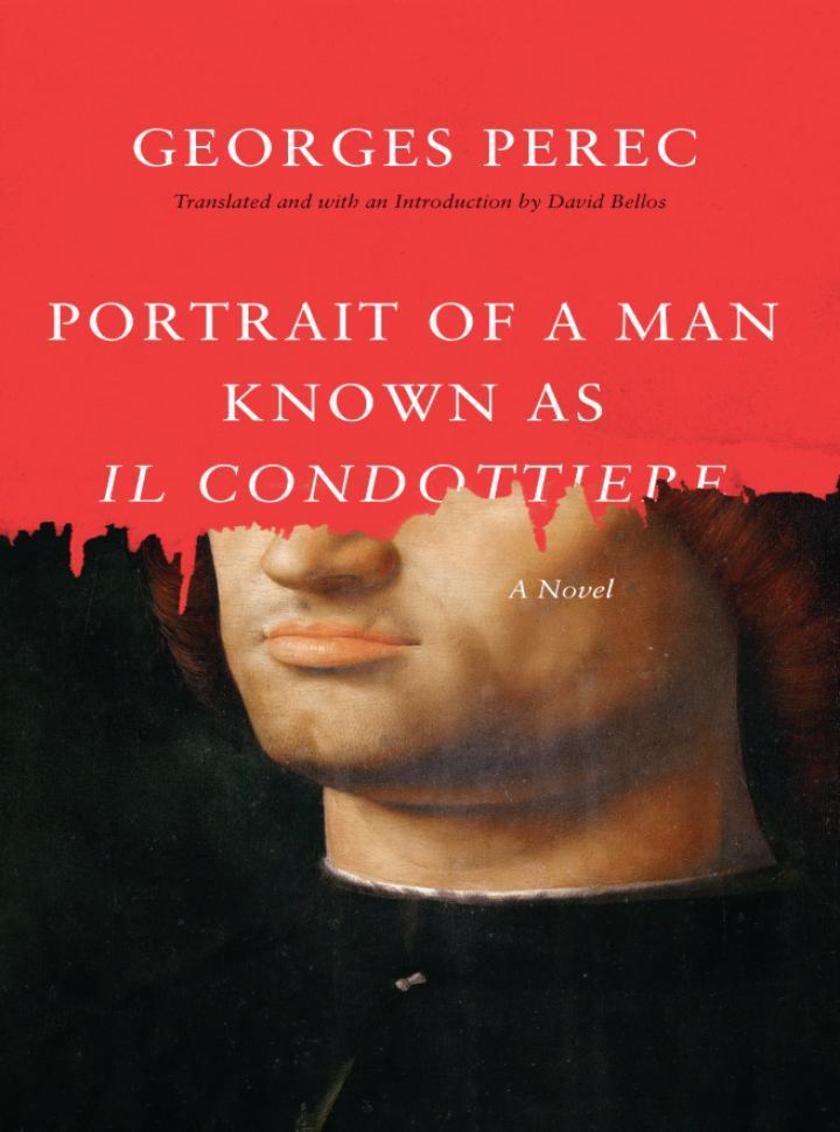
Portrait of a Man Known as Il Condottiere
¥147.15
Puckish and playful, Georges Perec infused avant-garde and experimental fiction with a wit and wonder that belied the serious concerns and concepts that underpinned it. A prominent member of the OuLiPo, and an abiding influence on fiction writers today, Perec used formal constraints to dazzling effect in such works as A Void-a murder mystery that contains nary an "e;e"e;-and Life A User's Manual, in which an apartment building, systematically canvassed, unfolds secrets and, ultimately offers a reflection on creation, destruction, and the devotion to art.?Before embarking on these experiments, however, Perec tried his hand at a relatively straightforward novel, Portrait of a Man. His first book, it was rejected by publishers when he submitted it in 1960, after which he filed it away. Decades after Perec's death, David Bellos discovered the manu*, and through his translation we have a chance to enjoy it in English for the first time. What fans will find here is a thriller that combines themes that would remain prominent in Perec's later work, such as art forgery, authenticity, and murder, as well as craftsman Gaspard Winckler, who whose namesakes play major roles in Life A User's Manual and W or The Memory of Childhood.?Engaging and entertaining on its own merits, and gaining additional interest when set in the context of Perec's career, Portrait of a Man is sure to charm the many fans of this postmodern master.
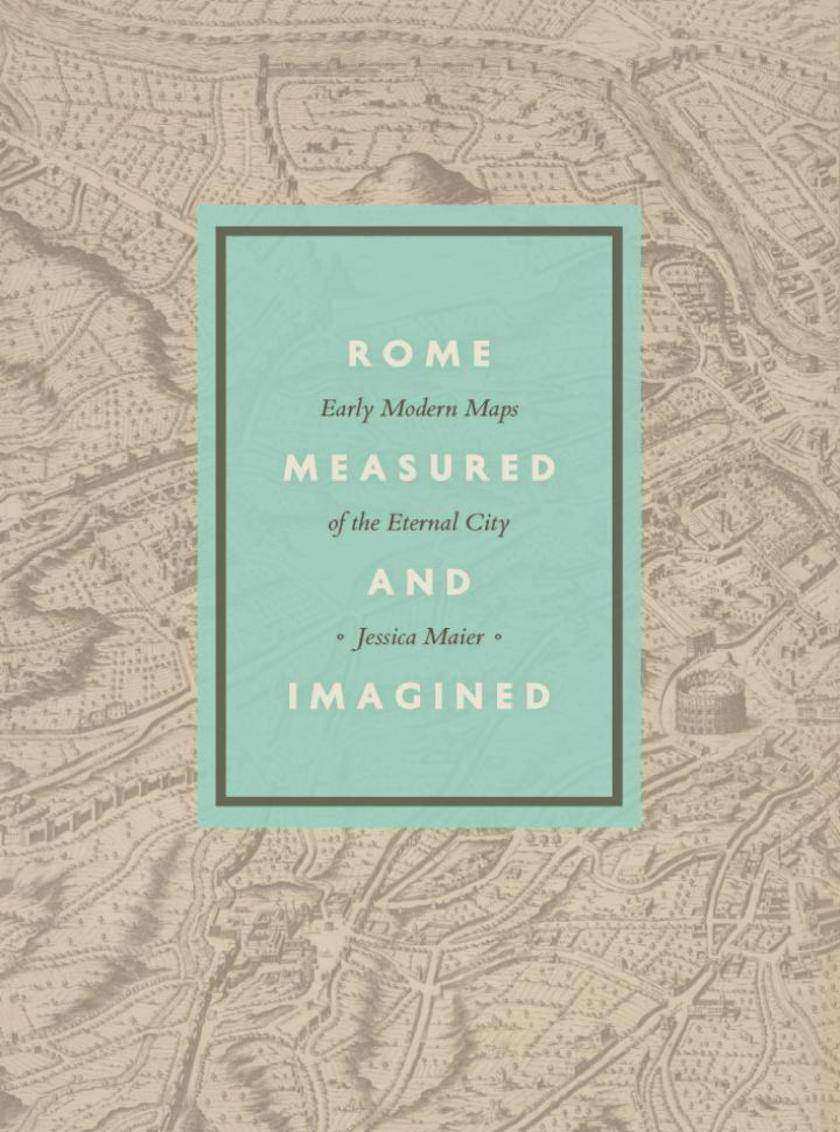
Rome Measured and Imagined
¥412.02
At the turn of the fifteenth century, Rome was in the midst of a dramatic transformation from what the fourteenth-century poet Petrarch had termed a "e;crumbling city"e; populated by "e;broken ruins"e; into a prosperous Christian capital. Scholars, artists, architects, and engineers fascinated by Rome were spurred to develop new graphic modes for depicting the city-and the genre known as the city portrait exploded.In Rome Measured and Imagined, Jessica Maier explores the history of this genre-which merged the accuracy of scientific endeavor with the imaginative aspects of art-during the rise of Renaissance print culture. Through an exploration of works dating from the fifteenth to the eighteenth centuries, her book interweaves the story of the city portrait with that of Rome itself.Highly interdisciplinary and beautifully illustrated with nearly one hundred city portraits, Rome Measured and Imagined advances the scholarship on Renaissance Rome and print culture in fascinating ways.

Man Who Thought He Was Napoleon
¥370.82
The Man Who Thought He Was Napoleon?is built around a bizarre historical event and an off-hand challenge. The eventIn December 1840, nearly twenty years after his death, the remains of Napoleon were returned to Paris for burial-and the next day, the director of a Paris hospital for the insane admitted fourteen men who claimed to be Napoleon. The challenge, meanwhile, is the claim by great French psychiatrist Jean-Etienne-Dominique Esquirol (1772-1840) that he could recount the history of France through asylum registries.From those two components, Laure Murat embarks on an exploration of the surprising relationship between history and madness. She uncovers countless stories of patients whose delusions seem to be rooted in the historical or political traumas of their time, like the watchmaker who believed he lived with a new head, his original having been removed at the guillotine. In the troubled wake of the Revolution, meanwhile, French physicians diagnosed a number of mental illnesses tied to current events, from "e;revolutionary neuroses"e; and "e;democratic disease"e; to the "e;ambitious monomania"e; of the Restoration. How, Murat asks, do history and psychiatry, the nation and the individual psyche, interface?A fascinating history of psychiatry-but of a wholly new sort-The Man Who Thought He Was Napoleon?offers the first sustained analysis of the intertwined discourses of madness, psychiatry, history, and political theory.

Szívhang 508–510. (Szolgál, véd, szeret; Derült égb?l lánykérés)
¥37.20
Szívhang 508–510. (Szolgál, véd, szeret; Derült égb?l lánykérés)
Ispod crte
¥37.20
Ispod crte

Kolodvor i paranoja
¥37.20
Kolodvor i paranoja

Sagorevanja
¥37.20
Sagorevanja
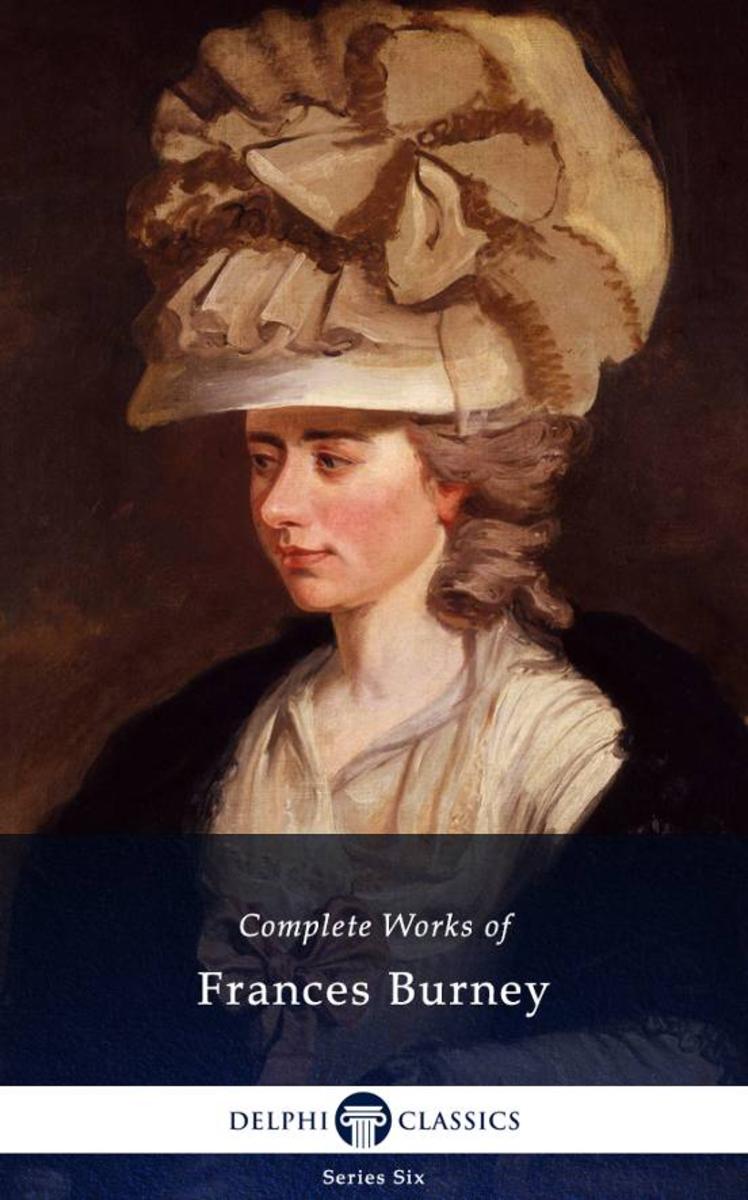
Complete Works of Frances Burney (Delphi Classics)
¥16.27
Complete Works of Frances Burney (Delphi Classics)

Nem csak nekem kellesz/ Családot karácsonyra
¥37.20
Nem csak nekem kellesz/ Családot karácsonyra

BEBEK BESLENMES
¥1.72
BEBEK BESLENMES
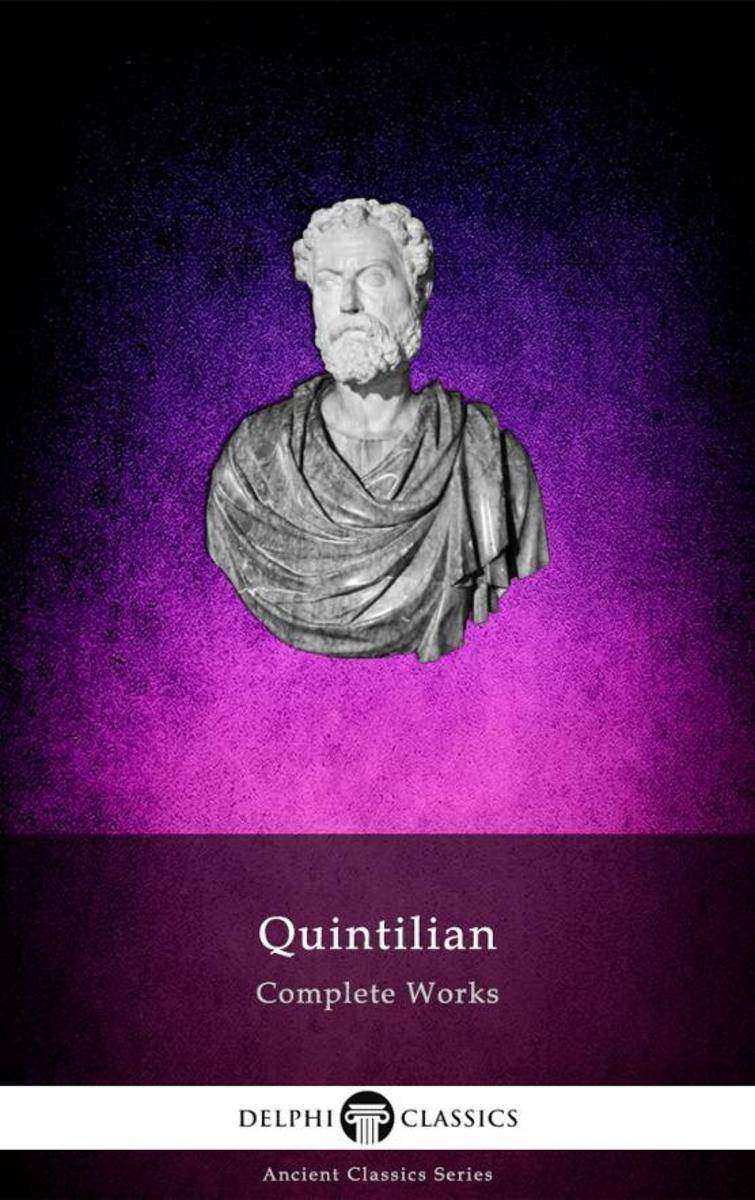
Delphi Complete Works of Quintilian (Illustrated)
¥16.27
Delphi Complete Works of Quintilian (Illustrated)
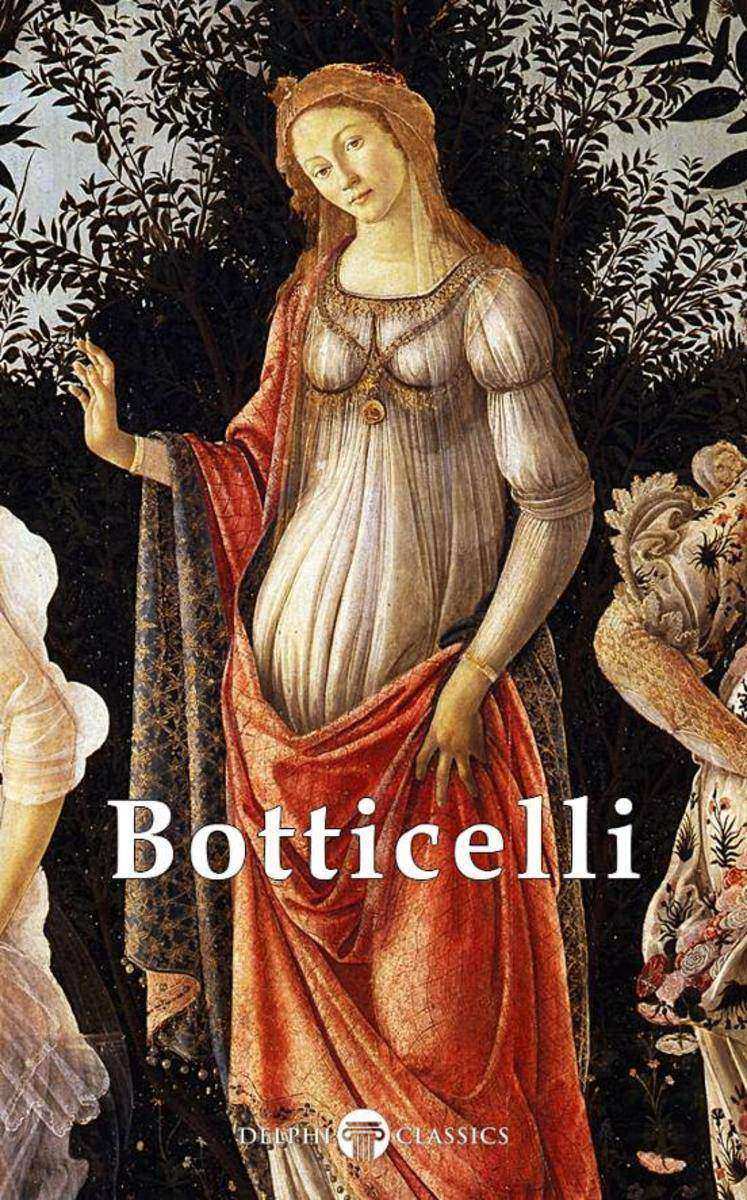
Complete Works of Sandro Botticelli (Delphi Classics)
¥24.44
Complete Works of Sandro Botticelli (Delphi Classics)
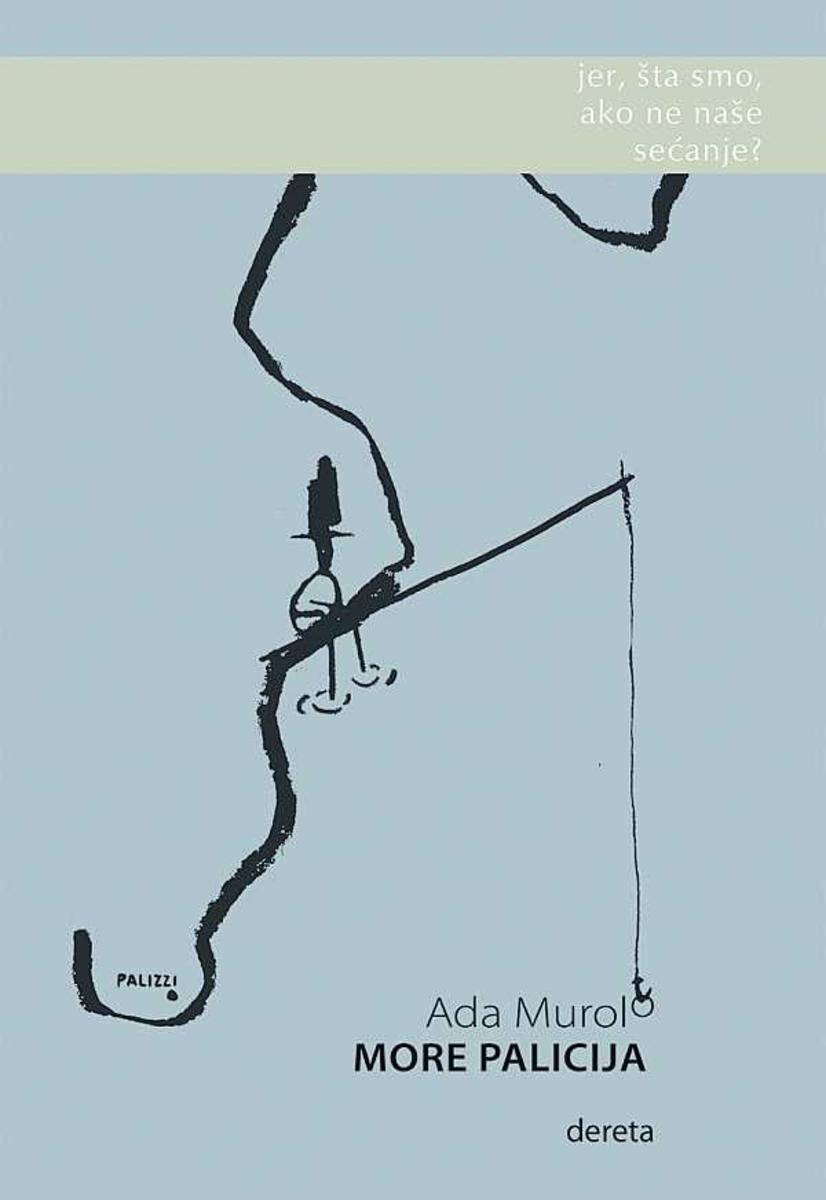
More Palicija
¥44.88
More Palicija

Senke jednoroga
¥35.99
Senke jednoroga


