


 购物车
购物车 个人中心
个人中心
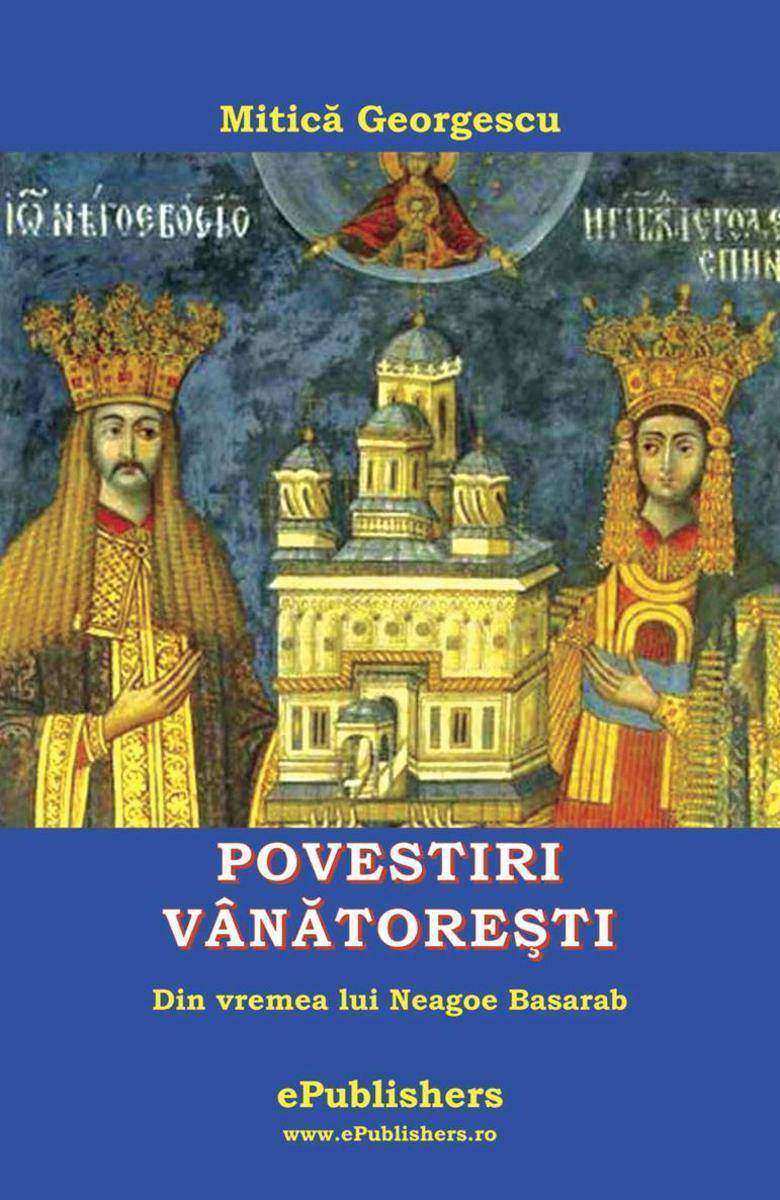
Povestiri v?n?tore?ti din vremea lui Neagoe Basarab
¥40.79
Irene Matoko, rom?nc? cu tat? congolez, scrie cu lacrimi ?n ochi ?i cu durere ?n suflet. Scurta sa relatare ne impresioneaz? profund ?i ne face s? ne ?ntreb?m cum este posibil ca, ?n secolul XXI, s? persiste ?n sufletele unor oameni ura de ras? ?i prejudec??ile ?n fa?a tr?s?turilor fizice native ale semenilor no?tri.Din p?cate, profesori ?i colegi, persoane la care ne-am a?tepta cel mai pu?in s? prigoneasc? o fiin?? uman? pentru simplul fapt c? are pielea de alt? culoare, ac?ioneaz? brutal ?i inuman ?mpotriva unor copii nevinova?i.Citi?i cartea aceasta ?i pl?nge?i. Citi?i cartea aceasta ?i privi?i-v? ?n oglind?. Citi?i aceast? carte ?i aminti?i-v? de cele dou? porunci ale lui Isus: iube?te-l cu toat? fiin?a pe Dumnezeu (acesta, care a creat rasele umane) ?i iube?te-l pe semenul t?u ca pe tine ?nsu?i.Chiar dac? semenul t?u are alt? culoare.
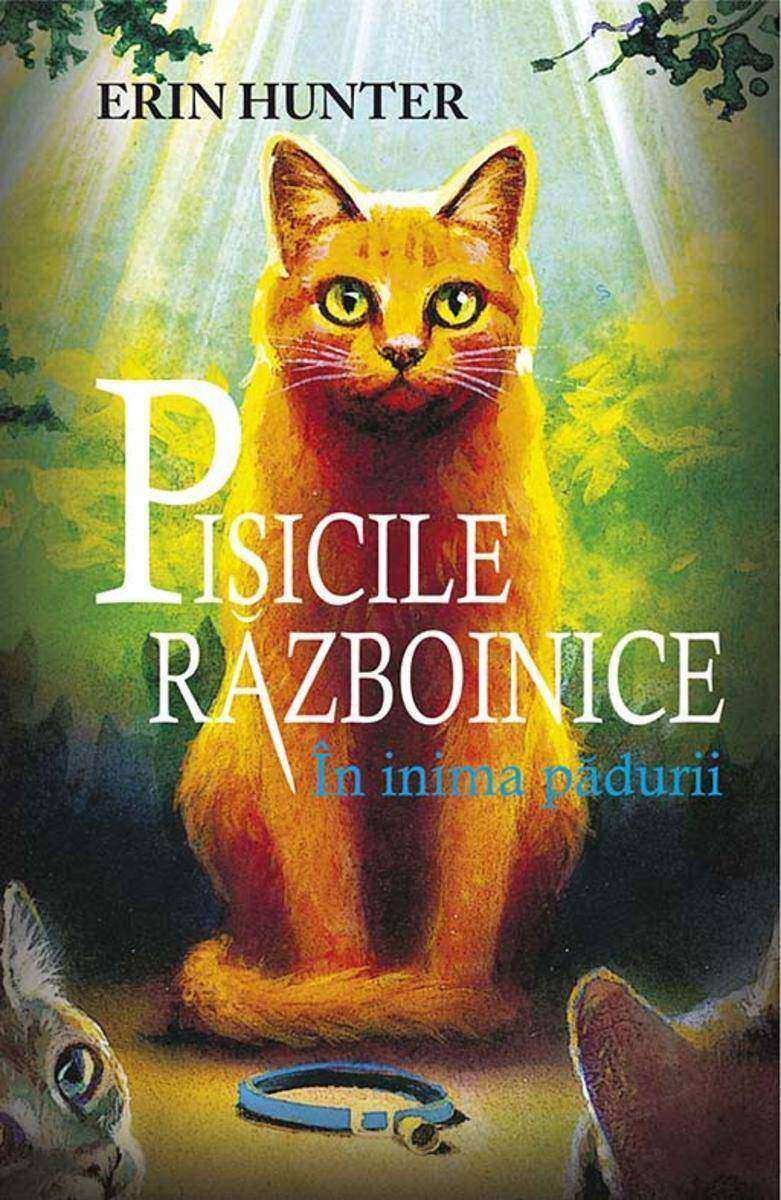
Pisicile r?zboinice. Cartea I - ?n inima p?durii
¥32.62
O s m tii de undeva e ca o matrioc din ppui de sticl, cu care umbli c-un fel de team, s nu le scapi i s se strice, dar apas fr fric, intr, trage, privete-le, studiaz-le, citete – au trecut prin multe, au rezistat n lumea real i au s reziste i-n varianta lor hrtioas. (…) Dup ce-o s citeti cartea ei de debut, o s exclami precum o tenismen care tocmai a ctigat un turneu foarte important – WOW! – i de aici ncolo o s tii exact de unde o cunoti.“ – Mihail Vakulovski Scrisul acestei femei frumoase din toate unghiurile de vedere i de simire nu se savureaz. Se muc, se mestec, se-nghite drag. E dulce i te ustur. Incantaie amanic este aceasta, nu scriitur. Vrjitorie curat creia n-ai cu ce s vrei s i te sustragi. Curgi cu ea, te-amesteci i te umpli de bun mireasm. Pentru c ea e bun i se d. Pentru c ea e att de bun nct te restituie ie-i. Cuvinte-flori-de-cmp care nu se adun-n mnuchiuri, ci se rsfir-n… poeme. L-am auzit pe Iulian Tnase zicnd c-aa se cheam povetile-poeme. ndat m-am gndit la Petronela, c-o tiu de undeva, din miezul nestricat al lumii, din timpurile-n care nu i se despriser apele i nici vntoasele n asta i cealalt. Pe cnd aveam noi ochi muli de heruvimi i aripi ase de serafimi.“ – Ana Barton Scrie cu pasiune, tie s rite, s-i transforme experiena de via n poeme. Este recognoscibil i nu plictisete. Petronela Rotar are toate ansele unei traiectorii literare memorabile.“ – Alexandru Petria
Cele cinci trepte ale s?n?t??ii
¥73.49
Poeziile lui Giorgio Baffo (1694-1768), mentor al lui Casanova, sunt de o sinceritate dezarmant?. Un limbaj poetic picant, cu un efect direct asupra cititorului. Erotismul abund? ?n rostogoliri de imagini fierbin?i, iar sonetele autorului italian par o petrecere ?n rime, care iau peste picior bunele moravuri ale epocii.?F?r? Baffo, n?am avea idee de decaden?a voluptuoas? a Serenissimei Republici. Prin el, cunoa?tem via?a sexual? a Vene?iei, cu serb?ri, cu osterii, cu cazinouri, cu jocuri de noroc, cu dansatoare ?i cu c?lug?ri?e liber?tine“ – Guillaume Apollinaire
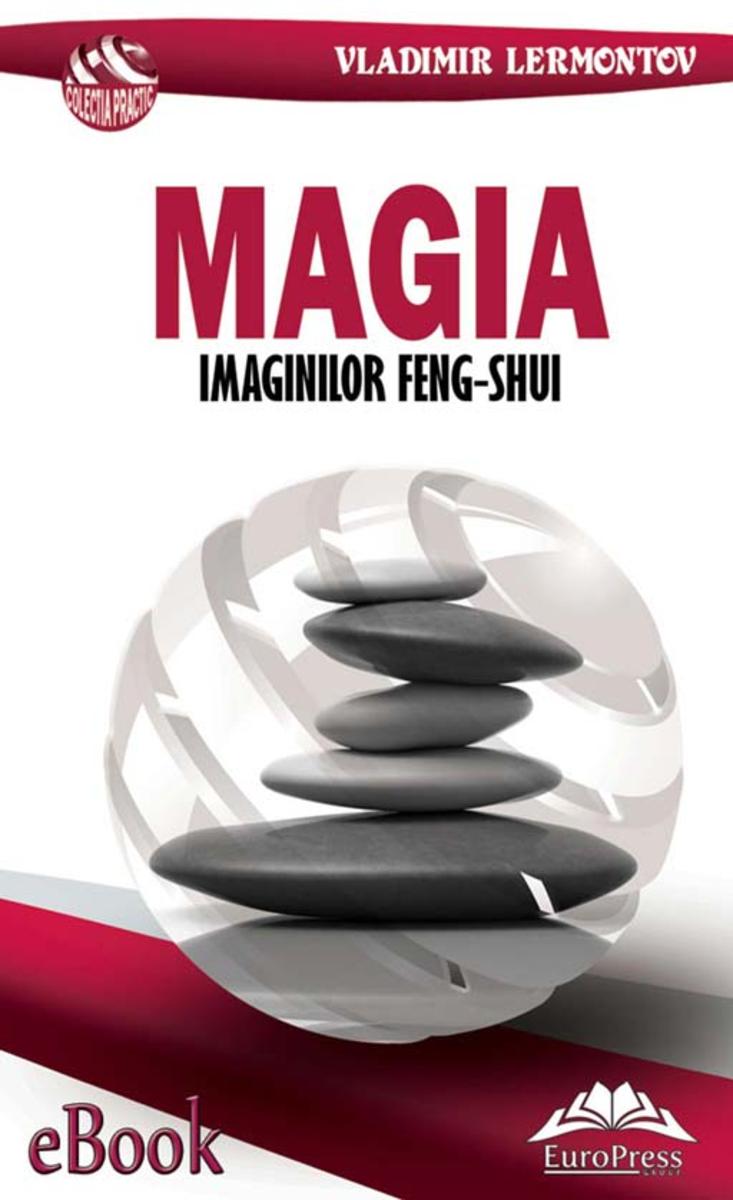
Magia imaginilor feng-shui
¥28.61
Kívánom, adjanak er?t ezek a k?ltemények sokaknak! Azokhoz szólok most, akiknek valamikor, valamije fájt már életében, és/vagy ismernek olyan embert, aki tudja, hogy a szó szoros értelmében mit jelent az a szó: jaj! Tetovált társaim! Ti egyt?l egyig tisztában vagytok ennek a fogalomnak a jelentésével, és azzal is, hogy ez a választott életérzés megéri, méghozzá busásan. Akiknek jelen pillanatban is fáj valami, azoknak pedig… Nekik drukkolok leginkább!
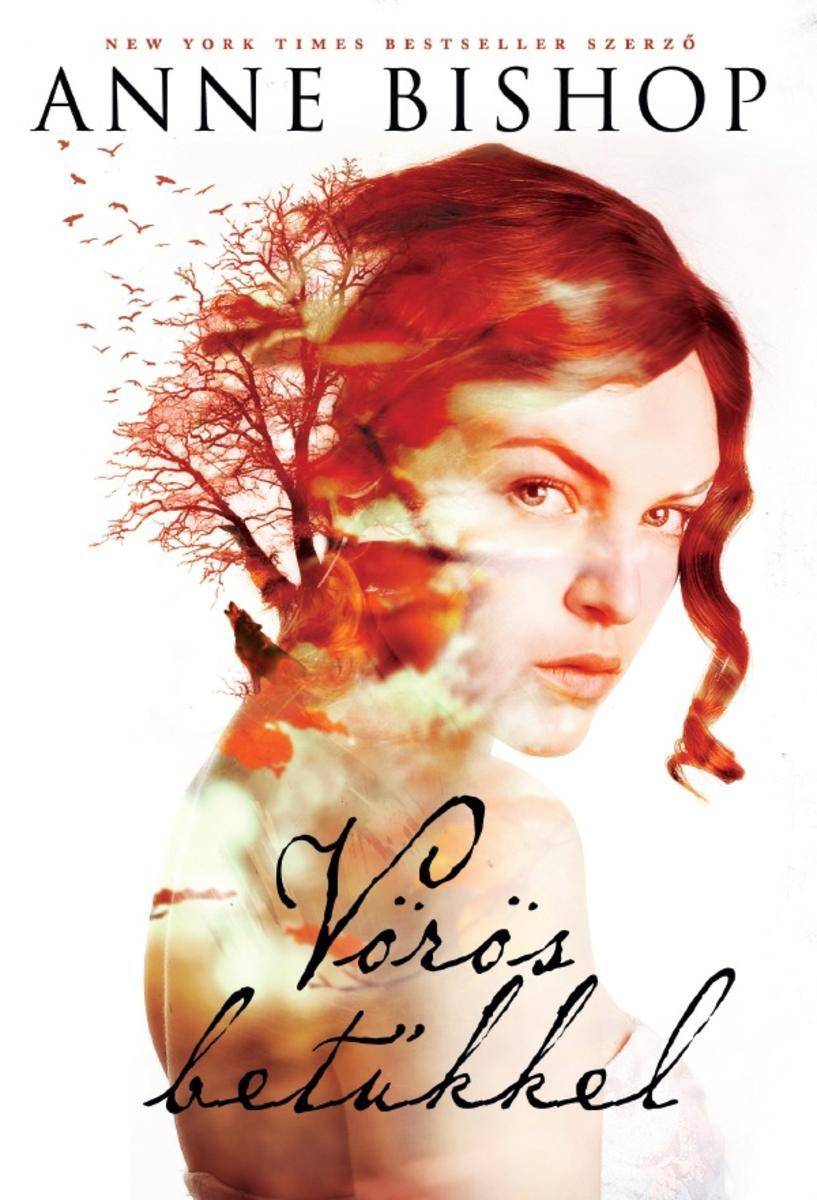
V?r?s bet?kkel
¥68.83
Aki a s?tétség éveit elfelejti, nem érdemli meg azt a napot, amely ma rásüt. Egy fájón búgó hang valahonnan az ?gb?l. A szívre helyezett parázs perg? hamuja. Akinek lábánál a tenger álmodott. Diz?z és nemzeti intézmény: Karády Katalin. Olyan gyémántragyogású csillag volt, amit itthon és a halált süv?lt? orosz hómez?n ugyanúgy látni lehetett. Mert a legszebb csók volt, amit meg nem adott az élet. ?gve dobták el, mert mindig izzott valami jéghideg forrósággal. Nem volt jó színészn?, csupán elhitet? színészn? volt. Sz?gletes mozgású, tündéri trampli. Mégis talán maga Ady Endre is beleszeretett volna. Dalaival az emberek szívét csókolta meg, hogy tovább tudjanak dobogni... A háta volt zseniális, ahogy elmenni tudott. Elvitte vállán az id?t, a filmjeit, a legendáját... Az ítéletet, a rá mért titokzatos büntetést kutatta, a Labirintus bejáratát. A b?n?s n?, aki elkárhozni nem tud, s ezért a férfiak végzetévé lesz. De ez a végzet mindig k?z?s. Elment, elrohant, mert elégett a szíve. Játszott a t?rténelemmel, játszott és énekelt. Majd odahagyott huszonvalahány filmet, sikert, álmokat, s egy elveszített háborút. ?tkelt az óceánon, hogy kalaposn? legyen. Ne kérdezd, ki voltam, / A csókodat én akartam, / ha majd egyszer megsokalltad, / azt mondom agy?!" Lehullott a parázs a hamvadó cigarettavégr?l. Végigszívták. ? vissza sem nézett, és nem mondhatta senki, hogy AGY?. (Mihalicza Tamás, 1990)
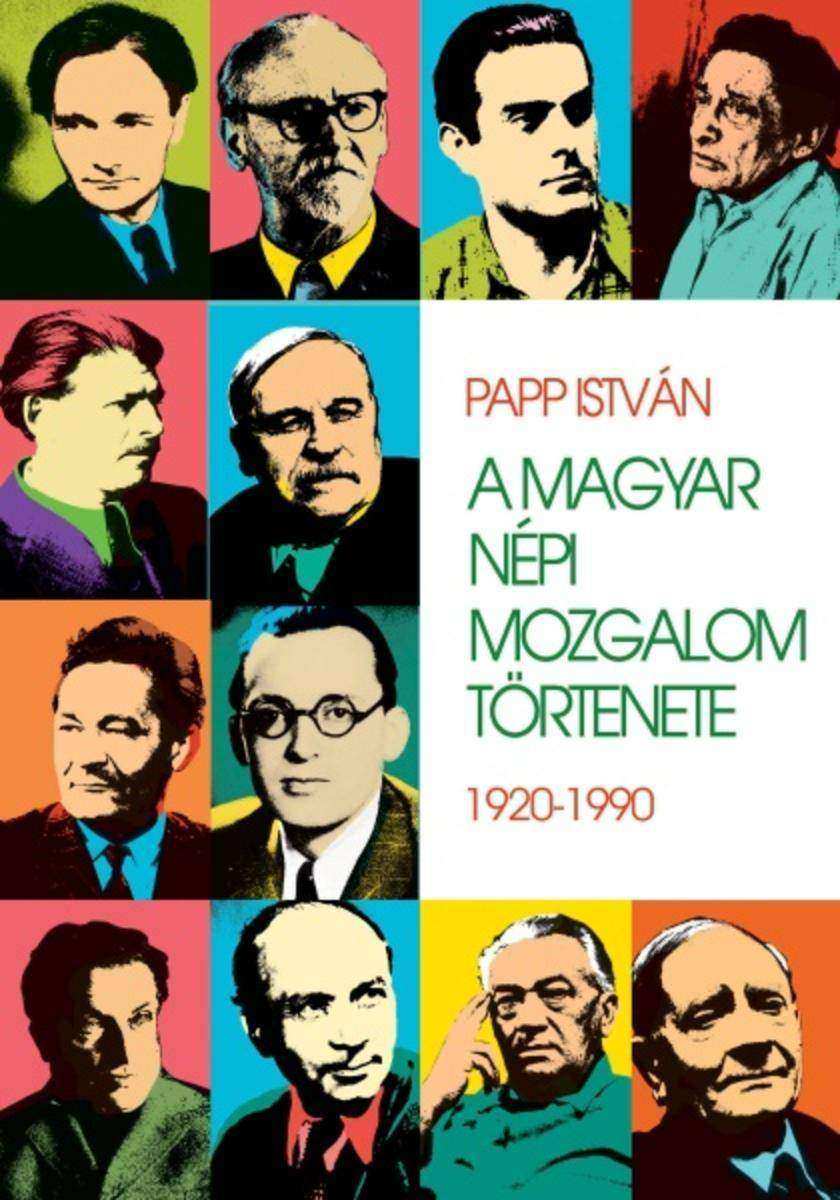
A magyar népi mozgalom t?rténete
¥57.31
Márton László új regénye, A mi kis k?ztársaságunk a t?kéletes állam megalapításának groteszk-tragikus kísérletét jeleníti meg. 1944 végén, amikor a felszabadító és egyben megszálló szovjet csapatok megérkeztek a Viharsarokba, az ott él? agrárproletárok létrehozták a saját kis k?ztársaságukat. A regényben a t?rténelmi tények és az írói képzelet t?rténetei keverednek – a keser? szatírában tegnapi-mai ?nmagunkra ismerhetünk és saját kisszer?ségünk?n nevethetünk.
Odicolonuri
¥57.14
Volumul Save Point e un prilej bun de ?mp?care intre cele 2 p?r?i vitale autorului, cea tehnologic? ?i cea literat?, un mediu analog ?n care se gasesc instantanee, deseori in format ludic, ale unor lumi ?n care au loc evenimente at?t de mici ?i at?t de subit ?nc?t s-ar putea spune despre ele c? aproape nu au avut loc vreodat?.

Divergent - Vol. III - Experiment
¥81.75
E textul pe baza cruia am fcut spectacolul Habemus bebe, n primvara lui 2014, mpreun cu soul meu, regizorul Robert Blan. Iniial nu-l voiam publicat, apoi m-am rzgndit, publicarea i d o via textului pe care scena nu i-o poate da (i invers cred c e la fel de valabil). Non Stress Test va fi un poem mai lung, pe o tem care nu a fost i nici nu este la mod: maternitatea. E nsoit i de un set de fotografii, sper s fie o carte mito. i de data asta m-am jucat cu limitele genului: o variant a textului a aprut deja n traducere (n bulgar i n maghiar) ca text de teatru”. (Elena Vldreanu)
Seacat Simon: The little cat who became a big hero
¥32.62
When young cat Simon is smuggled on board a ship, his quiet little life soon becomes an adventure fit for heroes.With new friend Peggy, the ship ;s dog, he bravely fights King Rat and his gang, rescues the crew from their problems, and shows the joy an animal can bring to our lives.Winning the hearts of the sailors and people across the world, Seacat Simon ;s inspiring and moving true tale of love, friendship and adventure is sure to enthrall a new generation of children. ;Action packed read, rich in detail, harrowing in places, heart-warming in others, and with a beautiful ending. ; - Sheila Jeffries, author of Solomon's Tale .NOTE: Children's version contains bonus quiz material.VERSION FOR ADULTS: Able Seacat Simon ;s story is also available as Simon Ships Out: How one brave, stray cat became a worldwide hero in ebook, paperback and audio formats.VERSION FOR SMALL CHILDREN: Able Seacat Simon ;s story will soon be available as Seacat Simon: An illustrated picture book in ebook and paperback formats.
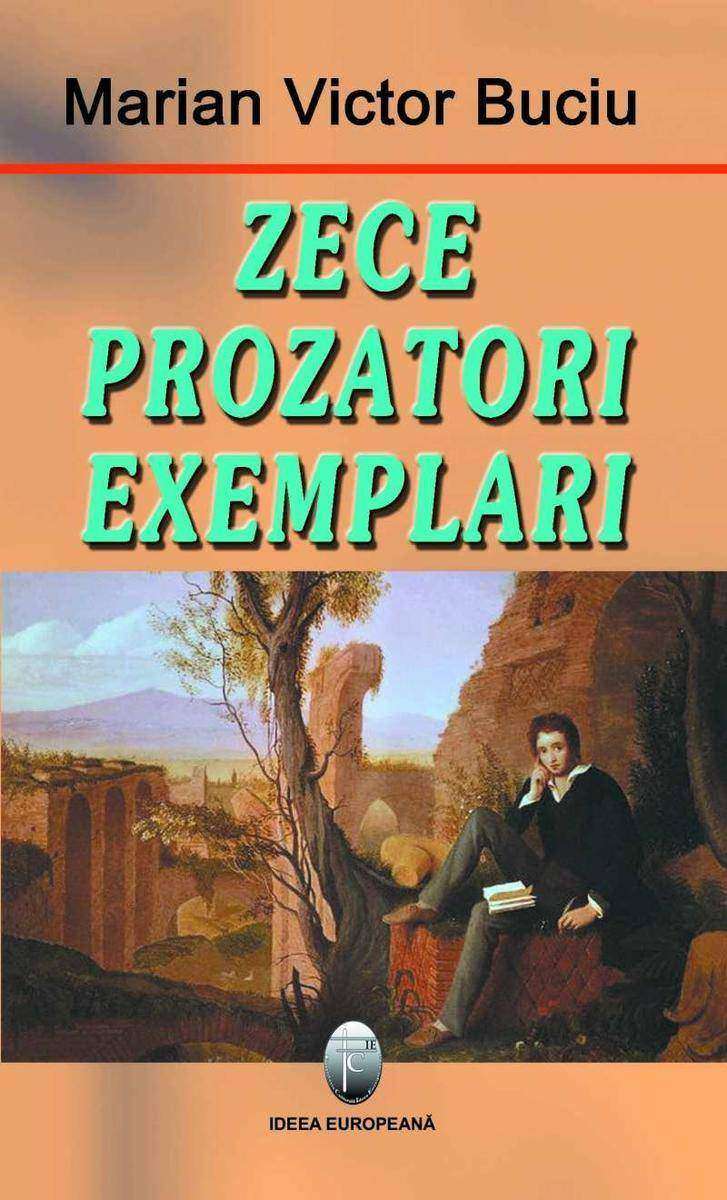
Zece prozatori exemplari. Perioada interbelic?
¥48.97
Cum dispare, cu de la sine putere, realismul socialist, transform?ndu-se – ?n textele publicate dup? ‘90 – ?ntr-un ?realism atroce“, ce oglinde?te p?r?ile ?ntunecate ?i incendiare ale existen?ei? Minimonografia Nicoletei S?lcudeanu, critic, profesor ?i istoric literar, r?spunde sugestiv ?i pertinent la aceast? ?ntrebare, cartea ei constituind-o un manual indirect de istorie a literaturii postdecembriste. Cartea se adreseaz? elevilor, studen?ilor, precum ?i publicului larg de cititori.
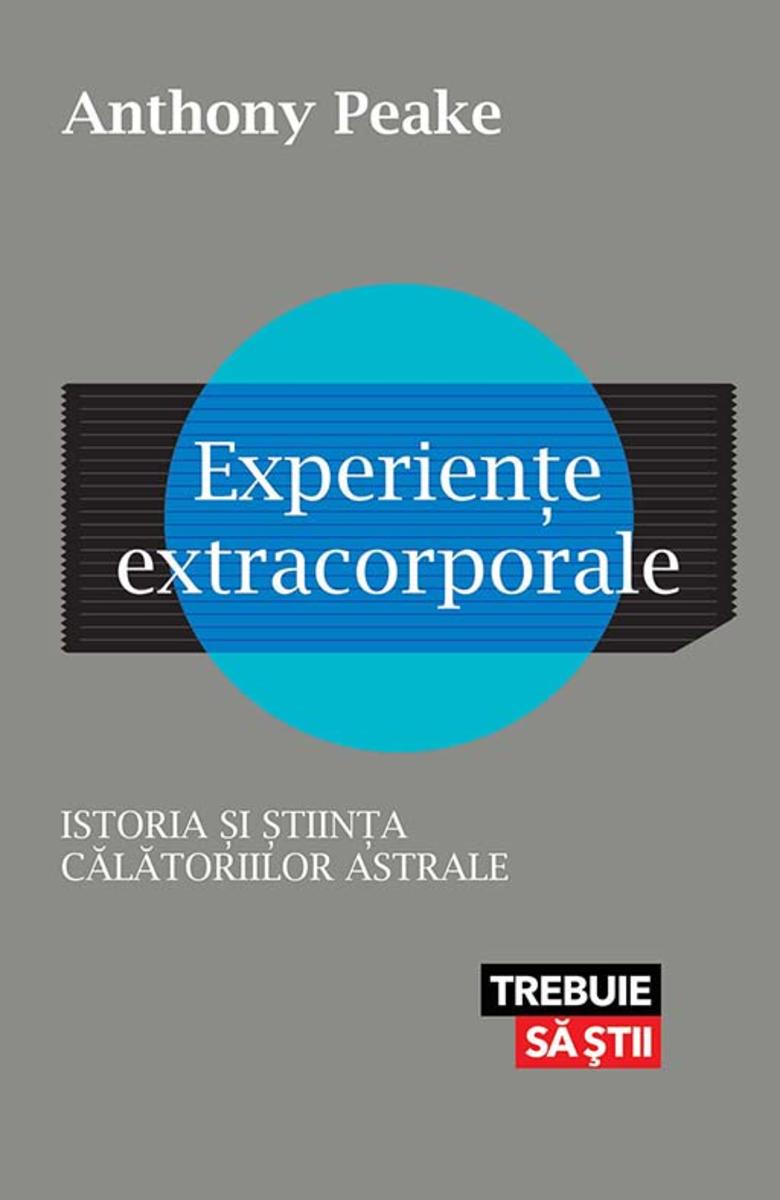
Experien?e extracorporale. Istoria ?i ?tiin?a c?l?toriilor astrale
¥57.14
ncepnd cu Grdina magistrului Thomas (1995), care reprezint debutul su editorial, tefan Borbély se recomand ca un critic eliberat de marotele locale, dezinhibat de complexe endemice i dotat cu o deschidere hermeneutic n care referinele creative principale par a fi acelea germane (Nietzsche, Freud, Jung, Kafka, Hermann Hesse i Thomas Mann). Autorul tezei de doctorat De la Herakles la Eulenspiegel. Eroicul (publicat sub form de carte n 2001) reuete s depeasc handicapul speculativ att de flagrant pentru critica noastr postbelic, rmas la stadiul unui orizont de ateptare provincialist, n imposibilitate de a lua contact cu ideile critice din alte pri i a se sincroniza normal cu demersul interdisciplinaritii. Alonja deschiderii comparatiste, ca i apetitul tririi nietzscheene a ideilor fac din tefan Borbély o personalitate critic n expansiune. El este un hermeneut de descenden eliadist care cerceteaz topologia auroral a umanitii, subsumnd-o categoriei eroicului, n perimetrul creia se pot decela fundamentele culturii i civilizaiei mediteraneene. Prin opera de cercettor i culturolog avizat, tefan Borbély este un exemplu important de integrare a criticii noastre postdecembriste n sfera hermeneuticii europene.“ – Marin Mincu
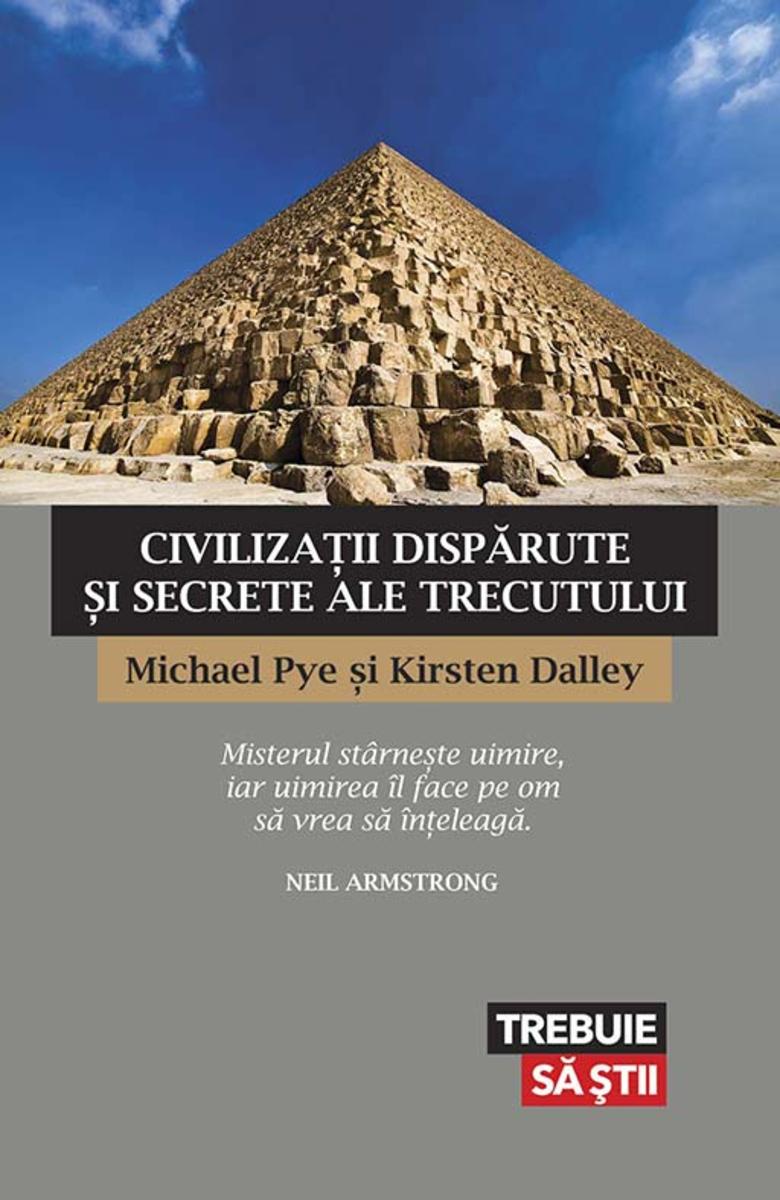
Civiliza?ii disp?rute ?i secrete ale trecutului
¥65.32
Am ales cazul de ruptur n evoluia unor exponeni proemineni din literatura romn actual, ruptura care a dus fie la impas, fie la regenerare. Pentru termenii conflictului un factor hotrtor l-a constituit n condiiile date epoca n formele ei de constrngere i de emulaie. Sunt convins c n alte circumstane ecuaia ar fi avut componente diferite. Nu sugerez c ar fi obligatorie restrngerea n ilustrarea pe care o propun, s-ar mai fi putut aduga cu aceeai ndreptite, recunosc, i alte aplicaii. Analizele nu sunt exhaustive, ele insist asupra unui fenomen caracteristic. Deruta ivit la unii pe traseu, parial sau total, s-a articulat pe planul angajrii civice i al nchegrii estetice. Trebuie s remarc o diferen n abordare, deoarece unii din cei selectai (G. Clinescu, M. Preda) nu mai sunt n via, aadar pentru ei e exclus posibilitatea unei schimbri de destin. A survenit pentru toi necesitatea unei racordri la orizontul epocii moderne, la presiunea raporturilor de for, la nvala dogmatismului, la ansele unei sincronizri cu Europa. Imperios necesar a fost lepdarea de prejudecile naionaliste i provinciale, ieirea din comarul ideologiei i al somaiei dure.“ – S. Damian
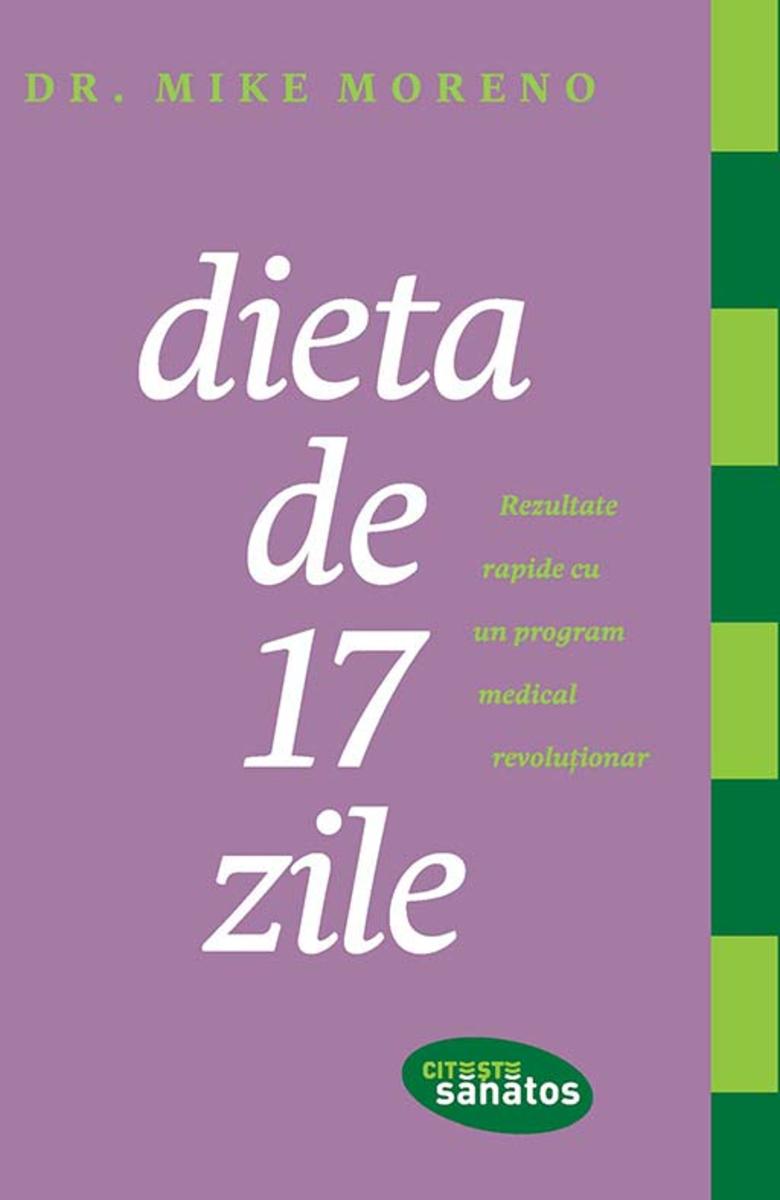
Dieta de 17 zile. Rezultate rapide cu un plan medical special conceput
¥73.49
Poemele lui Marius Aldea sunt inteligent-fanteziste i dau o senzaie de prospeime, dei refolosete, frecvent, i mijloace de seducie inventate de Nichita Stnescu, Emil Brumaru, Mircea Dinescu. Marius Aldea are o plcere de a scrie care face ca tot ce mprumut s devin al lui.“ – Alex tefnescu Marius tefan Aldea face parte din plutonul tinerilor poei crora li se flfie de generaia imediat anterioar, ns nu li se deloc de generaiile vechi. Vd i prevd o promoie de poei lucizi i cultivai printre care compozitorul Simfoniei frnei va strluci. Pentru c are umor, deci i permite s fie cinic, i pentru c izbutete nite metafore trsnite, dar fluente, nu rscutate. Apoi ochiul su este flmnd i precis, nu hoinrete pe firmament pn se ntoarce cu albul n sus. Viteza, claritatea i subtilitatea artei lui monteaz un spectacol inteligent – un deliciu pentru durii ca el, care, de fapt, ascund un suflet sensibil n spatele rictusului sceptic. Un romantic de factur excelent este Marius, adic dintre aceia cu witz, care muc tot, iar apoi se muc pe ei nii. Irezistibil poezia asta ca un roman scris la col de strad de un designer care tie exact ce vrea de la manechinele lui.“ – Felix Nicolau Marius tefan Aldea are atta energie poetic, nct exist riscul s supratensioneze Sistemul Naional de Distribuie a Literaturii. Dar cum SNDL nu exist dect n imaginaia noastr, nu v rmne, dragi cititori, dect s v conectai singuri la aceast surs de energie. E simplu: deschidei cartea lui Marius i citii puin. Dac nu suntei purttori de mnui izolante i cizme de cauciuc, ar trebui ca n secunda a doua s fii scuturai zdravn, iar minile s vi se ncleteze pe carte. E doar unul dintre efectele pe care l are poezia bun asupra omului.“ – Robert erban
A tenger munkásai
¥8.83
El?sz?r futni tanítanak meg. Ez mindennek az alapja minden hadseregben szerte a világon. Megtanulsz futni, megtanulod bírni. Hegynek fel-le. Futsz erd?ben, tó- és folyóparton, futsz sportpályán. Együtt a szakasszal, és amikor valaki nem bírja és lemarad, nyomod a fekv?támaszt. Majd ha megérkezett, újra futsz.Ha már tudsz futni, van mire építeni a t?bbit. Megtanítanak, hogy bánj a fegyverrel, hogyan élesítsd a gránátot, vezess harcjárm?vet és telepíts m?szaki akadályt. De arra nem tanítanak meg, hogy amikor évekkel kés?bb a háború után, emlékeidt?l verejtékben úszva egyedül ébredsz jéghideg ágyadban, azt hogyan dolgozd fel. Amikor olyan s?tét az éj hajnali háromkor, hogy még az utcáról besz?r?d? lámpa fénye se hoz világosságot, amikor már rég kialudt az a mécses, amit a halott bajtársaid emlékére gyújtasz minden este. Akkor hiába tanítottak meg futni. Amikor arra ébredsz, hogy skorpiók vannak az ágyadban, és hallod az ellenség suttogását, mintha csak méterekre lennének t?led a l?vészárokban. Amikor minden olyan csendes, hogy már mar ez a hangtalanság. Akkor már nincs hova futnod. ?vek után rád?bbensz, hogy meg kell állnod és szembenézned a múltaddal. Mindennel, amit tettél, vagy nem tettél. ?n, mintha gyóntam volna, megírtam ezt a k?nyvet. Elszámoltam magammal, mert megtanultam egy fontos dolgot: a lelkedért csak te felelsz! Ezt senkinek se tanították meg. Erre nekünk kellett ráj?nnünk.
Dincolo de bine ?i de r?u
¥46.36
Schlesak l combin pe Bakunin cu Marx i era sedus de modelul politic iugoslav. “Teoria tnrului Marx (preluat de la Hegel): realizarea i autorealizarea.“ Dictatura i aprea nc umana, aproape de o forma de realitate i de trirea autentic. Libertatea occidental ar fi creat doar un context amorf. n acest inacceptabil context, nu caut o ieire practic, optnd pentru una teoretic, teoria fiind suficient siei i dizlocnd tot restul. “Nu de soluii, ci de utopii, de ieiri, de asta avem nevoie.“ (dec. 1971) epeneag nu gndea diferit. i el definea contextul social i politic n termeni identici. Accepta i modelul iugoslav. i gsea calitatea de a fi joncional. “Iugoslavia poate juca rolul de punct de contact.“ Nu degeaba se spune: Historia magistr vitae! Istoria (realitatea, contextul) dicteaz modurile de a gndi, prea puin retrospectiv, vag proiectiv, ntr-un prezent tranzitoriu, amorf i (n)formal. La 12 august 1973, urma modelul ceh, “opoziie pe fa“ i-i schia corespondentului su un plan de colaborare.“Un eseu incitant despre unul dintre cei mai importani scriitori romni de expresie germana, stabilii n Italia.
Elegii parisiene
¥46.36
Vrnd s fac un dar poeilor romni – de la care n tineree am primit inestimabile daruri, Nichita, Cezar, Grigore – am ndrznit o versiune romneasc a intraductibilelor i abstruselor poeme rilkeene. Mostre supreme ale unui discurs poetic somnambulic, desfidnd nu numai logica i sintaxa curent dar i cea poetic, aceste Elegii… sunt, cred eu, un vrf dac nu un monument al spiritualitii moderne europene. Sunt fericit ca limba romn a strmoilor mei i a marilor poei romni a primit i a putut cuprinde arta poetului austriac, ce se clatin i cuvnt ntr-un aer de o tensiune insuportabil, ntre Pindar i Holderlin, un monument de vrf inegalabil, cu siguran, al creaiei europene.“ (Nicolae Breban)
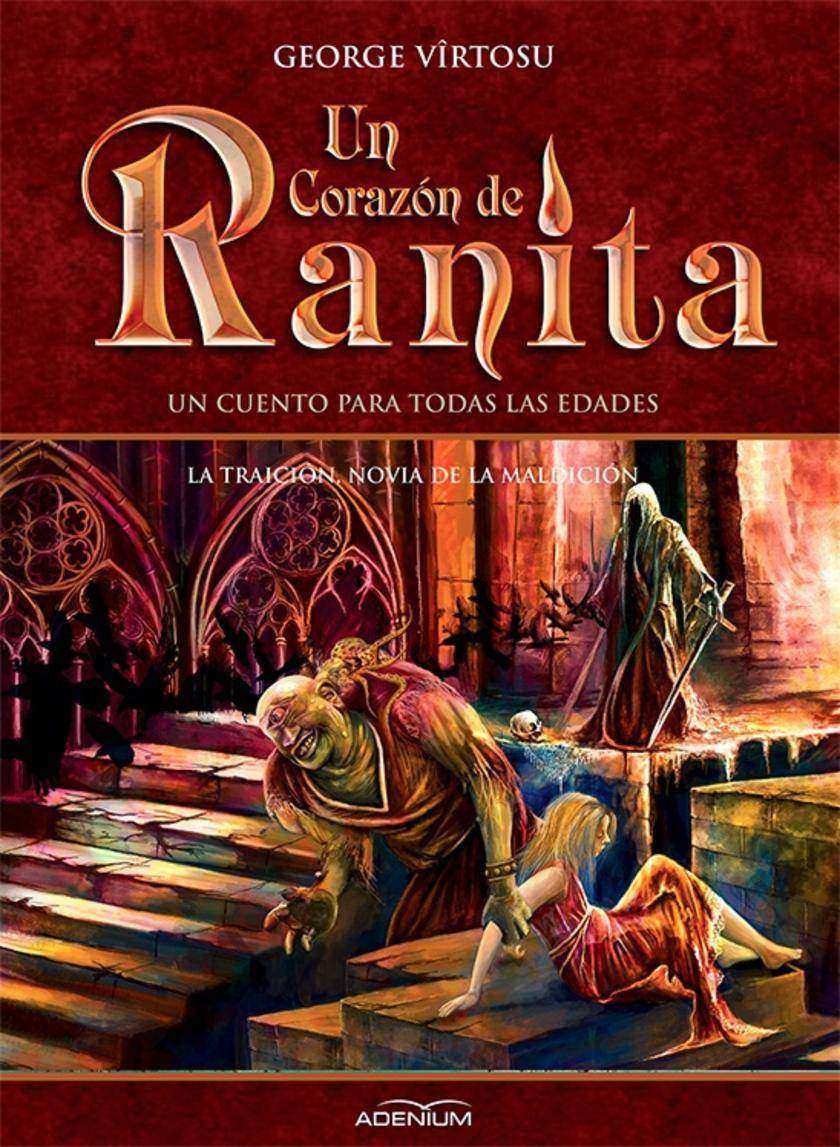
Un Corazón de Ranita. 5° volumen. La traición, novia de la maldición
¥55.34
Titlul se refer? la ceea ce autorul c?r?ii consider? esen?a mitului faustic: surmontarea limitelor cunoa?terii ?i tenta?ia spre ceea ce exist? dincolo, necunoscutul sau imposibilul ?n ordinea normal? a lumii. Tenta?ia limitei ?i limita tenta?iei este o investigare critic? a ideilor ?i motivelor din perspectiva unui comparatism orientat spre filosofie ?i estetic?, pe care profesorul universitar clujean, Vasile Voia, l-a practicat consecvent ?n cariera sa.
Un deceniu de literatur? rom?n?
¥77.31
Drept cadru general al discu?iei noastre propun o poetic? a traducerii. Dup? p?rerea mea, aceast? disciplin? – al c?rei teritoriu ?nc?lca (ba chiar ??nc?leca“) domeniile lingvisticii teoretice ?i aplicate, teoriei literaturii ?i crea?iei literare – se pliaz? pe modelul actului comunic?rii. Dup? cum se ?tie, actul respectiv implic? un produc?tor de mesaje, mesajul sau textul produs ?i un receptor sau lector (care arareori e unul cu totul pasiv; cel mai adesea el exercit? func?ia de interpret al mesajului ori textului).S? observ?m acum c? procesul traducerii este compus de fapt din dou? acte de comunicare ?nl?n?uite, dintre care primul se desf??oara ?n spa?iul limbii ?i culturii de plecare, adica al Limbii sursa, iar cel?lalt ?n sfera limbii ?i culturii de destina?ie, altfel spus a Limbii ?int?. Traduc?torul reprezint? veriga de leg?tura dintre cele dou? segmente, c?ci lui ?i incumb? at?t lectura ?i interpretarea textului surs?, c?t ?i producerea textului ?int?.
De la joc la ?nv??are. Cum folosim jocul didactic ?n educa?ia timpurie
¥57.14
Om politic liberal mai pu?in cunoscut, Gheorghe D. Pallade a l?sat un jurnal care, de?i cuprinde o perioad? destul de scurt? ?n timp, 1 martie 1897 - 8 ianuarie 1898, ne va introduce ?n atmosfera extrem de fr?m?ntat? din interiorul Partidului Na?ional Liberal.S-a n?scut ?n anul 1858 la B?rlad, dintr-o familie ?nst?rit?. ?i-a f?cut studiile secundare ?i universitare ?n ?ar?, lu?ndu-?i licen?a ?n drept la Facultatea de drept a Universit??ii din Bucure?ti ?n anul 1880. Intr? ?n magistratur? p?n? ?n 1884 c?nd, particip?nd la alegeri este ales deputat pe listele Partidului Na?ional Liberal. Din acest moment via?a lui devine public? ?i intr? ?n v?ltoarea luptelor politice. ?n acela?i an, al?turi de C.A. Rosetti a sus?inut colegiul unic ?i libertatea absolut? a presei. De fapt a ?i fost colaborator al ziarului Rom?nul.Paginile de jurnal, de?i nu acoper? nici un an de zile, prezint? una din cele mai zbuciumate perioade al Partidului Na?ional Liberal. Subiective sau nu, paginile r?mase de la Gh.D. Pallade vin s? completeze istoria politic? a Rom?niei de la sf?r?itul secolului al XIX-lea.L?s?m pe seama cititorului s? analizeze jurnalul lui Gh.D. Pallade. Nou? nu ne r?m?ne dec?t s? ar?t?m c? am considerat ca notele s? fie c?t se poate de complete, persoanele ?i locurile fiind foarte numeroase, f?r? de care, chiar un cititor avizat nu s-ar descurca. Iat? de ce am recurs la solu?ia de a desp?r?i notele de indicele de nume. Trebuie, de asemenea, s? atragem aten?ia c? notele sunt a?ezate alfabetic, deoarece tot volumul ar fi fost prea ?nc?rcat de numere ?i cifre. Sper?m c? modesta noastr? contribu?ie prin editarea acestui jurnal s? ?mplineasc? un scurt moment din fr?m?ntata noastr? istorie politic? a Rom?niei de la sf?r?itul secolului al XIX-lea.
Arta supravie?uirii
¥116.01
Cartea de Poezii a poetei confirm? un stil, o atitudine estetic? ?i o capacitate de a dep??i ?ngr?dirile presupuse de reactualizare a vechilor formule poetice. Claudia Voiculescu ??i asum? riscul de a p?rea demodat?, abord?nd ceea ce majoritatea poe?ilor din diverse genera?ii ori promo?ii, a respins, cel mai adesea din neputin??.Cred c? poezia Claudiei Voiculescu merit? aten?ia criticii ?i o mediatizare corespunz?toare. (Liviu Gr?soiu)Claudia Voiculescu ridic? forma fix? a rondelului la ?n?l?imi demne de orice competi?ie.... Este o poet? ?n al c?rei talent cred. (C.D. Zeletin)Poet? de ?nalt? for?? r?scolitoare, talent viguros cu cizel?ri de art? adev?rat? ?n ad?ncul substrat al cuv?ntului, vers pasional ?i cotropitor... (Pan. M. Vizirescu)Claudia Ilie, preoteas? ?ntru poezie... (Tudor George)Delicata poet? Claudia Ilie Voiculescu este o voce liric? de mare sensibilitate... (Dumitru Radu Popa)
?nvierea
¥106.19
Dup? apari?ia monumentalei (la propriu) Istorii a literaturii rom?ne contemporane, 1941-2000, Alex ?tef?nescu este omul zilei ?n critica literar? rom?neasc?. Admirat sau pizmuit de confra?i, invitat ?i celebrat cu fast ?n ora?ele de provincie, intervievat de superbe ziariste, Alex ?tef?nescu se afl? mereu ?n centrul aten?iei, prezen?a sa ?ntr-un loc este imposibil s? treac? neobservat?. Chiar ?i cei care ??i propun s? ?l ignore ajung p?n? la urm? s? ??i piard? cump?tul, ?ncep s?-l v?neze cu invectivele lor, sporindu-i, indirect, vizibilitatea, notorietatea ?i popularitatea. Alex ?tef?nescu este, ?n lumea literaturii, genul de personaj care nu las? pe nimeni indiferent. Unii ?i sunt prieteni, al?ii du?mani de moarte (cei neinclu?i ?n Istorie ?i cei men?iona?i ?n emisiunea sa TV rezervat? c?r?ilor proaste, Tichia de m?rg?ritar). ?n fine, mai exist? o categorie, a celor care ?l cultiv? cu speran?a secret? c? i-ar putea intra ?n gra?ii ?i c? ?n felul acesta ?i-ar putea asigura un viitor luminos ?n literatura rom?n?. (Tudorel Urian)?Alex. ?tef?nescu este singurul critic rom?n contemporan care, metodic, confer? criticii caracteristicile unui ?act de persuasiune?. El face uz de o veritabil? strategie de seducere a cititorului: limbajul este dezabstractizat, f?r? a-?i pierde ?ns? competen?a ?i precizia conceptual?; expresia critic?, mereu dezinvolt? ?i de multe ori memorabil?, are o anumit? materialitate fraged?, fiind astfel u?or de receptat; pl?cerea lecturii ?i a scrisului, aproape palpabil?, devine contaminant? ?i ?mbie la reverii hedoniste; ?n sf?r?it, discursul e ?mp?nat de compara?ii sugestive ?i cu at?t mai ?ocante cu c?t nu se produc ?n spa?iul livrescului, ci al experien?ei comune, con?in?nd ?i o infuzie de umor gra?ios care ?ntre?ine comuniunea afectiv? cu cititorul.“??n volumul Cum se fabric? o emo?ie autorul adopt? forma dialogal? a discursului (?ntre un eu inocent-iscoditor ?i unul doct, profesoral) d?nd dinamism ?i o concrete?e plin? de substan?? problemelor convocate: stilul aluziv, natura artei, rela?ia artist-public, talentul, valoarea, mecanismul psihologic al crea?iei, succesul etc. Este vorba, de fapt, despre un mic ?tratat“ de educa?ie estetic?, alert, eficient ?i care, ?n mod expres, se adreseaz? unui public concret.“ (Petru Poant?)


