


 购物车
购物车 个人中心
个人中心

Romantic Things
¥247.21
Our thoughts are shaped as much by what things make of us as by what we make of them. Lyric poetry is especially concerned with things and their relationship to thought, sense, and understanding. In Romantic Things, Mary Jacobus explores the world of objects and phenomena in nature as expressed in Romantic poetry alongside the theme of sentience and sensory deprivation in literature and art.?Jacobus discusses objects and attributes that test our perceptions and preoccupy both Romantic poetry and modern philosophy. John Clare, John Constable, Rainer Maria Rilke, W. G. Sebald, and Gerhard Richter make appearances around the central figure of William Wordsworth as Jacobus explores trees, rocks, clouds, breath, sleep, deafness, and blindness in their work. While she thinks through these things, she is assisted by the writings of Maurice Merleau-Ponty, Jacques Derrida, and Jean-Luc Nancy. Helping us think more deeply about things that are at once visible and invisible, seen and unseen, felt and unfeeling, Romantic Things opens our eyes to what has been previously overlooked in lyric and Romantic poetry.

Socrates and the Jews
¥247.21
"e;What has Athens to do with Jerusalem?"e; Asked by the early Christian Tertullian, the question was vigorously debated in the nineteenth century. While classics dominated the intellectual life of Europe, Christianity still prevailed and conflicts raged between the religious and the secular. Taking on the question of how the glories of the classical world could be reconciled with the Bible, Socrates and the Jews explains how Judaism played a vital role in defining modern philhellenism.Exploring the tension between Hebraism and Hellenism, Miriam Leonard gracefully probes the philosophical tradition behind the development of classical philology and considers how the conflict became a preoccupation for the leading thinkers of modernity, including Matthew Arnold, Moses Mendelssohn, Kant, Marx, Nietzsche, and Freud. For each, she shows how the contrast between classical and biblical traditions is central to writings about rationalism, political subjectivity, and progress. Illustrating how the encounter between Athens and Jerusalem became a lightning rod for intellectual concerns, this book is a sophisticated addition to the history of ideas.

Honest Courtesan
¥241.33
The Venetian courtesan has long captured the imagination as a female symbol of sexual license, elegance, beauty, and unruliness. What then to make of the cortigiana onesta-the honest courtesan who recast virtue as intellectual integrity and offered wit and refinement in return for patronage and a place in public lifeVeronica Franco (1546-1591) was such a woman, a writer and citizen of Venice, whose published poems and familiar letters offer rich testimony to the complexity of the honest courtesan's position.Margaret F. Rosenthal draws a compelling portrait of Veronica Franco in her cultural social, and economic world. Rosenthal reveals in Franco's writing a passionate support of defenseless women, strong convictions about inequality, and, in the eroticized language of her epistolary verses, the seductive political nature of all poetic contests. It is Veronica Franco's insight into the power conflicts between men and women-and her awareness of the threat she posed to her male contemporaries-that makes her literary works and her dealings with Venetian intellectuals so pertinent today.Combining the resources of biography, history, literary theory, and cultural criticism, this sophisticated interdisciplinary work presents an eloquent and often moving account of one woman's life as an act of self-creation and as a complex response to social forces and cultural conditions."e;A book . . . pleasurably redolent of Venice in the 16th-century. Rosenthal gives a vivid sense of a world of salons and coteries, of intricate networks of family and patronage, and of literary exchanges both intellectual and erotic."e;-Helen Hackett, Times Higher Education SupplementThe Honest Courtesan is the basis for the film Dangerous Beauty (1998) directed by Marshall Herskovitz. (The film was re-titled The Honest Courtesan for release in the UK and Europe in 1999.)

Fiela's Child
¥241.33
Set in nineteenth-century rural Africa, Fiela's Child tells the gripping story of Fiela Komoetie and a white, three-year old child, Benjamin, whom she finds crying on her doorstep. For nine years Fiela raises Benjamin as one of her own children. But when census takers discover Benjamin, they send him to an illiterate white family of woodcutters who claim him as their son. What follows is Benjamin's search for his identity and the fundamental changes affecting the white and black families who claim him."e;Everything a novel can be: convincing, thought-provoking, upsetting, unforgettable, and timeless."e;-Grace Ingoldby, New Statesman"e;Fiela's Child is a parade that broadens and humanizes our understanding of the conflicts still affecting South Africa today."e;-Francis Levy, New York Times Book Review"e;A powerful creation of time and place with dark threads of destiny and oppression and its roots in the almost Biblical soil of a storyteller's art."e;-Christopher Wordsworth, The Guardian"e;The characters in the novel live and breathe; and the landscape is so brightly painted that the trees, birds, elephants, and rivers of old South Africa are characters themselves. A book not to miss."e;-Kirkus Reviews

Making Gray Gold
¥241.33
This first hand report on the work of nurses and other caregivers in a nursing home is set powerfully in the context of wider political, economic, and cultural forces that shape and constrain the quality of care for America's elderly. Diamond demonstrates in a compelling way the price that business-as-usual policies extract from the elderly as well as those whose work it is to care for them.In a society in which some two million people live in 16,000 nursing homes, with their numbers escalating daily, this thought-provoking work demands immediate and widespread attention."e;[An] unnerving portrait of what it's like to work and live in a nursing home. . . . By giving voice to so many unheard residents and workers Diamond has performed an important service for us all."e;-Diane Cole, New York Newsday"e;With Making Gray Gold, Timothy Diamond describes the commodification of long-term care in the most vivid representation in a decade of round-the-clock institutional life. . . . A personal addition to the troublingly impersonal national debate over healthcare reform."e;-Madonna Harrington Meyer, Contemporary Sociology
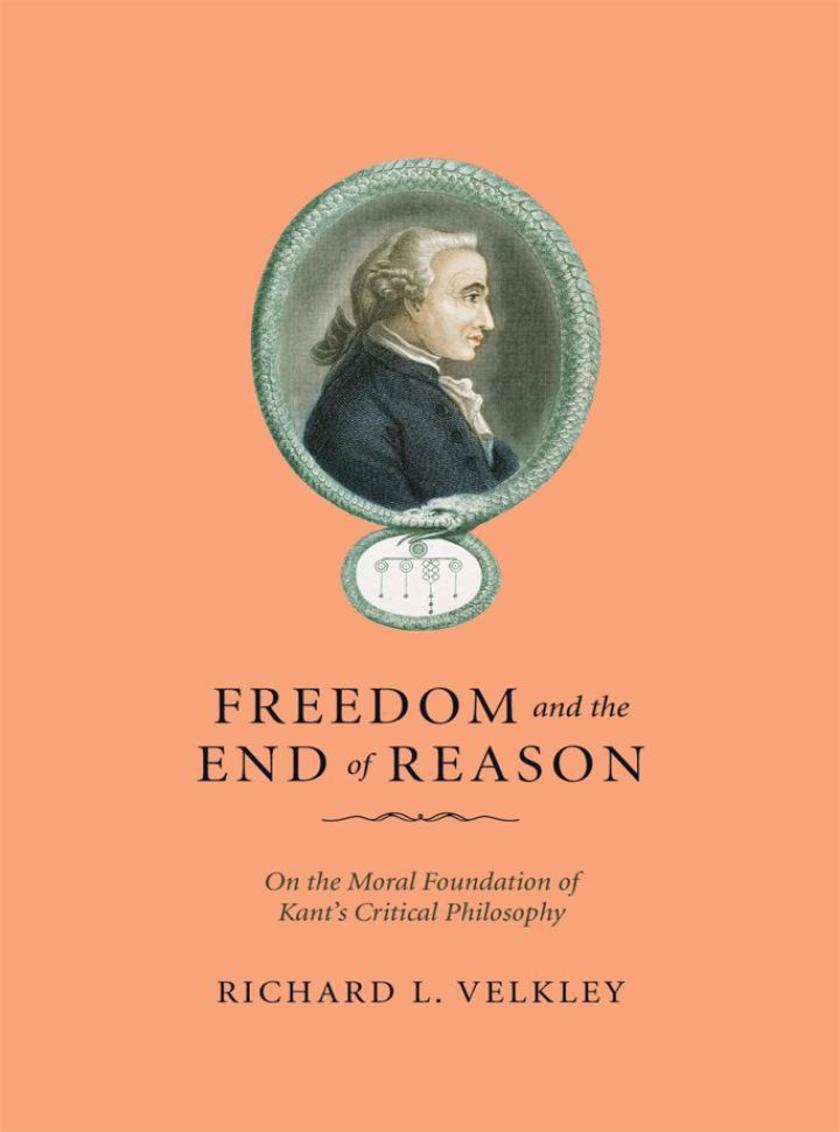
Freedom and the End of Reason
¥229.55
In Freedom and the End of Reason, Richard L. Velkley offers an influential interpretation of the central issue of Kant's philosophy and an evaluation of its position within modern philosophy's larger history. He persuasively argues that the whole of Kantianism-not merely the Second Critique-focuses on a "e;critique of practical reason"e; and is a response to a problem that Kant saw as intrinsic to reason itself: the teleological problem of its goodness. Reconstructing the influence of Rousseau on Kant's thought, Velkley demonstrates that the relationship between speculative philosophy and practical philosophy in Kant is far more intimate than generally has been perceived. By stressing a Rousseau-inspired notion of reason as a provider of practical ends, he is able to offer an unusually complete account of Kant's idea of moral culture.
Little Magazine in Contemporary America
¥229.55
Little magazines have often showcased the best new writing in America. Historically, these idiosyncratic, small-circulation outlets have served the dual functions of representing the avant-garde of literary expression while also helping many emerging writers become established authors. Although changing technology and the increasingly harsh financial realities of publishing over the past three decades would seem to have pushed little magazines to the brink of extinction, their story is far more complicated.In this collection, Ian Morris and Joanne Diaz gather the reflections of twenty-three prominent editors whose little magazines have flourished over the past thirty-five years. Highlighting the creativity and innovation driving this diverse and still vital medium, contributors offer insights into how their publications sometimes succeeded, sometimes reluctantly folded, but mostly how they evolved and persevered. Other topics discussed include the role of little magazines in promoting the work and concerns of minority and women writers, the place of universities in supporting and shaping little magazines, and the online and offline future of these publications.Selected contributorsBetsy Sussler, BOMB; Lee Gutkind, Creative Nonfiction; Bruce Andrews, L=A=N=G=U=A=G=E; Dave Eggers, McSweeney's; Keith Gessen, n+1; Don Share, Poetry; Jane Friedman, VQR; Amy Hoffman, Women's Review of Books; and more.?

What Did the Romans Know?
¥229.55
What did the Romans know about their worldQuite a lot, as Daryn Lehoux makes clear in this fascinating and much-needed contribution to the history and philosophy of ancient science. Lehoux contends that even though many of the Romans' views about the natural world have no place in modern science-the umbrella-footed monsters and dog-headed people that roamed the earth and the stars that foretold human destinies-their claims turn out not to be so radically different from our own.?Lehoux draws upon a wide range of sources from what is unquestionably the most prolific period of ancient science, from the first century BC to the second century AD. He begins with Cicero's theologico-philosophical trilogy On the Nature of the Gods, On Divination, and On Fate, illustrating how Cicero's engagement with nature is closely related to his concerns in politics, religion, and law. Lehoux then guides readers through highly technical works by Galen and Ptolemy, as well as the more philosophically oriented physics and cosmologies of Lucretius, Plutarch, and Seneca, all the while exploring the complex interrelationships between the objects of scientific inquiry and the norms, processes, and structures of that inquiry. This includes not only the tools and methods the Romans used to investigate nature, but also the Romans' cultural, intellectual, political, and religious perspectives. Lehoux concludes by sketching a methodology that uses the historical material he has carefully explained to directly engage the philosophical questions of incommensurability, realism, and relativism.?By situating Roman arguments about the natural world in their larger philosophical, political, and rhetorical contexts, What Did the Romans Knowdemonstrates that the Romans had sophisticated and novel approaches to nature, approaches that were empirically rigorous, philosophically rich, and epistemologically complex.
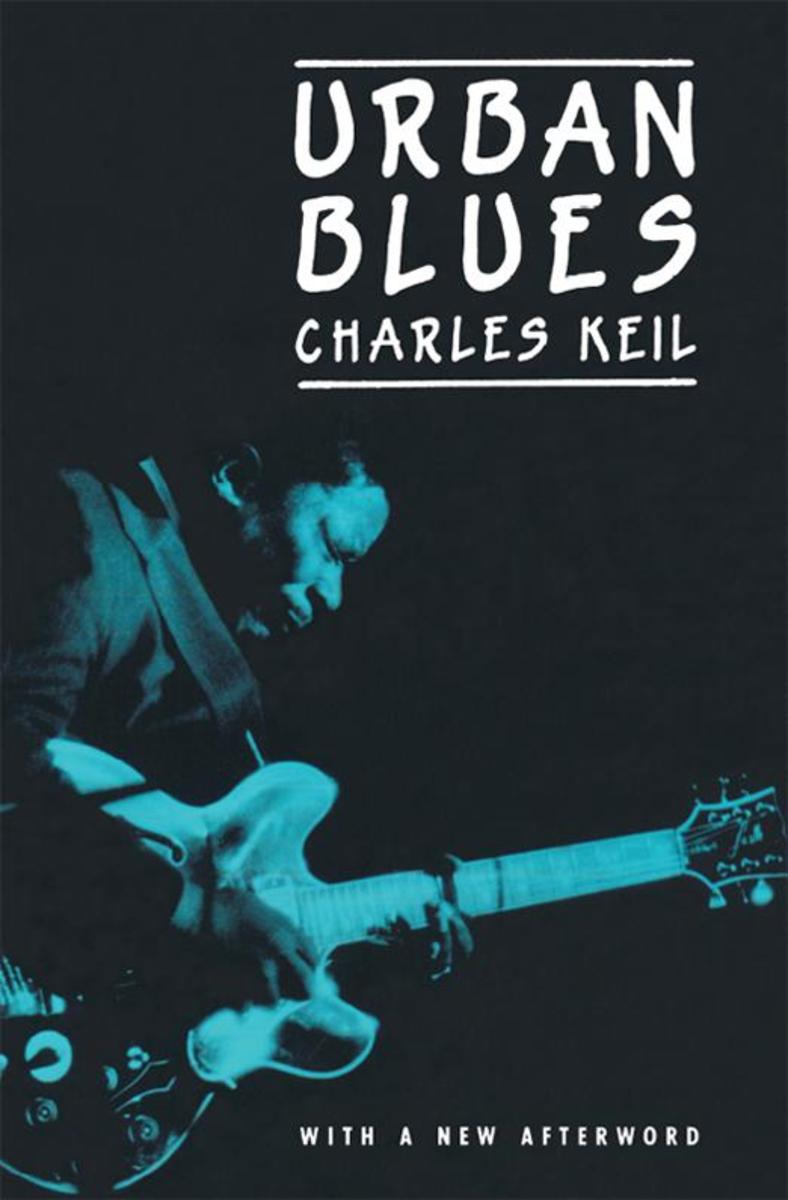
Urban Blues
¥211.90
Charles Keil examines the expressive role of blues bands and performers and stresses the intense interaction between performer and audience. Profiling bluesmen Bobby Bland and B. B. King, Keil argues that they are symbols for the black community, embodying important attitudes and roles-success, strong egos, and close ties to the community. While writing Urban Blues in the mid-1960s, Keil optimistically saw this cultural expression as contributing to the rising tide of raised political consciousness in Afro-America. His new Afterword examines black music in the context of capitalism and black culture in the context of worldwide trends toward diversification."e;Enlightening. . . . [Keil] has given a provocative indication of the role of the blues singer as a focal point of ghetto community expression."e;-John S. Wilson, New York Times Book Review"e;A terribly valuable book and a powerful one. . . . Keil is an original thinker and . . . has offered us a major breakthrough."e;-Studs Terkel, Chicago Tribune"e;[Urban Blues] expresses authentic concern for people who are coming to realize that their past was . . . the source of meaningful cultural values."e;-Atlantic"e;An achievement of the first magnitude. . . . He opens our eyes and introduces a world of amazingly complex musical happening."e;-Robert Farris Thompson, Ethnomusicology?"e;[Keil's] vigorous, aggressive scholarship, lucid style and sparkling analysis stimulate the challenge. Valuable insights come from treating urban blues as artistic communication."e;-James A. Bonar, Boston Herald?
Commentary on The Complete Greek Tragedies. Aeschylus
¥211.90
This commentary offers a rich introduction and useful guide to the seven surviving plays attributed to Aeschylus. Though it may profitably be used with any translation of Aeschylus, the commentary is based on the acclaimed Chicago translations, The Complete Greek Tragedies, edited by David Grene and Richmond Lattimore.James C. Hogan provides a general introduction to Aeschylean theater and drama, followed by a line-by-line commentary on each of the seven plays. He places Aeschylus in the historical, cultural, and religious context of fifth-century Athens, showing how the action and metaphor of Aeschylean theater can be illuminated by information on Athenian law athletic contests, relations with neighboring states, beliefs about the underworld, and countless other details of Hellenic life. Hogan clarifies terms that might puzzle modern readers, such as place names and mythological references, and gives special attention to textual and linguistic issues: controversial questions of interpretation; difficult or significant Greek words; use of style, rhetoric, and commonplaces in Greek poetry; and Aeschylus's place in the poetic tradition of Homer, Hesiod, and the elegiac poets. Practical information on staging and production is also included, as are maps and illustrations, a bibliography, indexes, and extensive cross-references between the seven plays. Forthcoming volumes will cover the works of Sophocles and Euripides.
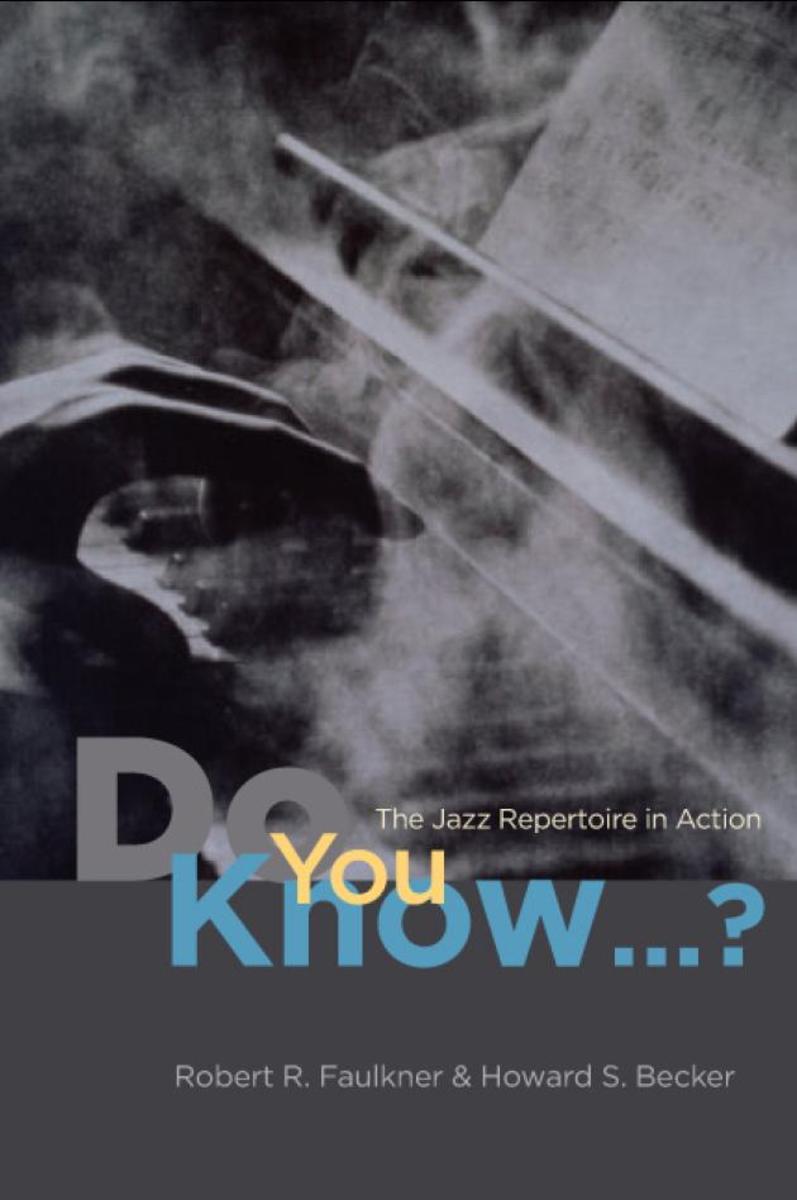
"e;Do You Know...?"e;
¥211.90
Every night, somewhere in the world, three or four musicians will climb on stage together. Whether the gig is at a jazz club, a bar, or a bar mitzvah, the performance never begins with a note, but with a question. The trumpet player might turn to the bassist and ask, "e;Do you know 'Body and Soul'?"e;-and from there the subtle craft of playing the jazz repertoire is tested in front of a live audience. These ordinary musicians may never have played together-they may never have met-so how do they smoothly put on a show without getting booed offstage.In "e;Do You Know . . . ?"e; Robert R. Faulkner and Howard S. Becker-both jazz musicians with decades of experience performing-present the view from the bandstand, revealing the array of skills necessary for working musicians to do their jobs. While learning songs from sheet music or by ear helps, the jobbing musician's lexicon is dauntingly massive: hundreds of thousands of tunes from jazz classics and pop standards to more exotic fare. Since it is impossible for anyone to memorize all of these songs, Faulkner and Becker show that musicians collectively negotiate and improvise their way to a successful performance. Players must explore each others' areas of expertise, develop an ability to fake their way through unfamiliar territory, and respond to the unpredictable demands of their audience-whether an unexpected gang of polka fanatics or a tipsy father of the bride with an obscure favorite song."e;Do You Know . . . ?"e; dishes out entertaining stories and sharp insights drawn from the authors' own experiences and observations as well as interviews with a range of musicians. Faulkner and Becker's vivid, detailed portrait of the musician at work holds valuable lessons for anyone who has to think on the spot or under a spotlight.
Wittgenstein's Lectures on the Foundations of Mathematics, Cambridge, 1939
¥211.90
For several terms at Cambridge in 1939, Ludwig Wittgenstein lectured on the philosophical foundations of mathematics. A lecture class taught by Wittgenstein, however, hardly resembled a lecture.He sat on a chair in the middle of the room, with some of the class sitting in chairs, some on the floor. He never used notes. He paused frequently, sometimes for several minutes, while he puzzled out a problem. He often asked his listeners questions and reacted to their replies. Many meetings were largely conversation.These lectures were attended by, among others, D. A. T. Gasking, J. N. Findlay, Stephen Toulmin, Alan Turing, G. H. von Wright, R. G. Bosanquet, Norman Malcolm, Rush Rhees, and Yorick Smythies. Notes taken by these last four are the basis for the thirty-one lectures in this book.The lectures covered such topics as the nature of mathematics, the distinctions between mathematical and everyday languages, the truth of mathematical propositions, consistency and contradiction in formal systems, the logicism of Frege and Russell, Platonism, identity, negation, and necessary truth. The mathematical examples used are nearly always elementary.

The Man Who Lives with Wolves
¥72.30
To wolf expert, Shaun Ellis, wolves aren’t just his work, they’re also his family. An extraordinary man, Shaun has been fascinated by wolves all his life, even living as part of a wild pack for two years with no human contact. What he gained was a unique and fascinating insight into their world, and that of our very own domestic dogs. Shaun Ellis grew up in the Norfolk countryside with a passion for and understanding with animals from an early age. His early fascination with wolves, and determination to understand them, led to him spending years in the US with the Naz Paz Indian tribe, watching wolves, learning to understand their roles and behaviour in the pack and how to communicate with them. He even lived as part of a wild pack for two years, without any human contact. Bringing his knowledge back to the UK, he astonished wildlife experts with his knowledge and insight. He now lives, eats and sleeps with his two wolf packs at Combe Martin Wildlife Park. This is the story of Shaun’s determination to understand these extraordinary animals and how what he has learned can help others to understand their own domestic dogs.

In Stitches
¥57.09
The true story of an A&E doctor that became a huge word-of-mouth hit - now revised and updated. Forget what you have seen on Casualty or Holby City, this is what it is really like to be working in A&E. Dr Nick Edwards writes with shocking honesty about life as an A&E doctor. He lifts the lid on government targets that led to poor patient care. He reveals the level of alcohol-related injuries that often bring the service to a near standstill. He shows just how bloody hard it is to look after the people who turn up at the hospital door. But he also shares the funny side - the unusual ‘accidents’ that result in with weird objects inserted in places they really should have ended up - and also the moving, tragic and heartbreaking. It really is an unforgettable read. First published in 2007 when The Friday Project was a small independent, In Stitches went on to sell over 15,000 copies in the UK, the majority of which have come in the years since then. It has proved to be a real word-of-mouth hit. This new edition includes lots of additional material bringing Nick’s story completely up to date including plenty more suprising, alarming, moving and unforgettable moments from behind the A&E curtain.

50 Years of Golfing Wisdom
¥110.46
John Jacobs is one of golf's all-time great teachers, a true legend of the game who has passed on his words of wisdom to thousands of amateurs as well as to some of the world's greatest players over the last 50 years. Now, for the first time ever, the pick of his collective wisdom has been brought together in one seminal volume. When the likes of Butch Harmon and David Leadbetter heap praise on your methods and credit you with having helped shape the way they learnt their craft and how they applied those teachings, you know that you must be one of the most important and influential figures in the world of golf. Not only a great teacher, John Jacobs was also good enough to play in the Ryder Cup and beat the best in the game. Those who witnessed his memorable victory over Grand Slam winner Gary Player in the final of the South African Matchplay Championship knew they were in the presence of someone special – a talent that was able to use all his experience as a top-level player and move seamlessly into the world of golf teaching. 50 Years of Golfing Wisdom features all the lessons and advice that made Jacobs the original, and many say still the ultimate, golfing guru. Every department of the game receives the Jacobs treatment – from the fundamentals of grip and swing, to problem solving and curing your bad shots, to instruction on hitting every shot from the longest drive to the shortest putt, including everything in between. Simple, easy to understand, effective advice on how to maximize your potential and play your best golf – this may just be the only golf instruction book you'll ever need.
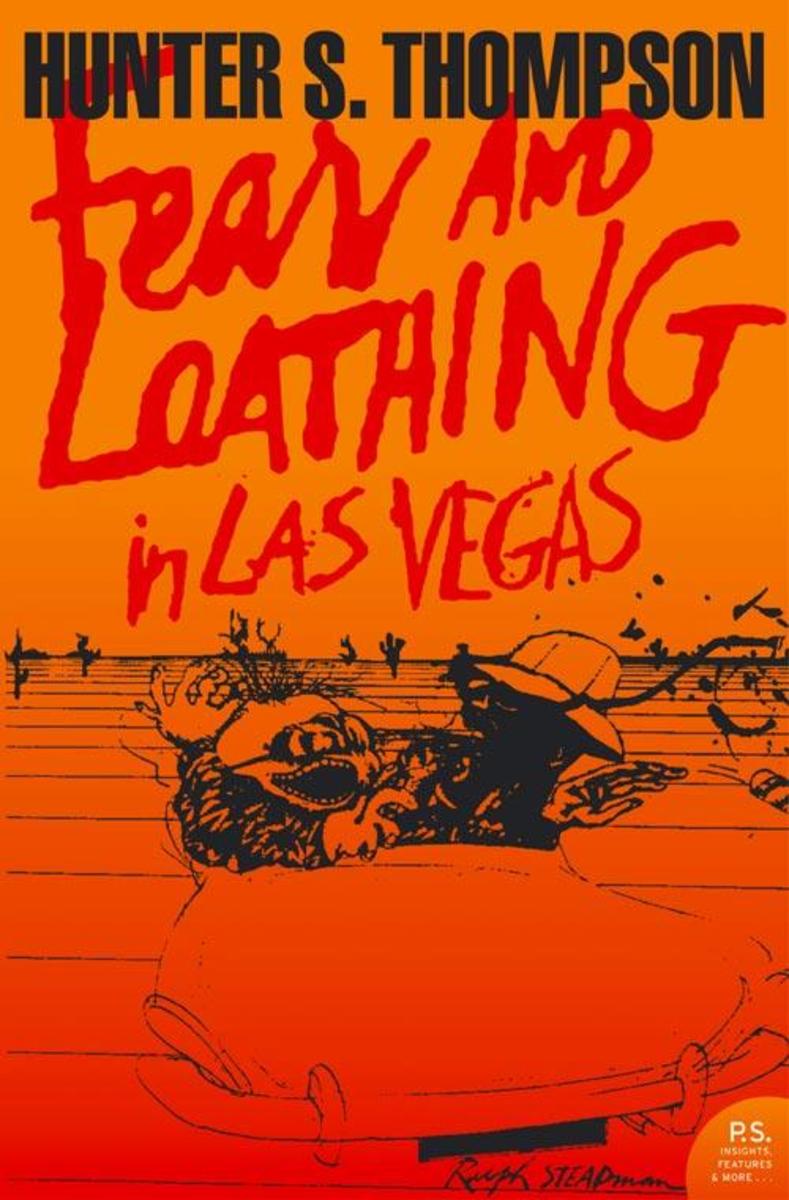
Fear and Loathing in Las Vegas (Harper Perennial Modern Classics)
¥66.22
‘We were somewhere around Barstow on the edge of the desert when the drugs began to take hold. I remember saying something like, “I feel a bit lightheaded; maybe you should drive …”’ Hunter S. Thompson is roaring down the desert highway to Las Vegas with his attorney, the Samoan, to find the dark side of the American Dream. Armed with a drug arsenal of stupendous proportions, the duo engage in a surreal succession of chemically enhanced confrontations with casino operators, police officers and assorted Middle Americans. This stylish reissue of Hunter S. Thompson’s iconic masterpiece, a controversial bestseller when it appeared in 1971, features the brilliant Ralph Steadman illustrations of the original. It brings to a new generation the hallucinatory humour and nightmare terror of Hunter S. Thompson’s musings on the collapse of the American Dream.
The Fundamentals of Hogan
¥95.06
Ben Hogan’s The Modern Fundamentals of Golf is the best-selling sports book ever, with over six million copies sold worldwide. This sequel to the original book offers previously unpublished photographs and the expert commentary of David Leadbetter. First published in 1957, Ben Hogan’s Modern Fundamentals was judged by Golf Digest in 1999 to be the best instructional book ever written. In this sequel all the illustrations from the previous book have been expertly reworked, while also included are 80 previously unseen photographs of Hogan, that were shot for the original book but never published. In addition to these exclusive photos, David Leadbetter, the most heralded golf instructor of the modern day, lends his expertise in the form of a revealing commentary. Famous for his work with Greg Norman, Nick Faldo and Ernie Els, Leadbetter analyses Hogan’s swing and explains what you can learn from the old master. The Fundamentals of Hogan is destined to become a golf classic. In one package you have the restoration of the number one golf book of all time, by the most heralded teacher of the modern day, about a man who had the greatest golf swing of all time. The Fundamentals of Hogan will surely be the instructional book for the new Millennium.
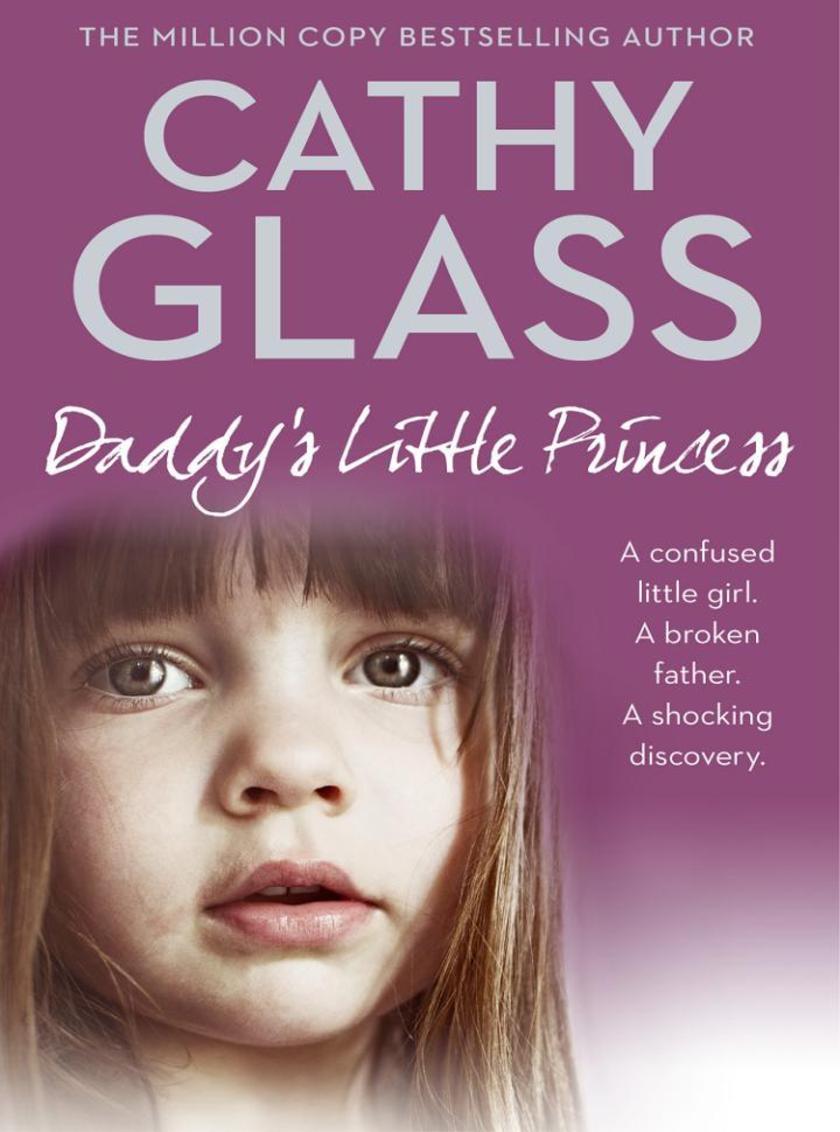
Daddy’s Little Princess
¥61.51
The latest title from the internationally bestselling author and foster carer Cathy Glass. Beth is a sweet-natured child who appears to have been well looked after. But it isn’t long before Cathy begins to have concerns that the relationship between Beth and her father is not as it should be. Little Beth, aged 7, has been brought up by her father Derek after her mother left when she was a toddler. When Derek is suddenly admitted to hospital with psychiatric problems Beth is taken into care and arrives at Cathy’s. Beth and her father clearly love each other very much and Derek spoils his daughter, treating her like a princess, but there is something bothering Cathy, something she can’t quite put her finger on. Meanwhile Cathy’s husband is working away a lot and coming home less at weekends. Then, suddenly, everything changes. Events take a dramatic turn for both Beth and Cathy and her family; as Cathy strives to pick up the pieces all their lives are changed forever.
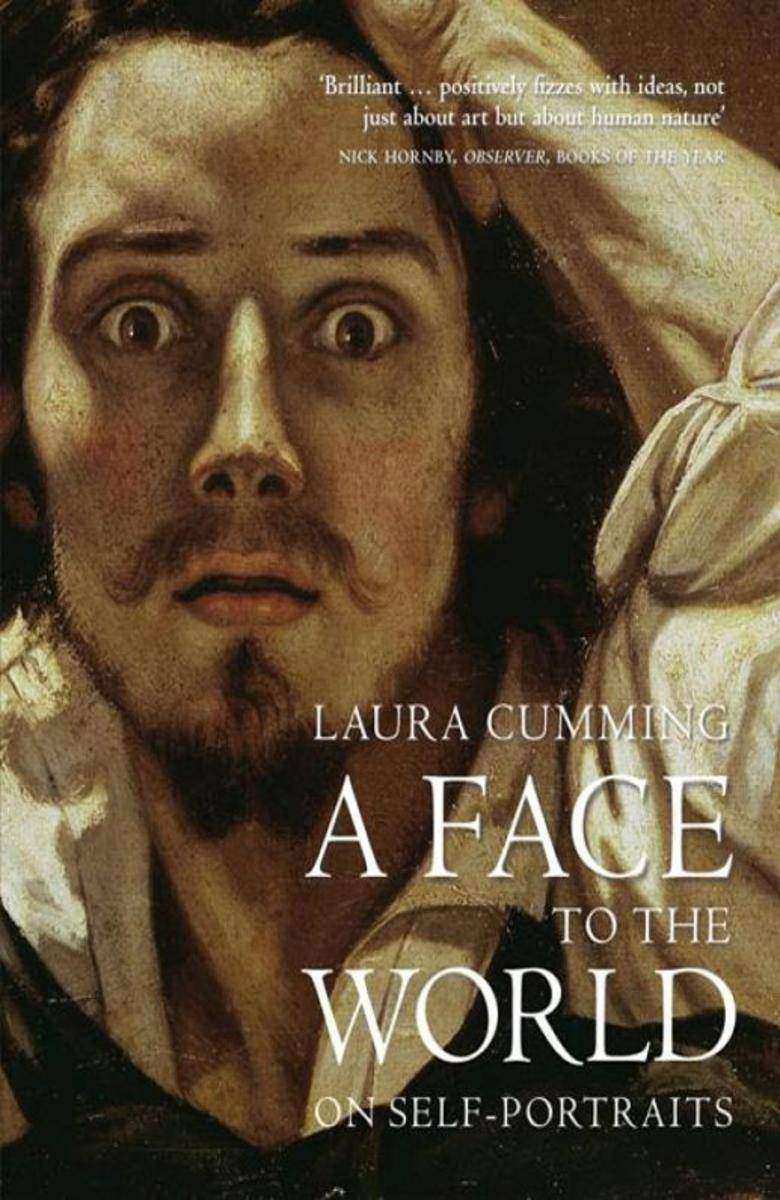
A Face to the World: On Self-Portraits
¥148.92
Focusing on the art of self-portraiture, this effortlessly engaging exploration of the lives of artists sheds fascinating light on some of the most extraordinary portraits in art history. Self-portraits catch your eye. They seem to do it deliberately. Walk into any art gallery and they draw attention to themselves. Come across them in the world’s museums and you get a strange shock of recognition, rather like glimpsing your own reflection. For in picturing themselves artists reveal something far deeper than their own physical looks: the truth about how they hope to be viewed by the world, and how they wish to see themselves. In this beautifully written and lavishly illustrated book, Laura Cumming, art critic of the Observer, investigates the drama of the self-portrait, from Durer, Rembrandt and Velazquez to Munch, Picasso, Warhol and the present day. She considers how and why self-portraits look as they do and what they reveal about the artist’s innermost sense of self – as well as the curious ways in which they may imitate our behaviour in real life. Drawing on art, literature, history, philosophy and biography to examine the creative process in an entirely fresh way, Cumming offers a riveting insight into the intimate truths and elaborate fictions of self-portraiture and the lives of those who practise it. A work of remarkable depth, scope and power, this is a book for anyone who has ever wondered about the strange dichotomy between the innermost self and the self we choose to present for posterity – our face to the world.
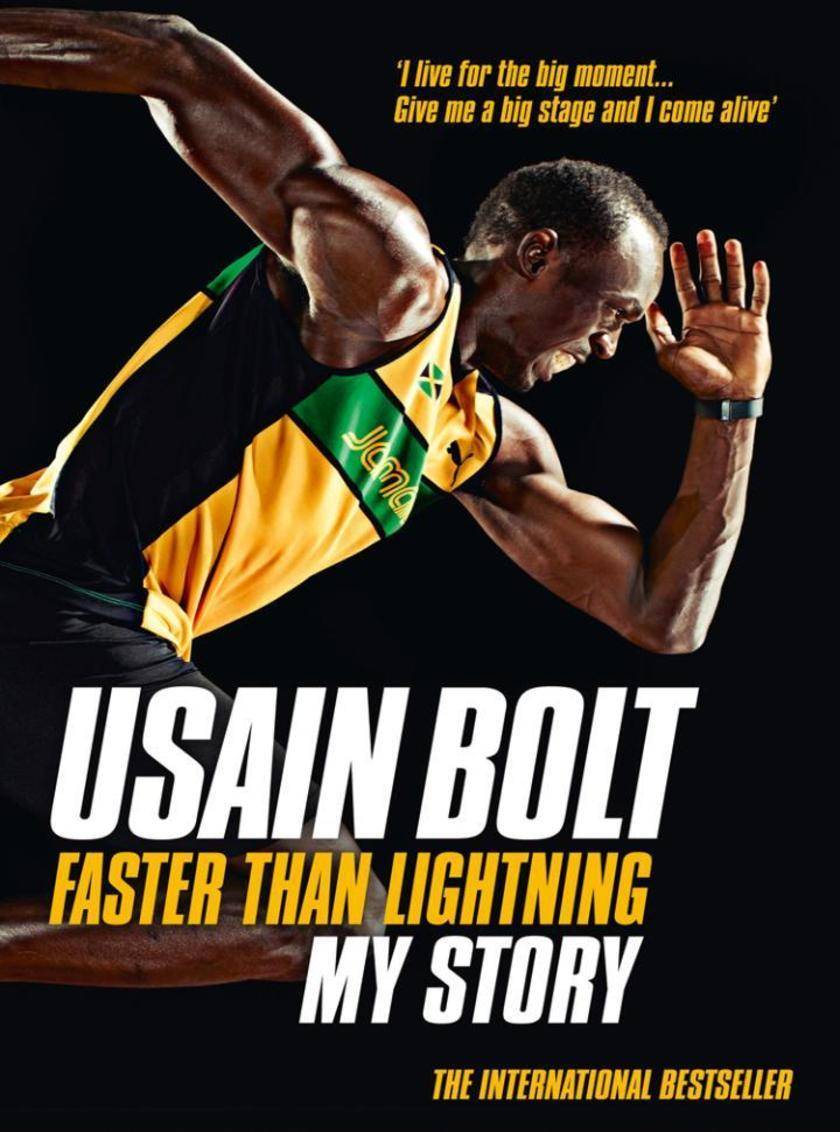
Faster than Lightning: My Autobiography
¥68.67
The autobiography of the fastest man of all time and a superstar whose talent and charisma have made him one of the most famous people on the planet. Whether you know Athletics or not, and even whether you know sport or not, chances are you know Usain Bolt. The fastest man on the planet, not just now but ever, Usain has won the hearts of people everywhere with his mind-blowing performances and his infectious charisma – uniting supporters around the world. In this, his full autobiography, Usain tells his story in his own words: from humble beginnings in Jamaica, to international stardom at Beijing and on to the new heights of superstardom he has reached since lighting up London 2012. Full of the charm and charisma that has made him the most popular sporting figure of our time and a universal celebrity, this is a book that Usain’s millions of fans will love.
Coming Back To Me: The Autobiography of Marcus Trescothick
¥72.40
A true-life sporting memoir of one of the best batsman in the game who stunned the cricket world when he prematurely ended his own England career. Trescothick’s brave and soul-baring account of his mental frailties opens the way to a better understanding of the unique pressures experienced by modern-day professional sportsmen. At 29, Marcus Trescothick was widely regarded as one of the batting greats. With more than 5,000 Test runs to his name and a 2005 Ashes hero, some were predicting this gentle West Country cricket nut might even surpass Graham Gooch's record to become England's highest ever Test run scorer. But the next time Trescothick hit the headlines it was for reasons no one but a handful of close friends and colleagues could have foreseen. On Saturday 25 February 2006, four days before leading England into the first Test against India in place of the injured captain Vaughan, Trescothick was out for 32 in the second innings of the final warm-up match. As he walked from the field he fought to calm the emotional storm that was raging inside him, at least to hide it from prying eyes. In the dressing room he broke down in tears, overwhelmed by a blur of anguish, uncertainty and sadness he had been keeping at bay for longer than he knew. Within hours England's best batsman was on the next flight home. His departure was kept secret until after close of play when coach Duncan Fletcher told the stunned media his acting captain had quit the tour for 'personal, family reasons.' Until now, the full, extraordinary story of what happened that day and why, of what preceded his breakdown has never been told. He reveals for the first time that he almost flew home from the 2004 tour to South Africa – of what caused it and of what followed – his comeback to the England side and a second crushing breakdown nine months later that left him unable to continue the 2006-07 Ashes tour down under. Coming Back to Me will replace the myths and rumours with the truth as Trescothick talks with engaging openness and enthusiasm about his rise to the top of international cricket; and describes with equal frankness his tortured descent into private despair.


